
Essential Things to Know Before Booking a Gorilla Safari in Uganda
Things to Know Before Booking a Gorilla Safari in Uganda include understanding gorilla trekking permits, choosing the right national park, selecting suitable accommodation, preparing for forest trekking, and deciding how to organise your safari. Uganda offers one of Africa’s most extraordinary wildlife experiences, allowing travellers to observe endangered mountain gorillas in their natural rainforest habitat. However, organising a successful gorilla safari requires more than selecting travel dates and purchasing an airline ticket. Every aspect of the experience, from permit availability to the location of your lodge, can influence the comfort, cost, and overall enjoyment of your journey.
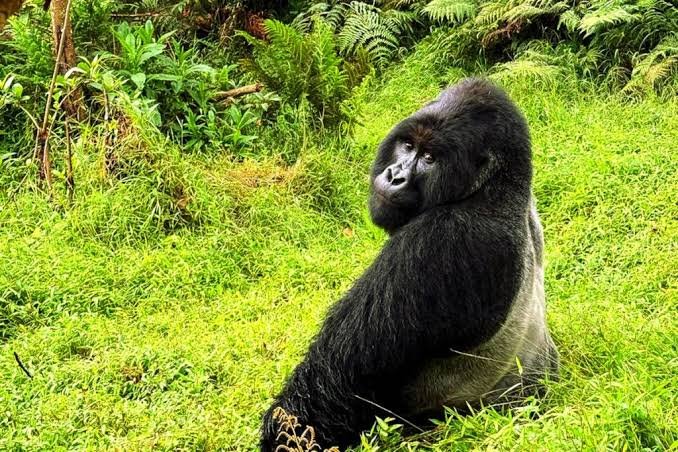
At Nextgen Safaris Africa, we help travellers plan personalised gorilla trekking holidays that combine memorable wildlife encounters with comfortable accommodation, reliable transport, experienced guides, and carefully selected destinations. Whether you are considering gorilla trekking in Bwindi Impenetrable National Park, exploring Mgahinga Gorilla National Park, researching Uganda gorilla trekking permits, or comparing different Uganda gorilla safari packages, understanding the booking process will help you make confident decisions before travelling.
This comprehensive guide explains the most important considerations for first-time visitors, returning safari travellers, honeymooners, families, photographers, and adventure enthusiasts. It covers the differences between standard gorilla trekking and habituation, the best time to visit Uganda, how to prepare for the rainforest, and how to combine mountain gorillas with other outstanding African wildlife experiences. By the end, you will understand how to plan a gorilla safari that matches your interests, preferred travel style, and available budget.
Understand Where Gorilla Trekking Takes Place in Uganda
One of the first things to know before booking a gorilla safari in Uganda is that mountain gorilla trekking takes place in two protected destinations: Bwindi Impenetrable National Park and Mgahinga Gorilla National Park. Both national parks are located in southwestern Uganda, but they offer different landscapes, trekking environments, accommodation options, and travel connections. Understanding these differences is important because the destination you choose influences your transfer arrangements, the type of forest you explore, and the other activities that can be included in your holiday.
Bwindi Impenetrable National Park is the country’s most established gorilla trekking destination, renowned for its dense tropical rainforest, dramatic hills, extensive biodiversity, and multiple habituated mountain gorilla families. Travellers interested in comparing trekking routes can also explore the Bwindi and Mgahinga permit availability guide, while those looking for volcanic landscapes may prefer gorilla trekking in Mgahinga. Both parks can be incorporated into a short Uganda gorilla trekking safari or a longer Uganda wildlife and primate itinerary.
Mgahinga is situated within the magnificent Virunga Mountains, where bamboo forests, volcanic slopes, and mountain scenery create a distinctive trekking environment. Visitors can combine gorilla trekking with golden monkey tracking, nature walks, and other activities around Kisoro. Bwindi, meanwhile, offers a wider selection of trekking sectors and accommodation categories, making it particularly flexible for travellers with different budgets and safari preferences.
The best destination is not necessarily the most famous one. Your decision should be guided by confirmed permit availability, your preferred accommodation, the number of days available, and the overall route of your safari.
Choose the Right Gorilla Trekking Sector in Bwindi
Another important consideration is understanding the four main gorilla trekking sectors within Bwindi Impenetrable National Park: Buhoma, Ruhija, Rushaga, and Nkuringo. Although these sectors belong to the same national park, they are situated at different access points, sometimes separated by lengthy journeys along mountainous roads. Choosing a lodge without knowing your allocated trekking sector can create unnecessary transfers, very early departures, and additional transportation expenses. For this reason, your trekking sector should be confirmed before finalising accommodation arrangements.
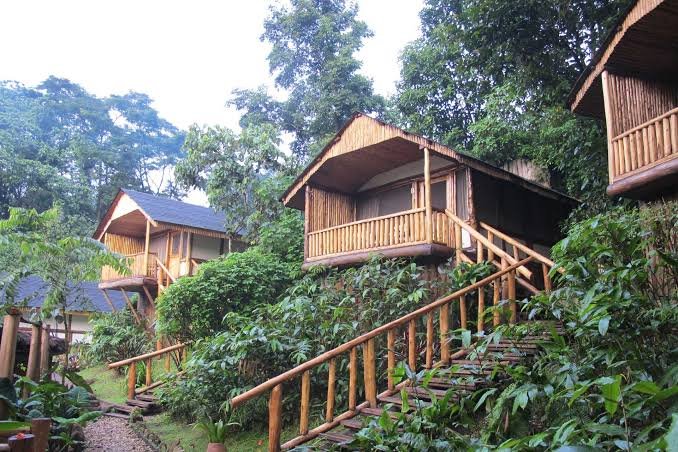
Buhoma, in northern Bwindi, is an established trekking area with forest lodges and convenient connections towards the Ishasha region of Queen Elizabeth National Park. Ruhija offers beautiful high-altitude scenery and access to eastern Bwindi, while Rushaga is well known for its gorilla trekking opportunities and the specialised gorilla habituation experience. Nkuringo features dramatic mountain landscapes and rewarding forest experiences. Travellers can review gorilla permit availability, compare Bwindi trekking options, investigate specific sector availability, or discuss their preferred safari itinerary before confirming a booking.
At Nextgen Safaris, we consider road connections, traveller fitness, lodge standards, permit availability, and additional destinations when recommending a trekking sector. The objective is not simply to find any available gorilla permit but to organise a practical, enjoyable itinerary around the correct forest access point.
Understand Uganda Gorilla Trekking Permit Prices
One of the most important Things to Know Before Booking a Gorilla Safari in Uganda is that every traveller needs a valid gorilla trekking permit issued by the Uganda Wildlife Authority. The permit allows participation in an organised, ranger-guided trek and a maximum of one hour observing an assigned habituated mountain gorilla family after the gorillas are located. Permits are issued for specific dates and trekking locations, and the price varies according to the visitor’s nationality and residency category.
For ordinary gorilla trekking, the published standard foreign non-resident rate is USD 800 per person. Uganda has also introduced a USD 600 low-season gorilla trekking rate for eligible foreign non-residents travelling in April, May, and November. This special rate is subject to the applicable conditions and cannot be rescheduled. Foreign residents, qualifying African visitors, and East African Community citizens have separate official rate categories, so travellers should ensure the correct documentation is used when making a reservation.
Uganda Gorilla Permit Price Guide for 2026–2027
| Permit Category | Foreign Non-Residents | Foreign Residents | Rest of Africa | East African Community Citizens |
|---|---|---|---|---|
| Standard Gorilla Trekking | USD 800 | USD 700 | USD 500 | UGX 300,000 |
| Eligible Low-Season Gorilla Trekking | USD 600 | USD 500 | Confirm Rate | Confirm Rate |
| Gorilla Habituation – 2026 Published Rate | USD 1,500 | USD 1,000 | USD 1,000 | UGX 750,000 |
| Gorilla Habituation – From 1 January 2027 | USD 1,800 | USD 1,600 | USD 1,000 | UGX 750,000 |
The gorilla permit is a significant component of your safari budget, but it does not cover every service involved in travelling to the forest. Accommodation, private transport, meals, optional activities, porter services, and other safari arrangements must be considered separately unless your tour package specifically includes them. Our specialists can help you understand gorilla trekking permit requirements, investigate permit availability, navigate the Uganda gorilla permit booking process, arrange gorilla permits in advance, and incorporate the appropriate permit into your Nextgen Safaris holiday.
Book Your Gorilla Permit Before Finalising the Safari
Gorilla permits are limited because only a controlled number of visitors may track an individual gorilla family each day. This conservation-focused system protects the animals from excessive human disturbance while helping maintain the quality of the visitor experience. Popular travel periods can become heavily booked, especially when international holidays and peak tourism seasons coincide. Reserving your preferred trekking date early therefore provides greater flexibility when selecting accommodation, domestic flights, and additional safari activities.
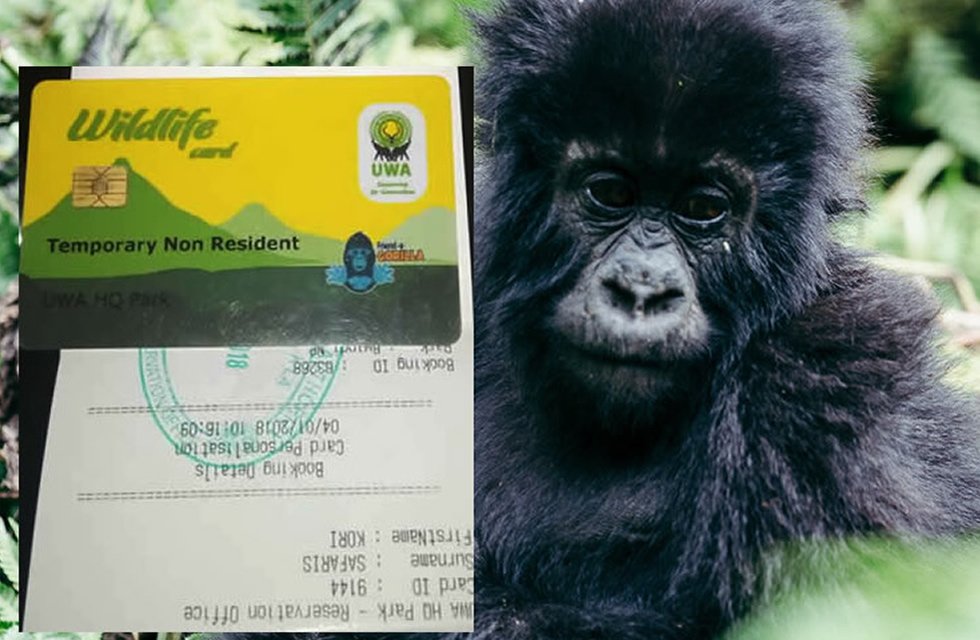
An important recent booking change is that Uganda Wildlife Authority suspended its previous seven-day unpaid reservation window effective 1 March 2026. Operators must now secure permits through full payment at the time of booking. Travellers should therefore avoid assuming that an available gorilla permit can be held without payment for several days while other travel arrangements are being considered.
We recommend checking Uganda gorilla permit availability before committing to non-refundable arrangements. Travellers with flexible dates can explore the permit reservation process, while visitors planning close to their departure date may benefit from researching last-minute gorilla permits. Our gorilla safari booking team can coordinate available dates with your preferred Uganda gorilla trekking package and lodge arrangements.
For the smoothest planning experience, agree on your preferred travel dates, alternative dates, group size, and travel budget before requesting permit confirmation. Once permits are secured, accommodation and transport should be arranged around the confirmed trekking location.
Decide Between Gorilla Trekking and Gorilla Habituation
Standard gorilla trekking and gorilla habituation are two different experiences, and understanding the distinction is particularly important for travellers who want additional time observing mountain gorillas. Standard trekking involves following an established habituated gorilla family with Uganda Wildlife Authority ranger guides and trackers. Once the family is located, visitors are normally allowed a maximum of one hour of observation before leaving the gorillas undisturbed.
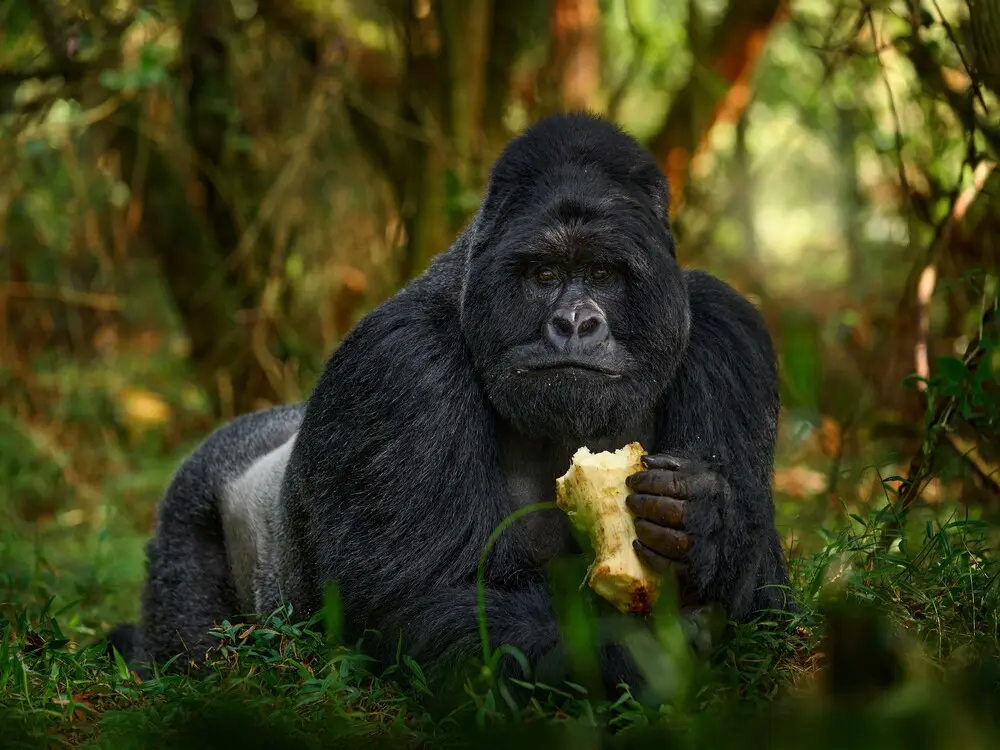
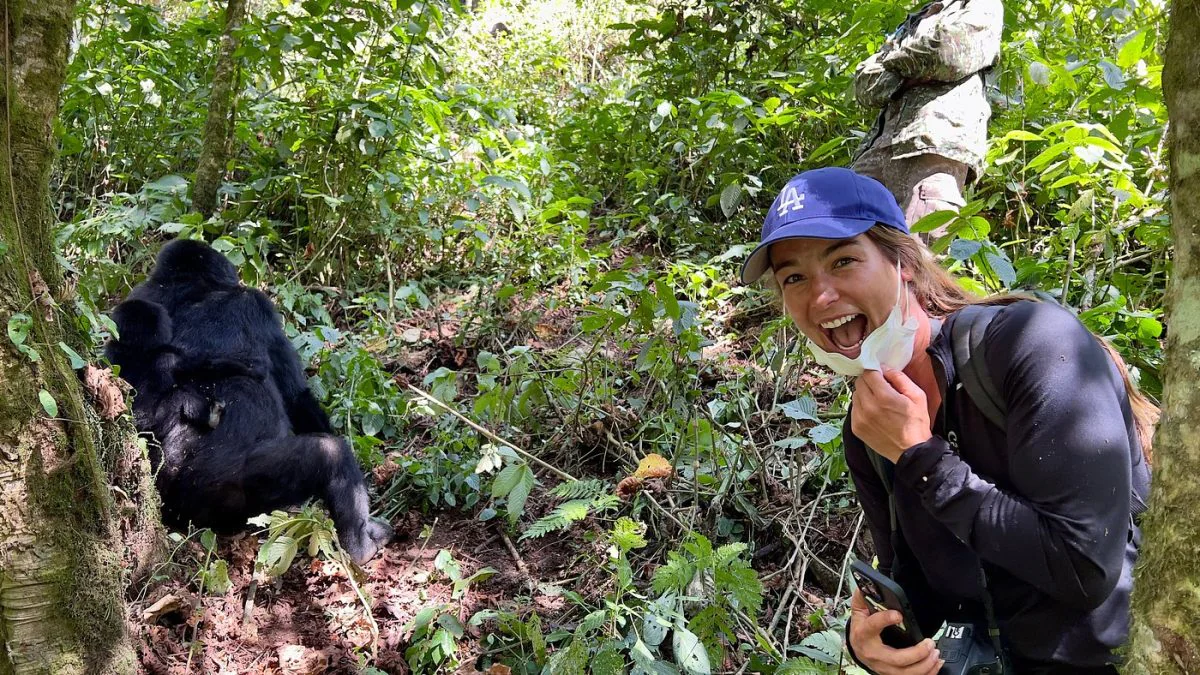
The gorilla habituation experience offers a more extended encounter with a gorilla group undergoing the process of becoming accustomed to controlled human presence. Visitors accompany authorised personnel into the forest and may spend up to four hours observing the gorillas once located, subject to the programme’s rules and conditions. The experience can be more demanding because of the additional time in the forest and the less predictable behaviour of a group undergoing habituation.
For travellers interested in an immersive photographic or conservation-focused encounter, gorilla habituation permits may be especially appealing. Others may prefer the traditional Bwindi gorilla trekking experience, a three-day gorilla safari, or a more extensive Uganda gorilla and wildlife holiday. Travellers can also discuss combining trekking and habituation on separate days for a more comprehensive forest experience.
Both activities are guided, regulated wildlife encounters rather than unrestricted interactions with gorillas. Neither experience permits touching the animals, approaching them deliberately at close range, or ignoring ranger instructions.
Choose the Best Time of Year for Gorilla Trekking
Understanding Uganda’s seasonal weather patterns can make a meaningful difference when planning a gorilla safari. Gorilla trekking is available throughout the year, and mountain gorillas remain in their forest habitat during both rainy and relatively dry seasons. However, rainfall affects forest trails, road conditions, visibility, and the amount of physical effort needed during trekking. Travellers who prefer relatively easier walking conditions often select the drier periods, while those who enjoy lush landscapes and fewer visitors may prefer the greener months.
The commonly preferred trekking periods are June to September and December to February, although weather conditions can vary from year to year. During these months, visitors may encounter relatively firmer forest paths, making steep sections and muddy ground somewhat easier to manage. April, May, and November can bring heavier rainfall, but they also offer exceptionally green scenery and potential savings through qualifying low-season permit rates.
When selecting travel dates, it helps to consider more than the gorilla experience itself. A longer Uganda wildlife safari might also include chimpanzee trekking in Kibale, game drives in Queen Elizabeth National Park, or forest and volcano experiences around Mgahinga. Before choosing a season, travellers should also compare available gorilla permits against the wider itinerary.
There is no single perfect month for everyone. The most suitable season depends on your tolerance for rain, preferred accommodation standards, photography interests, holiday dates, and overall travel budget.
Prepare for a Physically Demanding Forest Trek
Among the essential Things to Know Before Booking a Gorilla Safari in Uganda is that gorilla trekking involves walking through natural rainforest terrain rather than following a predictable sightseeing trail. The gorillas move freely through the forest, meaning their location changes from day to day. Some groups may be encountered after a relatively short walk, while others require several hours of climbing, descending, and navigating uneven ground.
The trekking environment can include slippery slopes, muddy trails, tangled vegetation, exposed roots, and narrow paths. Even during drier months, sections of Bwindi may remain wet because of the rainforest’s climate. Travellers should therefore approach the activity with realistic expectations and prepare for varying physical demands. The search for gorillas may take a substantial part of the morning, and the return walk can be tiring after a rewarding hour with the animals.
The most suitable trekking experience often depends on the visitor’s fitness level and the sector selected. Those considering Bwindi gorilla trekking, the mountainous environment of Mgahinga, or the extended gorilla habituation experience should discuss their physical capabilities with their safari planner. Our Uganda safari specialists can consider your needs when developing a customised safari itinerary, although the final gorilla family allocation is managed by the park authorities.
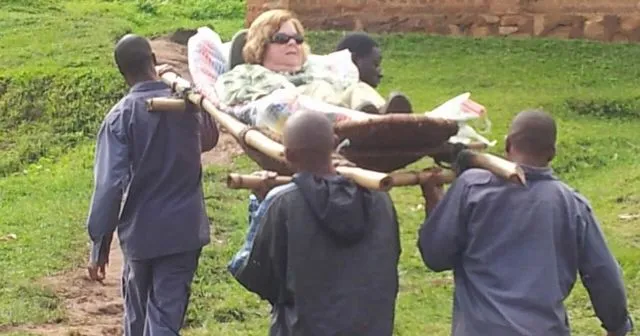
Travellers with mobility challenges or those who prefer additional assistance should discuss their requirements before booking. Porters and, where arranged in advance and locally available, specialised carrying assistance can make participation more manageable for some visitors.
Understand the Gorilla Trekking Age Limit and Forest Rules
Gorilla trekking is a strictly regulated conservation activity, and all participants must follow the instructions of the Uganda Wildlife Authority ranger team. The official minimum age for tracking and viewing mountain gorillas in Uganda is 15 years. This requirement is especially important for families travelling with children, because younger children cannot simply join the trek with adult relatives. Families should consider suitable alternative activities for younger travellers and plan their safari accordingly.
Visitors must also follow health and behavioural regulations intended to protect mountain gorillas from stress and human-transmitted infections. Travellers experiencing contagious respiratory symptoms or other relevant illnesses should inform the park authorities rather than proceeding without disclosure. While observing gorillas, visitors must maintain the prescribed separation distance, avoid touching the animals, refrain from using flash photography, and remain calm when a gorilla moves nearby.
These guidelines apply whether you are participating in standard Uganda gorilla trekking, a gorilla habituation programme, a short Bwindi safari, or a Mgahinga gorilla encounter. Our Nextgen Safaris booking team can explain what to expect and help families select appropriate activities.
The purpose of these regulations is to keep both visitors and gorillas safe. A responsible encounter is not measured by how closely someone approaches the gorillas, but by the opportunity to observe their natural behaviour without disturbing them.
Pack the Right Clothing and Gorilla Trekking Equipment
Packing appropriate clothing and equipment can greatly improve comfort during your gorilla safari. Bwindi and Mgahinga are mountainous forest environments where temperatures, rainfall, and trail conditions may change throughout the day. Travellers should avoid preparing for gorilla trekking as though it were a conventional vehicle-based safari. Lightweight casual shoes and delicate clothing are poorly suited to muddy forest paths, thick vegetation, and steep slopes.
Comfortable waterproof hiking boots with reliable grip are particularly useful, while long trousers and long-sleeved shirts provide protection against vegetation and insects. Gardening-style gloves can help when holding vegetation for support, and a lightweight waterproof jacket is advisable even during the drier seasons. Other useful items include a daypack, drinking water, packed lunch, insect repellent, sun protection, personal medication, and a camera protected from moisture.
Visitors preparing for gorilla trekking in Bwindi can consult a gorilla trekking equipment guide, while travellers visiting Mgahinga Gorilla National Park should consider the park’s higher-elevation conditions. If your itinerary includes chimpanzee trekking in Kibale or a longer Uganda safari, packing versatile clothing suitable for both forest adventures and warmer savannah destinations is especially practical.
The aim is to carry equipment that keeps you comfortable and protected without unnecessarily increasing the weight of your daypack.
Choose the Best Arrival Airport and Safari Travel Route
International travellers commonly begin their Uganda gorilla safari through Entebbe International Airport or Kigali International Airport in neighbouring Rwanda. Both gateways can provide convenient access to southwestern Uganda, but the most appropriate option depends on flight schedules, border requirements, available safari days, and the location of the confirmed gorilla trekking sector.
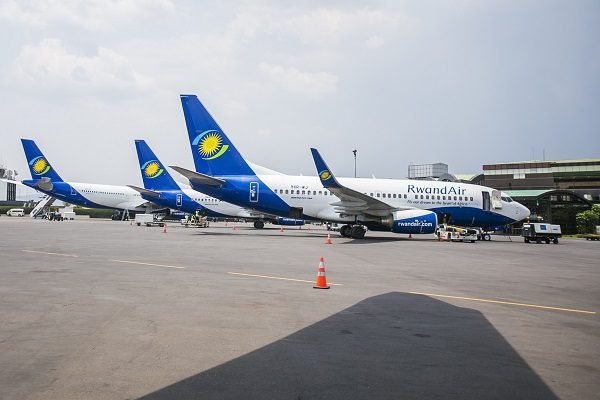
Travelling from Entebbe allows visitors to begin and end their journey entirely within Uganda. The road journey to Bwindi typically requires a full day, with the exact duration depending on the departure point, route, road conditions, and forest sector. The journey also creates opportunities to enjoy Uganda’s countryside, agricultural landscapes, small towns, and scenic highlands. Travellers with additional days can include overnight stays or combine the journey with other wildlife destinations.
Entering through Kigali can reduce road travel time for many southern Bwindi and Mgahinga itineraries. The journey involves crossing the Rwanda–Uganda border, so travellers must ensure their travel documents and visa arrangements support the proposed route. Some visitors combine their Ugandan trek with Rwanda gorilla trekking, Volcanoes National Park, or a relaxing Lake Kivu safari. Our three-day Uganda gorilla safari illustrates the flexibility of different arrival routes, while Nextgen Safaris can coordinate the transfers.
Your arrival airport should be selected after considering the entire itinerary rather than simply the cheapest international flight. A slightly more expensive flight may offer better connections, reduced transfer time, or a more enjoyable holiday overall.
Select Accommodation Close to Your Trekking Sector
Accommodation is a major factor in the overall quality of a Uganda gorilla safari. Lodges around Bwindi and Mgahinga range from affordable guesthouses and comfortable mid-range properties to intimate luxury forest retreats with spectacular views. However, the best accommodation is not always the most expensive property. A well-located lodge with reliable service and convenient access to your designated trekking briefing point may provide better value than an otherwise impressive property situated far away.


For travellers visiting southern Bwindi, options may include Four Gorillas Lodge and other properties near Rushaga or Nkuringo, depending on the confirmed trekking location. Visitors travelling to Buhoma, Ruhija, or Mgahinga should select accommodation appropriate to those access points. The quality of meals, room comfort, road accessibility, electricity, hot water, and available services should also be considered, particularly when preparing for an early morning forest excursion.
Those researching Bwindi gorilla trekking holidays can compare packages through our Uganda safari collection, while travellers interested in luxury gorilla safaris in Uganda and Rwanda may prefer premium forest accommodation and private transfers. Guests combining gorillas with Queen Elizabeth National Park or Kibale National Park should also coordinate accommodation across all destinations to maintain a comfortable travelling pace.
Whenever possible, we recommend arriving at your gorilla trekking lodge the afternoon or evening before the scheduled activity. This helps avoid exhausting early-morning transfers and allows sufficient time to prepare for the ranger briefing.
Understand the Full Cost of a Uganda Gorilla Safari
The total cost of a gorilla safari involves more than the official trekking permit. A complete itinerary may include airport pickup, private transportation, fuel, driver-guide services, accommodation, meals, park fees, drinking water, and optional activities. The price will also depend on your travel season, group size, accommodation category, route, number of nights, and whether you choose road transfers or domestic flights.
A short budget safari generally has fewer accommodation nights and a simpler itinerary, while mid-range and luxury tours may include higher-standard lodges, spacious vehicles, private experiences, additional activities, and more relaxed scheduling. Travellers comparing packages should carefully examine what is included rather than simply selecting the lowest advertised price. Two tours with similar durations may provide very different levels of accommodation, transportation, and personal service.
Main Uganda Gorilla Safari Cost Components
| Cost Component | What Travellers Should Understand |
|---|---|
| Gorilla Trekking Permit | Standard foreign non-resident rate of USD 800, with qualifying low-season rates available. |
| Gorilla Habituation Permit | Separate activity costing USD 1,800 for foreign non-residents from January 2027. |
| Accommodation | Depends on lodge category, trekking sector, season, and number of nights. |
| Safari Transportation | Private 4×4 safari vehicle, fuel, professional driver-guide, and transfer distance. |
| Domestic Flights | Optional alternative to some long road journeys, subject to flight availability and schedules. |
| Meals | Full-board or specified meal arrangements depending on the selected safari package. |
| Park Activities | Additional wildlife game drives, chimpanzee trekking, boat cruises, and other safari experiences. |
| Porter Services | Optional local assistance during gorilla trekking, particularly useful for carrying personal belongings. |
| Visas and Insurance | Usually arranged separately unless explicitly included in the confirmed safari package. |
Travellers comparing budgets can begin with a three-day gorilla trekking safari, review other Uganda safari packages, explore gorilla trekking permit prices, consider a Uganda group safari, or request a personalised quotation from Nextgen Safaris.
A transparent quotation should clearly indicate whether permits are included, the named accommodation properties, meal arrangements, transfer services, applicable park activities, and items excluded from the final price.
Decide Between a Private Gorilla Safari and a Group Joining Tour
Choosing between a private safari and a group joining tour is another important consideration when planning Uganda gorilla trekking. A private safari gives you greater control over the itinerary, departure dates, accommodation selection, transfer arrangements, and additional activities. This flexibility can be particularly valuable for couples, honeymooners, families, photographers, and travellers who want to spend more time exploring destinations beyond Bwindi.
Private tours generally involve a dedicated safari vehicle and professional driver-guide, allowing the journey to be planned around your interests. Group joining tours, meanwhile, can provide an affordable and sociable way to explore Uganda with other travellers, particularly when vehicle and guiding costs are shared. However, group itineraries normally follow fixed departures and accommodation arrangements, so participants must be comfortable with the established travel schedule.
Visitors considering Uganda group joining safaris can compare them with privately arranged gorilla trekking holidays, while those seeking additional comfort may prefer luxury Uganda and Rwanda safaris. Before deciding, review the available safari itineraries and discuss your preferred travel arrangements with our team.
It is also important to understand that booking a private safari does not automatically mean trekking with a private gorilla family. Regular gorilla trekking groups are organised by the Uganda Wildlife Authority, with visitors allocated according to park procedures.
Compare Road Safaris With Luxury Fly-In Gorilla Safaris
Travelling by road and travelling by air provide different ways to experience Uganda. Road-based safaris offer a scenic journey through the country’s landscapes, villages, plantations, hills, and national parks. They also allow flexibility for photography stops, cultural experiences, and additional destinations along the route. For visitors with sufficient time, the road journey can become an enjoyable part of the safari rather than simply a transfer.
Fly-in safaris are attractive to travellers who want to reduce long-distance driving and spend more time enjoying their accommodation or wildlife activities. Domestic flights may connect Entebbe with airstrips serving southwestern Uganda, followed by road transfers to the selected lodge. Flight schedules, luggage allowances, weather conditions, and the location of the final accommodation should be carefully considered before selecting this option.
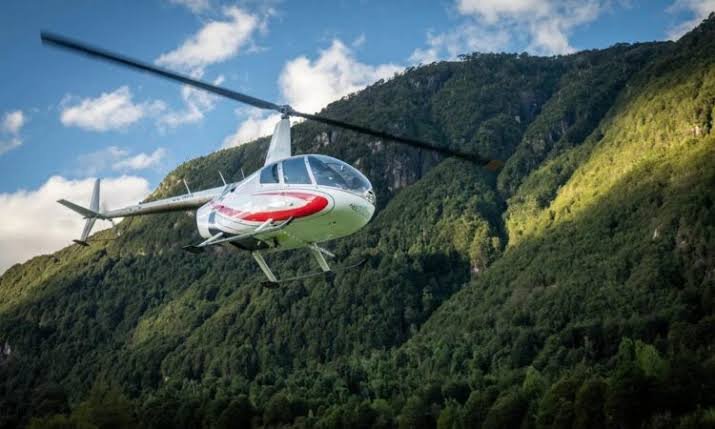
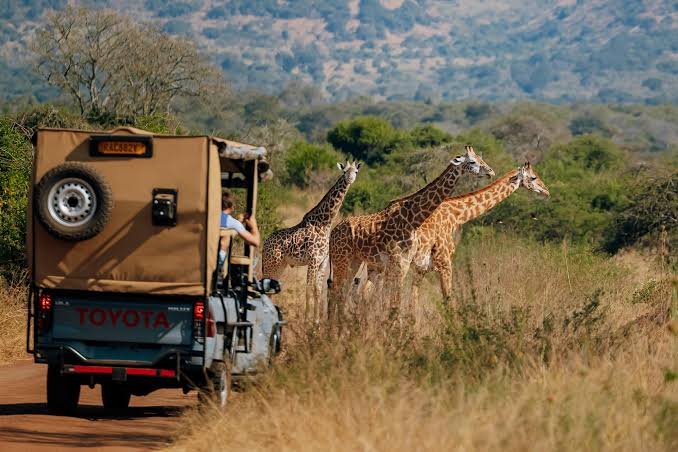
For example, a short gorilla trekking tour can be planned around road transfers, while a more elaborate luxury safari in Uganda and Rwanda may benefit from domestic flights and premium transfers. Travellers can also explore three-day gorilla safari arrangements, compare additional safari packages, or ask our team to design a fly-in or road-based itinerary.
The best option depends on your budget, available holiday days, comfort expectations, and whether you value the scenic road journey or the convenience of shorter transfers.
Why Book Your Uganda Gorilla Safari With Nextgen Safaris Africa?
At Nextgen Safaris Africa, we understand that planning a gorilla safari is a significant personal and financial commitment. Travellers may be visiting Africa for the first time, celebrating a special occasion, fulfilling a lifelong wildlife ambition, or combining mountain gorillas with a longer East African holiday. Our approach is to understand these individual expectations and develop an itinerary that balances meaningful wildlife experiences with realistic travel arrangements, accommodation quality, and value for money.
We organise private and customised safaris with professional driver-guides, comfortable 4×4 safari vehicles, suitable lodges, and carefully coordinated wildlife activities. Travellers can select a three-day gorilla trekking safari, explore our collection of Uganda gorilla and wildlife tours, join a scheduled Uganda group safari, or combine gorillas with a Queen Elizabeth wildlife safari. Our team can also develop a personalised Uganda gorilla safari quotation based on your preferred dates and travel interests.
Whether your priority is affordability, luxury accommodation, photography, a special celebration, or a comprehensive exploration of Uganda, our aim is to provide clear planning advice and a safari experience that feels comfortable, authentic, and rewarding.
Frequently Asked Questions About Things to Know Before Booking a Gorilla Safari in Uganda
What are the most important things to know before booking a gorilla safari in Uganda?
The most important considerations include the gorilla permit price, confirmed permit availability, the choice between Bwindi and Mgahinga, the trekking sector, accommodation location, travel season, and physical demands of the experience. Travellers should also understand the minimum trekking age, national park rules, safari inclusions, and cancellation conditions before making payment. An experienced safari operator can help coordinate these arrangements.
How much does a gorilla safari in Uganda cost?
A standard gorilla trekking permit for a foreign non-resident costs USD 800, with a USD 600 rate available for eligible low-season trekking dates. The complete safari price depends on accommodation, transport, number of days, group size, and additional activities. Travellers should request an itemised quotation rather than assuming the permit price represents the entire safari cost.
How early should I book a gorilla safari in Uganda?
We recommend booking several months ahead whenever possible, particularly for travel during popular holiday seasons. Six months or more can provide greater choice of permits and accommodation, although bookings closer to departure may be possible when permits remain available. Confirm availability before making non-refundable travel arrangements.
Is gorilla trekking in Uganda worth the money?
For wildlife enthusiasts, photographers, and travellers seeking an exceptional nature experience, gorilla trekking can be deeply rewarding. The permit provides a regulated opportunity to observe mountain gorillas in their natural habitat while contributing to the conservation and management of their protected environment. The value also comes from experiencing Uganda’s rainforest landscapes and supporting tourism-related opportunities around the parks.
What is the minimum age for gorilla trekking in Uganda?
The official minimum age is 15 years. Children younger than 15 cannot participate in standard gorilla trekking, so families should plan suitable alternative activities for younger members of the group.
Which is better for gorilla trekking: Bwindi or Mgahinga?
Both destinations offer memorable mountain gorilla encounters. Bwindi has several trekking sectors and an extensive choice of accommodation, while Mgahinga features volcanic scenery, bamboo forests, and opportunities to combine gorilla trekking with golden monkey tracking. The best destination depends on permit availability, itinerary design, travel preferences, and accommodation requirements.
How long does gorilla trekking take in Uganda?
The full activity can take several hours, depending on the location and movements of the gorillas, the route, and the pace of the group. Once the gorillas are located, standard trekking allows a maximum of one hour of observation. Travellers should keep the trekking day free from tightly scheduled activities.
Can I see mountain gorillas without a permit?
No. Visitors must have valid authorisation for the relevant activity and follow the designated national park procedures. Gorilla trekking is conducted with authorised ranger guides and trackers to protect the animals and visitors.
What is the difference between gorilla trekking and gorilla habituation?
Standard gorilla trekking involves visiting an already habituated gorilla family and spending up to one hour observing the animals. Gorilla habituation is a more extended, specialised experience involving a gorilla group undergoing habituation, with a maximum observation allowance of four hours. Habituation also carries a higher permit cost.
Is gorilla trekking safe for tourists?
Gorilla trekking is conducted under the supervision of trained Uganda Wildlife Authority guides and trackers. Visitors receive safety instructions before entering the forest and must follow ranger directions throughout the experience. As with other outdoor wildlife activities, there are inherent risks associated with natural terrain and wild animals, so responsible behaviour and suitable preparation are important.
What should I wear for gorilla trekking in Uganda?
Waterproof hiking boots, long trousers, long-sleeved shirts, and a lightweight waterproof jacket are recommended. Gloves, insect repellent, drinking water, and a small daypack are also useful. Travellers should choose practical clothing suitable for steep, muddy, and densely vegetated rainforest trails.
Can older travellers participate in gorilla trekking?
Yes. There is no general maximum age limit, but the physical demands of the trek should be considered carefully. Older travellers and visitors with mobility limitations should discuss their needs in advance so that suitable assistance, accommodation, and transfer arrangements can be explored.
Is it better to start a Uganda gorilla safari from Entebbe or Kigali?
Both options can work well. Entebbe is suitable for travellers planning a complete Uganda holiday, while Kigali can offer shorter road access to parts of southern Bwindi and Mgahinga. The best route depends on international flights, visa requirements, confirmed trekking locations, and the rest of your safari itinerary.
Book Your Uganda Gorilla Safari With Nextgen Safaris Africa
Understanding the most important Things to Know Before Booking a Gorilla Safari in Uganda is the first step towards planning an unforgettable encounter with mountain gorillas. The next step is choosing the right safari itinerary, confirming permit arrangements, and selecting the combination of accommodation, transfers, and activities that best suits your travel expectations.
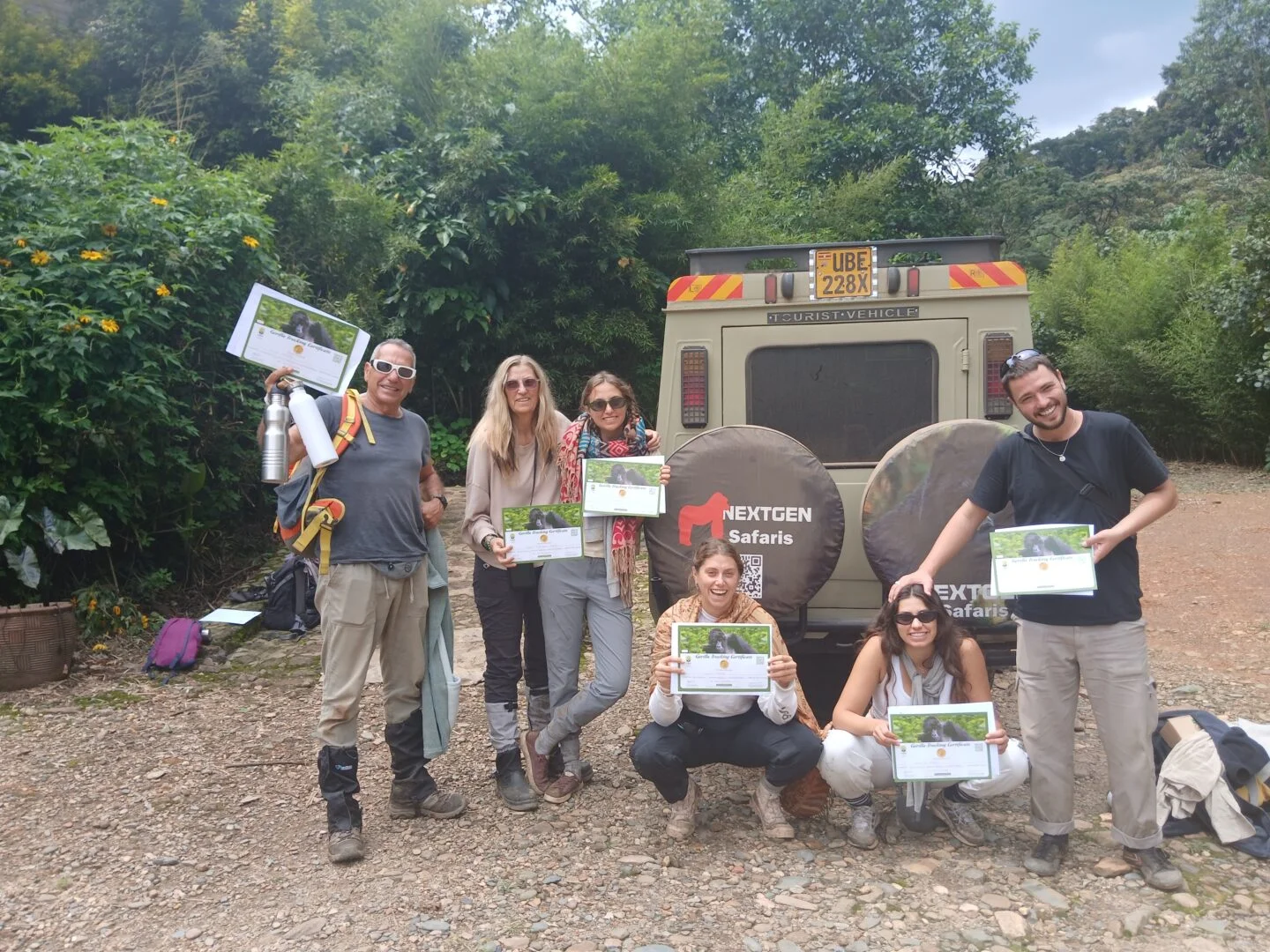
At Nextgen Safaris Africa, we offer tailor-made gorilla trekking holidays for solo travellers, couples, families, small groups, photographers, and luxury safari guests. Whether you want a short gorilla trekking experience in Bwindi, an extended forest habituation adventure, or a complete Uganda safari combining gorillas, chimpanzees, savannah wildlife, and beautiful landscapes, we can help you plan a journey around your available time and budget.
Explore our Uganda gorilla safari packages, discover gorilla trekking in Bwindi, compare Uganda gorilla trekking permit options, or request a personalised safari itinerary.