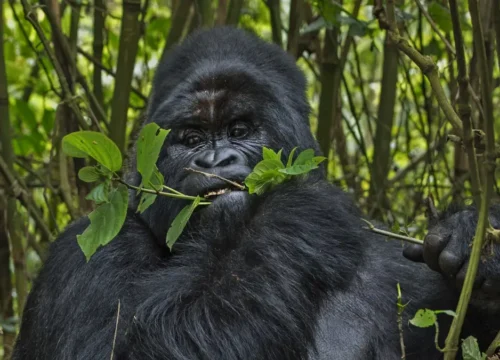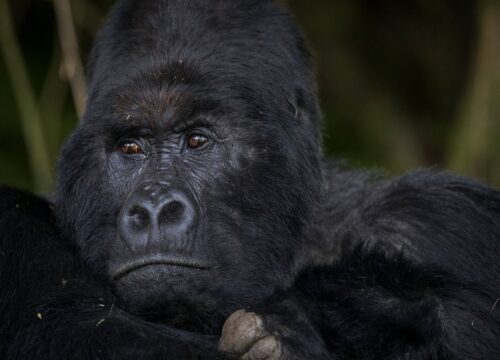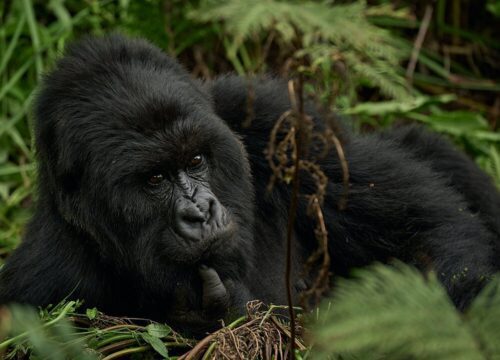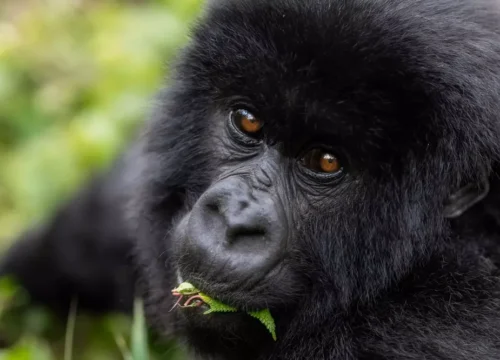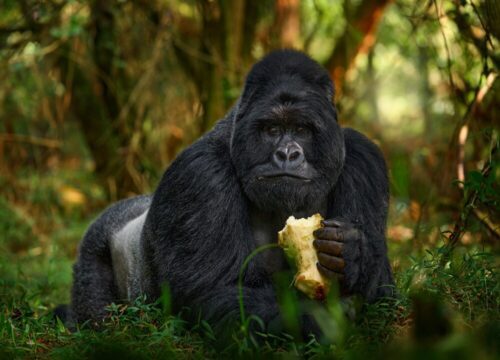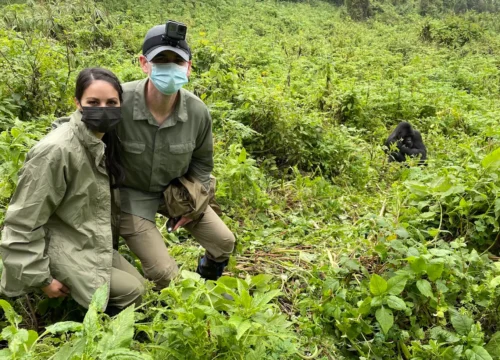
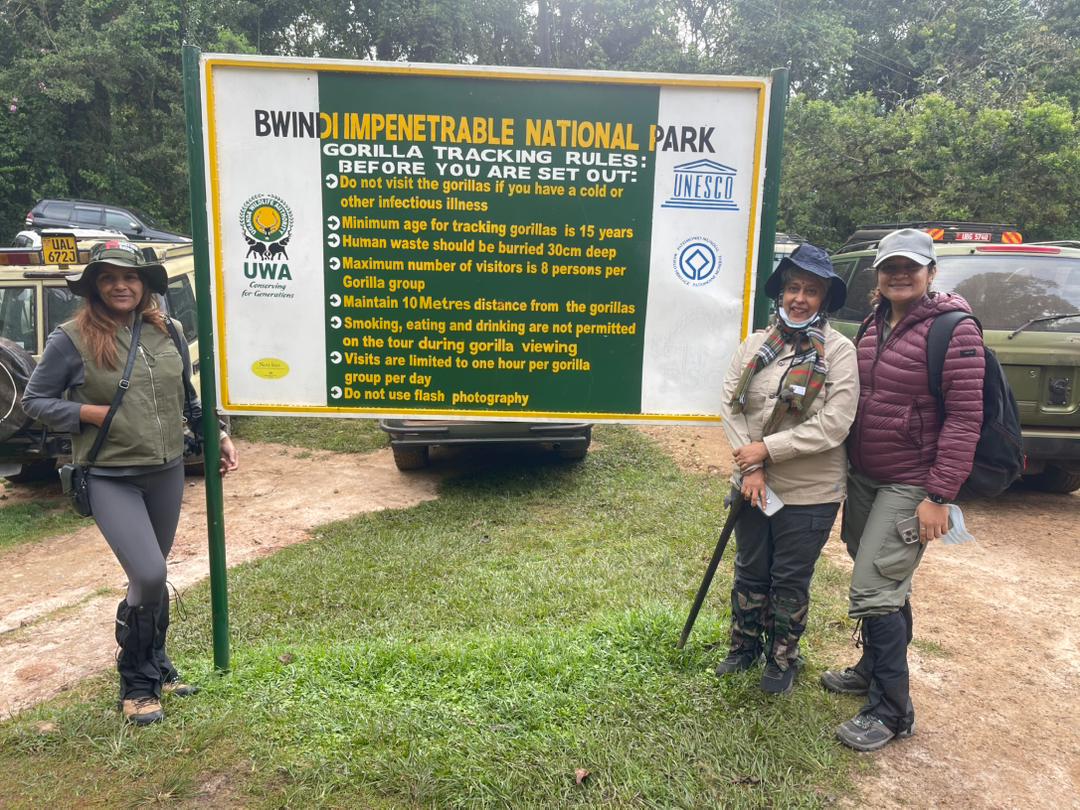
Bwindi Impenetrable National Park is Africa’s most iconic mountain gorilla sanctuary and one of the most biologically important rainforests on the continent. Located in southwestern Uganda along the edge of the Albertine Rift Valley, Bwindi Impenetrable National Park is globally recognized for offering the most authentic gorilla trekking experience in the world.
When travelers search for gorilla trekking in Uganda, they are searching for Bwindi Impenetrable National Park.
This UNESCO World Heritage Site protects nearly half of the world’s remaining mountain gorillas and contains one of the oldest surviving rainforests in Africa, estimated to be over 25,000 years old. The park’s mist-covered hills, steep ridges, and deep valleys create a dramatic landscape that makes every trek both challenging and unforgettable.
Bwindi Impenetrable National Park is not just about gorillas, it is a biodiversity stronghold, a conservation success story, and a once-in-a-lifetime wildlife destination.
Where Is Bwindi Impenetrable National Park Located?
Bwindi Impenetrable National Park is located in southwestern Uganda along the edge of the Albertine Rift Valley, one of Africa’s most ecologically important regions. The park lies close to the borders of the Democratic Republic of Congo and Rwanda, forming part of the broader Virunga Conservation Area, a transboundary ecosystem known globally for protecting endangered mountain gorillas.
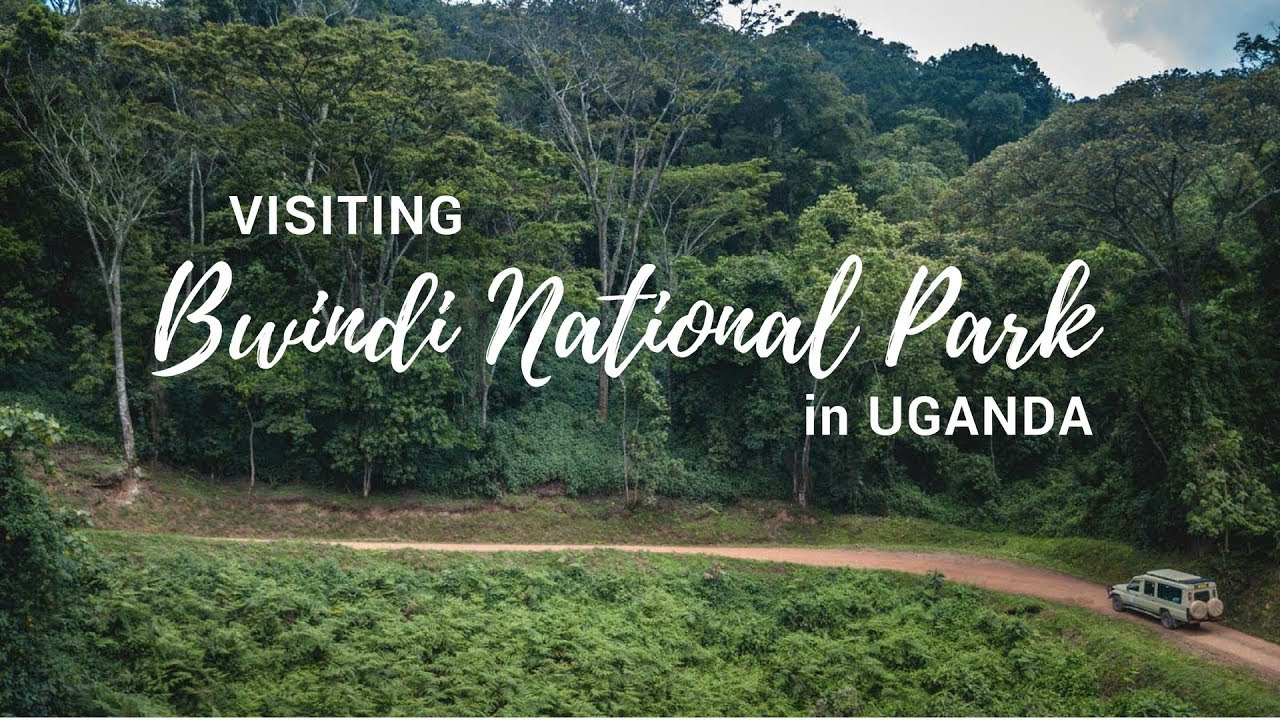
Bwindi Forest covers approximately 331 square kilometers of montane and lowland rainforest. Its terrain is defined by steep ridges, deep valleys, and dense vegetation, which is why it earned the name “Impenetrable.” Elevations range from about 1,160 meters to over 2,600 meters above sea level. This high-altitude environment explains the park’s cool temperatures, regular mist cover, and lush, evergreen forest structure.
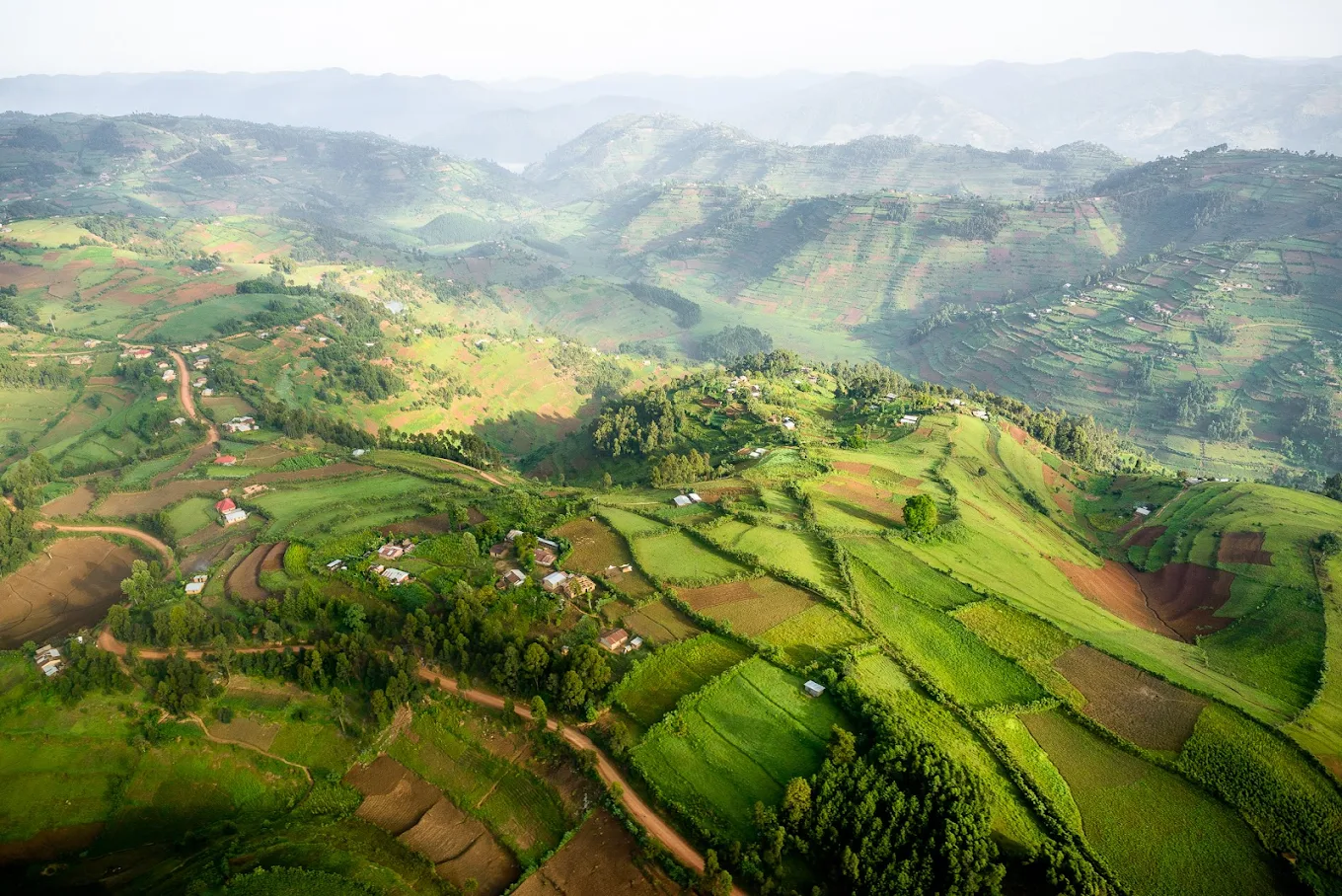
Geographically, Bwindi Impenetrable National Park sits within the greater Albertine Rift, a biodiversity hotspot recognized for its exceptional levels of endemism. The park’s mountainous topography creates a natural corridor that connects with the Virunga landscape, making it one of the most biologically significant conservation areas in Africa.
Its location also makes Bwindi Impenetrable National Park strategically positioned within East African safari circuits. The park can be accessed from Uganda’s capital via road or domestic flights from Entebbe International Airport. It is also reachable from Queen Elizabeth National Park through the Ishasha sector, which is famous for tree-climbing lions. Additionally, many international travelers enter through Kigali in Rwanda and cross the border into southwestern Uganda to reach Bwindi, making it a core destination in cross-border gorilla trekking itineraries.
Because of this geographic positioning, Bwindi Impenetrable National Park serves as a central anchor for Uganda safari packages and combined Uganda–Rwanda gorilla tours. Its accessibility, despite mountainous terrain, contributes significantly to its popularity as the leading gorilla trekking destination in Africa.
Bwindi Impenetrable National Park – Fees & Payments (Quick Guide)
Bwindi Impenetrable National Park – Fees & Payments (Quick Guide)
Rates below are typical for Bwindi and can change by season and authority updates. We confirm the exact costs at booking and issue a clean payment breakdown (permits + activities + support services).
| Category | Item | Typical Cost | Notes |
|---|---|---|---|
| Permits | Gorilla Trekking Permit (1 trek / 1 hour) | USD 800 pp | Foreign Non-Resident rate (typical). Sector-specific (Buhoma/Ruhija/Rushaga/Nkuringo). Limited daily availability. |
| Permits | Gorilla Habituation Permit (4 hours) | USD 1,500 pp | Small group (typically 4 visitors). Best for photographers & deeper behavior observation. |
| Park & Admin | Park Entry / Conservation Fees (where applicable) | Varies | Often bundled within permits/park services depending on activity type and authority updates. We confirm per travel date. |
| Support | Porter (recommended for every trek) | USD 15–20 | Carries daypack and assists on steep/muddy sections. Also supports local livelihoods. |
| Support | Sedan Chair (for seniors / limited mobility) | USD 300–500 | Price varies by sector and team size required. Must be arranged in advance. |
| Support | Walking Stick (hire at briefing point) | USD 3–5 | Very helpful on slippery slopes and descents. |
| Activities | Community Visit (Bakiga / village walk) | USD 10–30 | Varies by program and duration; supports community projects around Bwindi. |
| Activities | Batwa Cultural Experience | USD 30–60 | Guided cultural program with storytelling, dance, and heritage interpretation. Costs vary by provider. |
| Activities | Guided Nature Walk / Waterfall Trail | USD 20–50 | Pricing depends on trail length and whether ranger guiding is required. |
| Activities | Birding Walk (specialist guide) | USD 40–80 | Cost varies by hours and guide specialization; Bwindi is an Albertine Rift birding hotspot. |
| Optional | Tipping (rangers, trackers, porters, lodge team) | Custom | Optional but appreciated. We share a simple tipping guide based on your group size and lodge category. |
| Optional | Extra Trek (second gorilla permit) | USD 800 pp | For travelers who want to trek twice (subject to availability). Can be same sector or different sector with planning. |
Tip: For the cleanest planning, match your lodge sector to your permit sector (Buhoma/Ruhija/Rushaga/Nkuringo) to avoid early-morning transfers.
Why Bwindi Impenetrable National Park Is So Important
Bwindi Impenetrable National Park is globally significant because it protects approximately 459 mountain gorillas, nearly half of the world’s remaining population of this critically endangered species. Nowhere else in Africa holds such a large concentration of mountain gorillas within a single protected rainforest ecosystem.
The park’s conservation story gained international recognition in April 1993 when the Mubare Gorilla Group became the first habituated family opened for tourism in Uganda. That milestone marked the beginning of regulated gorilla trekking in the country. Today, multiple habituated gorilla groups are distributed across four trekking sectors: Buhoma in the north, Ruhija in the east, Rushaga in the south, and Nkuringo in the southwestern highlands. Each sector offers a different trekking landscape, from dense forest valleys to elevated ridgelines overlooking the Virunga volcanoes.
The importance of Bwindi extends far beyond gorillas. The park protects over 120 mammal species, including forest elephants, duikers, bushbuck, and several primate species. It supports more than 350 recorded bird species, including 23 Albertine Rift endemics that make the region internationally important for ornithological research and birdwatching tourism.
Bwindi is also home to over 200 butterfly species, numerous reptiles, and amphibians that thrive in its ancient rainforest ecosystem. The forest itself is estimated to be more than 25,000 years old, making it one of Africa’s oldest surviving rainforests. This long ecological history has allowed species diversification on a remarkable scale.
Hydrologically, the park serves as the source of five major rivers that eventually flow into Lake Edward, contributing to regional watershed stability and environmental resilience.
Bwindi Impenetrable National Park is therefore not simply a gorilla trekking destination. It is a biodiversity sanctuary, a UNESCO World Heritage Site, and one of the most ecologically diverse forests in Africa. Its global importance lies in its role as both a conservation stronghold and a sustainable tourism model that directly supports local communities and wildlife protection.
For travelers, researchers, and conservationists alike, Bwindi Impenetrable National Park represents one of the most important protected areas on the African continent.
Things to Do in Bwindi Impenetrable National Park
Bwindi Impenetrable National Park is globally renowned for mountain gorilla trekking, but the park offers far more than a single wildlife encounter. From extended gorilla immersion experiences to birding, forest walks, and cultural interactions, Bwindi delivers one of the richest rainforest safari experiences in Africa.
Below is a detailed guide to the top things to do in Bwindi Impenetrable National Park.
Gorilla Trekking in Bwindi
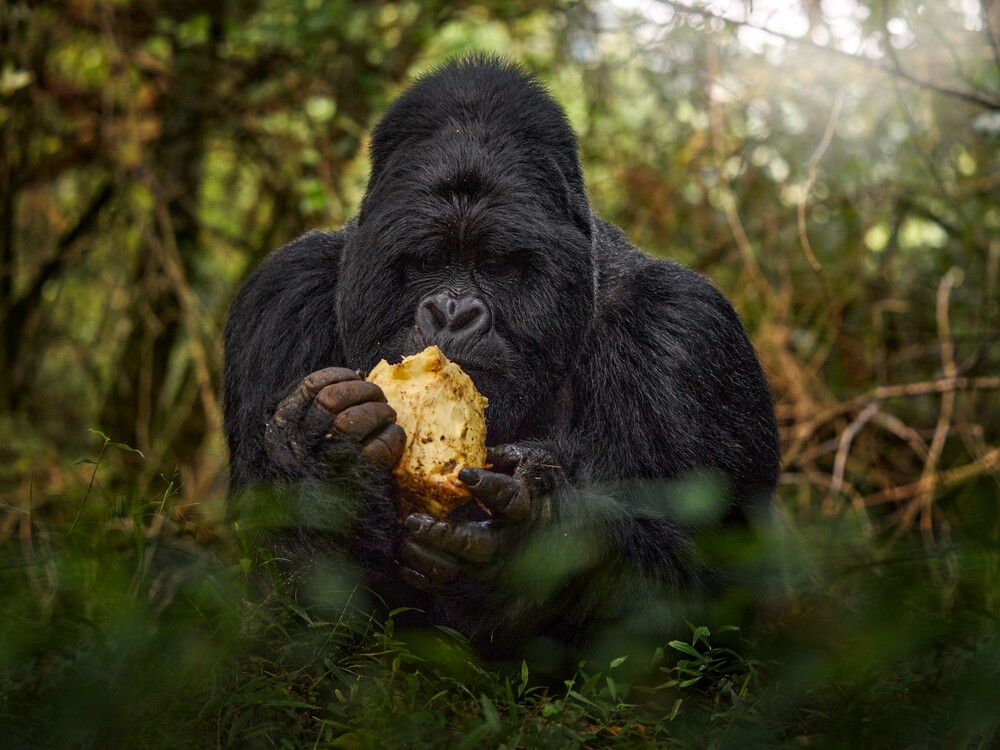
Gorilla trekking is the defining activity in Bwindi Impenetrable National Park and the primary reason thousands of visitors travel to southwestern Uganda each year. Bwindi protects nearly half of the world’s remaining mountain gorillas, making it the most important gorilla trekking destination in Africa.
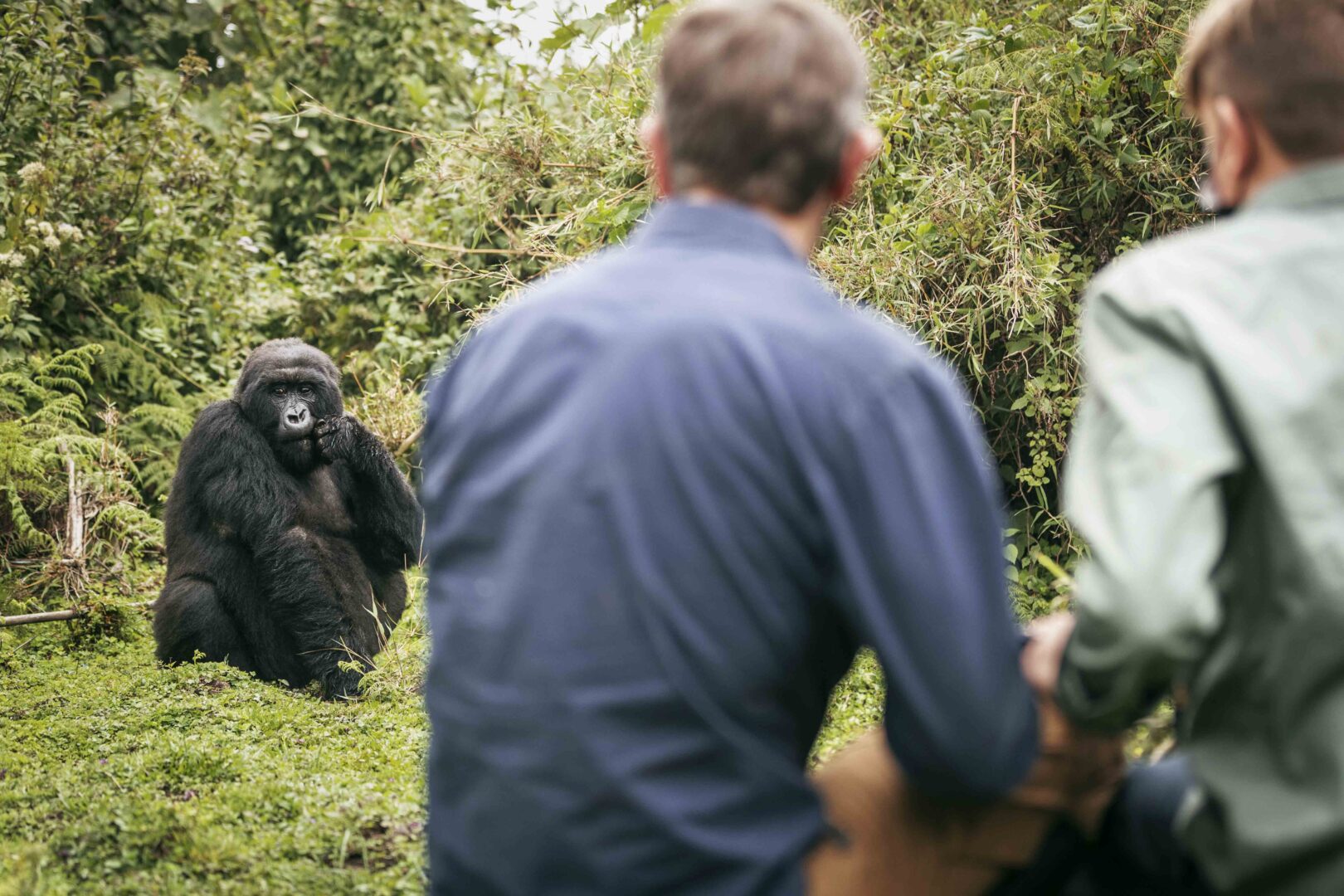
Each morning, treks begin at 8:00 AM with a ranger-led briefing at the sector headquarters. Visitors are grouped into parties of up to eight individuals and assigned to one of the park’s habituated gorilla families. These families are distributed across four sectors; Buhoma, Ruhija, Rushaga, and Nkuringo each offering unique terrain and trekking difficulty.
The trek itself varies in duration depending on the location of the gorillas. It can last from one hour to eight hours as rangers track fresh nests and feeding signs through dense rainforest. The journey passes through steep ridges, bamboo zones, river valleys, and ancient forest trails. Along the way, trekkers may encounter black-and-white colobus monkeys, forest elephants, colorful birdlife, and rare plant species.
When the gorilla family is located, visitors are allowed one hour in their presence. These 60 minutes are strictly regulated to protect the gorillas while allowing close observation of natural behavior. Watching a silverback guard his family, juveniles playing in the undergrowth, or mothers nurturing infants is often described as one of the most powerful wildlife experiences on earth.
A valid gorilla trekking permit is required and must be secured in advance due to limited daily availability.
Gorilla Habituation Experience in Bwindi
Bwindi Impenetrable National Park is the only location in Uganda offering the Gorilla Habituation Experience. This exclusive activity allows visitors to spend up to four hours with a semi-habituated gorilla family undergoing the process of becoming accustomed to human presence.
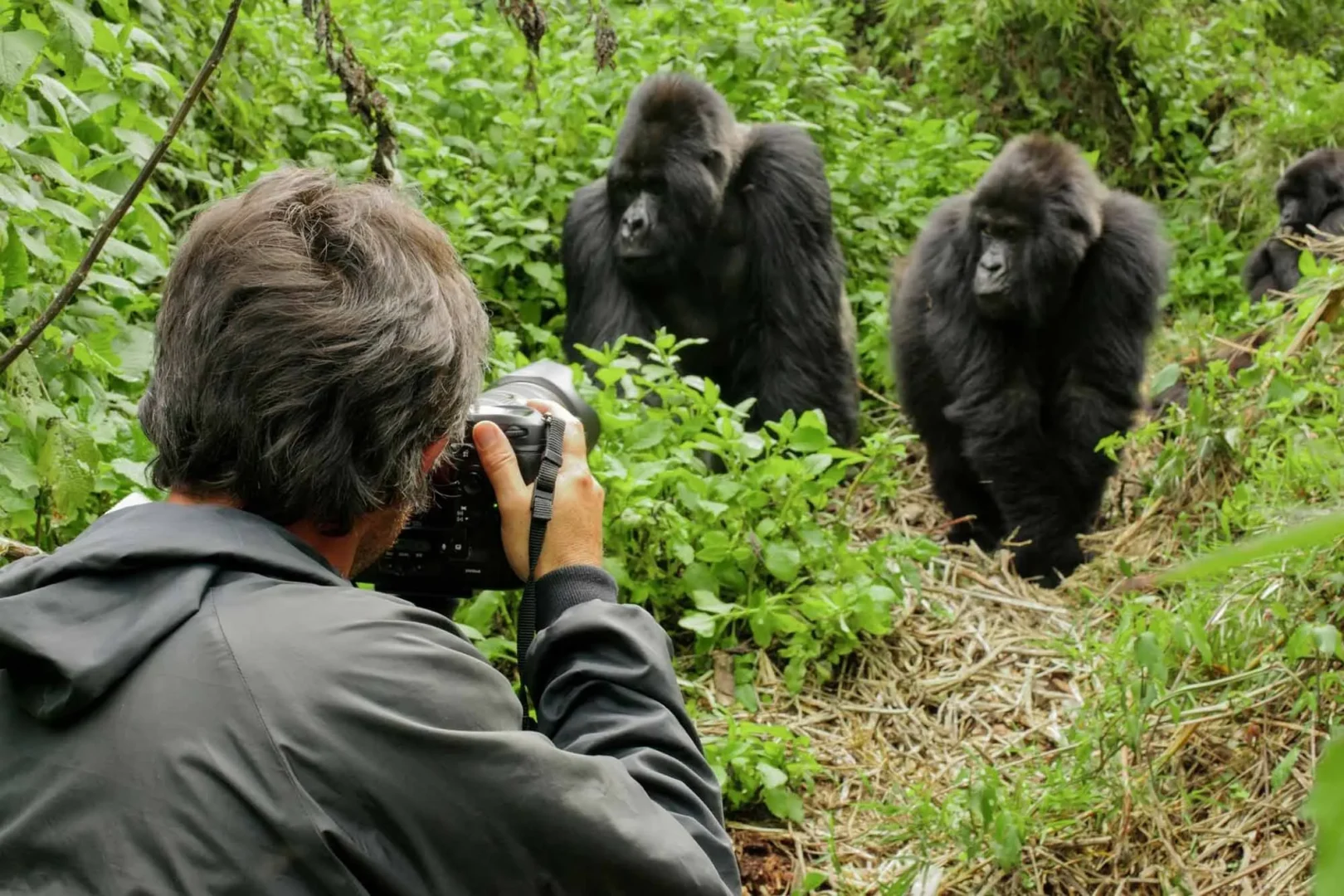
Unlike standard trekking, which limits groups to eight visitors, the habituation experience allows only four participants per day. Visitors accompany a team of researchers, trackers, and rangers as they monitor and gradually acclimate the gorillas.
The extended time provides deeper insight into gorilla behavior, feeding patterns, social dynamics, and vocal communication. It is particularly valuable for wildlife photographers, conservation enthusiasts, and travelers seeking a more immersive encounter.
A separate habituation permit is required, and availability is limited due to conservation guidelines.
Birding in Bwindi Impenetrable National Park
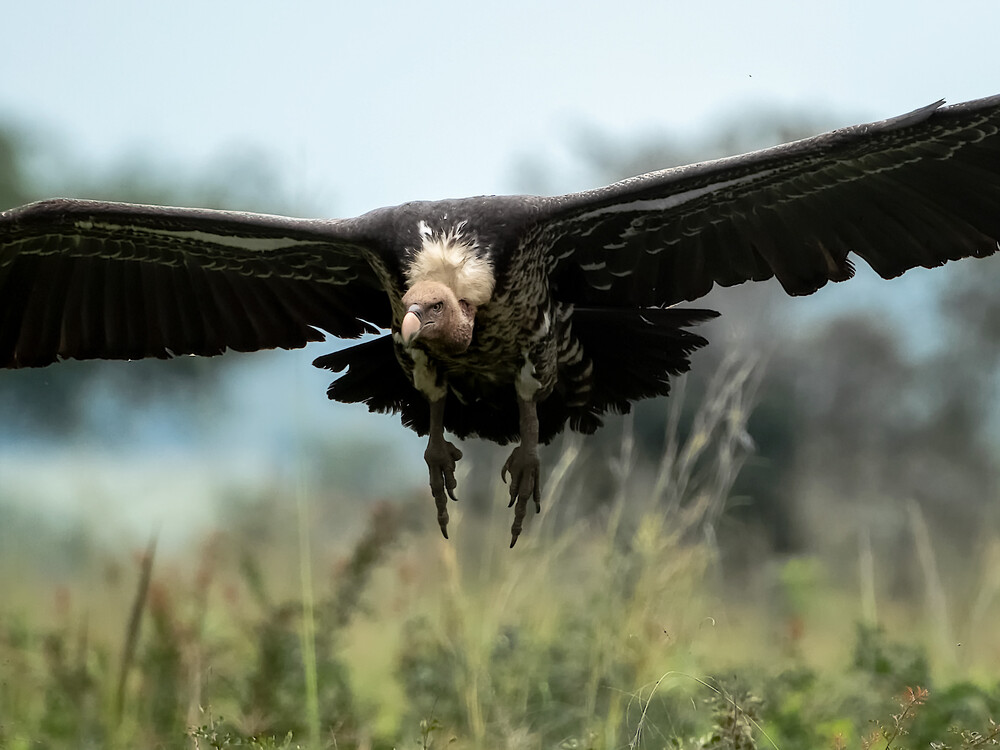
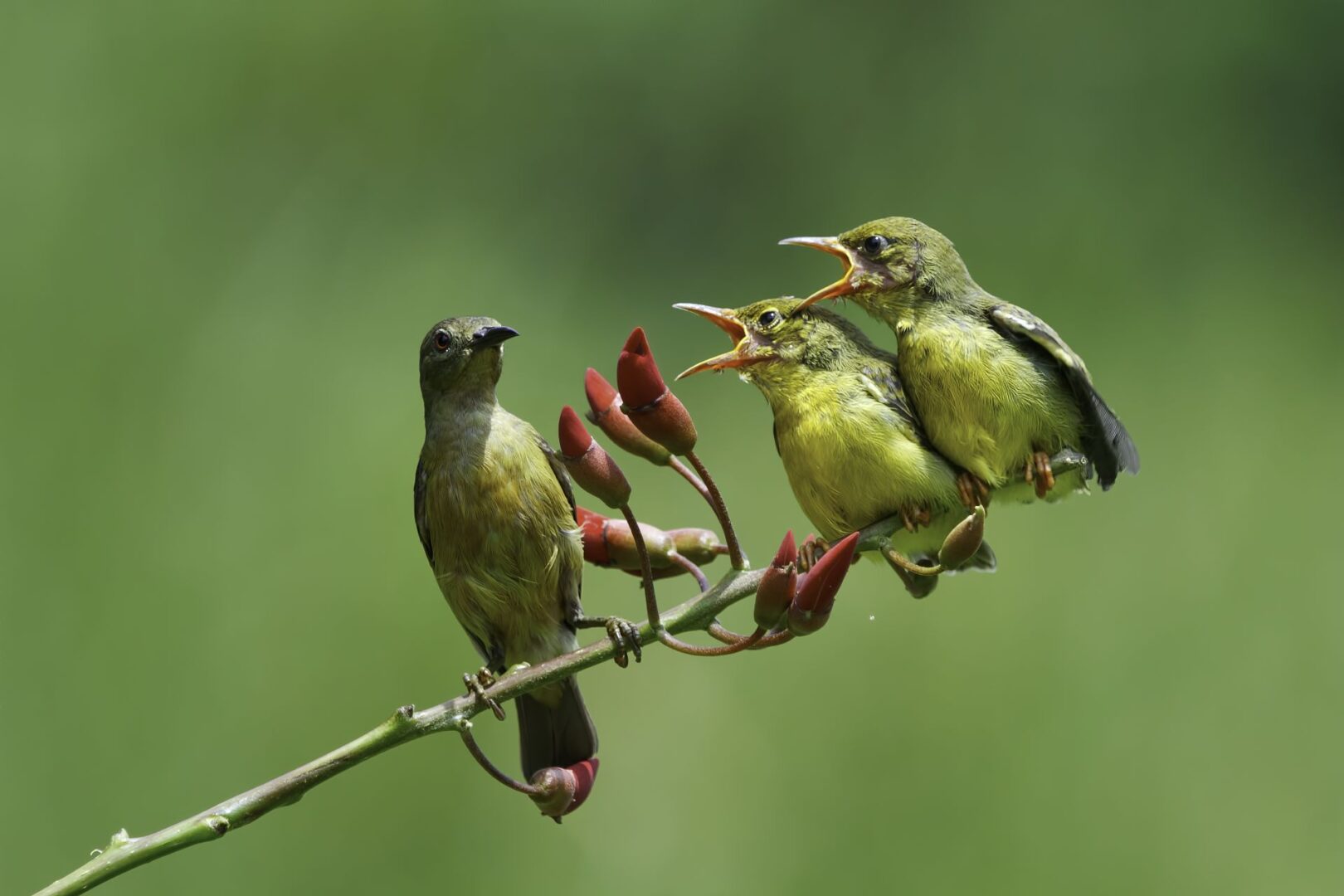
Bwindi is one of Africa’s most important birding destinations, with over 350 recorded bird species. The park’s location within the Albertine Rift makes it a hotspot for endemic species, including 23 Albertine Rift endemics that attract serious ornithologists and birdwatchers from around the world.
Birding in Bwindi Forest takes place along forest trails that traverse different altitudes and vegetation zones. From dense lowland forest to bamboo and high ridge habitats, the ecological diversity allows remarkable species variation within short walking distances.
Experienced ranger guides lead birding excursions, helping visitors identify species by call and plumage. The combination of rare endemics, forest specialists, and migratory species makes Bwindi a year-round birding paradise.
Nature Walks and Waterfall Trails
Beyond primates and birds, Bwindi Impenetrable National Park offers guided forest walks that reveal the deeper ecological richness of this ancient rainforest. Nature walks lead to hidden waterfalls, tranquil streams, and panoramic viewpoints overlooking the forest canopy.
These walks provide opportunities to observe butterflies, medicinal plants, reptiles, and smaller mammals that may not be seen during gorilla treks. The forest’s layered vegetation structure showcases why Bwindi is considered one of the oldest and most biodiverse rainforests in Africa.
Waterfall trails are particularly rewarding, combining moderate hiking with scenic forest landscapes. They are ideal for travelers seeking lighter activities on non-trekking days.
Cultural Experiences Around Bwindi
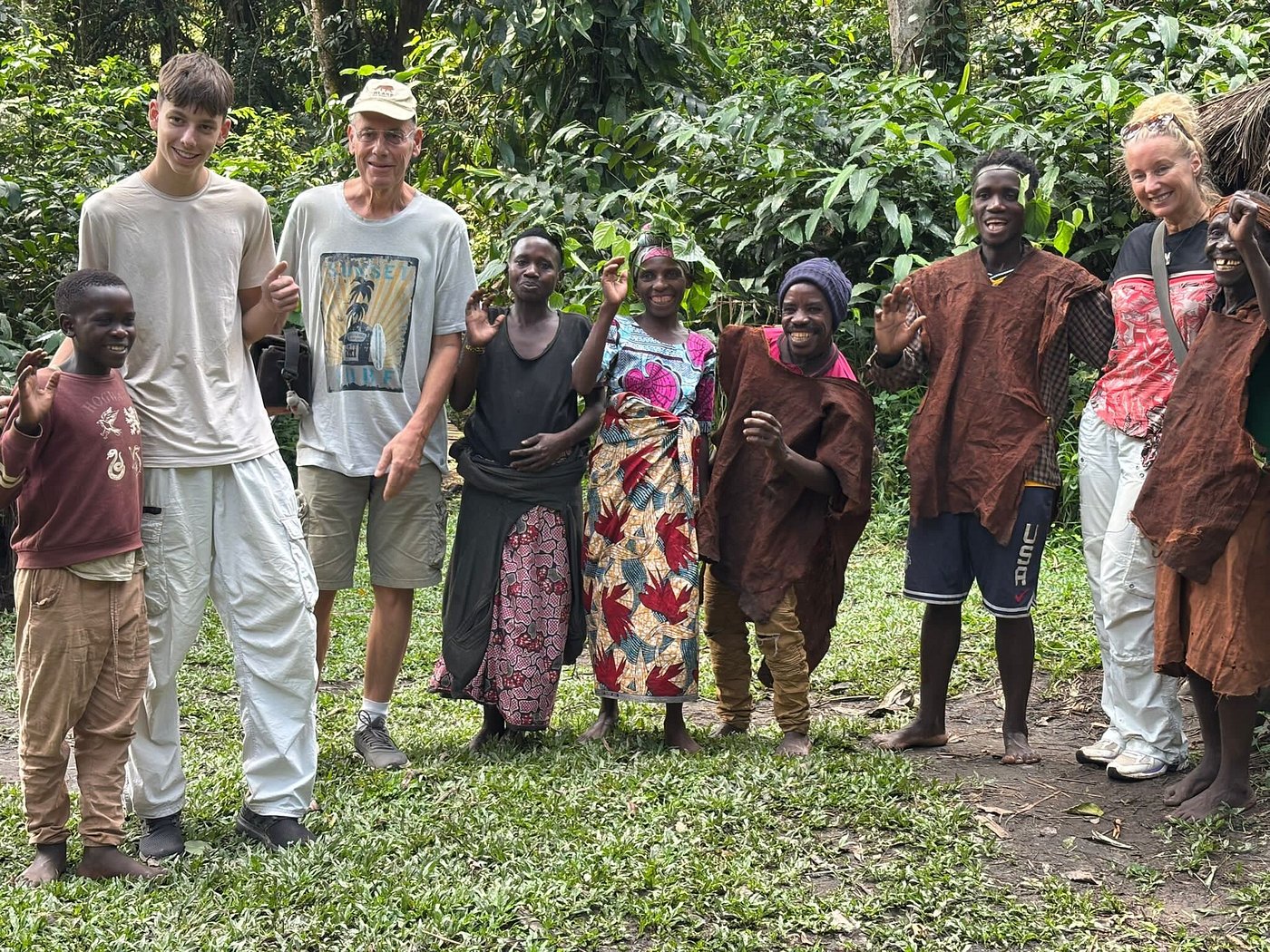
The communities surrounding Bwindi Impenetrable National Park play a vital role in conservation success. The park borders settlements of the Bakiga and Batwa people, each with unique cultural traditions.
Cultural experiences include guided village walks, traditional dance performances, storytelling sessions, craft demonstrations, and visits to local community projects. Visitors can learn how gorilla tourism contributes to education, healthcare, and sustainable livelihoods in neighboring villages.
The Batwa cultural experience is especially significant. Historically forest dwellers, the Batwa share their traditional hunting practices, music, and forest survival knowledge. These cultural encounters provide important historical context and deepen understanding of the relationship between conservation and community development.
Including cultural visits as part of a Bwindi safari adds a human dimension to the wildlife experience and strengthens appreciation for conservation partnerships.
Accommodation in Bwindi Impenetrable National Park
Choosing the right accommodation in Bwindi Impenetrable National Park is one of the most important decisions when planning a gorilla trekking safari. Bwindi is divided into four trekking sectors; Buhoma, Ruhija, Rushaga, and Nkuringo and your lodge selection should ideally align with the sector where your gorilla permit is booked.
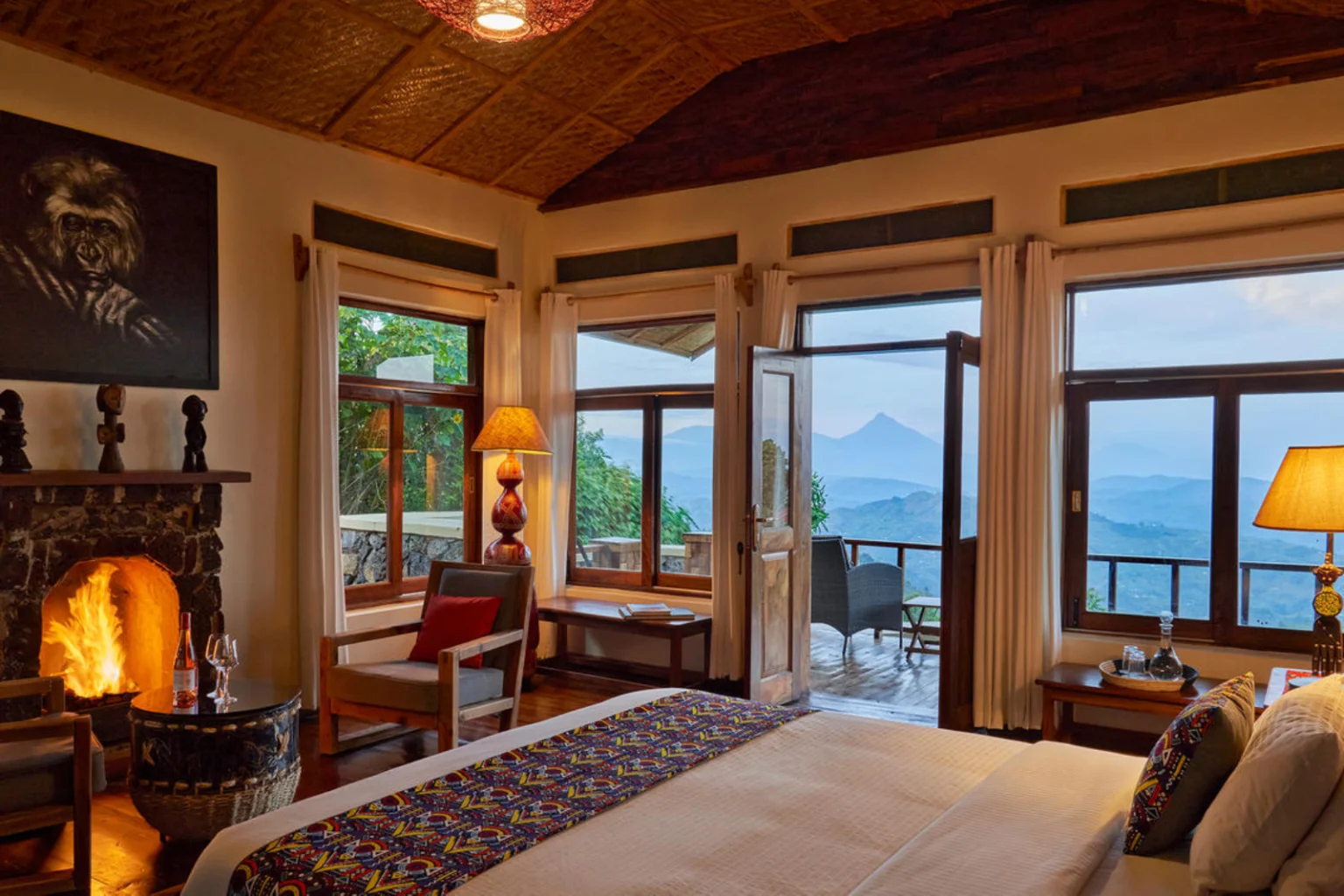
Accommodation in Bwindi ranges from ultra-luxury eco-lodges perched above the rainforest canopy to comfortable mid-range cottages and budget-friendly camps that still provide direct access to trekking trailheads. Because gorilla treks begin early in the morning, proximity to the park headquarters is a major advantage.
Below is a structured guide to the best luxury, mid-range, and budget lodges in Bwindi Impenetrable National Park.
Luxury Lodges in Bwindi Impenetrable National Park
Luxury accommodation in Bwindi combines forest immersion with high-end comfort. These lodges are designed for travelers seeking exclusivity, privacy, and exceptional service while remaining close to gorilla trekking starting points.
Buhoma Lodge
Located in the Buhoma sector, Buhoma Lodge is one of the most sought-after luxury lodges in Bwindi Impenetrable National Park. It sits within walking distance of the Buhoma gorilla trekking briefing point, making it extremely convenient for early morning departures.
The lodge features elevated chalets constructed with natural materials that blend seamlessly into the forest environment. Each cottage offers private decks overlooking the rainforest canopy, en-suite bathrooms, and cozy interiors designed for comfort after a challenging trek.
Buhoma Lodge is particularly favored by travelers seeking a premium gorilla trekking experience combined with authentic rainforest ambiance.
Sanctuary Gorilla Forest Camp
Sanctuary Gorilla Forest Camp is one of the most exclusive safari properties in Bwindi Impenetrable National Park. Located inside the Buhoma sector of the park itself, the camp offers a rare opportunity to stay within the forest boundary.
This luxury tented camp provides spacious canvas suites with en-suite facilities, elegant interiors, and private verandas. On rare occasions, gorilla families have been known to wander near the camp, creating extraordinary wildlife moments.
For travelers seeking a refined and immersive forest stay, Sanctuary Gorilla Forest Camp represents one of the highest-end accommodation options in Bwindi.
Mahogany Springs Lodge
Mahogany Springs Lodge is another top-tier luxury lodge in the Buhoma sector. It offers spacious suites overlooking the Munyanga River and surrounding forest landscape.
The lodge is known for its large private terraces, attentive service, and tranquil setting. It provides an ideal combination of privacy and proximity to the gorilla trekking headquarters.
Mahogany Springs Lodge is particularly popular among honeymooners and travelers looking for comfort without compromising rainforest authenticity.
Mid-Range and Budget Lodges in Bwindi
Bwindi Impenetrable National Park also offers excellent mid-range and budget accommodation, especially in the southern sectors of Rushaga and Nkuringo. These lodges provide comfortable stays while maintaining affordability for travelers focused on the gorilla trekking experience.
Rushaga Gorilla Camp
Located in the Rushaga sector, Rushaga Gorilla Camp offers a range of accommodation options from budget bandas to more comfortable cottages. Its location near the Rushaga trekking briefing point makes it ideal for travelers trekking gorillas in southern Bwindi.
The lodge provides panoramic views over the forest and Virunga landscape. It is particularly suitable for travelers seeking good value accommodation close to gorilla families in the Rushaga region.
Ichumbi Gorilla Lodge
Ichumbi Gorilla Lodge is a well-regarded mid-range property also located in the Rushaga sector. It offers comfortable en-suite cottages with scenic views and easy access to the trekking center.
This lodge strikes a balance between affordability and quality, making it a strong option for travelers who want comfort without luxury pricing.
Nkuringo Bwindi Gorilla Lodge
Nkuringo Bwindi Gorilla Lodge is situated in the Nkuringo sector, one of the most scenic areas of Bwindi Impenetrable National Park. The lodge overlooks the Virunga Volcanoes and provides breathtaking panoramic views.
Nkuringo is known for steeper trekking terrain, and staying in this sector offers a more adventurous experience. The lodge itself provides a mix of mid-range and luxury cottages, with eco-conscious design and warm hospitality.
For travelers seeking dramatic landscapes combined with gorilla trekking, Nkuringo Bwindi Gorilla Lodge is a standout choice.
How to Choose the Best Lodge in Bwindi
Accommodation choice in Bwindi Impenetrable National Park depends on three main factors:
- The trekking sector assigned on your gorilla permit
- Your budget preference
- Desired level of comfort and exclusivity
Because gorilla permits are sector-specific, it is highly recommended to confirm your permit location before booking accommodation. Staying in the same sector avoids long early-morning transfers over mountainous roads.
Luxury lodges offer elevated comfort and privacy, while mid-range and budget lodges provide excellent access and value. Regardless of category, most Bwindi lodges are designed to complement the forest environment and provide warm hospitality after a physically demanding trek.
Bwindi Impenetrable National Park offers one of the widest ranges of gorilla safari accommodation options in East Africa, ensuring that every traveler can find a suitable base for their mountain gorilla adventure.
How to Get to Bwindi Impenetrable National Park
Reaching Bwindi Impenetrable National Park requires thoughtful planning due to its mountainous location in southwestern Uganda. While the journey involves long distances and winding terrain, it is part of the adventure that makes gorilla trekking in Bwindi so rewarding.
Travelers can access Bwindi Impenetrable National Park either by road or by air, depending on budget, schedule, and preferred comfort level.
By Road – The Scenic Overland Journey
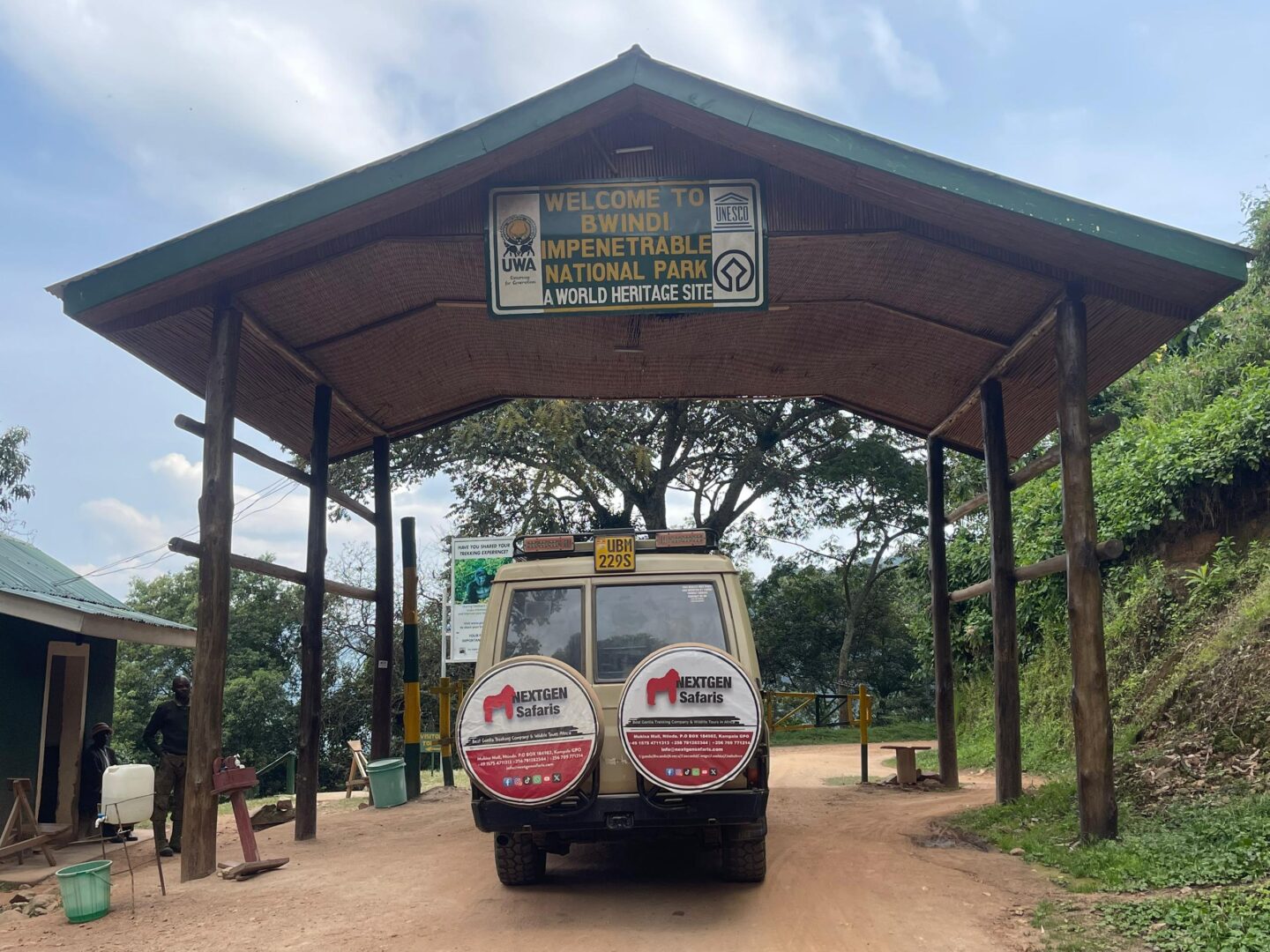
Driving to Bwindi Impenetrable National Park from Kampala or Entebbe takes approximately 8 to 10 hours depending on your final trekking sector. The journey covers between 460 and 520 kilometers and passes through changing landscapes from central Uganda’s rolling hills to the terraced highlands of southwestern Uganda.
The first part of the drive follows well-paved highways through towns such as Masaka, Mbarara, Ntungamo, and Kabale. After reaching southwestern Uganda, the terrain becomes more mountainous and the final approach to the park typically involves murram (gravel) roads. These roads can be winding, steep, and occasionally rough, especially during rainy seasons.
A 4WD vehicle is strongly recommended when traveling by road. The mountainous sectors of Nkuringo and parts of Rushaga involve steep inclines, and even Buhoma and Ruhija require vehicles with good ground clearance. During wet months, mud can make certain sections slippery.
Routes vary depending on the trekking sector:
Travelers heading to the Buhoma sector often drive via Rukungiri and Kihihi.
Those trekking in Ruhija typically pass through Kabale before ascending to higher elevations.
Rushaga and Nkuringo are commonly accessed via Kabale or Kisoro, depending on the direction of travel.
For visitors combining Bwindi with Queen Elizabeth National Park, the Ishasha sector route is popular. This scenic drive offers the possibility of spotting the famous tree-climbing lions before continuing south toward Bwindi.
Although long, the overland journey allows travelers to experience rural Uganda, local markets, tea plantations, and breathtaking highland scenery.
By Air – The Fastest and Most Comfortable Option
For travelers with limited time or those seeking a more comfortable transfer, domestic flights offer the most efficient way to reach Bwindi Impenetrable National Park.
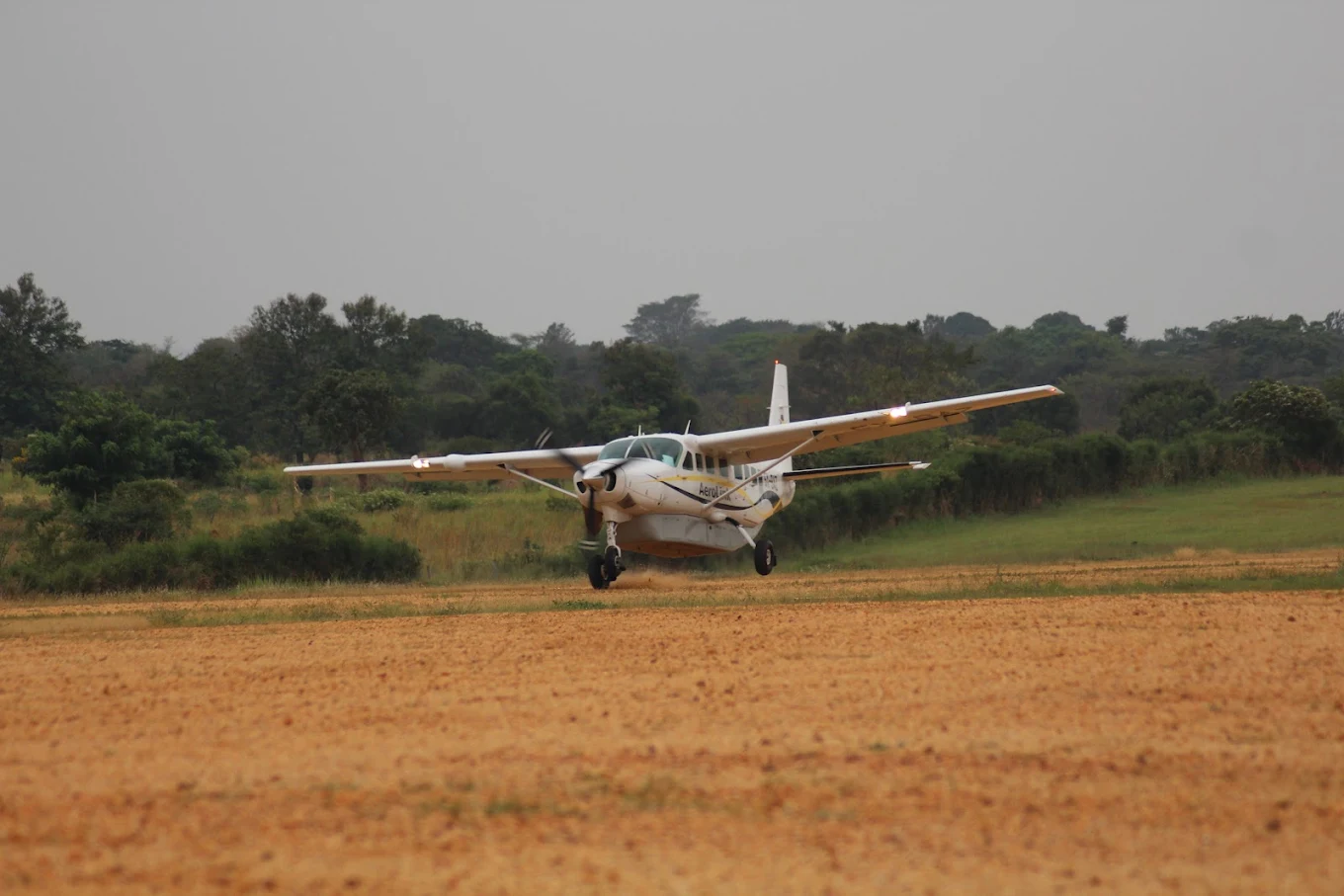
Daily scheduled flights operate from Entebbe International Airport to airstrips serving Bwindi’s northern and southern sectors:
Kihihi Airstrip serves the Buhoma and Ruhija sectors in northern Bwindi.
Kisoro Airstrip serves the Rushaga and Nkuringo sectors in southern Bwindi.
Flights take approximately 1 hour and 10 minutes, offering stunning aerial views of Lake Victoria, rolling hills, and the Albertine Rift escarpments. From either Kihihi or Kisoro, a 4WD vehicle transfer to your lodge is required. These transfers typically take between 1 and 2 hours depending on road conditions and lodge location.
Flying significantly reduces travel fatigue and allows visitors to maximize time in the forest. It is especially recommended for luxury travelers, honeymooners, elderly guests, or those combining Bwindi with other safari destinations on a tight itinerary.
Chartered flights are also available for private groups or high-end safari itineraries.
Choosing the Best Travel Option
The choice between road and air access to Bwindi Impenetrable National Park depends on travel style and schedule. Road travel is more economical and offers scenic immersion into rural Uganda. Air travel saves time and increases comfort, especially when connecting from international flights.
Regardless of the chosen route, early arrival in the trekking sector is highly recommended, as gorilla trekking briefings begin early in the morning.
Reaching Bwindi Impenetrable National Park may require effort, but the journey culminates in one of the most extraordinary wildlife experiences in Africa.
Best Time to Visit Bwindi Impenetrable National Park
Bwindi Impenetrable National Park can be visited throughout the year, but understanding seasonal patterns helps travelers choose the most comfortable and strategic time for gorilla trekking. Because Bwindi sits at high altitude along the Albertine Rift, its climate is cooler than much of Uganda and characterized by mist, rainfall, and lush vegetation.
Dry Seasons – The Most Popular Time
The best time to visit Bwindi Impenetrable National Park is during the two dry seasons:
June to September
December to February
During these months, rainfall is lower, forest trails are less muddy, and trekking conditions are generally easier. Slopes remain steep, but footing is more stable compared to peak rainy periods. These months are considered high season for gorilla trekking in Bwindi, meaning permits often sell out several months in advance.
The dry season also improves road conditions, particularly for travelers driving to southern sectors such as Nkuringo and Rushaga where mountainous murram roads can become slippery in heavy rain.
For travelers seeking the most comfortable trekking conditions, the dry season offers the best balance of accessibility and forest visibility.
Rainy Seasons – Lush and Less Crowded
The wetter months typically fall between March to May and October to November. Rainfall can be heavier during these periods, and forest trails may become muddy and more physically demanding.
However, the rainy season has advantages. The forest becomes exceptionally lush and green, birdlife is active, and visitor numbers are lower compared to peak dry months. Some lodges may offer better availability, and trekking groups remain small due to permit limits.
Because gorillas live in the forest year-round, sightings are consistent in every season. The key difference is trail condition rather than gorilla presence.
Temperature and Climate
Due to elevation ranging from 1,160 to over 2,600 meters above sea level, Bwindi Impenetrable National Park enjoys relatively cool temperatures. Daytime temperatures typically range between 15°C and 25°C, while mornings and evenings can be cooler, especially at higher elevations in Ruhija and Nkuringo.
Mist and cloud cover are common, creating the iconic atmosphere that defines Bwindi’s rainforest landscape.
When Should You Visit?
The best time to visit Bwindi depends on travel priorities:
If easier hiking conditions and peak weather are important, choose June to September or December to February.
If you prefer fewer travelers and do not mind occasional rain, the shoulder months offer excellent value and authentic forest ambiance.
Because gorilla permits are limited daily, planning ahead is more important than the exact month of travel.
Gorilla Permit Costs & How to Book in Bwindi
A gorilla trekking permit is mandatory for all visitors participating in gorilla trekking in Bwindi Impenetrable National Park. Without a valid permit, access to a gorilla family is not allowed.
Gorilla Permit Cost
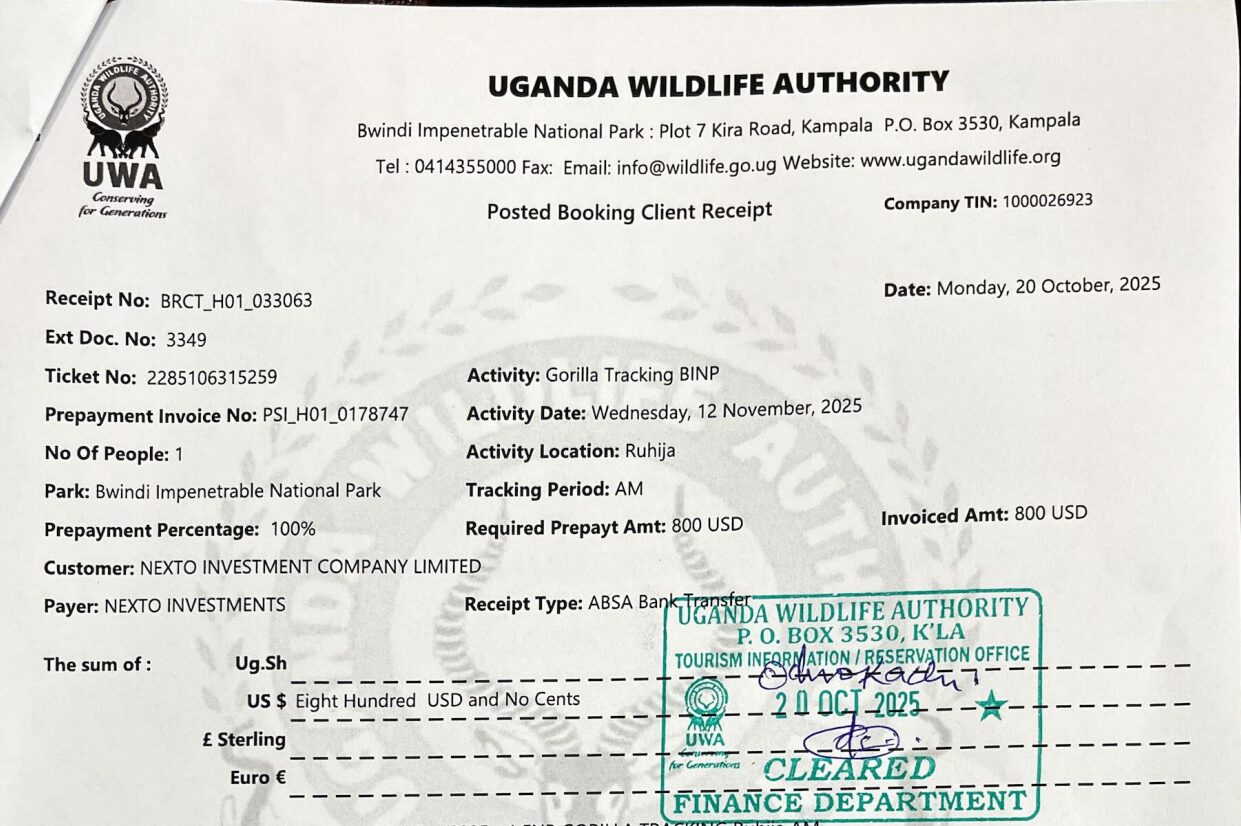
As of current regulations, the standard gorilla trekking permit in Uganda costs:
USD 800 per person for foreign non-residents
USD 700 per person for foreign residents
UGX rate applicable for East African citizens
For those interested in the Gorilla Habituation Experience in Bwindi, the permit cost is typically USD 1,500 per person for foreign non-residents. This allows four hours with a semi-habituated gorilla family rather than the standard one hour.
Permit prices are set by the national wildlife authority and are subject to revision. Availability is strictly limited because each habituated gorilla family can only receive a small number of visitors per day.
Why Permits Sell Out
Bwindi Impenetrable National Park protects nearly half of the world’s mountain gorillas, but tourism access is tightly controlled. Each gorilla family allows a maximum of eight visitors per day for standard trekking.
During peak months, especially June through September, permits can sell out several months in advance. Securing permits early is essential for confirmed travel dates.
How to Book a Gorilla Permit
There are two primary ways to secure a gorilla permit:
Direct booking through the wildlife authority office
Booking through a licensed tour operator
Most international travelers book through licensed safari operators who handle permit reservation, payment processing, and coordination with accommodation in the correct trekking sector.
When booking a gorilla permit, you must select a trekking sector: Buhoma, Ruhija, Rushaga, or Nkuringo. Your accommodation should be located within the same sector to avoid long early-morning transfers.
Payment is required in advance to confirm permit allocation. Once booked, gorilla permits are generally non-refundable except under special medical circumstances.
When to Book
For high season travel, it is recommended to secure permits at least 3 to 6 months in advance. For peak dates or large groups, even earlier planning is advisable.
If combining Bwindi with other destinations such as Queen Elizabeth National Park or cross-border travel from Kigali, itinerary sequencing should be arranged before permit purchase to ensure smooth logistics.
Bwindi Sectors Explained in Detail (Buhoma vs Ruhija vs Rushaga vs Nkuringo)
Bwindi Impenetrable National Park is divided into four main gorilla trekking sectors: Buhoma, Ruhija, Rushaga, and Nkuringo. Understanding these sectors is essential when planning gorilla trekking in Bwindi because your gorilla permit is sector-specific, and accommodation must be booked accordingly.
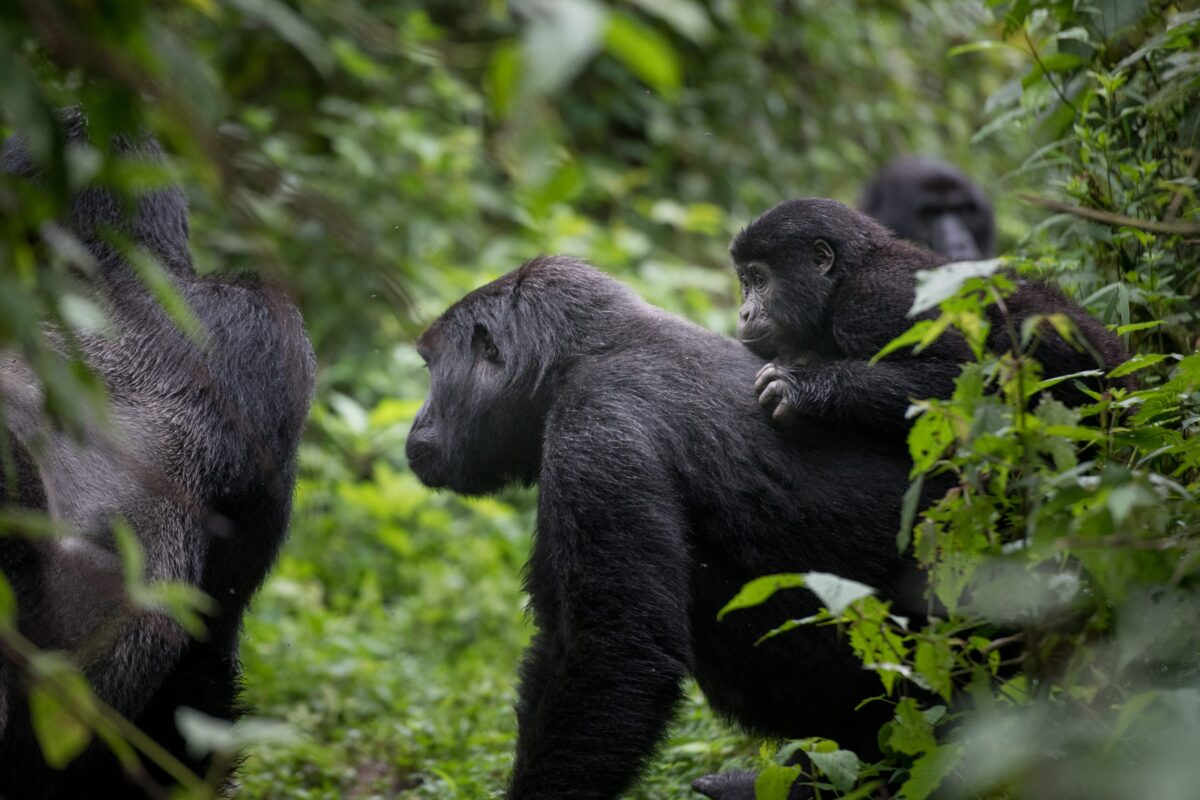
Each sector offers a different trekking terrain, gorilla family allocation, landscape character, and overall safari atmosphere. While all sectors provide excellent chances of seeing mountain gorillas, the experience can vary significantly depending on where you trek.
This guide explains each Bwindi sector in depth to help you choose the right one for your safari.
Buhoma Sector – The Original Gorilla Trekking Region
The Buhoma sector, located in the northern part of Bwindi Impenetrable National Park, is the oldest and most established trekking area. It was here that the Mubare Gorilla Group became the first habituated family opened for tourism in 1993.
Buhoma is often considered the most accessible sector for travelers combining Bwindi with Queen Elizabeth National Park via the Ishasha route. The road access from Kihihi Airstrip also makes it convenient for fly-in safaris.
The terrain in Buhoma is moderately steep but generally manageable compared to Nkuringo. Trails pass through dense rainforest with dramatic canopy cover, waterfalls, and river valleys. Because Buhoma has long been established, it offers a wider range of luxury lodges and structured tourism infrastructure.
Travelers choosing Buhoma benefit from:
- Proximity to established luxury lodges
- Easier access from northern Uganda and Queen Elizabeth National Park
- Rich forest scenery with moderate trekking difficulty
Buhoma is ideal for first-time gorilla trekkers seeking convenience and comfort.
Ruhija Sector – High Altitude and Birding Paradise
Ruhija lies in the eastern part of Bwindi Impenetrable National Park and is the highest-altitude trekking sector. Sitting above 2,300 meters in some areas, Ruhija offers cooler temperatures and spectacular ridgeline views.
The terrain here can be more challenging due to elevation and steep slopes. However, Ruhija is especially popular among birdwatchers because it provides access to some of Bwindi’s Albertine Rift endemic bird species.
Compared to Buhoma and Rushaga, Ruhija receives slightly fewer visitors, creating a quieter and more secluded trekking atmosphere. The forest here feels wilder and more remote, with dramatic mist-covered hills.
Ruhija is well suited for:
- Experienced hikers
- Birding enthusiasts
- Travelers seeking fewer crowds
- Those who appreciate high-altitude landscapes
The trekking here can be more physically demanding, but the scenery rewards the effort.
Rushaga Sector – Highest Gorilla Density in Bwindi
Rushaga, located in the southern part of Bwindi near the border with Rwanda, has the highest concentration of habituated gorilla families in the park. This makes it one of the most popular sectors for gorilla trekking in Bwindi Impenetrable National Park.
Because of the higher number of gorilla groups, Rushaga often has greater permit availability compared to other sectors. It is also the primary location for the Gorilla Habituation Experience in Uganda.
The terrain in Rushaga varies but includes steep hills and open ridges with expansive views toward the Virunga Volcanoes. Accessibility from Kigali in Rwanda makes Rushaga particularly attractive for cross-border gorilla safaris.
Rushaga is ideal for:
- Travelers entering Uganda via Kigali
- Visitors seeking Gorilla Habituation Experience
- Those looking for higher permit availability
- Photographers interested in varied terrain
The southern landscape feels open in places, offering broader scenic backdrops compared to the denser northern forest.
Nkuringo Sector – The Most Scenic and Challenging
Nkuringo, also located in southern Bwindi, is often described as the most scenic and physically demanding sector. It sits at higher elevations and features steep, rugged terrain overlooking the Virunga Mountain range.
Treks in Nkuringo can be more strenuous due to sharp inclines and deeper valleys. However, the reward is breathtaking panoramic views and a more intimate trekking atmosphere.
Nkuringo is popular among travelers who:
- Prefer dramatic mountain landscapes
- Enjoy physically challenging hikes
- Seek a less crowded trekking experience
- Want to combine Bwindi with Mgahinga or Rwanda
Because of the elevation and slope gradients, Nkuringo is best suited for travelers with good physical fitness. The scenery here is arguably the most dramatic within Bwindi Impenetrable National Park.
Which Bwindi Sector Is Best?
There is no single “best” sector in Bwindi Impenetrable National Park. The choice depends on travel route, accommodation preference, fitness level, and permit availability.

Buhoma offers convenience and established luxury infrastructure.
Ruhija provides high-altitude seclusion and excellent birding.
Rushaga offers the highest gorilla density and habituation experiences.
Nkuringo delivers dramatic scenery and challenging trekking.
All sectors provide equal opportunities to see mountain gorillas because permit allocation is carefully regulated.
When planning gorilla trekking in Bwindi, it is essential to secure your permit first and then book accommodation within the same sector. Long transfers between sectors on trekking morning are not advisable due to mountainous roads and early briefing times.
Understanding these sector differences helps travelers plan more strategically and enhances the overall experience in Bwindi Impenetrable National Park.
Frequently Asked Questions About Bwindi Impenetrable National Park
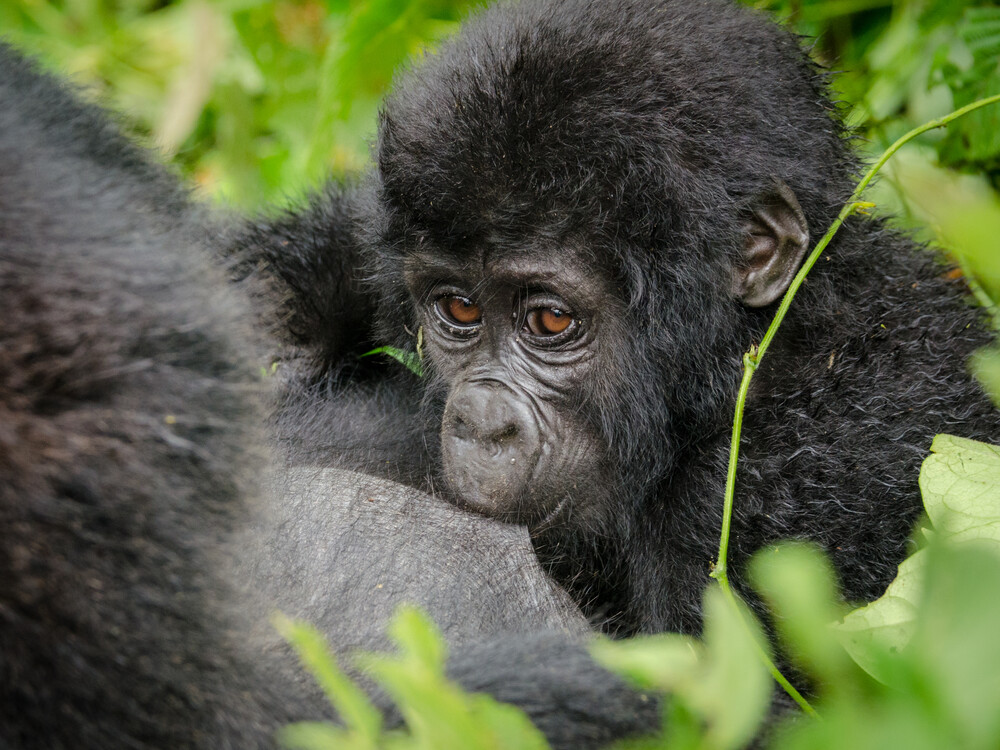
Where is Bwindi Impenetrable National Park located?
Bwindi Impenetrable National Park is located in southwestern Uganda along the edge of the Albertine Rift Valley. It borders the Democratic Republic of Congo and lies close to Rwanda. The park covers approximately 331 square kilometers of montane rainforest and sits at elevations between 1,160 and 2,600 meters above sea level.
Why is Bwindi Impenetrable National Park famous?
Bwindi Impenetrable National Park is famous for mountain gorilla trekking. The park protects nearly half of the world’s remaining mountain gorillas and is one of the most important conservation areas in Africa. It is also a UNESCO World Heritage Site known for exceptional biodiversity.
How many mountain gorillas are in Bwindi?
Bwindi Impenetrable National Park protects approximately 459 mountain gorillas, representing roughly half of the global mountain gorilla population. Several habituated families are available for tourism across four trekking sectors.
How much does a gorilla permit cost in Bwindi?
A standard gorilla trekking permit in Bwindi Impenetrable National Park costs USD 800 per person for foreign non-residents. The Gorilla Habituation Experience permit costs approximately USD 1,500 per person. Prices are regulated by Uganda’s wildlife authority.
How difficult is gorilla trekking in Bwindi?
Gorilla trekking in Bwindi ranges from moderate to challenging depending on the sector and the location of the gorilla family on the day of trekking. Trails can involve steep slopes, muddy terrain, and dense vegetation. Treks can last between one and eight hours.
What is the best time to visit Bwindi Impenetrable National Park?
The best time to visit Bwindi is during the dry seasons from June to September and December to February. Trails are less muddy and trekking conditions are more comfortable. However, gorilla trekking is available year-round.
Can you visit Bwindi from Kigali, Rwanda?
Yes. Many travelers access Bwindi Impenetrable National Park from Kigali via the Cyanika or Katuna border crossings. The drive typically takes between four and five hours depending on the sector.
Which Bwindi sector is best for gorilla trekking?
There is no single best sector. Buhoma offers established infrastructure, Ruhija is known for birding and altitude, Rushaga has the highest gorilla family concentration, and Nkuringo provides dramatic scenery and challenging terrain. Permit availability often influences sector choice.
How long should you stay in Bwindi?
Most visitors stay between two and four days. A typical itinerary includes arrival day, one day for gorilla trekking, and departure day. Travelers combining Bwindi with other parks may stay longer.
Is Bwindi Impenetrable National Park safe?
Yes. Bwindi is considered safe for tourists. Gorilla treks are conducted under strict ranger supervision, and park security is maintained by trained wildlife authorities. Visitors must follow briefing guidelines to ensure safety.
What should you wear for gorilla trekking in Bwindi?
Visitors should wear long-sleeved shirts, long trousers, waterproof hiking boots, and carry a rain jacket. Gardening gloves are recommended for gripping vegetation during steep climbs. Neutral colors are advised.
Are children allowed to trek gorillas in Bwindi?
The minimum age for gorilla trekking in Bwindi Impenetrable National Park is 15 years. This rule protects both the gorillas and younger visitors.
Can you see other wildlife in Bwindi besides gorillas?
Yes. Bwindi is home to over 120 mammal species, more than 350 bird species, forest elephants, primates, and over 200 butterfly species. It is one of Africa’s most biodiverse rainforests.
Is Bwindi better than Volcanoes National Park in Rwanda?
Bwindi offers greater gorilla population numbers and multiple trekking sectors, while Rwanda’s Volcanoes National Park offers shorter driving distances from Kigali. The choice depends on travel style, budget, and itinerary preferences.
How do you get to Bwindi Impenetrable National Park?
Bwindi can be accessed by road from Kampala (8–10 hours) or by domestic flights from Entebbe to Kihihi or Kisoro airstrips. From the airstrip, a 4WD transfer to the lodge is required.
What makes Bwindi Impenetrable National Park unique?
Bwindi is unique because it combines ancient rainforest ecosystems, exceptional biodiversity, and one of the largest populations of mountain gorillas in the world. Its rugged terrain and multiple trekking sectors provide diverse safari experiences within one park.