
Bwindi Park Fees 2025–2027: Gorilla Permits, Entrance Fees & Activities (Updated)
Bwindi Protected Areas Tariffs (2025–2027 Update)
If you are planning a visit to Bwindi Impenetrable National Park, understanding the official park tariffs is essential for proper trip budgeting and permit planning. This updated 2025–2027 guide explains the current gorilla permit costs, park entrance fees, nature walk charges, Batwa cultural experience fees, and additional activity costs applicable during this tariff cycle.
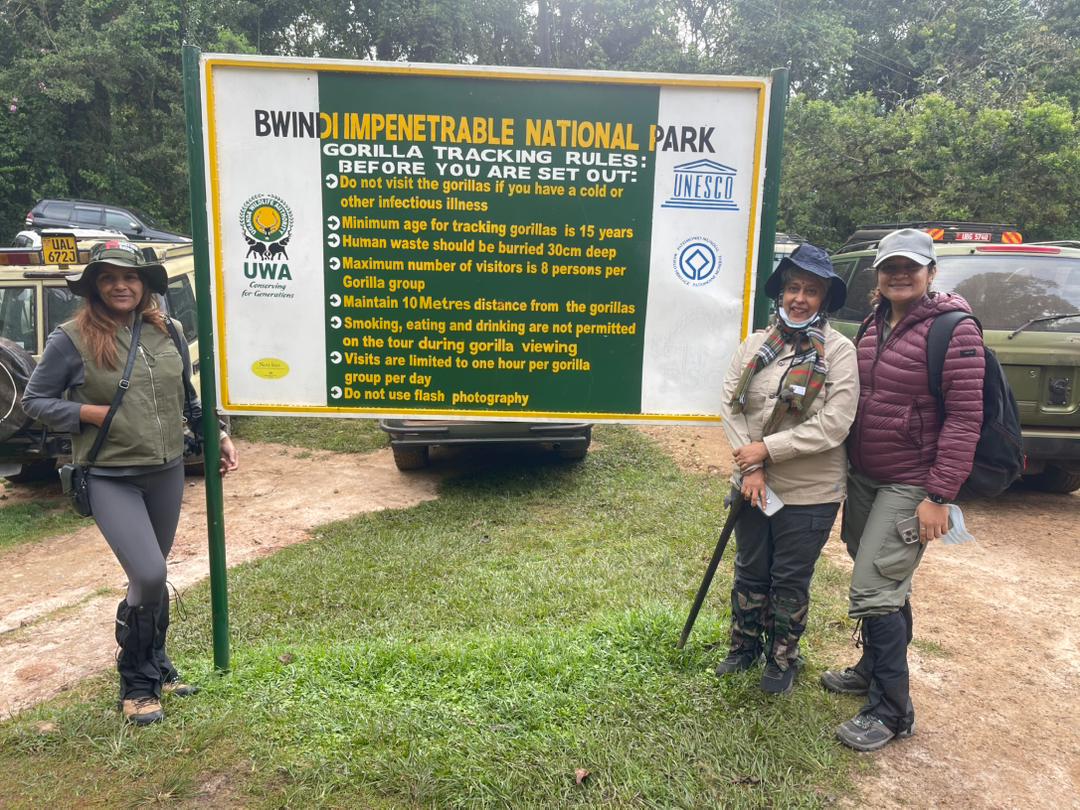
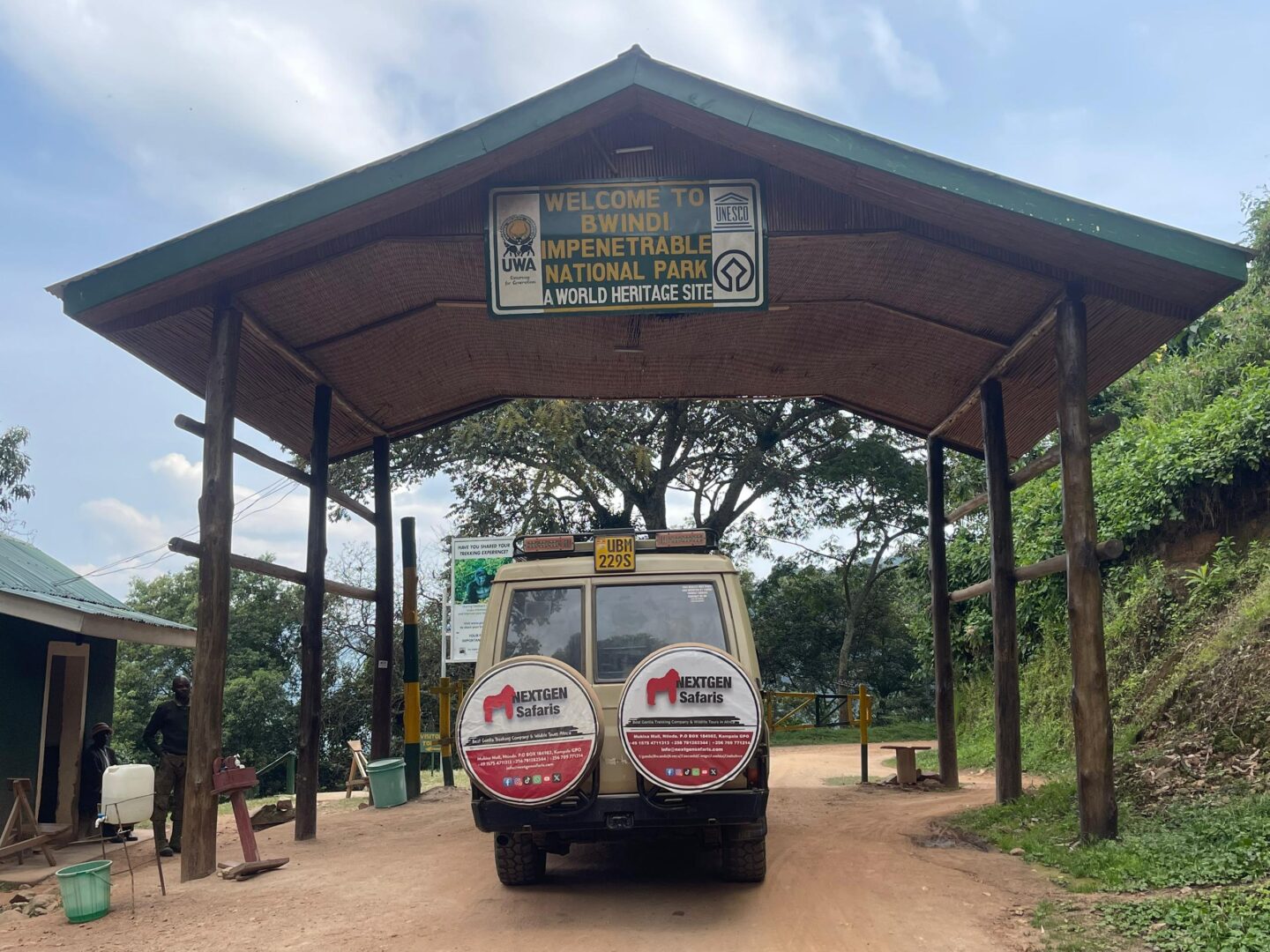
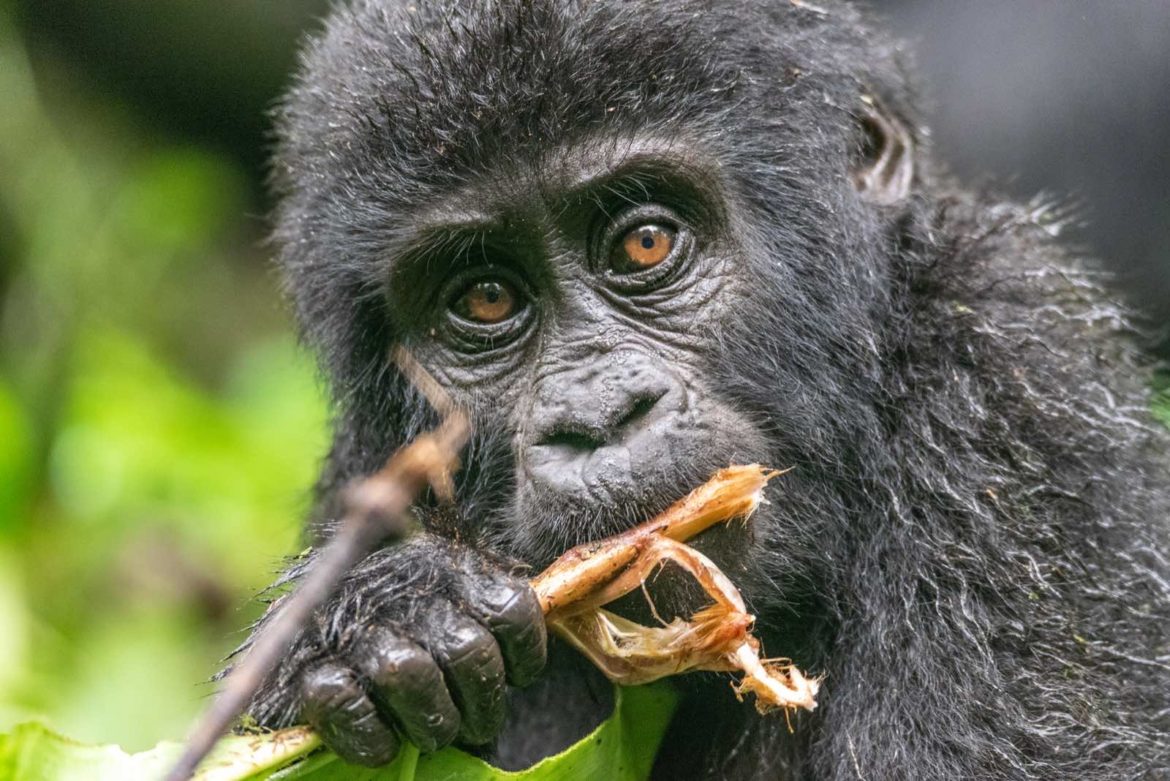
Bwindi Impenetrable Forest National Park’s pricing structure is regulated by the Uganda Wildlife Authority, and fees vary depending on visitor category including Foreign Non-Residents, Foreign Residents, Rest of Africa, and East African Citizens. Because gorilla permits are limited daily, availability and pricing are often the most important factors when planning your safari.
For most travelers, the gorilla permit is the primary cost component, while other activities such as guided nature walks, the Batwa forest experience, and community-based tours are optional add-ons that require park entrance payment on the day they are undertaken.
Bwindi Park Fees 2024–2026 (Updated): Gorilla Permits, Entrance Fees & Activities
A clear, traveler-friendly breakdown of Bwindi Impenetrable National Park tariffs for the 2024–2026 period, including gorilla trekking, gorilla habituation, park entrance fees, nature walks, and cultural experiences.
Gorilla Trekking
$800
Foreign non-resident (per person)
Gorilla Habituation
$1,500
Foreign non-resident (per person)
Park Entrance
$40
Non-resident adult (24 hrs)
Activity Fees in Bwindi (Per Person)
The table below lists Bwindi Impenetrable Forest National Park activities and their per-person fees by visitor category. If you are doing an activity on a day that is not your gorilla-trek day, park entrance fees apply for that day.
| Activity | Non-Resident (USD) | East African Resident (USD) | East African Citizen (UGX) | Rest of Africa (USD) |
|---|---|---|---|---|
| Gorilla Tracking | $800 | $700 | UGX 300,000 | $500 |
| Gorilla Habituation Experience | $1,500 | $1,000 | UGX 750,000 | $1,000 |
| Nature Walk (Day Walk) | $30 | $15 | UGX 10,000 | $10 |
| Long Nature Walk (Rushaga to Nyabaremura) | $50 | $40 | UGX 50,000 | $40 |
| Guided Short Nature Walks for Children | $5 | $5 | UGX 10,000 | $5 |
| Children Scouts – Adventure Activities | $10 | $10 | UGX 20,000 | $10 |
| Batwa Forest Experience | $40 | $40 | UGX 40,000 | $40 |
Park Entrance Fees (24 Hours)
One day entrance is valid for 24 hours from the time of entry. Visitors with gorilla permits typically do not pay park entrance fees for the actual gorilla-trek day.
| Visitor Category | Non-Resident (USD) | Foreign Resident (USD) | East Africans (UGX) |
|---|---|---|---|
| Adult (1 day/night) | $40 | $30 | UGX 35,000 |
| Child (5–15 years) | $20 | $15 | UGX 25,000 |
| Child (0–5 years) | Free | Free | Free |
Guided Nature Walk Tariffs (Bwindi Impenetrable Forest National Park)
| Guided Walk Duration | Non-Resident (USD) | Foreign Resident (USD) | East Africans (UGX) |
|---|---|---|---|
| Up to 4 hours | $10 | $10 | UGX 15,000 |
| Over 4 hours | $15 | $15 | UGX 15,000 |
There are typically no vehicle entrance fees charged for visitors taking gorilla tours to Bwindi.
How to Pay Bwindi Park Fees
Payments can be made using common methods such as mobile money and card payments at approved points, and permits are generally processed through official reservations channels and local operators. You should always carry a valid ID because resident status determines the correct tariff category.
Plan Bwindi Impenetrable Forest National Park Gorilla Trekking with Local Specialists
Tell us your travel dates, group size, and preferred sector (Buhoma, Ruhija, Rushaga, Nkuringo), and we will advise on the best permit plan, lodge options, and routing.
What’s Included in Gorilla Permits (2025–2027)
A gorilla trekking permit or gorilla habituation permit in Bwindi includes several essential components beyond simply accessing the gorillas.
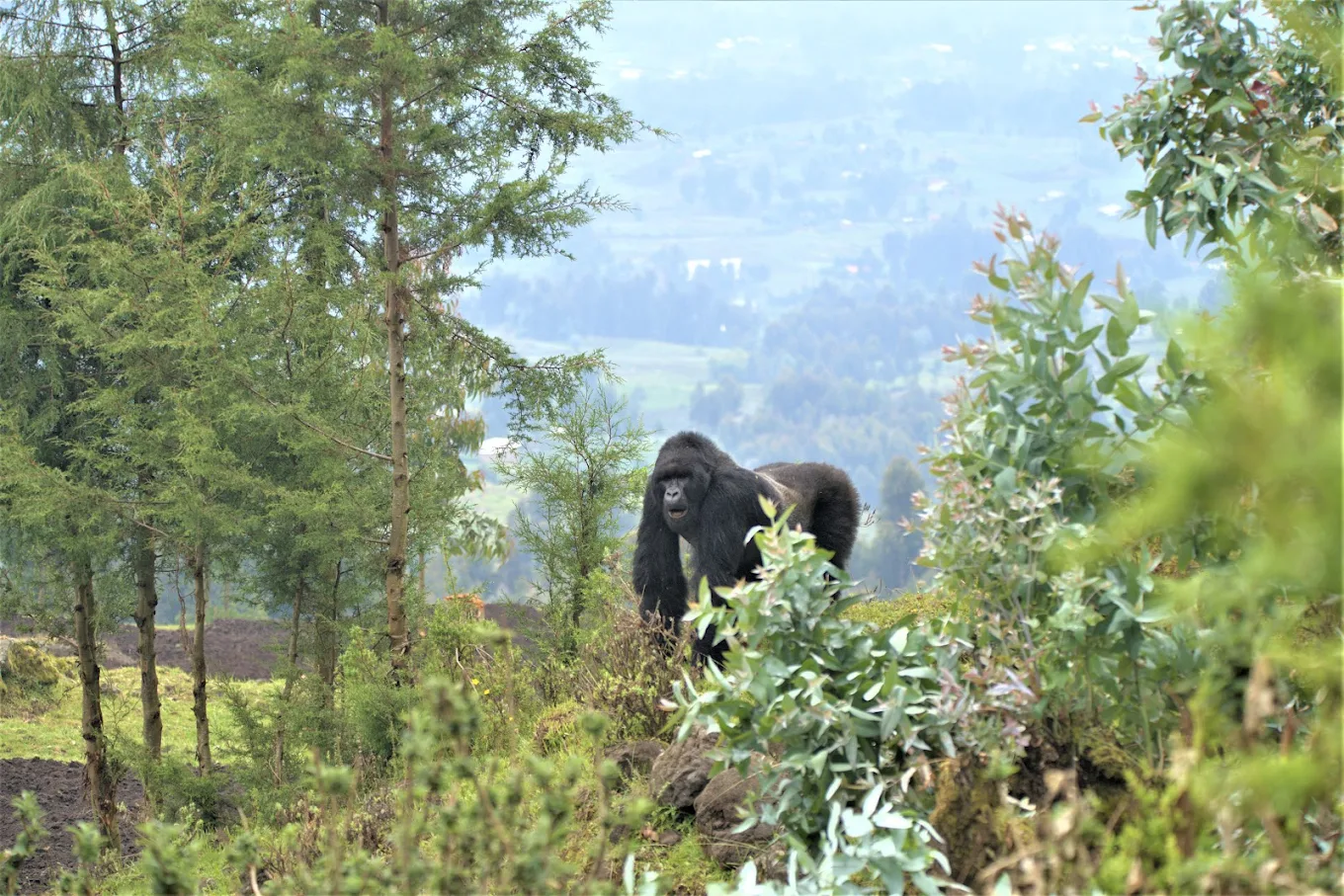
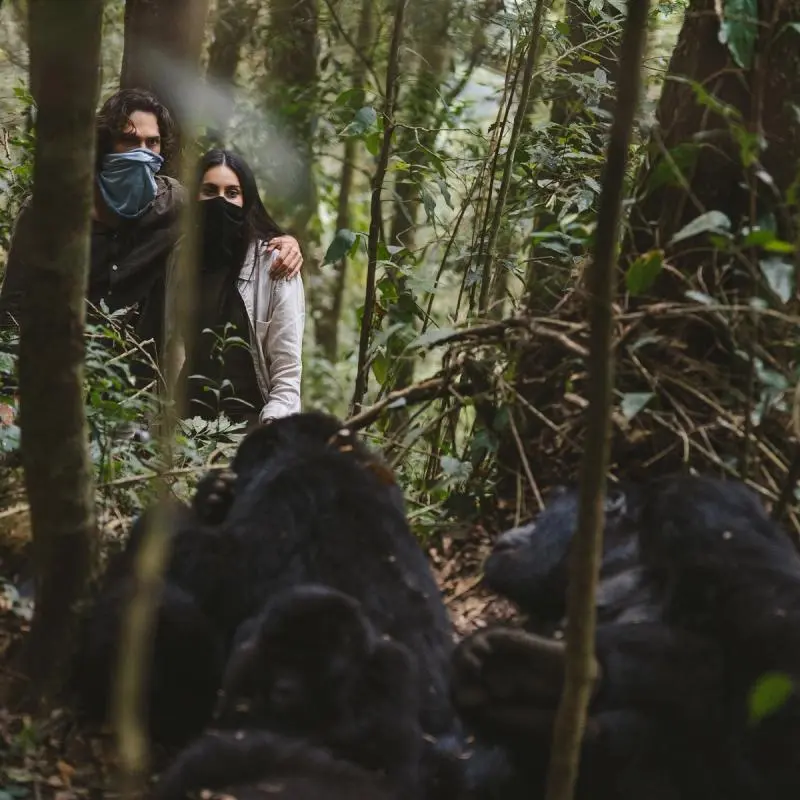
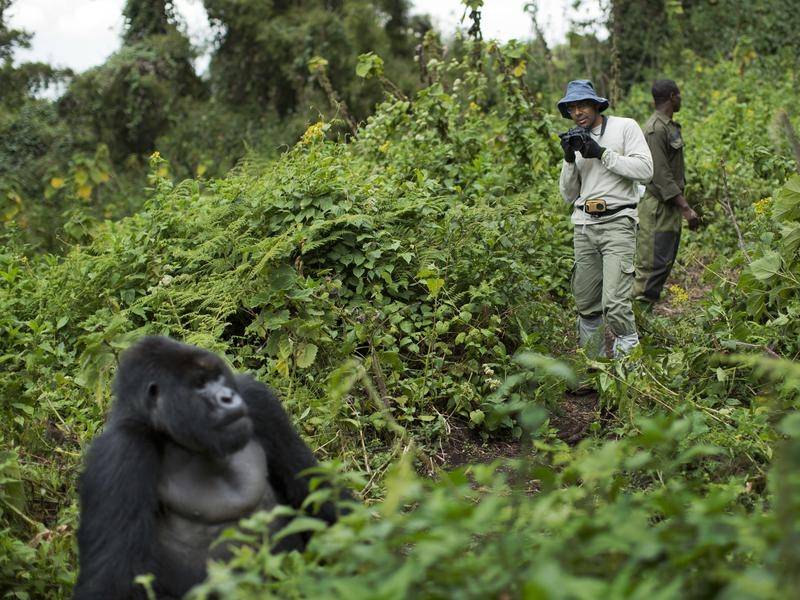
The permit typically covers:
- Park access for the specific trekking day
- Ranger-guided tracking experience
- Conservation and community levies
- Security and management support
- An official gorilla trekking certificate issued after your experience
It is important to note that if you engage in additional activities within Bwindi Impenetrable National Park on days other than your gorilla trek day, such as nature walks, birding excursions, or the Batwa cultural experience you are required to pay separate park entrance fees for those additional days.
For the 2025–2027 tariff period, the gorilla permit structure remains categorized by residency status, with Foreign Non-Residents paying the standard international rate, while East African Residents and Citizens benefit from reduced rates. Gorilla habituation permits are higher in cost due to the extended four-hour interaction experience with a semi-habituated gorilla family.
Because each habituated gorilla family accommodates a maximum of eight visitors per day (and habituation groups allow even fewer), permit allocation remains limited, and early booking is strongly recommended especially for peak travel months from June to September and December to February.
Understanding Park Entrance Fees in Bwindi (2025–2027)
Park entrance fees are separate from gorilla permits and apply to visitors entering Bwindi Impenetrable National Park for activities other than gorilla trekking or habituation on that specific day.
Entrance is typically valid for 24 hours from the time of entry, and fees vary based on residency category and age group (adult or child). Children under five years of age are generally admitted free of charge, while students with valid identification may qualify for reduced rates depending on classification.
If you are entering Bwindi Impenetrable National Park exclusively for gorilla trekking, you usually do not pay an additional park entrance fee for that particular day, as it is incorporated into the permit cost. However, if you remain inside the park for extended experiences or return on a different day for another activity, entrance fees apply.
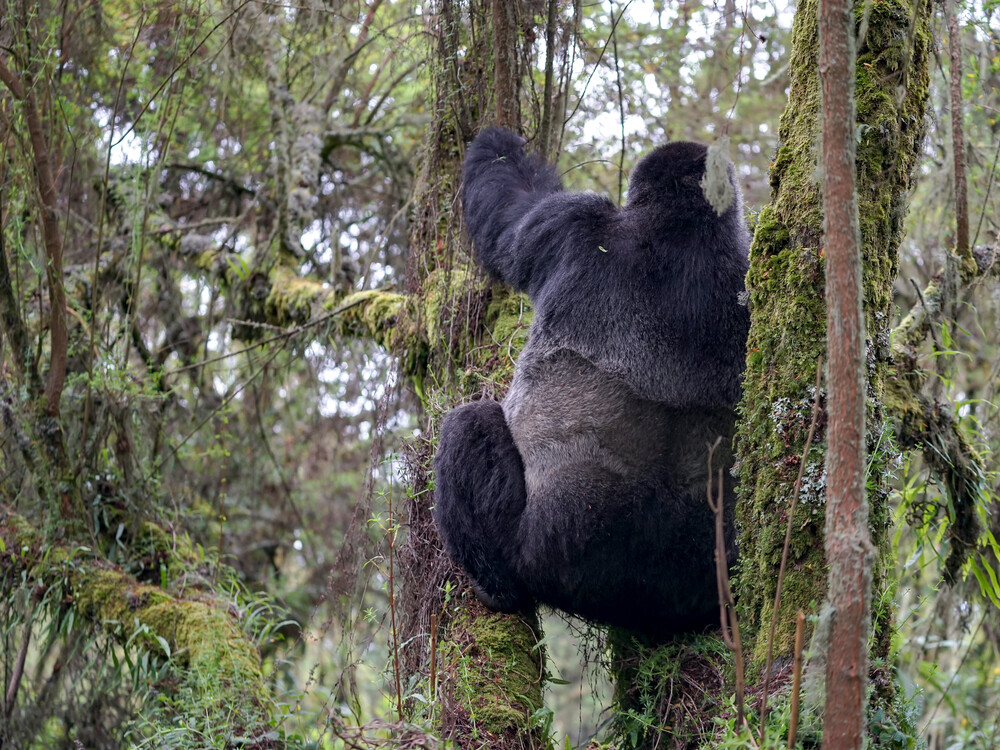
Optional Activities & Add-On Experiences in Bwindi
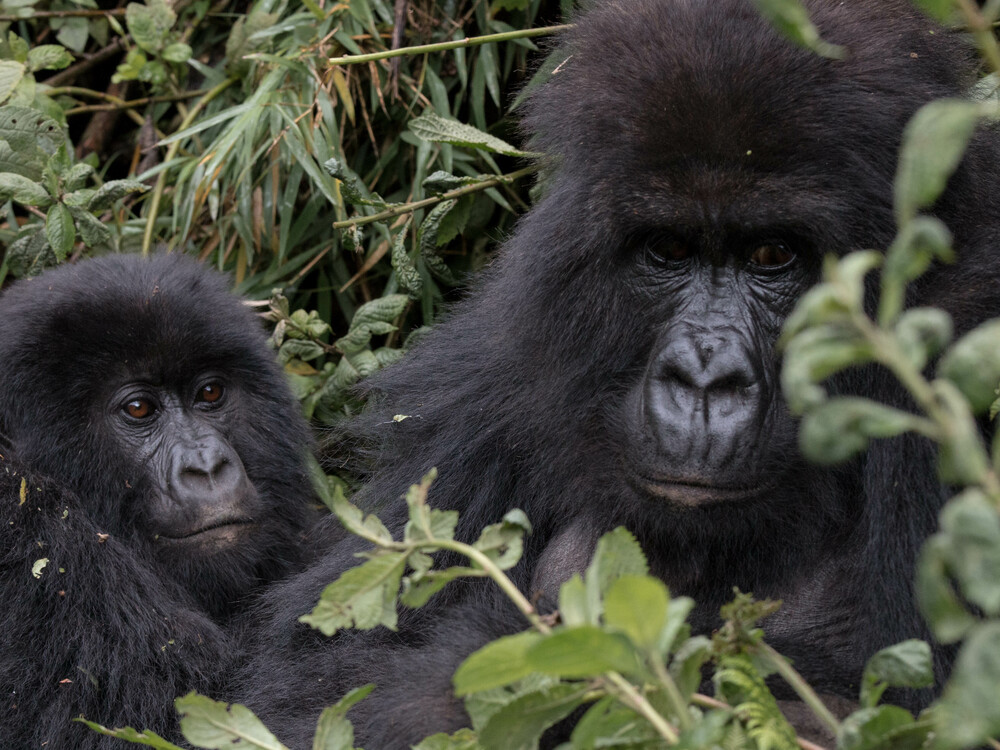
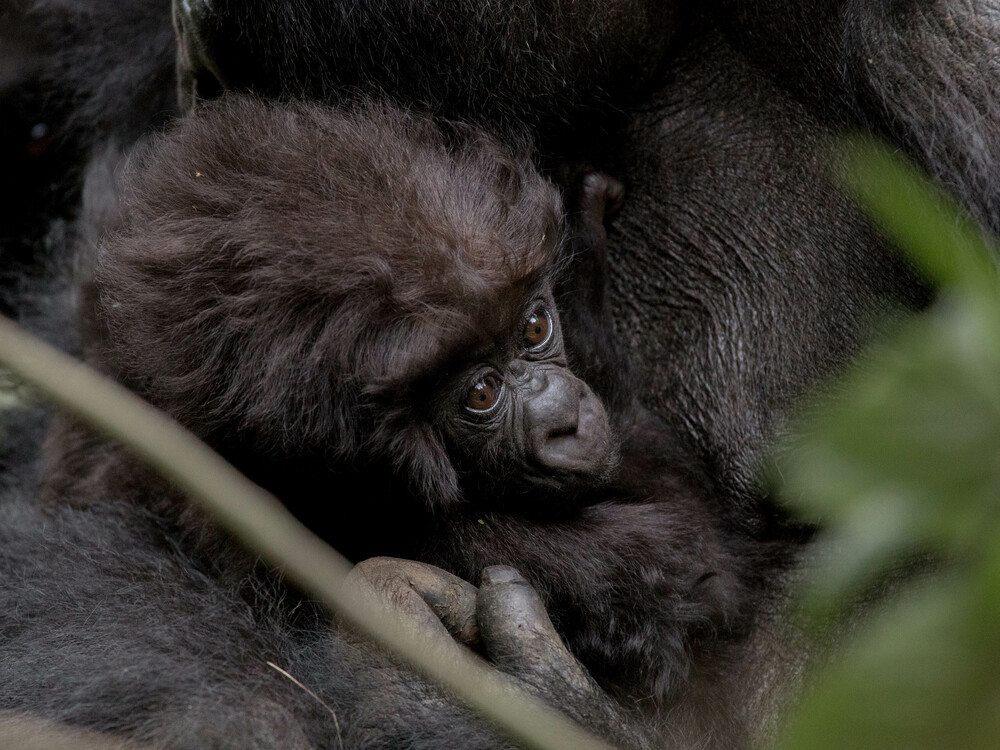
Beyond gorilla trekking, Bwindi Impenetrable Forest National Park offers a range of enriching experiences that allow visitors to explore the forest ecosystem more deeply.
Guided day walks provide insight into forest ecology, birdlife, and smaller primate species, while longer cross-sector walks (such as Rushaga to Nyabaremura) offer scenic and immersive forest exploration.
The Batwa Forest Experience is a cultural highlight, introducing visitors to the indigenous Batwa community, who originally lived within the forest before it became a protected conservation area. This experience provides historical context, traditional knowledge, and meaningful community engagement.
These activities are priced separately from gorilla permits and require park entrance payment on the day of participation.
Why 2025–2027 Planning Matters
Bwindi Impenetrable Forest National Park’s tariff cycles are structured in multi-year blocks, and the 2025–2027 period continues to reflect conservation-driven pricing that supports wildlife protection, ranger operations, and community development.


With approximately two dozen habituated gorilla families across sectors such as Buhoma, Ruhija, Rushaga, and Nkuringo, daily permits remain limited. This means availability not just price becomes the determining factor in itinerary design.
For peak season travel, booking permits 6–12 months in advance is strongly advised to secure preferred dates and sectors.
Summary: Budgeting for Bwindi (2025–2027)
When calculating your total Bwindi safari budget, consider:
- Gorilla permit or habituation permit
- Park entrance fees (if applicable beyond trek day)
- Optional activities (nature walks, Batwa experience)
- Accommodation and transport logistics
For most international travelers, the gorilla permit remains the core investment, while other activities enhance the overall forest experience.
Bwindi Park Fees – Frequently Asked Questions (2025–2027 Update)
Do I pay park entrance on the gorilla trekking day?
In most cases, no additional park entrance fee is charged on the actual day of gorilla trekking, because the gorilla permit already includes park access for that specific day. The permit covers ranger guiding, conservation fees, and the required park entry for the trek.
However, if you remain inside the park for extended activities or return on another day for different experiences, separate park entrance fees will apply.
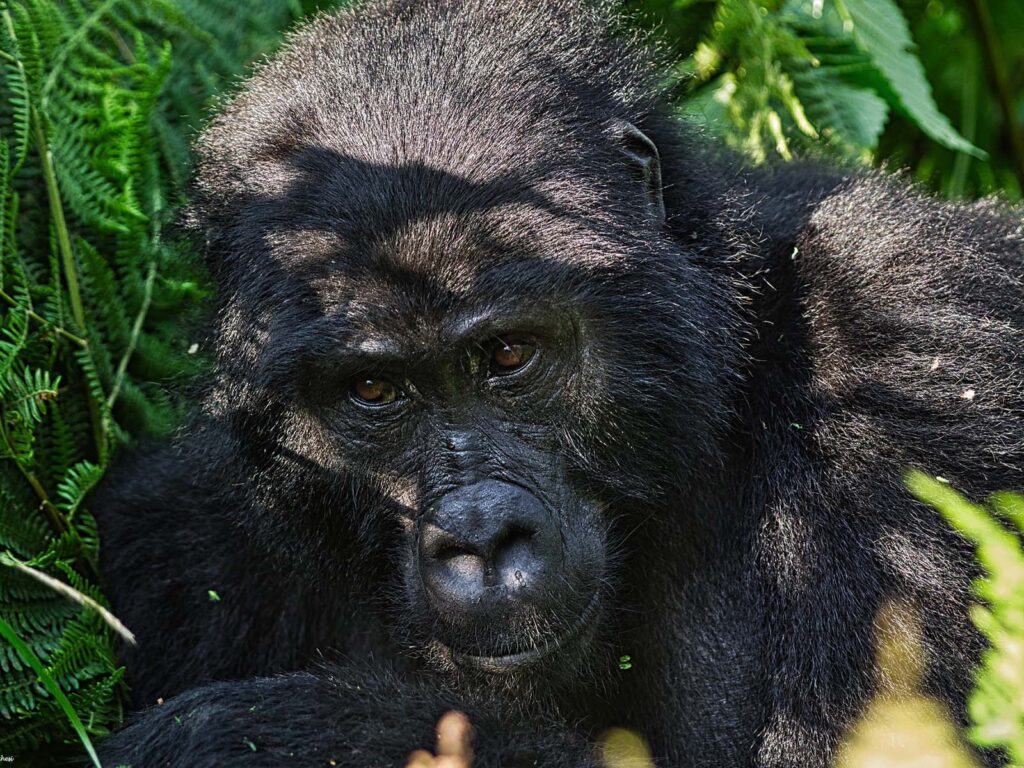

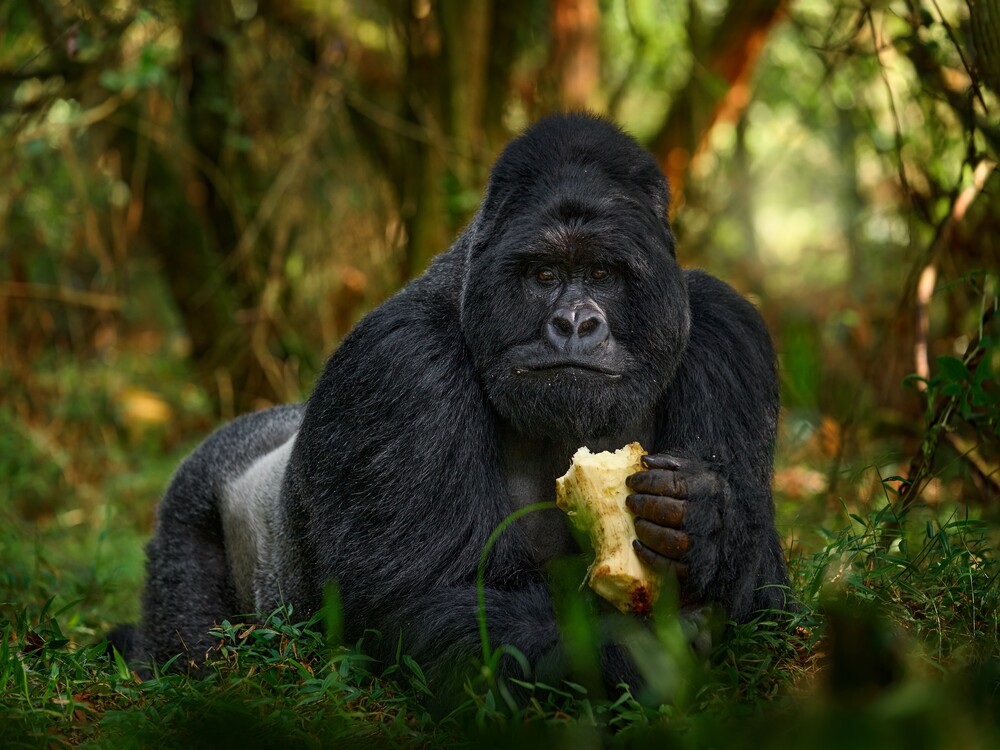
If I do the Batwa experience or a nature walk, do I pay park entrance again?
Yes. If you participate in optional activities such as the Batwa Forest Experience, birding walks, or guided nature hikes on a separate day, you are required to pay park entrance fees for that day.
The gorilla permit only covers park access on the specific trekking date. Any additional activities scheduled outside that day require separate entry payment.
How early should I book Bwindi gorilla permits?
For peak travel months, June to September and December to February, it is highly recommended to book permits 6 to 12 months in advance. Gorilla permits are strictly limited each day because only a fixed number of visitors are allowed per habituated gorilla family.
Even during low or rainy seasons, permits can sell out due to limited daily allocation. Early booking ensures you secure your preferred sector (Buhoma, Ruhija, Rushaga, or Nkuringo) and travel dates.
How many gorilla permits are available per day in Bwindi?
Each habituated gorilla family allows a maximum of 8 visitors per day, and Bwindi has a limited number of habituated families across its sectors. This means total daily permits are capped and availability fluctuates depending on season and demand.
Gorilla habituation experiences allow even fewer visitors per group, making those permits more limited and often booked further in advance.
Can children trek gorillas in Bwindi?
Gorilla trekking in Bwindi is generally restricted to visitors 15 years and above. This regulation is in place to ensure safety, maintain appropriate behavior standards around the gorillas, and minimize disease transmission risks.
Exceptions are rare and subject to approval by park authorities.
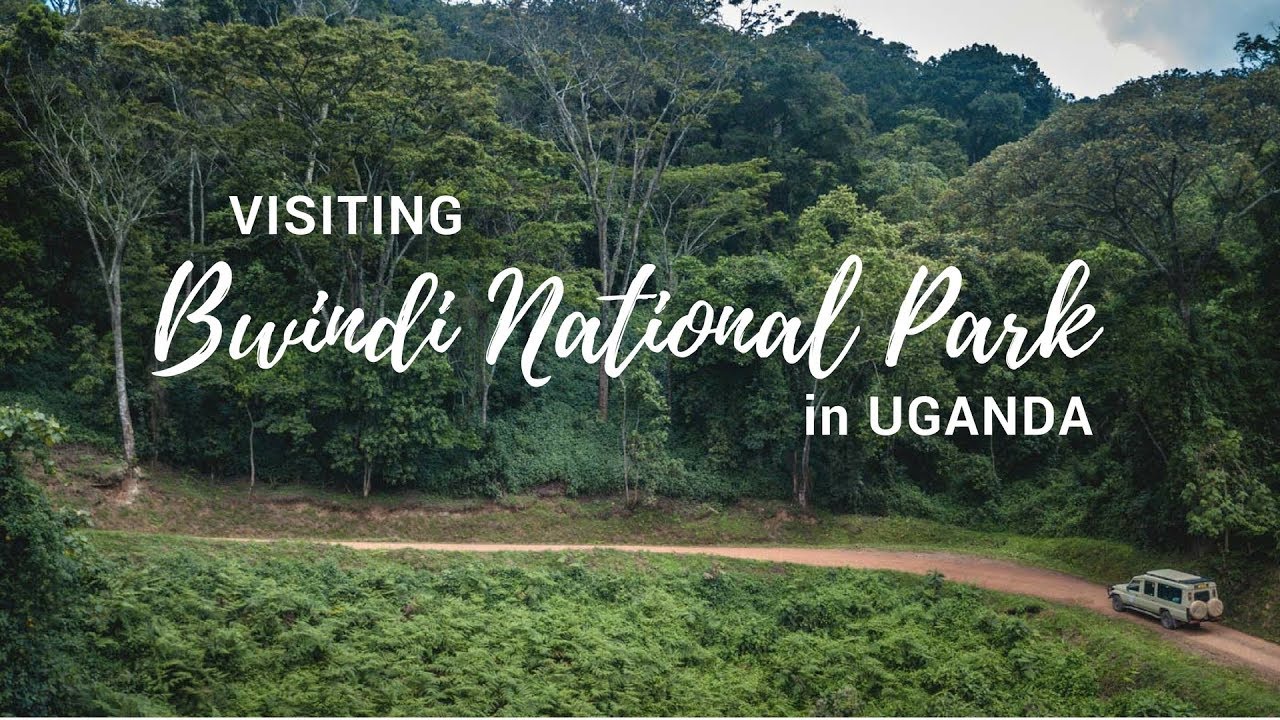

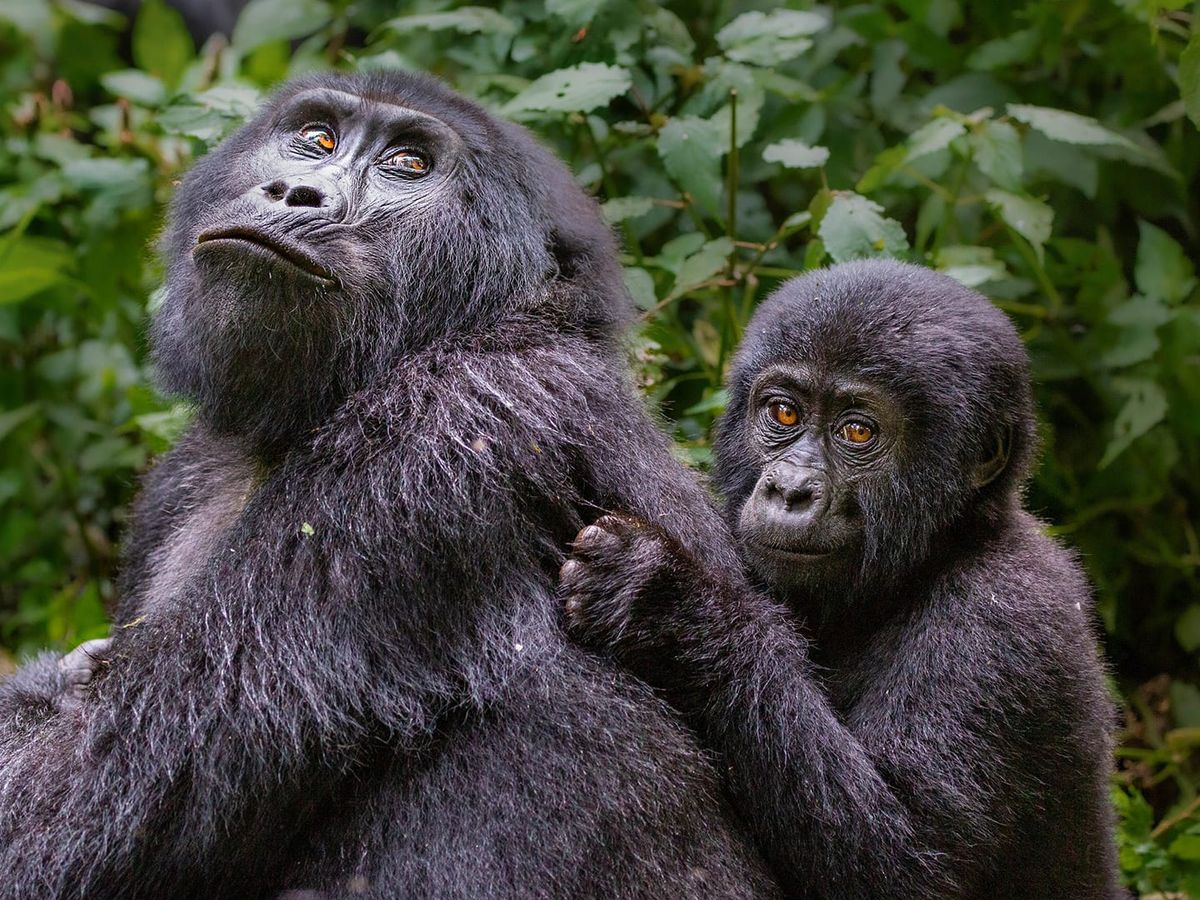
What happens if I don’t see gorillas during the trek?
Gorilla sightings in Bwindi are extremely successful, with a very high tracking success rate due to daily monitoring of habituated families by ranger teams. While wildlife sightings can never be 100% guaranteed, it is very rare not to locate the assigned gorilla family.
Refunds are typically not issued simply because trekking involves tracking wild animals, and success depends on natural conditions.
Are gorilla permits refundable or transferable?
Gorilla permits are generally non-refundable and non-transferable, except in very specific circumstances such as serious medical emergencies, subject to official approval. It is strongly advised to secure travel insurance that covers unforeseen cancellations.
Are there vehicle entrance fees for Bwindi?
For visitors undertaking gorilla tours, vehicle entrance fees are generally not charged separately in Bwindi. The primary cost components are the gorilla permit and applicable park entrance fees for additional activities.
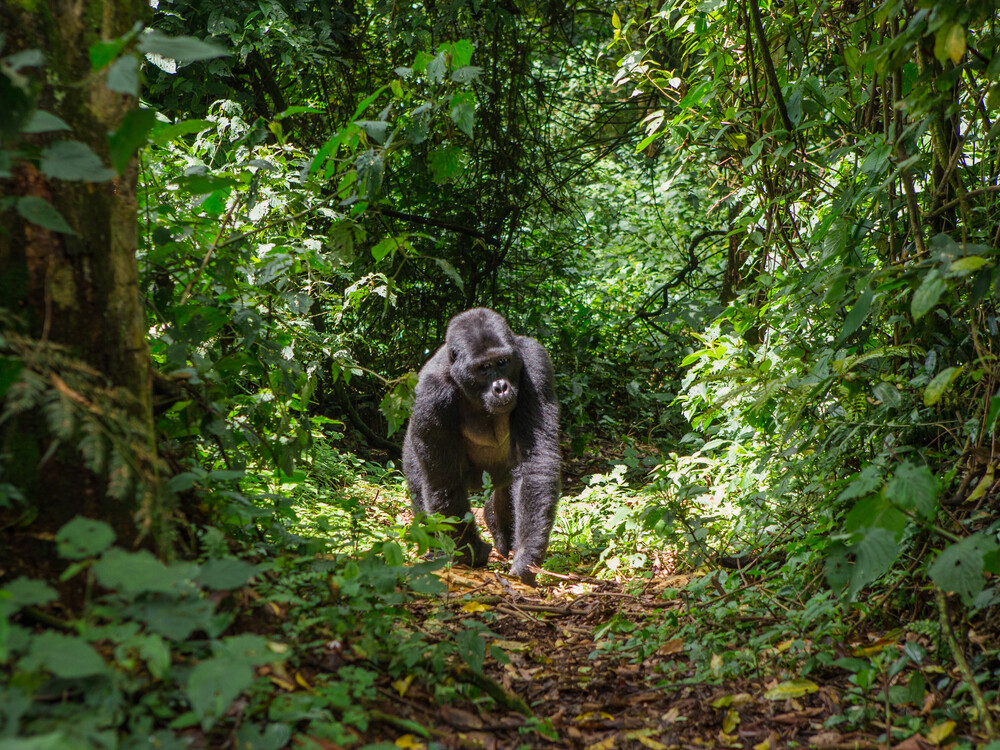
Do foreign residents pay different rates than tourists?
Yes. Tariffs are categorized into visitor groups including Foreign Non-Residents, Foreign Residents, Rest of Africa, and East African Citizens. Valid identification must be presented to determine the correct pricing category.
Can I book a gorilla permit directly with the park?
International travelers typically secure gorilla permits through licensed local tour operators who process reservations through the official central booking system. Because availability is limited and procedures can be time-sensitive, working with an experienced operator simplifies the process and reduces booking risks.
Is gorilla habituation worth the higher cost?
The gorilla habituation experience allows up to four hours with a semi-habituated gorilla group, compared to one hour for standard trekking. It is more immersive, less crowded, and suited for photographers or travelers seeking deeper engagement, which is why it is priced higher.