
Can You Do Gorilla Habituation During the Rainy Season?
Can You Do Gorilla Habituation During the Rainy Season? The Ultimate Uganda Safari Guide
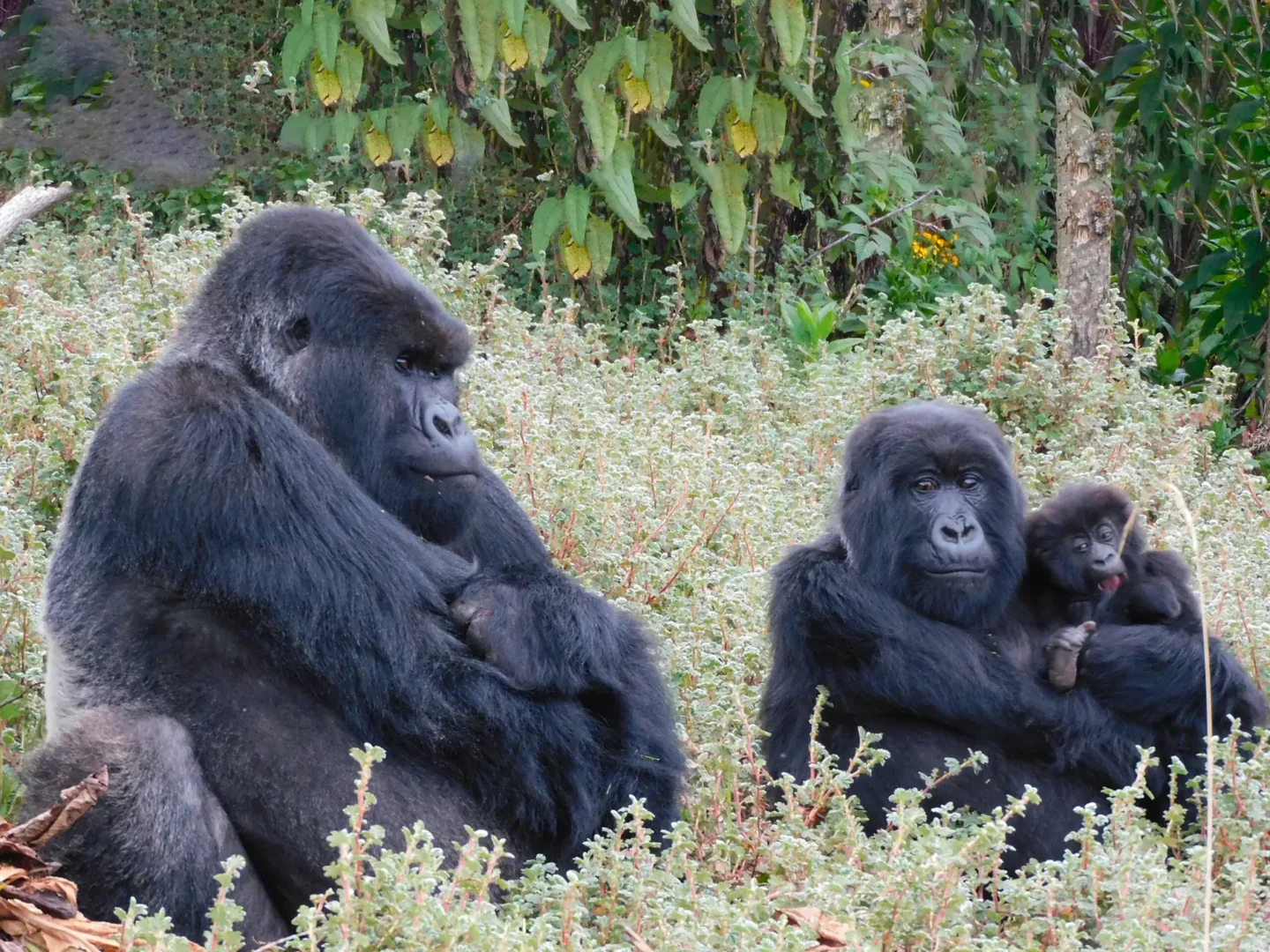
Can You Do Gorilla Habituation During the Rainy Season? Yes, gorilla habituation in Uganda is possible during the rainy season, including March, April, May, October, and November, when Bwindi Impenetrable National Park receives some of its heaviest rainfall. Uganda offers the remarkable Gorilla Habituation Experience in the Rushaga sector of Bwindi Impenetrable National Park, located in Kisoro District in southwestern Uganda. This unique wildlife activity allows visitors to spend up to four hours observing a mountain gorilla family undergoing habituation while accompanied by authorized guides and conservation personnel.
Although the rainy season brings wetter forest trails, muddy slopes, misty landscapes, and occasional transportation challenges, it does not automatically prevent visitors from participating in Uganda’s Gorilla Habituation Experience. For wildlife enthusiasts who appreciate lush tropical forests, quieter travel periods, and dramatic natural scenery, the rainy season can be a rewarding time to explore Uganda’s mountain gorilla habitat.
For Ugandan citizens, East African Community citizens, foreign residents, and international visitors planning a Uganda gorilla safari, understanding Can You Do Gorilla Habituation During the Rainy Season? is essential when choosing travel dates and preparing for the forest experience. Uganda experiences two principal rainy periods, generally from March to May and from September or October through November, although rainfall patterns vary between years.
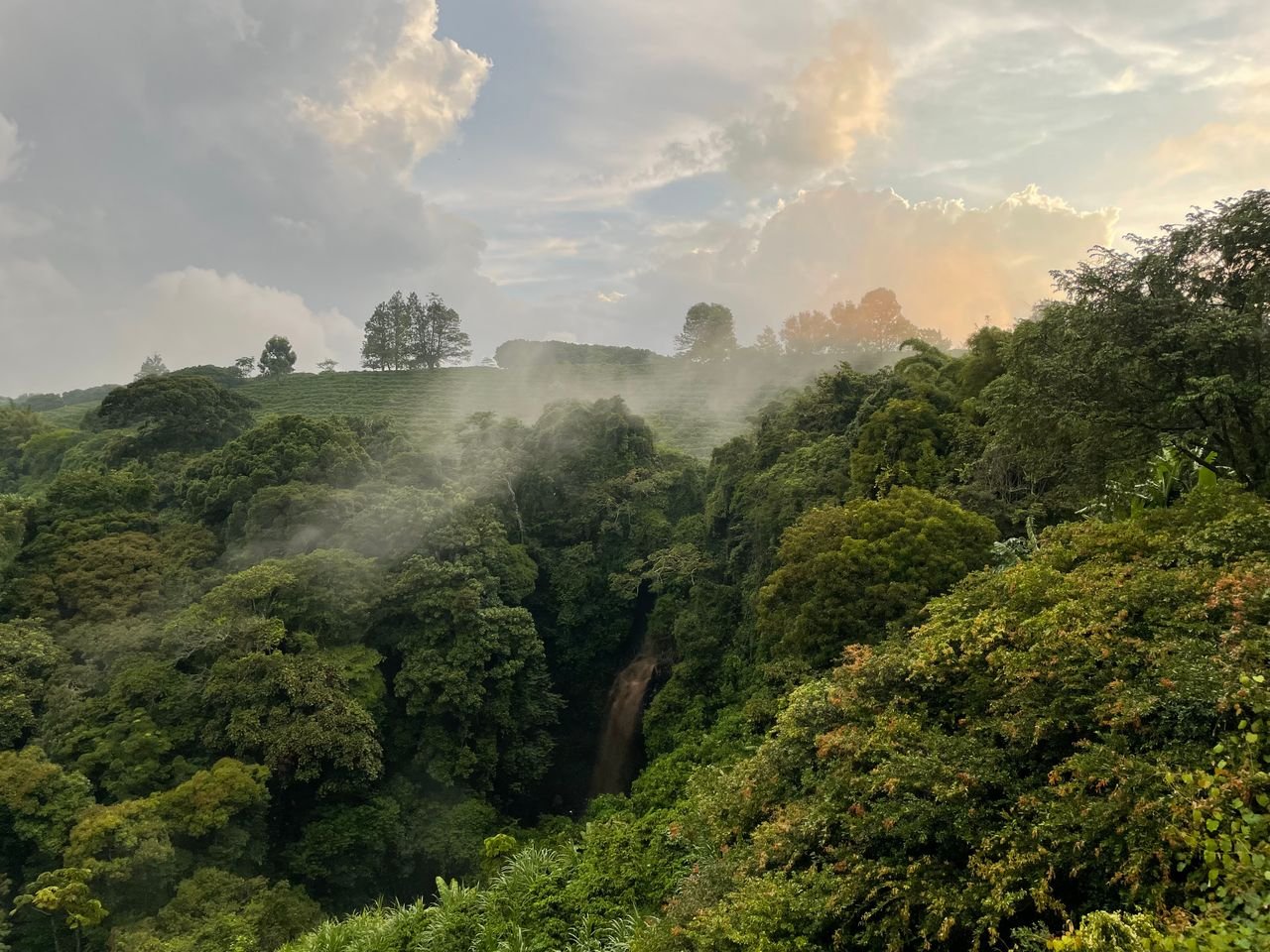
Bwindi Impenetrable National Park remains a tropical rainforest throughout the year, meaning even the relatively dry months can experience rain. During wetter periods, the forest becomes exceptionally green, streams carry more water, and the mountainous landscape surrounding Rushaga is frequently covered in beautiful mist. While these conditions can make hiking more physically demanding, they also create a distinctive rainforest atmosphere that many nature lovers and photographers appreciate.
The Gorilla Habituation Experience is not exclusively a dry-season activity. Visitors can plan their safari during different months of the year, provided valid permits are available and Uganda Wildlife Authority considers conditions safe for the scheduled excursion. However, rainy-season visitors should prepare carefully, choose appropriate accommodation, arrange reliable transportation, and understand how heavy rainfall may affect the length and difficulty of forest walks.
Is Gorilla Habituation Available Throughout the Rainy Season in Uganda?
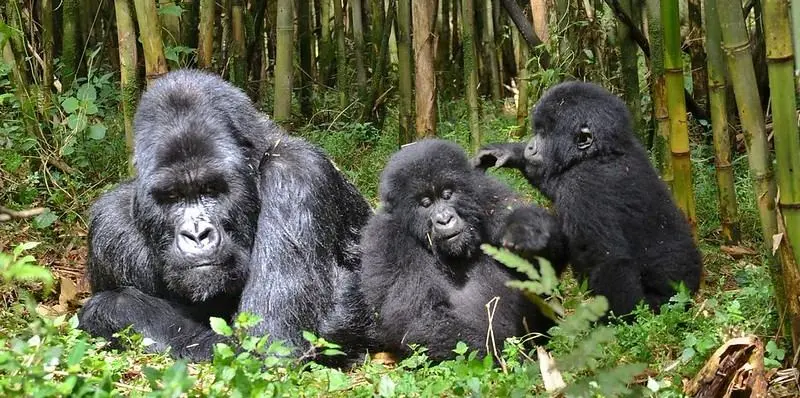
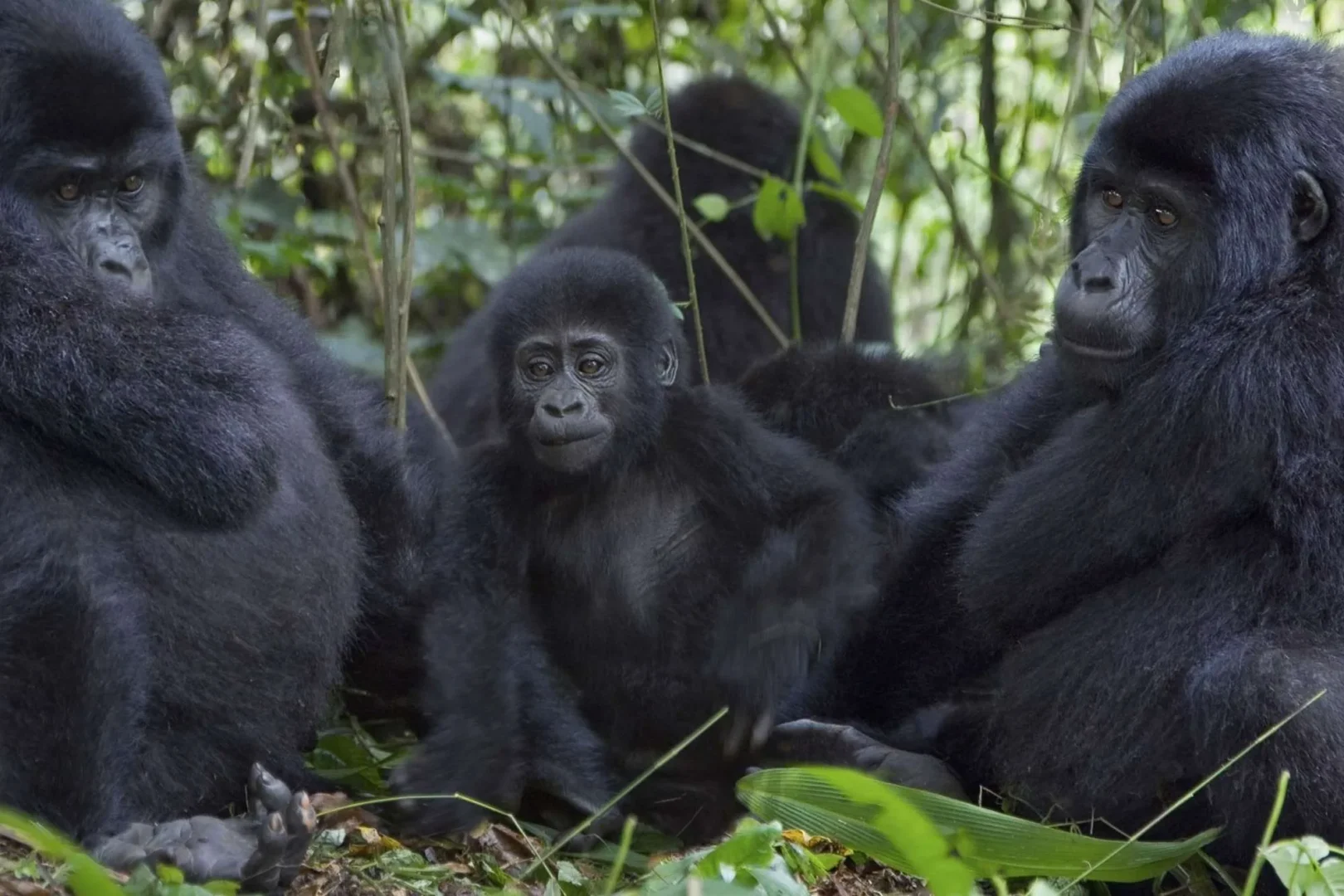
Yes. The Gorilla Habituation Experience operates throughout the year in Uganda, including the main rainy months. The activity is conducted in the Rushaga sector of Bwindi Impenetrable National Park, where designated mountain gorilla families are gradually accustomed to carefully managed human presence under the supervision of authorized conservation personnel.
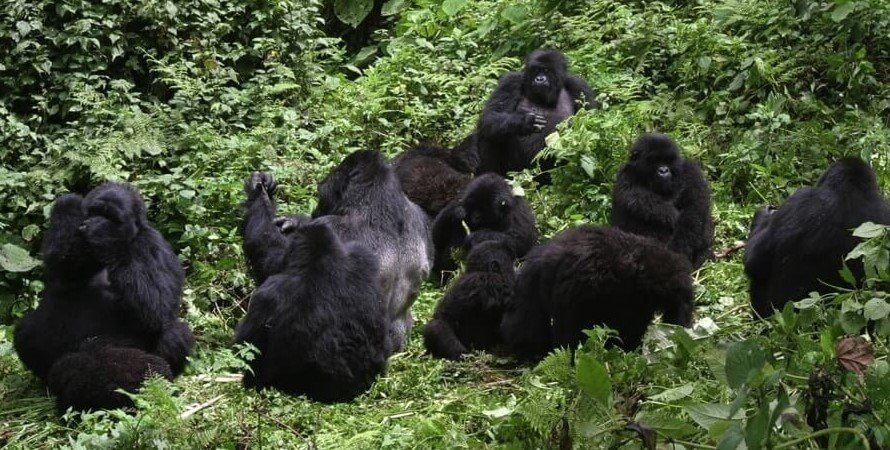
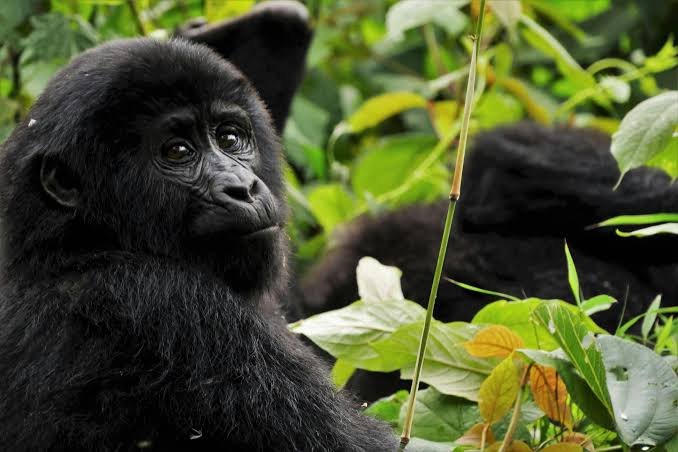
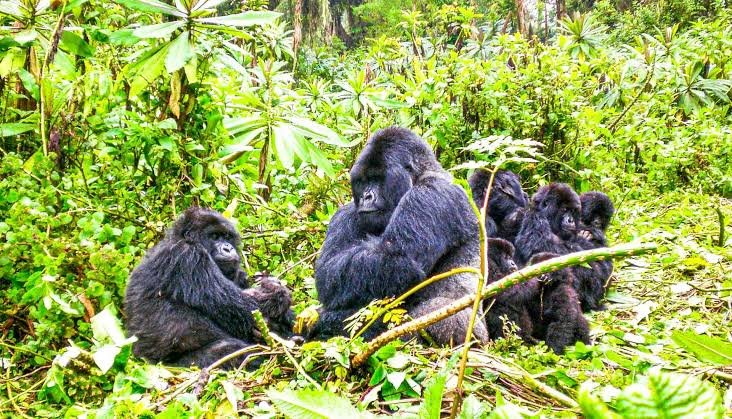
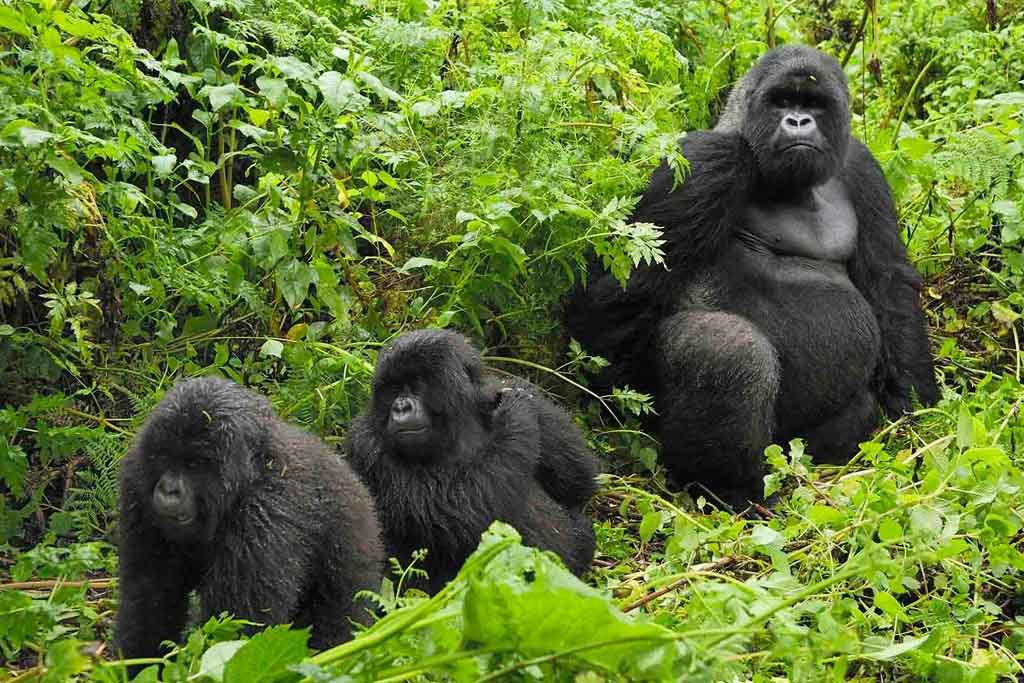
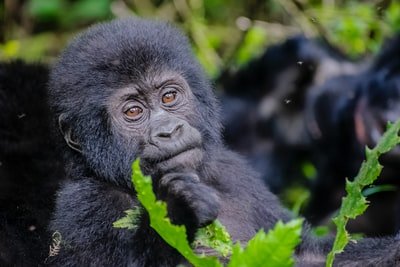
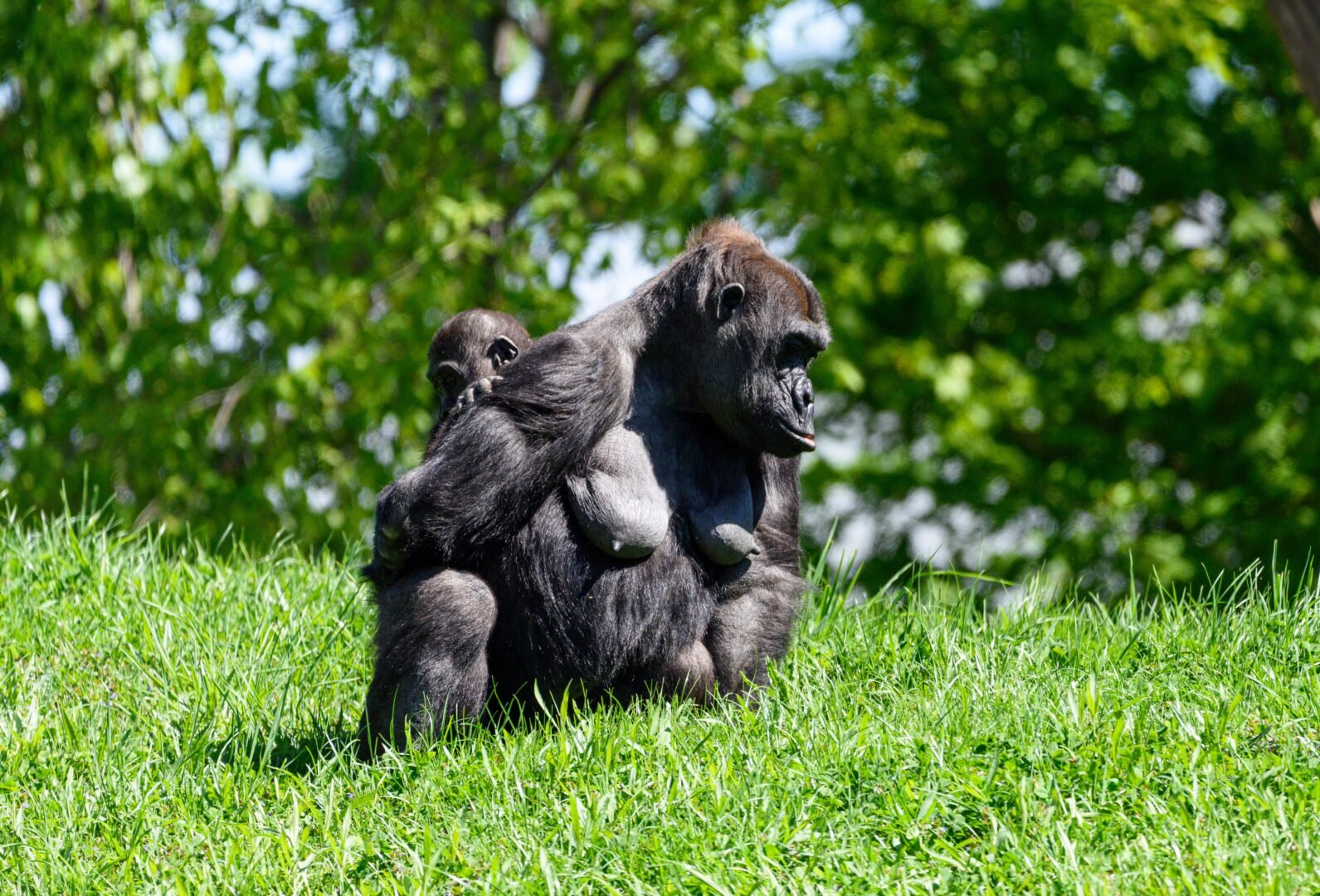
Unlike ordinary gorilla trekking, which generally permits one hour of observation with an already habituated gorilla family, the Gorilla Habituation Experience allows a maximum of four hours with a family undergoing habituation. This extended period gives visitors additional opportunities to observe feeding, grooming, resting, movement, social interactions, and communication between members of the gorilla family.
The rainy season does not change the fundamental purpose of the activity. Visitors still participate in the early morning briefing, follow authorized guides into the forest, and observe the gorillas under strict conservation rules. However, weather conditions may influence hiking routes, travel times, visitor comfort, and operational decisions made by park authorities.
When asking Can You Do Gorilla Habituation During the Rainy Season?, travellers should understand the difference between an activity being available and weather conditions being suitable on a particular day. Gorilla habituation is generally available during wet months, but severe weather, unsafe terrain, or other exceptional circumstances may require the authorities to modify or suspend an excursion.
When Is the Rainy Season in Bwindi Impenetrable National Park?
Bwindi Impenetrable National Park experiences a tropical highland climate influenced by altitude, surrounding mountains, dense forest vegetation, and regional weather patterns. Unlike destinations with one clearly defined rainy period, southwestern Uganda generally experiences two wetter seasons each year.
The longer rainy season normally extends from March through May. Rainfall often increases during March, becomes particularly frequent during April, and may begin to decrease toward the end of May. During this period, the forest floor becomes wetter, trails may develop muddy sections, and steep hillsides can become more difficult to navigate.
The second rainy period generally occurs from September or October through November. Rainfall becomes increasingly frequent as the season develops, although the timing and intensity vary between years. October and November are commonly associated with wetter trekking conditions, making them important months for visitors to consider when planning a gorilla habituation safari.
It is important to remember that these seasonal divisions are general patterns rather than fixed weather guarantees. Bwindi is an equatorial rainforest, and rain can fall during June, July, January, or February just as dry intervals can occur during the rainy months.
What Happens During Gorilla Habituation in the Rainy Season?
The Gorilla Habituation Experience during the rainy season follows the same general conservation procedures used throughout the year. Visitors report to the designated Rushaga briefing location, where Uganda Wildlife Authority personnel explain the activity, conservation regulations, expected visitor conduct, and important safety instructions.
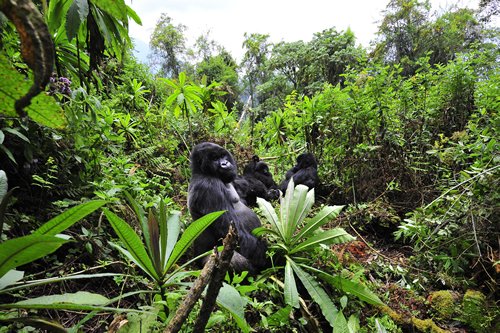
After the briefing, participants enter the forest with authorized guides and other personnel involved in the habituation process. The group travels through the rainforest while looking for signs of the designated gorilla family’s movements. Depending on recent rainfall, the route may involve muddy trails, slippery vegetation, wet roots, steep slopes, and areas where walking requires additional care.
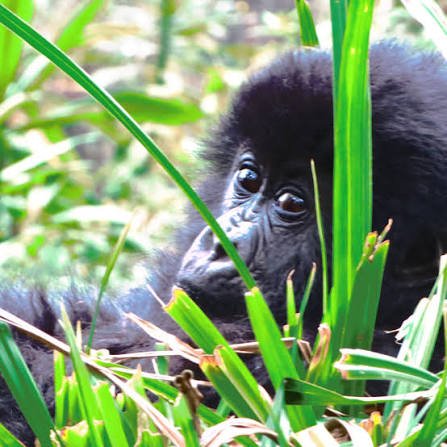
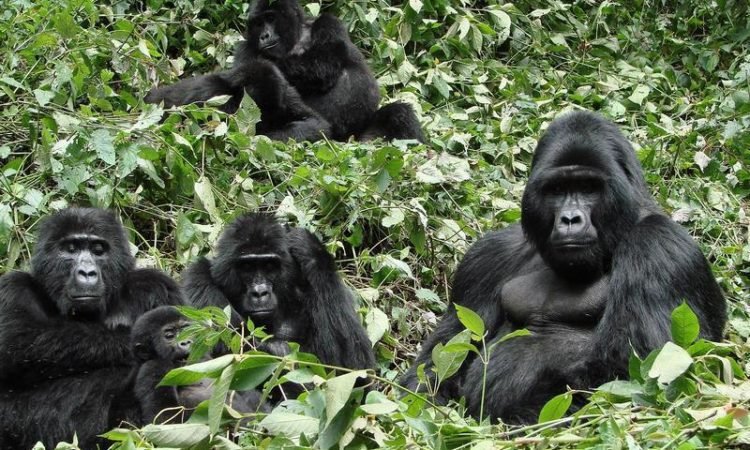
Once the assigned gorilla family is located, visitors may spend up to four hours observing its behaviour. The gorillas remain wild animals, and their movements are not controlled to accommodate tourism. They may continue feeding, resting, grooming, travelling through vegetation, or interacting with other members of the family while visitors observe from a safe distance.
Rain may fall during the observation period, but this does not necessarily end the experience. The authorized guides determine how to proceed according to weather conditions, the gorillas’ behaviour, and visitor safety. The full four-hour observation allowance is a maximum rather than a guarantee under every circumstance.
For travellers researching Can You Do Gorilla Habituation During the Rainy Season?, understanding these conditions helps establish realistic expectations. Rainy-season habituation is an authentic rainforest experience that can be physically demanding but exceptionally rewarding.
What Are the Advantages of Gorilla Habituation During the Rainy Season?
Beautiful Green Rainforest Landscapes
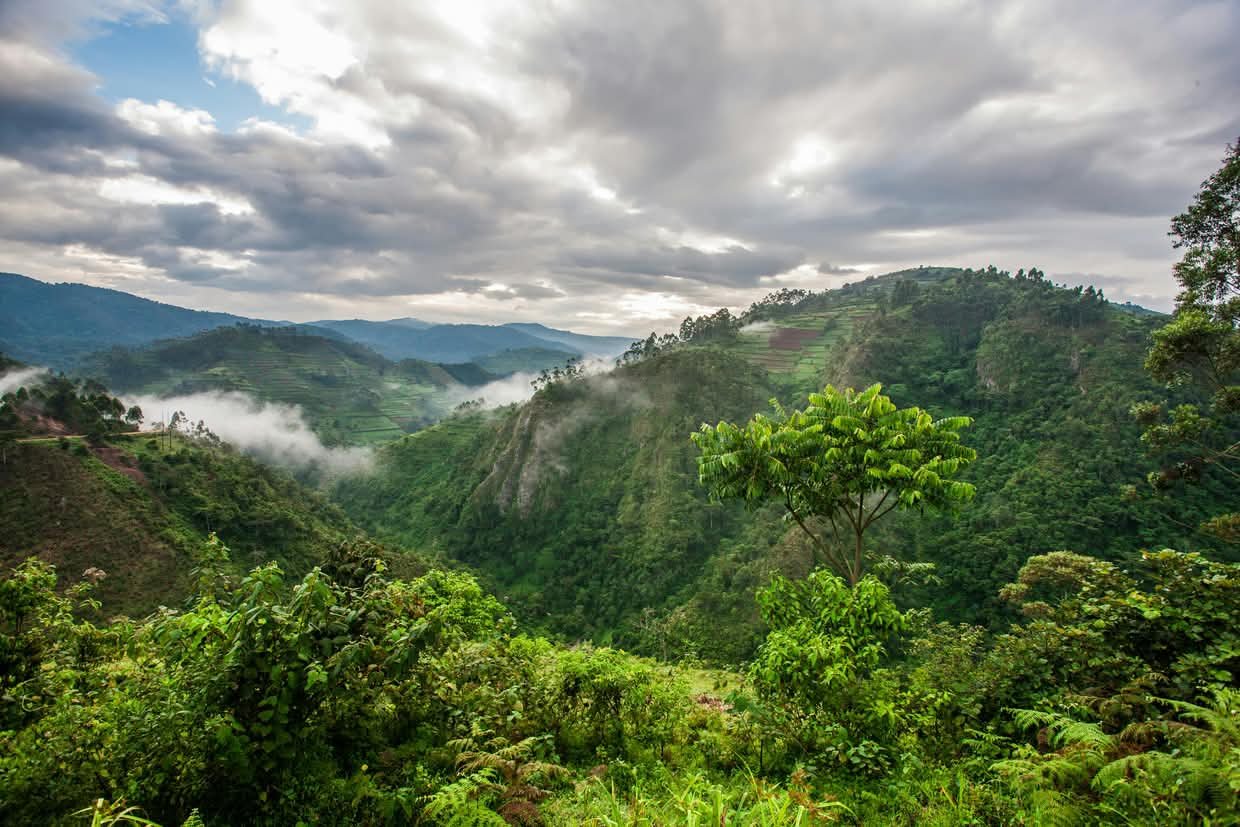
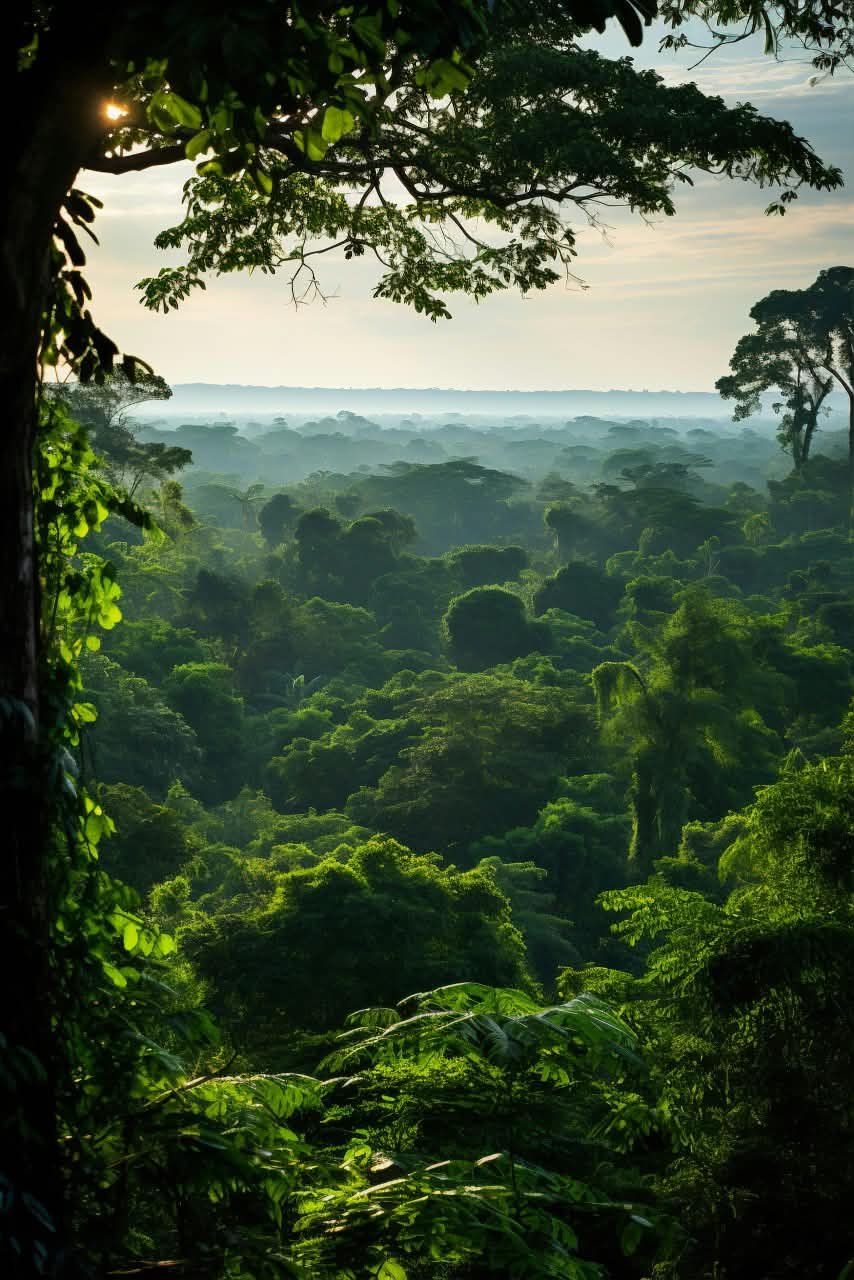
One of the greatest attractions of rainy-season gorilla habituation is the extraordinary beauty of Bwindi Impenetrable National Park. Increased rainfall supports thick vegetation, lush undergrowth, moss-covered trees, and vibrant tropical landscapes. The forest becomes an especially beautiful environment for visitors interested in nature, biodiversity, and the atmosphere of a genuine African rainforest.
The landscape surrounding Rushaga also changes during wetter periods. Hillsides appear greener, agricultural terraces become more vibrant, and mist frequently drifts through the valleys. These conditions create memorable scenery before visitors even enter the national park.
For travellers who appreciate destinations in their natural, rain-soaked character, the wet season offers an appealing alternative to the relatively drier months. The forest may feel particularly immersive when rain falls softly through the canopy and mist moves between the trees.
Potentially Quieter Travel Periods
The rainy season is generally associated with lower overall tourism demand in parts of Uganda compared with popular international holiday periods. Some accommodation establishments around Rushaga may have fewer guests, allowing visitors to enjoy a quieter atmosphere before and after their Gorilla Habituation Experience.
However, gorilla habituation itself is already a small-group activity. The number of participating tourists is restricted, with a maximum of four visitors accompanying an authorized habituation group. This means that even during busy travel months, the wildlife encounter is not intended to involve large tourist crowds.
The main benefit of travelling during quieter months is therefore often found outside the forest. Visitors may enjoy greater accommodation choice, a more relaxed lodge environment, and greater flexibility when planning additional safari activities.
Possible Accommodation Savings
Another potential advantage of visiting Uganda during the rainy season is the opportunity to find attractive accommodation offers. Some lodges may adjust their prices or introduce seasonal promotions during months when overall visitor demand is lower.
Visitors can compare luxury, midrange, and budget accommodation around Rushaga to identify properties that suit their preferred comfort level and available budget. However, discounts are not guaranteed, and the price of the Gorilla Habituation Experience permit is regulated separately from accommodation charges.
Travellers should request complete safari quotations that clearly identify the cost of permits, lodging, meals, transport, and other services. Choosing a rainy-season travel date may reduce some accommodation expenses, but it does not automatically make every component of a gorilla habituation safari cheaper.
What Are the Challenges of Gorilla Habituation During the Rainy Season?
Muddy and Slippery Forest Trails
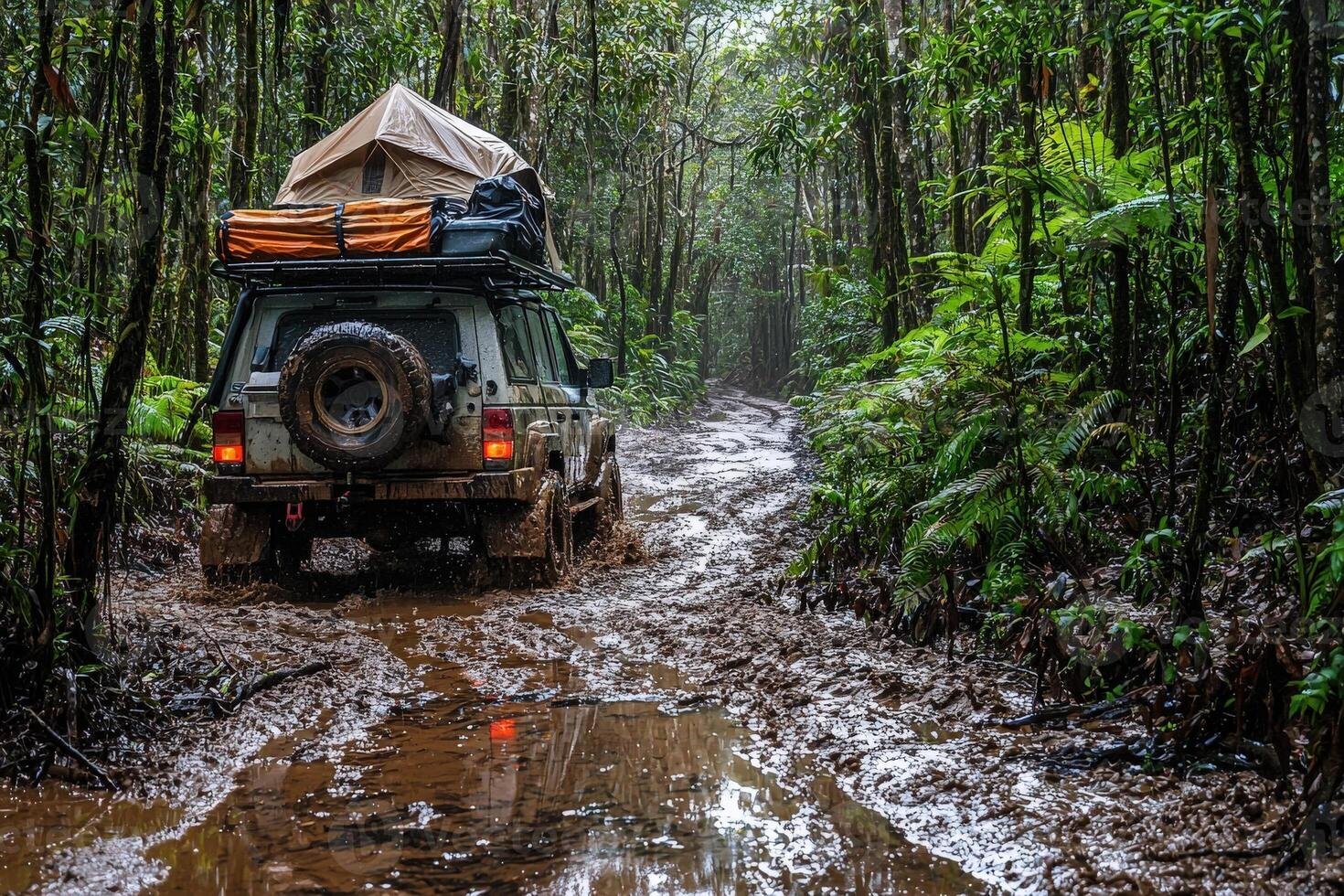
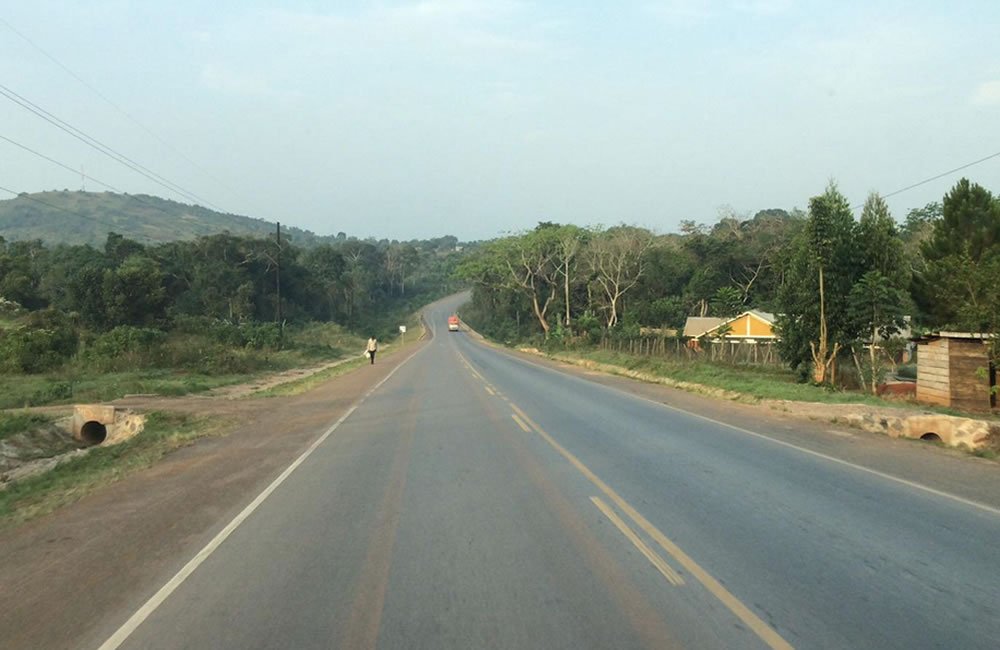
The most significant challenge of rainy-season gorilla habituation is the condition of the forest trails. Bwindi Impenetrable National Park is characterized by steep mountainsides, dense vegetation, and uneven ground. When heavy rainfall saturates the soil, walking surfaces can become muddy, slippery, and physically demanding.
Visitors may encounter exposed roots, wet leaves, narrow pathways, and sections where maintaining balance requires additional effort. These conditions can make the journey slower and more tiring, especially for people who have limited experience hiking through mountainous forests.
Appropriate footwear is essential. Waterproof hiking boots with strong traction help reduce the risk of slipping, while gardening-style gloves can provide additional grip when navigating vegetation. Walking sticks may also be useful, depending on the terrain and the instructions provided by the guides.
More Demanding Hiking Conditions
Gorilla habituation can involve several hours of walking before visitors locate the designated gorilla family. Because habituation groups are still undergoing the process of becoming accustomed to human presence, their movements can be less predictable than those of fully habituated families.
During rainy periods, this already demanding activity may become more physically challenging. Wet clothing, muddy slopes, changing temperatures, and dense vegetation can increase fatigue. Visitors may also need additional time to move safely through difficult sections of the forest.
Travellers should prepare physically before their safari and choose a realistic itinerary that allows sufficient rest. People with concerns about their mobility or hiking ability should discuss these issues with their safari organizer before purchasing a permit.
Unpredictable Rainfall and Visibility
Weather conditions in Bwindi can change rapidly. A morning may begin with relatively clear skies before mist, clouds, or rain develop as the day progresses. Visitors cannot reliably predict the exact weather they will encounter inside the forest based solely on seasonal expectations.
Heavy rainfall may reduce visibility, make photography more difficult, and require participants to protect their belongings. Mist can also obscure distant views, although it may create beautiful scenery around the surrounding mountains.
For visitors considering Can You Do Gorilla Habituation During the Rainy Season?, flexibility is essential. Rather than expecting uninterrupted sunshine or completely dry conditions, travellers should arrive prepared to enjoy a rainforest environment in changing weather.
Where Should You Stay for Gorilla Habituation During the Rainy Season?
Accommodation location becomes particularly important during rainy months because road conditions around Bwindi can be affected by heavy rainfall. Visitors should ideally stay close to the Rushaga sector rather than booking accommodation in distant parts of the national park.
Rushaga offers a selection of luxury, midrange, and budget accommodation establishments suitable for visitors undertaking the Gorilla Habituation Experience. Options include Four Gorillas Lodge, Gorilla Safari Lodge, Gorilla Leisure Lodge, Rushaga Gorilla Havens Lodge, Ichumbi Gorilla Lodge, Rushaga Gorilla Lodge, and Nshongi Camp.
When booking accommodation during the rainy season, travellers should consider more than the room price. Reliable access roads, early breakfast arrangements, hot showers, comfortable bedding, electricity, and assistance with transportation to the briefing point can significantly improve the experience.
Visitors should also confirm the actual distance between their lodge and the designated departure location. A property may be advertised as being near Bwindi while still requiring a lengthy drive to Rushaga.
Spending at least two nights near the forest is generally recommended. This allows visitors to arrive before the activity, complete their Gorilla Habituation Experience, and depart the following day without an unnecessarily rushed schedule.
Can You Fly From Entebbe to Bwindi During the Rainy Season?
Yes. Travellers can arrange domestic flights from Entebbe International Airport to Kisoro Airstrip, followed by a road transfer to the Rushaga sector of Bwindi Impenetrable National Park. Kisoro is generally the most convenient airstrip for visitors undertaking the Gorilla Habituation Experience.
However, flights to mountainous airstrips are influenced by weather conditions, visibility, and airline operating requirements. During periods of heavy rainfall or low visibility, flight schedules may be delayed or altered for safety reasons.
Travellers should confirm the operating timetable and baggage restrictions before departure and avoid scheduling an international flight immediately after their expected domestic arrival without an appropriate connection buffer.
For visitors travelling entirely by road, the journey from Entebbe or Kampala to Rushaga generally requires most of a day. Rainy-season conditions may increase travel times, particularly on the final mountainous sections leading toward the forest.
How Much Does Gorilla Habituation Cost During the Rainy Season?
The Gorilla Habituation Experience permit is a separate expense from accommodation, transportation, meals, and other safari services. Permit prices are determined by Uganda Wildlife Authority according to visitor classification and the applicable conservation tariff.
For foreign non-residents, the published gorilla habituation permit price is USD 1,500 for visits through December 2026. Under the published tariff beginning January 1, 2027, the rate becomes USD 1,800 for foreign non-residents, USD 1,500 for foreign residents, USD 1,000 for visitors in the Rest of Africa category, and UGX 750,000 for eligible East African Community citizens.
These prices relate to the Gorilla Habituation Experience and should not be confused with ordinary gorilla trekking permits. Low-season promotional rates announced for standard gorilla trekking in certain months do not automatically apply to the four-hour Gorilla Habituation Experience.
Other expenses depend on the visitor’s travel arrangements. Accommodation costs vary according to lodge category and season, while transportation expenses depend on whether the traveller chooses a private safari vehicle, a domestic flight, or another suitable transfer arrangement.
Travellers considering Can You Do Gorilla Habituation During the Rainy Season? should therefore request an itemized safari quotation and confirm the applicable permit tariff for their exact travel date.
Frequently Asked Questions About Gorilla Habituation During the Rainy Season
Can You Do Gorilla Habituation During the Rainy Season?
Yes. Gorilla habituation in Uganda is available during the rainy season, including March, April, May, October, and November. The activity takes place in the Rushaga sector of Bwindi Impenetrable National Park and allows visitors up to four hours of observation with a designated mountain gorilla family undergoing habituation. However, extreme weather or unsafe forest conditions may affect individual excursions.
Is Gorilla Habituation Available in April in Uganda?
Yes. April is generally one of the wettest months in Bwindi, but gorilla habituation remains available subject to permit availability and safety conditions. Visitors should expect muddy forest trails, frequent rainfall, and potentially demanding hiking conditions. Waterproof boots, suitable rain protection, and adequate physical preparation are particularly important.
Is May a Good Month for Gorilla Habituation in Uganda?
May can be a suitable month for travellers who enjoy lush rainforest scenery and are comfortable with wet-weather hiking. Rainfall may begin decreasing toward the end of the month, although Bwindi remains a tropical rainforest and conditions can vary considerably. Visitors should prepare for slippery trails and unpredictable weather.
Can Heavy Rain Cancel a Gorilla Habituation Experience?
Yes. Exceptionally heavy rainfall or unsafe conditions may lead authorized park personnel to delay, modify, or suspend the activity. However, ordinary rainfall does not automatically result in cancellation. Visitors should follow official instructions and confirm the applicable rescheduling or cancellation conditions when booking their permits.
Are Mountain Gorillas Easier to Find During the Rainy Season?
Not necessarily. Mountain gorillas move naturally through Bwindi’s rainforest, and their location depends on feeding patterns, social behaviour, terrain, and other factors. Rainfall may influence their movements, but it does not guarantee easier sightings. Experienced trackers help locate the designated gorilla family during the activity.
Book Your Gorilla Habituation Experience During the Rainy Season in Uganda

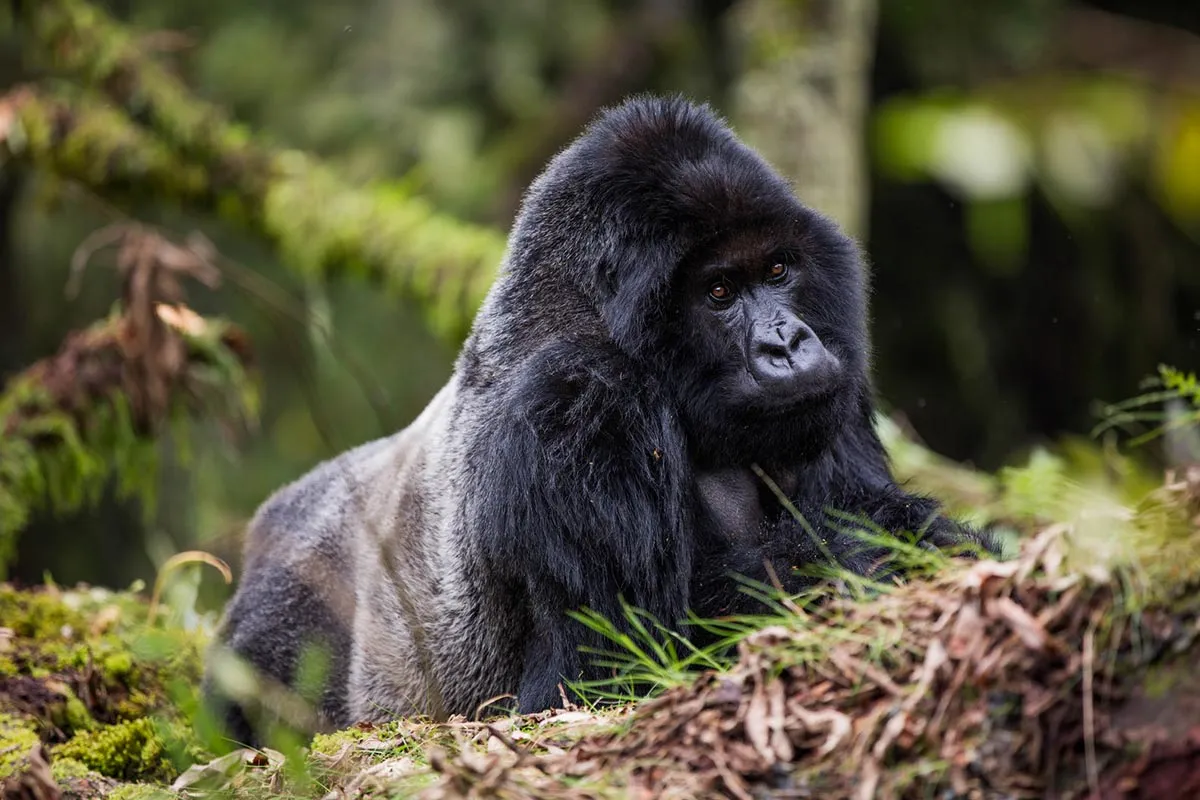
Gorilla habituation during the rainy season offers an extraordinary opportunity to experience Bwindi Impenetrable National Park in its lush and beautiful rainforest environment. Although rainfall can make hiking more challenging, visitors who prepare properly can still enjoy the remarkable experience of observing mountain gorillas undergoing habituation in Uganda’s Rushaga sector.
If you are wondering Can You Do Gorilla Habituation During the Rainy Season?, our safari booking team can help you plan a suitable itinerary around your preferred travel dates, permit availability, accommodation requirements, and transportation arrangements. Whether you are travelling in April, May, October, November, or another month, careful planning can help you prepare for the conditions expected in Bwindi.
We can assist with Gorilla Habituation Experience permit reservations, accommodation near Rushaga, road transfers from Entebbe or Kampala, domestic flights to Kisoro, transfers from Kigali, and customized Uganda safari packages. Our booking assistance can also help you compare travel dates and select an itinerary appropriate for your budget, group size, and preferred accommodation category.
Whether you are an international visitor, Ugandan citizen, photographer, honeymooner, or wildlife enthusiast, the rainy season provides an opportunity to discover Uganda’s spectacular mountain gorilla habitat from a distinctive perspective.
Plan your rainy-season Gorilla Habituation Experience in Uganda today. Contact our team with your preferred travel dates, number of participants, and accommodation preferences so that suitable permits and safari arrangements can be checked before confirming your journey.