
Can You Use a Credit Card for Safari Tips, Park Fees, and Activities?
Can You Use a Credit Card for Safari Tips, Park Fees, and Activities? The Ultimate African Safari Payment Guide
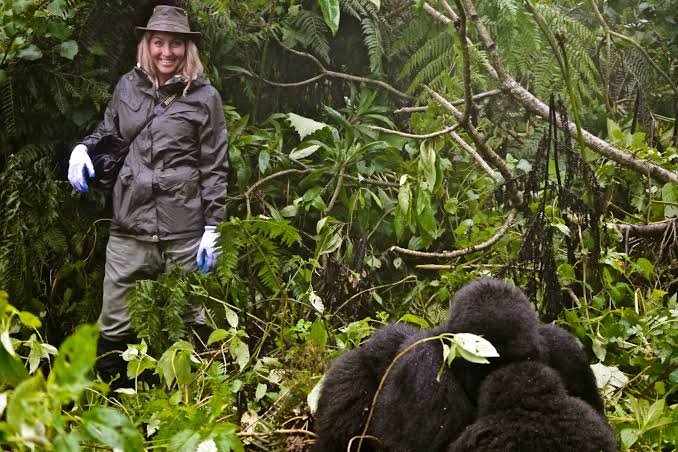

Planning an African safari involves several important financial decisions, from booking your accommodation and transportation to arranging national park entrance fees, wildlife experiences, and gratuities for your guides. While credit cards are widely used for international travel, payment options can vary significantly between African safari destinations, wildlife reserves, luxury lodges, and local service providers. One of the most frequently asked questions among international visitors is: Can You Use a Credit Card for Safari Tips, Park Fees, and Activities?
The answer is yes, in many situations, but not for every expense. Credit cards are accepted by numerous established safari operators, hotels, lodges, and authorized payment systems across Africa. However, certain expenses, particularly tips for safari guides, lodge staff, porters, and local community activities, may still be more conveniently handled using cash. Park entrance fees can sometimes be paid through official electronic systems, while optional activities may require advance booking or payment through your safari operator.
Understanding these differences before traveling can help you avoid payment difficulties, unnecessary bank charges, and unexpected expenses during your holiday. Whether you are planning gorilla trekking in Uganda, a luxury wildlife safari in Rwanda, a Big Five adventure in Kenya, or a Serengeti safari in Tanzania, choosing the right combination of credit cards, prearranged payments, and cash is essential for a comfortable journey.
This comprehensive guide explains where credit cards are accepted during African safaris, how to pay park fees, whether you can tip your safari guide electronically, which wildlife activities can be booked by card, and how to prepare your travel finances before arriving in Africa.
Can You Use a Credit Card for Safari Tips, Park Fees, and Activities?
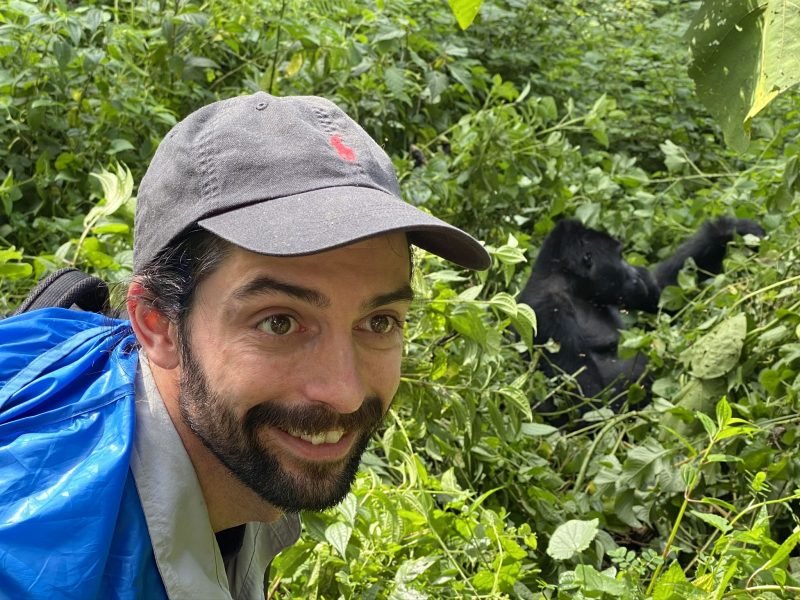

Credit cards can be used for many African safari expenses, but the exact arrangements depend on the country, destination, tourism provider, and type of service being purchased. Major international credit card networks, particularly Visa and Mastercard, are commonly supported by established hotels, luxury lodges, tourism companies, and a number of online reservation systems. Nevertheless, card acceptance should never be assumed simply because a safari destination attracts international visitors.
For national park entrance fees, some wildlife authorities have introduced electronic or cashless systems that allow travelers and registered tour operators to make payments digitally. Kenya Wildlife Service, for example, lists Visa card payments, M-Pesa, and bank transfers among the payment options available through its park-payment system. This demonstrates how digital payment facilities have become an important part of modern African tourism, although other protected areas and private conservancies may follow different procedures.
Safari tipping is more complicated because gratuities are usually intended for individual staff members rather than large commercial businesses. Guides, trackers, porters, lodge attendants, housekeeping teams, and other safari personnel may not have direct access to card-processing terminals. Some luxury lodges can add gratuities to your accommodation bill, but this service is not universally available, and it is important to confirm whether the funds will be distributed to the intended recipients.
Wildlife activities can also have different payment requirements. A scheduled boat cruise, guided nature walk, hot-air balloon safari, cultural experience, or gorilla trekking permit may be payable through an operator’s approved payment system. Smaller independent providers, however, may require cash or locally accepted mobile money.
For most travelers, the most reliable strategy is to pay major safari expenses in advance using a secure payment method while carrying a reasonable amount of cash for gratuities and smaller personal purchases.
Why Credit Card Acceptance Varies Across African Safari Destinations
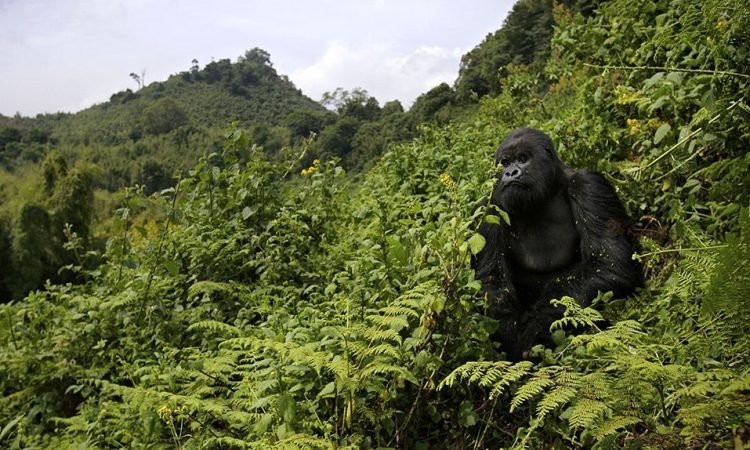
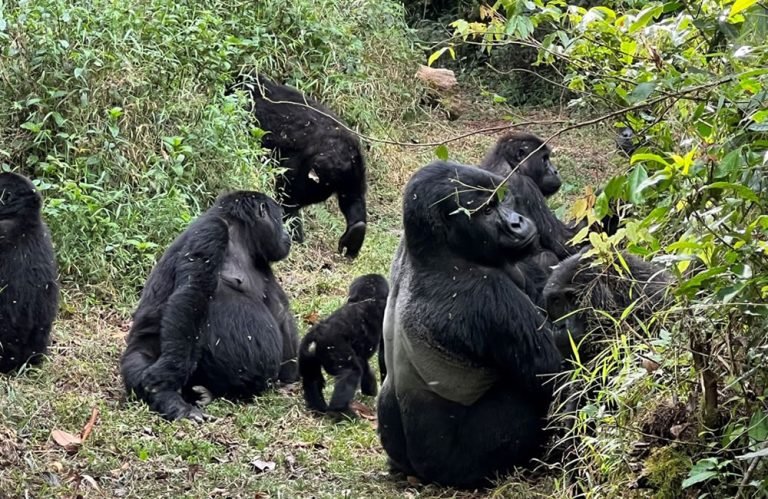
Africa offers an extraordinary variety of safari experiences, ranging from sophisticated luxury lodges and internationally connected tourism centers to remote wilderness camps that operate far from urban banking infrastructure. This diversity explains why credit card acceptance can differ considerably even within the same country or national park.
Large safari hotels and established tour operators generally have access to electronic banking systems, international payment gateways, and reliable financial service providers. Such businesses often process accommodation charges, advance reservations, additional lodge services, and selected activities through credit card terminals or secure online platforms. Some also accept payments in foreign currencies according to their individual booking arrangements.
Remote camps and smaller tourism businesses may face limitations involving network connectivity, electricity, payment equipment, or banking services. A wilderness camp deep inside a national park might accept advance card payments through its central reservations office but lack a functioning payment terminal at the property itself. Consequently, travelers should not assume that a service available online can also be purchased electronically upon arrival.
Payment practices are also influenced by government regulations, national park management systems, and the financial infrastructure of each destination. Some conservation authorities require advance electronic payment, while others arrange transactions through registered tourism businesses or designated collection points.
These differences are particularly important when visiting several African countries during one safari. A payment method that works at a luxury lodge in Kigali might not be available during a community visit in rural Uganda or at a small campsite in Tanzania. Confirming payment arrangements before departure is therefore an important part of responsible safari preparation.
Can You Tip Your African Safari Guide Using a Credit Card?
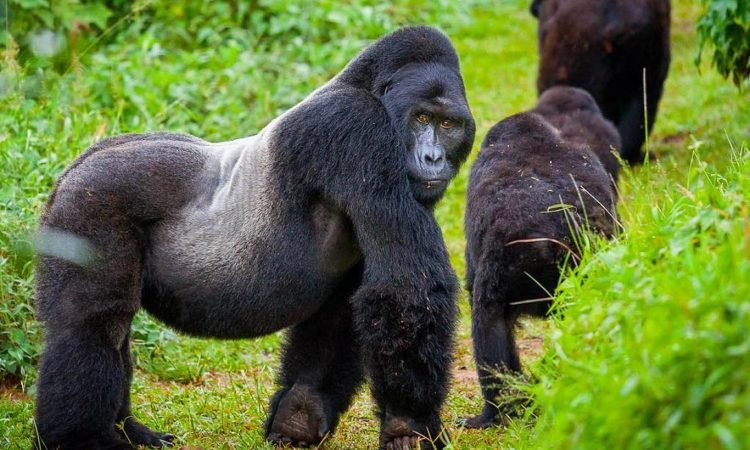
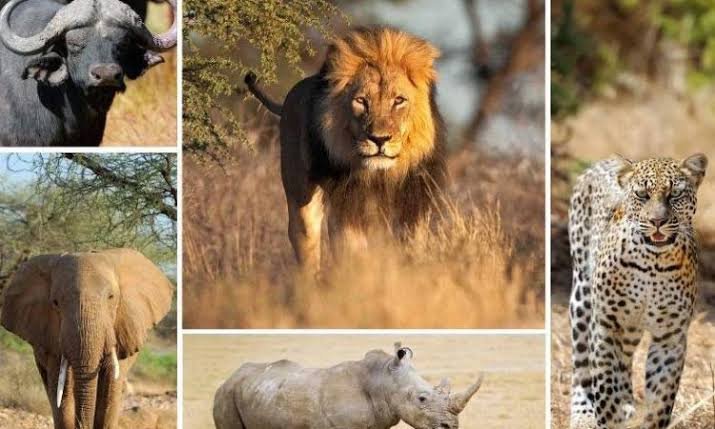
Tipping your safari guide is a customary way of recognizing exceptional service, professionalism, and the effort involved in organizing memorable wildlife experiences. Safari guides often spend several days accompanying travelers, coordinating game drives, explaining wildlife behavior, managing travel schedules, and helping guests enjoy their destinations safely and comfortably.
Although certain safari operators and luxury lodges may be able to collect gratuities through credit card payments, directly tipping an individual guide using a card is generally less straightforward than paying a hotel or restaurant. Most guides do not carry independent credit card terminals, and a payment made through a company’s account may need to be processed and distributed later.
If you prefer to provide a gratuity electronically, ask your safari operator before your trip whether it has a formal tipping arrangement. Clarify whether the amount will go directly to your guide, whether any transaction fees apply, and when the guide will receive the payment. These details are important because the purpose of tipping is to recognize the individual who provided the service.
Cash remains a practical option for tipping many safari guides because it can be handed directly to the recipient without depending on an electronic transaction. Depending on the country and the recipient’s preferences, locally accepted currency may be more convenient than foreign notes.
Tipping is generally discretionary unless a service charge or gratuity has been expressly included in your booking terms. Travelers should base their decisions on the quality of service received, their budget, and any reasonable guidance provided by their safari operator.
Can You Use a Credit Card to Tip Safari Lodge Staff?
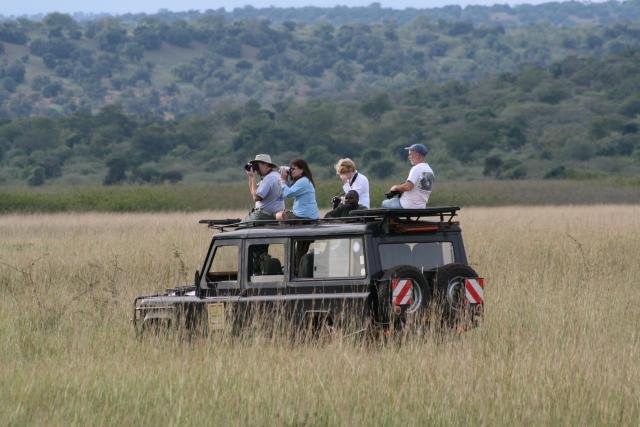

Safari lodges frequently employ a wide range of hospitality professionals, including reception teams, room attendants, restaurant servers, chefs, maintenance personnel, and staff responsible for guest activities. Their combined efforts contribute significantly to the quality of a safari holiday, particularly at remote properties where employees work in demanding environments.
Some established lodges offer centralized gratuity arrangements that allow guests to add an optional tip to their final accommodation or extras bill. If the lodge supports credit card payments, this may provide a convenient method for travelers who prefer not to carry substantial amounts of cash.
However, travelers should confirm the property’s tipping policy before relying on this arrangement. Certain establishments have shared staff tip boxes, while others distribute gratuities according to internal procedures. A card payment may not always be transferable directly to an individual employee, and some properties accept gratuities only in cash.
When checking out, ask whether an optional gratuity can be added to the bill and how it will be distributed. If a pooled tipping arrangement is available, this can provide an opportunity to recognize employees whose work may not be as visible as that of your personal guide.
A thoughtful approach to tipping should prioritize fairness, transparency, and the preferences of the people receiving the gratuities rather than simply choosing the easiest payment method.
Can You Pay National Park Entrance Fees With a Credit Card in Africa?
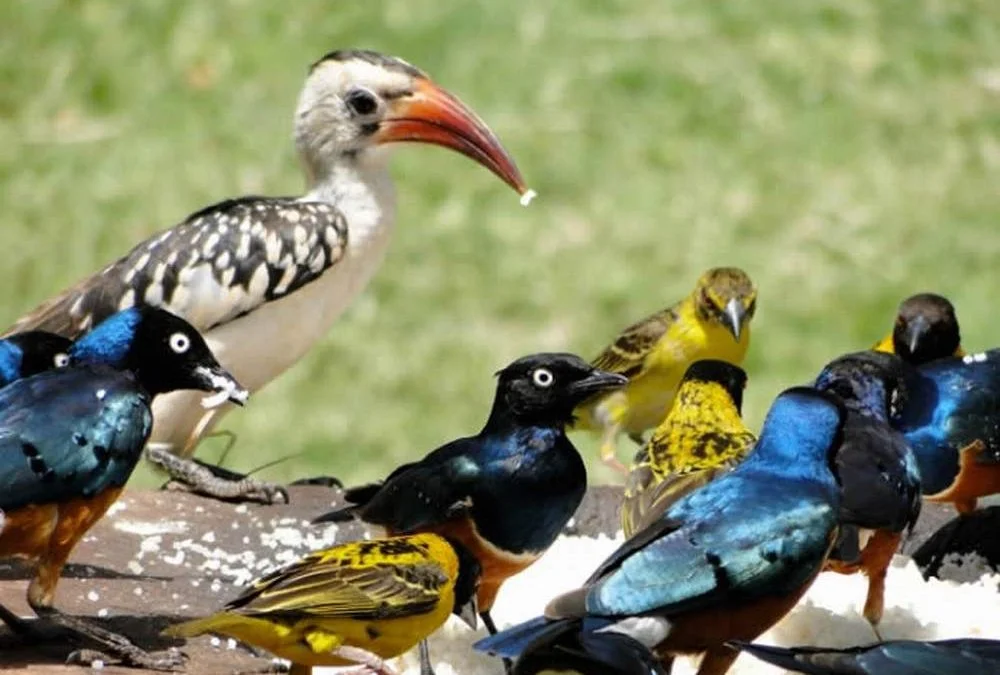

National park entrance fees are among the most significant additional expenses travelers may encounter when organizing a wildlife safari independently. These fees support protected-area management, conservation programs, infrastructure, and wildlife protection, although their specific allocation depends on the authority responsible for each destination.
Credit card payments are possible for certain national parks, particularly where official electronic payment platforms are available. Nevertheless, each wildlife authority establishes its own procedures, and there is no single payment system covering all national parks throughout Africa.
In Kenya, the Kenya Wildlife Service provides an electronic system for park entry payments and identifies Visa as an accepted card payment option. Travelers booking through a safari operator may have their park fees included within the overall package price, eliminating the need to make a separate payment at the entrance gate.
Other countries may use online reservation platforms, electronic payment references, authorized payment collection systems, or arrangements managed by registered tour operators. In some destinations, a credit card can be used during advance booking but not necessarily at the gate itself.
Before visiting a national park, confirm whether you must purchase entry authorization in advance, whether your safari operator has already paid the conservation fees, and which payment methods are accepted for any additional charges.
For travelers on organized private safaris, having park entry fees incorporated into the quotation is often the simplest arrangement, since it reduces the number of separate payments required during the journey.
Using Credit Cards for Safari Park Fees in Uganda

Uganda is internationally celebrated for its mountain gorillas, chimpanzees, exceptional birdlife, and diverse national parks. Visitors frequently explore Bwindi Impenetrable National Park, Queen Elizabeth National Park, Murchison Falls National Park, Kibale National Park, and Lake Mburo National Park.
Many wildlife experiences in Uganda are administered through the Uganda Wildlife Authority, which oversees protected-area services and important tourism activities. Park entrance fees, gorilla trekking permits, chimpanzee tracking permits, and selected other experiences may require authorized advance arrangements or payment procedures determined by the wildlife authority.
Visitors should not assume that an international credit card will be accepted at every national park entrance or ranger station. Even where electronic payment arrangements exist, a particular transaction may need to be processed through an official booking channel or an authorized operator rather than through a conventional card terminal.
If you are booking a private Uganda safari, your tour operator can generally arrange the necessary park entry fees and permits as part of the agreed itinerary. This allows you to make the primary booking payment through the company’s accepted channels instead of handling every conservation-related charge individually.
Travelers arranging independent activities should confirm current Uganda Wildlife Authority payment instructions before departure. It is especially important to avoid making unofficial payments or relying on uncertain payment arrangements for activities that have limited availability.
For personal expenses, tips, and smaller purchases, carrying a suitable amount of Ugandan shillings can be convenient, even when your main safari arrangements have already been paid in advance.
Using Credit Cards for Park Fees and Activities in Rwanda
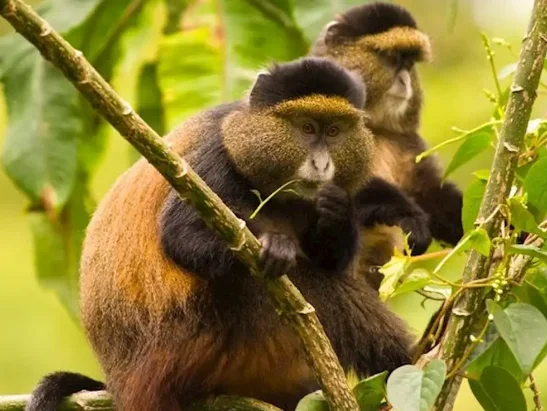
Rwanda has established itself as a leading destination for gorilla trekking, luxury primate experiences, conservation tourism, and carefully organized wildlife holidays. Major attractions include Volcanoes National Park, Akagera National Park, and Nyungwe National Park.
Visitors undertaking gorilla trekking, golden monkey tracking, volcano hiking, and other regulated activities should arrange the relevant permits through authorized channels. The Rwanda Development Board operates an official tourism booking system for various activities, including hiking permits in Volcanoes National Park
The existence of an online permit system does not mean every individual activity provider or national park facility accepts direct credit card payments. Travelers should confirm the checkout methods available for their specific reservation and avoid assuming that a permit can be purchased using a card on the morning of an activity.
Luxury hotels and established safari lodges in Kigali, Musanze, and other tourism areas commonly offer international payment options, although policies differ between properties. Additional services such as meals, spa treatments, transfers, and selected excursions may be added to the final bill where permitted.
For travelers booking comprehensive Rwanda safari packages, arranging permits, accommodation, and major activities through one safari operator can make budgeting considerably easier. Cash can then be reserved for optional gratuities, smaller local purchases, and expenses outside the prepaid itinerary.
Using Credit Cards for National Park Fees in Kenya
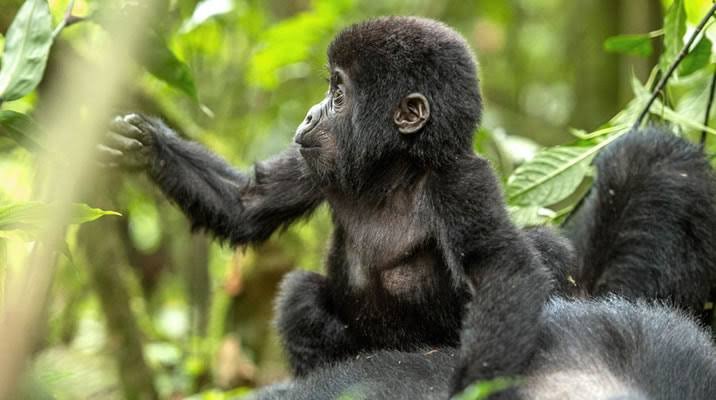
Kenya is one of Africa’s most established safari destinations, offering unforgettable wildlife encounters in the Maasai Mara, Amboseli National Park, Lake Nakuru National Park, Tsavo, and numerous private conservancies. Visitors can experience remarkable elephant populations, large predators, seasonal wildlife migrations, and exclusive safari activities across a variety of protected landscapes.
Credit cards are increasingly practical for settling certain Kenyan national park fees because Kenya Wildlife Service operates an electronic payment system. For parks managed by KWS, visitors can arrange entrance payments through the approved digital platform, which supports Visa card payments alongside other specified options. This is particularly convenient for independent travelers who prefer to arrange their conservation fees before reaching the entrance gate.
However, not every wildlife reserve in Kenya is managed by Kenya Wildlife Service. The Maasai Mara, for example, operates under separate management arrangements, meaning travelers should verify its payment requirements independently rather than assuming that the KWS process applies throughout the country.
If you are traveling with an organized safari operator, park entrance fees are commonly included in your safari package, allowing the company to manage reservations and payments on your behalf. This approach is especially convenient when your itinerary covers several national parks and conservancies with different fee structures.
Travelers should also distinguish between park entrance fees and privately operated experiences. A hot-air balloon safari, cultural visit, guided walking safari, or specialist photographic activity may have separate booking requirements, even when general park entry has already been paid.
Using Credit Cards for National Park Fees in Tanzania

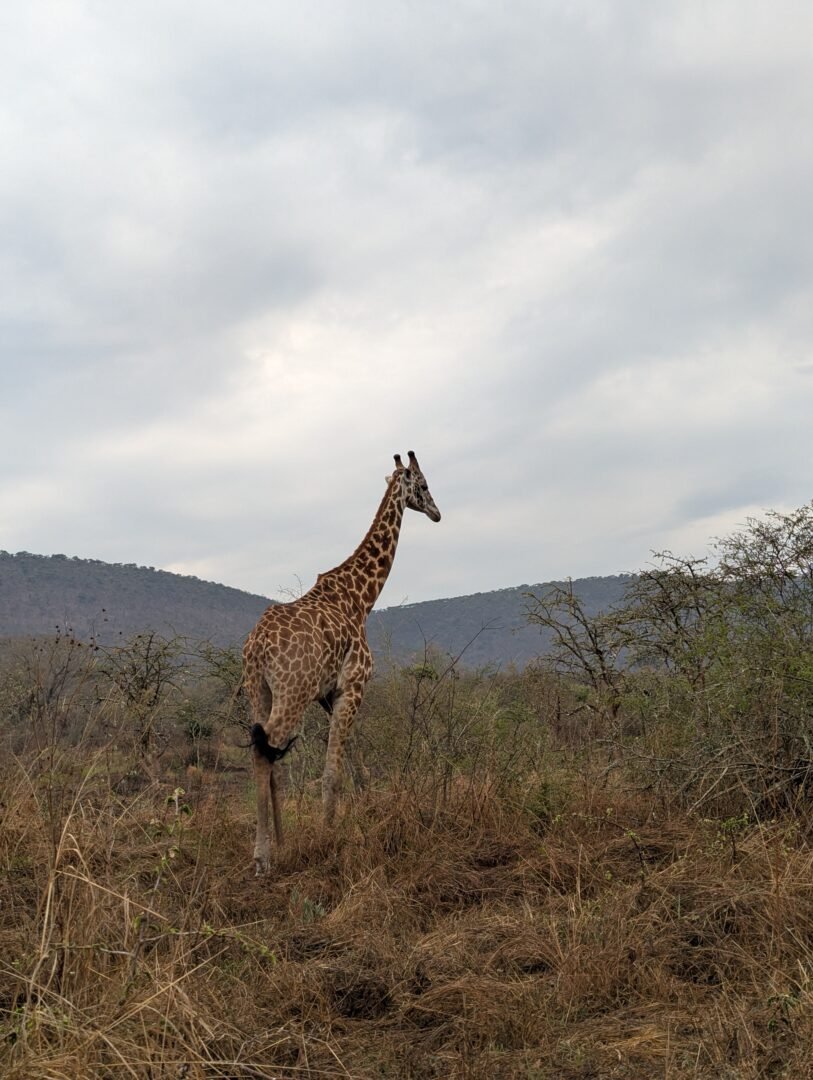
Tanzania offers some of Africa’s most celebrated wildlife destinations, including Serengeti National Park, Tarangire National Park, Lake Manyara National Park, and the Ngorongoro Conservation Area. These destinations attract travelers seeking the Great Migration, exceptional predator sightings, remarkable landscapes, and traditional African safari experiences.
Tanzania National Parks Authority provides electronic payment arrangements for the national parks it administers. Its visitor information lists Visa and Mastercard among accepted card payment options, alongside mobile money, bank transfers, and online reservations. However, travelers should confirm the current requirements for each park and payment point before arrival
It is important to understand that Tanzania’s protected areas do not all operate under identical management structures. The Ngorongoro Conservation Area, for example, has a separate conservation authority, and its payment procedures should be checked independently of those used by Tanzania National Parks Authority.
For organized safaris, your operator will generally arrange conservation fees and other mandatory charges included in your itinerary. This eliminates much of the uncertainty associated with making several separate electronic payments while traveling between destinations.
Additional activities such as hot-air balloon flights, community experiences, specialist excursions, and certain private conservancy services may be charged separately. Travelers should establish whether these activities accept credit cards directly or must be prepaid through the organizing company.
Can You Pay for Gorilla Trekking Permits With a Credit Card?
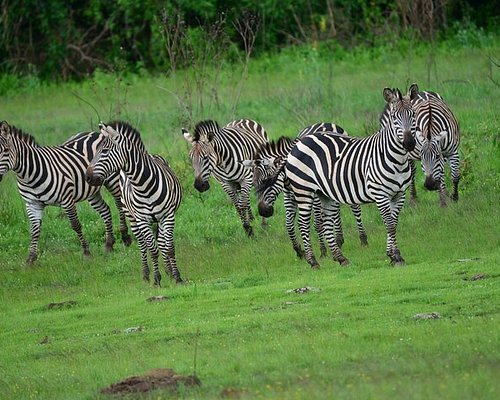
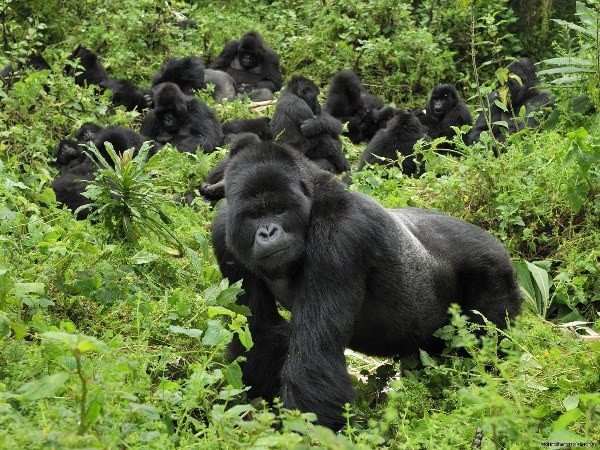
Gorilla trekking permits are among the most important financial components of a safari in Uganda or Rwanda. Because these permits authorize access to a carefully managed wildlife experience, securing them through recognized booking arrangements is essential.
In Uganda, the Uganda Wildlife Authority has documented online booking procedures that accommodate card and mobile money payments for eligible permit transactions. Its published guidelines also describe processes involving registered tour operators and approved payment channels. However, the availability of a particular card payment facility should be confirmed before attempting to reserve permits.
For travelers booking through an established safari company, the simplest arrangement is often to pay the operator according to the agreed booking conditions. The company then handles the permit reservation and payment through its authorized procedures.
The situation is similar in Rwanda, where gorilla trekking permits are administered through authorized tourism reservation arrangements. Travelers can arrange their permits through recognized booking channels or an experienced safari operator that manages the necessary reservations.
Gorilla trekking permits should not be treated like ordinary activities that can reliably be purchased upon arrival at a park entrance. Availability is restricted, and reservations should be confirmed well before travel, especially during popular holiday periods.
When asking Can You Use a Credit Card for Safari Tips, Park Fees, and Activities?, it is therefore useful to distinguish between paying for a permit electronically in advance and attempting to purchase it directly at a park gate.
Can You Pay for Chimpanzee Trekking and Golden Monkey Tracking by Credit Card?
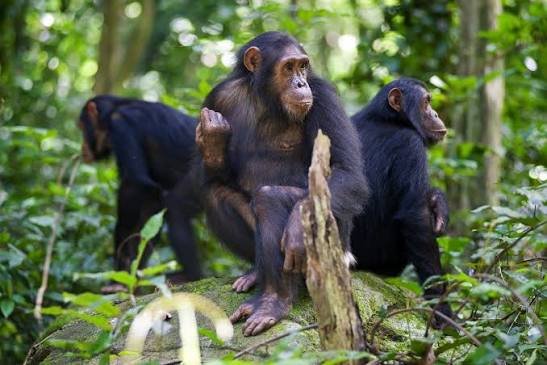
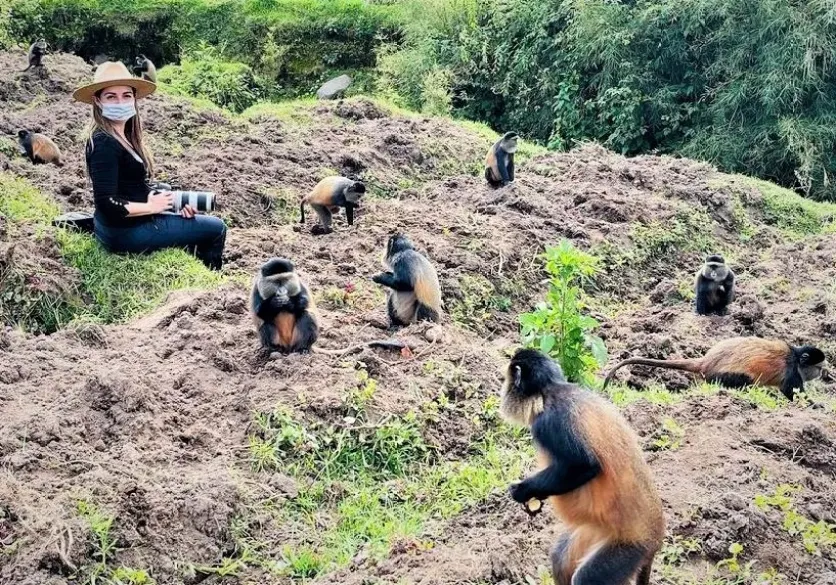
Chimpanzee trekking and golden monkey tracking are popular wildlife experiences that complement traditional savannah safaris and mountain gorilla trekking holidays. These activities often require advance permits or reservations, particularly in protected areas where visitor numbers are controlled.
In Uganda, chimpanzee tracking is especially popular in Kibale National Park, while other forest destinations provide additional primate experiences. Travelers booking organized itineraries can generally request that the applicable tracking permits be included in their safari quotation and arranged through the operator.
In Rwanda, visitors can experience chimpanzee tracking in Nyungwe National Park and golden monkey tracking in Volcanoes National Park. These activities follow specific reservation and payment procedures, and travelers should confirm permit availability and accepted payment methods before their travel dates.
Although electronic payments may be available through certain official or operator-managed booking channels, visitors should not assume that every ranger station or activity briefing point accepts credit cards for new reservations.
The most dependable arrangement is to reserve these specialist wildlife experiences before departure and keep confirmation documents accessible during the safari. This reduces payment uncertainty and helps ensure that your itinerary proceeds as planned.
Can You Pay for Safari Game Drives With a Credit Card?

Game drives are central to many African safari holidays, allowing visitors to explore national parks and wildlife reserves in search of elephants, lions, giraffes, leopards, buffaloes, antelopes, and numerous other animals. The ability to pay for these experiences using a credit card depends on whether they are included in your safari package or arranged as separate activities.
On a privately organized safari, scheduled game drives are commonly incorporated into the total package price. Your vehicle, professional driver-guide, fuel, and agreed wildlife activities are arranged before departure, eliminating the need to make individual payments for each scheduled drive.
Travelers staying at luxury lodges may also find that game drives are included in their accommodation arrangements. However, this is not universal, and some properties charge separately for private vehicles, specialist guiding, night drives, or additional excursions.
If you decide to add an optional game drive during your stay, ask the lodge or activity provider whether the charge can be settled through your accommodation bill. This may allow you to pay by credit card during checkout rather than arranging a separate cash transaction.
Where activities are provided by independent local operators, card acceptance can be more limited. Confirm the total price, payment currency, and accepted methods before making a reservation.
Can You Pay for Boat Cruises and Water-Based Safari Activities With a Credit Card?
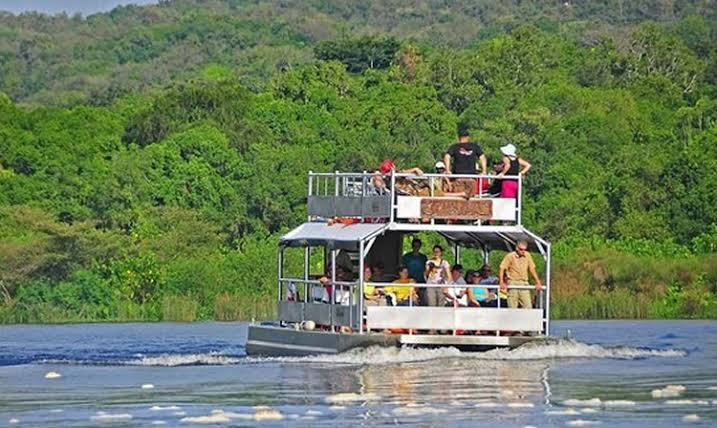
Boat cruises are among the most memorable experiences available in several African safari destinations. Visitors can enjoy wildlife viewing along the Kazinga Channel in Queen Elizabeth National Park, explore the Nile in Murchison Falls National Park, or participate in water-based excursions around lakes and rivers elsewhere in East and Southern Africa.
These activities are often operated by conservation authorities, lodges, tourism companies, or independent service providers. Consequently, the accepted payment methods vary according to the organization managing the excursion.
When a scheduled boat cruise forms part of your safari package, its cost may already be covered by your tour operator. This is particularly convenient because some excursions have fixed departure schedules, limited seating, or advance reservation requirements.
Luxury lodges may also offer private boat experiences that can be charged to your accommodation account, depending on the property’s payment policies.
For independent excursions, travelers should verify whether card payments are accepted and whether advance booking is required. Carrying some cash can provide additional flexibility, but payments should always be made through recognized channels with appropriate confirmation.
Can You Pay for Hot-Air Balloon Safaris With a Credit Card?
Hot-air balloon safaris are premium wildlife experiences, particularly popular in destinations such as the Serengeti and Maasai Mara. These excursions offer the opportunity to observe vast savannah landscapes and wildlife from above, often during early morning flights when weather conditions are suitable.
Because balloon safaris involve specialized equipment, trained pilots, and advance operational planning, reservations are commonly arranged before the travel date. Established balloon operators may provide secure online card payment facilities or accept bookings through safari companies.
If you are arranging your balloon safari through the same operator managing your wildlife holiday, the activity can often be incorporated into the overall quotation, allowing you to settle the payment alongside your other safari arrangements.
However, travelers should confirm the booking terms carefully, including cancellation conditions, weather-related changes, payment deadlines, and any additional processing charges.
Although a credit card may be accepted for the main activity, you may still wish to carry cash for optional gratuities or personal purchases associated with the experience.
Can You Use a Credit Card for Cultural Experiences and Community Activities?

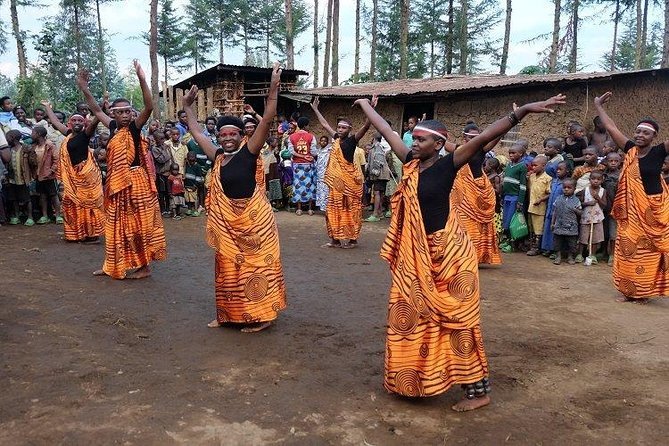
Cultural experiences provide an opportunity to understand the traditions, livelihoods, and local heritage of communities living around Africa’s wildlife destinations. These activities may include village visits, traditional performances, guided community walks, local craft demonstrations, and cultural storytelling.
Payment arrangements for these experiences differ considerably from those used by luxury hotels or national park authorities. Some cultural activities are organized through established safari operators and can be prepaid as part of your itinerary. Others are managed by smaller community organizations that rely on cash or locally available mobile payment methods.
If you have arranged a cultural experience in advance, ask your tour operator whether the activity fee is already included in your quotation. This can help avoid misunderstandings about admission charges or guide payments.
When purchasing locally produced handicrafts or making voluntary contributions during community visits, carrying an appropriate amount of local currency may be more practical than relying entirely on your credit card.
It is also important to distinguish between an agreed activity fee and a voluntary donation. You should not feel obliged to make unexpected payments, and any additional contributions should remain a matter of personal choice.
What Should You Do If Your Credit Card Is Declined During a Safari?
A declined card transaction can be inconvenient, especially when you are staying in a remote safari lodge or attempting to pay for an activity shortly before departure. However, a declined payment does not necessarily indicate that your card has insufficient funds.
International transactions may be declined because of fraud-prevention controls, daily spending limits, temporary network failures, unsupported card types, or problems with the merchant’s processing equipment.
If your card is declined, contact your bank through its official support channel or mobile application to identify the reason. Avoid repeatedly attempting the same transaction without understanding the problem, particularly if the merchant’s system is experiencing connectivity issues.
You can also ask whether the business accepts another card network, a secure payment link, an approved bank transfer, or another recognized payment method.
For major safari expenses, it is better to identify potential card restrictions before departure. Check your spending limits, ensure that your contact information is current, and confirm whether your bank requires any international travel notifications.
Carrying a backup card and limited emergency cash can provide reassurance when traveling through remote destinations with fewer banking facilities.
How to Prepare Your Credit Cards Before Traveling on an African Safari
Financial preparation should begin before you board your international flight. Reviewing your payment arrangements in advance reduces the likelihood of unexpected charges or declined transactions after arriving in Africa.
First, examine your bank’s international transaction policy and confirm whether your card is enabled for overseas purchases. Check the fees associated with international purchases, cash withdrawals, and currency conversion.
Next, review your safari quotation to establish which activities and services are included. If your package already covers national park entrance fees, accommodation, guide services, and scheduled excursions, you will not need to budget separately for those items unless additional arrangements are requested.
You should also confirm the accepted payment methods at any lodges where you expect to make personal purchases. This is particularly useful when traveling to remote properties or planning optional activities not included in the itinerary.
Finally, make sure you have access to your banking application’s security features, payment notifications, and emergency contact details. A secondary card and an appropriate cash reserve can provide flexibility if your primary payment method becomes unavailable.
Why Booking an All-Inclusive Safari Package Makes Payments Easier
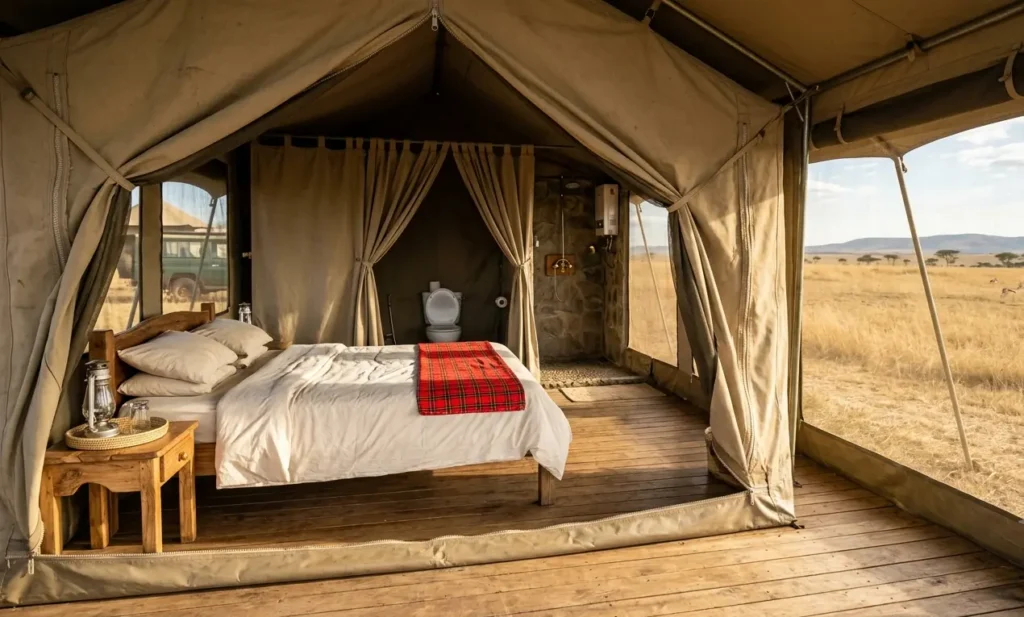
A carefully planned safari package can significantly simplify the financial arrangements associated with traveling across Africa. Rather than making separate payments for every hotel, transfer, national park entrance, and wildlife activity, travelers can arrange their primary services through one safari operator.
Depending on the selected itinerary, an organized safari may include accommodation, transportation in a private safari vehicle, professional driver-guide services, park entry fees, gorilla or chimpanzee permits, meals, and scheduled wildlife experiences.
This arrangement is especially practical for international travelers visiting multiple destinations, as payment methods and local currencies can differ from one country to another.
However, the term all-inclusive should always be interpreted according to the actual quotation. Some packages exclude gratuities, alcoholic beverages, optional excursions, personal shopping, or activities not specifically listed in the itinerary.
Before confirming your booking, request a clear explanation of what is included and excluded. This allows you to calculate the cash and credit card spending you may need during the trip.
For visitors combining Uganda and Rwanda or undertaking longer East African wildlife holidays, a comprehensive safari package can reduce payment uncertainty and make travel planning considerably more comfortable.
Frequently Asked Questions About Using Credit Cards on African Safaris
Can You Use a Credit Card for Safari Tips, Park Fees, and Activities?
Yes, credit cards can be used for many safari expenses, including selected park fees and wildlife activities. However, cash is often more convenient for personal gratuities and small local purchases.
Can I Tip My Safari Guide With a Credit Card?
Some safari operators can process tips electronically, but many guides prefer cash. Confirm the operator’s tipping arrangements before traveling.
Can I Pay Gorilla Trekking Permits With a Credit Card?
Authorized booking channels may support electronic card payments. It is advisable to arrange gorilla trekking permits in advance through recognized providers.
Do African National Parks Accept Credit Cards?
Some national parks accept cards directly or through official online systems. Payment policies vary by country, authority, and individual protected area.
Can I Pay for a Safari Game Drive Using a Credit Card?
Yes, many established lodges and safari operators accept credit cards for game drives. Scheduled activities may already be included in your safari package.
Can I Use Visa or Mastercard During an African Safari?
Visa and Mastercard are commonly accepted by established tourism businesses, but availability varies. Confirm card acceptance with your operator and accommodation providers.
Should I Carry Cash on an African Safari?
Yes, carrying a reasonable amount of cash is advisable for gratuities, small purchases, and situations where electronic payments are unavailable.
Can I Pay for a Hot-Air Balloon Safari With a Credit Card?
Many established balloon safari operators accept electronic payments through advance reservations. Confirm accepted methods and booking conditions before paying.
Are Credit Cards Accepted at Safari Lodges?
Many mid-range and luxury safari lodges accept international credit cards, but remote properties may have limitations. Confirm payment arrangements before arrival.
Is It Better to Pay for Safari Activities in Advance?
Paying for scheduled activities in advance can simplify your trip and help secure limited availability. Always use recognized payment channels and obtain confirmation.
Do Safari Guides Prefer Cash Tips?
Cash is often convenient because it can be handed directly to the guide. Individual preferences and operator policies may differ.
Can I Pay for Safari Activities in US Dollars?
Some international tourism services are quoted in US dollars, but local currency may be required for other purchases. Confirm the accepted payment currency beforehand.
Do Credit Card Payments Include Foreign Transaction Fees?
Some banks charge foreign transaction fees on international purchases. Cards with no foreign transaction fees may help reduce these costs.
Can I Use My Credit Card in Remote African National Parks?
Card acceptance may be limited in remote locations, even when nearby lodges support electronic payments. Carry an appropriate backup payment method.
Are Safari Park Fees Included in My Booking?
Many organized safari packages include park entrance fees, but this depends on the quotation. Always review the inclusions before confirming your reservation.
Book Your African Safari With Nextgen Safaris


Organizing an African safari should be exciting, rewarding, and straightforward. Whether you are planning your first wildlife holiday or returning to discover more of Africa’s remarkable destinations, understanding your payment arrangements in advance can make your journey more convenient.
Nextgen Safaris helps travelers plan personalized wildlife holidays across Uganda, Rwanda, Kenya, Tanzania, and other African destinations, with itineraries designed around your interests, accommodation preferences, travel dates, and desired experiences.
From mountain gorilla trekking in Bwindi Impenetrable National Park and Volcanoes National Park to wildlife game drives, chimpanzee tracking, boat cruises, and luxury lodge stays, your safari can be organized with clear details about the activities and services included in your booking.
When requesting a quotation, you can also ask about accepted payment methods, deposits, remaining balances, and any applicable operator-side payment processing charges. This makes it easier to select a payment option that suits your needs before beginning your African adventure.
Ready to explore Africa? Book your African safari with Nextgen Safaris and request a personalized itinerary designed around your travel plans.
Travelers visiting Uganda, Rwanda, Kenya, Tanzania, and other African safari destinations should confirm accepted payment methods before departure rather than assuming that the same arrangements apply everywhere. Paying major safari expenses in advance and carrying a suitable combination of cards and cash provides greater flexibility.
A well-planned payment strategy allows you to focus on unforgettable experiences, from watching mountain gorillas in their forest habitat to observing lions, elephants, giraffes, and other wildlife across Africa’s spectacular national parks.
With the right preparation and a carefully organized safari itinerary, financial arrangements can remain simple while your attention stays on the extraordinary adventure ahead.