
Chimpanzees in Uganda: The Truth Behind the Kibale “Civil War” and What It Means for Visitors
Chimpanzee Civil War Uganda – A Global Story from the Forests of Uganda
Reports of a “Chimpanzee Civil War Uganda” in Kibale National Park have drawn global attention in 2026, sparking curiosity, concern and widespread discussion about chimpanzee behavior in the wild.
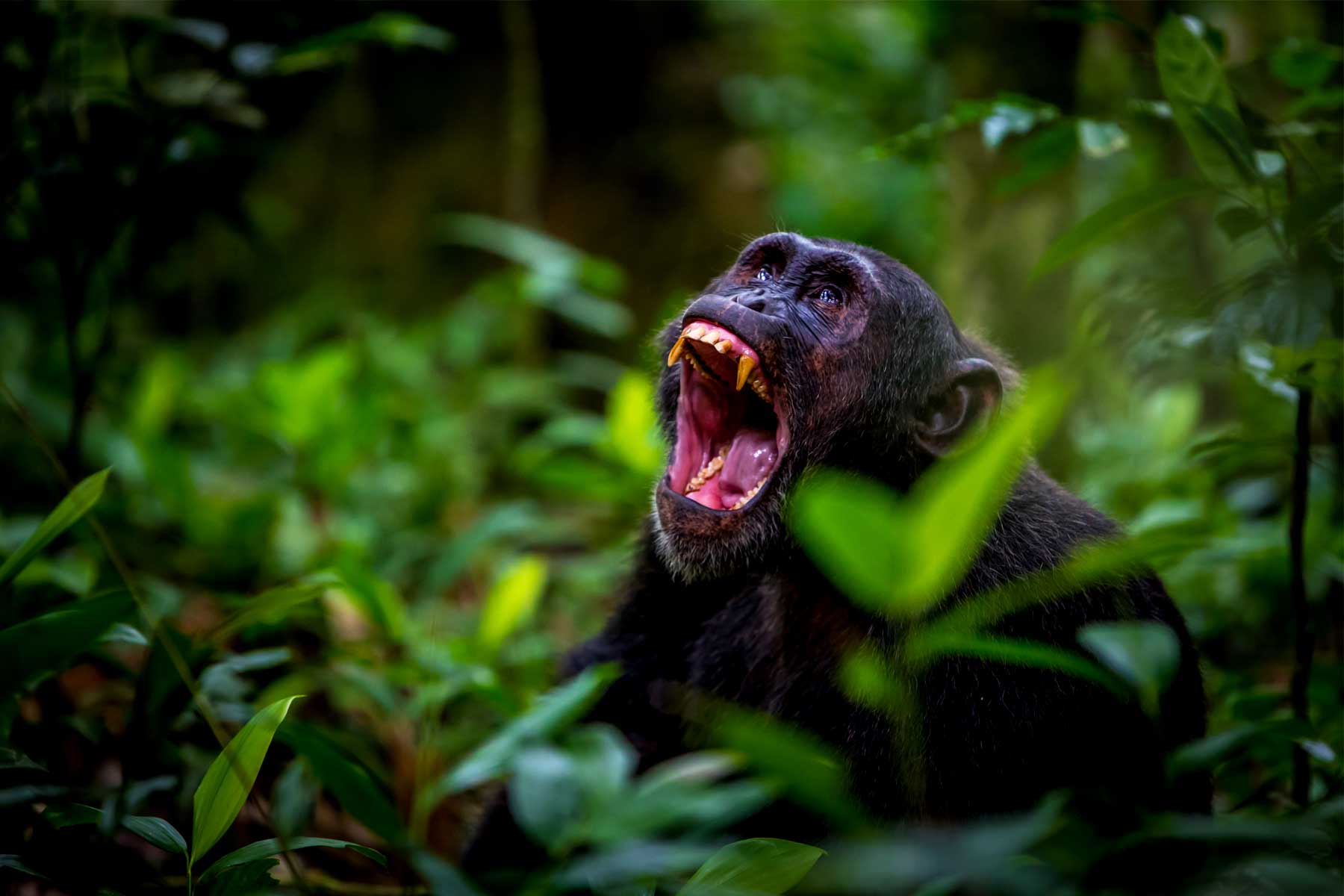
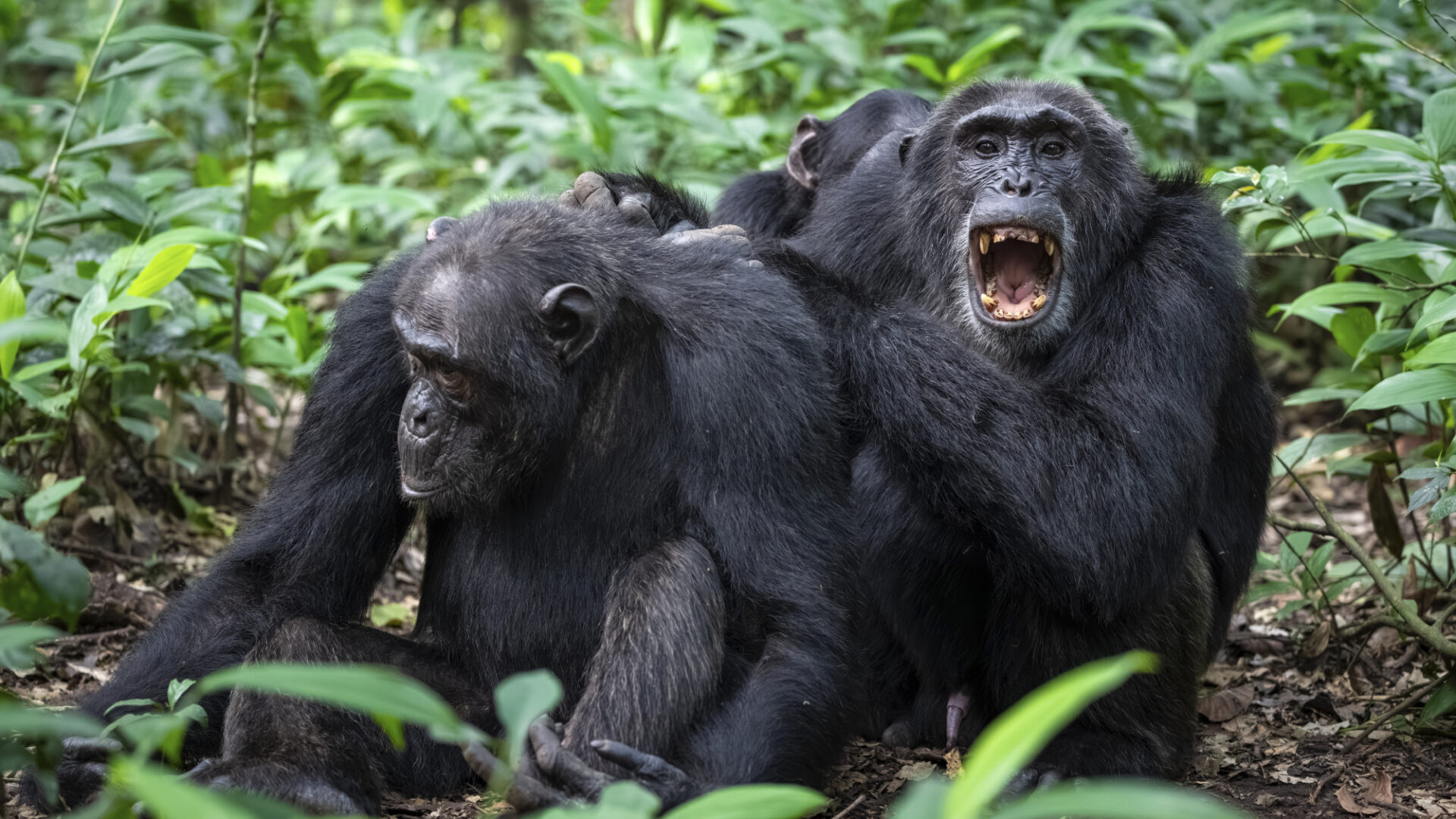
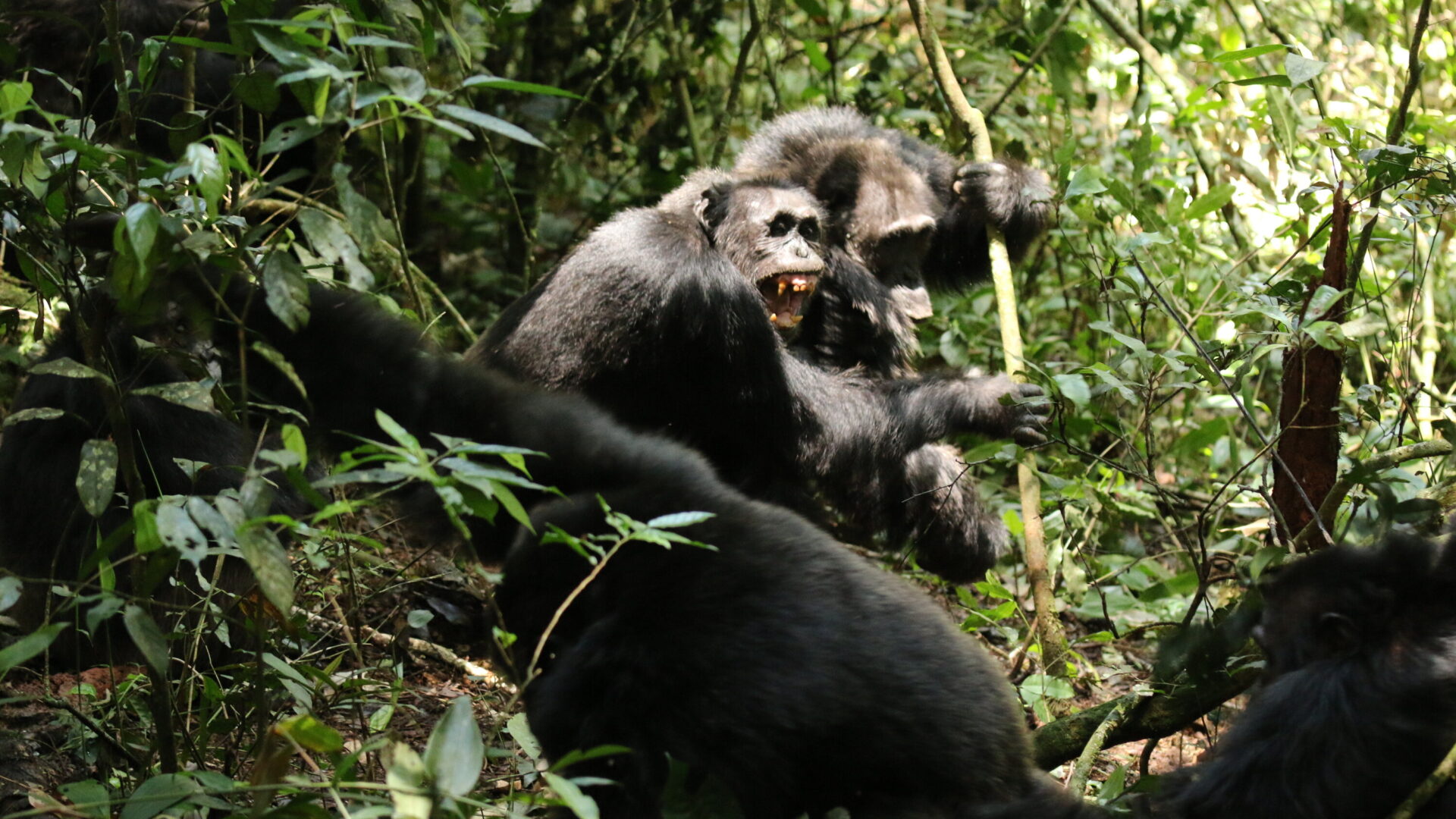
The phrase has quickly gained traction online, often used to describe a series of violent and coordinated conflicts among chimpanzee groups deep within the forest. At first glance, it suggests a sudden and dramatic event. However, the reality is more complex and far more rooted in natural behavior than headlines might imply.
Chimpanzees in Uganda, particularly in Kibale National Park, live in highly structured communities shaped by dominance, alliances, and territory. What is being described as a “Chimpanzee Civil War Uganda” is not a new or isolated incident, but part of a long-term process involving group division, competition, and survival.
Understanding this context is essential. Rather than an unusual or unnatural event, the situation reflects how chimpanzee societies function under pressure, especially when group dynamics shift and territorial boundaries are challenged.
For visitors and travelers, this story offers a deeper insight into the intelligence and complexity of chimpanzees in Uganda. It also highlights why Kibale National Park remains one of the most important places in Africa to observe chimpanzees in their natural environment, guided, managed and safely experienced through organized trekking activities.
What Is Happening in Kibale National Park
The events being described as a “Chimpanzee Civil War Uganda” are centered around one of the most studied chimpanzee populations in the world, the Ngogo community in Kibale National Park.
For decades, the Ngogo community was known for its unusually large and stable population, with over 150 individuals living within a single social structure. This made it one of the most significant chimpanzee groups for long-term scientific research.
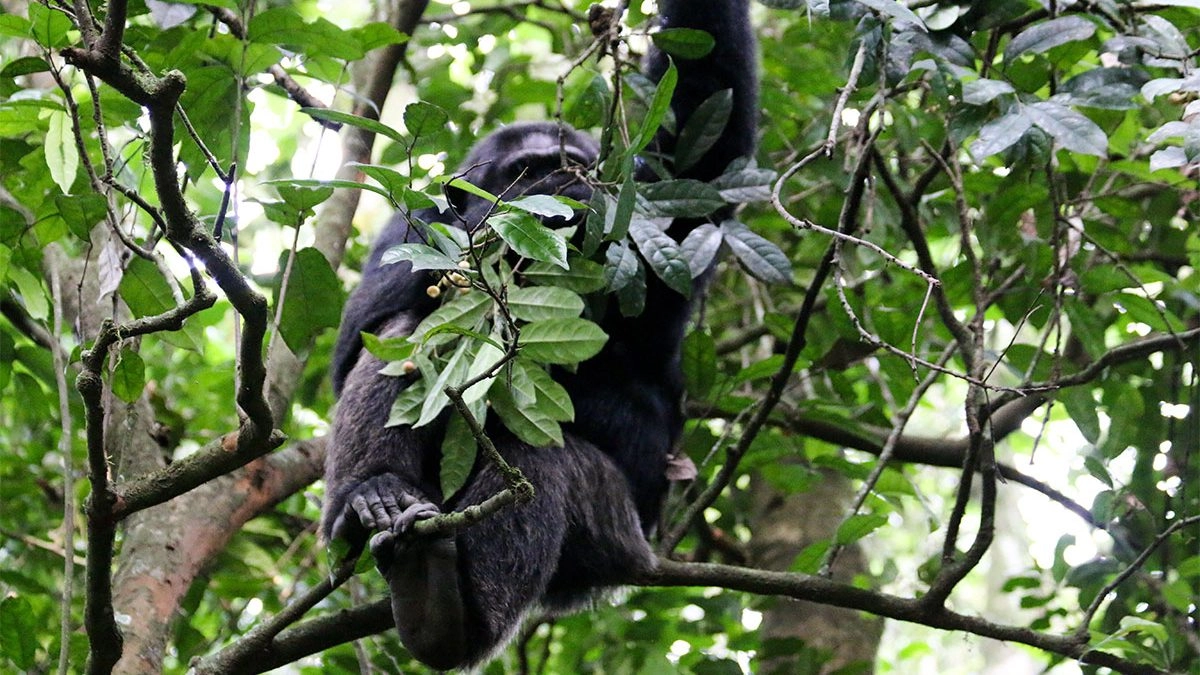
However, around 2015, a major shift began to occur within the group. Several dominant adult males, who had previously played a key role in maintaining social stability, died over a relatively short period. Their absence created a power imbalance that gradually weakened the cohesion of the group.
As internal tensions increased, the community underwent what scientists refer to as a group fission. This is a natural process in chimpanzee societies where a large group splits into smaller factions due to competition, social strain, or resource pressure.
Following this split, two separate factions emerged within the Ngogo population. What followed was not a sudden outbreak of violence, but a slow escalation of territorial competition that intensified between 2018 and 2026.
During this period, the groups began to establish separate ranges, defend boundaries, and increasingly avoid one another. Over time, encounters became more aggressive, marking a transition from social division to sustained conflict.
This timeline, from the loss of key males to group division and eventual confrontation provides the scientific foundation behind what is now being widely discussed as a “Chimpanzee Civil War Uganda.”
Why It Is Called a “Chimpanzee Civil War Uganda”
The term “civil war” has been widely used to describe the situation in Kibale because of the nature and structure of the conflict between the chimpanzee groups.
Unlike typical territorial disputes between completely separate communities, this conflict involves chimpanzees that once lived together within the same social group. The division created two factions that retained knowledge of each other’s members, behavior, and territory.
As tensions increased, these groups began conducting coordinated patrols along the edges of their territories. During these patrols, small groups of males move silently through the forest, scanning for members of the opposing faction. When encounters occur, they often involve group-based attacks, where individuals from one side target isolated members of the other.
Over time, these repeated confrontations contribute to territory takeover, where the stronger group gradually expands its range at the expense of the weaker one. This process is strategic and sustained, rather than random or isolated.
It is this combination of shared origin, organized group movement, repeated aggression, and territorial expansion that has led researchers and media outlets to describe the situation using the term “civil war.”
At the same time, it is important to understand the context clearly. This is natural chimpanzee territorial behavior, not human-like war. It reflects instinctive survival strategies shaped by competition for space, resources, and social dominance within chimpanzee societies.
Understanding this distinction allows us to interpret the events accurately while appreciating the complexity of chimpanzee behavior in the wild.
How Chimpanzees Fight
Chimpanzee conflict in the wild follows clear and structured patterns rather than random aggression. In Kibale National Park, the behavior observed among the Ngogo chimpanzees reflects deeply rooted social instincts shaped by territory, hierarchy, and group survival.
One of the most important elements of this behavior is patrol activity. Adult males move in small, coordinated groups along the edges of their territory, often in near silence. These patrols are deliberate and strategic, designed to monitor boundaries and detect the presence of rival individuals. Movement is cautious, with individuals pausing frequently to listen and observe their surroundings.
When encounters occur, they often lead to group-based confrontations. Rather than isolated aggression, chimpanzees rely on numerical advantage. A group will target a weaker or isolated member of the opposing faction, reinforcing their territorial control. These encounters are brief but decisive, reflecting coordination rather than chaos.
Underlying all of this is a strong dominance hierarchy. Within each group, certain males hold higher status and influence decision-making, including when and where patrols occur. Leadership plays a critical role in maintaining cohesion, and shifts in dominance can directly affect how groups behave toward rivals.
Taken together, these elements, patrol behavior, coordinated encounters, and structured hierarchy—demonstrate that chimpanzee conflict is organized and purposeful. It is driven by survival, territory, and social structure rather than uncontrolled aggression.
Where This Is Happening
The events associated with the so-called “chimpanzee civil war” are taking place within a specific part of Kibale National Park, particularly in the Ngogo Forest research area.
Ngogo is one of the most intensively studied chimpanzee sites in Africa. It is located deep within the park and serves as a long-term research zone where scientists have observed chimpanzee behavior over several decades. This level of monitoring is what has made it possible to document the progression of the conflict in such detail.
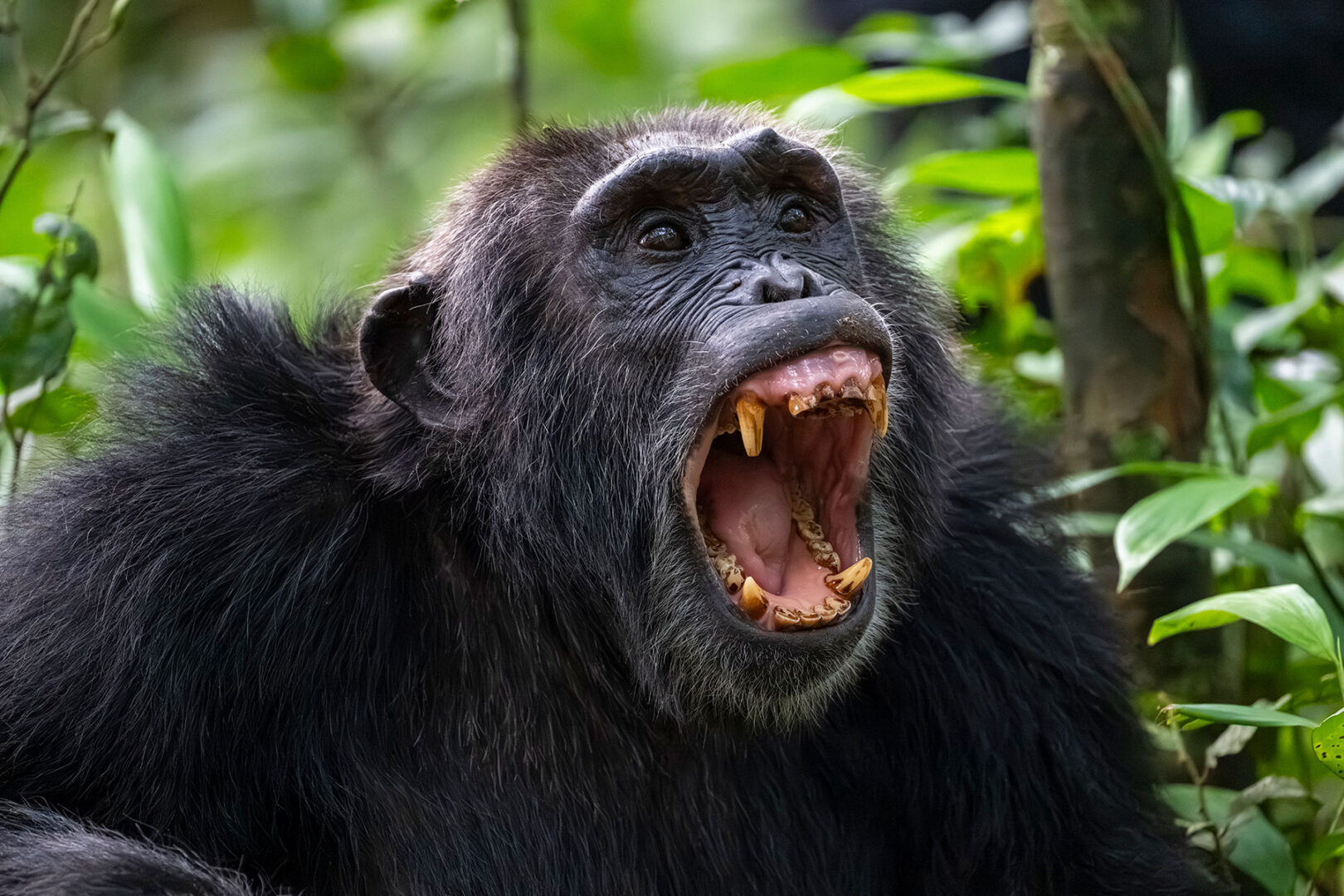
It is important to understand that this area is remote and not part of the standard chimpanzee trekking routes used by visitors. Tourism activities in Kibale are carefully managed and take place in designated zones where chimpanzee groups have been habituated to human presence.
The distinction is critical. The behavior being studied in Ngogo reflects wild, unhabituated dynamics in a research setting, while trekking experiences are conducted in controlled environments where chimpanzees are accustomed to guided observation.
This separation ensures that both research and tourism can exist within the same park without interfering with each other.
Is It Safe for Tourists?
Chimpanzee trekking in Uganda remains a safe and well-managed experience, and the events in Ngogo do not pose any risk to visitors.
The chimpanzee groups that we encounter during trekking in Kibale National Park are habituated communities. This means they are familiar with the presence of humans and have been gradually introduced to controlled observation over time. Their behavior is calm, predictable, and monitored closely by trained rangers.
All trekking activities are conducted under strict guidelines. Rangers lead each group, maintain safe distances, and control movement within the forest. This ensures that interactions remain respectful, controlled, and non-intrusive.
In addition, trekking routes are carefully selected and separated from research zones such as Ngogo. Visitors do not enter areas where unhabituated or highly territorial chimpanzee groups are being studied.
As a result, chimpanzee trekking continues to be one of the most rewarding and secure wildlife experiences in Africa. Understanding the complexity of chimpanzee behavior only adds depth to the experience, allowing us to appreciate these animals not just as wildlife, but as highly intelligent social beings living in structured communities.
Chimpanzee Trekking in Uganda
Chimpanzee trekking in Uganda is one of the most engaging wildlife experiences in East Africa, offering a close and structured encounter with one of our closest relatives in the wild. The most established location for this activity is Kibale National Park, widely regarded as the leading destination for the Kibale chimpanzee experience.
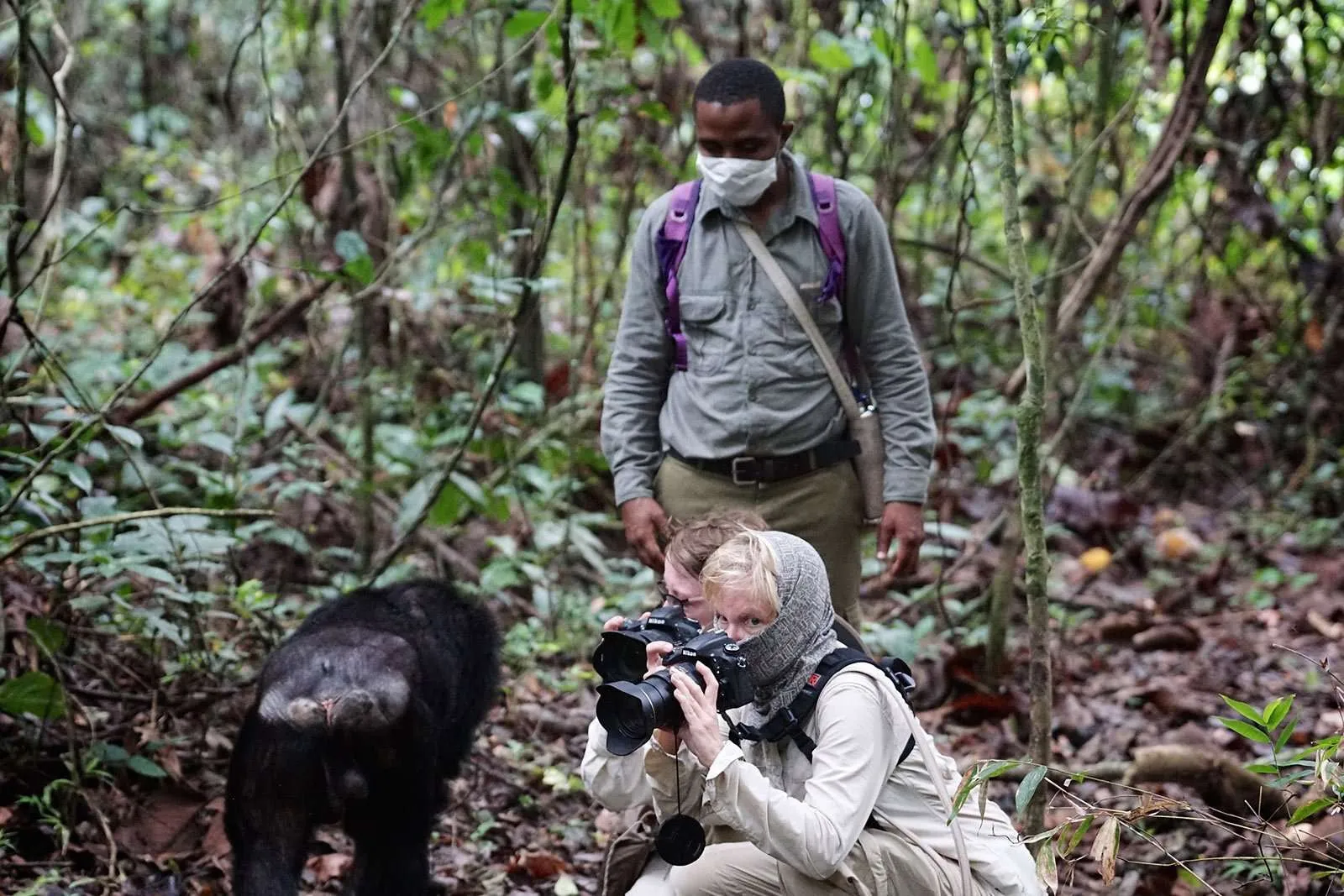
The process begins early in the morning with a briefing at the park headquarters, where rangers explain the guidelines and expectations before entering the forest. We then move into the rainforest in small guided groups, following trails used by trackers who locate chimpanzee communities in advance.
Tracking is an active experience. We walk through forest terrain, listening for vocalizations and movement in the canopy. As we approach, the sounds of the forest change calls, rustling leaves, and interaction within the group signal that we are close.
Once we reach the chimpanzees, we spend one hour observing them at a controlled distance. During this time, we experience their natural behavior in detail. We watch them feed, groom, communicate, and move through the trees with remarkable agility. The interaction feels immediate yet controlled, guided by rangers who ensure both safety and respect for the animals.
The distance between us and the chimpanzees is managed carefully, typically within a few meters, allowing for clear observation while maintaining proper guidelines. This proximity is what makes chimpanzee trekking in Uganda such a powerful and memorable experience.
Permits are required for this activity and must be secured in advance due to limited daily availability. In Kibale National Park, permits are among the most sought-after, reflecting the quality and consistency of the experience. Other locations offer additional opportunities, but Kibale remains the benchmark for chimpanzee trekking Uganda.
Overall, this experience is structured, immersive, and professionally guided, making it accessible while still preserving the authenticity of observing chimpanzees in their natural environment.
Best Places to See Chimpanzees in Uganda
Uganda offers several locations where chimpanzees can be observed in the wild, each providing a slightly different experience based on environment, accessibility, and group behavior.
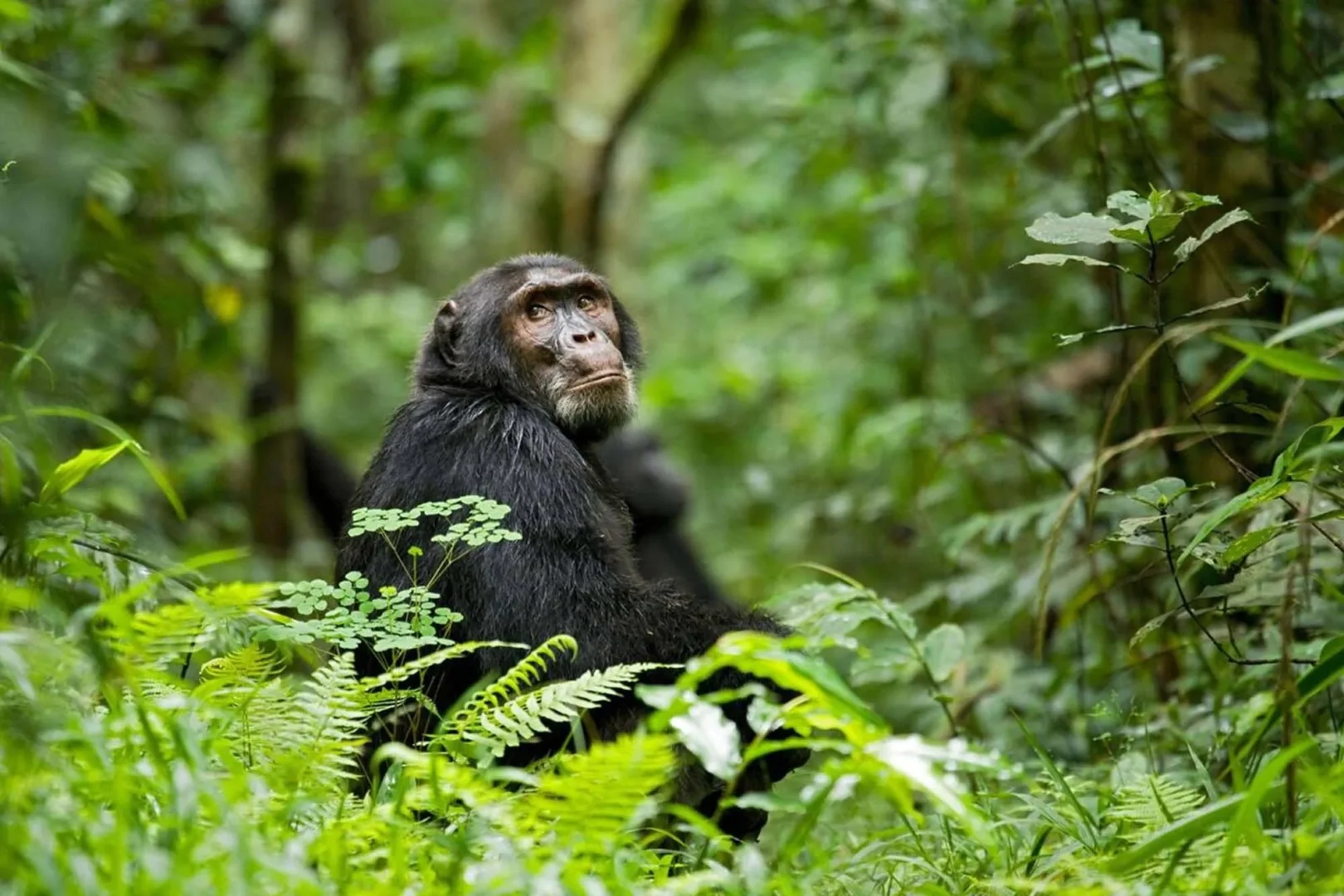
Kibale National Park
Kibale National Park is the most established and reliable destination for chimpanzee trekking in Uganda. The forest supports one of the highest densities of chimpanzees in Africa, and the tracking experience is well organized with consistent success rates. The environment is dense tropical rainforest, creating an immersive setting where chimpanzees are active and easy to follow once located. This is considered the best location for a complete and structured chimpanzee trekking experience.
Budongo Forest
Budongo Forest, located near Murchison Falls National Park, offers a quieter and less crowded alternative. The forest is part of a larger ecosystem and is known for its research-based tracking experiences. Chimpanzee encounters here are equally authentic, with a slightly more relaxed atmosphere compared to Kibale. This location works well when combined with wildlife safaris in the surrounding areas.
Kyambura Gorge
Kyambura Gorge, situated within Queen Elizabeth National Park, provides a unique setting for chimpanzee tracking. The gorge is a sunken forest surrounded by open savannah, creating a dramatic contrast in landscape. The chimpanzee population here is smaller, making the experience more exclusive and less predictable, but highly rewarding when successful. The setting itself adds a distinct dimension to chimpanzee trekking in Uganda.
Each of these destinations contributes to the overall appeal of chimpanzee trekking Uganda, allowing flexibility in itinerary design while maintaining the core experience of observing chimpanzees in their natural habitat.
Best Time to See Chimpanzees in Uganda
Chimpanzee trekking in Uganda is available throughout the year, but the experience varies depending on seasonal conditions. Understanding the difference between the dry and wet seasons helps in planning a more comfortable and rewarding chimpanzee trekking Uganda experience, especially in Kibale National Park.
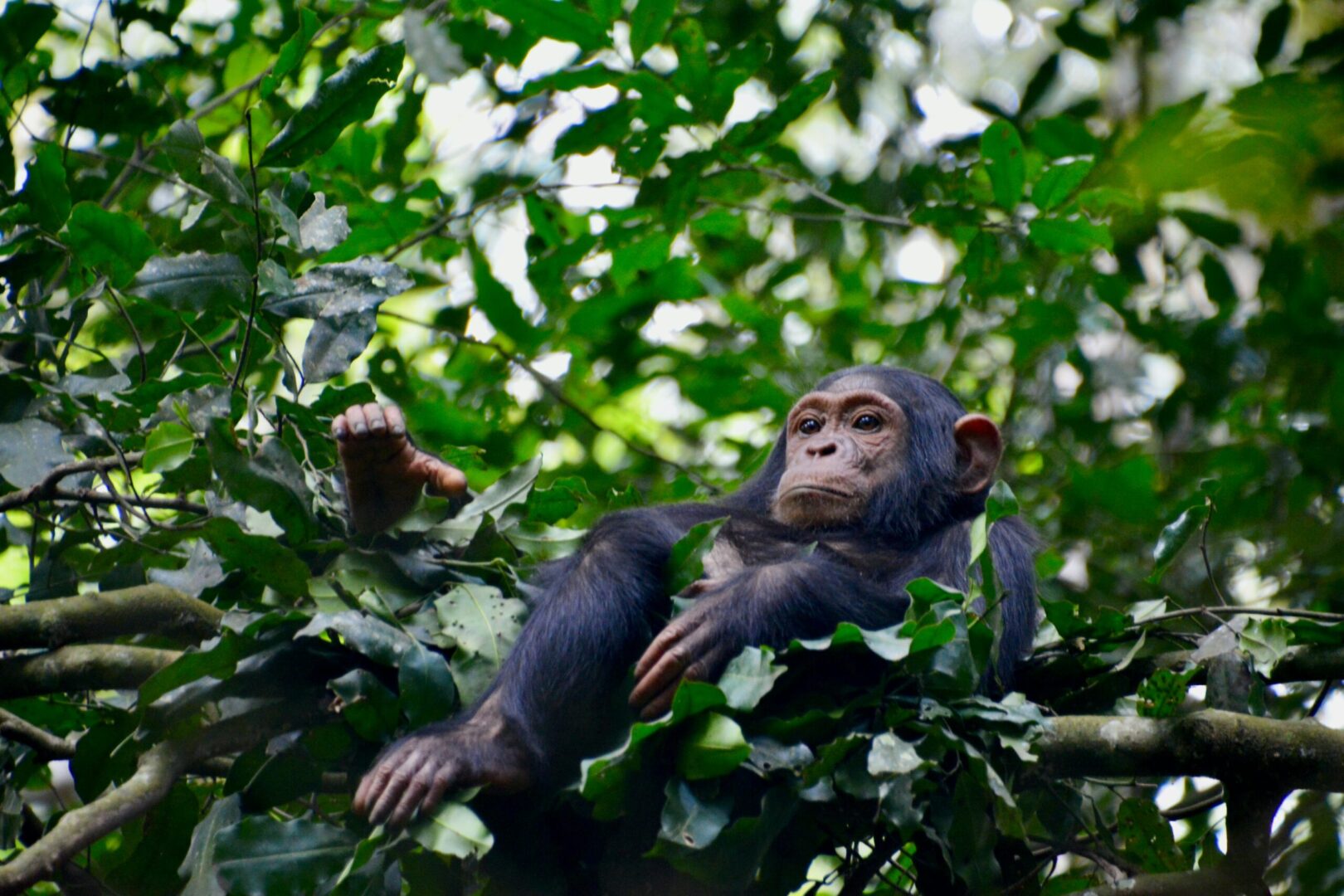
Dry Season: Easier Trekking Conditions
The dry seasons, which typically run from June to October and from December to February, are considered the most favorable periods for chimpanzee trekking.
During these months, forest trails are drier and easier to navigate, making movement through the forest more comfortable. The reduced undergrowth also improves visibility, allowing clearer observation once chimpanzees are located.
Chimpanzees remain highly active during this period, and trekking conditions are more predictable. For travelers focused on ease of movement and overall comfort, this is often the preferred time to experience the Kibale chimpanzee experience.
Wet Season: Rich Forest Experience
The wet seasons, from March to May and again in November, offer a different perspective of chimpanzee trekking in Uganda.
During this time, the forest becomes dense, lush, and vibrant. Food sources are more abundant, which often keeps chimpanzees within smaller ranges, sometimes reducing the distance required to locate them.
However, trekking conditions can be more challenging, with muddy and slippery trails requiring more effort to navigate. Despite this, the environment is quieter, with fewer visitors, creating a more exclusive and immersive experience.
Choosing the Best Time
Both seasons offer strong chimpanzee encounters, and the choice depends on travel preference. The dry season provides easier trekking and clearer conditions, while the wet season offers richer scenery and fewer crowds.
Chimpanzee trekking remains consistent across seasons, making Uganda a reliable destination year-round for observing chimpanzees in their natural habitat.
Cost of Chimpanzee Trekking in Uganda
The cost of chimpanzee trekking in Uganda is primarily determined by the permit, which grants access to a guided tracking experience in designated parks such as Kibale National Park.
Chimpanzee Trekking Permit Price
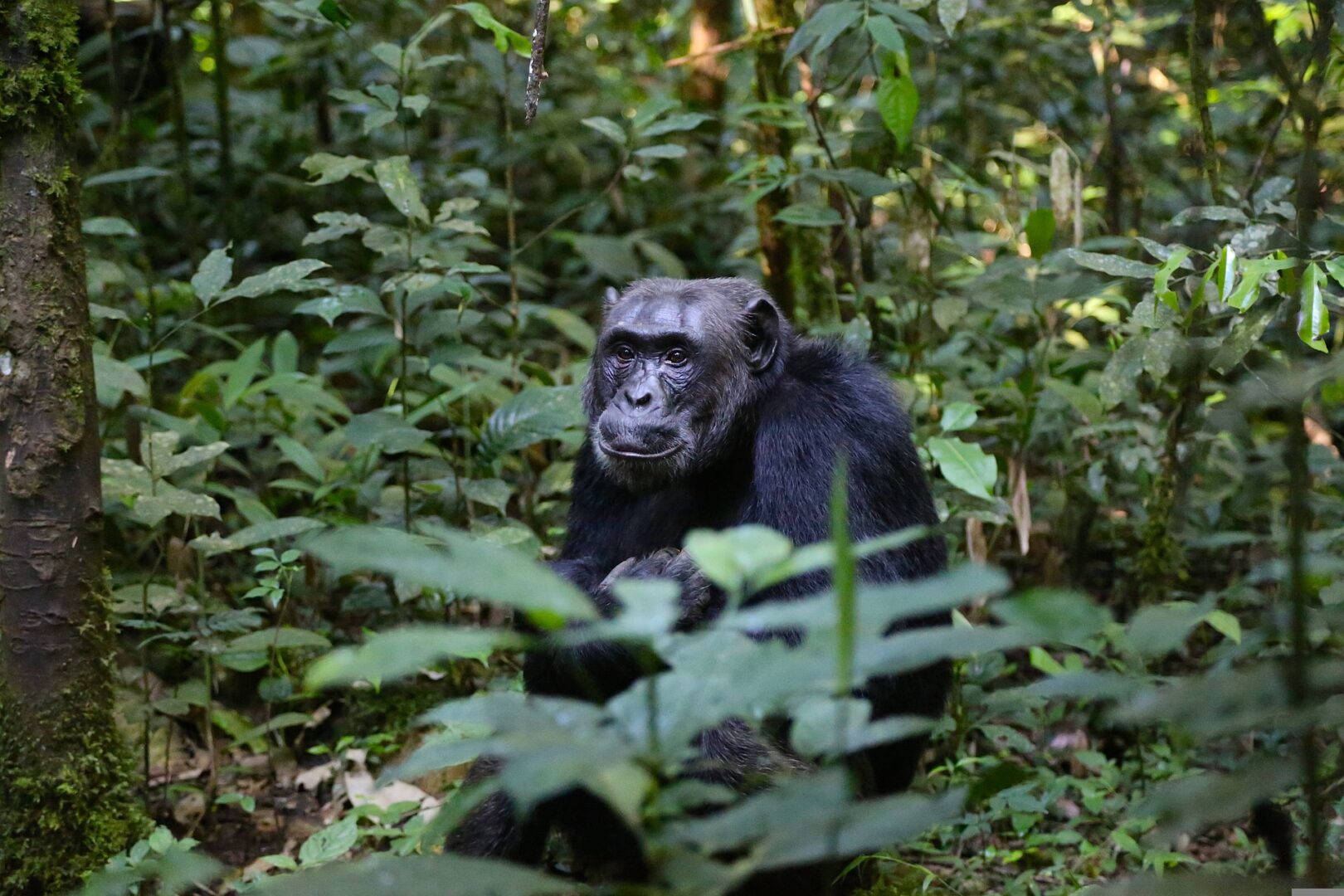
The current permit cost in Kibale National Park is approximately USD 250 per person. From 01st of January 2027, this rate will be increased to increase to USD 300 per person in the near future, reflecting ongoing conservation and park management efforts.
Permits are limited per day, and early booking is recommended, particularly during peak travel seasons.
What the Permit Includes
The chimpanzee trekking permit covers the full guided experience within the forest.
It includes access to the park, services of trained rangers and trackers, and one hour of observation once the chimpanzees are located. The permit also contributes directly to conservation efforts and the protection of chimpanzee habitats.
The experience is structured and managed, ensuring that tracking is conducted responsibly while allowing close and meaningful observation of chimpanzees in the wild.
Additional Costs to Consider
While the permit is the main cost, a complete chimpanzee trekking experience may also include transportation, accommodation, and guiding services as part of a safari package.
These elements are typically bundled into itineraries for convenience, especially when combining chimpanzee trekking with other experiences such as wildlife safaris or gorilla trekking.
Understanding both the timing and cost of chimpanzee trekking in Uganda helps in planning a well-structured safari that balances experience, comfort, and value.
Frequently Asked Questions About Chimpanzees in Uganda
Are chimpanzees violent?
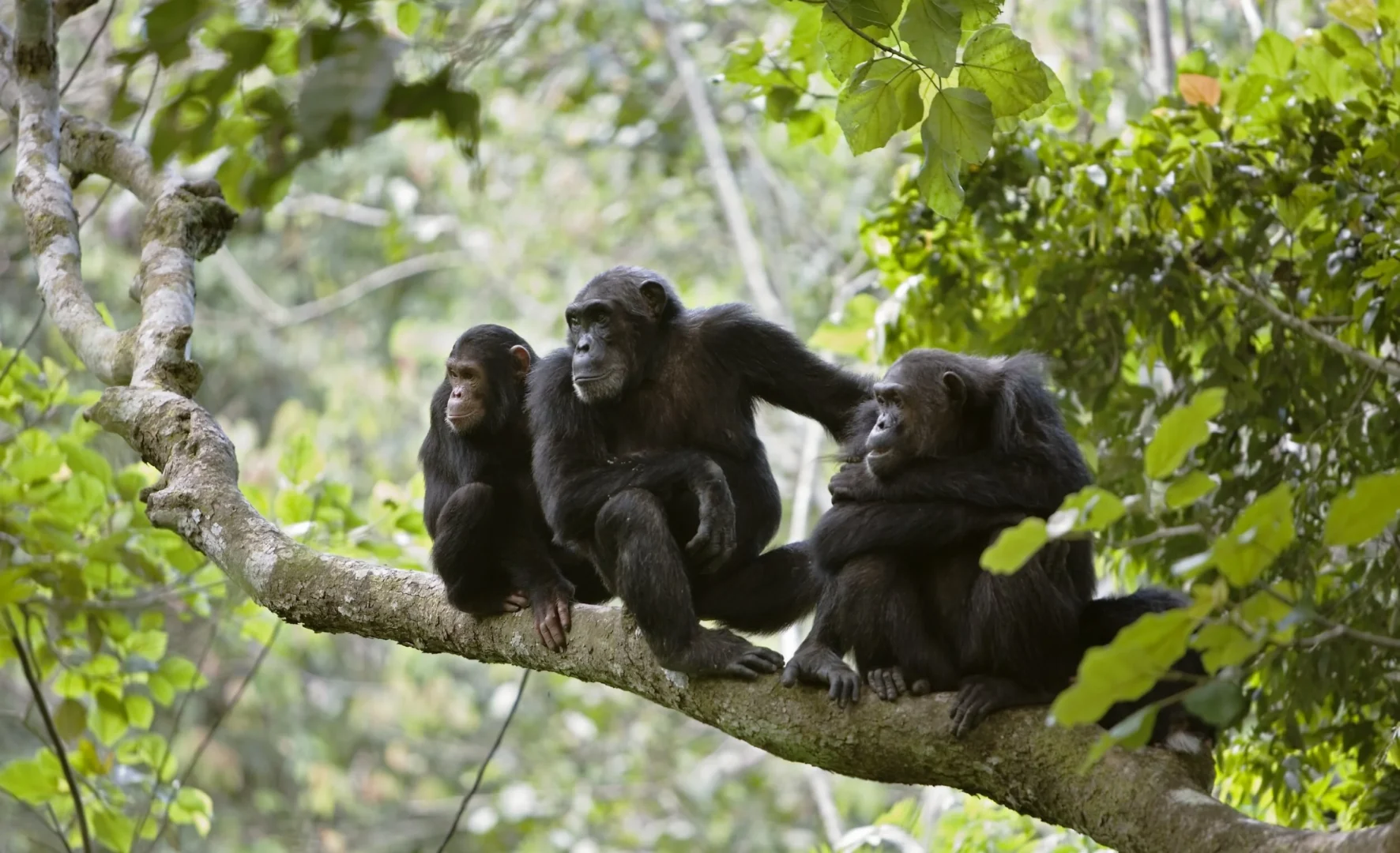
Chimpanzees are intelligent and highly social animals, but they can display aggression as part of their natural behavior. This aggression is usually linked to territory, dominance, and group protection rather than random violence. In places like Kibale National Park, such behavior is observed mainly in wild, unhabituated groups living deep within the forest.
For visitors, chimpanzees encountered during trekking are habituated and accustomed to human presence, making the experience calm, controlled, and safe.
What is the chimpanzee “civil war” in Uganda?
The term “chimpanzee civil war” refers to a long-term conflict observed among chimpanzee groups in Kibale National Park, particularly within the Ngogo community.
This conflict developed after a large group split into smaller factions, which then began competing for territory. The groups engage in coordinated patrols and confrontations as part of their natural territorial behavior.
While the term “civil war” is widely used, it is important to understand that this is natural chimpanzee territorial behavior, not human-like war.
Is chimpanzee trekking in Uganda safe?
Chimpanzee trekking in Uganda is a safe and well-regulated activity. All trekking experiences are conducted with trained rangers who guide movement, maintain safe distances, and ensure that interactions remain controlled.
The chimpanzees visited during trekking are habituated, meaning they are familiar with human presence and do not react aggressively under normal conditions.
Trekking takes place in designated areas, separate from research zones where wild chimpanzee conflicts are studied.
Where is Kibale National Park located?
Kibale National Park is located in western Uganda, near the town of Fort Portal. The park is easily accessible by road from Kampala or Entebbe, with a travel time of approximately five to six hours.
It is one of the most important primate habitats in Africa and is widely recognized as the best destination for chimpanzee trekking in Uganda.
Experience Chimpanzees in Uganda Safely with Experts
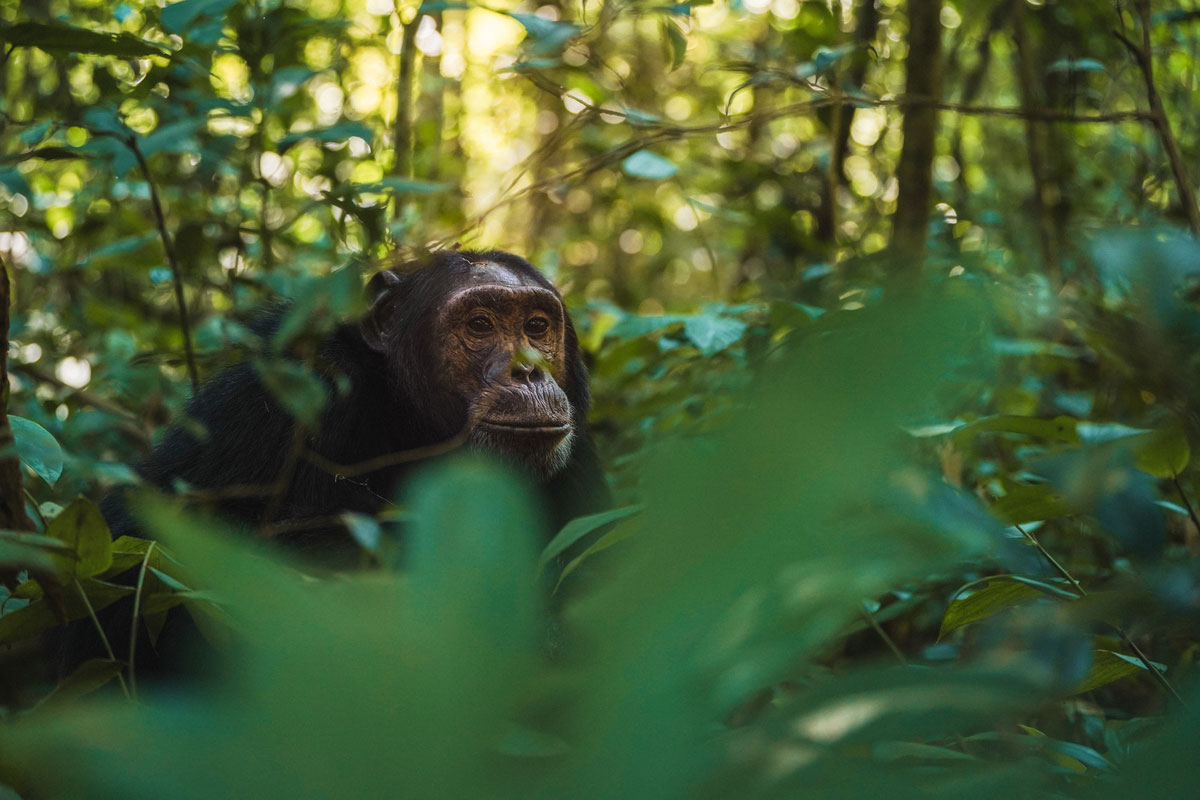
Understanding chimpanzee behavior adds depth to the experience, but nothing compares to seeing them in their natural environment. Chimpanzee trekking in Uganda offers a rare opportunity to observe these animals up close in a structured, guided, and safe setting.
With expert planning, proper permits and experienced guides, the journey becomes seamless and rewarding from start to finish.