
Chimpanzee Facts
Incredible Chimpanzee Facts: Complete Guide to Uganda’s Intelligent Primates and Their Fascinating World
Chimpanzees are among the most fascinating and intelligent animals on Earth, offering one of the closest connections between humans and the natural world. Their remarkable intelligence, emotional complexity, social relationships, and ability to adapt have made them one of the most studied wildlife species globally. For travelers visiting Uganda, learning Chimpanzee Facts before a safari creates a deeper appreciation of the incredible experience of observing these primates in their natural environment.
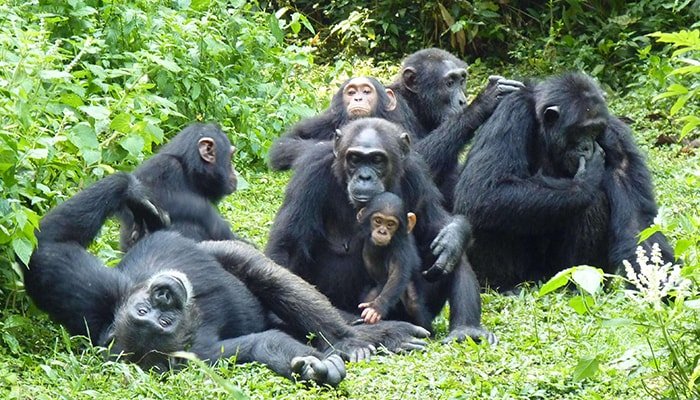
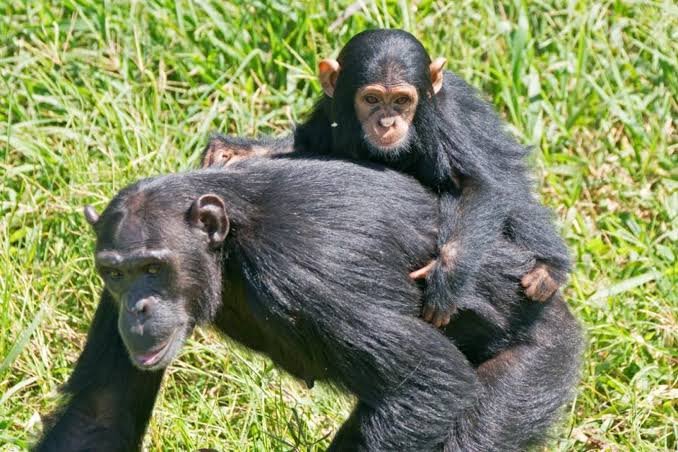
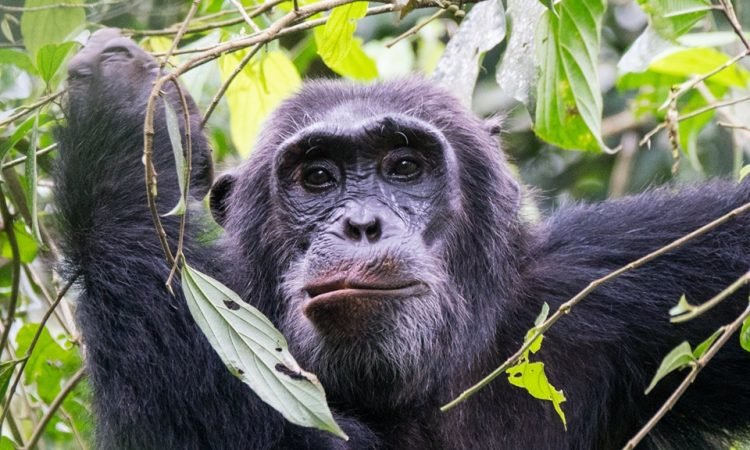
Uganda is one of Africa’s leading destinations for chimpanzee experiences because it protects some of the continent’s most important chimpanzee habitats. The ancient forests of Kibale National Park, Budongo Forest, Kyambura Gorge, and Kalinzu Forest provide safe environments where chimpanzee communities continue their natural behaviors. These forests allow visitors to witness feeding, communication, grooming, movement, and social interactions that reveal the extraordinary lives of these animals.
At Nextgen Safaris, we believe that understanding chimpanzees makes every encounter more meaningful. A chimpanzee safari is not only about seeing an animal in the forest; it is about discovering an intelligent species with emotions, relationships, traditions, and survival skills that are surprisingly similar to humans. Through responsible tourism, travelers can enjoy unforgettable experiences while contributing to the conservation of these remarkable primates.
Chimpanzees Are One of Humanity’s Closest Living Relatives
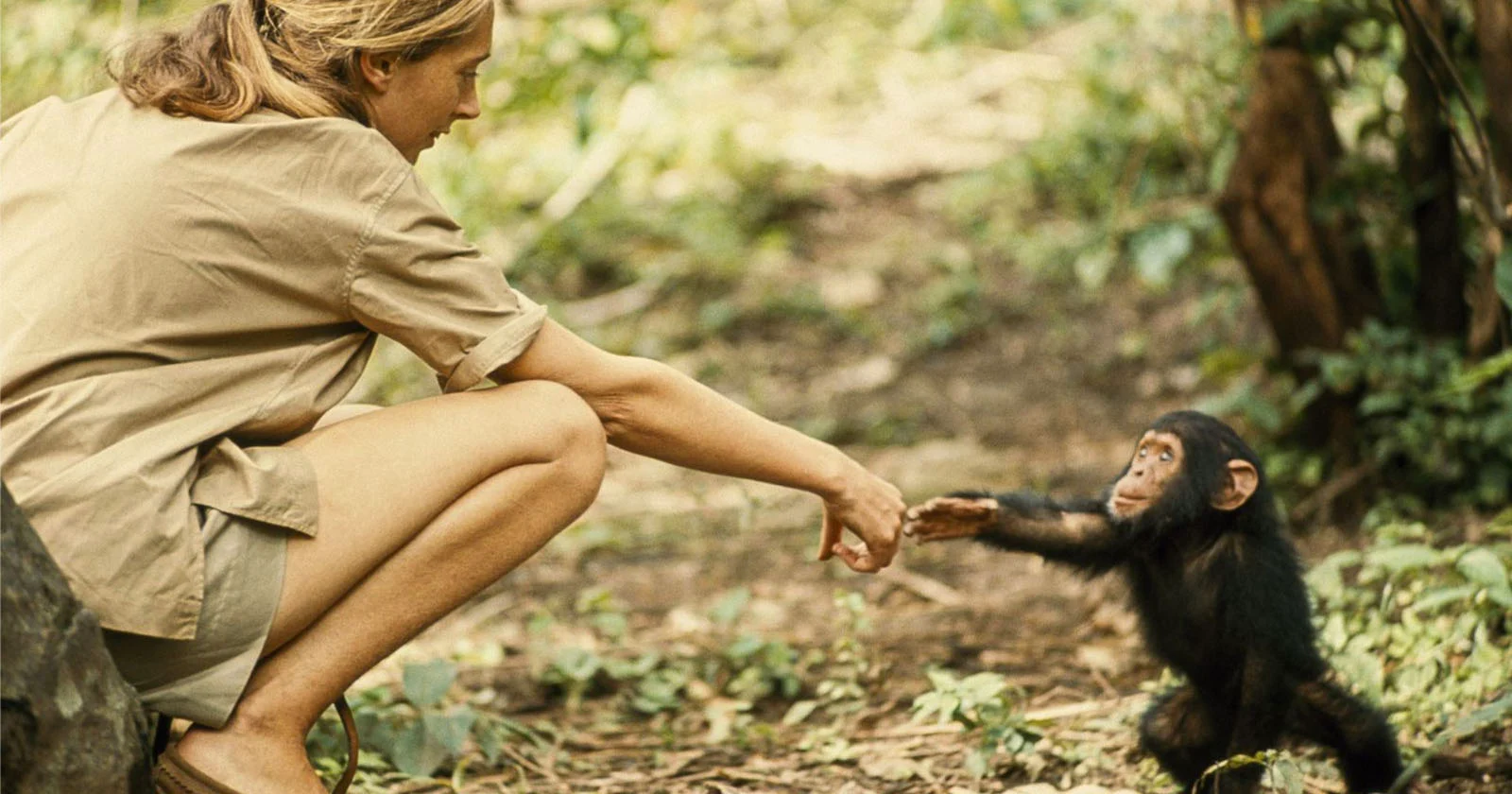
One of the most important Chimpanzee Facts is that chimpanzees are among the closest living relatives of humans. Scientists have discovered that humans and chimpanzees share approximately 98% of their DNA, which explains why these primates display many behaviors and characteristics that appear familiar to us. Their body structure, facial expressions, communication methods, and social interactions provide valuable insights into human evolution.
Chimpanzees belong to the great ape family, which also includes gorillas, orangutans, bonobos, and humans. Unlike monkeys, chimpanzees do not have tails and have highly developed brains that allow them to solve problems, learn from experience, and adapt to changing environments. Their ability to understand situations, remember individuals, and use tools demonstrates a level of intelligence rarely seen among other animals.
The similarities between humans and chimpanzees extend beyond physical appearance. Chimpanzees experience emotions such as happiness, excitement, fear, and sadness. They form friendships, care deeply for family members, and show compassion toward others. These characteristics make chimpanzees one of the most fascinating species to observe during wildlife encounters in Uganda.
Where Chimpanzees Live and Their Natural Habitat
Chimpanzees are naturally found across the tropical forests of Africa, particularly in countries within Central and West Africa. Their range stretches across countries such as Uganda, Rwanda, Tanzania, Democratic Republic of Congo, Cameroon, and several others. Chimpanzee Facts,these forests provide everything chimpanzees need for survival, including food, shelter, protection, and areas for social activities.
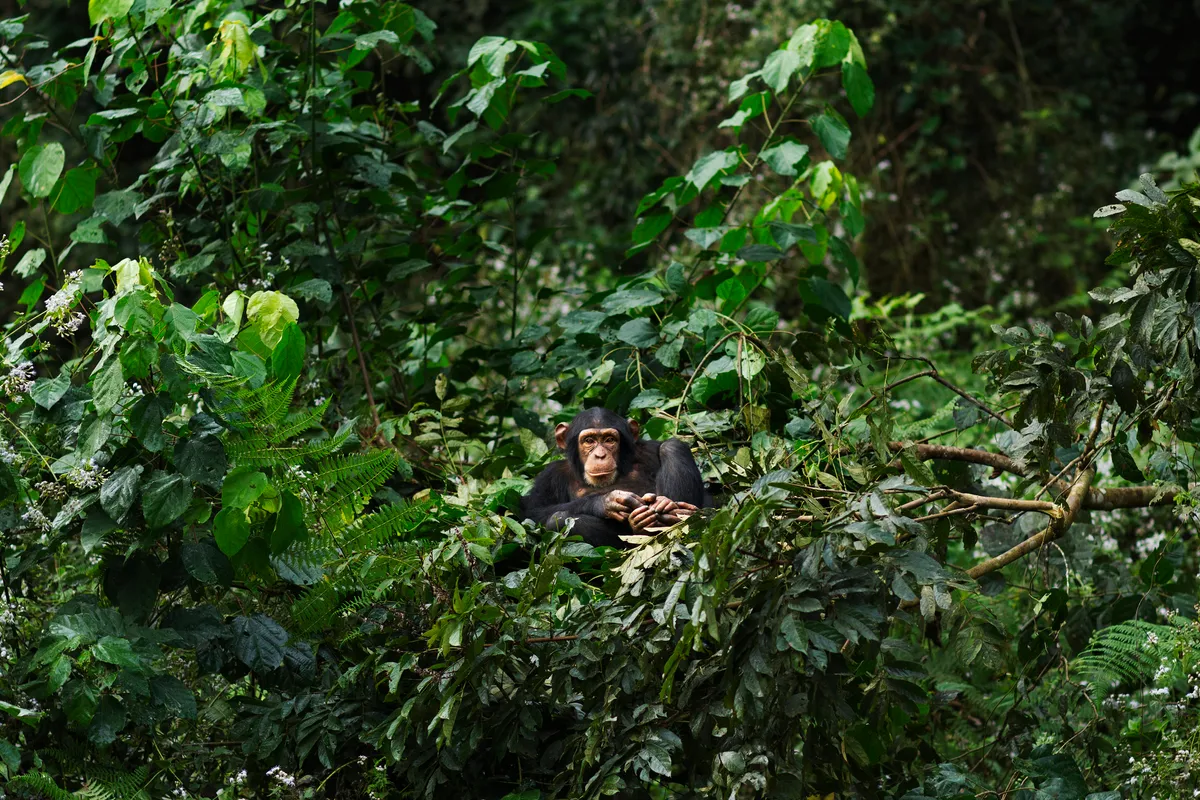
The rainforest environment is essential for chimpanzee survival because they depend on trees for feeding, movement, and sleeping. Chimpanzees spend much of their lives moving through forest canopies, searching for fruits, leaves, seeds, insects, and other sources of nutrition. They build sleeping nests high in trees every evening, creating safe resting places away from potential dangers on the forest floor.
Uganda has become one of Africa’s best destinations for chimpanzee encounters because of its successful conservation efforts and protected forest areas. Kibale Forest National Park is particularly famous because it contains one of the highest concentrations of chimpanzees in Africa. Chimpanzee Facts, the park’s healthy forest ecosystem provides visitors with excellent opportunities to observe chimpanzees in their natural habitat.
The Intelligence and Problem-Solving Abilities of Chimpanzees
Chimpanzee intelligence is one of the most remarkable aspects of this species. Among all animals, chimpanzees demonstrate some of the most advanced problem-solving abilities. They are capable of understanding their surroundings, making decisions, remembering experiences, and using objects as tools to achieve specific goals.
One of the most famous examples of chimpanzee intelligence is their ability to use tools. Chimpanzees have been observed selecting sticks to collect termites from underground nests, using stones to break hard nuts, and creating simple tools for different purposes. These behaviors show planning and understanding rather than simple instinct.
Chimpanzees also learn from one another, creating what scientists describe as animal cultures. Young chimpanzees watch older members of their community and copy important behaviors. Different chimpanzee groups may develop their own unique traditions, including feeding techniques and communication styles, which are passed from one generation to another.
Chimpanzee Social Life and Community Structure
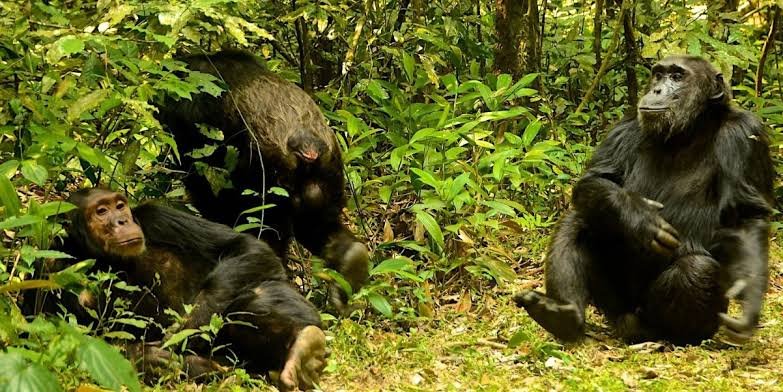
Chimpanzees are highly social animals that live in communities made up of multiple individuals. Chimpanzee Facts,these groups can include many chimpanzees that develop complex relationships, friendships, and social rankings. Their survival depends heavily on cooperation and communication between members of the community.
Within chimpanzee groups, individuals spend considerable time strengthening relationships through grooming. Grooming is not only a way to remove insects or maintain hygiene but also an important social activity that builds trust and friendship. Chimpanzees often groom close companions and use this behavior to maintain peaceful relationships.
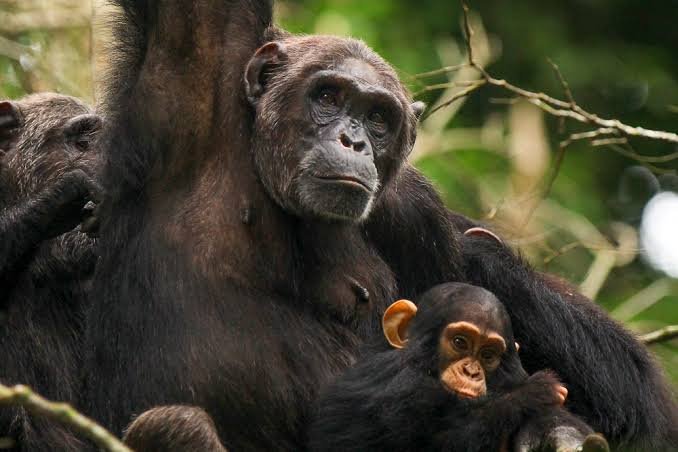
Family relationships are especially important among chimpanzees. Mothers develop extremely strong bonds with their infants and spend years teaching them essential survival skills. Young chimpanzees learn how to find food, move through the forest, communicate, and interact with other members by observing their mothers and surrounding community.
How Chimpanzees Communicate
Communication is one of the most fascinating areas when studying Chimpanzee Facts. Chimpanzees communicate through a combination of vocal sounds, body movements, facial expressions, and physical gestures. Their communication system is highly developed and allows them to express emotions, warnings, and social intentions.
Chimpanzees produce different sounds for different situations. They may call to alert others about danger, communicate their location, express excitement, or maintain contact while moving through the forest. Chimpanzee Facts is that during chimpanzee trekking in Uganda, visitors often hear loud calls echoing through the rainforest before locating the chimpanzee group.
Their facial expressions and gestures also reveal important information. A chimpanzee may show excitement through playful movements, express discomfort through body language, or use gestures to communicate with other members of the group. These behaviors demonstrate the complexity of chimpanzee social communication.
Chimpanzee Diet and Feeding Behavior
Chimpanzees have a diverse diet that allows them to survive in different forest environments. Chimpanzee Facts,although they are classified as omnivores, most of their diet consists of plant materials such as fruits, leaves, seeds, flowers, and bark. Fruit is especially important because it provides energy for their active lifestyle.
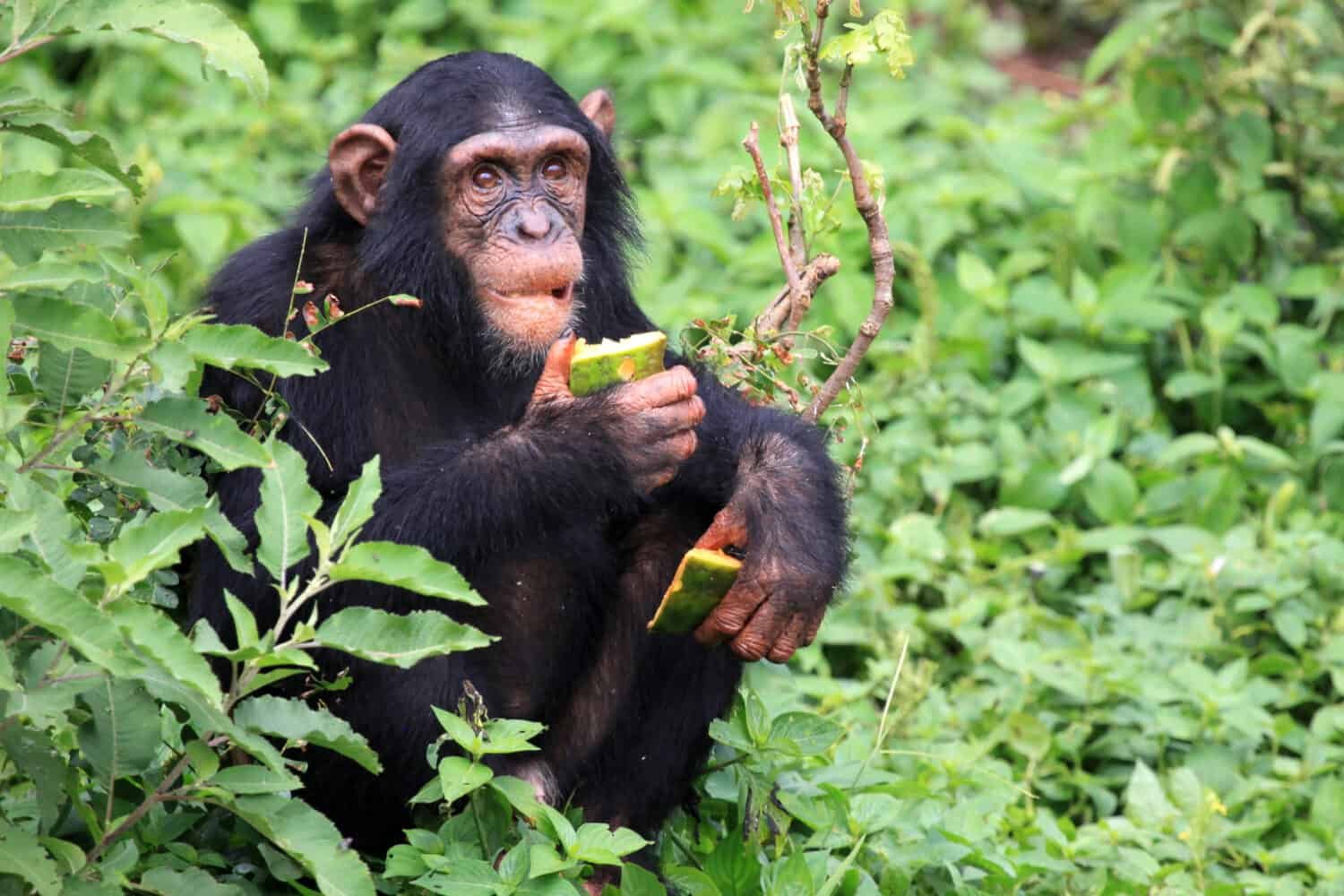
Chimpanzees spend many hours each day searching for food because their survival depends on finding enough resources within their territory. They have excellent memories and can remember locations of important feeding trees, returning when fruits become available during different seasons.
Although plants make up most of their diet, chimpanzees also eat insects, honey, bird eggs, and occasionally small animals. This flexible feeding behavior allows them to adapt when certain food sources become unavailable and demonstrates their ability to survive in changing environments.
Chimpanzee Daily Life in the Forest
A typical day for chimpanzees begins early in the morning when they leave their sleeping nests. They usually begin searching for food, traveling through the forest, and communicating with other members of their community. Their daily activities are influenced by food availability, weather conditions, and social interactions.
During the day, chimpanzees move between different areas of the forest while feeding and socializing. Chimpanzee Facts is that they may spend time grooming each other, playing, resting, or caring for young chimpanzees. These moments provide some of the most rewarding opportunities for wildlife photographers and visitors.
At sunset, chimpanzees prepare for the night by building new sleeping nests in trees. Unlike many animals that return to permanent shelters, chimpanzees usually create a fresh nest every evening using branches and leaves. This behavior protects them from predators and provides a comfortable resting place.
Uganda’s Best Chimpanzee Destinations
Uganda is one of Africa’s premier destinations for chimpanzee tourism because of its diverse forests and successful conservation programs. Chimpanzee Facts, The country provides several locations where visitors can experience these incredible primates.
Kibale Forest National Park is the most famous chimpanzee destination in Uganda and is often called the “Primate Capital of the World.” The park supports a large chimpanzee population and offers some of the best trekking and habituation experiences in Africa.
Other important destinations include Budongo Forest near Murchison Falls National Park, Kyambura Gorge inside Queen Elizabeth National Park, and Kalinzu Forest Reserve. Each destination offers a unique environment and can be combined with other wildlife experiences such as game drives, boat cruises, and bird watching.
Chimpanzee Conservation and Challenges
Despite their intelligence and adaptability, chimpanzees face serious threats throughout Africa. Habitat destruction caused by deforestation remains one of the biggest challenges because chimpanzees depend on large forest areas for survival.
Other threats include illegal wildlife trade, human-wildlife conflict, and diseases that can spread between humans and chimpanzees. Because chimpanzees are closely related to humans, they are vulnerable to many human illnesses.
Conservation programs in Uganda focus on protecting forests, supporting research, educating communities, and promoting responsible tourism. Chimpanzee Facts, is that Chimpanzee tourism provides important funding that supports conservation efforts and creates economic benefits for communities living near protected areas.
Chimpanzee Trekking Experience in Uganda
Chimpanzee trekking provides travelers with the opportunity to enter Uganda’s forests and observe chimpanzees in their natural environment. Unlike traditional zoo experiences, trekking allows visitors to witness authentic wildlife behavior.
Professional trackers and guides lead visitors through the forest, using their knowledge of chimpanzee movements and behaviors to locate communities. They provide valuable information about chimpanzee lifestyles, conservation, and the surrounding ecosystem.
The experience creates a powerful connection between travelers and wildlife. Seeing chimpanzees communicate, care for their young, and interact naturally provides unforgettable memories while encouraging appreciation for conservation.
Why Understanding Chimpanzee Facts Makes Your Safari Better
Learning Chimpanzee Facts before visiting Uganda transforms a simple wildlife trip into a deeper educational experience. Chimpanzee Facts,When travelers understand chimpanzee behavior, they can better appreciate what they see during trekking.
Knowing about their intelligence, relationships, communication, and daily activities allows visitors to recognize meaningful behaviors during encounters. A simple interaction between chimpanzees becomes much more significant when you understand its purpose.
At Nextgen Safaris, we encourage travelers to learn about these incredible animals before their journey. Our expert guides provide additional insights throughout the safari, helping visitors connect with chimpanzees and appreciate the importance of protecting them.
Frequently Asked Questions About Chimpanzee Facts
1. What are the most interesting Chimpanzee Facts?
Some of the most interesting Chimpanzee Facts include their close genetic relationship with humans, advanced intelligence, ability to use tools, complex communication systems, and strong family relationships. Chimpanzees are capable of solving problems, learning from others, showing emotions, and creating social traditions that are passed between generations. These characteristics make them one of the most fascinating wildlife species on Earth.
2. How closely related are chimpanzees to humans?
Chimpanzees are among humans’ closest living relatives and share approximately 98% of their DNA with humans. Chimpanzee Facts, This close relationship explains why chimpanzees display many human-like behaviors, including emotional expressions, problem-solving abilities, family bonds, communication skills, and social relationships.
3. Where do chimpanzees live in Africa?
Chimpanzees naturally live in tropical forests across Central and West Africa, including countries such as Uganda, Rwanda, Tanzania, Democratic Republic of Congo, Cameroon, and others. They depend on forest habitats for food, shelter, and protection. Uganda is one of the best destinations to see chimpanzees because of its protected forests and successful conservation programs.
4. Where can I see chimpanzees in Uganda?
Uganda has several excellent chimpanzee destinations, including Kibale Forest National Park, Budongo Forest, Kyambura Gorge, and Kalinzu Forest Reserve. Kibale Forest is the most famous destination because it has one of Africa’s highest concentrations of chimpanzees and offers excellent chimpanzee trekking and habituation experiences.
5. Are chimpanzees intelligent animals?
Yes, chimpanzees are among the most intelligent animals in the world. They can solve problems, use tools, remember individuals, learn behaviors, and adapt to different situations. Their intelligence allows them to survive in complex forest environments and develop unique behaviors within their communities.
6. Do chimpanzees use tools?
Yes, chimpanzees are well known for using tools. Chimpanzee Facts, They have been observed using sticks to collect termites, stones to break nuts, and leaves for different purposes.
Tool use demonstrates their ability to think, plan, and modify objects to solve problems in their environment.
7. How do chimpanzees communicate?
Chimpanzees communicate through vocal sounds, facial expressions, body movements, and gestures.
They use different calls to warn others of danger, locate group members, express emotions, and maintain social relationships. Chimpanzee Facts,Their communication system is highly complex and continues to be studied by scientists.
8. What do chimpanzees eat?
Chimpanzees mainly eat fruits, leaves, seeds, flowers, and other plant materials found in forests.
They are also omnivores and may eat insects, honey, bird eggs, and small animals. Their flexible diet helps them survive when certain foods become unavailable.
9. How do chimpanzees live together?
Chimpanzees live in social communities where individuals develop strong relationships and cooperate with each other.
They spend time grooming, playing, communicating, and caring for young members of the group. These social bonds are essential for their survival.
10. How long do chimpanzees live?
Chimpanzees can live for several decades in the wild, often reaching 40 years or more when they have access to healthy habitats and sufficient food.
Their lifespan depends on factors such as environmental conditions, disease, food availability, and protection from threats.
11. What is the difference between chimpanzees and gorillas?
Chimpanzees and gorillas are both great apes, but they have different behaviors, sizes, and social structures.
Chimpanzees are smaller, more active, and known for their intelligence, tool use, and complex communication. Gorillas are larger and usually live in groups led by a dominant silverback male.
12. Are chimpanzees endangered?
Yes, chimpanzees are classified as endangered due to threats such as habitat destruction, illegal wildlife trade, disease, and human-wildlife conflict.
Conservation programs and responsible tourism play an important role in protecting chimpanzee populations and their forest habitats.
13. Why are chimpanzee forests important?
Chimpanzee forests provide essential habitats where these primates can find food, shelter, and safe areas for raising their young.
These forests also support many other wildlife species and help maintain important ecosystems that benefit both animals and humans.
14. What can I expect during a chimpanzee trekking experience?
During chimpanzee trekking, visitors walk through forest trails with experienced guides and trackers to locate chimpanzee communities.
Travelers may observe chimpanzees feeding, climbing trees, grooming each other, communicating, and interacting naturally within their environment.
15. Why should I learn Chimpanzee Facts before a safari?
Learning Chimpanzee Facts before a safari helps travelers understand the animals they are about to encounter and makes the experience more meaningful.
Knowing about chimpanzee behavior, intelligence, and conservation challenges allows visitors to appreciate their encounter while supporting responsible wildlife tourism.
16. What is chimpanzee habituation?
Chimpanzee habituation is a conservation process where chimpanzees gradually become accustomed to the presence of researchers and visitors.
The experience allows travelers to spend more time observing chimpanzee behavior while learning about their daily activities, social relationships, and conservation efforts.
17. Can I take photos during chimpanzee trekking?
Yes, photography is allowed during chimpanzee trekking experiences, but visitors must follow responsible wildlife photography guidelines.
Photographers should avoid disturbing chimpanzees, maintain respectful distances, and follow instructions from professional guides.
18. How does tourism help chimpanzee conservation?
Chimpanzee tourism supports conservation by generating funds for forest protection, research programs, ranger activities, and community projects.
Responsible tourism creates incentives to protect chimpanzee habitats while providing economic benefits to communities living near forests.
19. What is the best time to see chimpanzees in Uganda?
Chimpanzee trekking is possible throughout the year in Uganda.Chimpanzee Facts, However, the dry seasons from June to September and December to February are often preferred because forest trails are easier to navigate.
The rainy seasons can also provide excellent experiences with greener forests, fewer visitors, and excellent photography opportunities.
20. Why choose Nextgen Safaris for a chimpanzee safari?
Nextgen Safaris provides professionally planned chimpanzee experiences across Uganda, combining expert guides, reliable transportation, comfortable accommodation, and conservation-focused tourism.
Our team helps travelers discover Uganda’s incredible chimpanzees while creating unforgettable safari memories through carefully designed itineraries.
Book Your Chimpanzee Safari Adventure Today
Discovering Chimpanzee Facts reveals the extraordinary world of one of Africa’s most intelligent and fascinating species. From their advanced intelligence and emotional connections to their complex social systems and survival skills, chimpanzees continue to inspire people around the world.
Uganda provides one of the best opportunities to experience these remarkable primates through responsible chimpanzee trekking, photography experiences, and conservation-focused safaris.
Contact Nextgen Safaris today and let our expert team create your unforgettable chimpanzee safari filled with discovery, education, and incredible encounters with Uganda’s intelligent forest primates.