
Chimpanzee Habituation and Gorilla Habituation Safari in Uganda – Complete Guide, Cost & Itineraries
What Is a Chimpanzee Habituation and Gorilla Habituation Safari?
A Chimpanzee Habituation and Gorilla Habituation Safari is one of the most immersive wildlife experiences available in Africa. Unlike standard trekking safaris where visitors spend one hour observing fully habituated primate families, habituation safaris allow guests to spend extended time with primates that are still undergoing the process of becoming accustomed to human presence.
This distinction is critical.
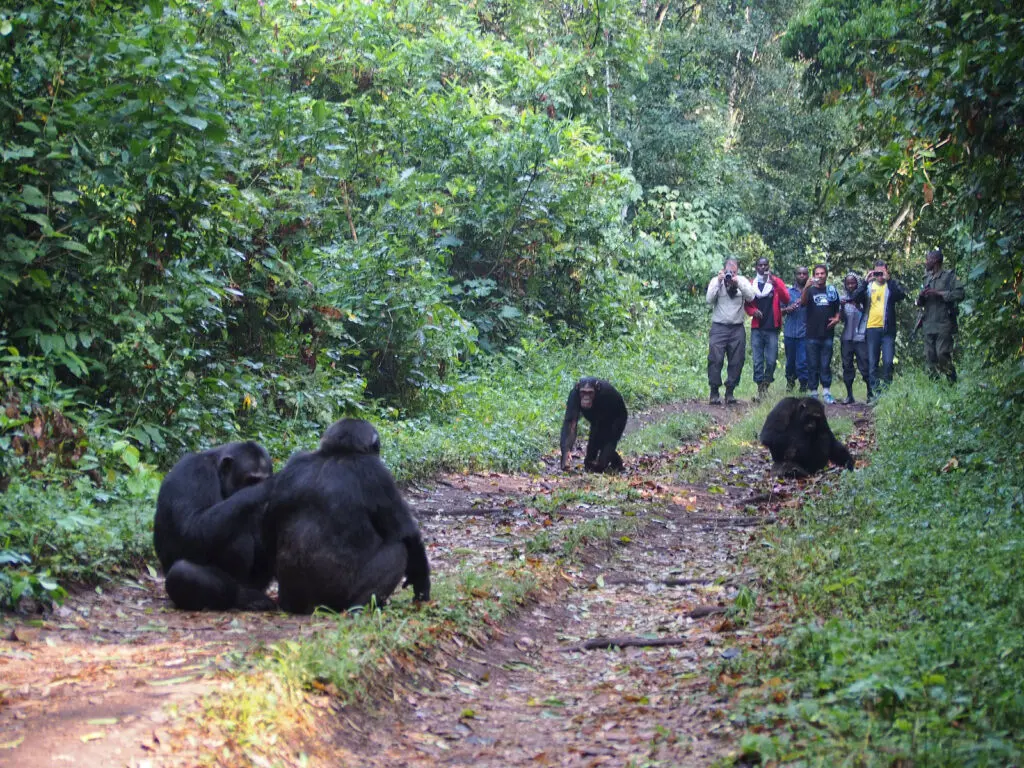
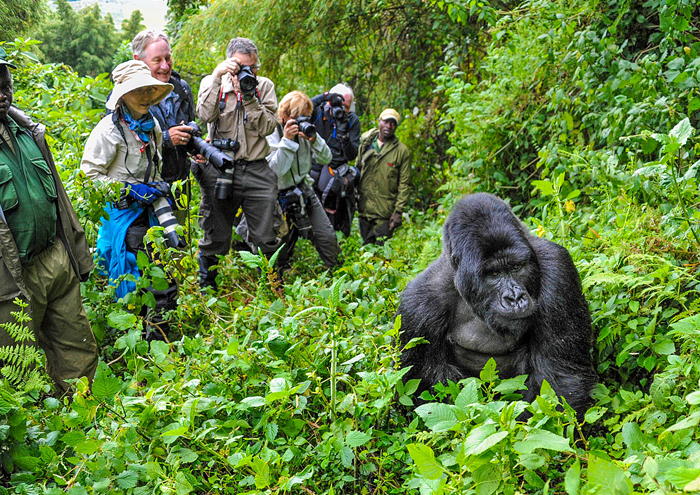
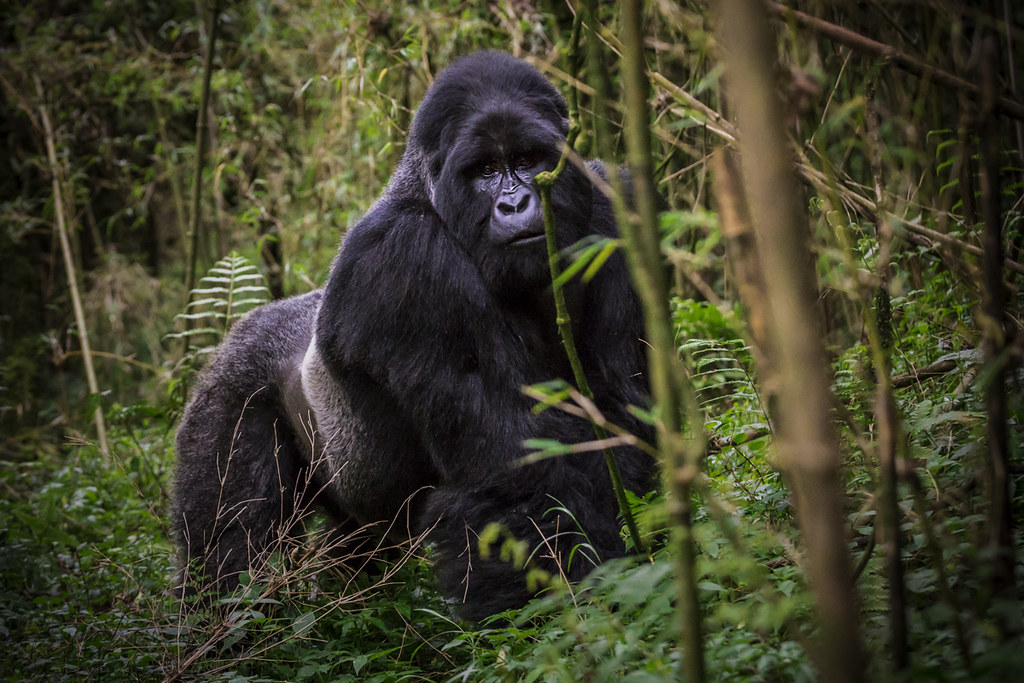
In a typical gorilla or chimpanzee trekking safari in Uganda, you join a small group, track a fully habituated family, and spend exactly one hour observing them once located. It is powerful, emotional, and highly regulated. However, a Chimpanzee Habituation and Gorilla Habituation Safari goes deeper. Instead of one hour, you participate in the actual conservation process spending multiple hours alongside researchers and rangers as they help primates gradually accept human observers.
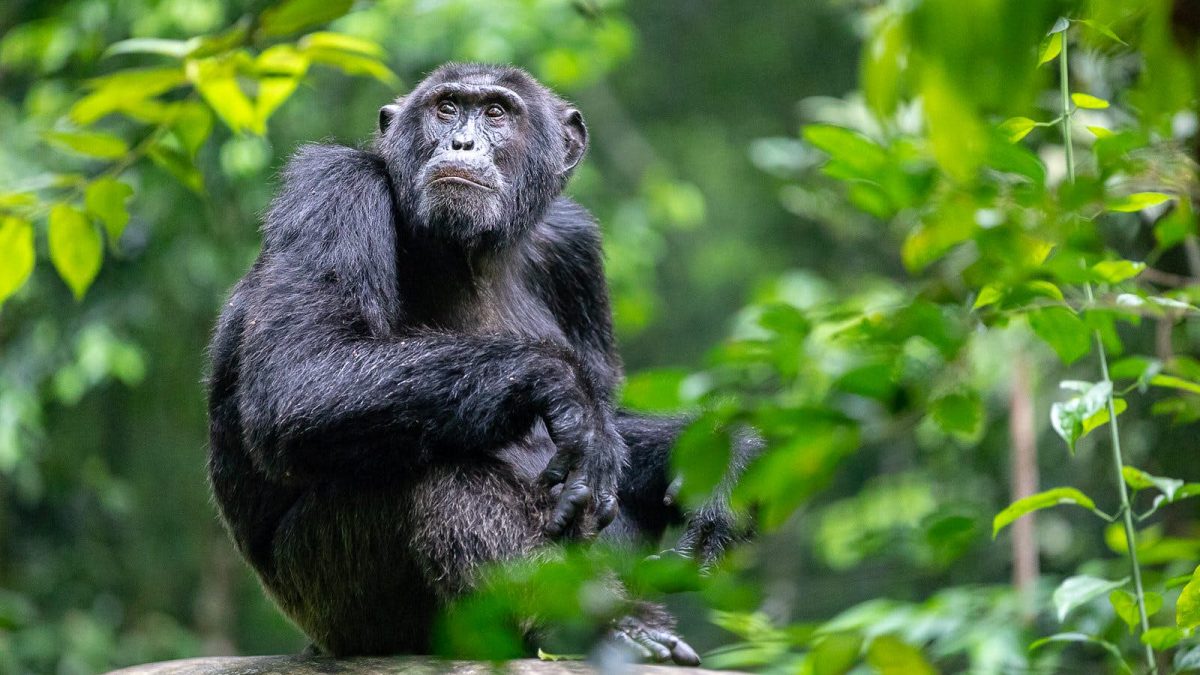
Gorilla habituation allows up to four hours with a semi-habituated gorilla family. Chimpanzee habituation in Kibale National Park can involve following chimpanzees from early morning as they leave their nests, observing their feeding behavior, vocalizations, territorial movements, and social dynamics throughout the day.
Chimpanzee Habituation and Gorilla Habituation Safari Itineraries (3–14 Days Uganda Tours & Packages)
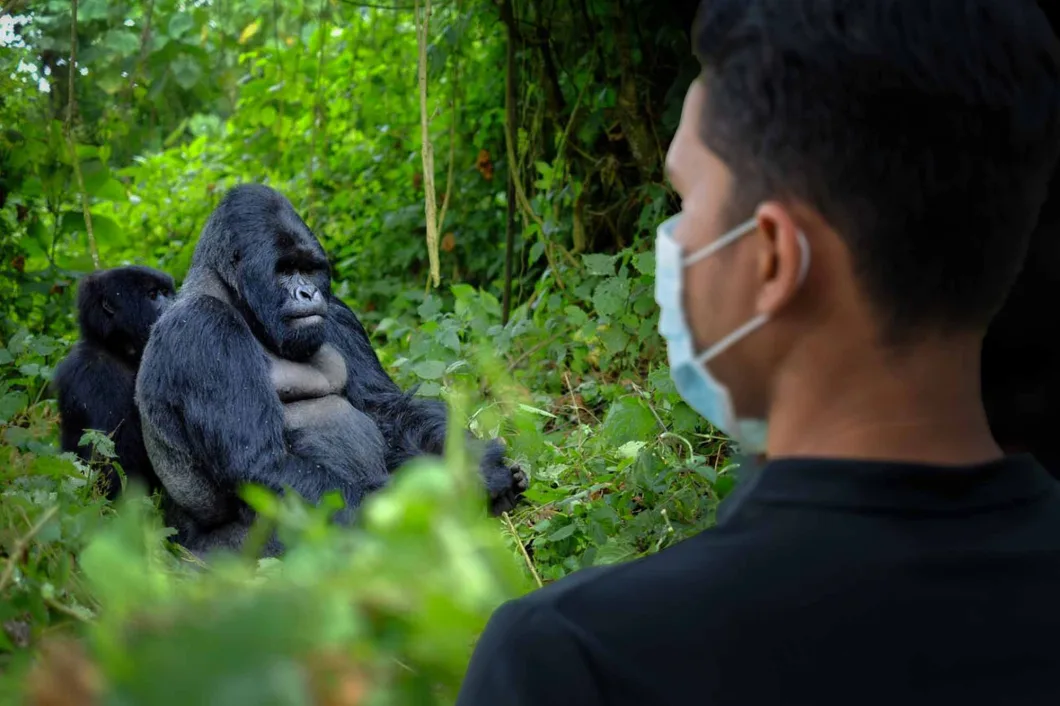
3 Days Gorilla Habituation Safari From Entebbe/Kigali(Express)
Short but immersive safari focusing on one extended primate habituation experience in Bwindi Forest for serious Mountain Gorillas enthusiasts.
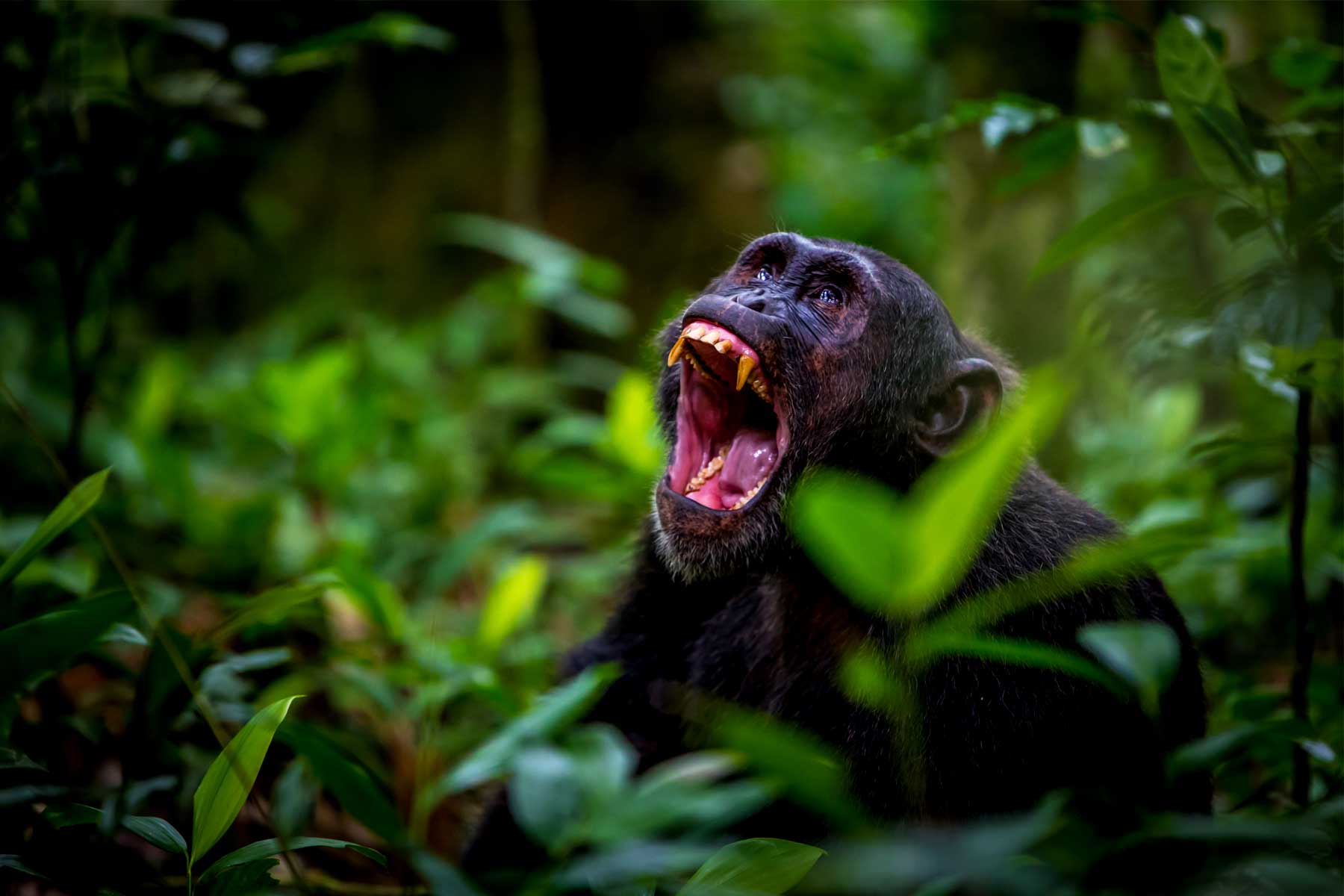
4 Days Chimpanzee Habituation and Gorilla Habituation Safari
Combine Kibale chimp habituation with scenic transfers through western Uganda for an active forest immersion experience.
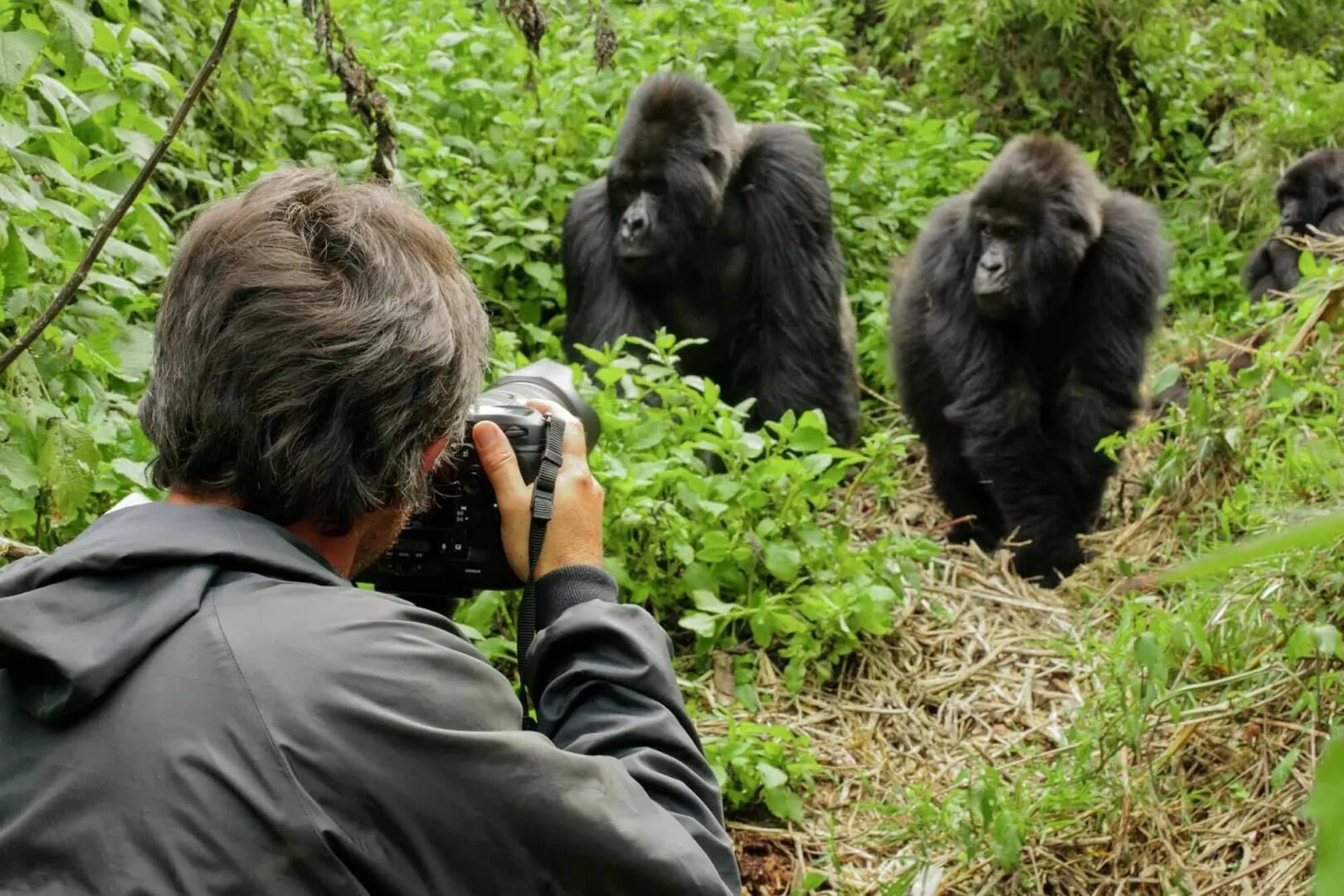
5 Days Chimpanzee Habituation and Gorilla Habituation Safari
The most balanced primate safari featuring full chimpanzee habituation in Kibale and 4-hour gorilla habituation in Rushaga sector.
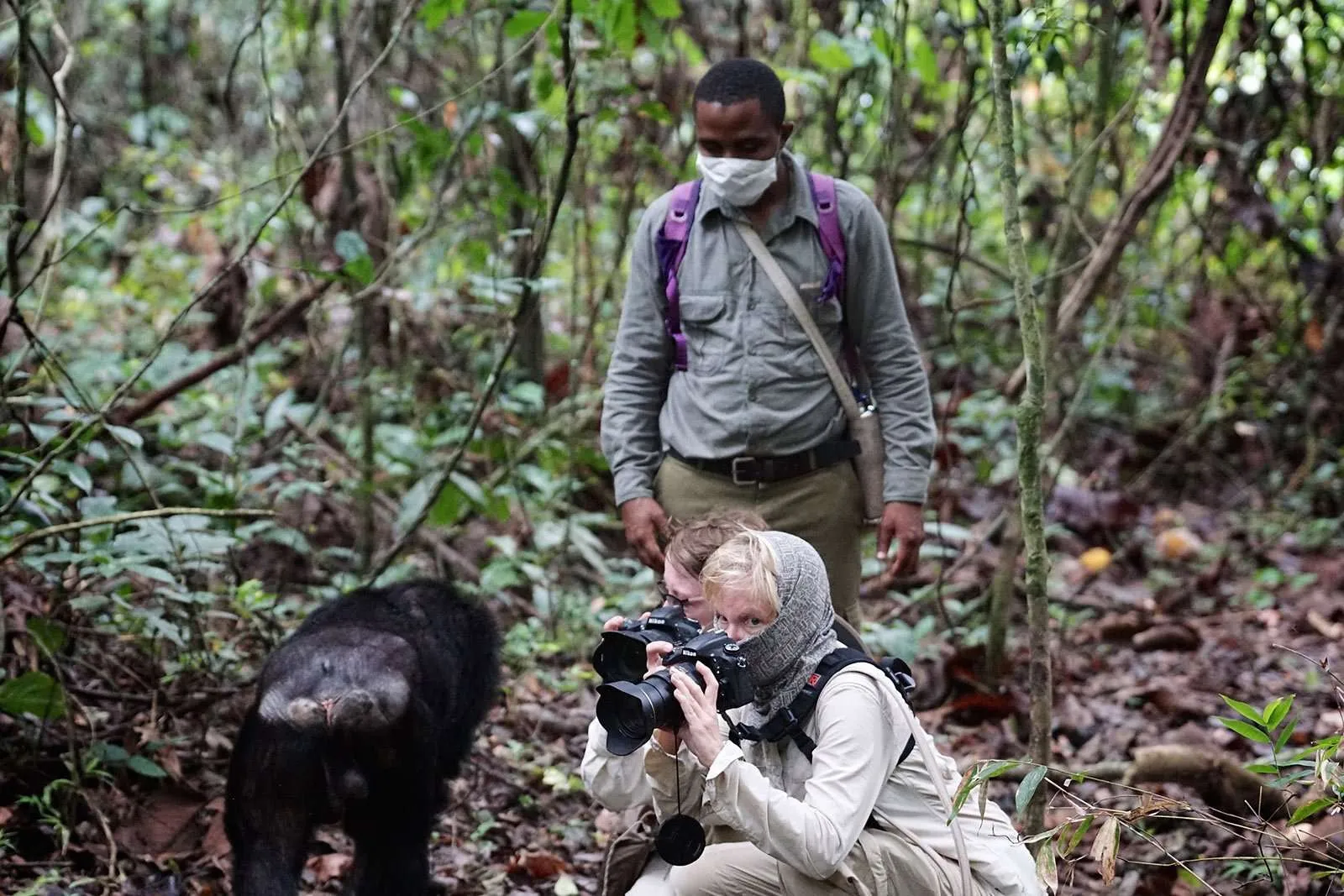
6 Days Chimpanzee Habituation and Gorilla Habituation Safari
Extended forest immersion with additional community experiences and scenic drives through Queen Elizabeth landscapes.
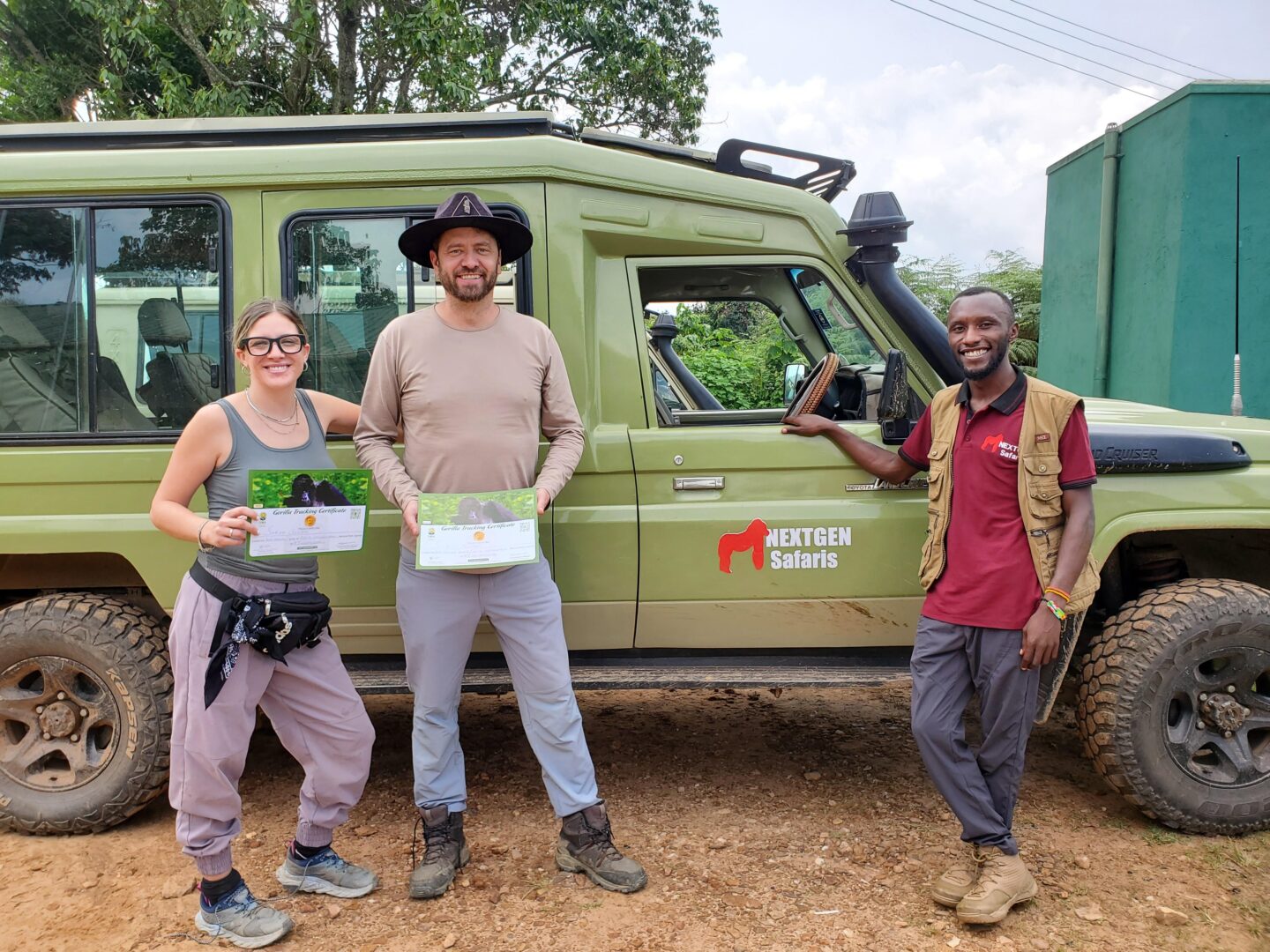
7 Days Chimpanzee Habituation and Gorilla Habituation Safari
Deep primate exploration combined with optional golden monkey trekking and crater lake scenery.

8 Days Chimpanzee Habituation and Gorilla Habituation Safari
Full primate safari combined with Queen Elizabeth game drives and Kazinga Channel boat safari.
9 Days Chimpanzee Habituation and Gorilla Habituation Safari
Balanced itinerary combining habituation experiences with wildlife in Lake Mburo and scenic western Uganda.
10 Days Chimpanzee Habituation and Gorilla Habituation Safari
Comprehensive Uganda safari blending primate immersion with Murchison Falls and savannah wildlife.
11 Days Chimpanzee Habituation and Gorilla Habituation Safari
Ultimate primate and wildlife circuit including Kibale, Bwindi, Queen Elizabeth and cultural experiences.

12 Days Chimpanzee Habituation and Gorilla Habituation Safari
Photographer-focused itinerary allowing extended forest time and optional double habituation experiences.
13 Days Chimpanzee Habituation and Gorilla Habituation Safari
Premium primate safari including gorilla habituation, chimp habituation and extended Bwindi forest immersion.

14 Days Chimpanzee Habituation and Gorilla Habituation Safari
Grand Uganda expedition combining habituation, wildlife parks, boat safaris and scenic highland landscapes.
These safaris are not designed for casual sightseeing. A Chimpanzee Habituation and Gorilla Habituation Safari is for travelers who want:
- Extended time in the forest
- Deeper behavioral observation
- Fewer participants in their group
- Direct exposure to conservation work
- A more raw and unpredictable experience
Because habituation experiences are limited to very small groups, permits are far more restricted than standard trekking. That exclusivity increases demand and enhances the sense of authenticity.
For wildlife enthusiasts, conservation-minded travelers, photographers, and repeat safari guests who have already completed traditional gorilla trekking, a Chimpanzee Habituation and Gorilla Habituation Safari represents the next level of primate immersion in Uganda.
Gorilla Habituation Experience in Uganda – A Deeper Encounter
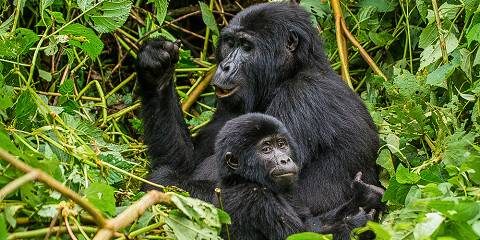
The Gorilla Habituation Experience in Uganda takes place exclusively in the Rushaga sector of Bwindi Impenetrable National Park, in southwestern Uganda. This is the only location where visitors can legally spend up to four hours with a gorilla family that is still undergoing habituation.
This makes the gorilla component of a Chimpanzee Habituation and Gorilla Habituation Safari exceptionally rare.
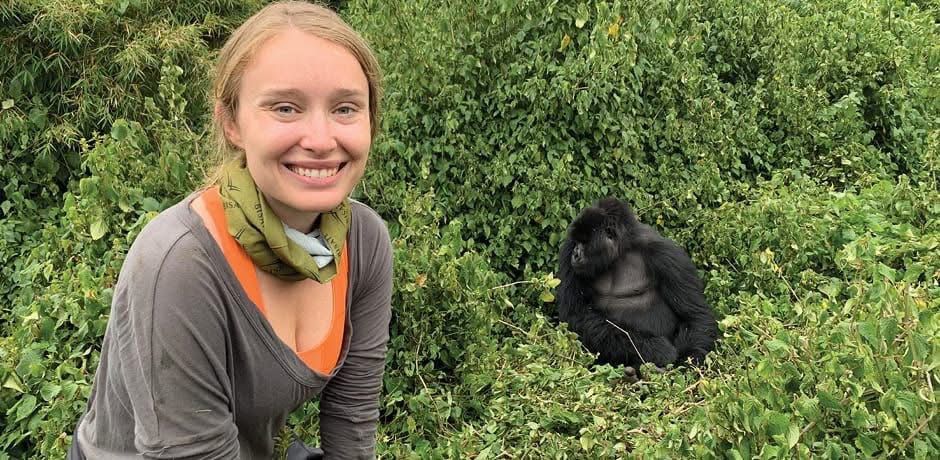
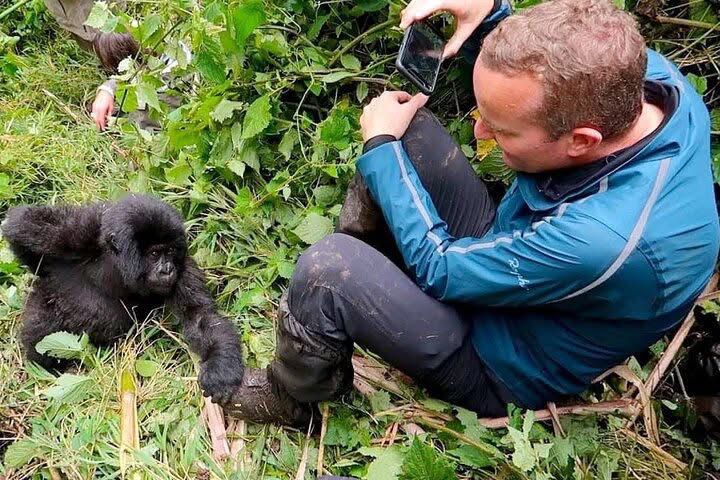
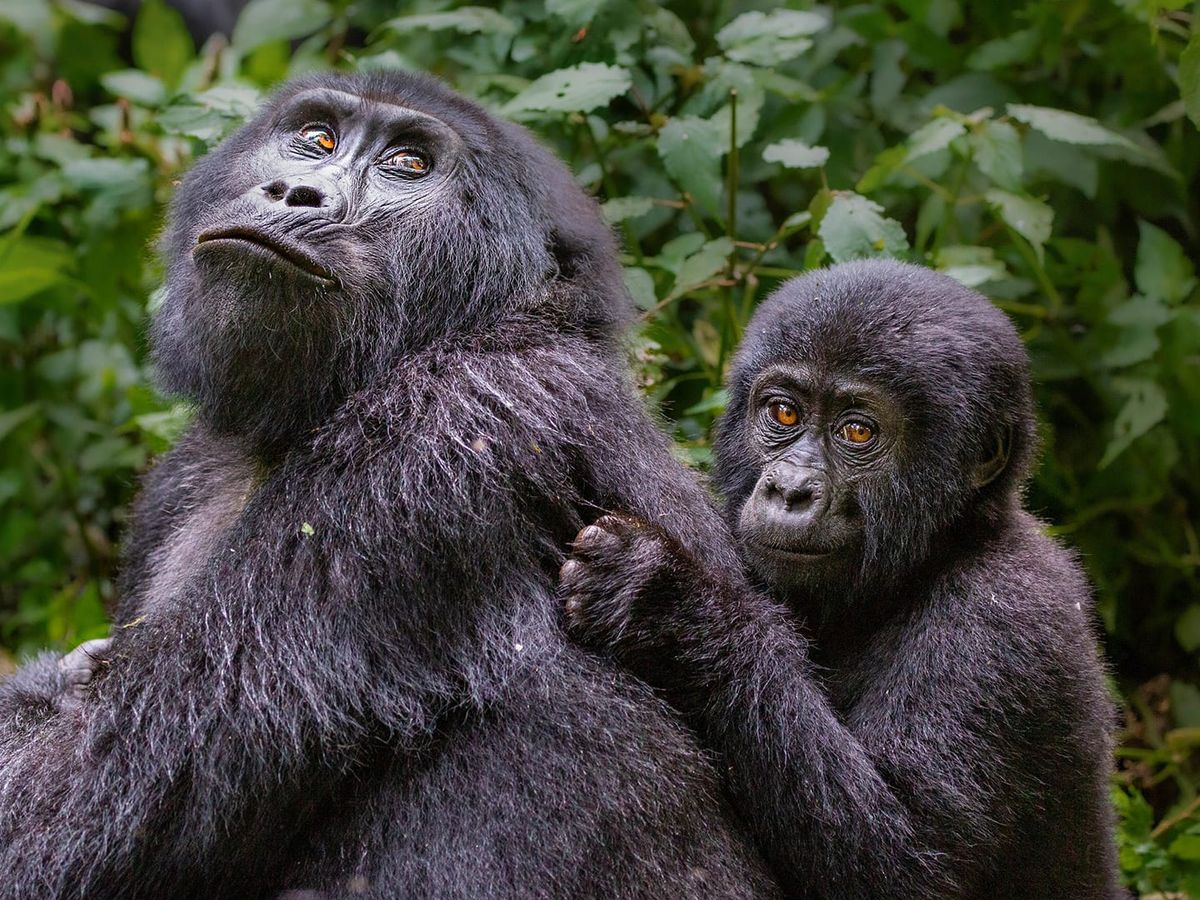
Unlike standard gorilla trekking groups, which allow up to eight visitors per family, gorilla habituation permits are limited to only four guests per day per gorilla group. This small group size ensures minimal disturbance and allows for a more controlled research environment.
The experience begins early in the morning with a detailed ranger briefing. Visitors are accompanied not only by Uganda Wildlife Authority guides but also by researchers and trackers who have been working with the gorilla family over an extended period. These professionals monitor behavioral shifts, social hierarchy, feeding patterns, and stress indicators.
The trek itself can be physically demanding. Because the gorilla family is not yet fully accustomed to predictable human interaction, their movements are less structured. They may move deeper into dense vegetation or change direction without warning. This unpredictability is part of what makes the Gorilla Habituation Experience different from standard trekking.
Once the gorillas are located and settled, the four-hour observation period begins.
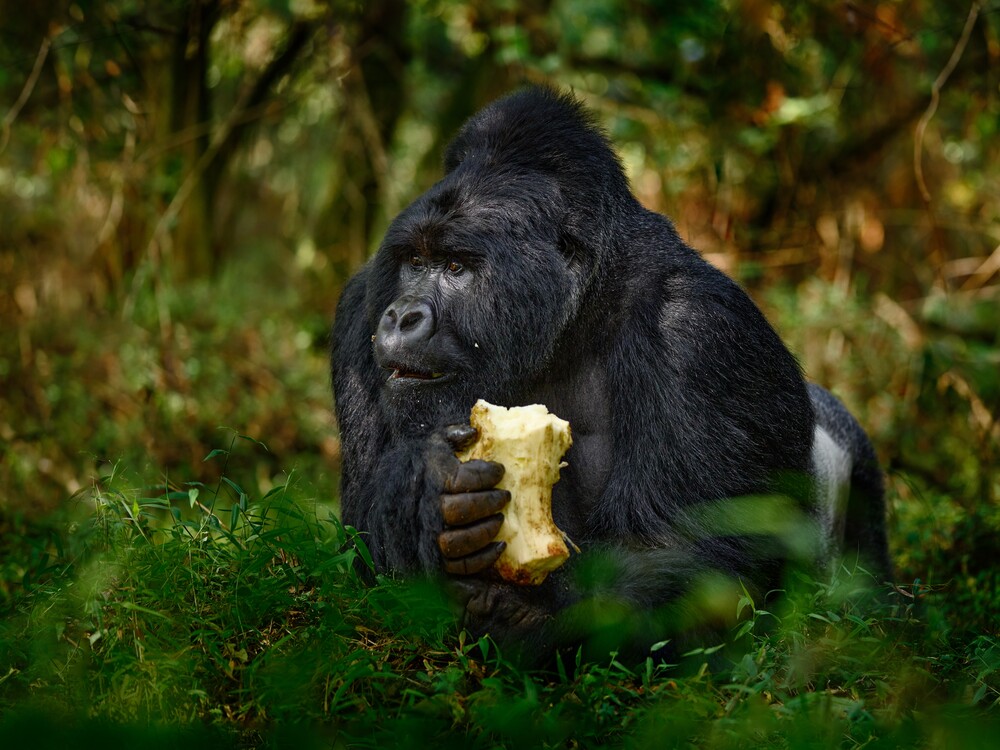
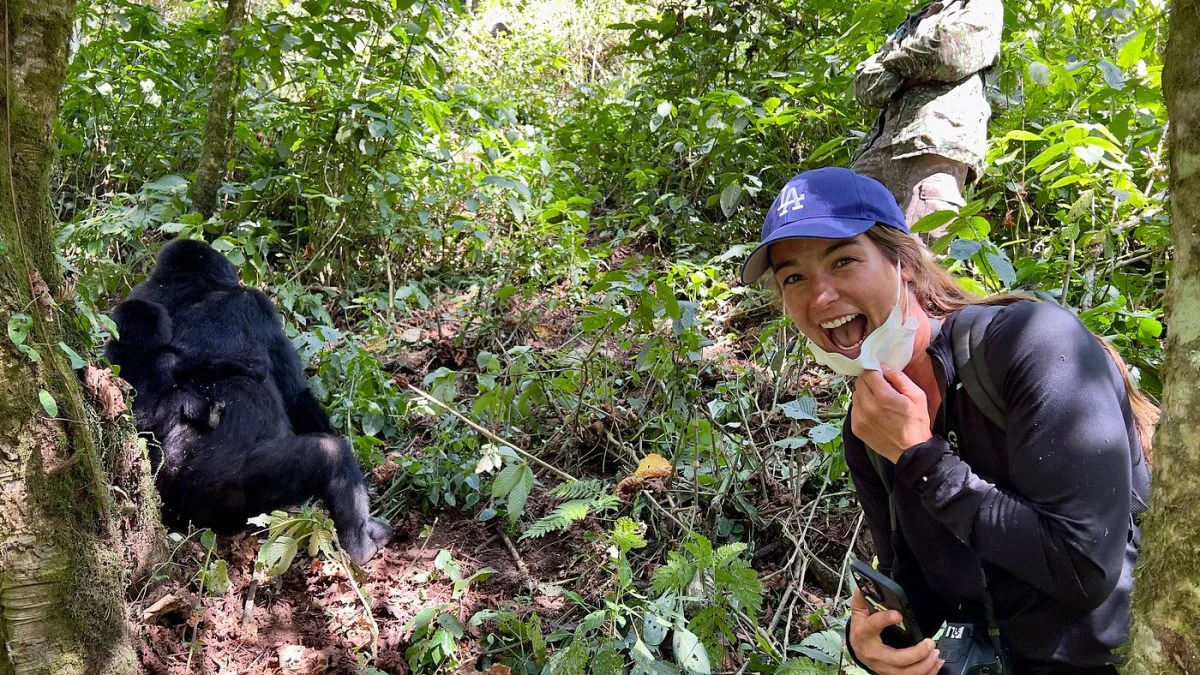
Four hours in the presence of mountain gorillas transforms the experience entirely. Instead of feeling like a brief wildlife encounter, it becomes immersive and observational. You witness subtle behaviors: juveniles practicing dominance displays, silverbacks monitoring surroundings, mothers adjusting infant positioning, feeding patterns that shift with terrain, and even moments of tension or curiosity toward human observers.
The permit cost for gorilla habituation in Uganda is currently USD 1,500 per person. While significantly higher than standard trekking permits, the extended duration and smaller group size justify the difference. For serious wildlife enthusiasts, photographers seeking more time for composition, or conservation-focused travelers, the value lies in depth rather than duration alone.
Physically, the Gorilla Habituation Experience can be more demanding than standard trekking. Treks may last several hours before contact is made. Terrain in Bwindi Impenetrable Forest is steep, dense, and occasionally muddy. However, pacing is controlled, and porters are available to assist with balance and load carrying. The experience is challenging but manageable for travelers with moderate fitness.
What makes this truly unique is context.
You are not simply visiting gorillas. You are witnessing a conservation process in action. You see the stages of habituation, observe how gorillas respond differently to researchers versus casual visitors, and gain insight into how tourism revenue supports species protection.
Within a Chimpanzee Habituation and Gorilla Habituation Safari, the gorilla habituation component is often described as the emotional anchor of the journey. The extended time fosters calm observation rather than rushed photography. It allows visitors to feel present rather than hurried.
Few wildlife experiences in Africa provide that level of proximity, time, and conservation depth in one encounter.
Chimpanzee Habituation in Kibale Forest – Following Chimps from Nest to Nest
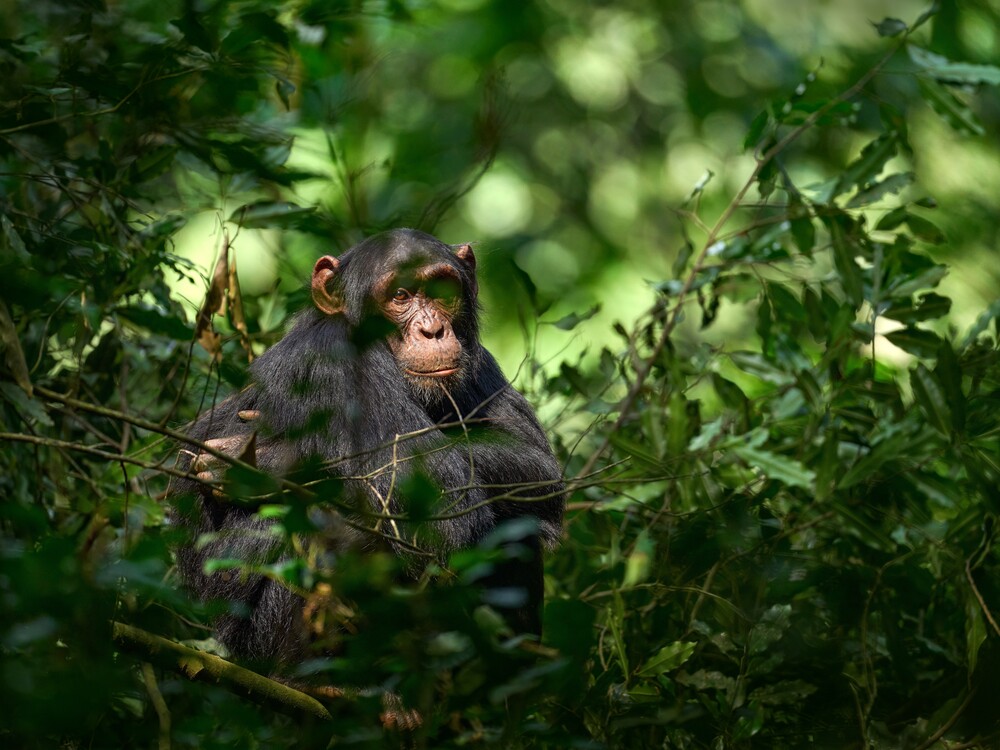
If gorilla habituation is immersive and contemplative, chimpanzee habituation is dynamic and unpredictable. The chimpanzee component of a Chimpanzee Habituation and Gorilla Habituation Safari takes place in Kibale Forest National Park, widely regarded as East Africa’s primate capital.

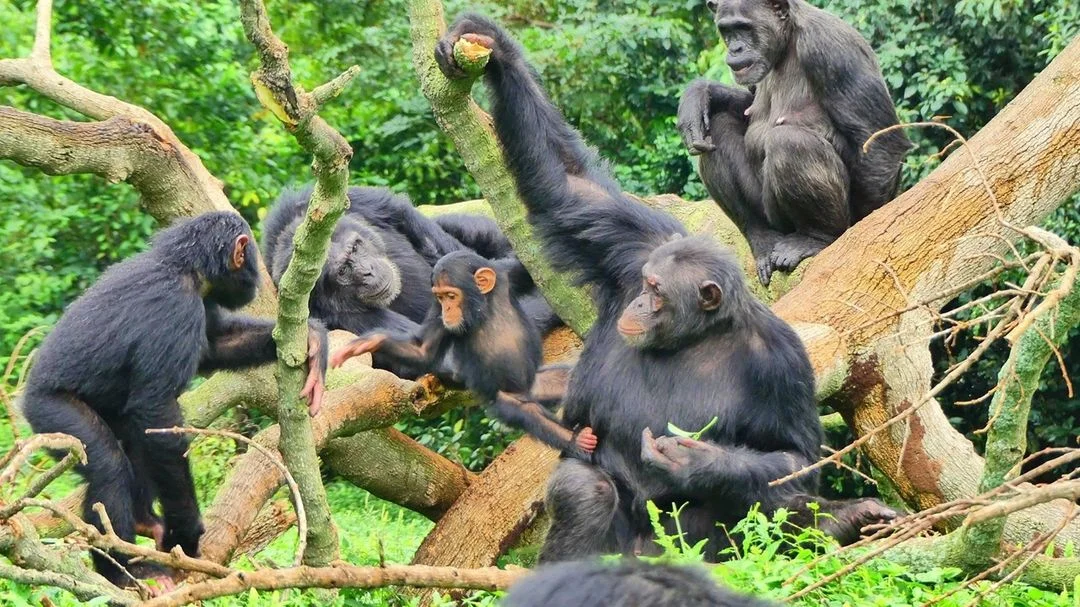
Unlike standard chimpanzee trekking, which allows visitors one hour with a fully habituated chimpanzee community, chimpanzee habituation in Kibale National Park is structured as a near full-day forest immersion.
The experience begins at dawn.
Participants enter the forest with researchers and rangers before the chimpanzees descend from their night nests. The goal is to locate the nesting site early, then follow the chimpanzees as they wake, descend, feed, vocalize, travel, groom, and interact throughout the morning and often into the early afternoon.
This “nest-to-nest” style of tracking is what defines chimpanzee habituation.
Instead of a controlled, one-hour viewing window, guests witness:
- Morning vocalizations and dominance calls
- Territorial boundary patrols
- Feeding patterns on fruiting trees
- Social grooming and bonding
- Conflict resolution within the troop
- Rapid tree-to-tree movement
Chimpanzees are far more energetic than gorillas. They move quickly, climb high, and cover larger distances. This makes the chimpanzee section of a Chimpanzee Habituation and Gorilla Habituation Safari more physically active and behaviorally intense.
Because the chimpanzee group is still undergoing habituation, human presence is tolerated but not ignored. This creates raw and authentic interactions. Chimps may vocalize loudly, swing overhead, or display curiosity. The atmosphere is lively, immersive, and deeply engaging.
The permit cost for chimpanzee habituation in Kibale is USD 300 per person, depending on updates by Uganda Wildlife Authority. Compared to the gorilla habituation permit, it is more accessible, but the conservation value and extended time justify the investment.
Physically, chimpanzee habituation requires moderate fitness. The terrain in Kibale National Park is less steep than Bwindi Impenetrable National Park but can be muddy and humid. Movement is more continuous because chimps travel frequently. However, breaks are taken when the troop settles, allowing guests to observe behavior calmly.
Within a Chimpanzee Habituation and Gorilla Habituation Safari, the chimpanzee experience provides contrast. Gorillas offer grounded, steady observation. Chimps deliver speed, sound, and social complexity. Together, they create one of the most behaviorally rich wildlife combinations in Africa.
For travelers seeking more than a brief encounter, chimpanzee habituation offers context. You are not simply seeing chimpanzees; you are participating in the gradual process of human-primate trust building.
Trekking vs Habituation – What Is the Real Difference?
One of the most searched questions related to a Chimpanzee Habituation and Gorilla Habituation Safari is the difference between trekking and habituation.
The distinction is significant.
Trekking is designed for broader access. Habituation is designed for deeper immersion.
Below is a structured comparison for clarity.
Gorilla & Chimpanzee Trekking vs Habituation Comparison
| Feature | Standard Trekking | Habituation Experience |
|---|---|---|
| Time with Animals | 1 Hour | Up to 4 Hours (Gorillas) / Extended Full Morning (Chimps) |
| Group Size | Up to 8 Visitors | Maximum 4 Visitors |
| Permit Cost | Lower | Higher (Premium Conservation Experience) |
| Experience Intensity | Structured & Predictable | Raw, Unscripted & Research-Based |
| Photography Opportunities | Limited by Time | Extended Time for Composition & Behavioral Shots |
| Physical Demand | Moderate | Moderate to Higher (Longer Forest Time) |
Habituation experiences are not necessarily “better” than trekking. They are different.
Trekking is ideal for:
- First-time visitors
- Short itineraries
- Travelers seeking iconic encounters
Habituation is ideal for:
- Repeat safari travelers
- Wildlife photographers
- Conservation-focused guests
- Visitors wanting behavioral depth
A Chimpanzee Habituation and Gorilla Habituation Safari combines both extended immersion experiences, creating a primate-focused safari that prioritizes quality of time over quantity of locations.
Why Combine Both Experiences in One Safari?
A Chimpanzee Habituation and Gorilla Habituation Safari is not simply about seeing two primate species. It is about experiencing two completely different psychological and ecological worlds within the same journey.
Gorillas and chimpanzees share ancestry, forest habitat, and conservation challenges, yet their personalities, social structures, and movement patterns could not be more different. Experiencing them separately is powerful. Experiencing them together within one safari creates contrast, depth, and context that transforms the entire journey.
Gorilla habituation in Bwindi Impenetrable National Park is grounded and calm. The forest is dense, the pace is slower, and once you are seated near the gorilla family, the atmosphere becomes quiet and observational. Gorillas communicate through subtle gestures, eye movement, soft grunts, and physical positioning. Watching a silverback shift his weight or a mother adjust her infant feels intimate and reflective. Time stretches during those four hours. The encounter feels almost meditative.
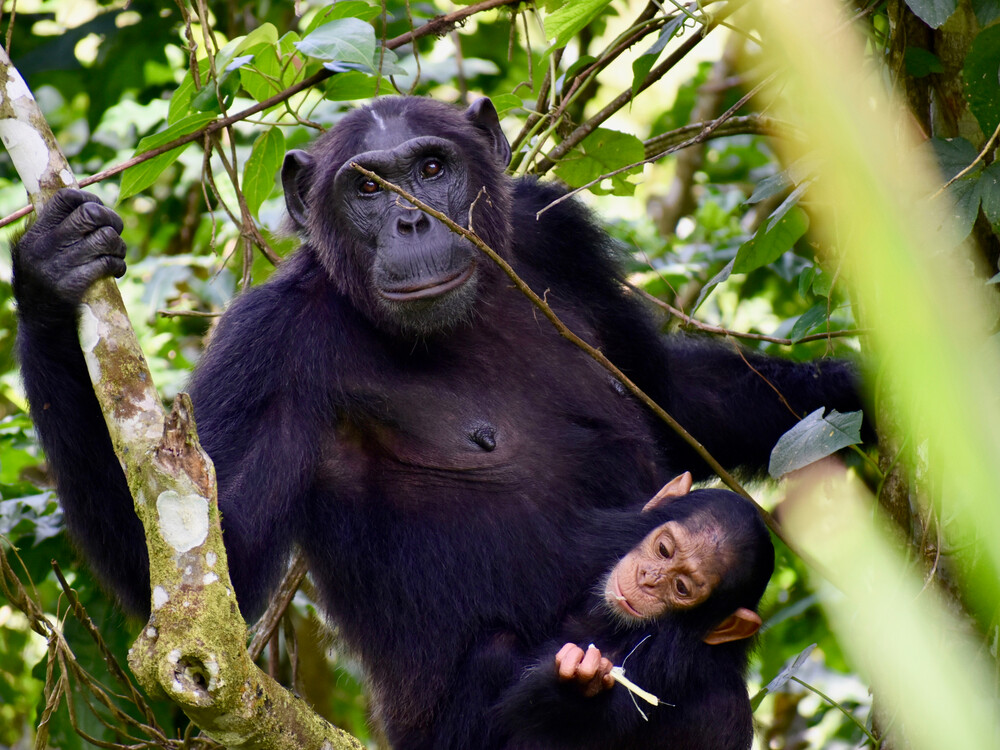
Chimpanzee habituation in Kibale Forest is entirely different. It is energetic, vocal, and mobile. Chimps move quickly through the canopy, call loudly to one another, chase, groom, and display dominance. The forest feels alive with motion. The experience is less predictable and more dynamic. You do not simply observe chimpanzees; you follow them as they navigate their world.
Psychologically, combining both within a single Chimpanzee Habituation and Gorilla Habituation Safari allows travelers to understand primate behavior in context. You begin to see evolutionary similarities and behavioral contrasts. Gorillas are hierarchical but calm. Chimps are socially complex and expressive. Gorillas spend more time feeding quietly. Chimps demonstrate vocal intelligence and group negotiation.
Ecologically, the two experiences also contrast beautifully. Bwindi’s steep, mist-covered terrain differs dramatically from Kibale’s tropical rainforest ecosystem. The altitude, vegetation density, and forest acoustics shift between the two parks. By combining both, travelers experience the broader biodiversity of southwestern Uganda rather than isolating a single habitat.
For photographers, this dual experience provides visual diversity. Gorilla habituation allows extended portrait opportunities, behavioral observation, and quiet composition. Chimpanzee habituation offers motion, action, and high-energy interaction. Together, they create a comprehensive primate portfolio.
From a safari design perspective, combining both experiences into one Chimpanzee Habituation and Gorilla Habituation Safari maximizes conservation immersion without unnecessary park repetition. Instead of visiting multiple savannah parks with similar wildlife structures, the focus remains on depth of encounter.
This is why serious wildlife enthusiasts increasingly choose to combine these experiences. It is not about adding more destinations. It is about increasing the quality of time spent within each ecosystem.
Cost of a Chimpanzee Habituation and Gorilla Habituation Safari
Cost transparency is essential when planning a Chimpanzee Habituation and Gorilla Habituation Safari. Because habituation experiences are premium conservation activities with extremely limited permits, they represent a significant portion of the overall safari investment.
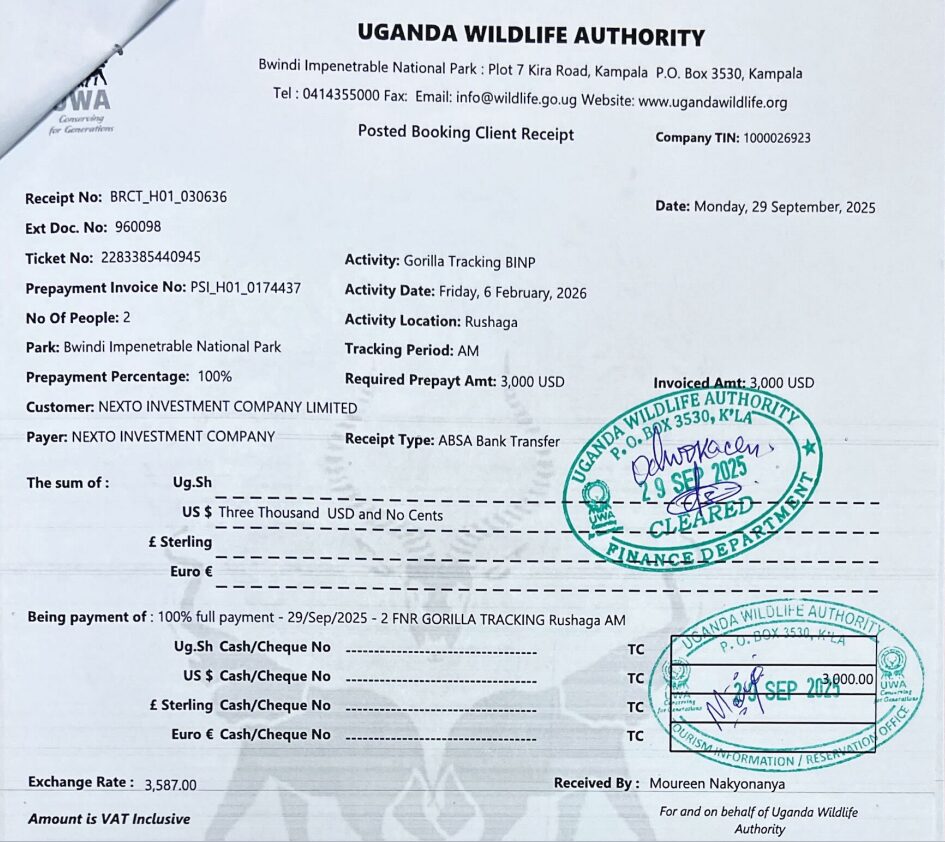
The gorilla habituation permit in Uganda is currently USD 1,500 per person. This permit allows up to four hours with a semi-habituated gorilla family in the Rushaga sector of Bwindi Impenetrable National Park. The cost includes park entry for the day, ranger guidance, security, and direct conservation contributions that support habitat protection and research operations.
The chimpanzee habituation permit in Kibale Forest National Park is currently USD 300 per person. This permit allows extended tracking with a chimpanzee community undergoing habituation and includes ranger supervision and conservation fees.
Combined, the two primate permits alone total approximately USD 1,800 per person.
Beyond permits, the total cost of a Chimpanzee Habituation and Gorilla Habituation Safari depends on accommodation tier, transport style, and overall itinerary length. A well-structured five-day safari including midrange lodges, private 4×4 vehicle, fuel, guide services, meals, and park coordination typically ranges between USD 2,800 and USD 4,500 per person depending on occupancy and comfort level. Luxury options may exceed this range, particularly if high-end forest lodges are selected.
While the upfront permit costs are higher than standard trekking experiences, the value positioning becomes clear when measured by time and exclusivity. Four hours with mountain gorillas in a group of only four guests represents one of the most intimate wildlife encounters available anywhere in Africa. Similarly, a full morning following chimpanzees through Kibale National Park offers behavioral depth that cannot be replicated in a one-hour trekking session.
When viewed as a conservation-backed, research-integrated wildlife immersion rather than a standard safari activity, the pricing reflects rarity rather than markup.
For travelers seeking something beyond the typical safari checklist, a Chimpanzee Habituation and Gorilla Habituation Safari offers extraordinary value through time, access, and conservation contribution.
Physical Demands & Preparation for a Chimpanzee Habituation and Gorilla Habituation Safari
A Chimpanzee Habituation and Gorilla Habituation Safari is more physically demanding than standard trekking. That does not mean it is extreme, but it does require realistic expectations and proper preparation.
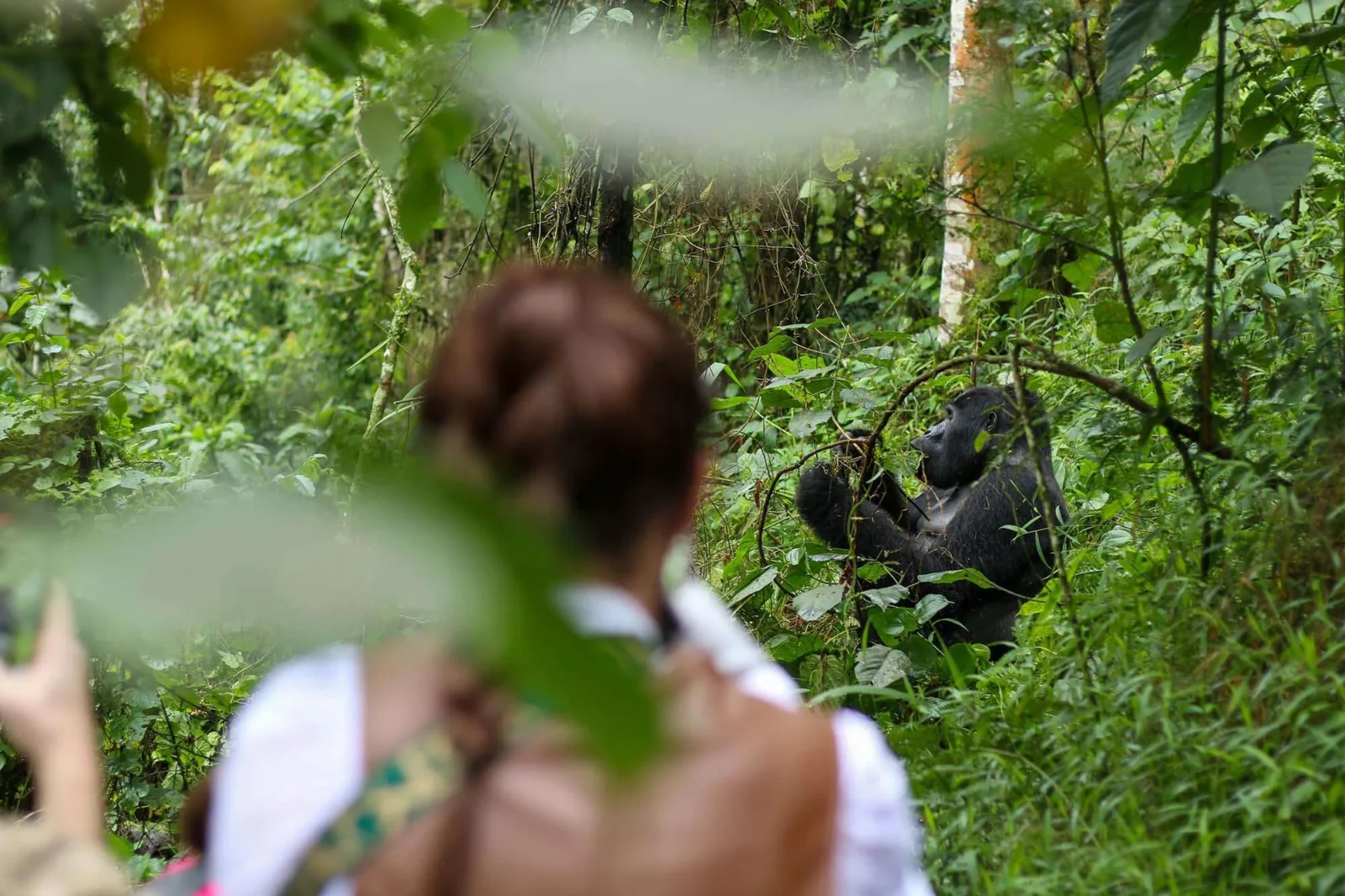
The gorilla habituation experience in Bwindi Impenetrable National Park involves navigating steep forest terrain, uneven ground, thick vegetation, and occasionally muddy slopes. The trek to locate the gorilla family may last anywhere from one hour to several hours depending on the group’s movement patterns that day. Because the family is not yet fully habituated, their location can shift more unpredictably than standard trekking groups.
Once the gorillas are located, visitors spend up to four hours in their presence. While much of this time is observational and seated, the extended forest exposure can be physically tiring. The altitude in Bwindi Impenetrable National Park ranges between 1,200 and 2,600 meters above sea level, which can make uphill sections feel more strenuous than expected.
Chimpanzee habituation in Kibale Forest is physically different. The terrain is less steep than Bwindi Impenetrable National Park, but the experience involves more continuous movement. Chimpanzees travel frequently through the forest canopy and across the forest floor. Following them can require steady walking for several hours with intermittent stops. The humidity in Kibale National Park can also be a factor, particularly during warmer months.
A Chimpanzee Habituation and Gorilla Habituation Safari is therefore best suited to travelers with moderate fitness levels. You do not need to be an athlete, but you should be comfortable walking for extended periods on uneven terrain. Hiking experience is helpful but not mandatory.
Preparation matters. Good hiking boots with ankle support are essential. Lightweight long-sleeved clothing protects against vegetation and insects. Gloves are useful in Bwindi when gripping branches or steadying yourself on inclines. Hydration is important, especially during chimpanzee habituation where movement is more dynamic.
Porters are available in both Bwindi Impenetrable National Park and Kibale National Park and are strongly recommended. Hiring a porter is not a sign of weakness; it enhances safety and conserves energy. Porters assist with balance, carry daypacks, and provide support during steep or muddy sections. Many travelers who complete a Chimpanzee Habituation and Gorilla Habituation Safari consider the porter service one of the best decisions they made.
The most important preparation, however, is mental. Habituation experiences are not scripted. You may wait quietly while researchers assess gorilla behavior. You may move quickly when chimpanzees change direction. Patience and flexibility are part of the experience.
Honesty is essential here: if you are seeking a short, easy wildlife encounter with minimal physical effort, standard trekking may be more suitable. But if you are prepared for a longer forest immersion, a Chimpanzee Habituation and Gorilla Habituation Safari becomes one of the most rewarding wildlife experiences available in Africa.
Best Time to Do a Chimpanzee Habituation and Gorilla Habituation Safari
A Chimpanzee Habituation and Gorilla Habituation Safari operates year-round, but seasonality influences terrain conditions, photography, and permit demand.

Uganda has two primary dry seasons: June to September and December to February. During these months, forest trails are generally firmer and less muddy. Hiking conditions in Bwindi Impenetrable National Park and Kibale National Park are more comfortable, making this period ideal for travelers concerned about terrain difficulty. Visibility in the forest can also improve slightly as vegetation density reduces in some areas.
Because these dry seasons coincide with peak international travel periods, habituation permits often sell out well in advance. Gorilla habituation permits are particularly limited, with only a few available per day in Rushaga. Travelers planning a Chimpanzee Habituation and Gorilla Habituation Safari during peak season should secure permits several months in advance to avoid disappointment.
The green seasons, typically March to May and October to November, bring heavier rainfall and more challenging trail conditions. Mud can increase trek difficulty, particularly in Bwindi Impenetrable National Park. However, these months offer advantages. Forest landscapes become lush and vibrant, photography benefits from dramatic lighting conditions, and permit availability is often easier to secure.
Chimpanzee habituation in Kibale can actually be highly productive during certain green-season months because fruiting trees attract chimpanzee groups to more concentrated feeding areas. That said, movement remains unpredictable and dependent on troop behavior.
Temperature remains moderate year-round due to elevation, but early morning forest conditions can be cool, particularly in Bwindi Impenetrable National Park. Proper layering is important regardless of season.
From a conservation perspective, habituation experiences are not seasonal attractions. Gorilla and chimpanzee families are monitored continuously throughout the year. The difference lies primarily in trail conditions and visitor volume rather than wildlife presence.
For travelers seeking the most comfortable hiking conditions and optimal terrain, the dry months are often preferred. For those prioritizing permit availability, fewer visitors, and dramatic forest scenery, the green season offers compelling advantages.
Ultimately, the best time for a Chimpanzee Habituation and Gorilla Habituation Safari depends on your balance between physical comfort, permit availability, and travel schedule flexibility. When planned properly, the experience remains extraordinary in any month.
Who a Chimpanzee Habituation and Gorilla Habituation Safari Is Truly For
A Chimpanzee Habituation and Gorilla Habituation Safari is not designed for mass tourism. It is not a checklist safari. It is not built for travelers who simply want to say they saw gorillas.
It is designed for depth.
This safari format attracts a specific type of traveler, individuals who value time in the forest, behavioral observation, conservation context, and immersive wildlife experiences over comfort-driven itineraries.
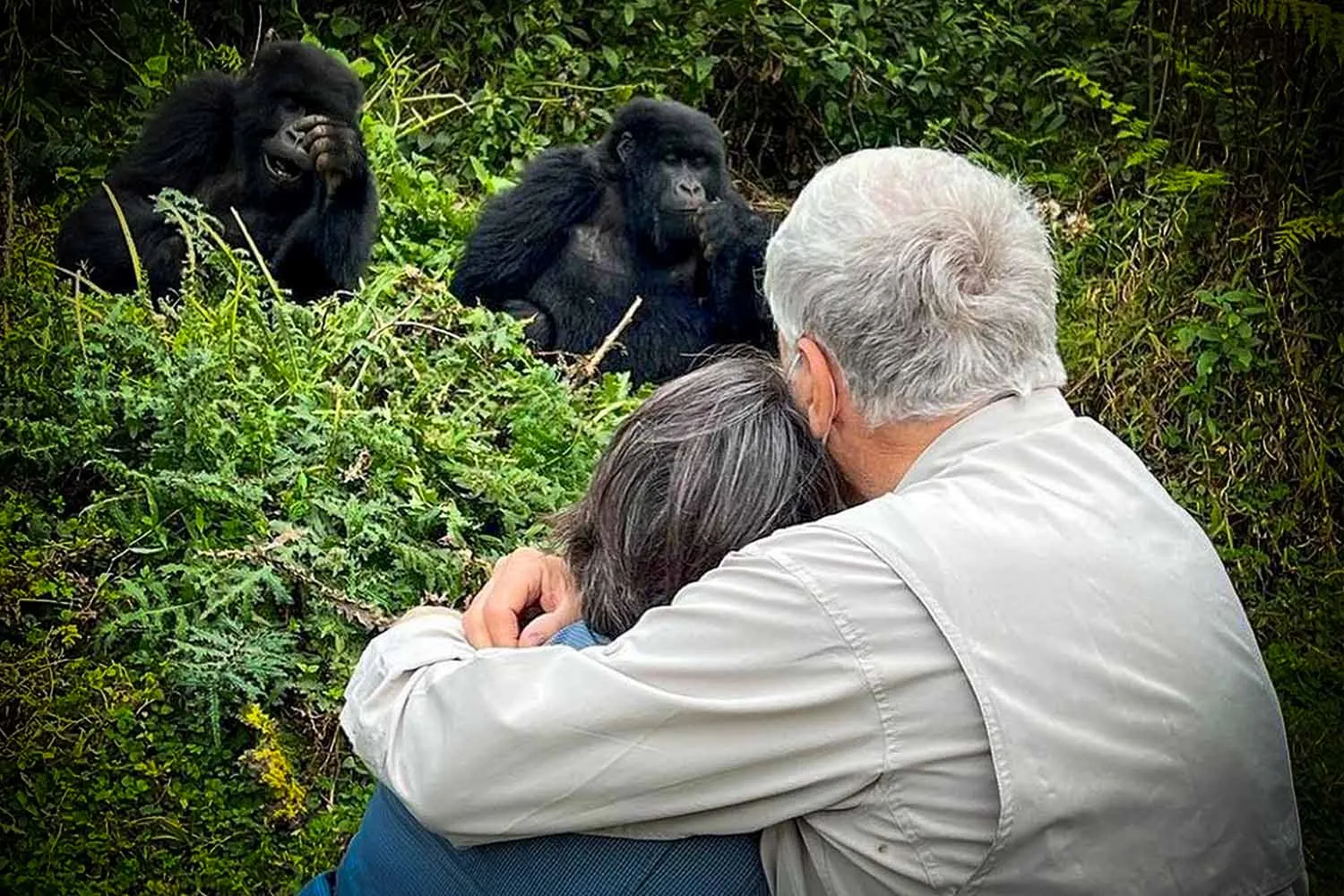
Wildlife photographers are among the strongest candidates for a Chimpanzee Habituation and Gorilla Habituation Safari. Standard trekking allows only one hour with primates, which limits composition flexibility. Habituation offers extended exposure. Four hours with mountain gorillas in Rushaga provides the opportunity to wait for the right lighting, observe behavioral transitions, and capture nuanced social interaction. In Kibale National Park, following chimpanzees from early morning allows dynamic action shots, canopy silhouettes, and storytelling sequences that a one-hour trek cannot provide.
Repeat safari travelers often find habituation especially rewarding. Guests who have already completed traditional gorilla trekking frequently seek something deeper on a return visit. A Chimpanzee Habituation and Gorilla Habituation Safari offers a more intimate layer of access. It shifts the focus from “seeing” to “understanding.” It appeals to travelers who want to move beyond first impressions and into observation.
Wildlife lovers who are emotionally drawn to primates also thrive in this format. Spending extended time in close proximity to gorillas or chimpanzees creates a connection that feels less rushed and more reflective. The slower pacing during gorilla habituation allows subtle moments to unfold naturally. The energetic unpredictability of chimpanzee habituation reveals social complexity in real time.
Researchers, conservation-minded guests, and academically curious travelers are particularly aligned with this safari style. Habituation experiences involve interaction with ranger teams and researchers who actively monitor behavioral responses. Observing this process offers insight into how wildlife tourism and conservation intersect. For travelers interested in ecosystem preservation and ethical tourism, a Chimpanzee Habituation and Gorilla Habituation Safari offers context rather than spectacle.
Serious primate enthusiasts, especially those fascinated by behavioral comparison between species, benefit greatly from combining both experiences. Observing the contrast between gorilla hierarchy and chimpanzee social fluidity deepens understanding of primate evolution and forest ecology. This safari is built for travelers who want to observe patterns, not just take photographs.
At the same time, honesty is important.
A Chimpanzee Habituation and Gorilla Habituation Safari is not ideal for casual travelers. It is not suited to visitors who prefer short activity windows, predictable wildlife viewing, or minimal physical effort. The experience requires patience, physical resilience, and genuine interest in spending extended hours inside tropical forest environments.
Travelers seeking luxury-first, comfort-priority itineraries with light wildlife engagement may find standard trekking more appropriate. Similarly, those with extremely limited time may prefer a traditional one-hour gorilla trek combined with savannah game drives.
This safari format rewards those who value immersion over speed.
By filtering expectations clearly, a Chimpanzee Habituation and Gorilla Habituation Safari attracts the right travelers, the ones who leave not only with photographs, but with understanding.
Featured Chimpanzee Habituation and Gorilla Habituation Safari Itineraries
A Chimpanzee Habituation and Gorilla Habituation Safari can be structured in multiple ways depending on your time, budget, and depth of interest. Some travelers prefer a focused single-species immersion. Others want a combined primate journey that layers forest ecosystems and wildlife diversity.
Below are carefully designed safari structures built around habituation experiences in Uganda.
3 Days Gorilla Habituation Experience – Rushaga Sector
This short but powerful safari is designed for travelers who want to focus exclusively on the Gorilla Habituation Experience in Bwindi Impenetrable National Park.
The journey typically begins with a flight or scenic road transfer to southwestern Uganda, followed by the four-hour gorilla habituation session in the Rushaga sector. With only four guests permitted per group, this experience offers unmatched intimacy and extended observation time with a semi-habituated gorilla family.
This itinerary is ideal for:
- Wildlife photographers
- Repeat gorilla trekking travelers
- Conservation-focused visitors
- Travelers short on time but seeking depth
The 3 Days Gorilla Habituation safari is the most concentrated form of Gorilla Habituation Safari experience, focusing entirely on gorilla behavioral immersion.
3 Days Chimpanzee Habituation Safari – Kibale Forest
For travelers fascinated by primate intelligence and social complexity, the 3 Days Chimpanzee Habituation safari in Kibale Forest offers a high-energy, forest-based immersion.
The core experience involves tracking a chimpanzee community from early morning as they descend from their nests, following their movements, feeding behavior, vocal communication, and social dynamics throughout the forest.
Unlike the one-hour chimp trekking experience, chimpanzee habituation allows extended time observing behavior in a natural and less scripted format.
This safari is ideal for:
- Primate enthusiasts
- Wildlife researchers
- Bird and forest ecology lovers
- Travelers seeking an active rainforest experience
It can also serve as a pre-extension or post-extension to a broader Chimpanzee Habituation and Gorilla Habituation Safari itinerary.
5 Days Chimpanzee Habituation and Gorilla Habituation Safari (Featured)
This is the most balanced and recommended itinerary for travelers who want both experiences in one structured journey.
The 5 Days Chimpanzee Habituation and Gorilla Habituation Safari combines Kibale Forest and Bwindi Impenetrable National Park in a logical, scenic route. It allows time to immerse fully in both ecosystems without unnecessary rush.
A typical structure includes:
Arrival and transfer to Kibale Forest
Full-day chimpanzee habituation experience
Scenic transfer to Bwindi Forest via western Uganda landscapes
Four-hour Gorilla Habituation Experience in Rushaga
Return to Entebbe or Kigali
This itinerary offers:
- Maximum primate depth in minimal days
- Behavioral contrast between gorillas and chimps
- Efficient permit alignment
- Strong conservation immersion
For most serious wildlife travelers, this 5 Days Chimpanzee Habituation and Gorilla Habituation Safari delivers the ideal balance of intensity, comfort, and depth.
7 Days Extended Primate Safari – Habituation + Trekking
For travelers wanting broader exposure, the 7-day extended primate safari adds additional primate encounters beyond habituation.
This itinerary may include:
Chimpanzee habituation in Kibale
Gorilla habituation in Bwindi
Golden monkey trekking in Mgahinga
Standard chimp trekking or forest walks
Optional community or cultural experiences
This version of a Chimpanzee Habituation and Gorilla Habituation Safari allows deeper ecological understanding while maintaining strong focus on primates rather than savannah wildlife.
It is well suited for:
- Repeat Africa travelers
- Researchers
- Wildlife filmmakers
- Academic groups
8 Days Primate & Savannah Combo – Habituation + Wildlife
For travelers who want primate immersion without missing Uganda’s savannah wildlife, the 8-day primate and wildlife combination integrates Queen Elizabeth National Park or Lake Mburo National Park into the route.
A sample structure may include:
Chimpanzee habituation in Kibale
Gorilla habituation in Bwindi
Savannah game drives in Queen Elizabeth
Kazinga Channel boat safari
Optional Ishasha tree-climbing lions
This itinerary balances forest intensity with open savannah contrast, creating a complete Ugandan safari narrative.
For many travelers, this structure transforms a Chimpanzee Habituation and Gorilla Habituation Safari into a broader wildlife expedition while maintaining primates as the core experience.
Choosing the Right Structure
The ideal itinerary depends on:
Your physical stamina
Your photography goals
Your budget range
Your previous safari experience
How much time you have available
Shorter itineraries focus on immersion.
Longer itineraries add ecological breadth.
What makes this page powerful is that it does not treat the Chimpanzee Habituation and Gorilla Habituation Safari as a single rigid program. It positions it as a customizable primate-focused journey with multiple structural options.
Frequently Asked Questions – Chimpanzee Habituation and Gorilla Habituation Safari
Is a Chimpanzee Habituation and Gorilla Habituation Safari better than normal trekking?
It is not necessarily better, it is deeper. Standard trekking offers one hour with fully habituated primates and is ideal for first-time visitors. A Chimpanzee Habituation and Gorilla Habituation Safari allows extended time, smaller groups, and more behavioral observation. It is better suited for travelers seeking immersion rather than quick encounters.
How long do you spend with gorillas during habituation?
During the Gorilla Habituation Experience in Uganda, visitors spend up to four hours with a semi-habituated gorilla family. This is significantly longer than the one-hour limit allowed during standard gorilla trekking.
How long is chimpanzee habituation in Kibale?
Chimpanzee habituation is typically a half-day to full-morning experience. Visitors enter the forest at dawn and may follow the chimpanzee troop for several hours, observing behavior as they move through the forest.
Is chimpanzee habituation more physically demanding than trekking?
Yes, in many cases it is. Chimps move frequently and can travel long distances. A Chimpanzee Habituation and Gorilla Habituation Safari requires moderate fitness and comfort walking through forest terrain for extended periods.
Is gorilla habituation more difficult than normal trekking?
It can be. Because the gorilla family is still undergoing habituation, their location may be less predictable. The trek may be longer, and forest conditions in Bwindi Impenetrable National Park can be steep and muddy.
How much does a Chimpanzee Habituation and Gorilla Habituation Safari cost?
The gorilla habituation permit costs USD 1,500 per person. The chimpanzee habituation permit costs approximately USD 300 per person. A complete safari including accommodation, transport, and permits typically ranges from USD 2,800 to USD 4,500 per person depending on comfort level and group size.
Is it worth paying more for habituation instead of trekking?
For serious wildlife enthusiasts, photographers, and repeat safari travelers, the extended time and small group size make habituation worth the investment. For casual travelers or those on shorter itineraries, standard trekking may be more appropriate.
Can beginners do a Chimpanzee Habituation and Gorilla Habituation Safari?
Yes, but beginners should understand that this safari is physically more intensive than typical wildlife viewing. No previous safari experience is required, but patience and moderate fitness are important.
What is the group size during habituation?
Gorilla habituation is limited to four guests per gorilla family per day. Chimpanzee habituation groups are also kept small to minimize disturbance.
How far in advance should I book habituation permits?
Permits are extremely limited and often sell out several months in advance, particularly during peak travel seasons between June and September. It is recommended to secure permits at least three to six months in advance.
Is habituation safe?
Yes. All habituation activities are conducted under the supervision of Uganda Wildlife Authority rangers and researchers. Strict distance rules and behavioral guidelines are enforced at all times.
Can I combine habituation with normal trekking?
Yes. Many travelers combine one habituation experience with a standard trekking permit for a more varied primate safari. A structured Chimpanzee Habituation and Gorilla Habituation Safari can be customized to include both.
What is the best time of year for a habituation safari?
The dry seasons from June to September and December to February offer easier hiking conditions. However, habituation experiences operate year-round and can be rewarding in any season.
Are there age limits for habituation experiences?
The minimum age for gorilla and chimpanzee habituation in Uganda is typically 15 years. There is no maximum age limit, but physical readiness is important.
Can I do this safari in Rwanda?
Gorilla habituation is currently available only in Uganda, specifically in the Rushaga sector of Bwindi. Rwanda offers standard gorilla trekking but does not offer a Gorilla Habituation Experience equivalent.
Is a Chimpanzee Habituation and Gorilla Habituation Safari ethical?
Yes. Habituation is part of conservation strategy. Controlled human exposure allows researchers to monitor behavior, protect families from poaching, and generate tourism revenue that funds conservation efforts.
What makes habituation unique compared to other African safaris?
Very few wildlife experiences in Africa allow extended proximity to great apes in natural forest environments. A Chimpanzee Habituation and Gorilla Habituation Safari prioritizes behavioral observation over checklist sightings, making it one of the most immersive wildlife experiences available on the continent.
Plan Your Chimpanzee Habituation and Gorilla Habituation Safari Properly
A Chimpanzee Habituation and Gorilla Habituation Safari is not a standard safari product. It requires correct permit allocation, realistic pacing, physical preparation, and thoughtful routing between Kibale and Bwindi.
When structured properly, it becomes one of the most powerful wildlife experiences in Africa.
When rushed or poorly planned, it can feel unnecessarily demanding.
The difference lies in design.
If you want this experience aligned with the right permits, the right lodge locations, and a pace that maximizes immersion without exhaustion:
Request a Primate Safari Consultation
We will help you structure a Chimpanzee Habituation and Gorilla Habituation Safari that prioritizes depth, conservation context, and genuine wildlife immersion.