
Budget Chimpanzee Trekking Safaris in Uganda & Chimpanzee Habituation Experience in Kibale National Park
Uganda is widely regarded as the best chimpanzee trekking destination in Africa, and for good reason. With the highest concentration of habituated chimpanzees in East Africa, well-regulated primate tourism programs, and year-round accessibility, the country has positioned itself as the leading location for both Budget Chimpanzee Trekking Safaris in Uganda and the more immersive Chimpanzee Habituation Experience in Uganda.
Travelers researching chimpanzee encounters in Africa often encounter two options: standard chimpanzee trekking and chimpanzee habituation. Although the terms are sometimes used interchangeably, they describe two very different wildlife experiences. Understanding the distinction is essential when choosing between a short encounter and a full immersion into primate research and behavior.
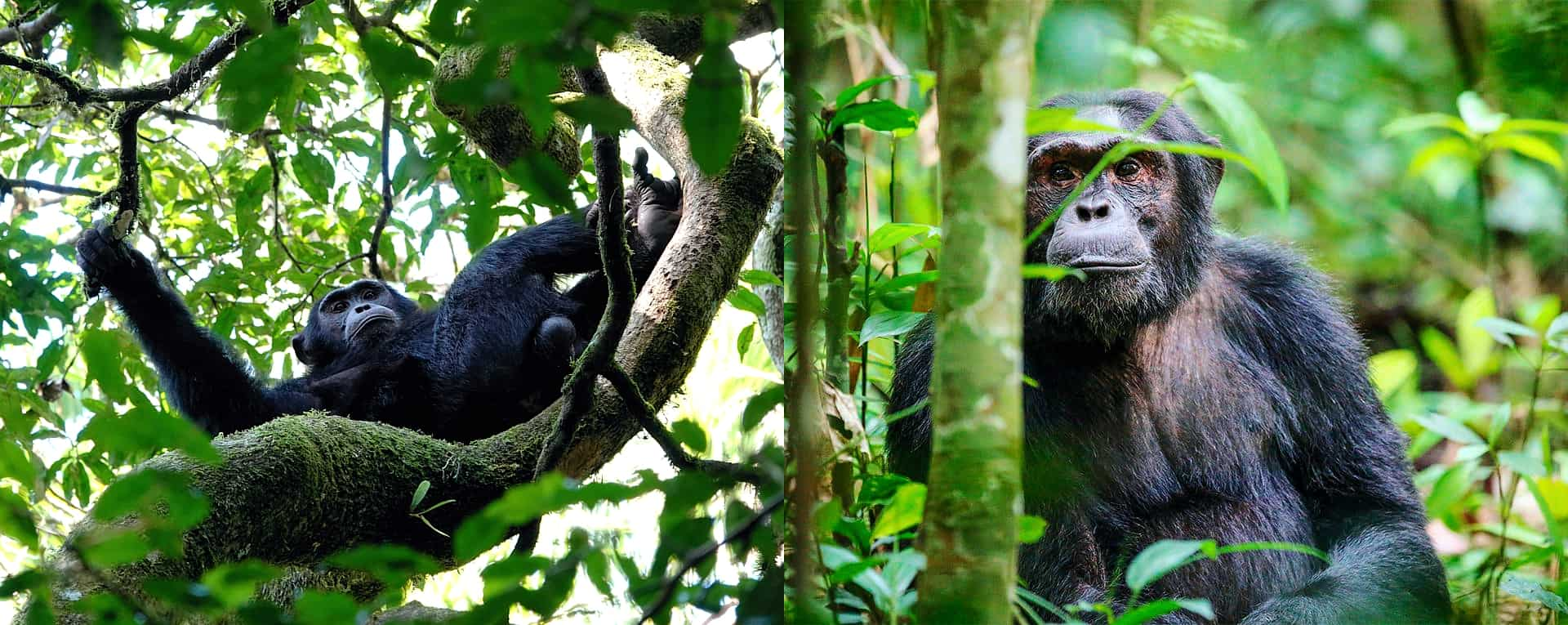

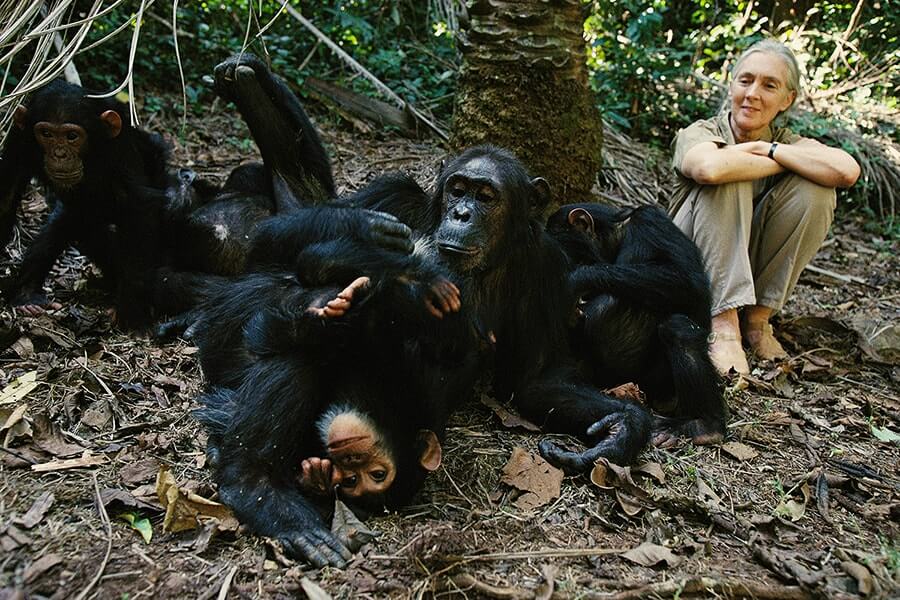
Budget Chimpanzee Trekking Safaris in Uganda typically include a guided forest walk to locate a habituated chimpanzee group, followed by one hour spent observing them in their natural habitat. In contrast, the Chimpanzee Habituation Experience in Uganda allows visitors to spend up to four hours with chimpanzees that are still undergoing the habituation process, accompanied by researchers and rangers.
This difference, one hour versus four hours transforms the depth of the encounter entirely.
While several African countries offer chimpanzee trekking, Uganda stands out because of its density of primates, structured conservation programs, and the exceptional experience offered inside Kibale National Park. For travelers seeking cheap chimpanzee habituation in Kibale National Park without compromising conservation standards, Uganda offers unmatched value.
This guide explores everything you need to know about Budget Chimpanzee Trekking Safaris in Uganda, explains the Chimpanzee Habituation Experience in Uganda in detail, compares trekking versus habituation, and breaks down cost, logistics, and planning strategies.
Budget Chimpanzee Trekking Safaris in Uganda & Chimpanzee Habituation Safaris in Kibale National Park
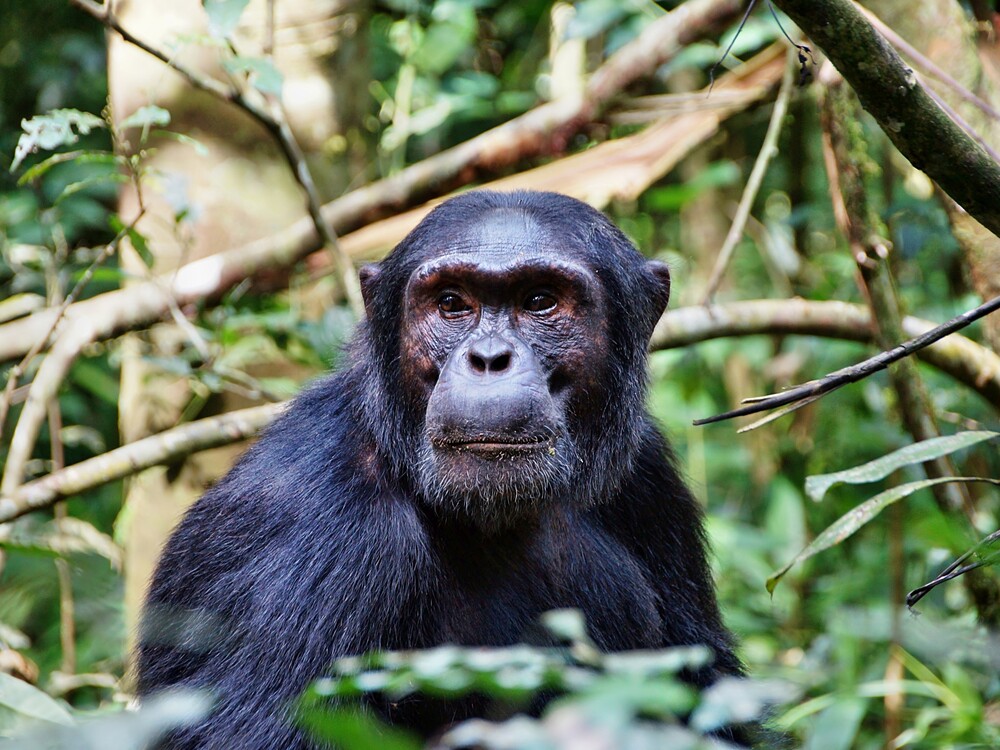
1 Day Kibale Chimpanzee Trek
Affordable one-day chimpanzee trekking experience in Kibale National Park, ideal for travelers seeking a short and budget-friendly primate encounter.
Request a Quote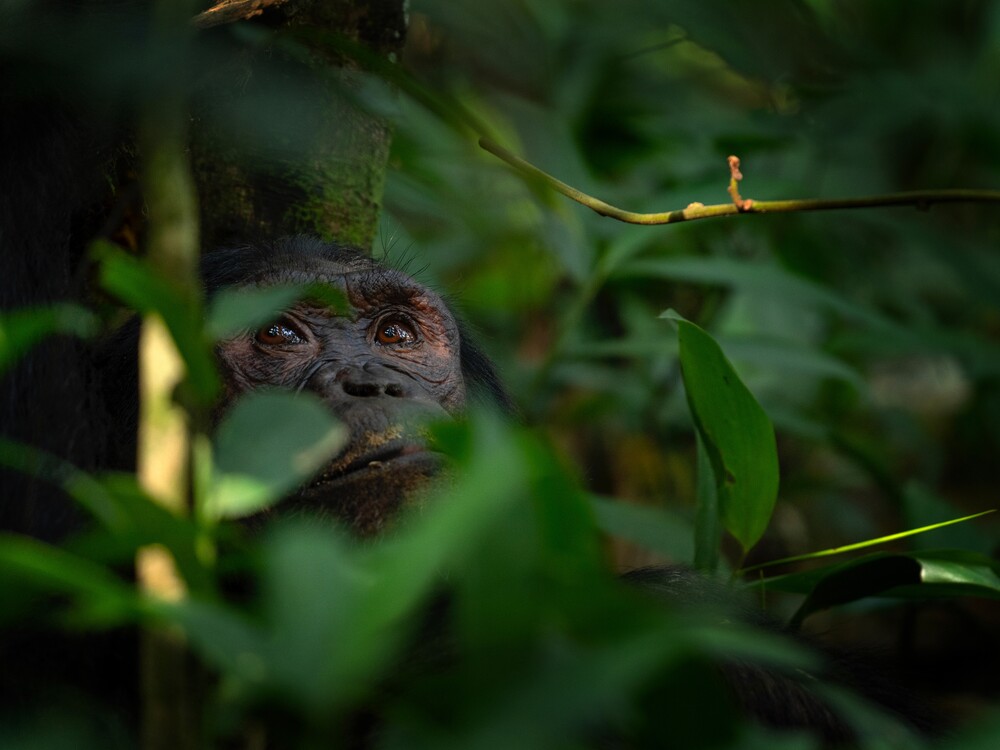
2 Days Chimpanzee Habituation Safari
Immerse yourself in a full Chimpanzee Habituation Safari in Kibale with up to four hours observing chimp behavior alongside researchers.
Request a Quote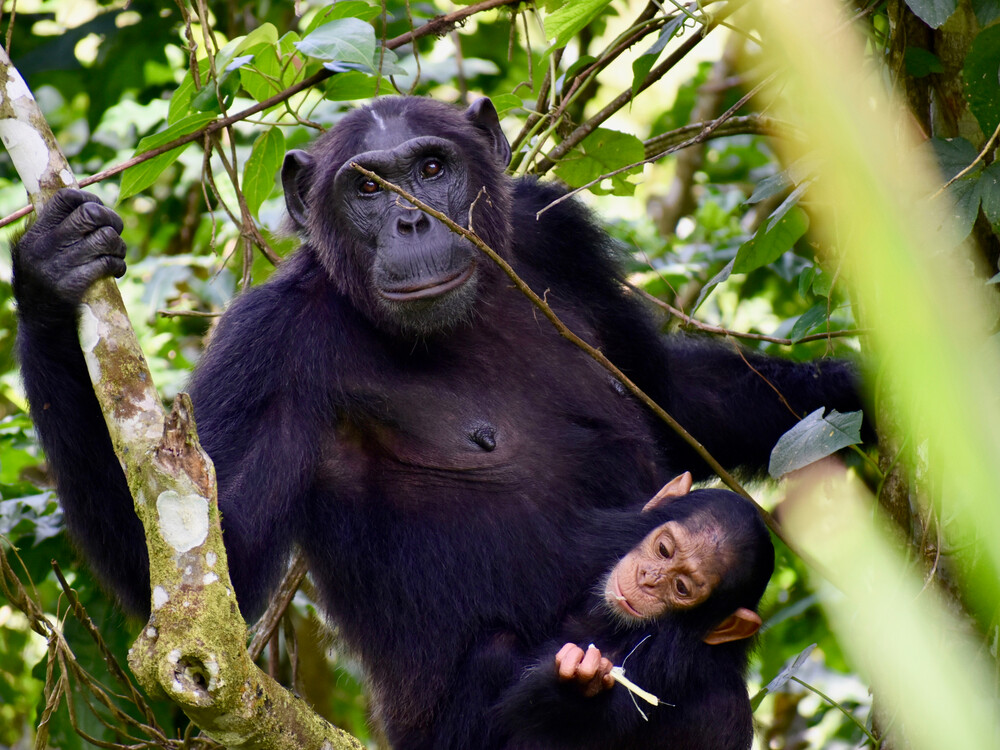
3 Days Budget Chimpanzee Safari
Explore Kibale National Park with chimpanzee trekking and forest walks in a well-structured budget chimpanzee safari itinerary.
Request a Quote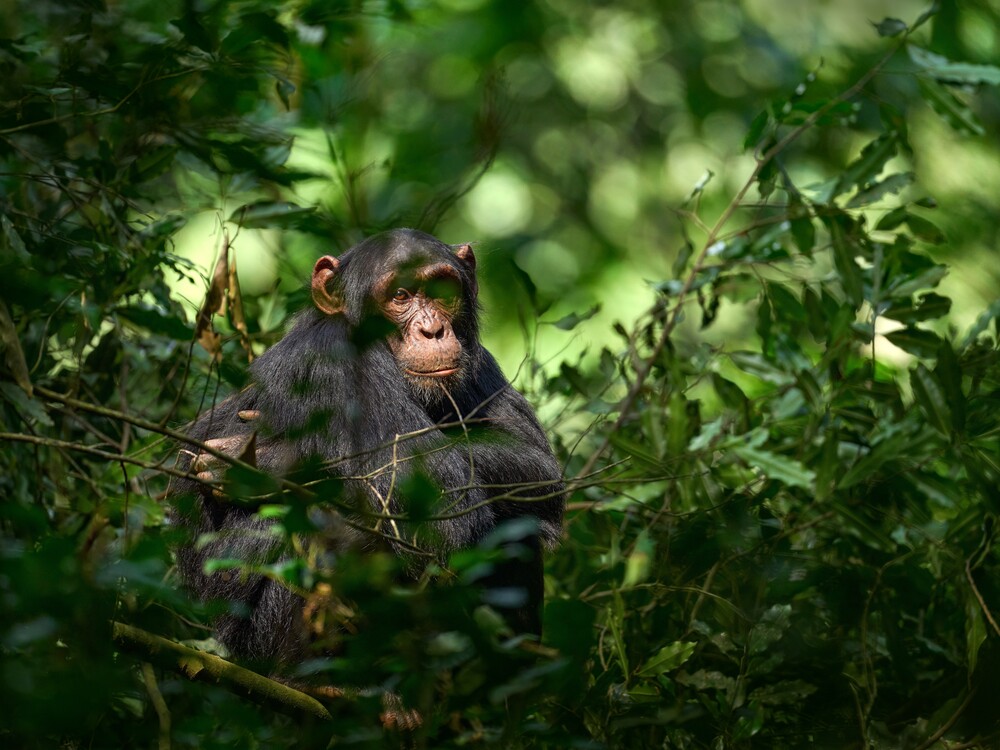
3 Days Chimpanzee Habituation Experience
Extended Chimpanzee Habituation Experience in Uganda combined with crater lake exploration and scenic western Uganda landscapes.
Request a Quote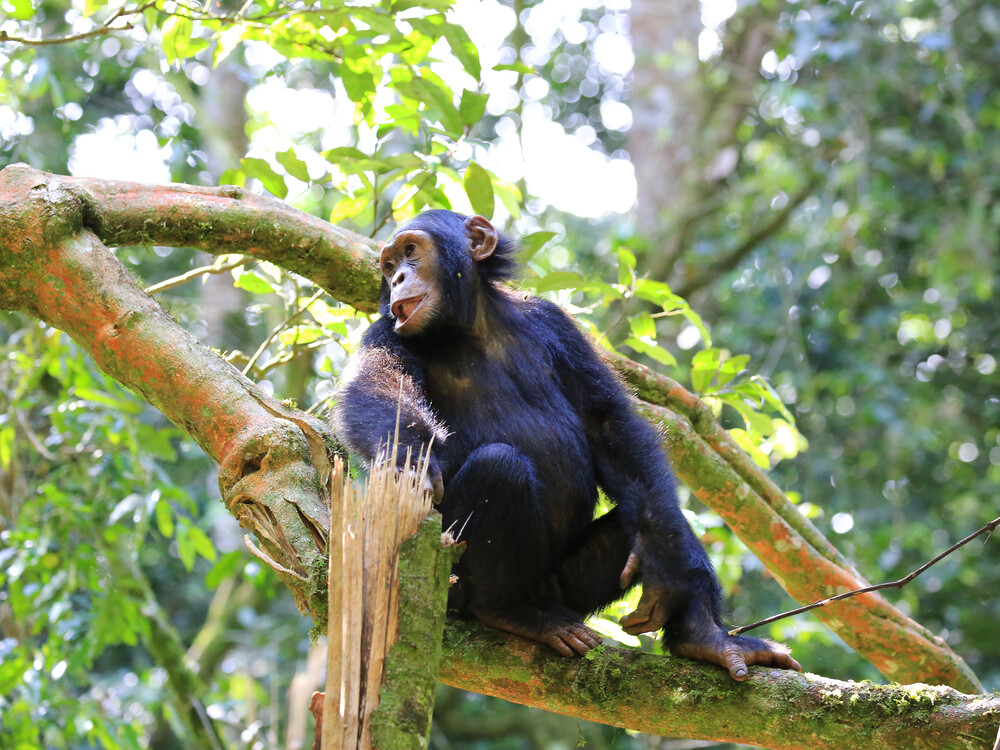
4 Days Kibale & Queen Elizabeth
Combine chimpanzee trekking in Kibale with wildlife game drives in Queen Elizabeth National Park for a balanced Uganda safari.
Request a Quote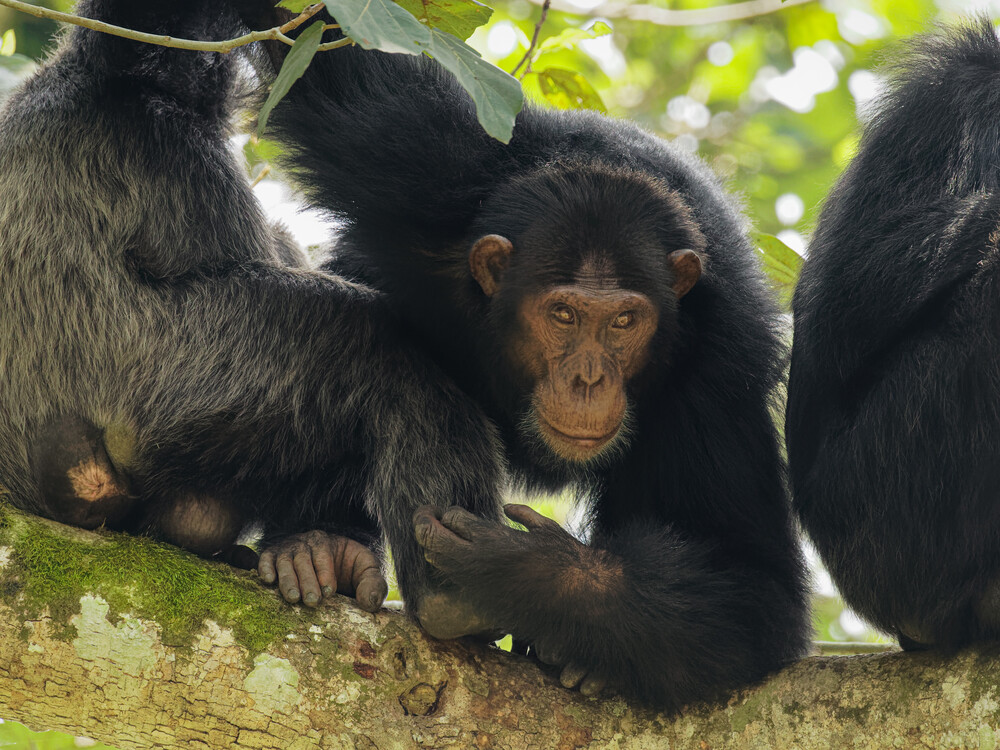
5 Days Budget Primates & Wildlife Safari
Experience chimpanzee trekking, savannah wildlife, and boat safaris in a value-driven Uganda itinerary designed for primate lovers.
Request a Quote
3 Days Budongo Chimpanzee Safari
Affordable chimpanzee trekking experience in Budongo Forest Reserve combined with Murchison Falls National Park exploration.
Request a Quote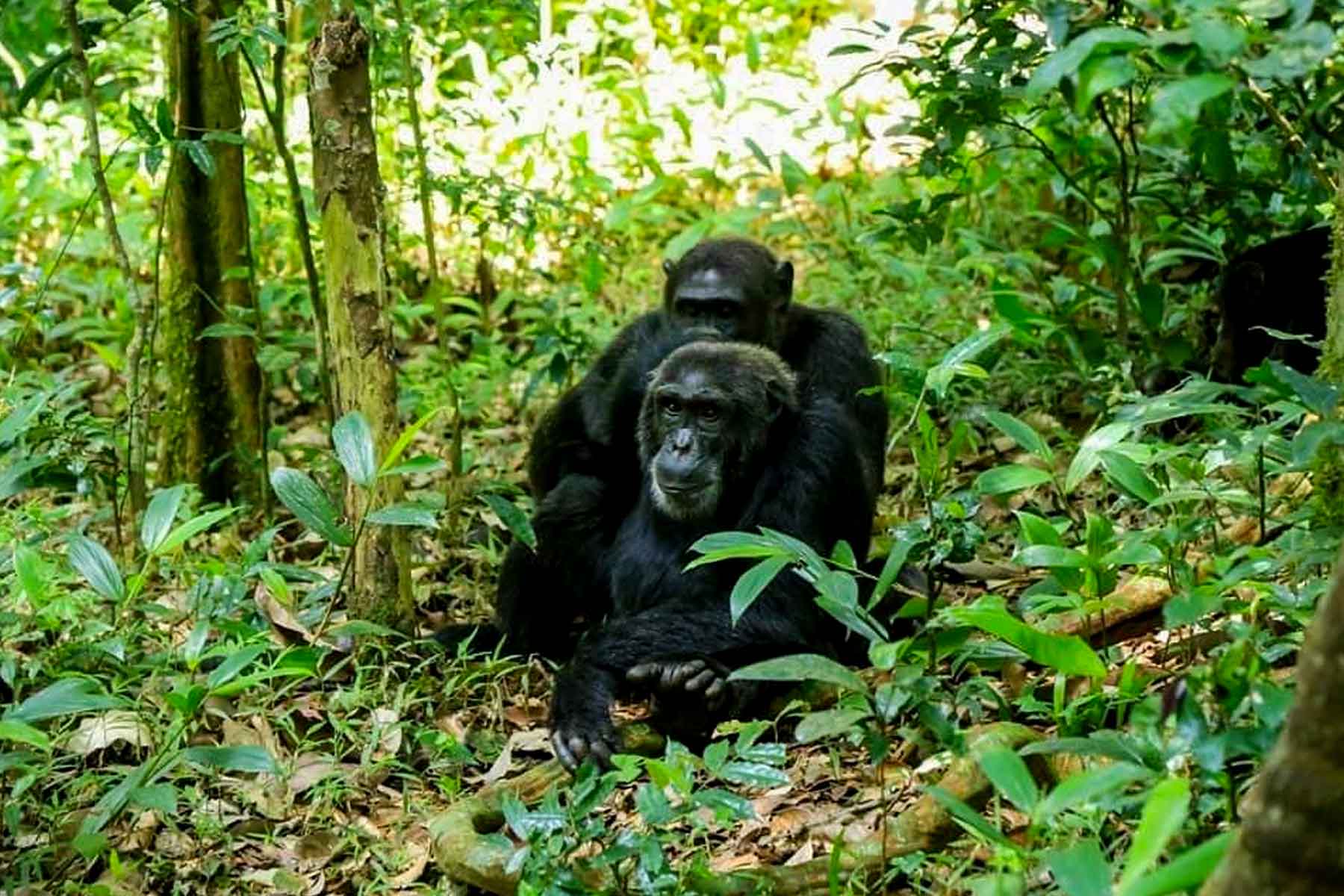
4 Days Budongo & Murchison Falls
Budget chimpanzee trekking in Budongo Forest paired with game drives and Nile boat safari in Murchison Falls National Park.
Request a Quote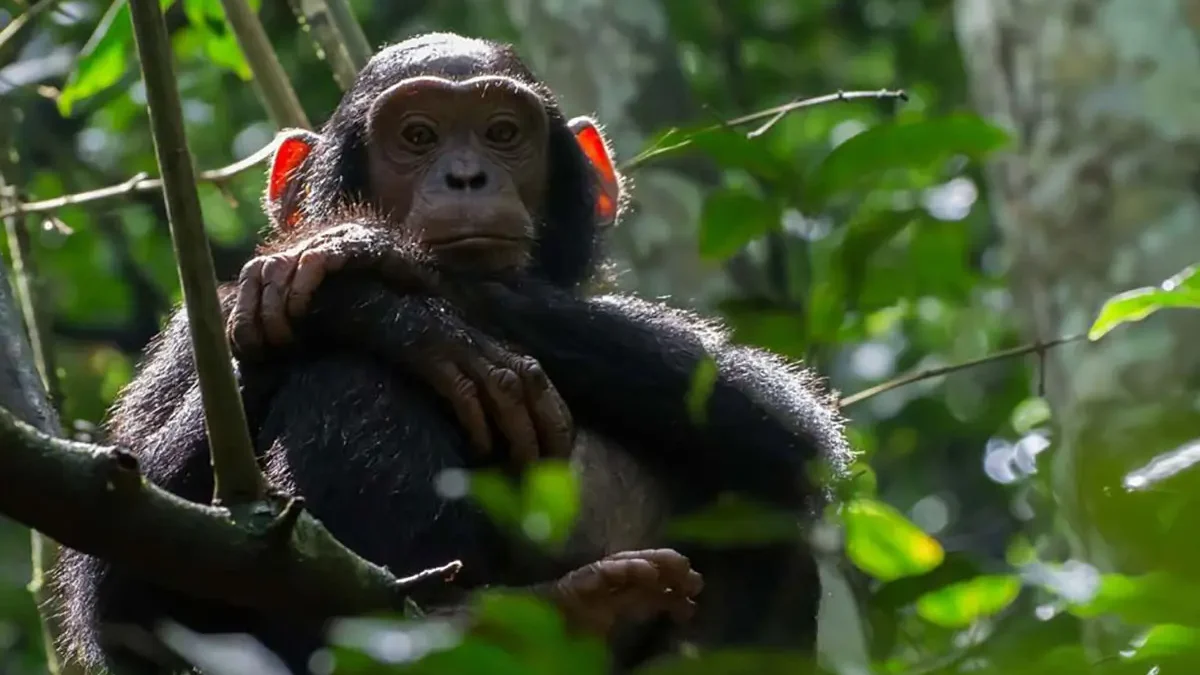
6 Days Uganda Primate Safari
Comprehensive safari featuring Chimpanzee Habituation Safaris in Kibale and additional chimpanzee trekking in Budongo Forest.
Request a QuoteWhat Is Chimpanzee Habituation Experience in Uganda?
The Chimpanzee Habituation Experience in Uganda is a specialized primate activity that allows visitors to spend extended time with a chimpanzee community that is still being gradually accustomed to human presence. Unlike standard chimpanzee trekking, which is limited to a one-hour observation window, habituation permits up to four hours in the forest alongside researchers and conservation teams.
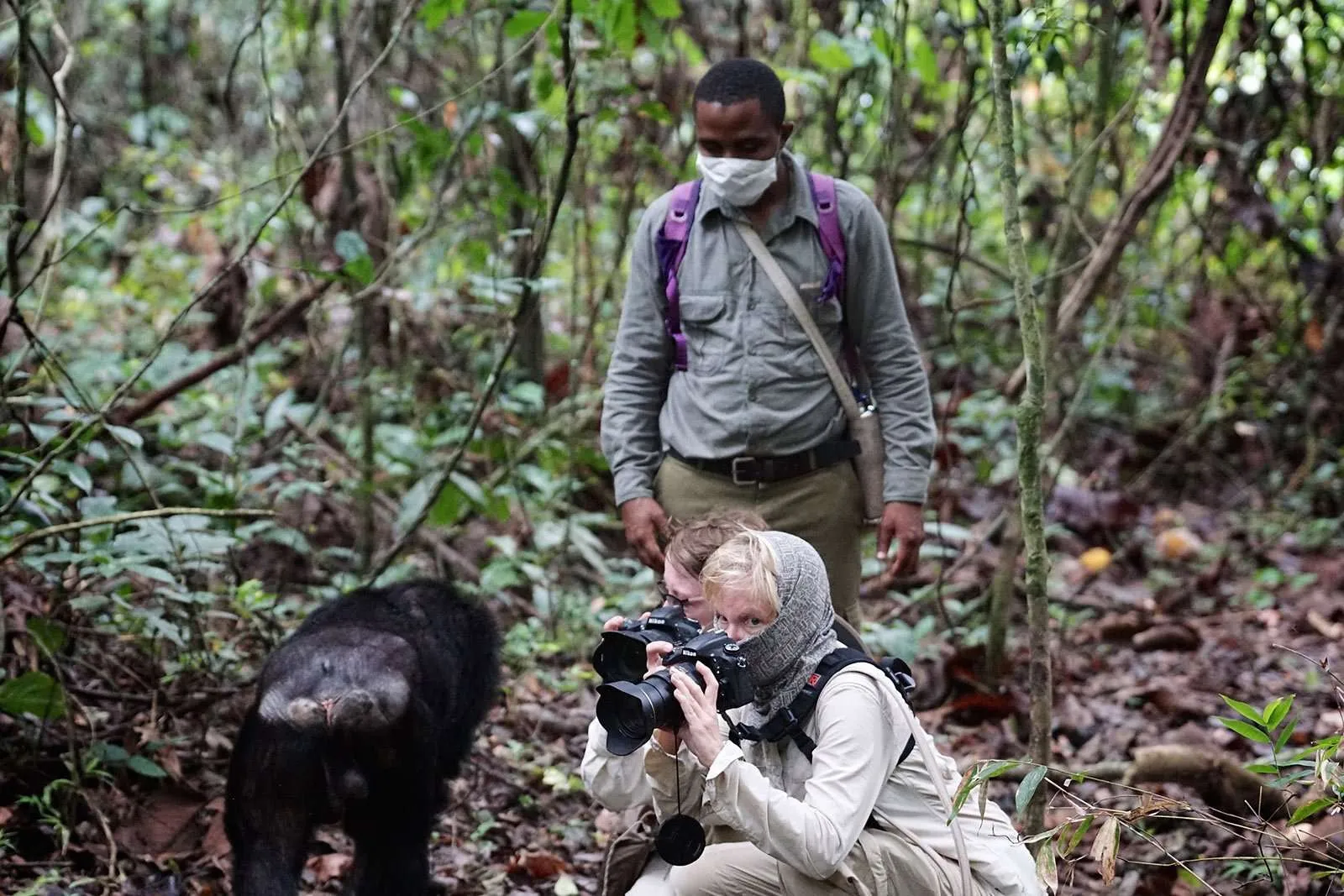
Habituation itself refers to the long-term process of helping wild chimpanzees become familiar with the presence of humans without altering their natural behavior. This careful and ethical process can take several years. During this period, researchers track chimpanzee movements daily, document behavioral patterns, and gradually reduce the animals’ flight response to controlled human observation.
Inside Kibale National Park, this program is structured, limited, and highly regulated. Only a small number of permits are issued each day for the chimpanzee habituation experience, ensuring minimal disturbance to the primates and maintaining conservation integrity.
Difference Between 1-Hour Trekking and 4-Hour Habituation
Understanding the distinction between chimpanzee trekking and chimpanzee habituation is crucial for anyone planning Budget Chimpanzee Trekking Safaris in Uganda.
Chimpanzee Trekking (1 Hour):
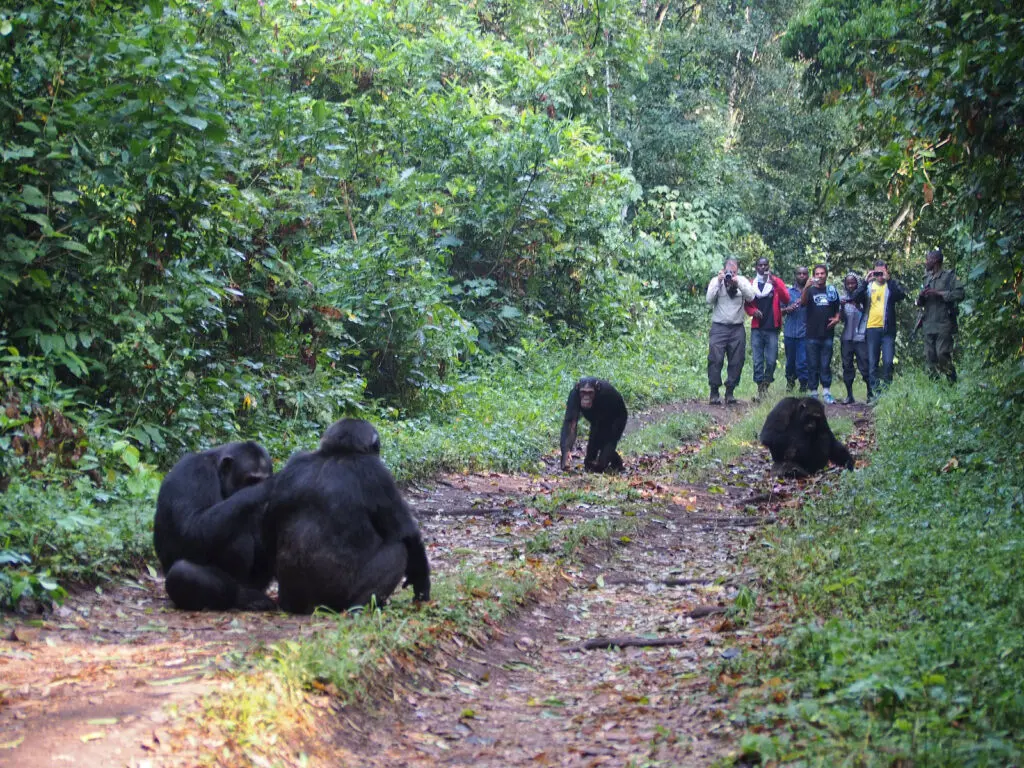
Standard chimpanzee trekking involves entering the forest with an experienced ranger guide to locate a fully habituated chimpanzee group. Once located, visitors are allowed one hour in the presence of the chimpanzees. During this time, guests observe feeding, grooming, playing, and social interaction. After one hour, the group exits the forest.
This experience is efficient, exciting, and suitable for travelers on tighter schedules.
Chimpanzee Habituation Experience (Up to 4 Hours):
The Chimpanzee Habituation Experience in Uganda offers a more immersive format. Participants join researchers and rangers early in the morning as they begin tracking a chimpanzee group that is still becoming accustomed to human presence. The experience allows extended observation of feeding patterns, nesting habits, vocal communication, territorial behavior, and social hierarchy dynamics.
Because the group is less accustomed to human observers than in standard trekking, the experience feels more raw and research-oriented. Visitors witness authentic forest behavior over several hours rather than a single concentrated viewing window.
For photographers, wildlife enthusiasts, conservation students, and repeat safari travelers, habituation offers significantly greater depth.
Why Kibale National Park Is the Best Location
Kibale National Park is internationally recognized as the primate capital of East Africa. The park protects one of the largest remaining tropical rainforests in Uganda and hosts over 1,500 chimpanzees, along with 12 other primate species.
Several factors make Kibale the ideal location for both Budget Chimpanzee Trekking Safaris in Uganda and the Chimpanzee Habituation Experience in Uganda:
First, chimpanzee density in Kibale is among the highest in Africa. This significantly increases the likelihood of successful sightings during both trekking and habituation.
Second, the habituation program in Kibale is long-established and research-driven. The park works closely with conservation organizations and primate researchers, ensuring ethical standards and consistent monitoring.
Third, accessibility is strong. Kibale National Park is reachable by road from Kampala or Entebbe and is commonly combined with Queen Elizabeth National Park, creating structured multi-park itineraries.
Finally, permit pricing makes Uganda competitive compared to other chimpanzee destinations. For travelers searching for cheap chimpanzee habituation in Kibale National Park, Uganda provides strong conservation value relative to the experience depth offered.
Chimpanzee Trekking vs Chimpanzee Habituation Experience in Uganda
One of the most searched comparison questions in primate tourism is chimpanzee trekking vs habituation Uganda. Although both experiences take place inside Kibale National Park and involve guided forest walks to observe chimpanzees in their natural habitat, they differ significantly in depth, duration, and immersion.

Understanding the difference is essential when choosing between standard trekking and Chimpanzee Habituation Safaris.
Duration: 1 Hour vs 4 Hours
Chimpanzee trekking allows visitors one hour in the presence of a fully habituated chimpanzee group once they are located. The tracking process may take between 30 minutes to several hours depending on movement patterns, but observation time is strictly limited to sixty minutes.
In contrast, Chimpanzee Habituation Safaris allow up to four hours in the forest alongside researchers and conservation teams. This extended duration transforms the experience from simple wildlife viewing into immersive behavioral observation. Guests witness feeding cycles, nesting habits, dominance displays, and communication patterns that cannot be fully appreciated in a single hour.
Cost Difference
There is a modest cost difference between the two activities. Standard trekking in Kibale is priced lower than habituation. However, when comparing the price relative to time spent in the forest, the value proposition of Chimpanzee Habituation Safaris becomes clearer.
For a relatively small increase in permit cost, habituation participants receive quadruple the time in direct chimpanzee presence. This makes habituation particularly attractive for wildlife enthusiasts seeking depth rather than speed.
Experience Depth
Chimpanzee trekking offers excitement, efficiency, and strong sighting reliability. It is well suited for travelers combining multiple parks or those with limited time.
Chimpanzee Habituation Safaris provide greater behavioral insight. Because the chimpanzees are still in the process of becoming accustomed to human presence, interactions feel more raw and research-oriented. You observe early morning nest departure, foraging behavior, territorial vocalizations, and dynamic group movement patterns.
This deeper immersion makes habituation particularly valuable for repeat safari travelers, conservation students, photographers, and wildlife professionals.
Photography Opportunities
Photography differs considerably between trekking and habituation. During a one-hour trek, photographers must work quickly, adapting to chimpanzee movement and limited angles.
Chimpanzee Habituation Safaris provide extended opportunities for composition, light adjustment, and behavioral capture. The longer time window significantly increases chances of capturing feeding sequences, infant interaction, grooming rituals, and social hierarchy moments.
For serious wildlife photography, habituation is often the superior choice.
Who Each Experience Is Best For
Chimpanzee trekking is ideal for first-time visitors, travelers combining gorilla trekking with primates, and those prioritizing efficiency.
Chimpanzee Habituation Safaris are best suited for:
- Wildlife photographers
- Researchers and conservation enthusiasts
- Travelers seeking extended immersion
- Repeat safari guests wanting something deeper
Both experiences are exceptional. The choice depends on whether you prioritize time efficiency or immersive behavioral exposure.
Cost of Budget Chimpanzee Trekking and Chimpanzee Habituation Safaris in Uganda (Updated 2026)
When planning Chimpanzee Habituation Safaris or Budget Chimpanzee Trekking Safaris in Uganda, understanding cost structure is critical.
| Activity | FNR (USD) | FR (USD) | EAC (UGX) |
|---|---|---|---|
| Kibale Chimpanzee Trekking | $250 | $200 | 180,000 |
| Kyambura Gorge Chimpanzee Trekking | $100 | $80 | 50,000 |
| Chimpanzee Habituation Experience (Kibale) | $300 | $250 | 250,000 |
Permit Costs (2026 Official Rates)
As shown in the table above:
- Kibale Chimpanzee Trekking:
- FNR: $250
- FR: $200
- EAC: UGX 180,000
- Kyambura Gorge Trekking:
- FNR: $100
- FR: $80
- EAC: UGX 50,000
- Chimpanzee Habituation Experience (Kibale):
- FNR: $300
- FR: $250
- EAC: UGX 250,000
These permits include ranger guide services. For habituation, park entry fees are typically included, while standard trekking may require separate park entrance fees.
Additional Costs to Consider
Budget Chimpanzee Trekking Safaris in Uganda and Chimpanzee Habituation Safaris also include:
- Park entrance fees (where applicable)
- Professional guide services
- 4×4 safari vehicle transport
- Accommodation (budget, midrange, or luxury)
- Meals and bottled water
- Fuel and logistics coordination
Transport significantly influences total safari cost, particularly for travelers coming from Kampala or Entebbe.
Budget Safari Package Estimates (2026)
To provide realistic expectations:
- 1 Day Kibale Chimpanzee Trekking Safari:
Approx. $350 – $600 per person (depending on group size and transport structure) - 2 Days Chimpanzee Habituation Safari (Kibale):
Approx. $650 – $1,100 per person - 3 Days Kibale + Queen Elizabeth Combination:
Approx. $900 – $1,500 per person
Chimpanzee Habituation Safaris cost slightly more than standard trekking due to the higher permit fee, but they offer significantly greater immersion and observational time.
Compared to gorilla trekking, chimpanzee experiences remain more affordable, making Uganda one of the best-value primate destinations in Africa.
Excellent.
This is the authority core of the page. If written properly, this section alone can rank for:
- cheap chimpanzee habituation Kibale
- best chimpanzee habituation experience Uganda
- Kibale chimpanzee habituation safaris
- budget chimpanzee trekking Uganda
We will naturally prioritize the keyphrase Chimpanzee Habituation Safaris throughout while keeping the tone expert, not promotional.
Why Kibale National Park Is the Best for Cheap Chimpanzee Habituation
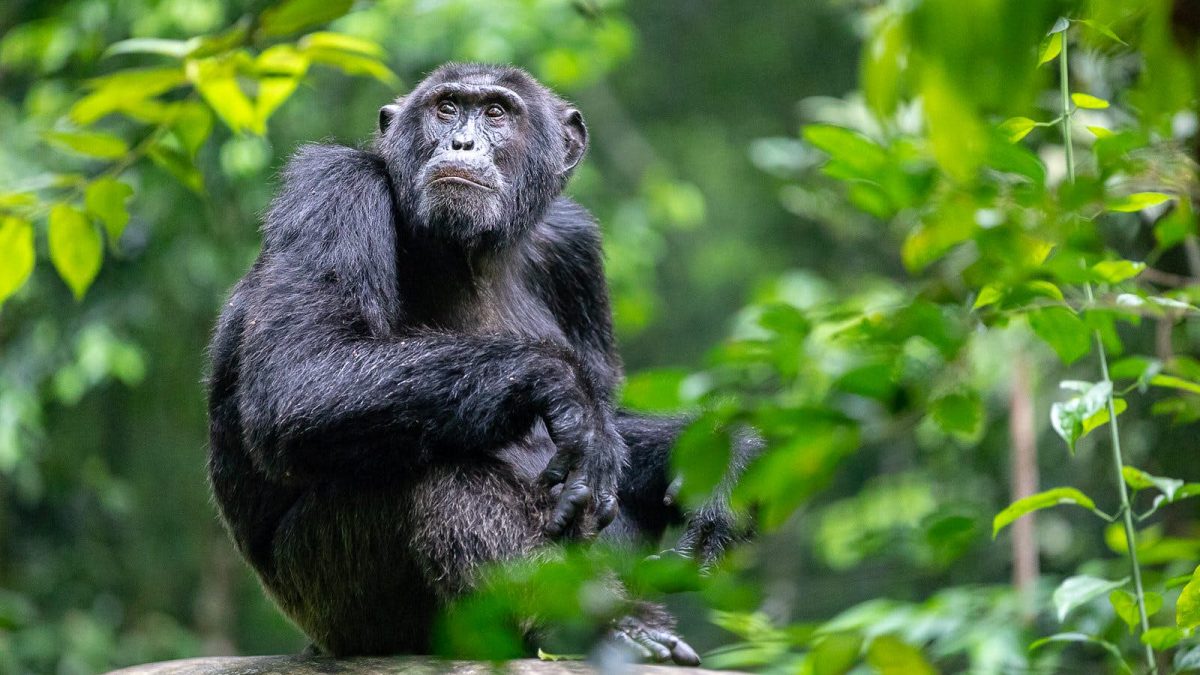
When discussing Chimpanzee Habituation Safaris in Africa, one location consistently stands above the rest: Kibale National Park in western Uganda. Often referred to as the primate capital of East Africa, Kibale offers a unique combination of chimpanzee density, research infrastructure, accessibility, and affordability that makes it the leading destination for cheap chimpanzee habituation in a conservation-driven environment.
Highest Chimpanzee Population Density in East Africa
Kibale National Park protects one of the largest tropical rainforest ecosystems in Uganda and is home to over 1,500 chimpanzees. This represents one of the highest concentrations of chimpanzees on the African continent. For travelers booking Chimpanzee Habituation Safaris, this density significantly increases the probability of locating chimpanzee communities during both trekking and habituation experiences.
High population density matters because habituation is a gradual, research-based process. The presence of multiple chimpanzee groups allows conservation teams to rotate observation pressure while maintaining ethical interaction limits. This ensures that cheap chimpanzee habituation in Kibale National Park does not compromise conservation standards.
In contrast to destinations where chimpanzee groups are sparse or more difficult to locate, Kibale offers both reliability and structure.
Reliable Sightings Throughout the Year
One of the strongest reasons Kibale remains the best location for Budget Chimpanzee Trekking Safaris in Uganda is sighting consistency. Due to long-term monitoring and research efforts, ranger teams track chimpanzee movements daily. This increases encounter reliability compared to less structured forest reserves.
Chimpanzee Habituation Safaris in Kibale typically begin early in the morning, following chimpanzee nests from the previous night. Because research teams are already embedded within the forest system, participants join an ongoing tracking operation rather than starting from scratch.
This structure enhances encounter success rates and reduces visitor uncertainty. For travelers investing in habituation permits, reliability is essential.
Research-Based Habituation Programs
Unlike standard tourism activities, Chimpanzee Habituation Safaris are rooted in conservation science. Kibale’s habituation programs are designed around long-term research initiatives that monitor chimpanzee social structure, feeding patterns, territorial behavior, and reproductive cycles.
During the Chimpanzee Habituation Experience in Uganda, participants walk alongside researchers who explain the behavioral context of what is being observed. Rather than simply watching chimpanzees feed or groom, visitors gain insight into dominance hierarchies, infant protection behavior, vocal communication, and conflict resolution within the troop.
This research-driven model elevates Kibale beyond a standard trekking destination. It transforms cheap chimpanzee habituation into a structured wildlife education experience while maintaining affordability compared to similar programs elsewhere in Africa.
Accessibility and Infrastructure
Accessibility is another major factor that positions Kibale as the best destination for Chimpanzee Habituation Safaris. The park is reachable by road from Kampala or Entebbe within a structured overland safari route and is easily combined with Queen Elizabeth National Park for broader wildlife viewing.
Unlike remote primate reserves that require charter flights, Kibale’s road accessibility allows Budget Chimpanzee Trekking Safaris in Uganda to remain financially attainable. Travelers reduce aviation costs while maintaining high-quality forest experiences.
Additionally, Kibale offers a strong range of accommodation options, from budget lodges to midrange and luxury properties. This flexibility allows visitors to structure itineraries according to budget without affecting the chimpanzee experience itself.
Budget Chimpanzee Trekking Safaris in Uganda – Sample Itineraries
While Chimpanzee Habituation Safaris are the most immersive primate experience available in Uganda, many travelers structure their journeys around flexible safari durations. Budget Chimpanzee Trekking Safaris in Uganda can be designed efficiently depending on time, budget, and combination with other parks.
Below are structured itinerary concepts that demonstrate how chimpanzee experiences are commonly integrated.
1 Day Kibale Chimpanzee Trek
A one-day itinerary focuses on efficiency. Travelers depart early from Kampala or Fort Portal and arrive at Kibale National Park in time for the morning chimpanzee trekking briefing. After locating a habituated chimpanzee group and spending one hour observing them, guests return later in the afternoon.
This format is ideal for travelers already in western Uganda or those combining short primate experiences with other safari destinations. While this is not a Chimpanzee Habituation Safari, it offers an affordable and time-efficient introduction to Uganda’s primates.
2 Days Kibale Chimpanzee Habituation Safari
A two-day itinerary allows travelers to experience Chimpanzee Habituation Safaris in full immersion. Day one involves arrival and forest-edge accommodation near Kibale. Day two begins early with researchers tracking chimpanzee nests and allows up to four hours in the forest observing chimpanzee behavior.
This itinerary structure balances cost and immersion. It is one of the most popular formats for travelers specifically targeting the Chimpanzee Habituation Experience in Uganda without extending into a full multi-park safari.
3 Days Kibale + Queen Elizabeth Combination
For travelers seeking both primates and classic savannah wildlife, a three-day safari combines Chimpanzee Habituation Safaris in Kibale with game drives or boat safaris in Queen Elizabeth National Park.
This combination creates diversity in landscape and wildlife while keeping the itinerary compact. It is one of the most strategic formats for Budget Chimpanzee Trekking Safaris in Uganda that also include big-game viewing.
5 Days Primates Uganda Safari
Longer itineraries allow deeper immersion into Uganda’s primate ecosystems. A five-day primate-focused safari may include Chimpanzee Habituation Safaris in Kibale, additional chimpanzee trekking sessions, and optional extensions to other primate-rich environments.
This format appeals particularly to wildlife photographers, conservation enthusiasts, and travelers who want to focus exclusively on primate behavior rather than general safari activities.
Excellent.
This is where we deepen authority and naturally reinforce Chimpanzee Habituation Safaris without sounding repetitive or promotional.
These two sections also target strong search queries like:
- who should do chimpanzee habituation
- is chimpanzee habituation worth it
- best time chimpanzee trekking Uganda
- rainy season chimpanzee Kibale
- best month for chimpanzee habituation Uganda
Let’s build them properly.
Who Should Choose Chimpanzee Habituation Experience?
The Chimpanzee Habituation Experience in Uganda is not simply a longer version of chimpanzee trekking. It is a more immersive and research-oriented wildlife encounter designed for travelers who want depth rather than speed. While standard trekking appeals to a broad audience, Chimpanzee Habituation Safaris attract visitors seeking extended time, behavioral insight, and a deeper forest connection.
Photographers Seeking Time and Flexibility
Wildlife photography requires patience, light variation, and behavioral moments that cannot be rushed. During standard chimpanzee trekking, the one-hour viewing window often feels brief, especially when chimpanzees are moving quickly through the canopy.

Chimpanzee Habituation Safaris provide up to four hours in the forest, significantly increasing the chance of capturing feeding behavior, grooming interactions, infant play, and dominant male displays. The extended timeframe allows photographers to adjust angles, exposure settings, and positioning while waiting for natural interactions to unfold.
For serious wildlife photographers, habituation offers more than images — it offers storytelling sequences.
Researchers and Conservation Enthusiasts
Because Chimpanzee Habituation Safaris are built around research-based tracking programs inside Kibale National Park, they naturally appeal to conservation-minded travelers. Participants join researchers and ranger teams during early morning tracking sessions, observing chimpanzee communities as part of the habituation process.
Visitors gain insight into social hierarchy, territorial communication, feeding ecology, and nest-building behavior. Rather than simply observing chimpanzees as tourists, guests become temporary participants in a conservation-driven field environment.
For students, primate researchers, and travelers interested in wildlife science, this structure makes the Chimpanzee Habituation Experience in Uganda uniquely valuable.
Wildlife Lovers Who Want More Than a Snapshot
Some travelers want more than a brief wildlife sighting. They want to understand rhythm, movement, and social dynamics. Chimpanzee Habituation Safaris allow guests to witness the forest awakening as chimpanzees descend from their nests at dawn, forage for fruit, interact socially, and move collectively through the canopy.
The experience feels slower and more organic than trekking. There is time to observe subtle behavior rather than rushing through a checklist encounter.
For travelers who prioritize immersion and natural observation, habituation delivers significantly greater depth.
Repeat Safari Travelers Seeking Something Different
Many visitors who return to Uganda after gorilla trekking look for new experiences that feel equally meaningful. Chimpanzee Habituation Safaris provide that evolution. Instead of repeating a one-hour trek format, habituation introduces a more participatory conservation atmosphere.
Repeat safari travelers often describe habituation as one of the most authentic primate encounters in East Africa because it feels less structured and more exploratory.
Choosing the Chimpanzee Habituation Experience in Uganda is therefore less about budget category and more about experiential depth. It suits travelers who want time, context and connection.
Best Time for Chimpanzee Trekking & Chimpanzee Habituation Safaris in Uganda
When planning Chimpanzee Habituation Safaris or Budget Chimpanzee Trekking Safaris in Uganda, seasonality influences trail conditions, photography quality, and chimpanzee movement patterns. However, chimpanzee trekking in Uganda operates year-round because chimpanzees remain within the forest ecosystem throughout the seasons.

Dry Season (June–September, December–February)
The dry seasons are widely considered the best time for chimpanzee trekking in Uganda due to firmer trails and easier hiking conditions. During these months, forest paths are less muddy, and movement through Kibale’s terrain becomes more manageable.
For travelers searching “best time chimpanzee trekking Uganda,” these periods are typically recommended because of improved trail stability and comfort.
Chimpanzee Habituation Safaris during dry months also benefit from more predictable movement patterns and easier photography conditions due to lower rainfall interference.
Green or Rainy Season (March–May, October–November)
The rainy season transforms Kibale into a lush rainforest landscape. Although trails can become muddy and more physically demanding, this period offers distinct advantages.
Fruit availability during certain rainy periods influences chimpanzee feeding behavior. When fruiting trees are abundant, chimpanzees may remain in smaller movement zones, increasing observational stability once located. This can enhance Chimpanzee Habituation Safaris, as extended feeding sessions create longer viewing windows.
The green season also means fewer visitors, which can improve permit availability and sometimes reduce accommodation pricing. Travelers searching “rainy season chimpanzee Kibale” often find that while hiking may require more effort, wildlife encounters remain consistent.
Does Season Affect Success Rate?
Chimpanzee sighting success in Kibale National Park remains high year-round due to structured tracking and daily monitoring by ranger teams. Unlike migratory wildlife systems, chimpanzees remain resident within defined forest territories.
For Chimpanzee Habituation Safaris, early morning tracking during both dry and rainy seasons maintains strong encounter reliability.
Ultimately, the best time depends on personal preference. If easier hiking conditions are a priority, dry seasons are ideal. If lush scenery, fewer tourists, and potentially lower lodge costs are appealing, the green season remains an excellent option.
Because Chimpanzee Habituation Safaris are research-based and not seasonal migrations, Uganda offers one of the most reliable primate experiences in Africa throughout the year.
How to Book Cheap / Budget Chimpanzee Habituation in Kibale National Park
Booking Chimpanzee Habituation Safaris in Uganda requires planning that goes beyond selecting travel dates. Because the Chimpanzee Habituation Experience in Uganda is conservation-driven and research-based, access is tightly controlled and permits are strictly limited. Understanding how the system works is essential for travelers who want to secure cheap chimpanzee habituation in Kibale National Park without unnecessary stress or inflated last-minute costs.

The most important step in organizing Chimpanzee Habituation Safaris is securing the official permit issued by the Uganda Wildlife Authority. Unlike standard chimpanzee trekking permits, habituation permits are capped at a very small number per chimpanzee community per day. In most cases, no more than six visitors are allowed to join the research team tracking a single habituation group. This restriction is not arbitrary; it is designed to protect chimpanzees from excessive human exposure while maintaining the integrity of the habituation process.
Because availability is limited, booking early is not about pressure but about practicality. During peak travel months, especially in the dry seasons when Uganda’s wildlife tourism increases, permits can sell out well in advance. Travelers who delay confirmation often find that only standard trekking permits remain available or that their preferred travel dates are no longer possible. For Chimpanzee Habituation Safaris, securing the permit first ensures that accommodation and transport arrangements can be structured confidently around confirmed dates.
The idea of cheap chimpanzee habituation in Kibale National Park does not involve negotiating permit prices, as rates are fixed and regulated. Affordability comes instead from strategic planning. Choosing to travel during lower-demand months can help reduce accommodation rates near Kibale National Park. Sharing transport with other travelers or combining the habituation experience with nearby destinations such as Queen Elizabeth National Park can also reduce logistical costs without compromising the depth of the chimpanzee encounter.
Because Kibale is accessible by road from Kampala or Entebbe, travelers avoid expensive charter flights that often inflate safari pricing elsewhere in Africa. This accessibility is one of the reasons Uganda remains the most competitive destination for Chimpanzee Habituation Safaris on the continent. When permits are secured early and logistics are structured efficiently, the experience remains conservation-focused while staying within a realistic budget framework.
Ultimately, booking cheap chimpanzee habituation in Kibale National Park is about clarity rather than cost-cutting. Early permit confirmation, realistic planning, and transparent itinerary design ensure that the Chimpanzee Habituation Experience in Uganda unfolds smoothly from arrival to forest tracking.
Common Mistakes When Booking Chimpanzee Habituation Safaris in Uganda
Even experienced safari travelers occasionally misunderstand how Chimpanzee Habituation Safaris differ from standard chimpanzee trekking. Because both experiences take place inside Kibale National Park and involve guided forest tracking, the distinction is not always immediately clear. However, failing to recognize the differences can lead to mismatched expectations.

One of the most common errors is confusing chimpanzee trekking with the Chimpanzee Habituation Experience in Uganda. Standard trekking allows one hour of observation after locating a fully habituated chimpanzee group. In contrast, Chimpanzee Habituation Safaris provide up to four hours in the forest with a group that is still undergoing the gradual habituation process. Travelers who book standard trekking while expecting extended immersion may feel that the encounter ends too quickly. Clear understanding of permit type before confirmation prevents this disappointment.
Another frequent mistake involves selecting the wrong location. While Kibale National Park is the primary destination for Chimpanzee Habituation Safaris, other areas such as Kyambura Gorge offer chimpanzee trekking but not full habituation programs. The terrain, chimpanzee density, and encounter probability can vary significantly between locations. Ensuring that the permit specifically references the habituation experience in Kibale is essential for travelers seeking extended forest time.
Underestimating physical readiness is another oversight. Chimpanzee Habituation Safaris require more stamina than standard trekking because participants remain in the forest for several hours. Kibale’s tropical rainforest terrain can be humid and occasionally uneven. While the pace is guided and adjusted by rangers, proper footwear, hydration, and realistic expectations improve comfort significantly. Ignoring fitness preparation can reduce enjoyment of what should be a deeply rewarding experience.
Financial planning mistakes also occur when travelers focus solely on permit cost without accounting for supporting logistics. Budget Chimpanzee Trekking Safaris in Uganda and Chimpanzee Habituation Safaris include more than the permit itself. Road transfers from Kampala or Entebbe, accommodation near the park, park entrance fees where applicable, meals, and guide services all form part of the total safari structure. Overlooking these components can create budget surprises that diminish confidence in the planning process.
Avoiding these common mistakes ensures that Chimpanzee Habituation Safaris remain what they are intended to be: immersive, conservation-driven wildlife experiences that reward preparation and understanding.
When travelers approach the booking process with clarity recognizing permit limitations, understanding experience differences, and planning logistics thoughtfully, the Chimpanzee Habituation Experience in Uganda becomes one of the most enriching primate encounters available anywhere in Africa.
Frequently Asked Questions About Chimpanzee Habituation Safaris & Chimpanzee Trekking in Uganda
Is chimpanzee habituation worth it?
Yes, Chimpanzee Habituation Safaris are widely considered worth it for travelers who want extended immersion rather than a brief wildlife encounter. Unlike standard chimpanzee trekking, which limits viewing time to one hour, the Chimpanzee Habituation Experience in Uganda allows up to four hours in the forest with researchers and ranger guides. This extended time provides deeper behavioral insight, more photography opportunities, and a more authentic conservation-focused experience. For wildlife enthusiasts, photographers, and repeat safari travelers, habituation offers significantly greater value relative to the small cost difference compared to trekking.
How long is chimpanzee habituation in Kibale National Park?
The Chimpanzee Habituation Experience in Kibale National Park allows up to four hours in direct observation of a chimpanzee community once located. The full activity can last most of the day, beginning early in the morning when researchers track chimpanzee nests from the previous night. The four-hour viewing period does not include tracking time, which means participants may spend additional time walking through the forest before contact is made.
How many hours is chimp habituation compared to trekking?
Chimpanzee trekking in Uganda allows one hour of viewing after locating a fully habituated chimpanzee group. Chimpanzee Habituation Safaris allow up to four hours of observation. The difference in duration significantly changes the depth of the experience. Trekking is structured and time-limited, while habituation is immersive and research-oriented.
Is chimpanzee trekking cheaper than gorilla trekking?
Yes, chimpanzee trekking in Uganda is significantly cheaper than gorilla trekking. Gorilla permits in Uganda cost substantially more than chimpanzee trekking permits. Even the Chimpanzee Habituation Experience in Uganda, which is more expensive than standard chimp trekking, remains far more affordable than gorilla trekking permits. This makes Budget Chimpanzee Trekking Safaris in Uganda an attractive option for travelers seeking primate encounters at a lower overall safari cost.
What is the cheapest chimpanzee trekking in Uganda?
The cheapest chimpanzee trekking in Uganda is typically found in Kyambura Gorge, where permit prices are lower than in Kibale National Park. However, Kibale offers higher chimpanzee density and more reliable sightings. Travelers seeking cheap chimpanzee habituation in Kibale National Park should understand that habituation permits cost more than standard trekking, but the extended time justifies the difference for many visitors.
What is the difference between chimpanzee trekking and chimpanzee habituation?
Chimpanzee trekking involves tracking a fully habituated chimpanzee group and spending one hour observing them. Chimpanzee Habituation Safaris involve joining researchers to observe a chimpanzee group that is still in the process of becoming accustomed to human presence. Habituation allows up to four hours in the forest and provides deeper insight into chimpanzee behavior and social structure.
Where is the best place for chimpanzee habituation in Uganda?
The best place for the Chimpanzee Habituation Experience in Uganda is Kibale National Park. Kibale has the highest chimpanzee population density in East Africa and runs long-established research-based habituation programs. The park’s structured monitoring system increases sighting reliability and supports conservation-focused tourism.
Is chimpanzee habituation physically demanding?
Chimpanzee Habituation Safaris require moderate fitness levels. Participants walk through tropical rainforest terrain for several hours, often in humid conditions. Trails can be uneven and occasionally muddy, especially during rainy seasons. While the pace is guided and adjusted by rangers, good walking shoes and realistic expectations are important for comfort.
Can beginners do chimpanzee habituation?
Yes, beginners can participate in the Chimpanzee Habituation Experience in Uganda as long as they are reasonably fit and comfortable walking in forest terrain. The experience does not require technical hiking skills, but it does require patience and endurance due to the extended time in the forest.
Is chimpanzee habituation safe?
Chimpanzee Habituation Safaris are conducted under strict guidelines by experienced ranger guides and researchers. Visitors maintain regulated distances from chimpanzees and follow clear behavioral protocols. When conducted through official channels in Kibale National Park, the activity is safe and professionally managed.
What is the best time for chimpanzee trekking in Uganda?
The best time chimpanzee trekking Uganda searches typically refer to the dry seasons from June to September and December to February. During these months, trails are less slippery and hiking conditions are easier. However, chimpanzee trekking and Chimpanzee Habituation Safaris operate year-round with high sighting success rates.
Does the rainy season affect chimpanzee habituation?
During the rainy season, forest trails can become muddy, which may make walking more challenging. However, fruit availability can influence chimpanzee feeding patterns and sometimes keep groups within more concentrated areas. Rainy season chimpanzee Kibale experiences remain reliable due to daily monitoring by ranger teams.
How many people are allowed on a chimpanzee habituation safari?
Chimpanzee Habituation Safaris are limited to six visitors per chimpanzee group per day. This restriction protects chimpanzees and ensures a quieter, more immersive experience for participants.
How early should I book chimpanzee habituation permits?
Chimpanzee Habituation Safaris should be booked as early as possible, especially for peak travel seasons. Limited daily slots mean permits can sell out weeks or months in advance. Early booking secures preferred dates and allows better planning of accommodation and transport.
Is chimpanzee habituation better than trekking?
Chimpanzee habituation is better for travelers seeking depth, longer observation time, and research exposure. Trekking is better suited for those with limited time or those combining multiple safari activities. The better option depends on travel goals and schedule flexibility.
Can chimpanzee habituation be combined with gorilla trekking?
Yes, many travelers combine Chimpanzee Habituation Safaris in Kibale with gorilla trekking in Bwindi Impenetrable National Park. This combination creates a comprehensive primate safari experience in Uganda.