
Updated 2026–2030 Uganda Chimpanzee Trekking & Habituation Permit Prices
Uganda remains the leading destination in Africa for chimpanzee tracking and immersive primate encounters. With its dense tropical forests, long-established research programs, and structured conservation policies, the country offers the most reliable and diverse primate experiences on the continent. As international interest continues to rise, understanding the updated Chimpanzee Trekking and Habituation Permit prices for 2026–2030 is essential for accurate safari budgeting and long-term travel planning.

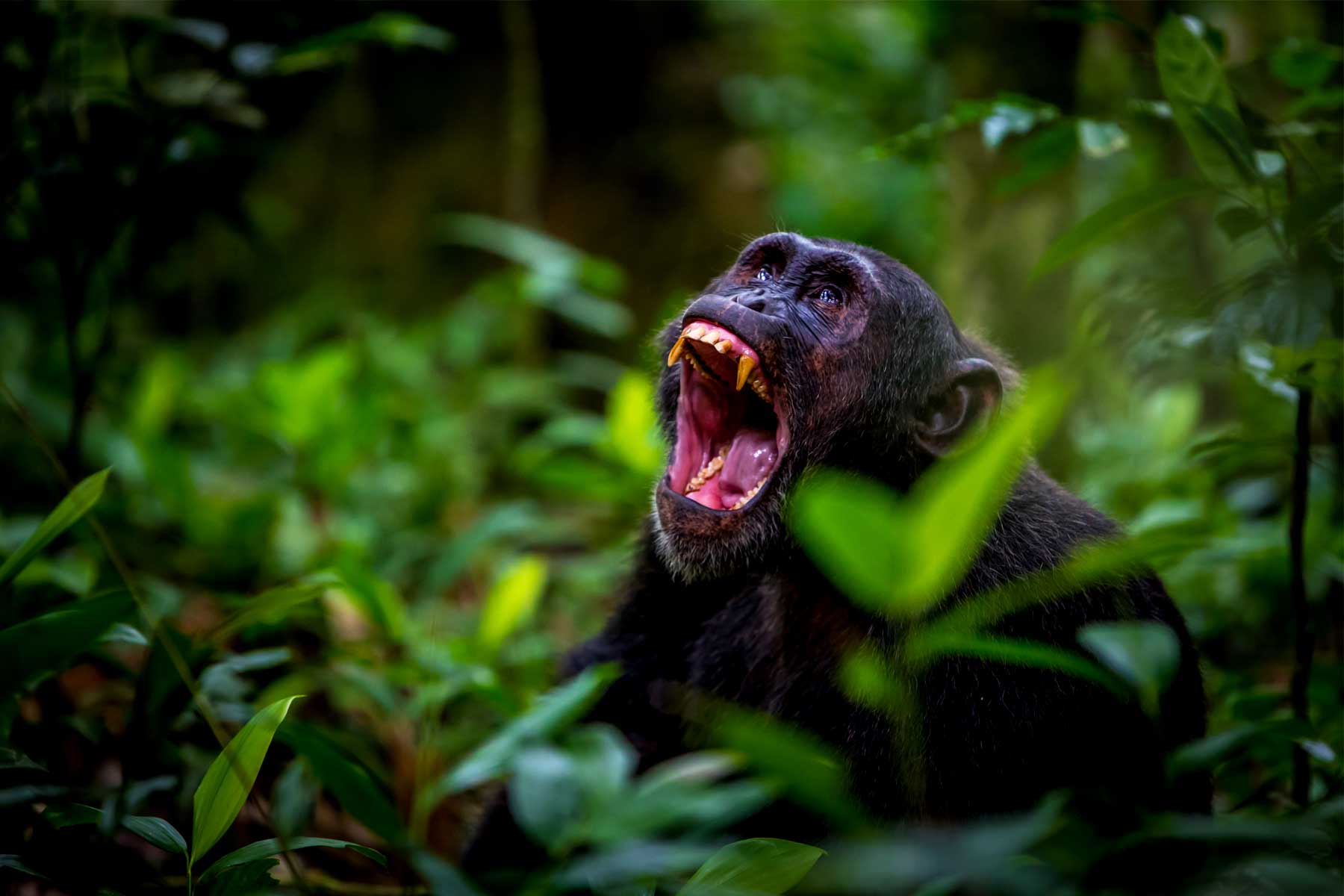
Travelers researching Uganda chimpanzee trekking permit prices between 2026 and 2030 are often comparing multiple destinations within the country. Whether you are planning chimpanzee trekking in Kibale National Park, booking a chimpanzee habituation experience in Uganda, tracking chimpanzees in Budongo Forest, exploring Kalinzu Forest Reserve, trekking in Kyambura Gorge within Queen Elizabeth National Park, or visiting Ngamba Island Chimpanzee Sanctuary, permit costs vary by location, experience type, and visitor category.
A clear understanding of the Chimpanzee Trekking and Habituation Permit structure allows travelers to compare destinations effectively and design safari itineraries that match both budget and expectations. This guide provides a detailed breakdown of official permit rates, clarifies what is included in each permit type, and outlines the additional logistical costs that should be considered between 2026 and 2030.
| Location / Activity | Permit Type | FNR (USD) | FR (USD) | EAC | Key Notes |
|---|---|---|---|---|---|
| Kibale National Park | Trekking 1 hour with chimps | $250 | $200 | UGX 180,000 | Highest chimp density in Uganda; very reliable sightings. |
| Kibale National Park | Habituation up to 4 hours | $300 | $250 | UGX 250,000 | Most immersive chimp experience; limited daily slots (small groups). |
| Kyambura Gorge (Queen Elizabeth NP) | Trekking 1 hour with chimps | $100 | $80 | UGX 50,000 | Lowest official trekking permit rate; sightings can be less predictable than Kibale. |
| Budongo Forest (Murchison ecosystem) | Trekking 1 hour with chimps | $130 (High) / $120 (Low) | $120 (High) / $110 (Low) | $85 (High) / $80 (Low) | Great add-on to Murchison Falls; guided trek with structured program (rates are commonly seasonal). |
| Budongo Forest (Murchison ecosystem) | Habituation Full day | $230 | — | — | Full-day habituation-style experience (availability varies by season/operator). |
| Kalinzu Forest Reserve | Trekking 1 hour with chimps | Lower than Kibale (varies) | Lower than Kibale (varies) | Varies | Popular for budget chimp trekking near Queen Elizabeth; habituation not offered here. |
| Ngamba Island Chimpanzee Sanctuary (Lake Victoria) | Sanctuary Visit (not trekking) | Varies by package | Varies by package | Varies | Includes sanctuary entry + guided visit; boat transfers & package type affect total cost. |
Because Uganda regulates all chimpanzee tracking activities through the Uganda Wildlife Authority, the Chimpanzee Trekking and Habituation Permit system is standardized, transparent, and conservation-driven. Prices are determined by visitor classification Foreign Non-Resident, Foreign Resident, or East African Citizen and are adjusted periodically to support wildlife protection and habitat management.
Understanding these permits is not simply about pricing. It is about recognizing how Uganda structures primate tourism to balance accessibility with long-term conservation sustainability.
Uganda Chimpanzee Trekking vs Chimpanzee Habituation Permits
Before comparing specific locations and their respective prices, it is essential to distinguish clearly between a standard Chimpanzee Trekking and Habituation Permit category. Although both activities involve entering the forest with ranger guides to observe chimpanzees in their natural habitat, the depth and duration of the experience differ significantly.

A standard chimpanzee trekking permit allows visitors one hour in the presence of a fully habituated chimpanzee group once they have been located. Tracking time before contact may vary depending on forest conditions and chimpanzee movement, but observation time is strictly limited to sixty minutes. This structure ensures minimal disturbance while allowing consistent visitor access. Trekking permits are more widely available and generally lower in cost compared to habituation permits.
In contrast, a chimpanzee habituation permit provides a far more immersive experience. The Chimpanzee Trekking and Habituation Permit for habituation grants visitors up to four hours in the forest alongside researchers and ranger teams tracking a chimpanzee community that is still undergoing the gradual habituation process. Rather than observing a fully accustomed group, participants witness the research-based tracking process itself, including early morning nest departure, feeding behavior, territorial communication, and evolving social interactions.
Because habituation permits allow extended forest time and involve smaller participant groups often limited to approximately six visitors per chimpanzee community per day they are more restricted in availability and slightly higher in price. This limitation is deliberate. It protects chimpanzees from excessive human presence while maintaining the integrity of long-term conservation programs.
Both types of Chimpanzee Trekking and Habituation Permit are regulated by the Uganda Wildlife Authority. Rates are set according to visitor category and location, and permits must be secured in advance. The permit cost itself includes ranger guide services and regulated forest access, but does not typically include accommodation, transport, or meals.
For travelers comparing trekking versus habituation between 2026 and 2030, the decision often comes down to time and depth. Trekking offers efficiency and affordability, making it ideal for shorter itineraries or combined safari programs. Habituation offers extended immersion and research-level insight, appealing particularly to wildlife photographers, conservation enthusiasts, and repeat safari visitors seeking deeper engagement.
Understanding the structure of the Chimpanzee Trekking and Habituation Permit system is the first step toward designing a well-informed, cost-conscious Uganda safari.
Kibale National Park Chimpanzee Permit Prices (2026–2030)
Kibale National Park is widely regarded as the premier destination for chimpanzee tracking in Uganda and one of the most reliable chimpanzee viewing locations in Africa. The park protects a vast stretch of tropical rainforest and supports one of the highest chimpanzee population densities on the continent. Because of its long-established research programs and structured conservation model, Kibale remains the benchmark location for both standard trekking and immersive habituation experiences.

Between 2026 and 2030, the Chimpanzee Trekking and Habituation Permit structure in Kibale continues to follow a clear category-based pricing system regulated by the Uganda Wildlife Authority. Permit rates vary depending on visitor classification, but the experience quality remains consistent and professionally managed.
Kibale Chimpanzee Trekking Permit (2026–2030)
The standard Chimpanzee Trekking and Habituation Permit for trekking in Kibale is structured as follows:
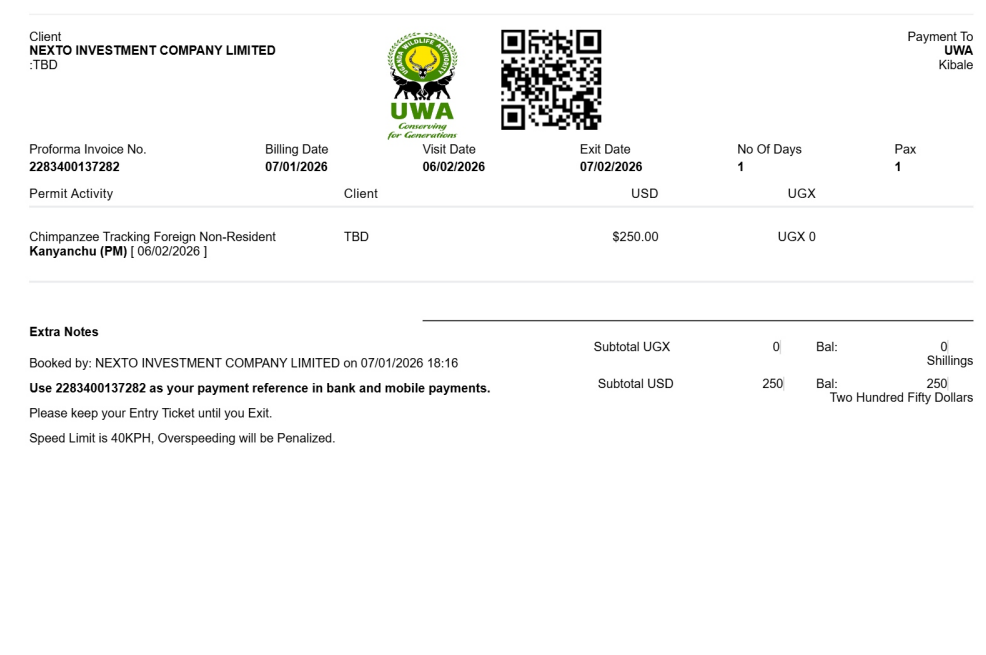
Foreign Non-Residents (FNR): USD 250
Foreign Residents (FR): USD 200
East African Citizens (EAC): UGX 180,000
This permit grants access to one hour of direct observation with a fully habituated chimpanzee community once the group has been located. The tracking process begins with a ranger briefing at the park headquarters, followed by a guided walk into the forest. Once the chimpanzees are encountered, visitors are allowed sixty minutes in their presence before returning.
The permit fee includes professional ranger guide services and regulated forest access. It does not include accommodation, transport, or meals. For travelers searching “Kibale chimpanzee trekking permit cost 2026,” these are the official rates applicable through the current pricing cycle, subject to future Uganda Wildlife Authority revisions before 2030.
Kibale’s trekking permits are particularly popular due to the park’s high encounter success rate. Daily monitoring of chimpanzee groups significantly improves sighting reliability compared to lower-density forests elsewhere in the region.
Kibale Chimpanzee Habituation Permit (2026–2030)
The Chimpanzee Trekking and Habituation Permit for the habituation experience in Kibale is priced slightly higher due to its extended duration and research-focused structure:
Foreign Non-Residents (FNR): USD 300
Foreign Residents (FR): USD 250
East African Citizens (EAC): UGX 250,000
This permit allows visitors to spend up to four hours in the forest alongside researchers and ranger teams tracking a chimpanzee community that is still undergoing the habituation process. Unlike standard trekking, which limits observation to one hour, the habituation experience provides extended exposure to chimpanzee feeding patterns, social hierarchy interactions, vocal communication, and territorial behavior.
Because only a small number of participants, typically around six per chimpanzee group per day are allowed under the habituation program, availability is significantly more limited. For travelers searching “Kibale chimpanzee habituation permit cost 2026” or planning immersive primate safaris through 2030, this experience remains the most in-depth chimpanzee encounter available in Uganda.
Why Kibale Permits Are the Most In-Demand (2026–2030)
Kibale National Park consistently records high chimpanzee sighting success due to its dense rainforest habitat and long-term research presence. Ranger teams track chimpanzee movements daily, increasing encounter reliability and minimizing uncertainty for visitors.
As international interest in primate tourism grows, Kibale’s Chimpanzee Trekking and Habituation Permit demand remains strong between 2026 and 2030. The combination of accessibility, structured conservation management, and immersive experience quality ensures that Kibale permits are often secured well in advance during peak travel seasons.
For travelers comparing Uganda chimpanzee trekking permit prices across locations, Kibale offers the strongest balance of reliability, immersion depth, and conservation-backed tourism standards.
Budongo Forest Chimpanzee Trekking & Habituation Permit (2026–2030)
Budongo Forest, located within the greater Murchison Falls National Park ecosystem in northwestern Uganda, offers one of the most established alternatives to Kibale for chimpanzee tracking. Known for its towering mahogany trees and long-standing conservation research presence, Budongo supports a healthy chimpanzee population and a structured tracking system that appeals to travelers combining primate experiences with classic savannah wildlife safaris.
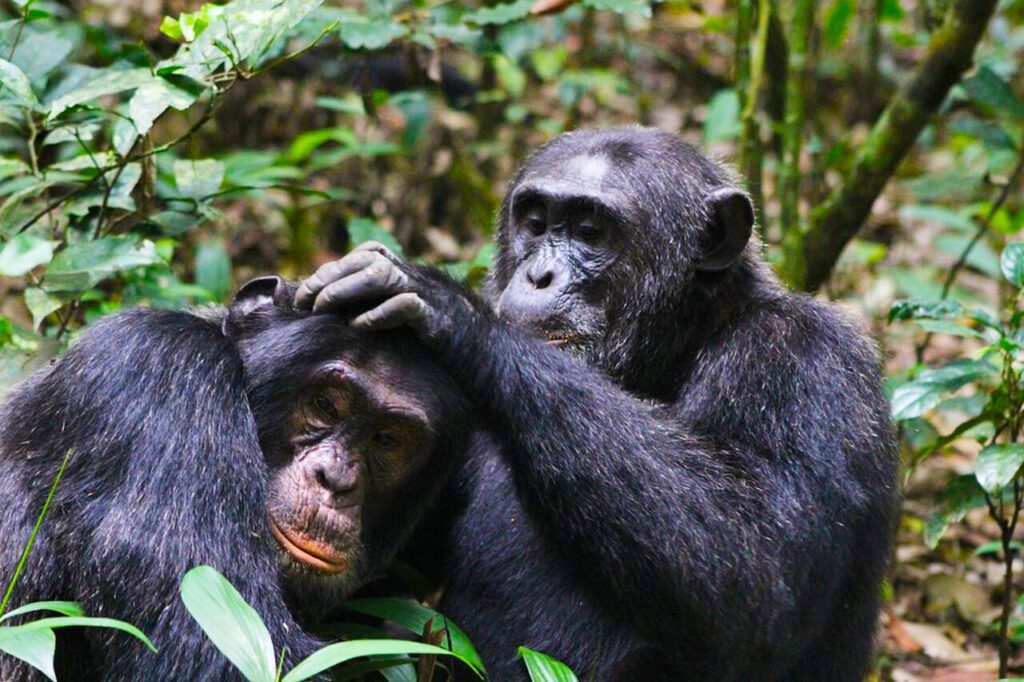
For visitors comparing Chimpanzee Trekking and Habituation Permit options between 2026 and 2030, Budongo presents a more moderately priced alternative to Kibale while maintaining strong encounter reliability. It is particularly attractive for travelers planning multi-park itineraries that include game drives and Nile boat safaris in Murchison Falls.
Budongo Chimpanzee Trekking Permit Prices (2026–2030)
Budongo’s chimpanzee trekking permit is typically slightly lower than Kibale’s rates, making it appealing for those researching “Budongo chimpanzee trekking cost” or seeking budget-friendly chimpanzee trekking in Uganda.
Approximate official rates are structured as follows:
Foreign Non-Residents (High Season): USD 130
Foreign Non-Residents (Low Season): USD 120
Foreign Residents (High Season): USD 120
Foreign Residents (Low Season): USD 110
East African Citizens (High Season): USD 85
East African Citizens (Low Season): USD 80
Seasonal pricing reflects demand fluctuations, with high season generally aligning with the dry months of December to February and June to September. During these periods, forest trails are drier and chimpanzee movement tracking is often easier due to reduced rainfall.
The standard Budongo Chimpanzee Trekking and Habituation Permit for trekking grants one hour of observation with a habituated chimpanzee community after successful location. Guided forest entry, ranger protection, and in most cases park entry fees are included within the permit structure, although some sources indicate separate forest entry charges for non-residents ranging between USD 40 and USD 45 depending on category and season.
Budongo Chimpanzee Habituation Experience (Full Day)
Budongo also offers a full-day chimpanzee habituation experience, although availability is more limited compared to Kibale’s research-driven program.
For Foreign Non-Residents, the habituation permit is approximately USD 230. This extended experience allows participants to spend significantly more time in the forest observing chimpanzee communities under monitored research conditions.
As with other Chimpanzee Trekking and Habituation Permit types in Uganda, the habituation option in Budongo is structured to minimize disturbance while allowing deeper behavioral observation. Visitors gain greater insight into feeding patterns, territorial calls, grooming interactions, and social hierarchy dynamics.
Key Details for Budongo Chimpanzee Permits
Budongo enforces a minimum age requirement of 15 years for chimpanzee trekking, consistent with national regulations designed to protect both visitors and primates. Daily visitor numbers are controlled, with approximately 16 participants allowed per day for trekking activities. This limit helps reduce stress on chimpanzee groups and maintain ecological sustainability.
The best time to visit Budongo Forest for chimpanzee trekking between 2026 and 2030 remains the dry seasons from December to February and June to September. During these months, forest trails are firmer and spotting conditions are generally more predictable. However, trekking operates year-round, and chimpanzee encounters remain possible during the rainy season due to daily monitoring by ranger teams.
Why Choose Budongo for Chimpanzee Trekking?
Budongo appeals particularly to travelers combining chimpanzee tracking with wildlife safaris in Murchison Falls National Park. Its proximity to the Nile and open savannah ecosystems allows for a diverse safari experience within a compact itinerary. For visitors comparing Uganda chimpanzee trekking permit prices across destinations, Budongo often emerges as a cost-effective yet reliable option.
While Kibale remains the benchmark for dense chimpanzee populations and immersive habituation programs, Budongo offers strong value, scenic rainforest environments, and structured conservation management under the same regulated Chimpanzee Trekking and Habituation Permit framework.
For travelers planning Uganda safaris between 2026 and 2030, Budongo Forest continues to provide a balanced blend of affordability, accessibility, and authentic primate encounters.
Kalinzu Forest Reserve Chimpanzee Trekking Permit (2026–2030)
Kalinzu Forest Reserve, located in western Uganda near the southern sector of Queen Elizabeth National Park, offers one of the most affordable chimpanzee trekking experiences in the country. Frequently appearing in searches for “cheap chimpanzee trekking Uganda,” Kalinzu has built a strong reputation among budget-focused travelers who want to experience wild chimpanzees without paying the higher permit rates associated with Kibale National Park.
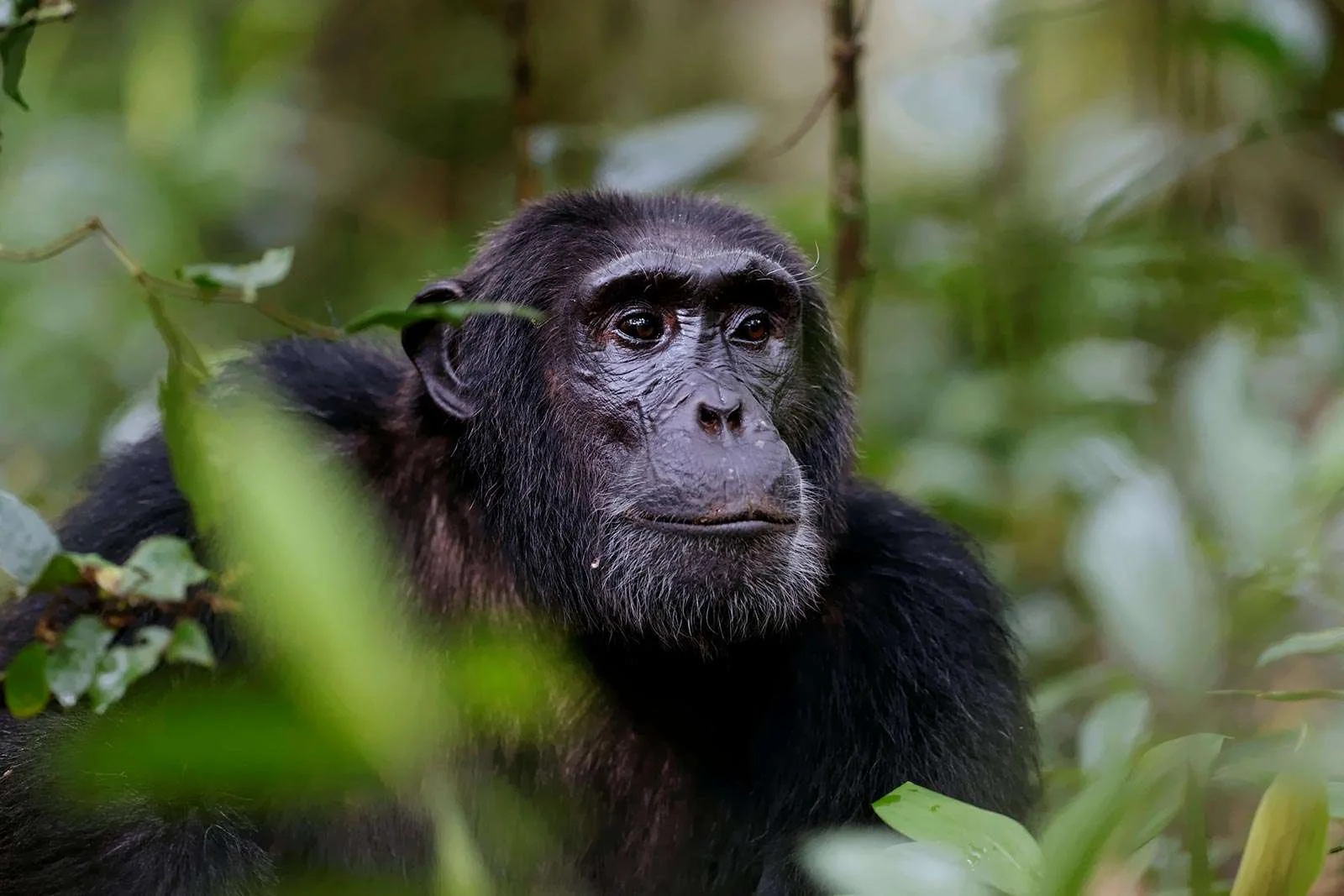
Between 2026 and 2030, Kalinzu continues to operate under a structured Chimpanzee Trekking and Habituation Permit framework, although it only offers standard chimpanzee trekking and does not provide a full habituation experience. This distinction is important for travelers comparing trekking versus extended immersion options.
Kalinzu Chimpanzee Trekking Permit
Kalinzu’s permit prices are typically lower than Kibale’s, making it attractive for budget chimpanzee trekking safaris in Uganda. While rates are subject to periodic adjustments, they generally remain among the most economical in the country.
The Kalinzu Chimpanzee Trekking and Habituation Permit category here covers one hour of observation with a habituated chimpanzee group after successful tracking. Ranger guide services are included, and the experience follows the same regulated conservation standards applied nationwide.
Because habituation permits are not available in Kalinzu, visitors seeking extended four-hour immersion must consider Kibale or other designated habituation locations. Kalinzu instead focuses on accessible, lower-cost chimpanzee trekking that appeals to travelers prioritizing affordability over duration.
Why Choose Kalinzu Forest Reserve?
Kalinzu is particularly appealing for travelers combining chimpanzee trekking with safaris in Queen Elizabeth National Park. Its location allows easy integration into multi-day wildlife itineraries without extensive additional transport costs.
Chimpanzee sightings in Kalinzu are generally reliable due to ongoing monitoring, though chimpanzee density is lower than in Kibale. The forest terrain consists of tropical woodland and mid-altitude rainforest, offering scenic but moderately demanding walking conditions.
For travelers comparing Uganda chimpanzee trekking permit prices between 2026 and 2030, Kalinzu remains one of the most cost-effective options. It provides a structured, authentic forest experience while keeping overall safari expenses manageable.
Kyambura Gorge Chimpanzee Trekking Permit (2026–2030)
Located within Queen Elizabeth National Park, Kyambura Gorge offers one of the most visually dramatic settings for chimpanzee trekking in Uganda. Often described as a “lost valley,” the gorge cuts through the savannah landscape, creating a lush forest corridor within the rift valley floor.
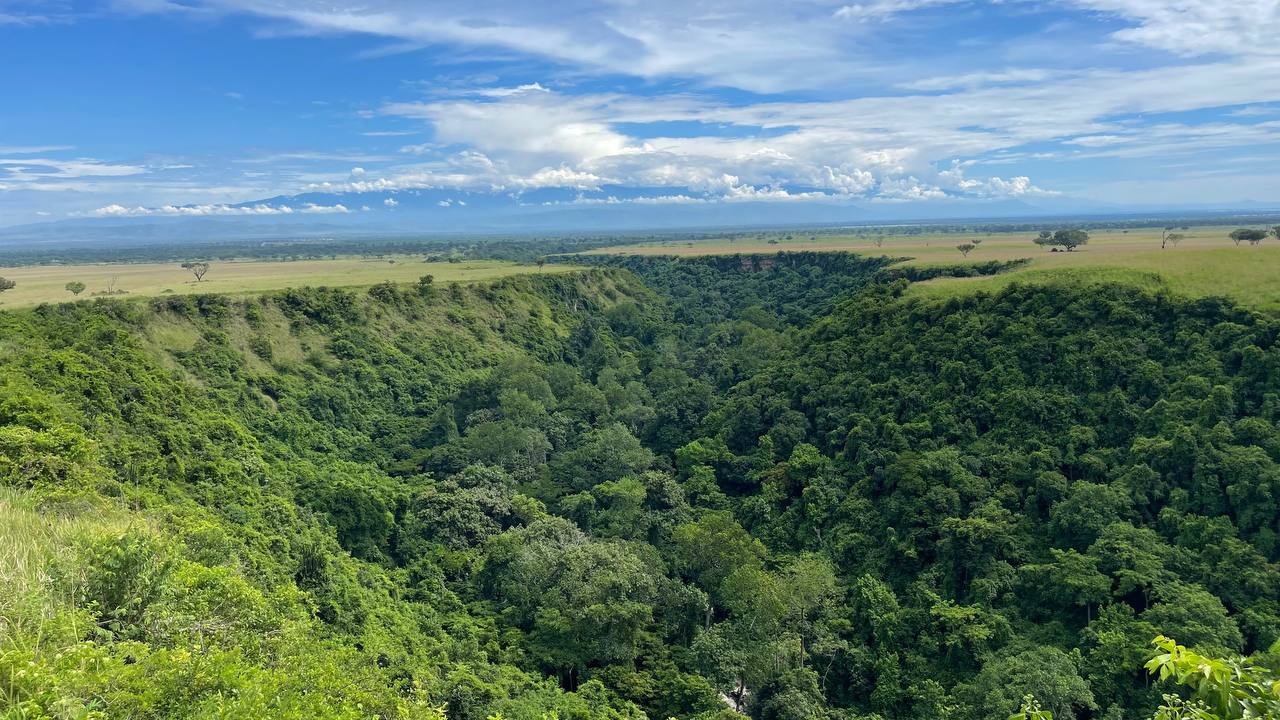
Kyambura’s unique geography makes it a popular addition to Queen Elizabeth safari itineraries. However, chimpanzee population density in Kyambura is smaller compared to Kibale, which can influence sighting predictability.
Kyambura Chimpanzee Permit Prices (2026–2030)
The Kyambura Chimpanzee Trekking and Habituation Permit category for trekking is structured as follows:
Foreign Non-Residents: USD 100
Foreign Residents: USD 80
East African Citizens: UGX 50,000
These rates represent the lowest official Uganda Wildlife Authority pricing for chimpanzee trekking in the country. For travelers searching “Kyambura Gorge chimpanzee permit price,” this remains the most affordable regulated permit available between 2026 and 2030.
The permit grants one hour of observation with a chimpanzee group once located and includes ranger guide services and regulated forest access within the gorge ecosystem.
Sighting Reliability and Experience
While Kyambura offers one of the lowest chimpanzee trekking permit costs in Uganda, sightings can be less predictable than in Kibale due to lower chimpanzee density. The gorge’s isolated forest structure means chimpanzee communities are smaller and sometimes more mobile.
That said, the trekking experience itself is visually distinctive. Visitors descend into a steep rift valley forest surrounded by savannah landscapes, creating a striking contrast between open plains and dense canopy. For travelers already visiting Queen Elizabeth National Park for game drives and boat safaris along the Kazinga Channel, adding Kyambura chimpanzee trekking creates a well-rounded wildlife itinerary.
Choosing Between Kalinzu, Kyambura, and Kibale
When comparing Chimpanzee Trekking and Habituation Permit options across Uganda between 2026 and 2030, the choice depends on priorities. Kibale offers the highest chimpanzee density and full habituation experiences. Kalinzu offers lower-cost trekking with strong reliability. Kyambura provides the most affordable permit within a dramatic gorge setting but with more variable sighting patterns.
Each destination operates under Uganda Wildlife Authority regulations, ensuring conservation standards remain consistent. For budget-focused travelers or those combining multiple parks, both Kalinzu Forest Reserve and Kyambura Gorge present viable alternatives within Uganda’s broader chimpanzee tourism network.
These options allow visitors to tailor their safari based on cost, immersion depth, and itinerary structure while remaining within the regulated Chimpanzee Trekking and Habituation Permit framework.
Ngamba Island Chimpanzee Sanctuary Visit Cost (2026–2030)
Ngamba Island Chimpanzee Sanctuary offers a very different type of primate encounter compared to forest-based chimpanzee trekking. Located on Lake Victoria, the sanctuary provides a protected environment for rescued and orphaned chimpanzees that can no longer survive in the wild. Unlike Kibale, Budongo, Kalinzu, or Kyambura, Ngamba Island does not operate under a traditional Chimpanzee Trekking and Habituation Permit structure because it is not a wild tracking experience.
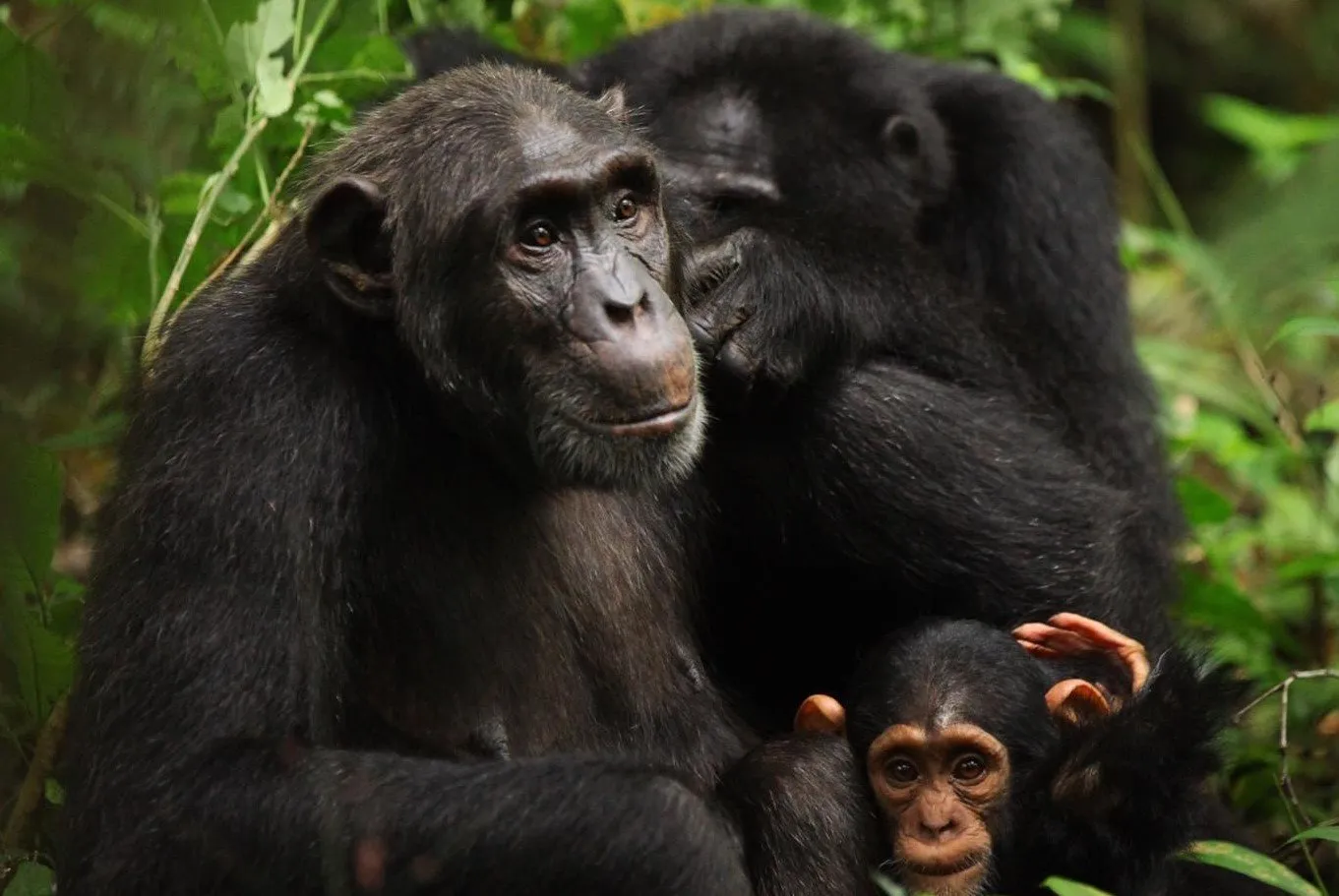
Visitors to Ngamba Island do not hike through rainforest terrain or track free-ranging chimpanzee communities. Instead, they observe scheduled feeding sessions from a raised viewing platform and learn about ongoing conservation, veterinary care, and rehabilitation programs. This makes Ngamba particularly attractive to travelers who want a chimpanzee encounter without extended forest walking.
When searching “Ngamba Island chimpanzee sanctuary price,” travelers should understand that costs typically include boat transport from Entebbe, sanctuary entry fees, and guided interpretation services. Pricing varies depending on whether visitors choose a half-day excursion, a full-day trip, or an overnight stay on the island.
Because the sanctuary is accessible by boat from Entebbe, it is one of the most convenient chimpanzee experiences in Uganda for short-stay visitors or families traveling with children who may not meet the minimum age requirement for forest trekking.
While Ngamba Island does not issue a Chimpanzee Trekking and Habituation Permit in the traditional sense, it remains an important component of Uganda’s primate conservation landscape. The sanctuary provides educational insight into chimpanzee behavior, rescue efforts, and long-term protection initiatives.
For travelers planning Uganda primate safaris between 2026 and 2030, Ngamba Island serves as a complementary experience rather than a substitute for wild chimpanzee trekking.
What Is Included in Uganda Chimpanzee Trekking and Habituation Permits?
Understanding what is included in a Chimpanzee Trekking and Habituation Permit is essential for accurate budgeting and safari planning between 2026 and 2030. Many travelers assume that the permit fee covers all aspects of the experience, but this is not always the case.
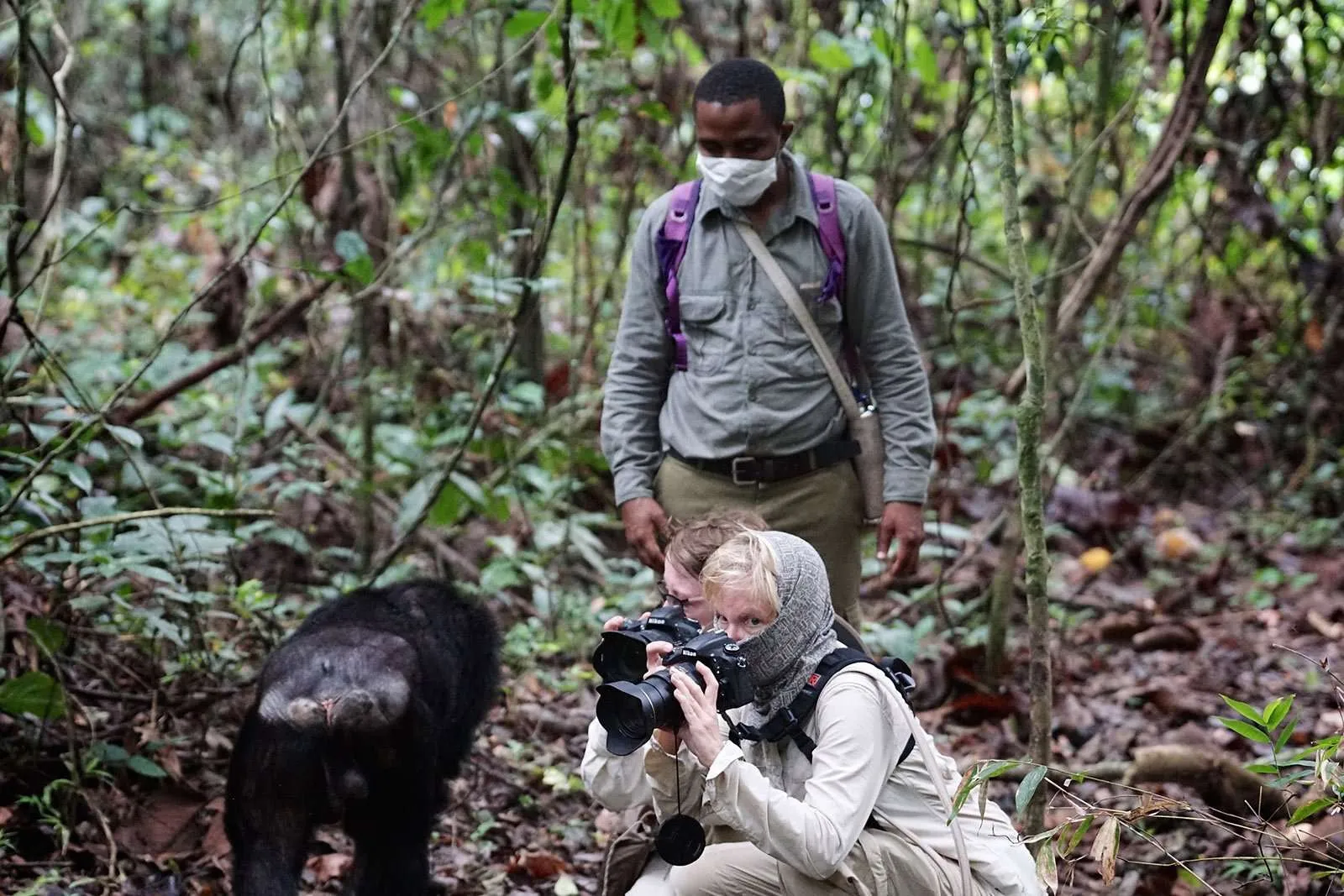
In most locations across Uganda, an official Chimpanzee Trekking and Habituation Permit includes professional ranger guide services. These trained guides lead the forest tracking experience, provide safety briefings, interpret chimpanzee behavior, and ensure adherence to conservation protocols.
Forest access is also included in the permit. Visitors are granted regulated entry into designated tracking zones within national parks or forest reserves under the supervision of the Uganda Wildlife Authority or affiliated conservation organizations.
Regulated viewing time forms a core component of the permit structure. Standard chimpanzee trekking permits allow one hour of observation once the chimpanzees are located. Habituation permits allow extended observation time—typically up to four hours—depending on the location and program design.
However, it is equally important to understand what the Chimpanzee Trekking and Habituation Permit does not include. Accommodation near the tracking location is not covered by the permit fee. Transport to and from the forest reserve or national park must be arranged separately, either through a safari operator or private vehicle hire.
Meals are not included in the permit cost, and in some locations park entrance fees may be charged separately from the trekking permit. Travelers should confirm whether the forest entry fee is bundled into the Chimpanzee Trekking and Habituation Permit or charged independently, as this varies slightly between destinations.
Clarity around inclusions and exclusions prevents confusion when calculating the total cost of Budget Chimpanzee Trekking Safaris in Uganda. Between 2026 and 2030, permit pricing may evolve slightly, but the structure of inclusions—guide services, forest access, and regulated viewing time—remains consistent across official Uganda Wildlife Authority programs.
Understanding these details allows travelers to plan realistically, compare locations effectively, and avoid unexpected expenses when designing their Uganda primate safari.
Estimated Total Safari Cost (2026–2030)
When planning Budget Chimpanzee Trekking Safaris in Uganda, it is important to understand that the official Chimpanzee Trekking and Habituation Permit represents only one component of the total safari cost. While permit prices are fixed by the Uganda Wildlife Authority, the overall expense of a chimpanzee safari depends on itinerary structure, transport logistics, accommodation category, and group size.
For travelers budgeting between 2026 and 2030, realistic total package estimates help avoid underestimating the true cost of the experience.
A one-day chimpanzee trekking safari in Kibale National Park typically ranges between USD 350 and USD 600 per person. This estimate includes the Chimpanzee Trekking and Habituation Permit for trekking, private or shared transport from a nearby base such as Fort Portal, professional guiding, and basic logistical coordination. Pricing varies depending on whether transport is shared or private and whether the departure point is Entebbe, Kampala, or western Uganda.
A two-day chimpanzee habituation safari generally ranges between USD 650 and USD 1,100 per person. This higher range reflects the additional cost of the habituation permit, accommodation near Kibale, meals, and structured transport. Because the Chimpanzee Trekking and Habituation Permit for habituation allows up to four hours in the forest, the extended immersion justifies the modest increase in permit cost compared to standard trekking.
For travelers combining chimpanzee tracking with additional wildlife experiences, a three- to five-day safari that includes chimpanzee trekking or habituation alongside game drives in Queen Elizabeth National Park or Murchison Falls National Park typically ranges between USD 900 and USD 1,800 per person. The broader range reflects variations in lodge category, distance traveled, and whether the safari is private or part of a small group.
Several key factors influence final pricing between 2026 and 2030. Transport remains one of the most significant cost variables, particularly for travelers starting in Kampala or Entebbe. Accommodation category also plays a major role, with budget lodges offering substantial savings compared to midrange or luxury properties. Group size further impacts cost distribution, as vehicle and guide expenses can be shared among participants.
Understanding these components ensures that travelers evaluating Uganda chimpanzee trekking permit prices do not mistake permit cost for total safari cost. The Chimpanzee Trekking and Habituation Permit is foundational, but it is the supporting logistics that determine the full investment required.
Will Uganda Chimpanzee Permit Prices Increase by 2030?
While official Uganda chimpanzee trekking permit prices for 2026 are publicly published and regulated, long-term projections toward 2030 suggest that gradual adjustments are possible. Wildlife tourism in Uganda operates within a conservation funding framework, meaning permit revenues directly support habitat protection, ranger salaries, research programs, and anti-poaching initiatives.
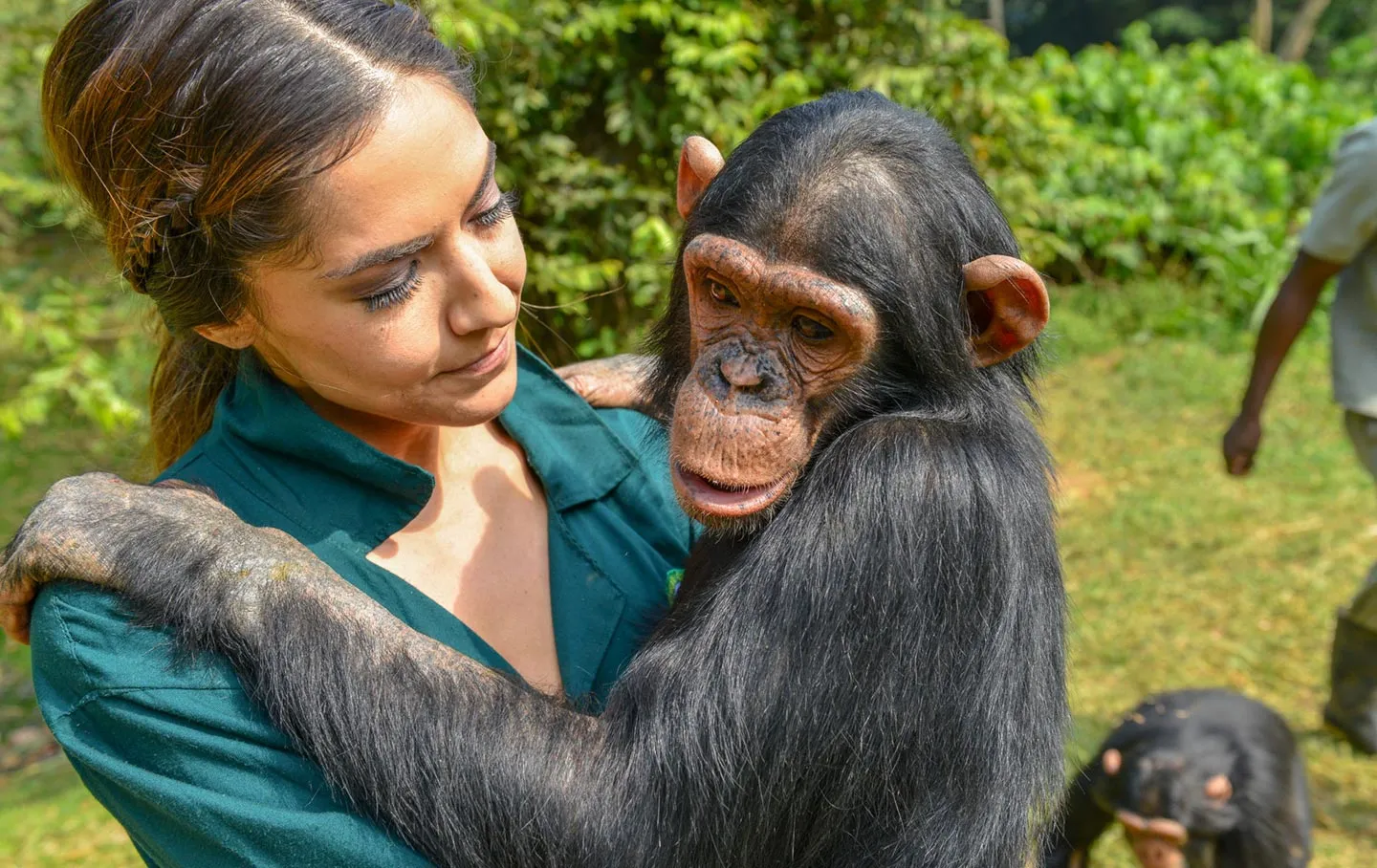
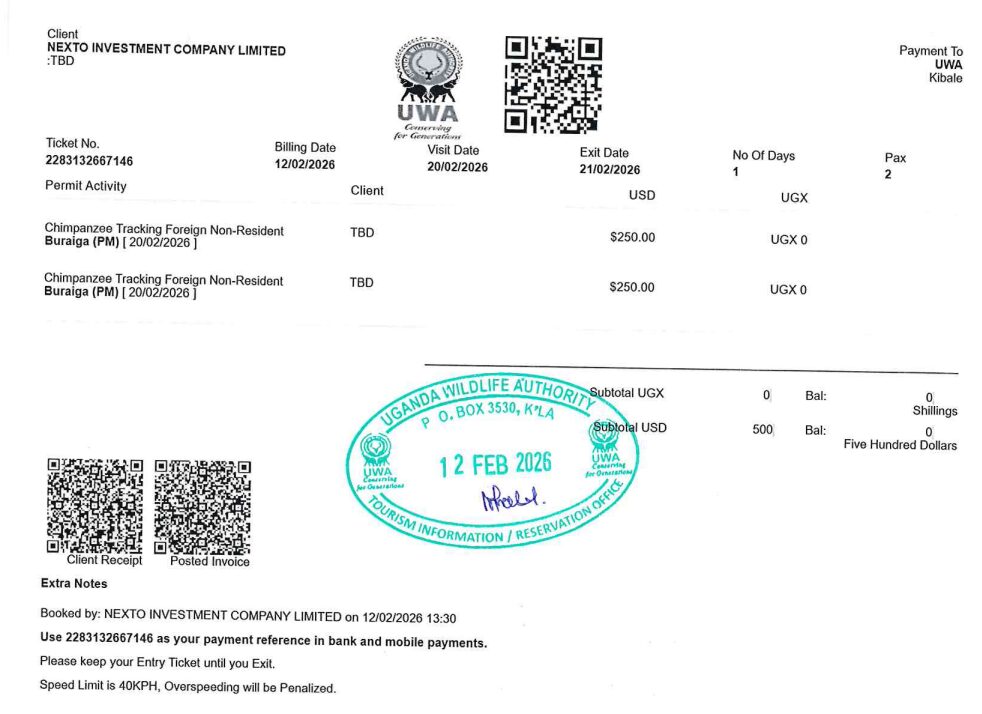
Several factors may influence future pricing of the Chimpanzee Trekking and Habituation Permit between now and 2030.
First, conservation funding needs continue to evolve. As protected areas expand and research initiatives grow, permit revenue remains a primary source of operational sustainability. Adjustments to permit pricing help maintain ecological balance while supporting community development around protected areas.
Second, international demand for primate tourism is steadily increasing. Uganda’s reputation as a premier chimpanzee and gorilla destination strengthens year after year. As global interest rises, controlled price adjustments help regulate visitor numbers while preserving experience quality.
Third, inflation and park management costs inevitably affect operational budgets. Infrastructure maintenance, ranger training, and conservation monitoring all require financial stability, which may be reflected in incremental permit revisions over time.
That said, Uganda Wildlife Authority typically announces pricing changes well in advance, allowing travelers and safari operators to plan accordingly. For travelers organizing trips several years ahead, confirming Chimpanzee Trekking and Habituation Permit rates at the time of booking is always recommended.
Between 2026 and 2030, Uganda is expected to maintain competitive pricing relative to other primate destinations in Africa. Even if incremental increases occur, chimpanzee trekking and habituation in Uganda will likely remain one of the most accessible and conservation-focused primate experiences on the continent.
Understanding potential pricing evolution ensures informed planning and avoids last-minute surprises when structuring long-term Uganda safari itineraries.