
Discover Uganda’s Hidden Wildlife Gems
Unforgettable Guide: Discover Uganda’s Hidden Wildlife Gems Beyond the Famous Parks
Discover Uganda’s Hidden Wildlife Gems and you quickly realise that the country’s wildlife story extends far beyond mountain gorillas, chimpanzees and the famous game-drive circuits of Murchison Falls and Queen Elizabeth National Park. Uganda Wildlife Authority currently manages 10 national parks, 12 wildlife reserves and additional sanctuaries and community wildlife areas, creating an extraordinary network of protected landscapes ranging from semi-arid northeastern savannah and papyrus wetlands to lowland tropical rainforest and volcanic bamboo forest. Many travellers visit only three or four of these areas, leaving vast parts of Uganda’s wildlife map remarkably quiet.
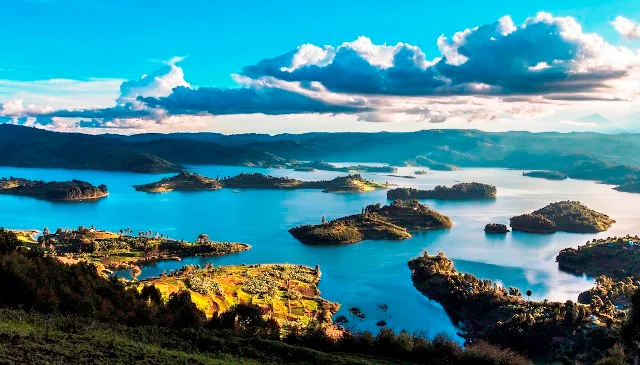
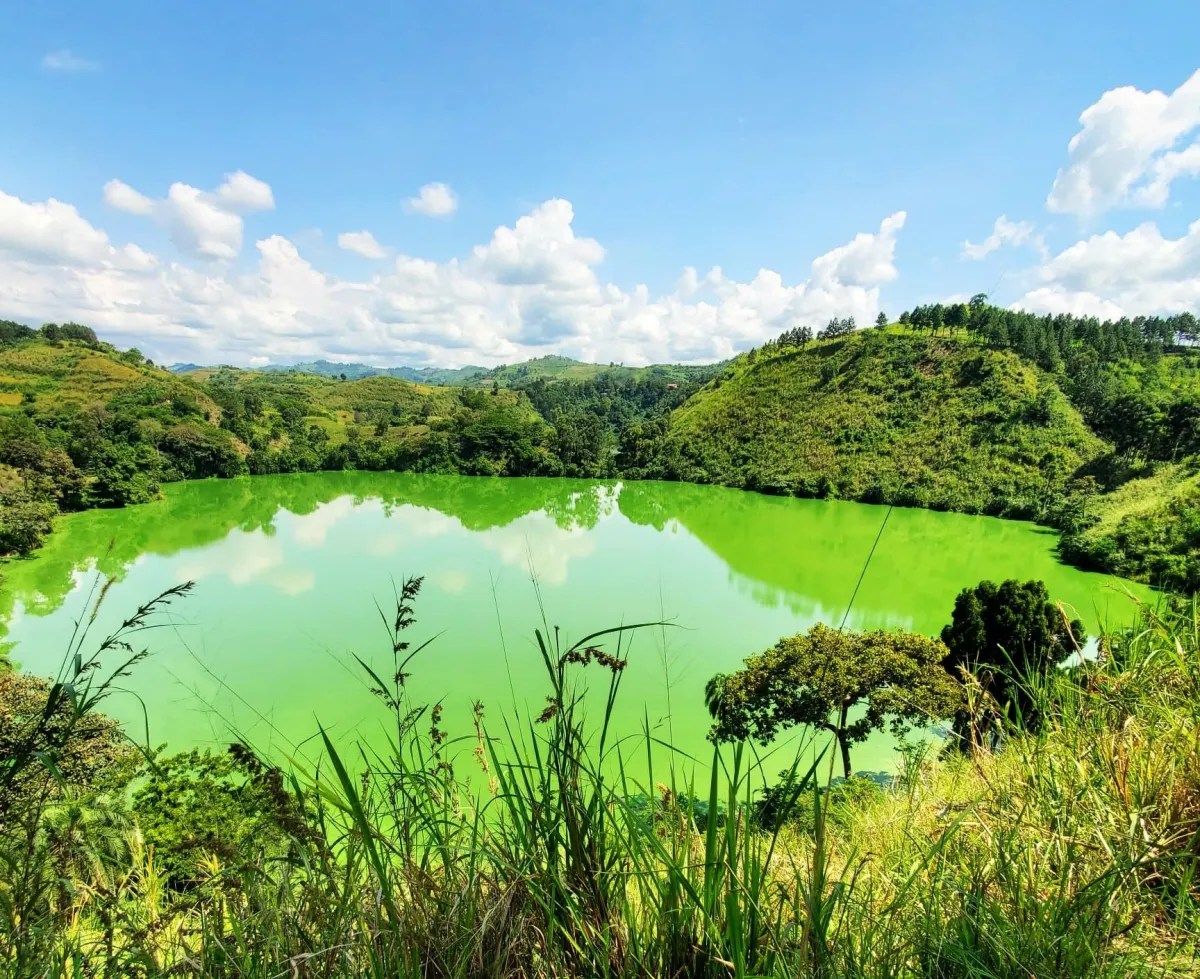
This is exactly what makes Uganda so rewarding for travellers who want something beyond the standard African safari itinerary. Discover Uganda’s Hidden Wildlife Gems You can watch zebras from a walking trail in Lake Mburo, search for shoebills through the papyrus channels of Mabamba Bay, explore Central African birdlife in Semuliki, track golden monkeys beneath the Virunga volcanoes, travel into the immense wilderness of Kidepo or venture toward developing conservation landscapes such as Pian Upe. Even within famous Queen Elizabeth National Park, the remote Ishasha sector creates a completely different atmosphere from the busier Kasenyi Plains and Kazinga Channel.
To Discover Uganda’s Hidden Wildlife Gems properly, the aim should not be to replace iconic experiences such as gorilla trekking in Bwindi or a Nile safari in Murchison Falls National Park. The most rewarding journey combines Uganda’s celebrated highlights with quieter places that reveal how diverse the country really is. A traveller might trek gorillas in Bwindi, search for tree-climbing lions in Ishasha, walk among zebras in Lake Mburo and finish with shoebill birding near Entebbe. Longer journeys can extend north into Kidepo or east toward Pian Upe for a safari that feels dramatically removed from Uganda’s most travelled tourism routes.
Why Uganda’s Lesser-Known Wildlife Areas Deserve More Attention
Uganda’s headline wildlife experiences are famous for good reason. Bwindi protects globally significant mountain-gorilla habitat, Kibale is an important primate destination, Murchison combines wildlife with the Nile and Queen Elizabeth provides game drives, the Kazinga Channel and diverse ecosystems. Yet Uganda Wildlife Authority’s protected-area network extends much farther, including Lake Mburo, Semuliki, Mgahinga, Kidepo and reserves such as Pian Upe and Katonga. This diversity allows repeat visitors—and adventurous first-time travellers—to build itineraries around ecosystems rather than simply collecting the best-known parks.
The quieter reserves often provide a different safari rhythm. Wildlife densities can be less predictable, infrastructure may be simpler and driving distances may be longer, but the reward is space. Instead of approaching every morning game drive expecting a checklist of famous mammals, travellers begin paying attention to landscapes, tracks, bird calls, smaller antelopes, conservation stories and the relationship between wildlife and surrounding communities. These journeys suit photographers, birders, naturalists and experienced safari travellers particularly well because the destination becomes interesting even when there is no lion beside the road.
NextGen Safaris can connect these lesser-known areas with Uganda’s established routes. Travellers who want the country’s complete wildlife spectrum can use the 17 Days Uganda Wildlife Adventure as inspiration, while a more conventional first journey can begin with the Ultimate Uganda Wildlife Safari and then add one or two less-visited destinations according to available time. The goal is not to make the itinerary unnecessarily long; it is to choose hidden places that genuinely match the traveller’s interests.
Kidepo Valley National Park – Uganda’s Remote Wilderness Frontier
Kidepo Valley National Park is one of the most powerful places to Discover Uganda’s Hidden Wildlife Gems because its remoteness has preserved a sense of scale and isolation difficult to find on heavily travelled safari circuits. Discover Uganda’s Hidden Wildlife Gems Located in Uganda’s far northeast, Kidepo sits within rugged mountains and broad savannah valleys close to the borders with South Sudan and Kenya. Long roads, dramatic skies and distant ridges give the park a completely different visual identity from the wetter western landscapes around Bwindi, Kibale and Queen Elizabeth.
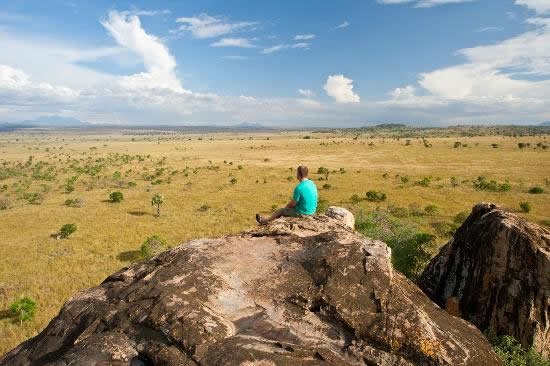
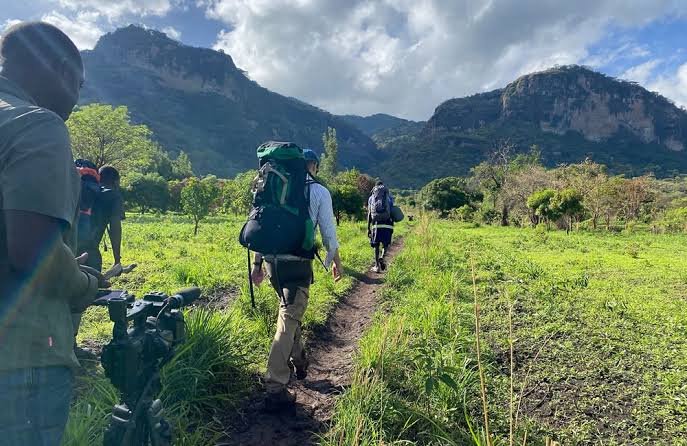
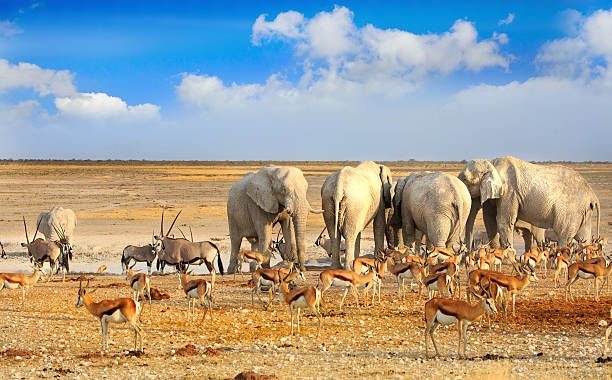
Wildlife encounters may include elephants, buffaloes, giraffes, antelopes, predators and an impressive range of dry-country birds. Discover Uganda’s Hidden Wildlife Gems Uganda Wildlife Authority described Kidepo during its 2025 Open Parks programme as classic African wilderness offering a remote safari where culture and conservation meet across dramatic landscapes. That remoteness matters: spending two or three nights here gives travellers time for morning and afternoon game drives without the constant movement between lodges that can dilute a safari.
Kidepo is also entering an important new stage in Uganda’s rhino-conservation story. In March 2026, Uganda Wildlife Authority began returning southern white rhinos to Kidepo, starting with the movement of two individuals from Ziwa Rhino Sanctuary. UWA stated that the wider programme was designed to move a total of eight rhinos into the park, marking the species’ return to Kidepo after more than four decades. Because reintroduction is an ongoing conservation process rather than a guaranteed tourism spectacle, travellers should not plan a Kidepo visit solely around rhino sightings; the deeper value remains the park’s exceptional wilderness character.
Pian Upe Wildlife Reserve – One of Uganda’s Most Intriguing Emerging Safari Landscapes
Pian Upe Wildlife Reserve is a compelling destination for experienced safari travellers because it shows wildlife conservation as a process rather than a finished tourism product. Located in eastern Uganda north of Mount Elgon, the reserve covers a vast plateau of wooded savannah, seasonal watercourses and open plains beneath Mount Kadam. Discover Uganda’s Hidden Wildlife Gems Uganda Wildlife Authority describes Pian Upe as connected northward with Matheniko through the Bokora corridor, placing it within a much larger northeastern wildlife landscape.
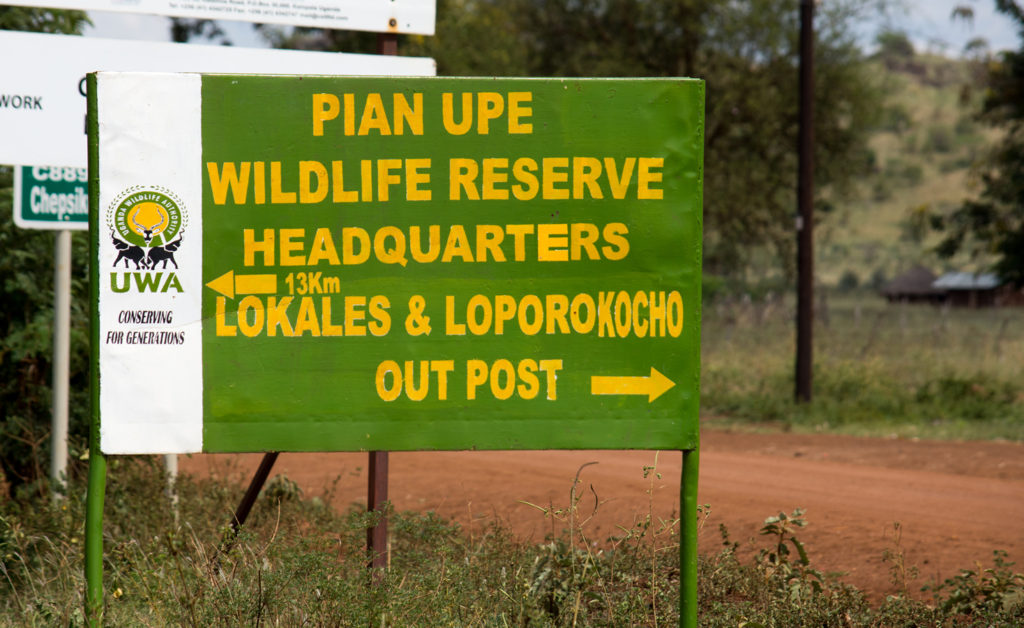
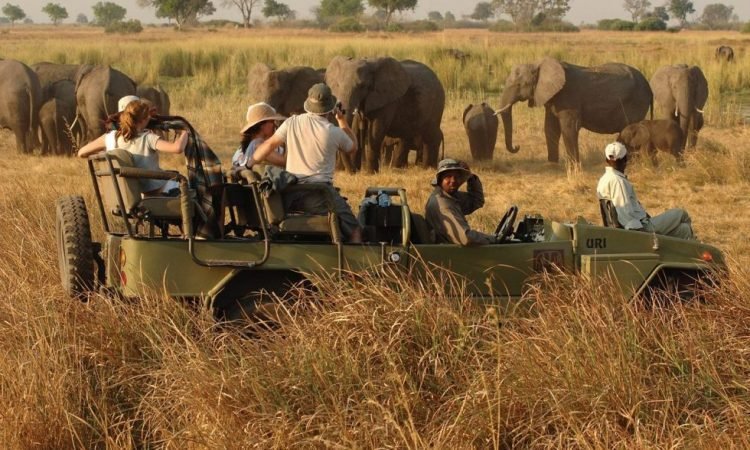
Historically the reserve has supported an unusual range of species including roan antelope, Jackson’s hartebeest, buffalo, waterbuck, oribi and important dry-country birds such as ostrich and secretary bird. UWA also acknowledges that settlement, livestock pressure and previous poaching substantially affected wildlife populations, so Pian Upe should not be marketed as though it offers the predictable game density of the Serengeti or Maasai Mara. That honesty actually makes the reserve more interesting for conservation-minded travellers who want to understand how wildlife landscapes recover.
Conservation investment is now helping reshape Pian Upe’s future. UWA and Space for Giants entered a co-management partnership intended to restore the reserve and increase ecological and economic benefits for surrounding communities. More recently, UWA highlighted Pian Upe as a hidden treasure suitable for game drives, birdwatching, nature walks and cultural interaction. Travellers interested in eastern Uganda, Mount Elgon or longer overland routes toward Kidepo can therefore consider Pian Upe as an emerging addition rather than expecting a conventional high-density safari park.
Semuliki National Park – A Taste of Central Africa Inside Uganda
Semuliki National Park is one of Uganda’s most distinctive protected areas because its ecology feels more Central African than East African. Discover Uganda’s Hidden Wildlife Gems The Semuliki River forms part of Uganda’s western boundary with the Democratic Republic of Congo, while the forest itself represents an eastern extension of Congo Basin-type lowland rainforest. Uganda Wildlife Authority describes the park as Uganda’s only true lowland tropical rainforest and emphasises the presence of wildlife and bird species with strong Central African affinities.
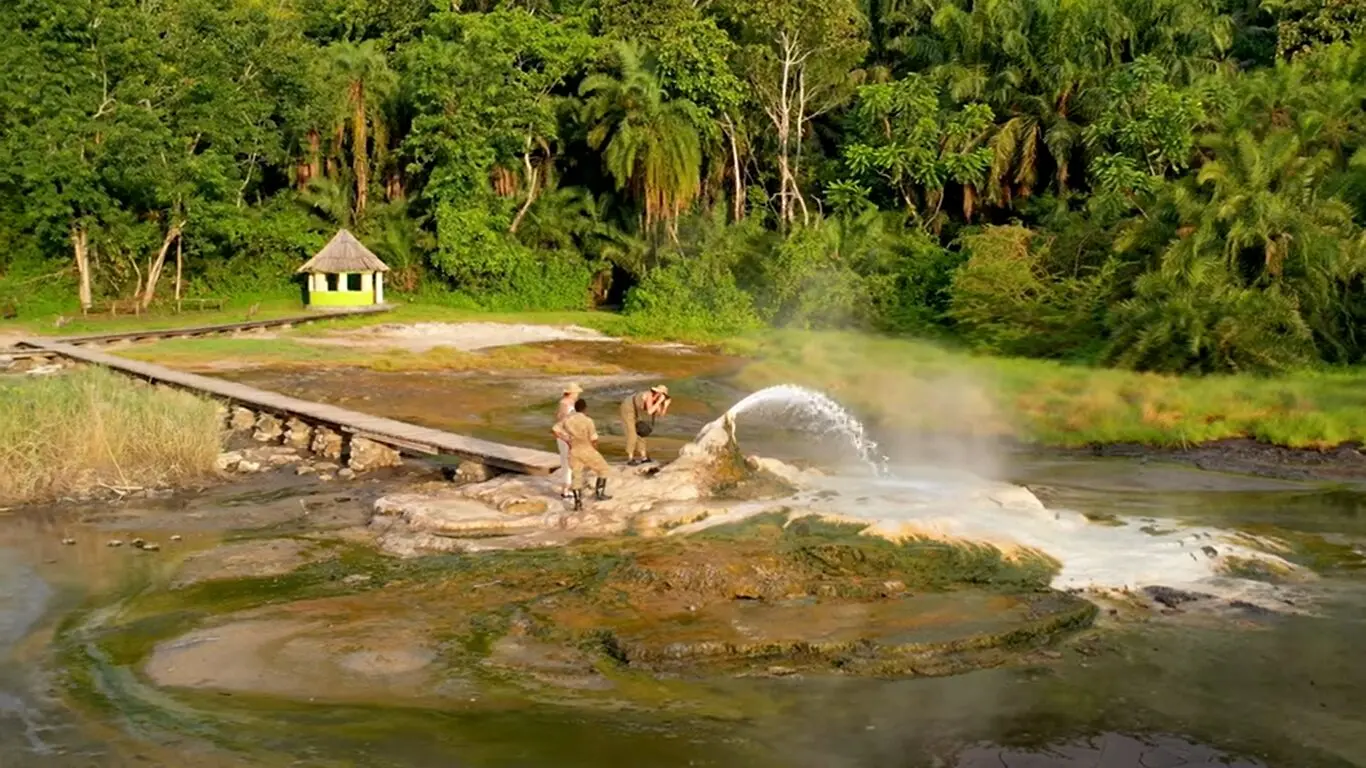
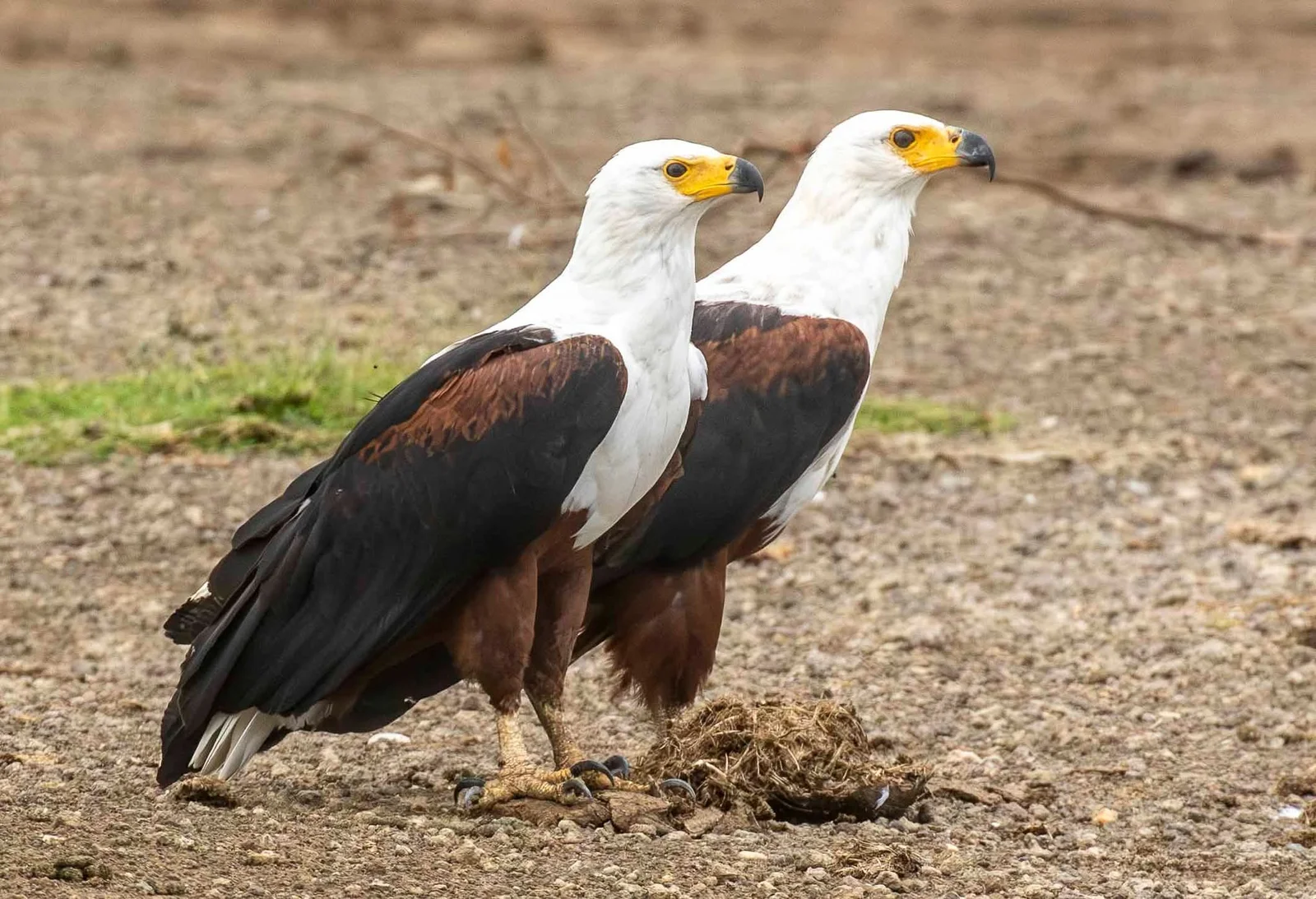
For birdwatchers, Semuliki is one of the strongest reasons to move beyond Uganda’s famous safari parks. UWA documentation records more than 400 bird species and an exceptional collection of Congo-Guinea biome species with extremely limited East African ranges. It also records mammals including forest buffalo, specialised forest antelopes and several primates. This is not a park where every visitor should expect elephants conveniently beside the road. Its value lies in biodiversity, forest atmosphere and the possibility of finding species that are difficult or impossible to encounter elsewhere on a conventional Uganda circuit.
The famous Sempaya Hot Springs add a geological dimension to the wildlife experience. Forest trails lead toward steaming geothermal springs surrounded by vegetation, creating one of Uganda’s most unusual natural landscapes. Discover Uganda’s Hidden Wildlife Gems A Semuliki extension works particularly well after Kibale because the two protected areas reveal completely different forest systems within western Uganda. Travellers who love birds, botany, primates and slow nature observation may find Semuliki considerably more rewarding than adding yet another standard game drive.
Lake Mburo National Park – Uganda’s Intimate Walking and Zebra Safari
Lake Mburo is sometimes overlooked because it is much smaller than Queen Elizabeth or Murchison Falls, yet that scale is precisely what makes it special. Uganda Wildlife Authority calls it Uganda’s most accessible savannah park and highlights zebras, impalas, wetlands, woodland and more than 300 bird species. Activities include game drives, boat safaris and guided walking experiences, giving visitors ways to explore the landscape that are not available everywhere else.
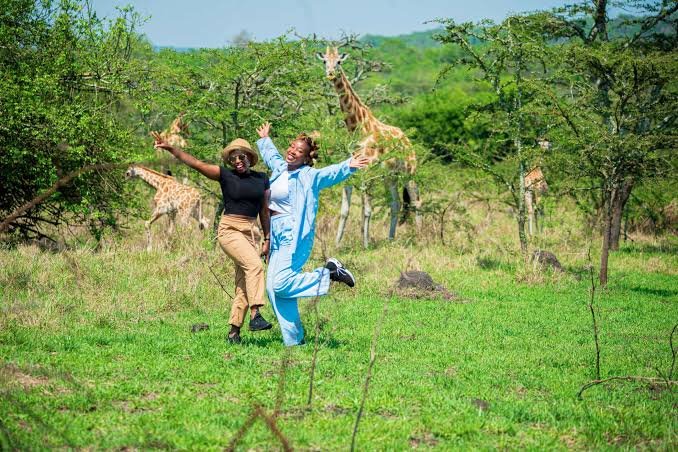
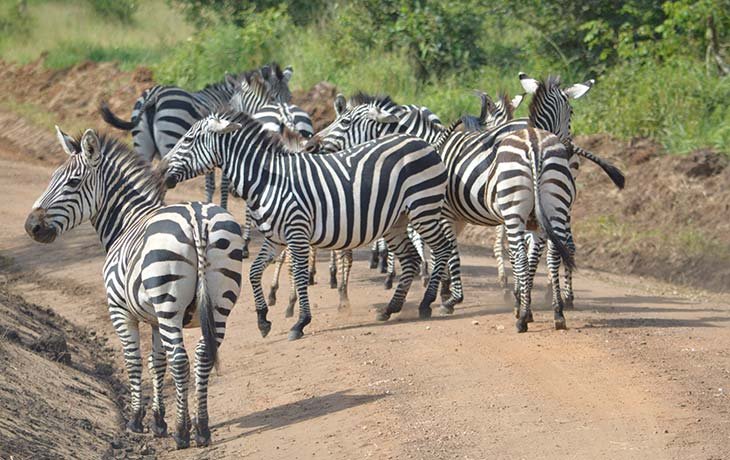
The park is particularly memorable because wildlife viewing does not have to remain vehicle-based. Guided walking safaris create opportunities to experience zebras, antelopes and savannah landscapes at ground level, with the ranger interpreting tracks, behaviour and habitat along the way. This slower form of wildlife observation can be surprisingly powerful after several days of traditional game drives. A boat excursion adds hippos, waterbirds and lakeside scenery, while evening drives can reveal a completely different side of the ecosystem.
Lake Mburo is also strategically located on the route between Entebbe or Kampala and southwestern Uganda. That makes it an excellent beginning or ending for a Bwindi gorilla safari rather than an isolated detour. Travellers can explore the complete Lake Mburo National Park safari guide or choose a focused 3 Days Lake Mburo Safari. For anyone trying to Discover Uganda’s Hidden Wildlife Gems without adding huge transfer distances, Lake Mburo is one of the easiest and most rewarding choices.
Mgahinga Gorilla National Park – Much More Than a Second Gorilla Destination
Mgahinga is often described only as Uganda’s alternative gorilla trekking park, but this dramatically understates its wildlife value. The park forms part of the Virunga volcanic ecosystem and combines bamboo forest, high-altitude vegetation and imposing volcanic scenery. Gorilla trekking is available here, yet the destination also protects one of Uganda’s most distinctive primates: the endangered golden monkey.
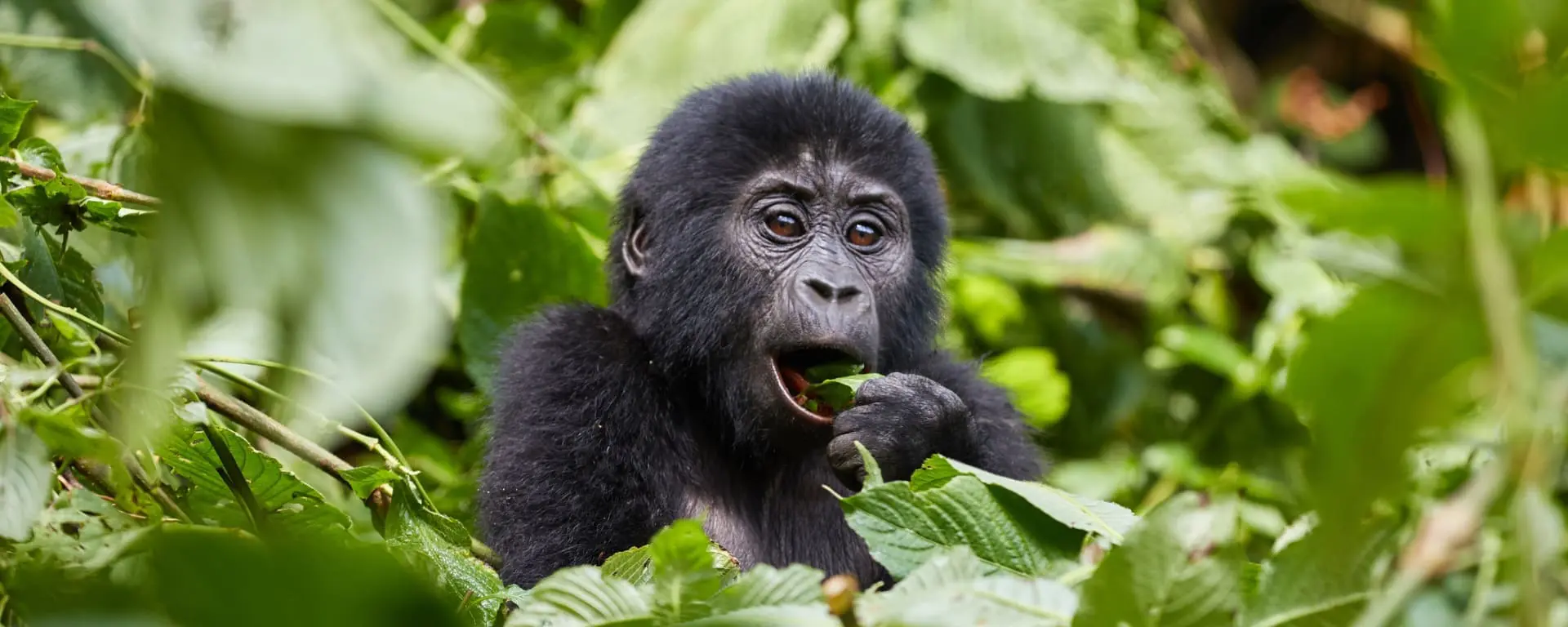
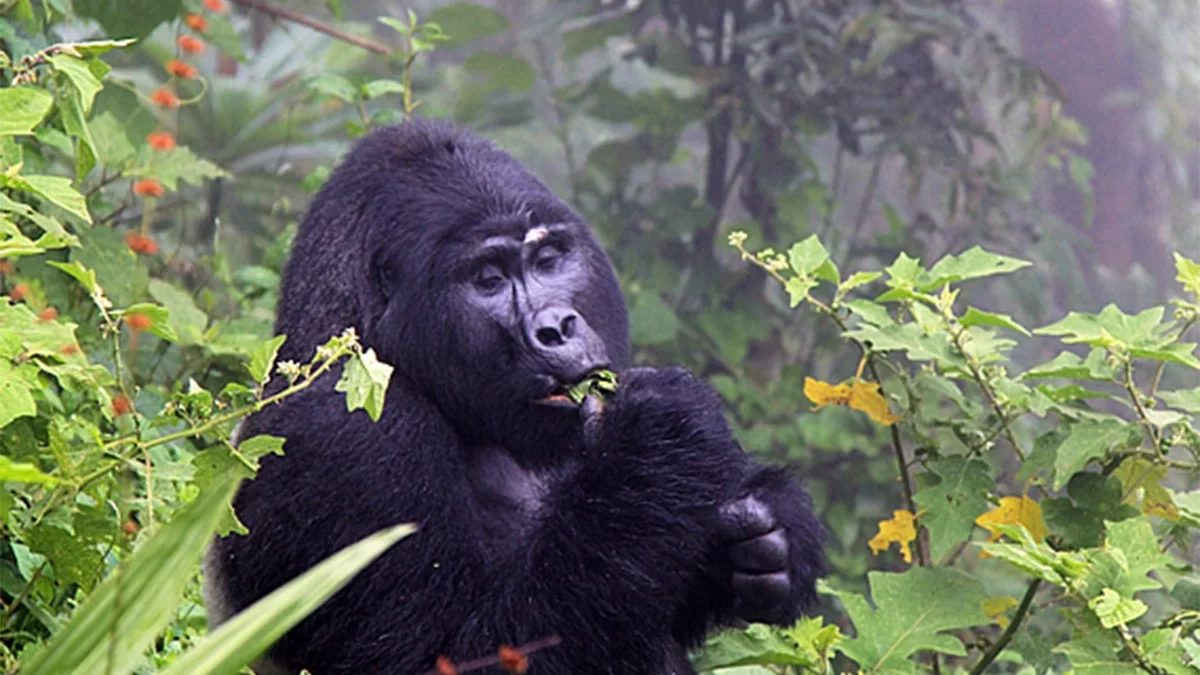
Uganda Wildlife Authority describes golden monkeys as endemic to the Virunga landscape and currently offers both standard tracking and a more specialised golden monkey experiential activity involving habituated and semi-habituated troops. The experience is energetic and visually different from gorilla trekking because golden monkeys move rapidly through bamboo, feeding and interacting above and around trekkers. For primate photographers, spending an additional day with golden monkeys can produce a completely different portfolio from the slower, more intimate mountain-gorilla encounter.
Mgahinga can be incorporated easily with southwestern Uganda routes. A traveller may complete a gorilla trek in Bwindi, continue toward Mgahinga for golden monkeys and then move north through Lake Mburo, Queen Elizabeth or Kibale. Travellers wanting a shorter gorilla programme can also review NextGen Safaris’ Uganda tour collection, which includes a 3-Day Mgahinga Gorilla Trekking Safari. The important point is that Mgahinga deserves consideration even when another gorilla trek is not required.
Ishasha – The Wild Southern Side of Queen Elizabeth National Park
Queen Elizabeth National Park is hardly hidden, but its Ishasha sector feels very different from the better-known Kasenyi Plains and Kazinga Channel. Located in the southern part of the park on the route toward Bwindi, Ishasha contains broad savannah, riverine woodland and famous fig trees historically associated with tree-climbing lions. Uganda Wildlife Authority confirms that the sector is known for this unusual behaviour and also supports topi and other wildlife.
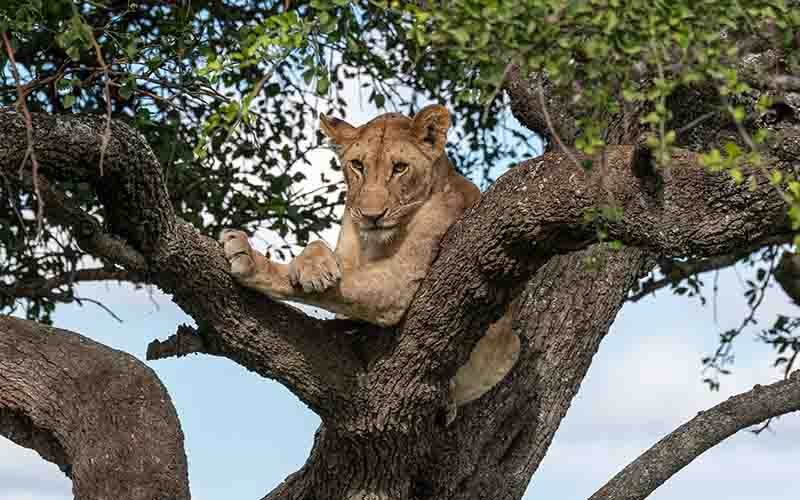
Ishasha is particularly valuable because it converts the road between Queen Elizabeth and Bwindi into a wildlife experience. Instead of leaving one park and simply driving toward the next lodge, travellers can spend time searching the southern plains before continuing toward the gorilla forests. UWA specifically notes that the route between Queen Elizabeth and Bwindi passes through Ishasha, giving travellers the opportunity to look for the area’s iconic lions. A 3-Day Queen Elizabeth National Park Safari can also form part of a longer circuit when wildlife viewing is a major priority.
Expectations should nevertheless be realistic. In September 2026, UWA and the Wildlife Conservation Society launched a new Ishasha conservation partnership and reported that the known adult lion population in the sector had declined sharply to only three individuals, making recovery efforts urgent. This means no operator should promise a tree-climbing lion sighting. Ishasha remains worth visiting for its landscape, isolation, topi and overall ecosystem, while any lion encounter should be treated as the exceptional privilege it genuinely is.
Mabamba Bay – Uganda’s Shoebill Wetland Close to Entebbe
Mabamba Bay proves that one of Uganda’s most memorable wildlife experiences does not require a long cross-country safari. Located west of Kampala and accessible from the broader Entebbe region, the wetland consists largely of papyrus, reeds, sedges, water lilies and channels navigated by small boats. UWA bird-monitoring work has identified the wetland as important habitat for the shoebill and other species of conservation interest, with bird-focused ecotourism developing around these papyrus waterways.
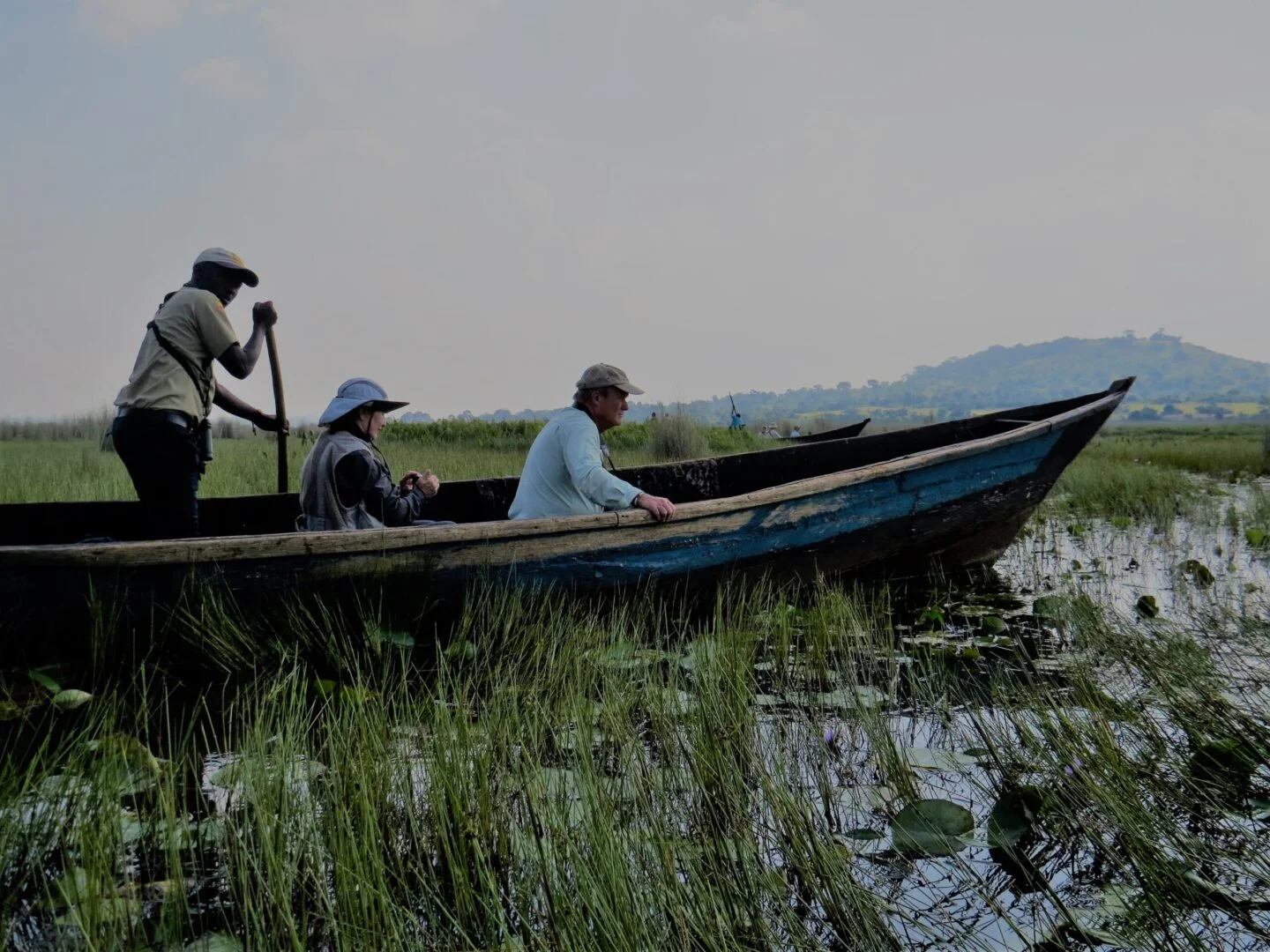
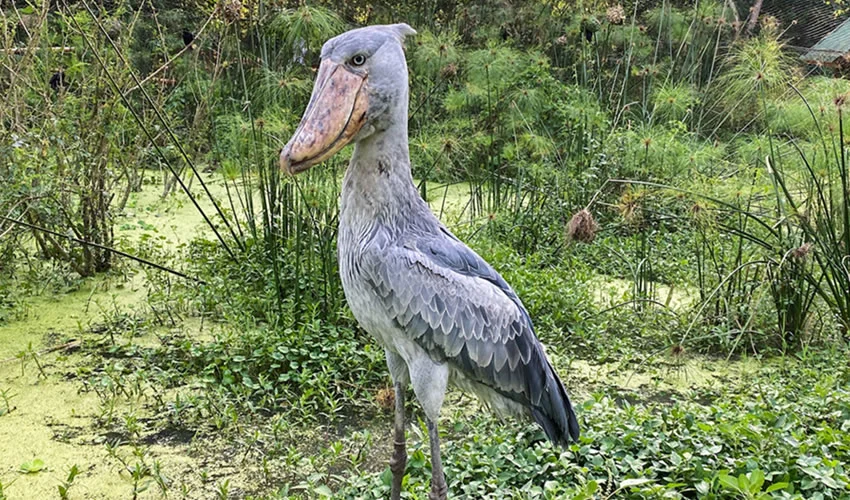
The attraction is the way the search takes place. Instead of scanning savannah from a Land Cruiser, visitors move quietly through narrow wetland channels while local guides watch the papyrus edges and floating vegetation for shoebills. Even when the bird is not immediately visible, the wetland provides jacanas, herons, kingfishers, ducks, marsh species and a completely different ecosystem from Uganda’s national parks. For photographers, the low boat perspective can create some of the most distinctive bird images of an entire safari.
Mabamba is particularly useful on the first or final day of a Uganda itinerary because of its proximity to the main international gateway. A traveller arriving with an extra morning before a flight can enjoy birding rather than spending those hours inside a hotel. It can also be combined with a northern safari: NextGen Safaris’ 4-Day Murchison Falls, Ziwa Rhino and Wildlife Safari includes Mabamba as part of a wider wildlife journey. This makes the wetland one of the easiest ways to add a genuine hidden wildlife experience without changing the entire safari route.
The Albert Nile Delta – A Quieter Side of Murchison Falls National Park
Murchison Falls is famous, but many travellers experience only a game drive and the boat journey toward the waterfall. The Albert Delta at the opposite end of the Nile system offers a quieter wildlife experience and is especially significant for birding. Uganda Wildlife Authority’s Ramsar information describes the wetland system from Murchison Falls toward Lake Albert as an important refuge for waterbirds, with the delta particularly associated with shoebills, pelicans, darters and herons.
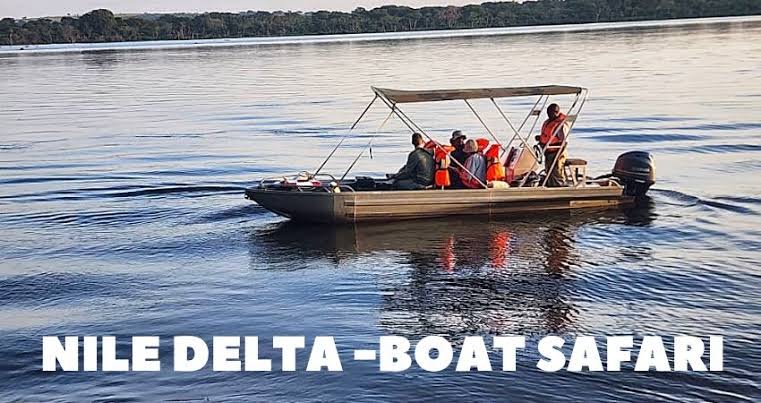
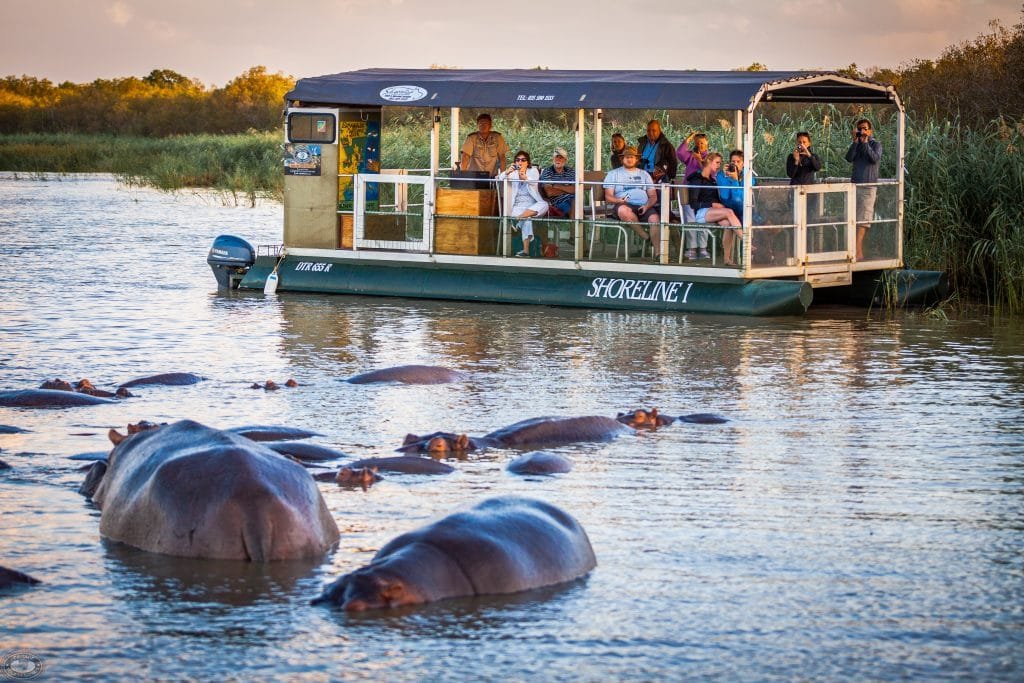
A delta-focused boat journey feels very different from the classic cruise toward the base of the falls. Rather than building toward roaring water and steep cliffs, the river gradually broadens and slows as it approaches Lake Albert. Papyrus, shallow water and wetland habitats attract birds and provide important feeding and watering areas for wildlife. Bird photographers and travellers who already know the standard Murchison cruise can therefore experience a much more peaceful side of the national park.
Those visiting the park for the first time should still include its classic attractions. NextGen Safaris’ Murchison Falls National Park guide explains the wider safari experience, while the 3 Days Murchison Falls Safari combines game drives, the Nile and the falls. Travellers with additional time can then extend their stay toward the delta rather than immediately leaving after the headline experiences.
Ziwa Rhino Sanctuary and Uganda’s Changing Rhino Conservation Story
Ziwa Rhino Sanctuary has become one of Uganda’s most important wildlife-conservation stops because it has enabled travellers to encounter southern white rhinos on foot while supporting the country’s wider rhino-recovery programme. It fits naturally on the road between Kampala or Entebbe and Murchison Falls, making it possible to combine rhino tracking with a northern wildlife safari rather than requiring a separate expedition.
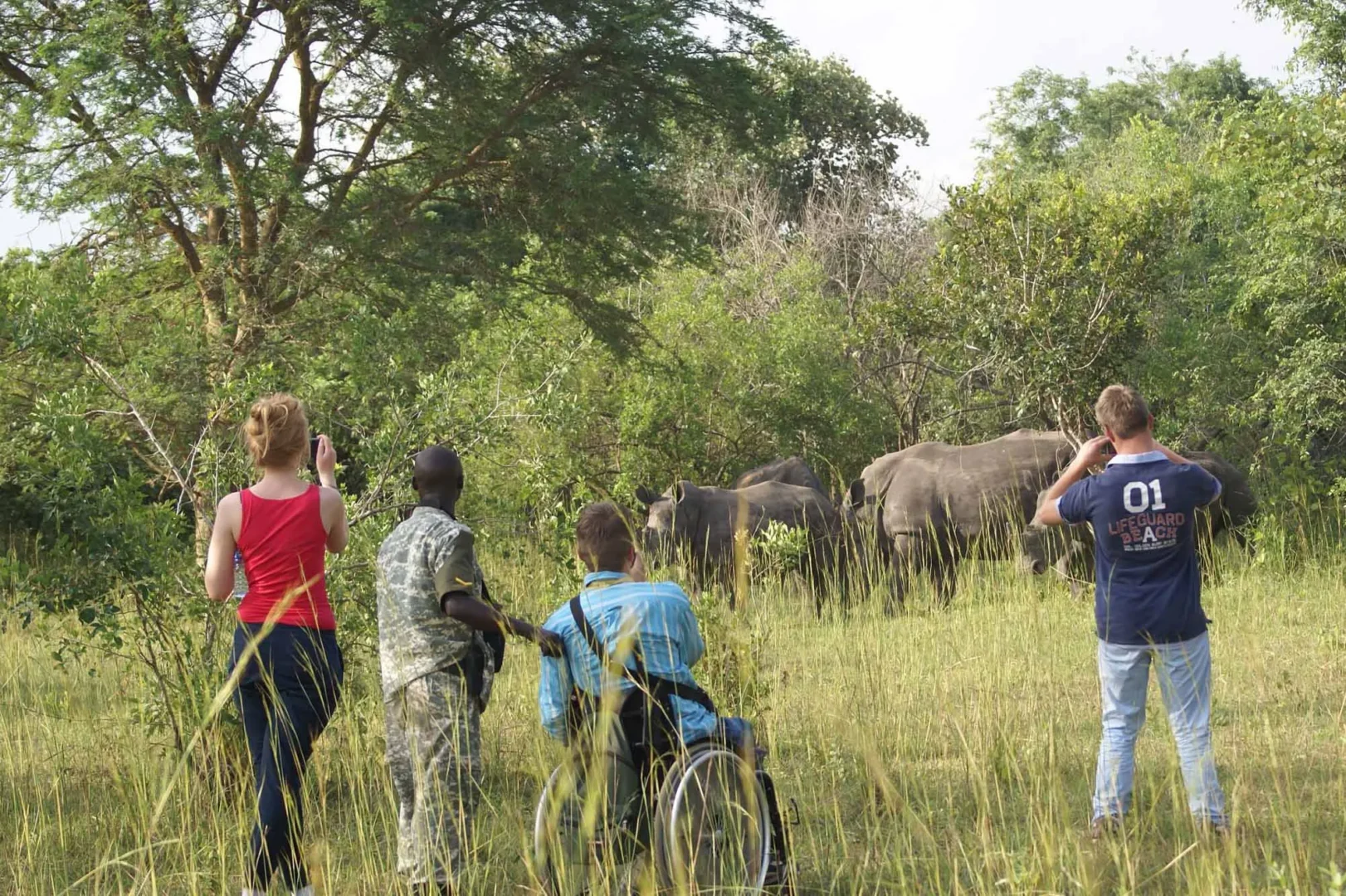
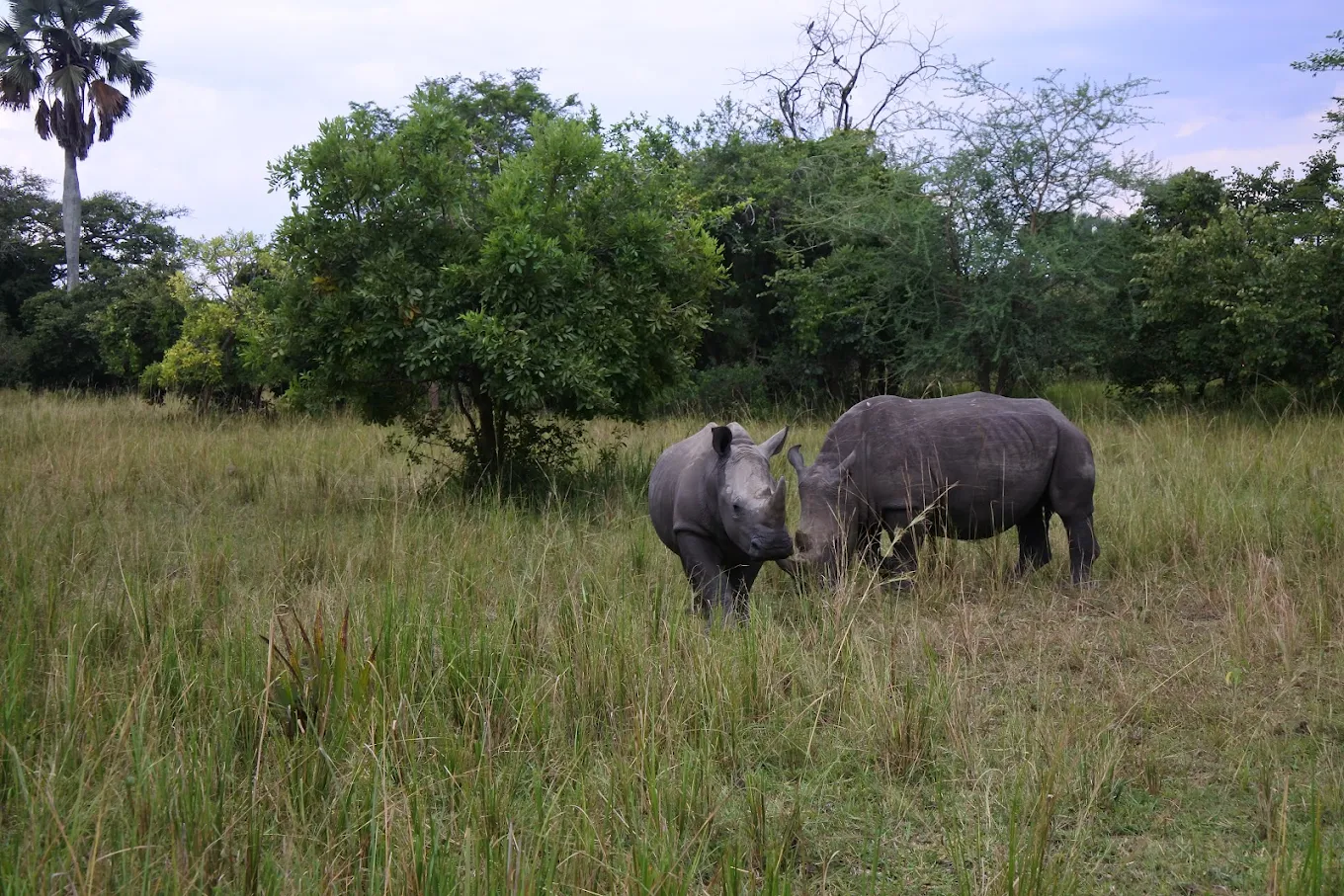
The significance of Ziwa has become even greater as Uganda begins restoring rhinos to national-park landscapes. In March 2026, Uganda Wildlife Authority commenced a programme transferring southern white rhinos from Ziwa to Kidepo Valley National Park, beginning with two animals and announcing a planned total of eight. This means a visitor is not simply seeing one species; they are witnessing part of a long-term national conservation programme intended to re-establish rhinos in areas from which they disappeared decades ago.
NextGen Safaris combines Ziwa naturally with northern Uganda journeys through the 4-Day Murchison Falls and Ziwa Rhino Safari. Travellers should remember that conservation programmes evolve, so exact rhino locations and tourism arrangements should always be confirmed close to travel. For anyone seeking wildlife experiences that carry a conservation story as well as a photographic opportunity, the sanctuary remains an important addition.
Why Birdwatchers Can Discover an Entirely Different Uganda
One of the biggest mistakes on an Uganda safari is treating birds as something to notice only when mammals disappear. Uganda’s position between East African savannah, Albertine Rift forests, Congo-influenced lowland rainforest and enormous wetland systems creates exceptional birding diversity. Semuliki brings species associated with the Congo-Guinea biome, Mabamba provides classic shoebill habitat, Lake Mburo combines savannah and wetland birds, while Kidepo and Pian Upe introduce dry-country species rarely encountered on the southwestern gorilla circuit.
Birding also encourages travellers to slow down. A large mammal can dominate the visual field immediately, while finding a specialised forest bird demands listening, patience and attention to habitat. Guides begin interpreting vegetation, feeding behaviour, calls and migration patterns, turning the landscape into something much more complex. For photographers, birds also provide activity throughout the day when harsh midday light may make conventional mammal photography less productive.
The country’s Ramsar wetlands further expand this opportunity. Uganda Wildlife Authority highlights Mabamba Bay, the Lake Mburo–Nakivali system, the Albert Delta and several other internationally important wetlands as habitats for threatened birds and other wildlife. A customised safari can therefore combine gorillas and big game with targeted birding rather than forcing travellers to choose one interest over another.
How to Combine Uganda’s Hidden Wildlife Gems With Gorilla Trekking
For many international visitors, mountain gorillas will remain the main reason for travelling to Uganda, and hidden wildlife destinations should enhance that experience rather than compete with it. A particularly efficient southern route begins with Entebbe, continues toward Lake Mburo, moves into Bwindi for mountain gorilla trekking and then passes through Ishasha toward Queen Elizabeth National Park. This sequence combines walking safaris, zebras, gorillas, tree-climbing-lion habitat, game drives and the Kazinga Channel without unnecessary backtracking.
Travellers who want deeper primate experiences can extend the southwestern circuit to Mgahinga for golden monkeys or spend additional time in Bwindi for the gorilla habituation experience. The 4 Days Gorilla Trekking and Habituation Safari can serve as a concentrated primate component before wildlife extensions, while the 10 Days Gorilla Trekking Safari provides a broader framework for combining the forest with other regions.
For a longer journey, western Uganda can be linked with Semuliki or Katonga before the route returns toward Entebbe. Alternatively, travellers with two or three weeks can fly or drive north for Murchison and Kidepo, creating a journey from mountain rainforest to Nile savannah and finally the dry northeastern wilderness. The most successful route does not attempt to include every reserve. It chooses hidden gems that create meaningful ecological contrast.
How Long Do You Need to Discover Uganda’s Hidden Wildlife Gems?
With seven to ten days, travellers should concentrate on a manageable route. Lake Mburo, Bwindi, Ishasha and Queen Elizabeth work exceptionally well together because each destination introduces a different wildlife experience while remaining geographically logical. A final Mabamba excursion can be added near Entebbe when flight timing permits. This kind of itinerary delivers gorillas, zebras, savannah wildlife, wetlands and birding without turning the holiday into constant road travel.
With twelve to seventeen days, the possibilities become much broader. Kibale, Semuliki or Mgahinga can be added to the southwestern circuit, while Murchison Falls can extend the route north. NextGen Safaris’ 17 Days Uganda Wildlife Adventure demonstrates how gorillas, golden monkeys, chimpanzees, game drives and other wildlife experiences can be connected within one Uganda journey.
Travellers with three weeks or more can start thinking seriously about Kidepo, Pian Upe and more specialist reserves. These destinations deserve enough time to justify the long transfers and to experience them without rushing. Flying selected sectors can help, but road travel also reveals how dramatically Uganda changes from the Lake Victoria basin to western forests and the semi-arid northeast. A longer trip makes the phrase Discover Uganda’s Hidden Wildlife Gems meaningful because the traveller begins experiencing Uganda as an ecological mosaic rather than a collection of isolated attractions.
Best Time to Explore Uganda’s Lesser-Known Wildlife Areas
Uganda is a year-round wildlife destination, but conditions vary substantially between regions. Relatively drier periods generally provide easier driving on unpaved tracks and can concentrate savannah wildlife near water, particularly in parks such as Kidepo and Lake Mburo. Forest areas such as Semuliki and Mgahinga remain humid and rain is possible at any time, so waterproof clothing and appropriate footwear should be considered essential rather than optional.
Wet periods can be extremely rewarding for photographers and birders. Landscapes become intensely green, migratory and breeding activity can increase and cloud creates atmospheric light around Uganda’s mountains and forests. Conversely, some remote roads become more challenging, which is why a well-maintained 4×4 and experienced driver-guide are particularly important when a safari includes reserves outside the main paved tourism corridors.
Timing should therefore follow the primary wildlife interest rather than a simplistic rule that one season is universally best. Birders, photographers, primate enthusiasts and big-game travellers may all prefer different conditions. NextGen Safaris can adjust the route according to the specific month, road conditions and availability instead of forcing one generic itinerary onto every season.
Who Should Choose an Off-the-Beaten-Path Uganda Safari?
First-time Africa visitors can absolutely include hidden wildlife areas, but they usually benefit from combining them with established highlights. A journey containing Bwindi, Queen Elizabeth and Lake Mburo provides enough classic experiences while still feeling more diverse than a basic safari. Kidepo can also be outstanding for first-timers who have enough days and genuinely value wilderness over convenience.
Repeat Africa travellers may appreciate Pian Upe, Semuliki, Katonga and specialised birding even more. Once someone has already experienced the Serengeti, Maasai Mara or major southern African reserves, another conventional game drive may be less exciting than searching a lowland forest for unusual birds or exploring an emerging conservation landscape where very few international tourists go.
Photographers, birdwatchers and naturalists are particularly well suited to this style of journey because success is not defined solely by how many lions appear each day. Landscape, behaviour, smaller species, conservation stories and habitat become part of the experience. Families and honeymooners can also include individual hidden gems, but the route should be paced carefully so that remoteness adds excitement rather than fatigue.
Why Travel With NextGen Safaris to Uganda’s Hidden Wildlife Areas?
Remote wildlife travel depends heavily on local planning. Famous national parks have established tourism infrastructure, multiple lodges and well-known access routes, while destinations such as Katonga, Pian Upe and sections of northeastern Uganda require more careful decisions about vehicles, accommodation, fuel, road conditions and realistic daily distances. This is where working with a Uganda-based safari planner becomes especially valuable.
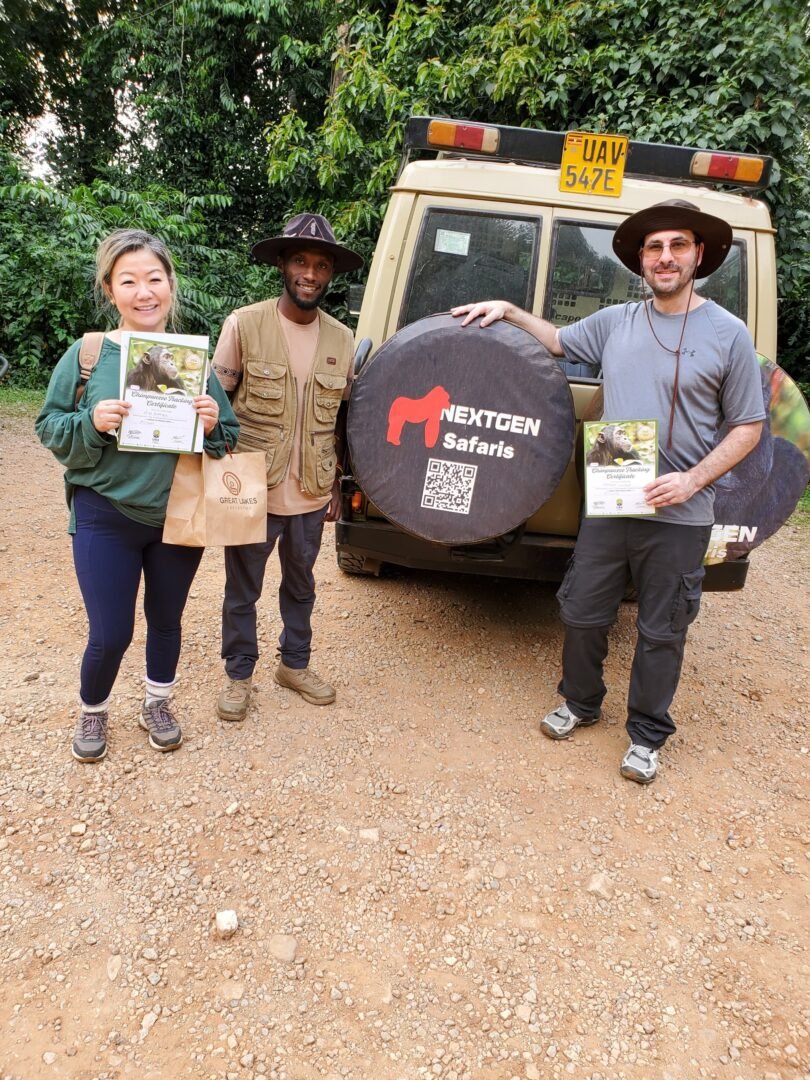
NextGen Safaris designs private Uganda journeys around the traveller rather than requiring every guest to follow one scheduled circuit. A wildlife enthusiast can add Kidepo, a birder can prioritise Semuliki and Mabamba, a primate traveller can combine Bwindi with Mgahinga, while someone with only a week can focus on Lake Mburo, gorillas and Queen Elizabeth. The Ultimate Uganda Wildlife Safari provides a starting point, but every journey can be adjusted for budget, mid-range or luxury accommodation.
The vehicle and guide matter just as much as the route. Uganda’s hidden areas are best explored in a reliable 4×4 with a guide who understands wildlife behaviour, changing road conditions and how to balance long transfers with meaningful stops. Private travel also gives photographers and serious wildlife enthusiasts greater control over how long to remain at a sighting instead of following the fixed timetable of a larger group.
Frequently Asked Questions About Discover Uganda’s Hidden Wildlife Gems
1. What Does Discover Uganda’s Hidden Wildlife Gems Mean?
Discover Uganda’s Hidden Wildlife Gems means exploring the lesser-known national parks, wildlife reserves, wetlands and forest habitats that sit beyond Uganda’s most famous gorilla and Big Five safari routes. These destinations include Kidepo Valley National Park, Semuliki National Park, Lake Mburo, Mgahinga, Pian Upe Wildlife Reserve, Katonga Wildlife Reserve, Mabamba Bay and the quieter Ishasha sector of Queen Elizabeth National Park.
These areas are especially rewarding for travellers interested in birding, photography, conservation, walking safaris and quieter wildlife encounters. They can also be combined with famous experiences such as gorilla trekking in Bwindi to create a much broader Uganda safari.
2. What Are the Best Hidden Wildlife Gems in Uganda?
Some of Uganda’s most rewarding lesser-known wildlife destinations include Kidepo Valley National Park, Semuliki National Park, Pian Upe Wildlife Reserve, Katonga Wildlife Reserve, Lake Mburo National Park, Mabamba Bay, Mgahinga Gorilla National Park and the Ishasha sector of Queen Elizabeth National Park.
Each offers something different. Kidepo provides remote savannah wilderness, Semuliki is excellent for specialised forest birding, Mabamba is famous for shoebill searches, Lake Mburo offers walking safaris and zebras, while Mgahinga combines golden monkeys, volcanic scenery and mountain gorilla habitat.
3. Why Should I Discover Uganda’s Hidden Wildlife Gems Instead of Visiting Only Famous Parks?
Travelling beyond Uganda’s most famous parks allows you to experience a wider range of habitats, wildlife and landscapes. Many lesser-known areas receive fewer visitors, creating quieter game drives, more intimate nature walks and greater opportunities to appreciate smaller species, birds and conservation stories.
The strongest itinerary does not necessarily replace famous destinations. Instead, it can combine Bwindi gorilla trekking and Murchison Falls National Park with one or two less-visited wildlife areas.
4. Is Kidepo Valley National Park Worth Visiting?
Yes. Kidepo Valley National Park is one of Uganda’s most spectacular wilderness destinations and is especially suited to travellers who value remote landscapes, dramatic scenery and quieter game drives. Its broad valleys, mountain backdrops and dry savannah create a very different safari environment from western Uganda.
Kidepo works particularly well on longer Uganda itineraries because reaching the northeast requires additional travel time. Travellers who make the journey are rewarded with a stronger sense of wilderness and fewer safari vehicles than in many better-known East African reserves.
5. What Wildlife Can I See in Kidepo Valley National Park?
Kidepo supports elephants, buffaloes, giraffes, antelopes, predators and numerous dry-country bird species. Its open valleys also make wildlife photography particularly rewarding because animals can often be seen against broad mountain and savannah landscapes.
Kidepo should, however, be approached as a wilderness experience rather than simply a checklist destination. Spending two or three nights allows enough time to explore different habitats and appreciate the park beyond individual sightings.
6. Is Pian Upe Wildlife Reserve Worth Visiting?
Pian Upe is particularly attractive to adventurous travellers, birdwatchers and experienced safari visitors who want somewhere outside Uganda’s conventional tourism circuit. The reserve contains large expanses of savannah and supports species associated with Uganda’s drier northeastern ecosystems.
It is an emerging conservation destination rather than a high-density wildlife park like the Serengeti. Travellers who choose Pian Upe should therefore value landscape, conservation and exploration as much as predictable big-game sightings.
7. Why Is Semuliki National Park One of Uganda’s Hidden Wildlife Gems?
Semuliki is unique because its lowland rainforest has strong ecological connections with the Congo Basin. This gives the park a different collection of birds, plants and forest wildlife from the better-known highland forests of Bwindi and Kibale.
It is especially rewarding for serious birdwatchers and nature enthusiasts. The Sempaya Hot Springs also add a geological attraction, making Semuliki a strong extension for travellers who want something completely different from a conventional game drive.
8. Is Lake Mburo National Park Good for a Short Uganda Safari?
Yes. Lake Mburo is one of the easiest hidden wildlife gems to incorporate because it lies along a major route between central and southwestern Uganda. Travellers can combine it naturally with gorilla trekking in Bwindi without adding a huge detour.
The park offers zebras, impalas, antelopes, birdlife, boat safaris and guided walking experiences. Travellers wanting a focused visit can explore the 3 Days Lake Mburo Safari.
9. Can I Do a Walking Safari in Uganda?
Yes. Lake Mburo is one of the best-known locations for guided walking safaris in Uganda. Exploring on foot creates a completely different perspective from game viewing inside a safari vehicle because visitors can observe tracks, vegetation, smaller wildlife and animal behaviour at ground level.
A walking experience can be an excellent addition after several days of traditional game drives and can be included within a broader Lake Mburo National Park safari.
10. Is Mgahinga Worth Visiting If I Have Already Seen Gorillas in Bwindi?
Absolutely. Mgahinga is much more than another mountain-gorilla destination. It offers golden monkey tracking, volcanic scenery, bamboo forest and access to the Virunga mountain ecosystem.
Travellers can therefore complete gorilla trekking in Bwindi and then visit Mgahinga for golden monkeys rather than repeating the same type of wildlife experience. The combination works especially well for primate enthusiasts and photographers.
11. Where Can I See Golden Monkeys in Uganda?
Golden monkeys can be tracked in Mgahinga Gorilla National Park in southwestern Uganda. These colourful primates live within the Virunga ecosystem and are particularly associated with bamboo forest.
Golden monkey tracking can be combined with gorilla trekking to create a more complete primate safari. The experience is usually faster and more energetic than watching mountain gorillas because golden monkeys move actively through vegetation.
12. Is Ishasha Worth Visiting Between Queen Elizabeth National Park and Bwindi?
Yes. Ishasha lies naturally along the route between Queen Elizabeth National Park and Bwindi and can transform what would otherwise be a transfer day into another wildlife experience.
The sector is famous for its history of tree-climbing lions and also supports topi, buffaloes, elephants, antelopes and other wildlife. Lion sightings can never be guaranteed, but the area’s open scenery and quieter atmosphere make it worthwhile even without seeing lions.
13. Can I Combine Ishasha With Gorilla Trekking?
Yes. This is one of Uganda’s most natural wildlife combinations. Travellers can explore Queen Elizabeth National Park, drive through Ishasha and then continue toward Bwindi Impenetrable National Park.
The route combines savannah wildlife and mountain-gorilla trekking without unnecessary backtracking, making it suitable for both mid-range and luxury private safaris.
14. Where Is the Best Place to See Shoebills in Uganda?
Mabamba Bay is one of Uganda’s most accessible places for shoebill birding. The wetland can be explored in small boats through papyrus channels, where local guides search for shoebills and numerous other wetland birds.
Because Mabamba is relatively close to Entebbe, it works particularly well on an arrival or departure day. It can also be combined with a longer northern journey such as the 4-Day Murchison Falls and Ziwa Rhino Safari.
15. Is Mabamba Bay Only for Serious Birdwatchers?
No. Although birdwatchers particularly appreciate Mabamba, the boat experience can be enjoyable for any wildlife traveller. Searching quietly through papyrus channels is completely different from game driving and provides a peaceful introduction or conclusion to a Uganda safari.
Photographers also value the opportunity to photograph shoebills and other wetland species from water level, particularly when lighting and bird positioning are favourable.
16. What Makes Katonga Wildlife Reserve Special?
Katonga is a lesser-known wetland and savannah reserve that supports sitatunga, waterbuck, primates, buffaloes and a range of wetland and woodland birds. Its mixed habitats make it more suited to slow exploration, walking and nature observation than to conventional high-density big-game drives.
For travellers who have already visited Uganda’s major parks, Katonga can provide a much quieter and more specialist safari experience.
17. Can I See Rhinos on a Uganda Safari?
Rhino conservation forms an important part of Uganda’s modern wildlife story. Ziwa Rhino Sanctuary has long provided opportunities to experience southern white rhinos as part of a wider journey toward Murchison Falls.
Travellers can combine Ziwa with the 4-Day Murchison Falls and Ziwa Rhino Safari before continuing into Murchison Falls National Park for game drives and Nile wildlife experiences.
18. Is Uganda Good for Birdwatching?
Yes. Uganda is exceptional for birdwatching because its habitats include papyrus wetlands, savannah, Albertine Rift forests, lowland rainforest and dry northeastern landscapes. This diversity allows birders to experience very different species within a single country.
Mabamba, Semuliki, Lake Mburo, Kidepo and the Albert Nile wetlands are particularly rewarding additions for bird-focused travellers. A customised Uganda safari can combine birding with gorillas, chimpanzees and traditional wildlife viewing.
19. How Many Days Do I Need to Discover Uganda’s Hidden Wildlife Gems?
Seven to ten days can comfortably combine places such as Lake Mburo, Bwindi, Ishasha and Queen Elizabeth National Park. Twelve to seventeen days allows additional destinations such as Mgahinga, Kibale, Semuliki or Murchison Falls.
Travellers wanting Kidepo, Pian Upe and other remote areas should consider a longer journey. The 17 Days Uganda Wildlife Adventure provides a useful starting point for travellers who want a more comprehensive Uganda safari.
20. How Can I Book a Safari to Discover Uganda’s Hidden Wildlife Gems?
NextGen Safaris can design a private journey around the wildlife experiences that interest you most. Your safari can combine Bwindi gorilla trekking, Lake Mburo, Ishasha, Queen Elizabeth, Mabamba, Murchison Falls, Kidepo, Semuliki or other quieter wildlife areas according to your available days and budget.
To Discover Uganda’s Hidden Wildlife Gems in a well-paced itinerary, share your preferred travel dates, number of travellers, accommodation level and wildlife interests through the NextGen Safaris booking page. The route can then be customised around primates, birding, photography, walking safaris, remote wilderness or a combination of Uganda’s best-known and least-known wildlife experiences.
Book a Safari to Discover Uganda’s Hidden Wildlife Gems
To Discover Uganda’s Hidden Wildlife Gems is to see a Uganda that many travellers never reach. Beyond the famous gorilla forests are Kidepo’s immense valleys, Pian Upe’s recovering savannah, Semuliki’s Congo-influenced rainforest, Katonga’s wetlands, Lake Mburo’s zebras, Mgahinga’s golden monkeys, Ishasha’s remote plains and the papyrus channels of Mabamba. Together they reveal why Uganda cannot be understood through one animal, one national park or one type of safari.
Your journey can still include the country’s icons. Begin with gorilla trekking in Bwindi, continue through Ishasha into Queen Elizabeth National Park, add walking and wildlife in Lake Mburo National Park or extend north to Murchison Falls and Kidepo. Travellers seeking an even deeper primate journey can add gorilla habituation and golden monkeys, while birders can build their route around Mabamba, Semuliki and Uganda’s wetland systems.
The strongest Uganda safari is rarely the itinerary with the largest number of park names. It is the one that gives you time to notice a shoebill standing motionless in papyrus, watch zebras cross the grasslands on foot, hear golden monkeys moving through bamboo, follow distant wildlife beneath Kidepo’s mountains and understand how conservation is rebuilding places such as Pian Upe and Ishasha. When you are ready to create that journey, use the NextGen Safaris booking page and share your dates, available days, number of travellers, preferred accommodation and wildlife interests. NextGen Safaris can then design a private journey that takes you beyond Uganda’s famous attractions and into the wild places that make the Pearl of Africa genuinely extraordinary.