
Driving in Uganda as a Tourist – The Complete Safety & Legal Guide
Driving in Uganda as a Tourist is absolutely possible, fully legal, and increasingly popular among travelers who want flexibility and adventure. Whether you are planning a self-drive safari, a road trip to gorilla trekking regions, or simply exploring cities and national parks, Driving in Uganda as a Tourist can be a rewarding experience when done correctly. However, it requires understanding local road rules, safety realities, documentation requirements and safari driving conditions.
Many visitors ask: Can tourists legally drive in Uganda? The answer is yes. With a valid driving license and, in some cases, an International Driving Permit (IDP), foreign visitors are allowed to drive. But successful Driving in Uganda as a Tourist goes beyond paperwork. It involves understanding left-hand driving, adapting to road conditions, navigating police checkpoints professionally, and preparing for the unique demands of safari terrain.
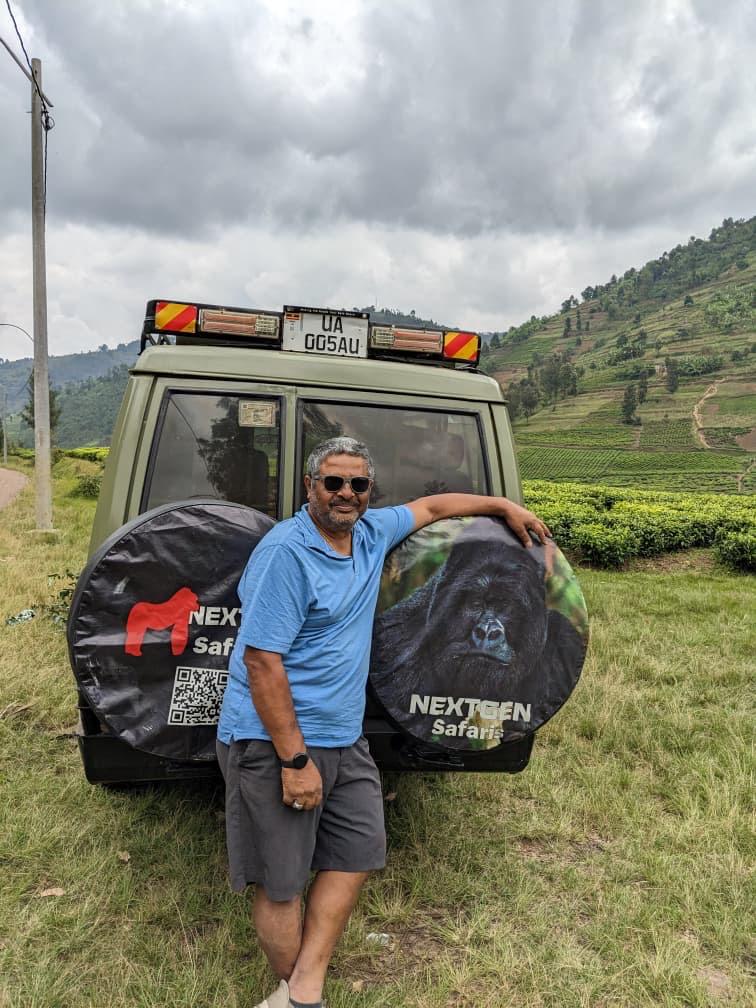
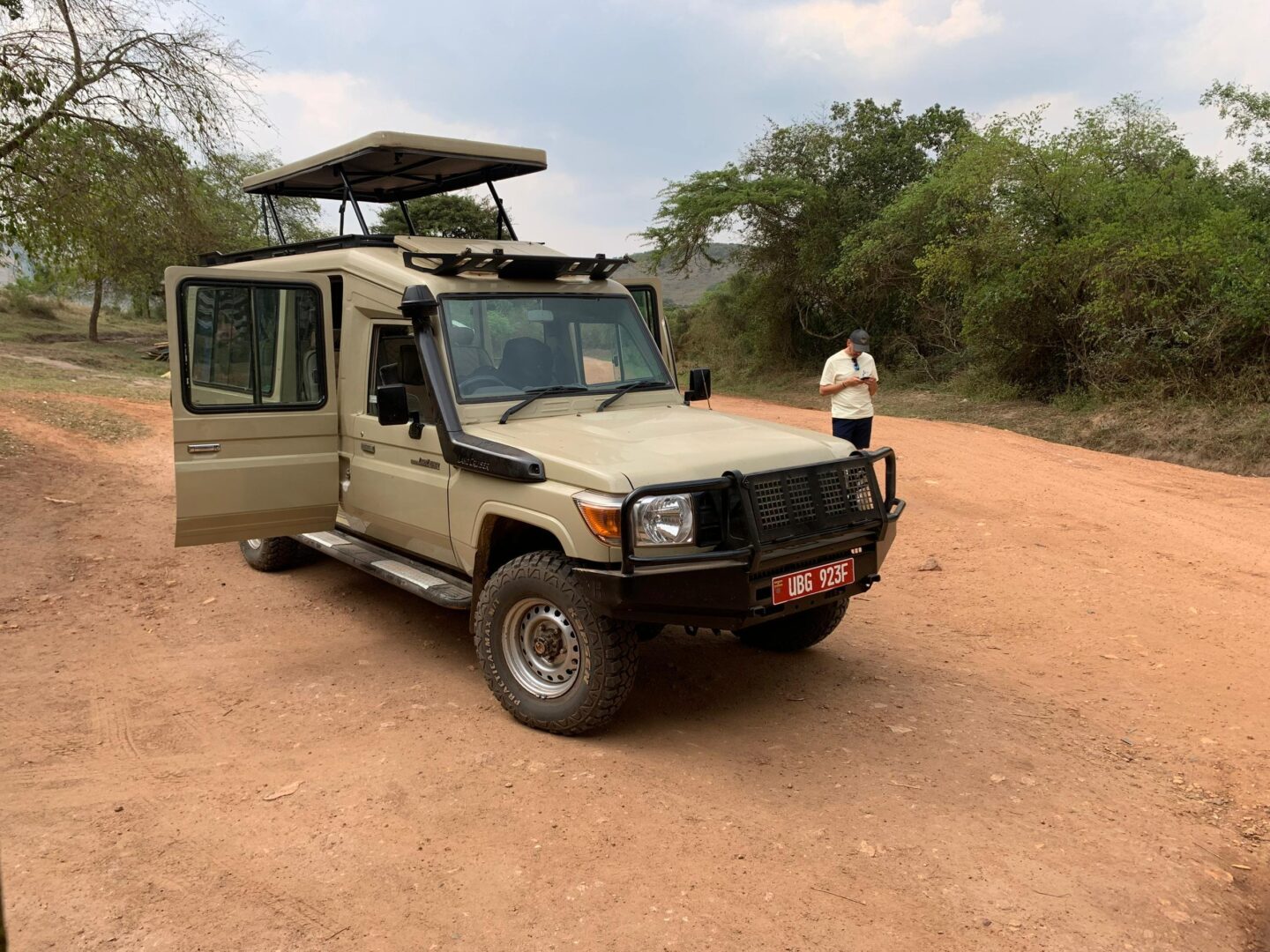
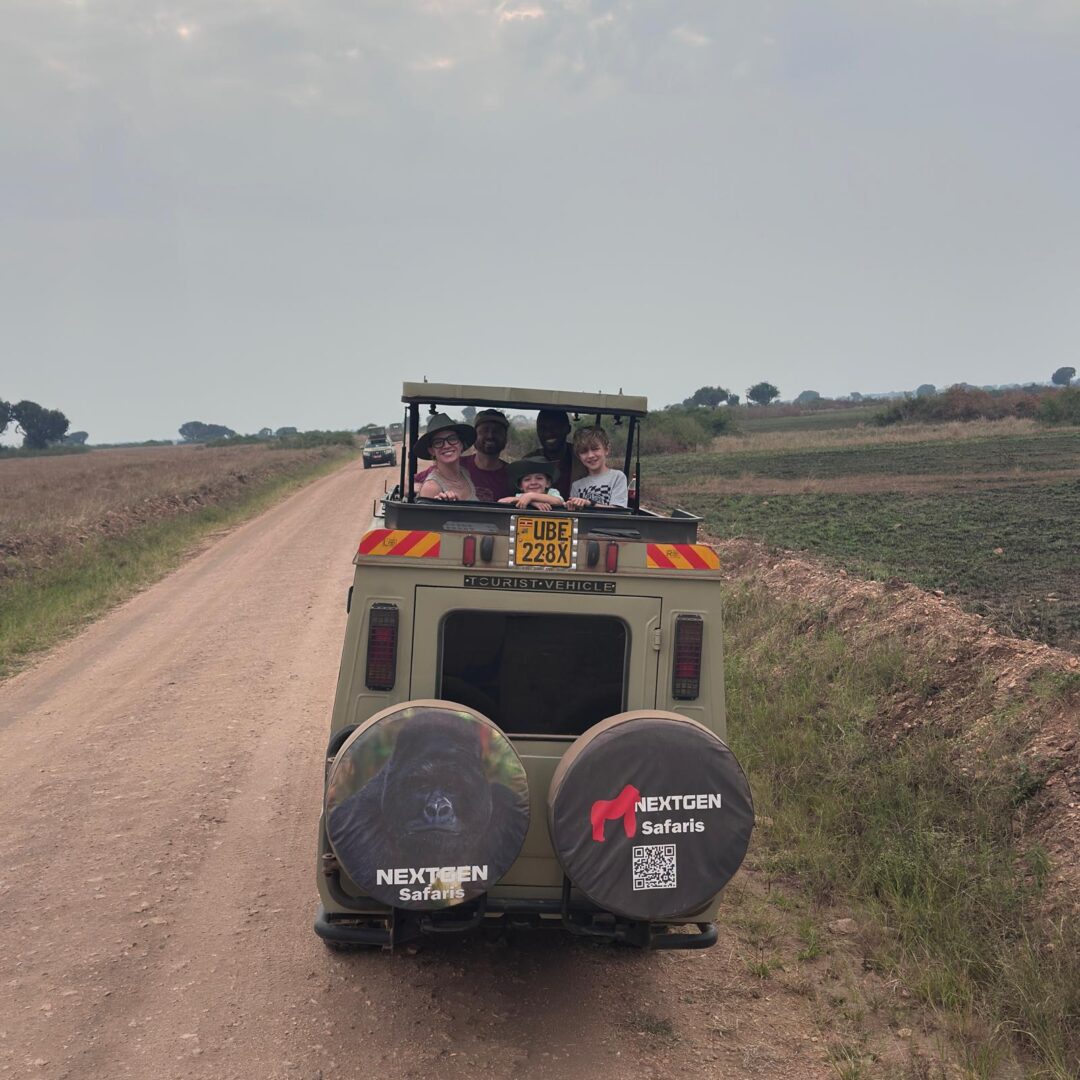
Uganda drives on the left-hand side of the road, with the steering wheel positioned on the right-hand side of the vehicle. For visitors from the UK, Australia, or other left-driving countries, this feels familiar. For travelers from the United States or mainland Europe, adjusting to left-hand traffic requires extra attention during the first few days. Roundabouts, overtaking rules, and highway merging all operate under left-driving standards.
Road conditions vary significantly depending on location. In major urban centers like Kampala, traffic can be heavy and unpredictable, especially during peak hours. Main highways connecting major towns are largely paved, but rural roads and safari routes can become rough, dusty, or muddy depending on season. When planning Driving in Uganda as a Tourist, understanding these variations is critical.
License requirements are straightforward but important. Tourists must carry a valid driving license from their home country. For some nationalities, especially those staying longer periods, an International Driving Permit is recommended. Rental companies typically require passport identification, license documentation, and proof of booking. Ensuring your paperwork is complete avoids unnecessary delays at checkpoints.
Police checkpoints are common across Uganda. These are routine traffic stops designed for safety and compliance checks. During Driving in Uganda as a Tourist, you should expect occasional roadblocks where officers may request to see your license, vehicle registration, and insurance documents. When documents are in order and communication is respectful, these stops are generally brief and professional.
Safari driving realities are different from urban driving. National parks such as Murchison Falls National Park or Bwindi Impenetrable National Park require 4×4 vehicles due to uneven terrain and seasonal rainfall. Wildlife crossings are common, and speed limits within parks are strictly enforced. For travelers combining road travel with gorilla trekking, preparation for steep mountain roads and remote areas is essential.
At Nextgen Safaris, we guide travelers through every aspect of Driving in Uganda as a Tourist, whether they choose self-drive flexibility or a professional driver-guide. Our experience operating across Uganda’s highways, rural roads, and national parks ensures that visitors understand not only the legal requirements but also the practical realities of driving safely.
In this complete guide, you will learn everything necessary for confident and secure Driving in Uganda as a Tourist from documentation and speed limits to road safety, car rental advice, self-drive safari planning, and the most common mistakes travelers make.
Understanding the full picture transforms Driving in Uganda as a Tourist from a concern into a confident adventure.
Can Tourists Legally Drive in Uganda?
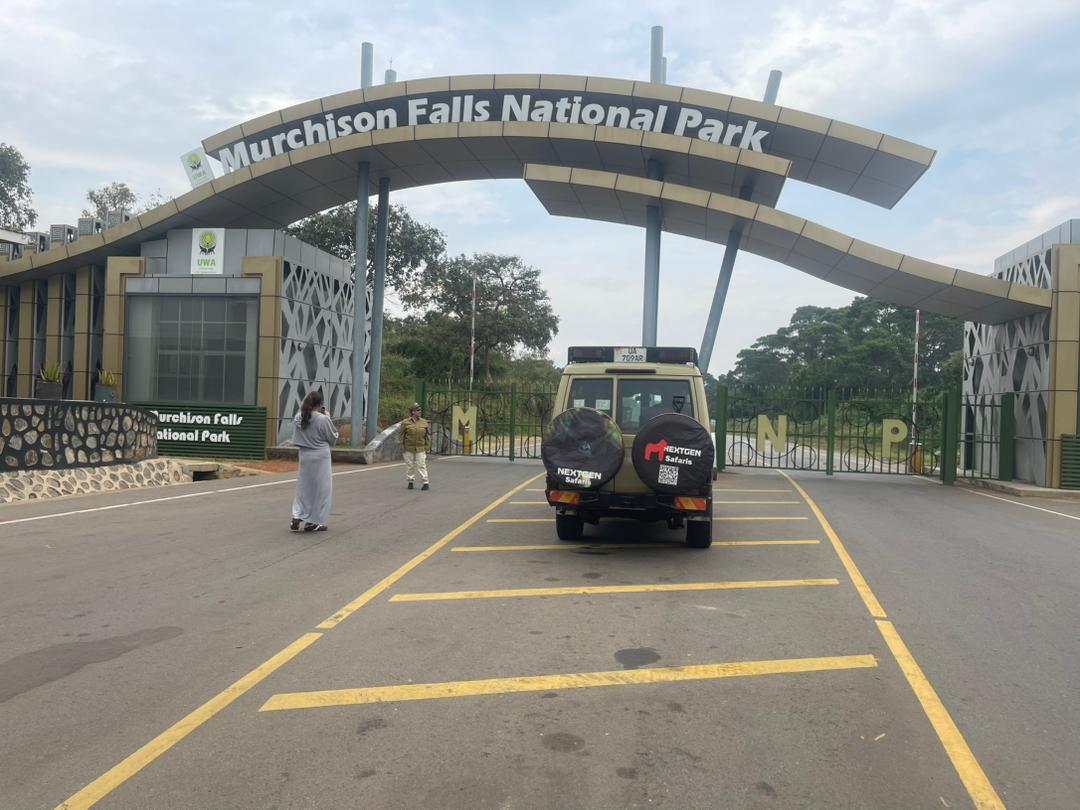
Yes. Driving in Uganda as a Tourist is completely legal provided you meet the required documentation and age conditions. Uganda allows foreign visitors to drive using valid licenses from their home country, and thousands of travelers safely explore the country each year by self-drive or rental vehicle. However, understanding the legal framework behind Driving in Uganda as a Tourist ensures you avoid fines, delays, or insurance complications.
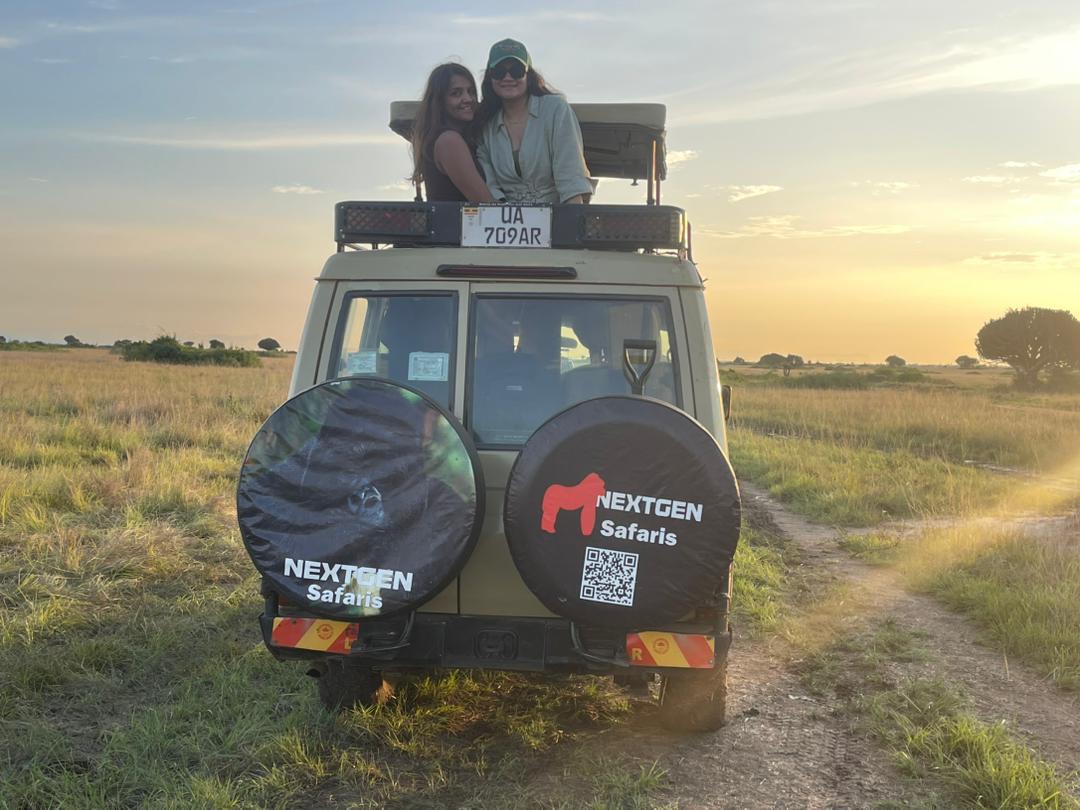
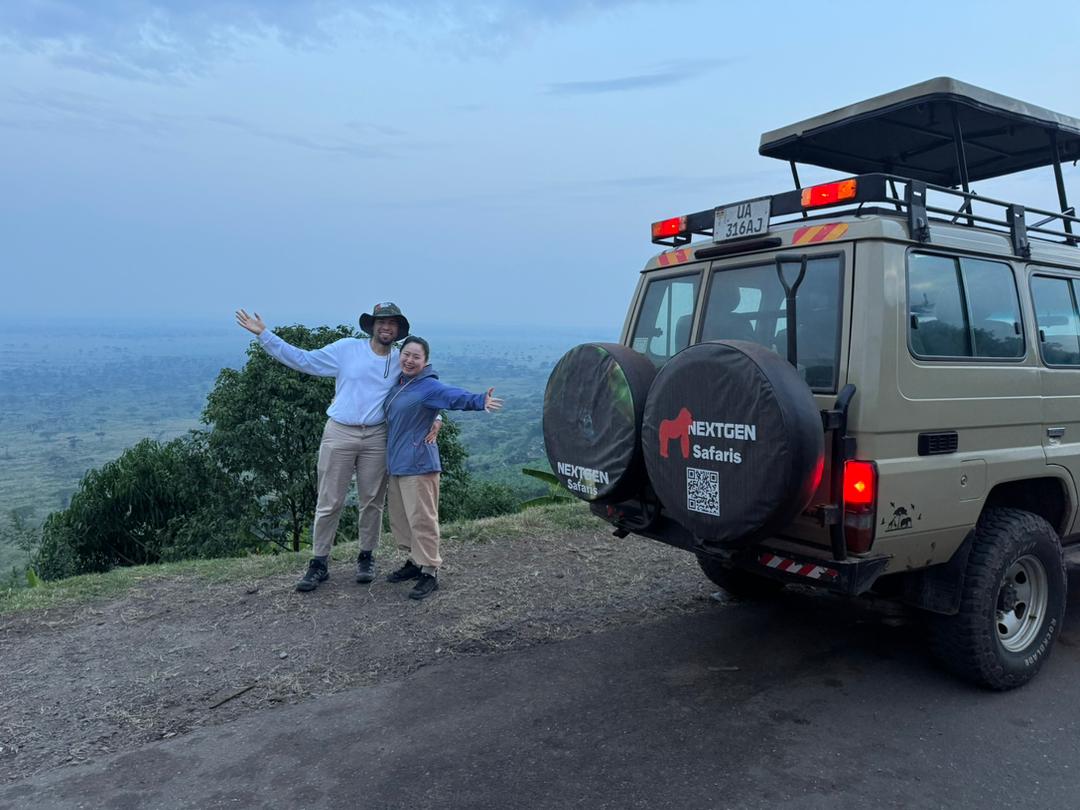
Valid Foreign Driving License
To engage in Driving in Uganda as a Tourist, you must carry a valid driving license issued in your home country. The license must be current and clearly display your name and photograph. Most rental companies accept licenses from the UK, EU countries, the United States, Canada, Australia, and other recognized jurisdictions.
If your license is written in English, it is generally accepted without translation. If it is in another language, carrying an International Driving Permit is strongly recommended. During police checkpoints, officers will typically request to see your original driving license along with your passport or a copy.
It is important to note that photocopies alone are not sufficient for legal compliance. Always carry the original license when Driving in Uganda as a Tourist.
International Driving Permit (IDP)
An International Driving Permit (IDP) is not always mandatory for short-term visitors, but it is highly recommended, especially if your national license is not in English. The IDP serves as an internationally recognized translation of your domestic license.
When planning Driving in Uganda as a Tourist, having an IDP provides additional legal protection and simplifies interactions with traffic officers. Some car rental companies may insist on it, particularly for longer rentals or higher-value 4×4 vehicles.
The IDP does not replace your home license. It must be carried together with your original driving license at all times.
Car Rental Requirements
Most travelers who choose Driving in Uganda as a Tourist do so through car rental companies. Rental providers typically require:
- A valid driving license
- Passport identification
- Signed rental agreement
- Security deposit (varies by company)
- Proof of insurance coverage
Reputable rental agencies provide comprehensive insurance options. Before signing any agreement, confirm whether coverage includes third-party liability, collision damage waiver, and roadside assistance.
For safari regions or gorilla trekking routes, rental companies strongly recommend a 4×4 vehicle due to road conditions. Sedans are suitable for urban driving but may struggle in remote or rainy-season environments.
Minimum Age Requirements
Age limits are an important consideration when planning Driving in Uganda as a Tourist. Most car rental companies require drivers to be at least 23 years old. Some may accept drivers from 21 years old but apply additional fees or restrictions. The upper age limit varies by provider, though generally drivers under 75 are accepted if medically fit.
In addition to age, some companies require a minimum of two years’ driving experience. This is particularly common for 4×4 safari vehicles.
Legal Summary
In summary, Driving in Uganda as a Tourist is fully legal when you:
- Hold a valid foreign driving license
- Carry an International Driving Permit if recommended
- Meet rental company age requirements
- Have proper insurance documentation
Ensuring these requirements are met allows you to drive confidently, navigate police checkpoints smoothly, and avoid unnecessary complications.
Understanding the legal foundation of Driving in Uganda as a Tourist is the first step toward a safe and successful road experience in Uganda.
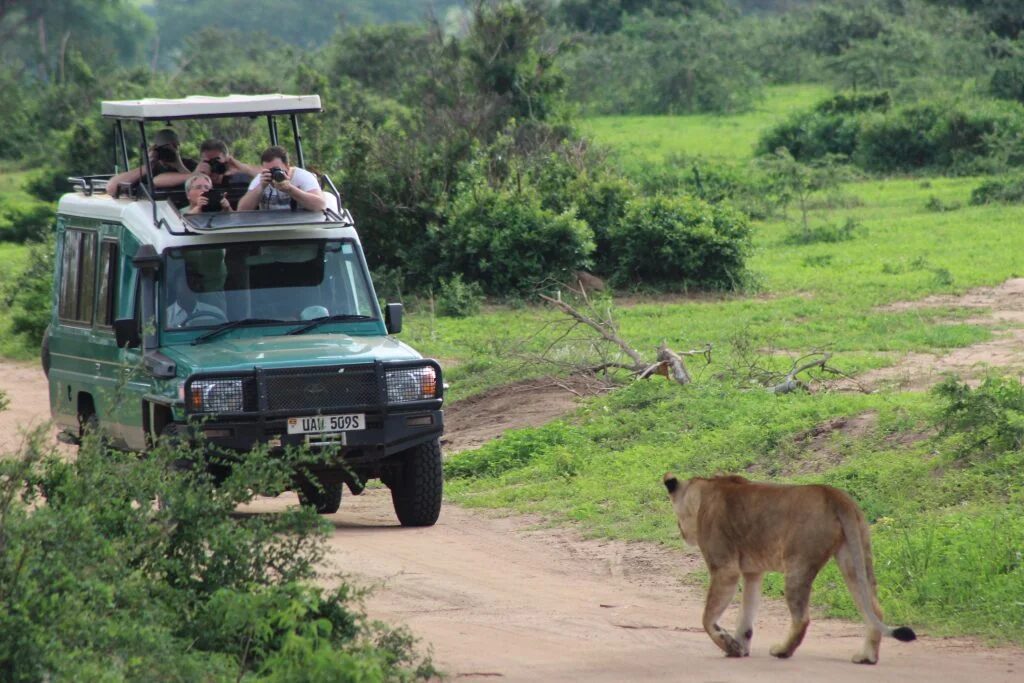
Driving License Requirements for Tourists in Uganda
Understanding documentation requirements is one of the most important aspects of Driving in Uganda as a Tourist. While Uganda allows foreign visitors to legally drive, compliance depends on carrying the correct combination of license, identification, and vehicle documents. Being properly prepared not only ensures legal compliance but also prevents unnecessary complications at police checkpoints or during rental procedures.
International Driving Permit (IDP) Validity
An International Driving Permit (IDP) is widely recognized in Uganda and strongly recommended for visitors engaging in Driving in Uganda as a Tourist, especially if their national license is not written in English.
An IDP serves as an official translation of your domestic driving license and is typically valid for one year from the date of issue. It does not replace your home license; rather, it must always be presented together with your original national driving license.
While short-term visitors from English-speaking countries may not always be asked for an IDP, carrying one adds a layer of legal clarity. Some car rental companies in Uganda require an IDP regardless of nationality, particularly for longer rental periods or higher-value 4×4 safari vehicles.
For travelers planning extended stays or multiple regional road trips, having a valid IDP simplifies Driving in Uganda as a Tourist and ensures smoother interactions with traffic authorities.
UK, EU, and US Driving Licenses
Visitors from the United Kingdom, European Union countries, and the United States are generally permitted to drive in Uganda using their valid domestic licenses for short-term visits.
For Driving in Uganda as a Tourist, the key requirements include:
- The license must be current and not expired.
- The driver’s details must be clearly legible.
- The document must match the passport name exactly.
UK licenses are widely recognized and accepted. EU licenses are also valid, particularly if they are in English or accompanied by an IDP. US licenses are accepted for tourism purposes, though an IDP is recommended for additional verification.
If your license is in a language other than English, an International Driving Permit becomes more important. Carrying both documents demonstrates preparedness and avoids delays at checkpoints.
Passport Copy Requirement
When engaging in Driving in Uganda as a Tourist, it is advisable to carry both your original passport and a photocopy of your passport identification page and visa entry stamp.
Police checkpoints are common throughout Uganda, particularly along major highways and near national parks. Officers may request identification to confirm that you are legally present in the country and authorized to drive.
Many travelers prefer to keep the original passport safely stored and carry certified copies during daily drives. However, some rental agreements may require you to carry the original passport, especially in remote regions. Confirm this with your rental provider before departure.
Having proper identification readily available ensures that Driving in Uganda as a Tourist remains smooth and stress-free.
Insurance Documentation
Insurance coverage is a critical but often overlooked component of Driving in Uganda as a Tourist. Every legally registered vehicle in Uganda must carry third-party insurance at minimum. Reputable rental companies provide insurance documentation as part of the rental package.
Before starting your journey, confirm that you have access to:
- Proof of vehicle registration
- Valid insurance certificate
- Emergency contact information
- Rental agreement copy
For self-drive safaris, especially when visiting parks such as Murchison Falls National Park or Bwindi Impenetrable National Park, comprehensive insurance is strongly recommended. Rural roads and wildlife crossings increase the importance of proper coverage.
Ensure you understand whether your rental agreement includes collision damage waiver, theft protection, and roadside assistance. Clarifying these details before beginning Driving in Uganda as a Tourist reduces risk and provides peace of mind.
Practical Compliance Tips
To remain fully compliant while Driving in Uganda as a Tourist, always carry:
- Your valid foreign driving license
- International Driving Permit (if applicable)
- Passport or certified copy
- Vehicle registration papers
- Insurance certificate
Having these documents organized and accessible ensures that road inspections remain brief and professional.
Understanding these license requirements allows you to approach Driving in Uganda as a Tourist confidently, legally, and without unnecessary complications.
Which Side of the Road Do You Drive on in Uganda?
One of the first and most important things to understand about Driving in Uganda as a Tourist is that Uganda follows left-hand driving rules. Vehicles travel on the left side of the road, and the steering wheel is positioned on the right-hand side of the vehicle.

For visitors from the United Kingdom, Ireland, Australia, Japan, or other left-driving countries, this system feels familiar. For travelers from the United States, mainland Europe, or Canada, adjusting to left-hand traffic requires extra concentration during the first few days of Driving in Uganda as a Tourist.
Left-Hand Driving and Right-Hand Steering
Because Uganda drives on the left, the driver sits on the right-hand side of the vehicle. This positioning is designed to provide better visibility when overtaking.
The biggest adjustment for many tourists occurs at intersections and when turning onto main roads. It is important to consciously remind yourself to “keep left” when entering a roadway. Many rental vehicles in Uganda are clearly marked or come with right-hand steering, reinforcing the traffic flow pattern.
Understanding this basic principle is essential for safe Driving in Uganda as a Tourist, especially during your first hours on the road.
Roundabouts in Uganda
Roundabouts are common throughout Uganda, particularly in cities like Kampala and other major towns.
In Uganda:
- Traffic already inside the roundabout has the right of way.
- Vehicles enter from the left and circulate clockwise.
- Indicators (turn signals) should be used clearly when exiting.
Roundabouts in busy urban areas can feel chaotic, particularly during peak traffic hours. Drivers may enter assertively, so hesitation can cause confusion. When Driving in Uganda as a Tourist, it is best to approach roundabouts confidently but cautiously, yielding properly and observing local flow patterns.
Overtaking Rules
Overtaking in Uganda is done on the right-hand side, since vehicles travel on the left. Before overtaking, drivers must ensure the road ahead is clear and that there is sufficient visibility.
On highways, overtaking is common, but road conditions vary. Some highways are well paved, while others may have uneven shoulders or unexpected obstacles. Large trucks and buses frequently use major routes, and patience is important.
When Driving in Uganda as a Tourist, avoid aggressive overtaking. Rural roads may include pedestrians, cyclists, boda-bodas (motorcycle taxis), or livestock. Clear judgment and defensive awareness are essential.
Is Driving in Uganda as a Tourist Safe?
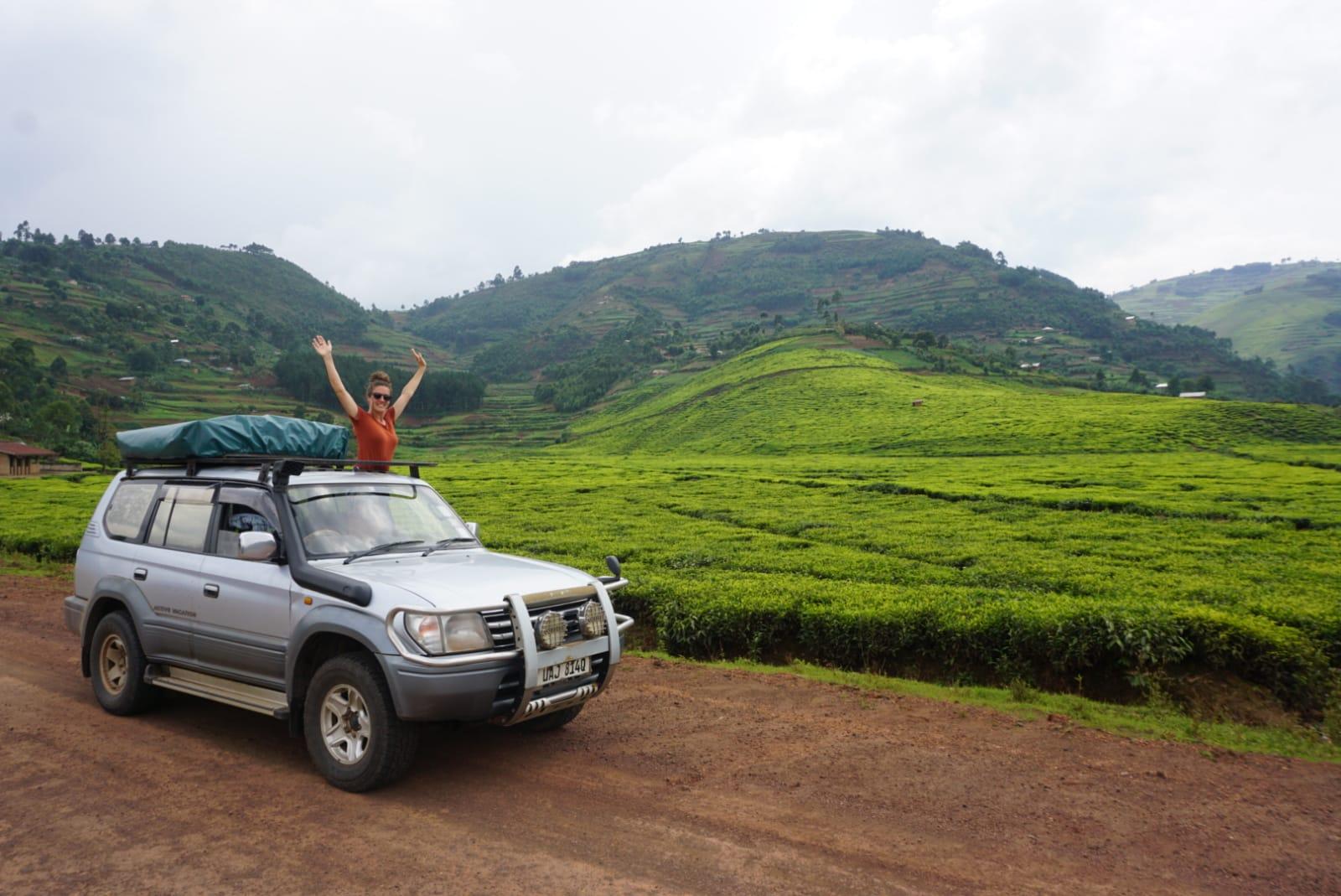
The honest answer is that Driving in Uganda as a Tourist can be safe when approached with caution, awareness, and proper preparation. Uganda is not a high-speed, highly regulated highway environment like some Western countries. It requires alertness, patience, and adaptability.
Safety largely depends on where and how you are driving.
Urban Driving vs Rural Driving
Urban driving, particularly in Kampala, can be busy and unpredictable. Traffic congestion is common, especially during morning and evening rush hours. Boda-bodas weave between vehicles, pedestrians may cross without warning, and lane discipline is sometimes flexible rather than strict.
However, traffic typically moves at slower speeds in cities, which can reduce the severity of accidents. For tourists, urban Driving in Uganda as a Tourist requires heightened awareness rather than fear.
Rural driving is generally calmer but comes with different challenges. Roads outside major towns may be narrower, less clearly marked, or partially unpaved. In remote areas, livestock may wander onto the road unexpectedly.
Understanding the difference between urban and rural environments helps you adapt your driving style accordingly.
Wildlife Crossings
For those planning safari travel, wildlife crossings are a real consideration. In national parks such as Murchison Falls National Park or near Bwindi Impenetrable National Park, animals may cross roads without warning.
Even outside protected areas, goats, cattle, and occasionally monkeys can appear on highways. Maintaining moderate speeds and scanning the roadside frequently are key practices during Driving in Uganda as a Tourist.
Inside national parks, speed limits are strictly enforced and typically much lower than on public highways. Slow, cautious driving is both a safety measure and a conservation requirement.
Night Driving
Night driving in Uganda presents greater risk compared to daytime travel. Limited street lighting outside major towns, unexpected pedestrians, livestock movement, and occasional vehicles without proper lighting increase the need for caution.
For visitors unfamiliar with local road conditions, avoiding night driving is generally recommended. Many safari itineraries are structured to ensure arrival at lodges before sunset for this reason.
When engaging in Driving in Uganda as a Tourist, planning your routes to conclude before dark significantly enhances safety.
Police Roadblocks and Traffic Stops
Police roadblocks are common and typically routine. These checkpoints are set up to verify vehicle documentation, license validity, and compliance with traffic regulations.
When stopped, remain calm and respectful. Provide requested documents clearly and confidently. In most cases, checks are brief and professional.
Having complete paperwork is essential for smooth Driving in Uganda as a Tourist. Incomplete documentation can cause delays or fines.
Road Quality and Defensive Driving
Road quality varies across Uganda. Major highways connecting cities are largely paved, but some sections may have potholes or uneven surfaces. Rural roads, especially during rainy seasons, can become muddy or slippery.
Defensive driving is the most important safety principle. This means:
- Maintaining safe following distances
- Anticipating sudden stops
- Avoiding excessive speed
- Watching for unexpected obstacles
Unlike heavily regulated highway systems in some countries, traffic flow in Uganda requires anticipation and flexibility.
The Balanced Perspective
Overall, Driving in Uganda as a Tourist is safe when approached responsibly. It is not dangerous by default, but it demands attentiveness and adaptability.
Travelers who understand left-hand driving rules, avoid unnecessary night travel, respect speed limits, and remain patient at checkpoints generally experience smooth journeys.
For those who prefer added peace of mind, hiring a professional driver-guide is always an option. But for confident drivers prepared to adjust, Driving in Uganda as a Tourist can be both manageable and rewarding.
Road Conditions in Uganda – What to Expect
Understanding road conditions is one of the most important parts of Driving in Uganda as a Tourist. Uganda’s road network varies significantly depending on location, weather season, and proximity to national parks. While some highways are modern and well paved, other routes especially rural and safari roads require patience and proper vehicle choice.
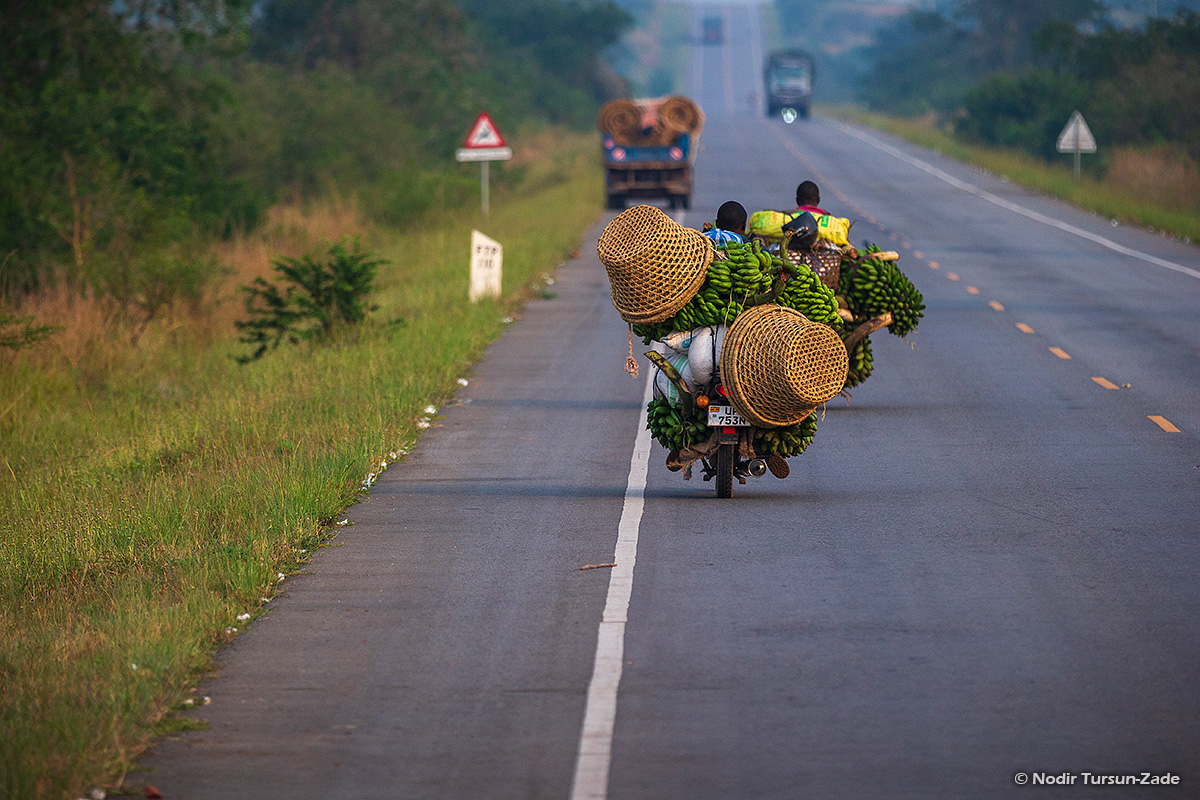
When planning Driving in Uganda as a Tourist, it is essential to prepare for diversity rather than uniform road standards. Below is a realistic breakdown of what travelers should expect.
Kampala Traffic
Driving in Kampala is often the most challenging part of Driving in Uganda as a Tourist. As the capital city and economic hub, Kampala experiences heavy congestion during morning and evening rush hours. Traffic patterns can appear unstructured compared to Western urban systems.
Boda-bodas (motorcycle taxis) weave between vehicles, pedestrians cross unpredictably, and lane markings are not always strictly followed. Roundabouts can become congested, and drivers may enter assertively. However, speeds are typically low due to congestion, which reduces the severity of most incidents.
For tourists, the key to safe Driving in Uganda as a Tourist within Kampala is patience, slow speeds, and high situational awareness. Avoid peak rush hours when possible and allow additional travel time for airport transfers or departure days.
Highways Between Major Towns
Outside Kampala, Uganda’s major highways are generally paved and in fair to good condition. Roads connecting Kampala to Entebbe, Mbarara, Fort Portal, Gulu, and other regional centers are frequently used by both private vehicles and commercial transport.
While paved, highways may include potholes in certain stretches. Large trucks and buses are common, and overtaking requires careful visibility assessment. Speed limits are posted but not always clearly marked in rural sections.
When engaging in Driving in Uganda as a Tourist on highways, defensive driving is essential. Expect occasional livestock near road shoulders and pedestrians walking along the roadside. Night driving on highways is not recommended due to limited lighting and unpredictable obstacles.
Overall, highway travel is manageable for tourists who maintain moderate speeds and remain alert.
Safari Park Roads
Road conditions change significantly inside national parks such as Murchison Falls National Park and Bwindi Impenetrable National Park.
In Murchison Falls National Park, many game drive tracks are dirt roads. During dry seasons, these can be dusty but relatively firm. In wet seasons, sections may become muddy and slippery. A 4×4 vehicle is strongly recommended for safe Driving in Uganda as a Tourist within safari parks.
Bwindi Impenetrable National Park presents even more demanding terrain. Access roads to certain sectors involve steep inclines, sharp curves, and unpaved mountain routes. During heavy rain, these roads can become challenging without proper traction.
For travelers combining gorilla trekking with self-drive, a high-clearance 4×4 vehicle is not optional—it is essential.
Rural Roads Outside Major Centers
In rural areas outside main towns and highways, road conditions vary widely. Some regional roads are paved but narrow, while others remain gravel or laterite surfaces. Potholes may appear without warning, and road shoulders can be uneven.
Villages often have speed bumps, locally known as “sleeping policemen,” which may not be clearly marked. These require reduced speeds to avoid vehicle damage.
Livestock such as goats and cattle may move freely across rural roads. For safe Driving in Uganda as a Tourist, always anticipate unexpected crossings in countryside areas.
Rainy Season Impact
Uganda experiences two primary rainy seasons: typically March to May and October to November. During these periods, road conditions can change rapidly.
Heavy rain affects:
- Dirt safari tracks
- Mountain access roads
- Rural gravel routes
Mud can reduce traction, especially in mountainous regions near Bwindi. Water pooling may obscure potholes on highways. For those planning Driving in Uganda as a Tourist during rainy seasons, choosing a reliable 4×4 vehicle with good tires is critical.
In national parks, rain can temporarily limit access to certain game tracks. Professional safari operators monitor conditions daily to adjust routes accordingly.
The Overall Road Reality
Road conditions in Uganda are not uniform, but they are manageable with preparation. Urban congestion, paved highways, rural gravel roads, and safari terrain each require slightly different driving styles.
For confident drivers who understand left-hand traffic, avoid unnecessary night driving, and select the appropriate vehicle, Driving in Uganda as a Tourist can be safe and rewarding.
Preparation, patience, and defensive awareness are the foundation of successful road travel in Uganda.
Police Checkpoints and Traffic Stops
When planning Driving in Uganda as a Tourist, it is important to understand that police checkpoints are common and completely normal. These roadblocks are part of routine traffic enforcement and security monitoring. They are not targeted at tourists specifically, and most stops are brief and professional when documentation is in order.
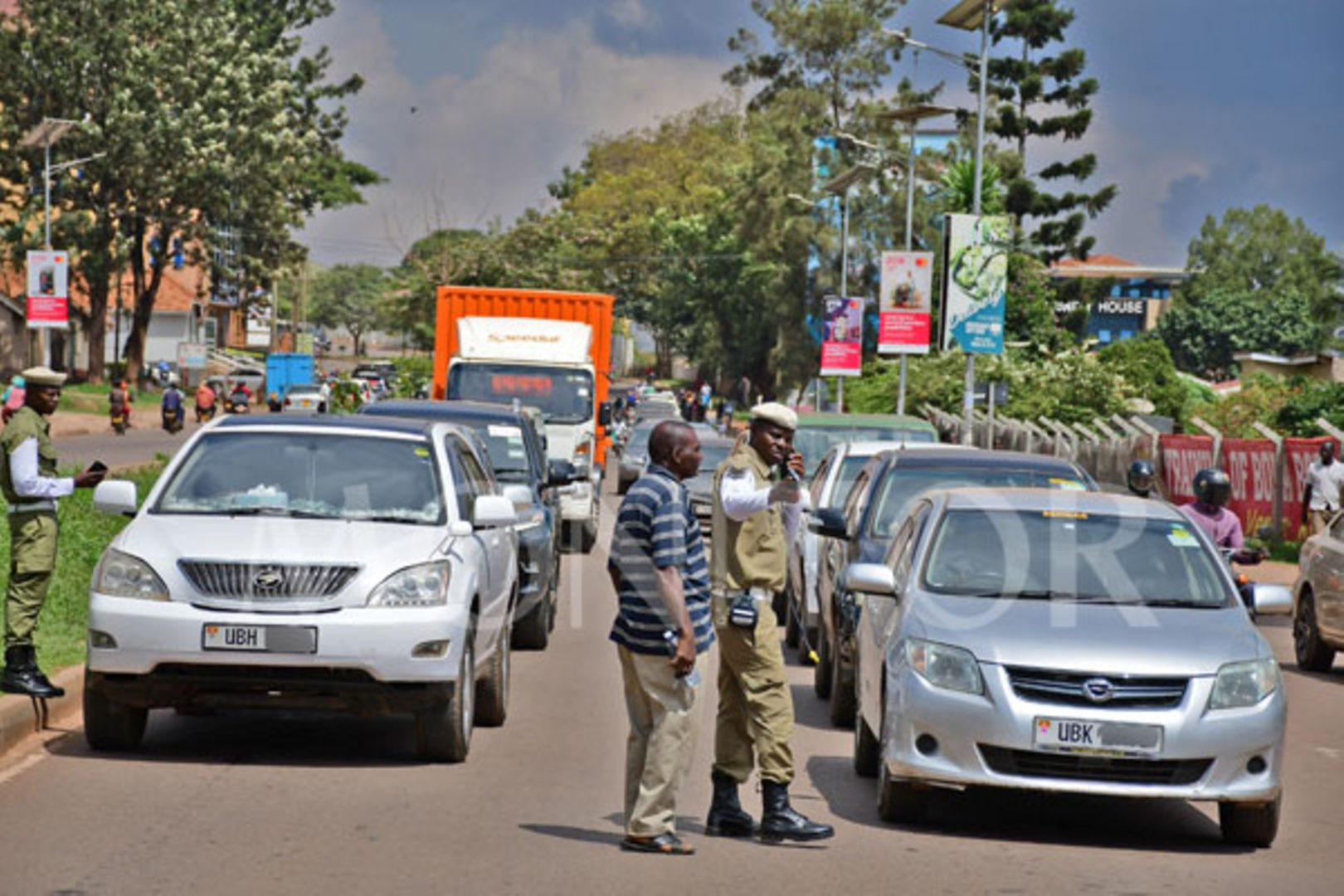
Random Stops Are Normal
Random traffic stops occur throughout Uganda, especially on major highways, near towns, and along routes leading to national parks. Officers may check:
- Driving license
- Vehicle registration
- Insurance certificate
- Reflective triangles and safety equipment
For visitors engaging in Driving in Uganda as a Tourist, encountering a checkpoint should not be viewed as a problem. It is simply part of the driving environment.
Checkpoints are usually visible from a distance, with cones or officers standing by the roadside. Drivers are expected to slow down and comply calmly.
Required Documents
To ensure smooth Driving in Uganda as a Tourist, always carry:
- Your valid foreign driving license
- International Driving Permit (if applicable)
- Passport or certified copy
- Rental agreement
- Vehicle insurance certificate
Police officers may also verify that the vehicle has basic safety requirements such as a spare tire, reflective triangle, and sometimes a fire extinguisher.
Having documents organized and easily accessible makes the interaction efficient and respectful.
Respectful Communication
Polite communication is key during any traffic stop. When stopped:
- Greet the officer respectfully
- Provide documents when requested
- Answer questions calmly and directly
Ugandan law enforcement officers are accustomed to tourists, particularly on routes leading to destinations such as Bwindi Impenetrable National Park or Murchison Falls National Park.
Maintaining composure and professionalism ensures that Driving in Uganda as a Tourist remains smooth and stress-free.
What Not to Do
There are several mistakes tourists should avoid when stopped:
Do not argue aggressively.
Do not refuse to provide documentation.
Do not attempt to leave without being dismissed.
Do not offer unofficial payments.
If you believe a fine is being issued incorrectly, you may politely request clarification. Official fines are normally issued with documentation and payment instructions.
Legal Fines vs Bribery Risks
Uganda has clear traffic regulations, and legitimate fines may be issued for speeding, reckless driving, or documentation issues. These fines are typically processed formally.
It is important to distinguish between official penalties and unofficial requests. Travelers engaging in Driving in Uganda as a Tourist should never offer bribes. If an issue arises, calmly request an official citation and follow the legal process.
Most interactions are routine and end within minutes when drivers comply properly. Understanding this system builds confidence and removes unnecessary anxiety around checkpoints.
Speed Limits in Uganda
Understanding speed regulations is essential for safe and lawful Driving in Uganda as a Tourist. Speed limits are designed to accommodate varied road conditions, pedestrian activity, and wildlife movement.
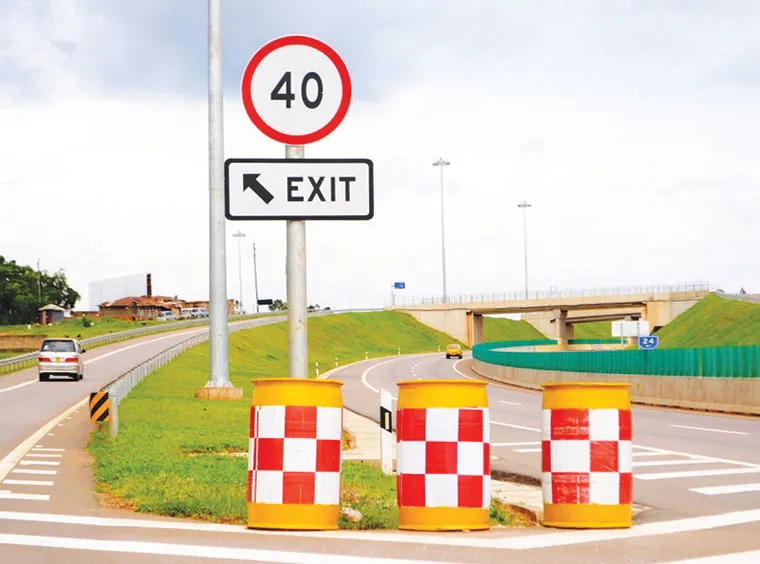
Urban Areas
In towns and cities such as Kampala, speed limits typically range between 30 and 50 km/h depending on the zone. In heavily populated areas, particularly near schools and markets, lower limits may apply.
Urban environments require caution due to pedestrians, boda-bodas, and unpredictable traffic patterns. For safe Driving in Uganda as a Tourist, always reduce speed when entering densely populated neighborhoods.
Highways
On major highways connecting cities and regions, speed limits are generally around 80 to 100 km/h, depending on signage and road condition.
However, posted signs may not always be consistent. Defensive driving is more important than speed maximization. Overtaking should be done cautiously, and drivers should remain alert for livestock and pedestrians along roadside shoulders.
For those unfamiliar with local driving patterns, maintaining moderate speeds enhances safety during Driving in Uganda as a Tourist.
Trading Centers
Trading centers are small roadside commercial areas common throughout Uganda. These zones often have reduced speed limits of approximately 50 km/h or lower.
Speed bumps are frequently installed in trading centers but may not always be clearly marked. Sudden braking by vehicles ahead is common.
When approaching any cluster of shops or roadside activity, slow down proactively. This habit significantly improves safety during Driving in Uganda as a Tourist.
National Parks
Inside national parks such as Murchison Falls National Park, speed limits are typically around 40 km/h or lower.
These limits exist to protect wildlife and ensure visitor safety. Animals may cross unexpectedly, and park rangers enforce regulations strictly. Exceeding speed limits inside parks can result in penalties or expulsion.
During safari travel, Driving in Uganda as a Tourist requires patience and slow navigation. Wildlife viewing is enhanced at lower speeds, and safety is prioritized over speed.
The Balanced Approach
Speed regulations in Uganda are designed to reflect road realities rather than high-speed travel efficiency. Observing limits, especially in populated and wildlife areas, significantly reduces risk.
For travelers prepared to adjust to local conditions and drive defensively, Driving in Uganda as a Tourist can be both safe and manageable.
Self-Drive Safari in Uganda – Is It Recommended?
For many travelers researching Driving in Uganda as a Tourist, one major question arises: Should I do a self-drive safari in Uganda?
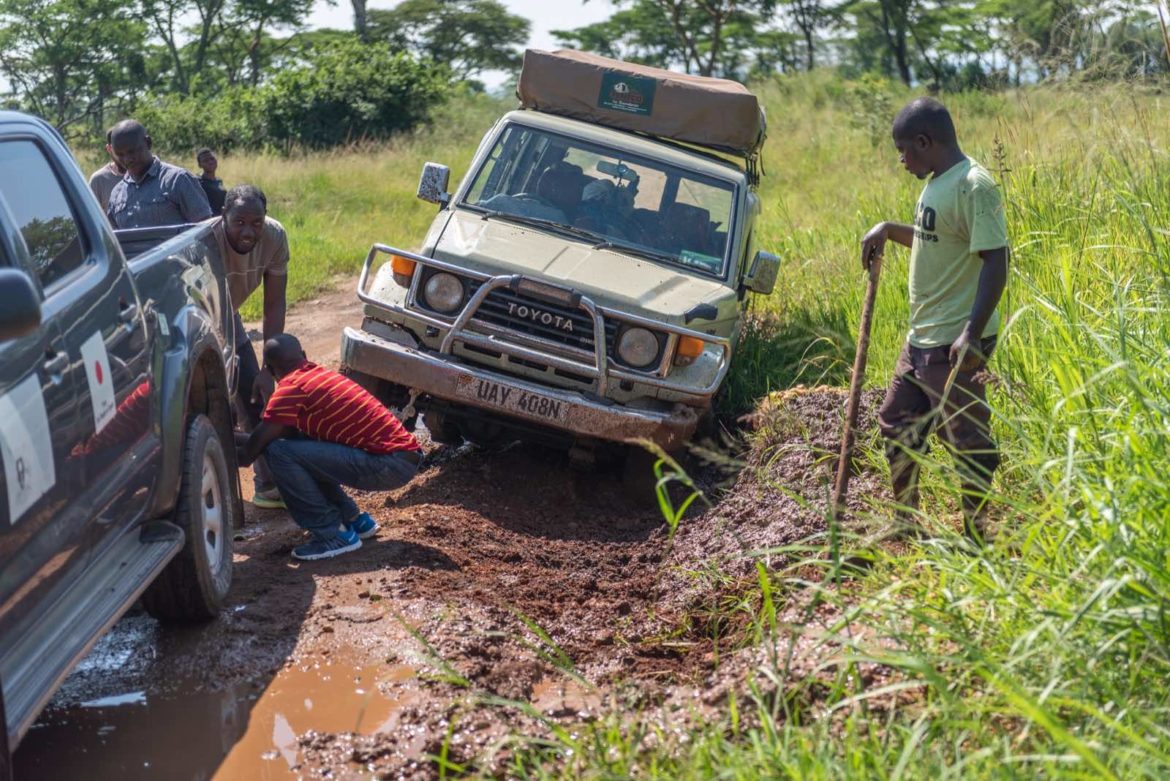
The honest answer is that self-drive safaris can work very well in Uganda but only under the right conditions. Uganda offers remarkable landscapes, wildlife-rich parks, and relatively accessible road networks. However, terrain variability, remote regions, and wildlife realities mean that self-driving is not ideal for everyone.
Understanding when self-drive works and when it does not is essential before committing to Driving in Uganda as a Tourist on safari routes.
When a Self-Drive Safari Works Well
A self-drive safari in Uganda works best for travelers who:
- Are confident driving 4×4 vehicles
- Have prior experience driving on the left-hand side
- Prefer flexibility over structured guided schedules
- Are comfortable navigating rural roads
- Have enough time in their itinerary to avoid rushing
If you are planning to visit parks such as Murchison Falls National Park, where road networks are relatively open and game tracks are more navigable, self-drive can be enjoyable. Wildlife sightings are common along established routes, and park signage is improving.
For experienced drivers, Driving in Uganda as a Tourist on a self-drive safari can offer privacy, independence, and schedule control.
When Self-Drive May Not Be Ideal
Self-drive safaris are not recommended when:
- You have limited time and tight schedules
- You are unfamiliar with left-hand driving
- You are uncomfortable navigating remote terrain
- You are traveling during heavy rainy seasons
- You want deep wildlife interpretation from a professional guide
In mountainous regions near Bwindi Impenetrable National Park, access roads can be steep, winding, and unpaved. During rainy seasons, sections may become muddy or slippery.
In these cases, hiring a professional driver-guide significantly reduces stress and risk. For many first-time visitors, guided safaris are a safer introduction before attempting Driving in Uganda as a Tourist independently.
Gorilla Trekking Road Access
Reaching gorilla trekking regions requires special consideration. Both Bwindi Impenetrable National Park and Mgahinga Gorilla National Park are located in southwestern Uganda, where terrain becomes mountainous.
Access roads to certain trekking sectors involve:
- Sharp inclines
- Narrow mountain passes
- Gravel or dirt surfaces
- Occasional mud during rainy seasons
For travelers planning gorilla trekking, self-driving is possible but requires confidence and preparation. Arriving late due to poor road navigation can jeopardize early morning trekking briefings.
When planning Driving in Uganda as a Tourist specifically for gorilla trekking, allow extra travel time and avoid night driving in mountainous areas.
The 4×4 Requirement
A 4×4 vehicle is strongly recommended and in many safari contexts, essential.
While paved highways connect major towns, safari parks and gorilla regions often require higher ground clearance and stronger traction. A standard sedan may struggle on muddy park tracks or rural access roads.
For successful Driving in Uganda as a Tourist, especially when entering national parks or mountainous terrain, choose a reliable 4×4 with:
- Good tires
- Functional spare tire
- Jack and basic tool kit
- Recovery equipment during rainy seasons
Vehicle reliability directly impacts safety and schedule adherence.
Fuel Planning and Remote Travel
Fuel availability varies across Uganda. In major towns and along highways, petrol stations are common. However, near remote parks or deep rural routes, stations become less frequent.
For those engaging in self-drive as part of Driving in Uganda as a Tourist, it is wise to:
- Refuel whenever passing a major town
- Avoid letting fuel drop below half tank in remote regions
- Confirm fuel type compatibility (petrol vs diesel)
- Carry emergency contact numbers from rental provider
National parks do not typically have fuel stations inside. Entering parks such as Murchison Falls with a full tank is essential.
The Balanced Recommendation
Self-drive safaris in Uganda can be rewarding for experienced and confident drivers who plan carefully. They offer flexibility and independence, especially for travelers who enjoy navigating at their own pace.
However, Uganda’s varied terrain, wildlife realities, and mountain roads mean that self-driving is not the best choice for everyone.
For travelers unfamiliar with East African road conditions, combining partial self-drive with professional driver support is often the most balanced approach.
Ultimately, successful Driving in Uganda as a Tourist depends on preparation, realistic expectations, and choosing the right vehicle for your route.
Renting a Car in Uganda as a Tourist
For many visitors planning Driving in Uganda as a Tourist, renting the right vehicle is one of the most important decisions you will make. Uganda’s road conditions vary widely between cities, highways, rural areas, and national parks. Choosing the wrong vehicle can turn an otherwise smooth journey into a stressful experience. Choosing the right one makes self-drive travel flexible, efficient, and safe.
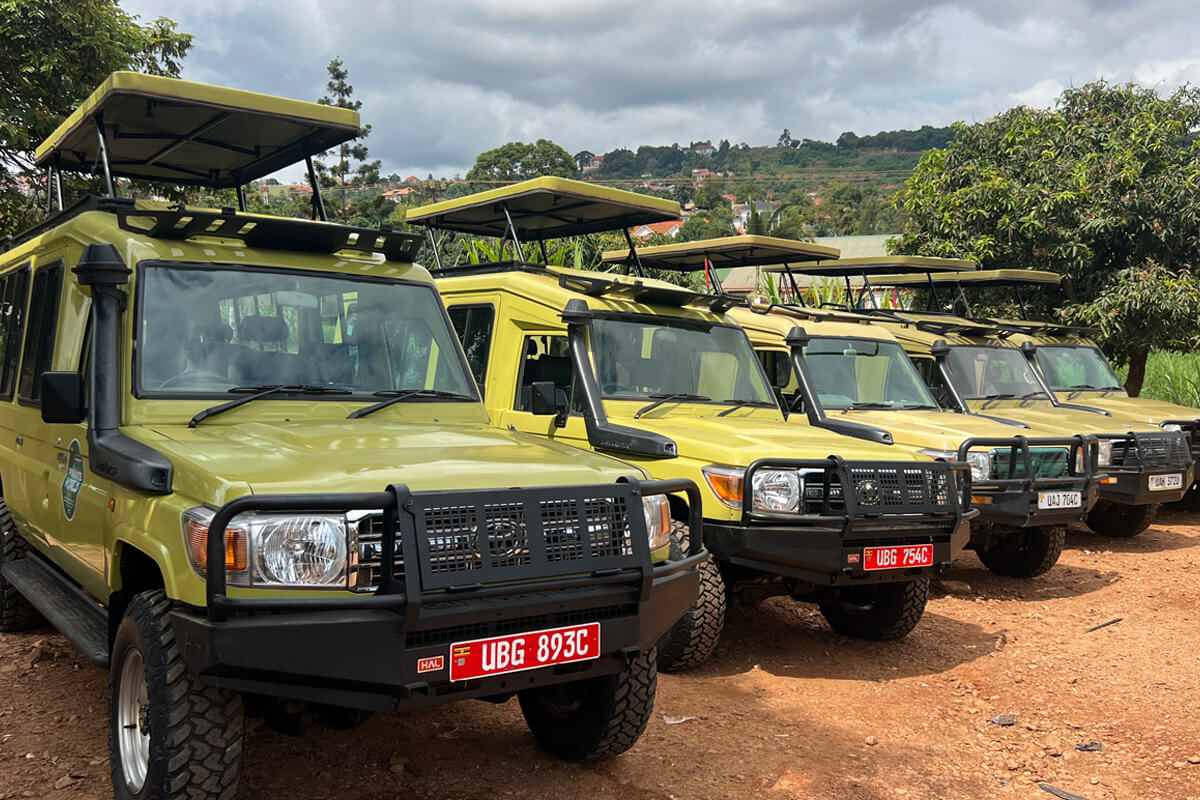
Understanding vehicle type, insurance coverage, fuel compatibility, and recovery preparation is essential before committing to Driving in Uganda as a Tourist.
4×4 vs Sedan – Which Should You Choose?
The choice between a 4×4 and a sedan depends entirely on your itinerary.
If your travel is limited to urban areas like Kampala, Entebbe, or well-paved highways between major towns, a sedan may be sufficient. Sedans are generally more affordable, fuel-efficient, and comfortable for city driving. For short business visits or airport transfers, they can be practical.
However, for safari routes, rural travel, or gorilla trekking regions such as Bwindi Impenetrable National Park or Murchison Falls National Park, a 4×4 is strongly recommended. Many access roads to national parks are unpaved, and during rainy seasons they can become muddy or uneven.
When engaging in Driving in Uganda as a Tourist, especially outside major cities, a 4×4 vehicle provides higher ground clearance, better traction, and greater confidence on difficult terrain. For most safari-focused itineraries, a 4×4 is not a luxury—it is a practical requirement.
Insurance Coverage – What You Must Confirm
Insurance protection is a critical part of renting a car in Uganda. Reputable rental companies provide third-party liability insurance as a minimum legal requirement. However, this basic coverage may not include full protection for vehicle damage.
Before finalizing any rental for Driving in Uganda as a Tourist, confirm whether your package includes:
- Collision damage waiver
- Theft protection
- Windscreen coverage
- Roadside assistance
Some rental companies offer comprehensive insurance at an additional cost. While this increases the daily rate, it provides significant peace of mind, particularly for travelers driving long distances or visiting remote parks.
Clarifying insurance terms in writing ensures transparency and avoids misunderstandings if an incident occurs.
Driver Option – Should You Hire One?
Even when renting a vehicle, tourists have the option of hiring a professional driver. This hybrid approach allows you to enjoy comfort while avoiding the stress of unfamiliar road systems.
For visitors new to East Africa, hiring a driver for part or all of the journey can enhance safety and efficiency. Driver-guides are familiar with:
- Police checkpoint procedures
- Safari park navigation
- Mountain road conditions
- Wildlife movement patterns
While self-driving remains popular, combining rental with a professional driver is often the safest choice for first-time travelers engaging in Driving in Uganda as a Tourist.
Fuel Types and Planning
Fuel availability in Uganda is generally reliable along major highways and in urban areas. Most rental vehicles operate on either petrol or diesel. It is essential to confirm the correct fuel type before refueling, as misfueling can cause mechanical damage.
For extended road trips, especially toward remote regions, it is advisable to refuel before leaving major towns. When planning Driving in Uganda as a Tourist, avoid allowing the fuel level to drop too low in rural areas where petrol stations may be sparse.
National parks typically do not have internal fuel stations, so entering with a full tank is always recommended.
Spare Tire and Vehicle Preparedness
Before beginning your journey, inspect the vehicle thoroughly. Confirm the presence of:
- A functional spare tire
- Jack and wheel spanner
- Reflective triangle
- Basic tool kit
Ugandan roads can include potholes, gravel, and uneven surfaces, especially in rural and safari areas. A reliable spare tire is not optional, it is essential for safe Driving in Uganda as a Tourist.
Ask the rental provider to demonstrate how to change a tire if you are unfamiliar with the process.
Recovery Kit and Emergency Support
When traveling to mountainous or remote areas, particularly near Bwindi or rural park entrances, carrying basic recovery equipment adds an additional layer of safety.
Some 4×4 rentals include:
- Tow rope
- Recovery boards
- Basic first aid kit
- Emergency contact numbers
Reliable rental companies provide roadside assistance support numbers in case of mechanical breakdown. Confirm that assistance extends beyond major cities if you are planning rural travel.
Preparedness reduces risk and builds confidence while Driving in Uganda as a Tourist, especially in less populated regions.
The Smart Rental Strategy
Renting a car in Uganda is straightforward when done through a reputable provider. The key to successful Driving in Uganda as a Tourist is matching your vehicle type to your itinerary, ensuring proper insurance coverage, and preparing for varied road conditions.
Urban-only travel may allow for a sedan. Safari routes and gorilla trekking regions require a 4×4. Comprehensive insurance and vehicle inspection should never be overlooked.
With proper planning and realistic expectations, renting a vehicle becomes a practical and empowering part of exploring Uganda.
Driving to Gorilla Trekking Parks – What You Should Know
For many travelers planning Driving in Uganda as a Tourist, the most demanding part of the journey is reaching the gorilla trekking regions in southwestern Uganda. While highways from Kampala toward Mbarara are largely paved, the final stretch toward Bwindi Impenetrable National Park and Mgahinga Gorilla National Park requires preparation, patience, and the right vehicle.
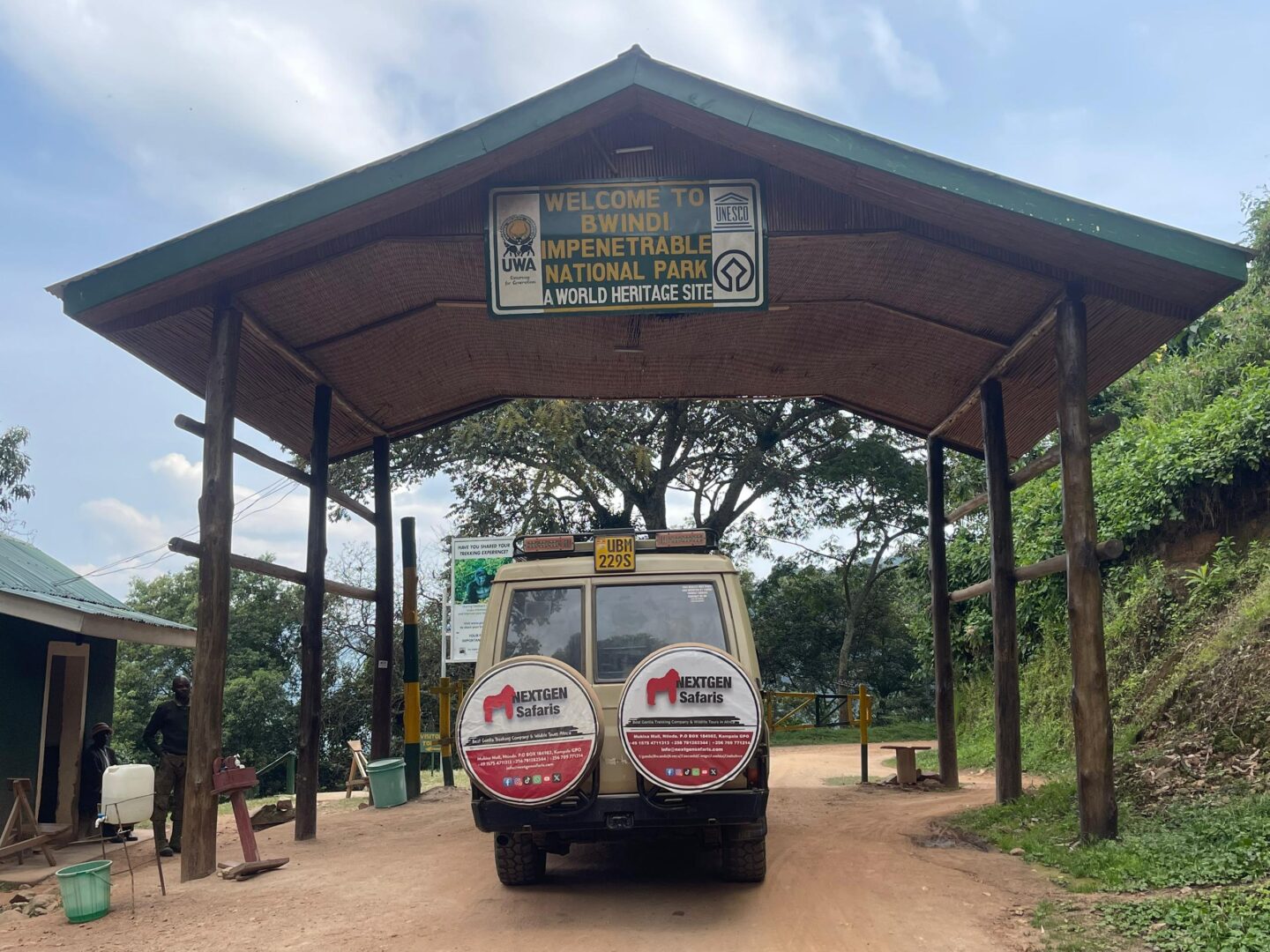
This is where realistic expectations matter.
The Long Highway South
If you are driving from Entebbe or Kampala, the first major leg toward Mbarara is generally smooth. The main highway is paved, though you should still expect occasional potholes, roadside markets, and livestock crossings. Speed bumps in trading centers are common and sometimes unmarked, so slowing down when approaching roadside shops is essential.
After Mbarara, the road begins to change character. As you head deeper into southwestern Uganda toward Kabale or Kisoro, the terrain becomes hillier. You will notice long winding ascents, sharp curves, and steeper gradients. The scenery is stunning rolling green hills and terraced farmland—but the driving becomes more technical.
For those unfamiliar with mountainous terrain, this stage of Driving in Uganda as a Tourist requires concentration and moderate speed.
Approaching Bwindi Impenetrable National Park
The final access roads to Bwindi depend on which trekking sector you are assigned. Bwindi has multiple sectors; Buhoma, Ruhija, Rushaga, and Nkuringo and each has different road realities.
The approach roads are typically narrow and may shift from paved to gravel without warning. In dry season, they are dusty and uneven. In rainy season, sections can become muddy and slippery. Steep inclines are common, especially near Nkuringo, where some lodge access roads are sharply angled.
Local drivers understand that you never rush the final stretch into Bwindi. It is not unusual to encounter:
- Motorcycles navigating steep slopes
- Farmers walking cattle along the roadside
- Occasional small landslides after heavy rain
When engaging in Driving in Uganda as a Tourist toward Bwindi, allow more time than your GPS suggests. Mobile signal can be unreliable in some areas, so downloading offline maps in advance is wise.
Approaching Mgahinga Gorilla National Park
The road to Mgahinga, near Kisoro, also involves mountainous terrain but is generally slightly more open compared to some Bwindi routes. However, elevation changes are significant.
The final approach includes winding hills and occasional rough patches. During heavy rains, traction can be reduced. A 4×4 vehicle is strongly recommended for anyone planning Driving in Uganda as a Tourist to Mgahinga.
Kisoro town has fuel stations and basic services, but once you leave town toward park boundaries, facilities become limited. It is essential to refuel before ascending toward the park area.
Rainy Season Realities
Between March and May and again around October to November, rainfall can dramatically alter road conditions. Mud becomes the main challenge. Slopes that are manageable in dry season can become slippery after heavy rain.
If you are planning gorilla trekking during rainy periods and intend to handle Driving in Uganda as a Tourist independently, choose a well-maintained 4×4 with good tire tread. Avoid arriving late in the evening when visibility decreases.
Early Morning Trekking Timing
Gorilla trekking briefings begin early in the morning, usually around 7:00–8:00 AM. Arriving late due to poor road planning is not acceptable. Park authorities operate on strict schedules.
For this reason, experienced local operators always ensure guests arrive in the trekking region the evening before. Attempting to drive from far distances on the same morning of trekking increases stress and risk.
If you are self-driving as part of Driving in Uganda as a Tourist, plan to reach your lodge no later than late afternoon the day before your trek.
Vehicle Preparation and Local Tips
Locally, drivers understand that southwestern Uganda requires a calm driving style. You should:
- Keep your tank at least half full
- Avoid aggressive overtaking on blind mountain curves
- Reduce speed before sharp bends
- Use lower gears when descending steep slopes
In remote stretches, roadside assistance response times can be longer than in cities. This is why proper vehicle inspection before departure is essential.
The Honest Local Perspective
Driving to gorilla trekking parks is entirely possible for tourists. Many do it successfully each year. However, it is not comparable to driving on European or American highways.
The roads are scenic, sometimes challenging, and demand attention. For confident drivers who prepare properly, Driving in Uganda as a Tourist to Bwindi or Mgahinga can be manageable and rewarding.
For travelers uncomfortable with mountain terrain, hiring a professional driver-guide is often the safer and more relaxing option.
Understanding these local realities allows you to make an informed decision and approach gorilla trekking road travel with confidence rather than uncertainty.
Common Mistakes Tourists Make When Driving in Uganda
When it comes to Driving in Uganda as a Tourist, most challenges do not come from the roads themselves but from unrealistic expectations. Travelers who understand local realities generally have smooth journeys. Those who assume Western driving conditions often face unnecessary stress.
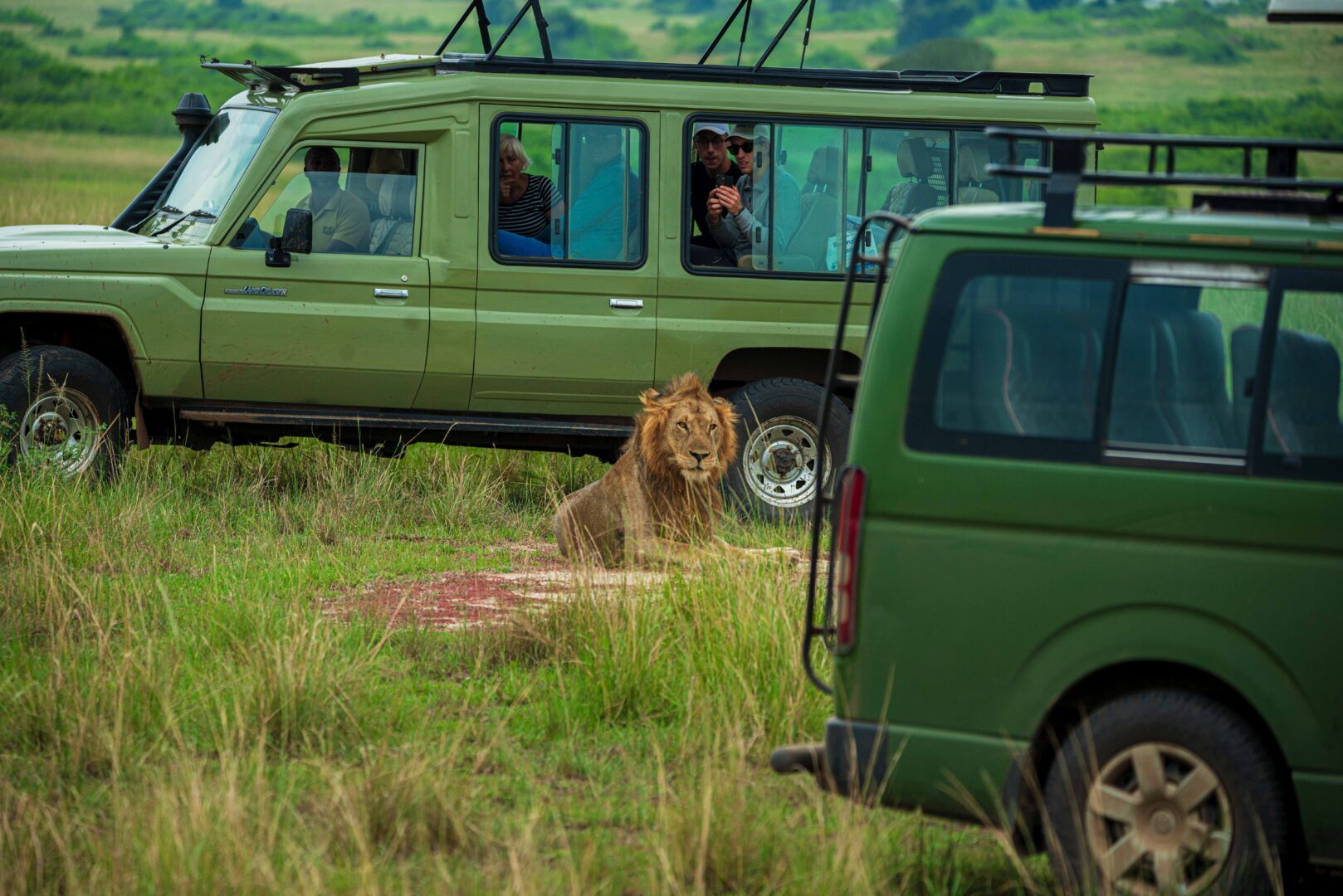
One common mistake is underestimating travel time. Google Maps may show a six-hour drive to southwestern Uganda, but road works, trading centers, livestock crossings, and mountain terrain can extend that duration. When planning Driving in Uganda as a Tourist, always add buffer time—especially before important activities like gorilla trekking.
Another frequent error is attempting long-distance night driving. Road lighting outside major towns is limited, and pedestrians, cyclists, and livestock may not be easily visible. Even experienced drivers are advised to avoid rural night travel. Planning daytime arrivals significantly improves safety.
Choosing the wrong vehicle is another mistake. Some visitors rent sedans to save money, only to struggle on muddy or steep access roads near parks such as Bwindi Impenetrable National Park. A 4×4 is often not optional—it is practical. Matching the vehicle to the route is essential for successful Driving in Uganda as a Tourist.
Speeding through trading centers is also a common problem. These roadside commercial hubs frequently have unmarked speed bumps. Failing to slow down can damage the vehicle or cause accidents. Defensive driving and reduced speed in populated areas are critical habits.
Some tourists also misunderstand police checkpoints. They may become unnecessarily anxious or defensive. In reality, most stops are routine documentation checks. Having proper paperwork and communicating respectfully makes Driving in Uganda as a Tourist straightforward.
Finally, poor fuel planning creates avoidable stress. Fuel stations are common in towns but scarce near remote parks. Entering national parks without sufficient fuel can complicate safari plans.
Avoiding these common mistakes transforms Driving in Uganda as a Tourist from uncertain to confident.
Frequently Asked Questions
Can I drive in Uganda with a US license?
Yes. A valid US driving license is accepted for short-term tourism. However, carrying an International Driving Permit alongside your US license is strongly recommended when Driving in Uganda as a Tourist.
Do I need an international permit?
It is not always mandatory for short stays, but an International Driving Permit provides legal clarity and is often required by rental companies. For smooth Driving in Uganda as a Tourist, having one is advisable.
Is it safe to drive at night?
Night driving is not recommended outside major towns. Limited lighting, livestock crossings, and unpredictable obstacles increase risk. For safer Driving in Uganda as a Tourist, plan travel during daylight hours.
Are roads paved?
Major highways between cities are generally paved. However, rural roads and safari park tracks are often gravel or dirt. Road conditions vary significantly, which is why vehicle choice matters when Driving in Uganda as a Tourist.
Is Uganda safer than Kenya for driving?
Both countries have similar East African road dynamics. Safety depends more on driver behavior and route planning than national comparison. Responsible, defensive driving is the key to safe travel in either country.
Final Advice – Should You Drive Yourself or Hire a Driver in Uganda?
The decision ultimately depends on confidence, experience, and travel style.
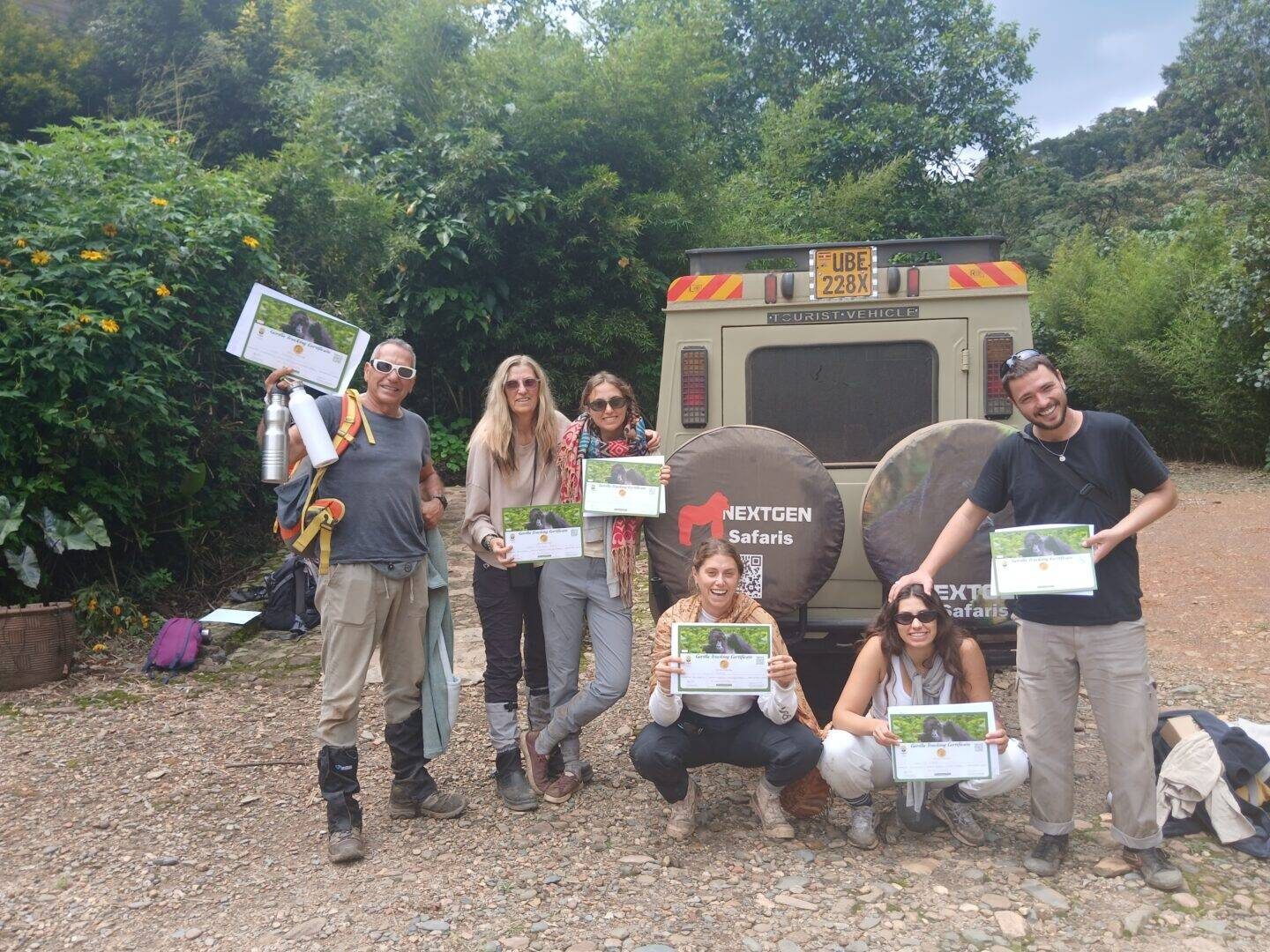
If you are comfortable with left-hand driving, prepared for variable road conditions, and enjoy independence, then Driving in Uganda as a Tourist can be manageable and rewarding. With proper preparation, a suitable 4×4 vehicle, and realistic scheduling, many travelers successfully explore Uganda on self-drive itineraries.
However, if you are unfamiliar with East African roads, traveling on tight schedules, or visiting mountainous safari regions, hiring a professional driver-guide is often the wiser option. A local driver understands road conditions, police procedures, wildlife behavior, and park navigation in ways that GPS cannot replicate.
For first-time visitors combining long road journeys with activities such as gorilla trekking in Bwindi Impenetrable National Park or game drives in Murchison Falls National Park, professional guidance reduces stress and enhances safety.
There is no single correct choice. The key is aligning your comfort level with your itinerary demands.
Whether you choose full self-drive or a driver-assisted safari, understanding the realities of Driving in Uganda as a Tourist ensures that your journey across Uganda is safe, efficient, and memorable.