
Is Ebola Affecting Gorilla Trekking in Rwanda? – Latest Updates & Safety Guide
Many travelers ask: “Is Ebola affecting gorilla trekking in Rwanda?” This is a common concern for visitors planning wildlife safaris, especially to Volcanoes National Park or Bwindi Impenetrable National Park. While Ebola has had localized outbreaks in parts of East and Central Africa, current reports confirm that gorilla trekking areas in Rwanda remain safe for visitors.
This “Is Ebola Affecting Gorilla Trekking in Rwanda?” guide provides the latest updates on park safety, health protocols, and tourism advisories, ensuring travelers can make informed decisions. The goal is to reassure adventurers that gorilla trekking continues to operate under strict health and safety measures, allowing visitors to enjoy intimate wildlife encounters while supporting conservation and local communities. Reliable, up-to-date information from official sources helps safeguard both travelers and wildlife.
Current Status of Ebola in Rwanda
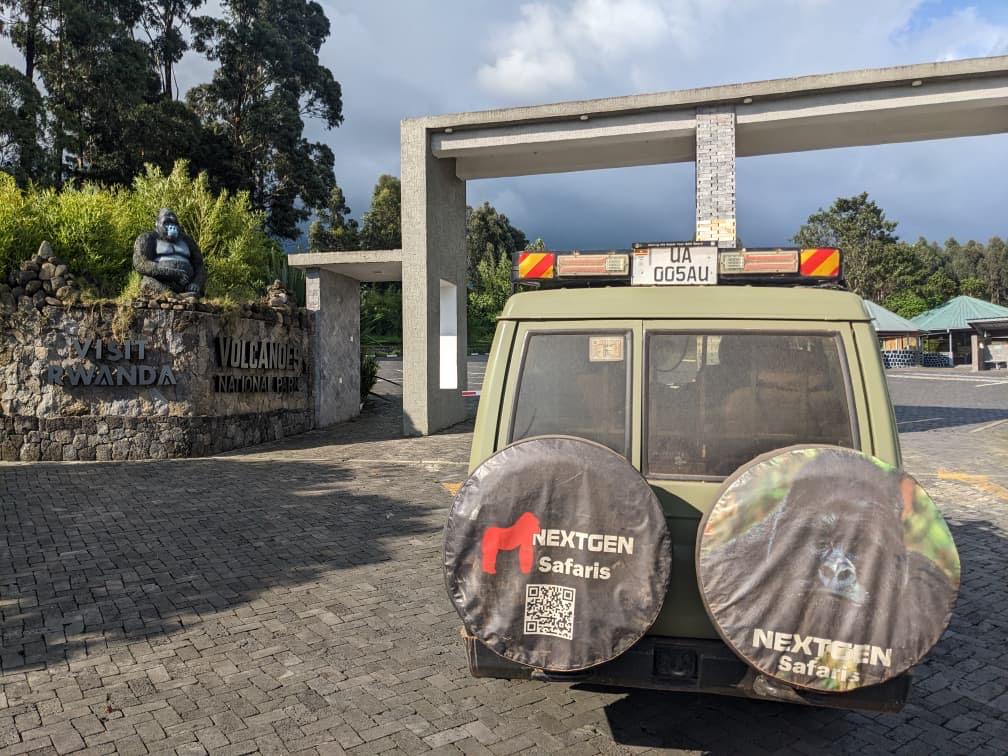
As of the latest reports from the Rwandan Ministry of Health and the World Health Organization (WHO), Ebola cases in Rwanda have been minimal and largely contained at border points, with no active transmission reported near gorilla trekking areas. Volcanoes National Park and Bwindi Impenetrable National Park remain fully operational, with trekking permits, guided tours, and lodge accommodations available.
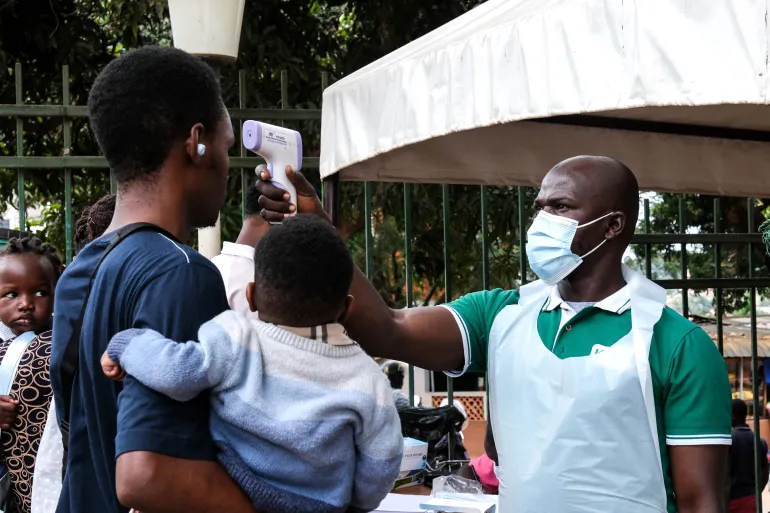
The government and park authorities continue to implement screening procedures at entry points, hand hygiene measures, and visitor monitoring to ensure that all tourists experience a safe and uninterrupted gorilla trekking adventure. The risk to gorillas and visitors is extremely low, as habituated gorilla groups live in protected forest zones, and human contact is strictly regulated.
Travelers are encouraged to follow official health advisories, maintain good hygiene practices, and book their safaris through licensed tour operators who comply with the latest safety protocols. This ensures that your gorilla trekking experience in Rwanda remains both safe and unforgettable.
Gorilla Trekking Safety Measures
Visitors planning gorilla trekking in Rwanda can be reassured that strict safety protocols are in place to protect both travelers and wildlife. In Volcanoes National Park, the authorities have implemented health screenings at park entrances, including temperature checks and basic health questionnaires, to ensure that all guests entering the park are fit for trekking.
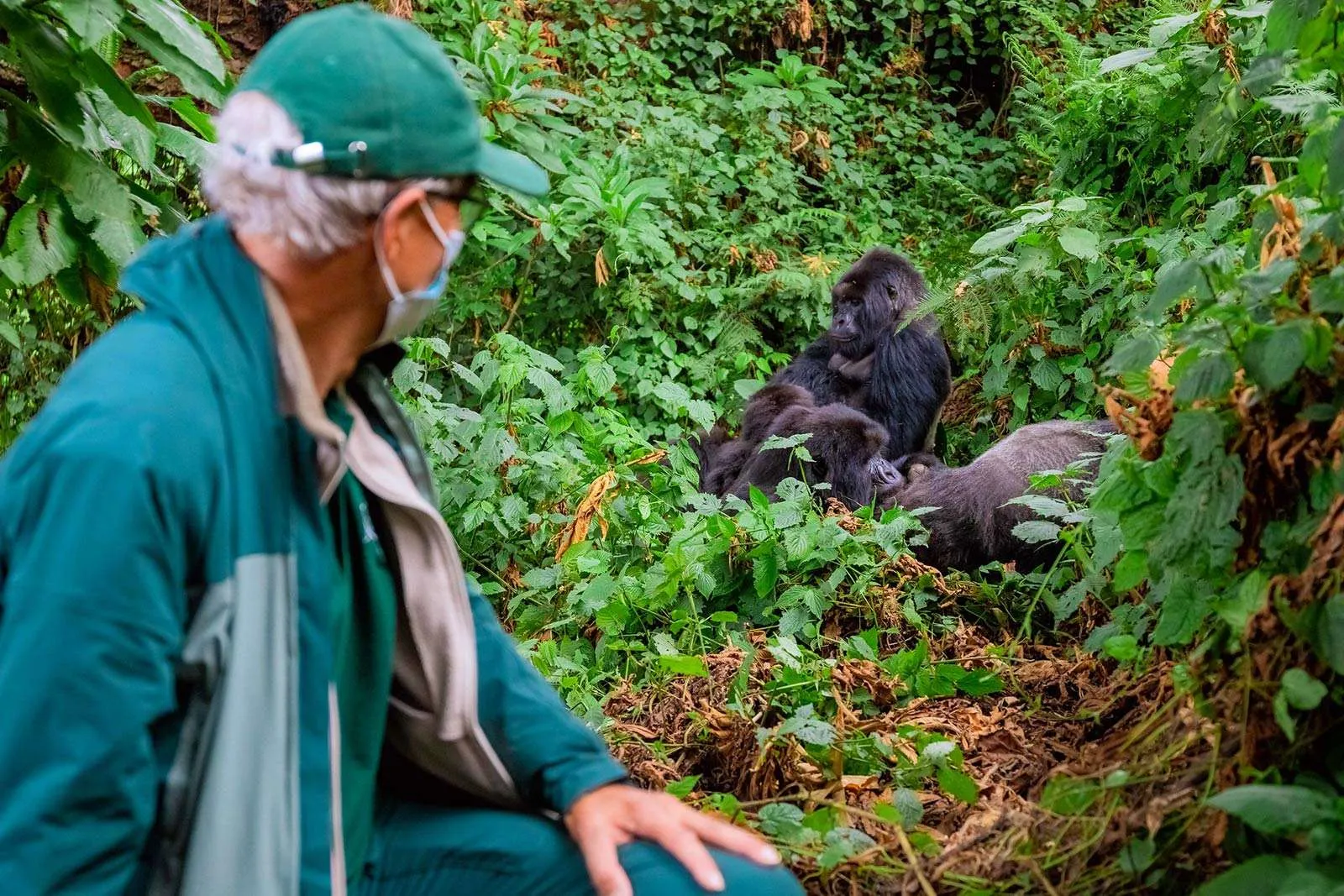
Hand hygiene is strongly encouraged, with handwashing stations and hand sanitizer available at lodge entrances and trekking assembly points. While mask policies are situational and based on current health advisories, guides may recommend masks during group briefings or in enclosed areas, especially during outbreaks of communicable diseases.
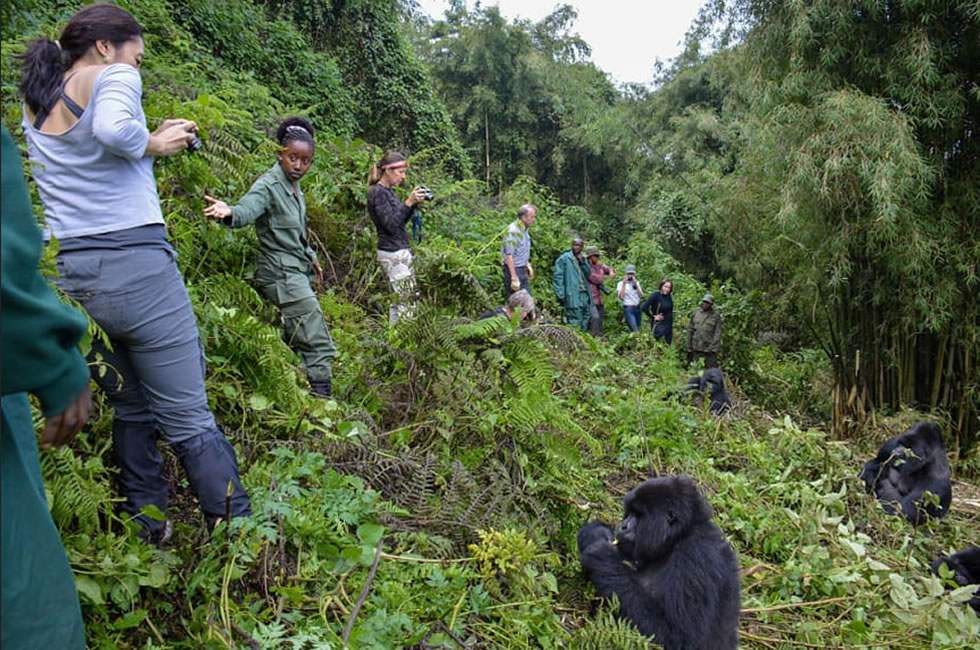
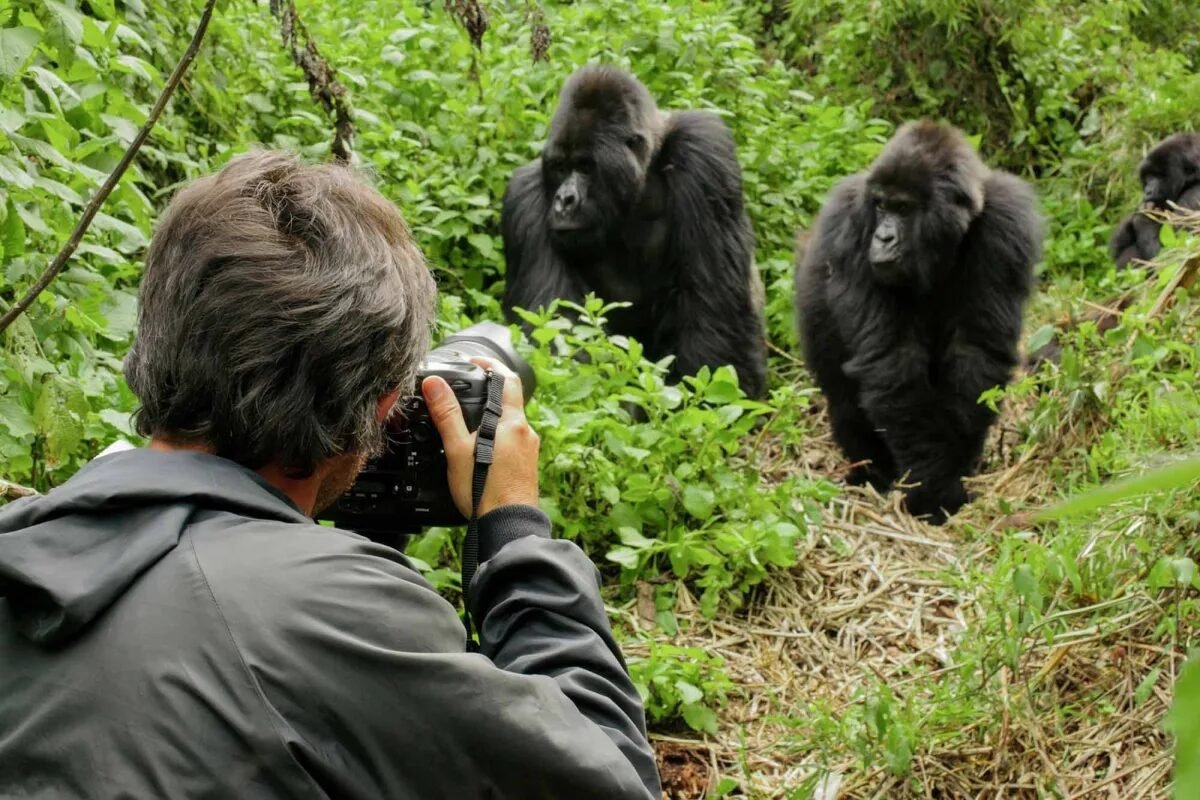
Gorilla trekking groups are limited to eight visitors per gorilla family, minimizing disturbance and maintaining a safe environment for both humans and gorillas. Visitors must keep a minimum distance of 7 meters from the gorillas at all times. These protocols, combined with trained rangers and porters, ensure that there is no direct contact with gorillas, reducing any potential health risk while preserving the integrity of the wildlife experience.
Additionally, lodges and trekking facilities regularly disinfect common areas, and guides provide briefings on safe interaction practices, ensuring that your gorilla trekking adventure remains safe, responsible, and unforgettable.
Travel Advice & Reassurance
Travelers concerned about Ebola while planning their gorilla trekking safari can follow practical steps to ensure a safe and smooth experience:
- Confirm flight and visa requirements before arrival. Some travelers may need visas for Rwanda, Uganda, or connecting countries; check for the latest regulations.
- Review park updates before departure, including any temporary health advisories or travel restrictions. National park websites and licensed safari operators provide real-time information on conditions.
- Book with licensed safari operators like Nextgen Safaris, who follow strict health protocols, manage gorilla permits, and ensure all trekking and lodge logistics adhere to safety measures.
- Travelers are reassured that gorilla trekking continues safely under rigorous conservation and health guidelines. Regular monitoring of visitor health, strict park regulations, and responsible tourism practices mean that guests can enjoy once-in-a-lifetime wildlife experiences without compromise.
By following these measures, tourists can safely enjoy intimate encounters with mountain gorillas while contributing to local conservation initiatives and supporting Rwanda’s eco-tourism sector.
Impact on Tourism & Conservation
While localized Ebola outbreaks in neighboring regions may temporarily affect general travel advisories, gorilla trekking in Rwanda remains fully operational and safe. Most reported cases are at border points or in areas far from Volcanoes National Park, meaning tourism in gorilla habitats continues with minimal disruption.
Any short-term travel restrictions can impact visitor numbers, but conservation efforts and local community support remain a priority. Revenue from gorilla trekking permits and eco-tourism lodges continues to fund anti-poaching patrols, habitat protection, veterinary care, and community development projects, ensuring long-term protection of mountain gorillas. By traveling responsibly and booking through licensed operators, visitors can experience wildlife safely while directly contributing to conservation initiatives.
Tourism recovery is swift in Rwanda due to strict health protocols, professional park management, and consistent monitoring. Travelers can rest assured that their gorilla trekking safari supports both ecological preservation and sustainable community development, even amid global health concerns.
FAQs – Is Ebola Affecting Gorilla Trekking in Rwanda?
1. Is gorilla trekking safe during Ebola outbreaks?
Yes. Gorilla trekking areas in Rwanda remain safe due to strict park regulations, visitor health screenings, and limited contact protocols.
2. Are gorilla permits affected by Ebola?
No. Permits continue to be issued, and trekking activities operate normally in Volcanoes National Park and Bwindi Impenetrable National Park.
3. Which parks are safe for trekking?
Volcanoes National Park in Rwanda and Bwindi Impenetrable National Park in Uganda are fully open and safe for gorilla trekking.
4. Do I need vaccines to travel?
Travelers should follow standard health advisories, including yellow fever vaccination, but Ebola-specific vaccines are not required for tourism in Rwanda.
5. Are tour operators monitoring health updates?
Yes. Licensed operators monitor official health reports and adjust logistics to maintain safe trekking experiences.
6. Can families and children go gorilla trekking safely?
Yes. All trekking groups adhere to safety protocols and age restrictions, ensuring a safe experience for families.
7. How do Ebola protocols affect safari logistics?
Screenings, hand hygiene, and limited group sizes may slightly adjust check-in procedures, but do not affect the overall trekking experience.
8. Is hiking difficulty affected by health protocols?
No. Trails and trekking difficulty remain the same; protocols focus on hygiene and controlled visitor access.
9. Are there restrictions on lodge stays?
Luxury and budget lodges near trekking areas continue to operate under enhanced sanitation and visitor health measures.
10. Can I combine gorilla trekking with other safaris?
Yes. Domestic flights and private transfers are operational, allowing combination safaris in Uganda, Rwanda, or Tanzania.
11. What should I bring for safe trekking?
Pack sturdy shoes, insect repellent, hand sanitizer, and follow ranger guidance to maintain a safe distance from gorillas.
12. How far in advance should I book?
Book at least 3–6 months in advance to secure gorilla permits, especially during peak season.
13. Can I still photograph gorillas?
Yes. Photography is allowed with strict adherence to the minimum distance and park rules.
14. How are gorilla families protected?
Rangers limit visitor numbers, maintain safe distances, and monitor gorilla health daily.
15. Are cultural excursions still available?
Yes. Village visits, local craft demonstrations, and community interactions continue with health precautions.
16. Does this affect trekking in Uganda?
No. Bwindi Impenetrable and Mgahinga Gorilla National Park remain open, following the same health protocols.
17. Are transportation services affected?
Domestic flights and luxury transfers operate normally, with safety protocols implemented at airports and lodges.
18. How do I stay updated on Ebola-related travel alerts?
Check official sources: Rwandan Ministry of Health, Uganda Ministry of Health, and WHO travel advisories.
19. Can first-time travelers visit safely?
Yes. Licensed operators provide fully guided, safe experiences for first-time visitors.
20. Does tourism still support conservation?
Absolutely. Gorilla permit fees and lodge revenues continue funding anti-poaching, habitat protection, and local community programs, ensuring wildlife conservation remains strong.
Book your Rwanda Gorilla Trekking adventure with Nextgen Safaris confidently, knowing the latest Ebola safety protocols are strictly in place. Enjoy safe, intimate encounters with mountain gorillas while supporting conservation and local communities.