Gorilla trekking in East Africa is a once-in-a-lifetime experience that offers adventurers the unique opportunity to witness one of the planet’s most endangered species in their natural habitat. For wildlife enthusiasts, conservation supporters, and those simply seeking an unforgettable experience, gorilla trekking provides a profound connection to nature. The adventure takes you deep into lush forests, where the last remaining mountain gorillas reside, creating an awe-inspiring journey that combines adventure, conservation, and cultural immersion.
What Is Gorilla Trekking and Why Should You Do It?
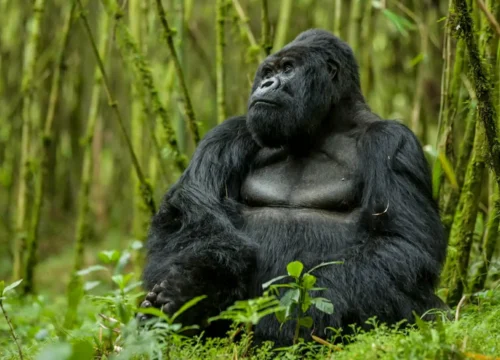
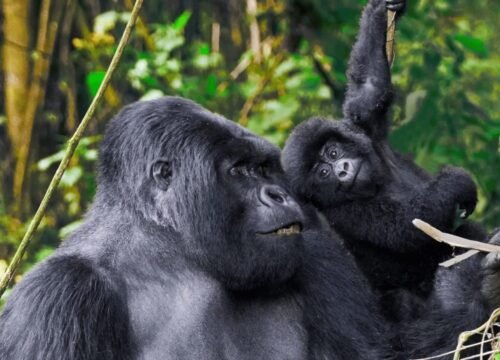
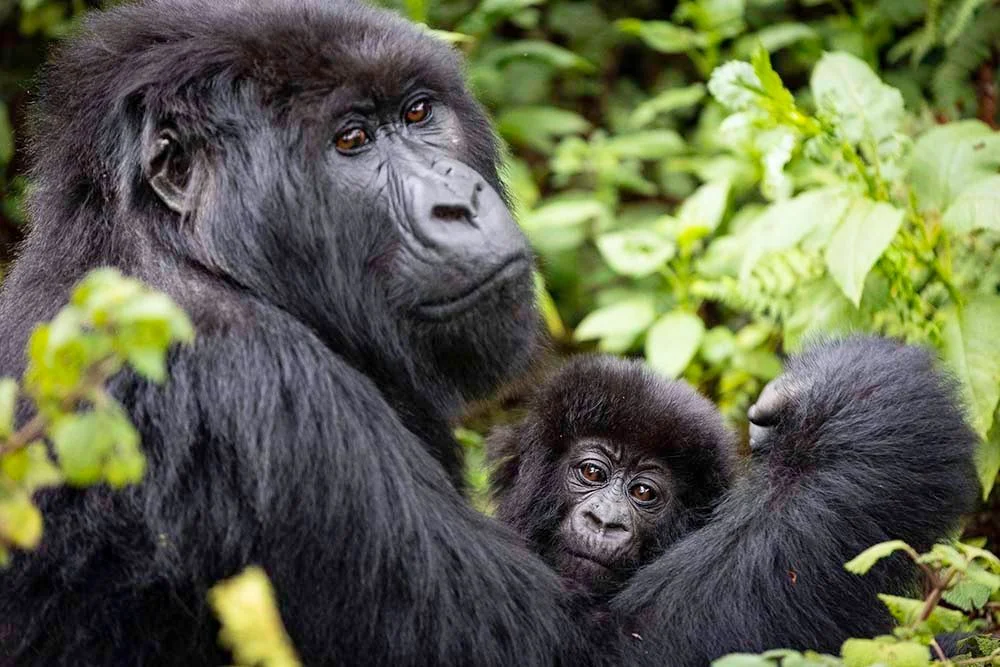
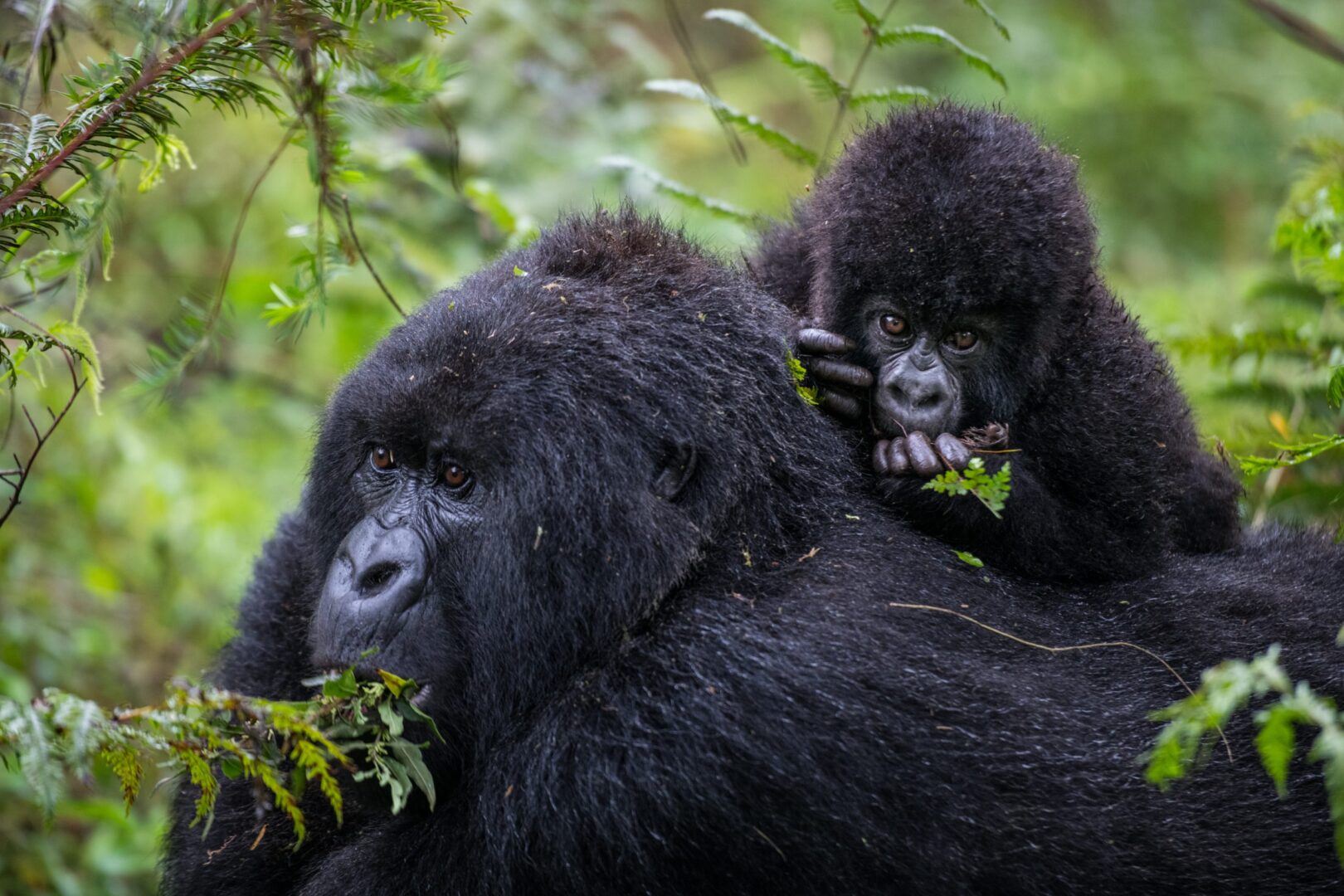
Gorilla trekking is not just about encountering these majestic creatures; it’s about stepping into a world where conservation and adventure meet. Mountain gorillas are among the most endangered species on the planet, with fewer than 1,000 individuals remaining. These incredible primates are found only in the dense forests of East Africa, primarily in Uganda, Rwanda, and the Democratic Republic of Congo. Trekking to see them in the wild is not only an extraordinary adventure but also contributes to their conservation by generating funds that support anti-poaching efforts and local communities.
The significance of gorilla trekking lies in its ability to create a direct, personal connection between visitors and nature. Watching gorillas in the wild offers a rare opportunity to see these magnificent creatures up close, observe their behavior, and understand the complex social structures within gorilla families. The experience is both humbling and awe-inspiring, making it one of the most sought-after wildlife encounters in the world.
Where to Go Gorilla Trekking in East Africa
Gorilla trekking in East Africa is a limited but extraordinary experience, offered in a few select regions that each provide their unique environment and atmosphere for this life-changing adventure.
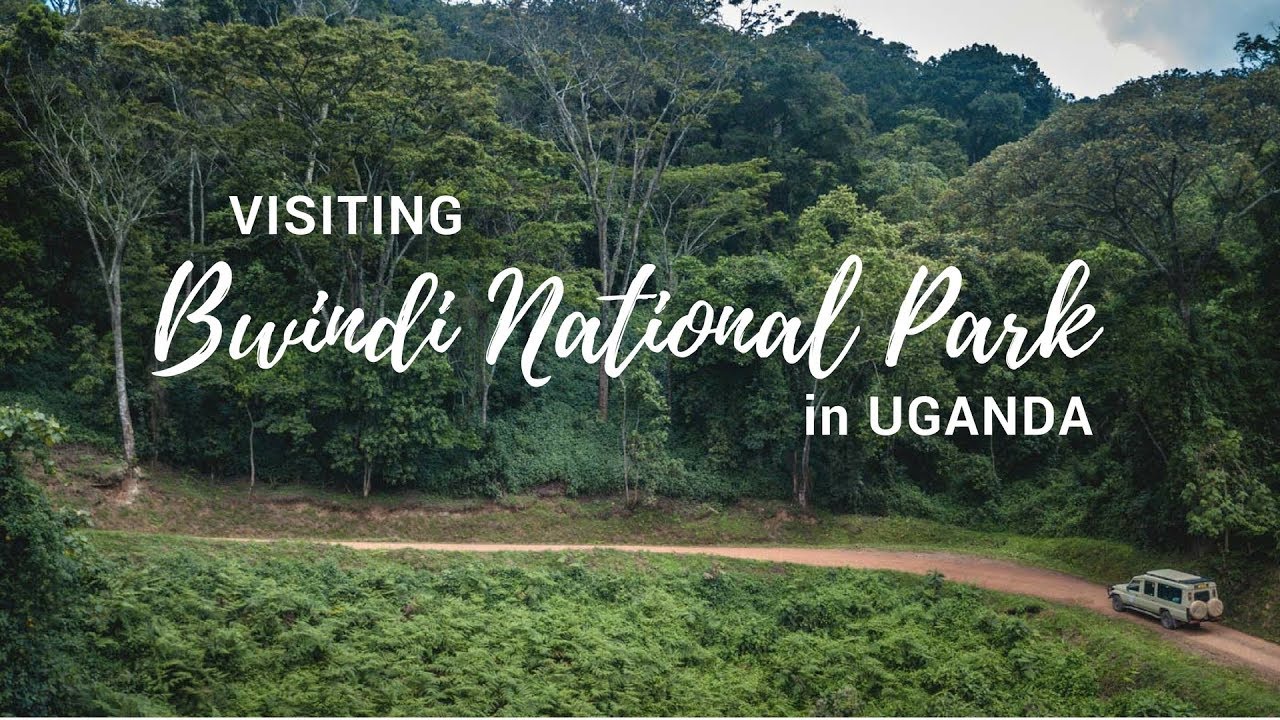
Bwindi Impenetrable Forest, Uganda is perhaps the most renowned destination for gorilla trekking. This UNESCO World Heritage site is home to roughly half of the world’s remaining mountain gorillas, making it one of the most significant locations for the species’ conservation. The dense, mist-covered forests of Bwindi provide a stunning and immersive environment for trekkers, where adventure and beauty intertwine. The location also offers a variety of trekking options, from easier routes to more challenging ones, ensuring that every trekker can find their ideal experience.
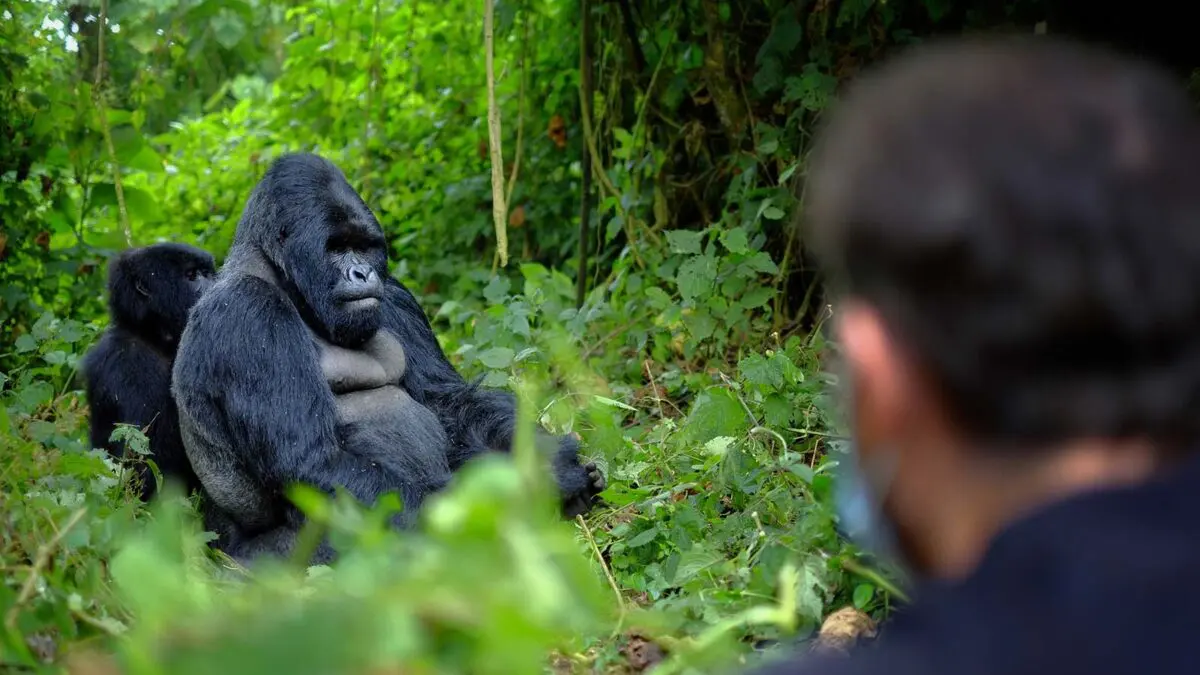
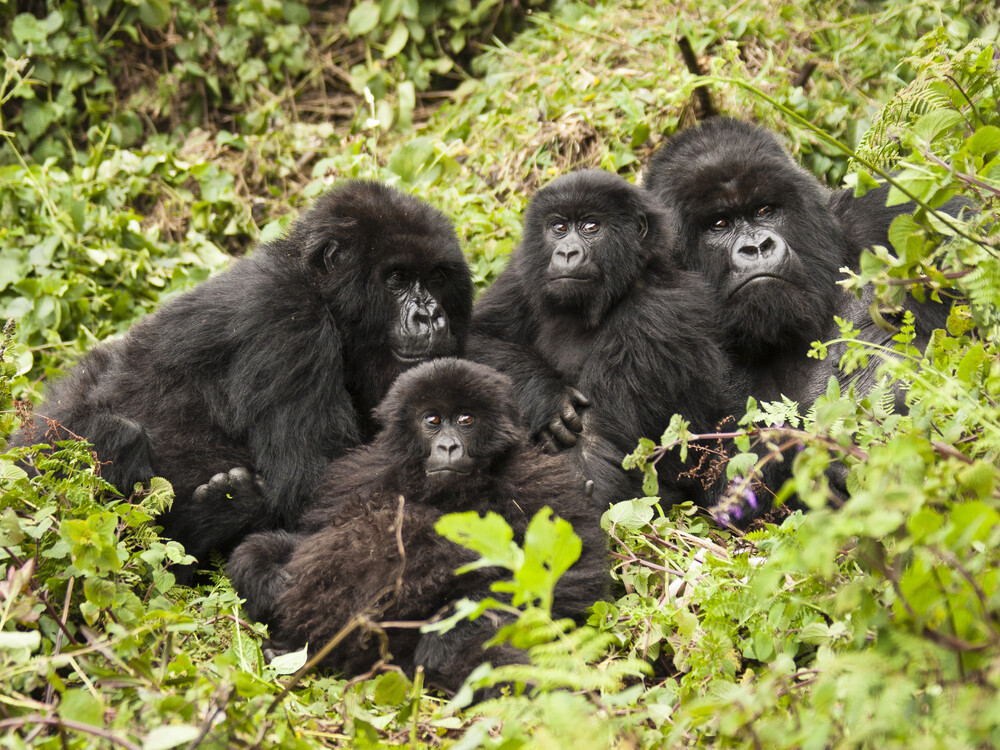
Next, Volcanoes National Park, Rwanda offers a different yet equally captivating trek. Known for its scenic views of towering volcanoes, this park is historically significant as it was the site of Dian Fossey’s groundbreaking research on gorilla behavior. The park’s accessibility from Rwanda’s capital, Kigali, makes it an attractive choice for visitors seeking a short but memorable trek. The beauty of the volcanic landscape combined with the opportunity to see gorillas in this natural setting makes Volcanoes National Park a popular and convenient destination.
For those seeking an off-the-beaten-path adventure, Virunga National Park in the Democratic Republic of Congo offers a more rugged and remote experience. While less visited than the parks in Uganda and Rwanda, Virunga provides a unique opportunity to trek in a less crowded environment, with the added benefit of exploring the stunning landscapes of Congo. The park is home to several gorilla families, and the trekking experience here is an adventurous journey into the heart of Congo’s wild terrain, offering a sense of exploration and discovery that is hard to match.
Each of these destinations offers a different side of gorilla trekking, and the choice of where to go depends largely on what you’re seeking in your adventure, whether it’s accessibility, scenic beauty, or a more intimate experience with nature.
The Gorilla Trekking Experience
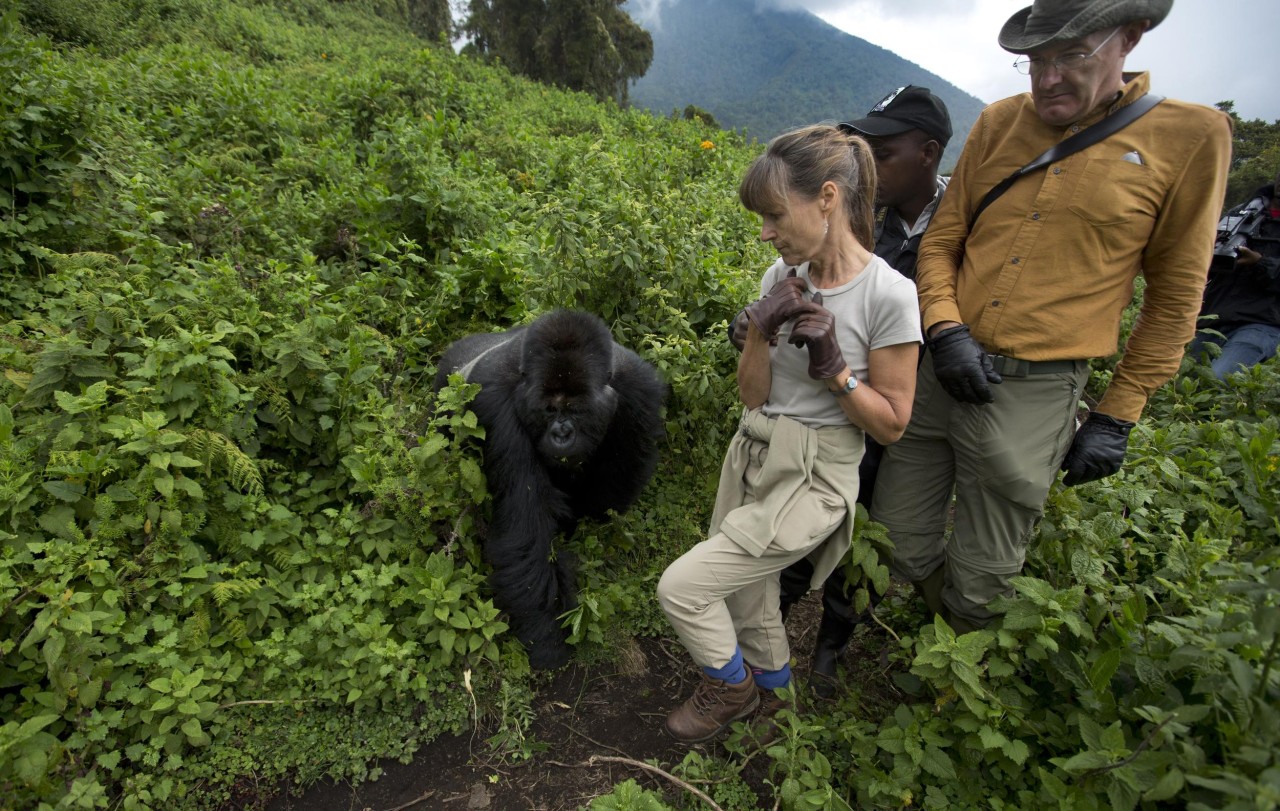
Gorilla trekking is a journey that begins well before you see your first gorilla. The day starts early in the morning with a briefing by your guide, who will explain the safety protocols and ensure that all trekkers are prepared for the hike. The trek itself can range from a couple of hours to an entire day, depending on where the gorilla families are located within the forest. The experience is physically demanding, often involving hikes through dense vegetation, steep hills, and muddy trails, but the reward is well worth the effort.
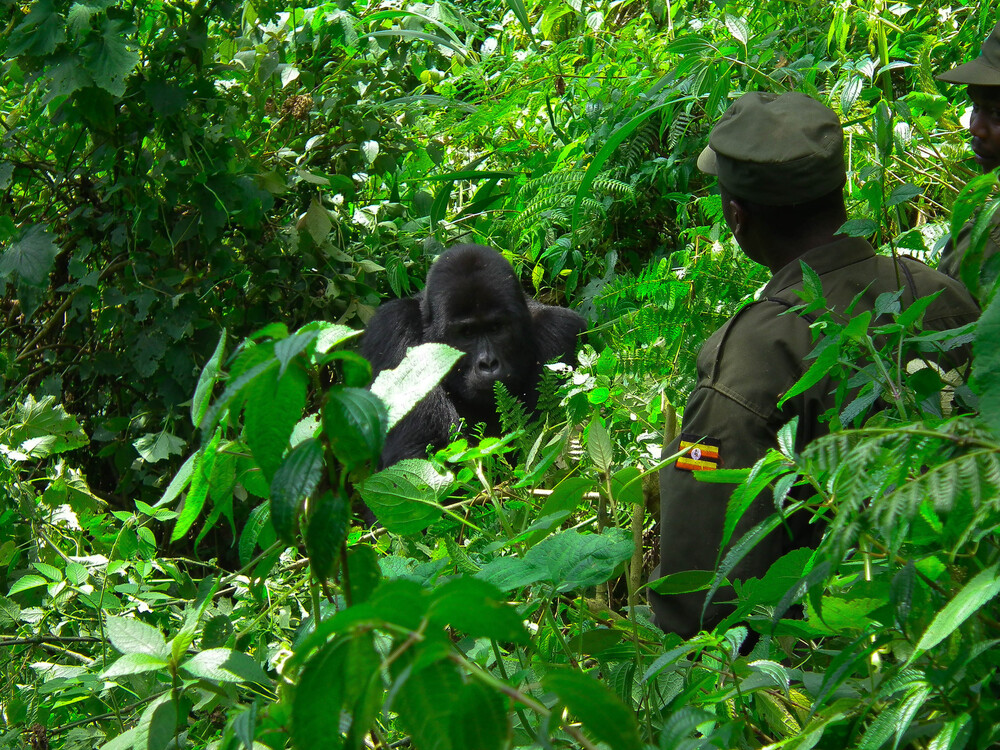
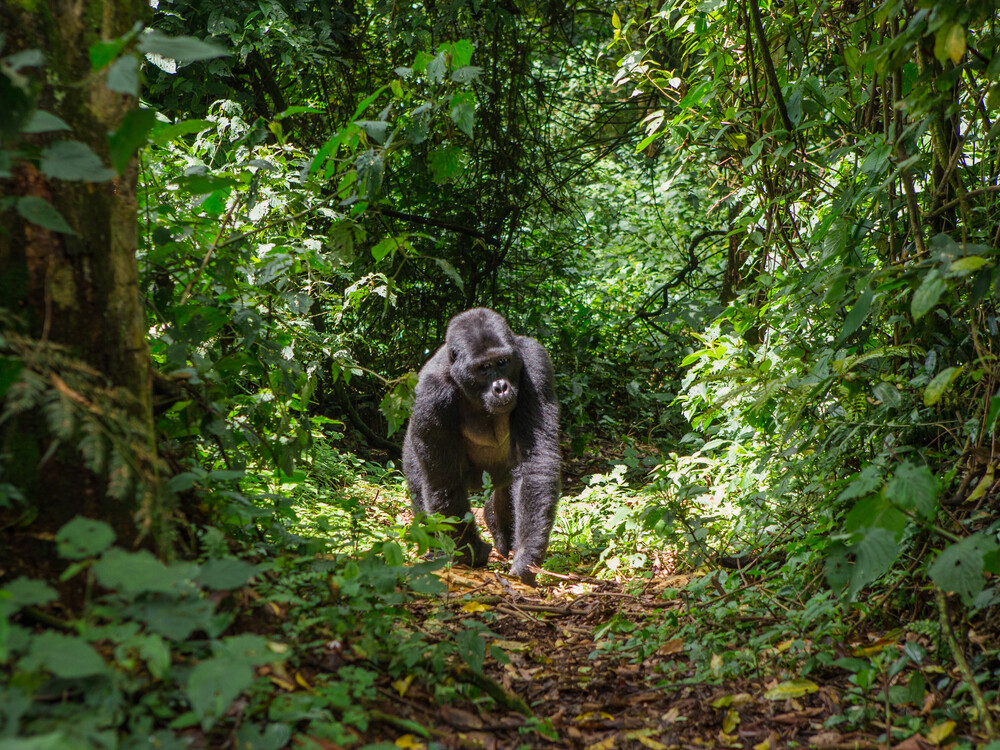
As you trek through the forest, your guides and trackers, who are experts in gorilla behavior and tracking, will lead the way. Their skill and knowledge of the terrain and gorilla movements ensure that each trek is as successful as possible, even if the gorillas are in more remote parts of the forest. The excitement builds as you draw closer to your destination, never knowing exactly when or where you will encounter the gorillas.
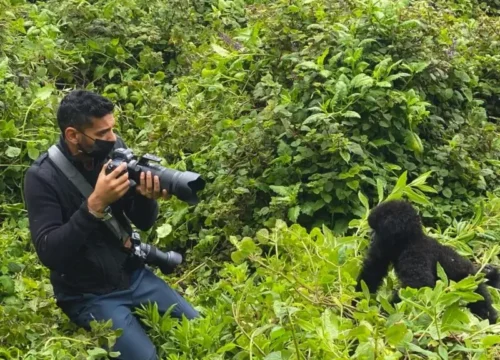
Once you find a family of gorillas, you’ll be allowed to spend an hour in their presence. This time is a unique opportunity to observe their social interactions, learn about their daily activities, and perhaps even witness some playful moments among the young gorillas. The hour spent with these incredible creatures is unforgettable, as the sheer proximity to them creates a deep connection that many trekkers find deeply moving. The experience is a rare and humbling moment of intimacy with one of nature’s most magnificent creatures.
Responsible Gorilla Trekking – What You Need to Know
While gorilla trekking is a life-changing experience, it is essential to approach it with responsibility and respect for the gorillas and their environment. Ethical guidelines are in place to ensure the safety and well-being of both the gorillas and the trekkers.
It is important to maintain a respectful distance from the gorillas, as close proximity can cause them distress and increase the risk of disease transmission. Always follow your guide’s instructions to ensure that you are trekking in a way that minimizes your impact on the environment and the gorillas. Trekking while unwell is also prohibited, as illnesses can be easily transmitted to the gorillas, threatening their fragile population.
Moreover, the revenue generated from gorilla trekking plays a critical role in the conservation of mountain gorillas. The funds help to manage and protect the parks, fund anti-poaching efforts, and support local communities who rely on tourism for their livelihoods. Thus, by participating in this activity, trekkers contribute to the preservation of the gorillas and their habitat.
The Complete Gorilla Trekking Guide: Costs, Best Time, and Safari Options
In this section, we dive deep into everything you need to know to plan your gorilla trekking adventure. From understanding the costs involved to finding the best time to visit, this guide provides essential details to ensure you have a memorable and seamless journey. Whether you’re a seasoned traveler or a first-time adventurer, our comprehensive guide will help you navigate the intricacies of gorilla trekking in East Africa.
How Much Does Gorilla Trekking Cost in East Africa?
Gorilla trekking is a rare and exclusive experience, and the cost reflects its value. Prices for permits vary depending on the country, location, and type of trek. Below, we compare the costs of gorilla trekking in Uganda, Rwanda, and the Democratic Republic of Congo to help you make an informed decision.
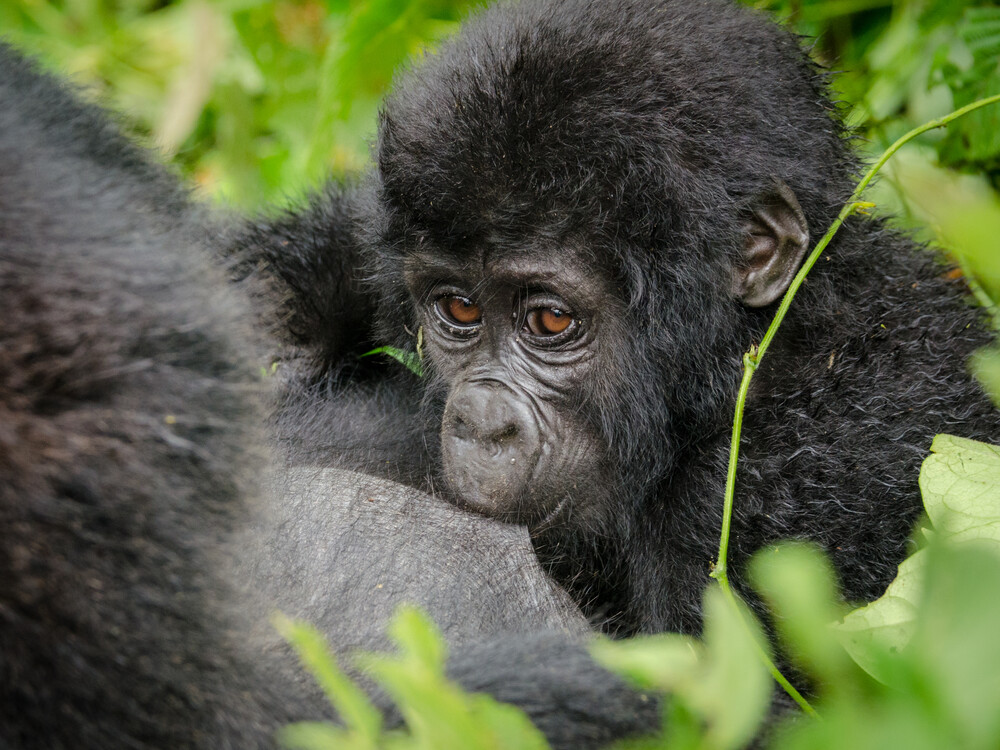
Gorilla Trekking Cost Breakdown
| Country | Permit Cost (USD) | Best Time to Visit | Key Highlights |
|---|---|---|---|
| Uganda (Bwindi) | $800 | June – September | Affordable option, dense forests, rich biodiversity |
| Rwanda (Volcanoes Park) | $1,500 | June – September | Scenic volcano views, premium accommodations, ease of access |
| Democratic Republic of Congo (Virunga) | $400 – $450 | January – March | Off-the-beaten-path, less crowded, rugged terrain |
- Uganda offers the most affordable permits, especially for those seeking a more budget-friendly experience. The trekking conditions, though challenging, offer a true wilderness experience, making it ideal for adventurers who enjoy a more rugged setting.
- Rwanda, known for its ease of access from Kigali, offers higher permit costs but includes luxury options such as helicopter transfers and premium lodges, making it an excellent choice for those seeking a more upscale experience.
- Virunga National Park in the Democratic Republic of Congo offers the most budget-friendly permits but is suited for the adventurous traveler willing to trek in a less touristy and more remote area.
Beyond the permit costs, additional expenses may include transport to and from the park, accommodation, and tips for guides. These add to the overall cost of the trip, but many find that the experience is well worth the investment.
The Best Time to Go Gorilla Trekking
The best time to go gorilla trekking depends largely on the region you are visiting and the type of experience you seek. The trek itself is demanding, so choosing the right season can greatly impact your experience.
Best Time to Visit for Gorilla Trekking
- Dry Season (June – September, December – February)
This is the prime time for gorilla trekking across Uganda, Rwanda, and Congo. The weather is less rainy, making the trails more accessible and easier to navigate. Wildlife is also more active, and the vegetation is less dense, which increases your chances of spotting the gorillas. However, this is also the peak tourist season, so expect higher prices and more visitors. - Wet Season (March – May, October – November)
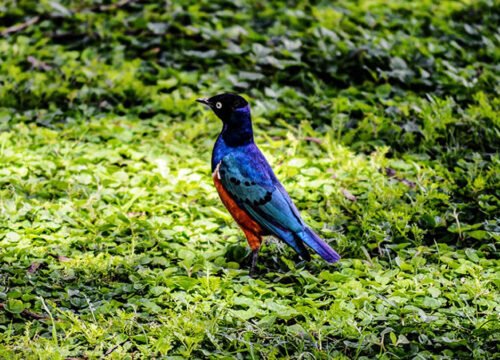
The wet season brings lush greenery and is an excellent time for birdwatching. While gorilla sightings are still likely, the muddy trails can make trekking more challenging. Fewer tourists visit during this period, which means you’ll experience a quieter, more intimate trek. If you don’t mind a bit of rain and are looking to avoid crowds, this can be a good time to go.
Regardless of when you visit, the weather can be unpredictable, so it’s important to be prepared for all conditions. Bring waterproof gear, sturdy hiking boots, and a positive attitude.
Choosing the Right Gorilla Trekking Safari
Your gorilla trekking safari can be customized to fit your preferences and budget. Here’s a breakdown of the different safari types available, so you can choose the best option for your needs.
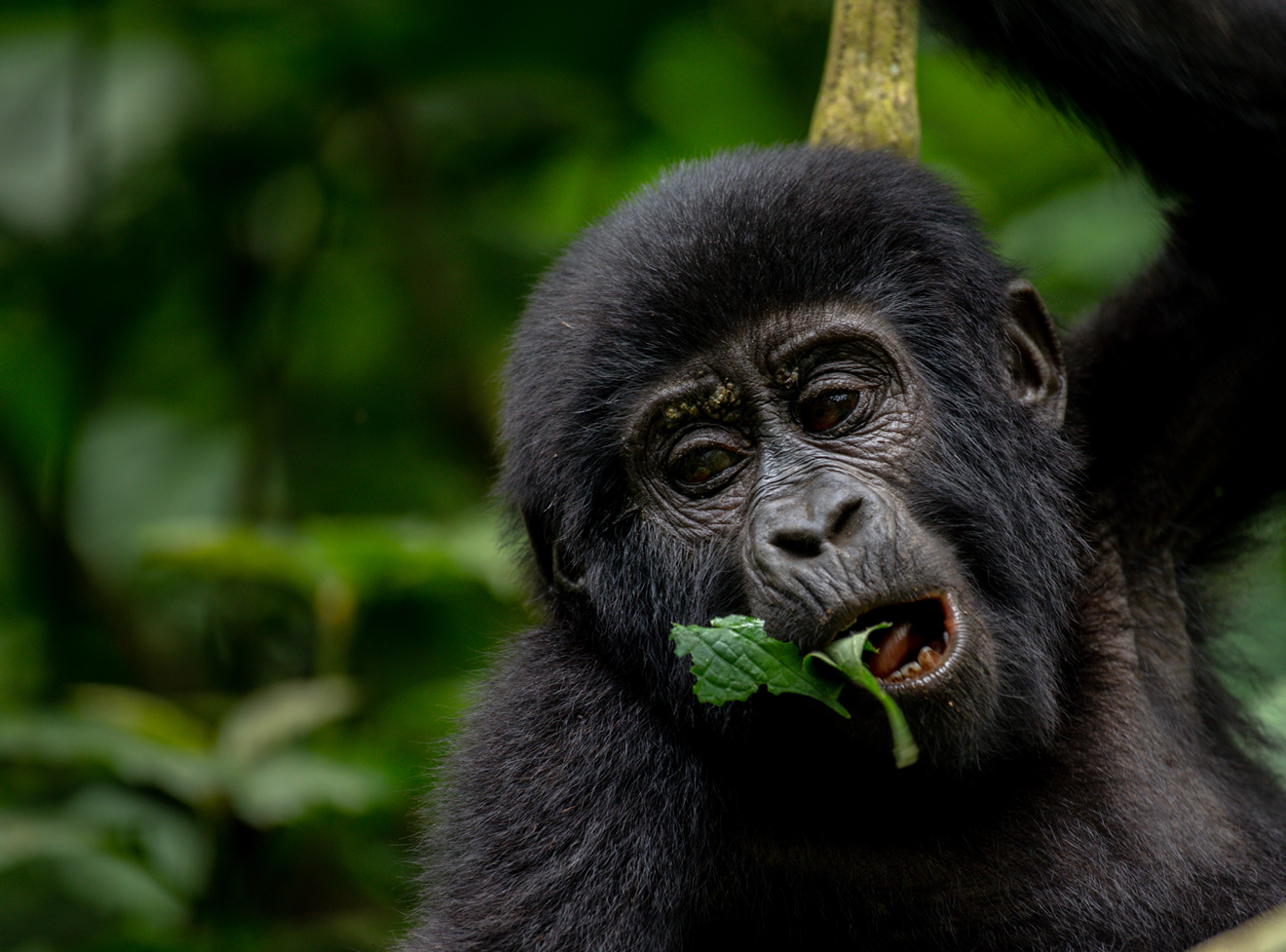
Types of Gorilla Trekking Safaris
- Budget Gorilla Trekking Safaris
These safaris focus on the essentials, offering basic accommodation and group treks. You’ll still experience the magic of gorilla trekking, but with fewer frills. Budget options are typically more affordable and great for those who want to focus on the wildlife experience rather than luxury amenities. Expect to stay in budget lodges or camps with shared facilities. - Luxury Gorilla Trekking Safaris
For travelers seeking an elevated experience, luxury gorilla trekking safaris include private treks, helicopter transfers, and stays at high-end lodges. These safaris offer premium comfort with exquisite views, gourmet meals, and private guides. The experience is ideal for those who want to combine adventure with relaxation and luxury. - Custom & Private Gorilla Treks
Custom treks allow you to design your itinerary to match your specific interests, whether it’s a particular trekking route, private lodge, or a combination of activities. Private safaris ensure a more personal and tailored experience, providing exclusive access to your own guide, vehicle, and sometimes even the gorilla families, offering more flexibility in your journey.
Responsible Gorilla Trekking – What You Need to Know
Gorilla trekking is an activity that requires responsible and respectful behavior to ensure the safety of the gorillas, the environment, and the trekkers. Adhering to the ethical guidelines and rules set by the national parks is crucial for the survival of mountain gorillas.
Ethical Guidelines for Gorilla Trekking
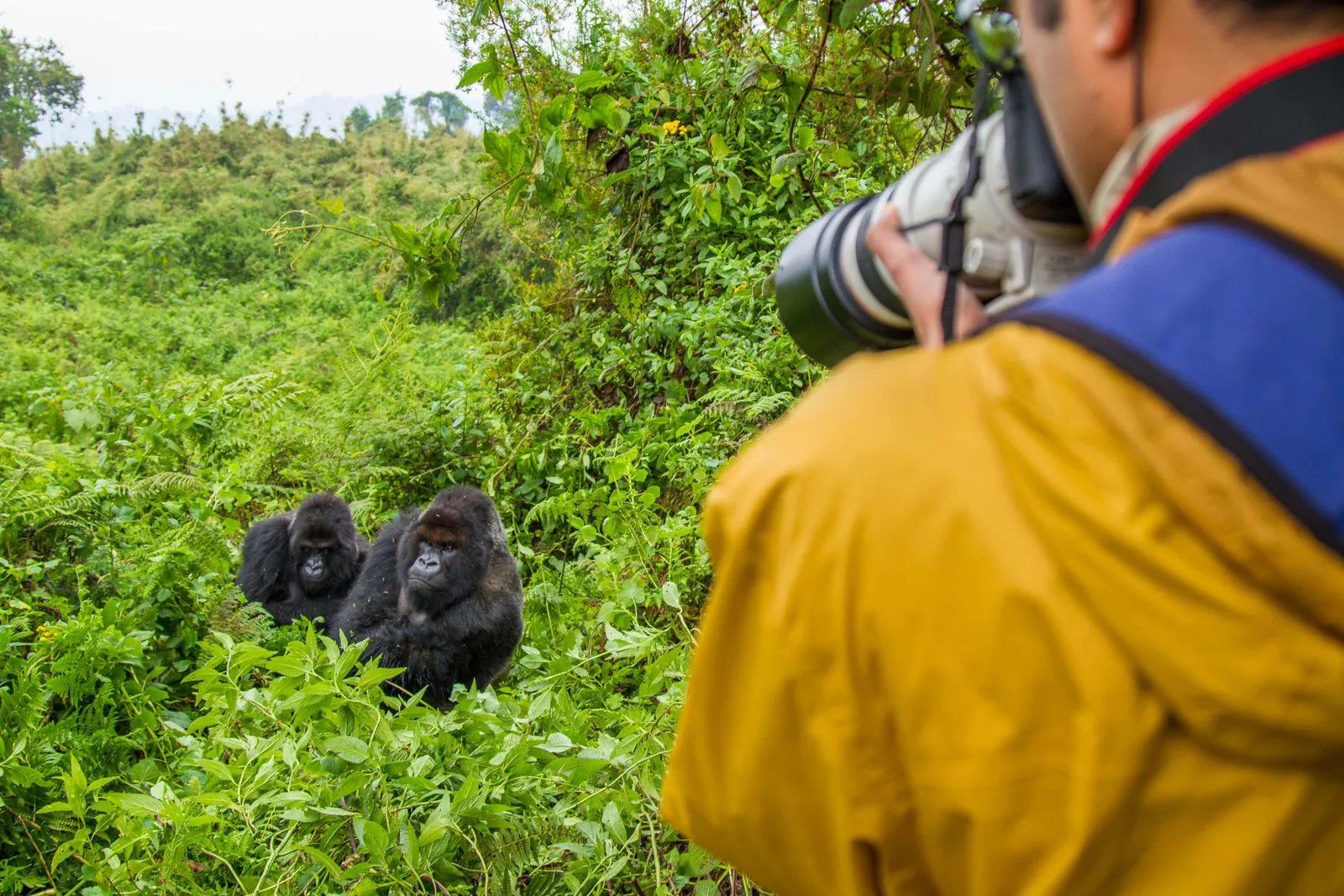
- Maintain a Safe Distance: Always stay at least 7 meters (21 feet) away from the gorillas. This helps prevent stress and reduces the risk of disease transmission.
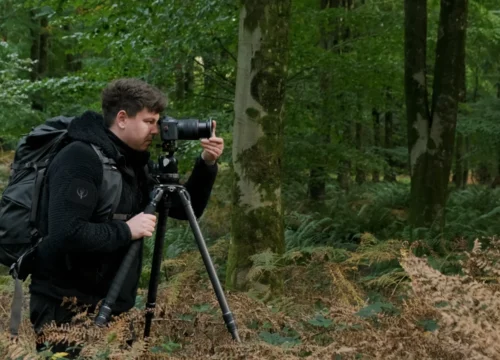
- No Flash Photography: Flash can disturb the gorillas, so always use natural lighting when taking photos. Only use cameras with silent modes.
- Follow Your Guide’s Instructions: Your guide is trained to ensure both your safety and the safety of the gorillas. Always follow their lead when trekking and observing the gorillas.
- Stay Healthy: Trekking while unwell can endanger the gorillas, so it’s essential to be in good health before embarking on the trek. This is particularly important to avoid spreading diseases like the flu to the gorillas.
- Respect Their Space: Avoid sudden movements and loud noises. If a gorilla approaches you, remain calm and still, as these creatures are highly sensitive to their surroundings.
Book Your Gorilla Trekking Safari with Confidence
Booking your gorilla trekking safari is an exciting first step toward an unforgettable adventure. However, planning this trip requires careful consideration to ensure everything is in order, from permits to accommodations. Working with a reputable tour operator, like Nextgen Safaris, can make the process seamless.
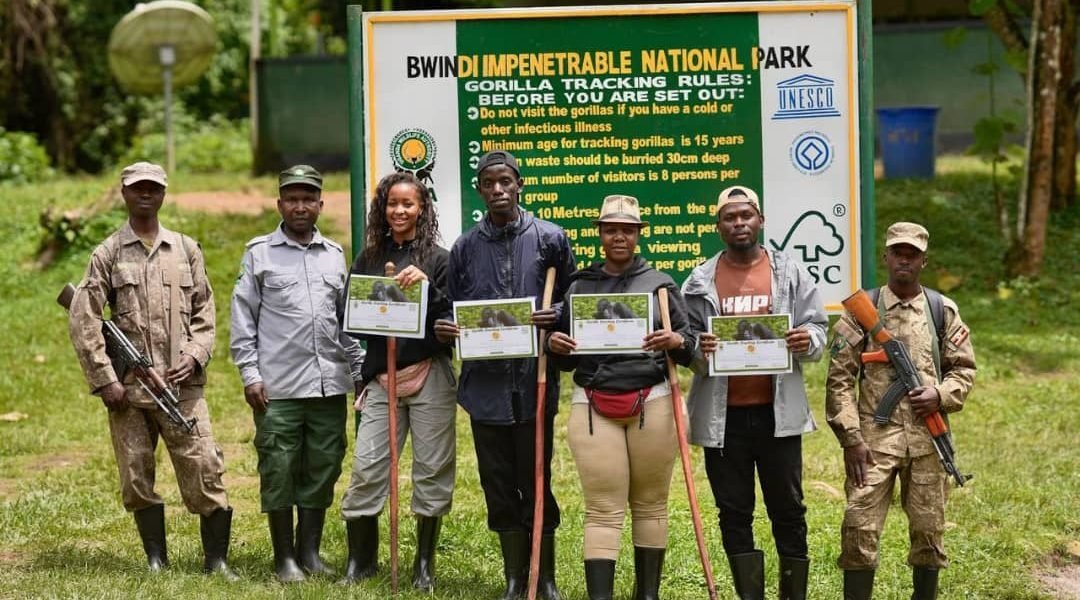
- How to Book Gorilla Permits: Gorilla permits are limited, and they sell out months in advance. To secure your permit, it’s best to book through a licensed operator or directly through the national park authorities. A reliable operator like Nextgen Safaris or Elevana-Luxury Gorilla Holidays will help you navigate the booking process and ensure you get the dates and permits you want.
- Choosing Accommodation: Whether you opt for budget, mid-range, or luxury accommodation, it’s essential to book early, especially during peak seasons. Your operator will assist with lodge recommendations based on your preferences and the availability of spaces near the trekking starting points.
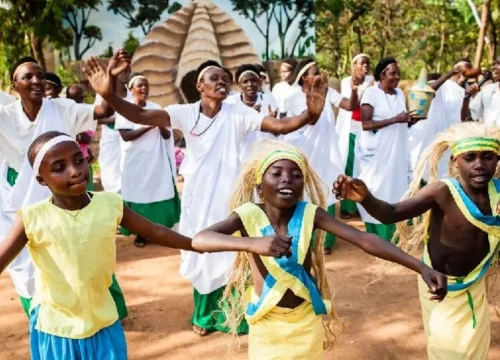
- Custom Itineraries: Many operators offer customizable itineraries that include additional activities such as cultural visits, community engagement, or visits to nearby wildlife parks. These personalized safaris offer a deeper connection to the region and its people.
By booking through a trusted agency, you ensure that all logistics are handled, and you can focus on enjoying your gorilla trekking experience.
Gorilla Trekking FAQs
To help you better prepare for your gorilla trekking experience, here are some of the most frequently asked questions:
- What do I need to bring for gorilla trekking?
Pack lightweight clothing, sturdy hiking boots, waterproof gear, gloves, a camera with no flash, and a reusable water bottle. Don’t forget sunscreen and insect repellent. - How difficult is the gorilla trek?
The trek can vary in difficulty. Some treks are short and easy, while others can take several hours and require navigating steep and muddy terrain. It’s important to be in good physical condition. - Is gorilla trekking safe?
Yes, trekking is generally safe as long as you follow the rules and guidelines provided by your guides. The trek itself may be physically demanding, but the professional guides are well-trained to handle various situations. - How far in advance should I book my trek?
Gorilla permits often sell out months in advance, especially during peak season. It’s recommended to book your trek at least 6 months ahead to secure your desired dates.
Final Thoughts on Gorilla Trekking in East Africa
Gorilla trekking is not just a safari; it’s a transformative experience that connects you to nature in a profound way. By following responsible trekking practices and choosing the right time and safari options, you can have a rewarding adventure that supports the conservation of these magnificent creatures. Whether you choose Uganda, Rwanda, or Congo, the magic of meeting the mountain gorillas in the wild will stay with you for a lifetime.