
Facts about Ankole Cattle in Uganda
Amazing Facts about Ankole Cattle in Uganda – Price, Milk Production & Top Guide
The Ankole cattle are among the most iconic and culturally significant livestock breeds in East Africa, and learning the Facts about Ankole Cattle in Uganda offers fascinating insight into the country’s agricultural heritage, traditional lifestyles, and tourism experiences. Instantly recognized by their magnificent long horns, elegant appearance, and remarkable ability to survive in challenging environments, Ankole cattle have been part of Ugandan culture for centuries. They are particularly associated with the Ankole Kingdom in southwestern Uganda, where they remain a symbol of wealth, prestige, and cultural identity.
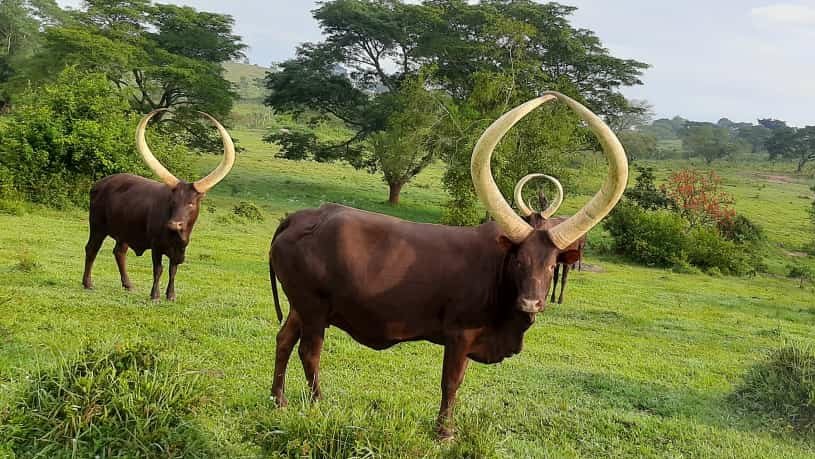
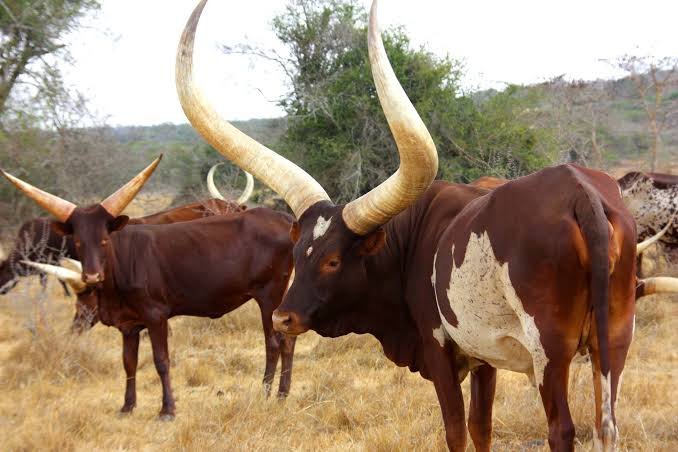
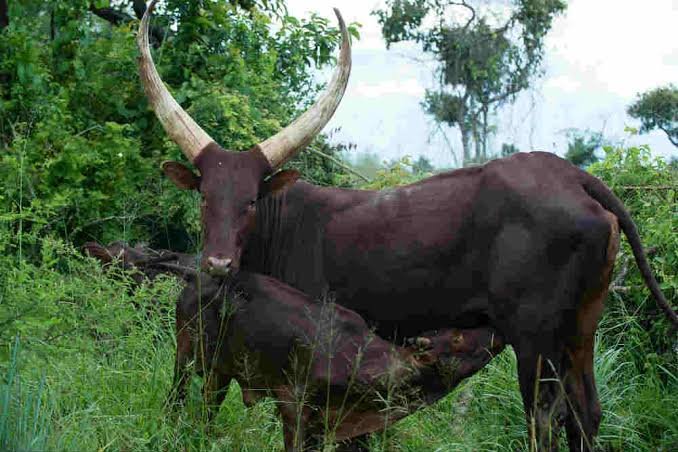
For visitors exploring Uganda beyond its famous gorilla trekking and wildlife safaris, experiencing Ankole cattle provides a unique cultural adventure. At Nextgen Safaris, we include authentic cultural encounters in many of our itineraries, allowing travelers to visit traditional cattle farms, meet local communities, learn about indigenous livestock farming, and understand the deep relationship between the Ankole people and their treasured cattle. This comprehensive guide explores the most important Facts about Ankole Cattle in Uganda, including their history, characteristics, price, milk production, tourism value, conservation, and why they continue to play an essential role in modern Uganda.
The History of Ankole Cattle in Uganda
Understanding the Facts about Ankole Cattle in Uganda begins with their long and fascinating history. Historians believe the ancestors of the Ankole cattle arrived in East Africa thousands of years ago through migrations from northeastern Africa before gradually spreading across the Great Lakes region. Over generations, local communities selectively bred these cattle for their resilience, adaptability, and distinctive horn structure, resulting in the magnificent breed seen today.
In Uganda, Ankole cattle became closely linked with the former Ankole Kingdom, where they represented prosperity, leadership, and social status. Families measured wealth not only through land ownership but also by the size and quality of their cattle herds. Even today, many traditional ceremonies, marriages, cultural festivals, and community celebrations continue to feature Ankole cattle, demonstrating their enduring importance within Ugandan society. Their remarkable history remains one of the most interesting Facts about Ankole Cattle in Uganda.
Physical Characteristics of Ankole Cattle
One of the most remarkable Facts about Ankole Cattle in Uganda is their extraordinary appearance. Their enormous, gracefully curved horns can extend well over one meter in length and serve multiple purposes beyond aesthetics. The horns help regulate body temperature by allowing blood to circulate through their large surface area, making the cattle highly adapted to hot climates. Their elegant bodies, smooth coats, and calm temperament further distinguish them from many other cattle breeds.
Ankole cattle display a wide variety of coat colors, including white, reddish-brown, black, spotted, and combinations of several shades. Despite their impressive horns, they are generally gentle animals when handled properly and are well suited to traditional pastoral farming systems. Their ability to thrive in difficult environmental conditions with limited resources has contributed significantly to their reputation as one of Africa’s most resilient indigenous cattle breeds.
Where Are Ankole Cattle Found in Uganda?
The largest populations of Ankole cattle are found in southwestern Uganda, particularly in districts such as Mbarara, Kiruhura, Isingiro, Ntungamo, Ibanda, Bushenyi, and Lyantonde. These regions provide extensive grazing lands that have supported pastoral communities for generations and remain the heartland of Ankole cattle farming today.
Travelers interested in discovering the Facts about Ankole Cattle in Uganda can easily combine a cultural visit with a wildlife safari. Many safari routes between Entebbe, Lake Mburo National Park, Queen Elizabeth National Park, and Bwindi Impenetrable National Park pass through the Ankole region, offering opportunities to visit traditional cattle farms, interact with local herdsmen, and learn about pastoral life. Nextgen Safaris can arrange authentic cultural experiences that complement wildlife adventures, creating a richer understanding of Uganda’s heritage.
Facts about Ankole Cattle in Uganda and Their Cultural Importance
Among the most fascinating Facts about Ankole Cattle in Uganda is their deep cultural significance. For centuries, these cattle have represented wealth, honor, and family heritage within many communities of southwestern Uganda. Owning a healthy herd has traditionally been a source of pride and an important indicator of social standing. Even today, Ankole cattle continue to feature prominently in marriage ceremonies, traditional celebrations, cultural festivals, and community gatherings.
Beyond their economic value, Ankole cattle symbolize identity and continuity for many families. Traditional songs, dances, stories, and ceremonies often celebrate the beauty and importance of these magnificent animals. Visitors who experience these cultural traditions gain a deeper appreciation of Uganda’s rich heritage while learning how livestock continues to shape community life in many rural areas.
Price of Ankole Cattle in Uganda
One of the most common questions visitors and livestock enthusiasts ask concerns the price of Ankole cattle. The cost varies significantly depending on factors such as age, sex, horn size, bloodline, health, breeding quality, and market demand. Young calves are generally more affordable, while mature breeding bulls and cows with exceptional genetics command considerably higher prices. Animals with especially large and symmetrical horns are often highly valued by breeders and collectors.
For farmers investing in quality breeding stock, Ankole cattle represent a long-term investment rather than simply livestock for meat production. Market prices may also fluctuate depending on seasonal conditions, regional demand, and breeding programs. Anyone interested in purchasing Ankole cattle should consult reputable breeders and local livestock markets to obtain current pricing and ensure the animals meet their intended farming objectives.
Milk Production of Ankole Cattle
Another important aspect of the Facts about Ankole Cattle in Uganda is their milk production. Although Ankole cattle are not the highest milk-producing breed when compared with specialized dairy breeds such as Friesians or Jerseys, they produce nutritious milk that has sustained pastoral communities for generations. Their milk is highly valued within traditional households and forms an important part of local diets, particularly in the Ankole region.
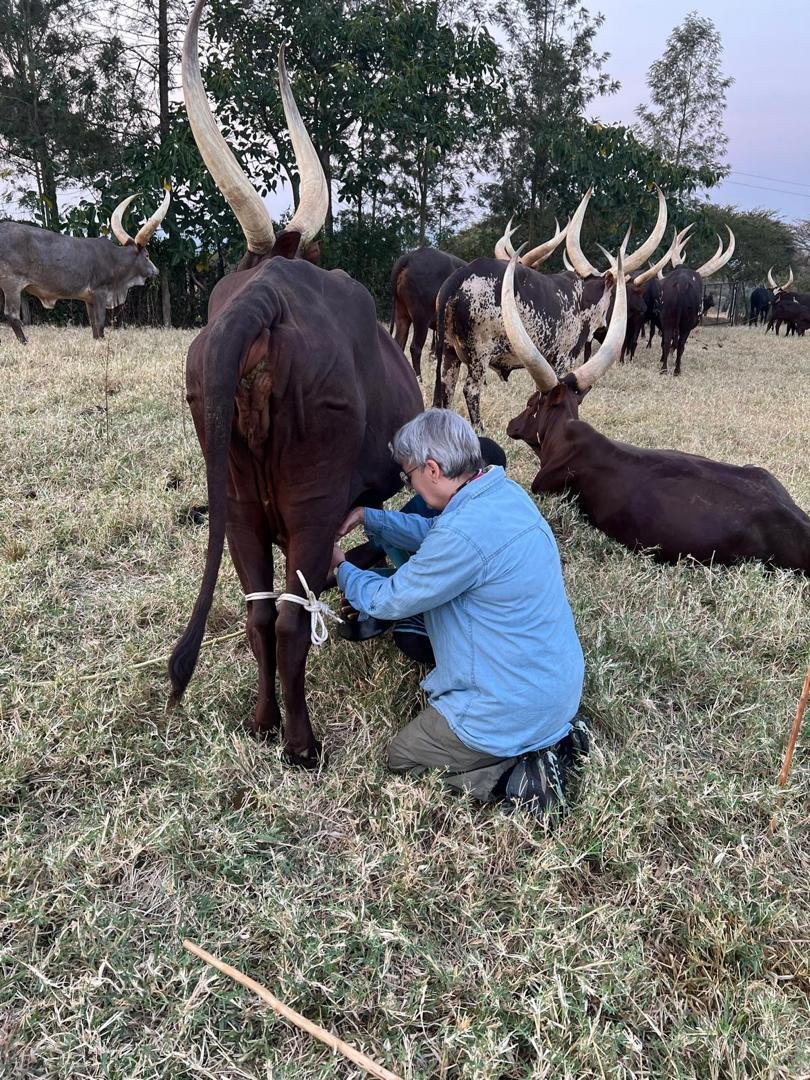
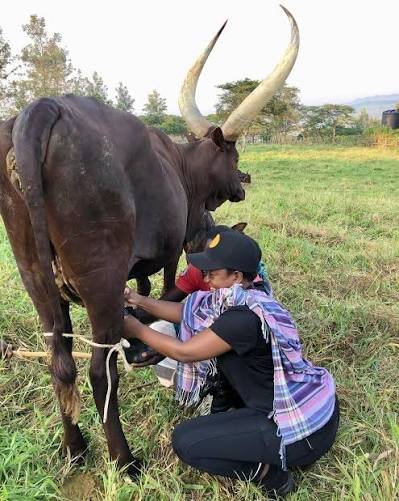
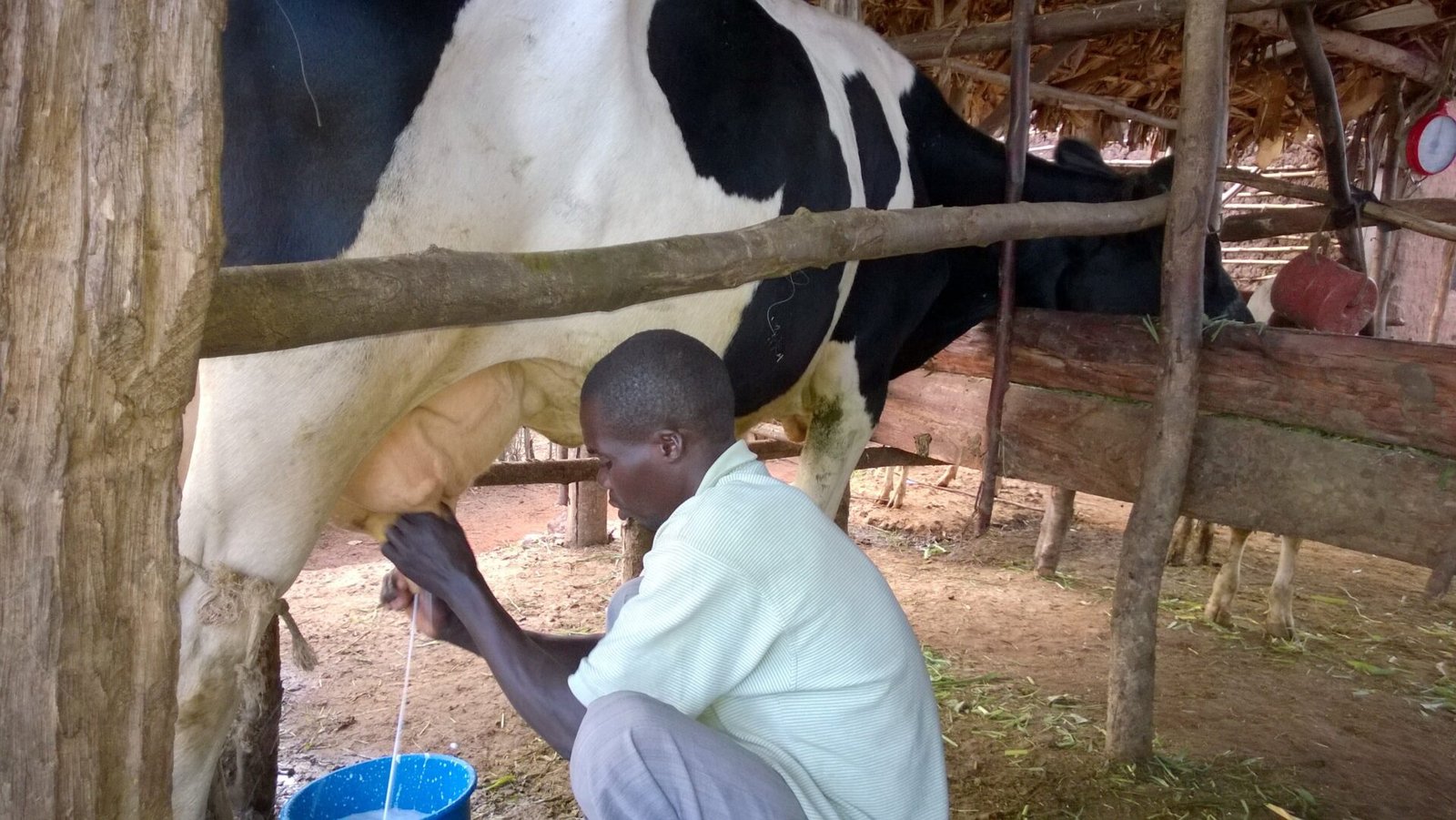
One of the greatest strengths of Ankole cattle is their ability to continue producing milk under conditions where many commercial dairy breeds would struggle. Their resilience to drought, disease resistance, and efficient use of natural grazing make them particularly suitable for extensive pastoral systems. In recent years, some farmers have introduced crossbreeding programs to improve milk yields while maintaining the breed’s valuable adaptability and hardiness.
Why Ankole Cattle Are Perfectly Adapted to Uganda
One of the most impressive Facts about Ankole Cattle in Uganda is their remarkable adaptability. Over centuries, these cattle have evolved to thrive in the varying climatic conditions of East Africa, including periods of drought, high temperatures, and seasonal changes in pasture availability. Their efficient metabolism, disease resistance, and ability to utilize natural grazing resources have enabled pastoral communities to maintain productive herds even in challenging environments.
This adaptability makes Ankole cattle an important component of sustainable livestock farming in Uganda. Their resilience reduces dependence on expensive commercial feeds and intensive management systems, allowing farmers to preserve traditional pastoral practices while maintaining productive livestock enterprises.
Tourism and Ankole Cattle Experiences
Ankole cattle have become an increasingly popular attraction for cultural tourism in Uganda. Visitors interested in authentic rural experiences can tour traditional farms, learn about livestock management, participate in cultural activities, and discover the historical importance of cattle within the Ankole Kingdom. These experiences offer a fascinating contrast to Uganda’s famous wildlife safaris and provide valuable insight into everyday life in rural communities.
At Nextgen Safaris, we can include Ankole cattle experiences as part of broader safari itineraries that combine gorilla trekking, wildlife viewing, cultural visits, and scenic drives through southwestern Uganda. These carefully planned itineraries allow travelers to appreciate both Uganda’s extraordinary biodiversity and its equally rich cultural heritage.
Conservation of Indigenous Ankole Cattle
Protecting indigenous livestock breeds has become increasingly important as commercial farming expands across Africa. Conservation programs aim to preserve the unique genetic characteristics of Ankole cattle while supporting sustainable breeding practices that benefit local communities. Maintaining genetic diversity helps ensure these cattle remain resilient to future environmental and agricultural challenges.
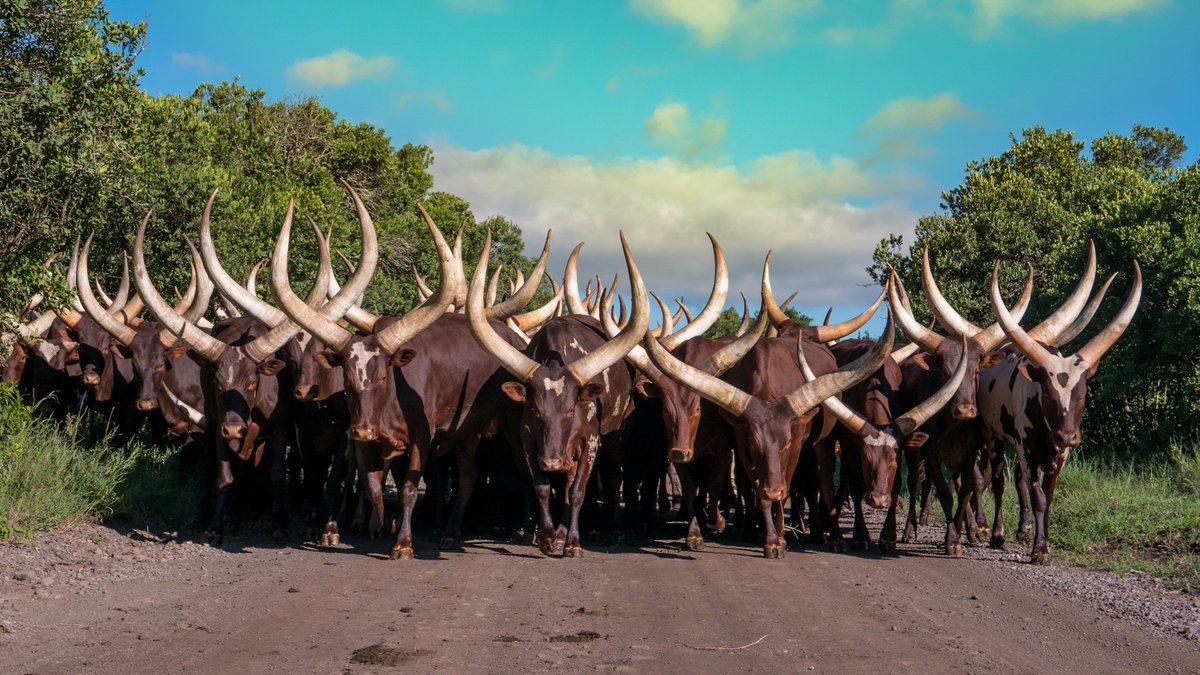
Several institutions, researchers, breeders, and community organizations continue working to promote responsible breeding and conservation initiatives. Their efforts help preserve one of Uganda’s most iconic livestock breeds while ensuring future generations can continue benefiting from the remarkable qualities of Ankole cattle.
Why Visit Ankole Cattle Farms with Nextgen Safaris?
Exploring the Facts about Ankole Cattle in Uganda becomes even more meaningful when experienced firsthand. Nextgen Safaris offers carefully designed cultural experiences that introduce visitors to traditional cattle farming, local communities, and the fascinating heritage of southwestern Uganda. Our knowledgeable guides explain the history, significance, and daily management of Ankole cattle while creating opportunities for authentic interactions with local farmers and pastoral families.
Whether you are interested in photography, agriculture, culture, history, or simply learning something new during your safari, visiting Ankole cattle farms adds depth and authenticity to your Uganda adventure. Combined with gorilla trekking, wildlife safaris, and community experiences, these cultural encounters create a truly unforgettable journey through the Pearl of Africa.
Frequently Asked Questions About Facts about Ankole Cattle in Uganda
1. What are the most interesting Facts about Ankole Cattle in Uganda?
Some of the most interesting Facts about Ankole Cattle in Uganda include their enormous horns, remarkable drought resistance, calm temperament, and deep cultural significance. They have been raised in southwestern Uganda for centuries and are regarded as symbols of wealth, prestige, and tradition. Their unique appearance and adaptability make them one of Africa’s most recognizable indigenous cattle breeds.
2. Where can I see Ankole cattle in Uganda?
Ankole cattle are mainly found in southwestern Uganda, particularly in Mbarara, Kiruhura, Isingiro, Ntungamo, Ibanda, Bushenyi, and surrounding districts. Many cultural tours organized by Nextgen Safaris include visits to traditional cattle farms, where travelers can learn about the breed, interact with local farmers, and experience the Ankole pastoral way of life.
3. How much do Ankole cattle cost in Uganda?
The price of Ankole cattle varies depending on factors such as age, health, breeding quality, horn size, and market demand. Young calves are generally less expensive than mature breeding cows and bulls, while animals with exceptional genetics and large symmetrical horns often command premium prices. Prices may also differ between regions and livestock markets.
4. How much milk do Ankole cattle produce?
Ankole cattle produce moderate quantities of milk compared to specialized dairy breeds such as Friesians. However, their milk is highly nutritious and has supported pastoral communities for generations. One of the valuable Facts about Ankole Cattle in Uganda is that they continue producing milk even under harsh environmental conditions where many commercial dairy breeds may struggle.
5. Why do Ankole cattle have such large horns?
The impressive horns of Ankole cattle are one of their defining features. Besides making the animals visually distinctive, the horns help regulate body temperature by allowing blood to circulate through their large surface area, which assists cooling in hot climates. They also play an important role in the breed’s identity and cultural value.
6. Are Ankole cattle only found in Uganda?
No. While Uganda is home to some of the largest populations, Ankole cattle are also found in neighboring countries such as Rwanda, Burundi, Tanzania, and parts of the Democratic Republic of Congo. Uganda, however, remains one of the best places to experience these iconic cattle through cultural tourism.
7. Can tourists visit Ankole cattle farms?
Yes. Many travelers include visits to traditional Ankole cattle farms as part of their Uganda safari. These experiences allow visitors to learn about livestock management, milk production, local customs, and the important role cattle play in the culture of southwestern Uganda. Nextgen Safaris can organize authentic cultural visits alongside wildlife safaris and gorilla trekking.
8. Why are Ankole cattle important to Ugandan culture?
Among the most important Facts about Ankole Cattle in Uganda is their cultural significance. For centuries, they have symbolized wealth, family heritage, leadership, and social status. They continue to play an important role in traditional marriage ceremonies, cultural festivals, and community celebrations throughout the Ankole region.
9. Can I combine an Ankole cattle experience with a wildlife safari?
Absolutely. Many travelers combine cultural visits to Ankole cattle farms with safaris in Lake Mburo National Park, Queen Elizabeth National Park, Bwindi Impenetrable National Park, or Kibale National Park. This combination offers a perfect balance of wildlife, culture, and authentic local experiences during one Uganda safari.
10. Why should I book an Ankole cattle experience with Nextgen Safaris?
Nextgen Safaris specializes in tailor-made Uganda safaris that combine cultural experiences with world-class wildlife adventures. We arrange visits to traditional Ankole cattle farms, experienced local guides, comfortable transportation, quality accommodation, and personalized itineraries that allow you to discover the fascinating Facts about Ankole Cattle in Uganda while exploring the country’s incredible natural beauty and cultural heritage.
Book Your Uganda Cultural Safari with Nextgen Safaris
If you would like to experience the most fascinating Facts about Ankole Cattle in Uganda, Nextgen Safaris is ready to help you plan an authentic cultural adventure. Visiting traditional Ankole cattle farms offers much more than simply seeing these magnificent animals. It gives you the opportunity to learn about centuries-old pastoral traditions, understand the importance of cattle in the Ankole Kingdom, witness daily livestock management practices, and appreciate the unique relationship between local communities and their treasured herds. These cultural encounters provide an enriching experience that perfectly complements Uganda’s famous wildlife safaris.
Our tailor-made Uganda cultural safaris can easily combine visits to Ankole cattle farms with gorilla trekking in Bwindi Impenetrable National Park, wildlife safaris in Queen Elizabeth National Park and Lake Mburo National Park, chimpanzee tracking in Kibale Forest National Park, birdwatching, boat cruises, and community experiences. Whether you are traveling as a solo adventurer, couple, family, photographer, or educational group, Nextgen Safaris designs personalized itineraries that match your interests, travel style, and budget while ensuring a comfortable and memorable journey across the Pearl of Africa.
Contact Nextgen Safaris today to begin planning your unforgettable Uganda cultural safari. Our experienced safari specialists will assist you with every aspect of your trip, including accommodation, transportation, experienced guides, cultural activities, and customized safari packages. Let us help you discover the remarkable Facts about Ankole Cattle in Uganda while exploring the country’s spectacular landscapes, extraordinary wildlife, welcoming communities, and rich cultural heritage through a safari experience that you will remember for a lifetime.