Why Is Gorilla Trekking in Rwanda So Expensive? Complete Cost Guide
Why Is Gorilla Trekking in Rwanda So Expensive?
The question “Why is gorilla trekking in Rwanda so expensive?” is one of the most common questions asked by travellers planning a gorilla safari. For an international visitor, the current official Rwanda Development Board booking platform lists the mountain gorilla trekking permit at US$1,500 per person. This is considerably higher than many conventional wildlife experiences in Africa, so it is understandable that travellers want to know what they are actually paying for and why Rwanda has chosen such a high price.
The most important point to understand is that the US$1,500 is the gorilla trekking permit fee, not the total cost of a Rwanda gorilla safari. Your complete trip may also involve accommodation, private transportation, a driver-guide, meals, airport transfers, optional activities and international or domestic flights. Consequently, a traveller should distinguish between the price of accessing the gorilla trekking experience and the total amount paid for a complete holiday in Rwanda. This distinction is particularly important when comparing Rwanda gorilla trekking prices with Uganda or when deciding how much to budget for the entire journey.
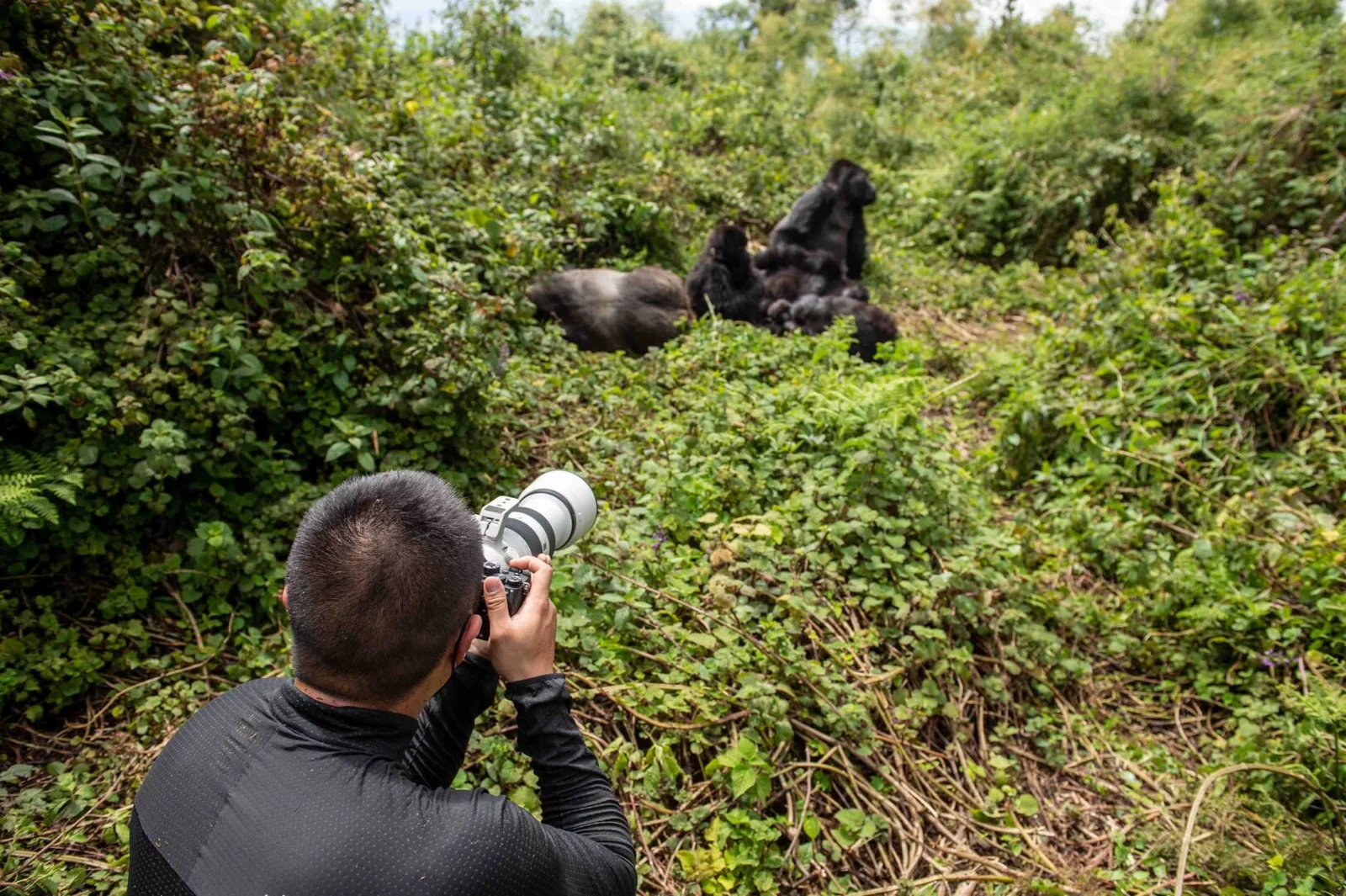
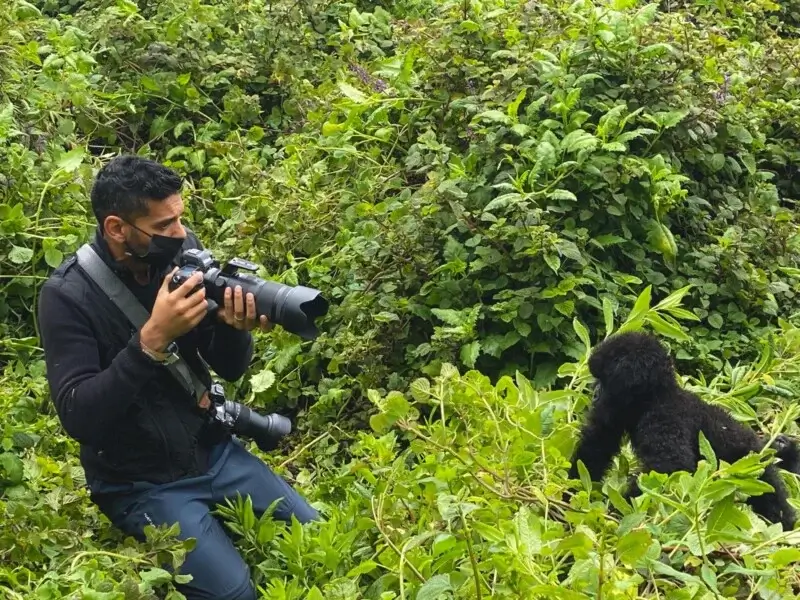
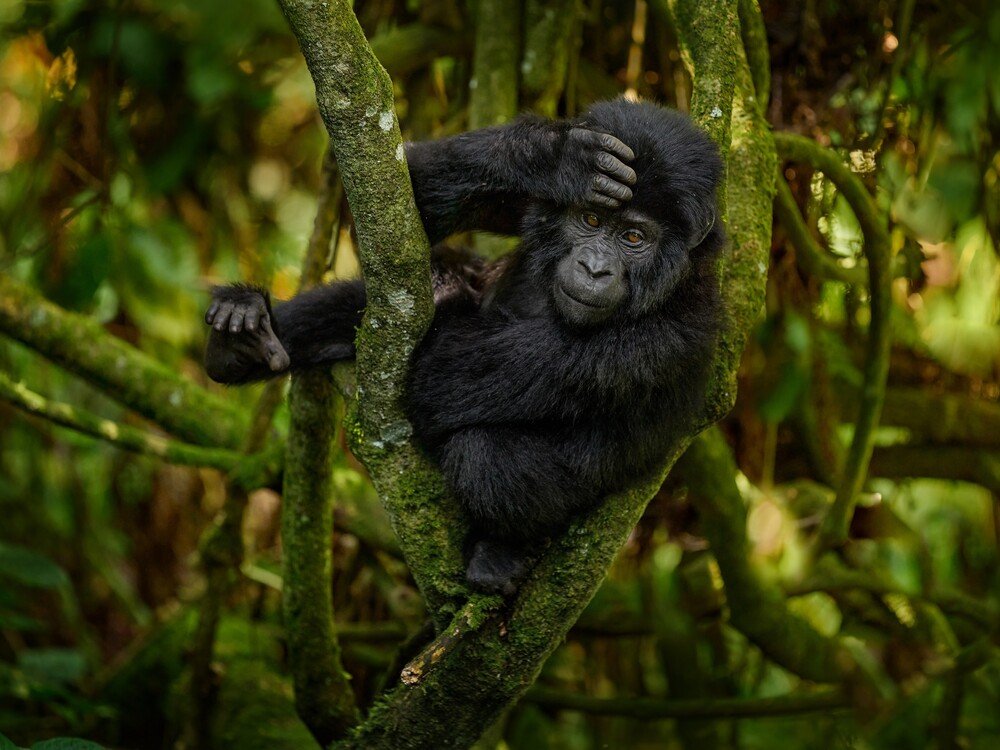
So, why is gorilla trekking in Rwanda so expensive? The answer goes beyond the simple fact that mountain gorillas are rare. Rwanda has deliberately developed gorilla tourism as a high-value, conservation-focused tourism experience, with controlled visitor numbers and significant emphasis on protecting the gorillas, their habitat and the surrounding communities. When Rwanda increased its gorilla permit from US$750 to US$1,500 in 2017, the Rwanda Development Board explained that the decision formed part of the country’s high-end tourism strategy and was intended to strengthen conservation, improve the visitor experience and contribute more to communities living around Volcanoes National Park.
This means that the price should be understood within a much wider tourism model. You are not simply paying US$1,500 to walk into a forest and look at gorillas. You are purchasing access to a strictly managed wildlife experience involving an endangered species, while contributing to a tourism system designed to generate significant economic value from a limited number of visitors. Rwanda’s official booking platform currently confirms that gorilla trekking has a minimum age of 15 and that visitors are subject to specific park requirements and booking procedures.
There is also an important conservation dimension behind the price. RDB has explained that its high-value, low-volume approach was intended to support conservation initiatives and improve the lives of communities adjacent to national parks. The organisation has also reported that 10% of national park tourism revenues are shared with communities through the Tourism Revenue Sharing Programme, supporting socio-economic projects around protected areas.
Therefore, the better question is not simply whether Rwanda gorilla trekking is expensive. It clearly is a premium wildlife experience. The more useful question is what the price achieves, what the permit actually covers, what the complete safari costs, and whether the experience represents good value for your particular travel priorities. This guide explains all of those factors so you can make an informed decision before booking your Rwanda gorilla safari.
How Much Does Gorilla Trekking in Rwanda Cost?
The current official Rwanda gorilla trekking permit price for an international foreign visitor is US$1,500 per person. This is the price currently displayed on Rwanda’s official mountain gorilla tracking booking platform. The same official platform lists different rates for other qualifying visitor categories, including foreign residents in Rwanda, Rwandan citizens and East African citizens, subject to the applicable eligibility and documentation requirements.
For international travellers, therefore, the US$1,500 Rwanda gorilla permit is the figure that should normally be used when beginning to calculate the cost of a gorilla trekking holiday. If two international visitors are travelling together, the permits alone would amount to US$3,000. A group of four international visitors would require US$6,000 in gorilla permits. These figures demonstrate why the permit can become the largest single component of a Rwanda gorilla safari, particularly for couples, families and small private groups.
However, it is essential not to confuse the Rwanda gorilla trekking permit price with the price of the entire safari. The permit gives you access to the gorilla trekking experience under the applicable rules and conditions, but it does not automatically mean that your accommodation, transport from Kigali, meals, international flights or other holiday expenses have been paid.
A traveller planning a Rwanda gorilla safari therefore needs to think about the trip in two separate layers. The first is the gorilla trekking experience itself, represented primarily by the permit. The second is everything required to get you to Volcanoes National Park, accommodate you in the area, support you during the trip and return you to Kigali or your onward destination.
This distinction is particularly important when comparing safari quotations from different tour operators. One operator might advertise a relatively low overall price because it uses budget accommodation and shared arrangements, while another may quote substantially more because it includes a luxury lodge, private 4×4 vehicle, premium meals and additional activities. The gorilla permit may be the same official fee in both quotations, but the final safari prices can be very different.
Current Rwanda Gorilla Permit Price
For a foreign visitor, Rwanda’s official booking system currently lists the mountain gorilla tracking permit at:
US$1,500 per adult foreign visitor.
The official platform currently lists US$500 for qualifying foreign residents in Rwanda and US$200 for Rwandan citizens and East African citizens. The eligibility rules matter, however, and travellers should provide the required documentation to qualify for a particular category rather than assuming that residence or nationality automatically results in the lower rate.
The official booking information also states that the minimum age for mountain gorilla tracking is 15 years. This is an important consideration for families planning a Rwanda gorilla safari because younger children cannot participate in the standard gorilla trekking experience.
Prices and conditions should always be checked before booking because tourism tariffs and promotional arrangements can change. Rwanda’s official booking platform currently also provides specific mechanisms for advance bookings, permit confirmation and certain promotional categories, demonstrating why travellers should verify the applicable tariff for their dates rather than relying on an old blog post or social-media advertisement.
Gorilla Permit Cost vs Total Safari Cost
The biggest misunderstanding surrounding Rwanda gorilla trekking cost is the assumption that paying US$1,500 means the traveller has paid US$1,500 for the entire holiday. That is not necessarily the case. The permit is one component of the journey, and the total safari price depends on everything else included in the itinerary.
For example, a traveller may need accommodation around Volcanoes National Park before and after the trek. They may need a private 4×4 vehicle and professional driver-guide to travel from Kigali to Musanze and to the park headquarters. They may also want airport transfers, meals, cultural experiences, golden monkey trekking or other activities.
International flights are normally another separate expense unless specifically included in a tour operator’s quotation. Travel insurance should also be considered independently because it protects the traveller against risks such as medical emergencies, cancellation, baggage problems and other circumstances depending on the policy purchased.
This means that a realistic Rwanda gorilla safari cost should be calculated as a complete package rather than looking only at the permit.
A simplified calculation looks like this:
Gorilla permit + accommodation + transportation + guide + meals + transfers + additional activities + other travel expenses = total safari cost
The exact amount will depend heavily on whether you choose budget, mid-range or luxury accommodation and whether you travel privately or as part of a group.
Why the Permit Represents Such a Large Part of the Cost
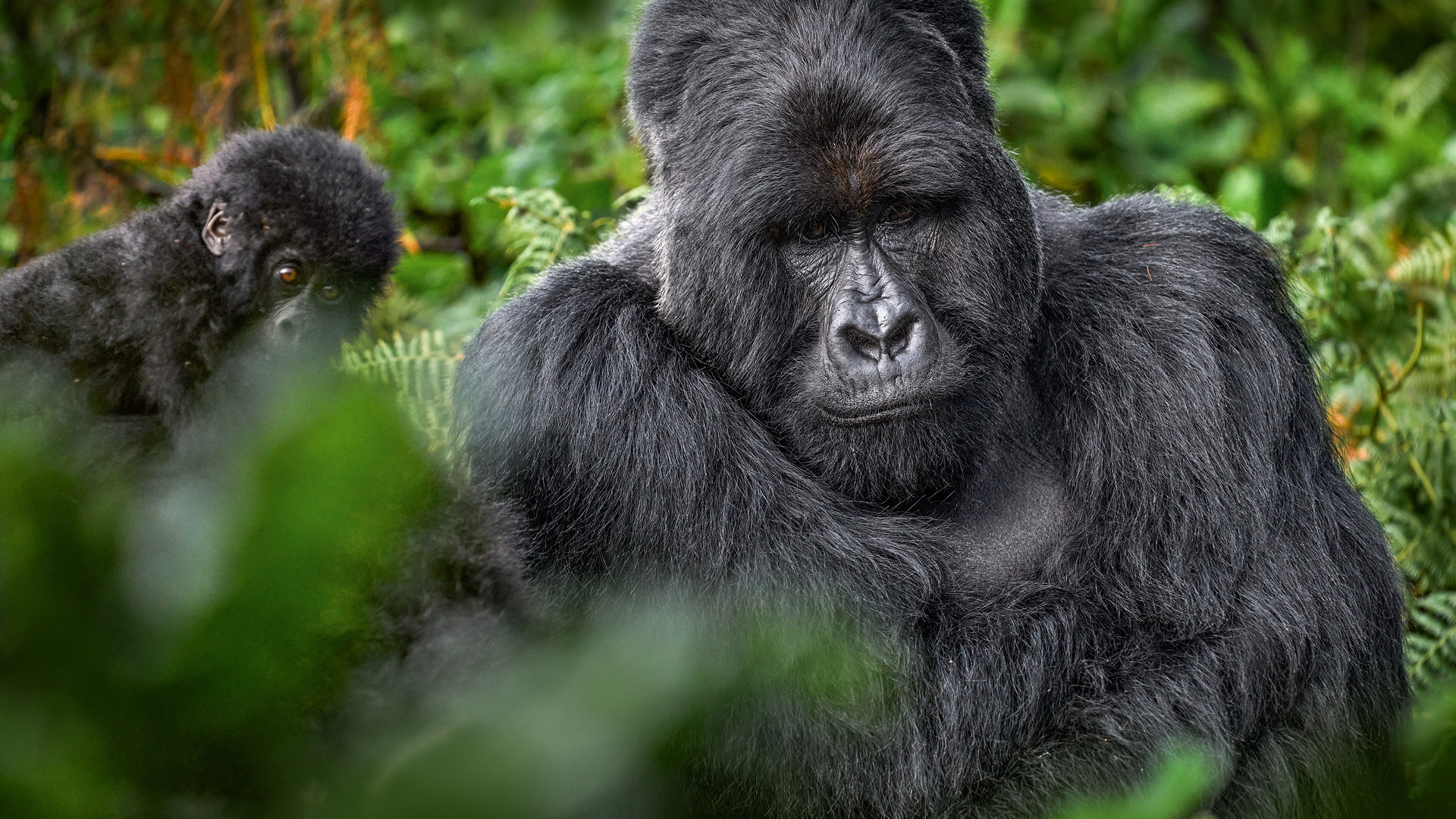
The US$1,500 permit is particularly noticeable because it is a fixed, high-value cost attached directly to the gorilla experience. Unlike accommodation, where travellers can choose between several price categories, there is generally no simple way for an international visitor to negotiate the standard official foreigner permit down to a cheaper amount.
This is why travellers searching “Why is gorilla trekking in Rwanda so expensive?” often focus on the permit. It is the most visible price associated with the experience. Yet the permit also reflects Rwanda’s decision to position gorilla tourism as a premium, controlled tourism product.
RDB’s explanation of the 2017 price increase specifically stated that the higher tariff was connected to Rwanda’s high-end tourism strategy, conservation sustainability and greater benefits for communities surrounding Volcanoes National Park.
The price therefore needs to be understood as part of a deliberate tourism policy rather than simply as an arbitrary entrance charge.
What Else Can Increase the Cost of a Rwanda Gorilla Safari?
Accommodation is often the second major factor. Volcanoes National Park has a range of accommodation options, from more affordable properties to some of Rwanda’s most exclusive luxury lodges. Choosing a premium lodge can increase the total cost substantially, even though the official gorilla permit remains the same.
Transportation also affects the final price. A private 4×4 vehicle with a dedicated driver-guide provides flexibility and convenience, but it costs more than joining a shared arrangement. The number of people travelling together can also influence the per-person transportation cost because vehicle expenses can be distributed across the group.
The duration of the safari matters as well. A short three-day gorilla trip will generally cost less than a seven- or ten-day Rwanda itinerary because every additional night creates additional accommodation, meals, transport and activity expenses.
Additional experiences can also increase the total. Travellers may choose to combine gorilla trekking with golden monkey trekking, Kigali sightseeing, Akagera National Park, Nyungwe Forest, Lake Kivu or cultural experiences. These additions can make the holiday more comprehensive but naturally increase the overall budget.
The result is that Rwanda gorilla trekking is expensive for two different reasons: first, the official gorilla permit itself is a premium-priced product; second, the surrounding components of a comfortable safari can add considerably to the total cost.
Understanding this distinction is essential when evaluating a Rwanda gorilla safari quotation. A higher quotation does not automatically mean that a tour operator is charging an excessive margin, just as a lower quotation does not automatically mean that it represents better value. You need to compare exactly what each package includes before deciding.
Check the official Rwanda gorilla trekking booking platform
The Biggest Reason: Rwanda Uses a High-Value Tourism Model
One of the biggest reasons gorilla trekking in Rwanda is so expensive is that Rwanda has deliberately positioned gorilla tourism within a high-value, low-volume tourism model. Rather than attempting to maximise the number of people who can visit mountain gorillas every day, Rwanda has chosen to generate significant tourism value from a carefully controlled number of visitors. This approach treats mountain gorilla trekking as a premium wildlife experience in which conservation, visitor management, tourism quality and community development are all connected. Rwanda Development Board explicitly described the 2017 increase in the gorilla permit from US$750 to US$1,500 as being in line with the country’s high-end tourism strategy, stating that the increase was intended to strengthen conservation and contribute to the development of communities living around Volcanoes National Park.
This explains why it is too simplistic to say that Rwanda gorilla trekking is expensive because gorillas are rare. Rarity is certainly part of the value of the experience, but the price is also the result of a deliberate tourism policy. Rwanda has positioned itself as a destination for travellers who are prepared to pay more for a highly controlled wildlife encounter, quality accommodation and a professionally managed tourism experience. RDB has separately described Rwanda as a high-yield, low-volume destination, noting that the approach has attracted high-end accommodation and investment in ecotourism and conservation.
The logic behind this model is particularly important when dealing with an endangered species. If Rwanda attempted to make gorilla trekking a mass-market attraction by continually lowering the permit price and dramatically increasing visitor numbers, the economic benefits might increase in the short term, but the conservation and management challenges could also become greater. Gorilla trekking requires controlled access, monitoring and carefully managed interaction between humans and animals. A premium price allows Rwanda to derive substantial economic value from a relatively limited tourism experience rather than relying entirely on very large visitor numbers.
This is why the pricing strategy should be understood as part of the wider Rwanda gorilla tourism model. The traveller is not simply purchasing an ordinary national-park entrance ticket. They are purchasing access to one of the world’s most closely managed wildlife experiences while contributing to a tourism economy built around conservation and community participation. RDB has stated that Rwanda’s increase in gorilla permit fees was intended to ensure the sustainability of conservation initiatives, enhance the visitor experience and improve the lives of communities living near national parks.
There is also an important economic argument behind the high-value approach. A traveller who spends substantially more on a gorilla experience can generate considerable tourism value through accommodation, transportation, guiding, restaurants and other services without requiring the same visitor volume that would be necessary under a very low-cost model. This is particularly relevant to Volcanoes National Park, where tourism is closely connected with the surrounding hospitality industry. Rwanda’s tourism strategy has therefore encouraged investment in higher-end accommodation and services around the gorilla destination.
The high-value model does not mean that every traveller visiting Rwanda must stay in an ultra-luxury lodge. It means that the core gorilla experience itself is positioned as a premium tourism product. Travellers can still control their overall budget through accommodation choices, itinerary length, transport arrangements and additional activities. The official permit, however, represents the regulated cost of accessing the gorilla trekking experience for the applicable visitor category.
This distinction is essential when answering “Why is gorilla trekking in Rwanda so expensive?” The price is not simply a reflection of what it costs to take a person into the forest for several hours. It reflects Rwanda’s decision to make gorilla tourism a high-value conservation and tourism product in which controlled visitation is part of the experience.
Mountain Gorillas Are Critically Valuable Conservation Assets
Another major reason gorilla trekking in Rwanda is expensive is the extraordinary conservation value of the mountain gorilla. These animals are not ordinary wildlife that can be viewed under unrestricted conditions. Mountain gorillas live in a specialised high-altitude forest ecosystem and require careful protection from habitat pressure, human disturbance, disease and other threats. Rwanda’s gorilla tourism system has consequently developed around strict controls intended to protect both the animals and the quality of the visitor experience.
The official Rwanda gorilla booking platform currently lists a minimum age of 15 years for mountain gorilla tracking and provides specific requirements for visitors participating in the experience. The controlled nature of the experience is important because gorilla trekking is fundamentally different from driving through a large savannah park looking for lions or elephants. Visitors enter a forest environment where habituated gorilla groups are carefully managed and where human interaction has to remain controlled.
The experience is therefore based on limited and regulated access rather than unlimited viewing. Visitors cannot simply enter Volcanoes National Park whenever they want, walk into the forest independently and remain with a gorilla family for as long as they choose. They participate through an organised tracking system, follow park regulations and are accompanied according to the established procedures. This controlled access is one of the reasons the gorilla permit represents a premium tourism product.
The conservation value also extends beyond the few hours a traveller spends trekking. Protecting mountain gorillas requires continuous work throughout the year. The animals need a secure habitat, monitoring, management and long-term conservation planning. Tourism is one component of the financial system that helps make the protection of the species economically valuable and sustainable.
RDB’s own explanation of the 2017 permit increase highlighted this relationship between tourism and conservation. The agency stated that the increased tariff was intended to ensure the sustainability of conservation initiatives while improving the visitor experience. At the time, RDB also reported that Rwanda had seen significant growth in the number of habituated gorilla families available for tourism and research compared with previous years.
The protection of gorillas also requires cooperation between conservation authorities and surrounding communities. Volcanoes National Park does not exist in isolation from the people living around it. Communities depend on land, employment, infrastructure and economic opportunities, and successful conservation therefore requires local participation and support. Tourism can provide an economic connection between the protected area and surrounding communities.
This is one reason the price of Rwanda gorilla trekking should be viewed within the wider conservation landscape. The traveller’s permit is part of a system that places economic value on protecting the forest and its wildlife. Without effective conservation, there would be no sustainable gorilla tourism industry for future generations.
There is also a human-health consideration behind the strict management of gorilla tourism. Great apes are biologically close to humans and can be vulnerable to some human-borne illnesses. This makes close contact between visitors and gorillas something that must be carefully controlled. Rules governing visitor behaviour, distance and interaction are therefore not simply designed to make the trek more organised; they are part of responsible wildlife management.
The result is a tourism experience in which quality and protection take priority over unrestricted access. When you pay for a gorilla permit in Rwanda, you are not buying unlimited access to a wild animal. You are paying for participation in a carefully managed conservation-based tourism experience.
That is an important distinction for anyone asking why the experience costs more than an ordinary wildlife excursion.
Why Can’t Rwanda Simply Lower the Gorilla Permit Price?
A natural question after seeing the US$1,500 Rwanda gorilla permit price is: “Why doesn’t Rwanda simply lower the price and allow more people to trek with the gorillas?” At first glance, this might seem like an obvious way to make gorilla trekking more accessible. A lower permit could potentially attract more travellers, increase demand and make the experience affordable to a much larger market. However, gorilla tourism has physical, ecological and conservation limitations that make unlimited growth impractical.
The key difference is that gorilla trekking is not comparable to an attraction where thousands of visitors can enter throughout the day without significantly affecting the resource. There are a limited number of habituated gorilla groups, and interaction with these animals must be carefully managed. The official booking system establishes specific visitor requirements and controlled tracking arrangements, demonstrating that access is regulated rather than unlimited.
If Rwanda dramatically reduced the permit price, demand could potentially increase. More people would want to trek with gorillas, but the number of appropriate gorilla encounters could not necessarily increase at the same rate. You cannot simply create hundreds of additional gorilla groups because demand has increased. The animals live in a natural ecosystem with its own biological and territorial limitations.
This creates an important economic principle:
More visitors do not automatically mean a better tourism model.
If the number of visitors grows beyond what can be responsibly managed, the pressure on the tourism system can increase. More visitors would mean greater demand for trekking groups, guides, transport, accommodation and park management. At the same time, the conservation objective would still require the gorillas and their habitat to be protected.
Rwanda’s approach instead places greater economic value on each visitor. This is essentially the logic of a high-value, low-volume tourism model. RDB has explicitly described its approach in these terms, stating that the increase in gorilla permit fees was informed by a high-value, low-volume market strategy.
The strategy can be understood simply:
Lower price + many more visitors = higher volume and greater pressure
versus
Higher value + controlled visitor numbers = significant tourism revenue with controlled access
Neither model is automatically perfect, but Rwanda has deliberately chosen the second approach for its gorilla tourism.
There is another important consideration: the gorilla experience is valuable precisely because it remains relatively exclusive. A traveller does not want to spend thousands of dollars travelling to Rwanda only to discover that hundreds of people are simultaneously surrounding a gorilla family. The quality of the encounter is part of the product.
This is why the price should not be viewed only as a barrier. It also helps define the nature of the experience. Rwanda’s strategy is designed around a premium encounter where visitors enter the forest under controlled conditions rather than participating in mass wildlife tourism.
The question “Why is gorilla trekking in Rwanda so expensive?” therefore has an important economic answer: the country is not trying to maximise the number of gorilla trekkers at any cost. It is trying to maximise the sustainable value generated by a limited wildlife resource.
This also explains why the permit price is not something a tour operator can simply negotiate away. The operator can help travellers control accommodation, transport and other safari expenses, but the official permit tariff is determined within Rwanda’s tourism system.
Where Does the Gorilla Permit Money Go?
One of the most important questions behind “Why is gorilla trekking in Rwanda so expensive?” is what happens to the money paid for the permit. Travellers naturally want to know whether the high price simply becomes government revenue or whether it contributes to the conservation and communities that make gorilla tourism possible.
Rwanda Development Board has explicitly connected the gorilla permit price with conservation, visitor experience and community development. When the permit price was increased in 2017, RDB stated that the additional revenue was intended to strengthen conservation efforts and contribute to communities living around Volcanoes National Park. The same announcement stated that the tourism revenue-sharing rate for communities adjacent to the park would increase from 5% to 10%.
Today, Rwanda’s Tourism Revenue Sharing Programme continues to provide an important link between protected areas and neighbouring communities. In August 2026, RDB reported that 10% of tourism revenues generated by national parks are reinvested in development initiatives benefiting surrounding communities. The agency reported that more than RWF 23 billion had been reinvested through the programme over the previous 20 years, supporting projects involving education, healthcare, water access and livelihoods.
This is important because conservation cannot be separated completely from the people who live around protected areas. If communities receive tangible benefits from tourism and conservation, the protected area can become an economic asset rather than simply land from which local people feel excluded.
Conservation
One of the central purposes of the high-value gorilla tourism model is to generate resources that support the continued protection of mountain gorillas and their habitat. RDB has repeatedly linked gorilla tourism revenue with conservation sustainability.
The exact internal allocation of every dollar from an individual permit should not be invented or presented as though it has a publicly published item-by-item breakdown. However, Rwanda’s official statements clearly establish conservation as one of the principal reasons behind the gorilla pricing strategy.
Park Management
A functioning protected area requires management. Tourism has to be organised, visitor activity controlled and the protected area administered effectively. Gorilla trekking therefore depends on an institutional system that extends far beyond the moment a visitor encounters a gorilla family.
The permit contributes to a broader tourism and conservation economy in which protected-area management and visitor experiences are connected.
Wildlife Protection
Protecting mountain gorillas requires long-term commitment. The conservation value of the animals is not created on the day a tourist arrives; it depends on years of protection and management.
RDB has highlighted Rwanda’s conservation gains and the growth of gorilla tourism alongside its wider investment in protected areas. The agency has also linked sustainable tourism with maintaining healthy ecosystems and long-term wildlife protection.
Community Development
Community development is another clearly documented component. Rwanda’s Tourism Revenue Sharing Programme directs 10% of national-park tourism revenues toward communities surrounding protected areas. Current RDB information describes projects involving education, healthcare, water infrastructure and livelihoods.
This is particularly relevant around Volcanoes National Park because local communities are directly connected to the landscape surrounding the gorilla habitat.
Tourism Infrastructure and Visitor Experience
Rwanda has also linked gorilla tourism revenue with improvements to the visitor experience. In announcing the 2017 tariff increase, RDB described plans to improve facilities at Kinigi, including upgrades to the information centre and tourism services.
This demonstrates that the price is also connected to the infrastructure required to receive visitors professionally.
Research and Monitoring
Research and monitoring are fundamental to understanding and protecting a threatened species. Rwanda’s official gorilla tourism information refers to gorilla families being habituated for tourism and research, demonstrating that the tourism experience operates alongside a broader conservation and research framework.
It is important, however, not to claim that a specific fixed percentage of every individual US$1,500 permit goes directly to research unless an official source provides such a breakdown.
So, What Are You Really Paying For?
When you put everything together, the US$1,500 Rwanda gorilla permit represents much more than a conventional entrance ticket. It provides access to a highly regulated wildlife experience while contributing to a tourism system that Rwanda has deliberately designed around conservation, visitor management, community benefits and high-value tourism.
That does not mean that every dollar of the permit is personally handed to a ranger or directly spent on a gorilla. It also does not mean that the permit pays for your entire safari. Accommodation, transportation, meals, flights and additional activities remain separate costs unless they are included in your tour package.
The strongest way to understand the price is therefore this:
Rwanda charges a premium because it has chosen to treat mountain gorilla tourism as a high-value, controlled conservation experience rather than a mass-market wildlife attraction.
And there is strong evidence behind that explanation. Rwanda’s own tourism authorities explicitly connected the US$1,500 tariff with its high-end tourism strategy, conservation sustainability and community development, while current RDB information confirms that 10% of national-park tourism revenues are reinvested in communities surrounding protected areas.
For a traveller deciding whether the experience is worth the investment, that context matters. Gorilla trekking in Rwanda is expensive by design, not simply because the country has attached an arbitrary price to seeing gorillas. The real value lies in the combination of an exceptionally rare wildlife encounter, controlled access, conservation, professional management and the wider economic benefits generated around the protected area.
Why Is Rwanda Gorilla Trekking More Expensive Than Uganda?
The difference between Rwanda and Uganda gorilla trekking prices is one of the first things travellers notice when planning a gorilla safari in East Africa. Rwanda’s official gorilla trekking permit is currently US$1,500 per foreign visitor, while the latest UWA conservation tariff I can verify lists Uganda’s foreign non-resident gorilla tracking permit at US$800 for the July 2024–June 2026 tariff period. That means the published Rwanda permit was US$700 higher than Uganda’s published tariff for that period.
However, it is important not to interpret this difference as meaning that every Rwanda gorilla safari will automatically cost US$700 more than every Uganda gorilla safari. The permit is only one component of the total trip, and accommodation, transportation, itinerary length, lodge category, sector and additional activities can substantially change the final price.
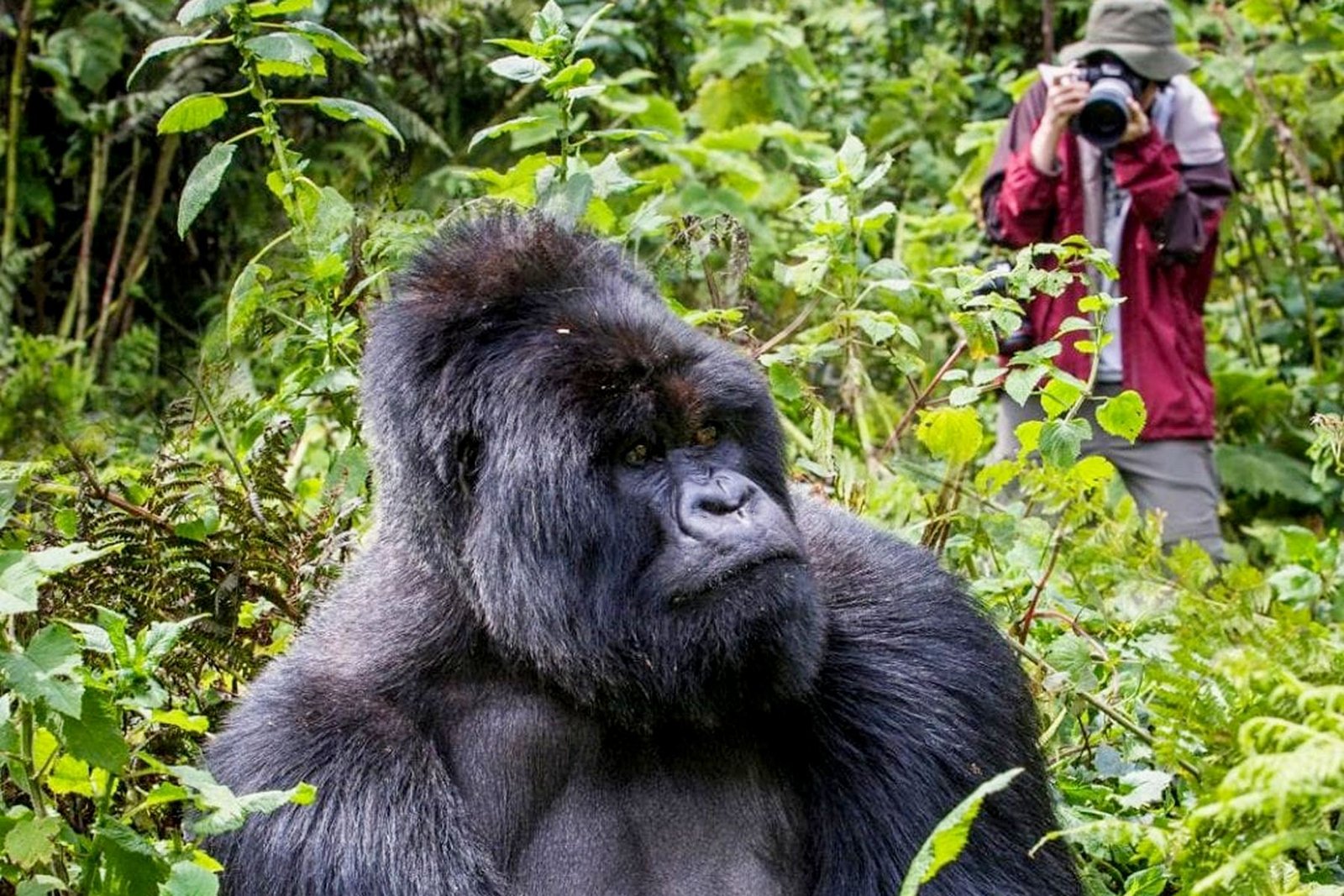
The primary explanation for Rwanda’s higher permit price is the country’s deliberate high-value tourism strategy. When Rwanda increased its gorilla permit from US$750 to US$1,500 in 2017, the Rwanda Development Board stated that the increase was intended to strengthen conservation and contribute to communities living around Volcanoes National Park. RDB also described the pricing decision as being in line with Rwanda’s high-end tourism strategy. In other words, Rwanda has chosen to generate substantial tourism value from a tightly managed gorilla experience rather than positioning gorilla trekking primarily as a lower-cost mass-market attraction.
Uganda has taken a different approach to pricing while offering the same extraordinary opportunity to see mountain gorillas in the wild. Uganda’s gorilla trekking takes place primarily in Bwindi Impenetrable National Park and Mgahinga Gorilla National Park, with Bwindi offering several trekking sectors including Buhoma, Ruhija, Rushaga and Nkuringo. Uganda also offers a separate Gorilla Habituation Experience, which the published UWA tariff priced at US$1,500 for foreign non-residents during the July 2024–June 2026 period. This means Uganda can also offer a premium gorilla experience, particularly for travellers interested in spending substantially more time with gorillas through the habituation experience.
Another important difference is the overall safari environment surrounding the gorilla experience. Rwanda’s Volcanoes National Park is relatively close to Kigali, making it particularly attractive for travellers who want a shorter transfer from the international airport and a compact gorilla-focused itinerary. Uganda’s Bwindi experience is part of a much larger safari destination, allowing travellers to combine gorilla trekking with destinations such as Queen Elizabeth National Park, Kibale Forest, Lake Mburo and other wildlife areas. The best choice therefore depends on whether your priority is convenience and Rwanda’s premium tourism model or a broader Uganda safari combined with the lower published standard permit tariff.
It is also important to understand that a lower gorilla permit does not necessarily produce a proportionally cheaper safari. Consider two travellers who both want to see mountain gorillas. One may choose an affordable lodge, a shorter itinerary and shared transportation, while another may choose a luxury lodge, private 4×4 transportation, additional wildlife activities and several nights in national parks. The second traveller could spend considerably more overall even if their gorilla permit is cheaper. This is why comparing only the permit price can give a misleading impression of the true cost of a gorilla holiday.
For travellers deciding between the two destinations, the question should therefore be broader than “Why is Rwanda gorilla trekking more expensive than Uganda?” A better question is “Which destination gives me the experience I want within my total safari budget?” Rwanda can be particularly compelling for travellers seeking a convenient, premium gorilla experience from Kigali, while Uganda can be especially attractive to travellers who want to combine gorillas with a longer wildlife and primate safari and who place greater importance on the permit price.
Rwanda vs Uganda Gorilla Trekking: Permit and Experience Comparison
The following comparison is designed to make the difference easy to understand without suggesting that one destination is universally better than the other.
| Factor | Rwanda | Uganda |
|---|---|---|
| Main gorilla destination | Volcanoes National Park | Bwindi Impenetrable National Park and Mgahinga Gorilla National Park |
| Published foreign visitor/non-resident permit | US$1,500 | US$800 in the UWA tariff published for July 2024–June 2026 |
| Gorilla habituation | Standard gorilla trekking is the primary tourism experience | Uganda offers a separate Gorilla Habituation Experience |
| Published habituation price | — | US$1,500 for foreign non-residents in the July 2024–June 2026 UWA tariff |
| Main appeal | Premium, convenient gorilla experience | Gorillas combined with a broader Uganda safari |
| Airport access | Kigali International Airport is the principal international gateway | Entebbe International Airport is the main international gateway |
| Gorilla trekking landscape | Virunga volcanic mountain ecosystem | Bwindi rainforest and the Virunga ecosystem at Mgahinga |
| Gorilla trekking sectors | Volcanoes National Park | Buhoma, Ruhija, Rushaga and Nkuringo in Bwindi, plus Mgahinga |
| Best for shorter gorilla trips | Particularly convenient from Kigali | Possible, especially with carefully planned routes |
| Best for longer wildlife circuits | Rwanda can combine gorillas with Akagera, Nyungwe and other destinations | Strong option for combining gorillas with Kibale, Queen Elizabeth, Murchison Falls, Lake Mburo and other destinations |
| Pricing philosophy | High-value tourism model | Lower published standard permit price in the verified tariff period |
| Overall safari price | Depends on accommodation, transport, activities and duration | Depends on accommodation, transport, activities and duration |
| Best choice for | Travellers prioritising convenience, premium Rwanda experiences and a focused gorilla holiday | Travellers prioritising broader Uganda safaris, varied wildlife and a lower published standard gorilla permit |
Price note: Rwanda’s US$1,500 figure is from the current official RDB booking platform. The Uganda US$800 figure is from UWA’s published July 2024–June 2026 conservation tariff, so it should not be presented as Uganda’s current 2026/27 tariff without confirmation from UWA.
Which Is Cheaper: Rwanda or Uganda Gorilla Trekking?
Based on the official tariffs cited above, Uganda’s standard foreign non-resident gorilla tracking permit was cheaper than Rwanda’s foreign visitor permit during the UWA tariff period ending June 2026. Rwanda’s official tariff is currently US$1,500, while UWA’s published tariff for July 2024–June 2026 listed US$800 for foreign non-resident gorilla tracking. The difference in permit price is therefore significant, but it should be treated separately from the total cost of a complete safari.
A traveller considering Uganda should also remember that Uganda offers more than the standard gorilla trek. The published UWA tariff listed the Gorilla Habituation Experience at US$1,500 for foreign non-residents, giving travellers an alternative experience at the same published price as Rwanda’s standard foreign visitor permit during the periods referenced above. Habituation is therefore particularly relevant when comparing the depth of the gorilla experience rather than simply comparing the cheapest available permit.
Is Rwanda Worth the Higher Gorilla Permit Price?
For some travellers, yes. Rwanda’s higher price can make sense for someone who values the convenience of travelling from Kigali to Volcanoes National Park, wants a premium Rwanda itinerary and prefers to combine gorilla trekking with high-end accommodation and other Rwanda experiences. The higher permit price also forms part of Rwanda’s stated high-value tourism strategy, which RDB has linked to conservation and community development.
For other travellers, Uganda may provide better overall value. Someone who wants to spend more time exploring East African wildlife, combine gorillas with chimpanzee trekking in Kibale or wildlife viewing in Queen Elizabeth National Park, and keep the standard gorilla permit cost lower may find Uganda particularly attractive. Uganda also provides access to different Bwindi trekking sectors, allowing the safari to be designed around the traveller’s preferred route and broader itinerary.
Rwanda vs Uganda: Which Should You Choose?
There is no universal answer to whether Rwanda or Uganda is better for gorilla trekking. If your priority is a convenient, premium gorilla experience with relatively straightforward access from Kigali, Rwanda can be an excellent choice. If your priority is a broader wildlife journey with gorillas, chimpanzees and multiple national parks, Uganda can offer exceptional value and variety.
The most important point is that permit price should not be the only factor used to compare Rwanda and Uganda. Look at the entire safari: how long you want to travel, where you want to stay, how you want to travel, which gorilla experience you want, what other wildlife you want to see and how much you want to spend on the complete journey.
For travellers who are undecided, Nextgen Safaris can compare both destinations based on the total safari cost rather than simply the gorilla permit price, helping you determine whether Rwanda’s premium model or Uganda’s broader safari experience better matches your priorities.
Does the Higher Rwanda Gorilla Price Mean Rwanda Is Better Than Uganda?
The fact that Rwanda gorilla trekking costs more than Uganda does not automatically mean that Rwanda offers a better gorilla experience. Rwanda and Uganda have developed different tourism products, and the right choice depends on what the traveller values most. Rwanda’s official mountain gorilla permit for an international visitor is currently US$1,500, while Uganda’s standard foreign non-resident tariff was lower in the most recently published UWA tariff period. The difference in permit price is therefore real, but it should not be interpreted as a simple ranking of Rwanda versus Uganda. The two countries provide different landscapes, routes, accommodation options and wider safari experiences.
Rwanda is particularly attractive to travellers who value convenience and a relatively compact gorilla-focused holiday. Volcanoes National Park is located in the country’s northwest, and travellers arriving through Kigali can reach the Musanze area without the very long road transfers associated with some Ugandan safari circuits. Rwanda also has a strong luxury-tourism positioning, with premium accommodation and high-end safari experiences available around Volcanoes National Park. For someone whose primary objective is to see mountain gorillas while enjoying a polished and relatively short Rwanda itinerary, paying the higher permit price may make sense.
Uganda, meanwhile, can be particularly attractive to travellers who want to build a broader wildlife journey around their gorilla trek. A Uganda itinerary can combine Bwindi with destinations such as Kibale Forest, Queen Elizabeth National Park, Murchison Falls National Park or Lake Mburo, depending on the available time. Uganda also provides different Bwindi trekking sectors, including Buhoma, Ruhija, Rushaga and Nkuringo, while the country offers the separate Gorilla Habituation Experience for travellers seeking a longer gorilla encounter. This makes Uganda especially appealing to travellers who want gorillas to form one part of a larger East African safari.
The most important lesson is that a higher gorilla permit price does not automatically mean a better safari. Rwanda may be the better choice for one traveller because of its convenience, luxury accommodation and focused gorilla experience, while Uganda may be better for another traveller because of its broader safari opportunities and lower standard gorilla permit cost. The decision should therefore be based on the complete journey rather than the permit price alone.
For travellers comparing Rwanda vs Uganda gorilla trekking, it is also important to compare the total package rather than simply comparing US$1,500 with another permit price. Accommodation, transportation, number of safari days, lodge category, activities and route can have a major impact on the final quotation. A well-designed Uganda safari can still become expensive if it includes several luxury lodges and long-distance private transportation, while a carefully planned Rwanda trip can control costs through accommodation and itinerary choices.
What Is Included in a Rwanda Gorilla Permit?
A Rwanda gorilla permit should be understood as permission to participate in the regulated mountain gorilla tracking experience rather than as payment for an entire Rwanda safari. Rwanda’s official tourism information currently lists the gorilla tracking permit at US$1,500 per person per day for international tourists, with special rates applying to certain qualifying categories. The official information also states that the minimum age for gorilla tracking is 15 years.
The permit gives the traveller access to the gorilla trekking experience under Rwanda’s established park procedures. This is important because visitors cannot simply enter Volcanoes National Park independently and approach a gorilla family whenever they wish. Gorilla tracking is a controlled wildlife activity, and visitors must follow the rules established for protecting the gorillas and managing tourism.
However, the permit does not automatically mean that your hotel has been paid for. It also does not automatically include your international flights, airport transfer, private safari vehicle, accommodation, meals outside the applicable permit arrangements, travel insurance or optional activities. Those services may be included when you purchase a complete package from a tour operator, but they should not be confused with the official gorilla permit itself.
This is why someone searching “Rwanda gorilla trekking cost” should always ask whether a quoted price is the permit price or the complete safari price. If a tour operator quotes US$1,500, for example, you need to establish whether that amount refers only to the permit or whether additional services have been included.
A complete Rwanda gorilla safari may combine the permit with accommodation in Musanze or near Volcanoes National Park, private transportation, a professional driver-guide, airport transfers and other experiences. The final price therefore depends on the traveller’s preferred level of comfort and the number of days included in the itinerary.
What Makes the Total Rwanda Gorilla Safari Expensive?
The US$1,500 Rwanda gorilla permit is a major component of the cost for an international visitor, but it is not the only factor that makes a Rwanda gorilla safari expensive. The total cost is created by combining the permit with everything required to operate and enjoy the journey. Understanding these individual components helps travellers see why a complete Rwanda gorilla safari can cost considerably more than the permit itself.
Gorilla Permit
For an international visitor, the gorilla permit is currently US$1,500 per person according to Rwanda’s official tourism information. This is generally the largest single fixed cost directly associated with the gorilla trekking experience.
For a couple, two standard international permits represent US$3,000 before accommodation, transportation and other safari expenses are considered. For four travellers, the permits alone represent US$6,000. This explains why the permit has such a significant influence on the overall budget.
Accommodation
Accommodation can dramatically change the final Rwanda gorilla safari cost. Travellers can choose from different standards around Volcanoes National Park, ranging from comfortable mid-range properties to some of Rwanda’s most exclusive luxury lodges.
A traveller staying in a high-end lodge may spend considerably more per night than someone choosing a simpler property. This is one of the biggest areas where travellers can control their overall budget without changing the official gorilla permit price.
Private 4×4 Transportation
Transportation is another important component. A private safari vehicle provides flexibility and allows the itinerary to be designed around the traveller’s schedule rather than a fixed group timetable.
For international visitors, private 4×4 transportation with a professional driver-guide is a popular way to experience Rwanda. The cost depends on the vehicle, duration of the journey, fuel, guide services and itinerary.
Meals
Meals can form part of the safari package depending on the accommodation and quotation. Luxury lodges may provide a different dining experience from standard accommodation, and some travellers may have full-board arrangements while others have different meal plans.
Therefore, when comparing two Rwanda gorilla safari quotations, check exactly which meals are included.
Guide and Operational Services
A professionally organised gorilla safari involves more than transporting a visitor from Kigali to Volcanoes National Park. The tour operator may coordinate permits, accommodation, transfers, guides, reservations, park activities and communication with suppliers.
These operational services contribute to the final package price and are particularly valuable for international travellers who want the entire journey coordinated in advance.
Airport Transfers
Travellers arriving through Kigali International Airport may require an airport transfer before beginning their journey to Volcanoes National Park. If the trip ends in Kigali, another transfer may be necessary.
Although airport transfers are relatively small compared with the gorilla permit, they still contribute to the total cost.
Additional Experiences
Many travellers choose to combine gorilla trekking with other Rwanda experiences. These might include golden monkey trekking, Kigali sightseeing, cultural experiences, hiking, Lake Kivu or visits to Akagera or Nyungwe.
Each additional activity or destination can add accommodation, transportation and activity costs.
The basic calculation is therefore:
Gorilla permit + accommodation + transportation + guide + meals + transfers + additional activities = total Rwanda gorilla safari cost.
This is why US$1,500 does not mean that a Rwanda gorilla safari costs US$1,500. It means that the official gorilla permit itself represents US$1,500 for the applicable international visitor category.
Is Rwanda Gorilla Trekking Worth the Money?
Whether Rwanda gorilla trekking is worth the money depends on the traveller’s priorities, budget and expectations. There is no need to tell every traveller that the experience is automatically worth every dollar. A more useful approach is to consider who is most likely to find the investment worthwhile and who may prefer an alternative destination.
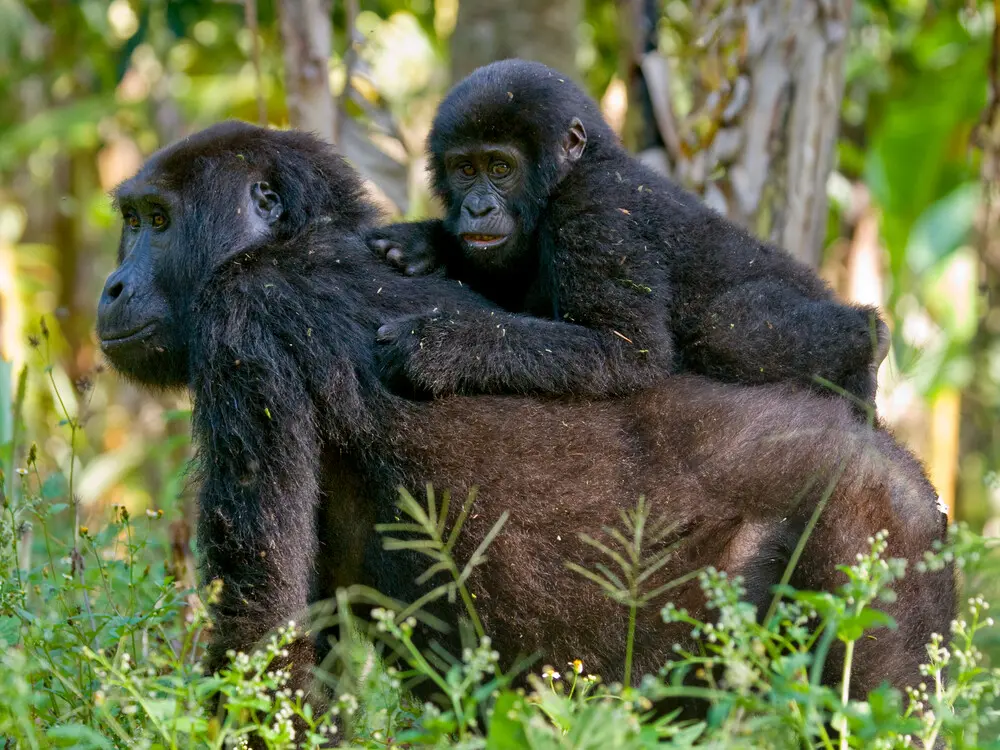
For someone whose primary reason for visiting Rwanda is to see mountain gorillas, the experience can represent exceptional value despite the high permit price. The opportunity to enter the mountain forest under controlled conditions and observe habituated gorillas in their natural environment is fundamentally different from an ordinary wildlife attraction. For many travellers, this is a once-in-a-lifetime experience and the gorilla trek is the centrepiece of the entire journey.
Rwanda can be particularly appealing to travellers who value convenience, luxury and a focused itinerary. The proximity of Volcanoes National Park to Kigali makes it possible to build a relatively short gorilla holiday, while Rwanda’s premium tourism infrastructure provides options for travellers who want high-end accommodation and personalised services.
The experience may be less attractive to someone whose primary concern is keeping the permit cost as low as possible. In that situation, Uganda deserves serious consideration because its standard gorilla trekking permit has historically been considerably lower than Rwanda’s, subject to the latest UWA tariff. Uganda also provides opportunities to combine gorilla trekking with chimpanzee tracking, savannah wildlife and longer national-park circuits.
The important thing is therefore not to ask whether Rwanda is objectively worth US$1,500. Ask whether the particular experience you want is worth that investment to you. If mountain gorillas are high on your travel priorities and you value Rwanda’s accessibility and premium tourism environment, the answer may be yes. If you want a broader wildlife adventure and need to maximise your budget, Uganda may offer stronger overall value.
How to Reduce the Overall Cost of a Rwanda Gorilla Safari
There is an important distinction between reducing the total cost of a Rwanda gorilla safari and trying to avoid the official gorilla permit price. For an international visitor, the standard permit is an official tariff, so travellers should not expect a tour operator to simply negotiate the US$1,500 fee away.
The biggest opportunities for saving are normally found in the other components of the trip. Choosing a good-quality mid-range lodge instead of an ultra-luxury property can significantly reduce accommodation costs while leaving the actual gorilla trekking experience unchanged.
Travelling as a couple or small group can also make private transportation more economical on a per-person basis because vehicle and guide costs can effectively be shared among travellers. This is one reason why carefully planned group arrangements can sometimes provide better value than travelling completely alone.
Another strategy is to avoid adding unnecessary nights. A well-planned three- or four-day gorilla itinerary can provide the core experience without requiring a traveller to spend a week around Volcanoes National Park unless they specifically want additional activities.
Accommodation location also matters. Choosing a property that provides convenient access to the park headquarters can make the daily logistics more efficient and reduce unnecessary driving.
Travellers can also combine gorilla trekking with other destinations strategically. In certain periods, Rwanda’s official system offers a low-season gorilla discount when specific conditions are met, which means combining the gorilla trek with other national-park experiences can potentially reduce the permit cost while creating a more complete Rwanda safari.
The key is to reduce unnecessary expenditure rather than reducing the quality of the core experience. Your gorilla trek remains the same regulated experience whether you sleep in a mid-range lodge or a luxury lodge; what changes is the level of accommodation and supporting services around it.
Can You Get a Discount on Rwanda Gorilla Permits?
Yes, Rwanda does have an official low-season gorilla trekking discount, but travellers need to understand the conditions carefully. The current Rwanda Development Board booking system identifies a low-season discount applicable from November through May. It is not simply a blanket 30% reduction available to every traveller who chooses a date during those months.
According to the current RDB low-season discount information, the 30% discount applies to combined trips involving other national parks in Rwanda, specifically Akagera National Park and/or Nyungwe National Park. The current requirements state that the traveller must spend two nights in one of the mentioned parks, with the required accommodation confirmation and activity payment. Alternatively, the qualifying stay can involve one night in Akagera and one night in Nyungwe consecutively, together with the relevant activity.
This is a very useful opportunity for travellers who already want to experience more of Rwanda. Instead of visiting Volcanoes National Park solely for gorilla trekking, you can build a broader Rwanda itinerary that combines gorillas with Akagera and/or Nyungwe during the applicable low-season period. The traveller potentially receives a discounted gorilla permit while also experiencing more of the country’s wildlife and rainforest attractions.
The official RDB booking system currently identifies the low-season period as November through May. Therefore, if a traveller is specifically looking for a potentially cheaper period for Rwanda gorilla trekking, these months deserve consideration.
However, the discount should not be presented as meaning that every November-to-May gorilla permit automatically costs 30% less. The official conditions matter. The traveller needs to meet the qualifying requirements involving Akagera and/or Nyungwe, and the application is handled through the official tourism booking system.
For example, if the standard international permit is US$1,500, a 30% discount would mathematically reduce that amount to US$1,050. The older official RDB guidance also documented this US$1,050 discounted figure. However, for current bookings, travellers should verify that their dates, visitor category and combined-national-park itinerary qualify before using US$1,050 in their safari budget.
This is an important distinction because old articles sometimes state simply that “Rwanda gorilla permits are US$1,050 in the low season.” That wording can be misleading. The official information shows that the discount is connected to specific conditions and is not an unconditional seasonal price reduction.
What Are Rwanda’s Low-Season Months for Gorilla Trekking?
The current RDB booking system identifies the low-season discount period as November through May.
This gives travellers a useful planning window if they are flexible with their dates and interested in combining gorilla trekking with other Rwanda national parks.
It is particularly attractive for travellers who already want a multi-destination itinerary. For example, instead of booking only a gorilla trek in Volcanoes National Park, a traveller could consider an itinerary incorporating Akagera National Park, Volcanoes National Park and Nyungwe National Park, subject to the current discount requirements and availability.
Should You Plan a Rwanda Gorilla Safari During the Low Season?
If your main priority is reducing the total cost, travelling during the official low-season discount period can be worth investigating. The potential saving becomes even more attractive when the traveller genuinely wants to visit Akagera or Nyungwe because the additional national-park experience is not being added solely to obtain a discount.
However, do not choose the low season simply because you assume every part of the safari will be cheaper. Accommodation rates, availability, weather preferences and individual travel priorities still need to be considered.
The best strategy is to calculate the total value of the itinerary, not just the discount on the permit.
How Should Travellers Verify the Discount?
Before quoting or budgeting for a discounted permit, check the official Rwanda Development Board booking system because the terms, dates, eligibility categories and promotional offers can change. The current system has a dedicated “Low season discount (Gorilla Trekking)” service, and its application process identifies the qualifying November-to-May visit period.
For Nextgen Safaris, I would phrase this carefully throughout the page:
Rwanda’s official low-season gorilla discount can reduce the permit price by 30% for qualifying combined itineraries involving Akagera and/or Nyungwe from November through May. Travellers should verify the current eligibility requirements and availability with the Rwanda Development Board before booking.
That wording is much safer and more authoritative than simply saying “gorilla trekking is 30% cheaper from November to May.”
When Is the Best Time to Book Rwanda Gorilla Trekking?
The best time to book Rwanda gorilla trekking is as early as possible once your travel dates are reasonably confirmed, particularly if you are travelling during a popular period or have specific dates on which you must trek. Rwanda’s official booking platform provides an advance-booking service for tourist permits, and its booking guidance states that tour operators should first check availability for the proposed date and then reserve an available slot. The platform also states that bookings and reservations are handled on a first-come, first-served basis. This is important because the gorilla trekking experience is deliberately controlled rather than operated like an attraction where unlimited visitors can simply arrive each morning.
Booking early is particularly valuable because a gorilla safari involves much more than securing the permit. Once your trekking date is confirmed, your tour operator can begin coordinating the accommodation around Volcanoes National Park, transportation from Kigali, driver-guide arrangements, airport transfers and any additional experiences you want to include. This becomes even more important for travellers choosing popular lodges or travelling as a private family or couple because accommodation availability can become the limiting factor even when a gorilla permit is available.
Advance planning is also useful if you want to build a more comprehensive Rwanda itinerary. Instead of travelling to Rwanda only for the gorilla trek, you may want to combine Volcanoes National Park with Akagera National Park, Nyungwe National Park, Kigali or Lake Kivu. Having the gorilla date confirmed first allows the rest of the itinerary to be arranged around the most important fixed activity rather than trying to fit the trek into whatever dates remain available.
Travellers should also remember that Rwanda’s official booking system provides an advance booking facility with a deposit-based process. The current RDB system states that operators can reserve an available slot by paying between 40% and 99% of the visiting fee and then confirm the permit by paying the remaining balance before the stated deadline. Because payment and confirmation conditions can change, travellers should verify the applicable terms at the time of booking.
For someone asking “When should I book Rwanda gorilla trekking?”, the practical answer is therefore simple: book as early as your travel plans allow, especially when your dates are fixed. Early booking gives you a better chance of securing the desired trekking date and allows your accommodation, transportation and other safari arrangements to be built around the gorilla experience rather than organised at the last minute.
Can You Make Rwanda Gorilla Trekking More Affordable Without Sacrificing the Experience?
Yes, you can make a Rwanda gorilla safari more affordable without compromising the actual gorilla trekking experience. The key is understanding which costs are fixed and which costs can be adjusted. The official gorilla permit for an international foreign visitor is currently US$1,500, while other visitor categories have different official tariffs. For an eligible international visitor paying the standard foreigner rate, the most effective way to reduce the overall budget is therefore usually to control the costs surrounding the permit rather than attempting to negotiate the official permit price.
Accommodation is one of the biggest areas where travellers can make a difference. Volcanoes National Park has accommodation ranging from comfortable properties to some of Rwanda’s most exclusive luxury lodges. Choosing a good mid-range hotel or lodge instead of an ultra-luxury property can substantially reduce the total cost while leaving the core gorilla trekking experience unchanged. The gorilla does not provide a different encounter because you slept in a more expensive room the night before.
Transportation can also be managed intelligently. A private 4×4 vehicle provides convenience and flexibility, but the cost can be distributed among travellers when couples, families or small groups travel together. Planning an efficient route can also reduce unnecessary driving and additional nights, particularly when the itinerary is designed around Kigali and Volcanoes National Park.
Another way to control costs is to avoid adding activities simply because they are available. If your main objective is gorilla trekking, you do not necessarily need to create an unnecessarily long itinerary. A carefully planned short safari can deliver the central experience while keeping accommodation and transportation expenses under control. If you genuinely want to explore more of Rwanda, however, extending the trip can provide greater value because you experience additional destinations rather than simply paying for extra nights around the gorilla trek.
Travelling during an applicable promotional period can also be worth investigating. Rwanda’s official booking platform currently provides a Low Season Discount for Gorilla Trekking, with the booking interface allowing dates between November and May to be selected. The precise qualifying conditions should be checked at the time of booking because the discount is subject to the official programme requirements.
The important principle is this:
An affordable Rwanda gorilla safari does not necessarily mean a cheaper gorilla permit.
It means designing the rest of the journey intelligently. You can select appropriate accommodation, optimise transportation, avoid unnecessary nights, compare itinerary options and investigate officially available promotions while still enjoying the same extraordinary mountain gorilla encounter.
Why the Price Is Part of Rwanda’s Conservation Strategy
The price of gorilla trekking in Rwanda is closely connected to the country’s broader conservation and tourism strategy. Rwanda’s decision to increase the gorilla permit from US$750 to US$1,500 in 2017 was not presented simply as a commercial price increase. Rwanda Development Board stated that the decision was made in line with the country’s high-end tourism strategy and was intended to strengthen conservation efforts and contribute to communities living around Volcanoes National Park.
This is an important part of understanding why gorilla trekking in Rwanda is so expensive. Rwanda has chosen to position gorilla tourism as a high-value, controlled experience rather than attempting to make it a mass-market attraction. The official RDB explanation specifically connected the higher tariff with the sustainability of conservation initiatives, improvement of the visitor experience and greater benefits for communities around the park.
The principle is relatively straightforward. Mountain gorilla tourism depends on a healthy ecosystem and effective protection of the animals. If the tourism industry is generating significant economic value, there is a stronger financial argument for maintaining the protected area and investing in the systems that support conservation. Rwanda’s approach therefore seeks to obtain substantial economic value from a controlled number of visitors.
The strategy also recognises that communities surrounding protected areas are an important part of long-term conservation. RDB has described its Tourism Revenue Sharing Programme as providing 10% of park revenues to communities living around national parks, with funds supporting projects such as clean water, health centres, classrooms and decent housing.
The price should therefore be understood as one component of a broader system. It is not accurate to say that every dollar of a US$1,500 permit goes directly toward one particular conservation activity. The official sources do not provide an item-by-item breakdown of every dollar. What they do clearly establish is that conservation, visitor experience and community development are fundamental reasons behind Rwanda’s high-value gorilla tourism model.
This approach also helps explain why Rwanda does not simply lower the permit price whenever travellers complain that gorilla trekking is expensive. The country has made a strategic decision about the value of the experience and the role tourism revenue plays in conservation. The result is a premium product in which limited access is part of the overall model.
Is Expensive Gorilla Trekking Good for Conservation?
A high gorilla trekking price can support conservation, but the price itself should not be presented as proof that conservation is automatically successful. The stronger argument is that a carefully managed high-value tourism model can generate substantial revenue from a controlled number of visitors while reducing the need to pursue unlimited visitor growth. Rwanda Development Board explicitly connected the gorilla permit increase with conservation sustainability, visitor experience and community development.
There is a clear economic benefit to making a protected ecosystem valuable. When mountain gorillas and their habitat generate legitimate tourism income, conservation becomes connected to a wider economic system involving guides, accommodation providers, transport companies, park services and surrounding communities. Tourism can therefore create employment and economic opportunities while generating funds associated with protected-area management.
Community participation is particularly important. RDB’s Tourism Revenue Sharing Programme directs 10% of national-park tourism revenues to communities around protected areas, and RDB reports that the programme has supported projects involving water, health, education and housing. This creates a tangible connection between tourism and communities that live alongside protected areas.
However, price alone cannot protect gorillas. Effective conservation also requires habitat protection, scientific monitoring, responsible tourism management, enforcement, research, veterinary support where necessary and cooperation with surrounding communities. A high permit price is therefore one financial component of a much larger conservation system.
There is also a balance that must be maintained. If tourism becomes too intensive, even a successful tourism industry can create pressure on wildlife and habitat. That is why gorilla trekking operates through controlled access, established visitor rules and managed encounters rather than unlimited visitation.
The most accurate conclusion is therefore that Rwanda’s premium pricing supports a conservation-oriented tourism model, but the effectiveness of conservation depends on the quality of management behind the price. This is a much more credible explanation than simply claiming that expensive permits automatically mean that gorillas are fully protected.
How to Choose Between Rwanda and Uganda Gorilla Trekking
Choosing between Rwanda and Uganda gorilla trekking should depend on your priorities rather than on the assumption that one country is universally better. Both countries provide exceptional opportunities to see mountain gorillas, but the surrounding travel experience, permit pricing, routes and safari possibilities are different.
Choose Rwanda If You Prioritise Convenience
Rwanda can be an excellent choice if you want a relatively compact gorilla safari from Kigali. The journey from Kigali to the Volcanoes National Park area is convenient compared with some longer safari circuits, making Rwanda particularly attractive to travellers who have limited time.
Choose Rwanda If You Prefer Premium Travel
Rwanda has positioned gorilla tourism within a high-value tourism model, and the Volcanoes National Park area offers premium accommodation and luxury travel experiences. Travellers who are comfortable with the higher official foreign visitor permit may therefore find Rwanda particularly appealing.
Choose Rwanda If Gorillas Are the Main Purpose of Your Trip
If your primary objective is to see mountain gorillas and you do not necessarily need a long multi-park safari, Rwanda provides a strong focused experience. You can also combine the trek with Kigali, Lake Kivu, Akagera or other Rwanda experiences.
Consider Uganda If Permit Price Is a Major Factor
Uganda can be particularly attractive to travellers who place greater emphasis on the standard gorilla permit price. The applicable Ugandan tariff should always be checked directly with UWA because permit prices can change.
Consider Uganda for a Longer Wildlife Safari
Uganda offers an extensive safari circuit. Travellers can combine gorilla trekking with Kibale Forest for chimpanzees, Queen Elizabeth National Park for wildlife, Murchison Falls National Park, Lake Mburo and other destinations. This makes Uganda particularly compelling for someone who wants gorillas to be one component of a much longer wildlife adventure.
Consider Uganda for Gorilla Habituation
Uganda also offers the Gorilla Habituation Experience, providing a different type of gorilla encounter for travellers who specifically want a longer habituation-focused experience. The applicable permit price and conditions should be verified with UWA before booking.
Ultimately, the best choice comes down to the complete journey. If you value Rwanda’s convenience, premium tourism environment and focused gorilla experience, Rwanda may justify the higher permit. If you want a broader wildlife circuit, different Bwindi trekking sectors and potentially lower standard permit costs, Uganda may provide stronger overall value.
What Does a Complete Rwanda Gorilla Safari Cost?
The cost of a complete Rwanda gorilla safari depends on much more than the official gorilla trekking permit. For an international foreign visitor, Rwanda’s official gorilla permit is currently US$1,500 per person, making it the largest fixed cost for many travellers. However, the final price of the safari also depends on accommodation, transportation, the number of nights, meals, driver-guide services, airport transfers, additional activities and the number of people travelling together. Current 2026 market examples place a short budget or standard Rwanda gorilla safari at roughly US$2,000–US$3,000+ per person, a comfortable mid-range trip at approximately US$3,200–US$5,500 per person, and a genuine luxury experience at around US$6,000–US$10,000+ per person, before international flights. These are useful planning ranges rather than fixed tariffs, because individual quotations vary according to dates, accommodation and inclusions.
A useful way to calculate the total Rwanda gorilla safari cost is:
Gorilla permit + accommodation + private transportation + driver-guide + meals + airport transfers + activities + operational costs = total safari price.
The permit itself is currently US$1,500 per international foreign visitor, but everything surrounding that permit can vary considerably. This is why two travellers can both pay the same US$1,500 gorilla permit and still receive completely different total safari quotations. A traveller staying in a simple guesthouse and taking a short itinerary will have a very different budget from a traveller staying at a high-end lodge, travelling privately and adding several days of luxury experiences.
Rwanda Gorilla Safari Cost at a Glance
| Safari Category | Approximate Cost Per Person | Typical Trip Style |
|---|---|---|
| Budget / Standard | US$2,000–US$3,000+ | Simple accommodation, essential safari services and a shorter itinerary designed to keep the overall Rwanda gorilla safari cost manageable. |
| Mid-Range | US$3,200–US$5,500 | Comfortable lodge accommodation, private 4×4 transportation, professional driver-guide, meals and a well-organised safari experience. |
| Luxury | US$6,000–US$10,000+ | Premium lodge accommodation, private transportation, personalised services, upgraded dining and additional curated Rwanda experiences. |
| Ultra-Luxury | US$10,000–US$19,000+ | Top luxury lodges, extended itineraries, highly personalised services, premium experiences and exclusive safari arrangements. |
These ranges are planning estimates for 2026, not official RDB package prices or fixed Nextgen Safaris rates. Published 2026 safari examples show a broad range depending heavily on lodge category and itinerary length.
Budget Rwanda Gorilla Safari: Approximately US$2,000–US$3,000+ Per Person
A budget Rwanda gorilla safari does not mean receiving a cheaper gorilla permit. The official permit remains the same applicable tariff for the visitor category. Instead, the saving comes from controlling the other components of the journey, particularly accommodation, transport arrangements and the number of nights.
A realistic planning range for a short budget or standard gorilla safari is approximately US$2,000–US$3,000+ per person, depending on the number of travellers, accommodation and services included. Current 2026 market examples place budget trips in approximately this range, although individual operators may quote below or above it depending on exactly what is included.
At this level, travellers would normally focus on comfortable but simple accommodation around Musanze or the Volcanoes National Park area rather than choosing one of Rwanda’s most expensive luxury lodges. Transportation would still need to be reliable and the gorilla permit would still be the official permit applicable to the traveller.
This is an important distinction for anyone searching for a cheap Rwanda gorilla safari. You should not expect the actual gorilla experience to be discounted simply because you choose a budget package. You are controlling the supporting costs around the trek while retaining the same regulated gorilla trekking experience.
For a traveller whose main objective is simply to experience mountain gorillas and who does not require luxury accommodation, this can be one of the most sensible ways to approach the trip.
Mid-Range Rwanda Gorilla Safari: Approximately US$3,200–US$5,500 Per Person
A mid-range Rwanda gorilla safari offers a stronger balance between price, comfort and convenience. A practical planning range is approximately US$3,200–US$5,500 per person, although the final amount depends on the number of nights, accommodation selected, group size, season and inclusions. Current 2026 market examples place three-day mid-range gorilla trips around the lower end of this range, with longer or more comprehensive itineraries increasing the total.
A mid-range package can include a comfortable lodge, private 4×4 transportation, an experienced driver-guide, meals according to the accommodation arrangement, airport transfers and the gorilla permit. Travellers may also add Kigali sightseeing, golden monkey trekking, cultural experiences or other activities depending on the itinerary.
For many international travellers, this category provides the best balance. You are not spending thousands of additional dollars simply to upgrade the room to one of Rwanda’s most exclusive properties, but you are still receiving comfortable accommodation and a professionally organised safari.
A mid-range trip is particularly suitable for couples, families, first-time visitors and travellers who want the gorilla experience to be comfortable without turning the entire holiday into an ultra-luxury trip.
Luxury Rwanda Gorilla Safari: Approximately US$6,000–US$10,000+ Per Person
A luxury Rwanda gorilla safari can move into the US$6,000–US$10,000+ per-person range, depending heavily on the lodge selected, number of nights, season and level of private service. Current 2026 market examples show luxury trips beginning around this level, while top properties and longer itineraries can increase the cost substantially.
The key difference at this level is not the gorilla permit. A luxury traveller and a mid-range traveller who are both international visitors pay the same applicable official gorilla permit. The difference is created by everything surrounding the trek.
Luxury travellers may choose premium accommodation, private vehicles, personalised guiding, high-quality dining, additional experiences and carefully designed itineraries. Some of Rwanda’s most exclusive properties can themselves cost thousands of dollars per person per night, meaning that accommodation can eventually become a larger expense than the gorilla permit. Published 2026 rates for properties such as Singita Kwitonda and Wilderness Bisate illustrate just how dramatically accommodation can influence the final budget.
This is why the phrase “Rwanda gorilla trekking is expensive” needs context. At the standard permit level, the official gorilla experience is expensive. At the luxury level, however, the accommodation and private services can become the dominant factors in the final safari price.
Ultra-Luxury Rwanda Gorilla Safari: US$10,000–US$19,000+ Per Person
For travellers seeking the highest level of exclusivity, the budget can rise considerably beyond US$10,000 per person. Longer itineraries incorporating several national parks, premium accommodation, private services and highly personalised arrangements can reach US$15,000, US$19,000 or more per person, depending on the itinerary.
Current 2026 market pricing illustrates this extreme end of the market, with published seven-day ultra-luxury Rwanda itineraries reaching approximately US$14,000–US$19,000 per person in some cases.
At this level, the traveller is no longer paying primarily for the gorilla trek. The US$1,500 permit remains an important component, but premium accommodation, private transportation, additional national parks and highly personalised services can dominate the overall cost.
This category is therefore best suited to travellers for whom accommodation, exclusivity, service and the overall luxury journey are as important as the gorilla encounter itself.
What Does the US$1,500 Gorilla Permit Actually Mean for Your Budget?
The easiest way to understand the cost is to start with the fixed component.
For one international visitor:
Gorilla permit = US$1,500
For two travellers:
2 × US$1,500 = US$3,000
For four travellers:
4 × US$1,500 = US$6,000
This immediately explains why Rwanda gorilla safari prices can appear high even before accommodation and transportation are added.
However, the official permit should not be confused with the complete safari package. The traveller still needs to get to Volcanoes National Park, sleep somewhere, eat, travel around Rwanda and return to the airport or onward destination.
Example: How a 3-Day Rwanda Gorilla Safari Can Be Priced
A useful example is a 3-day Rwanda gorilla safari for two international travellers.
The first major cost is the two gorilla permits:
2 × US$1,500 = US$3,000
Then the package adds two nights of accommodation, transportation, driver-guide services, meals and other agreed services. Depending on the lodge and operator, published 2026 examples show three-day mid-range packages ranging from roughly the mid-US$3,000s into the US$4,000+ range per person, while luxury versions can rise significantly higher.
This is why travellers should always ask for a full cost breakdown rather than assuming that every amount above US$1,500 represents a tour operator’s profit.
Why Two Rwanda Gorilla Safaris Can Have Very Different Prices
Suppose two travellers receive these quotations:
Option A: US$3,000 per person
Option B: US$7,000 per person
At first glance, the difference might appear enormous. But the prices cannot be judged properly without examining what each package contains.
Option A might use comfortable standard accommodation, a short itinerary and essential safari services. Option B might include premium accommodation, additional nights, private experiences, upgraded dining and other activities.
The gorilla encounter itself may remain fundamentally the same regulated experience.
This is why a traveller should ask:
Which lodge is included?
How many nights are included?
Is the gorilla permit included?
Is transportation private?
Is a driver-guide included?
Are meals included?
Are airport transfers included?
Which additional activities are included?
Are there any excluded costs?
This approach gives you a much clearer understanding of the actual value behind the quotation.
Does a More Expensive Rwanda Gorilla Safari Give You a Better Gorilla Trek?
Not necessarily.
A traveller paying US$3,000 for a carefully designed mid-range safari and a traveller paying US$10,000 for a luxury safari are not necessarily receiving completely different gorilla encounters. The premium price is often driven by the quality of accommodation, privacy, service and additional experiences surrounding the trek.
This is an important point for anyone trying to decide whether to spend more.
If your primary objective is seeing mountain gorillas, a comfortable mid-range safari may provide excellent value. If your objective is a complete luxury holiday where the lodge, dining, privacy and personalised service are themselves major parts of the experience, then the additional investment may make sense.
The right budget therefore depends on what you want your Rwanda holiday to feel like.
What Is Not Usually Included in the Gorilla Permit?
Travellers should be careful when reading package descriptions because the gorilla permit should not be treated as the complete cost of the holiday.
Your international flight is generally a separate expense unless specifically stated otherwise. Travel insurance should also be arranged separately unless your package specifically includes an applicable insurance product.
Other potential expenses can include personal purchases, tips, optional activities, visa-related costs where applicable and services not specifically listed in the tour quotation.
A professional quotation should clearly separate included and excluded services so that travellers know exactly what they are paying for.
The Best Way to Budget for a Rwanda Gorilla Safari
The best approach is to decide your total budget first, then build the safari around it.
If you have approximately US$2,500 per person, the itinerary needs to prioritise the gorilla trek and control accommodation and other supporting expenses.
If you have approximately US$4,000–US$5,000 per person, there is considerably more room for comfortable accommodation, private services and additional Rwanda experiences.
If your budget is US$7,000–US$10,000+ per person, you can begin looking seriously at luxury accommodation and highly personalised itineraries.
If your budget exceeds US$10,000 per person, you can consider an extended luxury journey incorporating multiple destinations and some of Rwanda’s most exclusive properties.
These are planning ranges rather than guaranteed package prices. Exact costs should always be calculated according to the traveller’s dates, number of people, accommodation preferences and activities.
A Simple Rwanda Gorilla Safari Cost Formula
For SEO and user clarity, I would also place this short calculation near the end of the section:
Rwanda Gorilla Safari Cost = Gorilla Permit + Accommodation + Transport + Driver-Guide + Meals + Transfers + Activities + Operational Costs
For an international visitor in 2026, the first figure to enter into the calculation is:
Gorilla Permit: US$1,500 per person
Then build the remainder of the trip according to your preferred travel style.
This is the clearest way to understand how much a Rwanda gorilla safari really costs and why the final package price can range from roughly US$2,000–US$3,000+ for a short budget/standard trip to US$6,000–US$10,000+ for luxury travel and considerably higher for ultra-luxury itineraries.
For Nextgen Safaris, I would not publish one fixed “Rwanda gorilla safari price” because it could quickly become outdated and would not reflect different traveller requirements. Instead, showing these transparent ranges and then offering a personalised quotation makes the page more credible while capturing searches across Rwanda gorilla trekking cost, Rwanda gorilla safari price, how much is gorilla trekking in Rwanda, budget Rwanda gorilla safari, mid-range Rwanda gorilla safari and luxury Rwanda gorilla safari.
Why Book Your Rwanda Gorilla Safari With Nextgen Safaris?
Planning a Rwanda gorilla safari involves much more than purchasing a gorilla permit. The permit has an official price set within Rwanda’s tourism system, so a tour operator cannot simply change or remove that cost. The real value of working with an experienced safari operator comes from organising everything around the permit and turning separate travel components into one coherent journey. Nextgen Safaris can help travellers plan the appropriate itinerary, select accommodation according to their budget, arrange transportation and driver-guide services, coordinate airport transfers and incorporate additional experiences that complement the gorilla trek.
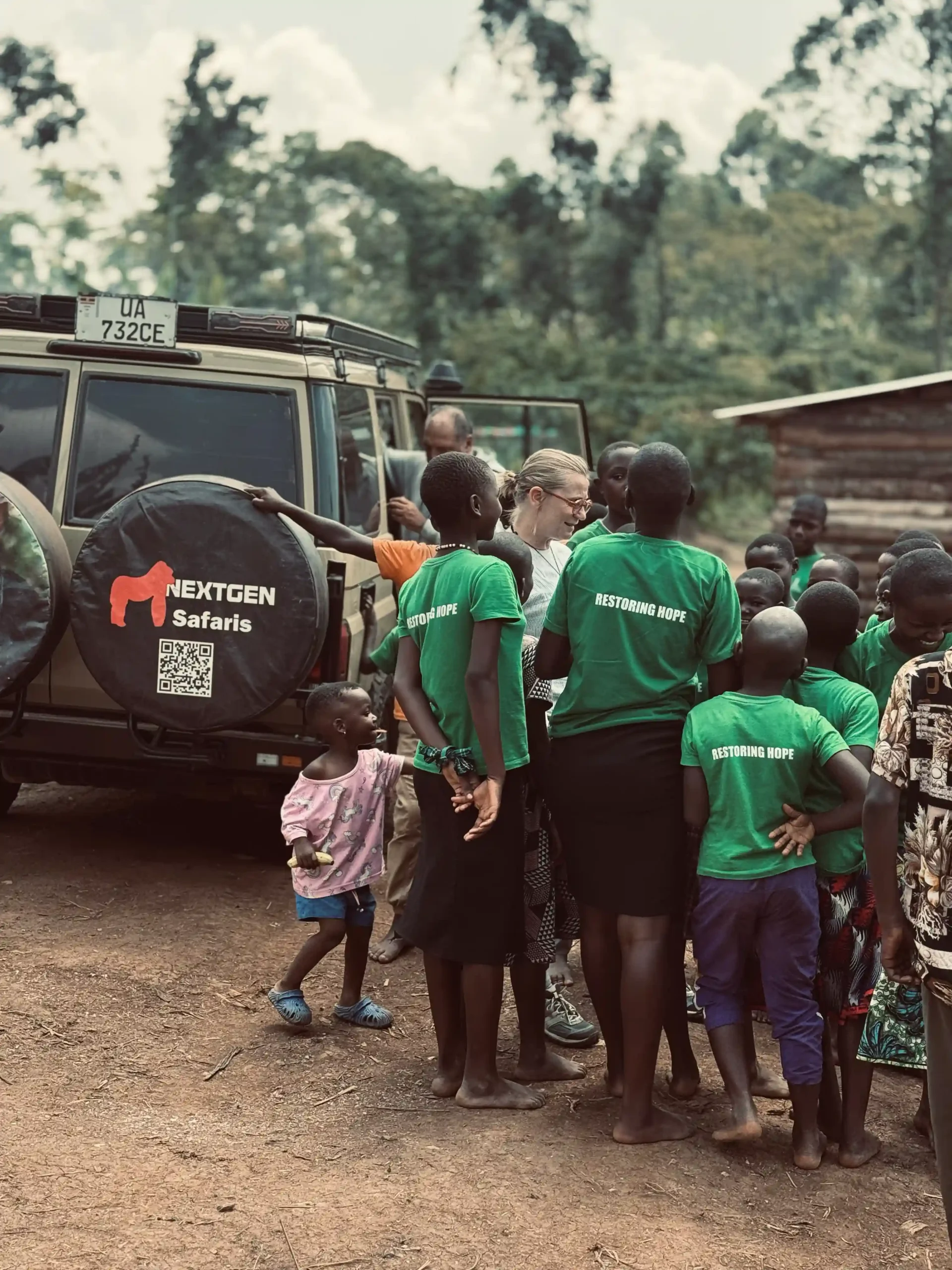
For travellers who are asking why is gorilla trekking in Rwanda so expensive, careful planning can make an important difference to the overall cost. The official international gorilla permit is currently US$1,500 per person, according to Rwanda’s official booking platform. The permit is therefore a major fixed component for international visitors, but the accommodation, transportation, number of nights and additional activities remain areas where the itinerary can be designed around the traveller’s priorities.
Nextgen Safaris can assist with gorilla permit arrangements, helping travellers plan their preferred trekking date and coordinate the permit with the rest of the itinerary. Rwanda’s official system allows mountain gorilla tracking to be booked in advance and states that bookings are handled on a first-come, first-served basis, making coordination particularly important when travellers have fixed dates. (visitrwandabookings.rdb.rw)
The company can also help with accommodation selection. This is particularly important because accommodation is one of the easiest ways to change the overall cost of a Rwanda gorilla holiday. A traveller who wants to control the budget can choose a comfortable mid-range property, while someone looking for a luxury experience can select a premium lodge near Volcanoes National Park. The gorilla trekking experience itself remains subject to the same official park and permit regulations regardless of whether the traveller chooses budget, mid-range or luxury accommodation.
Transportation is another important part of the planning process. Nextgen Safaris can arrange private transportation and professional driver-guide services according to the itinerary. This becomes especially useful when a traveller wants to combine gorilla trekking with Kigali, Akagera National Park, Nyungwe National Park or Lake Kivu, because the journey needs to be organised efficiently rather than treated as a collection of unrelated bookings.
The planning can also extend beyond Rwanda. Travellers interested in a wider East African journey can explore Rwanda-Uganda combinations, particularly where gorilla trekking, chimpanzee tracking and wildlife experiences are being combined. The appropriate route depends on available time, border arrangements, permits and the traveller’s preferred activities, so a personalised itinerary is generally more useful than simply selecting a standard package.
The goal is therefore not to claim that Nextgen Safaris can make the official gorilla permit cheaper. The goal is to help travellers spend their overall safari budget intelligently. By matching accommodation, transportation, activities and itinerary length to the traveller’s priorities, the total holiday can be structured more efficiently while retaining the central gorilla trekking experience.
Final Answer: So, Why Is Gorilla Trekking in Rwanda So Expensive?
Gorilla trekking in Rwanda is expensive primarily because Rwanda has deliberately positioned gorilla tourism as a high-value, conservation-focused experience. The official gorilla permit for an international foreign visitor is currently US$1,500, and Rwanda’s tourism authorities have linked the country’s pricing model with conservation, improving the visitor experience and increasing benefits for communities around Volcanoes National Park. Rwanda Development Board introduced the US$1,500 tariff in 2017 as part of its high-end tourism strategy and explicitly connected the increase with conservation and community development.
The price also needs to be understood in the context of how the experience is managed. Gorilla trekking is not ordinary wildlife viewing where unlimited visitors can enter an attraction throughout the day. Rwanda’s official booking information currently sets a minimum age of 15, requires advance booking through the official system and states that viewing time is limited to one hour, with visitors expected to maintain a seven-metre distance from gorillas.
The permit is also only one part of the final holiday price. Accommodation, transportation, driver-guide services, meals, airport transfers and additional activities can substantially increase the total cost of a Rwanda gorilla safari. This is why a US$1,500 permit should never automatically be interpreted as a US$1,500 complete safari.
At the same time, the high permit price should not be presented as proof that Rwanda is automatically better than Uganda. Uganda offers a different gorilla and wildlife experience and has historically had a lower standard foreign non-resident gorilla permit. Travellers should compare the complete itinerary, not simply the price of the permit.
Rwanda’s tourism model also connects protected-area tourism with surrounding communities. RDB currently states that 10% of tourism revenues generated by national parks are reinvested in development initiatives benefiting surrounding communities, with recent allocations supporting areas including education, healthcare, water access and livelihoods.
So the real question for a traveller is not simply “Why is Rwanda expensive?” It is:
“Does the Rwanda gorilla experience, conservation model, convenience and overall safari quality justify the investment for me?”
For some travellers, the answer will be yes. For others, Uganda may offer better overall value. What matters is understanding exactly what you are paying for and building an itinerary that matches your priorities.
Frequently Asked Questions About Why Gorilla Trekking in Rwanda Is So Expensive
1. Why is gorilla trekking in Rwanda so expensive?
Gorilla trekking in Rwanda is expensive because Rwanda has deliberately positioned mountain gorilla tourism as a high-value, controlled and conservation-focused tourism experience. The current official permit for an international foreign visitor is US$1,500 per person, and Rwanda Development Board has linked its pricing strategy with conservation sustainability, visitor experience and community development around Volcanoes National Park. The permit is also only one component of the complete safari because accommodation, transport, guiding, meals and other activities add to the final cost.
2. How much is a gorilla permit in Rwanda?
The current official Rwanda booking platform lists the mountain gorilla tracking permit at US$1,500 for an adult foreign visitor. It also lists separate rates for qualifying foreign residents in Rwanda, Rwandan citizens and East African citizens, so travellers should select the category for which they genuinely qualify and provide the required documentation. The US$1,500 figure is the permit price and should not be confused with the total cost of a complete Rwanda gorilla safari.
3. Why does Rwanda charge $1,500 for gorilla trekking?
Rwanda introduced the US$1,500 gorilla permit in 2017 as part of what Rwanda Development Board described as its high-end tourism strategy. RDB stated that the increased price was intended to strengthen conservation, enhance the visitor experience and contribute more to communities living around Volcanoes National Park. The pricing therefore reflects a deliberate tourism policy rather than simply the cost of operating one day’s trek.
4. Is the $1,500 Rwanda gorilla permit worth it?
Whether the US$1,500 Rwanda gorilla permit is worth it depends on the traveller’s priorities. Someone whose main reason for visiting Rwanda is to experience mountain gorillas may consider the investment worthwhile because the encounter is a rare and highly controlled wildlife experience. A traveller on a very tight budget may prefer Uganda or may choose to reduce the surrounding costs through mid-range accommodation and a shorter itinerary. The best way to assess value is to consider the complete experience rather than the permit alone.
5. Where does the Rwanda gorilla permit money go?
Rwanda’s official statements connect gorilla tourism revenue with conservation, visitor experience and community development, although travellers should not assume that every dollar of an individual US$1,500 permit is allocated to one specific project. Rwanda’s Tourism Revenue Sharing Programme currently reinvests 10% of national-park tourism revenues into development initiatives benefiting surrounding communities. RDB reports that these investments have supported areas including education, healthcare, water access and livelihoods.
6. Does the Rwanda gorilla permit support conservation?
Yes, conservation is explicitly identified by Rwanda Development Board as one of the reasons behind the country’s gorilla tourism pricing strategy. When Rwanda increased the gorilla permit to US$1,500 in 2017, RDB stated that the objective was to ensure the sustainability of conservation initiatives while enhancing the visitor experience and increasing benefits to communities around Volcanoes National Park. However, conservation depends on a much wider system of habitat protection, management, monitoring and community participation rather than on permit revenue alone.
7. Does gorilla tourism benefit local communities in Rwanda?
Yes. Rwanda operates a Tourism Revenue Sharing Programme through which 10% of national-park tourism revenues are reinvested in development initiatives benefiting communities surrounding protected areas. RDB’s current information says the programme has supported projects involving education, healthcare, water access and livelihoods, while recent allocations have included districts neighbouring Volcanoes National Park. This provides an important economic connection between tourism, surrounding communities and conservation.
8. Why are Rwanda gorilla permits more expensive than Uganda?
Rwanda and Uganda have different tourism pricing strategies and therefore different permit tariffs. Rwanda currently lists US$1,500 for a foreign visitor, while Uganda’s previously published UWA tariff had a lower standard foreign non-resident gorilla tracking fee. Rwanda’s higher price is closely associated with its high-value tourism strategy. Travellers should nevertheless verify Uganda’s latest official tariff before making a current comparison because permit prices and promotional arrangements can change.
9. Is Rwanda or Uganda better for gorilla trekking?
Neither country should automatically be described as better for every traveller. Rwanda can be particularly attractive for travellers who value convenient access from Kigali, premium accommodation and a focused Volcanoes National Park experience. Uganda can be particularly appealing to travellers who want a broader wildlife circuit involving destinations such as Bwindi, Kibale and Queen Elizabeth, or who are interested in the Gorilla Habituation Experience. The best choice depends on budget, available time, accommodation preferences and the wider safari experience you want.
10. Is Rwanda gorilla trekking worth the money?
For many travellers, Rwanda gorilla trekking can be worth the money because the experience provides an opportunity to see mountain gorillas under carefully controlled conditions in their natural environment. The experience becomes particularly compelling for someone who has made gorilla trekking a major travel priority. However, travellers who are primarily focused on minimising costs may prefer Uganda or a more economical Rwanda itinerary. Value is ultimately personal and should be judged against the complete safari experience rather than the permit price alone.
11. What is included in the Rwanda gorilla permit?
The Rwanda gorilla permit is permission to participate in the regulated mountain gorilla tracking experience for the applicable visitor category. It should not be described as an all-inclusive safari. Your accommodation, international flights, airport transfers, private vehicle, meals and optional activities are not automatically included simply because you have purchased the gorilla permit. Those services can form part of a tour operator’s package when specifically included in the quotation.
12. What is not included in the Rwanda gorilla permit?
The gorilla permit should not be assumed to include your international flights, hotel accommodation, airport transfers, private safari vehicle, travel insurance or additional tourism activities. These are separate components of a complete Rwanda gorilla holiday unless a tour operator specifically includes them in a package. This is why travellers should request an itemised quotation showing exactly what is included and excluded before paying for the safari.
13. How much does a complete Rwanda gorilla safari cost?
A complete Rwanda gorilla safari can vary considerably depending on accommodation and itinerary length. As a practical planning guide, a short budget or standard safari can be around US$2,000–US$3,000+ per person, mid-range journeys around US$3,200–US$5,500, luxury safaris around US$6,000–US$10,000+, and ultra-luxury itineraries can exceed US$10,000 per person. These are planning ranges rather than official RDB package prices, and the final quotation depends on dates, accommodation, transportation, group size and activities.
14. Can I get a discount on a Rwanda gorilla permit?
Rwanda’s official booking system currently provides a dedicated Low Season Discount (Gorilla Trekking) service, with the system allowing qualifying applications for dates between November and May. The discount is subject to the applicable official conditions, so travellers should not assume that every gorilla trek during those months automatically receives a reduced price. The current official booking platform should be checked when planning the safari.
15. Are there cheaper ways to go gorilla trekking in Rwanda?
The most practical way to reduce the overall cost is generally to control the expenses surrounding the official permit rather than trying to negotiate the permit itself. Travellers can consider comfortable mid-range accommodation, shorter itineraries, efficient transportation and carefully selected additional activities. Qualifying official low-season promotions may also be considered when available. The objective is to create a more affordable Rwanda gorilla safari, not to compromise the regulated gorilla trekking experience.
16. Can I do gorilla trekking in Rwanda on a budget?
Yes, although budget Rwanda gorilla trekking still requires a significant investment because the standard international permit is currently US$1,500. The most effective approach is to select affordable but comfortable accommodation, limit unnecessary nights and use an efficient itinerary. Travelling with other people can also make certain shared safari costs more economical. The goal is to reduce accommodation and operational costs while preserving the core gorilla trekking experience.
17. Why does Rwanda limit gorilla trekking visitors?
Gorilla trekking is a controlled wildlife activity rather than an unrestricted attraction. Rwanda’s official booking system requires advance reservations, assigns available trekking opportunities through its booking system and imposes rules governing how visitors interact with gorillas. Current official guidance includes a seven-metre distance recommendation and a one-hour viewing limit. These controls help manage visitor interaction and reduce potential disturbance and health risks to the gorillas.
18. How long do you spend with gorillas in Rwanda?
The official Rwanda gorilla tracking guidance currently states that viewing time is limited to one hour. The overall trek can take considerably longer because travellers first have to hike through the forest to locate their assigned gorilla group and then return after the encounter. Trek duration varies depending on where the gorilla family is located and the terrain on the day of the trek.
19. How far do you trek to see gorillas in Rwanda?
There is no single fixed trekking distance because mountain gorillas move through their natural habitat and the location of the assigned family can vary. Some treks can be relatively manageable while others require considerably more hiking through steep and forested terrain. Travellers should therefore prepare for a genuine mountain forest trek rather than expecting a predictable walking distance. Your guide and park authorities manage the tracking experience according to the conditions and assigned gorilla group.
20. What is the minimum age for gorilla trekking in Rwanda?
The official Rwanda gorilla tracking booking platform currently states that the minimum age is 15 years. This is particularly important for families planning a Rwanda gorilla holiday because children below that age cannot participate in the standard mountain gorilla tracking experience. Families travelling with younger children can instead consider other age-appropriate wildlife, cultural and nature experiences in Rwanda.
21. When should I book a Rwanda gorilla permit?
Travellers with fixed dates should book their Rwanda gorilla permit as early as practical. Rwanda’s official booking platform states that mountain gorilla tracking can be booked in advance and that reservations are made on a first-come, first-served basis. Early planning also gives your tour operator more opportunity to coordinate accommodation, transportation, airport transfers and additional activities around your confirmed trekking date.
22. Can I combine Rwanda gorilla trekking with Akagera?
Yes, gorilla trekking in Volcanoes National Park can be combined with Akagera National Park to create a broader Rwanda wildlife itinerary. This can be particularly attractive to travellers who want to experience both mountain gorillas and savannah wildlife rather than dedicating the entire holiday to primates. Akagera can add game drives and other wildlife experiences to the itinerary, although the additional destination will increase the overall safari cost and number of travel days.
23. Can I combine Rwanda gorilla trekking with Nyungwe?
Yes. Nyungwe National Park can be combined with Volcanoes National Park to create a multi-park Rwanda safari. Nyungwe provides a very different environment from the volcanic mountain forests of Volcanoes and is particularly associated with rainforest and primate experiences. Travellers considering a longer Rwanda itinerary should allow sufficient time for the road journey and activities rather than trying to compress too many destinations into a very short trip.
24. Can I combine Rwanda and Uganda gorilla trekking?
Yes, travellers can create a Rwanda-Uganda gorilla safari combining experiences in both countries, subject to current border, permit and itinerary arrangements. This can be attractive to travellers who want to experience different gorilla destinations or combine Rwanda with Uganda’s broader wildlife circuit. However, visiting both countries requires additional planning, transportation and potentially additional accommodation and permit costs, so the route should be designed around the traveller’s actual interests rather than adding a second country simply for the sake of it.
25. How can Nextgen Safaris help reduce the overall cost of a Rwanda gorilla safari?
Nextgen Safaris cannot simply change the official gorilla permit tariff, but it can help travellers manage the total Rwanda gorilla safari cost by designing an itinerary around their budget and priorities. This can include selecting suitable accommodation, organising efficient private transportation, choosing the appropriate number of nights, coordinating airport transfers and identifying additional activities that genuinely add value. The aim is to avoid unnecessary expenditure while keeping the central gorilla trekking experience intact.
Plan Your Rwanda Gorilla Safari With Confidence
The most important lesson from this guide is that Rwanda gorilla trekking is expensive, but the US$1,500 permit is only one part of the equation. Rwanda has deliberately positioned gorilla tourism as a high-value experience connected to conservation, controlled visitor access and community benefits. The complete cost depends on how you build everything around that fixed experience.
If your budget is limited, the answer is not necessarily to abandon Rwanda. A carefully planned mid-range Rwanda gorilla safari, efficient transportation and appropriate accommodation can make the overall journey considerably more manageable. If you prefer luxury, Rwanda also provides the opportunity to build a premium experience around the gorilla trek.
Nextgen Safaris can help you compare different itinerary styles and build a Rwanda gorilla safari around your travel dates, budget, accommodation preference and desired experiences, rather than forcing you into a one-size-fits-all package.