
Ultimate Kibale National Park Guide
Ultimate Kibale National Park Guide: An Extraordinary Journey into Uganda’s Primate Capital
Ultimate Kibale National Park Guide introduces travellers to one of Uganda’s richest and most captivating wildlife destinations. Kibale National Park is internationally celebrated for chimpanzee trekking, exceptional primate diversity, rainforest birdwatching and immersive nature experiences. Unlike a traditional savannah safari where wildlife is mainly observed from a vehicle, a Kibale safari takes visitors beneath a dense tropical canopy, along natural forest trails and into the daily world of wild chimpanzees. The calls echoing between the trees, movement in the upper canopy and changing rainforest light create an experience that feels intimate, adventurous and completely different from conventional game viewing.
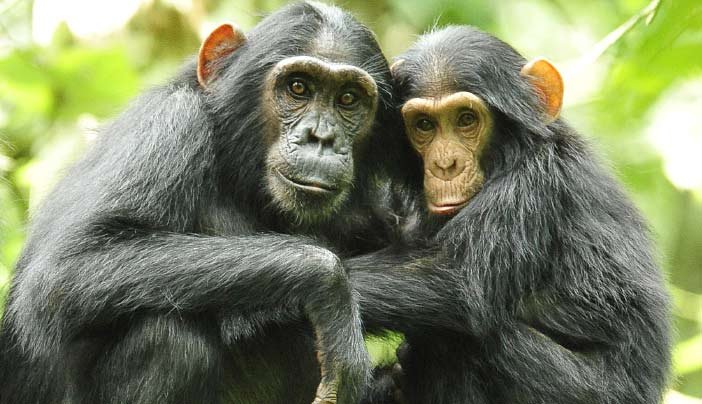
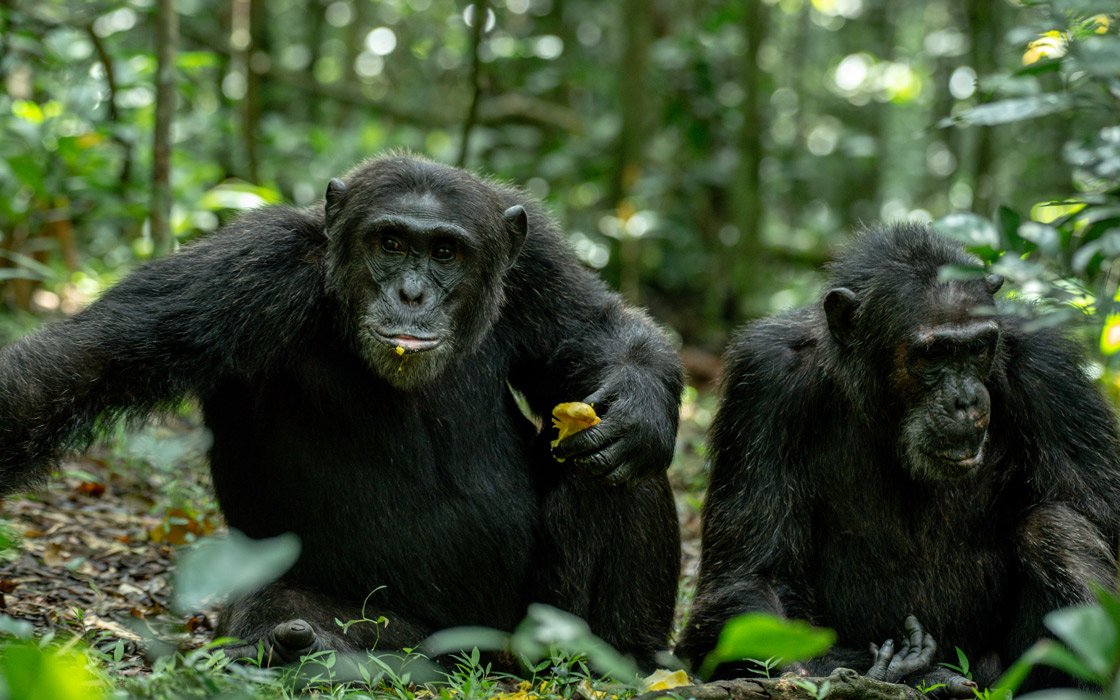
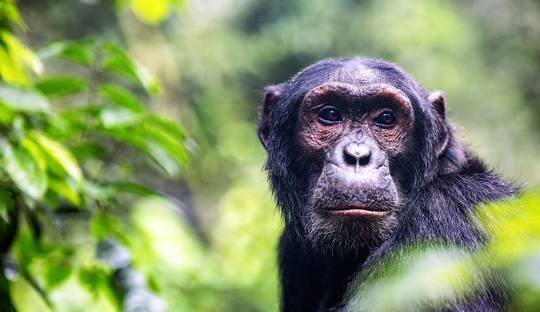
Situated in western Uganda near Fort Portal and the foothills of the Rwenzori Mountains, Kibale protects approximately 795 square kilometres of varied habitat. Its landscapes include mature tropical forest, regenerating woodland, grassland and swamp environments that support an extraordinary range of wildlife. Ultimate Kibale National Park Guide, The park began as a protected forest reserve during the 1940s before receiving national park status in recognition of its ecological importance. The wider landscape is equally beautiful, with tea plantations, traditional farms and volcanic crater lakes surrounding the forest.
Kibale is most famous for its chimpanzees, but the park offers much more than a single primate encounter. Visitors may observe several monkey species, search for rare forest birds, enjoy guided nature walks, join nocturnal wildlife excursions and explore the communities and wetlands surrounding the park. This Ultimate Kibale National Park Guide explains the park’s main attractions, chimpanzee experiences, wildlife, climate, accommodation, transport, permit arrangements, packing requirements and recommended safari combinations.
Where Is Kibale National Park?
Kibale National Park lies in western Uganda within the greater Fort Portal tourism region. The main chimpanzee tourism centre is located at Kanyanchu, south of Fort Portal City. The landscape sits between the Rwenzori Mountains, Queen Elizabeth National Park and the crater-lake region of western Uganda, making Kibale an important stop on longer Uganda safari circuits. Its strategic location allows travellers to combine rainforest primates with savannah wildlife, boat safaris, gorilla trekking and mountain scenery without travelling across the entire country between activities.
Fort Portal is the principal gateway to Kibale and provides access to hotels, shops, banks, medical facilities and other services that may be useful before entering the forest region. Travellers may stay in Fort Portal, around Kanyanchu, near Bigodi village or among the scenic Ndali–Kasenda crater lakes. However, visitors booked for an early chimpanzee trek should choose accommodation within a practical driving distance of the briefing point. The park’s official brochure notes that accommodation is available around Kanyanchu, Bigodi, the crater-lake region and Fort Portal.
The location also makes Kibale suitable for short safaris from Kampala or Entebbe and for extended itineraries through western Uganda. A traveller can visit Kibale after Murchison Falls National Park or continue southwards into Queen Elizabeth National Park and Bwindi Impenetrable National Park. Ultimate Kibale National Park Guide, This flexibility is one of the reasons Kibale appears on many of Uganda’s most complete primate and wildlife itineraries.
Why Kibale National Park Is Known as Uganda’s Primate Capital
Kibale is widely recognised for its remarkable concentration and variety of primates. Uganda Wildlife Authority identifies thirteen primate species in the park, including chimpanzees, red colobus monkeys, black-and-white colobus monkeys, L’Hoest’s monkeys and grey-cheeked mangabeys. Ultimate Kibale National Park Guide, Visitors may also encounter red-tailed monkeys, blue monkeys, olive baboons and other forest primates while walking beneath the canopy.
The chimpanzees remain the park’s greatest attraction. UWA estimates that Kibale supports more than 1,500 wild chimpanzees distributed across at least twelve communities, with several communities habituated for tourism or scientific research. The well-known Kanyanchu community has been monitored and accustomed to human presence since the early 1990s, helping create one of Africa’s most established chimpanzee tourism experiences.
Kibale’s reputation comes not simply from the number of chimpanzees but from the quality of the visitor experience. Travellers enter the forest with trained rangers and trackers who interpret chimpanzee calls, feeding signs, nests and movements. The encounter therefore becomes an educational journey into primate ecology rather than a simple wildlife sighting. Observing chimpanzees feeding, grooming, communicating, resting and travelling through the forest provides a fascinating view of their complex social life.
Chimpanzee Tracking in Kibale National Park
Chimpanzee tracking is the flagship activity described in any Ultimate Kibale National Park Guide. The experience normally begins at the Kanyanchu Visitor Centre with registration and a ranger briefing. Ultimate Kibale National Park Guide, Visitors learn about forest safety, chimpanzee behaviour, photography restrictions, health precautions and the importance of maintaining an appropriate distance from the animals. After the briefing, small groups enter the forest under the leadership of an experienced Uganda Wildlife Authority ranger.
The length of the trek depends on the location and movement of the chimpanzees. UWA states that guided walks generally last between two and five hours, although the exact duration cannot be guaranteed. Chimpanzees may be feeding close to the trail system, travelling rapidly through the canopy or moving deeper into the forest in search of food. Once the group is located, ordinary chimpanzee tracking permits visitors a maximum of one hour in their presence.
The viewing experience can change from minute to minute.Ultimate Kibale National Park Guide, Visitors may first hear loud pant-hoots from a distance before seeing dark figures moving through the canopy. The chimpanzees may descend to the forest floor, rest in a tree, gather around a fruiting plant or separate into smaller parties. Ultimate Kibale National Park Guide, Unlike animals in an enclosed attraction, the chimpanzees control the experience through their natural movements and behaviour.
UWA currently lists chimpanzee tracking sessions from Kanyanchu at 8:00 a.m., 11:00 a.m. and 2:00 p.m. Advance booking is important because the number of places is limited. The official park information also states that the Kanyanchu experience has a reported sighting success rate above ninety percent, although wildlife sightings should never be treated as an absolute guarantee.
Chimpanzee Habituation Experience in Kibale
The Chimpanzee Habituation Experience provides a more extended and demanding alternative to ordinary tracking. Instead of joining a standard trek and spending one hour with a fully habituated community, participants accompany rangers, researchers or habituation teams following chimpanzees that are still becoming accustomed to carefully controlled human presence. Ultimate Kibale National Park Guide, The experience begins early in the morning and may continue for much of the day.
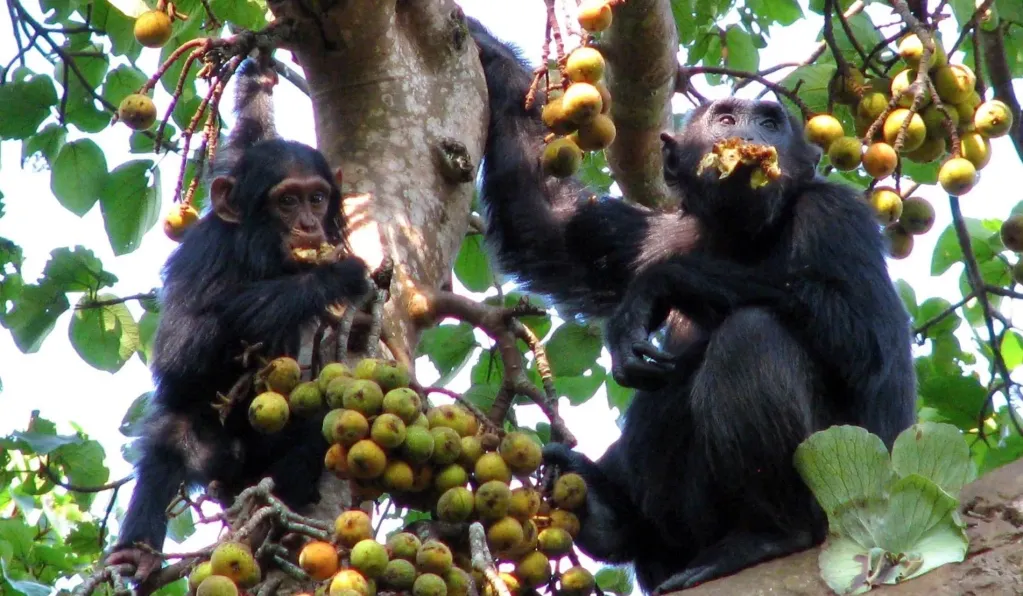


This extended time gives visitors a deeper understanding of chimpanzee behaviour. Rather than observing only one short stage of the day, participants may witness the chimpanzees feeding, travelling, resting, interacting and responding to events within the forest. The experience can involve longer walking distances because the group’s movements are not arranged around visitor convenience. Patience, reasonable fitness and a willingness to remain in the rainforest for several hours are therefore important.
The habituation experience is particularly rewarding for photographers, researchers, returning visitors and travellers who want more than a brief encounter. However, it should not be selected simply because it provides more viewing time. Participants must be comfortable with early departures, changing weather, muddy ground and the possibility that chimpanzees will spend periods high in the canopy. UWA confirms that chimpanzee habituation and tracking are available throughout the year.
Other Primates and Wildlife in Kibale
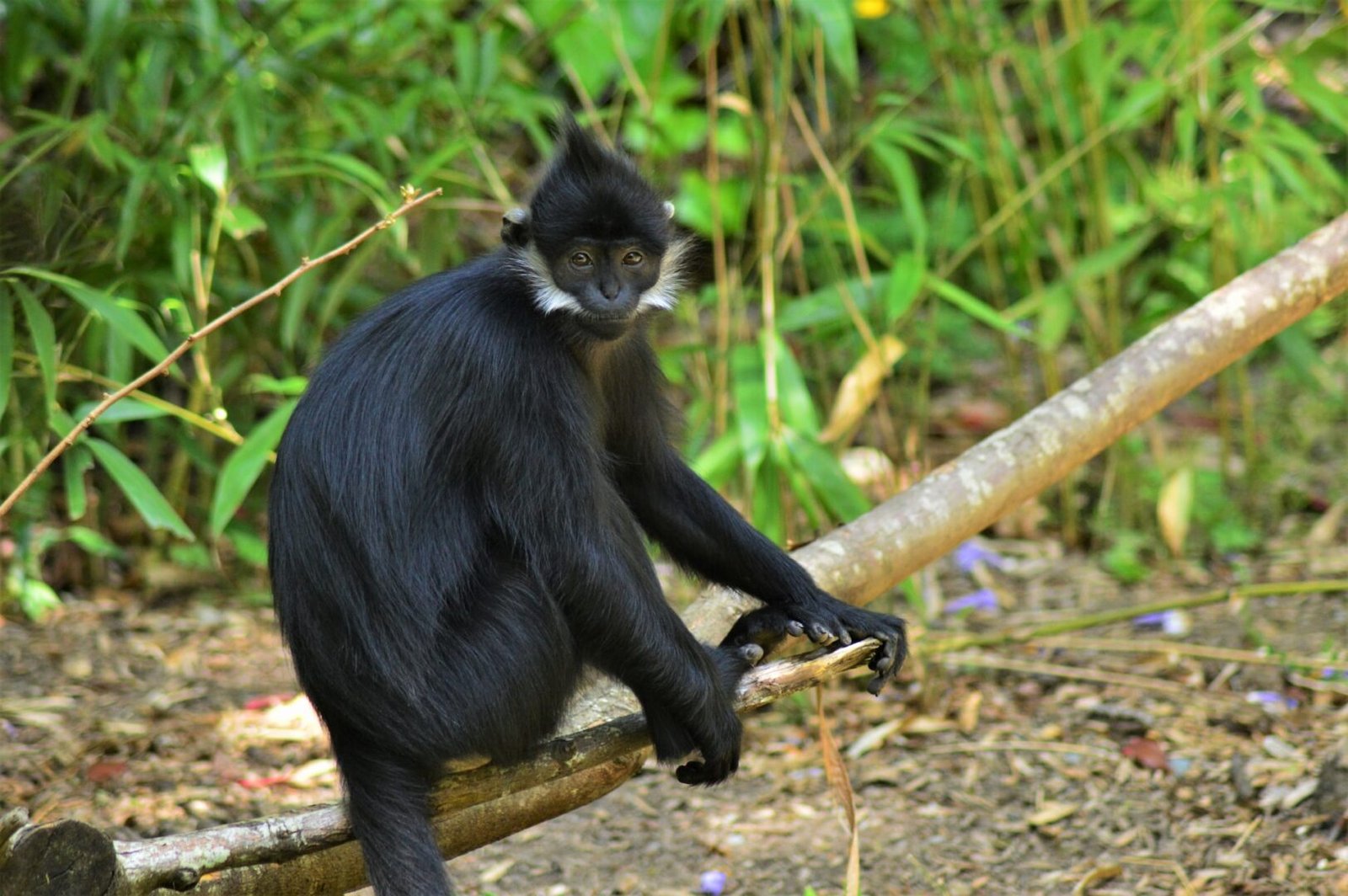
Although chimpanzees dominate tourism in Kibale, the forest’s wider primate diversity is one of its greatest strengths. Black-and-white colobus monkeys are often seen moving through the upper canopy, where their long white mantles contrast dramatically with the green leaves. Red colobus monkeys, red-tailed monkeys, L’Hoest’s monkeys and grey-cheeked mangabeys contribute to the park’s reputation as one of Africa’s leading primate-viewing destinations.
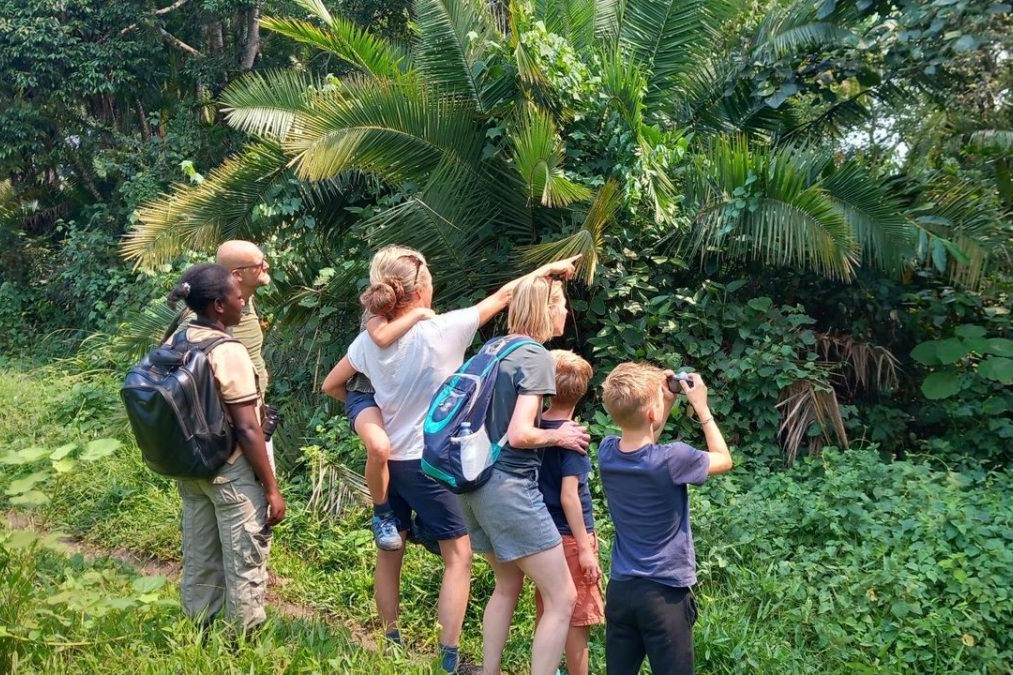
The forest also supports many other mammals, though dense vegetation makes large animals harder to observe than they would be in an open savannah. Ultimate Kibale National Park Guide, Uganda Wildlife Authority lists forest elephants, bush pigs, duikers and olive baboons among the park’s mammals. Buffaloes, giant forest hogs and other species may also occur, but sightings are far less predictable than chimpanzee and monkey encounters.
This limited visibility should not be interpreted as an absence of wildlife. Forest ecosystems reveal themselves through tracks, calls, broken vegetation, feeding signs and brief movements between trees. Ultimate Kibale National Park Guide, A skilled guide helps visitors recognise these signs and appreciate animals that might otherwise remain unnoticed. Butterflies, reptiles, insects and extraordinary plant life add further depth to the experience.
Birdwatching in Kibale National Park
Kibale is one of Uganda’s most rewarding forest birding areas. UWA records approximately 370 bird species in the park, including sought-after forest specialists such as the green-breasted pitta, African pitta, black bee-eater, blue-breasted kingfisher and crowned eagle. Ultimate Kibale National Park Guide, The combination of mature forest, regenerating habitat, swamps and forest edges creates opportunities for both dedicated birders and casual wildlife enthusiasts.
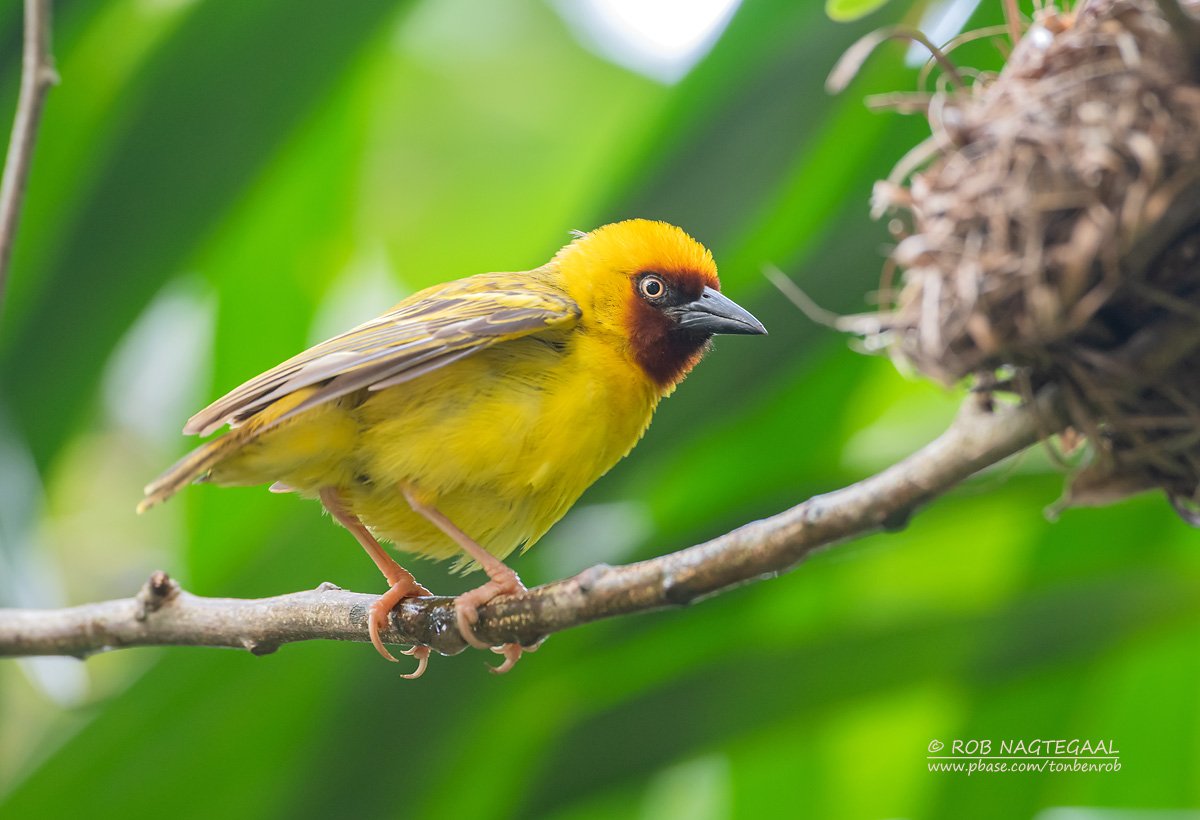
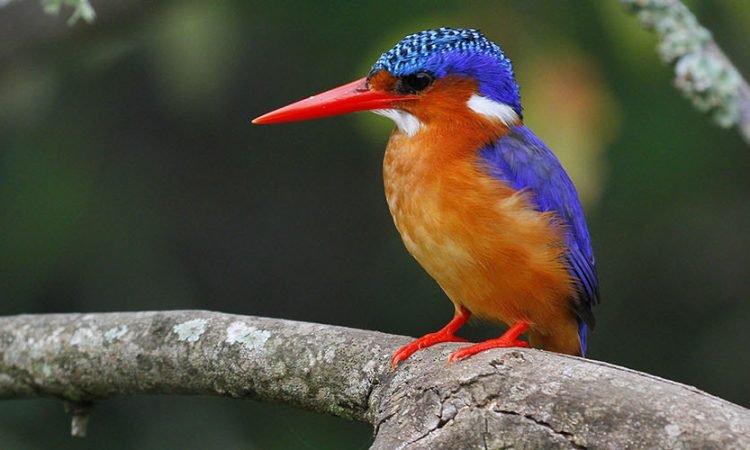
Birdwatching in dense forest requires patience because calls are often heard before the birds are seen. Many species remain high in the canopy or move rapidly through shadowed vegetation. An experienced birding guide becomes particularly valuable by recognising vocalisations, identifying feeding locations and positioning visitors where views may open between the trees.
Early mornings are normally productive because bird activity increases as the forest awakens. Travellers should combine birding inside Kibale with Bigodi Wetland Sanctuary, where swamp, cultivated land and forest-edge habitats add different species to the experience. Spending at least two nights in the Kibale area allows sufficient time for chimpanzee tracking, birding and an additional community or nature activity.
Bigodi Wetland Sanctuary
Bigodi Wetland Sanctuary lies outside Kibale National Park near Bigodi village and offers one of the most meaningful community-based tourism experiences in western Uganda. The guided walk passes through wetland, woodland, farmland and forest-edge habitat, creating opportunities to observe monkeys, birds, butterflies and local plant life. Its more open environment can make some wildlife easier to see than within Kibale’s dense interior.
A Bigodi walk also gives visitors greater insight into the relationship between conservation and surrounding communities. Ultimate Kibale National Park Guide, Local guides explain traditional plant uses, farming practices and the importance of protecting wetlands that provide habitat, water and tourism income. Because the activity is community managed, visitor spending contributes more directly to local employment and development.
The sanctuary is approximately five kilometres south of Kanyanchu and combines easily with a morning chimpanzee trek. UWA officially recommends adding Bigodi to a Kibale birding programme because it introduces forest-edge and swamp species that complement the park’s interior forest birds.
Nature Walks and Night Walks
Visitors who want to experience Kibale beyond chimpanzee tracking can join guided nature walks. These walks focus on forest ecology, trees, insects, monkeys, birds and smaller details that are easily overlooked during a chimpanzee search. Because there is no pressure to locate a specific animal, the activity can move at a slower pace and allow more time for interpretation and photography.
Nature walks can also provide an alternative for younger family members or travellers who cannot participate in chimpanzee tracking. Ultimate Kibale National Park Guide, The official park brochure describes two-hour walks from Kanyanchu during the morning and afternoon. Actual times and availability should be confirmed when booking because park schedules may be adjusted.
Night walks reveal a completely different side of Kibale. After sunset, guides search for nocturnal primates and other creatures that remain hidden during daylight. Galagos, pottos, bushbabies, insects and night birds may become active, while the forest sounds transform after dark. A night walk is not simply about producing a long wildlife list; its greatest value lies in experiencing the rainforest through unfamiliar sounds, movements and shadows.
Crater Lakes and Fort Portal Experiences
The western edge of Kibale is surrounded by one of Uganda’s most scenic crater-lake regions. Volcanic activity created numerous circular depressions that later filled with water, producing lakes surrounded by forest, farmland and steep green slopes. Viewpoints around the Ndali–Kasenda region offer sweeping scenery, while guided walks introduce visitors to rural communities and local agriculture.
These crater lakes add variety to a Kibale itinerary. Ultimate Kibale National Park Guide, After several hours beneath the enclosed forest canopy, travellers can enjoy open views, fresh air and relaxed walking. Some crater-lake lodges provide beautiful accommodation, although transfer time to the chimpanzee briefing point should be considered when choosing where to stay.
Fort Portal City can also be included before or after the national park. Visitors may explore local markets, visit cultural attractions or use the city as a base for Semuliki National Park and the Rwenzori foothills. UWA identifies crater lakes, tea experiences, Semuliki, the Rwenzori Mountains and Queen Elizabeth National Park among the attractions that can be combined with Kibale.
Best Time to Visit Kibale National Park
Kibale can be visited throughout the year because chimpanzee activities do not depend on a single short season. The relatively dry periods of January to February and June to August are often preferred by visitors who want firmer walking trails and easier road travel. These months are particularly convenient for travellers combining Kibale with gorilla trekking in Bwindi or game viewing in Queen Elizabeth National Park.
The wetter periods generally occur from March to May and September to November. Kibale’s northern forest receives annual rainfall of up to approximately 1,700 millimetres, while temperatures commonly remain within a moderate range of about 14°C to 27°C. Rain is possible at any time because Kibale is a tropical forest, but showers during wetter months can make trails muddy and slippery.
Rainy-season travel also has advantages. Ultimate Kibale National Park Guide, The forest appears exceptionally green, visitor numbers may be lower and food can be more plentiful in some areas. UWA notes that chimpanzees may travel deeper into the forest during dry conditions in search of food, whereas wet-season tracking can sometimes be rewarding despite the mud.
How to Reach Kibale National Park
The most direct road journey from Kampala or Entebbe travels west through Fort Portal before continuing to the Kibale region. UWA currently describes the Kampala–Fort Portal route as approximately 326 kilometres and estimates around six hours of driving, although actual travel time depends on traffic, departure point, stops and road conditions. Fort Portal is approximately an hour from parts of the park tourism region.
Kibale can also be approached from the south through Queen Elizabeth National Park, Kasese, Ibanda or Mbarara. Ultimate Kibale National Park Guide,This route works well for travellers following a multi-park Uganda circuit. Rather than returning to Kampala after Kibale, they can continue towards Queen Elizabeth National Park, Bwindi and Lake Mburo.
There is no major scheduled airstrip inside Kibale National Park. Travellers seeking a fly-in safari can use Kasese Airstrip and continue by road. UWA estimates that flights from Entebbe or Kajjansi to Kasese take approximately one hour, followed by a road transfer of about two hours to the park area. Flight schedules, luggage limits and transfer times must be confirmed for the specific travel date.
Where to Stay in Kibale
Accommodation around Kibale ranges from simple guesthouses to comfortable mid-range properties and high-end forest lodges. The most important consideration is location. Travellers booked for an early chimpanzee trek benefit from staying close to Kanyanchu or within a dependable transfer distance, especially during rainy months.
Lodges around Bigodi provide convenient access to both chimpanzee tracking and community activities. Ultimate Kibale National Park Guide, Properties in the crater-lake region offer exceptional scenery and may suit travellers who want relaxation, hiking and photography in addition to primate trekking. Fort Portal hotels provide access to city services but require an earlier departure for activities inside Kibale.
Luxury travellers should consider privacy, forest views, food quality and the time required to reach the briefing point. Mid-range travellers can find excellent value in locally operated lodges, while budget visitors should avoid choosing accommodation based entirely on the lowest room price. A distant lodge may create additional transport costs and an inconveniently early morning journey.
Kibale Chimpanzee Permit Prices and Booking
Chimpanzee permits are limited and should be secured before accommodation and transport arrangements are finalised. In February 2026, Uganda Wildlife Authority introduced low-season chimpanzee tracking rates for April, May and November. The published rate is USD 200 for foreign non-residents and USD 150 for foreign residents, and UWA states that permits purchased under this offer cannot be rescheduled.
UWA also announced a revised tariff structure taking effect on 1 January 2027. Under that structure, Kibale chimpanzee tracking is listed at USD 300 for foreign non-residents, USD 200 for foreign residents, USD 100 for citizens from the Rest of Africa category and UGX 180,000 for East African citizens. Chimpanzee habituation is listed at USD 400, USD 300, USD 250 and UGX 250,000 for the respective categories. Travellers should confirm the rate applying to their exact date because prices and categories can change.
UWA suspended its previous seven-day unpaid reservation window from 1 March 2026. Permits are now secured through full payment at the time of booking, making it important for travellers to confirm their safari promptly when availability is found.
What to Pack for Kibale National Park
Visitors should pack for a humid tropical forest rather than a dry savannah. Long lightweight trousers and a breathable long-sleeved shirt protect against insects, scratches and wet vegetation. Ultimate Kibale National Park Guide, Strong hiking shoes or boots with reliable grip are essential because trails may contain mud, roots and slippery leaves.
A lightweight waterproof jacket should be carried during every month, including the dry season. The daypack should also contain drinking water, insect repellent, sunscreen, personal medication and waterproof protection for cameras and documents. Quick-drying clothing is more practical than jeans or heavy cotton garments.
Garden gloves, gaiters and a walking stick can provide useful support during wet conditions. Photographers should carry spare batteries, memory cards, a lens cloth and a rain cover. Binoculars are valuable for observing birds and monkeys that remain high in the canopy.
Chimpanzee Tracking Rules and Responsible Behaviour
Visitors must follow ranger instructions throughout the experience. Chimpanzees are genetically close to humans and can be vulnerable to human illnesses, so anyone who is unwell should inform the guide rather than entering the forest. Ultimate Kibale National Park Guide, Appropriate distance must be maintained, and travellers should avoid chasing, touching or surrounding the animals.
Flash photography, eating and smoking are not allowed during the chimpanzee encounter. Visitors should remain quiet, avoid copying chimpanzee calls and remove all litter from the forest. These rules protect both the animals and the quality of the experience for other guests.
Responsible tourism also extends beyond the trek. Ultimate Kibale National Park Guide, Choosing locally connected accommodation, joining community activities and respecting residents around the park helps ensure that tourism creates benefits beyond the protected area. Kibale’s long-term future depends on conservation programmes, scientific research and constructive relationships with neighbouring communities.
Recommended Kibale Safari Itineraries
A two-day Kibale safari can include travel from Kampala or Entebbe on the first day, followed by chimpanzee tracking and departure on the second. Although possible, this arrangement can feel rushed because much of the journey is spent on the road.
A three-day itinerary is more comfortable. Travellers arrive in the Kibale region on the first day, complete chimpanzee tracking and a Bigodi or crater-lake activity on the second, and return or continue to another destination on the third. This structure creates time to rest and gives greater flexibility around weather.
A four- or five-day Kibale programme can include chimpanzee habituation, birdwatching, night walks, Bigodi Wetland Sanctuary, crater lakes and Fort Portal. Longer stays are particularly rewarding for birders, photographers and travellers who want to appreciate the rainforest beyond one primate encounter.
Combining Kibale With Other Uganda Destinations
Queen Elizabeth National Park is the most natural savannah extension after Kibale. Travellers can enjoy game drives, the Kazinga Channel boat safari and the Ishasha sector before continuing towards Bwindi. Ultimate Kibale National Park Guide, This creates a balanced journey combining rainforest primates with elephants, hippos, lions and open landscapes.
Bwindi Impenetrable National Park adds mountain gorilla trekking to the itinerary. A combined gorilla and chimpanzee safari is one of Uganda’s most powerful wildlife experiences because it allows visitors to observe two great ape species in very different forest environments.
Kibale can also be combined with Murchison Falls National Park, Semuliki National Park, Lake Mburo National Park or the Rwenzori Mountains. The correct route depends on the number of days available, preferred travel pace and whether domestic flights are included.
Frequently Asked Questions About the Ultimate Kibale National Park Guide
Where is Kibale National Park located?
Kibale National Park is situated in western Uganda, south of Fort Portal City and close to the foothills of the Rwenzori Mountains. Kanyanchu is the park’s principal tourism centre and the main starting point for chimpanzee tracking, nature walks and many other guided forest activities. Ultimate Kibale National Park Guide, The park’s position within western Uganda makes it easy to combine with Queen Elizabeth National Park, Semuliki National Park, the crater lakes and Bwindi Impenetrable National Park.
Travellers normally approach Kibale through Fort Portal when driving from Kampala or Entebbe. Visitors arriving from southern Uganda can reach the park through Queen Elizabeth National Park and Kasese. This location makes Kibale an important part of Uganda’s western safari circuit, especially for travellers interested in combining primate encounters with savannah wildlife and scenic landscapes.
Why is Kibale National Park famous?
Kibale National Park is most famous for chimpanzee tracking and its exceptional concentration of primates. Uganda Wildlife Authority identifies thirteen primate species within the park, including chimpanzees, black-and-white colobus monkeys, red colobus monkeys, L’Hoest’s monkeys and grey-cheeked mangabeys. This extraordinary diversity has earned Kibale recognition as one of Africa’s leading primate-viewing destinations.
The park is also known for tropical rainforest scenery, forest birdwatching, nature walks, scientific research and community tourism experiences. Although chimpanzees remain its best-known attraction, a complete visit can include Bigodi Wetland Sanctuary, crater-lake walks, night forest walks and cultural experiences around neighbouring villages.
How many chimpanzees live in Kibale National Park?
Uganda Wildlife Authority estimates that Kibale National Park protects almost 1,500 chimpanzees, making it Uganda’s most important chimpanzee destination. Ultimate Kibale National Park Guide, These chimpanzees live in several communities spread across the forest, with selected groups habituated for tourism and long-term scientific research.
Visitors do not encounter all of Kibale’s chimpanzees in one location. Rangers track specific habituated communities whose movements are monitored and understood. Because chimpanzees live in flexible social groups that frequently separate and reunite, the number visible during an encounter can vary greatly from one day to another.
What is chimpanzee tracking in Kibale?
Chimpanzee tracking is a guided forest experience during which visitors follow trained Uganda Wildlife Authority rangers in search of a habituated chimpanzee community. The activity begins with a briefing about forest safety, chimpanzee behaviour, photography and responsible visitor conduct before the group enters the rainforest.
Trackers use chimpanzee calls, footprints, nests, feeding remains and other signs to determine the community’s location. Once the chimpanzees are found, visitors normally spend a maximum of one hour observing them as they feed, groom, rest, communicate and move through the forest.
How long does chimpanzee tracking take?
The total chimpanzee tracking experience commonly takes between two and five hours, although it may occasionally be shorter or longer. The duration depends on the chimpanzees’ location, recent movements, food availability, weather and the walking speed of the visitor group.
The one-hour viewing period begins after the chimpanzees have been located. Travellers should therefore avoid assuming that a one-hour encounter means the entire activity lasts only one hour. The forest search, ranger briefing and walk back to the starting point must also be considered when planning the rest of the day.
What is the difference between chimpanzee tracking and habituation?
Ordinary chimpanzee tracking provides a shorter forest experience and allows visitors to spend up to one hour with a fully habituated chimpanzee community after locating it. Ultimate Kibale National Park Guide, This activity is suitable for most first-time visitors and can normally be combined with another afternoon experience such as Bigodi Wetland Sanctuary.
The Chimpanzee Habituation Experience is longer and follows chimpanzees that are still becoming accustomed to controlled human presence. Participants spend considerably more time in the forest and may observe feeding, travelling, resting and social behaviour over an extended period. It is better suited to photographers, researchers, experienced wildlife travellers and visitors comfortable with longer walking distances.
What is the minimum age for chimpanzee tracking in Kibale?
The official minimum age for chimpanzee tracking is twelve years. Ultimate Kibale National Park Guide, Children below this age are not normally permitted to join the standard chimpanzee tracking experience because of the physical demands of the forest, the need to follow instructions and the health precautions required around chimpanzees.
Families travelling with younger children can still enjoy Kibale through age-appropriate alternatives. Depending on availability, these may include guided children’s nature walks, crater-lake experiences, community activities, lodge-based programmes and selected visits around Bigodi. Parents should discuss the ages of all children with Nextgen Safaris before permits and accommodation are confirmed.
What time does chimpanzee tracking begin?
Chimpanzee tracking sessions are commonly organised during the morning and afternoon from the Kanyanchu tourism centre. Ultimate Kibale National Park Guide, Exact reporting times can be adjusted by Uganda Wildlife Authority, so travellers should use the time stated on their permit and final safari itinerary rather than relying on an older online schedule.
Visitors are expected to arrive before the briefing begins. Staying within a practical driving distance of Kanyanchu reduces the risk of arriving late, particularly during the rainy season when smaller access roads may be slower. Nextgen Safaris arranges suitable lodge departure times according to the confirmed tracking session.
What is the best time to visit Kibale National Park?
Kibale National Park can be visited throughout the year. January, February, June and July are generally favoured by visitors seeking relatively dry conditions and firmer forest trails. These periods are especially convenient for travellers combining Kibale chimpanzee tracking with gorilla trekking in Bwindi or game viewing in Queen Elizabeth National Park.
The wetter periods from March to May and September to November bring greener scenery, fewer visitors and atmospheric rainforest conditions. Trails may become muddy, but chimpanzee activities continue. The best travel period depends on whether the visitor prioritises easier walking, fewer crowds, lower-season opportunities, birdwatching or lush photography conditions.
Does it rain throughout the year in Kibale?
Rain can occur during any month because Kibale is a tropical rainforest. Even during relatively dry periods, visitors may experience short showers, cloudy conditions or overnight rain. A waterproof jacket should therefore be carried during every chimpanzee trek.
Rainfall is usually greater from March to May and from September to November. The northern part of Kibale is generally wetter than the lower southern areas, and local conditions may vary across the wider park region. Travellers should prepare for changeable weather rather than expecting an entirely dry safari.
Is chimpanzee tracking difficult?
Chimpanzee tracking is moderately demanding for most visitors because it takes place on natural forest trails. The terrain may include roots, mud, wet leaves, shallow streams and gentle slopes. The difficulty depends greatly on recent rainfall and the distance travelled by the chimpanzees.
Visitors do not need to be professional hikers, but a reasonable level of fitness is helpful. Strong hiking footwear, long trousers, rain protection and a walking stick can make the activity more comfortable. Hiring a porter is also recommended for anyone carrying camera equipment or wanting additional support on slippery sections.
What should I wear for chimpanzee tracking?
Visitors should wear long, lightweight trousers and a breathable long-sleeved shirt. This clothing protects the skin from insects, scratches and wet vegetation while allowing comfortable movement through humid forest conditions. Neutral shades such as olive, brown, grey and khaki are practical because they do not show mud as quickly as white clothing.
Strong hiking shoes or boots with good grip are essential. A lightweight waterproof jacket should remain inside the daypack even when the morning appears clear. Gaiters, gardening gloves, moisture-wicking socks and a light sweater for the early morning can also improve comfort.
Can I take photographs of chimpanzees?
Photography is permitted during chimpanzee tracking, but visitors must follow the ranger’s instructions and avoid disturbing the animals. Flash photography is prohibited because sudden artificial light may alarm or disrupt the chimpanzees. Visitors should also maintain the required viewing distance and avoid moving aggressively in search of a better angle.
The forest is often dark, so a camera that performs well in low light is helpful. A medium telephoto or versatile zoom lens can capture portraits without approaching too closely. Waterproof camera protection, spare batteries, memory cards and lens cloths should be carried because Kibale’s weather and humidity can change quickly.
How close can visitors get to the chimpanzees?
Uganda Wildlife Authority’s published chimpanzee rules require visitors to remain at least ten metres from the chimpanzees. The ranger may increase this distance depending on the animals’ behaviour, vegetation, terrain and health considerations.
Chimpanzees may occasionally move closer on their own. Visitors should not approach, touch or follow them aggressively when this happens. Remaining calm and following the ranger’s directions protects the chimpanzees while allowing the encounter to continue safely.
Can I track chimpanzees when I am sick?
Visitors should not enter the forest when suffering from a cold, flu, fever or another potentially infectious illness. Chimpanzees are closely related to humans and can contract human respiratory and other diseases. Responsible travel requires informing the ranger or tour operator honestly when feeling unwell.
Although missing a planned encounter can be disappointing, protecting the chimpanzees must take priority. Travellers should purchase suitable travel insurance and avoid beginning an intensive safari immediately after a tiring international journey when possible.
How much does a Kibale chimpanzee permit cost?
Chimpanzee permit prices depend on travel dates and visitor categories. Uganda Wildlife Authority introduced discounted low-season chimpanzee tracking permits for April, May and November at USD 200 for foreign non-residents and USD 150 for foreign residents. These discounted permits cannot be rescheduled.
From 1 January 2027, UWA has announced Kibale chimpanzee tracking rates of USD 300 for foreign non-residents, USD 200 for foreign residents, USD 100 for visitors in the Rest of Africa category and UGX 180,000 for East African citizens. The announced 2027 habituation rates are USD 400, USD 300, USD 250 and UGX 250,000 respectively. Prices should always be reconfirmed for the exact travel date before a safari is advertised or booked.
How far in advance should I book a chimpanzee permit?
Chimpanzee permits should be booked as early as possible, especially for June, July, August, December, January and February. Permit numbers are controlled, and availability may become limited when several groups or international travellers select the same date.
Since 1 March 2026, Uganda Wildlife Authority has suspended the previous seven-day unpaid reservation window. Operators must now secure permits through full payment at the time of booking, which means travellers should be prepared to confirm promptly once availability has been established.
Is a Kibale chimpanzee sighting guaranteed?
Chimpanzee sightings cannot be guaranteed because the animals live freely in a natural forest and determine their own movements. Kibale is nevertheless regarded as Uganda’s leading chimpanzee tracking destination because its habituated communities are monitored by experienced trackers and rangers.
Visitors may hear the chimpanzees before seeing them, and the quality of an encounter varies according to vegetation, light and the group’s activity. A successful experience should be appreciated as a natural wildlife encounter rather than judged only by the number of chimpanzees visible at one moment.
Where should I stay when visiting Kibale National Park?
Travellers can stay near Kanyanchu, Bigodi, the crater lakes or Fort Portal. Lodges close to Kanyanchu are especially convenient for early chimpanzee tracking because they reduce morning transfer time. Bigodi accommodation provides easy access to community activities and the wetland sanctuary.
Crater-lake lodges offer beautiful scenery and a quieter atmosphere but may require a longer drive to the briefing centre. Fort Portal provides city facilities and a wider choice of hotels, although visitors must leave earlier for chimpanzee activities. The best location depends on budget, itinerary and the number of nights available.
How many nights should I spend in Kibale?
Two nights are generally recommended for travellers planning ordinary chimpanzee tracking. Visitors can arrive on the first day, complete chimpanzee tracking and an additional activity on the second, and continue to the next destination on the third day.
Three or four nights are better for travellers interested in chimpanzee habituation, birdwatching, crater-lake exploration, night walks or community experiences. A longer stay also provides greater flexibility during rainy periods and allows visitors to appreciate the wider Kibale landscape rather than treating the park as a single-activity stop.
Is Bigodi Wetland Sanctuary part of Kibale National Park?
Bigodi Wetland Sanctuary is situated outside the national park near Bigodi village. It is a community-managed conservation attraction that complements Kibale by protecting wetland, forest-edge and agricultural habitats.
Guided walks may reveal monkeys, birds, butterflies and traditional plant uses while also introducing visitors to community conservation. Because the environment is more open than the interior forest, wildlife observation and photography can sometimes be easier. Bigodi combines particularly well with a morning chimpanzee trek.
What other activities can I enjoy around Kibale?
Visitors can enjoy birdwatching, guided nature walks, night walks, crater-lake hikes, community experiences and visits to Bigodi Wetland Sanctuary. The wider Fort Portal region also offers tea plantations, cultural attractions and access to Semuliki National Park and the Rwenzori foothills.
Adding these experiences creates a more complete safari and reduces the pressure to judge Kibale only by one chimpanzee encounter. Birders, photographers and slow-travel visitors can easily spend several rewarding days in the region.
Can Kibale be combined with Queen Elizabeth National Park?
Kibale combines very well with Queen Elizabeth National Park because the two destinations are located within Uganda’s western tourism circuit. After chimpanzee tracking, travellers can continue south for game drives, a Kazinga Channel boat safari and wildlife viewing in the Kasenyi or Ishasha areas.
This combination provides strong contrast between enclosed rainforest and open savannah. Visitors may encounter chimpanzees and monkeys in Kibale before searching for elephants, lions, buffaloes, hippos and other classic safari wildlife in Queen Elizabeth National Park.
Can Kibale be combined with gorilla trekking in Bwindi?
Kibale and Bwindi can be combined to create a complete Uganda primate safari. Kibale provides chimpanzee tracking in tropical forest, while Bwindi offers mountain gorilla trekking within one of Africa’s most important montane ecosystems.
A carefully designed route normally includes Queen Elizabeth National Park between the two forests, although direct transfers are also possible depending on the Bwindi sector. Travellers should allow sufficient time and avoid compressing both primate experiences into an exhausting schedule.
Is Kibale suitable for families?
Kibale is suitable for families, particularly those travelling with older children who meet the chimpanzee tracking age requirement. Families can combine primate experiences with Bigodi, crater lakes, community visits and wildlife safaris in Queen Elizabeth National Park.
The itinerary should consider children’s energy levels, road-transfer times and accommodation needs. Family-friendly lodges with flexible meals, comfortable rooms and enough space to relax make the journey more enjoyable. Younger children can follow alternative activities while eligible family members complete chimpanzee tracking.
Is Kibale safe for tourists?
Kibale is an established tourism destination where chimpanzee tracking and forest activities are conducted with trained rangers. Visitors receive a safety briefing and must remain with their assigned guide while inside the forest.
Normal travel precautions remain important. Visitors should protect valuables, follow their guide’s instructions, wear suitable footwear and avoid entering the forest independently. Travelling with Nextgen Safaris provides organised transport, local support and coordinated activity arrangements throughout the itinerary.
Why book a Kibale safari with Nextgen Safaris?
Nextgen Safaris coordinates the practical details required for a successful Kibale journey, including permit availability, accommodation, transport, activity timing and connections with other Uganda destinations. Our local team designs itineraries according to the visitor’s budget, fitness, interests and preferred travel pace.
Your safari can include ordinary chimpanzee tracking, the habituation experience, Bigodi Wetland Sanctuary, crater lakes, Queen Elizabeth National Park and gorilla trekking in Bwindi. Nextgen Safaris also provides experienced driver-guides, reliable safari vehicles and practical packing guidance, allowing you to enjoy Kibale with confidence from arrival to departure.
Book Your Kibale National Park Safari With Nextgen Safaris
This Ultimate Kibale National Park Guide shows why Kibale deserves more than a quick stop on a Uganda itinerary. The park offers exceptional chimpanzee tracking, diverse primates, rewarding birdwatching, beautiful rainforest scenery and meaningful community experiences. Its location near crater lakes, Queen Elizabeth National Park, Semuliki and the Rwenzori Mountains makes it one of the most versatile destinations in western Uganda.
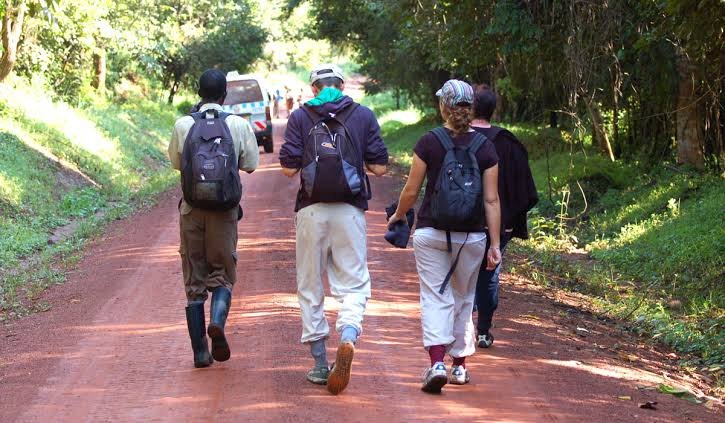
Nextgen Safaris designs personalised Kibale journeys for solo travellers, couples, families, private groups, birders and photographers. Our team arranges chimpanzee permits, experienced driver-guides, dependable safari vehicles and accommodation selected according to your budget and preferred level of comfort. We also plan realistic transfer times and ensure that each activity fits naturally into the wider itinerary.
Your Kibale adventure can be designed as a short chimpanzee safari, an extended primate journey or part of a complete Uganda wildlife experience. Whether you choose ordinary chimpanzee tracking, the extended habituation experience, Bigodi Wetland Sanctuary or a combination with gorilla trekking, Nextgen Safaris will create a carefully organised journey around your interests.
Contact Nextgen Safaris today and let our Uganda specialists prepare an unforgettable Kibale National Park safari filled with extraordinary primate encounters, beautiful landscapes, professional local guidance and memories that will remain long after you leave the forest.