
Gorilla Trekking Photography Tips
Amazing Gorilla Trekking Photography Tips: Complete Guide to Capturing Unforgettable Mountain Gorilla Moments
Gorilla trekking is one of the most emotional wildlife experiences in Africa, offering travelers the rare opportunity to observe mountain gorillas in their natural rainforest environment. Gorilla Trekking Photography Tips, Capturing this once-in-a-lifetime encounter through photography allows you to preserve incredible memories of silverbacks, playful infants, family interactions, and the magical surroundings of the forest.
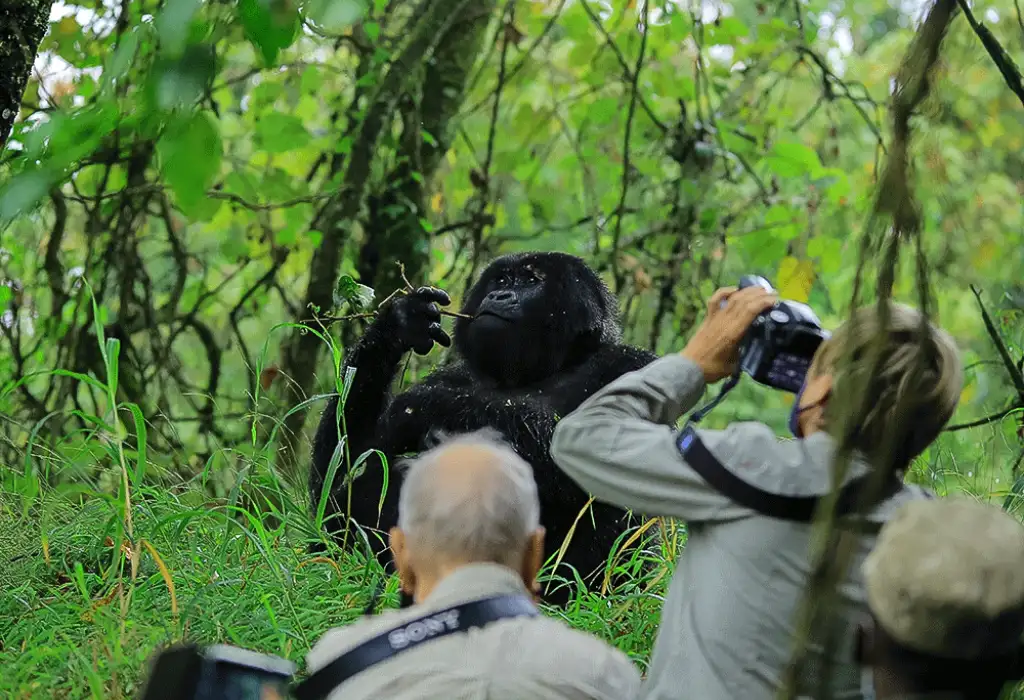
However, photographing gorillas is very different from taking pictures during a normal safari. Gorilla Trekking Photography Tips, The dense rainforest, changing light conditions, limited viewing time, and the importance of respecting gorilla behavior all require proper preparation and understanding.
These Gorilla Trekking Photography Tips are designed to help first-time and experienced photographers capture stunning images while maintaining responsible tourism practices. Gorilla Trekking Photography Tips, From choosing the right camera equipment and preparing for forest conditions to understanding lighting, composition, and gorilla behavior, this complete guide will help you make the most of your photography experience.
At Nextgen Safaris, we help travelers create unforgettable gorilla trekking journeys in Uganda and Rwanda, combining expert guides, carefully planned itineraries, and practical advice to ensure every moment is captured beautifully and respectfully.
Why Photography Matters During Gorilla Trekking
Photography plays an important role in preserving the memories of a gorilla trekking experience. Seeing mountain gorillas in the wild is an emotional moment that many travelers dream about for years, and photographs allow them to relive that connection long after returning home.
A powerful gorilla photograph is not only about capturing the animal itself but also about telling a story. Gorilla Trekking Photography Tips, The expression of a dominant silverback, the curiosity of a young gorilla, the interaction between family members, and the mysterious atmosphere of the rainforest all contribute to creating meaningful images.
For first-time visitors, understanding the unique challenges of rainforest photography is essential. Unlike open savannah environments where animals are often visible in bright sunlight, gorilla trekking takes place beneath thick forest canopies where lighting conditions can change quickly.
Choose the Right Camera Equipment for Gorilla Trekking
Selecting the right photography equipment is one of the most important Gorilla Trekking Photography Tips because the rainforest environment requires equipment that is reliable, lightweight, and adaptable.
A camera with good low-light performance is highly recommended because gorilla habitats are usually shaded. DSLR and mirrorless cameras are popular choices among wildlife photographers because they provide better image quality, Gorilla Trekking Photography Tips,faster focusing, and greater control over camera settings.
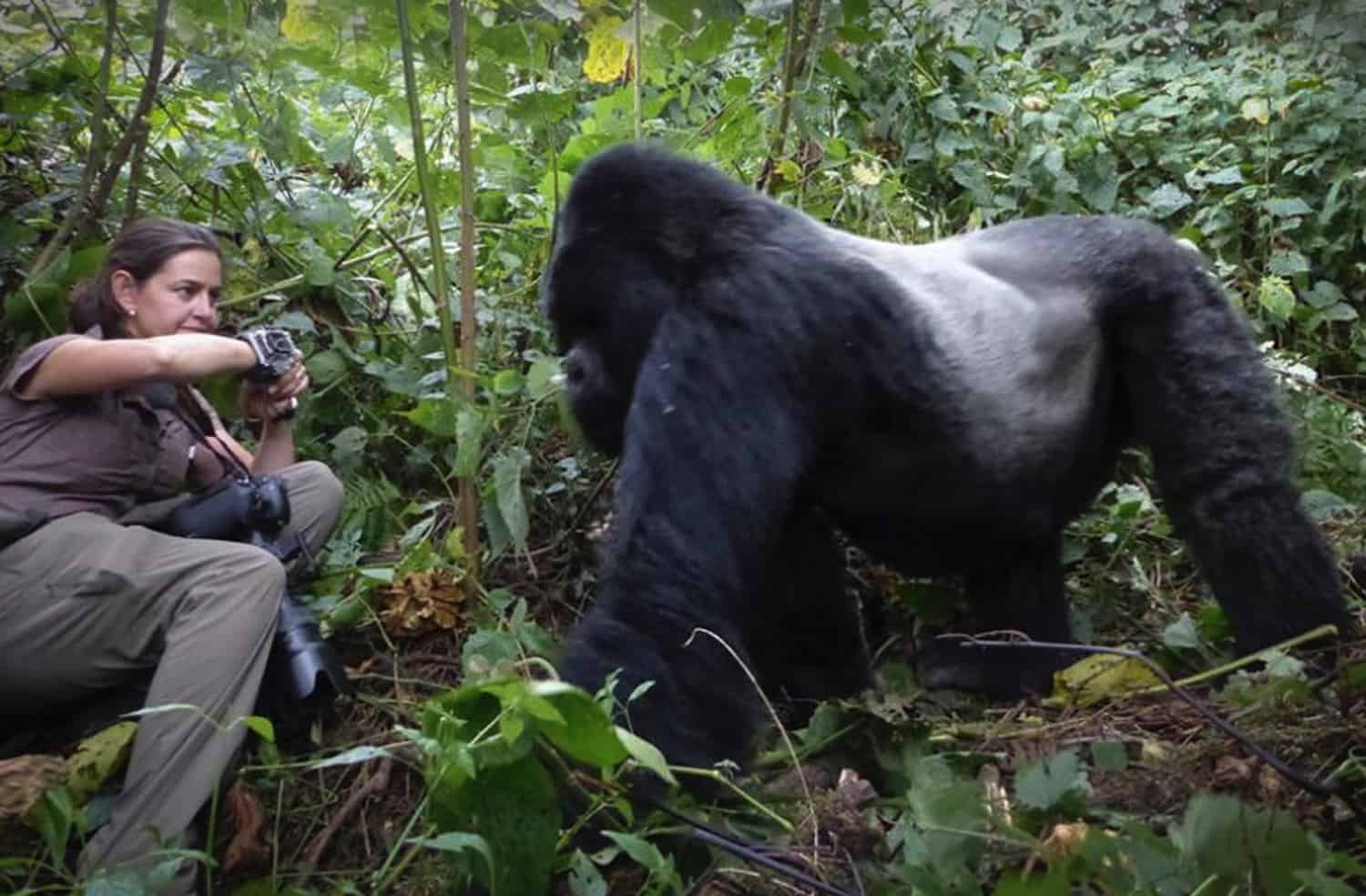
A telephoto zoom lens is one of the most useful pieces of equipment for gorilla photography. Lenses such as 70–200mm or 100–400mm allow photographers to capture detailed images while maintaining a respectful distance from the gorillas.Gorilla Trekking Photography Tips, Although gorillas may sometimes come closer, visitors must always follow the guidance of park rangers and maintain appropriate distance.
A lightweight setup is also important because gorilla trekking involves hiking through forests, steep slopes, and sometimes muddy trails. Carrying heavy equipment for several hours can become uncomfortable, so it is better to prioritize essential gear rather than bringing unnecessary items.
Protect Your Camera Equipment from Rain and Humidity
Mountain gorilla habitats receive frequent rainfall, and weather conditions can change suddenly during a trek. Protecting your photography equipment is therefore essential.
A waterproof camera bag or rain cover should always be included in your trekking gear. Even during dry seasons, unexpected rain showers can occur while you are deep inside the forest.
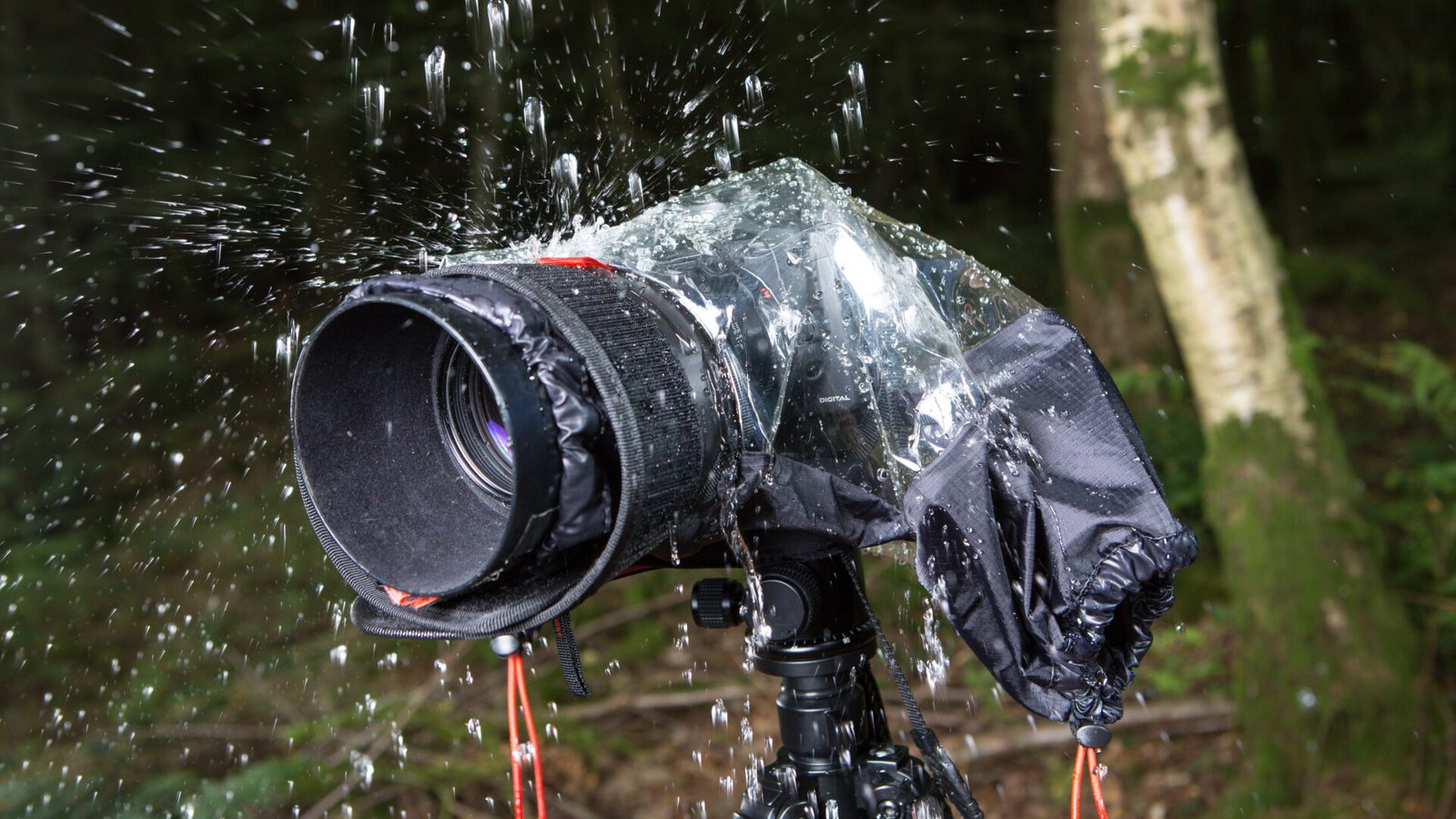
Carrying silica gel packets inside your camera bag can help reduce moisture buildup, while waterproof covers protect cameras, lenses, and batteries from humidity. Extra memory cards and batteries should also be stored safely because cold and damp conditions can affect battery performance. Gorilla Trekking Photography Tips, Preparing for wet conditions ensures that you can continue photographing without worrying about equipment damage.
Use the Right Camera Settings in the Forest
Understanding camera settings is one of the most valuable Gorilla Trekking Photography Tips for capturing clear and sharp images. Gorilla Trekking Photography Tips, Because gorillas are often found in shaded forest areas, photographers usually need higher ISO settings to allow enough light into the camera. Modern cameras handle higher ISO levels well, making it easier to capture detailed images even in darker conditions.
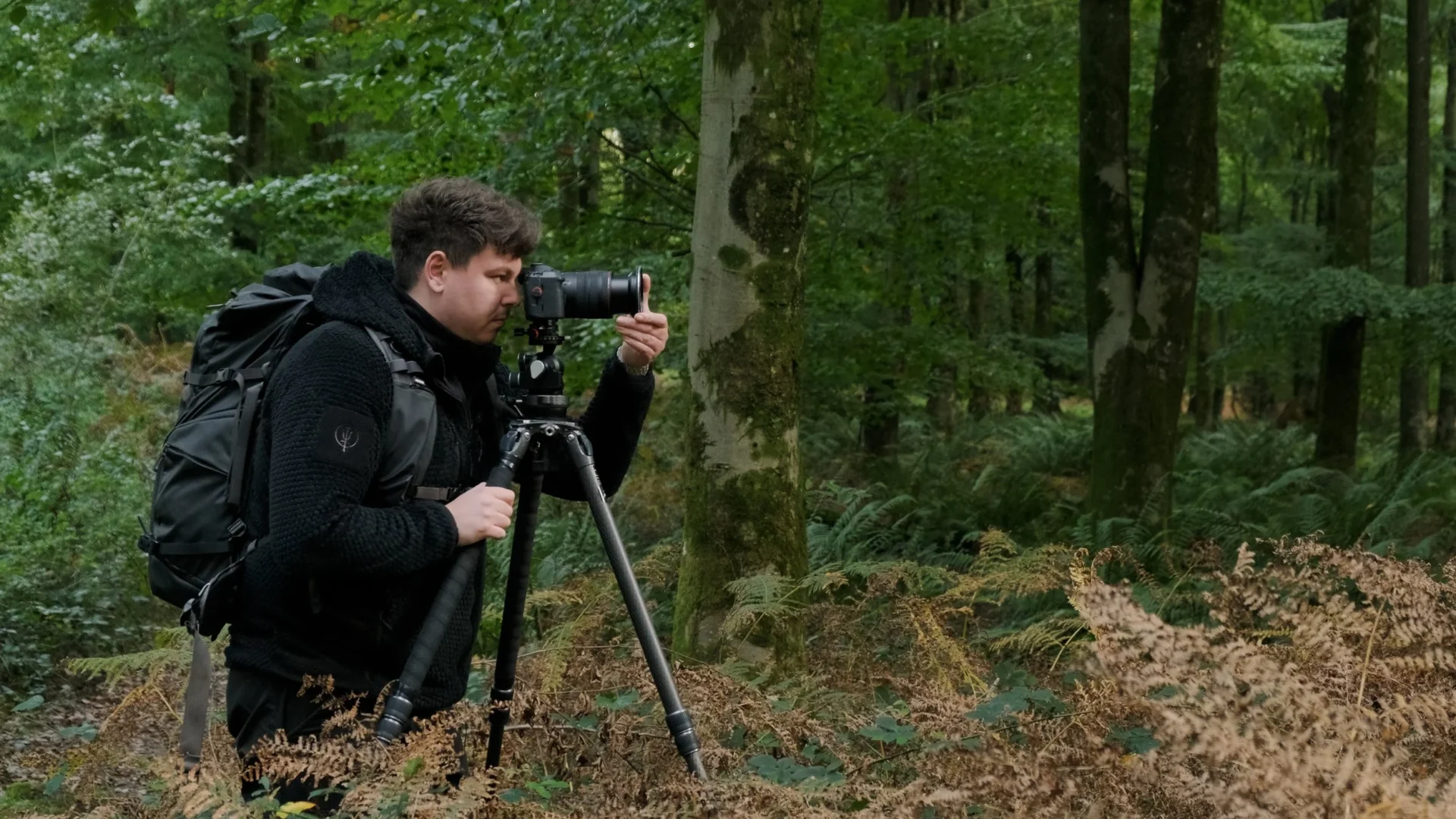
A faster shutter speed is useful because gorillas can move unexpectedly. Gorilla Trekking Photography Tips, Young gorillas may play, climb, and interact quickly, while silverbacks may change position or display different behaviors.
Using autofocus tracking helps keep moving subjects sharp. Wildlife photography requires patience, and being familiar with your camera settings before the trek allows you to focus more on the experience rather than adjusting your equipment.
Capture the Personality and Behavior of Gorillas
The best gorilla photographs are not simply pictures of animals; they capture personality, emotion, and behavior. Gorilla Trekking Photography Tips, During your trek, pay attention to interactions between gorilla family members. A mother caring for an infant, young gorillas playing together, or a silverback observing the group can create powerful storytelling images.
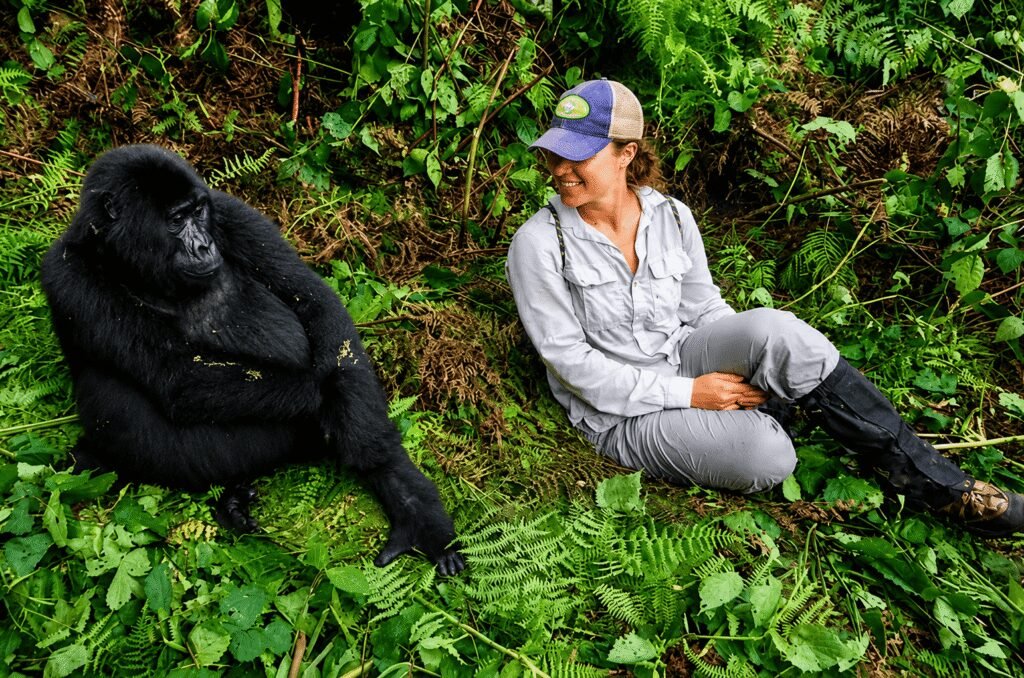
Instead of taking only close-up portraits, try capturing wider images that show the gorillas within their rainforest environment. Gorilla Trekking Photography Tips, The surrounding vegetation, mist, and forest atmosphere help communicate the uniqueness of the experience. Your guide will often explain gorilla behavior and help identify important moments worth photographing.
Respect Gorilla Photography Rules
Responsible photography is one of the most important parts of any gorilla trekking experience. Gorilla Trekking Photography Tips, Visitors must remember that mountain gorillas are wild animals, and their welfare comes before photography.
Flash photography is not allowed because sudden flashes can disturb gorillas and affect their natural behavior. Natural light and careful camera settings should be used instead.
Visitors should avoid making loud noises or sudden movements while taking photographs. The goal is to observe and document the gorillas without interfering with their daily activities Gorilla Trekking Photography Tips.
Following photography guidelines helps protect gorillas and ensures future generations can continue enjoying these incredible encounters.
Choose the Best Camera Accessories
The right accessories can significantly improve your gorilla photography experience. Extra batteries are essential because forest conditions and frequent camera use can quickly drain power. Carrying additional memory cards is also recommended since you may capture hundreds of images during your one-hour gorilla encounter.
A lens cloth helps remove moisture and dust, while a small tripod or monopod may assist photographers using heavier lenses. However, equipment should remain practical because trekking through dense forest requires mobility. A comfortable camera strap or harness can also reduce fatigue during long walks.
Prepare for Limited Photography Time
One of the unique challenges of gorilla photography is the limited time available with the gorillas. Visitors usually spend approximately one hour observing a gorilla family once they are located. Gorilla Trekking Photography Tips, This means preparation is extremely important. Before entering the forest, ensure your batteries are charged, memory cards are ready, and camera settings are adjusted.
During the encounter, avoid spending the entire time looking through your camera. Take moments to observe the gorillas directly and appreciate the experience beyond photography. Gorilla Trekking Photography Tips, The best photographers balance capturing images with enjoying the emotional connection of being near these magnificent animals.
Work With Your Guide for Better Photos
Experienced guides and trackers play an important role in helping photographers capture better images. Guides understand gorilla behavior and know when important moments may happen. They can help position visitors correctly while ensuring safety rules are followed.
They may also identify individual gorillas, explain family relationships, Gorilla Trekking Photography Tips, and provide information that helps photographers understand what they are capturing. Listening to your guide improves both your photography opportunities and your overall trekking experience.
Photography Tips for Smartphone Users
Not every traveler carries professional camera equipment, and modern smartphones can still capture beautiful gorilla memories. Travelers using smartphones should focus on stability, composition, and timing. Keeping the phone steady helps produce sharper images, especially in low-light forest conditions. Using portrait mode when available can create beautiful close-up images, while avoiding digital zoom usually produces better quality.
Protect your phone with a waterproof case, Gorilla Trekking Photography Tips, carry a portable charger, and remember that respectful observation is more important than taking hundreds of photographs.
Best Time for Gorilla Photography
The best time for gorilla photography depends on weather conditions, lighting, and your chosen destination. The dry seasons from June to September and December to February generally provide easier trekking conditions, although gorilla trekking is possible throughout the year.
Early morning forest light can create beautiful atmospheric images, with soft natural lighting filtering through the trees. Rainy periods can also produce stunning photographs because the forest becomes greener and more dramatic Gorilla Trekking Photography Tips, . Every season offers unique photography opportunities, making preparation more important than the exact travel date.
Common Gorilla Photography Mistakes to Avoid
Many first-time photographers make mistakes that can reduce the quality of their images or affect the experience. One common mistake is focusing only through the camera and forgetting to enjoy the encounter. Another is carrying too much equipment, which can make trekking unnecessarily difficult.
Some photographers also fail to prepare for low-light conditions and end up with blurry images. Practicing with your camera before traveling helps avoid these problems. The best approach is to prepare carefully, travel lightly, and focus on capturing meaningful moments rather than simply taking many photographs.
Recommended Gorilla Photography Destinations
Uganda and Rwanda offer some of the best destinations for gorilla photography. Bwindi Impenetrable National Park in Uganda provides incredible rainforest settings and several trekking sectors, including Buhoma, Rushaga, Ruhija, and Nkuringo. The dense forest creates dramatic backgrounds and unique photographic opportunities.
Rwanda’s Volcanoes National Park offers beautiful volcanic scenery, well-organized trekking experiences, and excellent opportunities to photograph habituated gorilla families. Gorilla Trekking Photography Tips, Each destination provides a different atmosphere, making both countries exceptional choices for photographers seeking unforgettable wildlife images.
How Nextgen Safaris Helps Gorilla Photographers
At Nextgen Safaris, we understand that photography is an important part of the gorilla trekking experience. Our team helps travelers plan journeys that provide excellent opportunities for wildlife photography while maintaining responsible tourism standards.
We arrange reliable transportation, experienced guides, comfortable accommodation, and carefully designed itineraries that allow photographers to focus on capturing incredible moments.
Whether you are a professional wildlife photographer or a first-time visitor using a smartphone, our expertise ensures your gorilla trekking adventure is smooth, enjoyable, and unforgettable.
Frequently Asked Questions About Gorilla Trekking Photography Tips
1. What are the best Gorilla Trekking Photography Tips for first-time visitors?
The best Gorilla Trekking Photography Tips for first-time visitors include preparing the right equipment, understanding rainforest lighting conditions, protecting your camera from rain, and learning how to photograph gorillas respectfully. Since gorilla trekking takes place in dense forests with changing weather, photographers should carry lightweight equipment, extra batteries, waterproof protection, and use camera settings suitable for low-light conditions.
First-time photographers should also focus on enjoying the experience rather than only taking pictures. The best photographs often come from observing gorilla behavior patiently and capturing natural moments such as feeding, playing, grooming, and interactions between family members.
2. What camera is best for gorilla trekking photography?
The best camera for gorilla trekking photography is one that performs well in low-light conditions and is comfortable to carry through forest terrain. Gorilla Trekking Photography Tips, DSLR and mirrorless cameras are popular choices because they offer excellent image quality, faster autofocus, and greater control over settings.
A lightweight camera with good ISO performance is ideal because gorilla habitats are usually shaded beneath thick forest canopies. However, the most important factor is choosing a camera that you understand well and can operate quickly during the limited time spent with the gorillas.
3. What lens should I use for gorilla trekking photography?
A telephoto zoom lens is highly recommended for photographing mountain gorillas. Lenses such as 70–200mm or 100–400mm allow photographers to capture detailed images while maintaining a respectful distance from the animals.
A wider lens can also be useful for capturing environmental photographs that show gorillas within their rainforest habitat. Combining close-up portraits with wider landscape images creates a complete story of your trekking experience.
4. Can I use a smartphone for gorilla trekking photography?
Yes, modern smartphones can capture impressive gorilla photographs, especially those with advanced cameras and good low-light capabilities. Smartphone users should focus on stability, composition, and timing to capture memorable images Gorilla Trekking Photography Tips.
Using a waterproof phone case, carrying a portable charger, and avoiding excessive digital zoom can improve your results. While professional cameras provide more flexibility, a smartphone can still preserve the emotions and beauty of your gorilla trekking experience.
5. Is flash photography allowed during gorilla trekking?
No, flash photography is not allowed during gorilla trekking. Flash can disturb mountain gorillas and interfere with their natural behavior.
Instead, photographers should adjust camera settings, increase ISO when necessary, and use natural light available in the forest. Respecting photography rules ensures a safe experience for both visitors and gorillas.
6. How do I protect my camera during gorilla trekking?
Protecting your camera from rain and humidity is one of the most important aspects of gorilla photography. Gorilla Trekking Photography Tips,Travelers should carry waterproof camera bags, rain covers, and protective pouches for batteries and memory cards.
Because gorilla habitats experience frequent rainfall and high humidity, using silica gel packets inside your camera bag can help reduce moisture. Proper preparation ensures your equipment remains safe throughout the trek
7. What camera settings are best for photographing gorillas?
The best camera settings depend on lighting conditions, but photographers generally need settings suitable for shaded rainforest environments. Gorilla Trekking Photography Tips, A higher ISO may be necessary because gorilla habitats often have limited natural light.
A faster shutter speed helps capture movement, especially when photographing young gorillas playing or silverbacks changing positions. Autofocus tracking can also help maintain sharp images when gorillas are moving.
8. How close can photographers get to mountain gorillas?
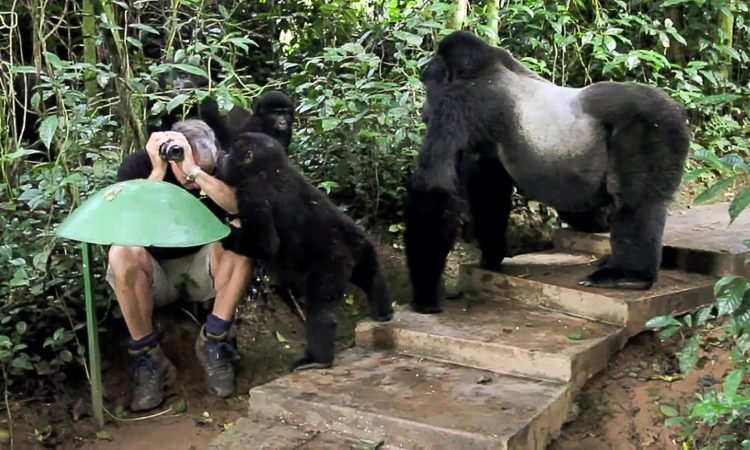
Visitors must maintain a respectful distance from mountain gorillas, usually around seven meters unless guides advise otherwise. Photographers should use zoom lenses rather than trying to move closer for better images.
Maintaining distance protects both visitors and gorillas while allowing photographers to capture natural behaviors without disturbing the animals.
9. How much photography time do you get with gorillas?
Visitors usually spend a maximum of one hour with a gorilla family after locating them. This makes preparation extremely important because photographers have limited time to capture meaningful images.
Before reaching the gorillas, ensure your batteries are charged, memory cards are ready, and camera settings are adjusted so you can focus on the experience.
10. What should I pack for gorilla trekking photography?
Essential photography items include a camera, suitable lens, extra batteries, additional memory cards, waterproof camera protection, cleaning cloth, and a comfortable camera bag.
Alongside photography equipment, visitors should carry proper hiking shoes, rain gear, water, and protective clothing because reaching the gorillas requires hiking through rainforest terrain.
11. What are the biggest challenges of gorilla photography?
The biggest challenges include low light, unpredictable weather, limited viewing time, and movement through dense vegetation. Unlike open wildlife photography, gorilla trekking requires photographers to adapt quickly to changing conditions.
Preparation and understanding your equipment before the trek help overcome these challenges and improve your chances of capturing excellent photographs.
12. Can I bring a tripod during gorilla trekking?
Although tripods can improve stability, they are often not practical during gorilla trekking because trails can be narrow, steep, and challenging. Most photographers prefer handheld photography or lightweight monopods.
A lighter setup allows easier movement through the forest and reduces physical strain during the trek.
13. What is the best time of year for gorilla photography?
Gorilla photography is possible throughout the year in Uganda and Rwanda. The dry seasons from June to September and December to February generally provide easier trekking conditions.
However, the rainy seasons can create beautiful photographic opportunities with lush green forests, misty backgrounds, and dramatic rainforest scenery.
14. How can I photograph gorilla behavior?
The best way to photograph gorilla behavior is through patience and observation. Instead of only focusing on portraits, watch how gorillas interact with each other.
Moments such as mothers caring for infants, young gorillas playing, silverbacks protecting their families, and feeding behaviors often create the most memorable photographs.
15. Are professional photography permits required for gorilla trekking?
Standard gorilla trekking permits allow visitors to take photographs for personal use. However, professional photographers planning commercial projects may require additional permissions depending on the destination and intended use of images.
Travelers should discuss professional photography requirements with their safari operator before traveling.
16. How can Nextgen Safaris help with gorilla photography trips?
Nextgen Safaris helps photographers and travelers create unforgettable gorilla trekking experiences in Uganda and Rwanda. We arrange permits, transportation, accommodation, experienced guides, and customized itineraries designed around your photography interests.
Our local expertise helps you enjoy the best possible opportunities to capture mountain gorillas while following responsible wildlife photography practices.
17. Are gorilla trekking photography tours suitable for beginners?
Yes, gorilla photography tours are suitable for beginners. You do not need to be a professional photographer to enjoy the experience.
With basic preparation, the right equipment, and guidance from experienced safari professionals, beginners can capture incredible memories from their gorilla encounter.
18. What makes gorilla photography different from normal safari photography?
Gorilla photography is different because it takes place in dense rainforest environments and involves close observation of intelligent primates rather than distant wildlife viewing.
The emotional connection, limited time, and unique behavior of gorillas make this type of photography a completely different experience from traditional game-drive photography.
19. Should I hire a photography guide for gorilla trekking?
Hiring an experienced guide can greatly improve your photography experience. Guides understand gorilla behavior, know the forest environment, and can help visitors position themselves correctly while following safety rules.
Their knowledge allows photographers to capture meaningful moments while enjoying a responsible wildlife encounter.
20. Why choose Nextgen Safaris for a gorilla photography adventure?
Nextgen Safaris specializes in creating personalized gorilla trekking experiences for photographers, wildlife enthusiasts, and first-time visitors. With expert guides, reliable logistics, carefully selected lodges, and detailed preparation advice, we help travelers capture unforgettable mountain gorilla moments.
Whether you are using professional photography equipment or a smartphone, we ensure your gorilla trekking journey is comfortable, safe, and truly memorable.
Book Your Gorilla Photography Adventure Today
A gorilla trekking journey is more than a safari; it is a rare opportunity to connect with one of the world’s most fascinating species. With the right preparation, equipment, and guidance, you can capture photographs that tell the story of this unforgettable experience.
These Gorilla Trekking Photography Tips will help you prepare confidently, photograph responsibly, and create lasting memories from your encounter with mountain gorillas. Plan your gorilla photography adventure with Nextgen Safaris and experience the magic of Uganda and Rwanda’s incredible primates while capturing moments you will treasure forever.