
Gorilla Trekking Rules and Regulations (2026–2030 Requirements Guide)
Gorilla trekking is one of the most regulated wildlife experiences in the world. The reason is simple: mountain gorillas are critically endangered, biologically fragile, and deeply similar to humans. Because of that similarity, what protects visitors must also protect gorillas and vice versa. This is why Gorilla Trekking Rules are not optional guidelines or casual recommendations. They are conservation safeguards designed to preserve one of the planet’s rarest primate populations.
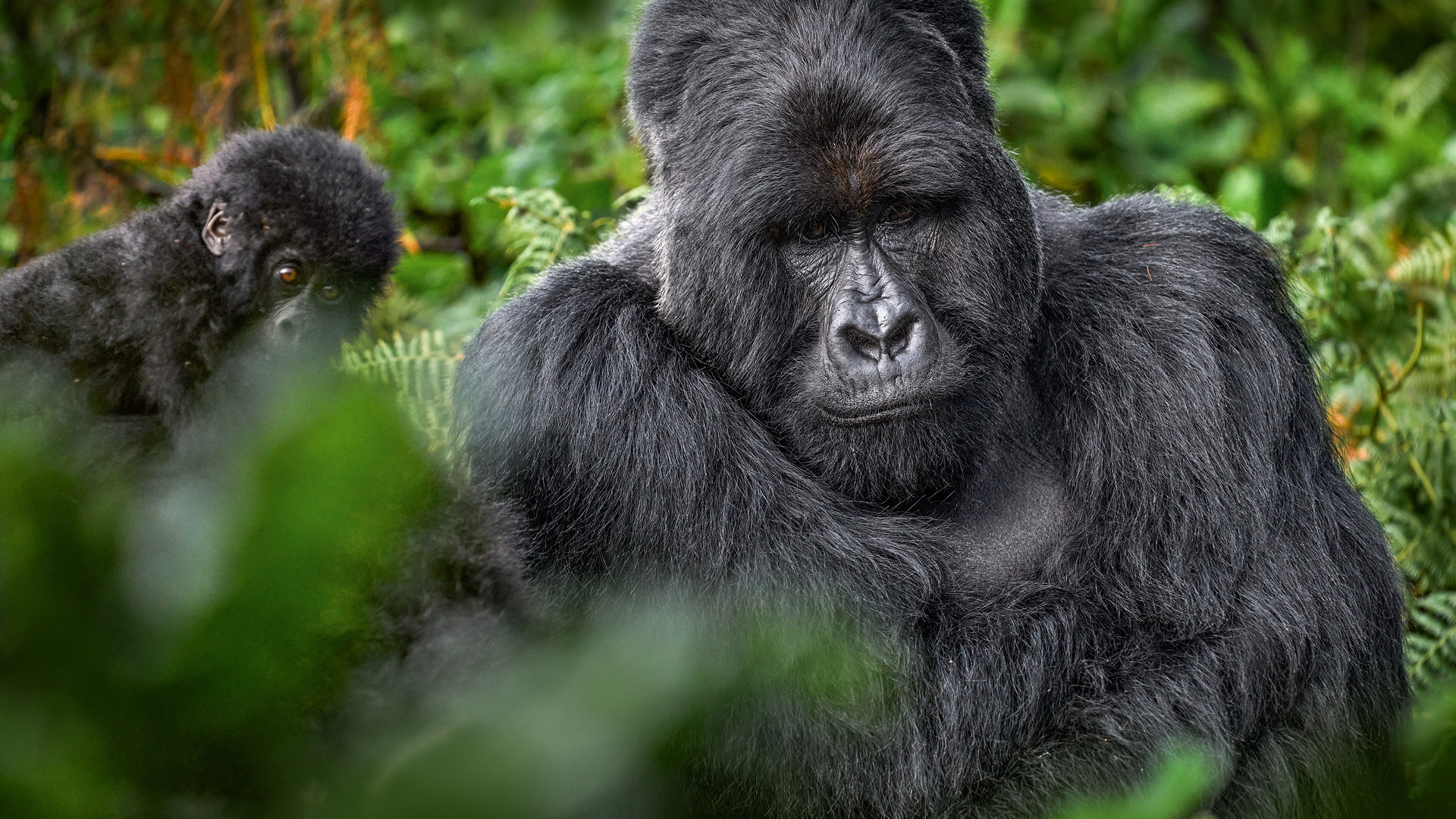
Between 2026 and 2030, Gorilla Trekking Rules and regulations remain strict across both Uganda and Rwanda, with consistent enforcement by park authorities, ranger teams, and conservation agencies. These requirements are not designed to limit enjoyment. They are structured to ensure that gorilla tourism continues safely, ethically, and sustainably for future generations.
Anyone planning a trek in Bwindi Impenetrable National Park, Mgahinga Gorilla National Park, or Volcanoes National Park must understand that Gorilla Trekking Rules form the foundation of the entire experience. Without them, there would be no legal, organized, or conservation-backed gorilla tourism.
This guide explains exactly why Gorilla Trekking Rules exist, how they protect both humans and wildlife, and what travelers must know for the 2026–2030 period.
This quick table summarizes the core Gorilla Trekking Rules before the detailed sections. Rules apply in both Uganda and Rwanda and are enforced by ranger teams.
| Rule | Requirement | Why It Matters |
|---|---|---|
| Age Limit | Minimum age is 15 years. | Reduces disease risk and ensures trekkers can follow safety instructions in forest terrain. |
| Distance | Keep at least 7 meters from gorillas. | Protects gorillas from human respiratory illness and lowers stress from close contact. |
| No Touching | Never touch gorillas (even if they approach). | Prevents disease transfer and avoids triggering defensive behavior from wild animals. |
| Health | No trekking when sick (especially respiratory symptoms). | A mild human illness can be severe for gorillas due to genetic similarity and low immunity. |
| Time Limit | Maximum 1 hour with gorillas once found. | Limits stress and helps keep gorilla behavior natural under daily tourism exposure. |
| Group Size | Maximum 8 visitors per gorilla family per day. | Reduces crowding, noise, and human footprint around the gorilla family. |
| Photography | No flash. Keep movement slow and quiet. | Flash and sudden motion can stress gorillas and disrupt a calm viewing environment. |
| Masks | Masks may be required depending on park health policy. | Reduces airborne disease risk near gorillas; carry a mask even if not always mandatory. |
| Food & Drink | No eating near gorillas; water is used responsibly. | Prevents contamination, reduces scent attraction, and supports hygiene around the gorilla group. |
Age Limit
Minimum age is 15 years.
Reduces disease risk and ensures trekkers can follow forest safety instructions.Distance
Keep at least 7 meters from gorillas.
Protects gorillas from human illness and lowers stress from close contact.No Touching
Never touch gorillas, even if they approach.
Prevents disease transfer and avoids defensive reactions.Health
No trekking when sick, especially respiratory symptoms.
A mild human illness can be severe for gorillas.Time Limit
Maximum 1 hour with gorillas once found.
Limits stress and preserves natural behavior patterns.Group Size
Maximum 8 visitors per gorilla family.
Reduces crowding, noise, and human footprint.Photography
No flash; keep movement slow and quiet.
Prevents stress and disruption during the viewing hour.Masks
Masks may be required depending on current park policy.
Reduces airborne disease risk near gorillas; carry one as a precaution.Food & Drink
No eating near gorillas; water is used responsibly.
Prevents contamination and supports hygiene around the gorilla group.Why Gorilla Trekking Rules Exist (Authority & Conservation Context)
One of the most searched questions online is: Why are there gorilla trekking rules? Closely related searches include Why are gorilla trekking regulations strict? and Why can’t you just walk up to gorillas freely? The answer begins with biology.
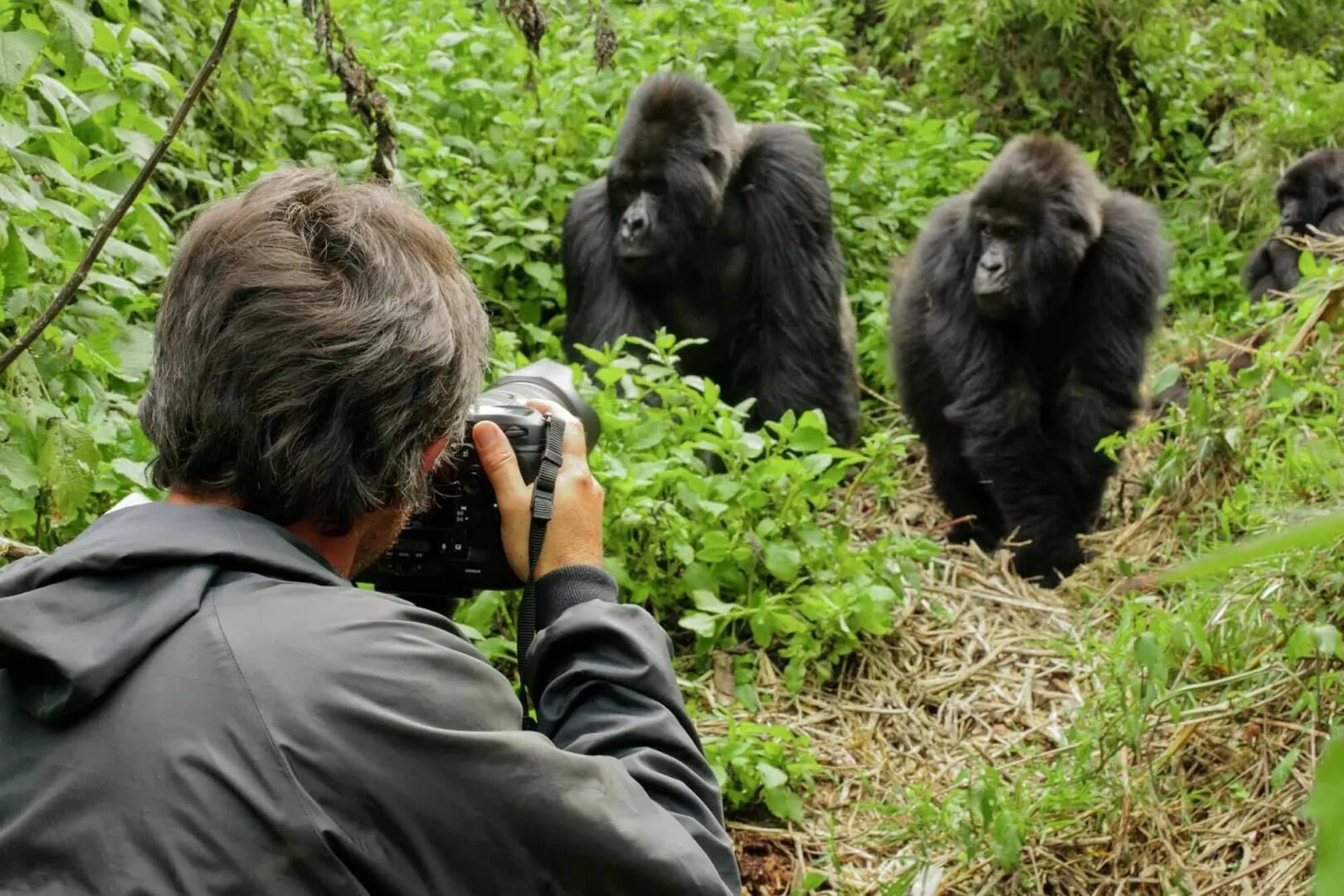
Mountain gorillas share approximately 98% of their DNA with humans. That genetic similarity makes them susceptible to human respiratory illnesses, influenza viruses, bacterial infections, and even common colds. A mild infection in a human can be life-threatening for a gorilla. This reality alone explains why Gorilla Trekking Rules are enforced with seriousness and precision.
Conservation policy also plays a central role. Mountain gorillas were once pushed close to extinction due to poaching, habitat destruction, and regional instability. The recovery of gorilla populations in Uganda and Rwanda is considered one of the most successful conservation stories in Africa. However, that recovery depends on tightly controlled tourism. Gorilla Trekking Rules regulate visitor numbers, group sizes, interaction time, and physical distance to ensure that tourism supports conservation rather than harms it.
Tourism policy frameworks in both countries operate under strict wildlife protection laws. Gorilla trekking is not a casual safari activity; it is a controlled conservation interaction. Permits are limited daily, trekking hours are restricted, ranger teams are trained in behavioral monitoring, and compliance is mandatory. Gorilla Trekking Rules are therefore not arbitrary. They are grounded in science, epidemiology, wildlife behavior, and national conservation law.
Another reason Gorilla Trekking Rules are strict is behavioral protection. Mountain gorillas are wild animals, not habituated zoo residents. While habituated groups are accustomed to human presence, they remain autonomous wildlife populations. Sudden movement, loud noises, inappropriate proximity, or flash photography can trigger stress responses. Regulations exist to maintain calm, non-invasive observation conditions.
It is also important to understand the economic dimension. Gorilla tourism funds conservation programs, ranger salaries, anti-poaching units, community development, and habitat protection. If Gorilla Trekking Rules were relaxed and an outbreak or behavioral disturbance occurred, entire trekking sectors could close temporarily. That would affect conservation budgets and local livelihoods. Strict rules protect not just gorillas, but also surrounding communities.
The health protocols introduced globally during respiratory disease outbreaks reinforced the importance of Gorilla Trekking Rules. Enhanced screening, mask usage in certain circumstances, and distance enforcement demonstrated how fragile the balance is between tourism and wildlife safety. As we move into the 2026–2030 period, Gorilla Trekking Rules remain grounded in this awareness of zoonotic disease risk and preventative conservation.
Some travelers initially perceive Gorilla Trekking Rules as restrictive. In reality, they create structure and predictability. The trekking experience is designed to be immersive but controlled. Rangers brief every group before departure. Trackers locate gorilla families in advance. Interaction time is strictly limited to one hour. These regulations ensure that each group has a fair, uninterrupted experience without overcrowding or competition.
When someone asks why Gorilla Trekking Rules are so strict, the honest answer is that without strict regulation, gorilla trekking would not exist at all. It is a privilege granted under monitored conditions, not a public access wildlife encounter.
Gorilla Trekking Rules as Ethical Framework (2026–2030 Perspective)
Looking ahead to 2026–2030, Gorilla Trekking Rules continue to reflect evolving conservation science. Wildlife authorities regularly review behavioral data, health research, and tourism flow to ensure policies remain effective. This means Gorilla Trekking Rules are not static; they adapt when necessary to maintain ecological stability.
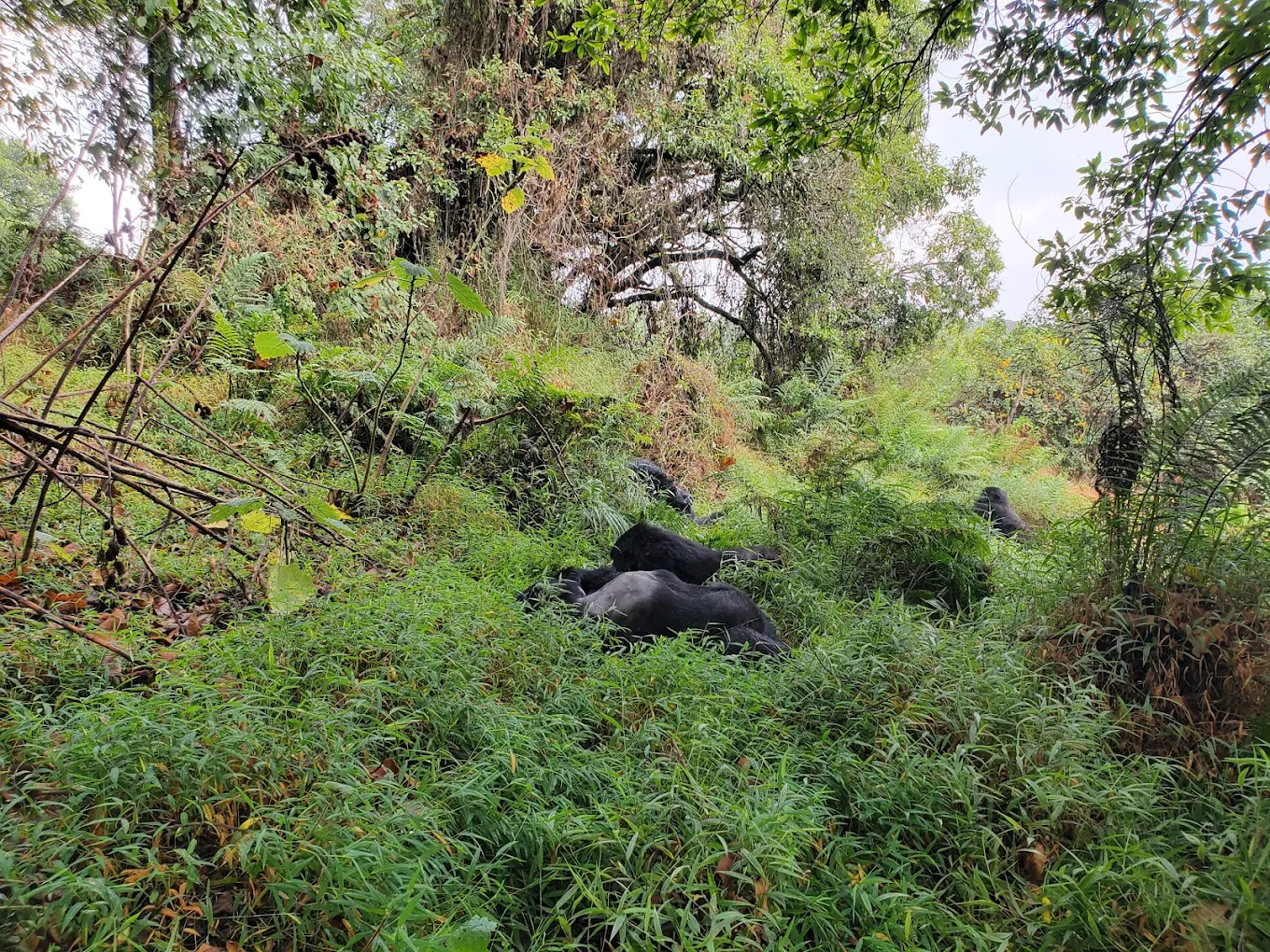
Ethical wildlife tourism has become a global priority. Travelers increasingly want assurance that their presence does not harm wildlife. Gorilla Trekking Rules provide that assurance. They demonstrate that tourism is conducted under strict scientific oversight, not commercial convenience.
The 7-meter distance rule, the one-hour viewing limit, the minimum age requirement of 15 years, and the daily permit cap are not arbitrary restrictions. They are measures developed through decades of research and field experience. Every element of Gorilla Trekking Rules reflects the understanding that mountain gorillas cannot defend themselves against human pathogens, nor can they advocate for their own welfare. Regulations act on their behalf.
In addition, Gorilla Trekking Rules protect visitors. Trekking occurs in mountainous terrain at elevations often exceeding 2,000 meters. Forest conditions can be wet, steep, and uneven. Structured ranger guidance, group control, and regulated conduct reduce risk. The rules maintain order in environments that could otherwise become chaotic or unsafe.
For those planning treks in 2026, 2027, 2028, 2029, or 2030, understanding Gorilla Trekking Rules early is essential. Compliance is mandatory. Failure to follow regulations can result in removal from the trek without refund, and in serious cases, penalties imposed by park authorities.
Ultimately, Gorilla Trekking Rules are not about limitation. They are about longevity. They ensure that mountain gorillas remain protected while allowing carefully managed human interaction. They balance access with preservation.
As this guide continues, we will break down the mandatory Gorilla Trekking Rules, health requirements, photography guidelines, country-specific regulations, and behavioral expectations in detail so that every traveler understands not only what the rules are, but why they matter.
Mandatory Gorilla Trekking Rules (Core 2026–2030 Requirements)
This is the foundation of the entire experience. The mandatory Gorilla Trekking Rules are consistent across Uganda and Rwanda, and they are enforced strictly by ranger teams and park authorities. These rules are not optional recommendations. They are legal, conservation-driven requirements designed to protect mountain gorillas and visitors alike.
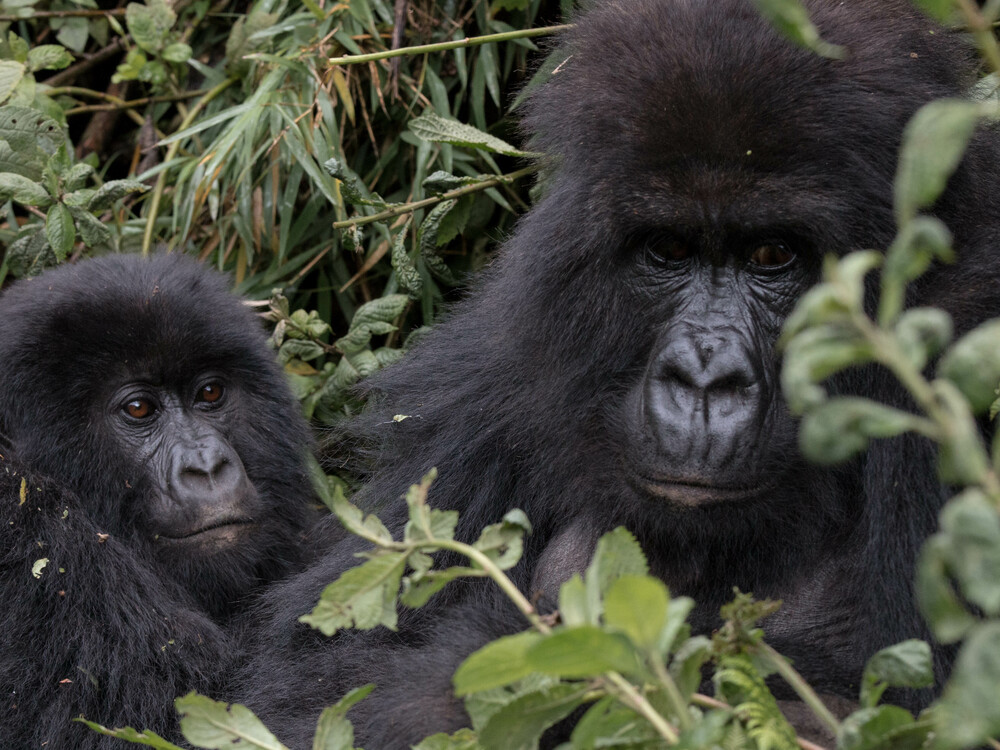
Understanding these Gorilla Trekking Rules before you arrive in the forest ensures a smoother experience and prevents disappointment on trekking day.
Minimum Age Requirement – 15 Years
The minimum age for gorilla trekking is 15 years. There are no exceptions to this rule in Uganda or Rwanda.
This Gorilla Trekking Rule exists primarily for health and behavioral reasons. Children are more likely to carry respiratory infections, even without visible symptoms. Because gorillas are highly susceptible to human illnesses, limiting trekking to individuals aged 15 and above reduces disease transmission risk. Additionally, trekking involves walking through uneven terrain, sometimes for several hours, which requires physical and emotional maturity.
Enforcement is straightforward. Age is verified during permit purchase and again at park briefing points. Identification may be requested. If a participant does not meet the age requirement, they will not be allowed to trek, and permits are non-refundable.
The consequence of ignoring this Gorilla Trekking Rule is simple: denial of access. Planning correctly avoids this situation entirely.
The 7-Meter Distance Rule
One of the most widely recognized Gorilla Trekking Rules is the 7-meter distance requirement. Visitors must maintain a minimum distance of seven meters (approximately 23 feet) from the gorillas at all times.
This rule exists for two critical reasons. First, disease prevention. Respiratory droplets travel easily at close range, and maintaining distance reduces transmission risk. Second, behavioral respect. Gorillas are wild animals, and preserving personal space prevents stress responses.
In practice, gorillas sometimes move closer on their own. When this happens, visitors are instructed to remain calm and avoid stepping toward the animals. Rangers closely monitor positioning and will quietly reposition guests if needed.
Enforcement is continuous during the one-hour viewing window. Rangers are trained to maintain group formation and spacing. If someone repeatedly ignores the distance rule, they may be warned or removed from proximity to the group.
Breaking this Gorilla Trekking Rule can result in immediate ranger intervention. In serious cases, it can lead to early termination of the viewing session for the individual involved.
No Touching the Gorillas
Touching a gorilla is strictly prohibited under Gorilla Trekking Rules.
Even though mountain gorillas may appear calm and approachable, physical contact is dangerous. Humans carry bacteria and viruses that gorillas have no immunity against. In addition, a silverback or protective female may react unpredictably to sudden physical interaction.
If a gorilla approaches and makes contact, visitors are instructed not to reciprocate. Rangers are trained to interpret gorilla body language and will manage the situation appropriately.
Enforcement of this Gorilla Trekking Rule is absolute. Any intentional attempt to touch a gorilla would be considered a serious violation and could result in removal from the trek without refund.
No Flash Photography
Flash photography is not allowed during gorilla trekking.
Bright flashes can startle gorillas, disrupt natural behavior, and cause stress. Even if a gorilla appears unaffected, repeated exposure to flash could alter behavioral patterns over time.
Before trekking begins, rangers remind visitors to disable flash settings on cameras and mobile phones. Professional photographers are expected to comply fully with this Gorilla Trekking Rule.
If a visitor uses flash, rangers will intervene immediately. Repeated violations may result in restricted photography privileges for that individual during the session.
Mask Requirements (Where Applicable)
Mask requirements have evolved following global respiratory disease concerns. While not always mandatory in every season, mask usage remains part of Gorilla Trekking Rules when health authorities deem it necessary.
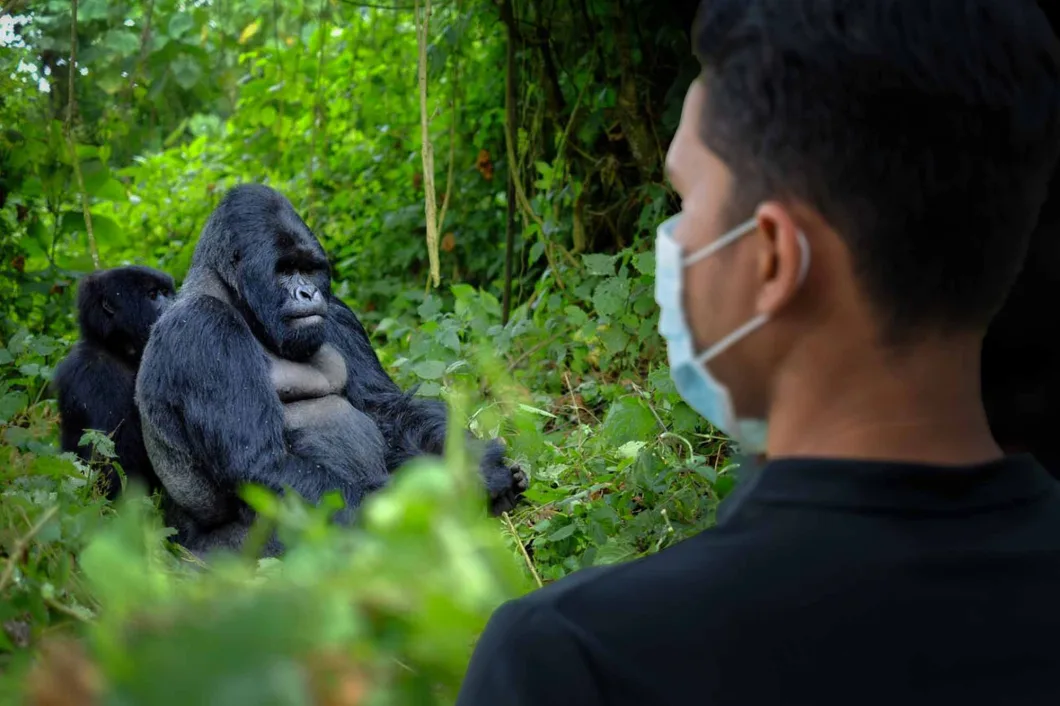
Masks are typically required when within proximity of gorillas. Even in periods where masks are not universally mandated, many ranger teams encourage carrying one as a precaution.
The reason is simple: mountain gorillas are vulnerable to airborne pathogens. Mask policies reflect updated Gorilla Trekking Rules based on health risk assessments.
Enforcement depends on current park regulations. In periods where masks are required, visitors who refuse to comply may not be allowed to proceed with the trek.
No Eating or Drinking Near Gorillas
Eating near gorillas is prohibited under Gorilla Trekking Rules.
Food particles can transmit pathogens, and leftover crumbs may attract gorillas or alter their natural foraging behavior. Additionally, food odors can change interaction dynamics.
Visitors are instructed to eat before trekking begins or after the viewing hour has ended at a designated distance from the gorillas.
If someone attempts to eat during the viewing session, rangers will immediately stop the behavior. Continued non-compliance can result in shortened viewing time.
Maximum One Hour with Gorillas
The one-hour limit is one of the most important Gorilla Trekking Rules.
Once the gorilla family is located, visitors are allowed exactly sixty minutes in their presence. This time restriction is based on long-term research showing that extended human exposure can increase stress levels and alter natural behavior patterns.
Rangers monitor time precisely. At the end of the hour, the group must begin returning, even if the interaction feels brief.
This Gorilla Trekking Rule is enforced strictly. No additional time can be purchased or negotiated. It applies equally to all visitors regardless of permit category.
Group Size Limit – Maximum Eight Visitors
Each gorilla family is visited by a maximum of eight tourists per day.
Limiting group size reduces noise, physical footprint, and stress on the gorillas. Smaller groups also create a more intimate experience.
Assignment to trekking groups occurs during morning briefing. Once allocated, group size cannot be expanded.
If a trekking group exceeds eight participants due to error, park authorities will correct it immediately. This Gorilla Trekking Rule is non-negotiable.
No Trekking When Sick
If you are ill on the day of trekking, especially with respiratory symptoms, you will not be allowed to participate.
This Gorilla Trekking Rule is perhaps the most important of all. Even mild symptoms such as coughing or sneezing can pose a threat to gorillas.
Health screening questions are often asked during briefing. Rangers may observe visible symptoms. In cases of suspected illness, individuals may be denied access and sometimes offered rescheduling if possible.
The consequence of ignoring this rule can extend beyond personal loss of a permit. It could jeopardize an entire gorilla family’s health.
Health & Medical Requirements (2026–2030 Updates)
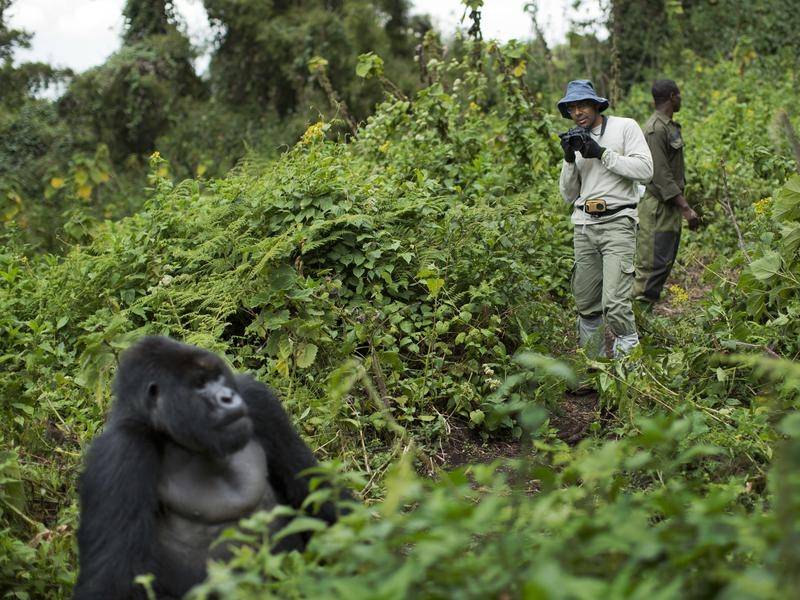
As we move through the 2026–2030 period, Gorilla Trekking Rules increasingly emphasize health safeguards. Conservation science and global public health awareness have reinforced the need for structured medical responsibility.
Illness Screening
Visitors are expected to self-assess honestly before trekking. Illness screening focuses particularly on respiratory symptoms such as coughing, fever, sore throat, or congestion.
Some parks may conduct visual screening or health declarations. The principle behind this Gorilla Trekking Rule is preventative protection rather than reactive enforcement.
Respiratory Disease Prevention
Because gorillas are genetically similar to humans, respiratory illnesses pose the greatest risk. The entire structure of Gorilla Trekking Rules revolves around minimizing airborne exposure.
Maintaining distance, wearing masks when required, and avoiding close contact are all part of respiratory disease prevention.
COVID Policy Legacy
Although global emergency restrictions have eased, the COVID-19 era permanently influenced Gorilla Trekking Rules. Enhanced hygiene awareness, mask protocols, and illness screening remain embedded in trekking operations.
Policies may be adjusted seasonally based on global health advisories, but preparedness remains part of park management strategy.
Vaccination Expectations (General Advisory)
There are no gorilla-specific vaccinations required exclusively for trekking, but general travel vaccinations are often recommended for visitors to Uganda and Rwanda. Travelers should consult healthcare providers before travel.
While vaccination guidance is not enforced as a Gorilla Trekking Rule in all cases, responsible health planning aligns with conservation ethics.
Hygiene Protocols
Hand hygiene is encouraged before and after trekking. Sanitizers are often available at briefing points. Coughing or sneezing etiquette is emphasized, including turning away from gorillas and using masks when appropriate.
These Gorilla Trekking Rules reflect an understanding that prevention is far more effective than treatment.
Medical Emergencies & Preparedness
Ranger teams are trained in basic first aid and emergency communication protocols. However, the remote nature of trekking terrain means personal preparedness is important.
Travel insurance with evacuation coverage is strongly recommended. Although not a Gorilla Trekking Rule, it is a practical health safeguard.
Why Health Compliance Matters for 2026–2030
The next decade of gorilla tourism depends on maintaining strict Gorilla Trekking Rules related to health and hygiene. Conservation success stories can quickly reverse if complacency replaces discipline.
Every traveler contributes to the survival of mountain gorillas. Following Gorilla Trekking Rules is not simply about compliance; it is about stewardship.
In the next section, we will explore how Gorilla Trekking Rules differ slightly between Uganda and Rwanda, and what travelers should understand about country-specific enforcement and permit systems.
Uganda vs Rwanda Gorilla Trekking Rules (What’s the Difference?)
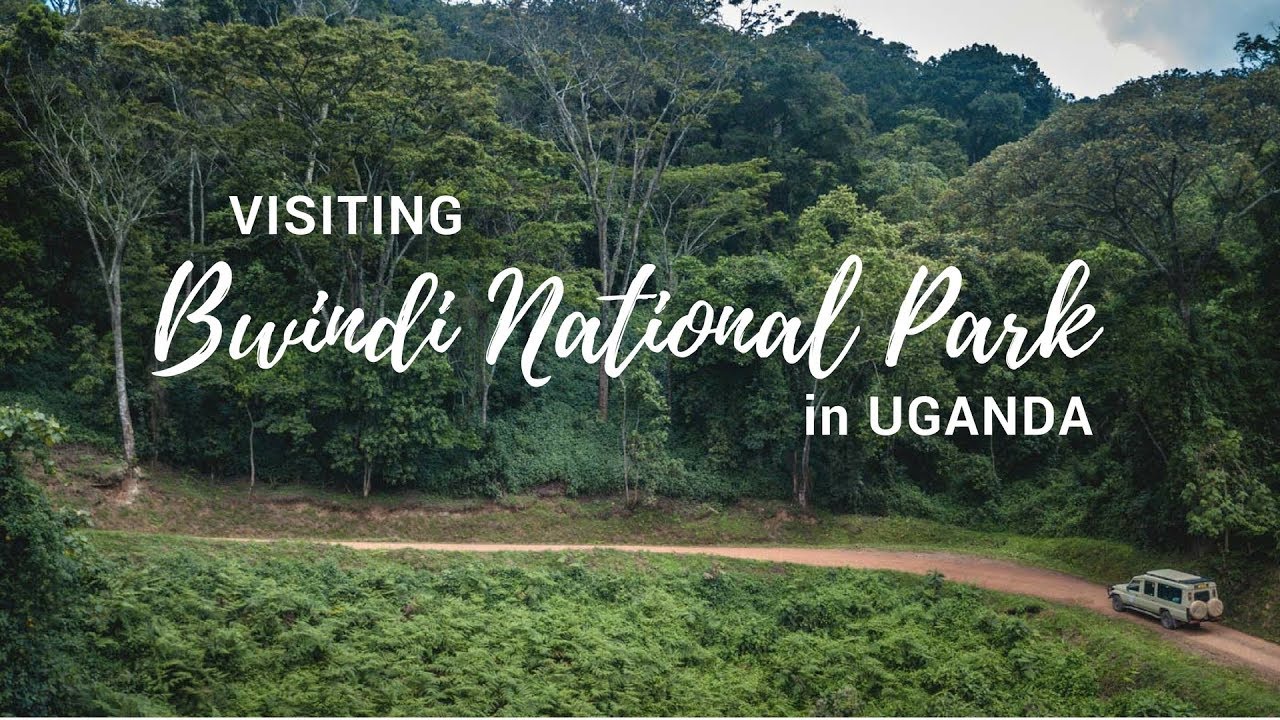
One of the most common questions travelers ask is whether Gorilla Trekking Rules differ between Uganda and Rwanda. The short answer is that the core rules are almost identical. Both countries operate under internationally recognized conservation standards, and both follow strict wildlife protection frameworks designed to safeguard mountain gorillas.
However, there are subtle administrative and operational differences that are important to understand.
Are the Gorilla Trekking Rules Different?
The fundamental Gorilla Trekking Rules are the same in Uganda and Rwanda. The minimum age requirement remains 15 years in both countries. The seven-meter distance rule applies in both. The one-hour viewing limit is universal. Group size is capped at eight visitors per gorilla family per day. Flash photography is prohibited. Touching gorillas is forbidden. Trekking while sick is not permitted.
These shared Gorilla Trekking Rules exist because both countries manage the same species of mountain gorillas, and the biological risks do not change across borders. Conservation policy coordination between Uganda Wildlife Authority and Rwanda Development Board ensures consistency in protection standards.
The experience itself may feel slightly different due to terrain, infrastructure, and briefing style, but the rules governing visitor conduct are aligned.
Permit System Differences
Where the countries differ most is in permit structure and pricing rather than in Gorilla Trekking Rules themselves.
In Uganda, permits are issued through Uganda Wildlife Authority and are allocated to specific trekking sectors within Bwindi Impenetrable National Park and Mgahinga Gorilla National Park. In Rwanda, permits are issued by the Rwanda Development Board and apply to Volcanoes National Park.
Both systems require advance booking. Gorilla Trekking Rules clearly state that permits cannot be purchased at the park gate on the day of trekking. In Rwanda, the permit cost is significantly higher, which influences booking timelines and demand patterns. Uganda offers more trekking sectors and slightly greater allocation flexibility.
Despite these administrative differences, the conduct rules once in the forest remain the same.
Enforcement Differences
Both countries enforce Gorilla Trekking Rules seriously, but enforcement style can feel different due to operational structure.
In Rwanda, the trekking experience often begins with a centralized briefing near park headquarters in Kinigi. Groups are organized formally, and ranger presence is highly structured. Rwanda’s trekking infrastructure is compact, and the system operates with strong centralized oversight.
In Uganda, briefings occur at different sector headquarters depending on trekking location. The system is equally strict but slightly more decentralized because Bwindi has multiple entry points.
In both countries, ranger authority is absolute once the trek begins. Rangers have full discretion to intervene if Gorilla Trekking Rules are violated. Whether in Rwanda or Uganda, instructions from rangers must be followed immediately.
Mask Enforcement
Mask requirements have evolved in both countries following global respiratory health events. Gorilla Trekking Rules related to mask usage are typically enforced based on current health advisories rather than fixed policy.
Rwanda has historically maintained slightly stricter mask enforcement during periods of heightened respiratory awareness. Uganda may adjust policies seasonally depending on health guidance. Regardless of location, carrying a mask is advisable in case it is required during proximity to gorillas.
In both countries, refusal to comply with mask-related Gorilla Trekking Rules when mandated can result in denial of participation.
Fines and Legal Framework
Neither Uganda nor Rwanda treats Gorilla Trekking Rules casually. Violations are not merely discouraged; they are enforceable under wildlife conservation law.
While most violations are managed through warnings or removal from the trekking group, serious misconduct could result in penalties under national park regulations. Both countries reserve the right to remove visitors from protected areas for non-compliance.
There is no practical difference in seriousness between Uganda and Rwanda when it comes to protecting mountain gorillas. The shared priority is conservation integrity.
The key takeaway is that Gorilla Trekking Rules are fundamentally aligned across both countries. Choosing Uganda or Rwanda should be based on budget, logistics, and terrain preference, not on expectations of relaxed enforcement. There is no “easier” destination when it comes to rule compliance.
What Happens If You Break Gorilla Trekking Rules?
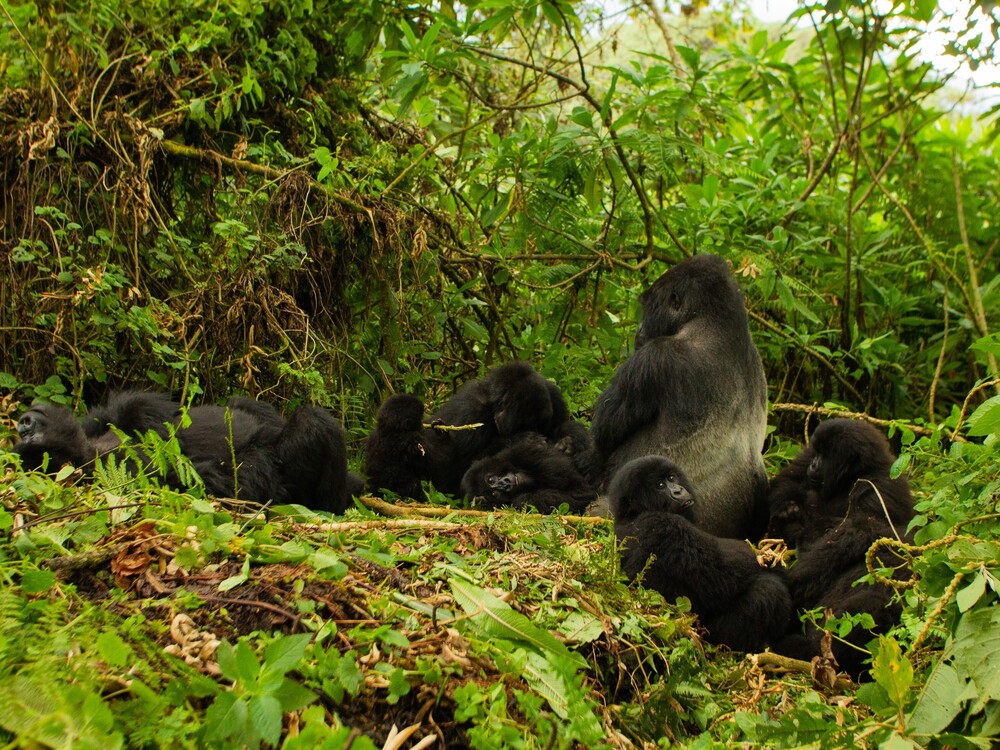
Understanding the consequences of violating Gorilla Trekking Rules is essential. These rules are not symbolic. They are operationally enforced and carry real consequences.
Immediate Removal from the Trek
If a visitor repeatedly violates Gorilla Trekking Rules, the ranger has full authority to remove that individual from proximity to the gorilla group. In extreme cases, the person may be escorted out of the forest before the one-hour viewing session ends.
Removal is not subject to debate or negotiation. Ranger decisions are final.
No Refund Policy
Gorilla trekking permits are non-refundable once issued. If a visitor is removed due to rule violations, there is no refund or compensation for lost viewing time.
This is clearly communicated during permit purchase. Gorilla Trekking Rules exist to protect wildlife, not to accommodate visitor preferences.
Park Penalties and Documentation
In cases of serious misconduct, park authorities may record incidents formally. While rare, deliberate attempts to touch gorillas, ignore distance protocols, or disrupt the trekking process could lead to formal reporting.
Wildlife conservation laws in both Uganda and Rwanda provide legal backing for enforcement. Breaking Gorilla Trekking Rules intentionally could lead to more serious consequences than simple removal.
Risk to Conservation
The most significant consequence of ignoring Gorilla Trekking Rules is not personal inconvenience. It is risk to conservation.
A single respiratory infection transmitted to a gorilla family could spread within the group. An outbreak could lead to temporary closure of a trekking sector. That closure would reduce conservation funding and impact surrounding communities that rely on tourism revenue.
Gorilla Trekking Rules are structured around prevention because the cost of a mistake is high.
Reputation and Future Access
Both countries maintain strong conservation reputations internationally. Non-compliance incidents can affect visitor records and future permit access in extreme cases.
Responsible travelers recognize that Gorilla Trekking Rules are a privilege framework. Access to mountain gorillas exists only because strict systems are in place.
Why Compliance Matters
Following Gorilla Trekking Rules is not about fear of penalties. It is about shared responsibility.
Mountain gorillas cannot advocate for their own protection. The rules act as their safeguard. Every visitor contributes to conservation by complying fully.
In the next sections, we will examine Gorilla Trekking Rules for special groups, including seniors, photographers, families, and first-time Africa travelers clarifying how regulations apply in different circumstances while maintaining the same conservation foundation.
Gorilla Trekking Rules for Special Groups (2026–2030 Guidance)
While the core Gorilla Trekking Rules apply equally to all visitors, certain groups require additional clarity. Seniors, travelers with disabilities, photographers, families, first-time Africa travelers, and researchers often ask whether regulations differ for them. The answer is that the foundation of Gorilla Trekking Rules remains consistent, but operational considerations may be adjusted to ensure safety and conservation integrity.
Understanding how Gorilla Trekking Rules apply to different groups is essential for responsible planning.
Gorilla Trekking Rules for Seniors
There is no upper age limit for gorilla trekking, but Gorilla Trekking Rules require that all participants meet physical and health standards necessary to complete the trek safely. Seniors must still comply fully with distance regulations, mask protocols where applicable, and the one-hour viewing limit.
For older trekkers, the most relevant Gorilla Trekking Rules involve health screening and physical pacing. Rangers will not rush a group to meet gorillas, but individuals must be able to walk through uneven terrain with assistance if needed. Porters are permitted and strongly recommended for stability and support, and their use does not violate any Gorilla Trekking Rules.
If a senior visitor appears visibly unwell or physically unable to proceed safely, rangers may assess participation before departure. This is not discriminatory enforcement; it is part of conservation and safety policy. Gorilla Trekking Rules prioritize both gorilla welfare and visitor well-being.
Gorilla Trekking Rules for People with Disabilities
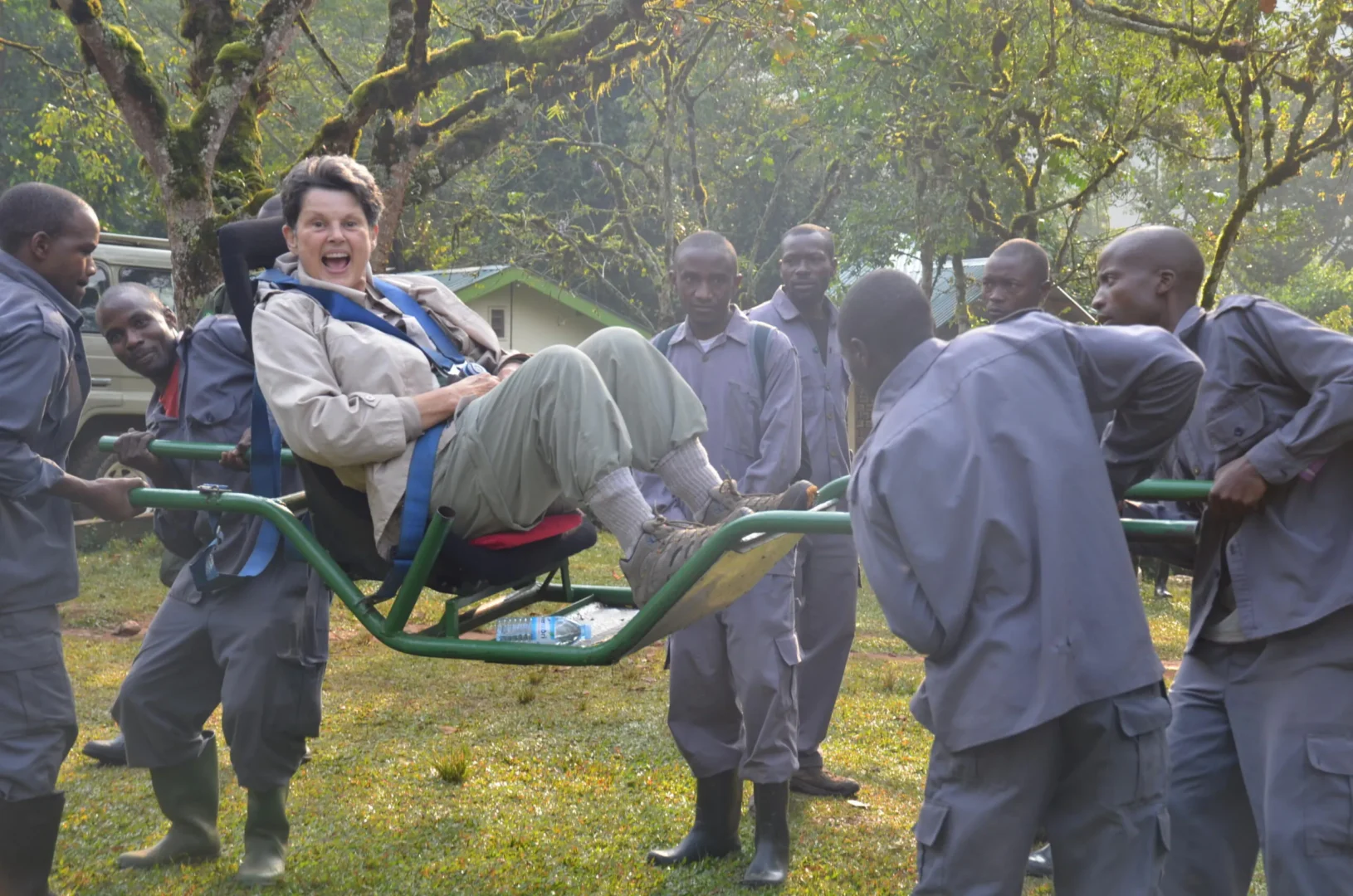
Gorilla Trekking Rules do not prohibit individuals with disabilities from participating, but logistical planning must align with conservation policy. In Rwanda and Uganda, sedan chair or stretcher options are available in some sectors, allowing trained teams to carry guests who cannot walk long distances.
The key requirement under Gorilla Trekking Rules is that safety, group integrity, and animal welfare are not compromised. Advanced coordination with park authorities is essential. Medical disclosure may be required to ensure appropriate arrangements.
Even when adaptive transport is used, all conduct regulations remain in effect. Distance rules, one-hour viewing limits, and no-touch policies apply equally. Accessibility support modifies transportation, not conservation law.
Gorilla Trekking Rules for Photographers
Photographers are bound by specific Gorilla Trekking Rules designed to protect animals from disturbance. Flash photography is strictly prohibited. Drone usage is not permitted in any gorilla trekking park. Sudden repositioning for better angles must not violate the seven-meter distance rule.
Professional photographers must balance creative ambition with compliance. Long lenses are encouraged because they allow close framing without breaching distance requirements. Rangers may intervene if photographers move too aggressively within the group formation.
Gorilla Trekking Rules also limit time with the animals to one hour regardless of photographic goals. There are no extended sessions available for media unless arranged under formal research or documentary permits approved in advance.
Gorilla Trekking Rules for Families
Families traveling with older teenagers must comply with the minimum age requirement of 15 years. This Gorilla Trekking Rule is absolute and cannot be bypassed.
Family members must remain cohesive during trekking. Children over 15 must demonstrate maturity and ability to follow ranger instructions precisely. Noise discipline and controlled movement are especially emphasized in family groups to maintain calm interactions.
If a family member becomes ill before trekking, they must not participate. Gorilla Trekking Rules regarding health apply uniformly to prevent disease transmission.
Gorilla Trekking Rules for First-Time Africa Travelers
First-time Africa travelers often assume Gorilla Trekking Rules are complex or intimidating. In reality, they are straightforward and explained clearly during the morning briefing.
Rangers guide participants step by step. No prior safari experience is required. Compliance is achieved through listening carefully and following instructions consistently.
The most important Gorilla Trekking Rules for first-time visitors are maintaining distance, remaining calm, and respecting ranger guidance. Predictability and structured conduct make the experience less intimidating than many expect.
Gorilla Trekking Rules for Researchers and Media
Researchers and documentary teams must operate under specialized permits. Gorilla Trekking Rules still apply, but additional guidelines may be included in research agreements.
Extended observation beyond one hour is not typically granted under tourist permits. Researchers must coordinate through formal wildlife authority channels and comply with ethical research standards.
Regardless of professional status, conservation laws take precedence over media objectives.
Physical Behavior Rules During Trekking
Beyond formal regulations, Gorilla Trekking Rules also govern physical conduct and behavior inside the forest. These behavioral protocols are essential for maintaining calm interactions and preventing stress responses among gorillas.
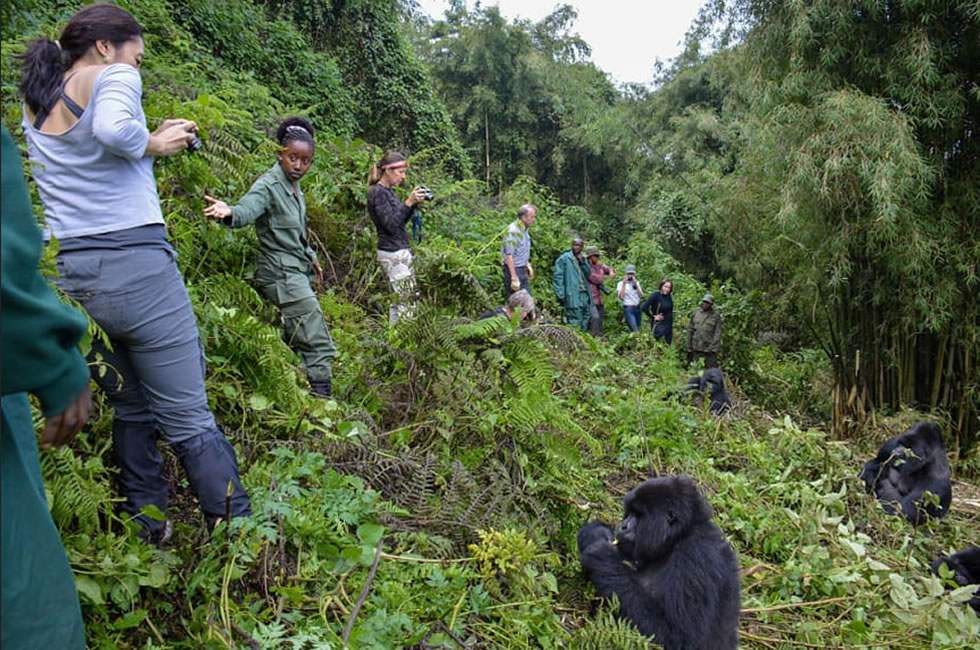
Understanding these expectations significantly enhances both safety and conservation outcomes.
Noise Discipline
Gorillas are sensitive to sudden loud sounds. While normal conversation at low volume is acceptable during trekking, shouting, laughing loudly, or abrupt vocalizations are discouraged under Gorilla Trekking Rules.
Before approaching a gorilla family, rangers often instruct visitors to speak softly and limit unnecessary noise. Quiet presence reduces tension and preserves natural behavior patterns.
Noise discipline is continuously monitored. Rangers will intervene if group noise escalates beyond acceptable levels.
Body Posture and Physical Positioning
Body posture plays a significant role in gorilla interactions. Gorilla Trekking Rules encourage visitors to remain slightly crouched or seated when in proximity to the animals. Standing tall directly in front of a gorilla may be perceived as confrontational.
Maintaining a calm, non-threatening posture reduces stress signals. Rangers demonstrate appropriate positioning once the gorilla family is located.
Physical behavior is as important as distance in ensuring smooth interactions.
Eye Contact
Direct, prolonged eye contact with a silverback gorilla can be interpreted as a challenge. Gorilla Trekking Rules recommend soft focus rather than intense staring.
Looking calmly at the animals is acceptable, but aggressive or fixed eye contact is discouraged. Rangers provide instructions if they observe potentially confrontational body language.
Sudden Movement
Sudden gestures, quick directional changes, or rapid stepping forward can startle gorillas. Gorilla Trekking Rules emphasize slow, deliberate movement at all times.
If repositioning is necessary for photography or comfort, it must be done gradually and within ranger guidance. Abrupt movements can trigger defensive displays, even in habituated families.
What to Do If a Gorilla Approaches You
It is not uncommon for a curious gorilla, particularly juveniles, to move closer than the seven-meter guideline. Gorilla Trekking Rules specify that visitors must remain calm, avoid sudden reactions, and not attempt to move toward the animal.
If contact seems imminent, lowering your body slightly and avoiding direct eye contact is advised. Rangers will manage the interaction quietly.
Running, shouting, or stepping backward abruptly is strongly discouraged. Gorillas are generally calm and non-aggressive when treated respectfully.
Why Behavioral Rules Matter
Behavioral Gorilla Trekking Rules are grounded in decades of field research. Even habituated gorillas remain wild. Respectful conduct ensures that tourism does not alter their natural hierarchy or stress levels.
Compliance is not about fear; it is about mutual coexistence within a fragile ecosystem.
In the next section, we will explore photography rules in even greater detail, including equipment limitations and professional considerations, followed by best practices that experienced trekkers follow beyond the official regulations.
Best Practices Beyond Official Gorilla Trekking Rules (Expert-Level Guidance)
Official Gorilla Trekking Rules tell you what you must do. Experienced trekkers go further. They follow best practices that are not always written in regulations but make the experience smoother, safer, and more respectful. This is where a page earns trust and ranks, because Google rewards content that demonstrates real-world knowledge rather than repeating generic guidelines.
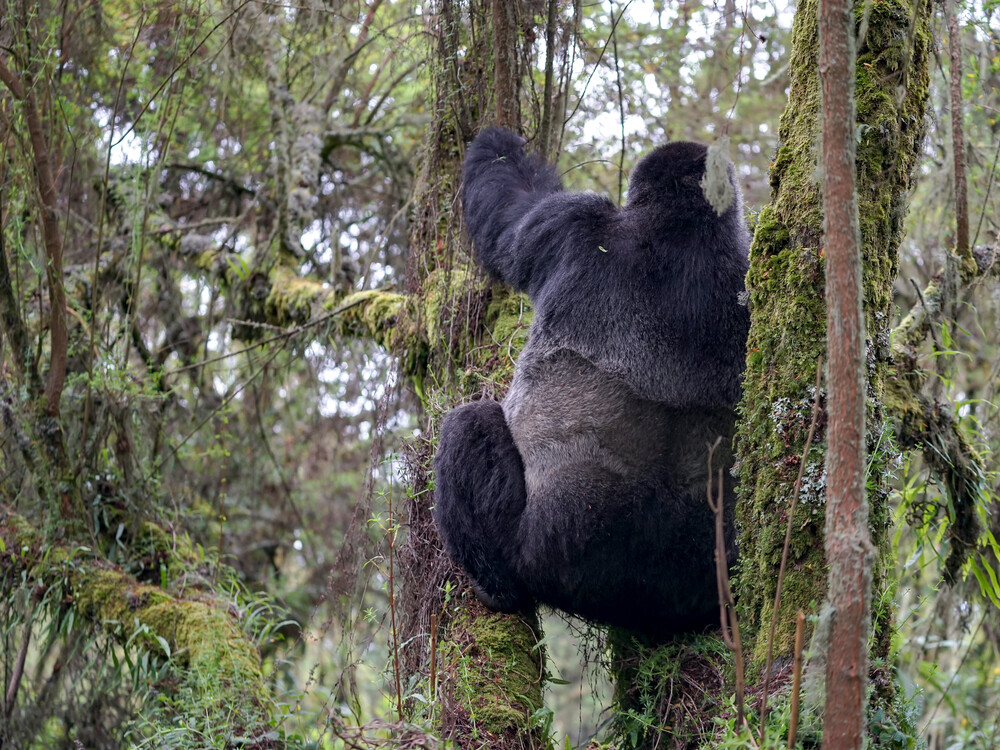
What Experienced Gorilla Trekkers Do Differently
Experienced trekkers treat gorilla trekking as an observation privilege rather than a performance moment. They arrive mentally prepared to be quiet, patient, and flexible. They understand that the best gorilla encounter is calm and uninterrupted, not chaotic and competitive.
They also prepare their gear and clothing before the final approach. That means adjusting camera straps, switching to silent mode, pre-setting camera settings, and placing water or snacks away so there is no temptation to eat near gorillas. This reduces last-minute movement, which is one of the most common causes of disruption.
Experienced trekkers also respect ranger positioning. They do not try to negotiate angles or step around the ranger line. They let the forest guide the encounter rather than trying to control it.
How to Position Yourself Without Breaking Gorilla Trekking Rules
The best positioning is usually low and steady. When gorillas are located, rangers may instruct visitors to crouch or sit. Experienced trekkers follow this immediately because it creates a more stable, non-threatening presence.
They also avoid standing directly in a gorilla’s path. Even if you are maintaining distance, blocking a natural movement route can create stress or force the animal to adjust its path. Good positioning respects gorilla movement flow.
Another best practice is to give “space lanes.” If a gorilla family is spread across vegetation, experienced trekkers focus on the clearest viewing angles available rather than trying to reposition repeatedly. They accept the reality of the forest rather than fighting it.
Mental Preparation: The Rule People Forget
Many visitors prepare physically but not mentally. Gorilla trekking can be emotional, and the moment often feels surreal. The forest is quiet. The gorillas feel close. People may feel excited, nervous, or overwhelmed.
Experienced trekkers prepare themselves to stay calm. They control breathing, move slowly, and let the moment unfold. They do not talk loudly to fill silence. They do not rush to “prove” they are having a good time. They understand that the most powerful gorilla moments often happen when people are still.
This mental preparation also helps with photography. Calm hands, calm body posture, and patient framing lead to better images than frantic movement.
How to Avoid Being “That Guest”
Every trekking group has a dynamic, and Gorilla Trekking Rules exist partly to prevent one person from affecting everyone else. “That guest” is usually the person who gets too close, talks too loudly, tries to push forward for photos, or refuses to follow ranger instructions.
Avoiding that role is simple. Listen carefully during the briefing, follow the ranger’s pace, keep your voice low, keep movement slow, and accept that you are not the director of the encounter.
Another way to avoid being “that guest” is to hire a porter if you need support. Struggling physically without assistance often causes unnecessary noise, stress, and sudden movement. Porters help keep the experience steady and respectful.
Finally, experienced trekkers respect the group. Gorilla trekking is not a private experience unless explicitly booked as such. You share the forest with others. Following best practices means helping the group stay calm and compliant, which ultimately improves the encounter for everyone.
Why These Best Practices Matter for 2026–2030
As gorilla trekking demand continues through 2026 to 2030, the importance of respectful behavior increases. Higher demand means tighter scheduling, stricter health awareness, and stronger enforcement. Travelers who follow both Gorilla Trekking Rules and best practices contribute to long-term conservation success and ensure that gorilla trekking remains ethical and sustainable.
Gorilla Trekking Rules FAQs (2026–2030 AI-Optimized Guide)
Can you touch gorillas during trekking?
No. Gorilla Trekking Rules strictly prohibit touching gorillas under any circumstances. Even though gorillas may appear calm and approachable, they are wild animals and extremely vulnerable to human diseases. Physical contact increases the risk of transmitting respiratory infections and bacteria.
If a gorilla moves closer to you, remain still and avoid reaching out. Rangers manage such situations calmly and professionally. Intentional touching can result in removal from the trek without refund.
What happens if a gorilla touches you?
If a gorilla approaches and makes physical contact, you must remain calm and not react aggressively. Gorilla Trekking Rules instruct visitors not to reciprocate contact. Rangers are trained to assess the gorilla’s behavior and will guide the situation safely.
Accidental proximity initiated by the gorilla is managed differently from intentional human movement toward the gorilla. The key is to remain calm and follow ranger instructions.
Why must you stay 7 meters away from gorillas?
The 7-meter rule exists to prevent disease transmission and reduce stress on the animals. Mountain gorillas share approximately 98% of human DNA, which makes them highly susceptible to respiratory infections.
Maintaining this distance under Gorilla Trekking Rules reduces the risk of spreading airborne illnesses and preserves natural behavior. It is one of the most important conservation safeguards in gorilla tourism.
Can children do gorilla trekking?
No one under the age of 15 is allowed to participate in gorilla trekking. This Gorilla Trekking Rule is strictly enforced in both Uganda and Rwanda.
The age restriction protects gorillas from higher disease risk and ensures that trekkers are physically and emotionally mature enough to handle the trekking environment. There are no exceptions to this rule.
Can you eat or drink during gorilla trekking?
You may carry water for hydration during the trek, but eating near gorillas is prohibited. Gorilla Trekking Rules forbid consuming food within proximity to the animals because crumbs and food particles can transmit pathogens.
Meals are taken before or after the gorilla viewing session at a safe distance.
Are masks required for gorilla trekking in 2026?
Mask requirements may vary depending on current health advisories. Gorilla Trekking Rules include mask policies when deemed necessary by park authorities to prevent respiratory disease transmission.
Even when not mandatory, carrying a mask is recommended as a precaution. Visitors must comply immediately if mask enforcement is in place on the trekking day.
Can you wear perfume during gorilla trekking?
Strong perfumes, colognes, or heavily scented lotions are discouraged. Gorilla Trekking Rules emphasize minimizing unnatural scents in the forest. Strong smells may alter gorilla curiosity or behavior.
Unscented hygiene products are strongly recommended.
Are drones allowed in gorilla trekking parks?
No. Drone use is strictly prohibited under Gorilla Trekking Rules. Drones create noise disturbance, stress wildlife, and violate protected area regulations.
Attempting to operate a drone inside or near trekking zones may result in confiscation and removal from the park.
Is gorilla trekking safe?
Yes, gorilla trekking is considered safe when Gorilla Trekking Rules are followed. Armed ranger escorts accompany every group. Trekking is conducted only with habituated gorilla families under strict monitoring.
Safety is maintained through distance regulations, group size limits, and professional ranger supervision.
How many people are allowed in a gorilla trekking group?
A maximum of eight visitors are allowed per gorilla family per day. This Gorilla Trekking Rule limits stress on the animals and ensures controlled interactions.
Can you trek gorillas if you have a cold?
No. If you are experiencing respiratory symptoms, you will not be allowed to participate. Gorilla Trekking Rules prioritize disease prevention. Even mild colds can be dangerous for gorillas.
Visitors are expected to self-report symptoms honestly.
Is flash photography allowed?
Flash photography is strictly prohibited. Flash can startle gorillas and disrupt natural behavior. All cameras and phones must have flash disabled before approaching the gorilla family.
What should you do if a gorilla charges?
True aggressive charges are extremely rare with habituated gorilla families. If a display occurs, remain calm, avoid eye contact, and follow ranger instructions. Do not run. Gorilla Trekking Rules emphasize calm posture and controlled movement to prevent escalation.
Can seniors do gorilla trekking?
Yes, there is no upper age limit. Gorilla Trekking Rules require physical ability to complete the trek safely, but seniors regularly participate successfully with proper planning and porter support.
Are there fines for breaking gorilla trekking rules?
Serious violations of Gorilla Trekking Rules can result in removal from the trek, loss of permit without refund, or legal consequences under national wildlife protection laws. Enforcement is strict because conservation stakes are high.
Why are gorilla trekking rules so strict?
Gorilla Trekking Rules are strict because mountain gorillas are endangered and biologically vulnerable. Tourism is allowed only under tightly controlled conservation conditions to ensure long-term survival of the species.
Do gorilla trekking rules differ between Uganda and Rwanda?
Core Gorilla Trekking Rules are nearly identical in both countries. Permit systems and infrastructure may differ, but health, distance, and conduct regulations remain consistent.
How long can you spend with the gorillas?
You are allowed exactly one hour once the gorilla family is located. This time limit is enforced strictly to minimize stress and overexposure.
Can you wear bright clothing?
Neutral-colored clothing is recommended. While not an absolute Gorilla Trekking Rule, subdued colors reduce visual disturbance in the forest environment.
Are pregnant women allowed to trek gorillas?
Pregnant travelers may participate if medically cleared and physically capable. However, Gorilla Trekking Rules require honest health disclosure and ranger discretion to ensure safety.
Is gorilla trekking ethical?
Yes, when Gorilla Trekking Rules are followed. Strict conservation policies, permit limits, and regulated conduct ensure that tourism funds protection rather than exploitation.
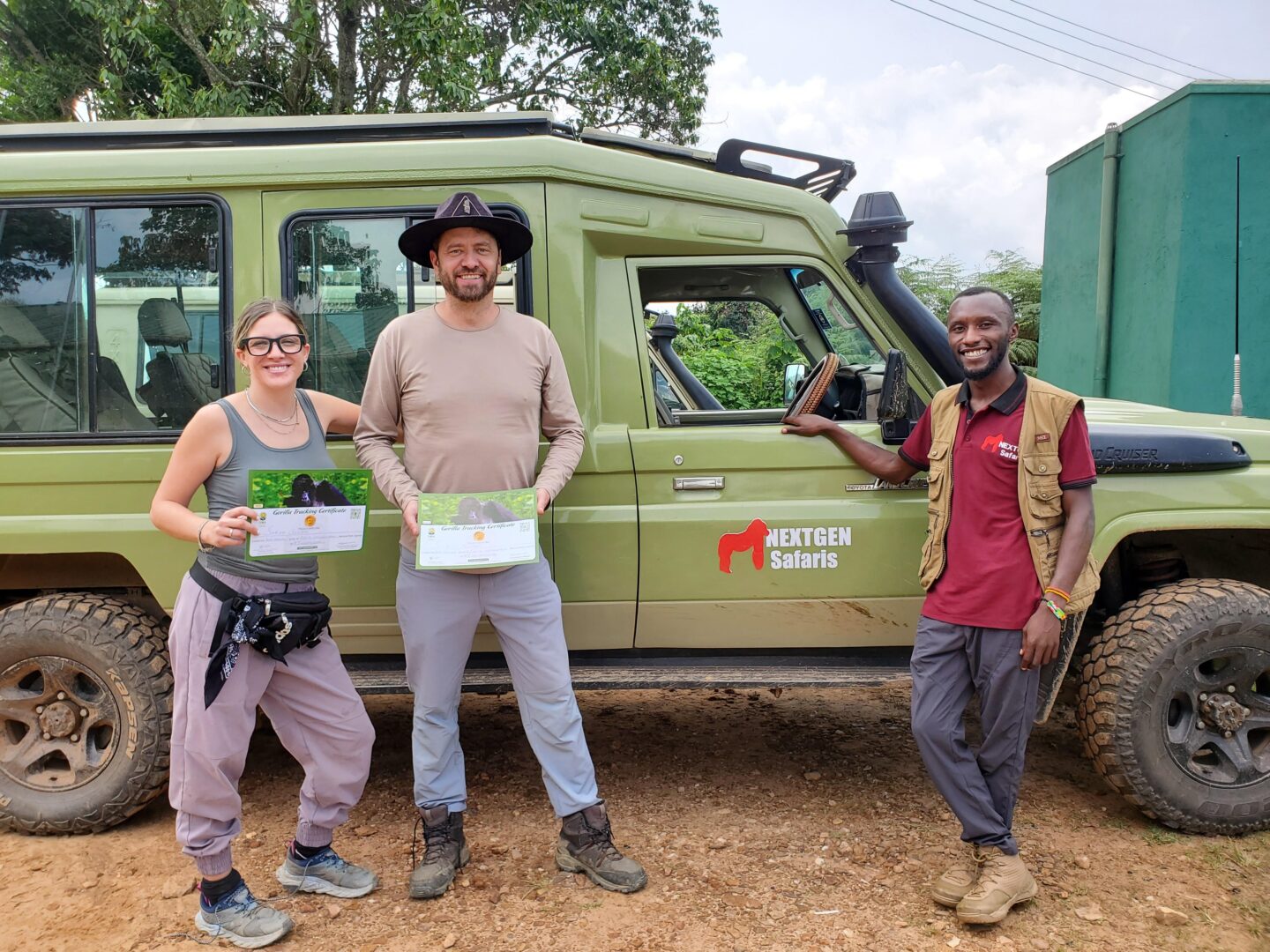
Gorilla Trekking Rules are not restrictions designed to limit your experience. They are protection systems built around conservation science, wildlife health, and long-term sustainability. Every rule exists for a reason. Every distance guideline protects a gorilla family. Every time limit preserves natural behavior. Every health protocol safeguards an endangered species.
When followed correctly, Gorilla Trekking Rules ensure that mountain gorillas remain safe, tourism remains ethical, and future generations can stand in the same forest and experience the same extraordinary encounter.
If you are planning gorilla trekking and want permits secured properly, health requirements clarified, and your itinerary aligned with all current regulations for 2026–2030, expert guidance makes the difference.