
Rules for Gorilla Trekking
Essential Guide to Rules for Gorilla Trekking in Uganda and Rwanda
Gorilla trekking is one of the most extraordinary wildlife experiences in the world, offering visitors a chance to observe mountain gorillas in their natural habitat. However, to ensure both the safety of visitors and the protection of these endangered species, it is crucial to follow the established Rules for Gorilla Trekking. These regulations are designed to maintain the delicate balance between human activity and wildlife conservation, ensuring that gorilla populations thrive while providing a safe and memorable experience for trekkers.
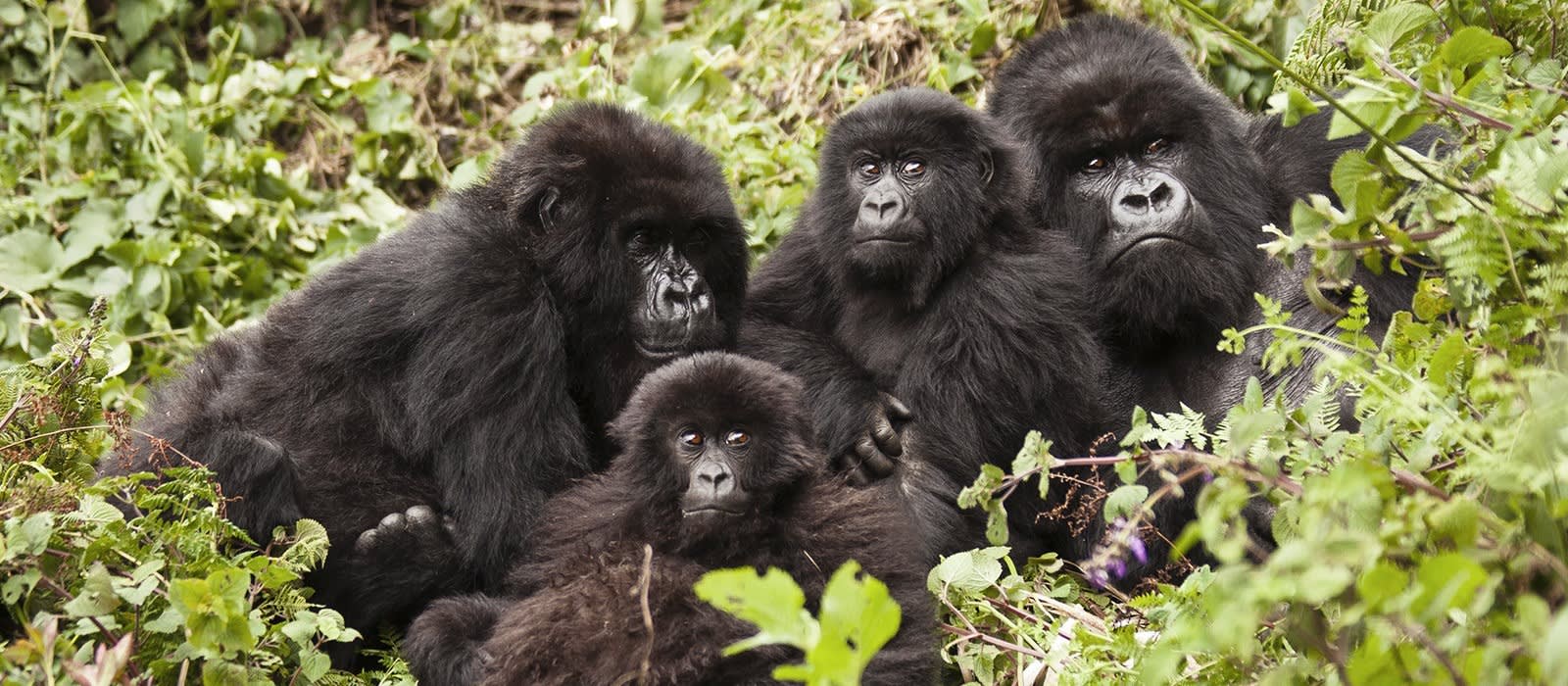
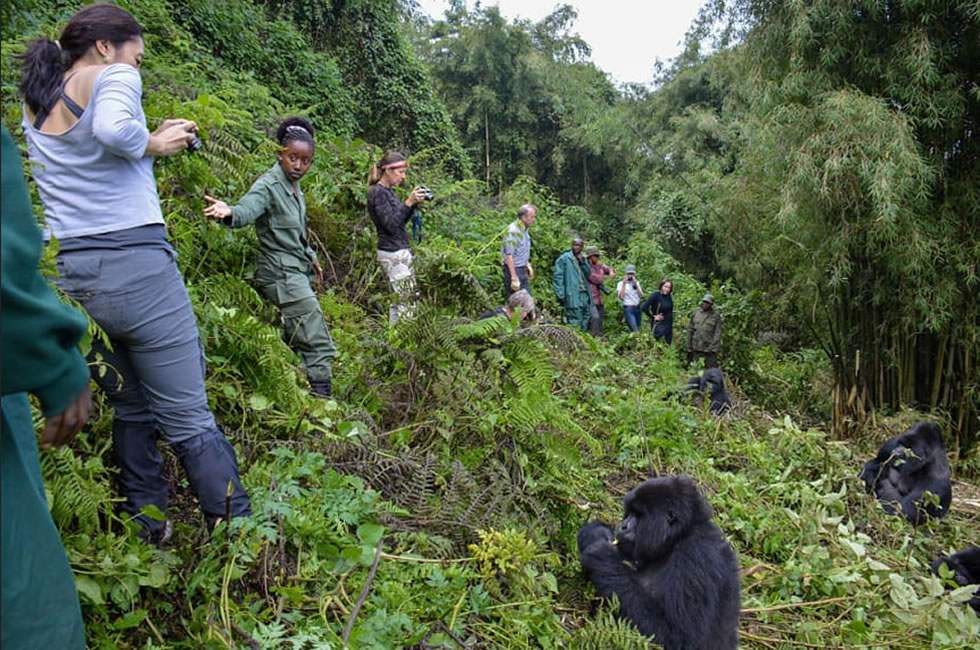
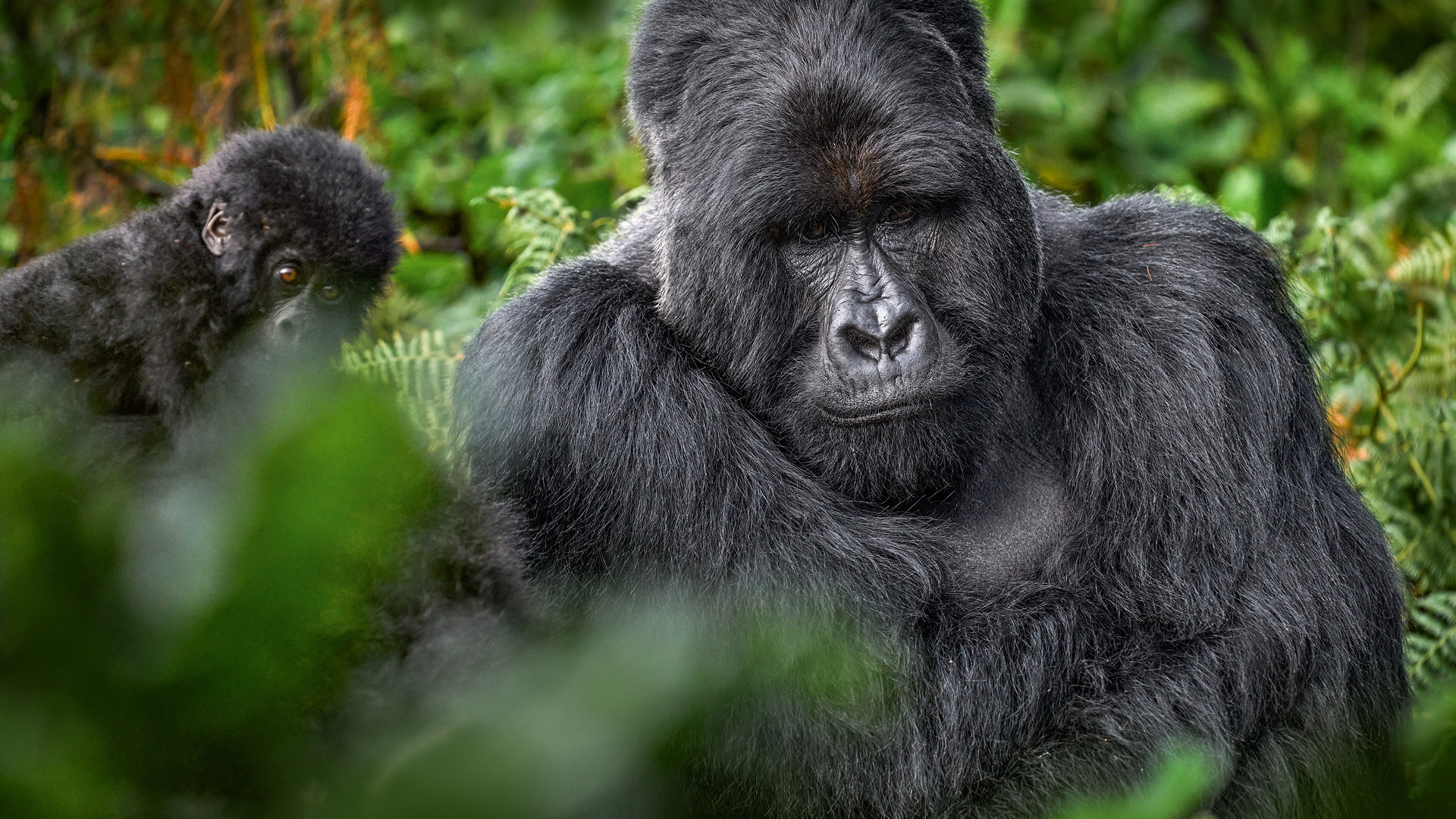
Both Uganda and Rwanda have carefully developed guidelines that protect gorillas and their habitats while allowing visitors to enjoy close encounters. Understanding these rules before embarking on a trek is essential for every traveler. Rules for Gorilla Trekking cover everything from health requirements, behavior in the presence of gorillas, group sizes, and the use of photography, to physical conduct on the trails. Following these guidelines is not only a matter of compliance but also a demonstration of respect for the wildlife and local communities that support conservation efforts.
Health and Safety Requirements
One of the most important aspects of Rules for Gorilla Trekking relates to health and safety. Gorillas are susceptible to human diseases, which is why both Uganda and Rwanda require trekkers to be in good health. Visitors are advised to avoid trekking if they are suffering from any contagious illness such as a cold, flu, or respiratory infection. Both countries also recommend vaccinations for travelers, including yellow fever, and emphasize that individuals should have travel insurance that covers medical emergencies.
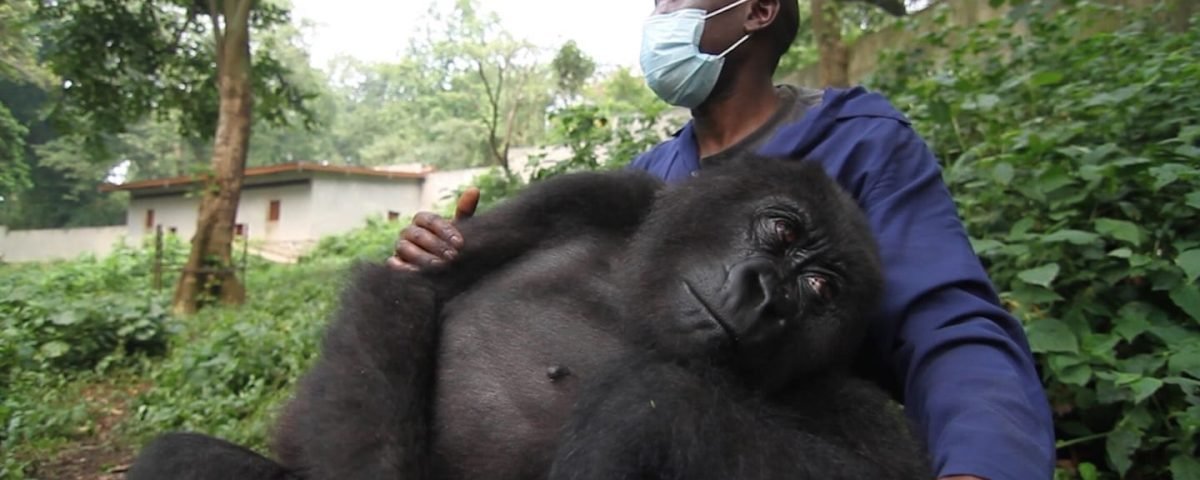
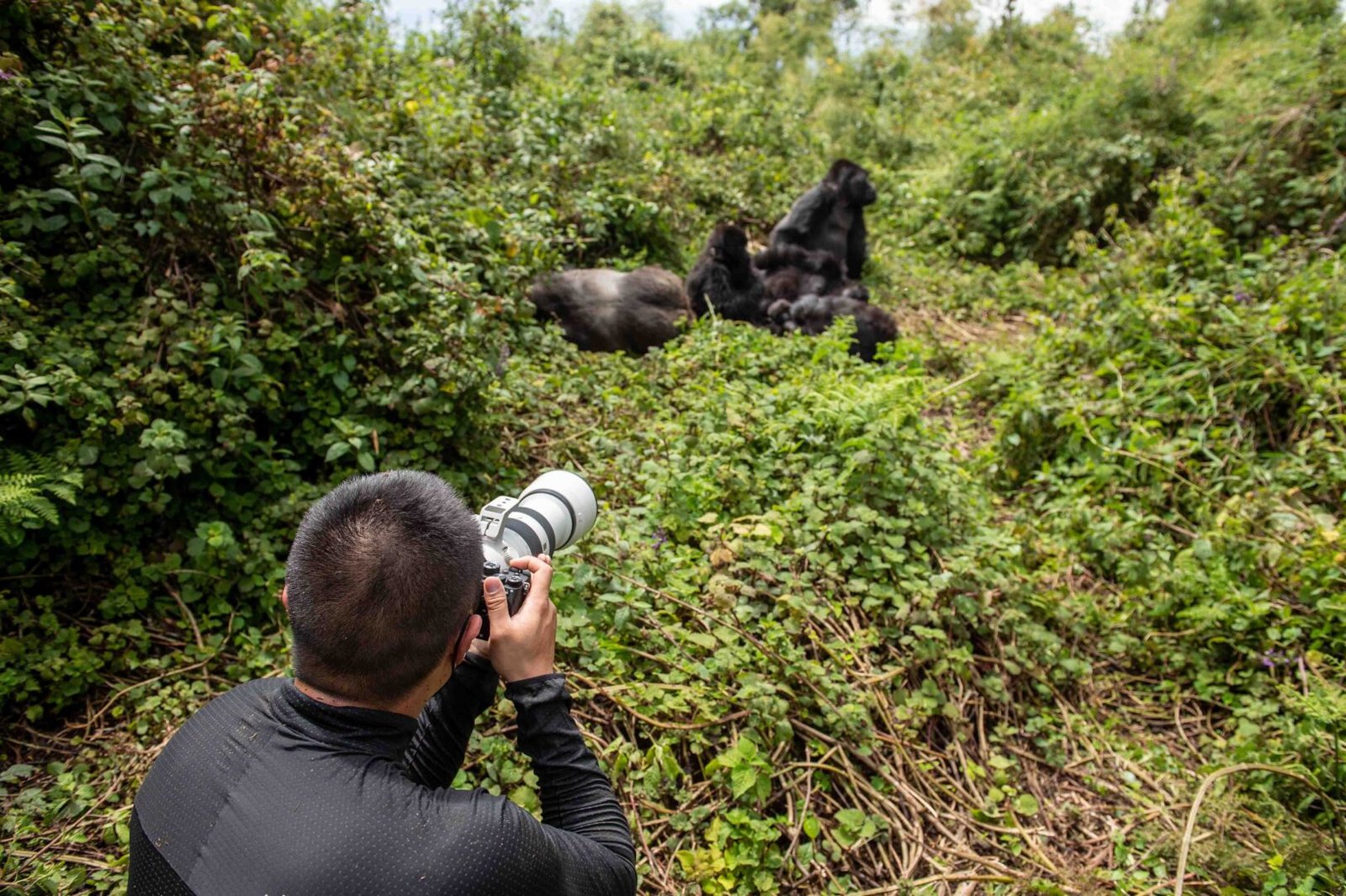
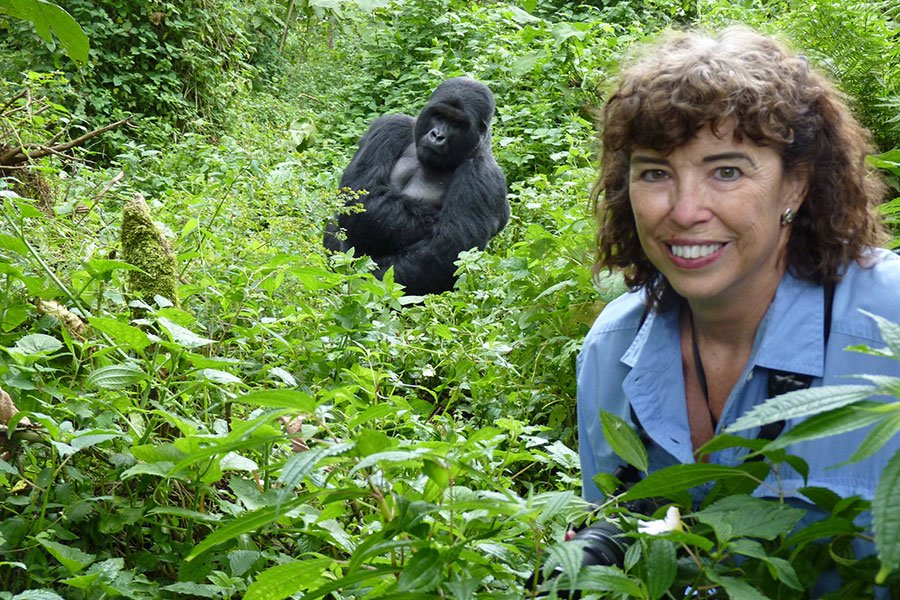
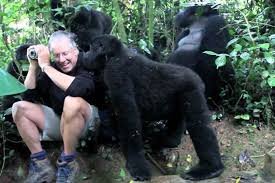
Maintaining a safe distance from gorillas is another key health and safety requirement. Rules for Gorilla Trekking stipulate that trekkers should remain at least seven meters away from the gorillas at all times to prevent disease transmission and minimize stress to the animals. Guides and park rangers enforce this regulation, ensuring that visitors can observe gorillas safely while respecting their natural behavior. These health and safety protocols are universally recognized as essential for sustainable gorilla tourism.
Group Sizes and Trekking Duration
Both Uganda and Rwanda regulate the size of trekking groups as part of their Rules for Gorilla Trekking. Small group sizes, typically limited to eight visitors per gorilla family, are designed to reduce stress on the animals and prevent overcrowding in the forest. This regulation allows for a more intimate and immersive experience, ensuring that every participant has ample opportunity to observe the gorillas without causing disturbance.
The duration of the trek and the amount of time spent with gorillas are also regulated. Typically, visitors are allowed only one hour with a gorilla family to minimize human impact. Guides carefully manage the group during this time, ensuring that Rules for Gorilla Trekking are followed while maximizing the quality of the encounter. These limitations help preserve the gorillas’ natural behaviors while providing a meaningful and memorable experience for visitors
Behavioral Guidelines During Trekking
Understanding and adhering to behavioral rules is fundamental when trekking with gorillas. Rules for Gorilla Trekking specify that visitors must remain calm, move slowly, and avoid loud noises, sudden movements, or direct eye contact with gorillas, as these behaviors can be interpreted as threatening. Touching the gorillas or attempting to feed them is strictly prohibited, as human interaction can have negative consequences on their health and social dynamics.
Visitors are also encouraged to follow the instructions of their guides and rangers at all times. Rules for Gorilla Trekking dictate that trekkers should not stray from designated trails, approach gorilla groups without guidance, or obstruct the rangers’ line of sight. Respecting these behavioral guidelines ensures the safety of both visitors and wildlife while maintaining the integrity of the trekking experience.
Photography and Equipment
Photography is a popular activity for trekkers, but Rules for Gorilla Trekking outline specific limitations to protect the gorillas. Flash photography is prohibited because it can startle the animals, causing stress or altering their behavior. Tripods or selfie sticks are also not allowed, as these can disrupt the natural environment and pose a physical risk.
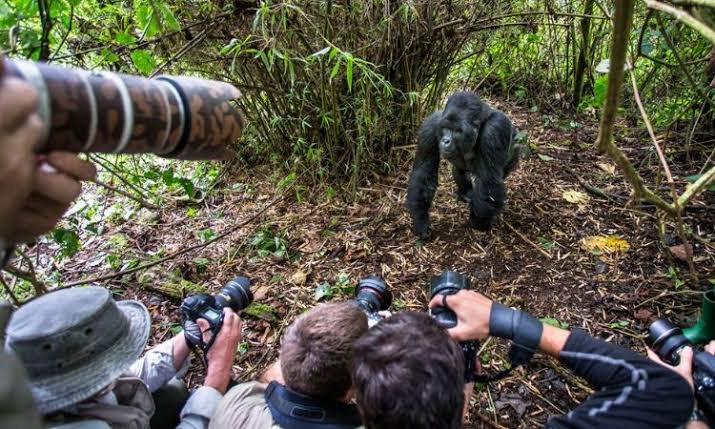
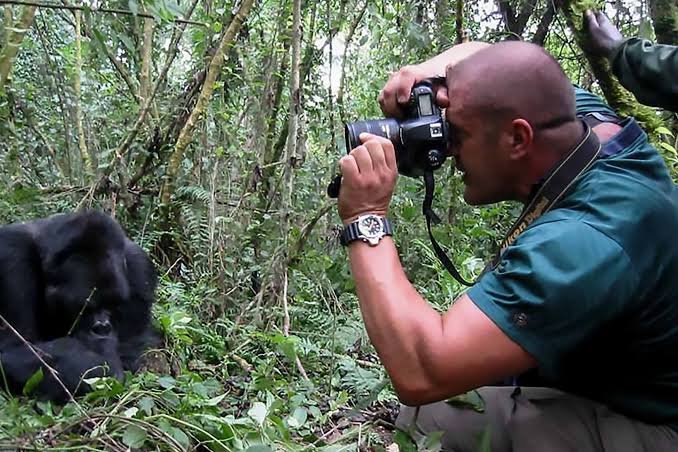
Visitors are advised to carry lightweight, portable cameras or smartphones and to maintain a respectful distance. Following these rules allows trekkers to capture memorable moments without compromising the welfare of the gorillas. Many guides also provide tips on the best angles, lighting, and timing to take photographs, ensuring a rewarding experience while adhering to the Rules for Gorilla Trekking.
Environmental Considerations
Both Uganda and Rwanda emphasize environmental stewardship as part of the Rules for Gorilla Trekking. Trekking groups are expected to minimize their impact on the rainforest by avoiding littering, staying on marked paths, and refraining from damaging vegetation. The forests surrounding gorilla habitats are sensitive ecosystems that support diverse wildlife, and adherence to environmental guidelines ensures the preservation of these habitats for future generations.
Visitors are encouraged to carry reusable water bottles, avoid single-use plastics, and leave no trace during the trek. Many trekkers highlight that observing the pristine environment after following these environmental rules enhances their appreciation for the forest and its inhabitants. Rules for Gorilla Trekking in both Uganda and Rwanda prioritize sustainability, demonstrating that tourism and conservation can coexist harmoniously.
Porter Use and Trekking Support
Porters can play an important role in ensuring compliance with Rules for Gorilla Trekking, especially on challenging trails. Both Uganda and Rwanda provide trained porters who carry equipment, water, and other essentials for trekkers, allowing visitors to focus on the gorillas and follow the behavioral guidelines properly. Hiring a porter is optional but highly recommended, particularly for solo travelers or those with limited physical endurance.
Using a porter allows trekkers to navigate difficult terrain safely while maintaining compliance with all rules. Porters also provide guidance, encouragement, and logistical support, helping visitors adhere to park regulations while enhancing the overall trekking experience. Many travelers report that having a porter improves both safety and enjoyment, ensuring that the Rules for Gorilla Trekking are respected throughout the hike.
Permit Requirements and Regulations
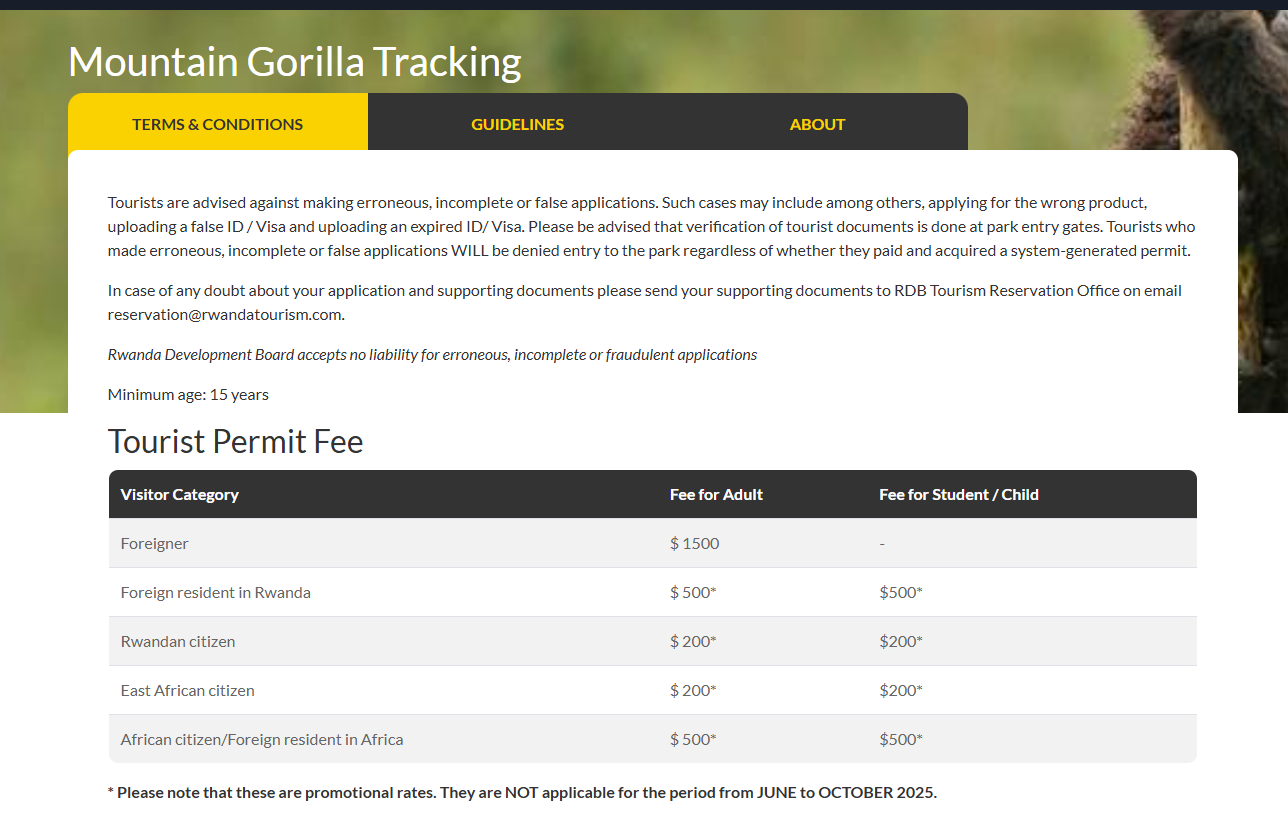
Securing a gorilla trekking permit is a mandatory requirement in both Uganda and Rwanda, and following related regulations is part of the Rules for Gorilla Trekking. Permits are limited in number to protect the gorilla population and minimize human impact. Visitors must book permits in advance, provide valid identification, and comply with park regulations during their trek.
Permits also define the trekking schedule, group size, and time allocation with the gorillas. Following these guidelines ensures compliance with national park authorities and contributes to the sustainability of the program. Many solo travelers and groups find that understanding permit regulations before trekking reduces stress and helps create a seamless experience. Rules for Gorilla Trekking related to permits are strictly enforced, as they are critical to the conservation of these endangered species.
Differences Between Uganda and Rwanda Regulations
While both Uganda and Rwanda have strict Rules for Gorilla Trekking, there are slight differences in regulations and park management. In Uganda, national parks such as Bwindi Impenetrable Forest and Mgahinga Gorilla National Park are managed by the Uganda Wildlife Authority, and permits are typically valid for one gorilla family per day. Rwanda’s Volcanoes National Park, managed by the Rwanda Development Board, emphasizes shorter treks with carefully timed visits and highly structured group arrangements.
Both countries enforce group size limitations, health protocols, behavioral rules, and environmental guidelines. However, Rwanda tends to have more structured and shorter trekking schedules due to accessibility and terrain, whereas Uganda’s treks may involve longer hikes, depending on the gorilla family location. Solo travelers, families, and groups are encouraged to familiarize themselves with the differences to fully comply with Rules for Gorilla Trekking in each country.
Ethical Considerations and Conservation Impact
Following Rules for Gorilla Trekking is not only a legal requirement but also an ethical responsibility. Tourists’ compliance ensures the welfare of gorillas, the sustainability of tourism programs, and the protection of local ecosystems. Ethical conduct includes maintaining distance, not feeding animals, and respecting porters, guides, and rangers.
By adhering to the rules, visitors contribute to ongoing conservation efforts, supporting anti-poaching programs, community development, and research initiatives. Many travelers report a heightened sense of fulfillment when they trek responsibly, understanding that their actions directly impact the preservation of mountain gorillas. Ethical compliance transforms gorilla trekking from a simple wildlife encounter into a meaningful conservation experience.
Tips for Following the Rules
Solo travelers, families, and groups benefit from understanding practical tips for adhering to Rules for Gorilla Trekking. Preparation includes wearing appropriate clothing, carrying only necessary equipment, maintaining a respectful distance, and following ranger instructions. Awareness of personal health, energy levels, and hiking ability also helps visitors comply with all regulations while enjoying the trek safely.
Engaging with professional guides ensures that rules are understood and followed throughout the trek. Guides provide continuous reminders about behavioral guidelines, safety, and photography restrictions. Observing these rules enhances the overall experience, reduces risk, and contributes to the long-term sustainability of gorilla trekking programs in Uganda and Rwanda.
Frequently Asked Questions About Rules for Gorilla Trekking
1. Why are rules important for gorilla trekking?
Rules protect both visitors and the gorillas. Following Rules for Gorilla Trekking ensures safety, minimizes stress on gorillas, and supports conservation efforts.
2. How far should I stay from gorillas during trekking?
Visitors must maintain at least seven meters distance to prevent disease transmission and avoid disturbing the animals. This is a key guideline in all Rules for Gorilla Trekking.
3. Are group sizes limited?
Yes. Both Uganda and Rwanda limit groups to typically eight visitors per gorilla family to reduce stress and crowding, following official Rules for Gorilla Trekking.
4. How long can I spend with the gorillas?
Time is limited to one hour per gorilla family to minimize human impact while still providing a meaningful experience, as specified in the Rules for Gorilla Trekking.
5. Can I touch or feed the gorillas?
No. Physical contact and feeding are strictly prohibited to ensure gorilla safety and health. These actions are explicitly forbidden under the Rules for Gorilla Trekking.
6. Is flash photography allowed?
No. Flash photography is prohibited because it can startle or stress the gorillas. Observing photography guidelines is part of following the Rules for Gorilla Trekking.
7. Are porters allowed to assist during the trek?
Yes. Hiring porters helps carry equipment and ensures compliance with trekking regulations. Using porters is recommended under the Rules for Gorilla Trekking.
8. What health precautions are required?
Travelers should be free from contagious illnesses, vaccinated (e.g., yellow fever), and in good health. These requirements are part of the Rules for Gorilla Trekking.
9. Can children participate in gorilla trekking?
Yes, but children must meet the minimum age requirement (usually 15 years) and be capable of walking moderate distances while respecting the Rules for Gorilla Trekking.
10. How do Uganda and Rwanda rules differ?
Both countries enforce similar safety, behavioral, and permit regulations, but Rwanda tends to have shorter treks and more structured scheduling, while Uganda may involve longer forest hikes.
11. Can solo travelers trek without guides?
No. Guides and rangers are mandatory for safety and compliance with the Rules for Gorilla Trekking in both Uganda and Rwanda.
12. Are there environmental rules to follow?
Yes. Visitors must stay on designated trails, avoid littering, and not disturb vegetation. These rules protect habitats and are part of the official Rules for Gorilla Trekking.
13. How do permits relate to the rules?
Gorilla permits define group size, trekking schedule, and time with gorillas. Following permit regulations is an essential part of the Rules for Gorilla Trekking.
14. Are the rules the same for habituation and trekking?
While similar, habituation experiences may have stricter rules for prolonged observation, smaller groups, and longer forest exposure to protect gorilla welfare.
15. How does following the rules support conservation?
Compliance ensures gorilla safety, reduces stress, minimizes human impact, and generates revenue for conservation programs and community development. Following the Rules for Gorilla Trekking is essential for sustainable tourism.
Booking and Guided Support with Nextgen Safaris
Nextgen Safaris offers professional services to ensure compliance with all Rules for Gorilla Trekking. From arranging permits to providing expert guides and trained porters, our team ensures that every trekking experience is safe, smooth, and fully enjoyable. Solo travelers and groups alike can rely on Nextgen Safaris to navigate regulations, manage logistics, and provide insights that enrich the adventure.
By booking with Nextgen Safaris, trekkers can focus on the once-in-a-lifetime opportunity to observe gorillas without worrying about procedural compliance. Our guides ensure adherence to park rules, safety protocols, and ethical practices, transforming the trekking experience into a responsible, immersive, and unforgettable encounter.