
How Can You Avoid Credit Card Scams While Traveling in Africa?
How Can You Avoid Credit Card Scams While Traveling in Africa? 15 Powerful Safety Tips for a Secure Safari
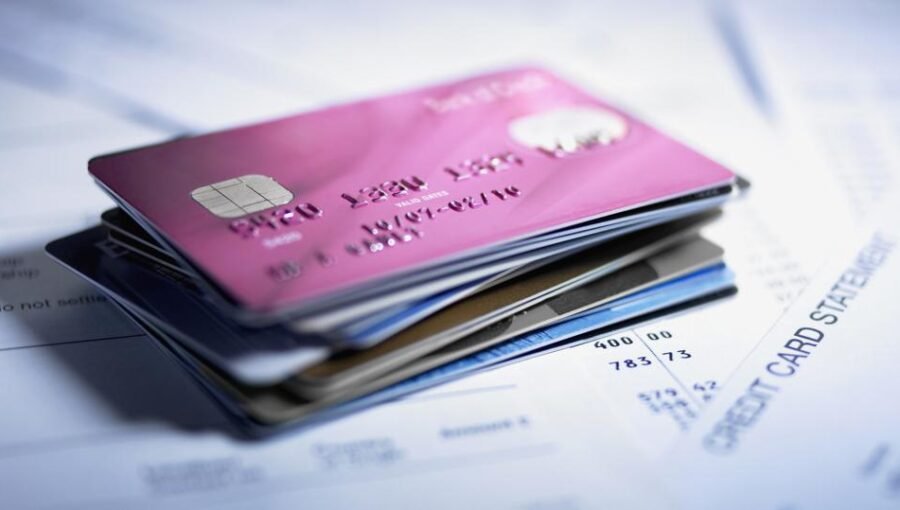
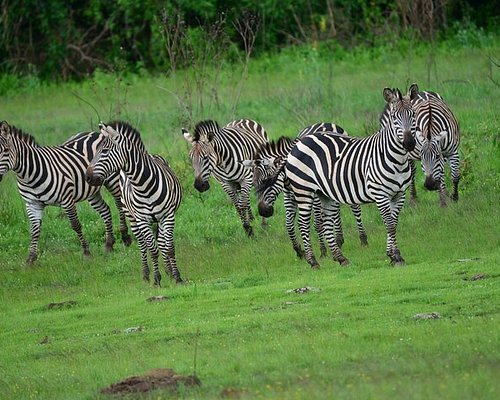
Traveling through Africa offers extraordinary opportunities to experience magnificent wildlife, breathtaking landscapes, vibrant cultures, and some of the world’s most remarkable safari destinations. Whether you are planning gorilla trekking in Uganda, exploring Rwanda’s national parks, witnessing the Great Migration in Kenya and Tanzania, or enjoying a luxury safari across Southern Africa, managing your money securely is an important part of preparing for your journey. One question international travelers frequently ask is: How Can You Avoid Credit Card Scams While Traveling in Africa?
The good news is that millions of legitimate financial transactions take place across African tourism destinations, and credit cards can provide a convenient way to pay for accommodation, organized safaris, restaurants, transport, and other travel expenses. However, just as in Europe, North America, Asia, and other parts of the world, travelers can encounter payment fraud, misleading booking websites, card-skimming devices, phishing messages, and unauthorized transactions. Understanding how these schemes operate can help you recognize suspicious situations before losing money.
Credit card fraud is not unique to Africa, and travelers should avoid assuming that particular countries, communities, or local businesses are inherently unsafe. Many established African safari operators, hotels, lodges, airlines, and tourism organizations use recognized electronic payment systems. The important distinction is between verified payment arrangements and suspicious requests that attempt to bypass normal financial security procedures.
Learning how to protect your card details, verify tourism companies, use automated teller machines safely, and recognize fraudulent payment instructions can make your trip more comfortable. Whether you are paying for a luxury lodge in Rwanda, purchasing an optional activity in Tanzania, or booking a Uganda wildlife safari, a few sensible precautions can significantly reduce your exposure to avoidable financial risks.
This comprehensive guide explains common credit card scams that international travelers may encounter, provides practical strategies for protecting your money, and shows you how to book African safaris through secure and legitimate payment channels.
How Can You Avoid Credit Card Scams While Traveling in Africa?
You can reduce the risk of credit card scams during an African safari by using verified merchants, protecting your card details, checking payment terminals before authorizing transactions, monitoring your bank account, and avoiding suspicious online payment requests. These precautions are particularly important when making large safari bookings or traveling between destinations where unfamiliar payment systems may be used.
Begin by ensuring that your credit card is suitable for international transactions and that your bank provides an accessible method of monitoring account activity. Many issuing banks allow cardholders to receive instant payment notifications, temporarily freeze a card, control transaction settings, and report suspicious purchases through a secure mobile application.
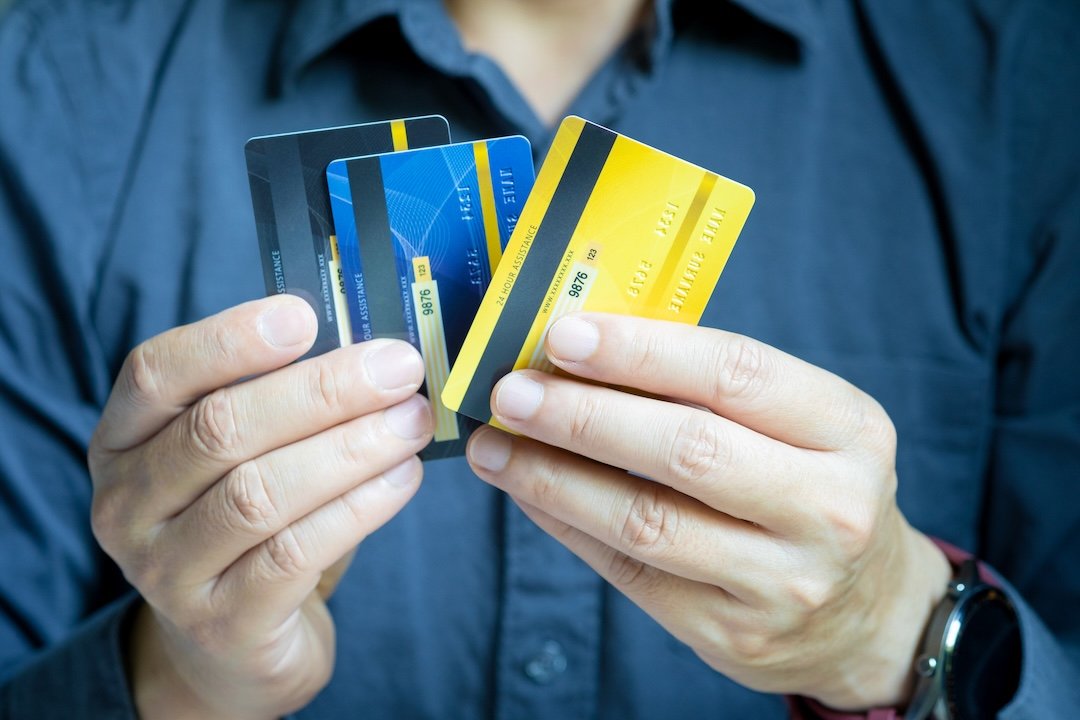
When making purchases at hotels, restaurants, safari lodges, or tourism offices, confirm the payment amount and currency before approving the transaction. Keep your card within sight whenever practical, protect your PIN, and never disclose one-time security codes to anyone claiming that they need them to complete a booking.
Visa’s card-security guidance recommends keeping your card in view during payments, monitoring transactions, reporting unfamiliar charges promptly, and communicating with your bank only through official channels
For online safari reservations, verifying the company receiving your money is especially important. Criminals sometimes create convincing websites or impersonate established businesses to persuade travelers to pay for services that will never be delivered.
In October 2026, Uganda Police reported investigating an alleged online tourism fraud operation involving advertised vehicle rentals, gorilla permits, and safari services. The police described misleading advertisements and advance payment requests as part of the suspected scheme, demonstrating why independent company verification matters.
The safest approach combines secure payment technology with careful judgment. A professional-looking website or familiar card logo does not prove that a business is legitimate, so travelers should verify the supplier and understand exactly what they are purchasing before making substantial payments.
Why Credit Card Security Matters When Planning an African Safari

African safaris often involve significant financial commitments, particularly when travelers book luxury accommodation, specialist wildlife experiences, private vehicles, and several destinations within one holiday. A multi-day safari can cost thousands of dollars, making payment verification important before any deposit or final balance is transferred.
Unlike ordinary retail purchases, a safari booking may involve several separate suppliers. A tour operator might reserve accommodation with multiple lodges, purchase gorilla trekking permits through an authorized system, arrange domestic flights, and organize transportation between national parks. Travelers need to understand whether they are paying a single verified company or dealing with several independent service providers.
Payment complexity can create opportunities for fraud when criminals impersonate legitimate businesses or send altered invoices. A fraudulent message might claim that your lodge has changed its payment details or that an urgent additional payment is required to secure a permit. If the traveler follows those instructions without verification, funds can be transferred to an unauthorized recipient.
Credit card security is also important during the journey. Some travelers use their cards frequently for restaurants, additional accommodation services, optional excursions, souvenirs, and personal expenses. Monitoring these transactions helps identify suspicious activity before it develops into a larger problem.
Good financial preparation does not require avoiding electronic payments. Instead, it involves choosing reliable payment channels, retaining documentation, protecting account information, and having an alternative method available if your main card becomes compromised.
1. Book Your African Safari Through a Verified Tour Operator

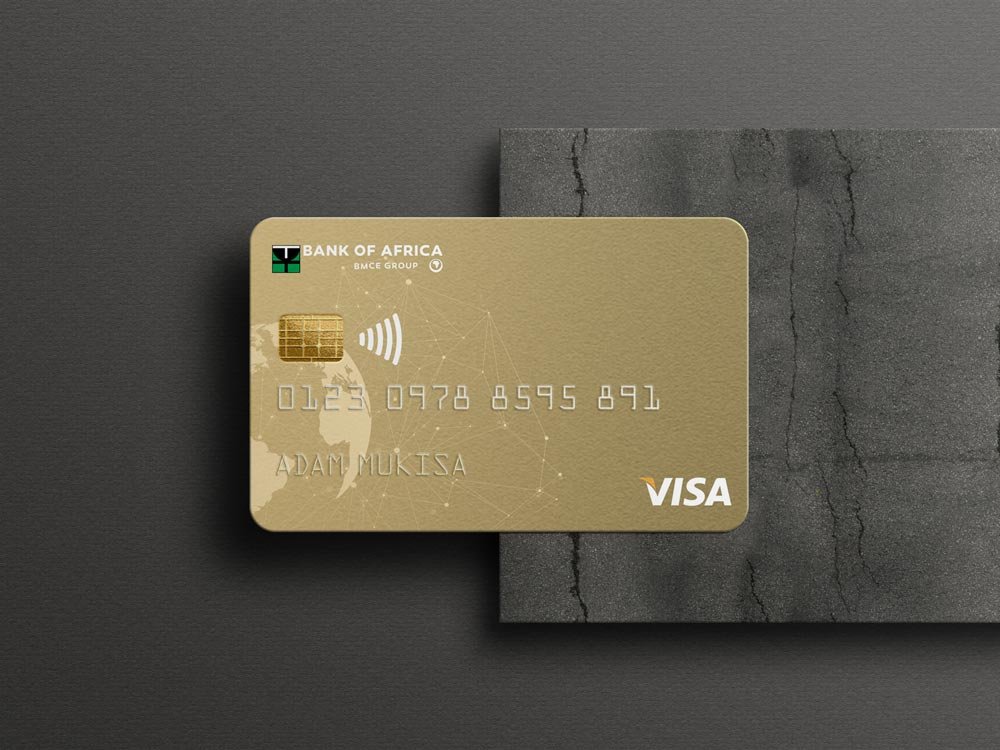
One of the strongest ways to protect your travel finances is to verify the safari company before providing credit card information or making a deposit. Established safari operators should be able to identify their business, explain their services, provide a detailed quotation, and communicate clearly about reservations and payment conditions.
When researching a company, look for consistent business information across its website, official communication channels, booking documents, and invoices. A legitimate company should be able to explain which payment methods it accepts and identify the legal business or authorized payment provider receiving your funds.
Travelers should be cautious when a purported safari operator offers unusually low prices but cannot provide credible information about accommodation, transportation, permits, or other services. A discount is not automatically evidence of fraud, but pressure to pay immediately without verifying the arrangements deserves careful attention.
The Uganda Police’s October 6, 2026 report on alleged fraud targeting foreign tourists specifically encouraged visitors seeking gorilla permits to use the Uganda Wildlife Authority or appropriately licensed tourism operators.
For expensive safari packages, independently verify the business through the appropriate tourism authority where practical. It can also be useful to request details of the company’s operating arrangements and ask for a formal invoice identifying the safari services.
Do not rely exclusively on screenshots of registration certificates, social media followers, or photographs of previous clients. Such materials can be copied or fabricated.
A trustworthy booking process should give you sufficient information and time to make a considered financial decision.
2. Avoid Fake Safari Booking Websites and Impersonation Scams
Fraudulent websites can imitate legitimate safari operators, hotels, travel agencies, and wildlife activity providers. Some use professional photographs, attractive itineraries, apparently genuine reviews, and convincing booking forms to create the impression of an established tourism business.
These websites may advertise popular experiences such as Uganda gorilla trekking, Rwanda luxury safaris, Serengeti wildlife holidays, or Maasai Mara packages. Once a traveler submits an enquiry, the suspected operator may request a deposit through a bank account, payment link, or mobile transfer service.
Before paying, inspect the website address carefully. Look for unusual spelling, extra words, unfamiliar domain extensions, or inconsistencies between the company’s advertised name and its actual web address.
You should also verify the company’s contact details independently rather than relying only on information supplied in a suspicious message. If a booking request originated through social media or an advertisement, it is sensible to confirm the company’s identity through a separate, trusted channel.
A website using HTTPS provides an encrypted connection, but encryption alone does not establish that the company is legitimate. Criminal websites can also obtain security certificates.
Travelers should be particularly cautious when a website appears suddenly, offers prices substantially below comparable itineraries, and pressures customers to make immediate payments without a detailed quotation.
The most reliable approach is to combine website checks with independent business verification and clear written booking arrangements.
3. Never Share Your Credit Card PIN or One-Time Security Codes
Your card PIN and banking authentication codes are confidential security credentials. No legitimate safari guide, hotel receptionist, tour operator, or payment processor should require you to disclose your PIN or provide a one-time verification code through an ordinary chat message.
A common fraud technique involves impersonating a bank representative or merchant and claiming that a security code is needed to reverse a failed transaction, confirm a booking, or release a payment.
In reality, the code may authorize a payment, account login, or change to your security settings. Sharing it with an unauthorized person can allow fraudulent activity to proceed.
When making an online credit card payment, your bank may ask you to approve the transaction through its official application or a recognized authentication interface. Complete this process personally and read the amount and merchant information carefully.
If someone telephones you unexpectedly and requests confidential account information, end the conversation and contact your financial institution using its verified customer service number.
Visa specifically advises cardholders not to disclose their PINs or card details to others and to be cautious about unexpected messages claiming to come from their bank.
Protecting authentication credentials is one of the most effective ways to reduce the risk of financial account compromise during international travel.
4. Use Secure Payment Gateways When Booking Your Safari Online

A reputable online payment gateway can provide a structured way to authorize international credit card transactions while limiting the need to share financial information directly with a tourism business.
Many established travel companies use approved payment processors to collect deposits and final balances. Depending on the system, the checkout page may include cardholder authentication, transaction confirmation, and an electronic receipt.
Before entering your credit card information, confirm that the payment page belongs to the legitimate merchant or its authorized processor. Examine the amount, currency, and merchant identity displayed during checkout.
Avoid entering payment details into unfamiliar forms received through unsolicited emails or messages, particularly when the sender claims there is an urgent problem with your safari reservation.
If a payment link arrives unexpectedly, contact the operator using the telephone number or official contact channel you already verified. Ask whether the request is genuine and whether the payment amount matches your agreed invoice.
Secure payment infrastructure is helpful, but it cannot independently guarantee that the underlying safari service is genuine. Even a professionally designed checkout page can be used by a dishonest business.
The strongest protection comes from combining a legitimate operator, an appropriate payment processor, clearly documented booking conditions, and careful review of each transaction.
How to Avoid Credit Card Scams While Traveling in Uganda


Uganda attracts international travelers for mountain gorilla trekking in Bwindi Impenetrable National Park, chimpanzee tracking in Kibale National Park, game drives in Queen Elizabeth National Park, and wildlife experiences in Murchison Falls National Park. Established safari companies, hotels, and tourism businesses provide various electronic payment options, but acceptance differs between providers.
When booking a Uganda safari, pay particular attention to the legitimacy of companies advertising gorilla trekking permits, vehicle rentals, and organized wildlife holidays. Verify the operator through appropriate official channels and confirm the payment recipient before making a substantial deposit.
The Uganda Police’s October 2026 announcement about alleged tourism booking fraud shows the importance of independently checking safari advertisements and payment instructions rather than relying solely on online photographs or attractive prices.
During your safari, use reputable banking facilities where possible, keep your card within sight at payment counters, and monitor transaction notifications.
If your itinerary includes remote destinations such as Bwindi, Kidepo Valley, or Murchison Falls, arrange your major travel expenses before reaching the national parks. Limited banking access can make an unresolved card problem more inconvenient.
An organized safari package with clear payment documentation can simplify financial arrangements, although the company itself must still be carefully verified.
How to Avoid Credit Card Scams While Traveling in Rwanda
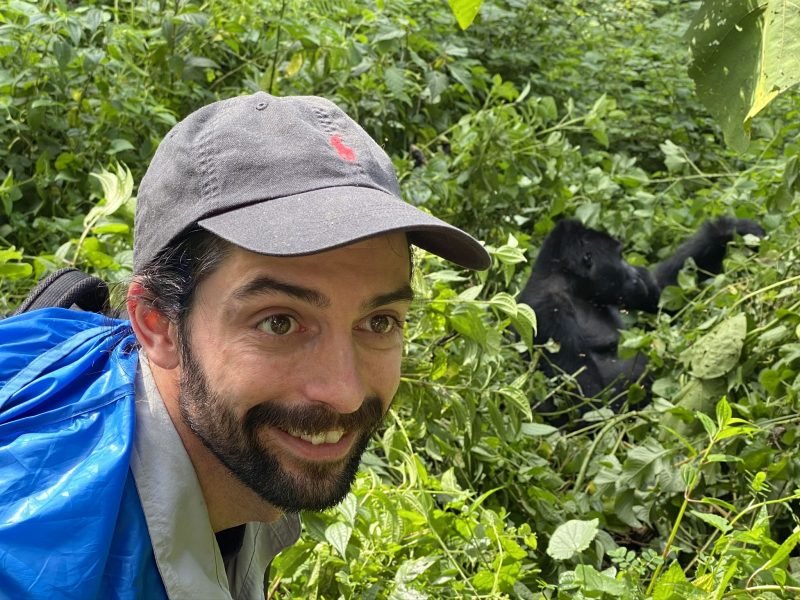

Rwanda is known for luxury gorilla trekking, well-organized tourism experiences, scenic national parks, and high-quality accommodation. Travelers frequently spend time in Kigali, Musanze, Volcanoes National Park, Akagera National Park, and Nyungwe National Park.
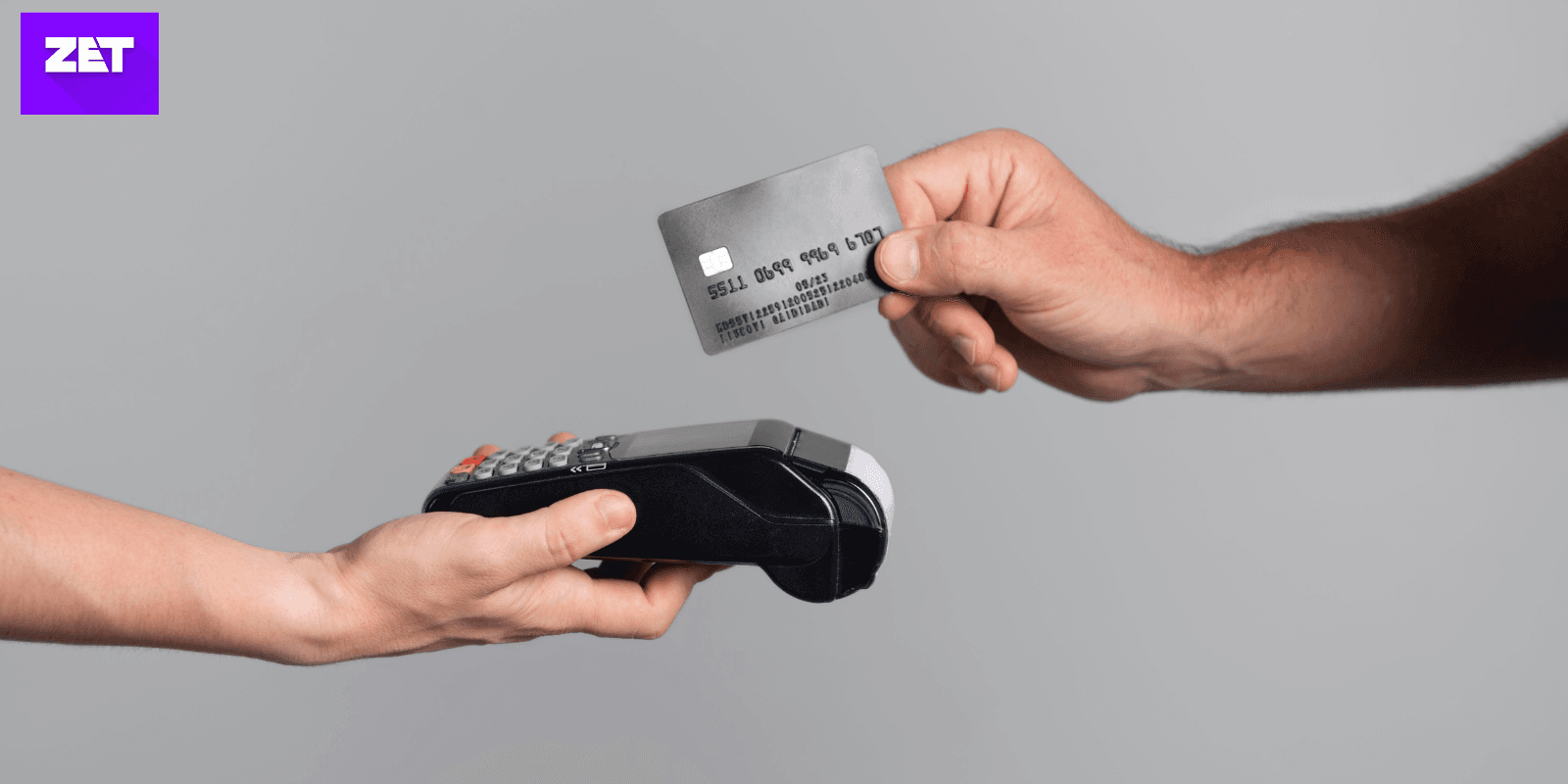
When making credit card payments at established hotels, restaurants, and tourism providers, verify the amount displayed on the terminal and keep your card under your control.
For gorilla trekking permits and regulated wildlife activities, use authorized reservation channels or verified safari operators. Be cautious about unofficial individuals offering permits at unusually low prices or requesting urgent payments without credible documentation.
If you receive an unexpected message claiming to represent a lodge or operator and requesting revised payment details, confirm the change independently before paying.
Travelers using ATMs should follow normal international banking precautions, including shielding their PIN and checking for unusual equipment attachments.
Maintaining access to your banking application and transaction alerts provides an additional level of protection throughout your Rwanda safari.
How to Avoid Credit Card Scams While Traveling in Kenya
Kenya is one of Africa’s most popular safari destinations, with visitors traveling to the Maasai Mara, Amboseli National Park, Samburu, Tsavo, Lake Nakuru, and numerous private conservancies.
International credit cards are accepted by many established hotels, lodges, restaurants, and tourism businesses, particularly in major destinations. However, acceptance varies, and local payment services may follow different procedures.
When arranging wildlife excursions, accommodation, or private transfers online, confirm that the merchant is legitimate and that the invoice accurately identifies the services being purchased.
Kenya also has an extensive mobile money ecosystem. Travelers should not assume that every mobile payment request is automatically secure or that every merchant account belongs to the business named in a message.
For payments made in person, maintain control of your card and examine the transaction amount before authorizing it.
If an unfamiliar charge appears, contact your bank promptly and retain relevant payment documentation.
How to Avoid Credit Card Scams While Traveling in Tanzania
Tanzania offers magnificent wildlife experiences in the Serengeti, Ngorongoro Conservation Area, Tarangire National Park, Lake Manyara National Park, and other destinations. Visitors may also combine their safari with a beach holiday in Zanzibar.
Because itineraries frequently involve several accommodation properties and activity providers, travelers should maintain organized booking documentation and verify the source of each payment request.
When booking luxury camps, hot-air balloon excursions, or additional activities online, confirm the operator’s identity and use recognized payment methods.
Avoid assuming that an unfamiliar individual offering a last-minute discount represents an authorized safari business.
During your journey, use reputable ATMs, protect your card details, and check payment receipts carefully.
Remote safari camps may have limited electronic payment facilities, making advance settlement of major expenses particularly useful
How to Check Whether an African Safari Payment Request Is Genuine
Before transferring money for an African safari, compare the payment request against your approved itinerary and existing booking correspondence.
The company name should be consistent with the business you have researched, and the beneficiary should be a legitimate recipient authorized to collect payment. Some businesses use recognized third-party payment processors, so the processor’s registered name may differ from the safari brand. This difference is not automatically suspicious, but it should be explained clearly.
A proper invoice should identify the travel services, price, payment currency, and relevant booking conditions.
Be cautious when a payment request introduces an unexplained personal account, unusually urgent deadline, or unexpected change in banking instructions.
If you receive a revised invoice, use an independently verified telephone number or other established contact channel to confirm its authenticity.
A genuine safari booking should be supported by transparent communication, proper payment documentation, and confirmation of the arrangements being purchased.
Can Using a Credit Card Be Safer Than Carrying Large Amounts of Cash?
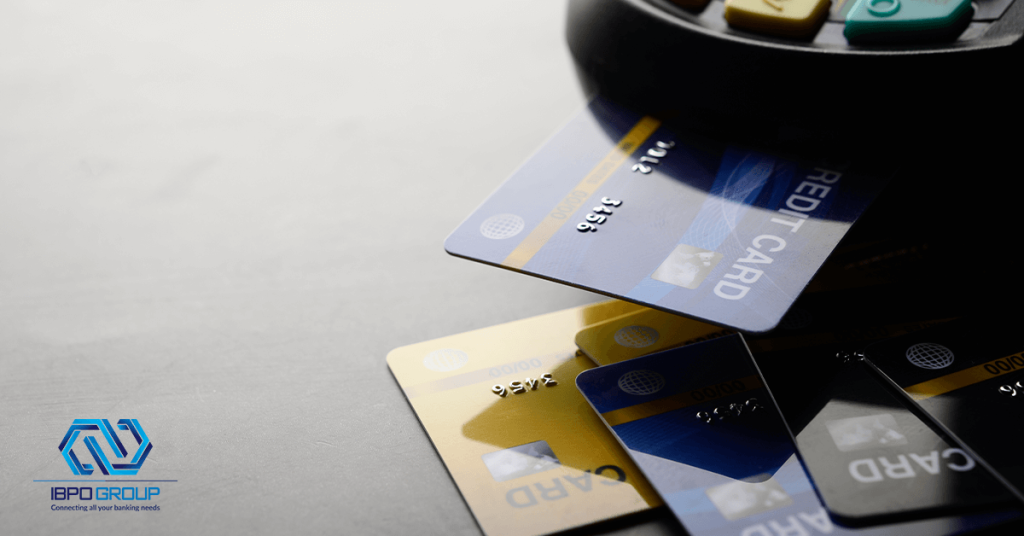
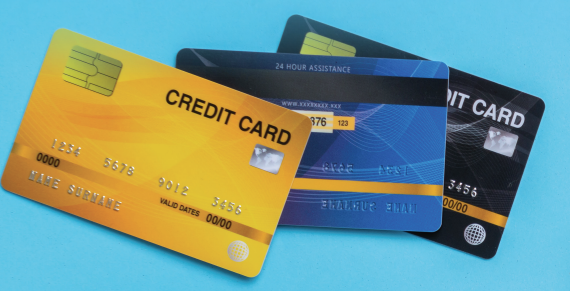
Credit cards can offer advantages over carrying large amounts of physical cash, particularly for substantial hotel payments, safari deposits, and other travel services.
Electronic transactions provide financial records that can help identify purchases and support investigations into disputed charges. Certain card accounts may also offer protections against unauthorized transactions, subject to applicable laws and account conditions.
Cash, by comparison, can be difficult to recover if it is lost or stolen. However, cash remains practical for smaller purchases and services where card payments are unavailable.
Neither method is entirely risk-free. Credit cards require secure handling and account monitoring, while cash must be stored carefully.
For most safari travelers, combining an appropriate credit card, a separately stored backup payment method, and a reasonable cash reserve is more flexible than relying exclusively on one option.
Frequently Asked Questions About Credit Card Scams in Africa
How Can You Avoid Credit Card Scams While Traveling in Africa?
Use verified merchants, inspect payment terminals, protect your PIN, avoid suspicious payment links, and monitor your transactions regularly. Always confirm unexpected payment requests independently.
Is It Safe to Use a Credit Card in Africa?
Yes, credit cards can be used safely at many established tourism businesses when appropriate precautions are followed. Payment acceptance and security arrangements vary by merchant.
Can Credit Cards Be Skimmed at African ATMs?
Card skimming is a potential risk at ATMs in many parts of the world. Choose reputable machines, inspect the reader, and shield your PIN.
How Can I Identify a Fake African Safari Website?
Check the business identity, domain name, independent company information, payment instructions, and booking documentation. Be cautious about extreme discounts and pressure to pay immediately.
Is It Safe to Pay for an African Safari Online?
Online safari payments can be secure when made to a verified operator through an authorized payment service. Confirm the booking conditions before transferring funds.
Should I Send My Credit Card Details Through WhatsApp?
Avoid sending complete card details, PINs, or security codes through ordinary messages. Use a secure payment gateway provided by a verified merchant.
What Is a Credit Card Skimming Scam?
Card skimming involves devices or methods used to capture payment card information without the cardholder’s authorization.
Can I Use My Visa Card Safely in Uganda?
Visa cards are accepted by numerous established tourism businesses in Uganda. Verify individual merchants and follow standard international card-security precautions.
Are Credit Cards Safe to Use in Rwanda?
Credit cards are commonly used at established hotels and tourism businesses in Rwanda. Keep your card within sight and check transaction details.
Can I Use Credit Cards Safely in Kenya?
Yes, many established businesses accept credit cards. Use recognized payment services and confirm the legitimacy of unfamiliar merchants.
Are Credit Card Payments Safe in Tanzania?
Credit cards are accepted by many established tourism providers. Security precautions are especially important when using unfamiliar terminals or online payment links.
Book Your African Safari Securely With Nextgen Safaris

An African safari should be filled with unforgettable wildlife encounters, outstanding landscapes, comfortable accommodation, and exceptional travel experiences. Careful financial preparation and transparent booking arrangements can help you concentrate on your adventure rather than unnecessary payment concerns.
Nextgen Safaris organizes personalized wildlife holidays across Uganda, Rwanda, Kenya, Tanzania, and other African destinations. Whether you are planning mountain gorilla trekking in Bwindi Impenetrable National Park, an exclusive Rwanda gorilla safari, Big Five wildlife experiences, or an extended multi-country adventure, your itinerary can be designed around your travel interests and preferred accommodation standard.
When requesting a safari quotation, you can ask for detailed information about your itinerary, included services, accommodation arrangements, deposits, final balance requirements, and available payment methods. Always confirm current payment instructions through the company’s verified contact channels before transferring money.
Understanding How Can You Avoid Credit Card Scams While Traveling in Africa? is an important part of preparing for a comfortable, secure, and memorable wildlife holiday. Although credit cards provide convenient payment options throughout many African safari destinations, travelers should remain attentive to fraudulent websites, unauthorized payment requests, suspicious ATM equipment, and attempts to obtain confidential banking information.
The most effective protection begins before departure. Verify your safari operator, review booking documentation, use secure payment channels, activate transaction notifications, and confirm that your financial institution can support you during international travel.
While exploring Uganda, Rwanda, Kenya, Tanzania, or other African destinations, maintain control of your cards, monitor transactions, and keep a reliable backup payment option available. If suspicious activity occurs, contact your issuing bank promptly and preserve relevant transaction evidence.
Remember that Africa’s tourism industry includes many reputable safari companies, accommodation providers, guides, and hospitality professionals who help international visitors enjoy exceptional travel experiences. Sensible financial precautions are intended to protect your journey, not discourage you from exploring these remarkable destinations.
The safest approach is to verify before paying, protect your banking information, and remain attentive to unexpected financial requests. With responsible planning and secure booking arrangements, you can enjoy the wildlife, landscapes, and cultural experiences that make an African safari truly extraordinary.