
How Do Gorilla Mothers Protect Their Babies? 9 Remarkable Survival Strategies Revealed
How Do Gorilla Mothers Protect Their Babies? Gorilla mothers protect their babies through constant physical care, close supervision, breastfeeding, carrying, defensive behaviour and strong social relationships within their families. In the mountain forests of Uganda and Rwanda, female mountain gorillas demonstrate extraordinary maternal dedication, often keeping their infants close while feeding, resting and travelling through dense vegetation. Their protective behaviour is essential because newborn gorillas are physically vulnerable and depend almost entirely on their mothers during their earliest months. These fascinating relationships can be observed during Uganda gorilla trekking, Bwindi forest safaris, Rwanda gorilla trekking tours, luxury gorilla holidays and African wildlife adventures.
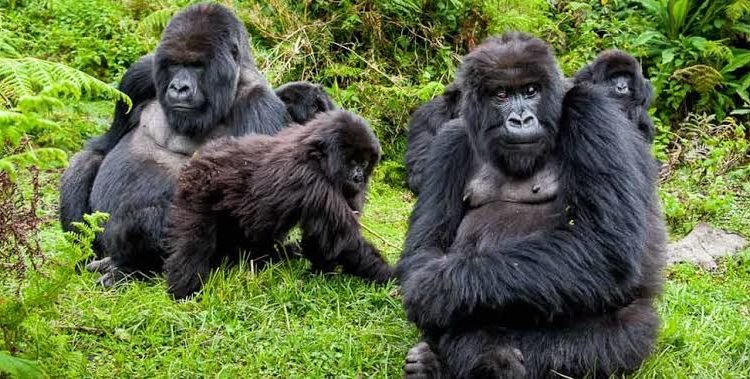
How Do Gorilla Mothers Protect Their Babies? Their protective responsibilities begin immediately after birth and continue throughout the infant’s development. Newborn mountain gorillas cannot independently search for food, travel with the family or defend themselves against potential danger. Mothers therefore provide the physical contact, nourishment and security necessary for survival while gradually allowing their offspring to develop independence. These relationships reveal the intelligence and complex social organisation of mountain gorillas. Visitors exploring Uganda gorilla holidays, Rwanda gorilla trekking, gorilla habituation experiences, private African safaris and romantic gorilla honeymoon holidays may witness these remarkable behaviours.
How Do Gorilla Mothers Protect Their Babies? Understanding Maternal Instincts
How Do Gorilla Mothers Protect Their Babies? Mountain gorilla mothers provide almost all the direct care their infants require, especially during the first months. They maintain physical contact, provide milk, respond to their offspring’s movements and carry them between feeding and resting locations. A newborn spends most of its time against its mother’s body because it lacks the strength and coordination to move independently. This close relationship is vital for survival and early development. Travellers discovering mountain gorilla behaviour, Bwindi gorilla families, Rwanda gorilla encounters, Uganda primate safaris and luxury wildlife experiences can appreciate the importance of maternal care.
Gorilla Mothers Carry Their Babies to Keep Them Safe
One of the clearest examples of maternal protection is carrying. Young mountain gorillas spend their earliest months clinging to their mothers’ chests or abdomens before gradually becoming capable of riding on their backs. Carrying allows infants to remain secure as adults travel through steep forest slopes, thick undergrowth and uneven terrain. How Do Gorilla Mothers Protect Their Babies? They provide transportation that prevents vulnerable youngsters from becoming separated from their families or struggling to navigate difficult landscapes. Visitors may observe this behaviour during Bwindi gorilla trekking, Uganda gorilla holidays, Rwanda gorilla trekking tours, private gorilla safaris and romantic African wildlife holidays.
Gorilla Mothers Protect Infants Through Breastfeeding
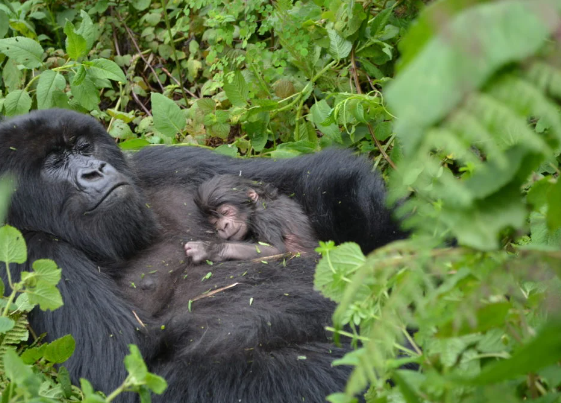
Breastfeeding is essential for the survival and healthy development of mountain gorilla infants. Mother’s milk provides nourishment during the earliest months, when babies cannot obtain sufficient nutrition from forest vegetation. Nursing also creates frequent opportunities for physical contact and strengthens the mother–infant relationship. As youngsters mature, they gradually begin tasting and consuming plant foods while continuing to nurse. How Do Gorilla Mothers Protect Their Babies? They provide dependable nutrition throughout a lengthy period of physical development and increasing independence. These fascinating relationships may be observed during Uganda gorilla trekking, Bwindi forest adventures, Rwanda gorilla holidays, luxury mountain gorilla safaris and guided African primate tours.
How Do Gorilla Mothers Protect Their Babies From Dangerous Situations?
How Do Gorilla Mothers Protect Their Babies? Female gorillas may respond to perceived disturbances by moving closer to their infants, carrying them away, adjusting their positions or remaining near protective members of the group. Although mountain gorillas have relatively few natural predators, young individuals can face serious risks from injuries, illness and encounters with unfamiliar adult males. A mother’s response depends on the situation, and not every movement indicates fear or aggression. Her protective behaviour works alongside the social stability provided by other family members. Explore mountain gorilla trekking, Uganda wildlife safaris, Rwanda gorilla encounters, Bwindi trekking experiences and responsible safari holidays.
Gorilla Mothers Stay Close to Their Protective Silverbacks

Dominant silverbacks play important roles in defending gorilla families against competing males and other potential threats. Female mountain gorillas may maintain close relationships with adult males whose presence contributes to infant protection. Research has found that mothers can establish proximity relationships with potentially protective males, particularly where the risk of infant attacks is relevant. How Do Gorilla Mothers Protect Their Babies? Staying within a stable social group containing protective adult males may reduce certain dangers, although it cannot eliminate all risks. Travellers interested in gorilla family relationships, Rwanda mountain gorilla safaris, Bwindi gorilla trekking, private gorilla holidays and luxury wildlife expeditions can learn about these social bonds.
How Mothers Protect Infants During Encounters With Rival Gorillas
Encounters between mountain gorilla groups sometimes involve defensive displays, competition or aggression between adult males. One particularly serious risk is infanticide, which can occur under certain circumstances when an unrelated male encounters an unweaned infant. How Do Gorilla Mothers Protect Their Babies? Females may rely on protective males, avoid dangerous encounters or respond by moving away with their offspring. Researchers have also studied how group composition influences infant survival. These events should not be portrayed as routine because many intergroup encounters occur without violence. Discover gorilla trekking in Rwanda, Uganda gorilla holidays, Bwindi forest safaris, gorilla trekking experiences and private African safari packages.
Gorilla Mothers Use Physical Contact to Comfort Their Babies
Physical contact is central to mountain gorilla maternal care. Mothers hold, carry, groom and remain close to infants throughout early development, creating opportunities for warmth, nursing and reassurance. Young gorillas may seek maternal contact when resting, moving or encountering unfamiliar situations. How Do Gorilla Mothers Protect Their Babies? Consistent physical proximity helps infants remain secure while gradually becoming familiar with their surroundings. Although scientists cannot directly measure every emotion experienced by an infant, close mother–offspring relationships are clearly important to gorilla development. Observe these interactions during Bwindi gorilla trekking, Uganda gorilla holidays, Rwanda gorilla safaris, luxury gorilla trekking and romantic primate adventures.
How Do Gorilla Mothers Protect Their Babies During Forest Travel?
How Do Gorilla Mothers Protect Their Babies? Mountain gorilla mothers carry young infants through challenging forest environments while maintaining contact with the wider group. Mountain gorilla habitats contain steep hillsides, fallen branches, tangled vegetation and slippery surfaces that can be difficult for inexperienced youngsters. Mothers allow infants to remain attached while they travel between feeding areas and resting locations. As babies become more mobile, carrying gradually becomes less frequent, although it remains useful during longer movements. Explore Bwindi Impenetrable National Park, Uganda gorilla trekking, Uganda safari holidays, Rwanda gorilla trekking packages and luxury gorilla adventures.
Gorilla Mothers Help Their Babies Develop Independence
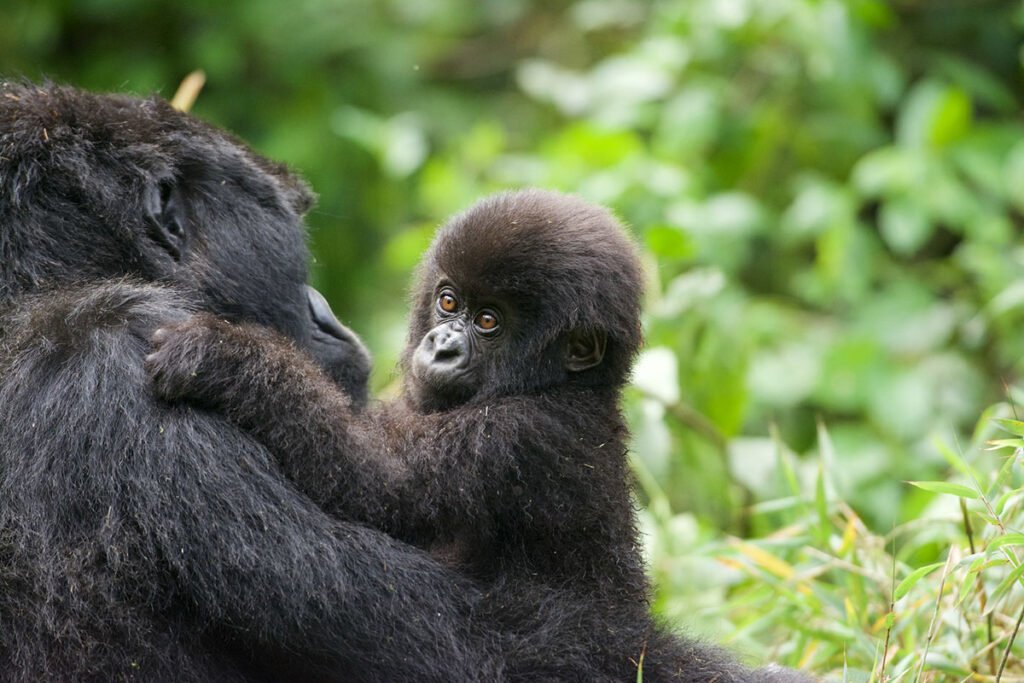
Protecting an infant does not mean preventing it from exploring. As young gorillas develop strength and coordination, they begin crawling, walking, climbing and interacting with nearby family members. Mothers continue providing care while youngsters gradually spend more time away from direct physical contact. How Do Gorilla Mothers Protect Their Babies? Their continuing presence gives infants opportunities to practise independent movement while maintaining access to maternal support. These developmental stages unfold over months and years rather than occurring at one exact age. Travellers can observe young gorilla behaviour during Uganda gorilla trekking, Bwindi family encounters, Rwanda gorilla tours, gorilla habituation experiences and African wildlife safaris.
How Gorilla Mothers Respond When Their Babies Become Distressed
Young gorillas communicate through vocalisations, body movements and physical contact, allowing mothers to respond to their immediate needs. An infant may vocalise when separated, uncomfortable or seeking attention, although the meaning of individual sounds depends on the circumstances. How Do Gorilla Mothers Protect Their Babies? Mothers may approach, pick up, reposition or maintain contact with their offspring when necessary. These responses support the close relationships that characterise early gorilla development. Visitors should avoid interpreting every sound as evidence of fear or danger without guidance from experienced observers. Discover responsible mountain gorilla trekking, Rwanda primate experiences, Bwindi forest holidays, Uganda gorilla safaris and private safari planning.
Do Other Female Gorillas Help Protect Babies?
Mountain gorilla infants occasionally interact with females other than their mothers, and research has documented infant handling within wild gorilla groups. These interactions may involve carrying or other forms of social contact, although the frequency and nature of such behaviour vary. Mothers remain the principal caregivers during infancy, while relationships with other family members can contribute to the youngster’s wider social environment. How Do Gorilla Mothers Protect Their Babies? Maternal care takes place within a social group where familiar companions may provide additional opportunities for contact and support. Explore gorilla family observation, Rwanda mountain gorilla holidays, Bwindi gorilla trekking, Uganda primate safaris and luxury gorilla journeys.
How Do Gorilla Mothers Protect Their Babies From Disease and Injury?
How Do Gorilla Mothers Protect Their Babies? Mothers provide essential nourishment and close care that support early survival, but they cannot prevent every illness or injury. Mountain gorilla infants can be vulnerable to respiratory infections, accidental injuries and snares left within forest habitats. Disease transmission from humans is another important conservation concern, which is why responsible tourism requires strict health precautions. Veterinary professionals and park authorities monitor gorilla populations and may intervene when serious health problems threaten an individual’s survival. Explore responsible gorilla trekking, Uganda gorilla holidays, Rwanda gorilla safaris, Bwindi trekking adventures and conservation-focused safaris.
How Gorilla Mothers Protect Their Babies Around Tourists
Habituated mountain gorilla families are accustomed to controlled human observation, but they remain wild animals with natural protective responses. Mothers may continue feeding, resting or carrying infants while visitors observe, or they may change position when circumstances require. How Do Gorilla Mothers Protect Their Babies? Maintaining proximity to their young remains important during tourist encounters, particularly when infants are still dependent. Visitors must avoid approaching, touching, feeding or attempting to attract babies, and should follow all ranger instructions concerning distance and health precautions. Plan guided gorilla trekking tours, Uganda gorilla holidays, Rwanda gorilla safaris, luxury gorilla experiences and romantic Rwanda holidays responsibly.
Where Can Tourists Observe Gorilla Mothers Protecting Their Babies?
Bwindi Impenetrable National Park, Uganda
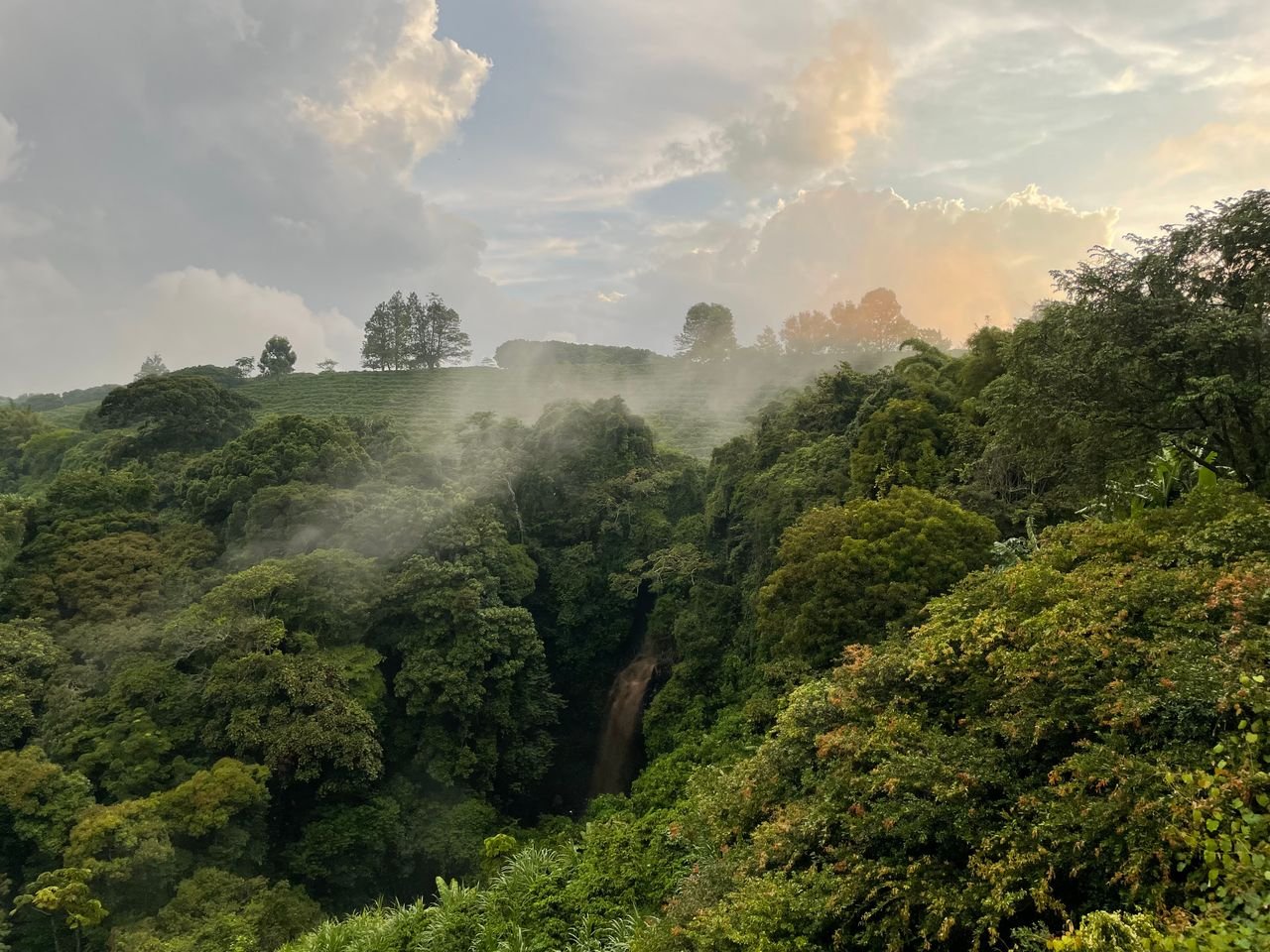
Bwindi Impenetrable National Park is an outstanding destination for observing mountain gorilla family relationships in southwestern Uganda. Its habituated families occupy several trekking sectors, including Buhoma, Ruhija, Rushaga and Nkuringo. Some families contain nursing mothers, young infants and playful juveniles, although composition changes over time. When visitors encounter a mother carrying or caring for her offspring, they may witness natural protective behaviour. Discover Bwindi gorilla trekking, Uganda gorilla holidays, gorilla habituation tours, luxury Uganda safaris and private trekking arrangements.
Mgahinga Gorilla National Park, Uganda
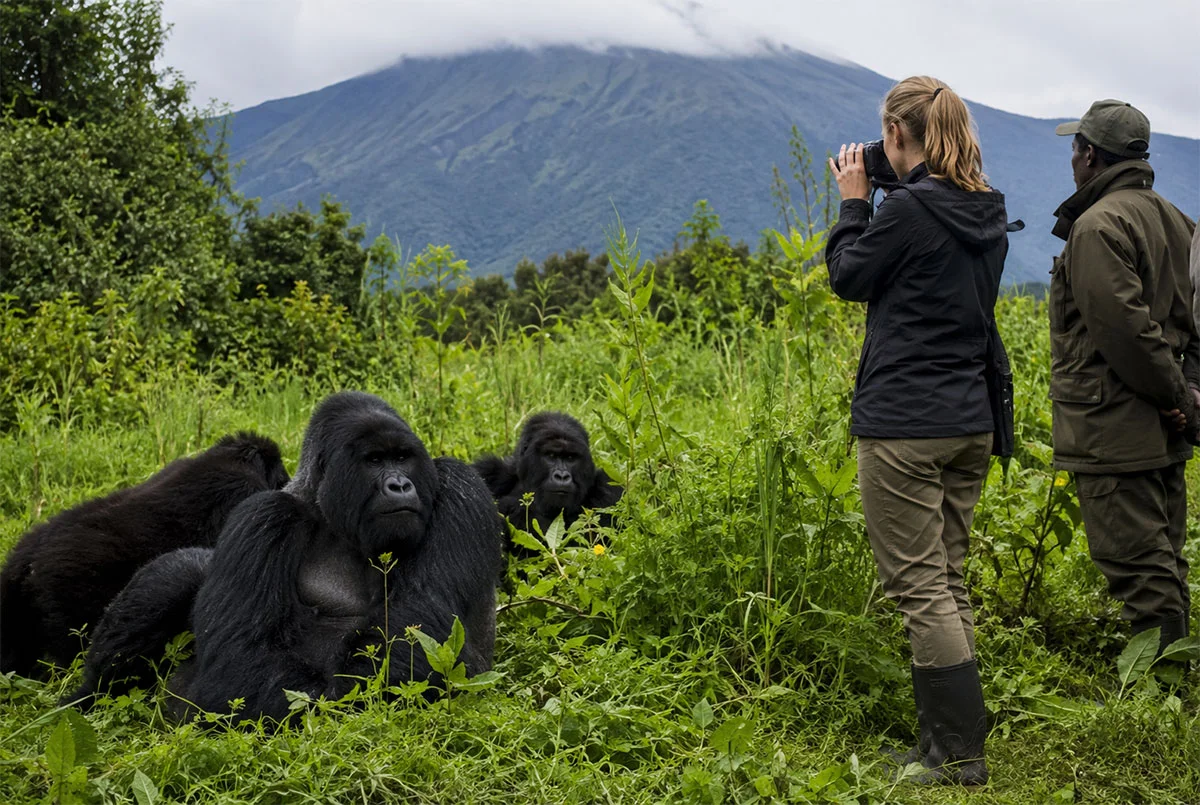
Mgahinga Gorilla National Park protects mountain gorilla habitat within Uganda’s beautiful Virunga Mountains. The park provides opportunities to observe family relationships against volcanic slopes, bamboo forests and mountain vegetation. Mother gorillas may carry young infants while moving through dense vegetation or remain close to older youngsters during feeding and resting periods. Infant sightings depend on the current composition and activities of the assigned group. Travellers can explore where to see wild gorillas, Uganda gorilla holidays, Uganda wildlife safaris, gorilla trekking packages and personalised safari bookings.
Volcanoes National Park, Rwanda
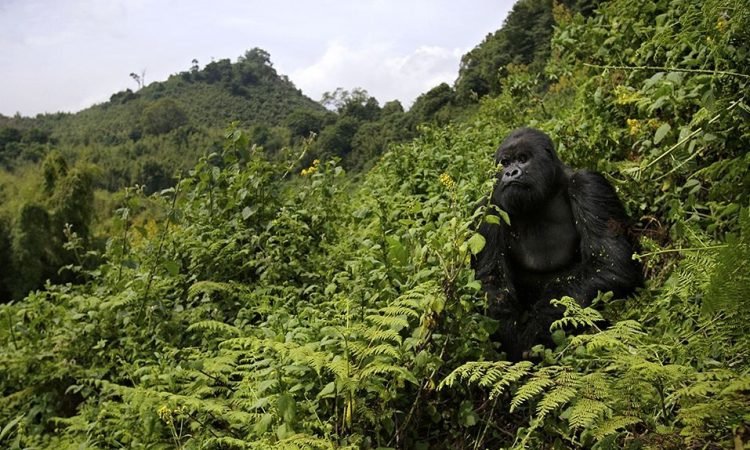
Volcanoes National Park is Rwanda’s principal destination for observing wild mountain gorilla families. Habituated groups provide opportunities to witness maternal care, social interactions and the protective roles of adult gorillas. How Do Gorilla Mothers Protect Their Babies? Visitors may observe mothers nursing, carrying or remaining close to young offspring, depending on the family’s activities during the trek. These encounters take place under the supervision of professional park guides. Discover Rwanda gorilla trekking, Rwanda trekking packages, luxury gorilla holidays, Rwanda honeymoon safaris and private safari arrangements.
Why Protecting Gorilla Mothers and Infants Matters for Conservation
Mountain gorilla conservation depends on protecting suitable habitats, reducing disease risks, preventing injuries from illegal snares and maintaining effective monitoring programmes. Infants represent the future of gorilla populations, making successful maternal care especially important. How Do Gorilla Mothers Protect Their Babies? Their efforts are central to infant survival, but long-term protection also depends on secure habitats and responsible conservation management. Regulated gorilla tourism helps finance protected areas and supports communities living around mountain gorilla habitats. Travellers can contribute by choosing responsible gorilla trekking, Uganda gorilla safaris, Rwanda mountain gorilla tours, ethical safari experiences and Nextgen Safaris.
Frequently Asked Questions About How Gorilla Mothers Protect Their Babies
How Do Gorilla Mothers Protect Their Babies?
Gorilla mothers protect their infants through carrying, breastfeeding, close supervision and responding to potential disturbances. They also benefit from protective relationships within their social groups. Learn more through Uganda gorilla trekking.
Are Gorilla Mothers Aggressive When Protecting Their Babies?
Gorilla mothers can display defensive behaviour when they perceive a threat, but they are not constantly aggressive. Their reactions depend on circumstances, social relationships and the nature of the disturbance. Discover Rwanda gorilla trekking.
How Do Gorilla Mothers Protect Their Babies From Rival Males?
Mothers may maintain proximity to protective adult males, move away from dangerous encounters or rely on group protection. Unrelated males can pose serious risks to unweaned infants under certain circumstances. Explore mountain gorilla behaviour.
Do Silverbacks Help Mothers Protect Their Babies?
Yes. Silverbacks provide important group protection and can help defend infants against rival males. However, mothers remain responsible for most direct feeding, carrying and daily care. Discover Bwindi gorilla trekking.
How Do Gorilla Mothers Protect Their Babies During Feeding?
Mothers may carry young infants while moving between feeding locations and remain close as older offspring begin exploring vegetation. Maternal contact supports safety and access to nursing. Explore Uganda gorilla holidays.
Why Do Gorilla Mothers Carry Their Babies Everywhere?
Very young gorillas cannot independently follow adult family members through challenging forest environments. Carrying provides secure transportation, warmth and close maternal contact while infants develop strength. Discover gorilla trekking tours.
How Long Do Gorilla Mothers Protect Their Babies?
Maternal care continues throughout infancy and childhood, although dependence gradually decreases as youngsters mature. Mountain gorilla mothers may maintain important social relationships with offspring for many years. Explore Rwanda gorilla safaris.
Can Gorilla Mothers Protect Their Babies From Human Diseases?
Maternal care supports infant survival but cannot prevent every infectious disease. Responsible trekking rules, visitor health precautions and veterinary monitoring are vital to protecting mountain gorillas. Learn about responsible gorilla tourism.
Can Tourists Observe Gorilla Mothers Protecting Babies in Uganda?
Yes. Visitors may observe maternal care during guided trekking in Bwindi or Mgahinga, provided their assigned family contains visible infants. Specific behaviours cannot be guaranteed. Book Uganda gorilla holidays.
Where Is the Best Place to Observe Gorilla Mothers and Babies?
Bwindi Impenetrable National Park, Mgahinga Gorilla National Park and Rwanda’s Volcanoes National Park provide guided opportunities to observe mountain gorilla family behaviour. Infant sightings depend on family composition. Explore gorilla trekking destinations.
Book Your Mountain Gorilla Trekking Safari With Nextgen Safaris
How Do Gorilla Mothers Protect Their Babies? Their remarkable dedication combines maternal care, protection, nourishment, physical contact and important social relationships that help vulnerable infants survive. Observing a mother carrying her baby through dense vegetation, nursing an infant or watching over a playful youngster can become one of the most memorable experiences of an African wildlife safari. Nextgen Safaris organises personalised gorilla trekking adventures in Uganda and Rwanda, offering private transportation, comfortable accommodation, professional safari planning and assistance arranging official trekking permits. Discover Uganda gorilla trekking packages, Rwanda mountain gorilla safaris, luxury gorilla holidays, gorilla habituation experiences and romantic African honeymoon safaris.
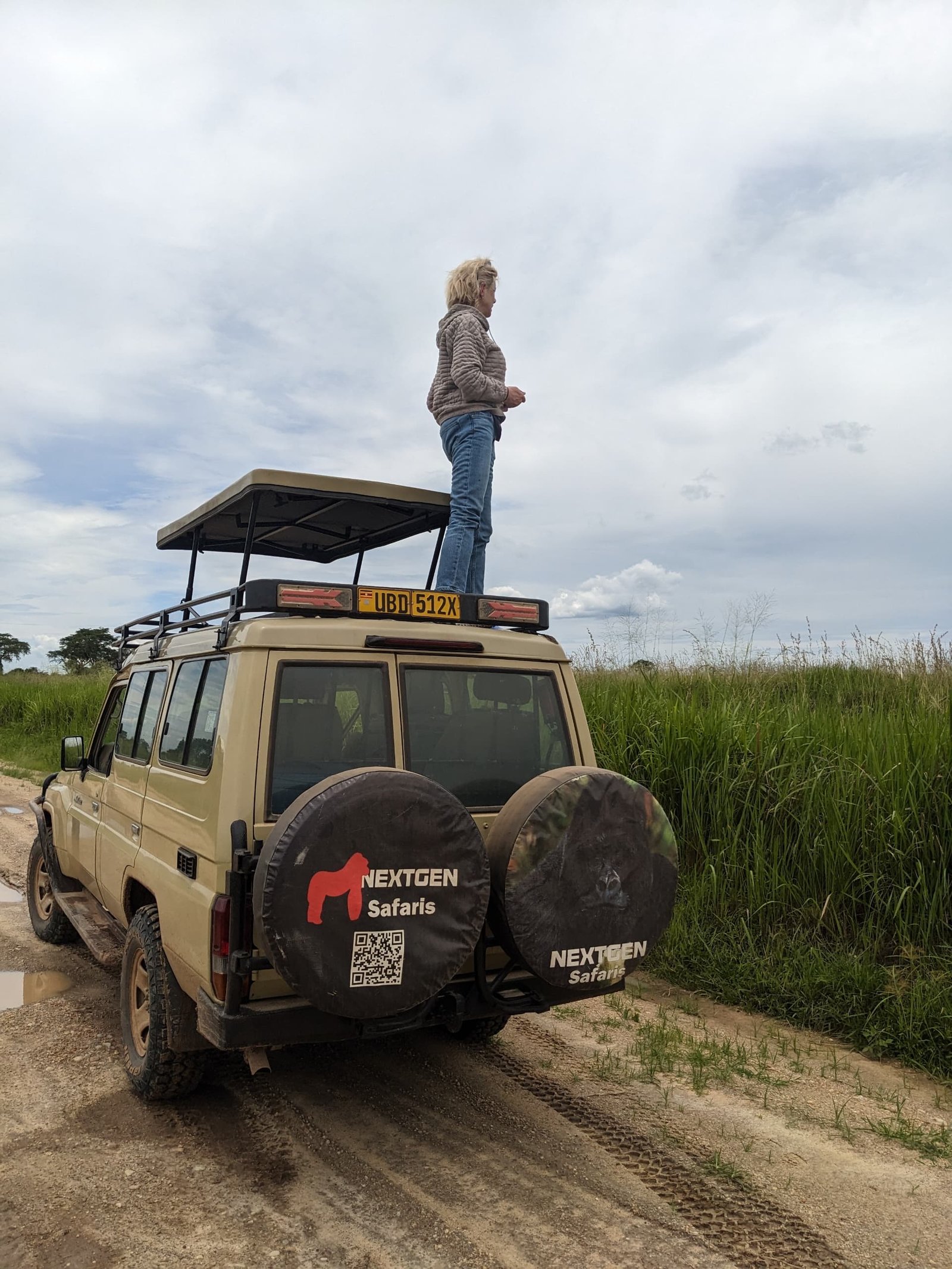
Whether you prefer a short gorilla trekking adventure, a longer Uganda wildlife holiday or a luxury Rwanda gorilla experience, our team can organise a safari around your preferred travel dates, budget and accommodation requirements. Every journey prioritises respectful observation and the protection of wild mountain gorillas.