
How Fit Do You Need to Be for Gorilla Habituation?
How Fit Do You Need to Be for Gorilla Habituation? The Ultimate Uganda Fitness and Trekking Guide
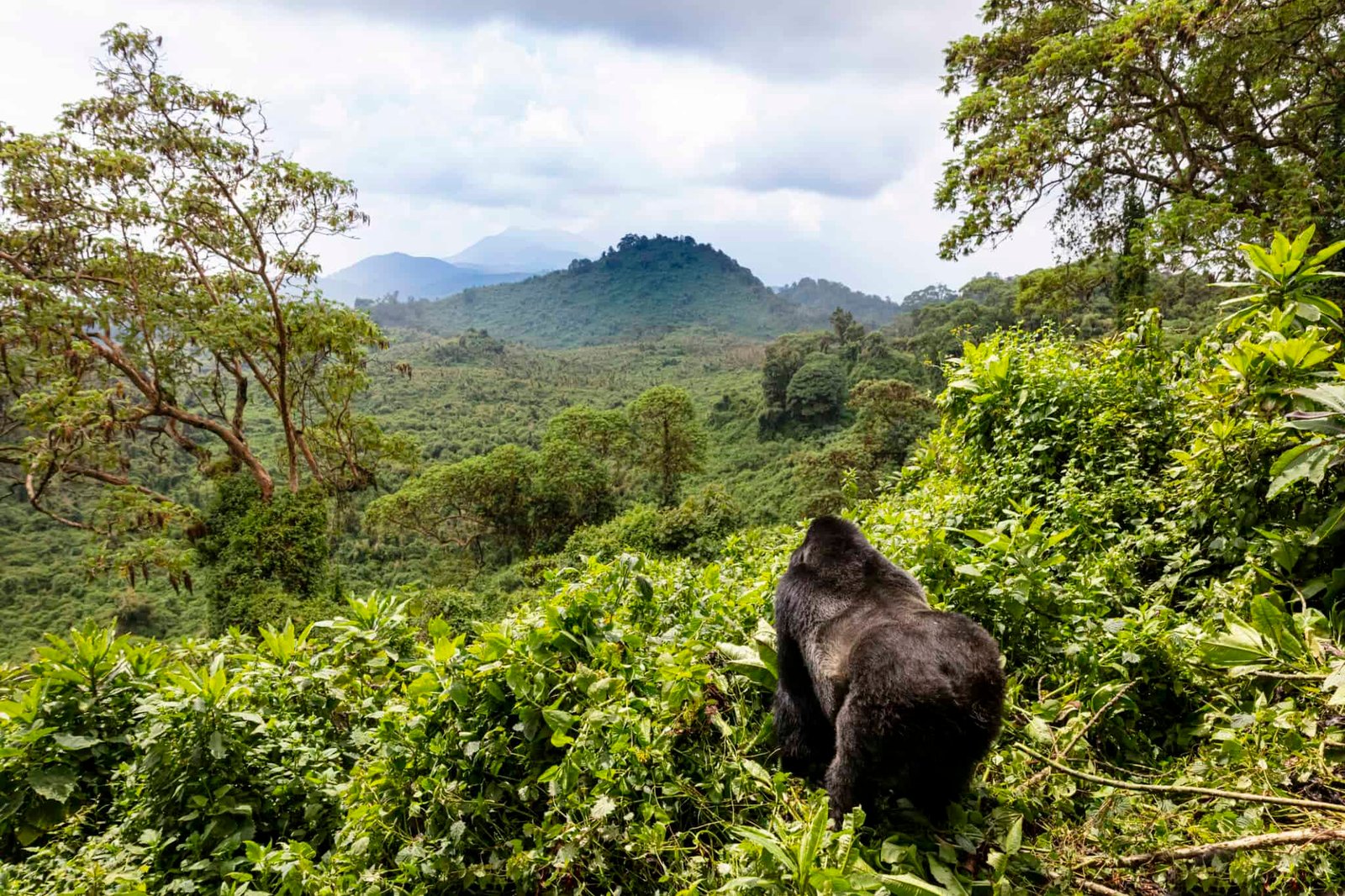
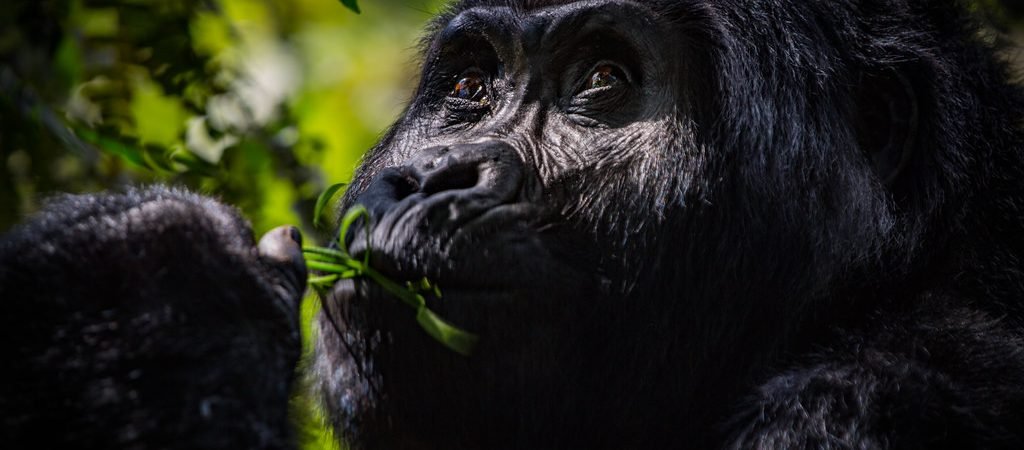
How Fit Do You Need to Be for Gorilla Habituation? You need a reasonable to good level of physical fitness to participate comfortably in the Gorilla Habituation Experience in Uganda because the activity involves several hours of hiking through mountainous rainforest, steep slopes, dense vegetation, and potentially muddy forest trails. Uganda’s Gorilla Habituation Experience takes place in the Rushaga sector of Bwindi Impenetrable National Park in southwestern Uganda, where visitors can spend up to four hours observing a mountain gorilla family undergoing habituation.
Although you do not need to be a professional athlete or an experienced mountaineer, adequate walking endurance, leg strength, balance, and the ability to navigate uneven terrain are important for completing this extraordinary Uganda wildlife adventure comfortably.
For Ugandan citizens, East African Community citizens, foreign residents, and international travellers visiting Uganda, understanding How Fit Do You Need to Be for Gorilla Habituation? is essential when planning a successful mountain gorilla safari. Uganda’s Bwindi Impenetrable National Park features steep forested hillsides, winding natural trails, thick vegetation, and changing weather conditions that can make hiking physically demanding. Unlike ordinary gorilla trekking, which allows a maximum of one hour with an already habituated family, Uganda’s Gorilla Habituation Experience allows up to four hours with a designated gorilla family undergoing habituation.
The complete forest excursion may take considerably longer because visitors must first locate the gorillas and later return through the rainforest. For this reason, moderate to good fitness, appropriate trekking equipment, realistic expectations, and advance physical preparation are strongly recommended.
Fortunately, gorilla habituation is not reserved exclusively for professional hikers or highly athletic travellers. Many reasonably active visitors can prepare successfully for the experience through regular walking, hill climbing, cardiovascular exercise, and strengthening activities before their safari. The important consideration is understanding the physical demands of the forest and preparing accordingly rather than assuming that the four-hour viewing period represents the total duration of the activity.
How Physically Demanding Is Gorilla Habituation in Uganda?
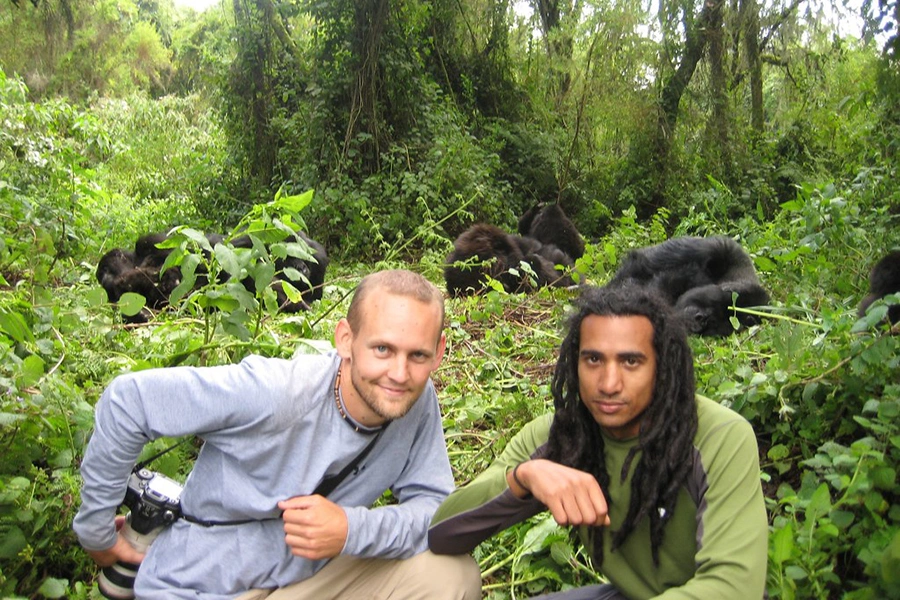
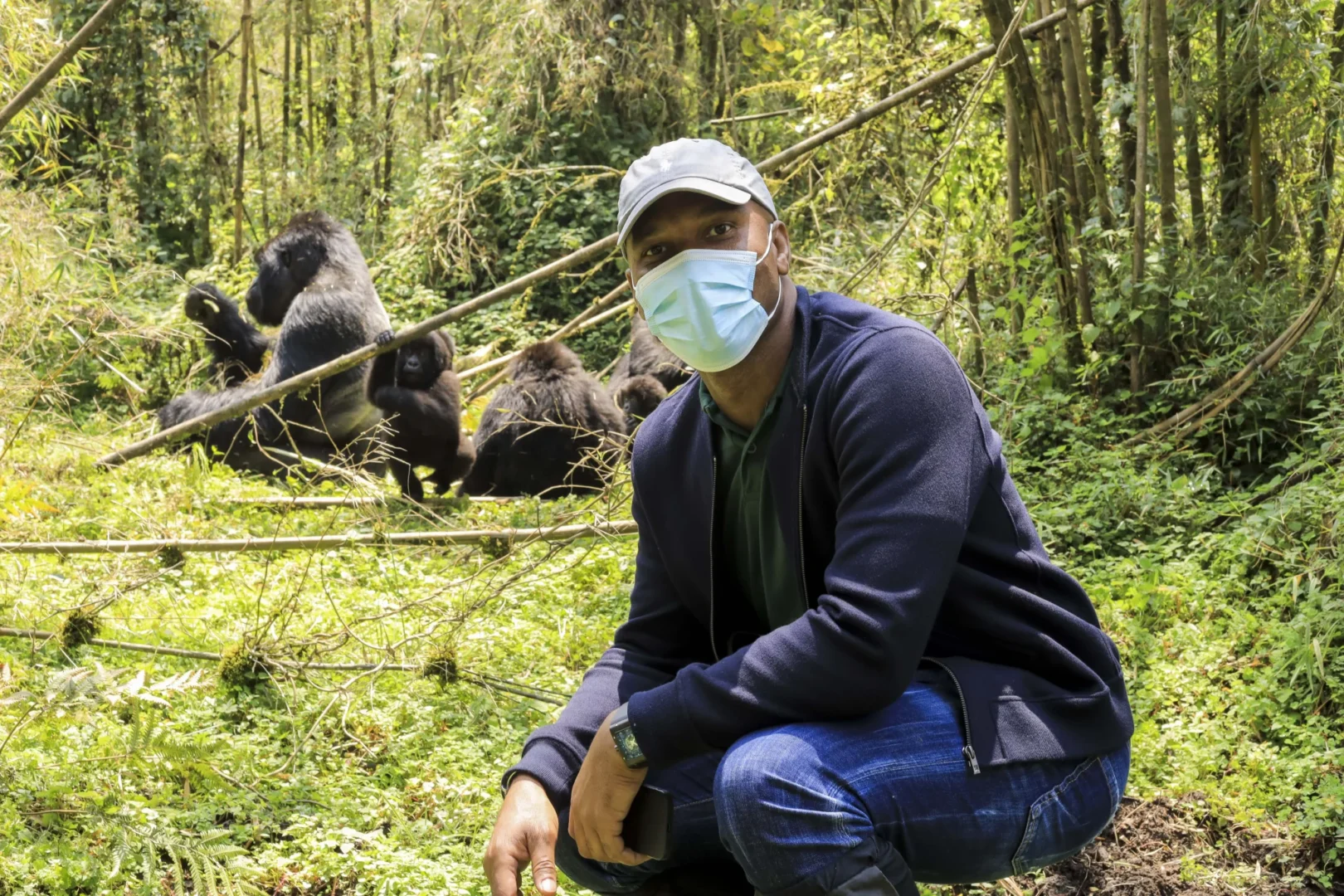
Gorilla habituation is generally considered a moderately strenuous to strenuous rainforest activity, although the difficulty varies considerably according to the location of the gorilla family, weather conditions, trail accessibility, and each visitor’s physical ability.
The experience takes place in the mountainous terrain of Bwindi Impenetrable National Park, where visitors may encounter steep uphill climbs, challenging downhill sections, narrow paths, wet vegetation, exposed roots, and uneven walking surfaces. Some portions of the journey may follow established trails, while others require moving through less-developed forest areas.
The most demanding part of gorilla habituation is not necessarily the four-hour observation period itself. Visitors must first reach the designated gorilla family, which may involve a lengthy hike through the forest. Once the gorillas are located, participants may need to stand, crouch, move slowly, or change their observation position under ranger instructions.
The return journey can also be physically tiring because visitors have already spent several hours hiking and observing wildlife. Descending steep forest slopes may be particularly demanding on the knees and leg muscles, especially when trails are muddy.
When considering How Fit Do You Need to Be for Gorilla Habituation?, travellers should prepare for a full-day outdoor adventure rather than expecting a short, easy nature walk.
Do You Need to Be an Athlete for Gorilla Habituation?
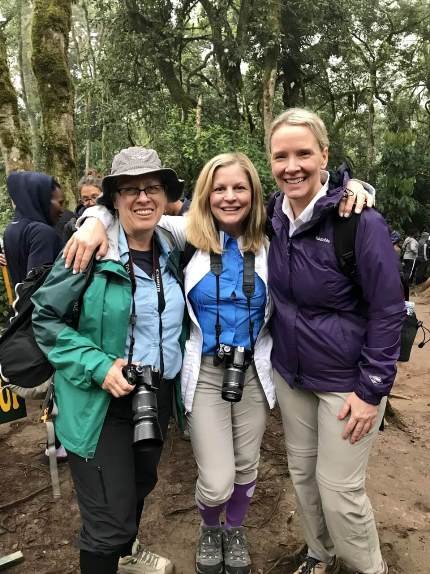
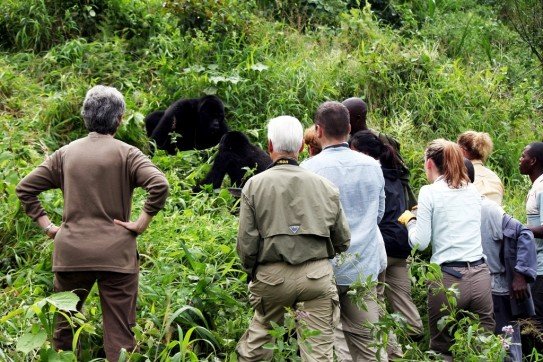
No. You do not need to be an athlete, professional hiker, marathon runner, or highly experienced mountaineer to participate in gorilla habituation in Uganda. However, you should be comfortable with sustained physical activity and capable of walking on uneven, sometimes steep terrain for several hours.
Visitors who regularly walk, hike, cycle, swim, or participate in other moderate physical activities may already have a useful fitness foundation. However, being comfortable walking on flat roads does not necessarily mean someone will find Bwindi’s mountainous terrain easy.
The forest presents challenges that ordinary exercise environments may not reproduce. These include steep gradients, slippery ground, humid conditions, dense vegetation, and the need to maintain balance while walking over roots or loose soil.
Travellers who have not exercised regularly should consider beginning a gradual preparation programme before their safari. Building walking endurance, improving balance, and strengthening the legs can help make the experience more manageable.
The objective is not to achieve elite athletic performance. It is to develop enough physical capacity to enjoy the Gorilla Habituation Experience without excessive exhaustion or unnecessary discomfort.
How Long Do You Walk During Gorilla Habituation?
The total walking time during gorilla habituation cannot be predicted precisely because the designated mountain gorilla family moves naturally through Bwindi Impenetrable National Park.
Some excursions may involve a relatively manageable approach walk, while others require several hours of hiking before the gorillas are located. The route can also change according to the location of the family and the conditions encountered by authorized guides.
After reaching the gorillas, visitors may spend up to four hours observing the family. This observation period is additional to the approach hike and the return journey.
Consequently, a Gorilla Habituation Experience can occupy most of the day. Travellers should be prepared for several hours of intermittent walking, standing, careful movement, and occasional rest rather than expecting the entire activity to last exactly four hours.
The Uganda Wildlife Authority’s published guidelines schedule the Gorilla Habituation Experience from approximately 6:30 a.m. until participants return to the briefing location for debriefing.
For visitors researching How Fit Do You Need to Be for Gorilla Habituation?, the most important lesson is that the duration of the activity depends on more than the permitted observation period.
Why Is Gorilla Habituation More Demanding Than Ordinary Gorilla Trekking?
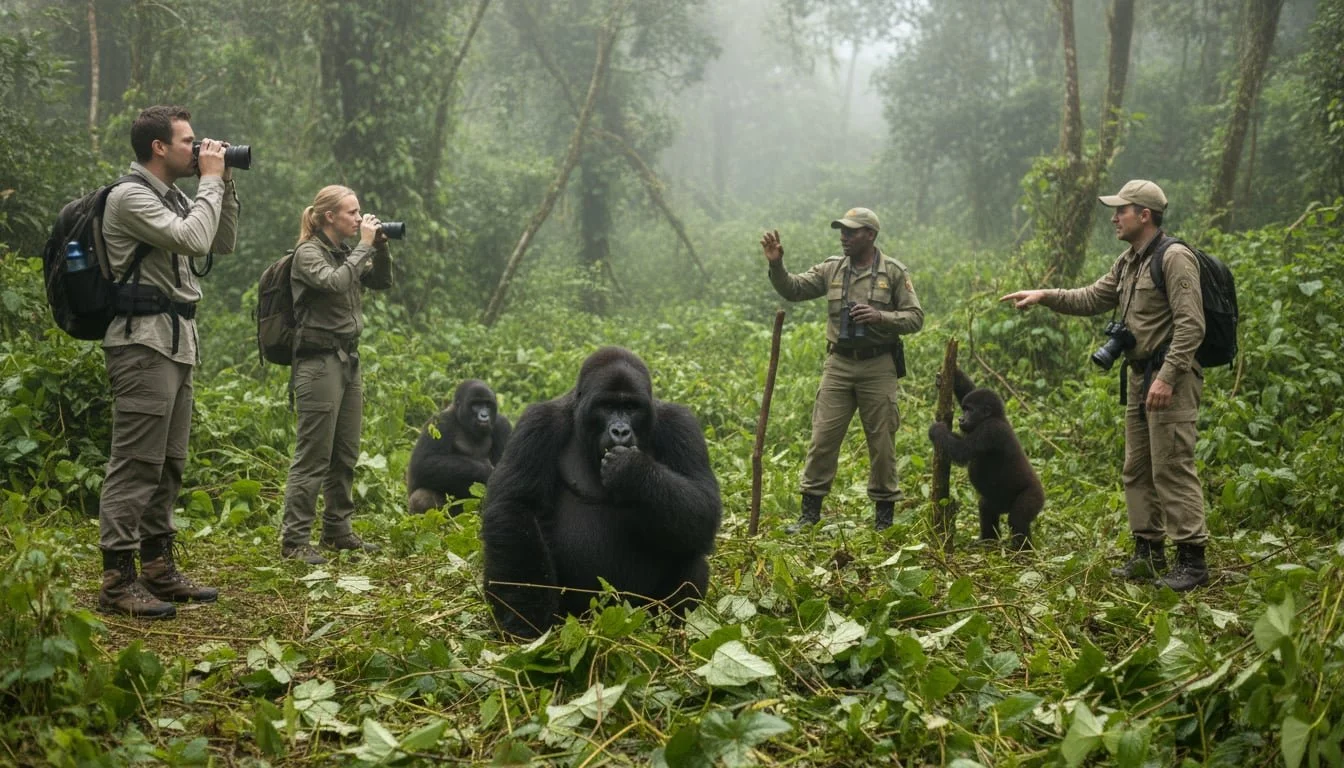
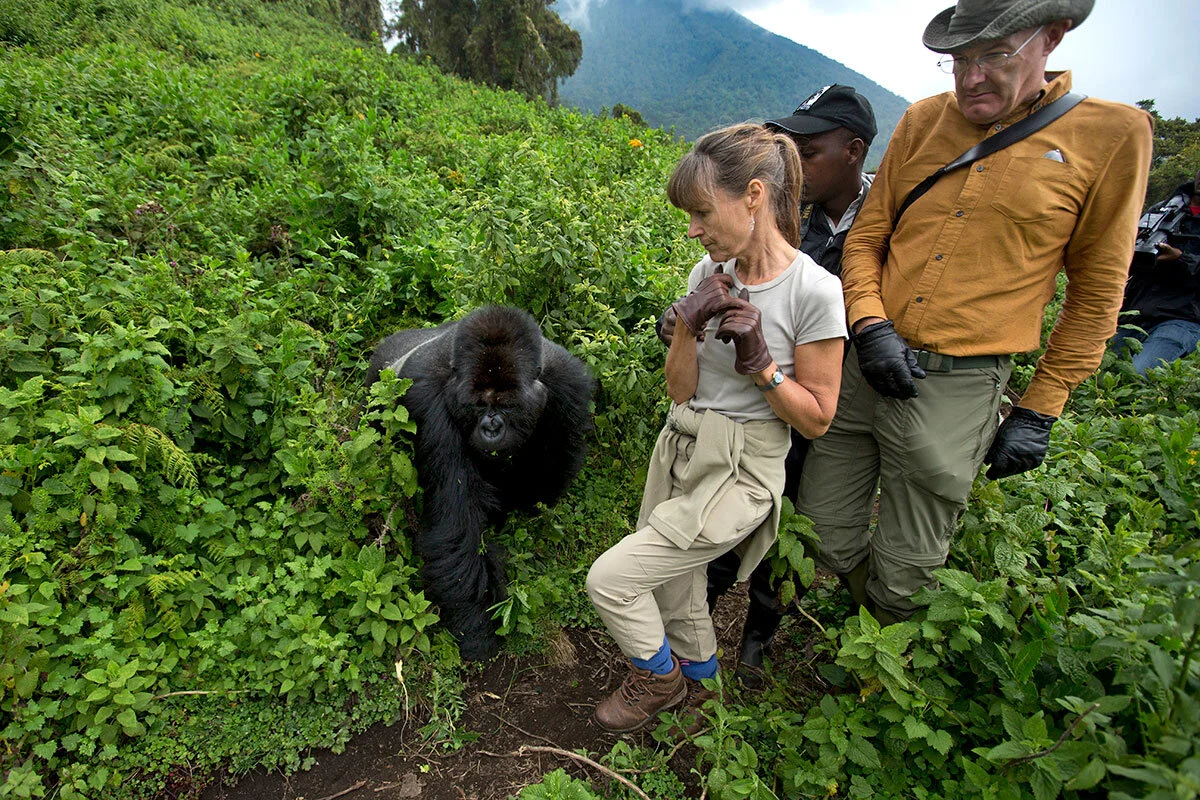
Gorilla habituation and ordinary gorilla trekking take place in similar mountainous rainforest environments, but the two activities differ in duration and purpose.
Ordinary gorilla trekking generally provides visitors with a maximum of one hour observing an already habituated gorilla family. The entire excursion includes hiking to locate the family, the permitted observation period, and the return journey.
The Gorilla Habituation Experience, by comparison, allows a maximum of four hours observing a designated family undergoing habituation. This additional observation time can make the overall excursion considerably longer.
Gorilla families undergoing habituation may also respond differently to human presence than fully habituated families. Their movements and behaviour remain natural and cannot be controlled to suit visitor preferences.
Participants may therefore need additional patience and stamina while observing the gorillas. The extended experience can involve prolonged periods of standing, carefully changing positions, or remaining attentive in a humid forest environment.
For travellers interested in wildlife photography, conservation, and extended primate observation, the additional time can be rewarding. However, it also requires greater preparation than visitors might expect from an ordinary one-hour gorilla encounter.
How Fit Do You Need to Be for Gorilla Habituation as a Beginner?
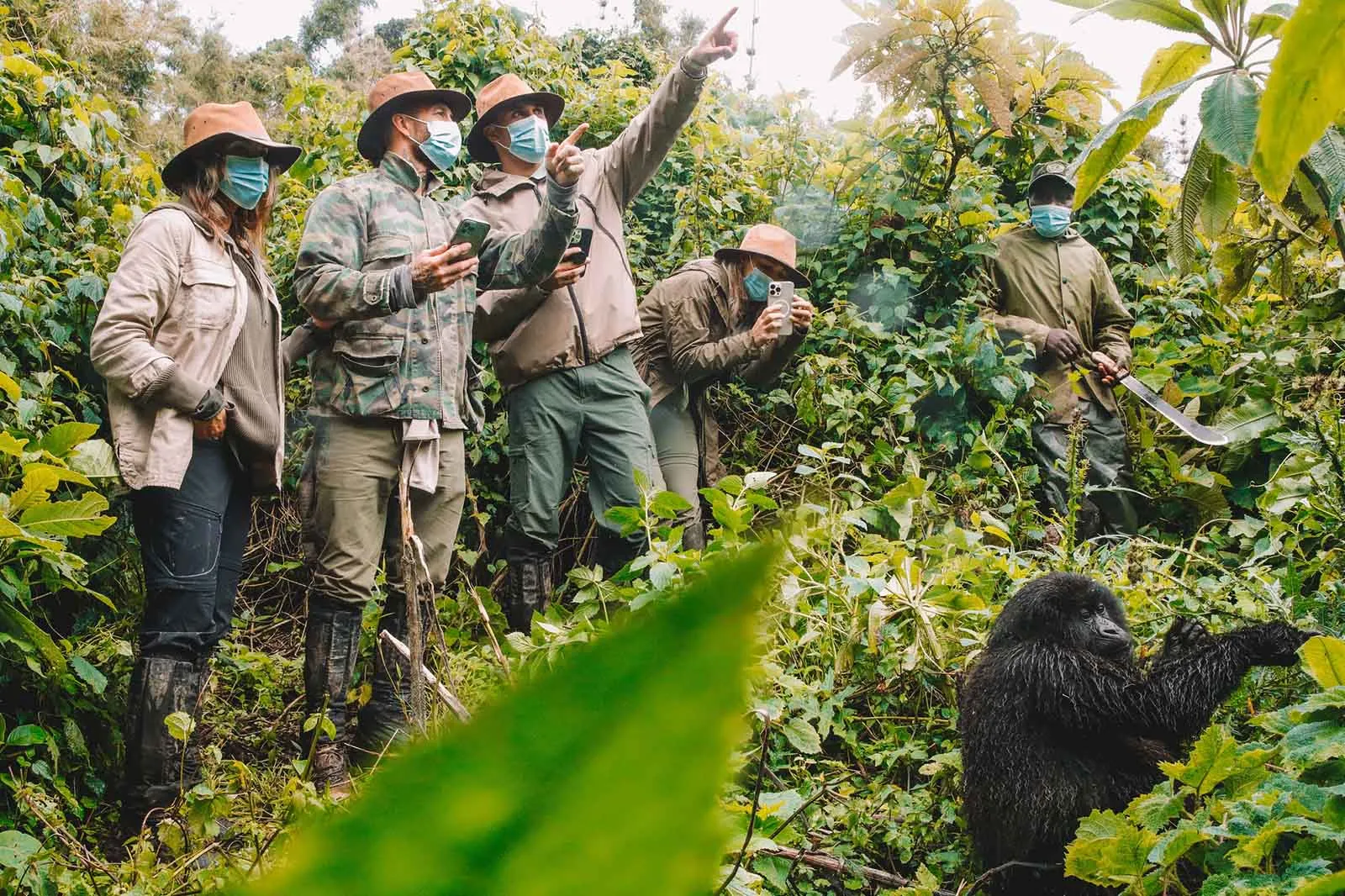
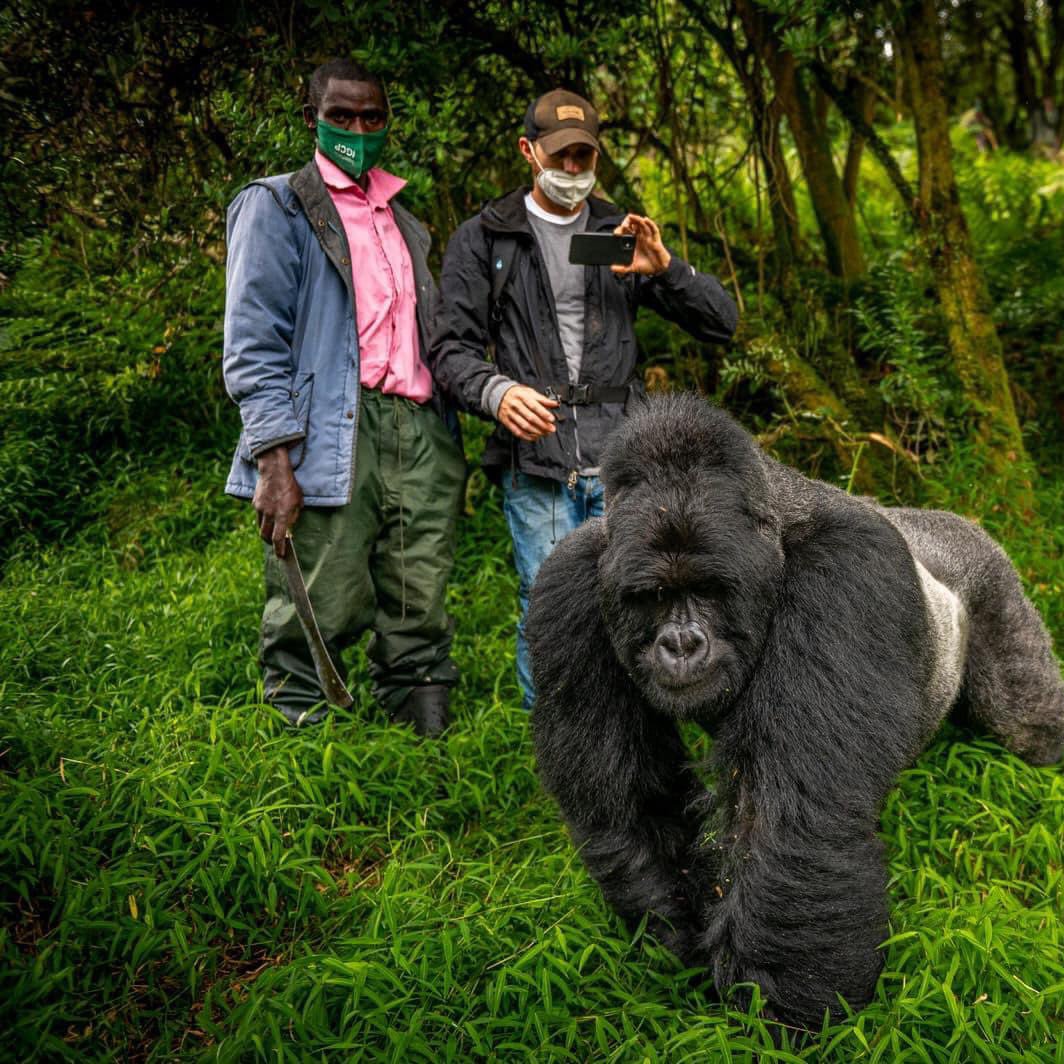
First-time hikers can participate in gorilla habituation if they possess reasonable physical fitness, prepare appropriately, and understand the challenges associated with the activity.
Beginners should ideally be comfortable walking for extended periods without becoming excessively exhausted. They should also be capable of managing moderate hills, uneven surfaces, and repeated changes in walking pace.
Someone who walks regularly but has little mountain hiking experience may benefit from practising on hills or natural trails before travelling to Uganda. This helps strengthen the muscles used for climbing and descending while improving balance and confidence.
Visitors should also become familiar with their hiking boots before arriving in Bwindi. Wearing new footwear for the first time during a lengthy forest excursion can cause blisters and unnecessary discomfort.
Beginners should communicate their experience and fitness concerns to their safari organizer before booking. This allows realistic expectations to be discussed, although an easier gorilla family or shorter hiking route cannot be guaranteed.
How to Prepare Physically for Gorilla Habituation in Uganda
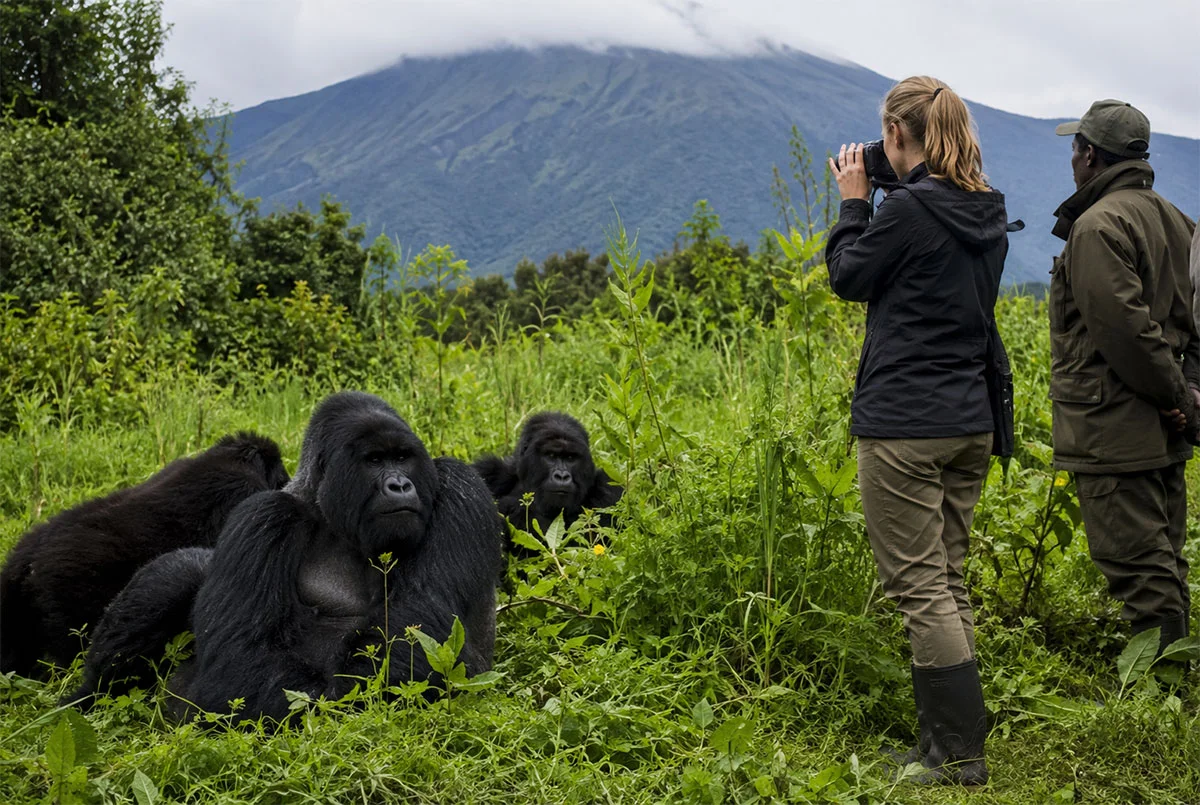
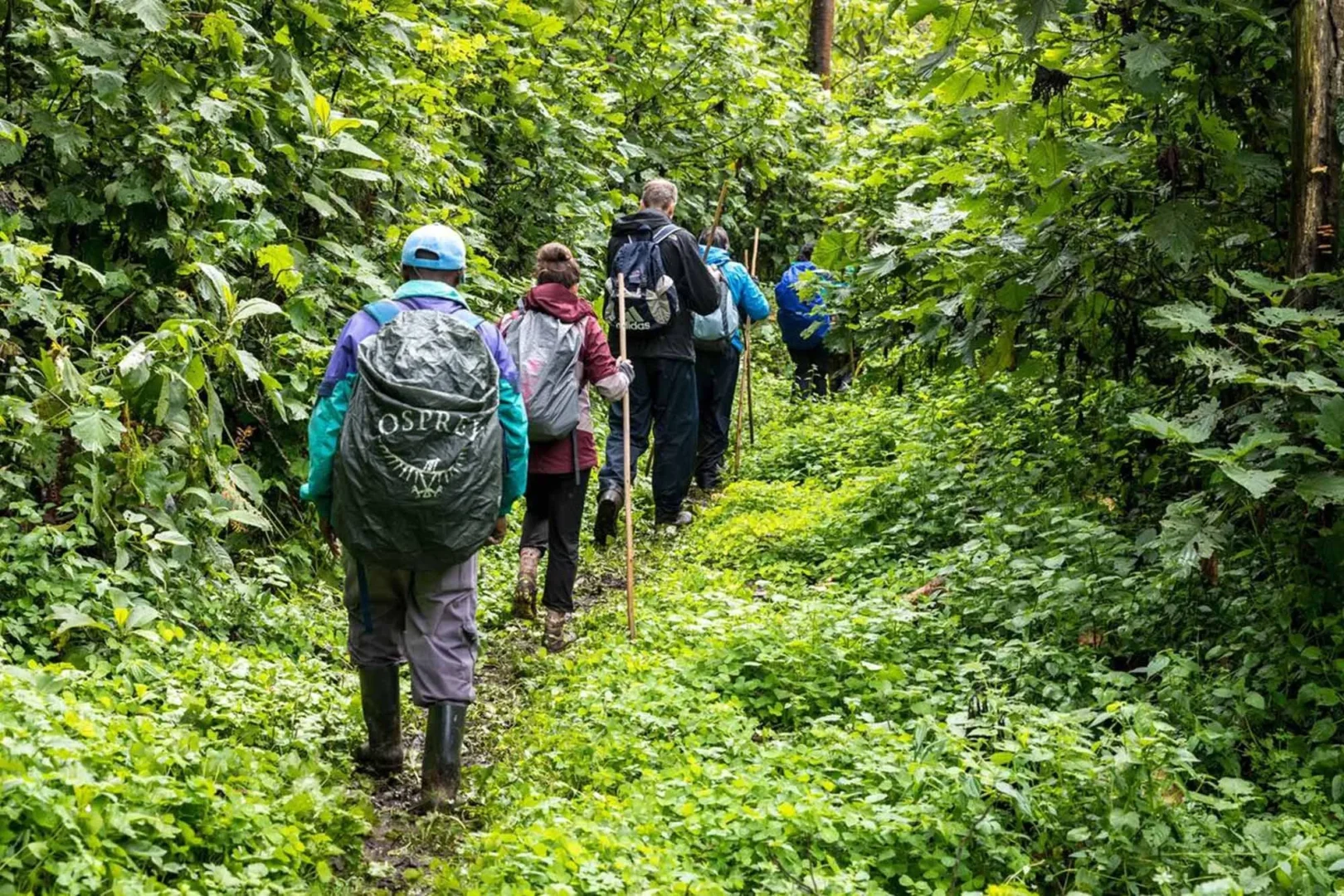
Physical preparation is one of the most effective ways to improve comfort during the Gorilla Habituation Experience. Ideally, visitors should begin preparing several weeks or months before travelling, depending on their current fitness level.
A suitable preparation programme can include regular walking, gradual increases in walking duration, hill climbing, gentle strengthening exercises, and balance training.
The aim should be to improve cardiovascular endurance and strengthen the muscles used when climbing, descending, and maintaining stability on uneven surfaces.
Visitors who are already active may need only to incorporate more hills and longer walks into their existing routine. Those who are relatively inactive should begin with manageable sessions and increase their activity gradually.
The following preparation approach is an example for generally healthy adults, not a mandatory fitness test. Travellers with medical conditions, injuries, or concerns about strenuous exercise should seek individualized advice from a qualified healthcare professional.
Walking is one of the most useful ways to prepare for gorilla habituation because the experience involves sustained movement through natural terrain.
Beginners can start with comfortable walks on relatively flat ground and gradually increase their walking duration as endurance improves. Regularity is more important than attempting a very long walk before the body has adapted.
As fitness develops, visitors can introduce longer walking sessions and gradually increase their pace when appropriate. The objective is to become comfortable spending extended periods on their feet.
Walking several days each week can also help visitors identify weaknesses in footwear, posture, or endurance before travelling to Bwindi.
Hill training is particularly valuable because Bwindi Impenetrable National Park contains steep slopes and uneven mountain terrain.
Walking uphill challenges the cardiovascular system and strengthens the legs, while downhill walking places different demands on balance, knees, and stabilizing muscles.
Visitors should practise both climbing and descending rather than concentrating exclusively on uphill movement. Controlled downhill walking is important because descending slippery forest slopes can be tiring even for people who are comfortable climbing hills.
Those without access to natural hills may use stairs, suitable inclined walking surfaces, or other safe alternatives that gradually introduce changes in elevation.
Can Senior Travellers Participate in Gorilla Habituation?
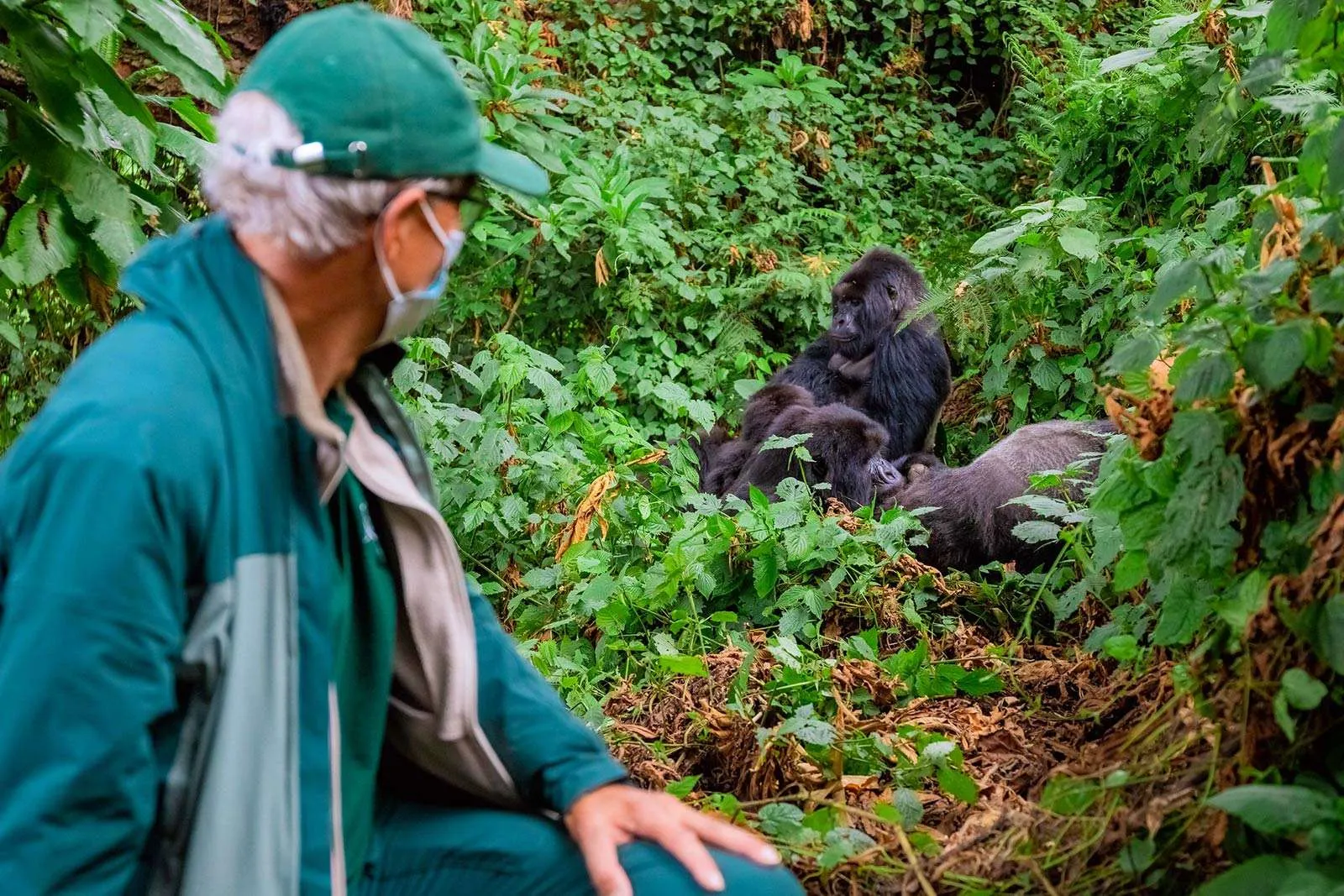
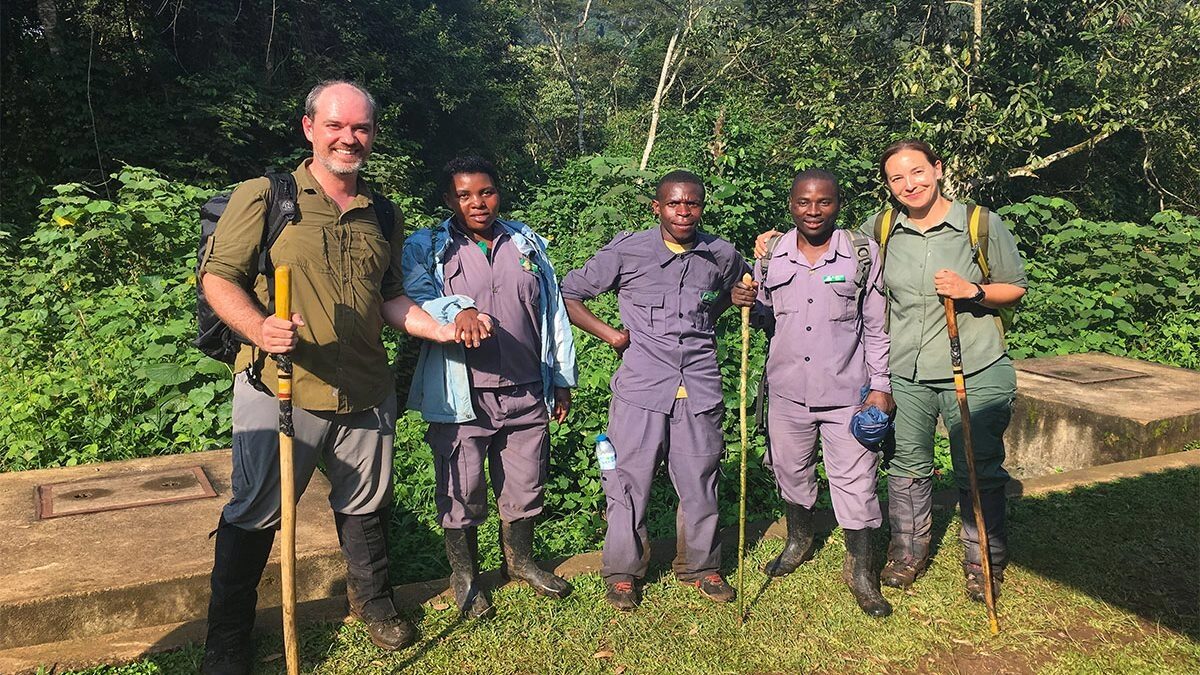
Yes. Senior travellers can participate in gorilla habituation provided they meet the activity requirements and are physically capable of undertaking the excursion.
However, gorilla habituation may be more demanding than standard gorilla trekking because of the longer observation period and potentially extended time in the forest.
Senior visitors should discuss their physical abilities with their safari organizer before booking, particularly if they have concerns about steep slopes, uneven ground, or prolonged walking.
The possibility of hiring porters or arranging specialized assistance should be investigated in advance rather than assumed to be available.
For visitors who prefer a shorter wildlife encounter, conventional gorilla trekking may be a more suitable option, although it also involves unpredictable hiking distances and challenging terrain.
Can People With Disabilities Participate in Gorilla Habituation?
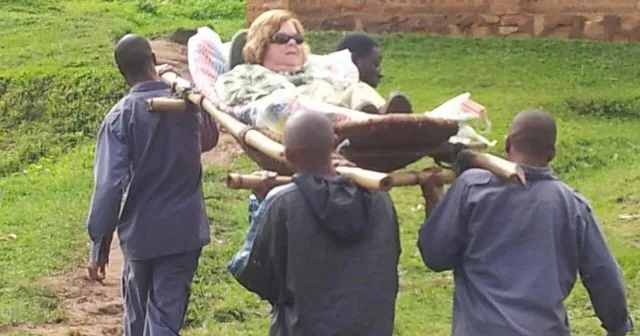
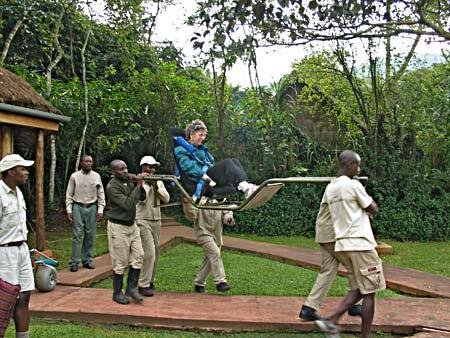
Participation depends on the nature of the disability, the visitor’s individual mobility and support needs, the terrain, and what assistance can safely be arranged.
Some visitors with disabilities may be capable of completing the forest excursion with suitable support, while others may require specialized arrangements.
In parts of Bwindi, assisted gorilla tourism options have sometimes been arranged using specialized carrying chairs or teams of local porters. However, availability, suitability, operational permission, and costs must be confirmed for the specific activity.
Visitors should not assume that assistance available for conventional gorilla trekking is automatically available for the four-hour Gorilla Habituation Experience.
Anyone requiring specialized mobility assistance should communicate their needs before purchasing permits or making nonrefundable travel arrangements.
Is Gorilla Habituation Easier in June, July and August?
June, July, and August are generally among the more favourable months for gorilla habituation because they fall within one of Uganda’s main relatively dry periods.
During these months, forest trails may be firmer and less muddy than during the principal rainy seasons, making hiking somewhat more comfortable.
However, Bwindi remains a tropical rainforest, and rainfall can occur throughout the year.
The location of the gorilla family may also require a lengthy hike regardless of the season.
Visitors should therefore continue preparing physically even when travelling during June, July, or August.
Relatively dry conditions can reduce some environmental challenges, but they do not eliminate steep slopes, uneven paths, or the need for adequate endurance.
Does Altitude Affect Fitness During Gorilla Habituation?
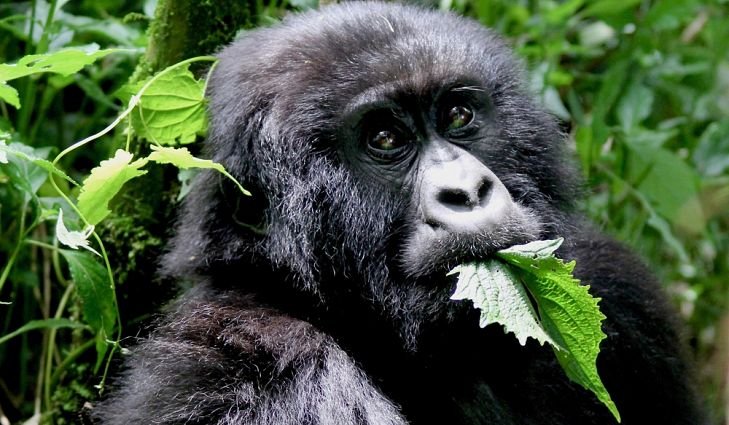
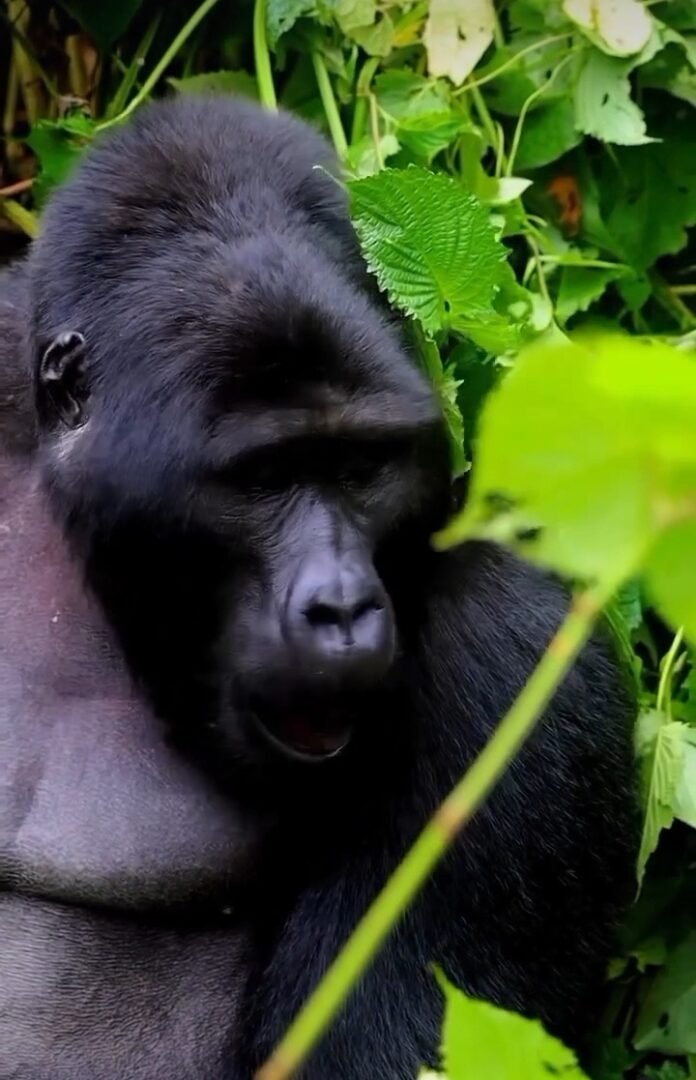
Bwindi Impenetrable National Park is located in Uganda’s southwestern highlands, with significant variations in elevation across the forest.
Visitors arriving from low-altitude destinations may notice that climbing hills feels more demanding than expected, especially when combined with prolonged walking.
Although gorilla habituation is not equivalent to high-altitude mountaineering, the combination of elevation, steep terrain, and physical exertion can increase fatigue.
Travellers should maintain an appropriate pace, remain hydrated, and allow time to recover after demanding sections of the hike.
Those with known cardiovascular, respiratory, or altitude-related concerns should seek professional medical advice before travelling.
The aim is to enjoy the forest experience safely rather than attempting to maintain an unnecessarily fast walking pace.
How Many Days Should You Stay in Rushaga for Gorilla Habituation?
Staying at least two nights near Rushaga is generally recommended for visitors planning the Gorilla Habituation Experience.
The first day allows time to travel to Bwindi, settle into accommodation, and prepare for the early morning activity.
The second day is dedicated to gorilla habituation, after which visitors can return to their lodge and rest.
The third day can be used for the onward journey to Entebbe, Kampala, Kigali, or another destination.
Visitors who are concerned about physical fatigue may prefer a longer itinerary with additional relaxation time.
Accommodation close to the Rushaga briefing area is particularly useful because it reduces unnecessary driving before the forest excursion.
Should You Choose Gorilla Habituation or Ordinary Gorilla Trekking if You Are Less Fit?
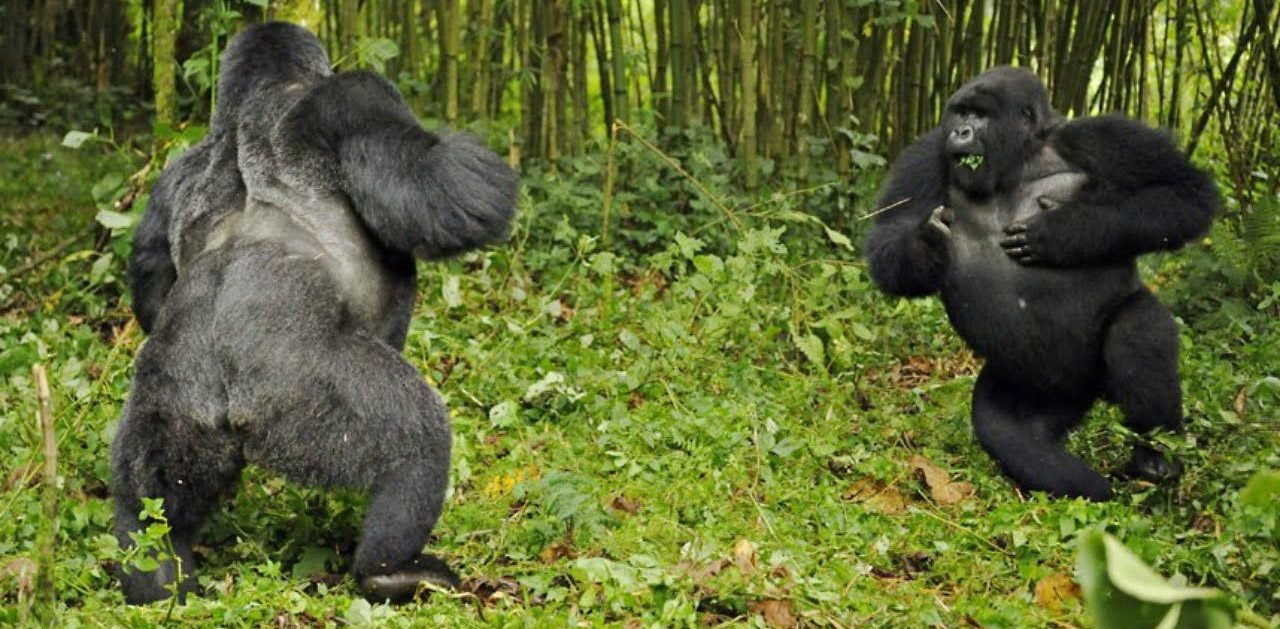
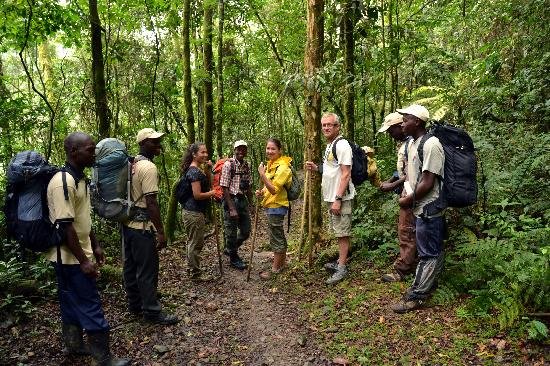
Visitors with limited hiking fitness should carefully compare the Gorilla Habituation Experience with conventional gorilla trekking before purchasing a permit.
Ordinary gorilla trekking involves locating an already habituated gorilla family and spending a maximum of one hour observing it. Although the hike can still be strenuous and unpredictable, the shorter observation period may make the total activity more manageable.
Gorilla habituation involves an extended observation period of up to four hours and may require greater endurance.
However, ordinary gorilla trekking is not automatically easy, and some trekking routes can be physically demanding.
Travellers who are uncertain about their ability to manage a lengthy forest excursion should discuss their circumstances with a qualified healthcare professional and an experienced safari organizer.
The appropriate choice depends on individual ability, expectations, permit availability, and the nature of the activity.
Frequently Asked Questions About Fitness for Gorilla Habituation
How Fit Do You Need to Be for Gorilla Habituation?
You need reasonable to good physical fitness because the Gorilla Habituation Experience may involve several hours of hiking through steep, uneven rainforest terrain. You do not need to be a professional athlete, but walking endurance, leg strength, balance, and appropriate physical preparation are important. The activity can occupy much of the day because the four-hour observation allowance does not include the approach and return hikes.
Is Gorilla Habituation Difficult in Uganda?
Gorilla habituation can be moderately strenuous to strenuous because it takes place in the mountainous rainforest of Bwindi Impenetrable National Park. Visitors may encounter steep slopes, muddy trails, exposed roots, and dense vegetation. The difficulty varies according to the location of the gorilla family, weather conditions, and individual physical ability.
Can Beginners Do Gorilla Habituation in Bwindi?
Yes. Beginners can participate if they possess reasonable physical fitness and prepare appropriately. Regular walking, practising on hills, and wearing suitable hiking boots can improve comfort. However, first-time hikers should understand that the activity may involve several hours of strenuous movement and that an easy route cannot be guaranteed.
How Fit Do You Need to Be for Gorilla Habituation if You Are Over 60?
Age alone does not determine suitability for gorilla habituation. Physically active visitors over 60 may be capable of completing the experience, depending on their endurance, balance, mobility, and health. Older travellers should assess their individual circumstances and seek medical advice when appropriate, especially if they have significant joint, cardiovascular, or respiratory conditions.
How Many Hours Do You Walk During Gorilla Habituation?
Walking duration varies because the designated gorilla family moves naturally through the forest. Visitors may hike for several hours before reaching the gorillas and must also complete the return journey. The maximum four-hour viewing period begins only once the gorillas have been located. The entire activity can therefore occupy much of the day.
Book Your Gorilla Habituation Experience in Bwindi, Uganda
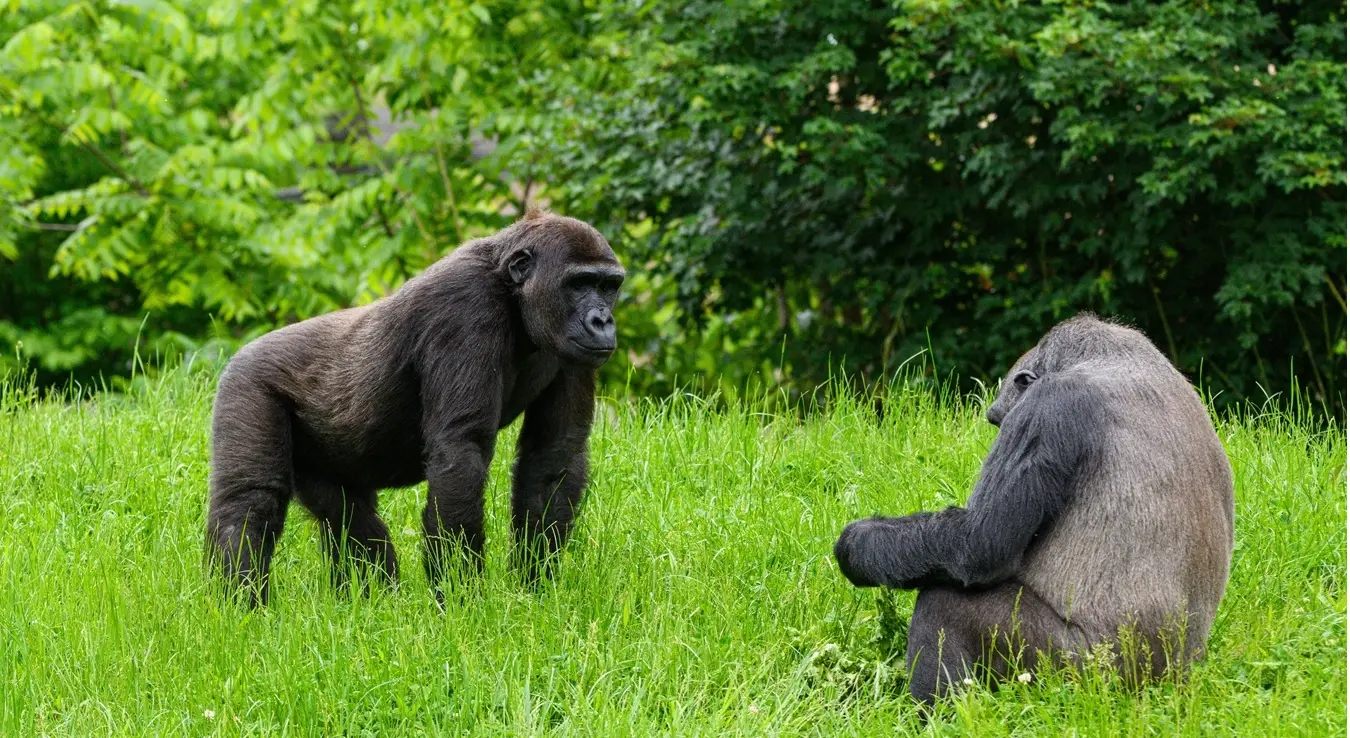
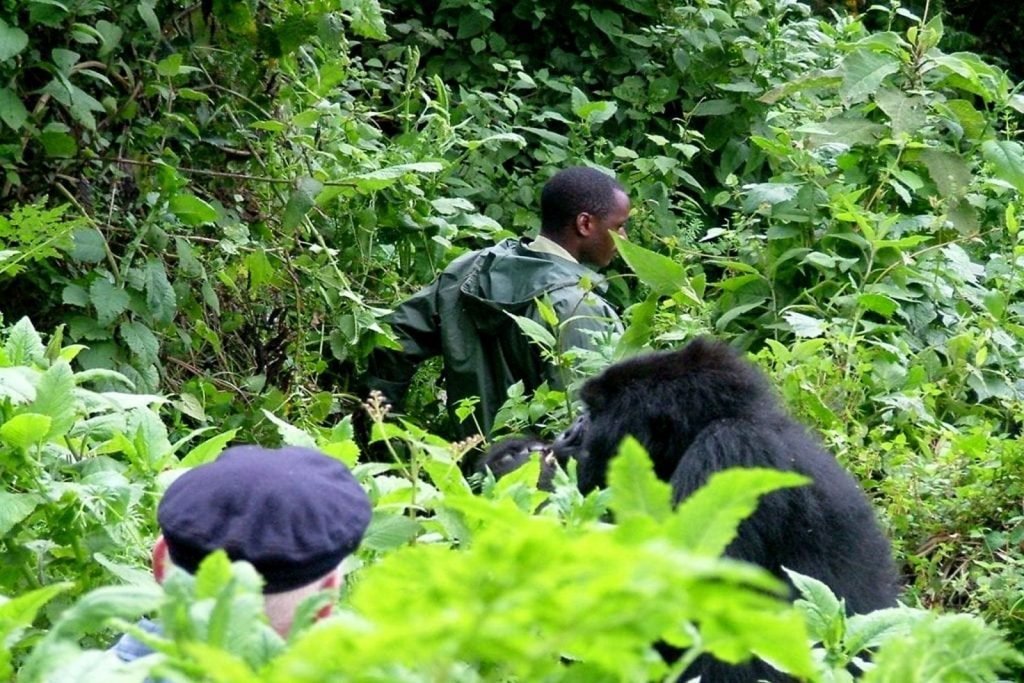
Gorilla habituation in Uganda offers an extraordinary opportunity to explore the magnificent rainforest of Bwindi Impenetrable National Park and spend up to four hours observing mountain gorillas undergoing habituation. Although the activity can be physically demanding, suitable preparation, appropriate hiking equipment, realistic expectations, and carefully arranged safari logistics can help visitors approach the experience with greater confidence.
If you are still wondering How Fit Do You Need to Be for Gorilla Habituation?, our gorilla safari booking team can help you understand the typical hiking conditions, expected duration, equipment requirements, and practical considerations involved in visiting the Rushaga sector of Bwindi Impenetrable National Park.
We can assist with Gorilla Habituation Experience permits, suitable accommodation near Rushaga, private transportation from Entebbe or Kampala, domestic flights to Kisoro, transfers from Kigali, and customized Uganda gorilla habituation safari itineraries.
For visitors concerned about hiking difficulty, we can discuss available porter services, suitable travel periods, accommodation locations, and alternative conventional gorilla trekking arrangements where appropriate. Any specialized accessibility support or activity adjustments must be confirmed with the responsible providers before booking.
Whether you are a Ugandan citizen, international visitor, senior traveller, wildlife photographer, honeymooner, or first-time rainforest hiker, our team can help you plan a safari that takes your travel preferences, physical requirements, and available time into consideration.
Start planning your Gorilla Habituation Experience in Uganda today. Contact our team with your preferred travel dates, number of participants, accommodation preferences, and any practical trekking concerns so that suitable permits and safari arrangements can be checked before you confirm your journey.