
Kibale Wildlife Guide
Ultimate Kibale Wildlife Guide: Discover Uganda’s Incredible Primate Capital and Natural Wonders
Kibale Forest National Park is one of Uganda’s most remarkable wildlife destinations, offering visitors an extraordinary opportunity to explore one of Africa’s richest tropical ecosystems. Known as the “Primate Capital of the World,” Kibale is famous for its large population of chimpanzees, but the park protects far more than just primates. Its ancient forests, diverse wildlife, colorful birds, and unique landscapes make it one of the most rewarding destinations for nature lovers and safari travelers
This Kibale Wildlife Guide provides detailed information about the park’s wildlife, chimpanzee experiences, biodiversity, activities, best travel seasons, accommodation options, conservation importance, and everything travelers need to know before visiting. Whether you are planning a chimpanzee trekking adventure, a photography safari, a family wildlife holiday, or a combined Uganda safari, Kibale offers unforgettable experiences in one of Africa’s most beautiful forests.
At Nextgen Safaris, we help travelers explore Kibale Forest through carefully planned safari experiences that combine expert guiding, comfortable accommodation, reliable transportation, and authentic wildlife encounters. Our local knowledge ensures visitors experience the best of Kibale while supporting responsible tourism and conservation efforts.
Overview of Kibale Forest National Park
Kibale Forest National Park is located in western Uganda and protects one of the most biologically diverse rainforest ecosystems in Africa.Kibale Wildlife Guide, Established as a national park in 1993, the protected area covers approximately 795 square kilometers of tropical forest, woodland, and wetland habitats that support an incredible variety of wildlife.
The park’s landscape consists mainly of evergreen rainforest, creating the perfect environment for primates and other forest species. Towering trees, thick vegetation, and natural forest trails provide a unique wilderness experience where visitors can explore an ecosystem that has existed for thousands of years.
Unlike traditional savannah parks known for large mammals, Kibale offers a different type of wildlife experience. The focus is on discovering hidden forest life, observing intelligent primates, listening to forest sounds, and understanding the complex relationships between species within this remarkable ecosystem.
Why Kibale Is Known as the Primate Capital of the World
The most famous feature of Kibale Forest is its incredible primate diversity. Kibale Wildlife Guide, The park is home to 13 primate species, making it one of the most important primate conservation areas in Africa.
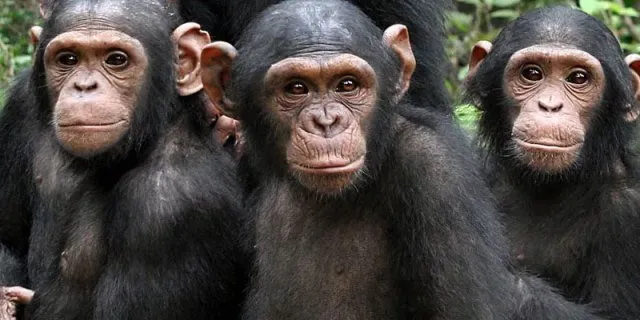
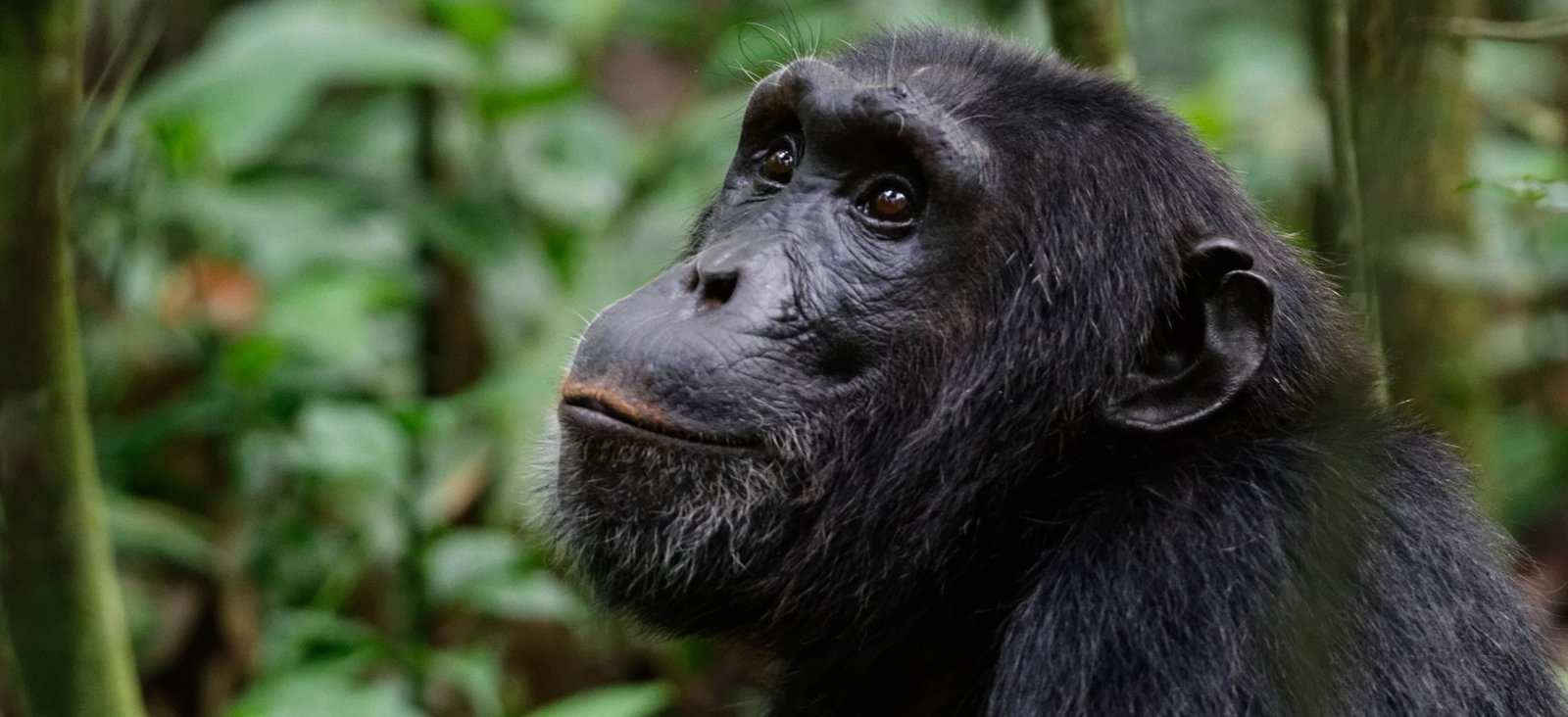
Chimpanzees are the main attraction, with Kibale supporting one of the highest concentrations of chimpanzees on the continent. Thousands of chimpanzees live within the forest, and several communities have been habituated for research and tourism purposes.
Beyond chimpanzees, visitors can encounter other fascinating primates including red-tailed monkeys, black-and-white colobus monkeys, blue monkeys, olive baboons, and grey-cheeked mangabeys. Kibale Wildlife Guide, This extraordinary diversity is what makes Kibale a must-visit destination for travelers interested in primates and wildlife discovery.
Chimpanzee Trekking in Kibale Forest
Chimpanzee trekking is the most popular activity included in a Kibale Wildlife Guide experience. It provides travelers with the opportunity to enter the forest alongside experienced guides and trackers to search for chimpanzee communities.
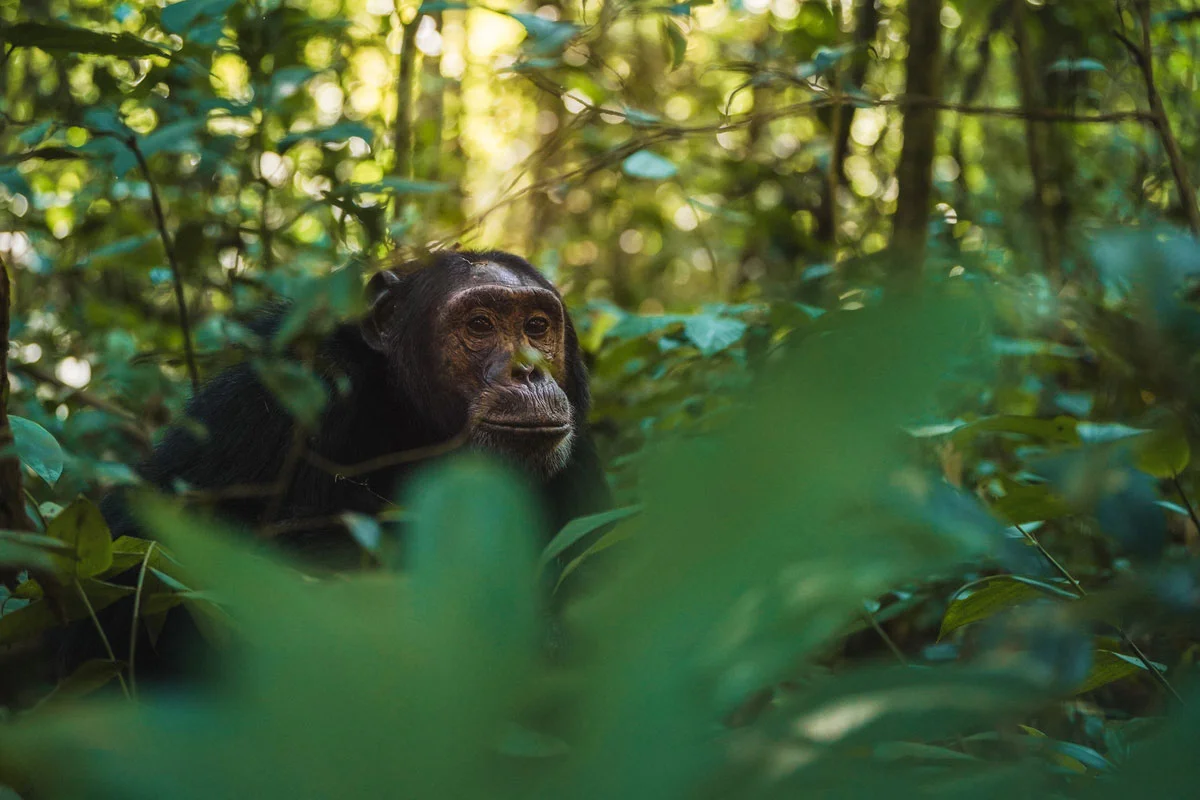
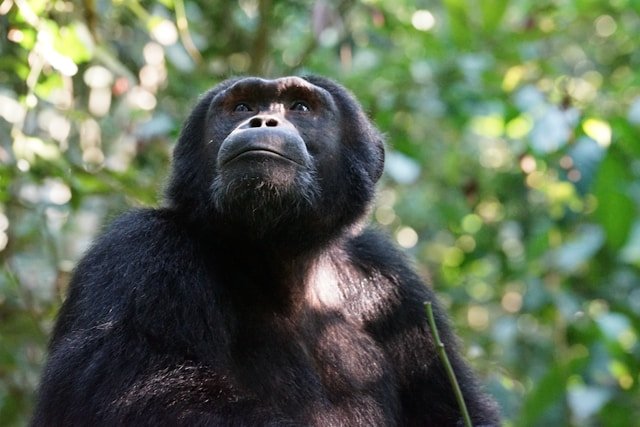
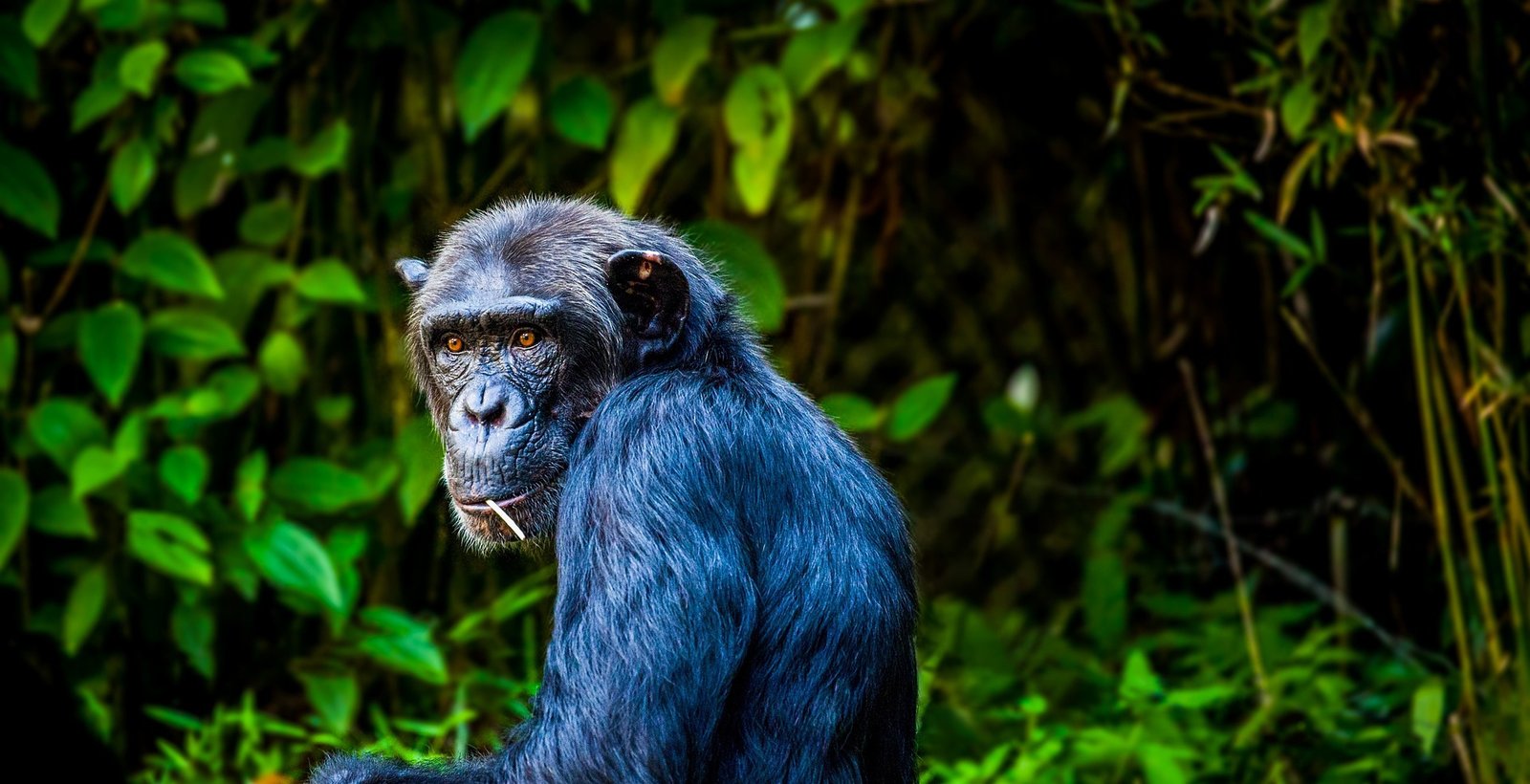
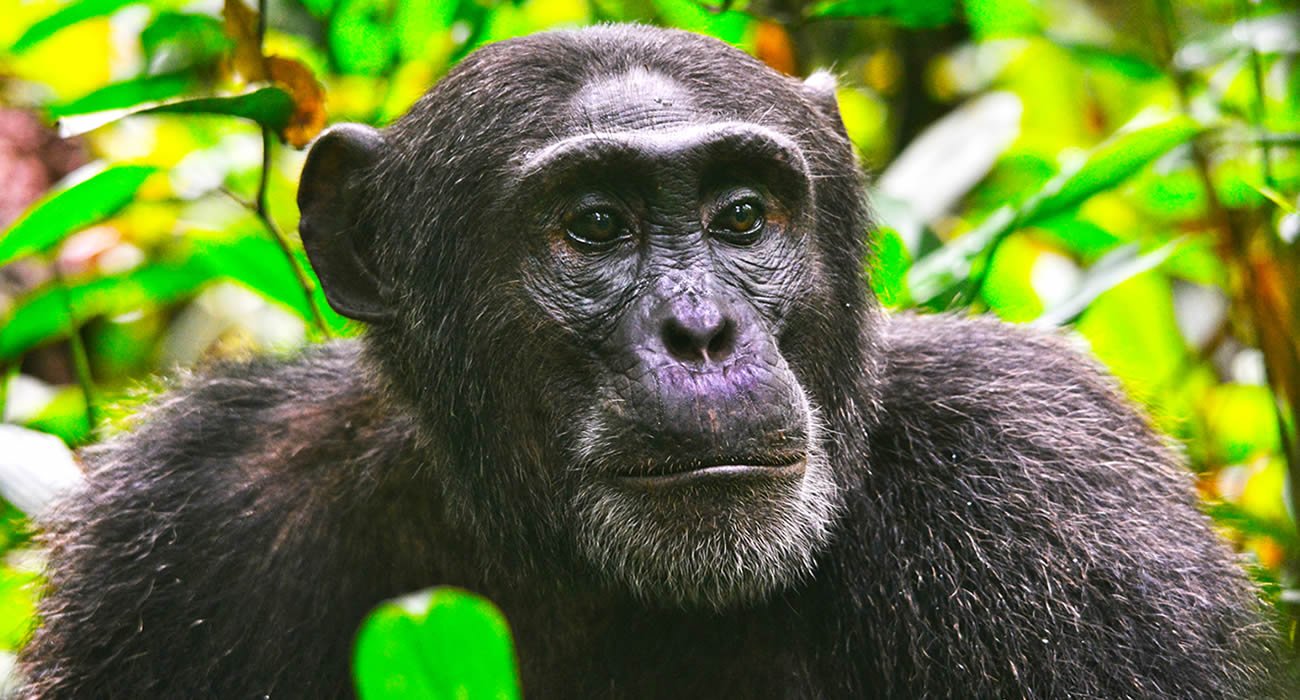
The experience begins with a briefing where visitors learn about chimpanzee behavior, conservation guidelines, and safety procedures. Guided walks then follow forest trails as trackers locate chimpanzees using their knowledge of movements, calls, and daily patterns.
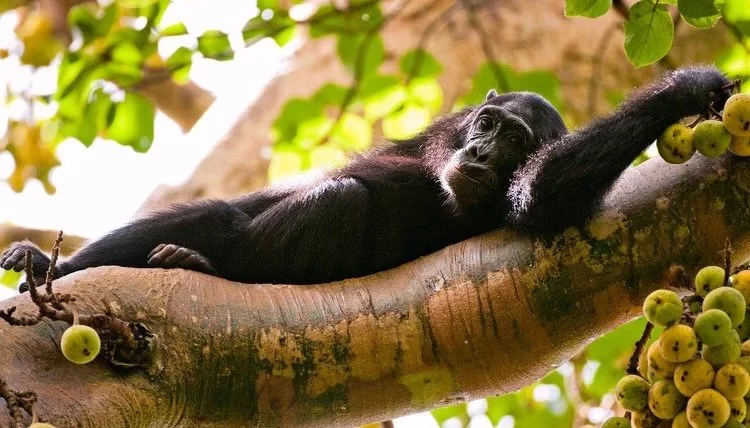
Once chimpanzees are found, visitors can spend time observing them as they feed, communicate, climb trees, groom each other, and interact naturally. Kibale Wildlife Guide, This close encounter with one of humanity’s closest relatives creates one of Uganda’s most unforgettable wildlife experiences.
Chimpanzee Habituation Experience in Kibale
For travelers seeking a deeper wildlife encounter, the chimpanzee habituation experience provides an extended opportunity to spend more time with chimpanzee communities.
Unlike standard trekking, which usually involves a shorter observation period, habituation allows visitors to follow chimpanzees throughout more of their daily activities. This provides better opportunities for photography, research-based learning, and understanding chimpanzee behavior.
The experience is especially popular among photographers, wildlife researchers, and travelers who want a more immersive connection with chimpanzees. Spending several hours observing these intelligent animals reveals their complex social relationships and fascinating personalities.
Other Primates Found in Kibale Forest
Although chimpanzees are the main attraction, Kibale Forest protects an impressive variety of other primates. These species contribute to the park’s reputation as one of the richest primate habitats in the world.
Red-tailed monkeys are commonly seen moving through the forest canopy, while black-and-white colobus monkeys are recognized by their striking appearance and energetic movements. Blue monkeys and grey-cheeked mangabeys also add to the incredible diversity of primates found within the park.
For visitors interested in wildlife photography and nature observation, these primates provide excellent opportunities to capture unique behaviors and appreciate the complexity of Uganda’s rainforest ecosystems.
Wildlife Beyond Primates in Kibale Forest
Although Kibale is famous for primates, the park supports many other wildlife species that make it an important conservation area. The dense forest provides habitats for mammals, reptiles, amphibians, and countless insect species.
Forest elephants occasionally move through the park, although they are rarely seen due to the thick vegetation. Other mammals include bushbucks, duikers, forest hogs, mongooses, and various small forest animals adapted to life within the rainforest.
The hidden nature of many forest animals makes every visit exciting because travelers never know what they may encounter while exploring Kibale’s trails. The forest itself becomes part of the adventure, with every sound and movement revealing another part of its biodiversity.
Bird Watching in Kibale Forest
Kibale Forest is also an excellent destination for bird lovers, with more than 375 bird species recorded within the park. The combination of rainforest, wetlands, and surrounding habitats creates ideal conditions for diverse bird populations.
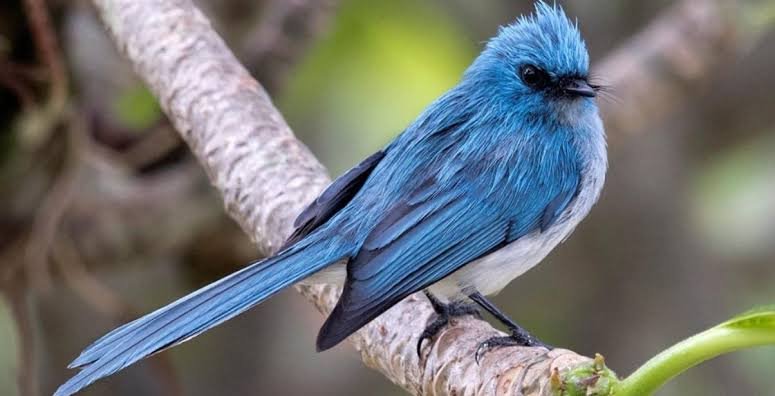
Some notable species include the great blue turaco, African pitta, green-breasted pitta, hornbills, and various forest specialists. Bird enthusiasts often consider Kibale one of Uganda’s best birding destinations because of the variety of rare and colorful species found there.
Bird watching can easily be combined with chimpanzee trekking and nature walks, making Kibale an excellent destination for travelers who want a complete wildlife experience beyond primates.
Bigodi Wetland Sanctuary Experience
The Bigodi Wetland Sanctuary is one of the most popular activities near Kibale Forest and provides an excellent addition to chimpanzee trekking. Managed by the local community, the sanctuary demonstrates how conservation and community development can work together.
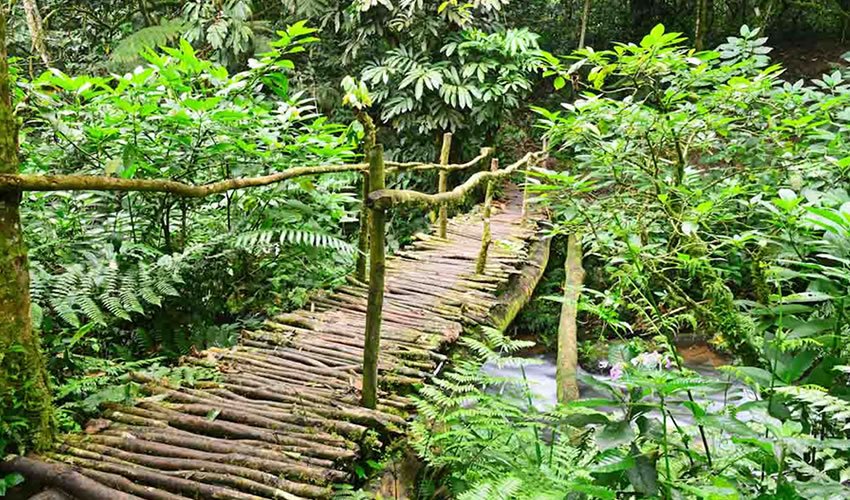
During guided walks through the wetland, visitors can observe different bird species, monkeys, butterflies, and plant life while learning about local conservation efforts. The experience provides a slower-paced opportunity to appreciate nature.
The sanctuary also allows travelers to interact with local communities, learn about traditional lifestyles, and understand how tourism supports people living around Kibale Forest.
Best Time to Visit Kibale Forest
Kibale Forest can be visited throughout the year, but understanding seasonal differences helps travelers plan the best experience. The dry seasons from June to September and December to February are generally considered the most comfortable periods for trekking.
During these months, forest trails are usually easier to navigate, and chimpanzee trekking conditions are favorable. These periods are popular among travelers combining Kibale with gorilla trekking or other Uganda safari experiences.
The rainy seasons also offer unique advantages, including greener landscapes, excellent photography opportunities, and fewer visitors. Wildlife remains active throughout the year, making every season rewarding in Kibale.
Accommodation Options Near Kibale Forest
Kibale offers a wide range of accommodation options suitable for different travel styles, including budget, mid-range, and luxury travelers. Staying near the forest allows visitors to access activities easily and enjoy peaceful natural surroundings.

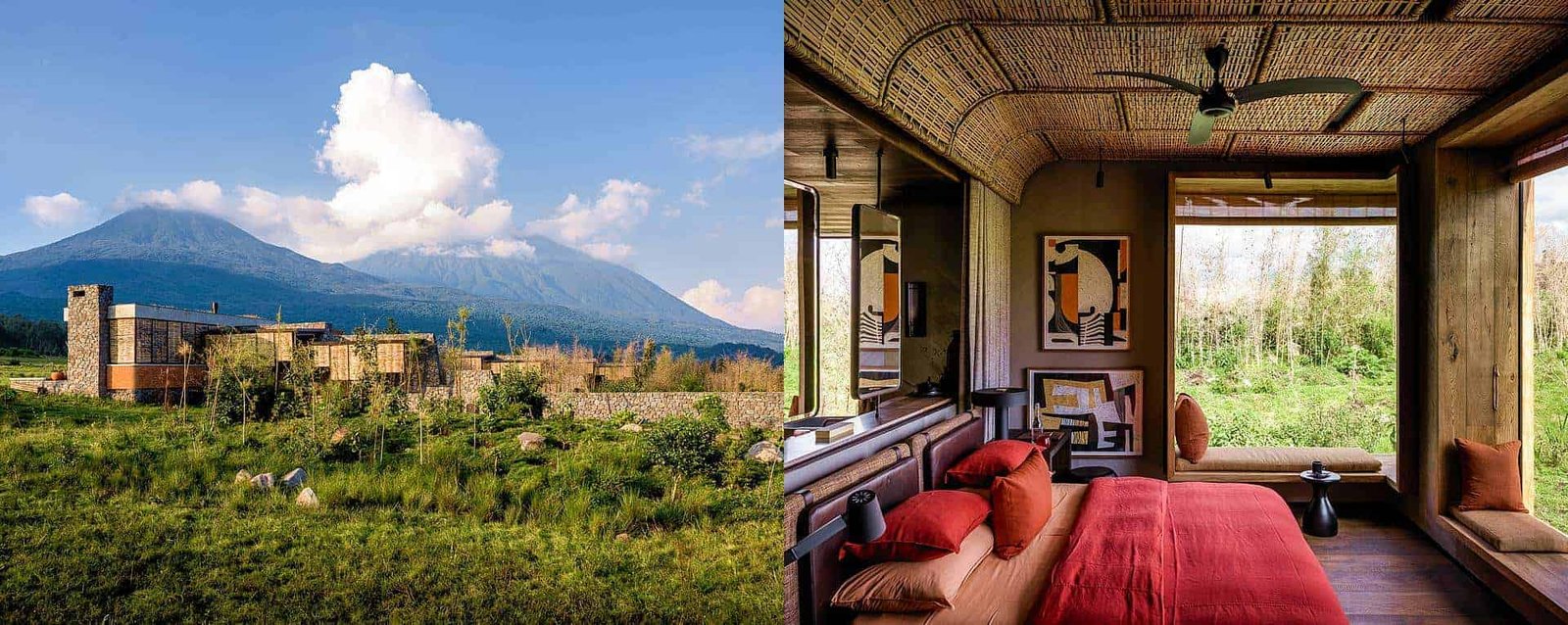
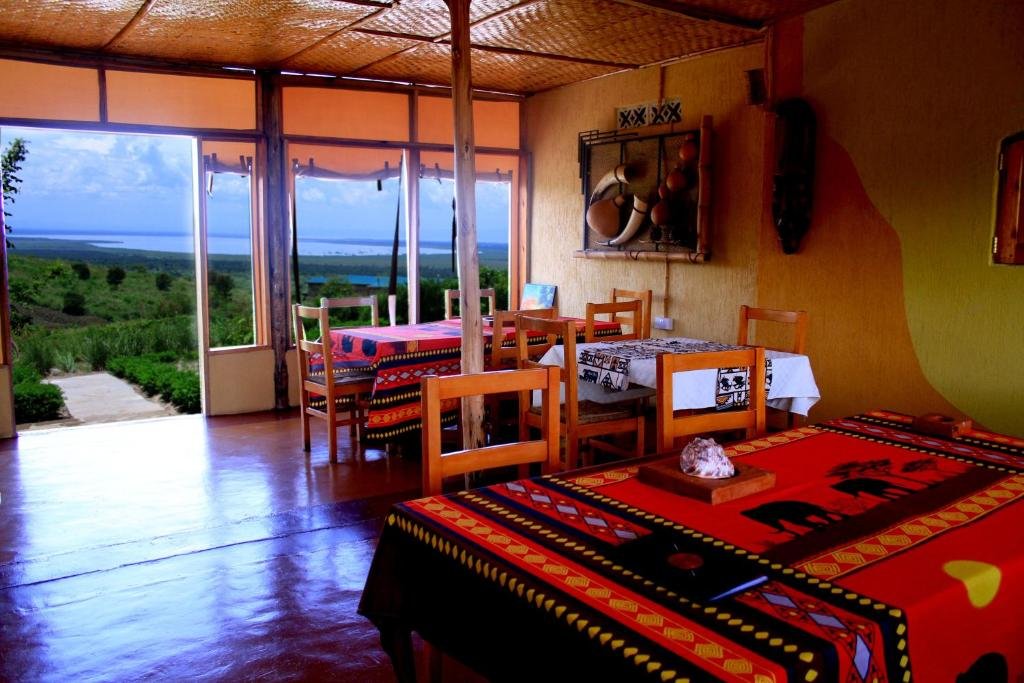
Budget accommodations provide comfortable options for travelers focusing on wildlife experiences while keeping costs manageable. Mid-range lodges offer additional comfort, beautiful views, and quality services.
Luxury forest lodges provide premium experiences with spacious rooms, exceptional dining, and personalized services. These properties allow travelers to combine adventure with relaxation after exploring the forest.
Conservation Importance of Kibale Forest
Kibale Forest plays a crucial role in protecting Uganda’s biodiversity and supporting chimpanzee conservation. The park protects important habitats where endangered species can survive and maintain natural behaviors.
Chimpanzee tourism contributes directly to conservation by generating funding for park management, research programs, wildlife monitoring, and community projects.
By visiting Kibale responsibly, travelers contribute to protecting one of Africa’s most valuable forests and supporting efforts to ensure future generations can experience its incredible wildlife.
Combining Kibale with Other Uganda Safari Experiences
Kibale Forest is often included as part of a larger Uganda safari itinerary because of its location near other major attractions. Travelers can combine chimpanzee trekking with wildlife experiences in Queen Elizabeth National Park.
Queen Elizabeth offers game drives, lion sightings, elephant encounters, buffaloes, and the famous Kazinga Channel boat cruise. This combination allows visitors to experience both rainforest and savannah ecosystems.
Kibale can also be combined with Bwindi Impenetrable National Park for travelers interested in experiencing both chimpanzees and mountain gorillas during one unforgettable primate safari.
Why Choose Nextgen Safaris for Your Kibale Wildlife Experience?
At Nextgen Safaris, we specialize in creating unforgettable Kibale wildlife experiences designed around each traveler’s interests. Our team combines local expertise, professional guides, comfortable transportation, and carefully selected accommodation.
We organize chimpanzee trekking, habituation experiences, bird watching, cultural visits, and combined Uganda safari adventures that showcase the best of Kibale Forest.
Whether you are a first-time visitor, wildlife photographer, family traveler, or experienced safari enthusiast, Nextgen Safaris ensures your Kibale adventure is professionally planned and filled with unforgettable moments.
Frequently Asked Questions About Kibale Wildlife Guide
1. What makes Kibale Forest National Park special?
Kibale Forest National Park is one of Uganda’s most important wildlife destinations because it protects one of Africa’s richest tropical rainforest ecosystems. The park is especially famous for its large chimpanzee population and is often called the “Primate Capital of the World.”
Beyond chimpanzees, Kibale supports 13 primate species, hundreds of bird species, forest mammals, and diverse plant life, making it an excellent destination for wildlife lovers and nature enthusiasts.
2. Why is Kibale called the Primate Capital of the World?
Kibale is known as the Primate Capital of the World because it has one of the highest concentrations and greatest diversity of primates in Africa.
The park is home to chimpanzees, red-tailed monkeys, black-and-white colobus monkeys, blue monkeys, olive baboons, grey-cheeked mangabeys, and several other primate species.
3. What wildlife can I see in Kibale Forest?
The main attraction in Kibale is chimpanzees, but visitors can also see other primates, forest elephants, bushbucks, duikers, mongooses, forest hogs, and many smaller forest species.
The park is also excellent for bird watching, with more than 375 bird species recorded, including the great blue turaco and African pitta.
4. Is Kibale Forest the best place for chimpanzee trekking in Uganda?
Yes, Kibale Forest is considered one of the best destinations for chimpanzee trekking in Uganda because of its large chimpanzee population and high chances of sightings.
The park has experienced trackers and guides who help visitors locate chimpanzee communities while providing information about their behavior and conservation.
5. What is the difference between chimpanzee trekking and habituation in Kibale?
Chimpanzee trekking involves visiting chimpanzee communities that are already fully accustomed to human presence and spending a limited period observing them.
The chimpanzee habituation experience provides a longer encounter with chimpanzee groups that are still becoming familiar with humans. It allows visitors more time to observe behaviors such as feeding, grooming, movement, and social interactions.
6. How long does chimpanzee trekking take in Kibale?
Chimpanzee trekking duration varies depending on the location of the chimpanzee community on the day of the trek.
The experience may involve several hours of walking through the forest before and after locating chimpanzees. Once found, visitors are allowed time to observe and photograph them while following conservation guidelines.
7. What is the best time to visit Kibale Forest?
Kibale Forest can be visited throughout the year, but the dry seasons from June to September and December to February are often preferred because forest trails are easier to navigate.
The rainy seasons are also rewarding, offering greener scenery, fewer visitors, and excellent opportunities for photography and bird watching.
8. What other activities can I do in Kibale besides chimpanzee trekking?
Visitors can enjoy several activities including the Bigodi Wetland Sanctuary walk, bird watching, nature walks, cultural experiences, and forest exploration.
These activities provide opportunities to discover more of Kibale’s biodiversity and learn about local communities living around the forest.
9. Can I combine Kibale Forest with gorilla trekking?
Yes, many travelers combine Kibale chimpanzee trekking with mountain gorilla trekking in Bwindi Impenetrable National Park.
This creates an incredible primate safari experience where visitors encounter two of Africa’s most famous great apes within one carefully planned Uganda adventure.
10. How many chimpanzee species are found in Kibale Forest?
Kibale Forest is home to the eastern chimpanzee subspecies, which is one of the recognized chimpanzee populations found across Africa.
The park protects thousands of chimpanzees living in different communities within the forest ecosystem.
11. Is Kibale Forest suitable for families?
Yes, Kibale Forest can be a great destination for families interested in wildlife and nature experiences.
Families can enjoy chimpanzee trekking, bird watching, nature walks, and cultural activities. Nextgen Safaris can help design itineraries that consider children’s ages, comfort, and activity levels.
12. What should I pack for a Kibale wildlife safari?
Travelers should pack comfortable hiking shoes, long trousers, lightweight clothing, a rain jacket, insect repellent, drinking water, and a small backpack.
For photography and bird watching, binoculars, extra batteries, and camera protection are also highly recommended because rainforest conditions can change quickly.
13. What accommodation options are available near Kibale Forest?
Kibale offers a variety of accommodation options, including budget lodges, mid-range properties, and luxury forest retreats.
Travelers can choose accommodations based on their preferred comfort level, budget, and safari style while staying close to chimpanzee trekking areas.
14. Is Kibale Forest safe for visitors?
Yes, Kibale Forest is a safe destination for visitors when traveling with authorized guides and following park regulations.
Professional guides accompany chimpanzee trekking experiences, providing safety instructions and ensuring visitors enjoy responsible wildlife encounters.
15. Why book a Kibale wildlife safari with Nextgen Safaris?
Nextgen Safaris provides professionally planned Kibale wildlife experiences with expert guides, reliable transportation, comfortable accommodation, and customized itineraries.
We help travelers experience chimpanzee trekking, wildlife viewing, cultural activities, and conservation-focused adventures while discovering the incredible beauty of Kibale Forest.
Book Your Kibale Wildlife Adventure Today
A Kibale Wildlife Guide opens the door to discovering the incredible diversity, beauty, and conservation importance of one of Uganda’s most treasured natural destinations. From unforgettable chimpanzee encounters and rare primate sightings to colorful bird species, peaceful forest walks, and breathtaking rainforest scenery, Kibale Forest offers an extraordinary wildlife experience unlike any other in Africa.
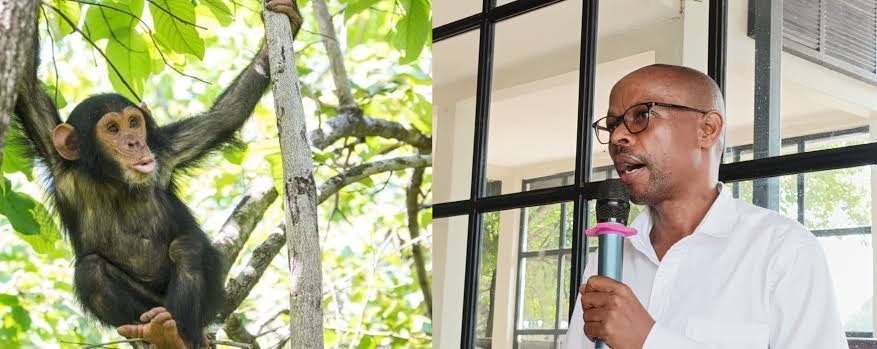
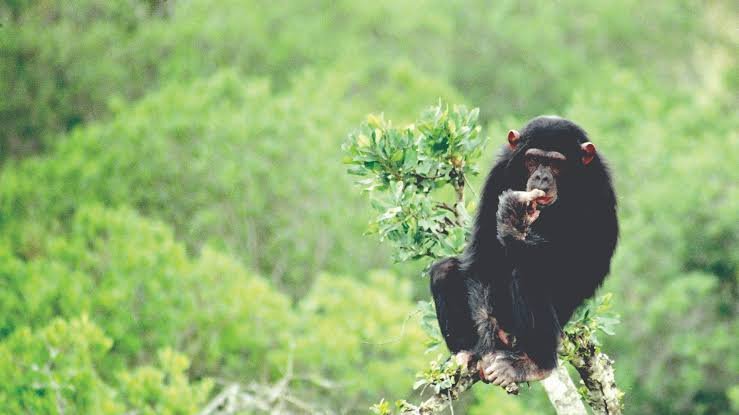
Exploring Kibale allows travelers to connect deeply with nature while supporting important conservation efforts that protect chimpanzees, preserve ancient forests, and benefit communities surrounding the park. Every visit contributes to the continued protection of this remarkable ecosystem while creating unforgettable memories of Uganda’s incredible wildlife.
Contact Nextgen Safaris today and let our expert team design your unforgettable Kibale Forest safari filled with exceptional wildlife encounters, professional guiding, comfortable arrangements, and meaningful adventures in Uganda’s world-famous primate capital.