
Kidepo Valley Safari
Ultimate Kidepo Valley Safari – Discover Uganda’s Wildest African Wilderness
A Kidepo Valley Safari takes travelers into one of the most remote, dramatic and rewarding wildlife landscapes in Uganda. Far from the busier safari circuits of western Uganda, Kidepo Valley National Park spreads across an immense wilderness of golden savannah, rugged mountains, seasonal rivers, rocky outcrops and broad valleys where elephants, buffaloes, lions, giraffes and zebras roam beneath enormous open skies. The park’s isolation is part of its appeal. Travelers who make the journey to northeastern Uganda are rewarded with an atmosphere that feels genuinely wild, with fewer safari vehicles, uninterrupted landscapes and some of the most spectacular scenery found anywhere in the country.

Kidepo Valley National Park covers approximately 1,442 square kilometers in the Karamoja region of northeastern Uganda. Uganda Wildlife Authority currently lists more than 77 mammal species and 476 bird species, while the park ranges in elevation from about 914 meters to 2,750 meters. It borders South Sudan and lies only a short distance from Kenya, giving the landscape a distinctly remote frontier character. For travelers seeking something beyond the traditional Uganda safari route, Kidepo offers an extraordinary combination of wildlife, scenery, birding, culture and wilderness.
A Kidepo Valley Safari can be enjoyed as a dedicated wildlife journey or incorporated into a much longer Uganda adventure. Visitors can begin in Entebbe or Kampala, travel north through Uganda, explore Kidepo, continue toward Murchison Falls National Park and eventually travel south to Kibale, Queen Elizabeth National Park and Bwindi Impenetrable National Park for gorilla trekking. With careful itinerary planning by Nextgen Safaris, Kidepo can become one of the defining highlights of a comprehensive exploration of Uganda.
Where Is Kidepo Valley National Park?
Kidepo Valley National Park lies in the extreme northeastern corner of Uganda in the wider Karamoja region. Its remote location close to the borders of South Sudan and Kenya gives the park a very different character from Uganda’s better-known western national parks. Kidepo Valley Safari, Uganda Wildlife Authority places Kidepo at approximately 700 kilometers from Kampala, making it one of the country’s most distant national parks from the capital. The distance is substantial, but it is also one of the reasons Kidepo retains such an exceptional sense of wilderness.
The park contains two major valleys, the Narus Valley and Kidepo Valley, each providing a completely different safari experience. Narus is greener and has more reliable water sources, which makes it particularly productive for wildlife viewing. Kidepo Valley is generally drier and more dramatic, with broad sandy riverbeds, semi-arid plains and distant mountains dominating the horizon. Together, these landscapes create a safari destination where scenery often feels as impressive as the wildlife itself.
Travelers reaching Kidepo by road normally travel north through Gulu and Kitgum before entering the park. Uganda Wildlife Authority describes the most direct road journey through Gulu toward Lokumoit Gate as taking approximately ten hours, although road conditions, stops and weather can influence travel time. For this reason, many Nextgen Safaris itineraries break the journey with an overnight stay or combine Kidepo with other attractions rather than treating the entire journey as one long transfer.
Why Choose a Kidepo Valley Safari?
A Kidepo Valley Safari is particularly suitable for travelers who value wilderness, scenery and a quieter safari environment. While Murchison Falls and Queen Elizabeth National Park attract significantly more visitors because of their accessibility, Kidepo remains comparatively isolated. This often means fewer safari vehicles around wildlife sightings and longer periods where travelers can explore stretches of savannah without seeing another tourist vehicle.
Kidepo also has wildlife species and landscapes that give it a distinctive character within Uganda. Zebras occur alongside large buffalo herds, giraffes move across open plains and lions can sometimes be seen around rocky areas overlooking the valleys. Cheetahs have also been recorded in the Kidepo landscape, although they occur in very low numbers and should be considered a rare sighting rather than an animal visitors can expect to see routinely. Kidepo Valley Safari, Uganda Wildlife Authority’s carnivore conservation work identifies Kidepo as one of the country’s important landscapes for cheetah monitoring.
Perhaps most importantly, Kidepo delivers a feeling of scale. Mountains rise beyond huge plains, the sky appears almost endless and wildlife often seems tiny against the surrounding landscape. It is this combination of animals and wilderness that makes a Kidepo safari especially attractive to experienced safari travelers who have already visited more heavily traveled destinations elsewhere in East Africa.
The Narus Valley – Kidepo’s Premier Wildlife Area
The Narus Valley is normally the central focus of wildlife viewing during a Kidepo Valley Safari. Kidepo Valley Safari, Located around the southern part of the park near Apoka, the valley contains more dependable water sources than many surrounding areas. During dry periods, wildlife becomes increasingly concentrated around these remaining water points, creating excellent opportunities to see large mammals during game drives.
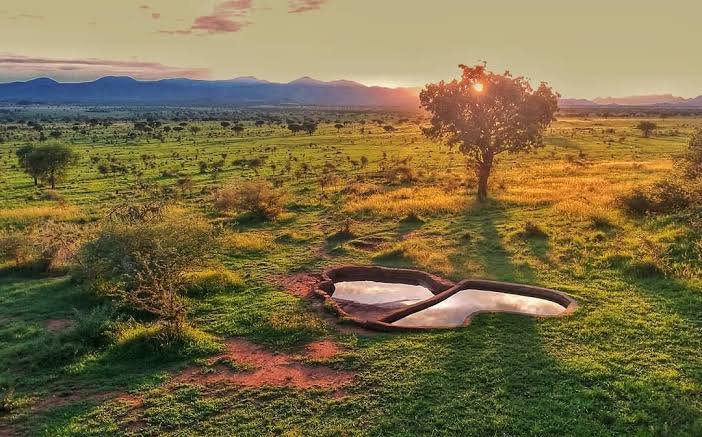
Uganda Wildlife Authority identifies Narus as Kidepo’s prime game-viewing area, with buffaloes frequently occurring along the valley floor, giraffes using the drier slopes and lions sometimes observed around rocky outcrops. Game-drive circuits around Kakine, Katurum and Nagusokopire provide access to different sections of the valley. Experienced driver-guides monitor recent sightings, water availability and wildlife movement before deciding which routes to explore.
Early morning is particularly rewarding in Narus. Kidepo Valley Safari, Predators may still be active following the night, while elephants, buffaloes, giraffes and antelopes begin moving across the plains before temperatures rise. Late afternoon offers another productive period when wildlife becomes active again and warm light transforms the surrounding grasslands into beautiful photographic landscapes.
Exploring the Kidepo Valley
The Kidepo Valley provides a completely different experience from Narus. Wildlife is generally less concentrated, but the immense scenery makes the journey worthwhile even when animal sightings are limited. The valley is defined by broad semi-arid plains, mountain views and the sandy channel of the seasonal Kidepo River.
During dry periods, visitors may be able to walk on portions of the river’s sandy bed under appropriate ranger guidance. The surrounding landscape feels exceptionally remote, particularly as the safari vehicle travels farther away from Apoka and toward Uganda’s northern frontier.
Uganda Wildlife Authority describes the Kidepo Valley drive as particularly strong for scenery and notes opportunities to encounter birds such as ostriches and secretary birds. The drive can extend toward Kanangorok Hot Springs, situated beyond the Kidepo River toward the South Sudan border. For travelers who have several nights in the park, exploring both Narus and Kidepo Valley is highly recommended because each reveals a completely different side of the national park.
Wildlife on a Kidepo Valley Safari
Kidepo’s wildlife diversity is remarkable considering its semi-arid environment. Large mammals include African elephants, Cape buffaloes, giraffes, zebras, Jackson’s hartebeests, elands, waterbucks, oribis and warthogs. Predators include lions, leopards and spotted hyenas, while cheetahs are occasionally recorded in the broader landscape. Uganda Wildlife Authority’s management documents identify Kidepo as particularly notable for its diversity of large mammals.
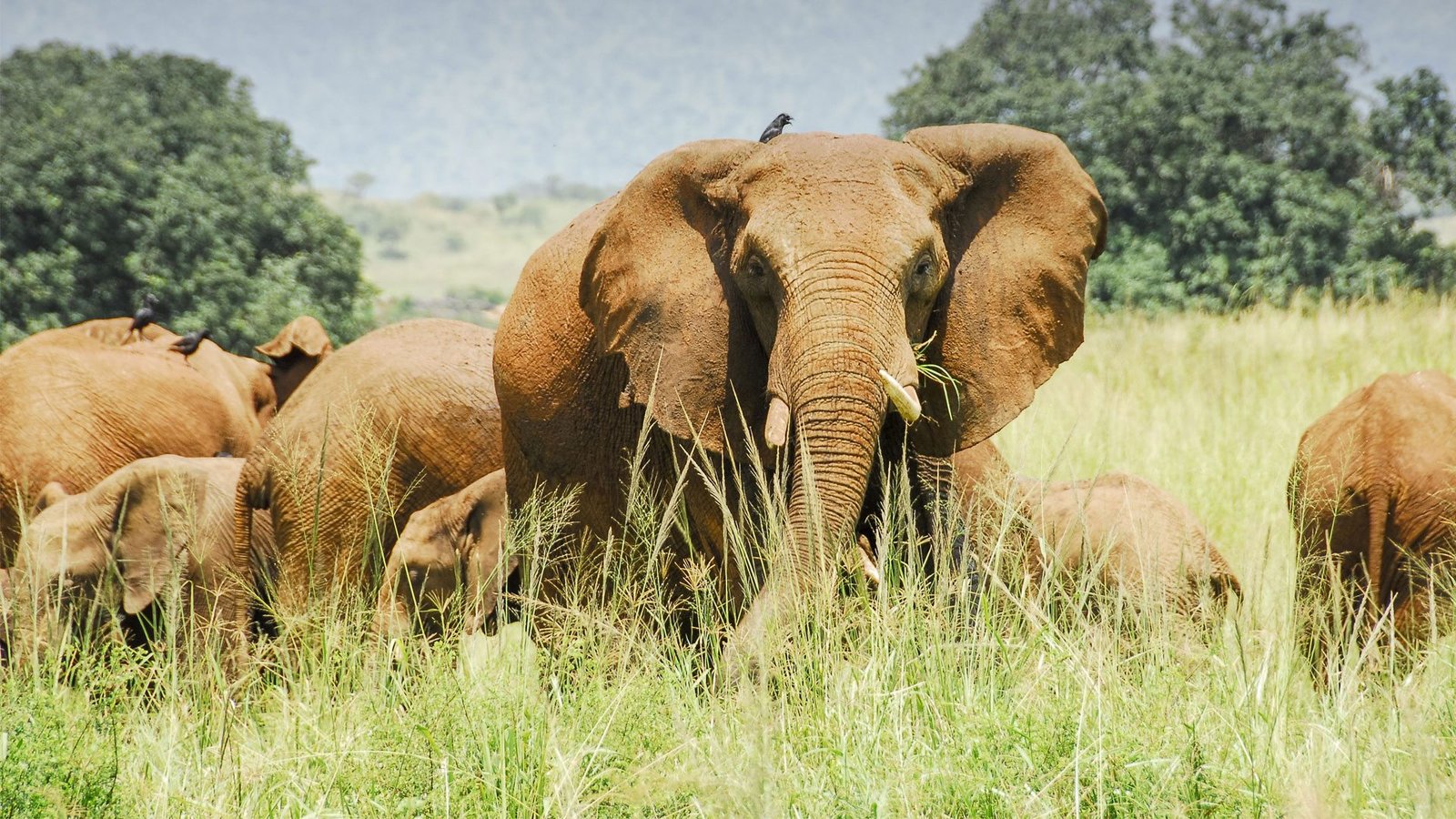
Buffaloes are among the most impressive animals in the park. Kidepo Valley Safari, Large groups can gather around Narus Valley water sources during dry conditions, producing some of Kidepo’s classic wildlife scenes. Elephants are another major presence and may be seen crossing open plains, feeding around woodland or moving toward water.
Zebras give Kidepo a distinctive East African savannah appearance and are frequently encountered during game drives. Giraffes are equally photogenic, particularly when seen against the mountains surrounding the park. The combination of open grasslands and dramatic backgrounds makes Kidepo particularly rewarding for travelers who want wildlife photographs showing animals within a broader landscape rather than only tight portraits.
Lions, Leopards and Cheetahs in Kidepo
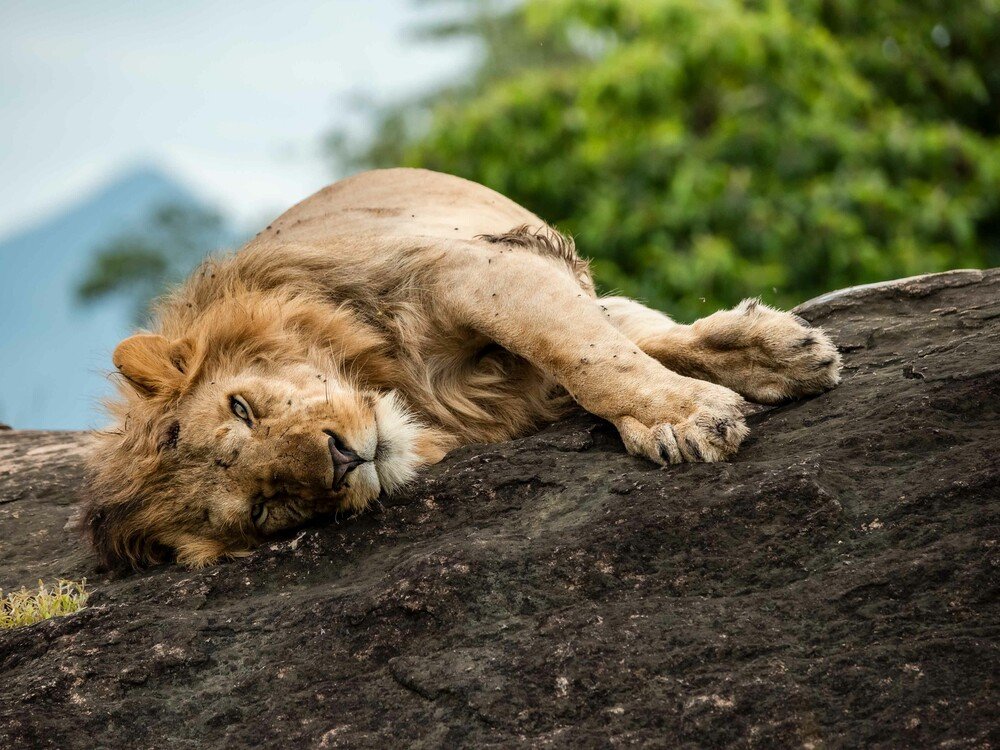
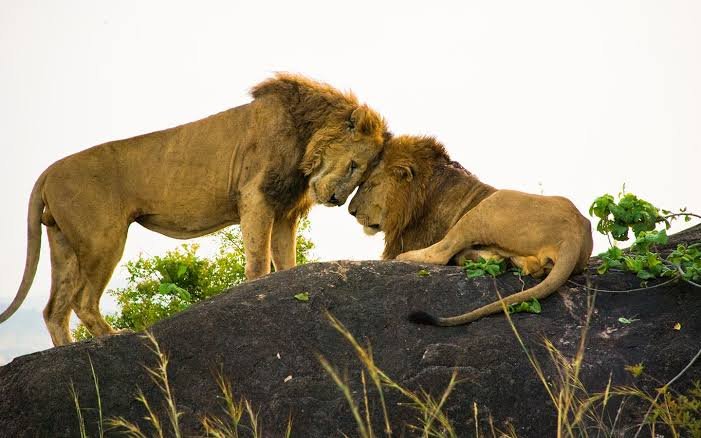
Predators are among the most exciting animals to search for during a Kidepo Valley Safari. Kidepo Valley Safari, Lions are the most frequently sought-after large carnivores and may be encountered resting on rocky outcrops, walking through grassland or remaining concealed in vegetation near concentrations of prey.
Leopards occur within the ecosystem but are naturally secretive. Their spotted coats provide excellent camouflage, and sightings depend heavily on luck, guide experience and animal movement. Even when a leopard is not seen, signs such as tracks or alarm calls can add excitement to a game drive.
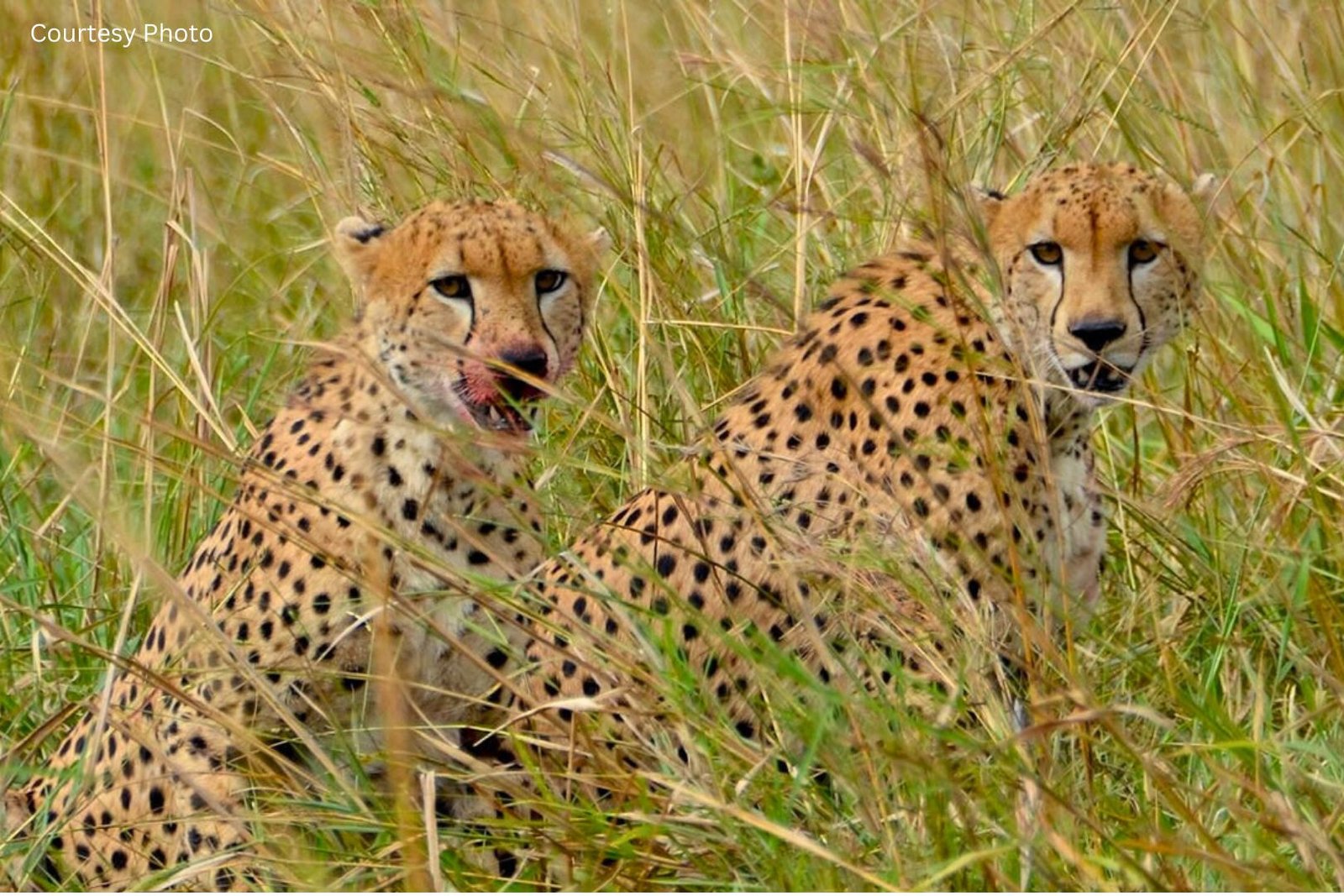
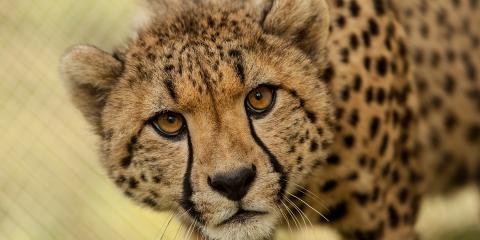
Cheetahs are particularly fascinating because Kidepo is one of the few Ugandan landscapes associated with recent cheetah records. Their numbers are extremely low, however, and travelers should never choose Kidepo expecting a guaranteed cheetah encounter. A sighting should instead be viewed as an exceptional bonus within a broader wildlife safari. Kidepo Valley Safari, Current UWA carnivore conservation documentation notes recent low-frequency cheetah records in the Kidepo landscape.
The Return of Rhinos to Kidepo Valley
Kidepo Valley entered an important new chapter in Uganda’s conservation history in March 2026, when Uganda Wildlife Authority began the reintroduction of Southern White Rhinos to the park after an absence of more than four decades. The first two rhinos were transferred from Ziwa Rhino Sanctuary, with UWA announcing plans to move a total of eight animals as part of the restoration program.
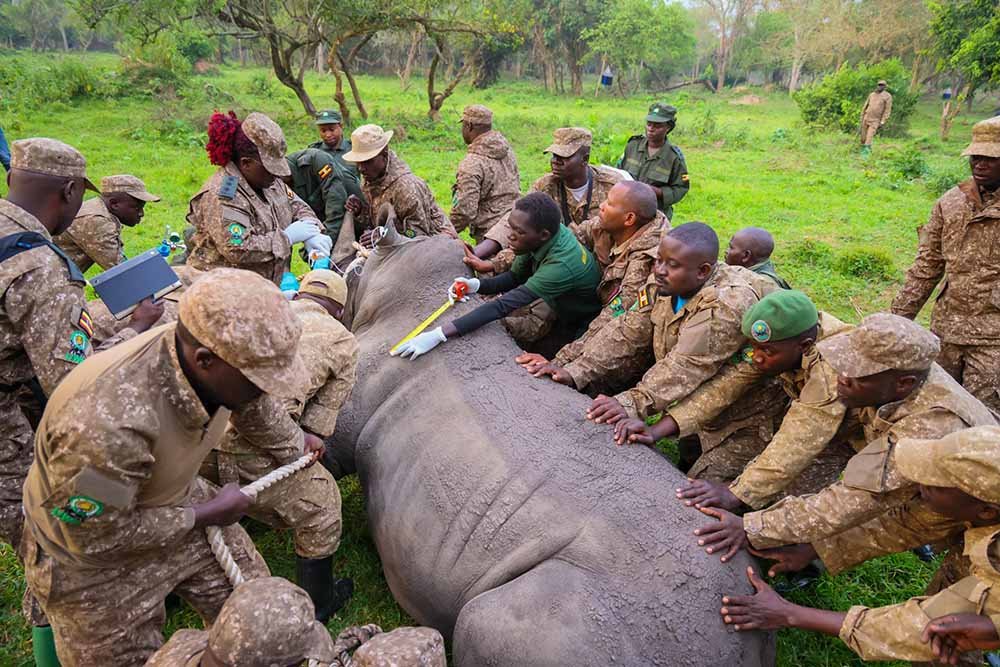
The rhinos were initially placed within a secure sanctuary in Kidepo where wildlife teams could monitor their adaptation and provide necessary protection. This means travelers should not automatically assume that rhinos can currently be encountered freely on ordinary game drives. Viewing arrangements and accessibility should always be checked at the time of booking because the reintroduction program is being implemented gradually.
The project is nevertheless an important conservation milestone. Rhinos historically occurred within the Kidepo ecosystem before disappearing during periods of intense poaching and insecurity. Their return represents a major effort to restore an important species to one of Uganda’s most intact savannah landscapes.
Birdwatching in Kidepo Valley National Park
Birdwatching is another major reason to choose Kidepo. Uganda Wildlife Authority currently records approximately 476 bird species in the park, making the area exceptionally important for both serious birders and general safari travelers. Kidepo Valley Safari, The park’s location in northeastern Uganda means its birdlife includes species associated with dry-country ecosystems that travelers may not easily see elsewhere in the country.
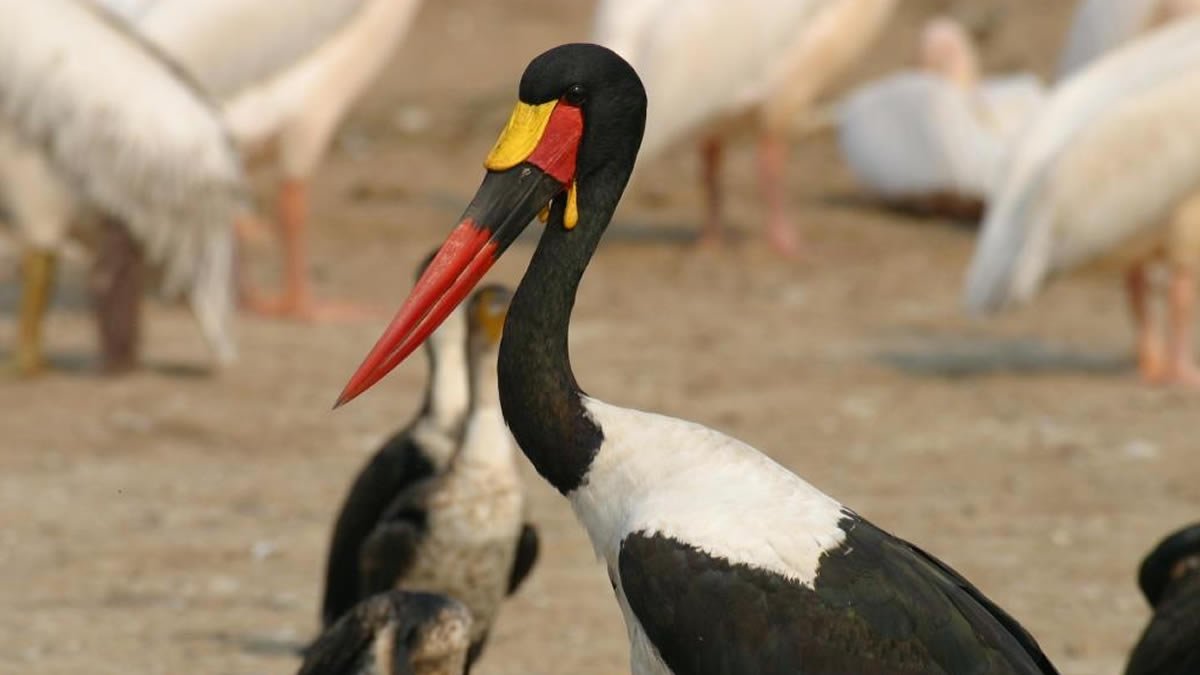
Ostriches are among Kidepo’s most recognizable birds and can sometimes be observed moving across open landscapes in the drier parts of the park. Secretary birds, bee-eaters, raptors and numerous savannah species also contribute to the park’s impressive checklist.
Birdwatching can easily be combined with normal game drives because interesting species appear throughout Narus and Kidepo valleys. Dedicated birders, however, may want additional time with an experienced guide who can explore specific habitats slowly rather than concentrating exclusively on large mammals.
Game Drives in Kidepo Valley National Park
Game drives form the foundation of most Kidepo safaris. Kidepo Valley Safari, Early morning drives normally begin around sunrise when temperatures are cooler, predators may still be active and wildlife is moving toward feeding or watering areas. The soft morning light also makes this one of the best periods for photography.
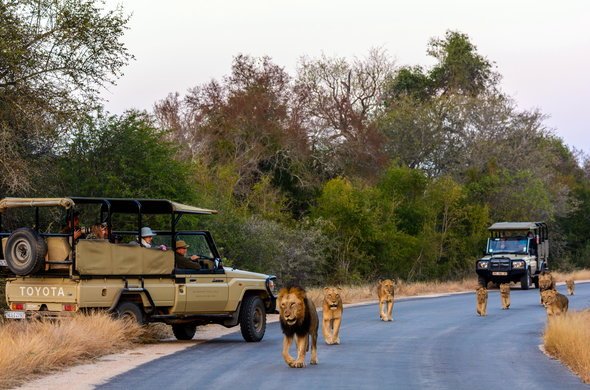
Afternoon game drives create a different atmosphere. As temperatures begin falling, animals that rested through the heat may become more active. Kidepo Valley Safari, Elephants, giraffes and buffaloes moving across open plains under warm evening light can produce some of the most memorable scenes of the entire safari.
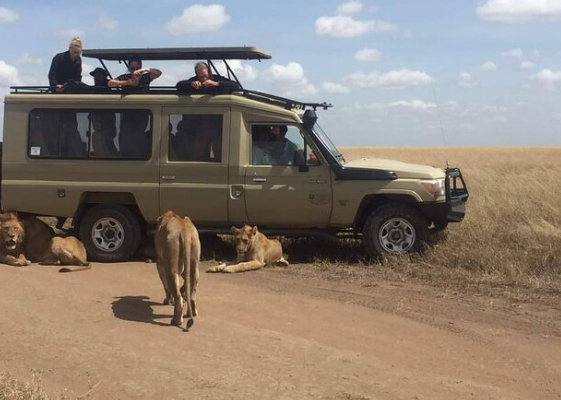
Private game drives provide the greatest flexibility because guests can spend more time at interesting sightings and concentrate on specific interests such as predators, birds or photography. Nextgen Safaris can arrange private safari vehicles with experienced driver-guides who understand the park’s tracks, wildlife habitats and seasonal conditions.
Nature Walks in Kidepo
Experiencing Kidepo on foot gives visitors an entirely different understanding of the landscape. Rather than concentrating only on large animals, guided nature walks introduce travelers to tracks, vegetation, smaller wildlife and details that are easily missed from a safari vehicle.
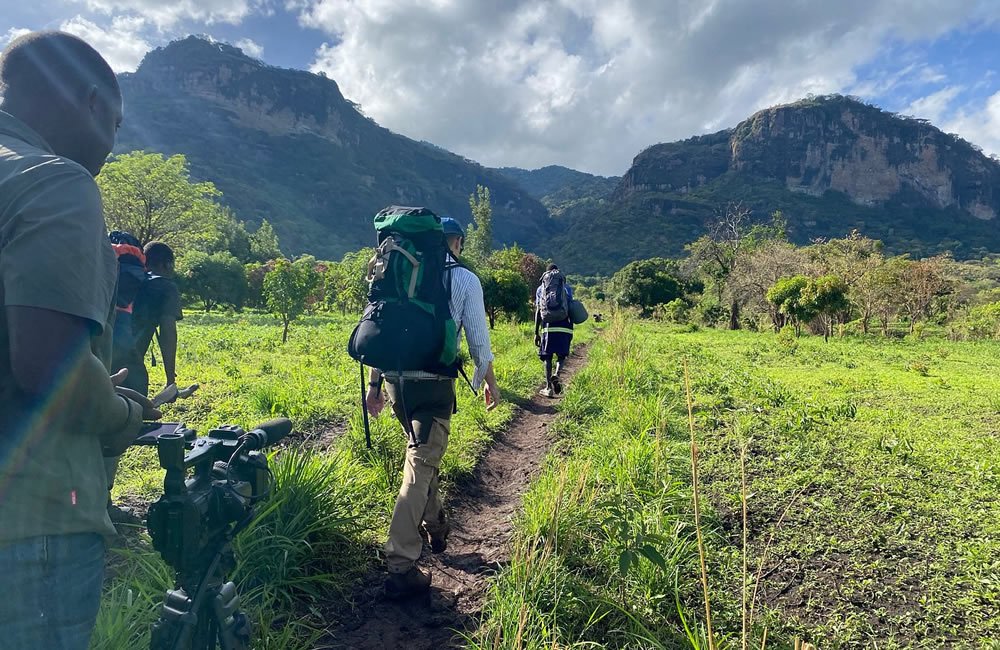
Uganda Wildlife Authority has traditionally offered ranger-guided walking opportunities around Apoka and parts of the Narus landscape, with longer routes available in suitable areas. All walks must follow current park procedures and ranger requirements.
Walking through open savannah with mountains rising in the distance can be a memorable complement to game drives. However, wildlife encounters on foot must always be handled under the direction of trained rangers because Kidepo contains large and potentially dangerous wild animals.
Kanangorok Hot Springs
The Kanangorok Hot Springs provide an interesting scenic destination for travelers exploring the northern Kidepo Valley. Located beyond the seasonal Kidepo River toward the South Sudan border, the springs sit within an extremely remote and semi-arid landscape.
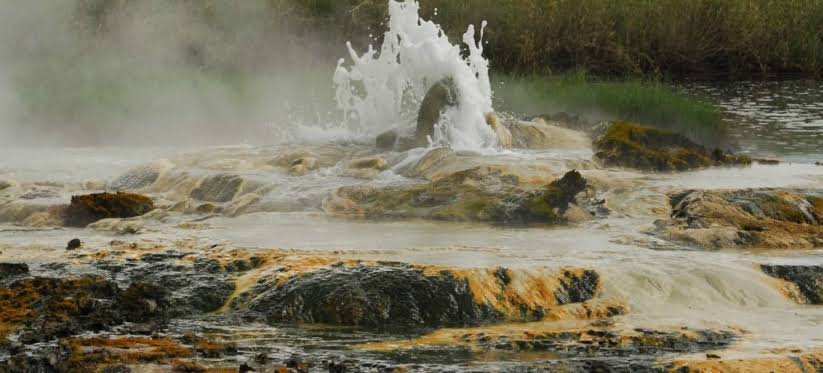
The journey is often as important as the destination itself. Travelers pass through vast plains and sandy river environments where ostriches and other dry-country wildlife may be encountered. Uganda Wildlife Authority’s visitor information describes Kanangorok as a convenient destination during the Kidepo Valley drive.
Because of its remote location, visiting the area should be coordinated with park authorities and a professional guide. Road and seasonal conditions can influence access, particularly after periods of rainfall.
Cultural Experiences Around Kidepo
A Kidepo Valley Safari can also introduce visitors to the cultures of northeastern Uganda. The wider Karamoja region is closely associated with the Karamojong, whose traditional cattle-keeping culture has shaped life in this semi-arid region for generations.
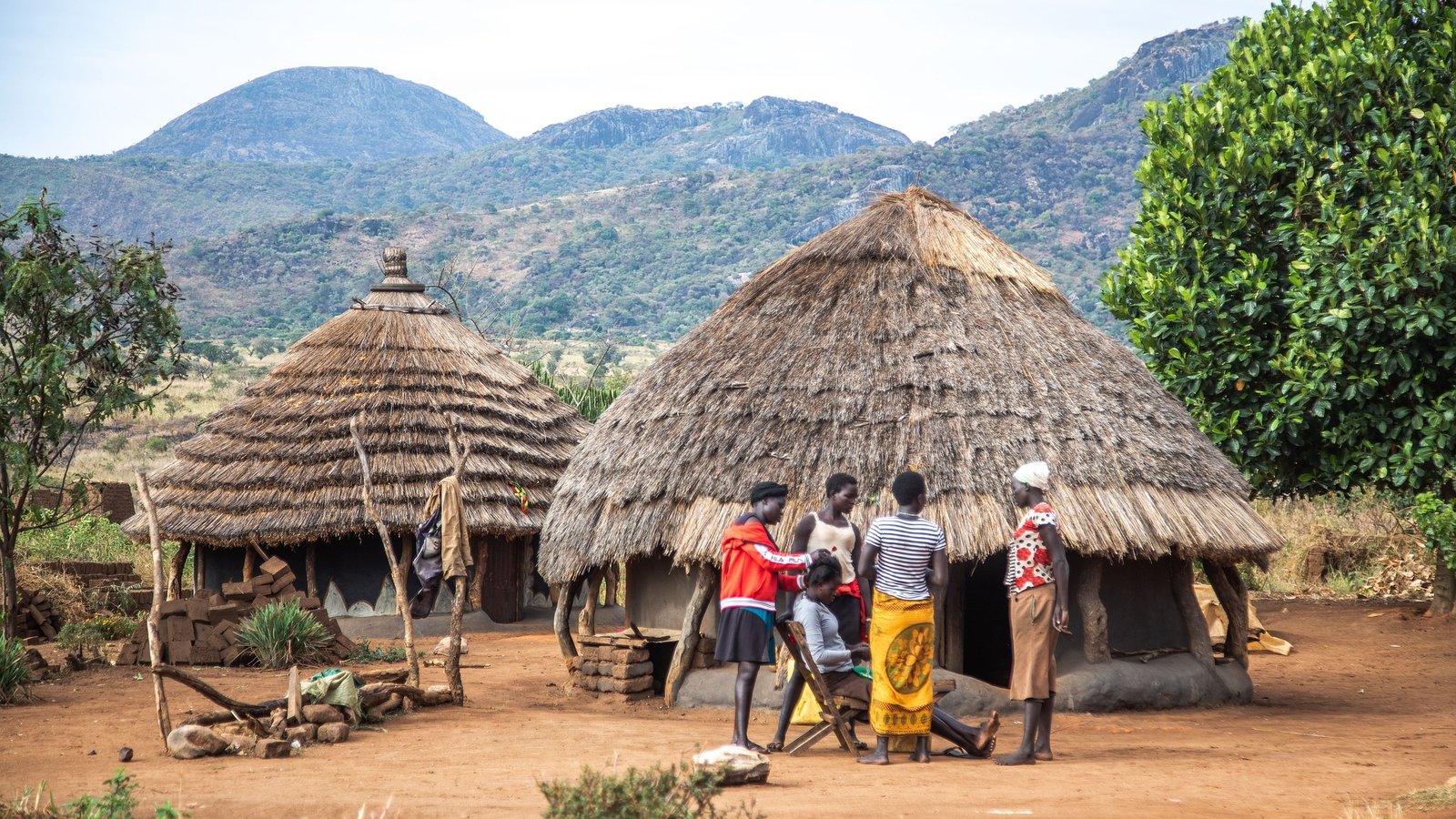
Responsible cultural visits may include opportunities to learn about traditional homesteads, cattle keeping, music, dance, crafts and changing ways of life. Uganda Wildlife Authority highlights community visits around Kidepo as one way travelers can learn more about communities surrounding the protected area.
Cultural tourism should always be approached respectfully. The purpose should be genuine exchange and community benefit rather than treating local people as tourist exhibits. Nextgen Safaris can incorporate community experiences through established local partnerships where visits contribute meaningfully to host communities.
Travelers with additional time may also explore cultural experiences associated with the Ik people in the wider northeastern region. These excursions require considerably more planning and should be arranged according to current accessibility, community arrangements and the physical ability of travelers.
Best Time for a Kidepo Valley Safari
Kidepo Valley National Park is open throughout the year, but seasonal conditions influence wildlife viewing and the appearance of the landscape. Drier periods are particularly popular because wildlife becomes increasingly dependent on permanent water sources around Narus Valley. This concentration can make animals easier to locate and create impressive gatherings around remaining water.
The dry landscape also gives Kidepo its classic golden wilderness appearance. Dust, warm light and sparse vegetation can create dramatic photographic conditions, although daytime temperatures may become high.
During wetter months, Kidepo transforms. Grasslands become greener, seasonal rivers begin carrying water and the mountains can appear particularly beautiful beneath dramatic cloud formations. Wildlife may become more widely dispersed when water is readily available throughout the ecosystem, but the scenery can be extraordinary.
There is therefore no single month that suits every traveler. The best period depends on whether your main priority is concentrated wildlife viewing, green landscapes, birding, photography or combining Kidepo with other Uganda destinations.
How Many Days Are Best for Kidepo Valley?
Because Kidepo is remote, travelers should spend enough time inside the park to justify the journey. A short stay of only one night provides very little opportunity to appreciate the landscape and may result in more time being spent traveling than actually exploring.
For most visitors, three nights in Kidepo provides a much better experience. This allows several morning and afternoon game drives, time in Narus Valley and an opportunity to explore the more distant Kidepo Valley.
Four nights can be even more rewarding for photographers, birdwatchers and travelers who prefer a slower safari. Additional time creates flexibility if weather changes or wildlife activity is quiet during a particular game drive.
Travelers arriving by air may be able to enjoy a shorter itinerary efficiently because long road transfers are removed. Road travelers should generally design a longer northern Uganda itinerary that includes worthwhile stops before and after Kidepo.
How to Get to Kidepo Valley National Park
Road and air are the two principal ways to reach Kidepo. Road travel is ideal for visitors who enjoy seeing more of Uganda and have enough time for a longer itinerary. The most direct route from Kampala generally passes through northern Uganda via Gulu and Kitgum. UWA estimates the direct journey at about ten hours under normal circumstances.
Rather than completing the entire journey in one long day, travelers can break the route with an overnight stop. The journey can also be incorporated into a larger circuit including Murchison Falls National Park.
Flying is the fastest option and is particularly attractive for luxury travelers, honeymooners, older travelers and guests with limited time. Uganda Wildlife Authority recommends scheduled or charter flights as the easiest way to reach this remote national park. Flights and transfers should be planned carefully around lodge location and operating schedules.
Fly-In Kidepo Valley Safari
A fly-in Kidepo Valley Safari transforms what would otherwise be a long road journey into a much more efficient wilderness escape. Travelers can depart from the Entebbe area and fly toward Kidepo before connecting with their lodge and safari vehicle.
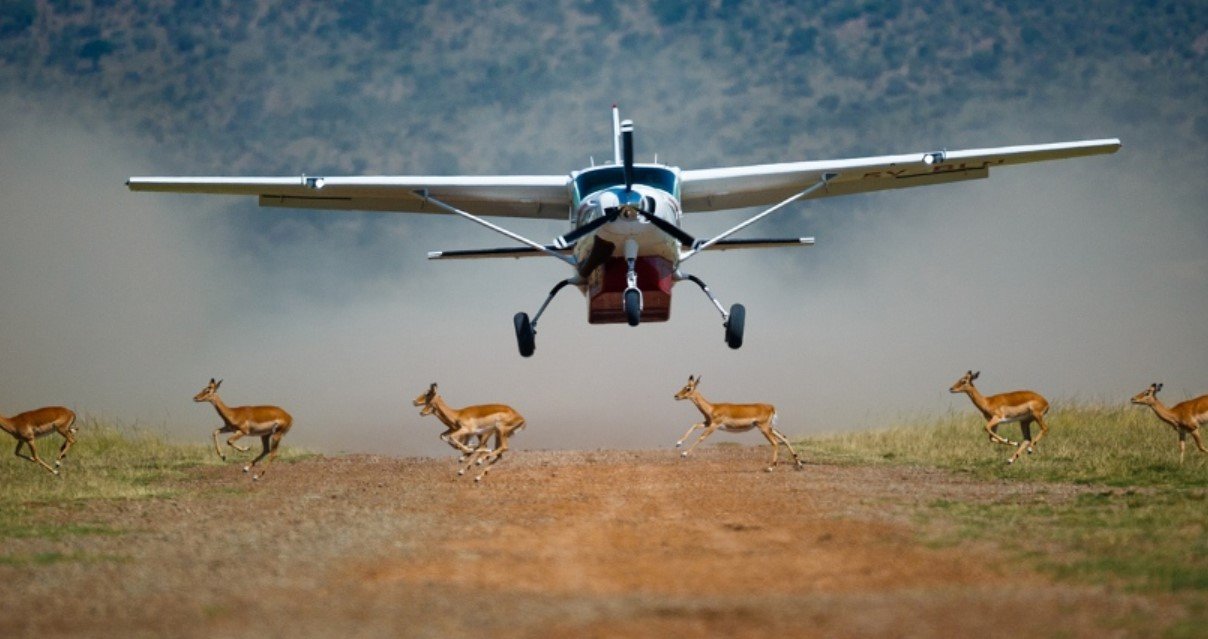
Fly-in safaris are particularly suitable for travelers with five or six total days in Uganda who want to experience Kidepo without spending a large proportion of the trip on the road. They also work exceptionally well within luxury itineraries where comfort and efficient use of vacation time are priorities.
Nextgen Safaris can combine domestic aviation with private ground arrangements so that travelers still have a dedicated safari vehicle and professional guide for activities after arrival.
Accommodation in Kidepo Valley
Kidepo has a smaller accommodation selection than more heavily developed national parks, which contributes to its secluded atmosphere. Options range from comfortable safari lodges to simpler camps and accommodation outside the park boundaries.
Luxury travelers can choose properties offering spacious rooms, dramatic savannah views, quality dining and personalized service. Mid-range travelers can stay in comfortable safari camps that provide attractive surroundings without the premium pricing associated with high-end lodges.
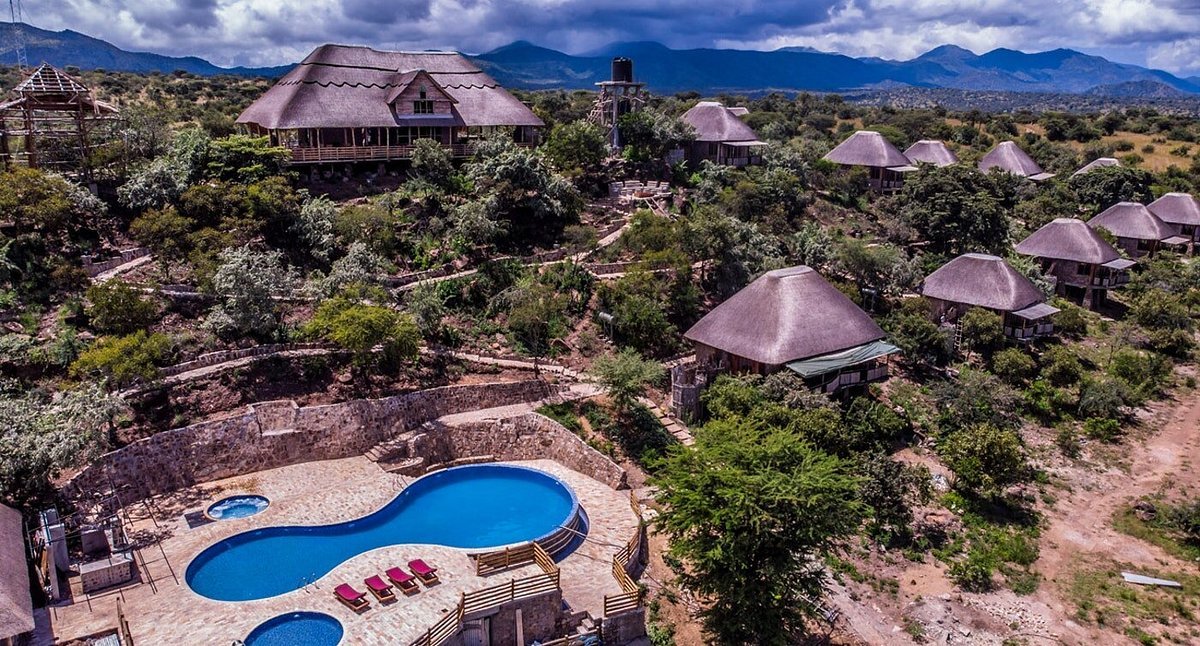
Because Kidepo is remote, accommodation availability should be checked early, particularly for popular travel periods. Lodge location is also important. Staying conveniently positioned for Narus Valley game drives can reduce unnecessary travel time and make early morning departures considerably easier.
Nextgen Safaris considers location, comfort, meal quality, safari routing, budget and availability when recommending properties rather than selecting accommodation based only on brand recognition.
Kidepo Valley Safari for Photographers
Kidepo is one of Uganda’s finest destinations for wildlife and landscape photography. The park provides open horizons, mountainous backgrounds, isolated trees and expansive plains that allow photographers to create images showing animals within their natural environment.
Giraffes and elephants are particularly impressive against distant mountains, while large buffalo herds can create dramatic wide-angle compositions. Lions resting on rocky outcrops offer another characteristic Kidepo scene.
Private safari vehicles are highly recommended for serious photographers because they provide greater control over positioning and time. Carrying a telephoto lens for wildlife and a wider lens for landscapes allows photographers to capture the full diversity of the park.
Dust protection, spare batteries and sufficient storage are important because Kidepo’s remote location makes replacing forgotten photography equipment difficult.
Kidepo Valley Safari for Families
Families looking for an adventurous Uganda safari can enjoy Kidepo, particularly when children are old enough to appreciate longer wildlife drives and the park’s remote setting. Game drives provide opportunities to see elephants, zebras, giraffes and buffaloes without demanding physical activity.
The greatest consideration is travel time. Families with younger children may find the long road journey challenging and could benefit significantly from flying into the park.
A good family itinerary should also include enough lodge time between game drives. Trying to fill every hour with activities can make a safari exhausting, while a slower schedule gives children time to rest and enjoy the environment.
Kidepo Valley for Honeymoons and Private Safaris
Kidepo’s remoteness makes it particularly attractive for couples looking for privacy and wilderness. Few experiences are more romantic than watching the sun disappear behind distant mountains after an afternoon spent exploring almost empty savannah.
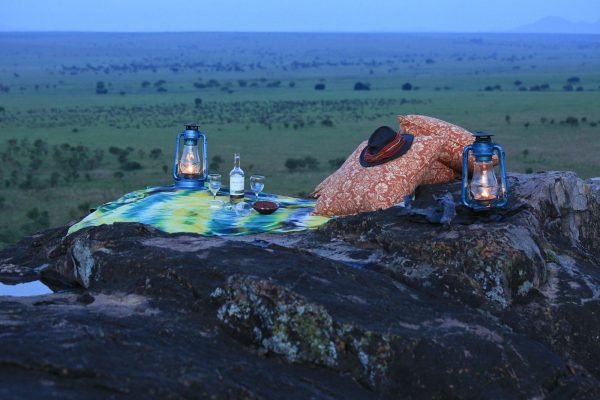
A private vehicle allows couples to choose their own pace rather than following a group schedule. Luxury lodges can add comfortable rooms, scenic terraces and personalized service to the experience.
Kidepo can also form part of a longer Uganda honeymoon combining savannah wildlife with chimpanzee trekking, gorilla trekking and relaxing lodge stays in southwestern Uganda.
Combining Kidepo Valley with Murchison Falls
One of the most natural extensions to a Kidepo Valley Safari is Murchison Falls National Park. Instead of returning directly to Kampala after Kidepo, travelers can continue toward Murchison for a completely different wildlife experience.
Kidepo provides isolated savannah, mountains, zebras, buffaloes and wilderness, while Murchison introduces the River Nile, boat cruises, hippos, crocodiles, giraffes, elephants and the dramatic Murchison Falls.
Combining both parks creates an exceptional northern Uganda safari and makes the long journey to Kidepo more rewarding. Travelers with approximately seven or eight days can begin developing a meaningful circuit rather than treating Kidepo as a standalone return trip.
Combining Kidepo with Gorilla Trekking
For travelers wanting the most complete Uganda wildlife experience, Kidepo can be combined with gorilla trekking in Bwindi Impenetrable National Park. Although the destinations are far apart, domestic flights and carefully designed road itineraries can make the combination possible.
The contrast could hardly be greater. Kidepo is defined by broad open savannah, dry-country wildlife and distant mountains. Bwindi is an ancient tropical rainforest of steep green hills where travelers trek on foot in search of habituated mountain gorilla families.
A longer journey can connect Kidepo with Murchison Falls, Kibale National Park, Queen Elizabeth National Park and Bwindi, producing a safari that includes lions, elephants, rhinos depending on current viewing arrangements, chimpanzees and mountain gorillas.
For first-time visitors with sufficient time, this type of itinerary provides one of the most complete introductions to Uganda’s extraordinary wildlife diversity.
Conservation and Responsible Tourism in Kidepo
Kidepo’s remote ecosystem requires continued conservation investment to protect wildlife and maintain connections with surrounding landscapes. In 2026, conservation initiatives within the Kidepo-Turkana region continued focusing on wildlife protection, connectivity, local livelihoods and reducing human-wildlife conflict.
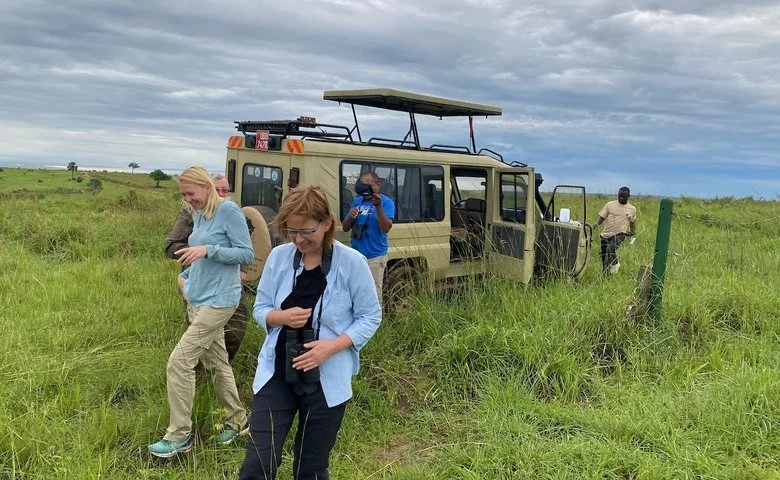
The historic rhino reintroduction is another significant step toward restoring species that once formed part of this ecosystem. Responsible tourism contributes by generating park revenue, supporting conservation employment and creating economic opportunities around protected areas.
Visitors can help by following ranger instructions, maintaining appropriate distances from animals, avoiding litter, respecting communities and choosing responsible tourism experiences.
Planning Your Kidepo Valley Safari with Nextgen Safaris
Planning a successful Kidepo journey requires careful attention to transport, accommodation and the amount of time available. Because the park is remote, poorly planned itineraries can involve excessive driving and insufficient safari time. A good itinerary should make the journey itself part of the experience or use flights where time is limited.
Nextgen Safaris can arrange private Kidepo Valley safaris ranging from focused fly-in wildlife trips to extensive Uganda journeys. Your safari can include airport transfers, professional driver-guides, private 4×4 safari vehicles, accommodation, park activities, game drives, cultural experiences and onward connections with other destinations.
Budget, mid-range and luxury options can be developed according to individual preferences. Travelers can also combine Kidepo with Murchison Falls, Kibale chimpanzee trekking, Queen Elizabeth National Park and Bwindi gorilla trekking.
The objective should never be simply to visit as many destinations as possible. A successful safari allows enough time to experience each landscape properly, enjoy wildlife sightings without rushing and return home feeling that you truly explored Uganda.