
Ngamba Island Chimpanzee Sanctuary – Complete 2026–2030 Visitor Guide
The Ngamba Island Chimpanzee Sanctuary is one of Uganda’s most unique and accessible wildlife experiences. Located on the waters of Lake Victoria, just off the shores of Entebbe, the Ngamba Island Chimpanzee Sanctuary offers visitors the opportunity to observe rescued chimpanzees in a protected island environment.
Unlike chimpanzee trekking in Kibale or Budongo, Ngamba Island Chimpanzee Sanctuary is not a wild forest tracking experience. Visitors do not hike through rainforest terrain in search of free-ranging primates. Instead, this is a conservation-focused sanctuary visit where rescued and orphaned chimpanzees live in a large, semi-natural forest habitat under professional care.
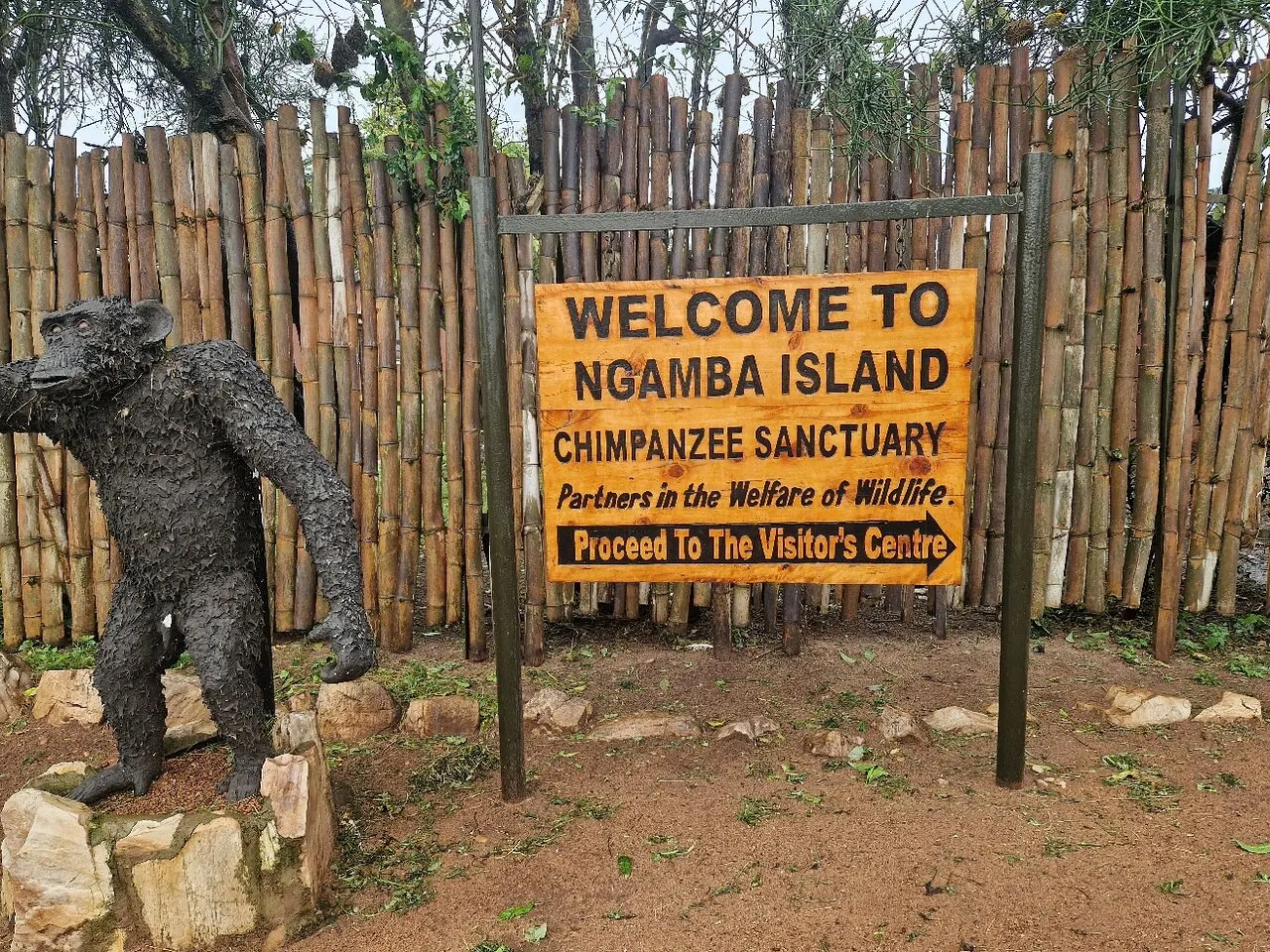
Because of its proximity to Entebbe International Airport, approximately 45 to 90 minutes by boat—Ngamba Island Uganda has become one of the most popular short excursions for travelers with limited time. It is ideal for layovers, family-friendly wildlife encounters, educational visits, and travelers who may not meet the physical demands of chimpanzee trekking.
Between 2026 and 2030, interest in the Ngamba Island Chimpanzee Sanctuary continues to grow as more visitors seek ethical wildlife encounters centered on conservation and rehabilitation rather than only adventure tourism. The sanctuary offers a rare opportunity to witness chimpanzee behavior up close while directly supporting long-term primate protection efforts in Uganda.
This guide covers everything you need to know about visiting the Ngamba Island Chimpanzee Sanctuary, including location, pricing, what to expect, conservation impact, and how it compares to wild chimpanzee trekking.
What Is Ngamba Island Chimpanzee Sanctuary?
Ngamba Island Chimpanzee Sanctuary is a dedicated rescue and rehabilitation center for orphaned and confiscated chimpanzees in Uganda. Established to provide a permanent home for chimpanzees rescued from illegal wildlife trade, habitat destruction, and poaching, the sanctuary plays a critical role in primate conservation across the region.
The sanctuary is situated on a forested island in Lake Victoria, offering a semi-natural habitat where rescued chimpanzees can live in large social groups within a protected environment. Unlike zoos or enclosed facilities, Ngamba Island provides expansive forest space where chimpanzees can climb, forage, and interact in ways that mirror wild behavior as closely as possible under supervised care.

The chimpanzees living at Ngamba Island Uganda cannot be released back into the wild due to early trauma, human imprinting, or habitat limitations. Instead, the sanctuary ensures lifelong care, veterinary monitoring, enrichment programs, and group socialization within a secure ecosystem.
Visitors to the Ngamba Island Chimpanzee Sanctuary observe the chimpanzees primarily during scheduled feeding sessions from a raised viewing platform. During these sessions, trained caregivers provide fruit and supplemental nutrition while educational talks explain chimpanzee behavior, social hierarchy, rescue stories, and ongoing conservation initiatives.
As one of the most recognized chimpanzee sanctuary Uganda programs, Ngamba Island also supports environmental education and community outreach. Revenue generated from tourism directly funds food supplies, veterinary services, forest maintenance, and anti-trafficking awareness programs.
The focus at Ngamba Island is conservation first, tourism second. This distinction is important for travelers comparing sanctuary visits with wild chimpanzee trekking. The experience here is educational and observational, centered on ethical wildlife stewardship rather than physical adventure.
Between 2026 and 2030, Ngamba Island Chimpanzee Sanctuary remains one of Uganda’s most accessible and conservation-driven primate destinations. For travelers seeking meaningful wildlife encounters near Entebbe without forest hiking, it offers a powerful and responsible alternative.
Ngamba Island Chimpanzee Sanctuary Price Guide (2026–2030)
Prices below reflect published examples and common package structures. Lake conditions, seasonality, and private vs shared transfers can affect final quotes, so treat “on request” items as flexible and confirm at time of booking.
| Experience | Typical Duration | What’s Included | Published / Common Price Reference | Best For |
|---|---|---|---|---|
|
Half-day visit (Speedboat) Ngamba Island day visit | Morning (9:00–13:00) or Afternoon (12:45–17:00) | Round-trip speedboat, entrance, orientation, chimp viewing/feeding session |
1 person: $365 2 persons: $188 each 3 persons: $132 each 4+ persons: $110 each | Short stays, Entebbe add-on, families, travelers avoiding forest trekking |
|
Full-day visit Two feeding sessions | Full day (timing varies by transfer plan) | Orientation, more time on the island, typically includes viewing two feedings | Quoted on request (varies by boat type & private/shared transfer) | Travelers who want deeper learning and a slower, more immersive day |
|
Boat transfer options Entebbe → Ngamba | Speedboat: ~45–50 min Canoe: ~90 min | Transfer time depends on lake conditions; confirm schedules in advance | Cost depends on the package and group size (often bundled with entrance + viewing) | Anyone comparing “Ngamba Island boat cost” or planning logistics from Entebbe |
|
Overnight stay Ngamba Island overnight | 1 night / 2 days (or longer) | Accommodation + island activities; often packaged with boat + chimp sessions | Commonly quoted as a package; some market references place overnight packages around the ~$600 range | Couples, slow travelers, photographers, anyone wanting sunrise/sunset island time |
|
Volunteer experience 1–4 weeks | 1 week, 2 weeks, or 4 weeks | Program structure varies by accommodation style and duration |
1 week: $2035 (Eco-lodge) / $715 (Dormitory) 2 weeks: $2860 (Eco-lodge) / $1300 (Dormitory) 4 weeks: $6240 (Eco-lodge) / $2600 (Dormitory) Also see separate 4-week program fee reference: $2400 per person (group format) | Conservation-minded travelers, gap-year style trips, long-stay Uganda visitors |
Where Is Ngamba Island Located?
The Ngamba Island Chimpanzee Sanctuary is located on a forested island in Lake Victoria, Africa’s largest freshwater lake. The island sits just offshore from Entebbe, making it one of the most accessible wildlife experiences in Uganda.
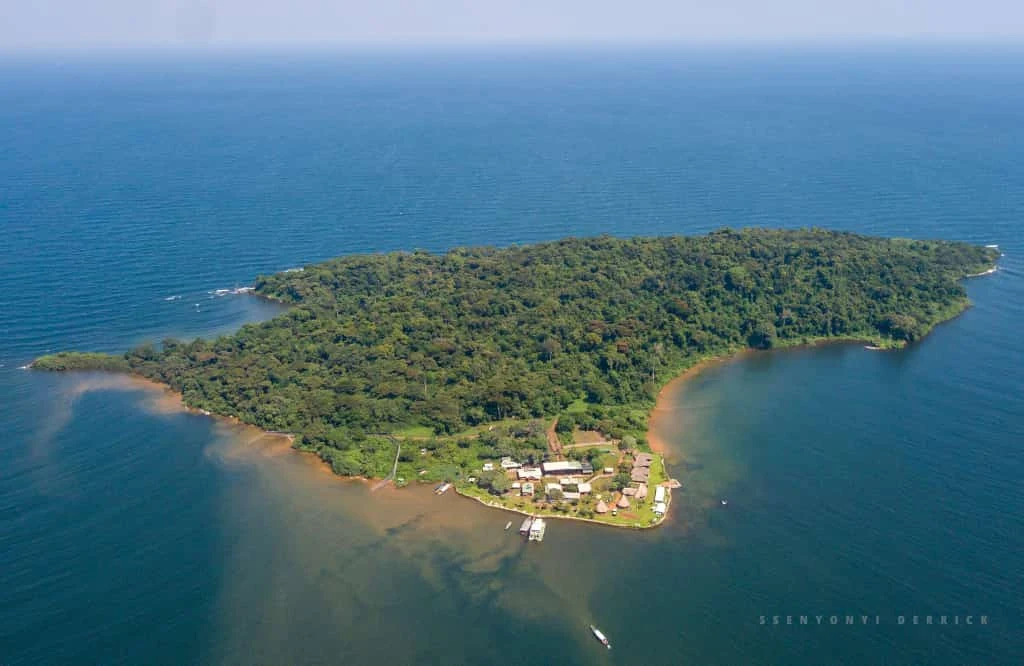
Because of its close proximity to Entebbe International Airport, Ngamba Island Uganda is ideal for travelers arriving or departing Uganda who want a meaningful primate experience without traveling deep into the rainforest. It is frequently added as a half-day or full-day excursion at the beginning or end of a safari itinerary.
For travelers searching “Ngamba Island from Entebbe” or “how to get to Ngamba Island”, access is straightforward. Visitors depart from the Entebbe dock and travel by boat across Lake Victoria to the sanctuary.
There are two primary transfer options:
Speedboat transfers are the most popular and typically take approximately 45 to 50 minutes, depending on lake conditions. This option suits travelers with limited time and those booking structured half-day or full-day visits.
Traditional motorized canoe transfers take approximately 90 minutes, offering a slower but often more economical alternative.
In some cases, small charter aircraft can land near the island, but most visitors choose the boat journey as it is efficient and forms part of the Lake Victoria experience.
Because Lake Victoria weather can shift quickly, it is important to confirm departure times in advance. Wind and water conditions may affect schedules, particularly during rainy periods. Booking through experienced safari planners ensures smooth coordination and safe transfers.
Ngamba Island Chimpanzee Sanctuary Price (2026–2030)
Pricing transparency is essential for travelers researching “Ngamba Island chimpanzee sanctuary price,” “Ngamba Island visit cost,” or “Ngamba Island boat cost.”
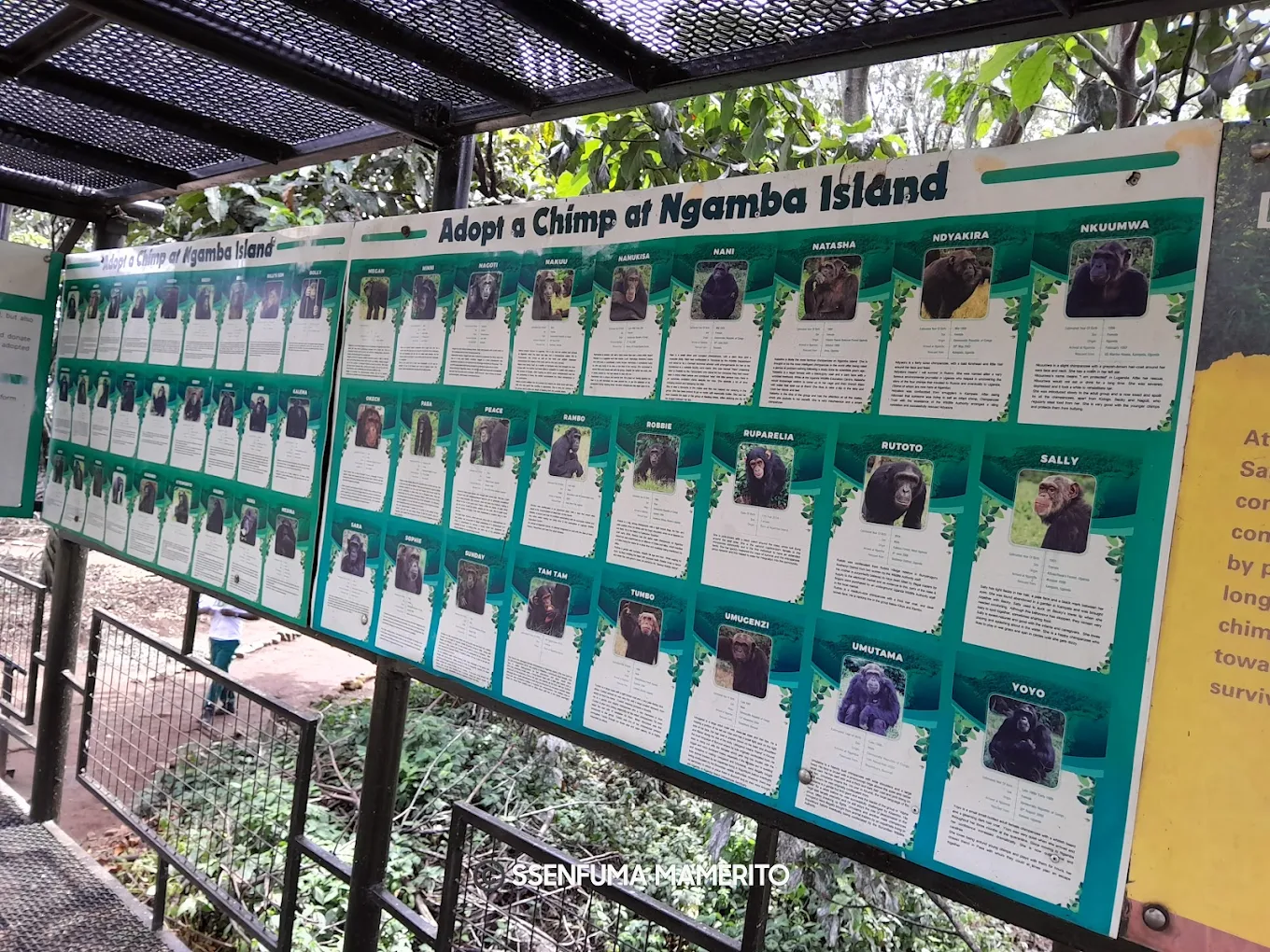
One important clarification: Ngamba Island pricing is usually structured as a package rather than a simple entry permit. In most cases, the cost includes the round-trip boat transfer, sanctuary entrance, and the chimpanzee feeding session viewing experience. Additional activities such as overnight stays or volunteer programs are priced separately.
Between 2026 and 2030, rates may vary slightly based on season, group size, and transfer type, but the structure remains consistent.
Half-Day Visit Cost (Speedboat, Round Trip Included)
The half-day visit is the most common Ngamba Island experience. It includes:
Round-trip speedboat transfer from Entebbe
Sanctuary entrance
Orientation briefing
Chimpanzee feeding session viewing
Pricing is typically structured by group size. Larger groups benefit from reduced per-person costs, making Ngamba Island more affordable for families and small groups traveling together.
Full-Day Visit Cost (Two Feeding Sessions)
A full-day visit allows visitors to witness two feeding sessions and spend extended time learning about chimpanzee behavior, conservation programs, and island operations.
Full-day pricing varies depending on whether the transfer is private or shared. Because of flexibility in scheduling and boat type, full-day visits are usually quoted on request.
For travelers wanting a deeper educational experience without overnight stay, the full-day visit offers strong value.
Boat Transfer Cost
When travelers search for “Ngamba Island boat cost,” they are usually referring to the round-trip transfer from Entebbe.
Boat cost depends on:
Transfer type (speedboat vs canoe)
Private vs shared arrangement
Group size
In most structured tours, the boat transfer is bundled into the package price rather than charged separately.
Overnight Stay Cost (Ngamba Island Eco-Lodge)
Overnight stays at Ngamba Island provide a slower, more immersive experience. Guests enjoy sunset and sunrise views over Lake Victoria, extended time on the island, and a quieter atmosphere once day visitors depart.
Overnight packages typically include:
Boat transfer
Accommodation
Meals
Feeding session viewing
Guided educational activities
Pricing varies depending on accommodation category and residency status. Because of variable inclusions, overnight stays are generally quoted as complete packages rather than per-night rates.
Volunteer Experience Cost (1–4 Weeks)
Ngamba Island also offers structured volunteer programs for conservation-focused travelers.
Volunteer programs vary by:
Duration (1 week, 2 weeks, 4 weeks)
Accommodation style (eco-lodge vs dormitory)
Level of involvement
Volunteer pricing is published in tiered formats depending on length of stay. These programs are ideal for gap-year travelers, conservation students, and long-stay visitors to Uganda seeking hands-on experience within an ethical sanctuary environment.
What Happens During a Visit to Ngamba Island Chimpanzee Sanctuary?
If you are researching the Ngamba Island day trip experience, it helps to know exactly how the visit flows from start to finish. Unlike wild chimpanzee trekking, Ngamba Island Chimpanzee Sanctuary follows a structured schedule designed around conservation, safety, and educational impact. The experience is calm, organized, and ideal for travelers who want a meaningful chimpanzee encounter without forest hiking.

Most visits begin in Entebbe, with guests transferring by boat across Lake Victoria to the island. After arrival, the day typically follows a clear rhythm that includes orientation, chimpanzee viewing during a feeding session, educational interpretation, and an optional guided walk around the sanctuary environment.
Departure From Entebbe
Your Ngamba Island day trip experience usually starts at the Entebbe dock. After check-in and confirmation of your transfer, you board either a speedboat or a motorized canoe depending on your package. The journey across Lake Victoria is part of the experience itself, offering wide lake views and a strong sense of leaving the mainland behind. Travel time varies by vessel type and lake conditions, but the crossing is typically direct and well-coordinated when booked in advance.
Arrival and Orientation
On arrival at Ngamba Island Chimpanzee Sanctuary, visitors are welcomed and given a short orientation. This is where the sanctuary clarifies how the island operates, why the chimpanzees are here, and what rules must be followed during the visit. The orientation often frames the experience around rescue and rehabilitation rather than tourism alone, which is a key difference between Ngamba Island and wild chimpanzee trekking in Uganda.
Visitors also receive guidance on movement around the island, safe viewing behavior, and what to expect during the feeding session.
Feeding Session Viewing
The feeding session viewing is the highlight for most visitors. Rather than trekking through forest to find chimpanzees, guests watch from a raised viewing platform as caregivers bring food to the chimpanzees within the protected habitat area. This setting allows close observation while keeping chimpanzees and humans safely separated.
During the feeding session, visitors commonly witness chimpanzee social behavior, vocal communication, hierarchy dynamics, and playful interactions. Because chimpanzees are intelligent and expressive, the feeding window often becomes an unforgettable wildlife moment even without the physical challenge of trekking.
Conservation and Education Talk
One of the most valuable parts of the Ngamba Island day trip experience is the education element. After or during the feeding session, staff typically explain why the sanctuary exists, the threats chimpanzees face in the wild, and how rescue and rehabilitation works. Many visitors are surprised by how much they learn about chimpanzee intelligence, social structure, and long-term conservation needs.
This educational layer makes Ngamba Island especially strong for families, student groups, and travelers who want their visit to support conservation directly.
Guided Walk and Island Experience
After the feeding session, many visits include time for a guided walk or a short exploration of designated areas of the island. The walk is not a chimpanzee tracking activity, but it offers insight into the sanctuary environment, forest setting, and conservation operations. The atmosphere is peaceful, with the sounds of Lake Victoria and the island forest creating a very different feeling from national park trekking.
Depending on the exact program, this part of the visit may include discussions about sanctuary management, rehabilitation challenges, and the role of community and education in reducing illegal wildlife trade.
Return to Entebbe
After the scheduled experience is complete, visitors return to the dock and transfer back across Lake Victoria to Entebbe. For many travelers, this is one of the easiest wildlife experiences to fit into a Uganda itinerary because it can be done as a half-day or full-day trip while still leaving time for flights or other activities.
The overall flow is structured, reliable, and designed to maximize chimpanzee viewing, education, and ethical conservation value.
Can You Touch or Interact With the Chimpanzees?
This is one of the most searched questions about Ngamba Island Chimpanzee Sanctuary, and the answer is clear.
There is no physical contact between visitors and chimpanzees. You cannot touch, feed by hand, hold, or directly interact with the chimpanzees in any way. This rule exists for both safety and conservation integrity.
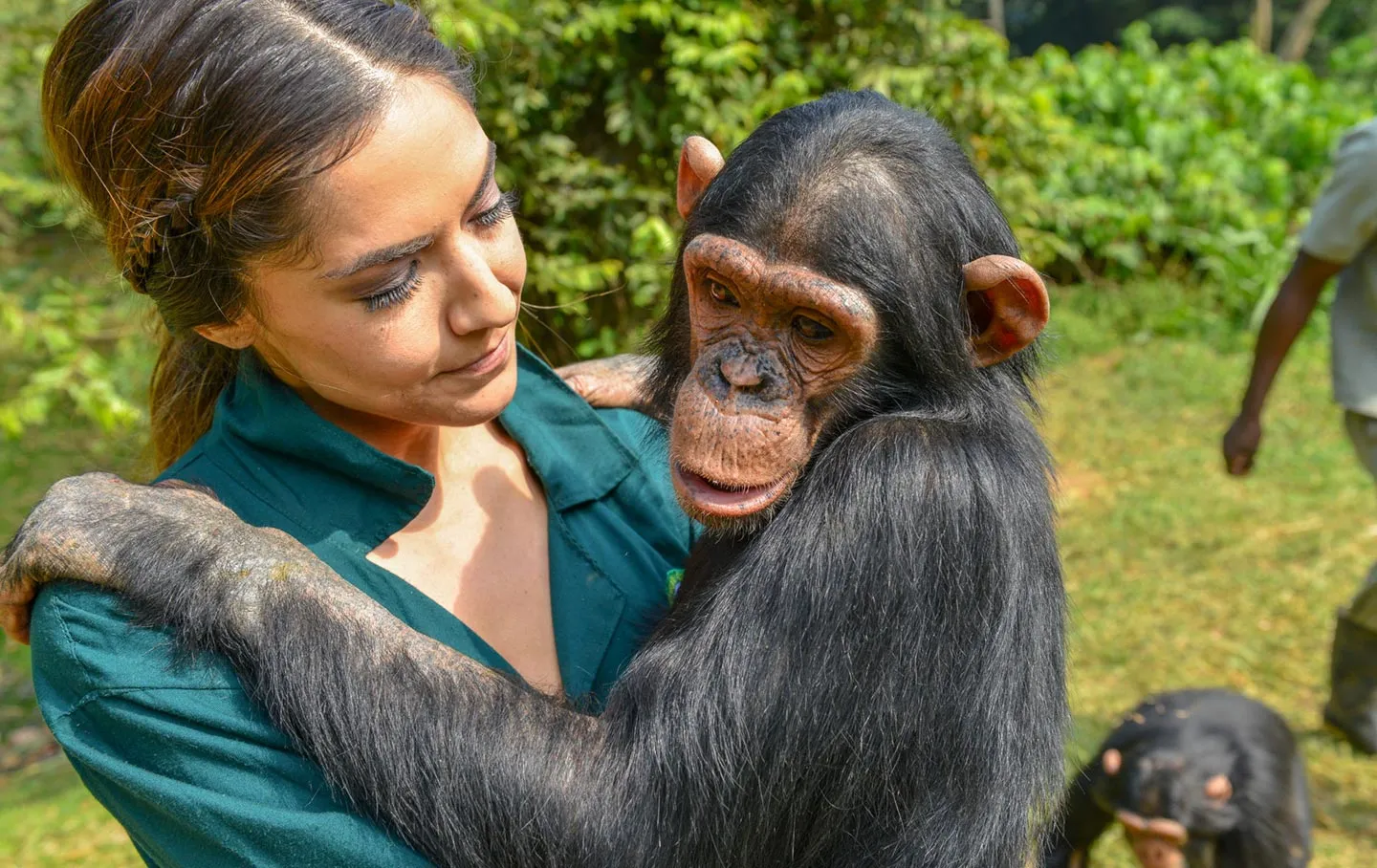
Chimpanzees are powerful wild primates, and close human contact increases the risk of disease transmission in both directions. Even common human illnesses can threaten chimpanzee health. For this reason, the sanctuary enforces strict visitor protocols and controlled viewing conditions.
Visitors observe chimpanzees primarily from a raised viewing platform during feeding sessions. This platform allows excellent visibility without direct contact and ensures the chimpanzees remain protected within their managed habitat.
Ngamba Island’s strict conservation rules are part of what makes it an ethical wildlife experience. The sanctuary is designed to prioritize chimpanzee welfare and long-term rehabilitation outcomes, not entertainment or physical interaction. For travelers seeking responsible primate tourism in Uganda, this is a major positive signal of credibility.
If you want a chimpanzee experience that involves hiking and tracking in a wild forest environment, Uganda’s national parks such as Kibale and Budongo are the appropriate option. If you want a safe, accessible, conservation-focused encounter without trekking, Ngamba Island Chimpanzee Sanctuary is the right fit.
Ngamba Island vs Kibale Chimpanzee Trekking – Which Is Better for You?
When travelers compare Ngamba Island vs chimpanzee trekking, they are usually trying to decide between two very different primate experiences. Both involve chimpanzees. Both are located in Uganda. But the style, setting, and physical demands are completely different.

Understanding this distinction is important before booking.
Sanctuary Experience vs Wild Forest Experience
Ngamba Island Chimpanzee Sanctuary is a rescue and rehabilitation center. The chimpanzees here were orphaned or confiscated from illegal wildlife trade and now live permanently in a protected island habitat. Visitors observe them during scheduled feeding sessions from a raised viewing platform.
In contrast, chimpanzee trekking in Kibale National Park takes place in a natural rainforest ecosystem. The chimpanzees are wild and free-ranging. Visitors hike through dense forest terrain with rangers to locate a chimpanzee troop, and once found, spend a regulated amount of time observing them in their natural environment.
The difference is fundamental: Ngamba Island is a sanctuary visit, while Kibale is a wild tracking experience.
No Hiking vs Forest Trek
One of the biggest deciding factors in the Ngamba Island vs chimpanzee trekking comparison is physical demand.
At Ngamba Island, there is no forest hiking required. The experience is structured and accessible. You travel by boat, attend an orientation, and observe chimpanzees during feeding sessions from a safe platform. Walking is minimal and mostly on managed pathways.
In Kibale National Park, chimpanzee trekking involves hiking through rainforest terrain that can be muddy, humid, and uneven. Trekking duration varies depending on chimpanzee movement, sometimes lasting one to several hours before the group is located. While ranger teams assign manageable groups, it is still physically more demanding than a sanctuary visit.
For travelers with mobility limitations, young children, or those simply not interested in trekking, Ngamba Island provides a strong alternative.
Family-Friendly vs Physically Demanding
Ngamba Island Chimpanzee Sanctuary is especially well-suited for families, educational groups, and short-stay travelers. It is easy to add as a half-day or full-day experience from Entebbe, making it practical for visitors with limited time.
Chimpanzee trekking in Kibale is better suited to travelers seeking immersive wildlife adventure. It appeals to photographers, nature enthusiasts, and safari-goers who want to experience chimpanzees in their natural habitat.
If you are searching for “Ngamba Island vs chimpanzee trekking,” the right answer depends on your priorities. If you want convenience, accessibility, and conservation-focused education, Ngamba Island is ideal. If you want forest immersion and the unpredictability of tracking wild primates, Kibale is the stronger choice.
Both experiences are meaningful. They simply serve different travel styles.
Best Time to Visit Ngamba Island Chimpanzee Sanctuary
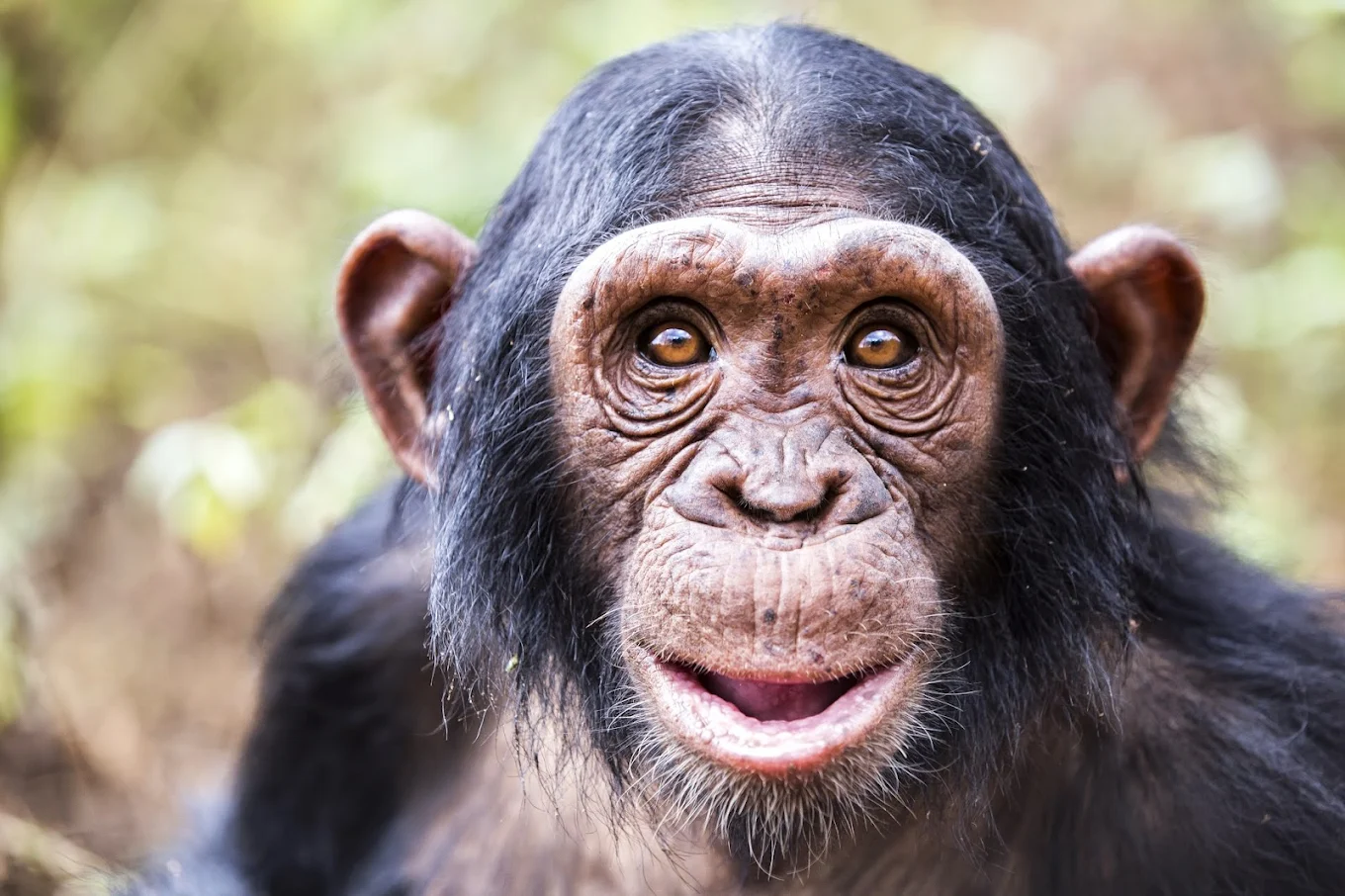
Ngamba Island Chimpanzee Sanctuary can be visited year-round. Because the experience does not depend on trekking through forest terrain, seasonal variations affect comfort more than accessibility.
Year-Round Accessibility
Lake Victoria allows regular boat access throughout the year, and feeding sessions operate on a scheduled basis. Unlike national parks where heavy rains can affect trail conditions, Ngamba Island’s structured environment makes it consistently accessible.
This reliability is one reason Ngamba Island Uganda is popular for travelers with tight schedules.
Morning Feeding Sessions Offer the Best Experience
For visitors wanting the strongest viewing opportunities, the morning feeding session is often considered ideal. Chimpanzees are typically more active and responsive during early hours, and lighting conditions are favorable for photography.
Afternoon visits still provide meaningful viewing, but morning sessions tend to deliver slightly more dynamic behavior.
Weather Considerations
Uganda experiences two primary dry seasons and two wetter seasons. While Ngamba Island can be visited during both, weather influences lake conditions more than chimpanzee activity.
During rainy or windy periods, boat crossings may feel rougher and occasionally require schedule adjustments. Planning with a flexible itinerary helps minimize disruption.
Unlike forest trekking, where rain directly impacts trail difficulty, Ngamba Island’s experience remains largely intact even during green seasons.
For travelers seeking an easy-to-schedule primate encounter close to Entebbe, Ngamba Island remains a reliable choice throughout 2026–2030.
Who Should Visit Ngamba Island Chimpanzee Sanctuary?
The Ngamba Island Chimpanzee Sanctuary appeals to a very specific type of traveler. It is not designed to replace chimpanzee trekking in a national park. Instead, it offers a structured, conservation-centered primate experience that suits visitors who prioritize accessibility, education, and convenience.

Understanding who Ngamba Island is ideal for helps travelers make the right choice when comparing sanctuary visits with forest tracking experiences.
Families Traveling With Children
Ngamba Island is one of the most family-friendly wildlife experiences in Uganda. Because there is no forest trekking involved, children can safely observe chimpanzees from the viewing platform without the physical demands of hiking through rainforest terrain.
The structured feeding session, educational talks, and controlled environment create a safe and engaging experience for young travelers. Parents often prefer Ngamba Island over wild trekking because it combines conservation awareness with logistical simplicity.
For families visiting Entebbe or those beginning a Uganda safari, Ngamba Island is an easy introduction to primate conservation.
Short Layovers and Limited-Time Travelers
Travelers with limited time in Uganda often search for meaningful experiences close to Entebbe. Ngamba Island fits perfectly into short layovers or pre-departure days because it can be completed as a half-day or full-day excursion.
Unlike trekking in Kibale or Budongo, which requires internal travel and additional logistics, Ngamba Island allows visitors to experience chimpanzees without leaving the Entebbe area. For business travelers, conference attendees, or stopover guests, this accessibility makes it highly practical.
Seniors and Travelers Avoiding Strenuous Hiking
Chimpanzee trekking in Uganda’s forests can involve uneven trails, humidity, and unpredictable walking distances. Ngamba Island offers an alternative for seniors or travelers who prefer to avoid physically demanding activities.
The sanctuary visit involves minimal walking and no hiking through forest terrain. Viewing from a raised platform ensures comfort while still allowing close observation of chimpanzee behavior.
For travelers who want a wildlife encounter without physical strain, Ngamba Island is often the most suitable option.
Travelers Not Interested in Trekking
Some visitors simply do not want to trek. They may prefer structured educational experiences or controlled wildlife settings rather than unpredictable forest tracking.
Ngamba Island provides a calm, organized environment focused on conservation, storytelling, and observation. The experience is less about physical adventure and more about learning and supporting rehabilitation efforts.
Educational Groups and Conservation-Minded Visitors
Because Ngamba Island operates as a rescue and rehabilitation center, it attracts schools, researchers, and conservation-focused travelers. The sanctuary’s educational component explains the threats chimpanzees face, including habitat destruction and illegal wildlife trade.
Visitors seeking meaningful, responsible tourism experiences often find Ngamba Island particularly rewarding because the visit directly contributes to long-term chimpanzee care.
Common Mistakes When Booking Ngamba Island
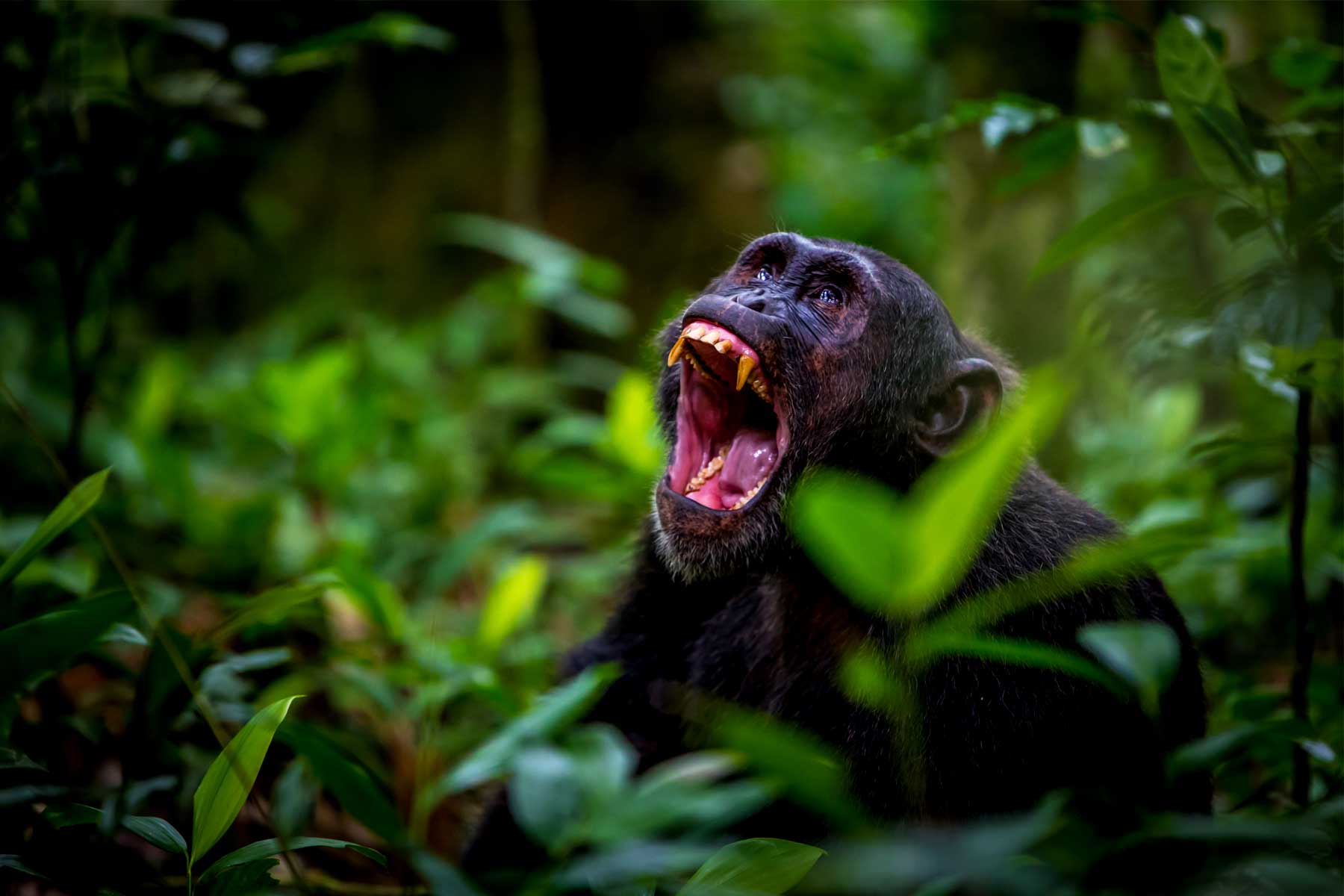
Many visitors underestimate the logistical details of visiting Ngamba Island Chimpanzee Sanctuary. Avoiding the following common mistakes ensures a smoother and more satisfying experience.
Booking the Wrong Boat Option
One of the most frequent issues involves misunderstanding transfer types. Speedboat transfers are faster and better suited for tight schedules, while traditional motorized canoe options are slower and may not align with limited time windows.
Travelers who book without confirming departure times or boat type sometimes discover their return schedule conflicts with flights or other activities. Always confirm the exact transfer method and timing before departure.
Ignoring Lake Victoria Weather Conditions
Lake Victoria weather can change quickly. Wind and rain can affect crossing times and comfort levels. Some travelers assume lake travel conditions are identical year-round, but seasonal shifts may influence departure schedules.
Booking through experienced operators and allowing schedule flexibility reduces the risk of last-minute disruptions.
Expecting a Wild Trekking Experience
Another common misunderstanding is expecting Ngamba Island to function like chimpanzee trekking in a national park. Visitors sometimes arrive anticipating forest hikes or close interaction in wild terrain.
Ngamba Island is a sanctuary, not a wild tracking destination. The experience is observational and conservation-focused, with no physical contact or forest trekking involved.
Understanding this distinction in advance ensures the experience meets expectations.
Not Confirming Departure Time in Advance
Boat departures operate on schedules, and missing a departure can disrupt the entire day. Some travelers arrive late at the dock assuming flexibility, only to discover limited departure windows.
Confirming check-in time and arrival instructions the day before your visit helps prevent unnecessary stress.
Frequently Asked Questions About Ngamba Island Chimpanzee Sanctuary
Is Ngamba Island worth visiting?
Yes, Ngamba Island is absolutely worth visiting if you understand what it offers.

Ngamba Island is not a wild chimpanzee trekking experience. Instead, it is a conservation-focused sanctuary where rescued and orphaned chimpanzees live in a protected island habitat. Visitors observe feeding sessions, learn about rehabilitation programs, and contribute directly to long-term chimpanzee care.
It is especially worth visiting for travelers who:
- Have limited time in Uganda
- Are staying in Entebbe
- Prefer not to trek in dense forest
- Want a family-friendly wildlife experience
- Are interested in conservation and education
If your goal is to hike through rainforest and track wild chimpanzees, Kibale National Park is the better option. If your goal is an accessible, ethical, and educational primate experience near Entebbe, Ngamba Island is a strong choice.
How much is Ngamba Island?
The cost of visiting Ngamba Island depends on the type of experience you choose.
Most visitors book a half-day or full-day trip that includes:
- Round-trip boat transfer from Entebbe
- Sanctuary entrance
- Feeding session viewing
- Orientation and education talk
Pricing typically varies based on group size and transfer type. Larger groups reduce the per-person cost. Overnight stays and volunteer programs are priced separately and structured as packages.
When searching “Ngamba Island chimpanzee sanctuary price” or “Ngamba Island visit cost,” remember that the boat transfer is usually bundled into the overall package rather than sold as a separate ticket.
How long is the boat ride to Ngamba Island?
The boat ride from Entebbe to Ngamba Island typically takes:
- Approximately 45–50 minutes by speedboat
- Approximately 90 minutes by motorized canoe
Travel time depends on lake conditions and vessel type. Speedboats are faster and commonly used for half-day visits, while canoe transfers are slower but sometimes more economical.
Lake Victoria weather can influence crossing comfort, so morning departures are often smoother than late afternoon during windy periods.
Can you volunteer at Ngamba Island?
Yes, Ngamba Island Chimpanzee Sanctuary offers structured volunteer programs for conservation-minded travelers.
Volunteer options vary by duration and accommodation style. Programs typically run for one week, two weeks, or up to four weeks. Volunteers may assist with enrichment preparation, education support, and operational activities under supervision.
Volunteer programs are ideal for:
- Conservation students
- Gap-year travelers
- Long-stay visitors in Uganda
- Individuals seeking deeper involvement beyond a day trip
Because spots are limited, early booking is recommended.
Is Ngamba Island safe?
Yes, Ngamba Island is safe for visitors.
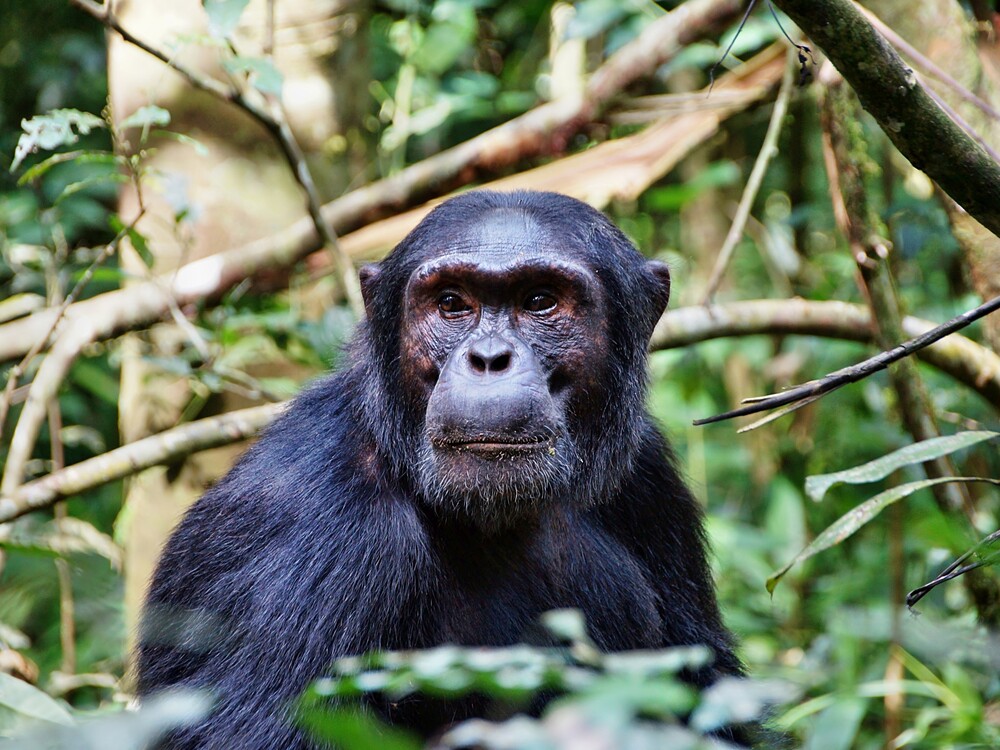
Chimpanzees are housed in a controlled habitat environment and are viewed from a raised platform with no direct contact. Sanctuary staff strictly enforce conservation and safety rules to protect both visitors and animals.
Boat transfers are coordinated through established departure points, and safety procedures are followed during crossings on Lake Victoria.
As with any wildlife experience, following guide instructions ensures a smooth and secure visit.
Can children visit Ngamba Island?
Yes, children can visit Ngamba Island, making it one of the most family-friendly primate experiences in Uganda.
Because there is no forest trekking required, the experience is accessible for children who may not meet the minimum age requirements for wild chimpanzee trekking. The structured format, educational talk, and platform viewing create a safe and engaging environment for young visitors.
Parents should ensure children follow viewing rules and remain supervised during the visit.
Is Ngamba Island better than chimpanzee trekking?
Ngamba Island is not better or worse — it is different.
Chimpanzee trekking in Kibale or Budongo involves hiking through natural forest to locate wild chimpanzees. Ngamba Island offers a sanctuary-based experience focused on rescued chimpanzees and conservation education.
If you want adventure and forest immersion, choose trekking.
If you want accessibility, education, and a conservation-focused encounter near Entebbe, choose Ngamba Island.
Can you touch or feed the chimpanzees?
No. Visitors are not allowed to touch, feed, or physically interact with chimpanzees.
Chimpanzees are powerful wild animals, and direct contact increases disease transmission risk. Viewing takes place from a raised platform during structured feeding sessions. This ensures both chimpanzee welfare and visitor safety.