
Official Uganda Gorilla Permit Updates 2026 – New Costs, Low Season Rates & Booking Rules
Official UWA Permit Update (February 2026)
On 26th February 2026, the Uganda Wildlife Authority (UWA) officially announced important changes to gorilla and chimpanzee permit pricing and booking procedures in Uganda. The update was communicated through an official circular titled “Introduction of Low Season Gorilla and Chimpanzee Permit Rates and Revised Tariff Structure.” FIND IT HERE
This announcement introduces three major changes that directly affect anyone planning gorilla trekking or chimpanzee tracking in Uganda:
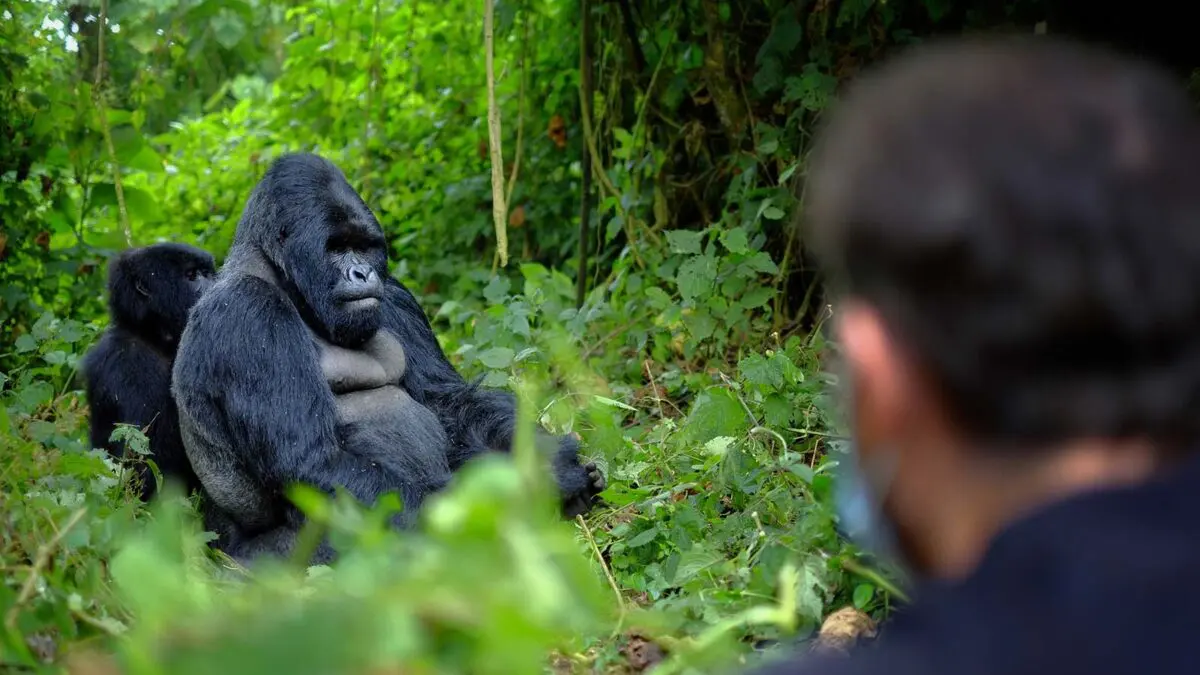
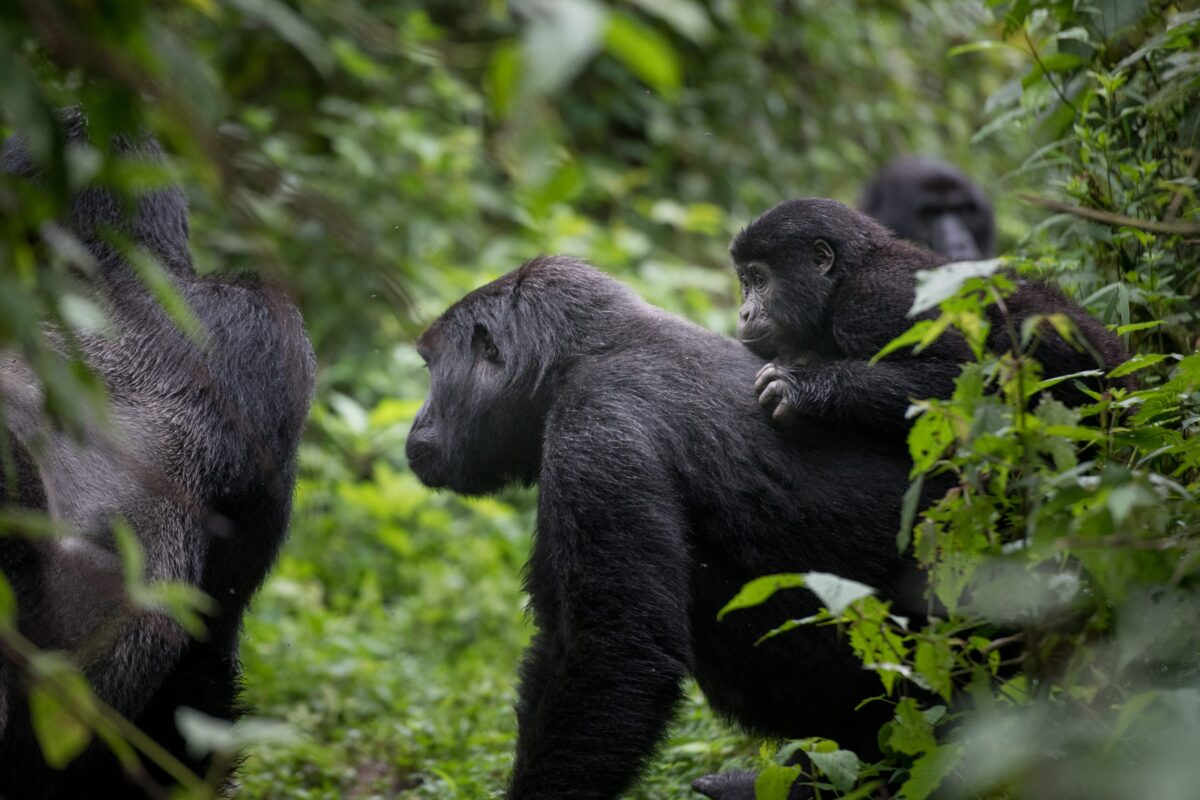
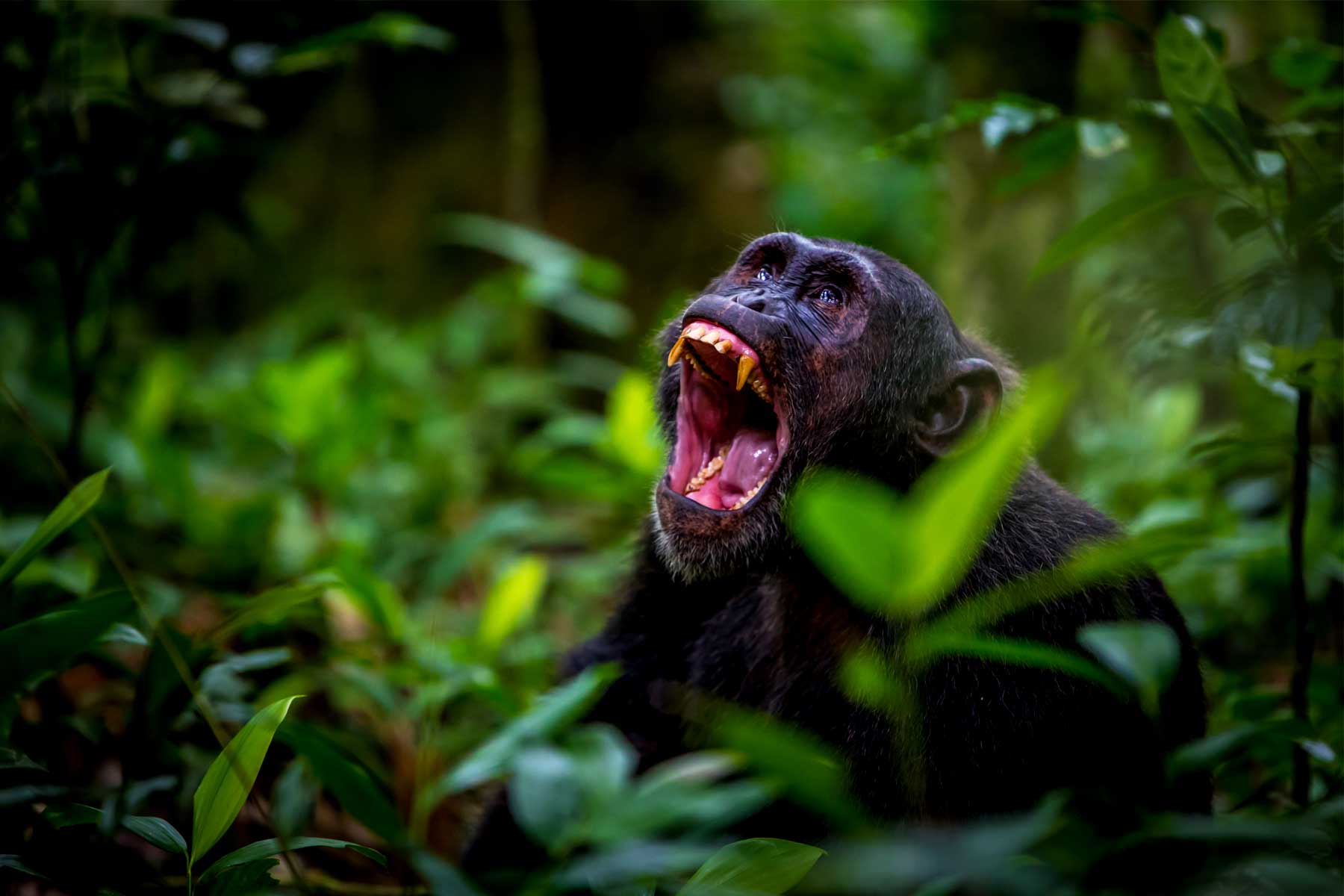
UWA has introduced low season permit rates for gorilla and chimpanzee tracking applicable during selected months of the year.
UWA has confirmed a revised tariff structure effective 1st January 2027, adjusting pricing for gorilla tracking, gorilla habituation, chimpanzee tracking, chimpanzee habituation, and selected wildlife experiences.
UWA has officially suspended the 7-day reservation window, meaning permits can no longer be held without payment. Full payment is now required at the time of booking to secure a permit.
These changes significantly impact gorilla permit costs, booking timelines, and safari planning strategies in Uganda. Because gorilla permits are limited and strictly regulated, any update in pricing or reservation policy has immediate consequences for availability and travel logistics.
This page provides a detailed breakdown of the new low season gorilla permit rates, the revised 2026 tariff structure, and the updated booking rules, all based on the Official Uganda Gorilla Permit Updates- Uganda Wildlife Authority circular dated 26th February 2026.
By referencing the Official Uganda Gorilla Permit Updates, this guide ensures that travelers, tour operators and safari planners have accurate, verified information when organizing gorilla trekking and chimpanzee tracking experiences in Uganda.
New Low Season Gorilla & Chimpanzee Permit Rates (April, May & November)
As confirmed in the official Uganda Wildlife Authority circular dated 26th February 2026, UWA has introduced discounted low season permit rates for gorilla and chimpanzee tracking in Uganda.
New Low Season Gorilla & Chimpanzee Permit Rates (April, May & November)
| Season | Months | Activity | Foreign Non-Resident (FNR) | Foreign Resident (FR) |
|---|---|---|---|---|
| Low Season | April, May, November | Gorilla Tracking | USD 600 | USD 500 |
| Low Season | April, May, November | Chimpanzee Tracking | USD 200 | USD 150 |
When Does Low Season Apply?
The newly introduced low season applies during the months of:
- April
- May
- November
These months traditionally fall within Uganda’s wetter seasons, when visitor numbers are lower and forest conditions are greener and more lush. To stimulate travel during these periods while maintaining conservation standards, UWA has implemented reduced permit pricing.
Official Low Season Permit Rates
According to the UWA, the following discounted rates apply during April, May, and November:
Gorilla Tracking – Low Season Rates
- Foreign Non-Resident (FNR): USD 600
- Foreign Resident (FR): USD 500
Chimpanzee Tracking – Low Season Rates
- Foreign Non-Resident (FNR): USD 200
- Foreign Resident (FR): USD 150
These rates take immediate effect for bookings within the designated low season months.
Who Qualifies? (FNR vs FR Explained)
Understanding the visitor categories is important when calculating permit costs:
Foreign Non-Resident (FNR) refers to international visitors who do not reside in Uganda. This includes travelers flying in for safari holidays.
Foreign Resident (FR) refers to expatriates legally residing in Uganda with valid residency documentation.
Each category receives a different pricing structure under UWA regulations. East African citizens and Rest of Africa categories are governed separately under the broader tariff structure effective 1st January 2027.
Important Booking Condition: Low Season Permits Cannot Be Rescheduled
One critical rule outlined in the official notice is that low season permits cannot be rescheduled.
This means:
- If travel dates change, the discounted permit cannot be transferred to another date.
- Travelers must be certain of their itinerary before confirming.
- Standard rescheduling flexibility does not apply to low season permits.
This policy protects revenue structure while offering discounted pricing.
Why This Update Is Important for Budget Travelers
The introduction of low season gorilla and chimpanzee permit rates is a major development for budget-conscious safari travelers.
A reduction from USD 800 to USD 600 for gorilla tracking represents significant savings, especially for couples or groups. Similarly, chimpanzee tracking discounts provide more accessible primate experiences in destinations such as Kibale Forest National Park.
For travelers flexible with travel dates, April, May, and November now represent the most cost-effective months for gorilla trekking in Uganda.
Lower visitor numbers during these months can also mean:
- Smaller trekking groups
- Lush rainforest scenery
- Increased availability of accommodation
However, travelers must balance cost savings with the potential for wetter trail conditions.
The introduction of low season permit rates marks one of the most impactful changes in Uganda’s primate tourism pricing structure in recent years. When planned strategically, these discounted months offer exceptional value without compromising the quality of the gorilla trekking experience.
Revised Gorilla & Chimpanzee Permit Tariffs (Effective 1st January 2027)
The updated Uganda Wildlife Authority tariff structure takes effect from 1st January 2027 and applies to key primate permits and selected wildlife activities.
Revised Gorilla & Chimpanzee Permit Tariffs (Effective 1st January 2027)
These are the updated Uganda permit tariffs effective 1st January 2027, covering gorilla tracking, gorilla habituation, chimpanzee tracking, chimpanzee habituation, and selected wildlife experiences. Use this table to plan your Bwindi gorilla trekking safari, Kibale chimpanzee tracking, and other Uganda primate experiences with accurate pricing by visitor category.
| SN | Activity | FNR (USD) | FR (USD) | ROA (USD) | EAC (UGX) |
|---|---|---|---|---|---|
| 1 | Gorilla Tracking (Standard) | $800 | $700 | $500 | UGX 300,000 |
| 2 | Gorilla Habituation Experience | $1,800 | $1,600 | $1,000 | UGX 750,000 |
| 3 | Chimpanzee Tracking (KNP) | $300 | $200 | $100 | UGX 180,000 |
| 4 | Chimpanzee Habituation | $400 | $300 | $250 | UGX 250,000 |
| 5 | Chimpanzee Tracking (Kyambura) | $200 | $150 | $100 | UGX 50,000 |
| 6 |
Rhino Tracking (Ajai) Adults / Children | $20 / $5 | $15 / $5 | $10 / $3 | UGX 10,000 / UGX 2,500 |
| 7 | Experiential Lion Tracking | $500 | $300 | $300 | UGX 250,000 |
| 8 | Golden Cat Tracking in KNP (5 Days) | $350 | $350 | $350 | UGX 350,000 |
| 9 |
Guided Walks Rushaga to Nyabaremura Buhoma to Nkuringo | $80 $100 | $50 $50 | $50 $50 | UGX 50,000 UGX 50,000 |
Suspension of the 7-Day Gorilla Permit Reservation Window
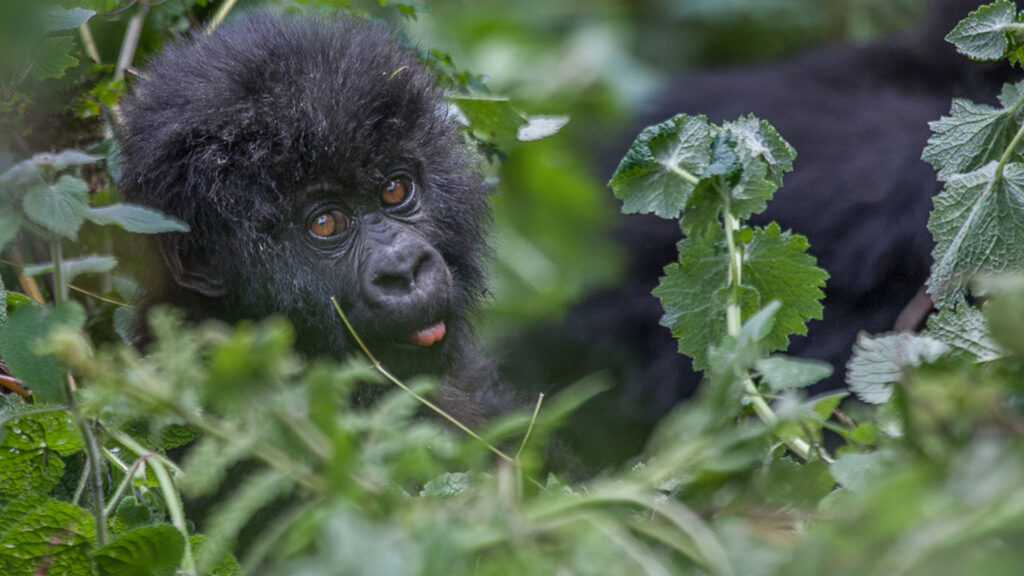
Effective 1 March 2026, the Uganda Wildlife Authority introduced a major operational change to gorilla permit bookings in Uganda. The previously existing 7-day reservation window has been suspended. This update significantly affects how gorilla permits are secured and is one of the most important policy adjustments for anyone planning gorilla trekking in Uganda.
What Was the Previous Booking System?
Under the former system, licensed tour operators could temporarily hold a gorilla permit for up to seven days without immediate payment. This allowed time for clients to confirm flights, finalize itineraries, or arrange payments before the permit was fully secured.
While this system provided flexibility, it also led to temporary blocking of inventory, particularly during peak months when gorilla permits are in high demand.
What Has Changed?
Under the revised booking rules:
- Gorilla permits can no longer be reserved without payment.
- Full payment is required at the time of booking.
- A permit is only confirmed once payment is received and receipted.
- There is no temporary holding period.
This means that gorilla permits are now allocated strictly on a paid, first-come-first-served basis.
What This Means for Travelers
For serious travelers planning gorilla trekking in Uganda, this change makes advance preparation essential. Clients must be ready to confirm and pay immediately once availability is identified. Waiting even a few days can result in losing the preferred trekking date or sector, especially during high season months such as June to September and December to February.
Travelers must now:
- Finalize travel dates before requesting a permit.
- Ensure funds are ready for immediate transfer.
- Confirm passport details early to avoid delays.
Because gorilla permits are limited daily and sector-specific, last-minute indecision can now lead to complete loss of availability.
What This Means for Tour Operators
For safari operators, the suspension of the 7-day reservation window represents a fundamental operational shift. It eliminates speculative bookings and increases financial commitment at the initial stage of client confirmation.
Operators must now:
- Pre-qualify serious inquiries.
- Educate clients about immediate payment requirements.
- Coordinate logistics (accommodation, transfers, flights) alongside permit confirmation.
This policy strengthens inventory management but reduces flexibility.
Why This Update Matters for Gorilla Permit Booking Rules in Uganda
The suspension of the 7-day reservation window directly impacts gorilla permit booking rules in Uganda. It reinforces the importance of early planning and financial readiness. For high-demand sectors such as Buhoma, Rushaga, Nkuringo, and Ruhija within Bwindi Impenetrable National Park, permits may sell out months in advance.
The new system increases transparency and ensures that only fully committed bookings occupy permit slots.
Strategic Planning Under the New Rules
To successfully secure a gorilla permit under the updated booking rules:
- Choose travel dates before checking availability.
- Decide on trekking sector in advance.
- Be prepared for immediate payment once availability is confirmed.
- Work with a licensed operator experienced in Uganda gorilla permit coordination.
The suspension of the 7-day reservation window marks one of the most significant procedural changes in recent years for gorilla trekking in Uganda. Travelers who understand and adapt to these updated booking rules will secure permits smoothly, while those who delay may face limited availability.
What This Means for Travelers Planning Gorilla Trekking in Uganda
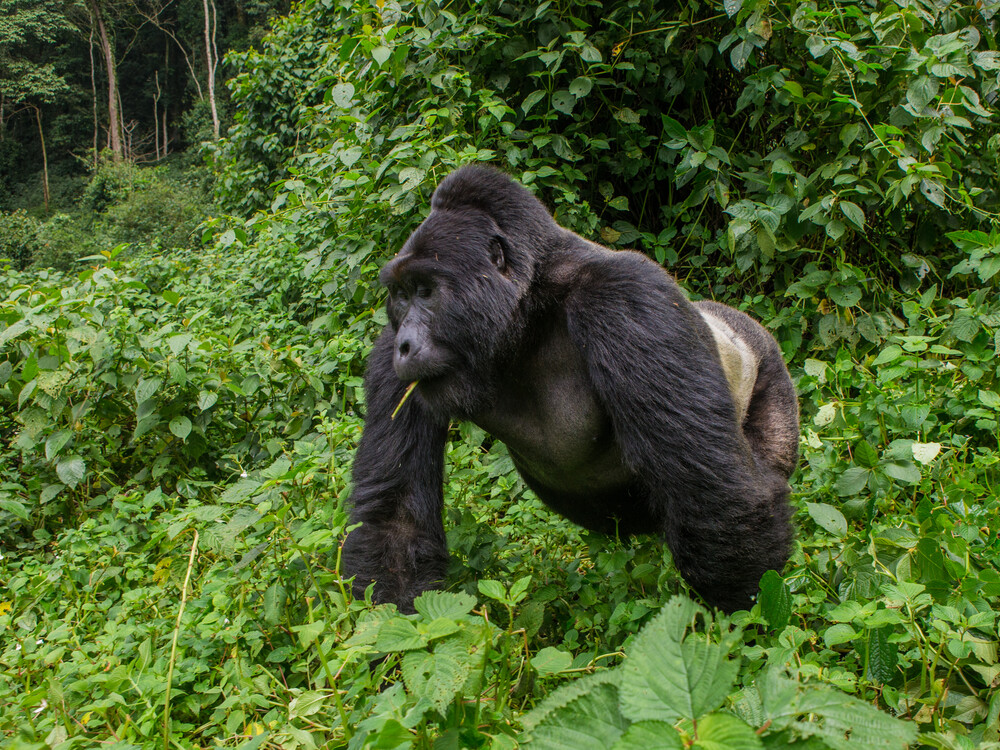
The 2026 permit updates introduced by the Uganda Wildlife Authority fundamentally reshape how travelers should plan gorilla trekking in Uganda. With revised tariffs, low season discounts, and the suspension of the 7-day reservation window, strategic planning is no longer optional, it is essential.
If you are considering gorilla trekking in Bwindi Impenetrable National Park or chimpanzee tracking in Kibale National Park, the following changes directly affect your booking approach.
Early Booking Is Now Critical
With the suspension of the 7-day temporary hold policy, gorilla permits are now confirmed strictly upon full payment. There is no grace period. No informal reservation window. No “soft hold.”
This means that during peak travel months especially June to September and December to February — availability can disappear within hours once dates are released.
Travelers who wait to finalize flights or accommodation before securing permits risk losing their preferred trekking date or sector. Gorilla permits are limited daily and allocated per sector, which makes early confirmation essential.
Planning gorilla trekking in Uganda now requires:
- Confirmed travel dates before checking permit availability
- Immediate decision-making once availability is identified
- Alignment of accommodation with sector-specific permits
The new system rewards decisive, prepared travelers.
Payment Readiness Is Required
Under the updated booking rules, gorilla permits are secured only upon receipt of full payment. This operational change eliminates speculative reservations and increases the importance of financial readiness.
Travelers must now be prepared to:
- Transfer funds immediately once availability is confirmed
- Avoid delays in payment processing
- Provide accurate passport details for permit issuance
Because gorilla permits are non-refundable in most cases, planning must be precise. This makes working with experienced permit coordinators more important than ever.
Low Season Now Offers Serious Savings
One of the most strategic changes in the 2026 update is the introduction of discounted low season gorilla permit rates for April, May, and November.
For foreign non-residents, the reduction from USD 800 to USD 600 represents substantial savings, particularly for couples and families. Chimpanzee permits also see meaningful price reductions during these months.
For flexible travelers, low season now presents a powerful opportunity to experience gorilla trekking in Uganda at a reduced cost without compromising the quality of the experience.
Fewer visitors during these months can also mean:
- Smaller trekking group pressure
- Lush rainforest scenery
- Increased accommodation availability
However, travelers must remember that low season permits cannot be rescheduled. Strategic planning remains essential.
Gorilla Habituation Is Now Higher Priced
The revised tariff structure increases the cost of the Gorilla Habituation Experience to USD 1,800 for foreign non-residents.
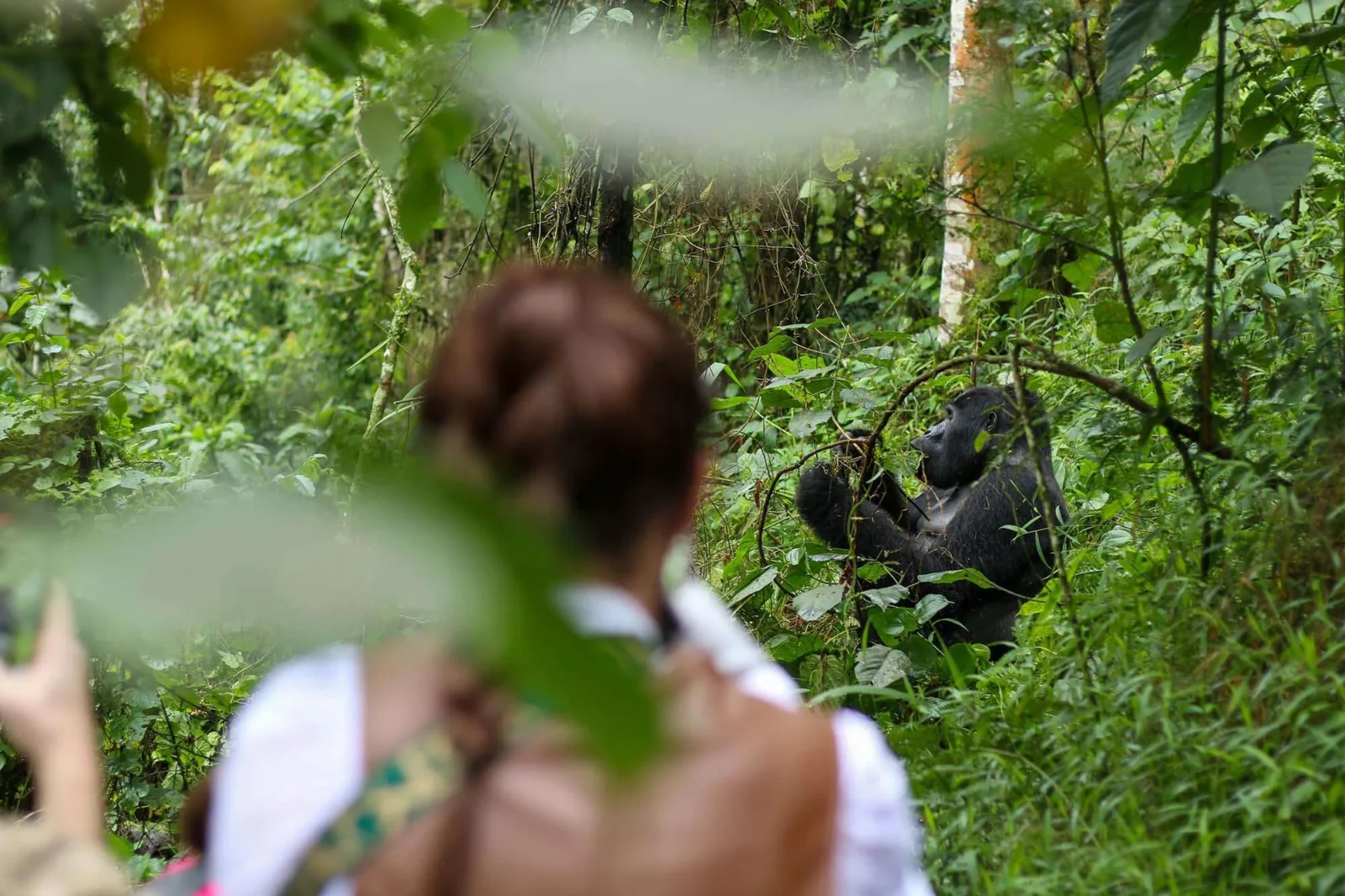
While this represents a price adjustment, the habituation experience remains one of the most exclusive wildlife encounters in Africa. Spending four hours with a semi-habituated gorilla family alongside researchers offers depth that standard trekking cannot match.
For serious photographers, conservation enthusiasts, and repeat Africa travelers, habituation remains a premium, high-value experience despite the increased pricing.
Smart Budget Safari Strategies Under the New Rules
With the updated permit structure, travelers can optimize their safari investment by:
- Choosing low season months strategically
- Combining gorilla trekking with chimpanzee tracking under revised pricing
- Selecting the most appropriate trekking sector based on permit availability
- Booking flights early to align with confirmed permits
- Avoiding last-minute planning during peak months
Because permits are now strictly first-paid, first-confirmed, coordination between itinerary design, accommodation, and permit booking must happen simultaneously.
Why Working With Permit Specialists Matters More Than Ever
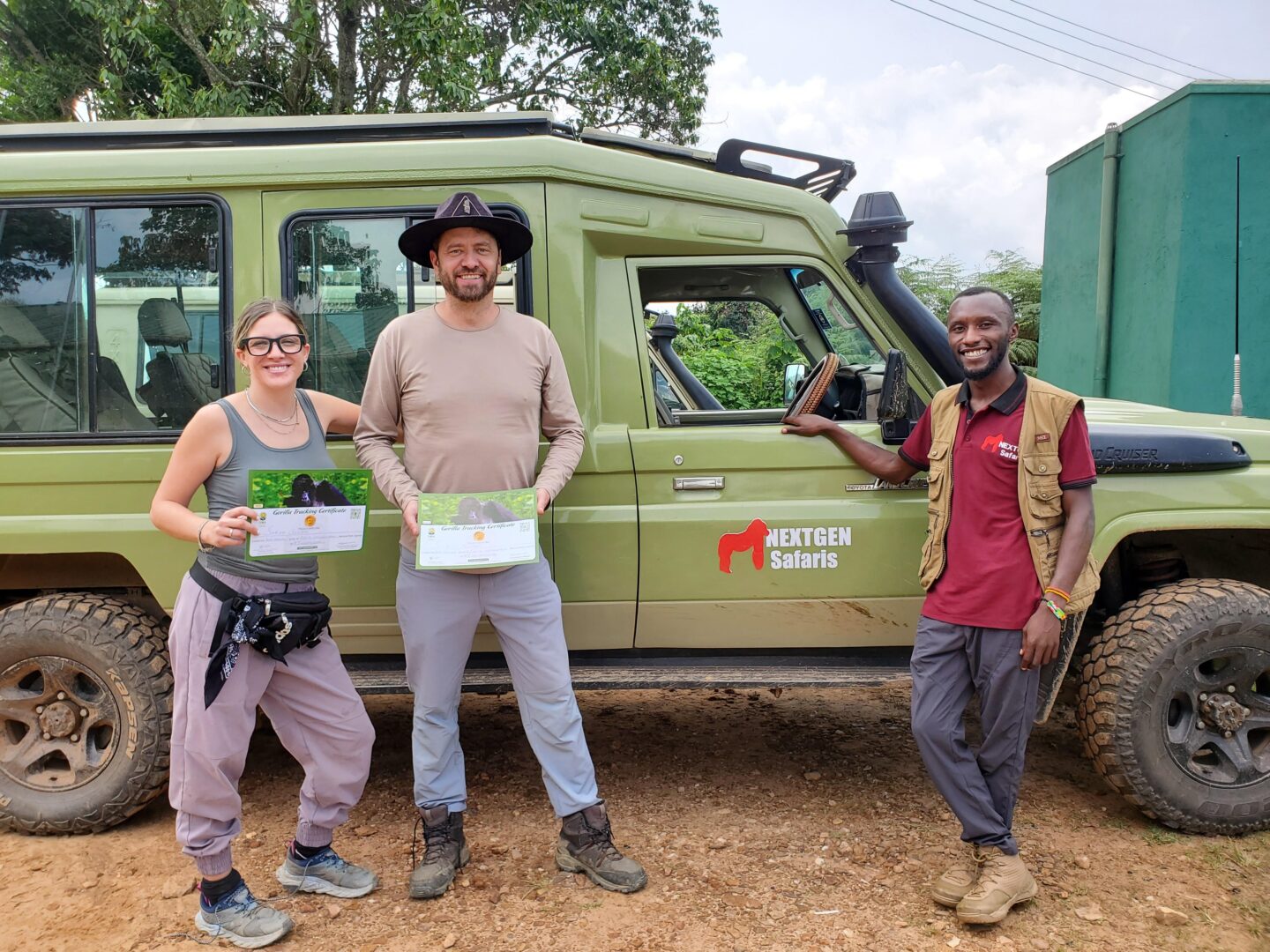
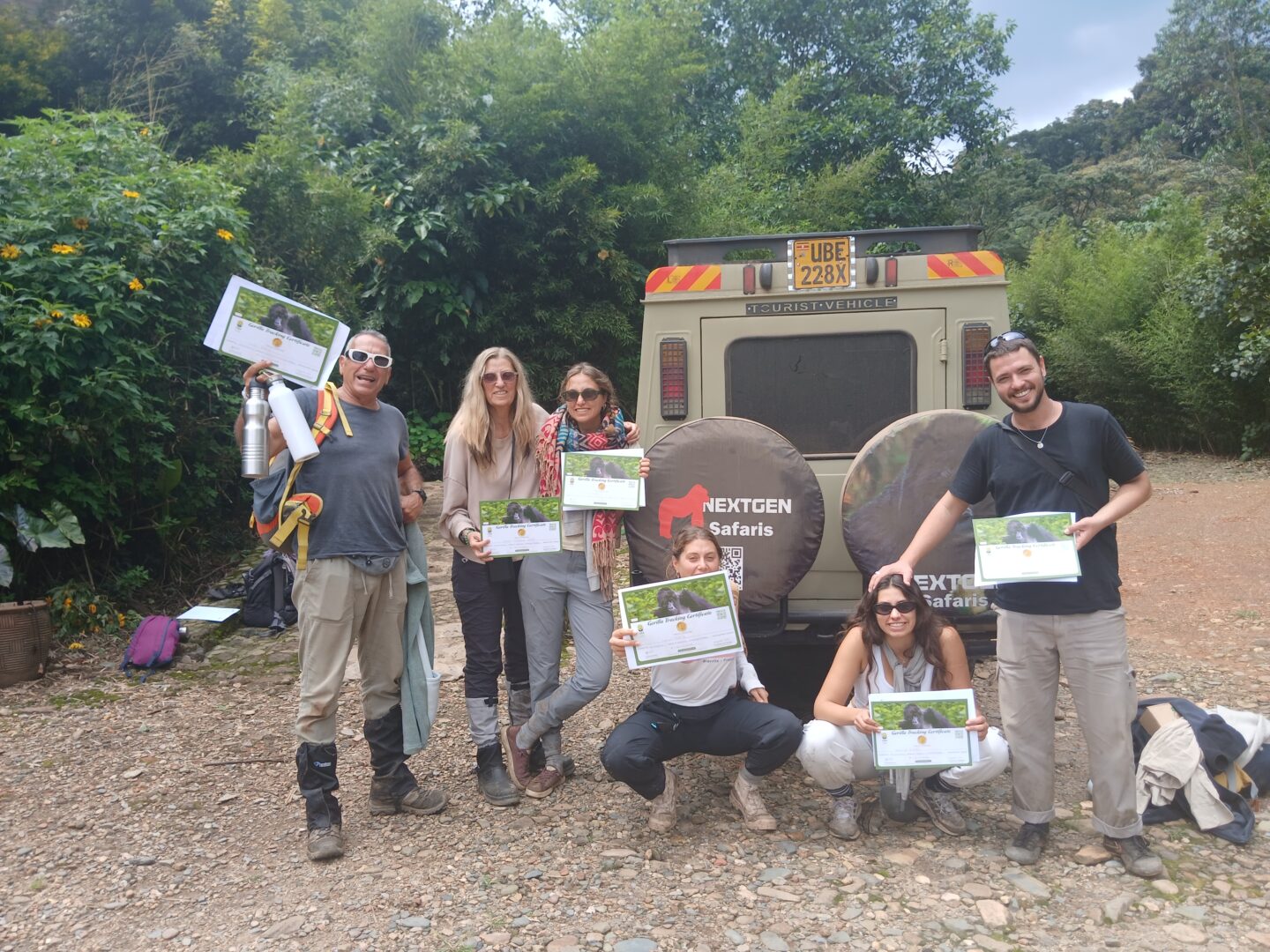
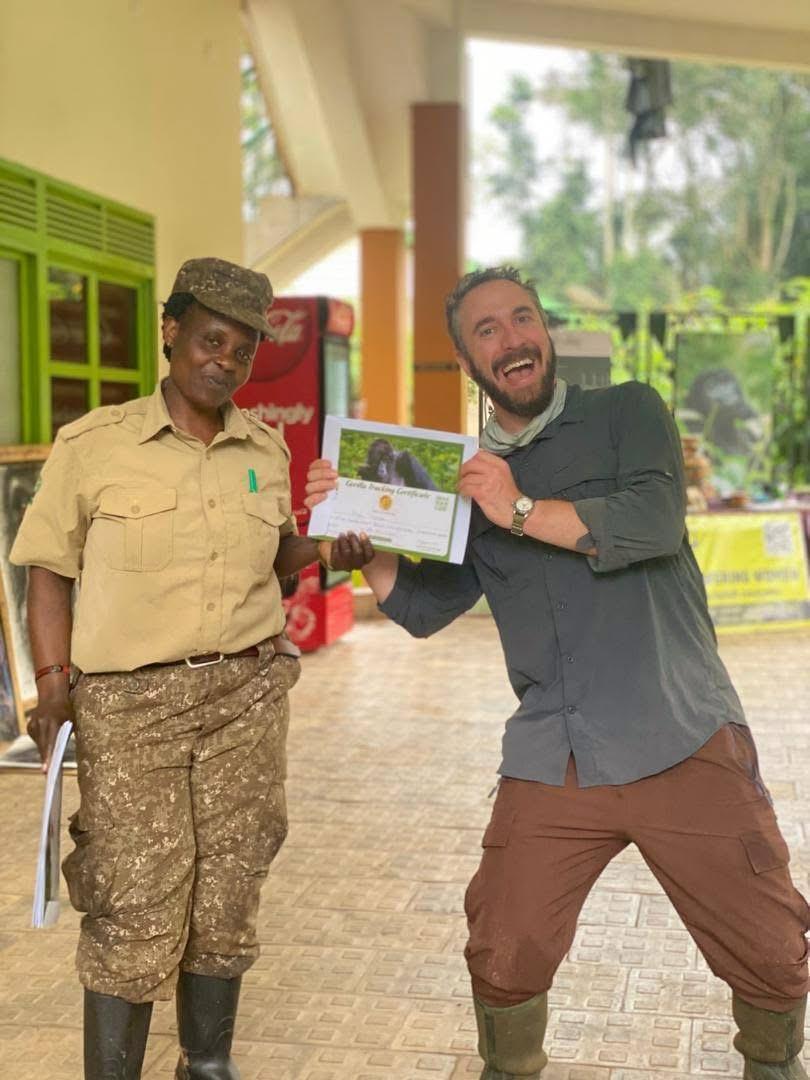
Under the new system, gorilla trekking in Uganda requires precision.
At Nextgen Safaris, we operate as licensed permit coordinators and safari planners with direct experience navigating Uganda Wildlife Authority procedures. We monitor permit availability daily, advise on the most strategic booking windows, and coordinate payment processing to secure permits immediately once confirmed.
In a system where hesitation can mean losing availability, expertise matters.
Whether you are planning standard gorilla trekking, the Gorilla Habituation Experience, or a cross-park primate safari, structured coordination ensures:
- Correct sector alignment
- Immediate payment processing
- Accurate permit documentation
- Seamless integration with accommodation and transport
The 2026 updates make gorilla permit planning more structured, more competitive, and more strategic. Travelers who plan early and work with experienced specialists will secure the best dates, sectors, and pricing opportunities.
Frequently Asked Questions About the 2026 Gorilla Permit Update
What is the new gorilla permit cost in Uganda in 2026?
Effective 1st January 2027, the standard gorilla trekking permit in Uganda costs USD 800 for Foreign Non-Residents (FNR) and USD 700 for Foreign Residents (FR). Rest of Africa and East African Citizen rates apply under separate categories. A discounted low season rate of USD 600 (FNR) applies in April, May, and November.
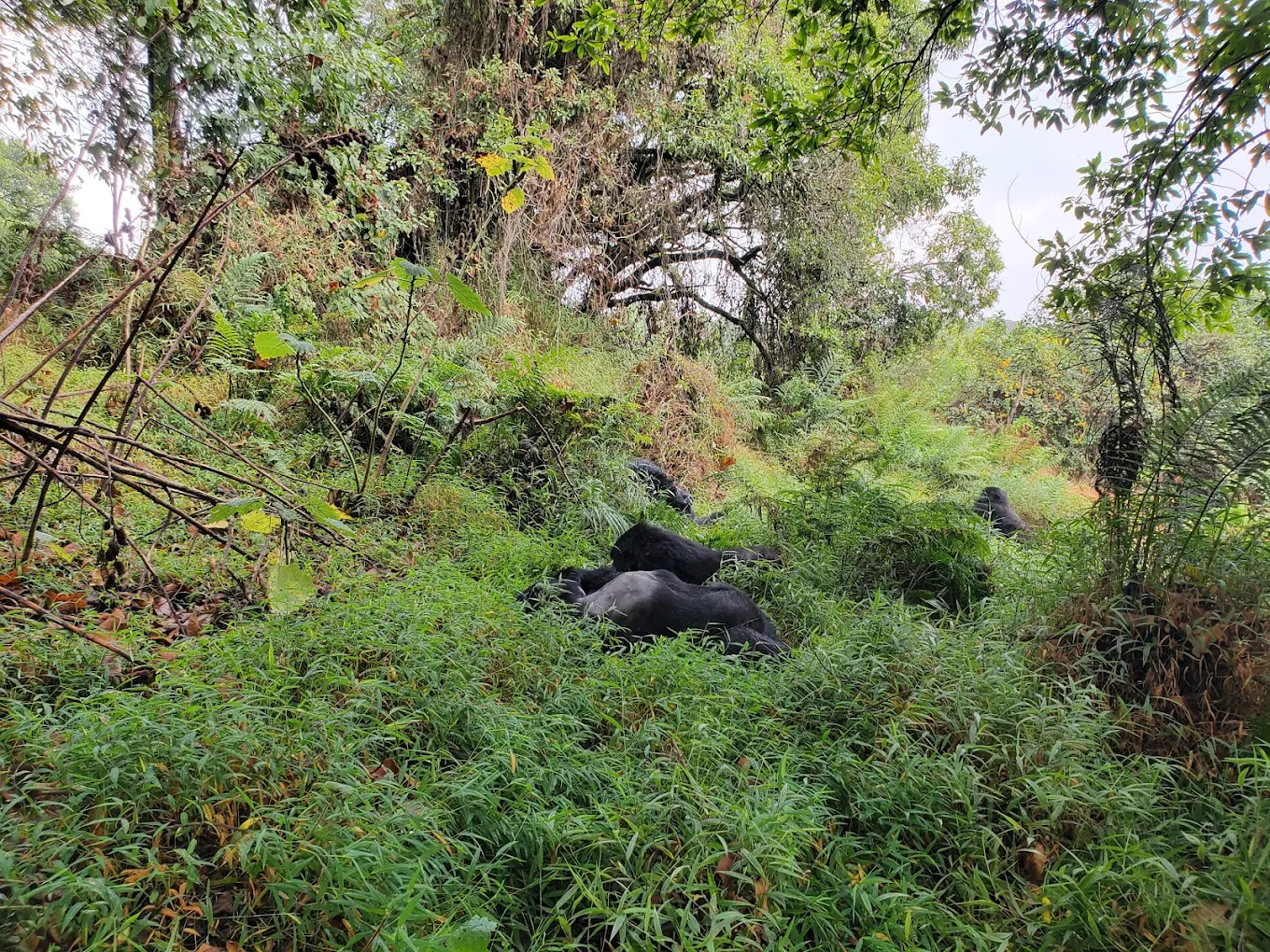
When does low season apply for gorilla permits in Uganda?
Low season applies during April, May, and November. During these months, Uganda Wildlife Authority offers reduced gorilla and chimpanzee permit rates. However, low season permits cannot be rescheduled once booked.
Can I reserve a gorilla permit without payment in 2026?
No. As of 1 March 2026, the 7-day reservation window has been suspended. Gorilla permits can no longer be held without payment. Full payment is required at the time of booking to secure a permit.
Did the gorilla habituation permit price increase in 2026?
Yes. Effective 1st January 2027, the Gorilla Habituation Experience permit increased to USD 1,800 for Foreign Non-Residents. This experience allows up to four hours with a semi-habituated gorilla family and remains one of the most exclusive wildlife activities in Uganda.
Are chimpanzee permit prices also updated in 2026?
Yes. Chimpanzee tracking and chimpanzee habituation permits have been revised under the new tariff structure effective 1st January 2027. Standard chimpanzee tracking in Kibale National Park now costs USD 300 (FNR), with discounted rates available during low season.
Is the low season gorilla permit refundable or transferable?
Low season permits are discounted and cannot be rescheduled. Travelers must confirm their dates before booking, as changes are generally not allowed.
Does the new tariff structure apply to all parks in Uganda?
The revised tariff structure applies to gorilla trekking in Bwindi Impenetrable National Park and Mgahinga Gorilla National Park, chimpanzee tracking in Kibale National Park and Kyambura Gorge, and selected experiential wildlife activities.
Are children allowed to use the new gorilla permits?
The minimum age for gorilla trekking in Uganda remains 15 years, regardless of the updated permit structure.
Has the daily visitor limit for gorilla trekking changed?
No. Each habituated gorilla family still receives a maximum of eight visitors per day for standard trekking. The daily cap remains in place to protect the gorillas.
Should I book gorilla permits earlier under the new rules?
Yes. Because permits can no longer be held without payment, early booking is strongly recommended, especially for peak travel months. Availability is strictly first-paid, first-confirmed.
Are these changes permanent?
The revised tariffs are effective from 1st January 2027, and the suspension of the 7-day reservation window took effect on 1 March 2026. Future adjustments depend on Uganda Wildlife Authority policy decisions.
Official Source & Verification
The information presented on this page is based on the official Uganda Wildlife Authority (UWA) circular dated 26 February 2026, titled:
“Introduction of Low Season Gorilla and Chimpanzee Permit Rates and Revised Tariff Structure.”
This circular formally communicates:
- The introduction of low season gorilla and chimpanzee permit rates
- The revised tariff structure effective 1st January 2027
- The suspension of the 7-day gorilla permit reservation window
For full transparency and verification, you can download and review the official UWA document here:
Official UWA Circular (26 February 2026)
All pricing figures, policy updates and booking rule changes outlined above are derived directly from this official document.