
rare birds found in Uganda birdwatching
Ultimate Rare Birds Found in Uganda Birdwatching Guide – Exceptional Species and Best Birding Destinations
Rare birds found in Uganda birdwatching experiences are one of the strongest reasons serious birders travel to the Pearl of Africa. Uganda combines equatorial forests, Albertine Rift mountains, papyrus wetlands, open savannah, acacia woodland, high-altitude ecosystems and the vast waterways of the Nile and Lake Victoria within a relatively compact country. This remarkable concentration of habitats allows birdwatchers to search for species that are endemic to Uganda, restricted to the Albertine Rift, associated with specialized papyrus wetlands or simply difficult to encounter elsewhere in Africa.
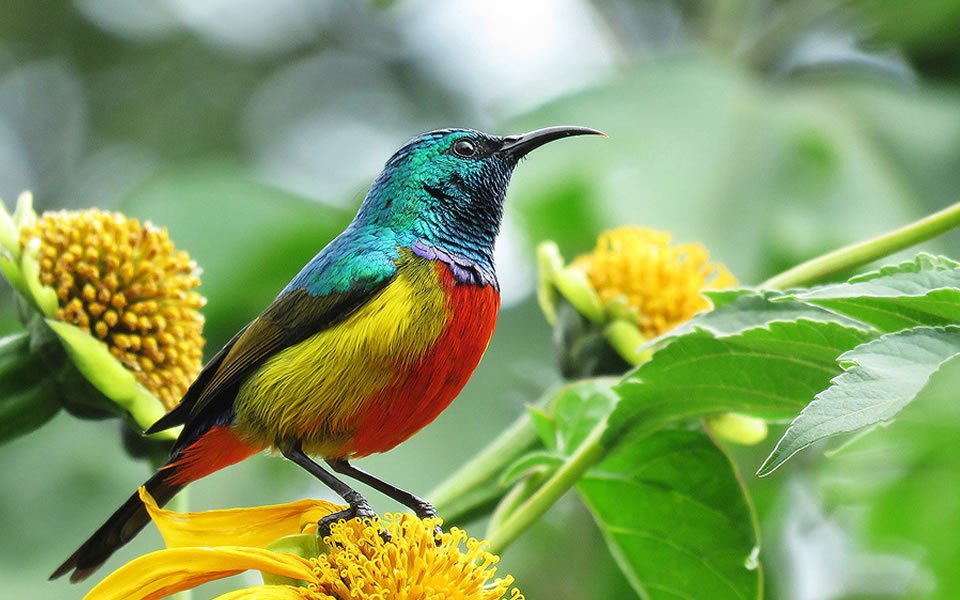
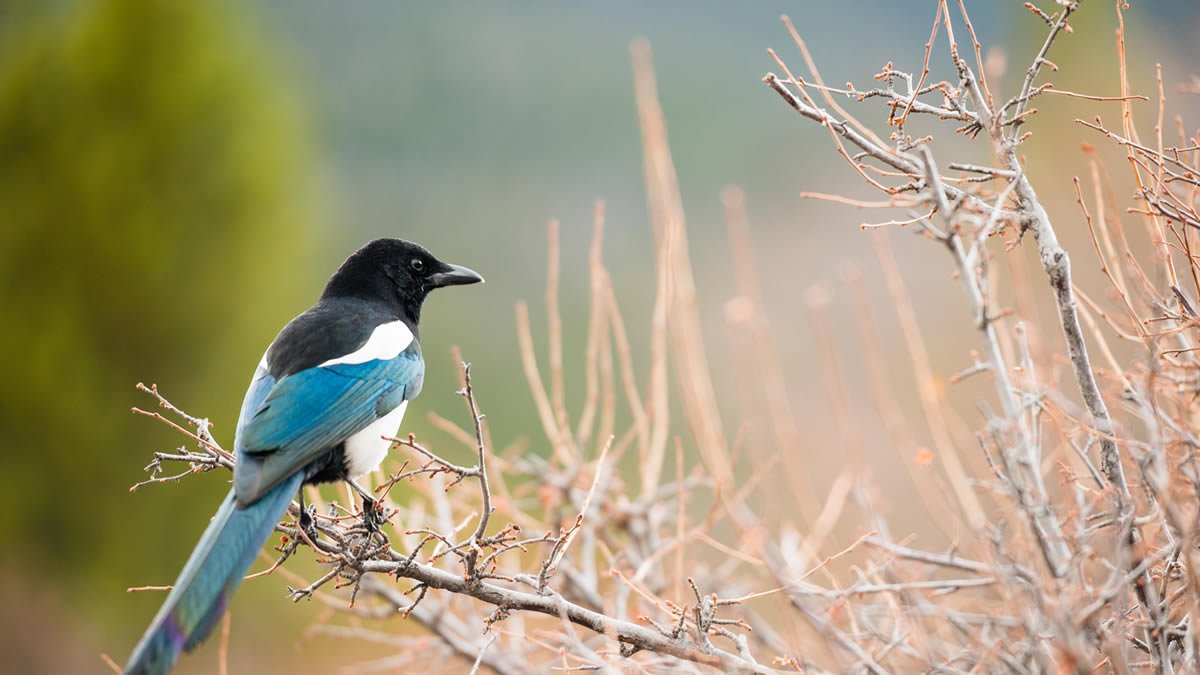
Uganda has more than 1,070 recorded bird species, giving it one of the longest national bird lists in Africa. The African Bird Club currently identifies Fox’s Weaver and the Karamoja Apalis among Uganda’s endemic birds, while numerous Albertine Rift specialists and highly localized species make the country especially important for international birdwatchers.
For travelers interested in more than simply adding common species to a checklist, Uganda offers the opportunity to search for the Shoebill, Fox’s Weaver, Karamoja Apalis, Grauer’s Broadbill, Shelley’s Crimsonwing, Papyrus Gonolek, Papyrus Yellow Warbler, Green-breasted Pitta, Rwenzori Turaco, Regal Sunbird, Handsome Spurfowl and many other birds associated with very specific ecosystems.
At NextGen Safaris, we can design specialist birding journeys around these habitats while combining birdwatching with mountain gorilla trekking, chimpanzee tracking, wildlife safaris and photography. Travelers wanting an introduction to the wider possibilities can first explore our Birding in Uganda and Photography guide or consider our specialist 22 Days Birding and Wildlife Safari for a longer route through Uganda’s major ecosystems.
Why Uganda Is One of Africa’s Most Important Birdwatching Destinations
The extraordinary variety of rare birds found in Uganda birdwatching safaris is closely connected to the country’s geography. Uganda lies where several major African ecological zones come together, creating a mixture of East African savannah species, Central African forest birds, Albertine Rift mountain specialists, wetland birds and seasonal migrants. A birding itinerary can move from papyrus swamps near Entebbe to montane rainforest in Bwindi, open plains in Queen Elizabeth National Park, semi-arid landscapes in northeastern Uganda and the Nile wetlands of Murchison Falls.
This variety means birders do not have to travel across several countries to experience dramatically different habitats. A morning may be spent quietly searching a papyrus channel for a Shoebill, while several days later the same journey can involve walking through high-altitude forest in search of an Albertine Rift specialist. Later sections of the safari may concentrate on savannah raptors, bustards, hornbills, bee-eaters and waterbirds.
Uganda Wildlife Authority describes the country as supporting more than 1,000 bird species, while African Bird Club records approximately 1,070. The exact total can change as new records are accepted and bird taxonomy is revised, so serious birders should expect national and international checklists to evolve over time.
This richness makes Uganda suitable for both dedicated birding expeditions and travelers who want birdwatching alongside traditional safari activities. Our Ultimate Uganda Wildlife Safari guide explains how birdwatching can be incorporated into a broader wildlife journey without turning every day into a specialist birding excursion.
What Makes a Bird Rare in Uganda?
The term rare can mean several different things in birdwatching, and understanding this makes a Uganda birding safari more rewarding. A bird may be rare because its entire global population is small, because it occupies a very restricted geographic range or because it depends on a specialized habitat that exists only in scattered locations. Other species may have reasonable populations but remain extraordinarily difficult to observe because they live inside dense forest, occupy remote mountain habitats or behave very quietly.
This distinction is particularly important in Uganda. A Shoebill is not restricted to Uganda, for example, but its specialized wetland habitat and unusual distribution make it one of Africa’s most desired birding sightings. Fox’s Weaver has an entirely different appeal because it is associated with Uganda itself and has historically been difficult to locate reliably. Grauer’s Broadbill attracts birders because of its Albertine Rift distribution and specialized montane forest habitat, while Green-breasted Pitta can remain almost invisible even when a birder is standing inside suitable forest.
Rare birds found in Uganda birdwatching tours therefore include a mixture of globally threatened birds, national endemics, regional endemics and extremely localized species. A professionally planned birding safari should consider habitat and season rather than simply creating a long list of bird names and promising that every species will be seen. Birds are wild animals, their movements change and no ethical safari operator should guarantee a particular rare sighting.
The Shoebill – Uganda’s Most Famous Birdwatching Target
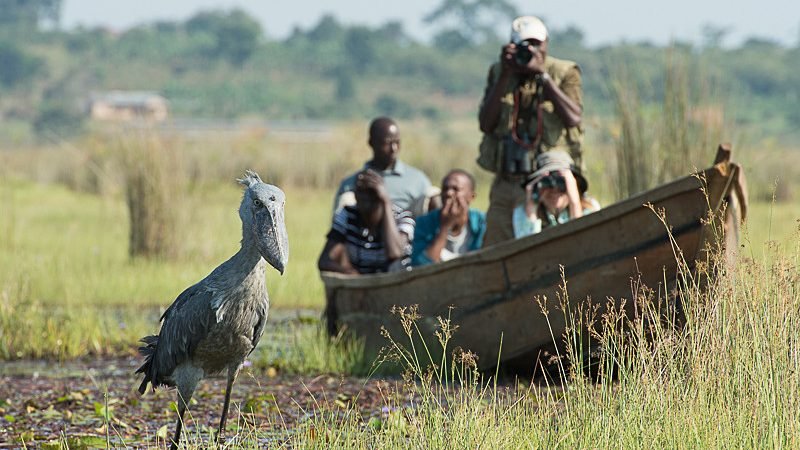
Few African birds create the reaction generated by the Shoebill. Its enormous shoe-shaped bill, tall prehistoric appearance and patient hunting technique make it instantly recognizable even to travelers who would not normally describe themselves as birders. For dedicated birdwatchers, however, observing a Shoebill in a natural papyrus wetland can become one of the defining moments of an East African birding journey.
Uganda provides several opportunities to search for the species, with Mabamba Bay near Lake Victoria being the best-known location for visitors beginning or ending their safari around Entebbe. Local canoe excursions move slowly through narrow channels surrounded by papyrus and floating vegetation while guides search for the distinctive shape of the bird. These excursions can also produce numerous other wetland species, turning the Shoebill search into a much broader birdwatching experience.
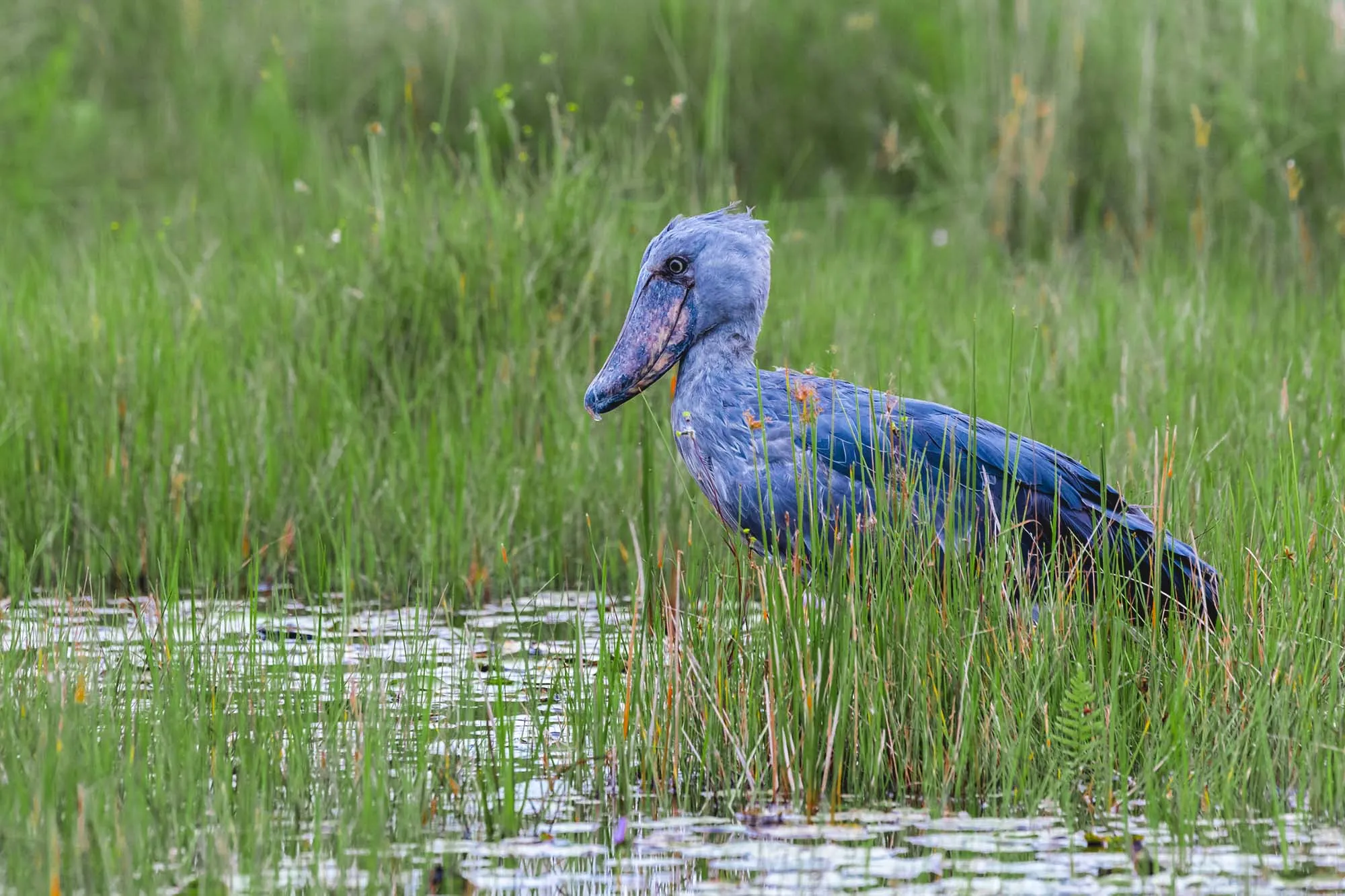
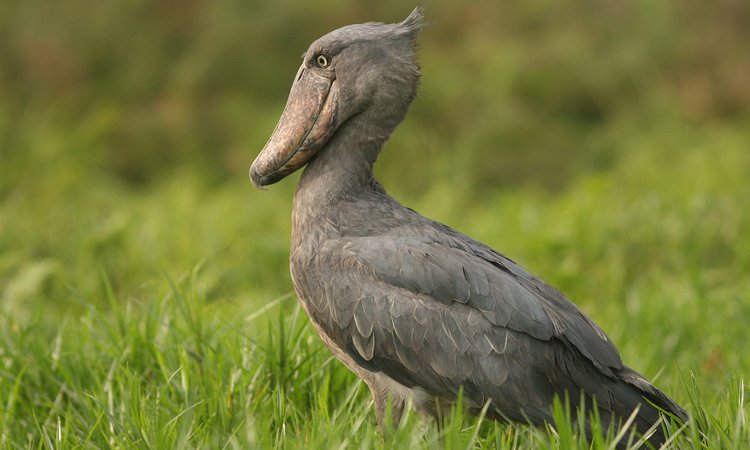
Murchison Falls National Park provides another important opportunity, particularly around the Nile Delta. NextGen Safaris already includes the Shoebill as one of the important birding targets of the region in our Murchison Falls Safari Guide. Travelers who want to connect Mabamba with Murchison can also consider our 4 Days Murchison Falls, Ziwa Rhino and Wildlife Safari, which begins with birdwatching around Mabamba before continuing north.
Although a Shoebill can remain motionless for long periods, this should never be confused with predictability. Water levels, fishing conditions, vegetation and daily movement can influence where an individual is found. A patient approach with an experienced wetland guide normally provides the best possible opportunity without disturbing the bird.
Fox’s Weaver – One of Uganda’s Most Special Endemic Birds
Fox’s Weaver is one of the most important birds for anyone specifically targeting rare birds found in Uganda birdwatching itineraries. African Bird Club currently lists it as an endemic bird of Uganda and identifies its conservation status as Near Threatened. Records and surveys have concentrated particularly on northeastern and eastern Uganda, where specialist birders may explore suitable wetland and savannah landscapes.
The species has attracted significant ornithological interest because it has historically been difficult to locate. African Bird Club has supported repeated survey work in Uganda, including more recent survey projects focused specifically on improving knowledge of the species’ distribution and population.
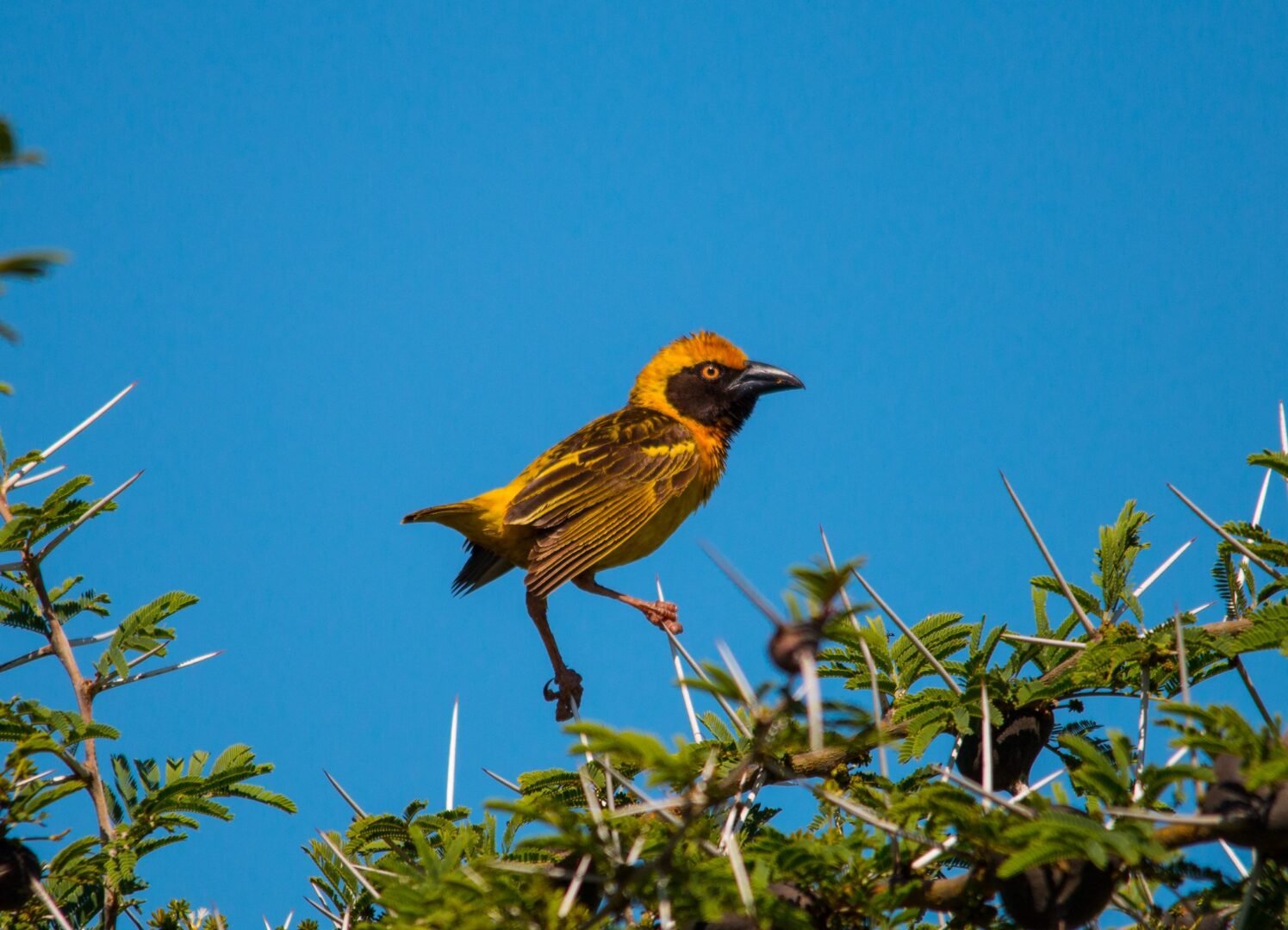
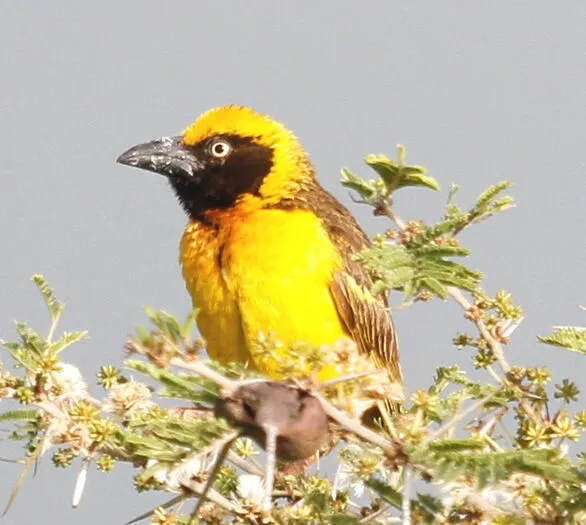
For birdwatchers, this makes Fox’s Weaver different from a species that can simply be added to an itinerary as a quick roadside stop. Serious attempts may require travelling into less frequently visited landscapes and spending sufficient time in potential habitat. Sites around northeastern Uganda, including areas associated with the Lake Bisina, Lake Opeta and wider Karamoja region, can form part of specialist itineraries.
This section of Uganda is considerably less visited than Bwindi, Queen Elizabeth or Murchison Falls, which is precisely part of its appeal. The journey introduces birders to drier landscapes, seasonal wetlands and bird communities that feel completely different from the forests of western Uganda.
A Fox’s Weaver search should be approached as genuine field birding. Conditions change, recent local knowledge matters and sightings cannot be guaranteed. For experienced birders, however, the uncertainty is part of what makes finding such a localized species so satisfying.
Karamoja Apalis – A Northeastern Uganda Specialist
The Karamoja Apalis is another highly significant bird for specialist birdwatchers exploring northeastern Uganda. African Bird Club currently treats the species as endemic to Uganda and lists it as Vulnerable, making it one of the strongest reasons serious birders extend their itinerary beyond the better-known western safari circuit.
Its habitat is associated with dry thorny vegetation and scrub environments that are completely different from the papyrus wetlands of Mabamba or the montane forests of Bwindi. Searching for it therefore adds important ecological diversity to a birding itinerary.
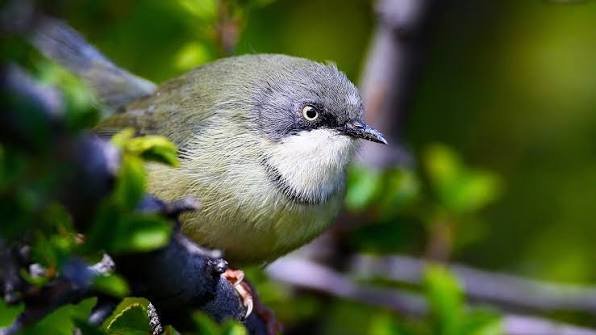
African Bird Club highlights the Pian Upe, Bokora and Matheniko wildlife reserve landscapes and the foothills around Mount Moroto among important areas for Karamoja Apalis and other northeastern specialties. These areas can also provide possibilities for bustards, barbets, larks, cisticolas, starlings, weavers and dry-country birds that may be absent from the conventional southwestern Uganda route.
A safari including Karamoja needs more time than a standard seven-day Uganda holiday. The distances are greater and the purpose is usually specialist birding rather than simply visiting headline national parks. For serious birders trying to maximize Uganda’s regional specialties, however, adding this northeastern section can completely change the quality of the final bird list.
Grauer’s Broadbill in Bwindi Impenetrable National Park
Grauer’s Broadbill, often referred to in older birding literature as the African Green Broadbill, is one of the most desired Albertine Rift birds accessible within Uganda. The African Bird Club identifies the species among birds particularly worth seeking in Uganda, and the Ruhija section of Bwindi has long been associated with specialist attempts to find it.
Bwindi is already internationally famous because of its mountain gorillas, but for serious birders its forest is equally extraordinary. The combination of altitude, ancient montane vegetation and Albertine Rift geography supports a bird community that differs enormously from Uganda’s savannah parks.
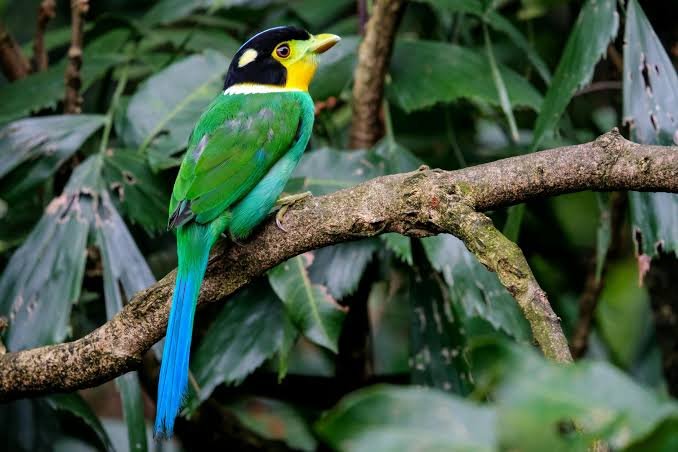
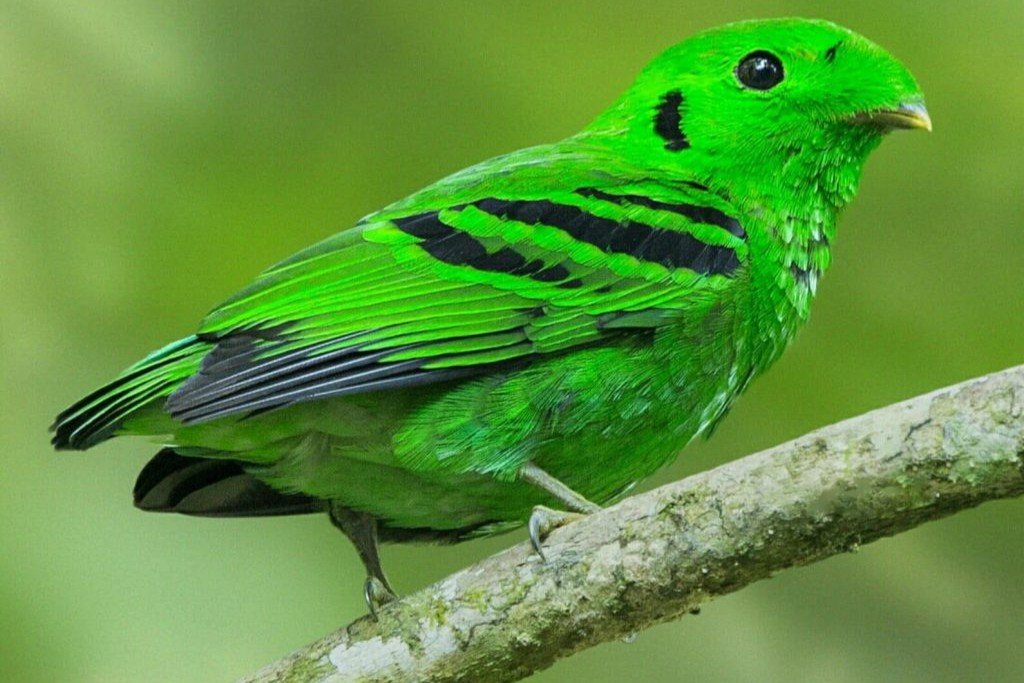
Ruhija is particularly important for birdwatching.rare birds found in Uganda birdwatching, Trails through this northeastern section of Bwindi can produce a range of Albertine Rift specialties, and our own 22 Days Birding and Wildlife Safari dedicates a full day to birding around Ruhija and Mubwindi in search of species associated with this forest environment.
Birding here requires patience. Dense montane vegetation means that calls are often heard before birds are seen, while elevation and trail conditions make walking more demanding than birding from a safari vehicle. This is exactly where an experienced specialist bird guide becomes extremely valuable. Understanding calls, feeding behavior and preferred forest strata can turn a difficult morning into an exceptional one.
Travelers interested primarily in Albertine Rift species can also explore our 9 Days Birding Uganda for Albertine Endemics, which was specifically created around southwestern Uganda’s specialized mountain birds.
Shelley’s Crimsonwing – One of the Most Elusive Albertine Rift Birds
Shelley’s Crimsonwing has almost legendary status among African birdwatchers because it is extremely difficult to observe across its restricted montane range. Uganda provides access to suitable Albertine Rift habitat, particularly within the southwestern highlands, but even experienced birders should consider a sighting a major achievement rather than an expectation.
The species is associated with dense mountain vegetation and can be quiet, secretive and difficult to detect. African Bird Club lists Shelley’s Crimsonwing among the important Albertine Rift birds that birders may seek in Uganda.
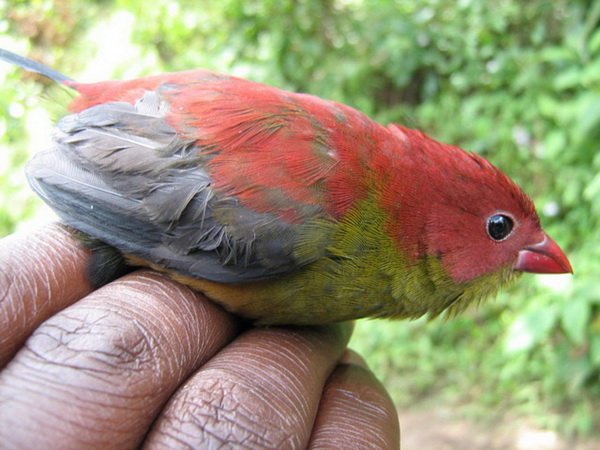
Recent international conservation assessment work has also illustrated how difficult some rare bird populations are to evaluate. BirdLife’s 2026 Red List review recommended changing the species from Endangered to Data Deficient, reflecting significant uncertainty about current population information rather than implying that the bird has suddenly become secure.
For safari planning, the practical lesson is simple. A birder hoping for Shelley’s Crimsonwing should allocate sufficient time to appropriate high-altitude habitats and avoid building the entire success of the journey around one species. Uganda’s montane forests contain many other exceptional birds, so even a day without the crimsonwing can still be extremely productive.
Papyrus Gonolek and Uganda’s Specialized Wetland Birds
Uganda’s papyrus wetlands contain some of the country’s most specialized bird communities. Papyrus Gonolek is among the best known, recognizable by its dramatic combination of black, red and yellow plumage but often detected first by its voice from dense wetland vegetation.
The bird is closely associated with papyrus systems around the Great Lakes region. Because these wetlands are increasingly affected by drainage, agricultural expansion, pollution and other pressures, conserving papyrus habitat is essential for the species and numerous other wetland specialists. BirdLife identifies Papyrus Gonolek as a papyrus specialist and describes the species as Near Threatened in its regional conservation material.
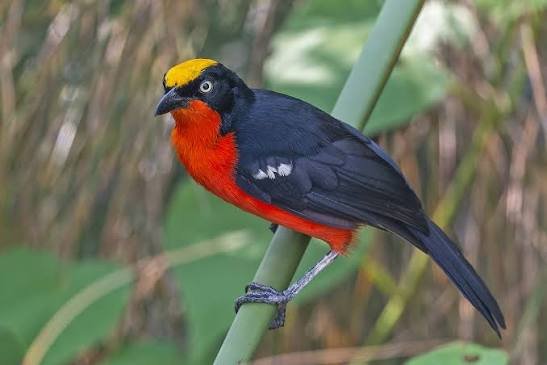
Papyrus Yellow Warbler is another particularly important wetland target. The bird has a fragmented East African distribution and is strongly associated with papyrus and reed habitats. BirdLife describes it as globally threatened and emphasizes the effect of habitat degradation on its populations.
Uganda’s many wetlands mean that specialist travelers can encounter papyrus birds in several parts of the country rather than depending on a single protected area. Mabamba, the Lake Victoria basin, western crater regions and other wetland systems can all contribute to a birding itinerary depending on the exact target species and current local knowledge.
These habitats remind travelers that Uganda birdwatching is not confined to national parks. Some of the most rewarding birding can take place beside community wetlands, along quiet roads and in landscapes that a conventional wildlife itinerary might pass without stopping.
Green-breasted Pitta in Kibale Forest
Green-breasted Pitta is one of the great prizes of Uganda forest birding. Its striking colors suggest that it should be easy to see, but dense vegetation, secretive behavior and its preference for the forest floor can make the bird extremely challenging to locate.
Kibale Forest National Park is particularly famous among birders hoping to encounter this species. Early morning searches with an experienced guide can involve moving quietly through forest and listening carefully for characteristic calls or subtle movements among fallen leaves.
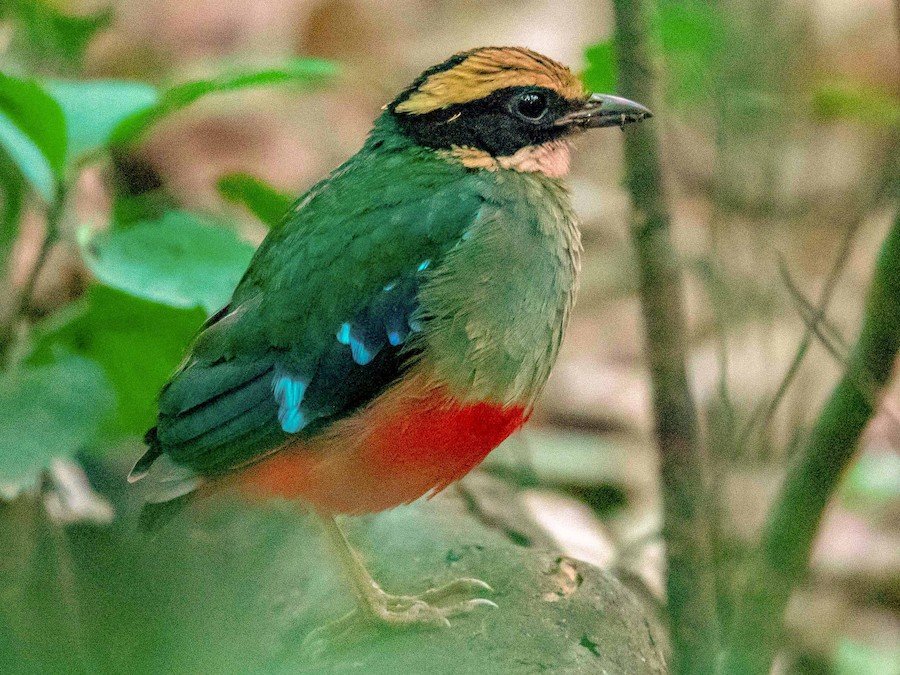
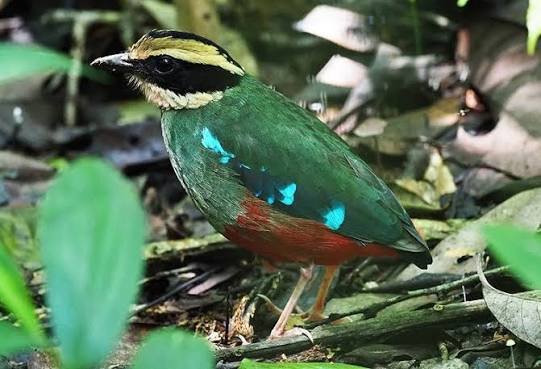
The experience can be combined naturally with chimpanzee trekking because Kibale is also one of Africa’s most celebrated primate destinations. Travelers interested in both birds and primates can learn more through our Kibale Forest National Park guide and our Chimpanzee Trekking experiences.
African Bird Club records Green-breasted Pitta among the birds particularly worth searching for in Uganda, and recent Uganda bird records continue to highlight Kibale as an important location for the species.
For dedicated birders, it can be worth allocating more than one morning to the search. Forest birds rarely operate according to a tour schedule, and having additional time can dramatically reduce the pressure to force a sighting.
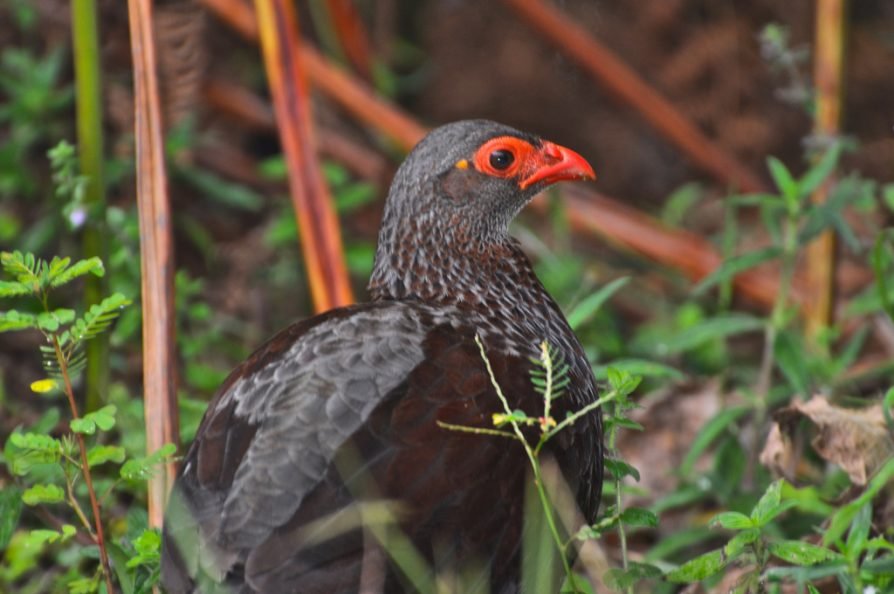
Nahan’s Partridge and Uganda’s Forest Floor Specialists
Nahan’s Partridge is another fascinating forest bird associated with parts of Uganda and neighboring Central Africa. Historically treated as threatened, its conservation assessment has been reconsidered as new distribution information becomes available. BirdLife’s 2026 review recommended that it be listed as Least Concern, demonstrating how ornithological knowledge continues to change as new surveys and records expand understanding of its range.
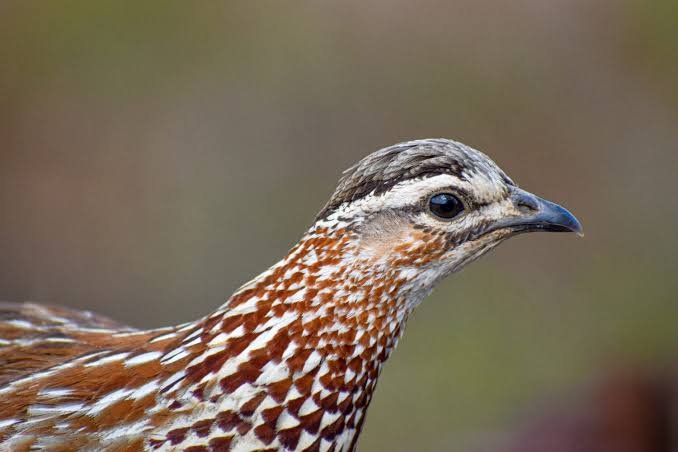
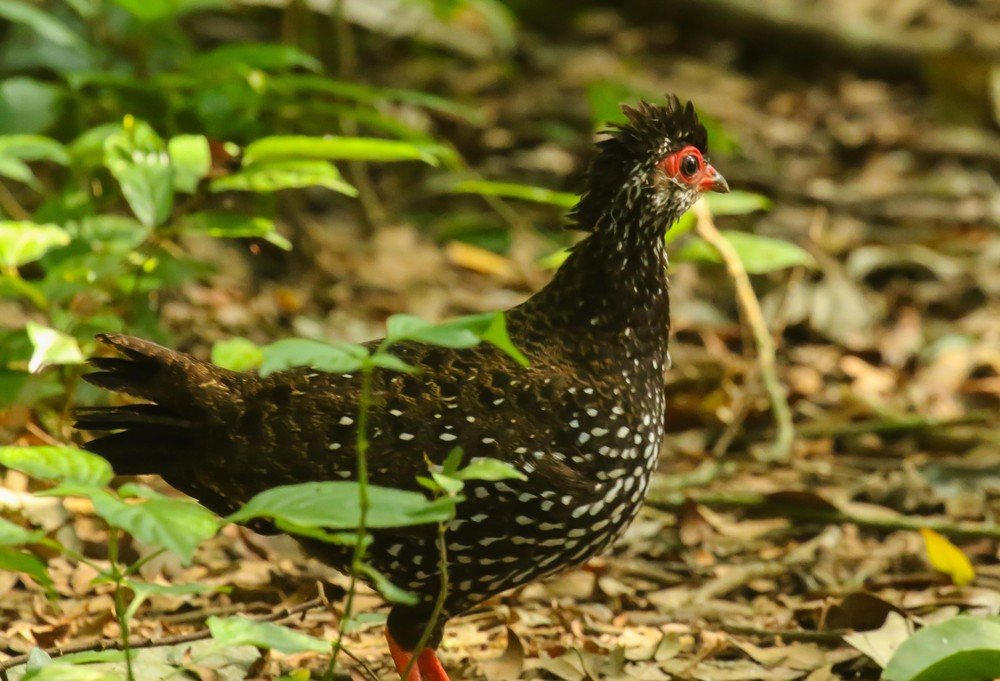
For birdwatchers, however, a broader conservation category does not necessarily mean that a species becomes simple to observe. Forest floor birds can remain elusive because dense vegetation dramatically reduces visibility.
Budongo Forest is among the important Ugandan habitats for specialist forest birding. The wider Murchison Falls region can therefore produce a particularly rewarding combination, allowing travelers to explore savannah and Nile habitats inside the national park before moving into forest environments for completely different birds.
This diversity is one reason we recommend allowing several days around Murchison instead of treating the national park purely as a quick game drive and waterfall stop. Our Murchison Falls National Park guide explains how birding can be incorporated alongside wildlife and Nile experiences.
Rwenzori Turaco, Regal Sunbird and Other Albertine Rift Specialties
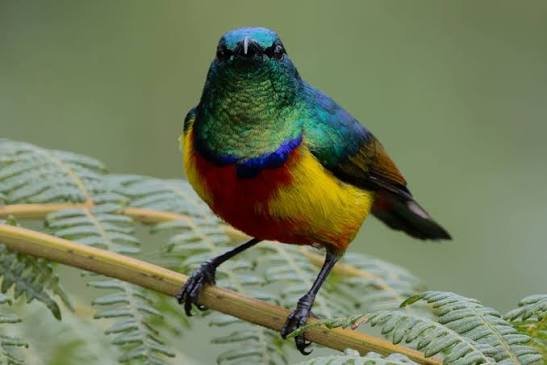
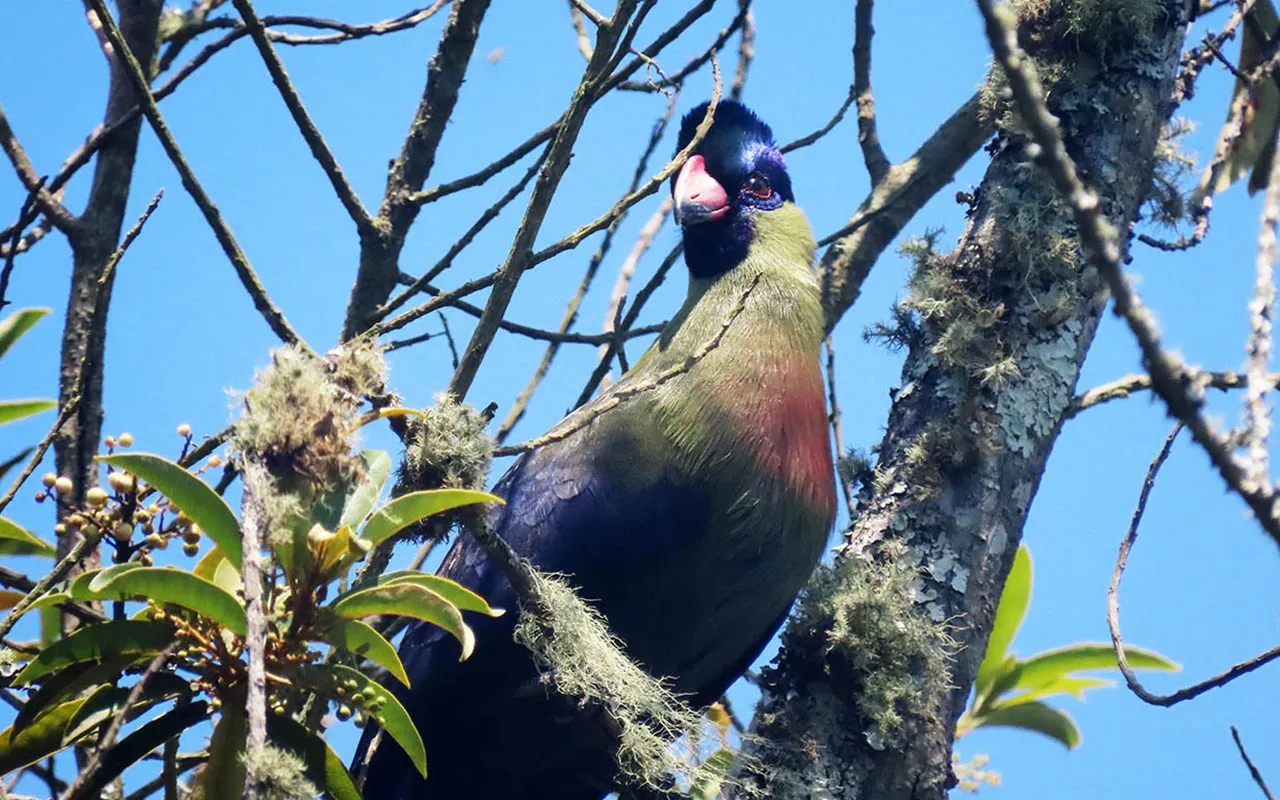
Not every desired bird on a Uganda specialist itinerary is globally rare. Some are sought because they are geographically restricted or particularly representative of the Albertine Rift. The Rwenzori Turaco is one such species, with vivid plumage and a close association with mountain forests. Regal Sunbird provides another spectacular target, while Handsome Spurfowl, Rwenzori Batis, Grauer’s Warbler, Dusky Crimsonwing, Blue-headed Sunbird and Strange Weaver can all contribute to the appeal of southwestern Uganda. African Bird Club identifies many of these species among the Albertine Rift specialties best searched for within Uganda.
Mgahinga Gorilla National Park is especially valuable because its higher-altitude vegetation and Virunga setting create different birding opportunities from lower forest environments. Birdwatchers can combine birding here with mountain gorilla trekking or golden monkey tracking, making Mgahinga particularly useful for travelers who want multiple wildlife interests within the same journey.
Bwindi and Mgahinga together form one of the most important sections of a specialist Uganda birding route. Instead of passing quickly through the southwest purely for gorillas, serious birders may spend several days moving between elevations and habitats.
Our 9 Days Birding Uganda for Albertine Endemics specifically targets these environments and can be extended further for travelers wanting a much larger Uganda bird list.
Birdwatching in Queen Elizabeth National Park
Queen Elizabeth National Park introduces yet another completely different group of birds. Instead of dense montane forest, birders encounter open savannah, crater landscapes, woodland, wetlands and the Kazinga Channel. These varied habitats make the park exceptionally productive even for travelers whose primary safari objective is wildlife.
Birdwatching from a safari vehicle allows guests to observe raptors, bee-eaters, rollers, lapwings, storks and numerous grassland species, while a boat journey along the Kazinga Channel provides excellent opportunities for water-associated birds.
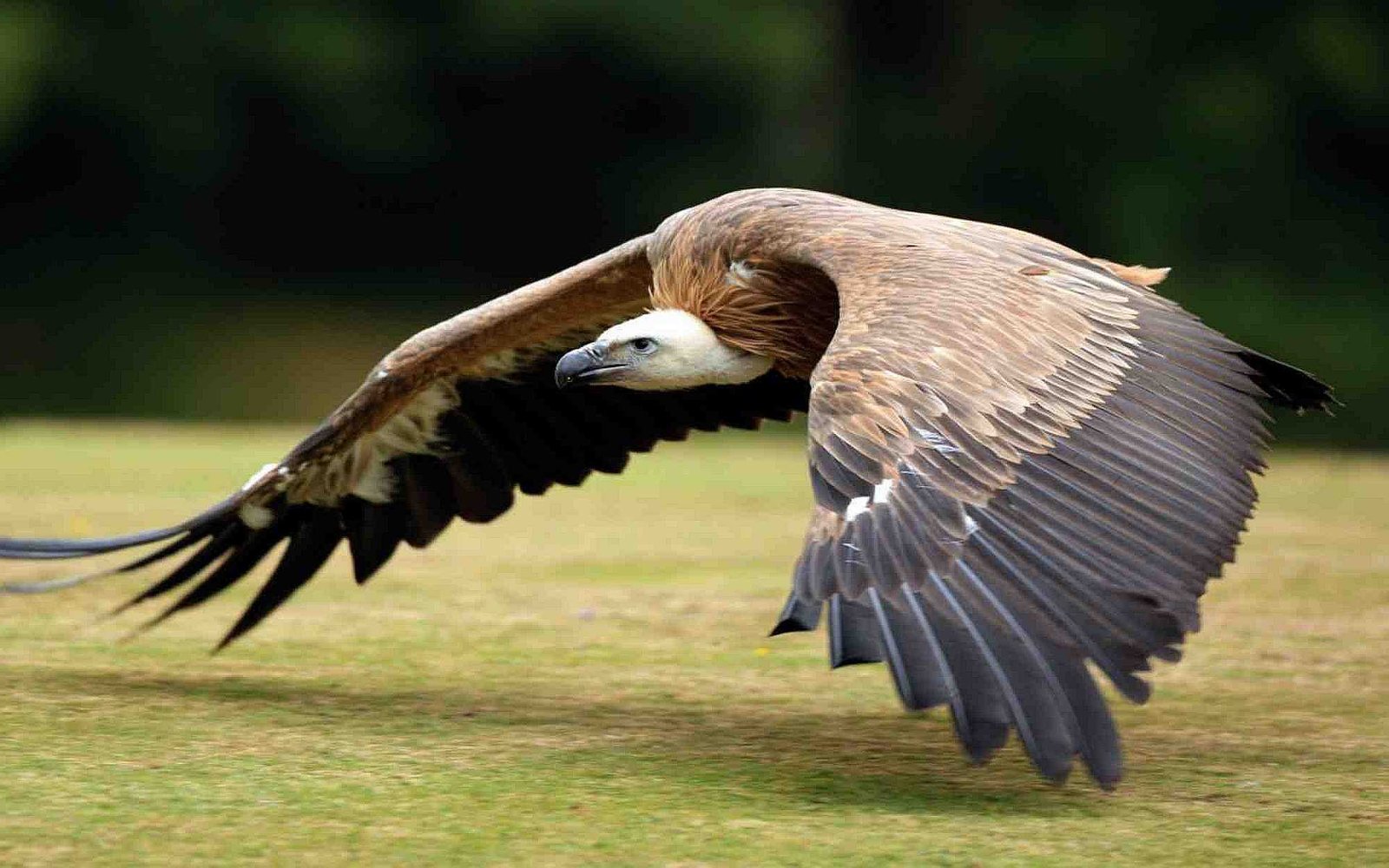
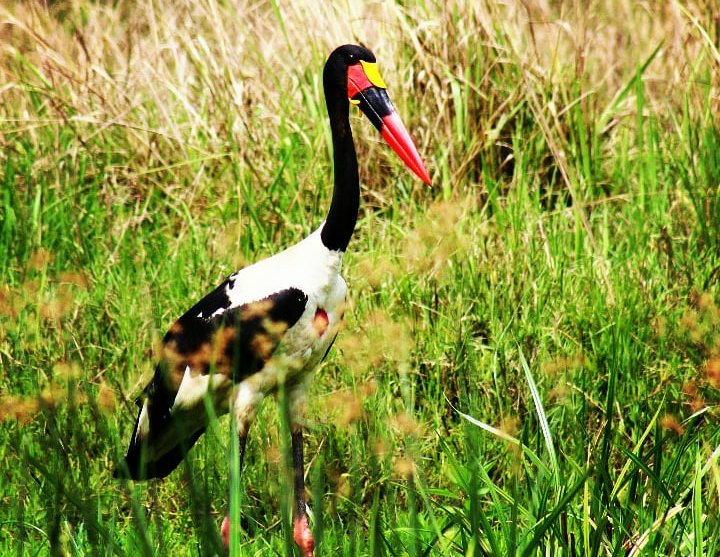
Our Kazinga Channel Boat Cruise guide explains how the slow boat journey creates opportunities to observe fish eagles, pelicans, cormorants, herons, egrets, kingfishers, storks and numerous shoreline species at close range.
This makes Queen Elizabeth particularly valuable when building a birding safari for travelers with mixed interests. One person may concentrate on birds while another is excited about elephants, lions, buffaloes and hippos, yet both travelers can enjoy the same game drive and boat excursion.
Explore our Queen Elizabeth National Park safari if you want to combine birding with classic wildlife viewing.
Birding in Murchison Falls National Park and the Nile Delta
Murchison Falls is one of Uganda’s most diverse safari destinations because savannah, woodland, wetlands, riverine vegetation and forest habitats can all be explored within the wider conservation area.
The Nile itself is particularly productive. Fish eagles, kingfishers, herons, bee-eaters, storks and other water-associated species can be encountered during boat experiences, while the Nile Delta provides one of Uganda’s recognized opportunities to search for Shoebill.

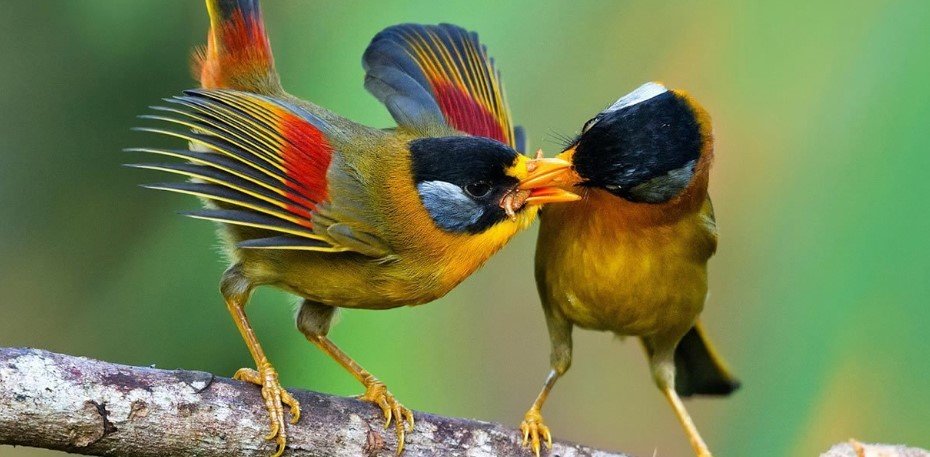
Moving away from the river introduces savannah species, large ground birds and raptors. The result is a birding destination that remains productive throughout the day rather than depending on one specialized habitat.
Travelers can explore this region through our Murchison Falls Safari Guide or use our longer 22 Days Birding and Wildlife Safari as inspiration for incorporating Murchison into a complete national birding route.
Mabamba Swamp – Essential Birding Near Entebbe
Mabamba deserves a special place in any discussion of rare birds found in Uganda birdwatching trips because of its accessibility. International travelers can arrive at Entebbe and potentially begin birding almost immediately rather than spending their first full day on a long road transfer.
The principal attraction is the Shoebill, but the wetland contains considerably more. Papyrus channels, open water, muddy edges and surrounding vegetation support a wide selection of wetland birds. This allows the excursion to remain rewarding even before the primary target is found.
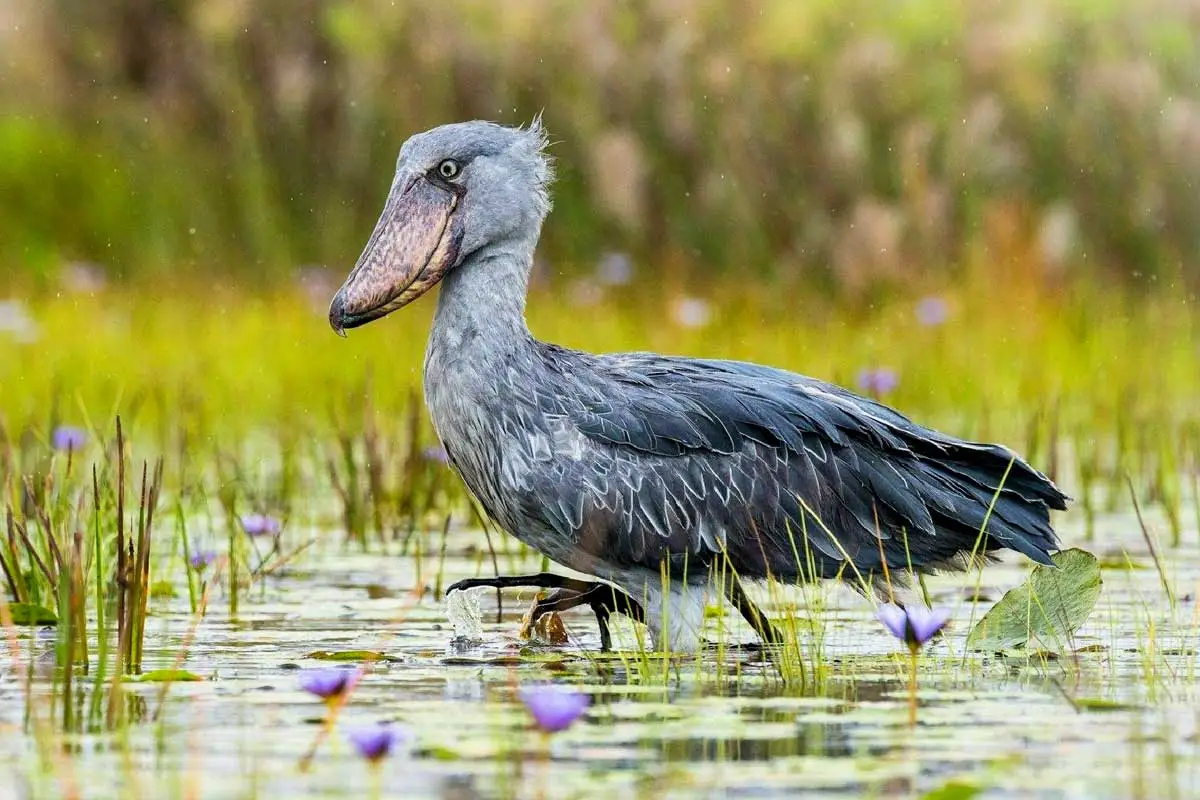
NextGen Safaris includes Mabamba in our 3-Day Uganda Birding Safari and Photography experience, connecting the wetland with other birding habitats for travelers who have limited time.
Longer specialist itineraries often use Mabamba as either the opening or closing birding destination because of its position close to Entebbe International Airport. It is an efficient way to add a completely different habitat without creating a major logistical detour.
Why Book Uganda Birdwatching with NextGen Safaris?
NextGen Safaris can design Uganda birding journeys around your interests instead of forcing specialist birders into a conventional wildlife itinerary. We can combine birding destinations, private transportation, experienced guides, accommodation and additional wildlife activities into one complete safari.
If your priority is the Shoebill, the route can concentrate on Mabamba and the Nile wetlands. If you want Albertine Rift birds, we can dedicate additional time to Bwindi and Mgahinga. Travelers targeting northeastern specialists can extend toward Karamoja, while those wanting a large overall list can combine forest, savannah and wetland ecosystems.
Wildlife experiences can also be incorporated without weakening the birding component. Queen Elizabeth National Park provides excellent birding alongside game drives and the Kazinga Channel Boat Cruise, while Murchison combines Nile birding with outstanding mammal viewing.
This flexibility is particularly valuable when traveling with partners who have different interests. One person can pursue specialist birding while the safari still contains gorillas, chimpanzees, big game, scenery and comfortable lodges.
Frequently Asked Questions About Rare Birds Found in Uganda Birdwatching
1. What are some of the rare birds found in Uganda birdwatching safaris?
Some of the most sought-after rare birds found in Uganda birdwatching safaris include the Shoebill, Fox’s Weaver, Karamoja Apalis, Grauer’s Broadbill, Shelley’s Crimsonwing, Green-breasted Pitta, Papyrus Gonolek, Papyrus Yellow Warbler, Rwenzori Turaco and several Albertine Rift specialists.
2. Where is the best place to see rare birds in Uganda?
The best destinations depend on the species you want to find. Bwindi Impenetrable National Park and Mgahinga are excellent for Albertine Rift birds, Mabamba is famous for the Shoebill, Kibale is known for the Green-breasted Pitta, while northeastern Uganda offers opportunities to search for Fox’s Weaver and Karamoja Apalis.
3. Can I see the Shoebill while birdwatching in Uganda?
Yes. The Shoebill is one of the most famous targets on rare birds found in Uganda birdwatching tours. Mabamba Swamp near Entebbe is one of the most accessible places to search for it, while the Nile Delta area of Murchison Falls National Park can also provide opportunities.
4. Is Fox’s Weaver only found in Uganda?
Fox’s Weaver is closely associated with Uganda and is regarded as one of the country’s most important endemic birding targets. It is mainly searched for in northeastern and eastern Uganda, particularly around suitable wetland and savannah habitats.
5. Where can I see Grauer’s Broadbill in Uganda?
Grauer’s Broadbill is mainly searched for in the Ruhija and Mubwindi areas of Bwindi Impenetrable National Park. It is one of the most important Albertine Rift species for specialist birders visiting southwestern Uganda.
6. Where can I find the Green-breasted Pitta in Uganda?
Kibale Forest National Park is one of the best-known places to search for the Green-breasted Pitta. The bird can be extremely difficult to locate because it spends much of its time on the forest floor and inside dense vegetation, so an experienced local bird guide is highly recommended.
7. Is Uganda good for specialist birdwatching?
Yes. Uganda is one of Africa’s strongest specialist birding destinations because it combines forests, wetlands, savannah, mountains and Albertine Rift habitats within one country. This makes rare birds found in Uganda birdwatching safaris particularly rewarding for experienced birders who want both diversity and localized species.
8. How many bird species can be found in Uganda?
Uganda has recorded more than 1,000 bird species, making it one of Africa’s richest birdwatching destinations. The exact number can change as new records are accepted and bird taxonomy is revised.
9. What are the best places for Albertine Rift birds in Uganda?
Bwindi Impenetrable National Park and Mgahinga Gorilla National Park are among the most important destinations for Albertine Rift specialists. Birders can search for species such as Rwenzori Turaco, Regal Sunbird, Rwenzori Batis, Grauer’s Warbler, Handsome Spurfowl and other restricted-range mountain birds.
10. How many days do I need for rare birds found in Uganda birdwatching?
A short three- to five-day safari can focus on destinations such as Mabamba, Entebbe and one nearby national park. Serious birders targeting Albertine Rift and northeastern specialties should consider approximately nine to fourteen days, while a comprehensive birding expedition can easily extend to three weeks or longer.
11. Can birdwatching in Uganda be combined with gorilla trekking?
Yes. Uganda is particularly attractive because specialist birding can be combined with mountain gorilla trekking in Bwindi or Mgahinga. Travelers can dedicate separate days to birding and gorilla trekking so that neither experience feels rushed.
12. Can I combine rare birdwatching with chimpanzee trekking?
Yes. Kibale Forest is especially suitable for combining birdwatching with chimpanzee trekking. Travelers can search for the Green-breasted Pitta and other forest species before or after participating in a chimpanzee trekking experience.
13. What is the best time for birdwatching in Uganda?
Uganda offers good birding throughout the year, although the best period depends on the species and habitats you want to explore. Resident birds can be observed year-round, while seasonal migrants and changing rainfall patterns can influence the species present and the accessibility of some habitats.
14. Do I need a specialist bird guide in Uganda?
A specialist guide is strongly recommended when searching for rare birds found in Uganda birdwatching destinations. Experienced guides recognize calls, understand preferred habitats and know where particular species have recently been recorded, which can greatly improve your chances of finding difficult forest and wetland birds.
15. How do I book a rare birds found in Uganda birdwatching safari with NextGen Safaris?
Start by sharing your travel dates, safari duration and the species you most want to see. NextGen Safaris can then design an itinerary around the habitats most suitable for your target birds, arrange private transportation and specialist guiding, and combine birdwatching with gorillas, chimpanzees or wildlife where desired. You can begin through the NextGen Safaris booking page.
Plan a Rare Birds Found in Uganda Birdwatching Safari
Rare birds found in Uganda birdwatching journeys reveal an entirely different side of the country. Uganda is famous internationally for mountain gorillas and classic African wildlife, yet serious birders quickly discover that its extraordinary bird diversity can justify an entire safari by itself.
The Shoebill brings birders into the papyrus wetlands of Mabamba and the Nile Delta. Fox’s Weaver and Karamoja Apalis draw specialist travelers toward northeastern Uganda. Grauer’s Broadbill, Rwenzori Turaco and numerous Albertine Rift specialists lead birders into the mountain forests of Bwindi and Mgahinga, while Green-breasted Pitta makes Kibale an important stop on the forest birding circuit.
Queen Elizabeth and Murchison add savannah, shoreline and river species, while Uganda’s wetlands produce specialized birds that may be impossible to experience on a conventional game-drive itinerary.
The result can be a journey that changes dramatically every few days while remaining within one country. Whether you are searching for one dream bird, building an extensive Africa list, photographing Uganda’s most distinctive species or combining birdwatching with mountain gorillas and wildlife, NextGen Safaris can design the route around your priorities.
Begin with our 3-Day Uganda Birding Safari and Photography tour for a short introduction, explore the 9 Days Birding Uganda for Albertine Endemics for southwestern specialties or choose the comprehensive 22 Days Birding and Wildlife Safari for a deeper exploration of Uganda’s remarkable bird diversity.
When you are ready to create your own itinerary, use the NextGen Safaris Book Now page and share your travel dates, preferred safari length and the bird species you most want to find. We can then create a tailor-made Uganda birdwatching safari around the habitats and destinations that give you the strongest realistic opportunities.
Uganda rewards patience. A flash of color inside a dark forest, the silhouette of a Shoebill rising above papyrus or the appearance of a localized species after several hours of searching can become one of the most memorable moments of the entire safari. That is what makes rare birds found in Uganda birdwatching experiences so rewarding for both first-time birders and experienced international ornithologists.