
Rwanda Gorilla Trekking 2026/2027 – Tours, Cost & Guaranteed Permits
Gorilla Trekking in Rwanda – All You Need to Know First
Gorilla trekking in Rwanda is one of the most regulated, exclusive wildlife experiences in the world. For planners looking ahead to 2026/2027 Rwanda Gorilla Trekking, the most important thing to understand from the start is that this is not a casual activity you decide on arrival. It is a permit-controlled, conservation-led experience where access is limited, planning matters and outcomes depend heavily on how early and how correctly arrangements are made.
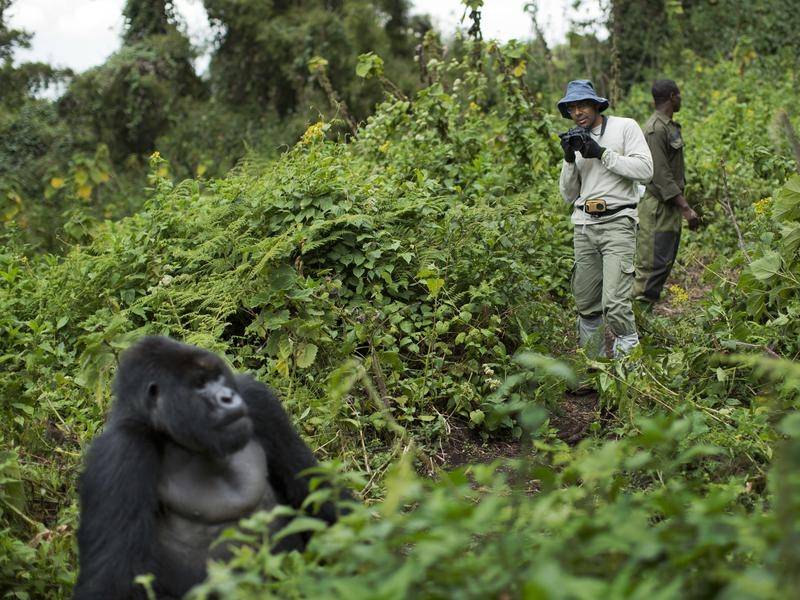
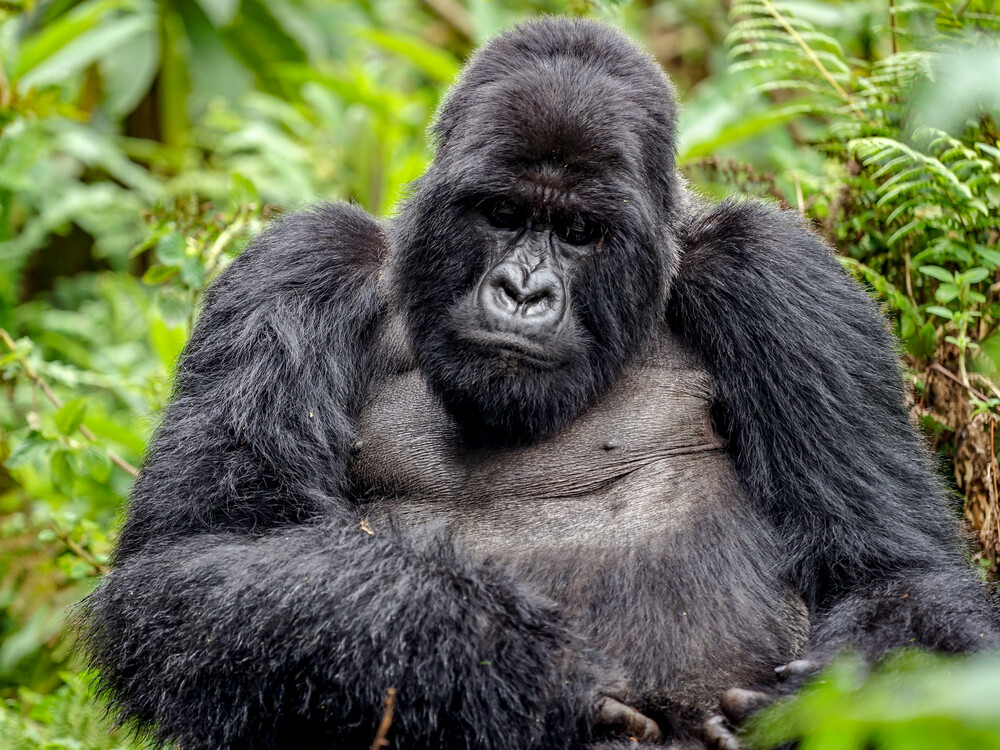
At its core, gorilla trekking is a guided walk through protected rainforest to observe a habituated family of mountain gorillas in their natural environment. Once the gorillas are located, visitors are allowed exactly one hour in their presence. That one hour is the entire point of the journey and every rule, permit limit, and price structure exists to protect it. This is not a zoo, not a safari drive-by and not an experience that can be improvised.
Gorilla Trekking Rwanda 2026/2027 Itineraries (1–10 Days)
Explore 12 carefully structured options for Gorilla Trekking Rwanda, from a one-day trek from Kigali to extended journeys including Lake Kivu, Nyungwe Forest, Akagera wildlife safaris and double gorilla trekking with Uganda. All itineraries are private and can be refined around permit availability for 2026/2027.
1 Day Gorilla Trekking Rwanda from Kigali – Volcanoes National Park
The fastest possible Rwanda gorilla trek option with early departure, guaranteed permit planning, and same-day return to Kigali.
Request a Quote
2 Days Gorilla Trekking Rwanda – Express Overnight Volcanoes Safari
Perfect for tight schedules: Kigali transfer, one gorilla trek, and a relaxed overnight stay close to the park briefing point.
Request a Quote
3 Days Gorilla Trekking Rwanda – Classic Volcanoes National Park Safari
The most common Rwanda gorilla trekking structure, designed for clean pacing, correct permit timing, and smooth logistics.
Request a Quote
4 Days Gorilla Trekking Rwanda – Volcanoes Safari with Kigali City Experience
Combines gorilla trekking with a calm Kigali start or finish, ideal for travelers who want comfort, context, and less rush.
Request a Quote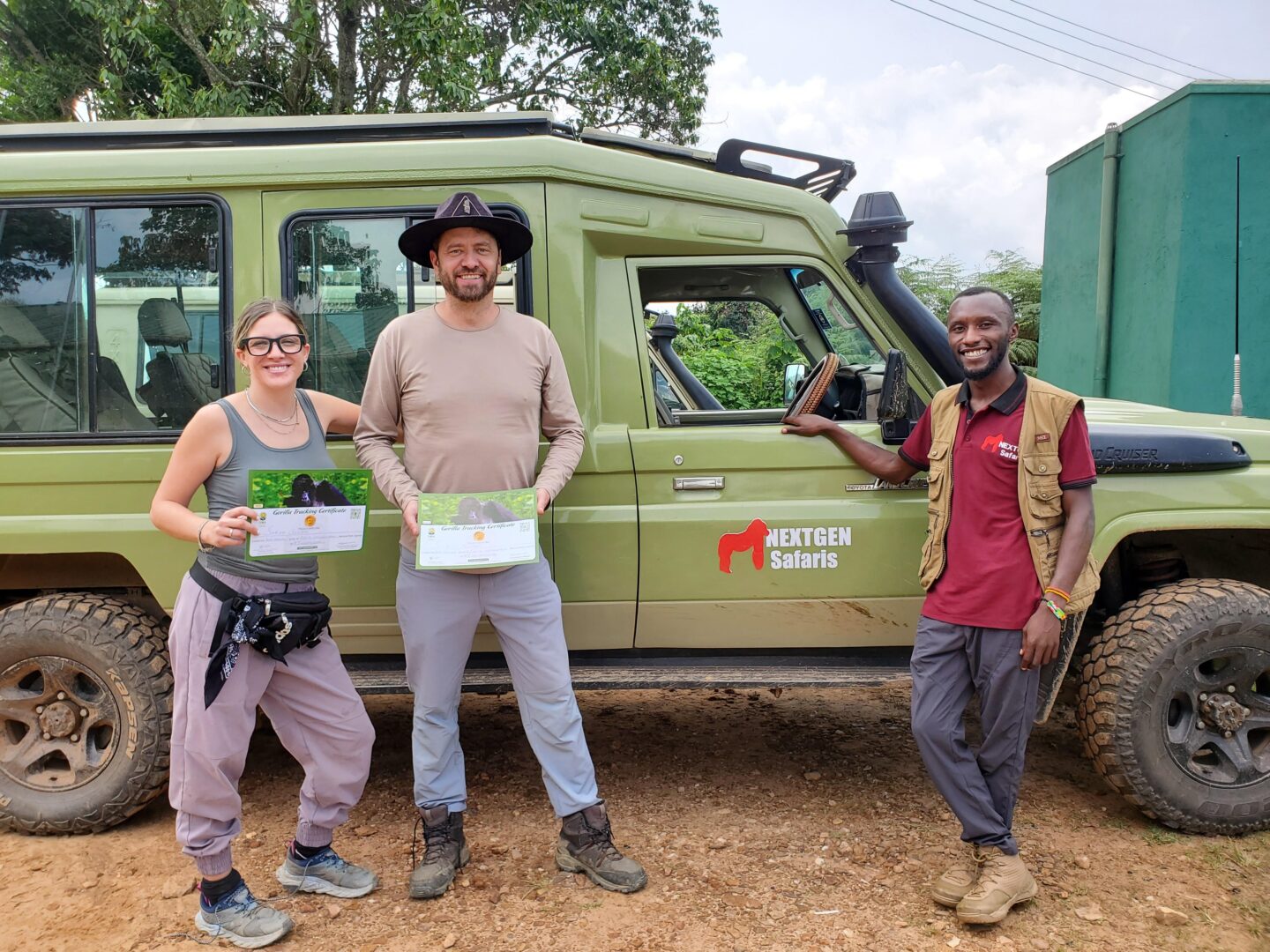
5 Days Gorilla Trekking Rwanda – Volcanoes & Lake Kivu Scenic Escape
A best-value itinerary pairing a Rwanda gorilla trek with Lake Kivu relaxation for recovery, views, and slower pacing.
Request a Quote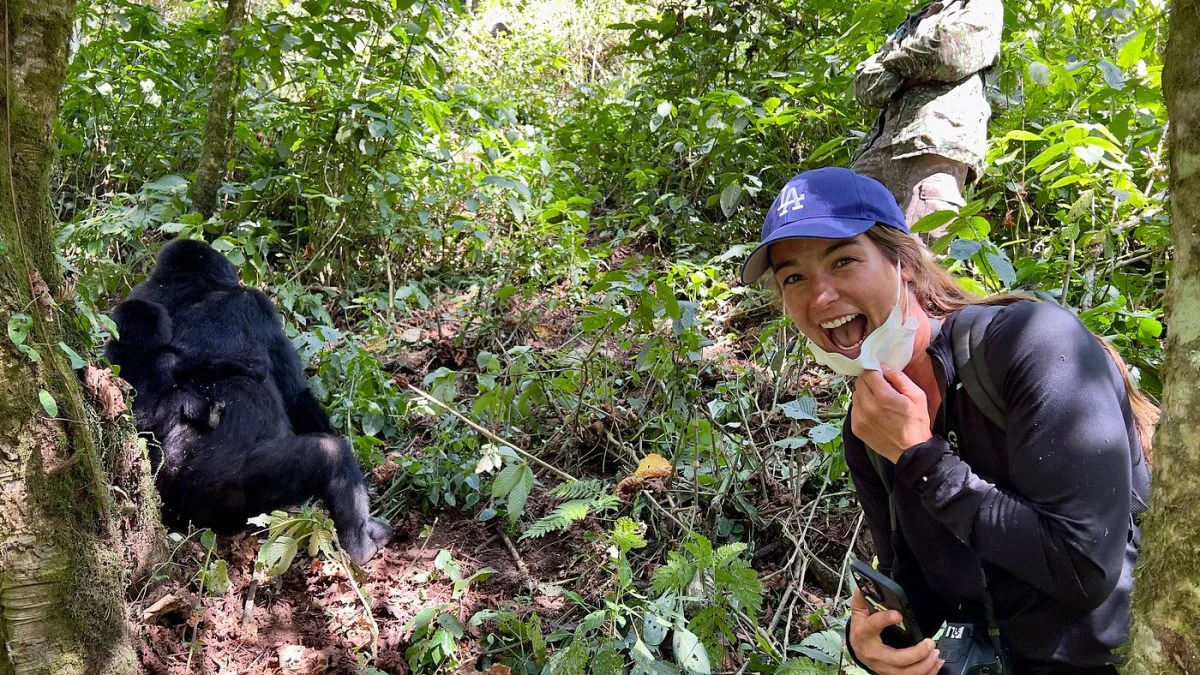
6 Days Gorilla Trekking Rwanda – Comfort-Focused Safari for Seniors
Designed for older travelers and anyone wanting extra recovery time, shorter driving days, and carefully selected trekking logistics.
Request a Quote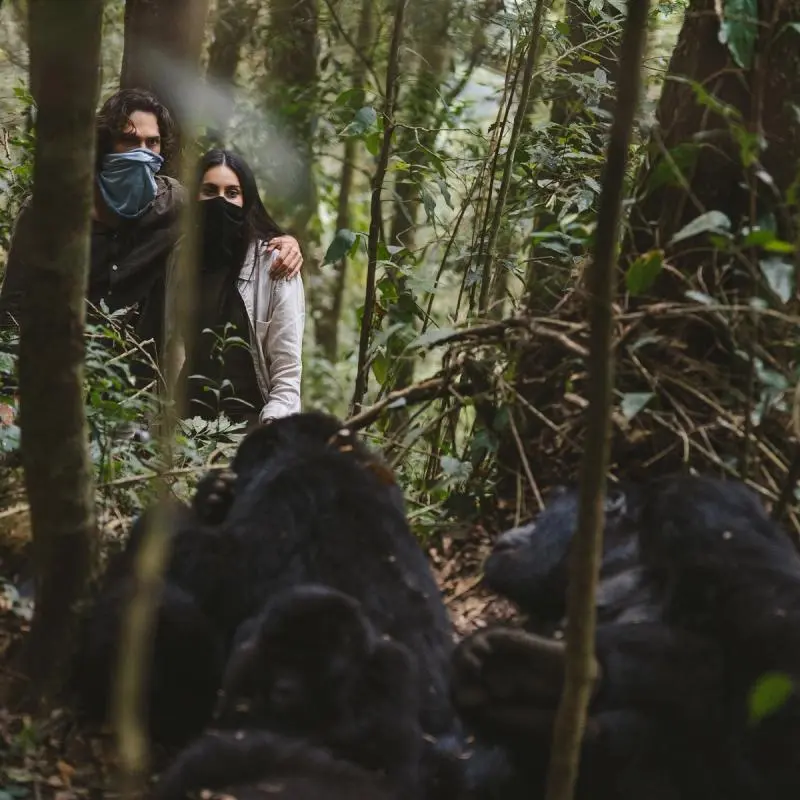
6 Days Gorilla Trekking Rwanda – Honeymoon Gorilla Safari & Lake Kivu
A romantic private Rwanda gorilla trekking safari with calm pacing, scenic moments, and a Lake Kivu extension for downtime.
Request a Quote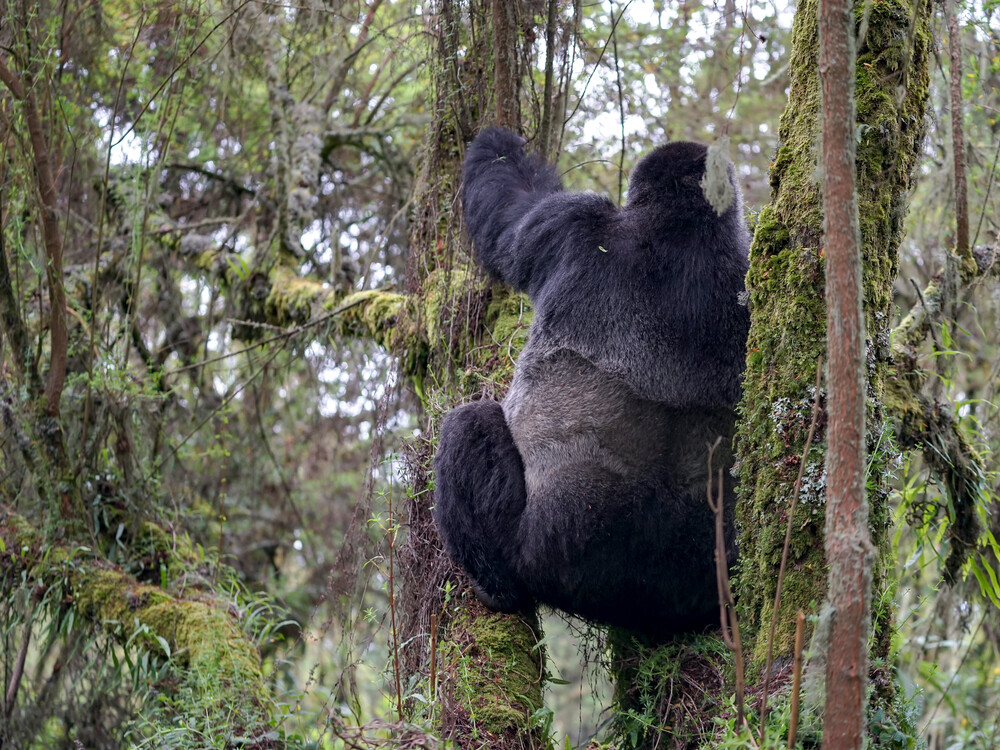
7 Days Gorilla Trekking Rwanda – Volcanoes, Lake Kivu & Culture
An immersive Rwanda circuit combining gorilla trekking with cultural depth and lakeside scenery, built for 2026/2027 planning.
Request a Quote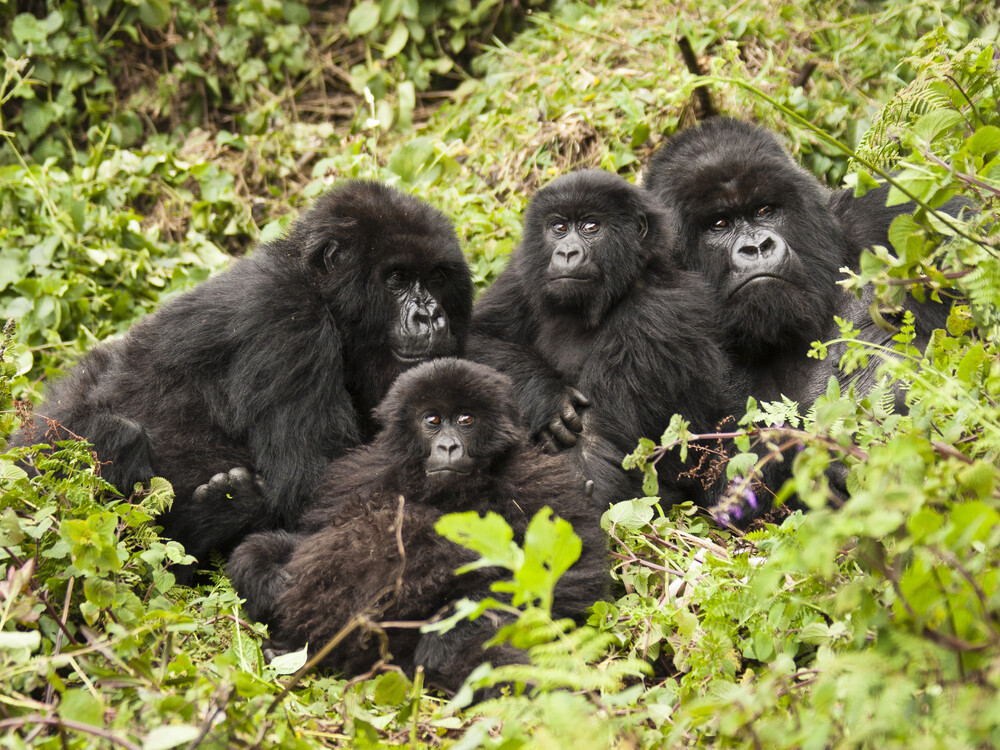
8 Days Gorilla Trekking Rwanda – Volcanoes & Nyungwe Forest Primates
Combines Gorilla Trekking Rwanda with Nyungwe Forest experiences, ideal for travelers who want both mountain and rainforest primates.
Request a Quote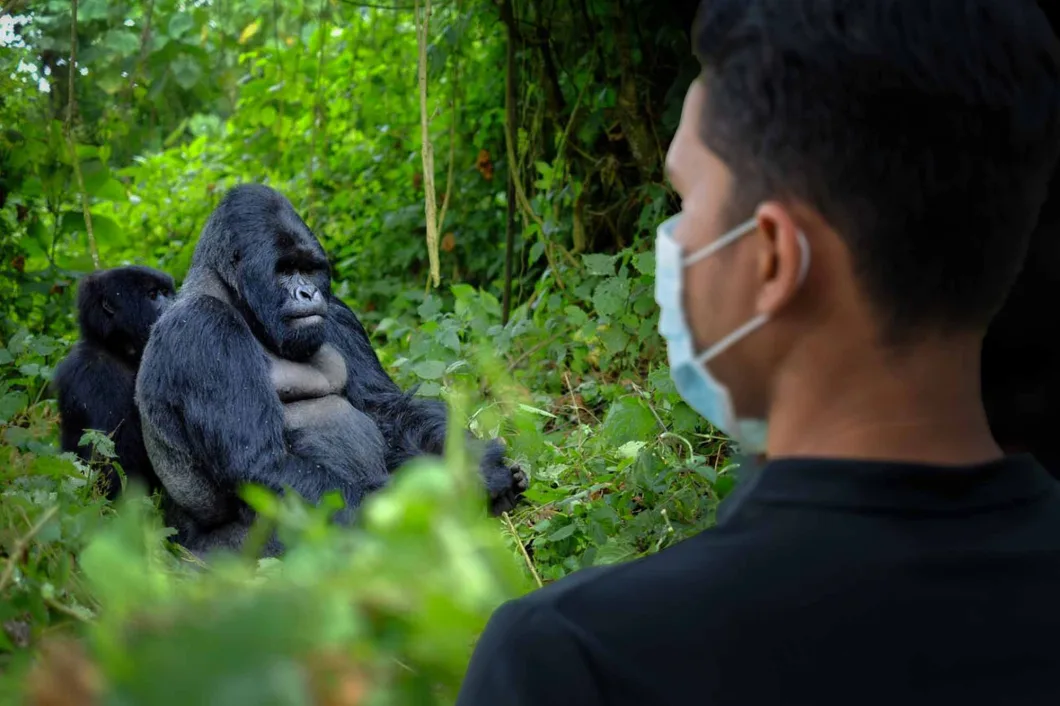
9 Days Gorilla Trekking Rwanda – Volcanoes, Lake Kivu & Akagera Safari
A complete Rwanda highlight itinerary: gorilla trekking plus a classic Akagera wildlife safari and a Lake Kivu break.
Request a Quote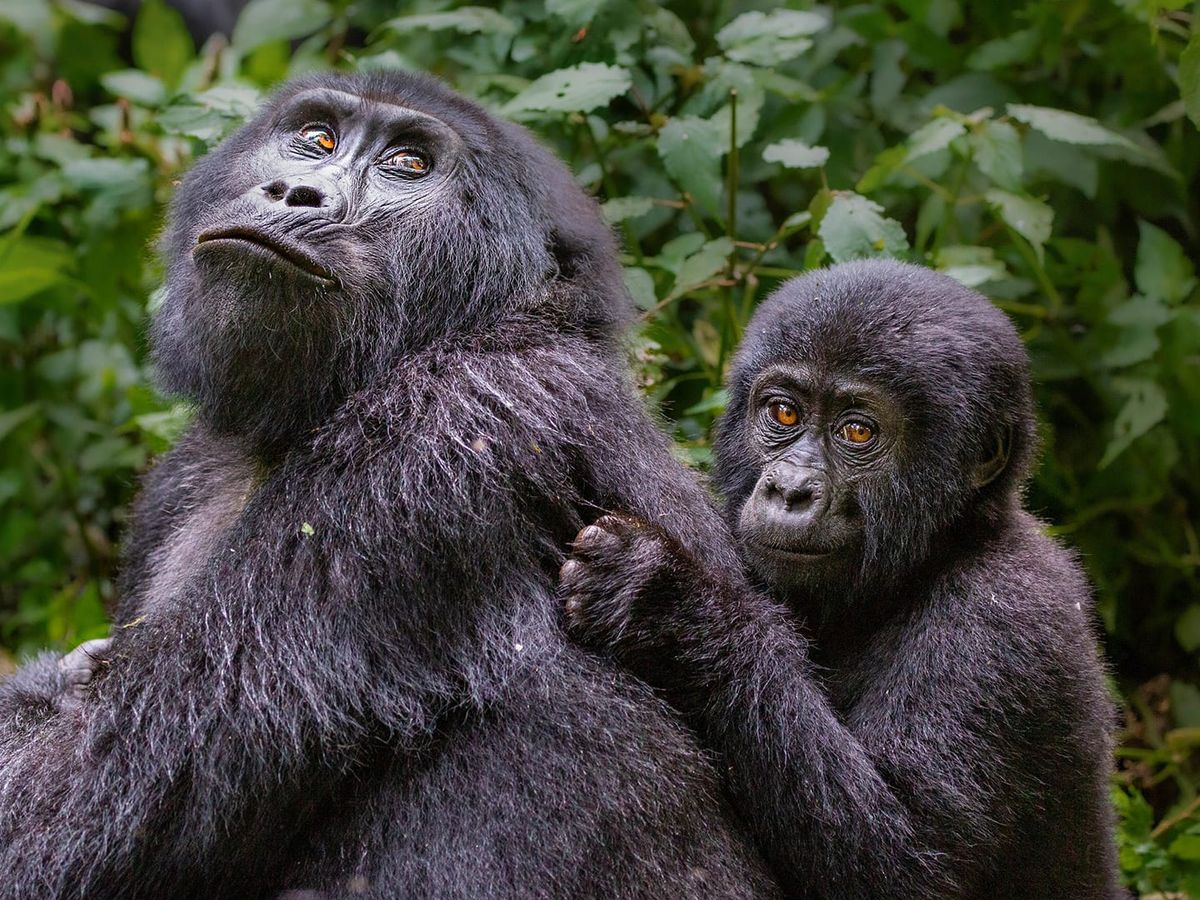
10 Days Gorilla Trekking Rwanda & Uganda – Double Gorilla Trekking Safari
For serious wildlife lovers: one trek in Rwanda and one in Uganda, planned around permits and border logistics for 2026/2027.
Request a Quote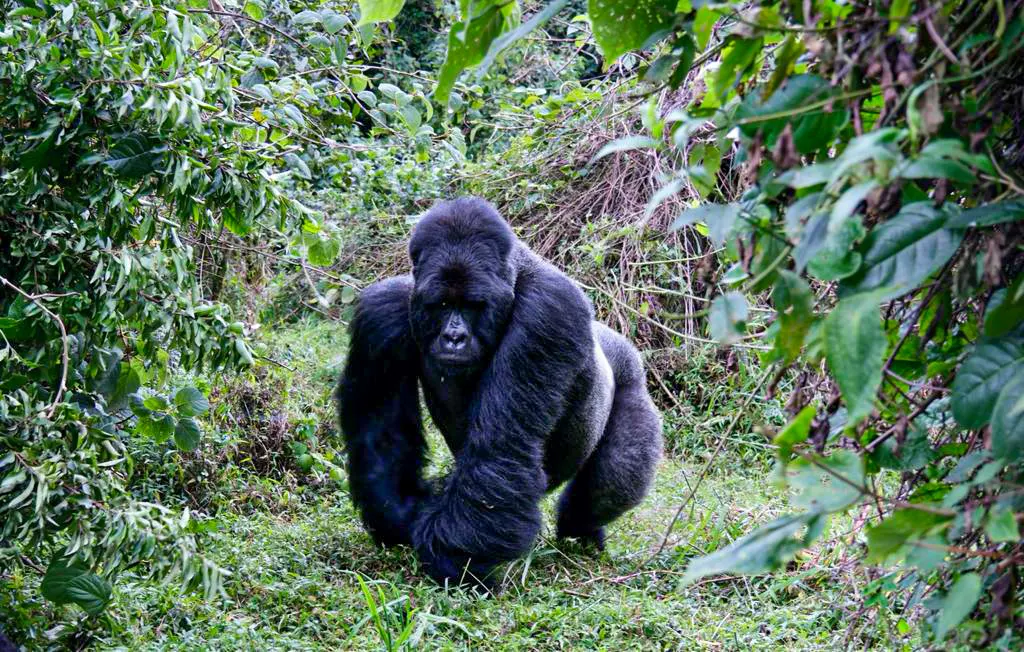
10 Days Gorilla Trekking Rwanda – Volcanoes, Nyungwe, Kivu & Akagera Grand Tour
The full Rwanda circuit combining Gorilla Trekking Rwanda with Nyungwe Forest, Lake Kivu, and Akagera wildlife viewing.
Request a QuoteRwanda has positioned itself as the premium destination for gorilla trekking, and it has done so deliberately. Gorilla trekking in Rwanda takes place exclusively in Volcanoes National Park, a compact, well-managed park in the country’s northwest. The short transfer time from Kigali, strong infrastructure, high conservation investment, and strict permit control have made Rwanda the most polished and predictable gorilla trekking destination in Africa. That polish comes at a cost, but it also delivers consistency, safety and clarity qualities planners value, especially when booking far in advance.
For travelers planning Rwanda Gorilla Trekking in 2026 or 2027, timing is now a strategic decision rather than a last-minute one. Gorilla trekking permits in Rwanda are limited to a small number per day and are priced at a premium. Demand continues to rise year after year, particularly for peak travel months and future seasons. This means that availability, not desire, is often the limiting factor. Planning ahead is no longer optional if you want choice over dates, accommodation level, and itinerary design. Check gorilla permits availability for free.
This is also why guaranteed gorilla permits in Rwanda matter. “Guaranteed” does not mean permits magically appear; it means permits are secured through advance allocation, correct documentation, and real-time coordination with park authorities. Travelers who wait often find that permits are sold out long before they arrive at the booking stage, especially for future years like 2026 and 2027 when international travel planning is already accelerating.
The key takeaway for planners is simple: gorilla trekking in Rwanda rewards preparation. Understanding what the experience is, why Rwanda operates at a premium level, and why early planning directly affects availability is the foundation of a successful Rwanda gorilla trekking safari. Everything else; cost, accommodation tier, itinerary length, and comfort level builds from this starting point.
Why Choose Rwanda for Gorilla Trekking?
Choosing Rwanda for gorilla trekking is a decision rooted in structure, proximity and predictability rather than chance. Rwanda has intentionally designed its gorilla tourism model to be controlled, premium and conservation-first. Understanding how and why this works is essential context especially for planners targeting 2026/2027 Rwanda Gorilla Trekking.
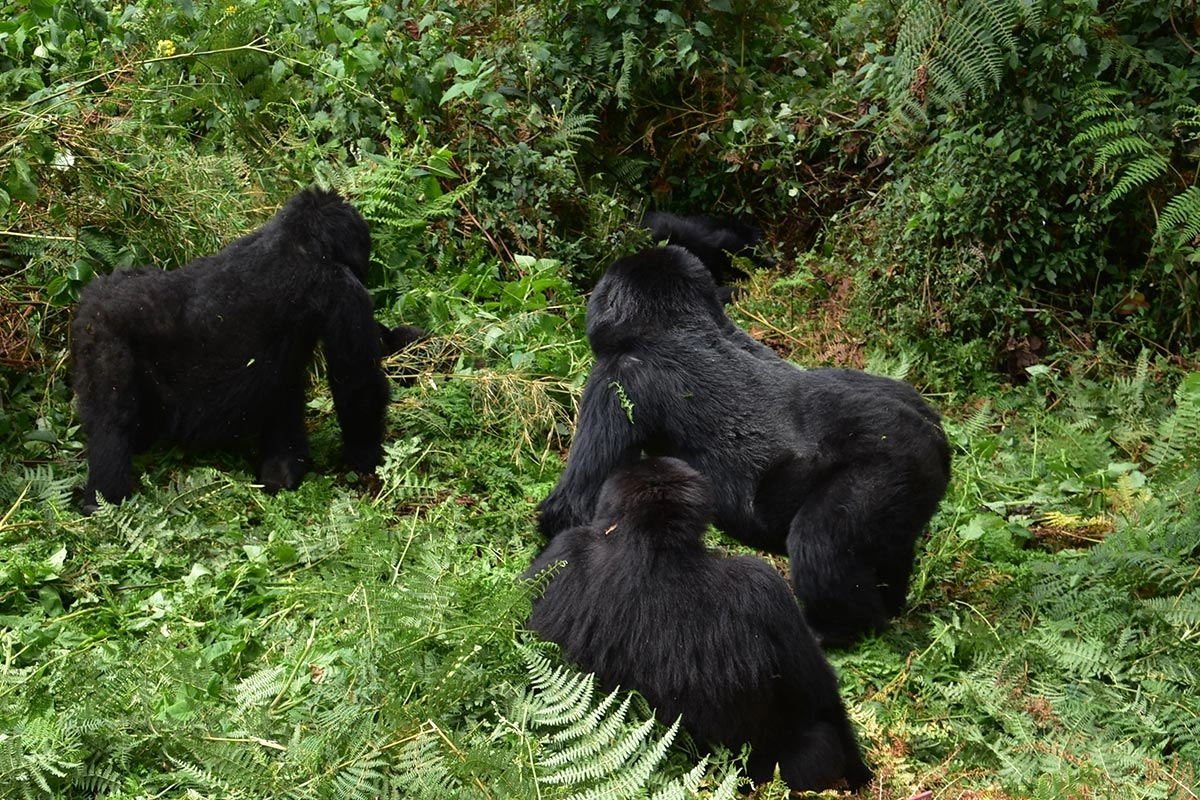
Volcanoes National Park: A Single, Controlled Gorilla Landscape
All gorilla trekking in Rwanda takes place in Volcanoes National Park. Unlike destinations with multiple trekking regions, Rwanda concentrates the entire experience in one compact, well-managed park. This matters operationally. A single park means standardized briefings, consistent ranger practices, and fewer variables that can disrupt plans.
Volcanoes National Park sits in the Virunga Mountains, where steep volcanic slopes and dense forest define the terrain. Gorilla families here are monitored daily by trackers, and trekking routes are adjusted continuously based on real-time movement. This centralized system reduces uncertainty and allows park authorities to manage visitor flow tightly one of the reasons Rwanda’s gorilla trekking experience is so reliable.
Short Transfer Time from Kigali: A Major Structural Advantage
One of Rwanda’s most decisive advantages is distance. From Kigali, Volcanoes National Park is typically reached in about two and a half to three hours by road. For planners, this short transfer is not a convenience, it is a structural benefit.
Shorter travel time reduces fatigue, lowers the risk of delays, and allows itineraries to be built with fewer buffer days. This is particularly important for travelers flying long-haul or working within fixed vacation windows. It also makes Rwanda attractive for shorter gorilla trekking safaris without sacrificing quality or safety.
This proximity is a key reason Rwanda appeals to travelers who value efficiency and certainty over distance-driven adventure.
Infrastructure and Safety: Deliberate National Investment
Rwanda’s infrastructure around gorilla trekking is not accidental. Roads leading to Volcanoes National Park are paved and well maintained. Accommodation standards are consistent across categories, and emergency response systems are integrated into tourism operations.
Security and safety are handled at a national level. Ranger presence is strong, briefing procedures are standardized, and visitor movement is closely monitored. For planners looking ahead to 2026 and 2027, this level of organization translates into predictability, something that matters more the further out you plan.
Rwanda’s approach minimizes improvisation. That is not always the most flexible model, but it is one of the most controlled and dependable.
Why Gorilla Trekking in Rwanda Is More Expensive
Rwanda’s higher cost structure is often misunderstood. The premium price is not arbitrary, and it is not simply branding. Rwanda deliberately limits daily permits and prices them high to control numbers, fund conservation, and maintain quality.
The gorilla trekking permit cost in Rwanda is set to reduce pressure on gorilla families, fund park protection, and support surrounding communities. Fewer visitors per day means less environmental impact and more predictable trekking conditions. For planners, this means that availability not just budget becomes the key constraint.
This pricing model also shapes the overall experience. Accommodation, guiding standards, and logistics are built around lower volumes rather than mass access. As a result, Rwanda is rarely the cheapest option, but it is one of the most consistent.
The Context That Matters for 2026/2027 Planning
For travelers planning Rwanda Gorilla Trekking in 2026 or 2027, these factors combine into a clear picture. Rwanda offers a tightly controlled, high-cost, low-uncertainty gorilla trekking experience. The trade-off for higher prices is shorter transfers, strong infrastructure and a system designed to work the same way year after year.
This context is critical. Rwanda is chosen not because it is the only place to see gorillas, but because it delivers a specific kind of experience, one built on predictability, conservation control, and advance planning. Understanding that reality early is what allows planners to decide whether Rwanda is the right fit and how to approach permits, budgets, and timing correctly.
Gorilla Trekking Rwanda Cost in 2026/2027 – Full Breakdown
Cost is the single biggest decision factor when planning Rwanda Gorilla Trekking in 2026/2027, and it is also the area where most online information is either vague, outdated, or intentionally incomplete. Rwanda operates one of the most transparent yet misunderstood pricing structures in African tourism, and understanding it properly is essential before choosing between budget, mid-range, or luxury options.
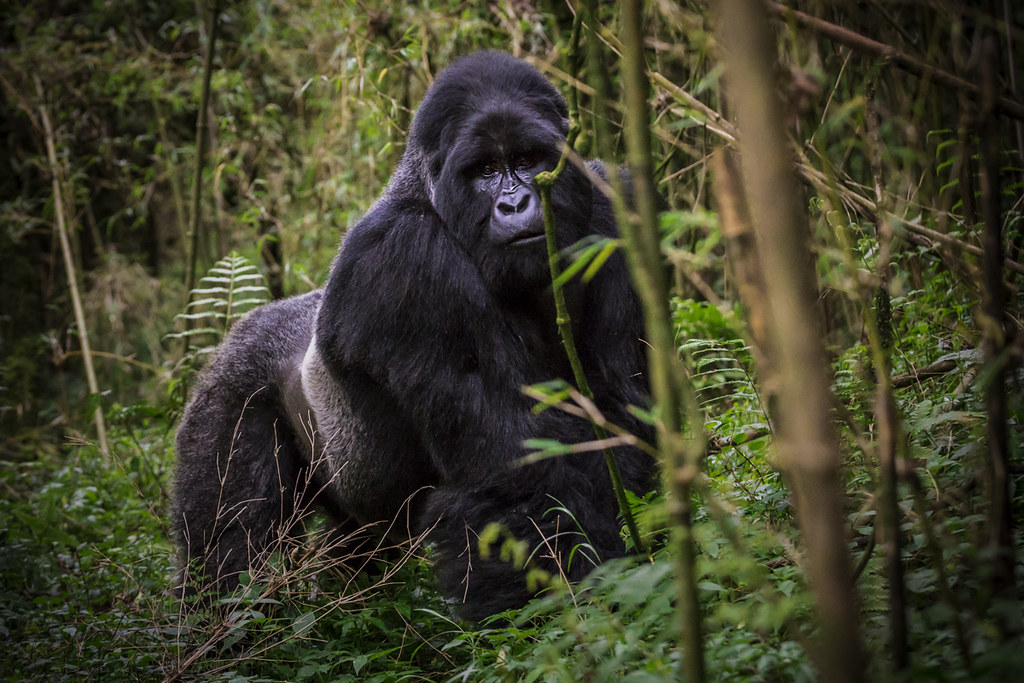
Rwanda does not compete on price. It competes on control, conservation funding, and experience consistency. Every cost layer reflects that model.
Rwanda Gorilla Trekking Permit Cost (USD 1,500)
The foundation of all Rwanda gorilla trekking costs is the gorilla trekking permit, priced at USD 1,500 per person per trek. This price is set nationally and applies equally in 2026 and 2027 unless formally revised by authorities.
The permit cost includes:
- Entry into Volcanoes National Park on the trekking day
- Allocation to a habituated gorilla family
- Professional ranger guides and armed protection
- Continuous tracking teams that locate gorillas daily
- One strictly enforced hour with the gorillas
- Direct funding for conservation and surrounding communities
What the permit does not include is often misunderstood. It does not cover accommodation, transport, guiding outside the park, porter services, tips, or additional activities. Those costs are added on top and are where itinerary pricing begins to vary.
The reason the permit price is high is intentional. Rwanda limits daily permits to control visitor numbers, reduce stress on gorilla families, and fund long-term conservation at scale. This model has remained stable for years, which is why Rwanda’s gorilla trekking experience is remarkably consistent year after year.
Why Rwanda’s Gorilla Trekking Cost Structure Is Stable for 2026/2027
For travelers planning ahead to 2026/2027 Rwanda Gorilla Trekking, price stability is one of Rwanda’s biggest advantages. Rwanda does not use seasonal discounts, flash sales, or last-minute promotions. The permit price remains fixed and accommodation pricing follows predictable annual adjustments.
This stability allows long-term planners to budget accurately, but it also means waiting does not make Rwanda cheaper. In fact, the opposite is often true: waiting reduces availability while costs remain the same.
For future years, the real variable is not price, it is permit availability, especially during peak travel months. This is why serious planners treat permits as the anchor of the entire trip.
Budget Gorilla Trekking in Rwanda – What “Budget” Really Means
Rwanda is not a cheap gorilla trekking destination.
“Budget” in Rwanda does not mean low-cost; it means short, efficient and stripped of extras.
Budget Rwanda gorilla trekking usually involves:
- A 2–3 day itinerary
- Road transfers from Kigali (no flights)
- Basic but clean guesthouses or entry-level lodges
- Minimal additional activities beyond the gorilla trek
Even at the lowest practical level, a budget Rwanda gorilla trekking trip in 2026/2027 typically starts around USD 2,000–2,500 per person, assuming shared costs and simple accommodation. The USD 1,500 permit alone consumes the majority of that budget.
This is where comparisons with Uganda naturally occur. Uganda offers a lower permit price and more accommodation variety, making true low-cost gorilla trekking more achievable there. Rwanda’s “budget” category exists, but it is constrained by the fixed permit cost and limited low-end inventory near Volcanoes National Park.
Mid-Range Gorilla Trekking in Rwanda – The Best Value Tier
For most travelers, mid-range Rwanda gorilla trekking offers the strongest value-for-money, even though it is not inexpensive in absolute terms.
Mid-range itineraries typically include:
- 2–3 nights near Volcanoes National Park
- Well-located lodges with private bathrooms and reliable service
- Private 4×4 vehicle with a professional driver-guide
- All logistics aligned precisely with the permit date
In 2026/2027, realistic mid-range Rwanda gorilla trekking costs usually fall between USD 3,000 and USD 4,500 per person, depending on group size and lodge choice. The experience quality improves significantly over budget options, particularly in comfort, pacing, and recovery after the trek.
This tier suits travelers who want clarity, comfort, and efficiency without paying for ultra-luxury branding. It is also the most commonly booked category for first-time Rwanda gorilla trekking visitors.
Luxury Gorilla Trekking in Rwanda – Where Rwanda Excels
Luxury gorilla trekking is where Rwanda’s model is most clearly expressed. Rwanda was never designed to compete on volume; it was designed to deliver high-end, low-density wildlife tourism.
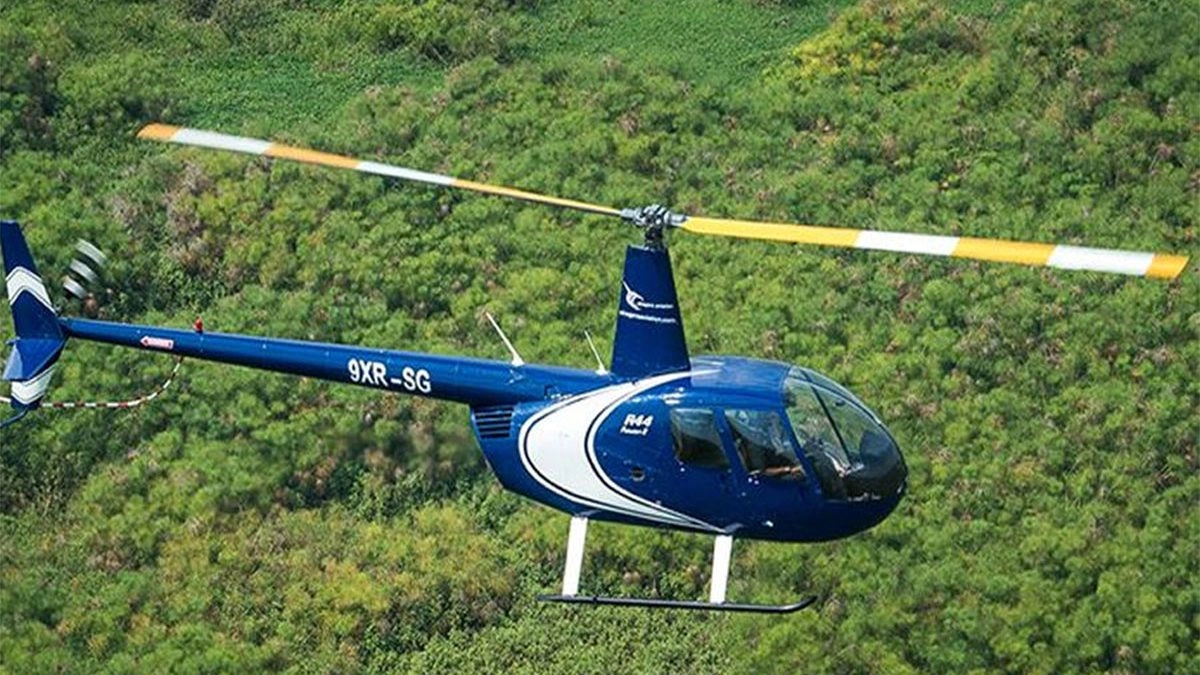
Luxury Rwanda gorilla trekking typically includes:
- High-end or ultra-luxury lodges near Volcanoes National Park
- Optional helicopter or charter flight transfers to minimize road travel
- Highly personalized guiding and flexible daily scheduling
- Private vehicles, concierge-style planning, and premium service
In 2026/2027, luxury Rwanda gorilla trekking generally starts at USD 6,000–7,000 per person and can exceed USD 10,000 per person depending on lodge selection, flight options, and itinerary length.
Importantly, the gorilla experience itself does not change across tiers. The difference lies in comfort, privacy, efficiency, and recovery, not access to different gorillas.
Rwanda Gorilla Trekking Tours 2026/2027
Planning Rwanda Gorilla Trekking Tours for 2026/2027 is no longer an early-bird strategy, it has become the normal and necessary approach for travelers who want choice, certainty, and control over their trip. Rwanda’s gorilla trekking system is built on fixed capacity and long-term conservation planning, which means future availability is shaped months, and often years, in advance.
This forward-planning reality is where most competitors fall short. They talk about gorilla trekking in general terms, but they do not address how Rwanda actually functions when it comes to future-year travel.
Why Booking Early Matters for 2026/2027 Rwanda Gorilla Trekking
Rwanda limits the number of gorilla trekking permits issued per day in Volcanoes National Park. This number does not increase for high season, and it does not expand because demand grows. The supply is fixed by conservation policy.
As international travel patterns normalize and long-haul planning resumes in full force, demand for Rwanda gorilla trekking in 2026 and 2027 is already building. Travelers planning milestone trips, honeymoons, luxury holidays, and once-in-a-lifetime wildlife experiences are securing permits far earlier than they did in the past.
Booking early matters because:
- Permit availability defines everything else in the itinerary
- Peak travel months sell out first, sometimes a year ahead
- Accommodation options narrow quickly once permits are taken
- Late planners are forced into compromised dates or higher-cost alternatives
For Rwanda, waiting does not create opportunity, it removes it.
Gorilla Permit Demand Trends in Rwanda
Permit demand in Rwanda follows a clear and consistent pattern. Dry-season months and major international holiday periods are always the first to sell out, but what has changed in recent years is how far in advance that sell-out happens.
For Rwanda Gorilla Trekking 2026/2027, demand is influenced by:
- Rwanda’s reputation as the most premium gorilla destination
- Increased visibility through international media and luxury travel markets
- Limited daily permits with no expansion plans
- Travelers locking in future trips earlier to secure availability
Once permits for a specific date are gone, there is no waiting list and no alternative allocation. This is why permit strategy, not accommodation choice, is the starting point for serious Rwanda gorilla trekking planning.
What “Guaranteed Gorilla Permits” Really Means in Rwanda
The phrase “guaranteed permits” is often misunderstood or misused online. In Rwanda, permits are never guaranteed by default, and they are never held casually.
A guaranteed permit means that:
- The permit has been officially secured in your name for a specific date
- Allocation has been confirmed through the official permit system
- The permit is locked and cannot be displaced by later demand
It does not mean that permits are unlimited, discounted, or available on request.
For Rwanda Gorilla Trekking Tours 2026/2027, guaranteed permits are achieved only through advance planning, real-time allocation management, and correct handling of documentation and timing. This is why travelers working with specialists secure permits successfully, while late planners often find availability gone despite having the budget ready.
Why 2026/2027 Travelers Should Plan Now
The most important shift in Rwanda gorilla trekking is not price, it is competition for access. As more travelers plan further ahead, the advantage moves decisively to those who treat gorilla trekking like a fixed-capacity experience rather than a flexible tour product.
Travelers planning Rwanda Gorilla Trekking in 2026 or 2027 benefit from:
- Full choice of trekking dates
- Better alignment between permits and preferred lodges
- More flexibility in itinerary design
- Reduced stress and last-minute compromises
Those who delay often face sold-out permits, forced date changes or limited accommodation options that do not match their expectations or budget tier.
The Strategic Reality of Future-Year Gorilla Trekking in Rwanda
Rwanda does not reward spontaneity. It rewards preparation.
For 2026 and 2027, gorilla trekking tours in Rwanda should be planned with the understanding that permits are the currency not accommodation or transport. Once permits are secured, everything else can be built intelligently around them. Without permits, even the most generous budget cannot unlock access.
This future-facing approach is what separates successful Rwanda gorilla trekking journeys from disappointed inquiries and it is why planning now is not early, but exactly on time.
Guaranteed Gorilla Permits in Rwanda – How It Works
Guaranteed gorilla permits are the backbone of any successful Rwanda gorilla trekking safari, yet they are also the most misunderstood part of the process. Many websites mention “permit assistance” or “permit availability,” but very few explain how Rwanda’s permit system actually works, why permits sell out, and what guaranteed access really means, especially for future years like 2026 and 2027.
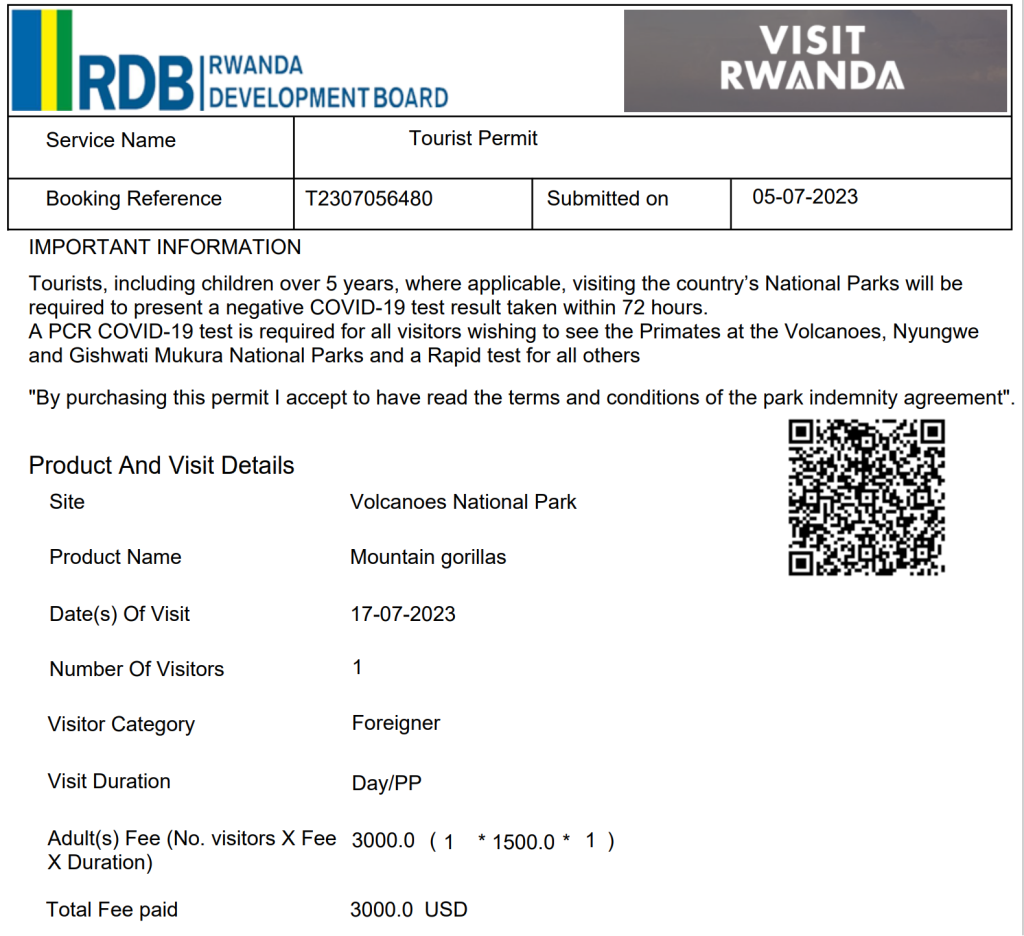
Rwanda operates one of the most tightly controlled gorilla permit systems in Africa. Gorilla trekking permits are issued exclusively by the Rwanda Development Board for Volcanoes National Park, and the number released per day is deliberately capped. This cap is not seasonal, negotiable, or expandable. Whether demand is low or exceptionally high, the number of permits remains fixed to protect gorilla families and maintain strict conservation standards.
Because the supply is fixed, permits sell out not due to sudden surges, but due to quiet, steady allocation over time. Travelers planning well in advance, tour operators securing future inventory, and repeat visitors returning for specific dates gradually absorb availability. By the time many travelers begin active planning, availability has already narrowed, sometimes invisibly long before “sold out” appears publicly.
This is where the concept of guaranteed gorilla permits must be understood correctly.
Guaranteed permits are not a marketing term, they are the result of real-time allocation and advance handling.
A guaranteed permit means that your permit has already been officially secured, confirmed, and allocated for a specific trekking date under your travel file. It is no longer subject to availability changes, competing requests, or last-minute demand. Without this confirmation, no itinerary—no matter how detailed—can be considered secure.
What guaranteed permits do not mean is equally important. They do not mean permits are unlimited. They do not mean permits can be sourced at the last moment. And they do not mean that budget alone can unlock access once availability is gone. In Rwanda, once permits for a date are allocated, there is no alternative pool, no waiting list, and no workaround.
This is precisely why working with specialists matters. Gorilla permits in Rwanda are not handled through automated booking systems or instant confirmations. They require correct timing, proper documentation, and ongoing monitoring of availability across future months and years. Specialists who manage permits daily understand how allocation patterns shift, which periods tighten first, and how to align permits with accommodation and travel logistics without exposing travelers to risk.
For travelers planning Rwanda gorilla trekking in 2026 or 2027, this expertise becomes even more critical. Future-year permits are secured through advance coordination rather than reactive booking, and small timing errors can mean the difference between full choice and forced compromise.
To support this process transparently, we provide a 24/7 Gorilla Permit Availability Request service. This allows travelers to check real-time permit availability for Rwanda at no cost and without obligation. Our team reviews preferred travel dates, advises honestly on availability windows, and explains next steps clearly before any commitment is made. This approach protects travelers from misinformation and helps them plan with clarity rather than assumption.
Check Gorilla Trekking Permit Availability For Free
Guaranteed gorilla permits are the foundation of Rwanda gorilla trekking. Everything else, lodges, transport, itinerary design builds on that foundation. When permits are handled correctly, the experience flows smoothly. When they are not, even the best-planned trip can unravel.
That is why this step is not optional, and why Rwanda gorilla trekking works best when permits are treated not as an add-on, but as the starting point.
Best Rwanda Gorilla Trekking Safari Options
When planning Rwanda gorilla trekking, more choice does not mean better choice. In fact, one of the reasons Rwanda delivers such a consistent experience is that most successful itineraries fall into three proven structures. These formats work because they align with permit logistics, travel distances, and the physical reality of gorilla trekking itself.
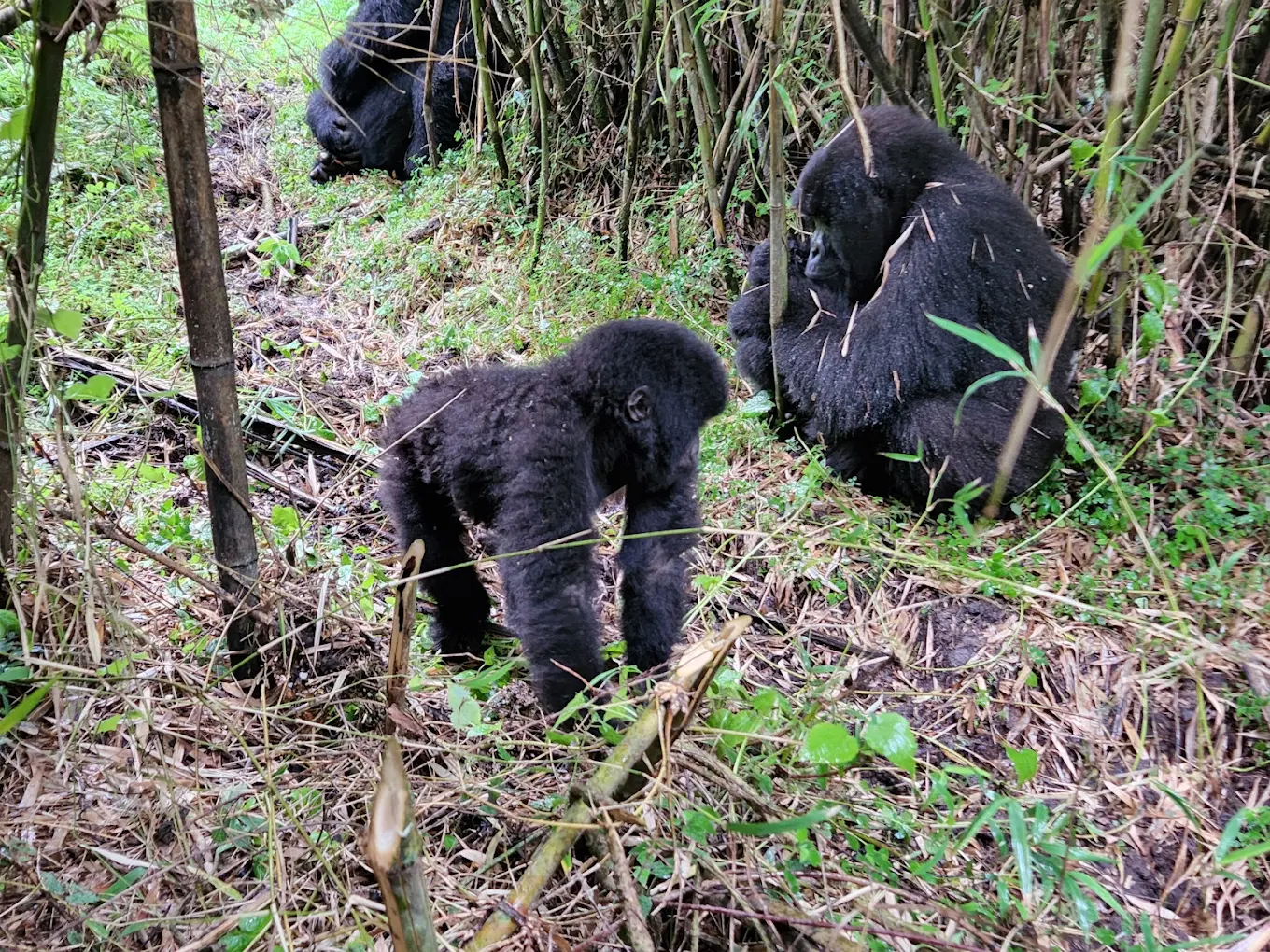
Rather than listing dozens of near-identical tours, the smartest way to plan is to choose the structure that fits your time, budget tier and travel style then refine it properly.
3 Days Rwanda Gorilla Trekking Safari (Express Option)
The 3 days itinerary is the shortest viable way to experience gorilla trekking in Rwanda and is built around efficiency rather than immersion. It typically includes arrival in Kigali, a direct transfer to the Volcanoes region, one gorilla trek, and a return to Kigali.
This option works best for travelers with extremely limited time, business travelers adding a wildlife extension, or those prioritizing simplicity above all else. It is also the most common structure for what is often described as “budget” gorilla trekking in Rwanda, though the fixed permit cost means it is never truly low-cost.
Express itineraries leave little margin for error, which makes correct permit timing and accommodation placement especially important. When done properly, they deliver the core gorilla experience without unnecessary complexity.
Travelers considering this structure often explore budget-focused Rwanda gorilla trekking pages to understand how costs are minimized without compromising legality or safety.
4–5 Days Rwanda Gorilla Trekking Safari (Best Value)
For most travelers, the 4–5 day Rwanda gorilla trekking itinerary offers the strongest balance between cost, comfort, and experience quality. This structure allows a gentler pace, better acclimatization before the trek, and time to recover afterward.
With an extra night or two, accommodation choice improves significantly, and the itinerary feels less compressed. Transfers can be scheduled more flexibly, and there is room to add light cultural or scenic elements without distracting from the main goal.
This format is widely regarded as the best value tier for Rwanda gorilla trekking because it maximizes the experience built around the fixed permit cost. It suits first-time visitors, couples, and travelers who want the trip to feel complete rather than rushed.
Mid-range and refined private itineraries often follow this structure, while luxury versions elevate it through lodge selection and personalized guiding.
6–7 Days Rwanda Gorilla Trekking Safari (Gorillas Plus More)
The 6–7 day itinerary is designed for travelers who want gorilla trekking as the centerpiece, but not the only highlight. This structure allows Rwanda’s broader landscapes and culture to come into focus without sacrificing the quality of the gorilla experience.
Longer itineraries commonly combine gorilla trekking with Lake Kivu, cultural encounters, or forest experiences in southern Rwanda. The additional time reduces travel pressure and allows the journey to feel more immersive rather than transactional.
This structure is popular with travelers celebrating special occasions, photographers, and those who want Rwanda to unfold gradually. It also pairs naturally with luxury gorilla trekking planning, where comfort, privacy, and pacing are as important as the trek itself.
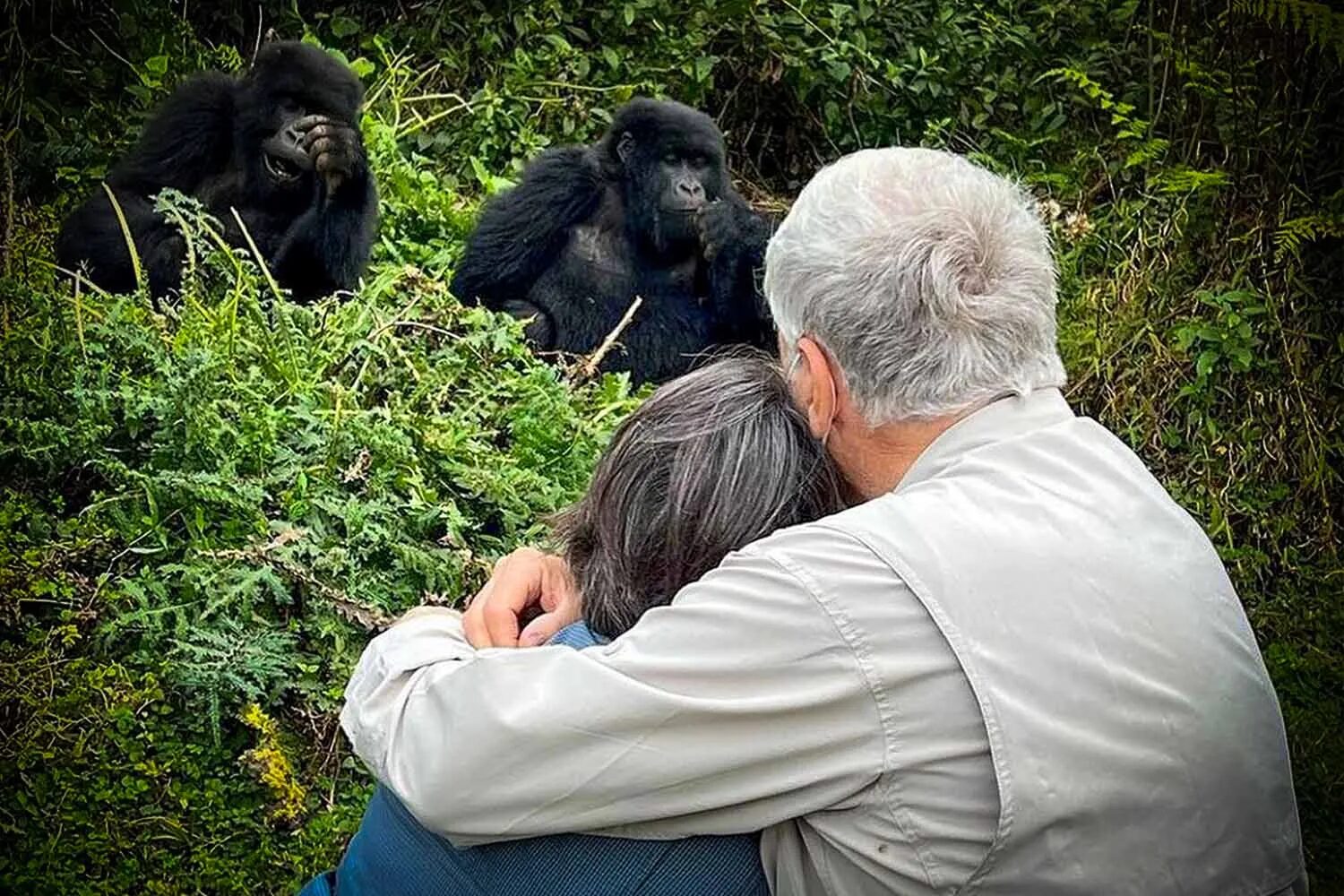
Honeymoon and anniversary travelers often prefer this format because it balances emotional impact with relaxation and scenery. Many of these itineraries are explored further on Rwanda honeymoon gorilla trekking pages, where privacy and experience design take priority.
Rwanda Gorilla Trekking Itinerary Searches Travelers Use
- 3 days Rwanda gorilla trekking itinerary
- 4 days Rwanda gorilla trekking safari
- 5 days Rwanda gorilla trekking tour
- 6 days Rwanda gorilla trekking itinerary
- 7 days Rwanda gorilla trekking safari
- Short Rwanda gorilla trekking safari
- Express Rwanda gorilla trekking tour
- Rwanda gorilla trekking from Kigali itinerary
- Budget Rwanda gorilla trekking itinerary
- Cheap Rwanda gorilla trekking tour
- Affordable Rwanda gorilla trekking safari
- Mid-range Rwanda gorilla trekking itinerary
- Best value Rwanda gorilla trekking tour
- Luxury Rwanda gorilla trekking itinerary
- High-end Rwanda gorilla trekking safari
- Private Rwanda gorilla trekking tour
- Rwanda gorilla trekking honeymoon itinerary
- Romantic Rwanda gorilla trekking safari
- Rwanda gorilla trekking and Lake Kivu itinerary
- Rwanda gorilla trekking and Nyungwe Forest tour
- Rwanda gorilla trekking and cultural experience
- Rwanda gorilla trekking itinerary 2026
- Rwanda gorilla trekking itinerary 2027
- Rwanda gorilla trekking tour with guaranteed permits
- Rwanda gorilla trekking vs Uganda itinerary
- Rwanda gorilla trekking safari packages
Choosing the Right Structure Matters More Than Choosing a “Package”
The most important decision is not which tour name sounds best, but which itinerary structure fits your time, expectations, and comfort level. Rwanda gorilla trekking rewards clarity. Once the right framework is chosen, permits, lodges, and logistics can be aligned precisely rather than forced into a mismatched plan.
By focusing on these three proven formats, planning becomes simpler, availability is easier to manage, and the final experience feels intentional rather than improvised. This controlled approach is exactly what makes Rwanda gorilla trekking work so reliably and why it consistently delivers at the level travelers expect.
Best Time for Gorilla Trekking in Rwanda (2026/2027)
The best time for gorilla trekking in Rwanda is less about wildlife presence and more about conditions, crowd levels, and permit availability. Gorilla trekking in Rwanda happens year-round in Volcanoes National Park, and gorillas do not migrate or disappear with the seasons. What changes across the year is how the experience feels, how far in advance permits must be secured, and how competitive availability becomes.
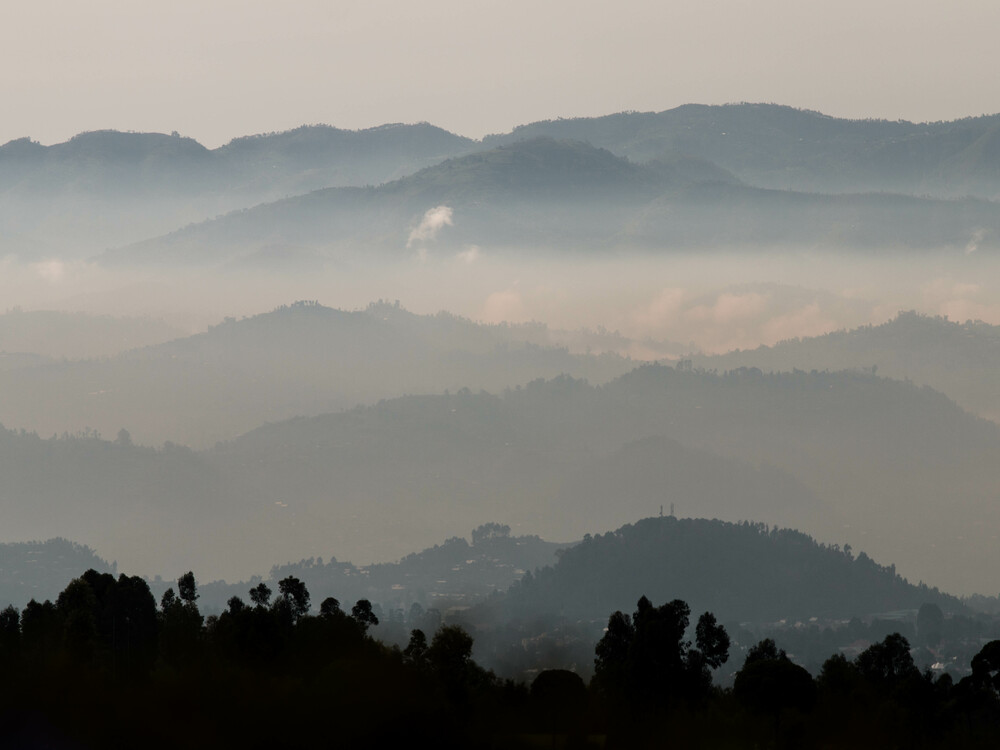
For travelers planning Rwanda Gorilla Trekking in 2026/2027, understanding these seasonal dynamics early allows you to match expectations with reality and avoid the most common planning mistakes.
Dry Season vs Green Season in Rwanda
Rwanda’s dry seasons generally offer easier trekking conditions. Trails are firmer, rainfall is lower, and photography conditions are more predictable. These months also attract the highest number of visitors, which directly affects permit availability. Demand rises sharply, and permits are often secured well in advance.
The green seasons bring more rainfall, denser vegetation, and occasionally muddier trails. However, gorilla behavior remains unchanged, and the experience itself is just as powerful. What changes is crowd pressure, green seasons typically offer better permit availability and a quieter feel, making them attractive to travelers who prioritize access and atmosphere over perfectly dry trails.
The key point is this: there is no bad time for gorilla trekking in Rwanda, but there are times that require earlier planning than others.
Month-by-Month Gorilla Trekking in Rwanda
January
January is a strong start to the year for Rwanda gorilla trekking. Conditions are generally favorable, trails are manageable, and demand begins to rise as travelers plan early-year trips. Permit availability is good early in the month but tightens quickly.
February
February continues the dry conditions and is considered one of the best months for gorilla trekking in Rwanda. It is popular with travelers seeking reliable weather, which means permits for 2026 and 2027 should be booked well ahead.
March
March marks the transition toward the green season. Rainfall increases gradually, but trekking remains excellent. Crowds begin to thin slightly, making this a good option for travelers seeking balance between conditions and availability.
April
April is part of the main green season. Rain is more frequent, trails can be muddy, and trekking can be more physically demanding. However, this month often offers better permit availability and a quieter park atmosphere, especially valuable for flexible travelers.
May
May continues the green season but begins to improve toward the end of the month. It remains one of the more accessible months for permits while still delivering a full gorilla trekking experience.
June
June marks the start of the long dry season and a sharp rise in demand. Conditions are excellent, but permit availability tightens quickly. For 2026/2027, June permits are typically among the first to sell out.
July
July is peak season for Rwanda gorilla trekking. Weather conditions are ideal, but crowds are at their highest and permits are extremely competitive. Early planning is essential.
August
August mirrors July in demand and conditions. It is one of the most popular months for international travelers, making early permit confirmation critical for future years.
September
September remains part of the dry season but begins to ease slightly in crowd pressure toward the end of the month. It offers excellent trekking conditions with marginally improved availability compared to peak summer months.
October
October transitions back toward the green season. Rainfall begins to increase, but trekking remains rewarding. Permit competition starts to soften, making this a good shoulder-season option.
November
November is a quieter month with increased rainfall and fewer visitors. Permit availability is generally better, and travelers who do not mind wetter conditions often find this month particularly rewarding.
December
December sees demand rise again, especially toward the holiday period. Early December can still offer good availability, but festive travel dates often sell out far in advance.
Permit Availability Is the Deciding Factor
Across all months, permit availability, not wildlife presence is the deciding factor. Rwanda issues a fixed number of permits per day, and this number does not change with season. For popular months in 2026 and 2027, permits are often secured many months ahead, especially for travelers with specific dates.
This is why the best time for gorilla trekking in Rwanda is often defined not by the calendar, but by when permits can realistically be confirmed.
Rwanda Is a Year-Round Gorilla Trekking Destination
Rwanda’s biggest strength is consistency. Gorilla trekking operates every month of the year, and there is no seasonal closure or wildlife gap. With the right expectations and proper planning, every month offers a valid and rewarding experience.
For travelers planning ahead, the smartest approach is to identify preferred months, check permit availability early, and then design the itinerary around confirmed access rather than idealized weather assumptions. That strategy is what turns Rwanda gorilla trekking in 2026/2027 into a smooth, predictable, and unforgettable journey.
How Difficult Is Gorilla Trekking in Rwanda?
For many travelers planning Rwanda gorilla trekking, the biggest hesitation is not cost or timing, it is the question of physical difficulty. This concern is completely valid, and it is also where the most misinformation exists. Gorilla trekking in Rwanda is demanding in moments, but it is far more adaptable and supported than many people expect.
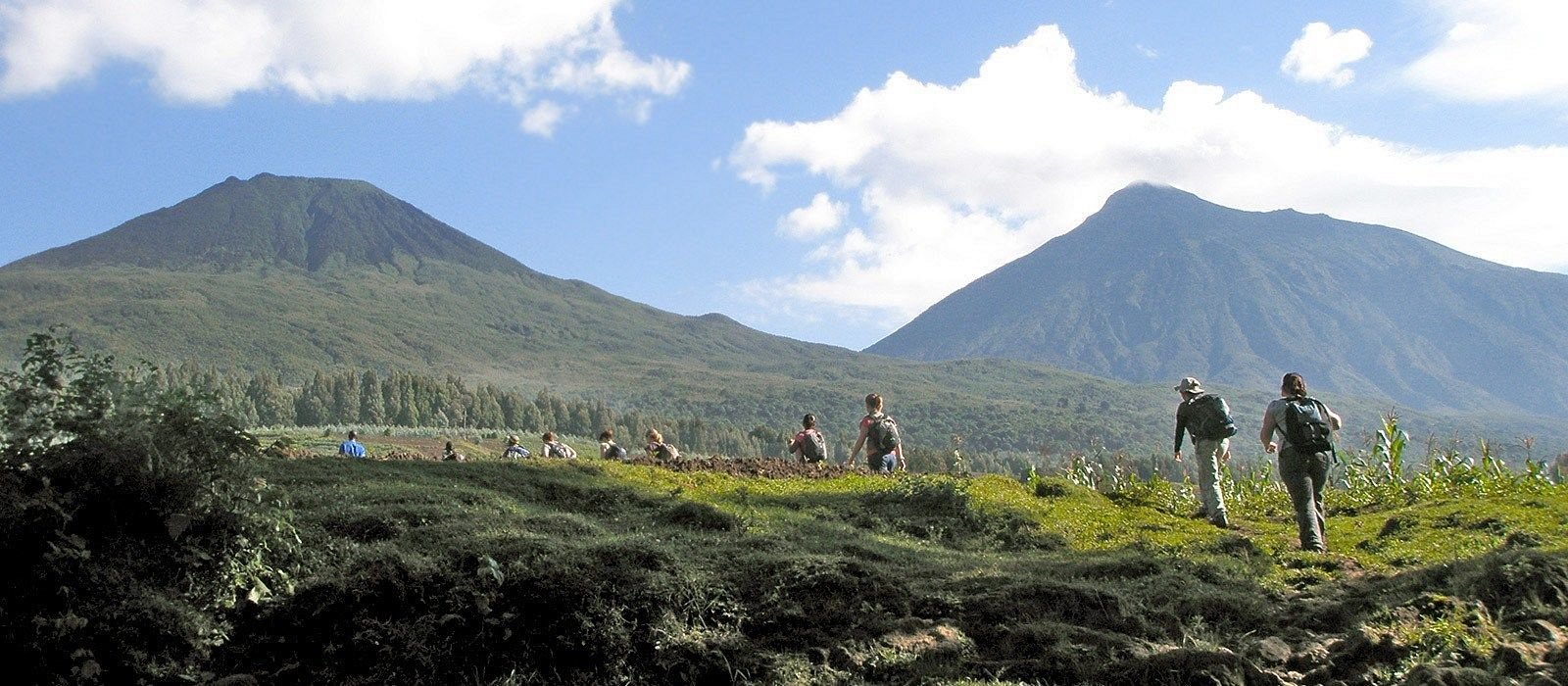
Understanding what actually makes a trek difficult and what does not, is key to making an informed decision.
Terrain and Trekking Conditions in Rwanda
Gorilla trekking in Rwanda takes place in the volcanic slopes of Volcanoes National Park. The terrain is naturally steep, with sections of dense vegetation and uneven ground. Some treks involve gradual climbs, others include short but steeper ascents, and conditions vary daily depending on where the gorilla family is located.
What matters most is not athletic ability, but mobility and pacing. Treks can last anywhere from 30 minutes to several hours, but there is no fixed distance or speed requirement. Rangers adjust the pace to the group, and breaks are taken whenever needed. The goal is to reach the gorillas safely, not quickly.
For most travelers of average fitness, the challenge is manageable. The experience is physical, but it is not a test of endurance or strength.
The Role of Porters
One of Rwanda’s most important but often overlooked advantages is the availability of professional porters. Porters can carry daypacks, provide stability on steep or muddy sections, and offer discreet assistance when terrain becomes difficult.
Using a porter is not a sign of weakness; it is a practical tool that makes the trek significantly easier and safer. Many travelers who initially worry about difficulty find that a porter transforms the experience from intimidating to enjoyable.
This support system is built into Rwanda’s trekking model and is one of the reasons gorilla trekking remains accessible to a wide range of travelers.
Age Limits and Practical Realities
The minimum age for gorilla trekking in Rwanda is 15 years, and there is no official maximum age limit. In practice, age is far less important than overall mobility and comfort walking on uneven ground.
Rwanda regularly welcomes trekkers in their 60s and 70s who complete their treks successfully. Rangers assess each group on the morning of the trek and allocate gorilla families accordingly, aiming to match trekking difficulty to participant ability as closely as possible. Learn about Luxury Gorilla Trekking for Seniors and old Travelers.
Honest communication during planning allows expectations to be set correctly and increases the likelihood of a comfortable trek.
Rwanda vs Uganda: Difficulty Compared
A common question is whether gorilla trekking in Rwanda is easier or harder than in Uganda. The answer depends on what “difficulty” means to the traveler.
Rwanda’s terrain is generally steeper due to its volcanic landscape, but trekking areas are more compact and transfers are shorter. Uganda offers more varied terrain, sometimes with longer hikes through dense forest, but also more flexibility in assigning trekking sectors.
In practical terms, Rwanda is often perceived as more predictable but steeper, while Uganda can be less steep but longer and more variable. Both destinations adjust treks to group ability, and both provide porter support.
The Most Important Reality for Hesitant Travelers
The single most important thing to understand is this: gorilla trekking is not a race, and it is not a fitness competition. It is a guided, supported experience designed to make close gorilla encounters possible for ordinary travelers, not elite hikers.
Fear usually comes from imagining the trek as harder than it is. In reality, the combination of ranger pacing, porter assistance, and flexible trek allocation makes gorilla trekking in Rwanda accessible to far more people than most expect.
For hesitant travelers, proper planning, honest assessment, and the right support transform what seems daunting into one of the most rewarding wildlife experiences in the world.
FAQs About Gorilla Trekking Rwanda
Is gorilla trekking worth it in Rwanda?
Yes, for travelers who value reliability, structure, and conservation-led tourism, gorilla trekking in Rwanda is absolutely worth it. The experience itself is identical in emotional impact to other gorilla destinations: one hour spent in close proximity to a wild gorilla family in their natural habitat. What sets Rwanda apart is the predictability of logistics, the short transfer from Kigali to Volcanoes National Park, and the consistency of park operations. For many travelers, especially first-timers or those planning far ahead, that reliability justifies the higher cost.
Why is Rwanda gorilla trekking so expensive?
Rwanda’s gorilla trekking is expensive by design, not by accident. The permit price of USD 1,500 is intentionally set to limit daily visitor numbers, fund long-term conservation, and reduce pressure on gorilla families. Rwanda chose a low-volume, high-value tourism model, prioritizing quality and sustainability over mass access. The cost reflects conservation funding, ranger protection, daily tracking teams, and controlled visitor flow, not luxury add-ons.
Is Rwanda better than Uganda for gorilla trekking?
Neither destination is objectively “better”; they serve different priorities. Rwanda is better for travelers who want short transfers, structured logistics, and predictable outcomes. Uganda is better for travelers seeking lower permit costs and more itinerary flexibility. Rwanda offers efficiency and polish, while Uganda offers variety and affordability. The best choice depends on budget, time available, and personal travel style rather than wildlife quality.
How far in advance should I book Rwanda gorilla trekking for 2026 or 2027?
For 2026 and 2027, booking at least 6–12 months in advance is strongly recommended, especially if you are targeting peak travel months or specific dates. Rwanda issues a fixed number of permits per day, and availability often tightens quietly long before dates appear “sold out” publicly. Early booking preserves choice over dates, accommodation tier, and itinerary structure.
Can I get a guaranteed gorilla permit in Rwanda?
Yes, but only through advance allocation. A guaranteed gorilla permit means the permit has already been officially secured and confirmed for your specific trekking date. It does not mean permits are unlimited or held casually. Guaranteed permits are achieved through early planning, real-time availability checks, and correct handling of the permit system. Once permits for a date are gone, there is no alternative access.
Is budget gorilla trekking possible in Rwanda?
Budget gorilla trekking in Rwanda is possible, but it is important to define “budget” realistically. The fixed USD 1,500 permit consumes the majority of the cost, leaving limited room for reductions elsewhere. Budget options typically involve short 2–3 day itineraries, simple accommodation, and road transfers from Kigali. Even at the lowest practical level, Rwanda gorilla trekking is rarely inexpensive, but it can be streamlined.
How many days do I need for Rwanda gorilla trekking?
The minimum practical stay is 3 days, which allows for arrival, one gorilla trek, and departure. However, many travelers find that 4–5 days offers a more comfortable pace and better recovery after trekking. Longer stays of 6–7 days allow Rwanda’s landscapes, culture, or Lake Kivu to be included alongside the gorilla experience.
Is gorilla trekking in Rwanda safe?
Yes. Gorilla trekking in Rwanda is one of the safest wildlife experiences in Africa. Treks are led by trained rangers, armed protection is present, and visitor movement is tightly controlled. Rwanda’s national security and park management systems are well established, which contributes to the destination’s strong safety reputation.
Is gorilla trekking ethical in Rwanda?
Gorilla trekking in Rwanda operates under strict conservation and ethical guidelines. Visitor numbers are limited, interaction time is capped at one hour, and revenue directly supports conservation and local communities. The system is widely regarded as a global model for responsible wildlife tourism.
Can I combine gorilla trekking with other experiences in Rwanda?
Yes. Many itineraries combine gorilla trekking with Lake Kivu, cultural experiences, or forest activities elsewhere in Rwanda. Longer itineraries allow the country to be experienced more fully without diluting the gorilla trekking focus.
What is the biggest mistake travelers make when planning Rwanda gorilla trekking?
The most common mistake is underestimating how early permits sell out. Many travelers assume availability will remain open until they finalize plans. In Rwanda, permits are the foundation of the trip, and once they are gone, even a flexible budget cannot recover the date.
Plan Rwanda Gorilla Trekking with Clarity and Confidence
Rwanda gorilla trekking works best when permits, timing and accommodation are aligned properly, especially for future travel years like 2026 and 2027, when availability becomes the real challenge rather than price. Small planning missteps at the permit stage can quietly limit options later, even when dates and budgets seem flexible.
A focused consultation helps clarify what is realistically available, which periods offer the best balance between conditions and access, and how to structure an itinerary that fits your expectations without unnecessary compromise. This approach is not about selling packages; it is about making sure the foundations of the trip are correct before decisions are locked in.
If you are considering Rwanda gorilla trekking and want it planned properly from the start, with accurate permit guidance, honest timing advice and clear options, a short conversation can make all the difference.