
How to Start a Tour Company in Rwanda: Complete Business Guide
To Start a Tour Company in Rwanda, an entrepreneur needs to approach the business as both a legally registered enterprise and a regulated tourism business. Registering a company is an important first step, but it is not the only requirement for operating as a tour operator. A successful Rwanda tour company needs the right business structure, clearly defined tourism activities, appropriate tourism licensing, qualified staff, suitable vehicles, safety and emergency arrangements, reliable accommodation and activity suppliers, professional booking systems, and a strong marketing strategy. Rwanda’s tourism licensing framework specifically recognises tour operators, travel agents, tour guides and other tourism businesses as regulated tourism entities.
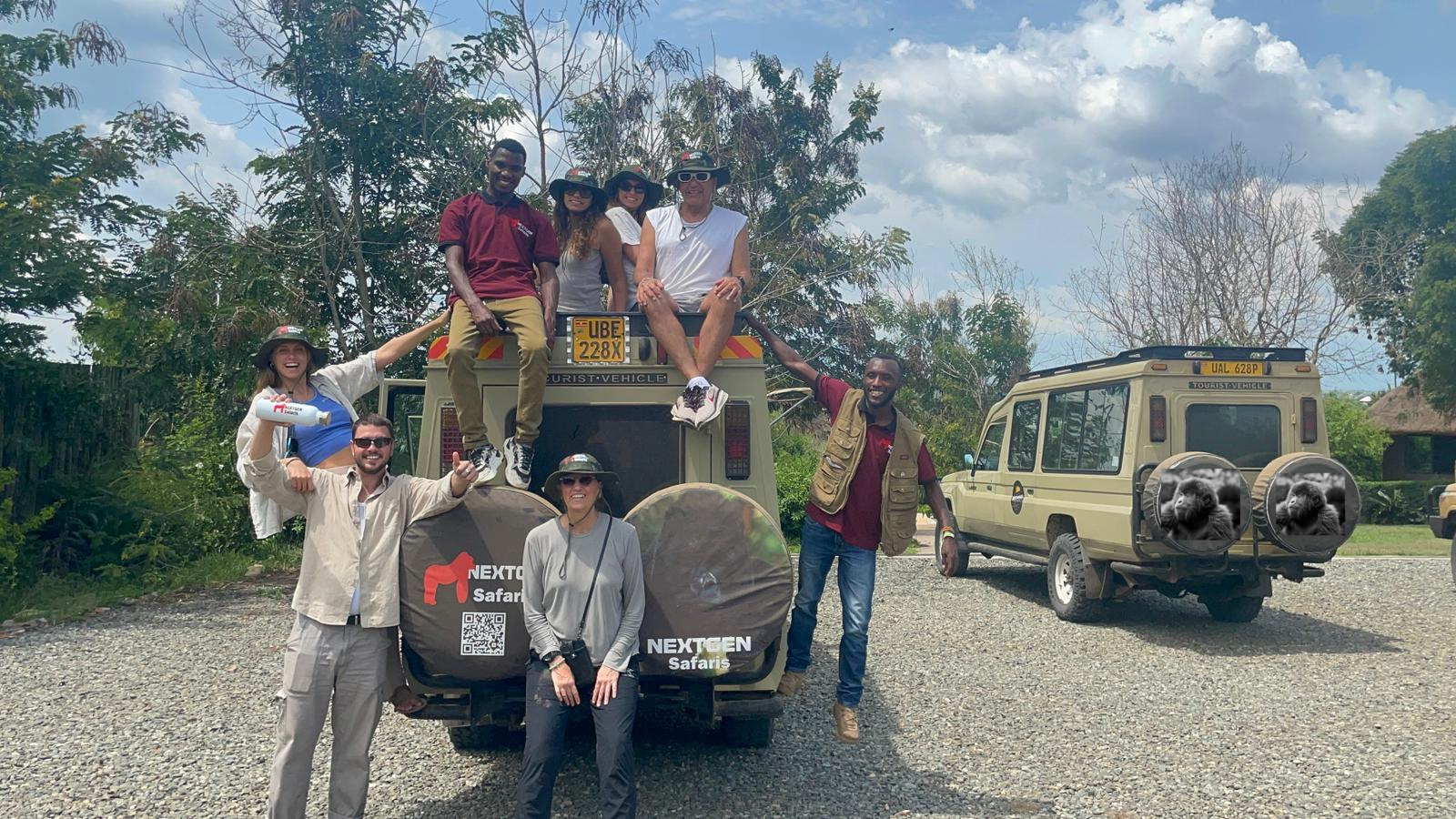
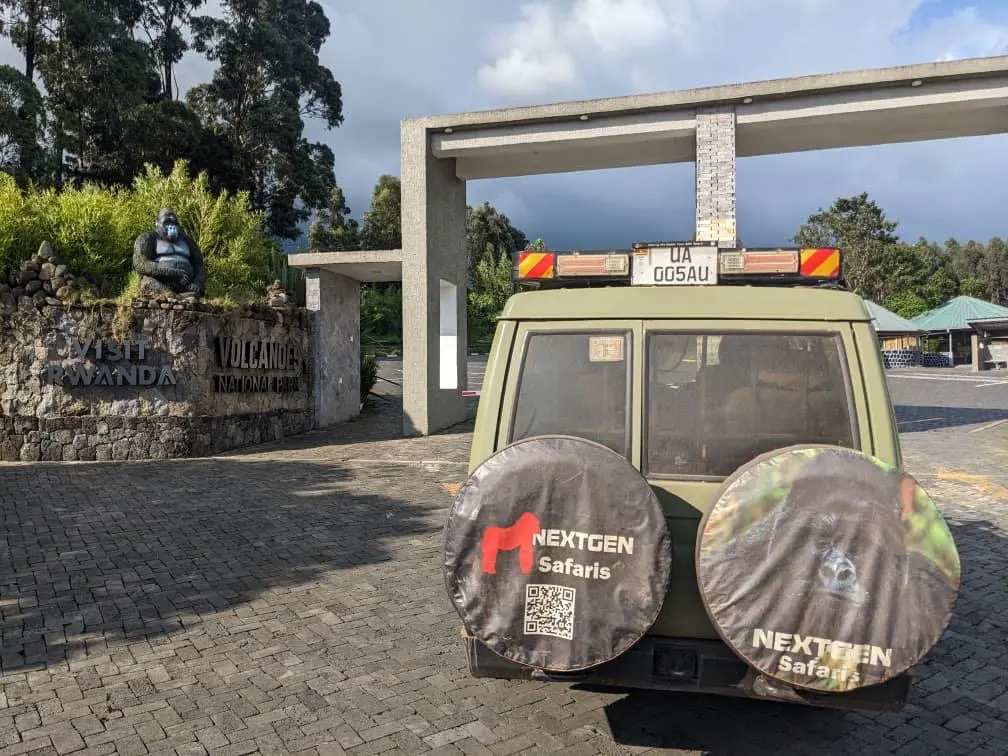
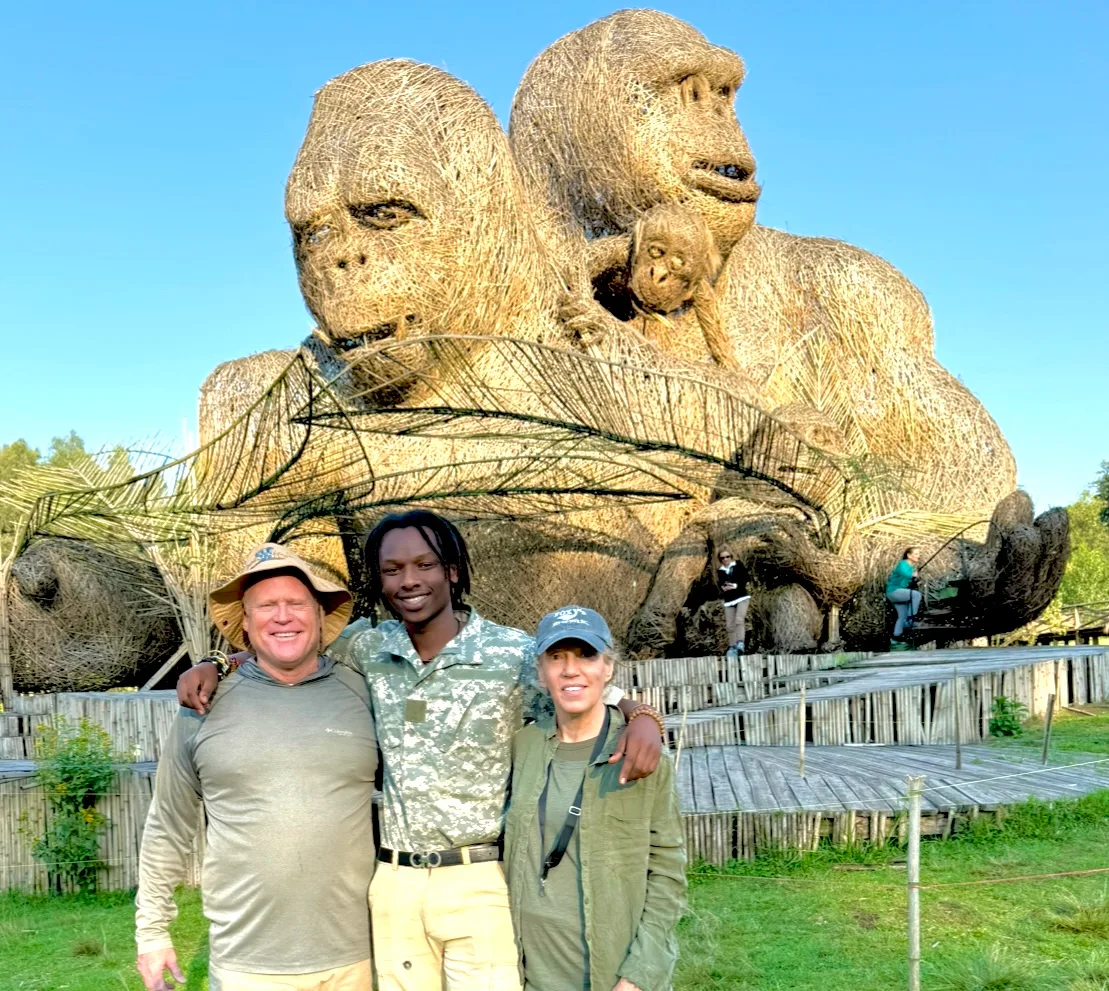
Rwanda is an attractive market for anyone considering how to Start a Tour Company in Rwanda because the country offers a remarkably diverse tourism product within a relatively compact destination. A company can build tours around the mountain gorillas of Volcanoes National Park, the savannah wildlife of Akagera National Park, chimpanzee and rainforest experiences in Nyungwe, Kigali city tours, Lake Kivu holidays, cultural experiences, hiking, birdwatching and tailor-made luxury travel. This diversity makes it possible for a new operator to develop a specific niche rather than competing only on generic sightseeing packages. A business might initially specialise in gorilla trekking, luxury Rwanda safaris, family holidays, adventure travel, birding, cultural tourism or carefully designed multi-country East African itineraries.
Before investing heavily in vehicles, offices or marketing, however, an entrepreneur should understand the regulatory side of the industry. Rwanda’s Office of the Registrar General states that business registration is an online process and that company registration is currently free of charge. It also states that foreign shareholders are permitted and that 100% non-local shareholding is allowed under the applicable registration framework. Once registered, the business receives a downloadable registration certificate, and the business owner has tax-registration obligations after beginning operations.
The next stage is particularly important for someone planning to Start a Tour Company in Rwanda: obtaining the appropriate tourism operating licence. RDB’s tourism regulation platform states that tour operators are among the tourism entities that require a tourism operating licence, and operating a tourism entity without the required licence is a violation of the tourism law. RDB also explains that licensing involves an online application, supporting documentation and inspection of the tourism entity’s premises and operations.
This distinction should be made very clear throughout the page because it is one of the most important things a new entrepreneur needs to understand. Registering a company and becoming a licensed tour operator are two separate steps. Company registration establishes the legal business, while the tourism operating licence addresses the company’s ability to operate within Rwanda’s regulated tourism sector. A person who wants to Start a Tour Company in Rwanda should therefore plan for both processes rather than assuming that incorporation alone authorises the business to sell and operate tours.
A strong Rwanda tour company also needs to think beyond paperwork. Tourism is a service business, and reputation can determine whether the company succeeds or fails. Customers booking a Rwanda safari from overseas are trusting the operator with significant amounts of money, important travel dates and potentially once-in-a-lifetime experiences such as gorilla trekking. The business therefore needs dependable accommodation partners, reliable transport, knowledgeable guides, accurate itineraries, transparent terms and conditions, responsive customer service and effective systems for handling changes or emergencies.
The commercial side is equally important. Before deciding to Start a Tour Company in Rwanda, an entrepreneur should research the target market and understand who the business intends to serve. A company targeting luxury travellers will require a very different product, supplier network, website and marketing strategy from one targeting backpackers or budget travellers. Likewise, a specialist gorilla trekking company will operate differently from a broader destination-management company offering Rwanda, Uganda, Kenya and Tanzania itineraries. Defining the target market early helps determine the company’s accommodation partnerships, vehicle requirements, pricing strategy, staffing and marketing channels.
The best approach is therefore to see Start a Tour Company in Rwanda as a complete business-development process rather than simply a registration exercise. The entrepreneur must establish the legal foundation, understand tourism regulations, obtain the required licence, build operational capacity, create attractive and profitable products, establish relationships with suppliers, develop a professional brand and website, and create a reliable system for turning enquiries into bookings. When these elements are built together, the company has a much stronger foundation for long-term growth in Rwanda’s tourism market.
Is It Profitable to Start a Tour Company in Rwanda?
The question of whether it is profitable to Start a Tour Company in Rwanda does not have one guaranteed answer because profitability depends on the company’s niche, pricing, operating costs, sales volume, customer acquisition costs and ability to deliver consistently good experiences. Rwanda provides several strong tourism products, including gorilla trekking, wildlife safaris, rainforest experiences, cultural tourism, hiking, birding, lake holidays and city tours. These create opportunities for operators to build different revenue streams rather than relying on one type of traveller or one destination. A well-managed company can therefore build a sustainable business, but profitability should be approached as a result of sound planning rather than assumed simply because tourism demand exists.
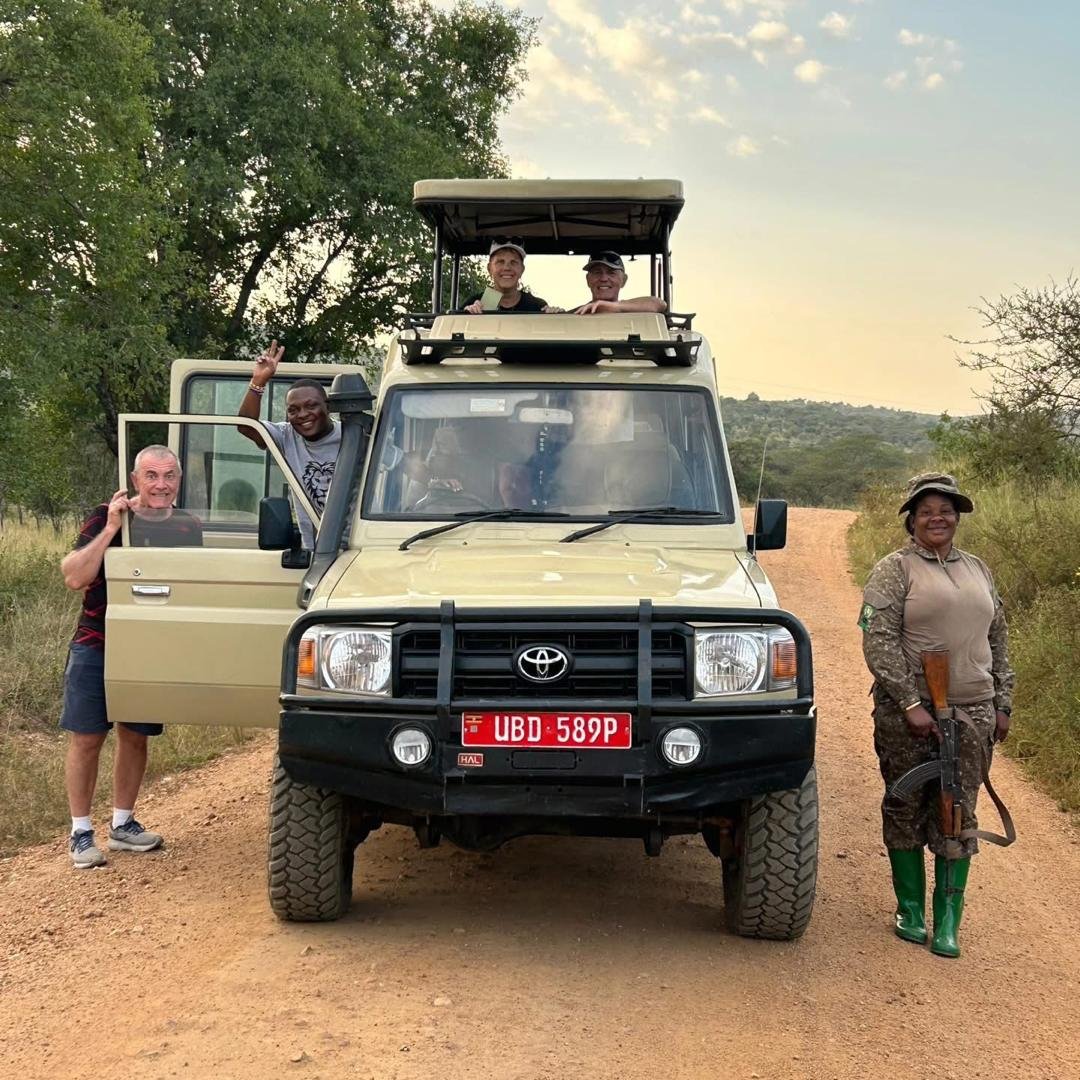
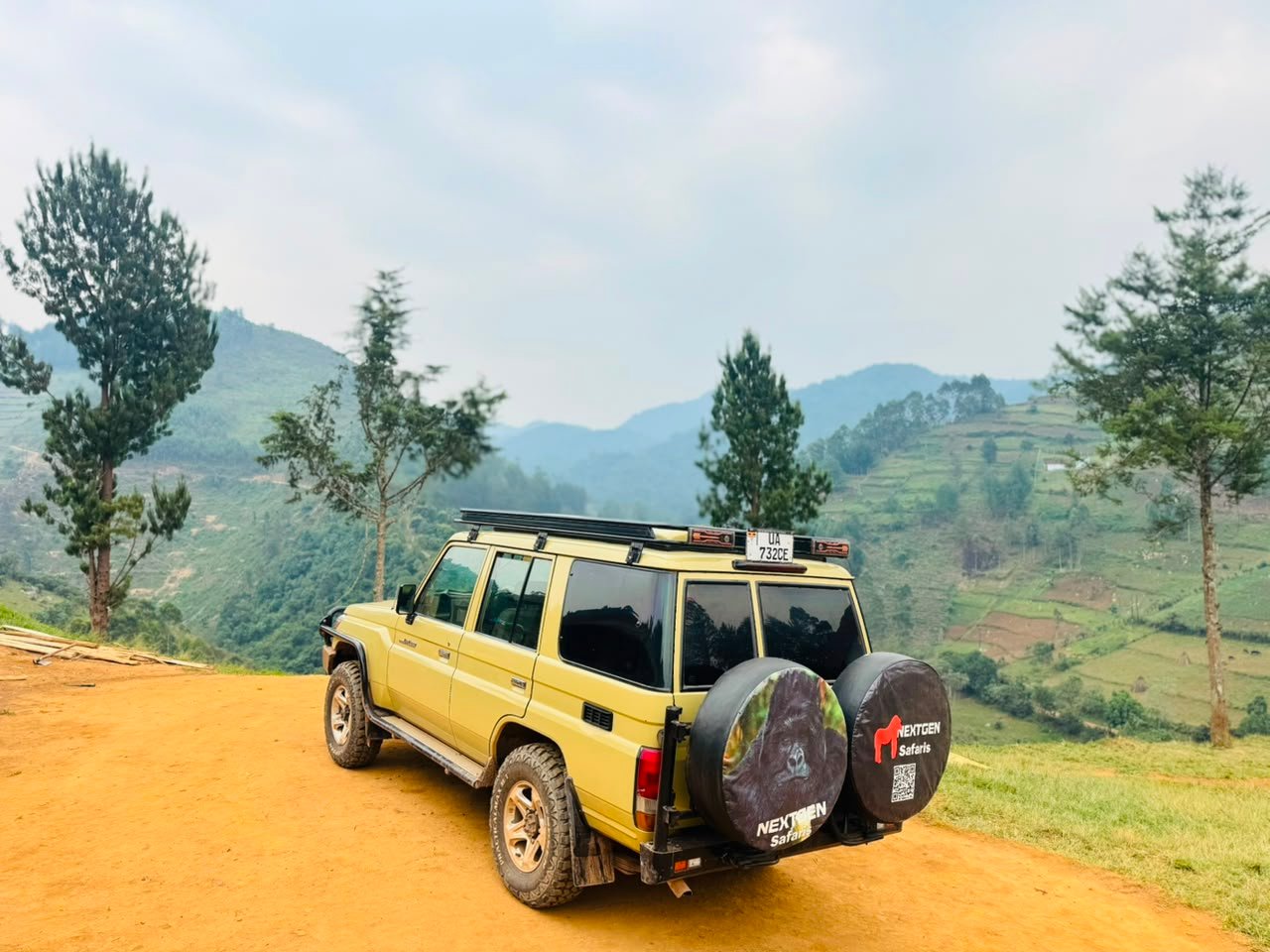
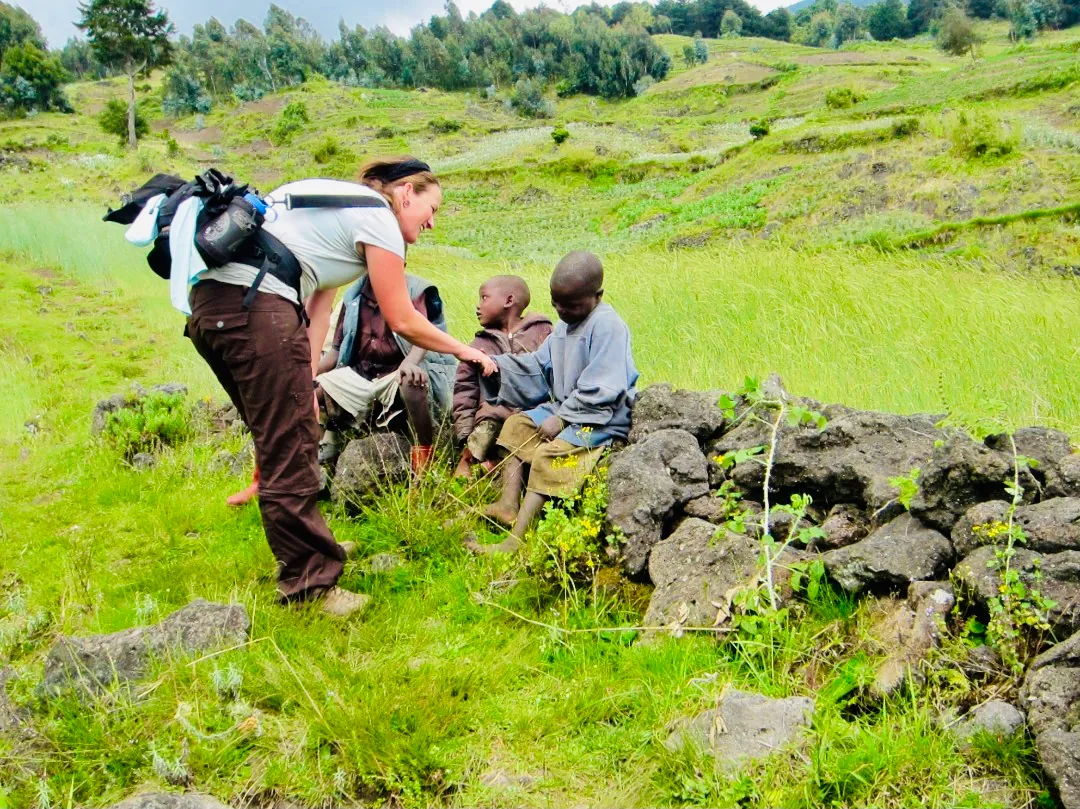
A Rwanda tour company can earn revenue by selling complete safari packages that combine accommodation, transportation, guiding, park activities and other services. It can also generate income from specialised experiences such as gorilla trekking tours, Akagera wildlife safaris, Nyungwe experiences, Kigali city tours, Lake Kivu holidays, birdwatching, hiking, cultural experiences and honeymoon packages. Operators can additionally develop luxury products for high-value clients or work with overseas travel agencies that send customers to Rwanda. This creates opportunities for both direct-to-consumer and business-to-business sales.
However, the selling price of a tour should never be confused with profit. A client paying several thousand dollars for a safari does not mean the operator keeps that amount. A significant proportion of the selling price may go towards accommodation, gorilla or park-related activities, vehicle costs, fuel, guides, meals, insurance, supplier payments, taxes, commissions, payment processing and other operational expenses. The company must calculate these costs carefully before setting its selling price.
For an entrepreneur planning to Start a Tour Company in Rwanda, one of the most important financial skills is understanding gross margin and operating profit. A tour can generate strong sales while producing very little profit if the company underprices its packages. Conversely, excessively high prices can make the company uncompetitive. The objective should be to build packages that provide genuine customer value while leaving enough margin to maintain vehicles, pay staff, market the company, handle unexpected expenses and reinvest in growth.
Another major factor is seasonality. Some periods may generate stronger demand for particular tourism products, while other periods may require promotional campaigns or alternative products. A smart tour company can reduce this dependence by selling different experiences throughout the year. For example, a business specialising in gorilla trekking could also offer Kigali tours, Akagera safaris, Nyungwe experiences, Lake Kivu holidays, birding and cultural tours.
The strongest business opportunity is therefore not simply selling more tours but building a reliable and differentiated Rwanda tourism brand. An operator that responds quickly to enquiries, communicates transparently, provides quality guides and vehicles, selects good accommodation and earns positive reviews can develop repeat business and referrals. For a new entrepreneur, reputation can eventually become one of the company’s most valuable assets.
Understand the Rwanda Tourism Industry Before You Start
Before you Start a Tour Company in Rwanda, it is important to understand exactly what type of tourism business you intend to establish. The tourism industry contains several different business models, and they should not be treated as interchangeable. RDB’s tourism regulation framework identifies tourism entities including tour operators, travel agents, tour guides, accommodation establishments, restaurants, tourism information centres and cultural tourism entities.
A tour operator generally focuses on organising and selling tourism experiences and packages. The operator may combine transportation, accommodation, activities, guiding and other services into an itinerary for the traveller. A company operating as a tour operator therefore needs to build relationships with hotels, lodges, guides, transport providers, attractions and other tourism suppliers.
A travel agent, by comparison, may focus more heavily on selling or arranging travel products and services on behalf of suppliers or other tourism businesses. The commercial relationship and operational responsibilities can differ from those of a tour operator. An entrepreneur should therefore define the intended business activity carefully before completing registration and licensing procedures.
A tour guide is another distinct tourism role. Guides provide interpretation, assistance and guiding services to travellers, but being a guide is not necessarily the same as establishing a tour operating company. RDB’s licensing framework has separate requirements for tour guides, including qualifications or relevant experience, language proficiency and other documentation.
An accommodation provider operates a hotel, lodge, camp, villa or another form of lodging rather than primarily selling complete tour packages. Likewise, a transport provider may specialise in providing vehicles and transportation services to tourism companies without being the company responsible for designing and selling the complete safari.
Understanding these distinctions is essential because your business model determines what infrastructure, staff, documentation, partnerships and licences you may need. Someone planning to Start a Tour Company in Rwanda should first answer a simple question: What exactly will my company sell and what services will my company be responsible for delivering?
A new entrepreneur should also study the existing market before choosing a niche. Research competing Rwanda tour operators, their destinations, package lengths, customer types, website quality, pricing structures, reviews and unique selling points. The purpose is not to copy competitors but to identify opportunities. Perhaps there is room for a specialist family safari brand, a luxury gorilla operator, a photography-focused company, a budget Rwanda-Uganda specialist or a company targeting a particular international market.
Rwanda’s tourism sector also provides opportunities to work beyond the country’s borders. A Rwanda-based company can potentially design itineraries that combine Rwanda with Uganda, Kenya or Tanzania, depending on its business model, licensing arrangements, supplier relationships and operational capabilities. This can increase the value of individual bookings and allow the company to develop more comprehensive East African products.
Ultimately, the best time to think about positioning is before you invest heavily in the business. Decide whether you want to become a specialist or a generalist, identify your target customer, determine which destinations and activities you will sell, understand the regulatory requirements that apply to your business and then build the company around that strategy.
That approach makes Start a Tour Company in Rwanda a much more practical business plan: you are not simply creating a registered company; you are building a clearly defined tourism operation with a specific customer, product and market.
Choose Your Tour Company Business Model in Rwanda
Before you Start a Tour Company in Rwanda, one of the most important decisions is determining exactly what kind of tourism business you want to build. Rwanda has a relatively diverse tourism industry, so a new company does not necessarily need to sell every possible travel product from the beginning. Choosing a clear niche can make it easier to identify your ideal customers, build appropriate supplier relationships, develop a strong website, create competitive packages, and establish a recognisable brand.
Your business model should be based on the type of traveller you want to serve and the experiences you intend to sell. A company specialising in luxury gorilla trekking will have different requirements and customers from a company selling budget group tours, while a cultural-tour business will operate differently from a wildlife safari operator. Before investing in vehicles, staff and marketing, define your core products and understand what makes your company different from existing Rwanda tour operators.
Gorilla Trekking Tour Company
A gorilla trekking tour company can specialise in organising journeys to Volcanoes National Park, Rwanda’s principal mountain-gorilla destination. Gorilla trekking is one of Rwanda’s best-known tourism experiences, creating opportunities for operators to develop specialised packages around permits, accommodation, transportation, guiding and complementary experiences such as Kigali tours, cultural visits and Lake Kivu extensions.
A specialist gorilla company can also develop cross-border itineraries connecting Rwanda with Uganda, particularly for travellers interested in comparing the gorilla experiences or adding Uganda’s wider wildlife destinations. However, when developing cross-border products, the operator should understand the applicable requirements in each country rather than assuming that a Rwanda tourism licence automatically authorises every activity across national borders.
For a new entrepreneur, specialising in gorilla trekking can provide a very clear market position. Your website can focus heavily on gorilla trekking information, permit planning, trekking preparation, accommodation near Volcanoes National Park, transportation and carefully designed Rwanda gorilla safari packages.
Wildlife Safari Company
A wildlife safari company can focus primarily on Akagera National Park and Rwanda’s broader wildlife experiences. Akagera provides opportunities to develop safari packages around game drives, boat trips, birdwatching and other park experiences, creating a different product from a gorilla-focused business.
This business model can appeal to travellers who want a traditional African safari experience rather than concentrating exclusively on primates. Packages can be designed for couples, families, photographers, first-time African travellers and visitors combining Rwanda with other East African destinations.
A wildlife-focused company can also create combination packages that bring together Akagera and Volcanoes National Park. This allows customers to experience both classic wildlife and mountain gorilla trekking during one Rwanda holiday.
Cultural Tour Company
A cultural tour company can build its business around Kigali, Rwanda’s history, communities, traditional experiences, arts, food, heritage and other cultural attractions. This model can be particularly useful for travellers who want to understand Rwanda beyond its national parks and wildlife.
A cultural tourism business can offer short Kigali experiences as well as longer itineraries incorporating rural communities and other destinations. The advantage of this model is that tours can often be shorter than traditional safaris, allowing the company to serve visitors with only one or two free days.
When developing community-based tourism products, it is important to understand the relevant Rwandan tourism framework and work appropriately with recognised community tourism enterprises. RDB’s tourism framework includes community-based tourism among Rwanda’s tourism activities and provides guidance for relationships between tour operators and community-based tourism enterprises.
Luxury Tour Company
A luxury tour company targets travellers who are willing to pay more for privacy, premium accommodation, personalised service and carefully designed experiences. If you want to Start a Tour Company in Rwanda targeting the luxury market, your business needs to be built around quality rather than simply offering the largest number of packages.
Luxury travellers may expect private 4×4 transportation, high-end lodges, private guides, flexible itineraries, excellent dining, seamless airport transfers and highly responsive customer service. The company therefore needs strong relationships with premium accommodation providers and other suppliers capable of consistently delivering a high level of service.
A luxury operator should also invest heavily in presentation. A professional website, excellent photography, detailed itineraries, clear communication and a strong reputation are particularly important when selling high-value Rwanda safari packages to international clients.
Budget Tour Company
A budget tour company focuses on providing affordable travel experiences while maintaining acceptable standards of safety, reliability and service. This model can appeal to backpackers, younger travellers, students and cost-conscious international visitors.
A budget operator does not necessarily need to offer poor-quality tourism. Instead, the business can control costs through carefully selected accommodation, shared activities where appropriate, efficient transport arrangements and well-designed itineraries.
The major challenge is maintaining sufficient margins. A company that competes only by being the cheapest can quickly find itself struggling to cover vehicle maintenance, staff, marketing, administration and unexpected operational costs. A sustainable budget tour company therefore needs efficient operations and transparent pricing rather than simply low prices.
Family Tour Company
A family tour company designs holidays around the needs of parents and children. This can include family-friendly accommodation, private transportation, appropriate activity durations, flexible meal arrangements and experiences that are educational as well as entertaining.
Rwanda offers opportunities to develop family itineraries combining wildlife, nature, culture and scenic destinations. A family specialist can build packages around Kigali, Akagera, Lake Kivu and other destinations while carefully considering age restrictions and activity requirements.
The website should make family planning particularly easy by clearly explaining accommodation arrangements, transportation, activity suitability and what parents should expect. This can become a strong competitive advantage because families often place greater emphasis on reliability and communication when choosing an overseas tour operator.
Adventure Tour Company
An adventure tour company can focus on hiking, cycling, kayaking, canopy experiences, nature walks and other active tourism products available in Rwanda. This model is suitable for travellers looking for experiences that involve physical activity and exploration rather than traditional sightseeing alone.
An adventure-focused operator should pay particular attention to safety, qualified guides, appropriate equipment, weather conditions, emergency procedures and accurate descriptions of activity difficulty. Customers need to know what they are committing to before booking.
Adventure tourism can also be combined with gorilla trekking and wildlife safaris, allowing the company to create longer itineraries rather than selling individual activities alone.
Should You Specialise or Sell Everything?
For most entrepreneurs planning to Start a Tour Company in Rwanda, starting with a clear speciality can be more effective than attempting to sell every tourism product immediately. A focused company can become known for a particular type of experience and build its reputation around that niche. Once the business has established customers, suppliers, operational systems and cash flow, it can gradually expand into additional products.
For example, a new operator could begin with Rwanda gorilla trekking and later add Akagera wildlife safaris, Kigali tours, Lake Kivu holidays and Uganda extensions. Another company might begin with luxury Rwanda safaris and eventually develop Kenya and Tanzania products.
The important principle is to build the business around products you can deliver consistently. Your niche should influence your website, branding, staff, vehicle requirements, accommodation partnerships, pricing strategy and marketing. A clearly positioned company is often easier for customers to understand and remember than a new business that claims to specialise in everything.
Choose and Register Your Business in Rwanda
Once you have selected your tourism niche, the next major step to Start a Tour Company in Rwanda is establishing the legal business. Rwanda’s Office of the Registrar General provides an online business-registration system through which entrepreneurs can register businesses and companies. The current ORG information states that business registration is 100% online and free of charge, provided the application meets the requirements.
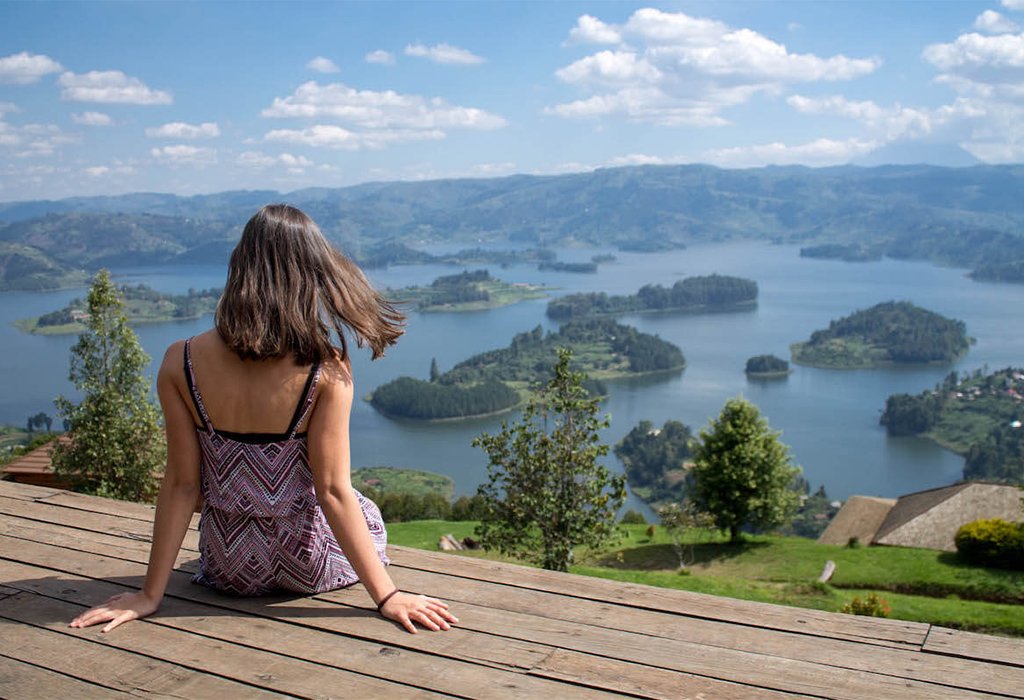
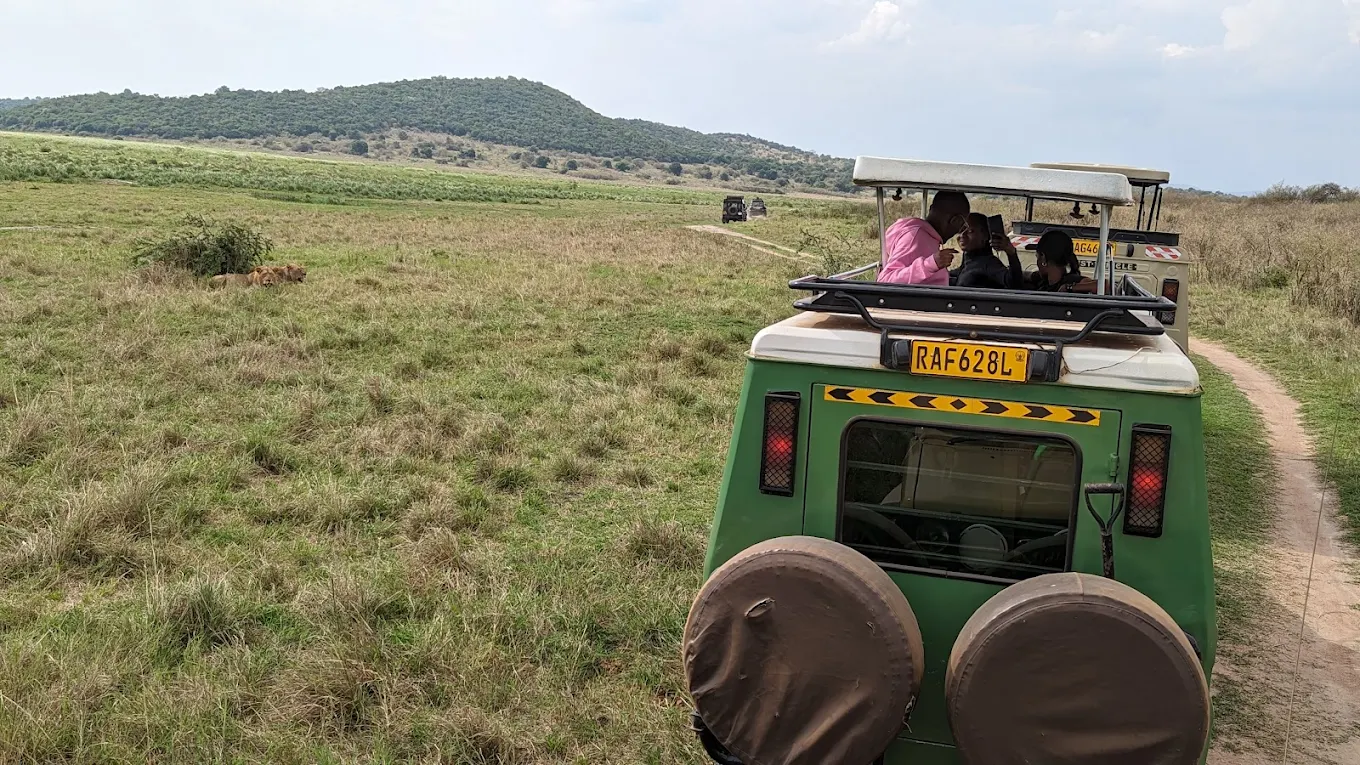
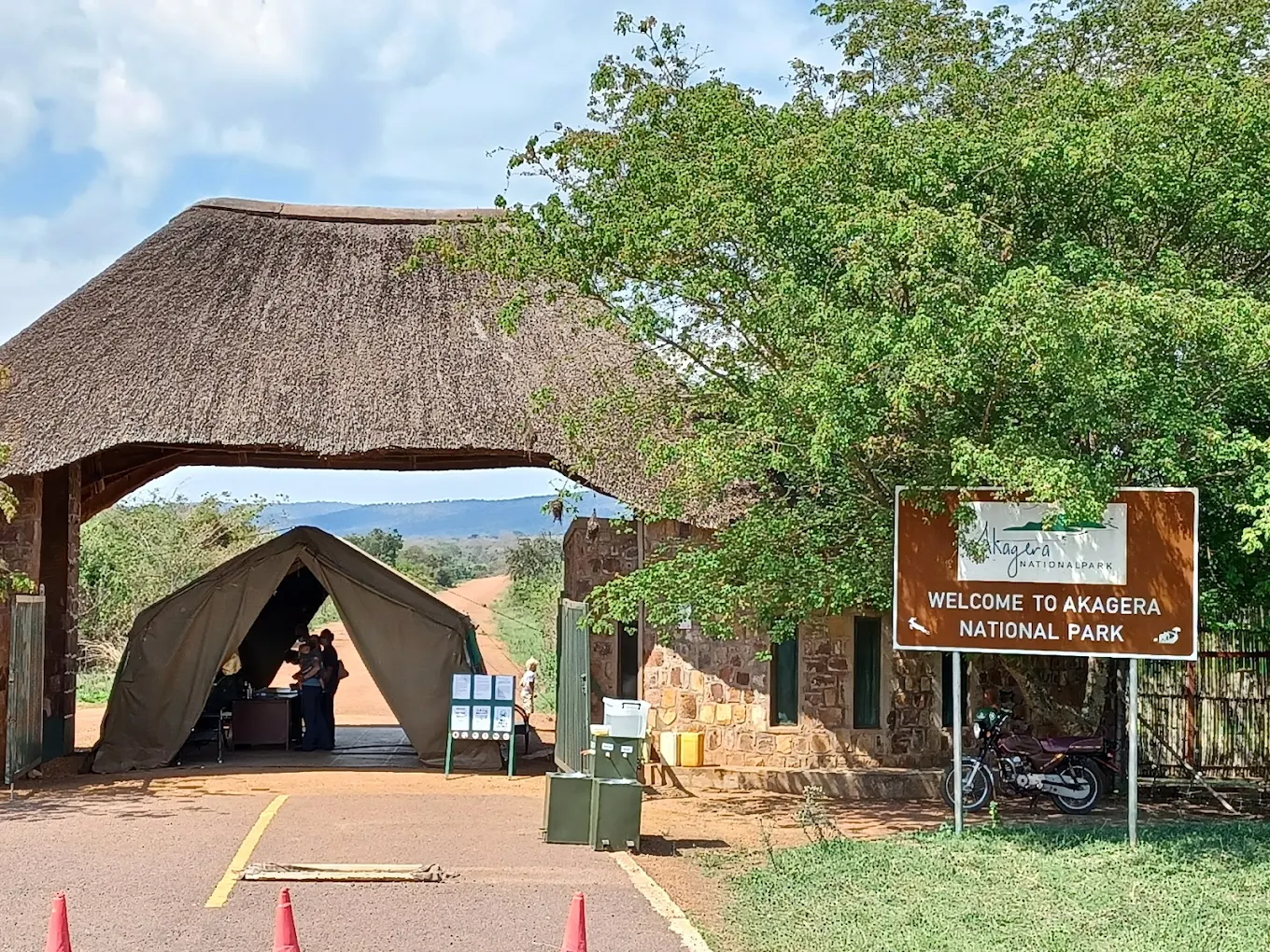
Before beginning the registration application, you should decide on the appropriate business structure and clearly define the activities your company will undertake. ORG currently recognises structures including individual enterprises, private companies, subsidiaries, branches and other forms of business organisation. A private company limited by shares can have a minimum of one shareholder and does not require minimum initial share capital according to the current ORG guidance.
For many entrepreneurs building a professional tour operation, a company structure may be preferable to operating informally because a company is a separate legal person from its shareholders and directors. However, the appropriate structure depends on the entrepreneur’s circumstances, ownership arrangements and long-term plans, so professional legal or accounting advice may be appropriate where the structure is complex.
What Information Is Needed to Register a Tour Company?
The current ORG requirements for a private company include an active email address and an ID card or passport, together with information such as the proposed company name, business activities, office address, shareholders, directors and board members. Corporate shareholders require additional documentation.
Your company name should be chosen carefully because it will become part of your long-term brand. It should be distinctive, professional and suitable for the tourism market you intend to target. You should also ensure that the proposed name is available and approved before incorporation, as ORG states that the company name must be approved before incorporation.
Your stated business activities should also accurately reflect what you intend to do. If your company plans to operate as a tour operator, this should be properly considered during registration and subsequent tourism licensing. The objective is to create a legal business structure that matches the actual tourism operation you intend to build.
Registered Office Address
A local physical address is another important requirement. ORG states that applicants need to provide a local physical address as the registered address of the company.
This is particularly important for a tour company because the tourism licensing process can involve inspection of the business premises. Your office should therefore be a genuine operating location rather than simply an address used for paperwork.
Business Registration and Tax Obligations
After successful registration, the certificate of incorporation can be downloaded from the registration account. ORG also states that the new business owner has tax-related obligations after beginning business operations, including the applicable income-tax and VAT requirements. The current ORG guidance states that VAT registration is voluntary below the applicable threshold and required when the relevant turnover threshold is reached.
This means that registering the company is only the beginning. A serious entrepreneur planning to Start a Tour Company in Rwanda should establish proper accounting records from the beginning, understand tax obligations and maintain the company’s statutory filings.
Can a Foreigner Start a Tour Company in Rwanda?
Yes, Rwanda’s current business-registration framework allows foreign participation. ORG states that shareholders may be Rwandan nationals, foreigners or legal entities and that 100% non-local shareholding is allowed.
The documentation depends on the structure being established. For a private company, ORG lists an ID card or passport among the requirements. Foreign companies establishing branches or subsidiaries may need additional documents such as notarised incorporation certificates, articles of association and shareholder or board resolutions.
However, entrepreneurs should distinguish business ownership from immigration and employment permissions. Being able to register a company does not automatically mean that a foreign national has every immigration or work authorisation required to live and work in Rwanda. ORG specifically directs applicants to the relevant immigration authorities for work-permit formalities where applicable.
Get Your Rwanda Tourism Operating Licence
Tourism Operating Licence for a Tour Operator in Rwanda
Registering a company is not the final step when you want to Start a Tour Company in Rwanda. A company that intends to operate as a tour operator must also comply with Rwanda’s tourism regulatory framework and obtain the applicable tourism operating licence.
RDB’s Tourism Regulation Division defines a tourism entity as including businesses such as tour operators, travel agents, tour guides, accommodation establishments and other recognised tourism businesses. Its current licensing platform states that tourism entities need a tourism operating licence to operate in the tourism industry.
This distinction is extremely important for anyone researching how to Start a Tour Company in Rwanda. Your certificate of incorporation establishes the business, but the tourism operating licence is part of the regulatory framework governing the operation of the tourism business.
How Do You Apply for the Tourism Operating Licence?
The current RDB tourism regulation platform provides an online application process. According to RDB, an applicant submits the application online and pays an RWF 80,000 non-refundable application fee. RDB then reviews the application and, where it is complete, schedules an inspection of the tourism entity’s premises. If the entity passes the inspection and meets the applicable requirements, the tourism operating licence can be issued.
If inspectors identify issues, the applicant may be required to correct them before the licence is granted. RDB states that re-inspection may be required where corrections are necessary. This means entrepreneurs should prepare their office, documentation, staff arrangements and operational systems before requesting inspection rather than treating the inspection as a formality.
How Long Does the Tourism Licence Take?
RDB’s current tourism regulation FAQ states that a complete licence application is processed within 15 days. It also explains that applicants may receive notification where documents are missing or corrections are required following inspection.
The 15-day period should therefore not be interpreted as a guaranteed total start-up period. An entrepreneur still needs to allow time to establish the company, prepare the premises, arrange staff and documentation, prepare vehicles and safety systems, and correct any issues identified during inspection.
What Happens During Inspection?
The inspection is designed to establish whether the tourism entity meets the applicable operating requirements. RDB’s licensing process states that an authorised RDB inspector conducts an inspection at the tourism entity’s premises after the application has been reviewed.
For a tour operator, this makes preparation essential. Your business should be able to demonstrate that it is genuinely organised to provide tourism services, rather than existing only as a registered company on paper.
How Long Is the Tourism Operating Licence Valid?
One particularly useful point for anyone planning to Start a Tour Company in Rwanda is that RDB currently states that a tourism operating licence does not expire, but the tourism entity must pass annual inspections to maintain the licence. RDB also states that a licence may be suspended or cancelled if the entity fails to meet applicable standards or violates tourism law.
This means licensing is not simply a one-time administrative exercise. A responsible tour company needs to maintain its standards continuously.
What Happens If You Operate Without a Tourism Licence?
RDB states that all tourism entities need to obtain a tourism licence to operate in Rwanda’s tourism industry and that operating without a valid tourism licence is a violation of tourism law.
For this reason, an entrepreneur should not begin marketing the business as a fully operating licensed tour operator simply because the company registration certificate has been obtained. The appropriate tourism licensing requirements should be completed before commencing regulated tourism operations.
The Two-Stage Process to Remember
The simplest way to understand the process is:
Register the business → Prepare the tourism operation → Apply for the tourism operating licence → Complete inspection → Obtain the licence → Maintain compliance.
This distinction makes the entire process of Start a Tour Company in Rwanda much clearer. Business registration gives you the legal business foundation, while tourism licensing addresses the regulatory requirements for operating within Rwanda’s tourism industry. Always verify the latest requirements directly with RDB before submitting an application because tourism regulations, forms and administrative procedures can change.
Documents Required to Start a Tour Company in Rwanda
If you want to Start a Tour Company in Rwanda, preparing the correct documentation is one of the most important stages of becoming a compliant tourism operator. A company registration certificate alone is not enough to operate as a licensed tour operator. The Rwanda Development Board’s current tour-operator document checklist requires several additional documents covering the company’s organisation, management and staff, vehicles, first aid and emergency evacuation arrangements.
The documentation requirements are designed to demonstrate that a tour company is properly established and capable of providing tourism services safely and professionally. For an entrepreneur, this means it is better to prepare the operational side of the business before submitting the tourism licence application rather than waiting until an inspection identifies missing systems or documentation.
Company Registration Certificate
The Company Registration Certificate is the basic legal foundation of the business. RDB’s tourism operating licence checklist specifically requires a valid company registration certificate from applicants applying as tour operators.
This document demonstrates that the tourism business has been formally established rather than operating as an informal individual activity. When planning to Start a Tour Company in Rwanda, the company registration stage should therefore come before the tourism operating licence application. The registered company’s details should also correspond with the information provided in the tourism licensing application.
Organisational Chart
A tour operator must also provide an organisational chart showing the names, contact numbers and job titles of staff.
The purpose is to demonstrate how the business is organised and who is responsible for different functions. A small new tour company might have a relatively simple structure, while a larger operator could have separate management, reservations, operations, guiding, sales and administration functions. The important point is that the company should be able to demonstrate clear responsibilities rather than relying on an undefined informal structure.
Membership Letter From a Recognised Tours and Travel Association
The RDB checklist also requires a membership letter from a recognised tours and travel association.
For someone planning to Start a Tour Company in Rwanda, this requirement highlights the importance of participating in the country’s organised tourism industry. Membership can also help a new operator establish professional relationships and become more connected with other businesses within the tourism sector. The exact association and current membership requirements should be confirmed before applying.
Management Qualifications and Experience
RDB requires CVs, diplomas and degrees of management staff demonstrating relevant education and/or experience, with the current checklist referring to tourism-management qualifications or experience in the hospitality industry.
This requirement means the business should be able to demonstrate that its management team understands the tourism industry and has the knowledge or experience necessary to operate professionally. For a new company, the founders should therefore consider how their own experience and qualifications fit the intended tourism activities and whether additional experienced personnel are needed.
Staff Qualifications and Experience
The current checklist also requests CVs, diplomas and degrees of non-management staff demonstrating relevant education, knowledge or experience.
This is particularly relevant to companies employing drivers, guides, reservations personnel and other tourism staff. When you Start a Tour Company in Rwanda, your employees become part of the company’s service quality and reputation, so keeping proper staff records is important both for licensing and for day-to-day management.
First Aid Certificates for Drivers and Guides
Tour operators must provide valid first aid certificates for all drivers and guides, issued by a recognised medical professional or institution.
This is particularly important because guides and drivers are often the people accompanying guests throughout their journeys. A safari may involve remote national parks, long road journeys, hiking and outdoor activities, so having appropriately trained personnel strengthens the company’s emergency preparedness.
Category B Driving Licences
The current RDB checklist requires valid Category B driving licences for all drivers and driver-guides.
When planning to Start a Tour Company in Rwanda, entrepreneurs should therefore ensure that every person employed as a driver or driver-guide has the appropriate valid documentation. This should be treated as an operational requirement rather than simply paperwork prepared for the licence application.
Vehicle Registration and Four-Wheel-Drive Vehicle
RDB’s current tour-operator checklist requires a valid carte jaune for at least one four-wheel-drive vehicle, while the inspection checklist also requires at least one four-wheel-drive vehicle and checks documentation including a valid controle technique, carte jaune and vehicle insurance.
For a safari company, this requirement makes practical sense because Rwanda’s tourism products include national parks and outdoor destinations where reliable four-wheel-drive transportation is important. Entrepreneurs should therefore consider vehicle ownership, leasing or an appropriate compliant transport arrangement as part of their initial business planning.
Emergency Evacuation Scheme
Another important requirement is a valid subscription to an emergency evacuation scheme involving, among other services, helicopter rescue and evacuation services.
This requirement demonstrates the importance Rwanda places on emergency preparedness within tourism operations. A professional tour company should have a clear process for responding to medical incidents or other emergencies affecting clients. Entrepreneurs should verify the currently accepted arrangements directly with RDB before making a subscription or purchasing a specific service.
Set Up a Physical Office for Your Rwanda Tour Company
Setting up a professional operating base is another important stage when you Start a Tour Company in Rwanda. A tour operator should not be presented as merely an online business with no identifiable operational structure. RDB’s tour-operator inspection checklist includes a registered office premises and accurate physical address, as well as communication systems and a booking system.
Your office should provide a practical environment for handling reservations, communicating with clients, managing documents and coordinating safari operations. It does not necessarily need to be an extravagant office, particularly for a new company, but it should be legitimate, functional and appropriate for the business you are establishing.
Office Address
The physical office address is important because it provides the company with an identifiable operating location. The inspection checklist specifically includes verification of registered office premises and an accurate physical address.
An entrepreneur should therefore ensure that the company’s registered address, actual operating location and information submitted during licensing are consistent and accurate.
Telephone and Communication Systems
Communication is essential in tourism because clients may contact the company before booking, during their trip or when changes occur. RDB’s inspection checklist includes communication equipment such as intercoms, phones or walkie-talkies for internal communication and a phone capable of communicating externally.
A professional tour company should therefore establish reliable telephone and internet communication before beginning operations. A dedicated business telephone number, professional email address and reliable internet connection can also make the company appear significantly more credible to international customers.
Booking System
A tour company needs a reliable method of recording enquiries and confirmed bookings. RDB’s inspection checklist specifically includes a booking system as an item for tour operators.
This does not mean every new operator must immediately purchase an expensive booking platform. What matters is having an organised system that allows the company to track client details, travel dates, accommodation, activities, payments, permits, transport and special requests accurately.
Customer Service and Emergency Contacts
A professional office should also maintain clear customer-service procedures and emergency contact information. When a client is travelling through Rwanda, communication must remain available even when the client is outside Kigali.
The company should know who handles an urgent client request, who contacts the guide, who communicates with accommodation providers and who takes responsibility for an operational emergency. Building these procedures before accepting bookings can prevent confusion later.
Record Keeping and Secure Documents
Good record keeping is essential when you Start a Tour Company in Rwanda. Keep organised records of company documents, licences, staff qualifications, vehicle documentation, supplier agreements, client bookings, invoices and payment records.
Sensitive customer information should also be stored securely. A professional operator should have clear procedures for who can access client information and how records are retained.
Build a Professional Tour Company Website
A professional website is one of the most valuable assets when you Start a Tour Company in Rwanda. For an international tourism business, your website is often the first place a potential customer encounters your company. A traveller sitting thousands of kilometres away may decide whether to trust your company based largely on the quality, accuracy and transparency of the website.
The website should therefore do much more than display beautiful photographs. It should demonstrate that the company understands Rwanda, provides genuine tourism services, communicates clearly and has a professional booking process. RDB’s tour-operator inspection checklist also includes a customer-facing booking system, while the published tour-operator interpretation requirements address communication and website-related operational requirements.
About the Tour Company
Your About Us page should explain who operates the company, where it is based, what destinations it covers and what type of tourism it specialises in. If appropriate, include information about your team’s tourism experience and professional qualifications.
Avoid generic statements that could belong to any tour operator. Explain what makes your business different and why customers should trust you.
Rwanda Safari Packages
Create dedicated pages for the main products you intend to sell. These might include Rwanda safari packages, gorilla trekking tours, Akagera safaris, Nyungwe experiences, Kigali city tours, Lake Kivu holidays and customised Rwanda itineraries.
Each package should explain what the traveller actually receives, including accommodation category, transportation, activities, duration and important exclusions.
Gorilla Trekking Tours
If your business specialises in gorilla trekking, this should become a major section of the website. Explain the trekking experience, permit arrangements, preparation, what to expect in Volcanoes National Park, accommodation options and the booking process.
Because gorilla trekking is a high-value experience, customers need accurate information before committing to a booking.
Akagera Safari Pages
If you sell wildlife safaris, create detailed Akagera content explaining game drives, boat experiences, wildlife, accommodation and itinerary options.
This can attract customers who want a traditional African safari as well as visitors who want to combine Akagera with gorilla trekking.
Nyungwe Tours
Nyungwe should have its own content covering rainforest experiences, chimpanzee trekking, canopy experiences, hiking and other relevant activities.
This helps establish your company as a broader Rwanda destination specialist rather than an operator selling only one product.
Kigali Tours
Kigali is an important gateway and tourism destination in its own right. A strong website can offer Kigali city tours, cultural experiences, food experiences and short excursions for travellers who have limited time.
These shorter products can also become useful additions to longer safari packages.
Lake Kivu Holidays
Lake Kivu provides opportunities for scenic holidays, relaxation, boat experiences, coffee experiences and other activities. Dedicated Lake Kivu pages can help capture travellers searching specifically for Rwanda’s lake destinations.
Rwanda Safari Cost Information
A Rwanda safari cost page can attract visitors who are researching prices before contacting an operator. Rather than publishing misleading fixed prices that may quickly become outdated, explain the factors that influence safari costs, including accommodation, transportation, permits, park activities, duration, season and group size.
This builds transparency and helps prospective clients understand why two apparently similar safaris can have very different prices.
Gorilla Permit Information
If you sell gorilla trekking, explain that permits are an important part of the overall safari cost and require careful date coordination. Avoid publishing prices without checking the current official rate because tourism pricing can change.
Your page should explain how permits fit into the booking process rather than simply using the permit price as a marketing headline.
Contact Page
The contact page should make it easy for potential customers to reach your company. Include the business name, physical location, telephone number, professional email address and enquiry form.
International travellers should not have to search through several pages to find a way to contact you.
Booking Process
Explain exactly what happens after a client sends an enquiry. For example, you can explain how the company discusses travel dates, prepares an itinerary, checks availability, confirms the quotation, handles deposits and arranges the safari.
Clear communication at this stage can significantly increase customer confidence.
Terms and Conditions
Your website should clearly explain the commercial terms governing bookings. These can cover deposits, balance payments, cancellations, changes, supplier conditions, permits, travel insurance and circumstances outside the company’s control.
The terms should accurately reflect your actual business practices and should be reviewed professionally where necessary.
Cancellation Policy
A clear cancellation policy is especially important for safari businesses because operators often make advance commitments to accommodation providers, park authorities, transport providers and other suppliers.
Explain the circumstances under which payments are refundable or non-refundable and make clear that individual supplier conditions may apply.
Privacy Policy
If your website collects names, email addresses, telephone numbers, passport information or other customer data, you should have an appropriate privacy policy explaining how information is collected, used, stored and protected.
This is both a trust issue and a legal/compliance consideration.
Frequently Asked Questions
A strong FAQ section can answer questions before customers contact your sales team. For SEO, create useful answers around topics such as gorilla permits, best time to visit Rwanda, safari costs, accommodation, transportation, visa considerations, trekking difficulty and combining Rwanda with Uganda or other East African destinations.
The FAQs should provide genuine answers rather than simply repeating keywords.
Build the Website for Expertise and Trust
The most important principle when you Start a Tour Company in Rwanda is that your website should demonstrate genuine expertise. Search engines and customers have access to thousands of tourism websites, so simply publishing a collection of safari packages is unlikely to differentiate a new operator.
Build detailed destination guides, explain your tourism products accurately, use original photography where possible, publish transparent booking information and demonstrate the knowledge of your guides and operations team. Your website should answer the questions a traveller is likely to ask before booking rather than forcing them to contact you for basic information.
A strong website can then support your wider marketing strategy through Google search, social media, email marketing, referrals and partnerships with overseas travel businesses. In other words, the website becomes not just an online brochure but the central sales and credibility platform for your Rwanda tour company.
For regulatory accuracy, entrepreneurs should always check the latest RDB requirements before submitting their licence application. RDB’s current tourism platform confirms that tour operators require a tourism operating licence and that applications involve supporting documentation and inspection.
Choose the Right Safari Vehicles in Rwanda
Choosing the right vehicle is one of the most important operational decisions when you Start a Tour Company in Rwanda. A tour company may have excellent guides and beautiful itineraries, but unreliable transportation can quickly damage the customer’s experience and the company’s reputation. Rwanda’s tourism routes include paved highways, winding mountain roads, national park tracks and longer journeys between destinations, so a professional operator needs vehicles that are appropriate for the type of tourism being offered.
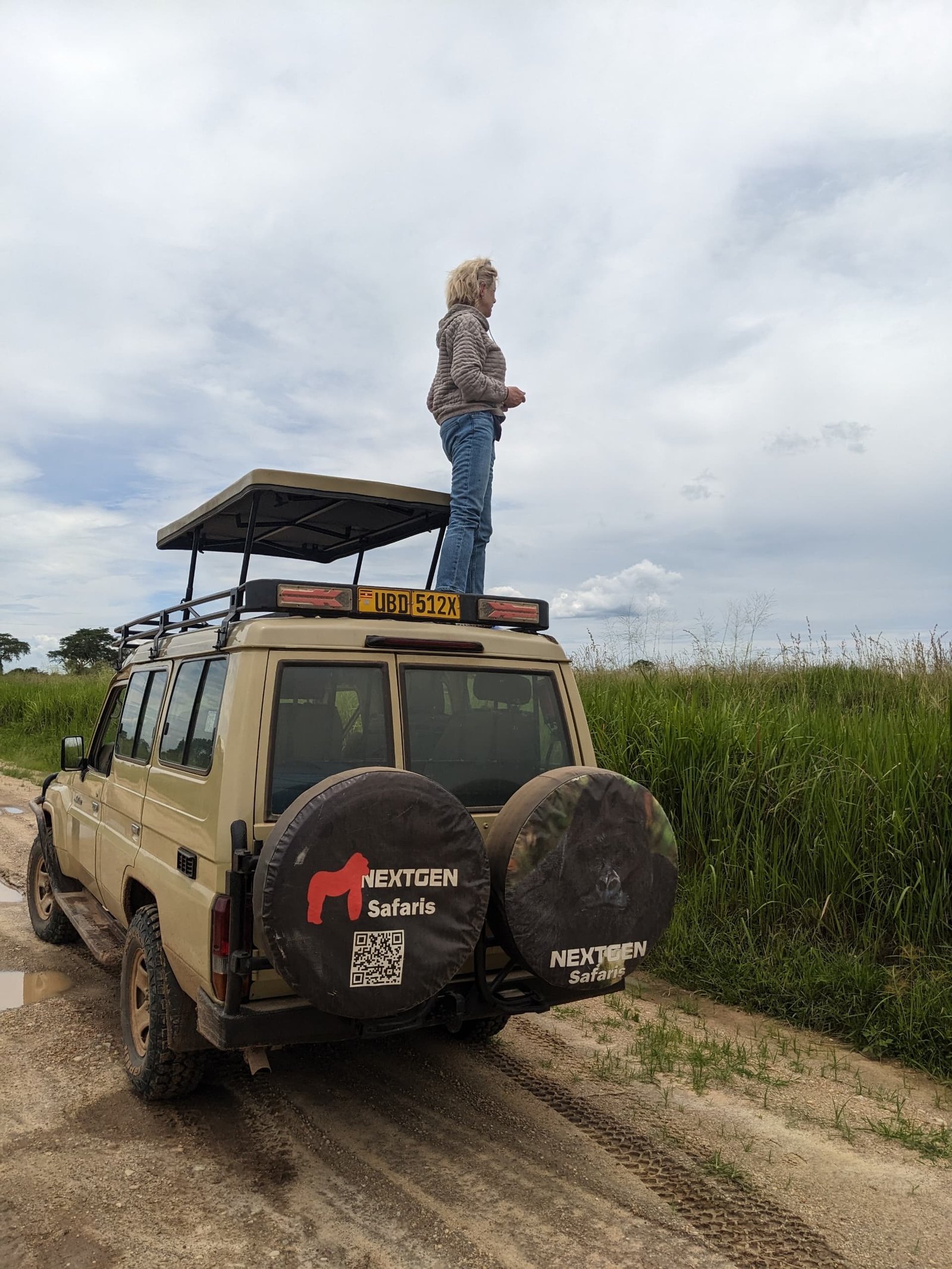
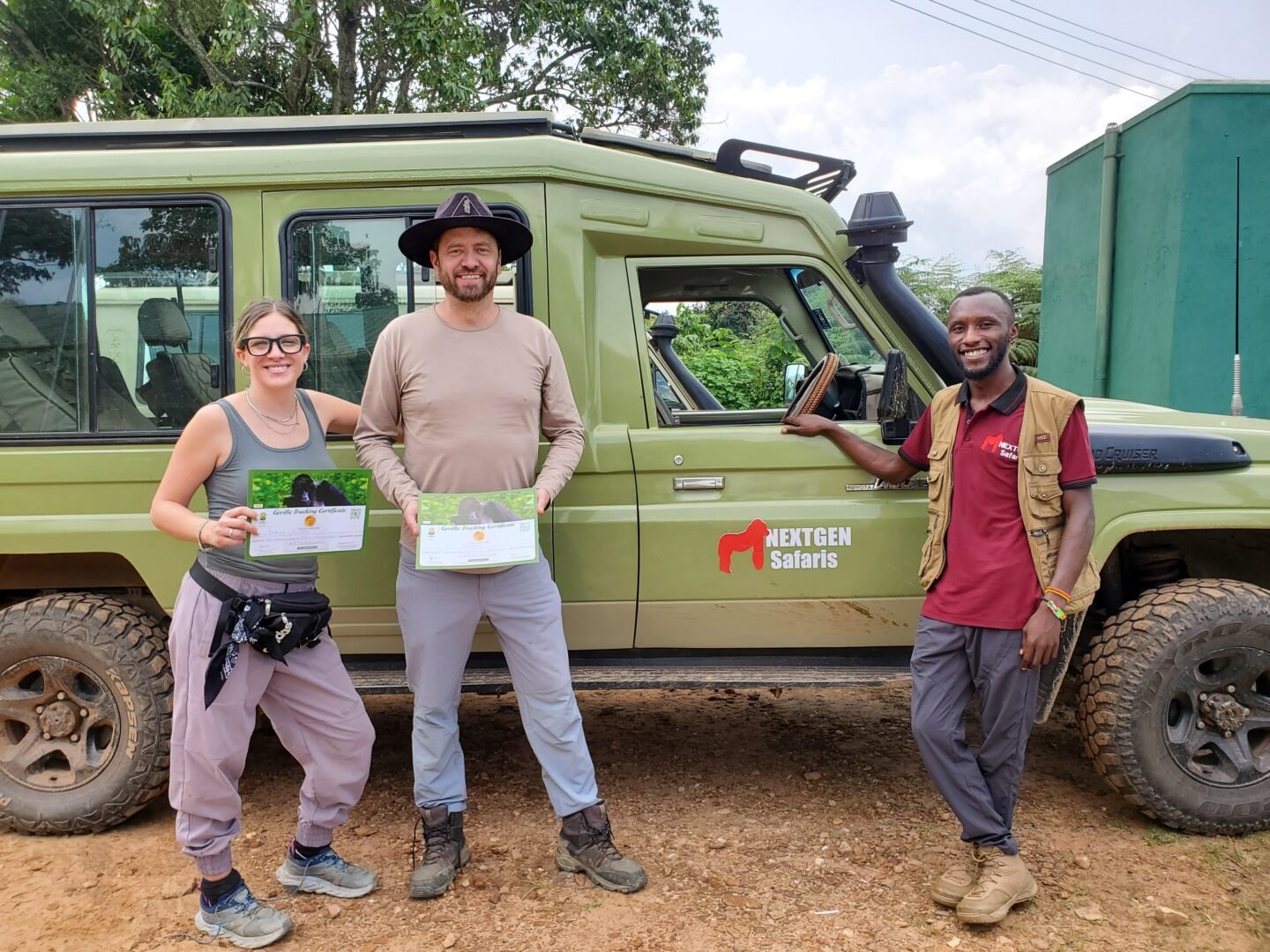
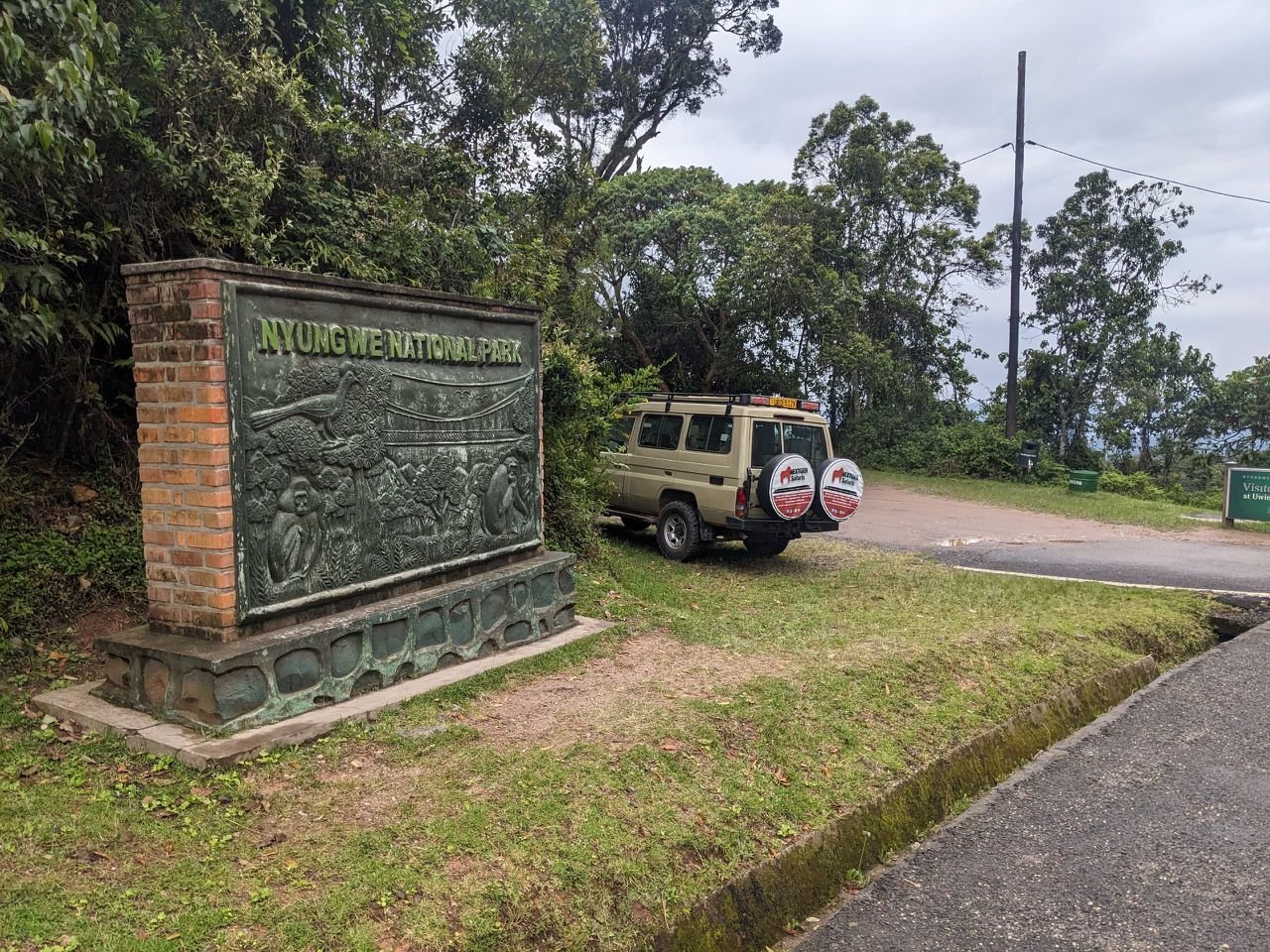
For a tour operator, vehicle selection should therefore be based on reliability, safety, passenger comfort, luggage capacity and suitability for the destinations being visited. RDB’s published tour-operator requirements include at least one four-wheel-drive vehicle, together with relevant vehicle documentation and insurance requirements. The inspection checklist also addresses the vehicle’s technical documentation and roadworthiness.
4×4 Land Cruiser
A 4×4 Land Cruiser is a particularly practical choice for a safari business because it is designed for demanding road conditions and long-distance travel. For an operator specialising in gorilla trekking, wildlife safaris or multi-destination itineraries, a properly maintained four-wheel-drive vehicle provides greater flexibility than an ordinary passenger vehicle.
The vehicle should be appropriate for the number of passengers normally carried by the company. A small private safari for two people may require a different configuration from a family or group booking. Passenger space, luggage capacity and legroom should all be considered when purchasing or leasing a vehicle.
For a company targeting international travellers, comfort should be treated as part of the product rather than an optional extra. Clients may spend several hours travelling between Kigali, Akagera, Volcanoes National Park, Nyungwe and other destinations. Comfortable seats, adequate ventilation or air conditioning, sufficient luggage space and good vehicle condition can therefore have a major effect on customer satisfaction.
Safari Pop-Up Roof
For a company specialising in wildlife safaris, a pop-up safari roof can significantly improve the game-viewing experience. The raised roof gives passengers a better view of animals and allows them to observe the surrounding landscape while remaining inside the vehicle.
This feature is particularly useful for wildlife experiences in Akagera National Park. It also provides photographers with better angles and fewer obstructions when taking photographs of wildlife.
If your business model focuses primarily on city tours or cultural excursions, a pop-up roof may not be essential. However, for an operator building a serious wildlife and safari brand, it can become an important selling point.
Vehicle Insurance
Appropriate vehicle insurance is another fundamental requirement when you Start a Tour Company in Rwanda. RDB’s tour-operator documentation and inspection requirements include vehicle insurance documentation.
Entrepreneurs should not simply purchase the cheapest available policy. The insurance arrangement should be appropriate for the vehicle’s actual tourism use and should be kept valid throughout the period of operation. The company should also retain current insurance documentation and ensure that vehicle records remain up to date.
Insurance should be considered alongside broader business and passenger-safety arrangements rather than as a standalone administrative document.
Vehicle Maintenance
A professional tour operator needs a preventative maintenance programme. Waiting until a vehicle breaks down can result in missed activities, delayed airport transfers, unhappy customers and unexpected costs.
Regular inspections should cover tyres, brakes, suspension, engine condition, cooling systems, lights, battery, fluids, air conditioning and other important mechanical components. Maintenance records should be kept so that the company knows when servicing and repairs were completed.
For an entrepreneur planning to Start a Tour Company in Rwanda, maintaining a vehicle properly can ultimately be less expensive than repeatedly dealing with major breakdowns during client trips.
Spare Tyres and Recovery Equipment
Safari vehicles travel beyond the main urban areas, so appropriate recovery and emergency equipment is important. Spare tyres should be in good condition and the vehicle should carry equipment appropriate for the journeys being undertaken.
The exact equipment required will depend on the vehicle, route and applicable regulations, but a professional operator should think about what would happen if a vehicle experienced a puncture, mechanical problem or other roadside issue far from Kigali.
The objective is not to eliminate every possible problem, which is impossible, but to ensure that the company has prepared for reasonably foreseeable situations.
First-Aid Equipment
First-aid preparedness should form part of the vehicle’s safety planning. RDB’s tour-operator requirements also address first-aid certification for drivers and guides. (osc.rdb.rw)
A vehicle should have appropriate first-aid supplies, while the driver or guide should understand how to respond to an incident within the limits of their training. First aid does not replace professional medical treatment, but immediate assistance can be valuable while appropriate medical support is being arranged.
Communication
Reliable communication is important when operating tours outside major urban areas. The company should have a practical way for guides and operations staff to communicate with one another and with clients when necessary.
RDB’s tour-operator inspection checklist includes communication equipment and a phone capable of external communication.
Before sending a vehicle on a long safari, the operations team should know where the vehicle is expected to be, who the driver is, what clients are travelling in it and how to reach the guide if circumstances change.
Passenger Comfort and Capacity
Passenger capacity should always be considered alongside comfort. A vehicle technically capable of carrying a certain number of people may not provide an enjoyable experience if passengers have insufficient legroom or luggage space.
This is particularly important for longer Rwanda safaris. Clients may carry camera equipment, backpacks and personal luggage, and some travellers may have additional mobility requirements. A well-planned vehicle fleet should therefore offer different configurations where the company’s target market requires them.
Why Vehicle Quality Matters for Volcanoes, Akagera and Longer Itineraries
Vehicle quality becomes particularly important when a tour company operates throughout Rwanda rather than limiting itself to short city excursions. Gorilla trekking trips to Volcanoes National Park involve mountainous terrain and longer transfers, while Akagera safaris involve national park roads and wildlife-viewing conditions. Longer itineraries can involve substantial distances and repeated use of the vehicle.
A reliable 4×4 therefore supports not only passenger comfort but also the company’s ability to deliver its itinerary as promised. For a new operator, investing in reliable transportation or establishing a dependable compliant vehicle partnership should be considered one of the foundations of the business.
Hire Qualified Guides and Staff
People are at the centre of every successful tourism company. When you Start a Tour Company in Rwanda, your customers may forget the exact specifications of the vehicle or the name of every lodge they visited, but they are likely to remember how their guide treated them and how professionally the company handled their trip.
A professional tourism team needs more than people who can simply perform individual tasks. The business needs employees and partners who understand customer service, tourism operations, communication, safety and the destinations being sold. RDB’s published tour-operator requirements specifically address management and staff qualifications or experience, as well as first-aid certification for drivers and guides.
Driver-Guides
The driver-guide is often the person who spends the greatest amount of time with the customer. They are responsible not only for driving but also for helping travellers understand destinations, coordinating activities and maintaining a professional relationship with guests.
RDB’s current tour-operator checklist specifically requires valid Category B driving licences for drivers and driver-guides, alongside first-aid certificates for drivers and guides.
A strong driver-guide should combine safe driving with destination knowledge, communication skills, patience and excellent customer service.
Safari Guides
A safari or specialist guide should understand the tourism product being sold. For wildlife tours, this means knowledge of animals, habitats, conservation and responsible wildlife viewing. For cultural tours, the guide needs appropriate knowledge of local history and culture.
The guide should also understand how to communicate information to different types of travellers. A family with children, a wildlife photographer and an academic researcher may have very different interests even when visiting the same destination.
Reservations Staff
Reservations personnel are responsible for turning enquiries into organised bookings. They need to understand availability, accommodation categories, transport arrangements, activities, client preferences and payment schedules.
Poor reservation management can result in double bookings, incorrect dates, missing special requests and unhappy customers. A good reservation system should therefore be supported by staff who pay attention to detail.
Sales Staff
Sales personnel need to understand the products rather than simply trying to close bookings. They should be able to explain what is included, answer customer questions accurately and avoid promising experiences that the company cannot guarantee.
For international customers, fast and professional communication can be a major competitive advantage.
Operations Manager
As the company grows, an operations manager can coordinate the different parts of the safari. This may include vehicle allocation, guide assignments, accommodation confirmations, permits, activity reservations and supplier communication.
The operations function becomes particularly important when several vehicles and groups are travelling simultaneously.
Accountant or Financial Officer
A tour company needs accurate financial management. The person responsible for accounting should track income, supplier payments, staff costs, vehicle expenses, taxes and other business expenditure.
Good accounting allows the owner to understand whether individual safari packages are actually profitable rather than simply generating sales.
Digital Marketing Staff
A modern Rwanda tour company also needs strong digital visibility. Marketing staff can manage search-engine optimisation, social media, email marketing, advertising, content creation and online reputation.
However, marketing should be based on accurate tourism information. A company can attract many enquiries through aggressive advertising, but if the operational team cannot deliver what has been advertised, the resulting reviews can damage the business.
Employees Versus a Professional Tourism Team
There is an important difference between simply hiring people and building a professional tourism team. A company may have several employees but still lack clear responsibilities, communication procedures and service standards.
Before you Start a Tour Company in Rwanda, define who is responsible for reservations, operations, finances, guiding, customer service and emergencies. Establish written procedures and make sure staff understand what is expected from them.
The result should be a company where the customer experience does not depend entirely on one individual. A professional system allows the business to maintain consistent service even as the number of bookings grows.
Arrange Emergency and Safety Systems
Safety should be incorporated into the business from the beginning when you Start a Tour Company in Rwanda. Tourism involves movement between different destinations, outdoor activities, wildlife encounters, hiking and long-distance travel, so a responsible operator needs procedures for dealing with unexpected situations.
RDB’s published tour-operator checklist includes a requirement for a valid subscription to an emergency evacuation scheme involving, among other services, helicopter rescue and evacuation services.
Emergency Contacts
The company should maintain current emergency contacts and make sure guides and operations staff know how to access them. These should be organised rather than kept in one person’s private phone.
The company should know whom to contact for medical emergencies, vehicle incidents, park-related emergencies and other situations that may require immediate assistance.
First-Aid Training
First-aid training gives guides and drivers the ability to respond appropriately while professional medical assistance is being arranged. RDB specifically addresses first-aid certification for drivers and guides within the tour-operator licensing requirements.
The training should be kept current, and the company should maintain records of relevant certificates.
Vehicle Safety
Vehicle safety begins before the client enters the vehicle. Regular mechanical inspections, valid documentation, good tyres, functioning seat belts, appropriate insurance and preventative maintenance should form part of the company’s operating system.
A responsible tour company should never knowingly send a vehicle on safari when there is a significant safety-related mechanical problem.
Travel Insurance Guidance
The company should encourage international travellers to obtain appropriate travel insurance before travelling to Rwanda. Depending on the trip, travellers may want cover that addresses medical expenses, trip cancellation, baggage problems and emergency evacuation.
The company should explain its own responsibilities clearly rather than presenting itself as a replacement for the client’s travel insurance.
Emergency Evacuation
Emergency evacuation planning is particularly important when clients travel to remote destinations or participate in outdoor activities. RDB’s tour-operator checklist specifically refers to an emergency evacuation scheme that includes, among other services, helicopter rescue and evacuation.
When establishing this arrangement, the entrepreneur should confirm the current requirements and accepted providers directly through the relevant Rwandan authorities rather than relying on outdated online information.
Medical Support
The company should have a practical procedure for helping clients access appropriate medical care when required. This includes knowing the relevant emergency contacts and understanding how guides should escalate an incident.
The objective is to have a clear process rather than expecting an individual guide to make every decision from scratch during a stressful situation.
Incident Procedures
Create a written procedure explaining what staff should do if a client becomes ill, is injured, loses important documents, experiences a vehicle incident or encounters another serious problem.
The procedure should identify who takes responsibility, who communicates with the client, who contacts suppliers and who informs management.
Guest Communication
During an emergency, communication can be just as important as the physical response. Guests need accurate information about what has happened, what is being done and what they should do next.
Staff should avoid speculation and communicate only information they can reasonably confirm. Calm, honest and timely communication can make a significant difference to how customers perceive the company during a difficult situation.
Building a Safety Culture
The goal should be to create a safety culture, not simply to collect documents for a licence application. When you Start a Tour Company in Rwanda, safety should become part of daily operations, from vehicle inspections and guide training to emergency contacts and client communication.
A company that takes safety seriously protects both its customers and its reputation. It also demonstrates that the business is prepared to operate as a genuine professional tourism enterprise rather than simply selling travel packages online.
Build Strong Relationships With Hotels and Lodges in Rwanda
When you Start a Tour Company in Rwanda, your relationship with hotels and lodges becomes one of the foundations of your business. A tour operator does not usually own every property where clients stay, so the quality of the accommodation partners you work with directly affects the quality, reliability and profitability of your safari packages. Strong relationships allow you to understand availability, negotiate appropriate rates, secure rooms during busy periods and recommend accommodation that genuinely matches each client’s expectations.
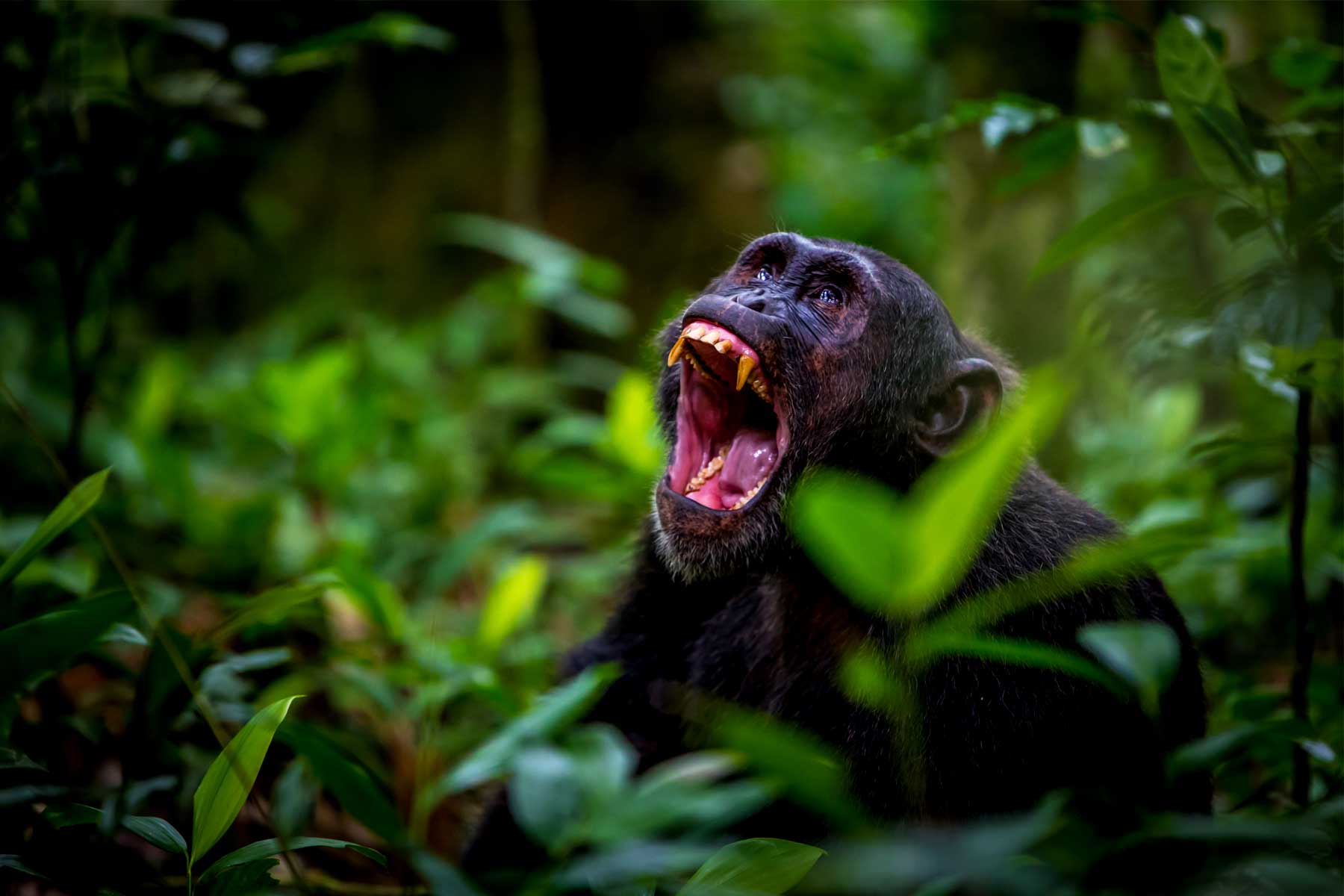
A professional tour company should develop a carefully selected accommodation network covering different destinations and price categories. This could include properties around Kigali, Volcanoes National Park, Akagera National Park, Nyungwe and Lake Kivu. Having several options in each important destination allows the company to serve luxury travellers, mid-range clients, families, honeymooners and budget travellers without rebuilding the itinerary from scratch every time a customer makes an enquiry.
Negotiating Accommodation Rates
Negotiating rates is particularly important when you Start a Tour Company in Rwanda because accommodation can represent a significant proportion of the final safari price. Tour operators should establish whether properties offer trade rates, contracted rates, seasonal rates, group rates or other arrangements applicable to tourism businesses.
The objective should not simply be to obtain the lowest possible price. A reliable operator needs to balance price with location, service, room quality, food, guest reviews, cancellation conditions and the expectations of the target customer. A cheap lodge that produces repeated complaints can ultimately cost a tour company more through refunds, reputational damage and lost referrals.
Room Availability
Availability management is critical because a beautiful itinerary is worthless if the required rooms cannot be secured. When a customer requests a specific travel date, the operator should check availability before presenting accommodation as confirmed.
Developing relationships with several properties gives a new tour company greater flexibility. If one lodge is full, the operator can immediately check an alternative with a similar standard and location rather than cancelling or substantially changing the itinerary.
Peak-Season Bookings
Peak travel periods can create significant pressure on accommodation availability. Gorilla trekking destinations in particular require careful coordination because accommodation needs to correspond with trekking dates and locations.
A company planning to Start a Tour Company in Rwanda should therefore understand seasonal demand and communicate with accommodation partners early. Strong supplier relationships can make it easier to plan ahead, although no operator should promise availability until the accommodation has actually been confirmed.
Cancellation Policies
Cancellation terms should be understood before the company sells a package to a customer. Different accommodation providers may have different deadlines, deposit requirements and cancellation conditions.
The tour company should know exactly what happens if a client changes travel dates, cancels the safari or fails to arrive. These supplier conditions should then be reflected accurately in the company’s own terms and conditions.
Group Bookings
Groups require different accommodation planning from individual travellers. A tour company may need several double rooms, twin rooms, single rooms or family rooms at the same property.
When negotiating group bookings, the operator should clarify room allocations, meal arrangements, group rates, payment deadlines and cancellation conditions. Early communication is especially important when travelling during periods of high demand.
Family Rooms
Family travel creates specific accommodation requirements. Parents may request connecting rooms, family rooms, triple rooms or arrangements that allow children to stay close to them.
A tour company specialising in family travel should therefore build relationships with properties that can accommodate these requirements. Knowing which lodges are genuinely suitable for families allows the sales team to give customers useful recommendations rather than relying only on photographs from a hotel’s website.
Luxury Properties
A luxury tour operator needs relationships with high-end lodges and hotels capable of delivering premium service. Luxury customers generally expect more than an attractive room; they may expect excellent dining, privacy, personalised service, high-quality facilities and exceptional locations.
When you Start a Tour Company in Rwanda with a luxury positioning, your accommodation suppliers become part of your brand. One poor-quality luxury experience can affect how the client evaluates the entire safari.
Budget Accommodation
Budget travellers require a different approach. The goal is to identify properties that offer reasonable cleanliness, safety, location and service without unnecessary luxury costs.
A strong budget accommodation network allows the company to keep safari packages affordable while still providing dependable experiences. Budget should mean appropriate value rather than unsafe or unsuitable accommodation.
Why Supplier Relationships Affect Your Tour Company’s Competitiveness
Strong hotel relationships can improve the company’s ability to create competitive packages because the operator understands the actual cost and availability of accommodation before building an itinerary. Better supplier communication can also make it easier to respond quickly when customers request changes.
The strongest relationships are built through professional communication, accurate bookings, timely payments, realistic promises and respect for supplier terms. A tour company should aim to become a reliable partner for hotels rather than simply approaching properties whenever it needs a room.
Build Relationships With Parks and Tourism Suppliers
When you Start a Tour Company in Rwanda, your business becomes part of a much larger tourism network. A safari cannot be delivered by the tour company alone. It depends on relationships with tourism authorities, national parks, accommodation providers, guides, transport companies, restaurants, cultural organisations, community tourism enterprises and activity providers.
The Rwanda Development Board is particularly important because it plays a central role in tourism regulation and destination development. Entrepreneurs should understand the applicable tourism regulations, licensing requirements and procedures rather than relying on outdated information from other operators.
Rwanda Development Board
RDB should be one of the most important institutional references for an entrepreneur planning to Start a Tour Company in Rwanda. Its tourism regulation platform provides information relating to tourism operating licences and regulated tourism entities. The current framework identifies tour operators among the tourism businesses requiring a tourism operating licence.
A professional operator should regularly verify current requirements directly through the appropriate official channels because regulations, fees and procedures can change.
National Parks
National parks are at the heart of many Rwanda tourism products. A tour company selling gorilla trekking, wildlife safaris, chimpanzee experiences or other park activities needs to understand the applicable booking procedures, visitor rules, activity conditions and conservation requirements.
Your business should never promise a customer an activity without first understanding the relevant availability and requirements.
Hotels and Lodges
Accommodation partners provide the overnight component of many safari packages. The company should maintain accurate supplier contacts and understand the properties it recommends.
Where possible, staff should know the differences between properties so that they can recommend accommodation based on actual customer requirements rather than simply price.
Transport Providers
Reliable transportation is essential for Rwanda tourism. A tour company may own its vehicles, lease them, or work with compliant transport partners depending on its business model.
Where transportation is outsourced, the operator should carefully assess vehicle condition, driver competence, insurance, reliability and communication before putting clients in the vehicle.
Guides
Guides are among the most visible representatives of a tour company. A business should work with professional guides who understand the destinations, communicate effectively and treat customers respectfully.
RDB’s tour-operator requirements address staff qualifications and first-aid certification for drivers and guides, making professional staffing an important part of a compliant tourism operation.
Restaurants and Food Suppliers
Restaurants can become valuable partners for longer tours, private groups and customised itineraries. A tour company can identify restaurants suitable for different budgets, dietary requirements, group sizes and locations.
This is particularly useful when building city tours, cultural experiences and long-distance safari itineraries where travellers may need planned meals between destinations.
Cultural Organisations
Cultural tourism can add depth to a Rwanda itinerary. A company can work with appropriate cultural organisations and experience providers to create responsible experiences that benefit local communities while giving visitors meaningful insight into Rwanda.
These experiences should be presented accurately and respectfully, with clear information about what the visitor will actually experience.
Community Tourism Enterprises
Community tourism can provide valuable opportunities for both travellers and local communities. RDB’s national guidelines for community-based tourism enterprises address relationships between tour operators and community-based tourism enterprises and include requirements relating to licensing, recognised association membership and formal partnership arrangements within the applicable framework.
For an entrepreneur planning to Start a Tour Company in Rwanda, the important lesson is that community tourism should be developed through appropriate partnerships rather than treating communities simply as attractions.
Activity Providers
Rwanda offers opportunities for different types of tourism activities, including hiking, cycling, kayaking, nature experiences and other specialist activities. A tour operator should establish reliable relationships with the providers responsible for these experiences.
Before selling an activity, understand its duration, price, availability, physical requirements, safety procedures, cancellation terms and what customers need to bring.
Build a Supplier Database
As your business develops, create a structured supplier database containing property names, contacts, rates, room types, activity information, payment terms, cancellation conditions and important operational notes.
This turns supplier relationships into a usable business system. When a customer asks for a customised itinerary, your reservations team can quickly identify appropriate suppliers instead of starting research from zero.
Design Your Rwanda Tour Packages
Once the company has established its legal foundation and built a network of reliable suppliers, the next step to Start a Tour Company in Rwanda is creating tourism products that customers can actually purchase. A tour package should be more than a list of destinations. It should represent a carefully calculated combination of transportation, accommodation, activities, meals, guiding and other services delivered within a specific period.
A new operator should create a manageable selection of core packages before expanding. Starting with a few well-designed products makes it easier to market the company, calculate costs, train staff and maintain consistent service. Once these packages begin generating bookings, they can become templates for creating customised itineraries.
2-Day Kigali City Tour
A 2-Day Kigali City Tour is a useful introductory product for travellers with limited time. The package can combine Kigali’s major attractions with cultural, historical, culinary or community experiences, depending on the traveller’s interests.
This product is also useful as an add-on to gorilla safaris. A visitor arriving in Rwanda for a longer wildlife experience may have one or two days available before or after the main safari, making Kigali a natural extension.
When pricing the package, calculate the cost of accommodation, transportation, guide services, meals, entrance fees and other activities before adding the company’s operational margin.
3-Day Rwanda Gorilla Trekking Safari
A 3-Day Rwanda Gorilla Trekking Safari can be designed for travellers who have limited time but want to experience mountain gorillas in Volcanoes National Park. The itinerary would generally include transportation to the gorilla trekking region, accommodation, the required gorilla trekking arrangements and the return journey.
Because gorilla trekking is a tightly scheduled experience, the operator must coordinate accommodation, transportation and trekking arrangements carefully. The package should clearly explain what is included and what the traveller needs to arrange separately.
This can become one of the company’s core products if the business chooses to specialise in gorilla trekking.
4-Day Akagera Wildlife Safari
A 4-Day Akagera Wildlife Safari can target travellers looking for a traditional African wildlife experience. The package can combine game drives with other appropriate park activities and accommodation near or within the park.
The itinerary should be designed around realistic driving times, park activity schedules and accommodation location. A good wildlife package should not promise specific animal sightings because wildlife is unpredictable, but it should explain the species and experiences visitors may encounter.
5-Day Rwanda Gorilla and Wildlife Safari
A 5-Day Rwanda Gorilla and Wildlife Safari combines two of Rwanda’s major tourism products. The itinerary can connect Volcanoes National Park with Akagera National Park, allowing travellers to experience mountain landscapes and primate tourism alongside savannah wildlife.
This type of package can be particularly attractive to first-time visitors because it provides more variety than a gorilla-only itinerary.
7-Day Rwanda Wildlife and Gorilla Safari
A 7-Day Rwanda Wildlife and Gorilla Safari provides more time for travellers to explore Rwanda at a slower pace. Depending on the design, the package can include Kigali, Akagera, Volcanoes and additional cultural or scenic experiences.
Longer packages can also provide better opportunities for accommodation upgrades and personalised experiences. A company can offer standard, mid-range and luxury versions of the same basic itinerary.
10-Day Rwanda Complete Safari
A 10-Day Rwanda Complete Safari can be positioned as a comprehensive itinerary incorporating several of Rwanda’s major tourism regions. Depending on current activity availability and traveller interests, the package can combine wildlife, gorilla trekking, rainforest experiences, cultural tourism and scenic destinations.
This product can be particularly useful for international visitors who want to explore Rwanda in greater depth rather than simply visiting for one activity.
How to Calculate the Price of a Rwanda Tour Package
One of the biggest mistakes a new entrepreneur can make when they Start a Tour Company in Rwanda is copying a competitor’s price without understanding the underlying costs. Your company should calculate every component of the trip before determining the selling price.
A simple starting formula is:
Transport + accommodation + activities + permits + meals + guide + park fees + operational costs + company margin = selling price
However, the actual calculation should be more detailed than this simple formula. Transport costs may include fuel, driver-guide costs, vehicle depreciation, maintenance and insurance. Accommodation costs may change according to room type and season. Activities may have different prices, while permits and park-related charges should always be based on current official rates.
The company should also account for less visible costs such as office expenses, staff salaries, marketing, website maintenance, accounting, communication, payment-processing charges and unexpected operational expenses. These costs may not appear on the customer’s itinerary, but they still have to be paid by the business.
Do Not Price Only by Looking at Competitors
Competitor pricing is useful for understanding the market, but it should not determine your entire pricing strategy. Two companies can advertise apparently similar Rwanda safari packages while having completely different operating costs, accommodation standards, vehicle quality, staff structures and profit margins.
A new tour company should calculate its own costs first and then compare its resulting price with the market. If the price is significantly higher, investigate why. If it is significantly lower, check whether an important cost has been overlooked.
Create Different Package Categories
One effective strategy is to create budget, mid-range and luxury versions of important itineraries. This allows the company to target different customers without creating an entirely different business for every traveller.
The underlying route may remain similar, while accommodation, transportation, meal arrangements and additional services change according to the package category.
Leave Room for Customisation
Your published packages should act as starting points rather than rigid products. A customer may want to add an extra night, upgrade accommodation, include Lake Kivu, extend the trip to Uganda or add additional cultural experiences.
A flexible package structure makes it easier to convert enquiries into customised bookings while maintaining control over the company’s costs.
The ultimate objective when you Start a Tour Company in Rwanda is to create packages that are accurately costed, commercially sustainable and genuinely valuable to travellers. Strong supplier relationships, reliable operations and careful pricing allow the company to compete on quality and service rather than simply trying to become the cheapest operator in the market.
Common Mistakes When Starting a Tour Company in Rwanda
Starting a tourism business can be rewarding, but many new entrepreneurs make avoidable mistakes during the early stages. Understanding these mistakes before you Start a Tour Company in Rwanda can save considerable time, money and reputational damage. A tour operator is responsible for much more than selling an itinerary. The company must understand tourism regulations, manage suppliers, protect customers, maintain reliable transportation, communicate professionally and ensure that the prices it charges are financially sustainable.
Starting Without Proper Tourism Licensing
One of the most serious mistakes is assuming that registering a company automatically gives you permission to operate as a tour operator. Company registration and tourism licensing are separate stages of establishing the business. RDB’s tourism framework identifies tour operators as tourism entities requiring a tourism operating licence.
An entrepreneur should therefore establish the legal business first and then complete the applicable tourism licensing process before presenting the company as an authorised tour operator. Operating informally may expose the business to regulatory problems and can also undermine customer confidence.
Underpricing Your Tours
Another common mistake when you Start a Tour Company in Rwanda is trying to become the cheapest operator in the market without calculating the actual cost of delivering each safari. Transport, accommodation, guides, permits, park activities, meals, insurance, staff, marketing, office expenses, payment charges and vehicle maintenance can all affect profitability.
A package that generates a large booking value may still produce very little profit if the company has failed to account for its operating expenses. Calculate the complete cost first, determine a sustainable margin and then compare the resulting price with competitors.
Depending Entirely on One Supplier
Depending on one hotel, one transport provider, one guide or one activity supplier creates unnecessary business risk. If that supplier becomes unavailable, increases its price or experiences an operational problem, the tour company may struggle to deliver its itinerary.
Developing alternative suppliers gives the company flexibility. This is particularly important during high-demand periods when accommodation and tourism services can become difficult to secure.
Ignoring Insurance
Insurance should never be treated as an afterthought. A professional tourism business needs to understand the insurance requirements applying to its vehicles and operations and should also advise travellers appropriately about personal travel insurance.
RDB’s tour-operator requirements include vehicle insurance documentation, making insurance part of the wider operational and compliance framework.
Using Unreliable Vehicles
A vehicle breakdown can disrupt an entire itinerary. The customer may miss an activity, arrive late at a lodge or spend hours waiting for repairs. For this reason, vehicle quality and preventative maintenance should be treated as part of the customer experience.
A serious tour company should use suitable vehicles, maintain them regularly and keep the necessary documentation current. RDB’s tour-operator requirements include four-wheel-drive vehicle requirements and relevant vehicle documentation.
Building a Poor Website
A weak website can make an otherwise legitimate company appear unreliable. International travellers often research a tour operator extensively before sending money, so your website should clearly explain who you are, what you sell, where you operate, how customers can contact you and how bookings work.
The website should contain original, useful information rather than simply attractive photographs. Destination guides, transparent package descriptions, accommodation information, FAQs, terms and conditions and clear contact details all contribute to customer confidence.
Slow Communication
Tourism customers frequently contact several operators before choosing one. A company that takes several days to answer a straightforward enquiry may lose the booking to an operator that responds quickly and professionally.
When you Start a Tour Company in Rwanda, establish a communication system from the beginning. Enquiries should be assigned to responsible staff, followed up properly and answered with accurate information rather than rushed promises.
Having No Clear Cancellation Policy
Customers need to understand what happens if they cancel, change dates or fail to travel. Your company also needs to understand what its suppliers will charge in those situations.
A clearly written cancellation policy protects both the traveller and the company by establishing expectations before payment is made. It should correspond with your actual supplier arrangements and applicable legal requirements.
Having No Emergency Plan
A tour company should know what to do when something goes wrong. Medical emergencies, vehicle incidents and other unexpected situations require clear procedures.
RDB’s tour-operator checklist specifically includes an emergency evacuation arrangement involving, among other services, helicopter rescue and evacuation.
Emergency planning should therefore be treated as a genuine operational responsibility rather than documentation prepared only for licensing.
Overpromising Wildlife Sightings
Wildlife is unpredictable. A tour operator can describe the animals that may be encountered, explain where particular species are commonly found and provide an excellent guide, but it should not guarantee that a particular wild animal will appear at a specific location.
Honest marketing creates realistic expectations and protects the company’s reputation. A client who understands that wildlife sightings are naturally unpredictable is more likely to appreciate the experience for what it genuinely offers.
Using Copied Website Content
Copying another tour company’s website content is another serious mistake. Apart from creating copyright and originality concerns, copied content provides little reason for search engines or customers to consider your website authoritative.
Create original destination guides, itineraries, FAQs and explanations based on your company’s actual knowledge and services. Your content should demonstrate why your business understands Rwanda tourism better than a generic travel website.
Ignoring SEO
A beautiful website is not enough if potential customers cannot find it. Search-engine optimisation should therefore be incorporated into the business strategy from the beginning.
Create dedicated pages targeting searches around Rwanda gorilla trekking, Rwanda safari tours, Akagera safaris, Nyungwe tours, Kigali tours, Lake Kivu holidays, Rwanda safari costs and related questions. Build useful content around genuine customer search intent rather than repeatedly inserting keywords into every paragraph.
Failing to Maintain Financial Records
Poor financial management can quietly destroy a tourism business. The owner needs to know how much money comes in, how much each safari costs, how much is owed to suppliers and how much remains after all operating expenses.
Maintain organised records for bookings, invoices, supplier payments, staff expenses, vehicle costs, taxes and other business transactions. Good financial records allow you to determine which products are genuinely profitable and which require changes.
The biggest lesson is that successfully learning how to Start a Tour Company in Rwanda involves building a complete business system. Licensing, vehicles, staff, suppliers, marketing, accounting and customer service must work together.
How Long Does It Take to Start a Tour Company in Rwanda?
The time required to Start a Tour Company in Rwanda depends on whether you are referring only to registering the company or to becoming fully prepared to operate as a tourism business. These are different processes and should not be confused.
Rwanda’s Office of the Registrar General states that compliant business-registration services can be delivered within six working hours, while the tourism regulation platform states that a complete tourism operating licence application is processed within 15 days, subject to the required documentation and inspection process.
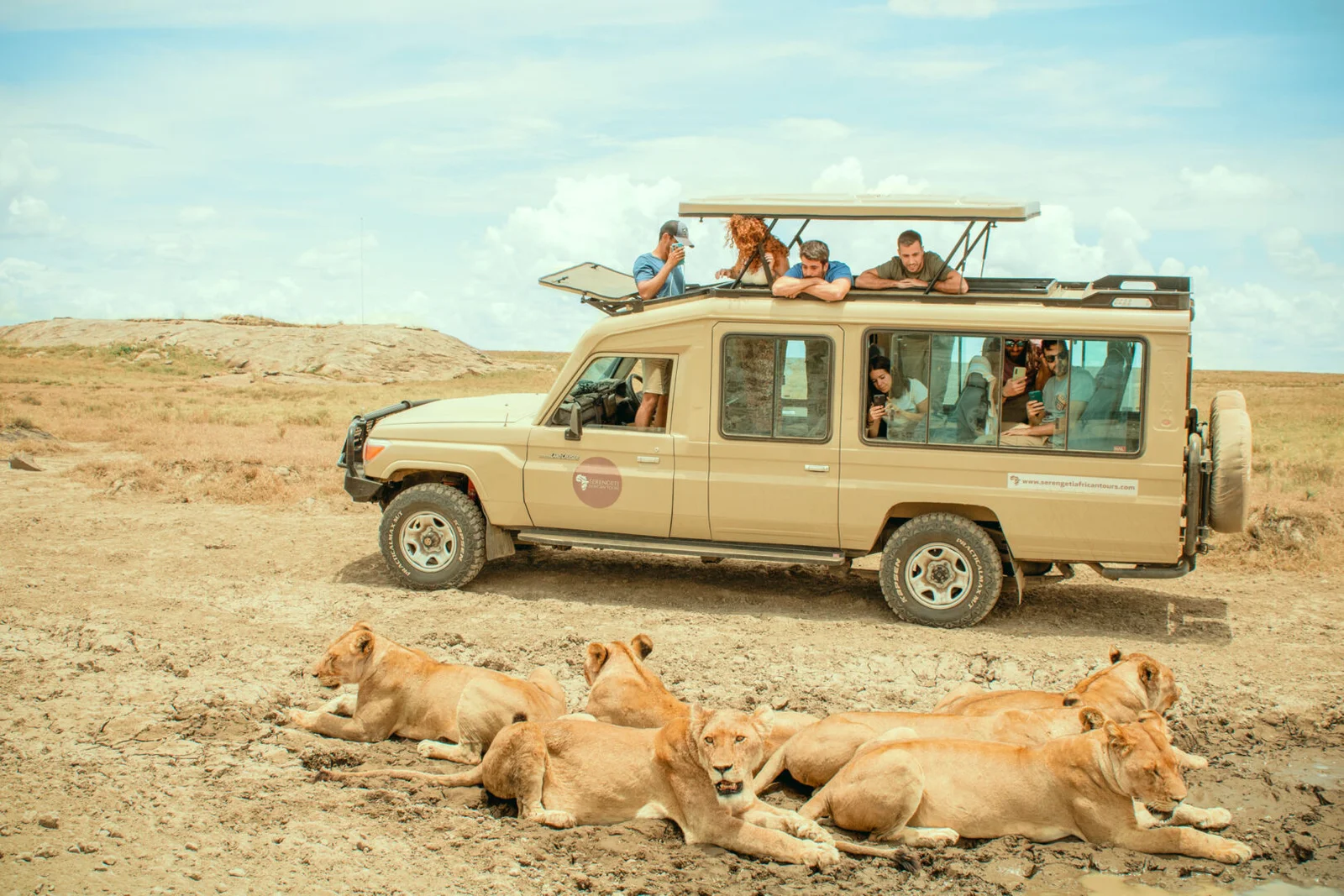
These figures are administrative processing timelines rather than a promise that an entrepreneur can build a fully operational tour company within the same period. Before applying for the tourism licence, you may still need to establish your office, organise staff, prepare vehicles, obtain required documentation, arrange insurance and emergency systems, build supplier relationships and prepare your website.
The tourism licence process itself can also require inspection. If documentation is incomplete or an inspection identifies issues that need correction, additional time may be required. RDB’s published process explains that complete applications proceed through review and inspection before licensing.
A practical entrepreneur should therefore think about the process in stages: business registration, operational preparation, tourism licensing, inspection, final preparation and commercial launch. This gives you a much more realistic understanding of how long it can take to establish a professional operation.
Can a Foreigner Start a Tour Company in Rwanda?
Yes. Rwanda’s current business-registration framework accommodates foreign participation. The Office of the Registrar General states that shareholders can be Rwandan nationals, foreigners or legal entities and that 100% non-local shareholding is allowed.
Foreign entrepreneurs can therefore establish a Rwanda-based tourism business, subject to the applicable registration, tourism, immigration, tax and other requirements. The documentation required will depend partly on the structure being established. For example, a foreign individual establishing a private company has different documentation considerations from an overseas company establishing a branch or subsidiary.
However, it is extremely important not to confuse business ownership with the right to live or work in Rwanda. Registering a company does not automatically give a foreign shareholder every immigration or work authorisation that may be required. ORG’s current guidance directs applicants to the relevant immigration authorities for applicable work-permit matters.
There are therefore three separate concepts to understand when a foreign entrepreneur wants to Start a Tour Company in Rwanda. Business registration establishes the legal business entity. Tourism operating licensing addresses the company’s ability to operate as a regulated tourism business. Immigration and work authorisation concerns the foreign person’s legal ability to reside and work in Rwanda where applicable.
Keeping these three areas separate makes the process much easier to understand and prevents an entrepreneur from assuming that one approval automatically provides all the others.
Foreign investors should also consider local operational requirements, including office arrangements, qualified staff, vehicle requirements, insurance, supplier relationships and tourism-association requirements. The objective is to establish a genuinely functioning Rwanda tourism company rather than simply registering an entity on paper.
Complete Step-by-Step Process to Start a Tour Company in Rwanda
The following process provides a practical roadmap for anyone researching how to Start a Tour Company in Rwanda. The exact requirements can vary depending on the company’s structure and tourism activities, so current official requirements should always be checked before making regulatory or financial commitments.
Step 1: Research the Rwanda Tourism Market
Begin by studying Rwanda’s tourism industry before spending significant money. Research the major destinations, customer markets, existing tour operators, accommodation categories, tourism activities and competitors.
Identify where you believe there is a genuine commercial opportunity rather than simply choosing a business model because it appears popular.
Step 2: Choose Your Tourism Niche
Decide whether you want to specialise in gorilla trekking, wildlife safaris, luxury tourism, budget travel, family holidays, cultural experiences, adventure tourism or a broader destination-management model.
A clear niche makes it easier to develop products and communicate your value to customers.
Step 3: Choose Your Business Structure
Determine the appropriate legal structure for the business. Consider ownership, shareholders, management, future investment and the company’s long-term objectives.
Where necessary, obtain professional legal or accounting advice before incorporation.
Step 4: Register the Business
Register the company through Rwanda’s Office of the Registrar General. ORG provides an online business-registration process and states that compliant registration services can be delivered within six working hours.
Obtain the company’s registration certificate and maintain the relevant corporate records.
Step 5: Establish Tax Compliance
Understand the company’s tax obligations and establish proper financial-record systems from the beginning. Do not wait until the business becomes profitable before implementing accounting procedures.
Your financial system should track both revenue and the true cost of every safari.
Step 6: Set Up the Office and Communication Systems
Establish the company’s legitimate operating premises, telephone and email systems, internet connectivity, customer-service procedures and document-storage systems.
A professional operating base is particularly important because tour operators are subject to tourism licensing and inspection requirements.
Step 7: Arrange Qualified Staff
Recruit the people required to operate the business effectively. Depending on the size of the company, this may include management, driver-guides, specialist guides, reservations staff, sales staff, operations personnel and accounting support.
Maintain proper records of staff qualifications and experience.
Step 8: Arrange Suitable 4WD Vehicles
If your operation requires company vehicles, obtain suitable four-wheel-drive vehicles and ensure that the required documentation, insurance and roadworthiness requirements are met.
A safari vehicle is both a transport asset and an important part of the customer experience.
Step 9: Arrange Insurance and Emergency Systems
Put the appropriate insurance and emergency arrangements in place before beginning operations. Ensure that staff understand emergency procedures and that relevant contact information is accessible.
RDB’s current tour-operator requirements specifically address emergency evacuation arrangements and vehicle insurance.
Step 10: Join the Relevant Tourism Association
The published RDB tour-operator checklist includes a membership letter from a recognised tours and travel association.
The entrepreneur should identify the relevant recognised association and confirm its current membership requirements.
Step 11: Apply for the Tourism Operating Licence
Once the company has the required documentation and operational foundation, apply for the applicable tourism operating licence through the relevant RDB tourism-regulation process.
RDB’s current platform states that tour operators require a tourism operating licence and that the application involves documentation and inspection.
Step 12: Prepare Your Website and Tour Packages
Develop the company’s website and create your initial tour products. Publish accurate information about Rwanda’s destinations, safari costs, accommodation, activities and booking procedures.
Your website should be designed to generate enquiries while demonstrating genuine destination expertise.
Step 13: Build Supplier Relationships
Establish relationships with hotels, lodges, guides, transport providers, restaurants, activity providers and appropriate community tourism enterprises.
Negotiate rates where appropriate and maintain accurate supplier information.
Step 14: Launch Your Marketing
Once your operational and regulatory foundation is ready, begin marketing through search engines, social media, referrals, partnerships, email marketing and other appropriate channels.
SEO should be a long-term strategy rather than a one-time task. Build destination pages and useful guides that answer the questions prospective travellers are already searching for.
Step 15: Begin Accepting Bookings
Once the company is properly established, appropriately licensed and operationally ready, begin accepting bookings using clear terms, accurate quotations and reliable reservation procedures.
Every booking should be treated as an opportunity to build the company’s reputation. Deliver what was promised, communicate throughout the journey and request genuine customer feedback after the trip.
The Complete Formula for Starting a Tour Company in Rwanda
Ultimately, to Start a Tour Company in Rwanda successfully, think beyond registration.
Research → Choose a niche → Register the company → Establish tax compliance → Set up operations → Hire qualified staff → Arrange vehicles → Establish safety systems → Join the relevant association → Obtain tourism licensing → Build suppliers → Create packages → Build the website → Market the business → Deliver excellent tours.
The strongest Rwanda tour companies are not necessarily those with the largest number of packages. They are businesses that understand their customers, comply with applicable regulations, work with dependable suppliers, employ professional people, price their products correctly and consistently deliver what they promise.
For regulatory matters, requirements and fees should always be checked against the latest information from the Rwanda Development Board and the Office of the Registrar General before submitting an application or making a major investment, because administrative requirements can change over time.
Ready to Start a Tour Company in Rwanda?
To Start a Tour Company in Rwanda successfully, you need to think beyond registering a business name and creating a website. A sustainable tourism company requires a strong legal foundation, the appropriate tourism operating licence, qualified and professional staff, reliable safari transportation, suitable insurance and emergency arrangements, dependable relationships with hotels and other tourism suppliers, competitive and accurately calculated tour packages, effective marketing and good financial management. Most importantly, the company must consistently deliver the experience promised to travellers. Rwanda offers opportunities across gorilla trekking, wildlife safaris, cultural tourism, rainforest experiences, luxury holidays, family travel and adventure tourism, but success depends on turning these opportunities into professionally managed products.
If you are ready to Start a Tour Company in Rwanda, begin by researching your market and choosing the tourism niche that best matches your skills, resources and target customers. Build the legal and operational foundation before investing heavily in marketing, then develop a professional brand that communicates trust and destination expertise. Because tourism regulations, licensing procedures, fees and operational requirements can change, always verify the latest requirements directly with the Rwanda Development Board and the relevant government authorities before making financial commitments or submitting an application.
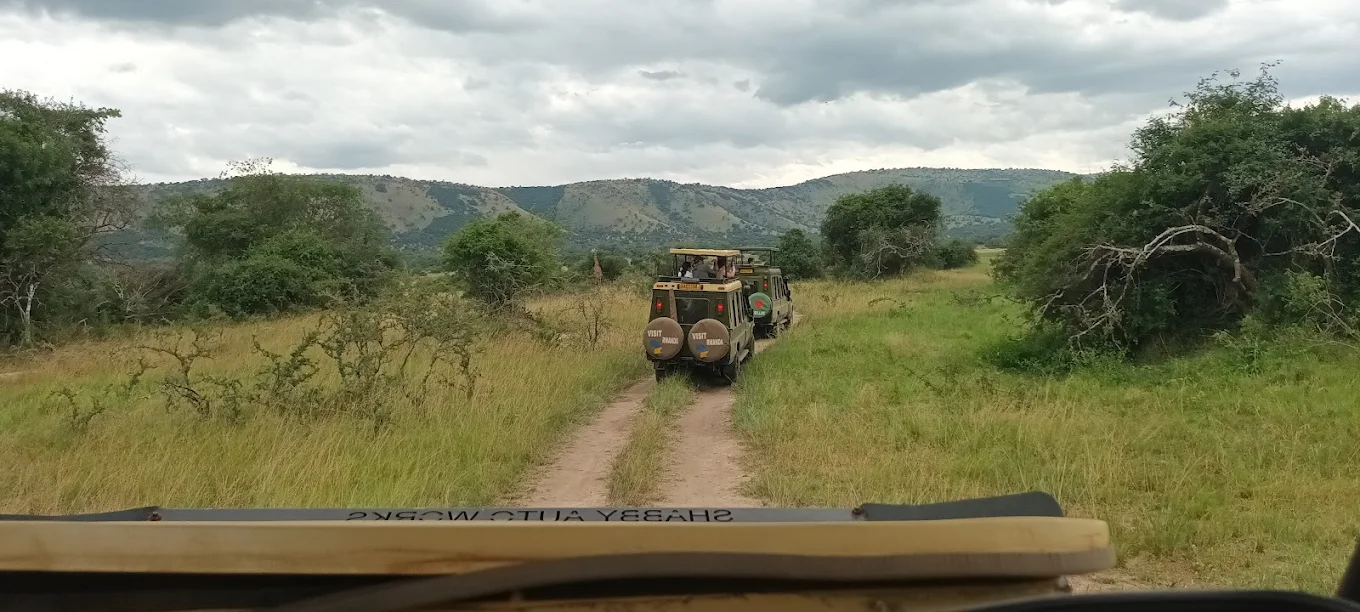
Frequently Asked Questions About Starting a Tour Company in Rwanda
1. How do I Start a Tour Company in Rwanda?
To Start a Tour Company in Rwanda, begin by researching the tourism market and choosing your business niche, then select an appropriate business structure and register the company through Rwanda’s business-registration system. After registration, establish the required operational systems, including your office, staff, vehicles, supplier relationships, safety arrangements and customer-service procedures, before applying for the applicable tourism operating licence. The process should be approached as both a business-registration exercise and a regulated tourism operation, because registering a company does not by itself authorise you to operate as a tour operator.
2. Is it profitable to Start a Tour Company in Rwanda?
It can be profitable to Start a Tour Company in Rwanda, but profitability depends on factors such as your target market, package pricing, operating costs, sales volume, supplier rates and ability to attract customers consistently. Rwanda offers several tourism products, including gorilla trekking, wildlife safaris, cultural tours, rainforest experiences, luxury holidays, family travel and adventure tourism. A successful company needs to calculate the complete cost of delivering every tour and maintain a sufficient margin rather than assuming that a high package price automatically represents high profit.
3. How much does it cost to Start a Tour Company in Rwanda?
The cost to Start a Tour Company in Rwanda varies considerably depending on the size and business model of the company. A small operator may begin with relatively modest office, staffing, website and marketing costs, while a larger safari company may need significant investment in four-wheel-drive vehicles, insurance, staff and operational infrastructure. The current RDB tourism regulation platform lists an RWF 80,000 application fee for the tourism operating licence, while business registration itself is currently stated by ORG to be free; however, entrepreneurs should separately budget for vehicles, office facilities, staff, insurance, marketing, supplier deposits and working capital.
4. Do I need a licence to operate a tour company in Rwanda?
Yes, a company intending to operate as a tour operator needs to comply with Rwanda’s tourism licensing framework. RDB’s tourism regulation platform identifies tour operators as tourism entities that require a tourism operating licence. This means that obtaining a company registration certificate should not be confused with obtaining permission to operate as a regulated tourism business. Entrepreneurs should complete the applicable licensing process before commencing regulated tour-operator activities.
5. What is a tourism operating licence in Rwanda?
A tourism operating licence is the regulatory authorisation applicable to recognised tourism entities such as tour operators under Rwanda’s tourism framework. The licensing process involves submitting an application and supporting documentation and may include inspection of the tourism entity’s premises and operations. RDB currently states that a complete tourism licence application is processed within 15 days, although missing documentation or issues identified during inspection can require further action.
6. Where do I register a tour company in Rwanda?
A tour company can be registered through Rwanda’s Office of the Registrar General, which provides an online business-registration service. ORG’s current information states that business registration is completed online and that compliant registration services can be delivered within six working hours. Entrepreneurs should first determine the appropriate business structure and prepare the required company information before beginning the registration application.
7. Can a foreigner Start a Tour Company in Rwanda?
Yes, foreign participation in Rwanda’s company-registration framework is permitted. ORG states that shareholders may include foreigners and that 100% non-local shareholding is allowed under the current framework. However, a foreign entrepreneur should distinguish company ownership from immigration and work authorisation and from tourism licensing. Registering a company does not automatically provide every immigration or work permission that may be required for a foreign individual to live and work in Rwanda.
8. What documents are required to Start a Tour Company in Rwanda?
The RDB tour-operator checklist includes a company registration certificate, organisational chart, membership documentation from a recognised tours and travel association, management qualifications or experience, staff qualifications or experience, first-aid certificates for drivers and guides, relevant driving licences, vehicle documentation and an emergency evacuation arrangement. The exact documentation should be checked against the latest official checklist before applying because requirements can be updated.
9. How long does it take to register a tour company in Rwanda?
The current Office of the Registrar General information states that compliant business-registration services can be delivered within six working hours. This refers to the registration service itself and should not be interpreted as the total amount of time required to establish a functioning tour company. An entrepreneur still needs to prepare the office, staff, vehicles, supplier relationships, website, safety systems and tourism licensing arrangements before the business is fully ready to operate.
10. How long does it take to obtain a tourism operating licence?
RDB’s current tourism regulation platform states that a complete tourism operating licence application is processed within 15 days. The application involves document review and inspection, and applicants may be required to correct problems or provide missing information. Consequently, the 15-day processing period should not be treated as the entire start-up period because the entrepreneur must first prepare the business and ensure it meets the applicable licensing requirements.
11. Do I need an office to Start a Tour Company in Rwanda?
A professional tour operator needs an identifiable operating base, and RDB’s tour-operator inspection requirements address registered office premises and an accurate physical address. The office should provide a practical environment for handling reservations, communicating with customers, storing records and coordinating operations. It does not need to be unnecessarily extravagant, but it should be legitimate, functional and consistent with the company’s registered information.
12. Do I need a safari vehicle to Start a Tour Company in Rwanda?
The current RDB tour-operator requirements address the availability of at least one four-wheel-drive vehicle together with relevant documentation and insurance. The precise arrangement can depend on how the company structures its operations, but a serious safari operator needs dependable transportation either through its own compliant vehicles or appropriate transport arrangements. Vehicle reliability is particularly important for companies selling national-park safaris and longer itineraries.
13. What type of vehicle does a Rwanda tour operator need?
A four-wheel-drive vehicle is particularly appropriate for a Rwanda safari business because tour operators may travel to national parks and other destinations where road conditions vary. A safari-focused company may choose a properly configured 4×4 with comfortable passenger seating, adequate luggage capacity and, for wildlife viewing, a suitable safari roof configuration. RDB’s published requirements specifically address four-wheel-drive vehicles and related documentation for tour operators.
14. Do tour guides need qualifications in Rwanda?
Tour-operator licensing requirements address the qualifications and experience of management and other staff, while first-aid certification is specifically required for drivers and guides under the published checklist. Guides are also central to customer satisfaction because they represent the company throughout the safari. Entrepreneurs should therefore recruit people with appropriate knowledge, experience, communication skills and professional conduct and maintain the required documentation for their personnel.
15. Do tour operators need insurance in Rwanda?
Insurance is an important part of establishing a compliant and responsible tourism operation. RDB’s tour-operator requirements include vehicle insurance documentation, meaning entrepreneurs operating their own safari vehicles need to ensure the relevant insurance remains valid. A company should also understand the wider insurance needs of its business and clearly explain to international customers why personal travel insurance is important for their own trip.
16. Do I need an emergency evacuation service?
RDB’s published tour-operator checklist includes a valid subscription to an emergency evacuation scheme involving, among other services, helicopter rescue and evacuation services. This makes emergency preparedness an important consideration when you Start a Tour Company in Rwanda. Entrepreneurs should verify the currently accepted arrangements and requirements directly with RDB rather than relying on older information or assuming that any particular provider automatically satisfies the current requirement.
17. Do I need a website to Start a Tour Company in Rwanda?
A professional website is extremely valuable when you Start a Tour Company in Rwanda because international customers often research an operator online before making contact or paying for a safari. Your website should explain your company, destinations, tour packages, accommodation, booking process, terms, cancellation conditions and contact information. It should also contain original destination information that demonstrates genuine knowledge of Rwanda rather than relying entirely on generic promotional content.
18. How do I get clients for a Rwanda tour company?
To attract clients, combine search-engine optimisation, social media, referrals, partnerships, travel agencies, email marketing, online travel platforms and strong customer reviews. SEO is particularly valuable because travellers often research specific questions such as Rwanda gorilla trekking costs, the best time to visit Rwanda and the best Rwanda safari packages before contacting an operator. Consistent content, fast communication and excellent customer service can then help convert those visitors into actual bookings.
19. How do I market a tour company in Rwanda?
Marketing should begin with a clearly defined target customer. A company targeting luxury travellers should market differently from a budget operator, family specialist or gorilla trekking specialist. Build a professional website, publish useful Rwanda tourism content, optimise important pages for search engines, maintain active social-media channels and develop a reputation through genuine customer reviews. The strongest marketing strategy is one that combines visibility with trust and gives potential travellers a clear reason to choose your company.
20. How do I create Rwanda safari packages?
To create Rwanda safari packages, begin with the customer and determine what experience you want the package to provide. Select the destinations, accommodation, transportation, activities, guides and other services required to deliver that experience, then calculate the complete operating cost. A package can then be structured around a specific duration and customer segment, such as a three-day gorilla safari, four-day Akagera safari or seven-day Rwanda wildlife and gorilla itinerary.
21. How should I price Rwanda safari tours?
Price Rwanda safari tours by calculating the complete cost of delivering the itinerary before adding the company’s desired margin. Consider transportation, accommodation, permits, activities, meals, guides, park fees, insurance, staff, vehicle maintenance, office costs, marketing, payment charges and other overheads. Competitor prices can help you understand the market, but copying another company’s price without understanding your own costs can result in an unprofitable business.
22. Can I specialise in gorilla trekking tours?
Yes, a company can build its business around gorilla trekking and develop specialist packages for travellers visiting Volcanoes National Park. A gorilla-focused company can offer short gorilla safaris, luxury gorilla holidays, family packages, honeymoon itineraries and longer Rwanda-Uganda combinations where appropriate. Specialisation can be a strong strategy for a new company because it allows the brand, website, staff knowledge and supplier network to concentrate on one high-value tourism product before expanding.
23. Can I Start a Tour Company in Rwanda for luxury travellers?
Yes, a tour company can specialise in luxury tourism by building its products around premium accommodation, private transportation, personalised service and carefully selected experiences. A luxury operator needs particularly strong relationships with high-quality hotels and lodges because the supplier experience becomes part of the company’s brand. Professional presentation, responsive communication, excellent guides and attention to detail are equally important when serving high-value customers.
24. Can I operate family tours in Rwanda?
Yes, family tourism can be developed as a specific niche when you Start a Tour Company in Rwanda. Family packages should consider accommodation arrangements, room configurations, transportation comfort, activity suitability, meal requirements and the ages of the children travelling. A family-focused operator can combine Kigali, wildlife experiences, scenic destinations and other appropriate activities while clearly communicating which experiences are suitable for different age groups.
25. Can I combine Rwanda tours with Uganda?
A Rwanda tour company can develop itineraries that combine Rwanda and Uganda, provided the company understands and complies with the applicable requirements in both countries. Cross-border packages can combine Rwanda’s gorilla trekking and other attractions with Uganda’s gorillas, chimpanzees, wildlife parks and other tourism experiences. However, entrepreneurs should not assume that a Rwanda tourism licence automatically authorises every tourism activity in Uganda; the relevant requirements in each country need to be considered separately.
26. Can I sell Kenya and Tanzania safaris from Rwanda?
A Rwanda-based tourism company can develop broader East African itineraries, but the operator should establish appropriate supplier and operational arrangements for every country in which it sells or operates tourism services. Kenya and Tanzania have their own tourism regulations, parks, suppliers and operational requirements. A professional company should therefore verify the relevant requirements and work with appropriate partners rather than assuming that operating in Rwanda automatically provides regulatory authority throughout East Africa.
27. What tourism association should a tour operator join?
The published RDB tour-operator checklist requires a membership letter from a recognised tours and travel association. The appropriate association and its current membership requirements should be confirmed directly before applying. Membership can also help a new operator build professional connections within the tourism industry and become more familiar with the local business environment.
28. What are the biggest mistakes new Rwanda tour companies make?
Common mistakes include operating without the required tourism licensing, underpricing packages, depending on one supplier, using unreliable vehicles, neglecting insurance and emergency planning, having a poor website, responding slowly to enquiries and failing to maintain accurate financial records. Another major mistake is making unrealistic promises about wildlife sightings or copying competitors’ website content. Avoiding these problems from the beginning can help a new company build a stronger reputation and more sustainable operations.
29. How can I make my Rwanda tour company successful?
Success comes from combining regulatory compliance with strong operations, competitive products and excellent customer service. When you Start a Tour Company in Rwanda, identify a clear market niche, build reliable relationships with suppliers, employ professional guides and staff, maintain suitable vehicles, price tours accurately and invest consistently in marketing. Over time, genuine reviews, referrals, repeat customers and a strong online reputation can become some of the most valuable assets of the company.
30. What is the first step to Start a Tour Company in Rwanda?
The first step is to research the market and define exactly what type of tourism company you want to build. Decide whether you want to specialise in gorilla trekking, wildlife safaris, luxury travel, family holidays, cultural tourism, adventure travel or a broader tour-operator model. Once the niche and target customer are clear, you can choose the appropriate business structure, register the company, prepare the operational requirements and proceed toward the applicable tourism operating licence. This approach gives you a much stronger foundation than registering a company before knowing what tourism product you intend to sell.