
Tanzania Serengeti and Uganda Gorilla Safari: 7 Best Planning Tips
A Tanzania Serengeti and Uganda Gorilla Safari combines the sweeping plains of northern Tanzania with the mountain forests of southwestern Uganda. Your journey brings together game drives through open wildlife country and a guided forest trek to observe mountain gorillas. These experiences complement each other beautifully: the Serengeti offers expansive landscapes and opportunities to watch animals from your safari vehicle, while Uganda introduces a more active encounter surrounded by dense vegetation and forest sounds.
Planning a Tanzania Serengeti and Uganda Gorilla Safari requires careful coordination of accommodation, permits and transport between the two countries. Nextgen Safaris helps you organise these arrangements around your preferred dates, comfort level and wildlife interests. Whether you are travelling as a couple, a family with eligible teenagers or a small group of friends, the aim is a comfortable journey with sufficient time to enjoy both destinations.
1. Decide What You Want from Your Combined Safari
The most rewarding Tanzania Serengeti and Uganda Gorilla Safari begins with clear priorities. You may want several days observing predators, a particular emphasis on photography or a relaxed holiday with comfortable accommodation and fewer early departures. Identifying these preferences helps determine how many nights to spend in each destination and whether additional activities would improve your experience. Rather than trying to include every possible attraction, concentrate on the encounters that matter most to you.
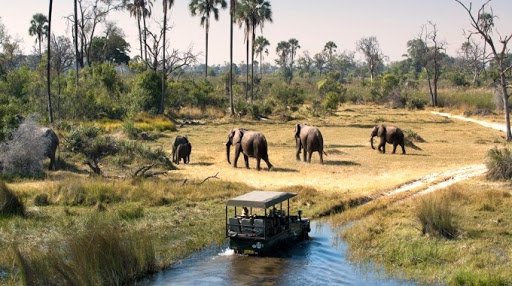
For many travellers, ten to twelve days provides a useful starting point, although the ideal duration depends on flight connections and transfer arrangements. Allow several nights in the Serengeti and enough time to reach your Uganda lodge before trekking. If gorillas are your main interest, consider an additional trekking day. If you prefer broader wildlife viewing, allocate more time to Tanzania or extend your journey with a Queen Elizabeth National Park safari.
2. Choose Your Serengeti Accommodation by Location
Your camp’s location influences how much time you spend observing wildlife and how much time you spend travelling between areas. When organising a Tanzania Serengeti and Uganda Gorilla Safari, discuss the wildlife experiences you hope to enjoy before selecting accommodation. A beautiful camp may not be the most practical choice if it requires lengthy transfers to your preferred viewing areas. Your itinerary should connect camp location, travel dates and game-drive plans rather than treating these as separate decisions.
If migration viewing is a priority, request a route designed around the expected seasonal distribution of the herds, while recognising that movements depend on natural conditions. No organiser can guarantee a river crossing or a particular animal encounter. Give equal attention to the quieter experiences: watching elephants feed, following the interactions within a lion pride or spending time photographing the changing landscape. Several nights in a suitable area allow your guide to adapt your game drives without constant packing and relocation.
3. Match Your Gorilla Permit to the Right Lodge
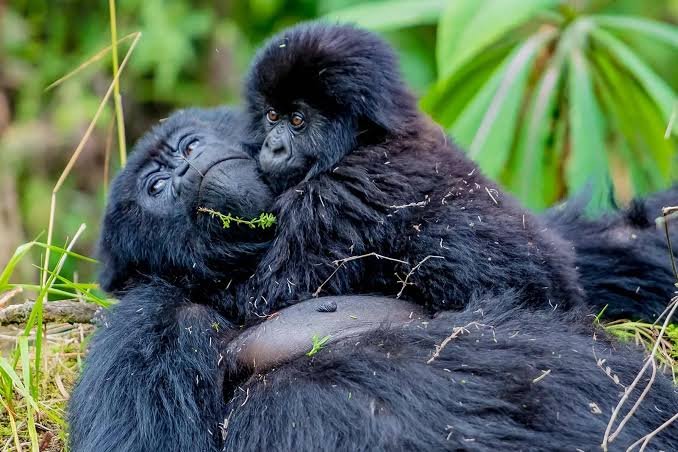
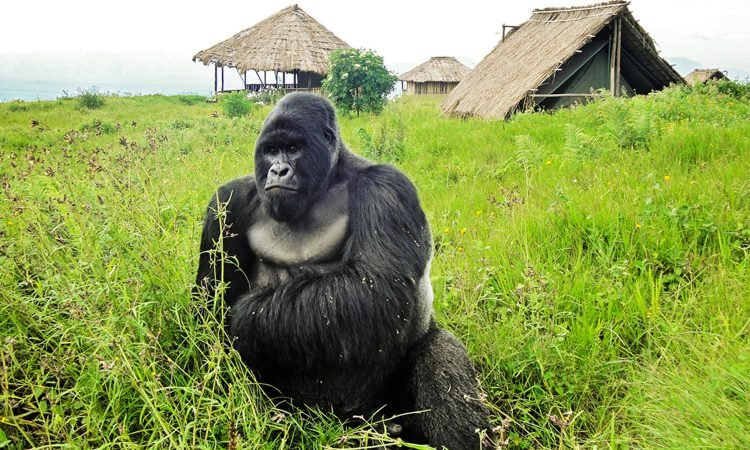
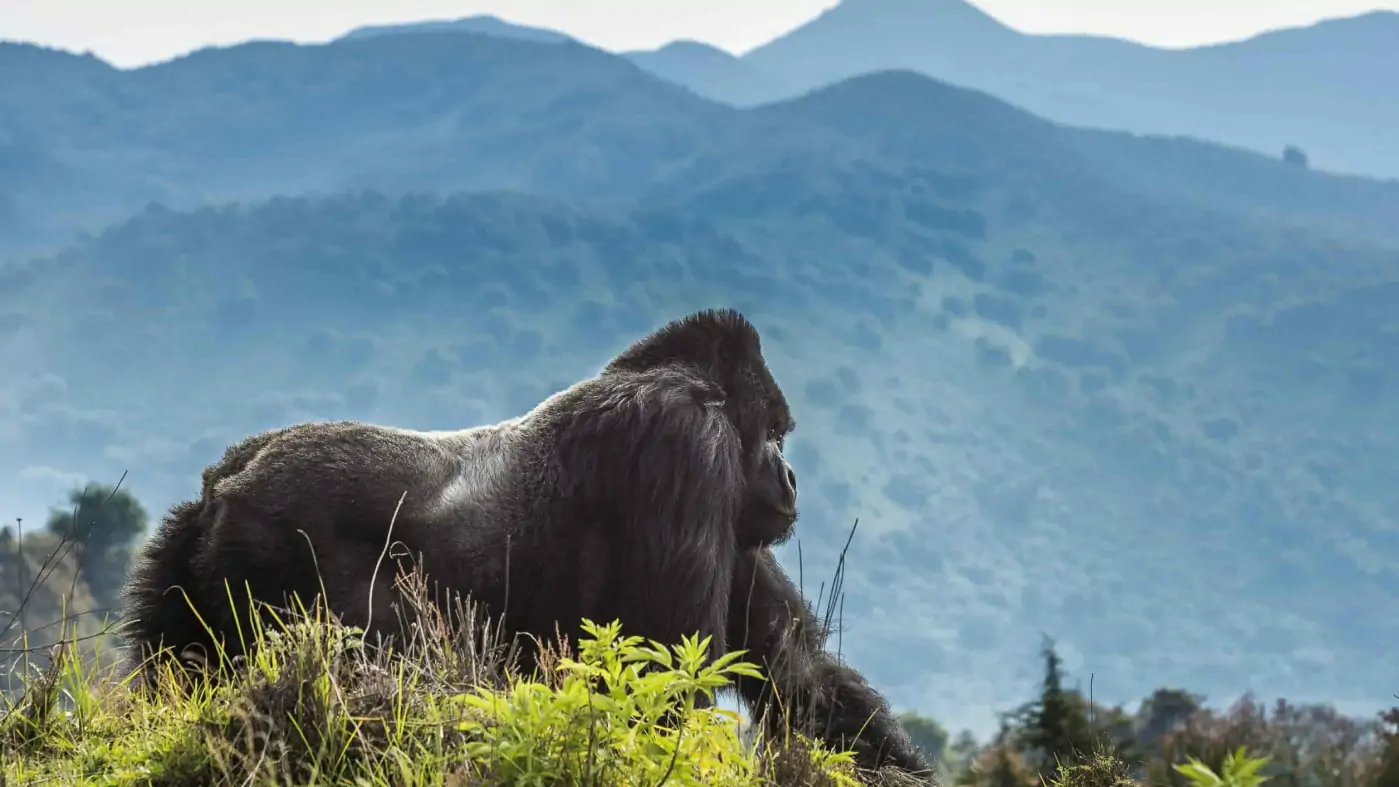
The Uganda section of a Tanzania Serengeti and Uganda Gorilla Safari commonly focuses on Bwindi Impenetrable National Park. Its four trekking sectors—Buhoma, Ruhija, Rushaga and Nkuringo—have different access routes and accommodation options. Your confirmed trekking sector should guide the choice of lodge and onward transport. Booking a property simply because it is described as being near Bwindi can result in an inconvenient journey to the briefing point.
When planning your gorilla trekking experience in Bwindi, provide accurate traveller details and request confirmation of the trekking date before finalising dependent arrangements. Explain your fitness, mobility concerns and preferred accommodation standard at the beginning. A request for a less demanding trek can be communicated, but neither a short walk nor a specific gorilla family should be guaranteed. Gorilla movements, terrain and park arrangements determine the experience on the day.
4. Coordinate Regional Flights and Local Transfers
Transport planning is central to a comfortable Tanzania Serengeti and Uganda Gorilla Safari. Your journey may involve a transfer from a Serengeti camp to an airstrip, a domestic flight, a regional connection and further travel within Uganda. The most practical sequence depends on actual schedules and available seats. Avoid building an itinerary around an assumed direct connection or expecting several separate flights to fit into one day without adequate time between them.
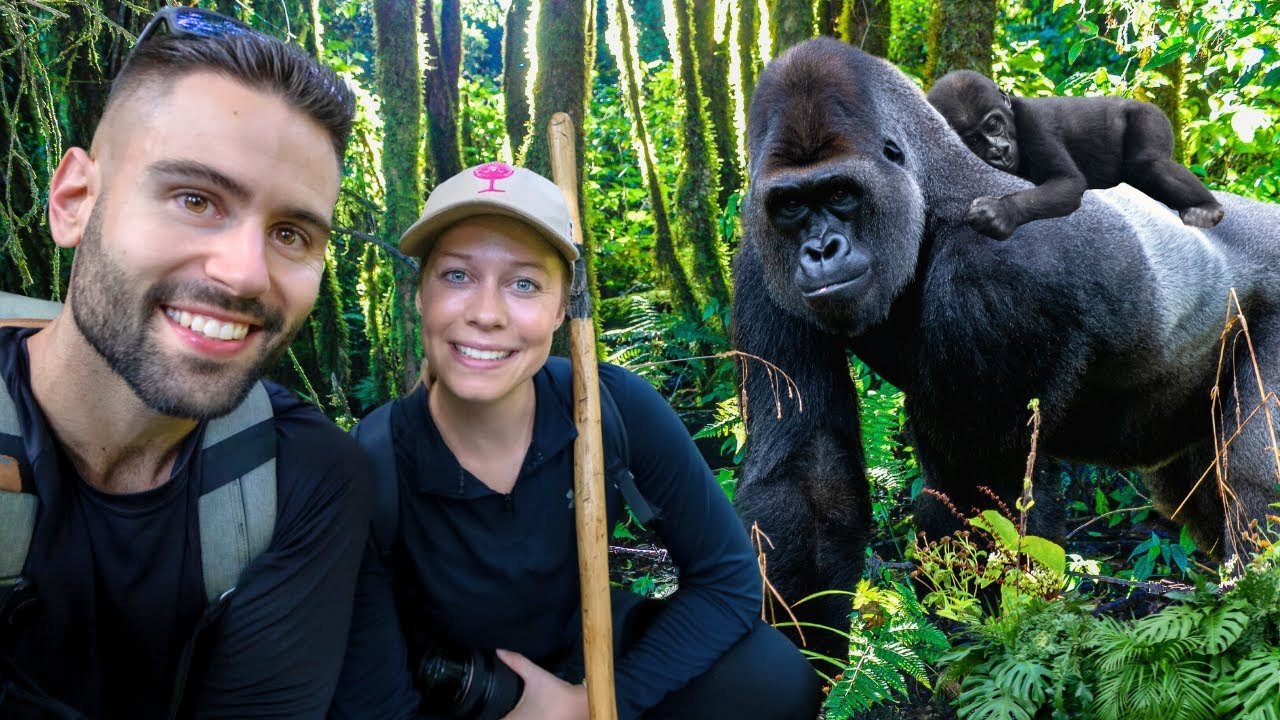
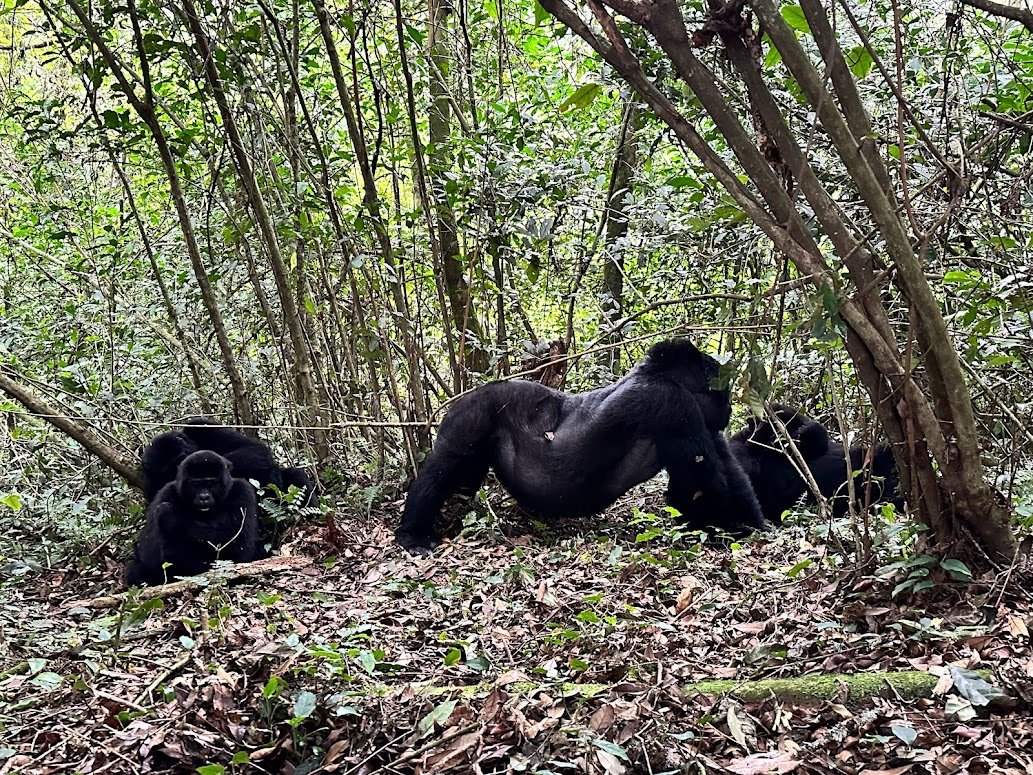
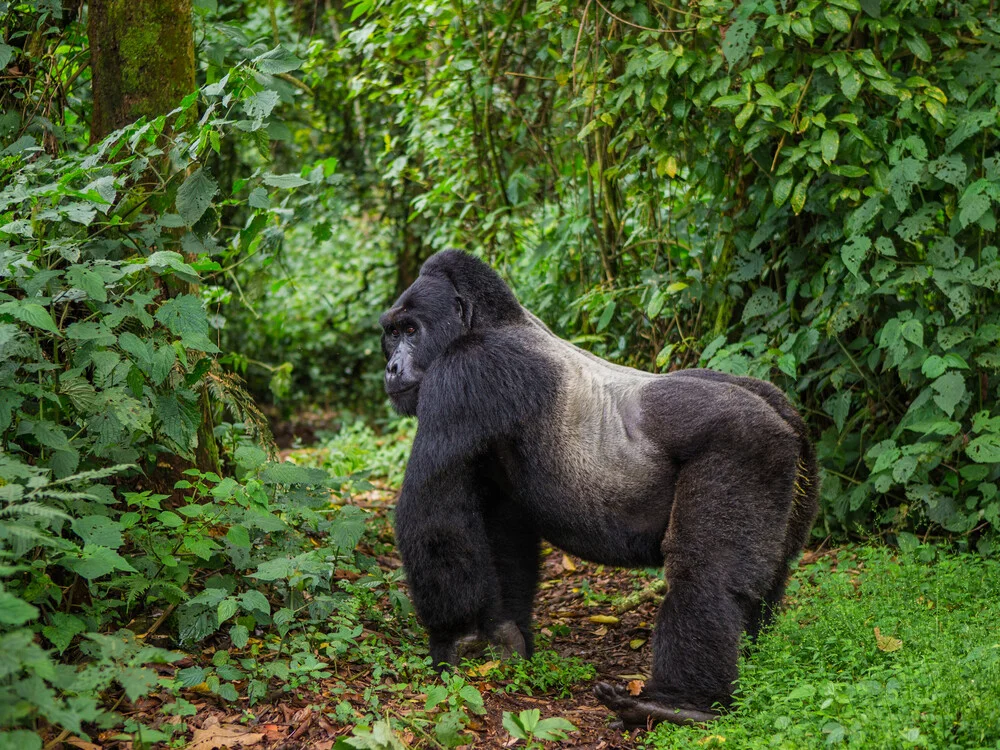
For the Uganda section, flying to Bwindi for gorilla trekking can reduce time spent on the road, although a transfer between the airstrip and lodge is still required. Confirm baggage limits, particularly when smaller aircraft are included, and choose luggage that meets the booked service’s requirements. An overnight stop near your connecting airport may improve comfort and help protect your gorilla trekking arrangements from delays earlier in the journey.
5. Follow a Balanced Twelve-Day Safari Itinerary
The following Tanzania Serengeti and Uganda Gorilla Safari outline gives both destinations meaningful time while allowing space for connections. It is a planning example, with the final sequence depending on flights, permits and accommodation availability.
Days One and Two: Arrive in Tanzania and Reach the Serengeti
On arrival, meet your safari representative and transfer to your accommodation near the agreed gateway airport. Use th2e first evening to rest and review your itinerary. The following day, continue to your Serengeti camp by the confirmed road or flight arrangement. If timing permits, enjoy introductory wildlife viewing before settling into camp.
Days Three to Five: Explore the Serengeti
Spend three days exploring with your guide, balancing game drives with meals and rest. This allows time to observe behaviour and revisit promising areas rather than treating each sighting as a brief stop. Discuss your interests each evening so the following day can reflect your preferences and local conditions.
Days Six and Seven: Connect to Uganda
Travel from the Serengeti towards the departure point required for your regional flight, with an overnight stop where necessary. Continue to Uganda on the confirmed service and transfer to accommodation. Keeping this stage flexible allows the itinerary to accommodate realistic connections rather than forcing a rushed journey.
Day Eight: Transfer to Your Gorilla Lodge
Continue to your selected Bwindi lodge by road or domestic flight with an onward transfer. After arrival, prepare your trekking clothing and daypack, confirm the next morning’s arrangements and enjoy an early dinner. Staying near the appropriate briefing point makes the following morning simpler.
Days Nine and Ten: Gorilla Trekking and Relaxation
Attend registration and briefing before entering the forest with your ranger-led group. After trekking, return to your lodge and leave the afternoon open for rest. The following day can remain relaxed or include a separately arranged activity. A second gorilla trek requires another confirmed permit.
Days Eleven and Twelve: Return and Depart
Travel towards Entebbe or your agreed departure airport, allowing an overnight stay where appropriate. Complete your journey with an airport transfer the following day, avoiding dependence on a tight connection between a remote lodge and an international flight.
6. Compare the Full Cost and Accommodation Standard
The cost of a Tanzania Serengeti and Uganda Gorilla Safari depends on your dates, group size, accommodation and transport choices. Request a quotation that identifies gorilla permits, park charges, meals, transfers and any flights included. Compare proposals using equivalent room categories and services. A lower headline price may exclude arrangements that another quotation includes, particularly regional transport or airport accommodation.
Travellers considering luxury gorilla trekking tours in Uganda should explain what luxury means to them: privacy, spacious rooms, attentive service or reduced road travel. In both countries, practical location remains important. Ask about early breakfasts, dietary requirements and access between rooms and shared facilities. Review payment and cancellation conditions before confirming, since permits, flights and accommodation may follow different rules.
7. Prepare for Savannah Drives and Forest Walking
Packing for a Tanzania Serengeti and Uganda Gorilla Safari means preparing for two distinct activities. Comfortable clothing and a warm layer suit game drives, while Uganda’s forest trek calls for sturdy walking boots, long trousers and waterproof protection. Keep your daypack manageable, prioritising water, personal medication and protection for your camera or phone. Excessive equipment can become uncomfortable when walking uphill or negotiating uneven ground.
Discuss porter assistance and relevant mobility requirements before arrival. Follow your ranger’s instructions throughout the gorilla encounter, keep your voice low and never attempt to touch wildlife. If your schedule allows, a stay beside Lake Bunyonyi can provide a restful extension after trekking. Additional destinations should improve the pace of your holiday rather than create another demanding transfer.
Frequently Asked Questions
Can we start in Uganda instead of Tanzania?
Yes. Your Tanzania Serengeti and Uganda Gorilla Safari can operate in either direction. Confirmed flight connections, gorilla permit availability and international arrival arrangements help determine the more practical sequence.
Is this journey suitable for honeymooners?
Yes. Private transport, comfortable camps and time to relax can create a memorable honeymoon. Share your preferences early so the itinerary includes privacy and downtime alongside wildlife activities.
Can children participate in gorilla trekking?
Uganda’s standard minimum gorilla trekking age is 15. Families should confirm accommodation policies and make suitable arrangements for any younger children who will not participate in the trek.
Should we include two gorilla treks?
A second trek offers another opportunity to observe different behaviour and forest conditions. It requires an additional permit and should be considered alongside your budget, fitness and available time.
Plan Your Journey with Nextgen Safaris
A Tanzania Serengeti and Uganda Gorilla Safari brings together remarkable wildlife encounters through a carefully coordinated route. Request your personalised safari proposal from Nextgen Safaris, sharing your dates, group size, accommodation preferences and priorities so your journey can be designed around you.