
Uganda Currency Guide
Ultimate Uganda Currency Guide: Everything Travellers Need to Know About Money, Payments and Safari Expenses 2026–2030
The Uganda Currency Guide is an essential resource for travellers planning a safari adventure in the Pearl of Africa. Understanding the local currency, payment options, exchange rates, and money management practices helps visitors travel comfortably and confidently while exploring Uganda’s incredible destinations. Whether you are coming for mountain gorilla trekking, chimpanzee tracking, wildlife safaris, honeymoon experiences, or cultural adventures, knowing how money works in Uganda makes your journey smoother.
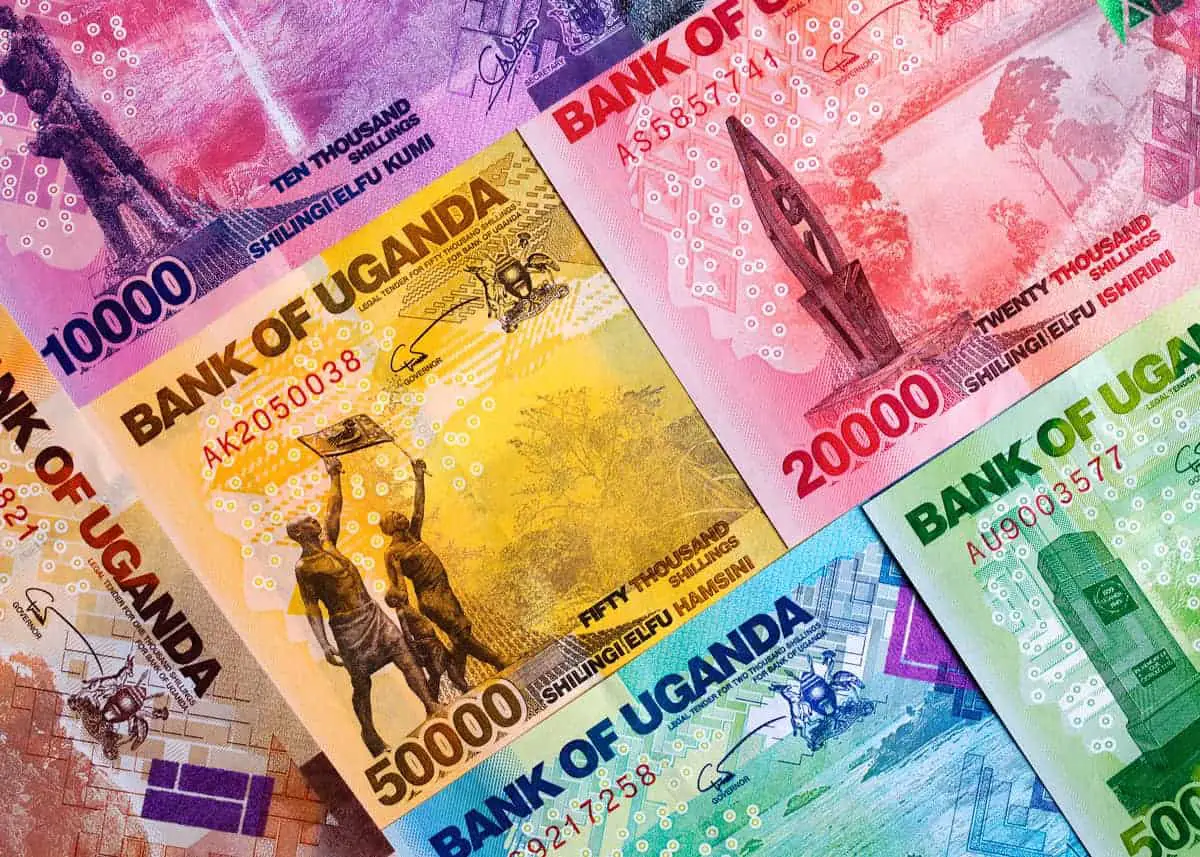
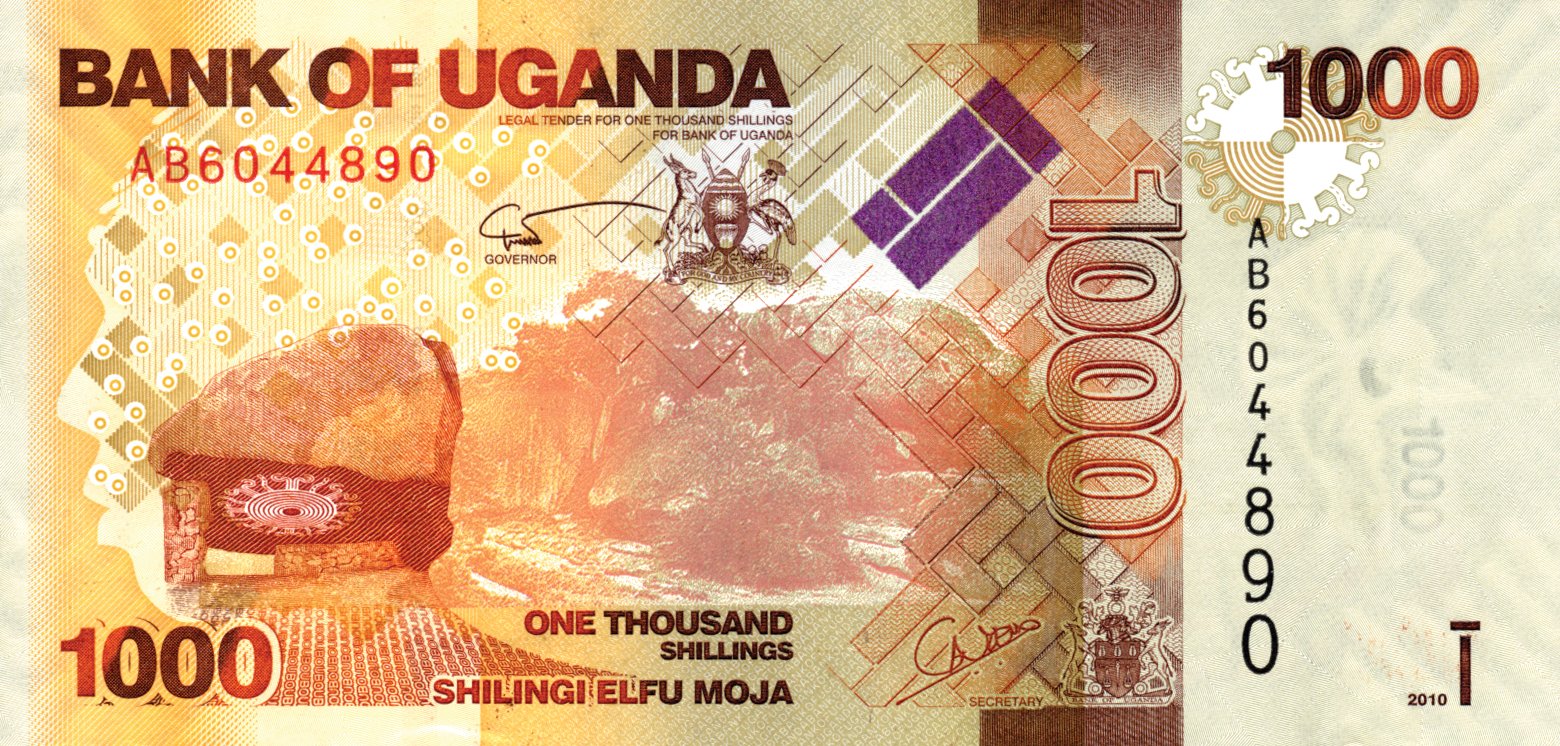
Uganda has a unique travel environment where international currencies such as the United States Dollar (USD), Euro (EUR), and British Pound (GBP) are widely recognised in the tourism industry, while the official local currency is the Ugandan Shilling (UGX). Most safari operators, lodges, hotels, and tourism providers accept major foreign currencies, especially USD, but understanding when and where to use local currency can help travellers manage daily expenses more effectively.
A detailed Uganda Currency Guide helps visitors understand everything from exchanging money at airports and banks to using credit cards, carrying cash during safari journeys, tipping guides, and budgeting for activities. Uganda’s tourism destinations often involve travelling to remote areas where access to banking services may be limited, making proper financial preparation an important part of safari planning.
At Nextgen Safaris, we assist travellers with practical advice before arrival, helping them prepare for every part of their Uganda adventure. Our team provides guidance on safari costs, payment arrangements, tipping practices, and money management so guests can focus on enjoying unforgettable experiences across Uganda.
What Is the Official Currency of Uganda?
The official currency of Uganda is the Ugandan Shilling (UGX). It is used throughout the country for everyday purchases, including local markets, restaurants, shops, transportation, and small services. Banknotes are available in different denominations, and coins are also used for smaller transactions.
The Ugandan Shilling is the currency travellers will encounter when purchasing local products, paying for small expenses, buying souvenirs, or interacting with communities during cultural experiences. While major tourism services often display prices in USD, smaller local businesses usually operate using Ugandan Shillings.
Understanding the difference between tourism payments and everyday local spending is an important part of the Uganda Currency Guide. For example, your safari package may be quoted in USD, while buying handmade crafts from a local market, purchasing snacks, or paying for small personal expenses may require local currency.
Travellers do not necessarily need to exchange all their money into Ugandan Shillings. However, having some local currency available provides flexibility, especially when visiting rural areas, local communities, or smaller towns outside major tourism centres.
Understanding the Ugandan Shilling Exchange Rate
The exchange rate between the Ugandan Shilling and foreign currencies changes regularly due to international currency markets. Travellers should check current exchange rates before travelling to understand the approximate value of their money.
The most commonly used foreign currency in Uganda’s tourism sector is the United States Dollar. Many safari prices, including gorilla trekking packages, lodge rates, and tour services, are commonly quoted in USD because it provides stability for international transactions.
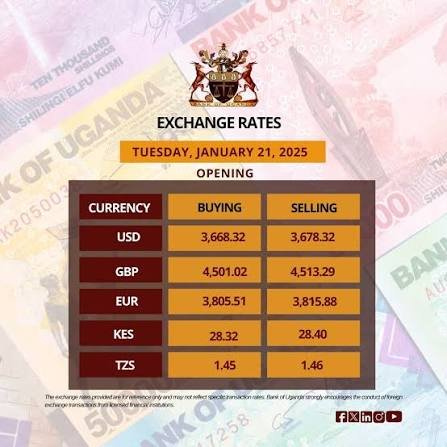
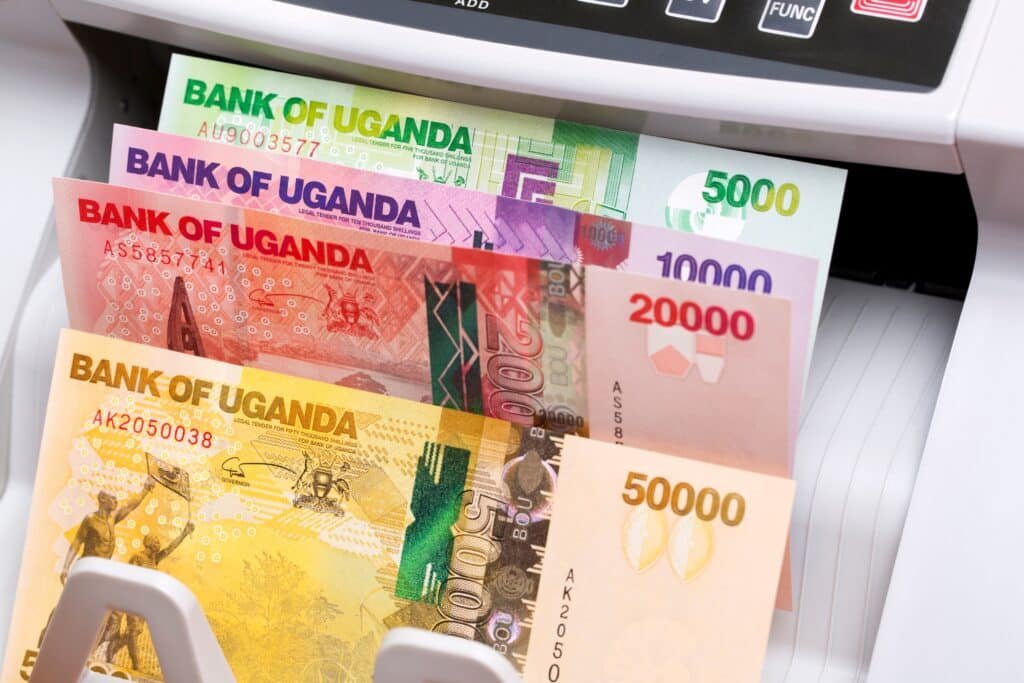
The Uganda Currency Guide recommends avoiding exchanging large amounts of money without checking current rates because exchange differences between banks, airports, and forex bureaus can affect how much local currency you receive. Reputable forex exchange offices usually offer competitive rates compared with hotels or informal money changers.
For convenience, many travellers carry a combination of currencies. Keeping some USD for major safari payments and some Ugandan Shillings for smaller expenses provides flexibility throughout the journey.
Using US Dollars in Uganda
The US Dollar is widely accepted in Uganda’s tourism industry and is one of the most convenient currencies for international travellers. Safari operators, luxury lodges, hotels, and many tourism-related businesses commonly accept USD payments.


Travellers visiting Uganda for gorilla trekking often pay major expenses such as safari packages, accommodation, and permits in USD. This makes it easier for international visitors because they do not need to convert large amounts of money into local currency.
However, not every business accepts USD, especially smaller local shops, markets, and rural vendors. In these situations, using Ugandan Shillings is more practical. The Uganda Currency Guide recommends carrying smaller USD notes if you plan to use foreign currency because some businesses may have difficulty providing change for large denominations.
Travellers should also ensure their USD notes are relatively new and in good condition. Older or damaged US Dollar notes may sometimes be difficult to exchange, especially higher-value notes.
Exchanging Money in Uganda
Currency exchange is widely available in Uganda, especially in major cities such as Kampala and Entebbe. Travellers can exchange foreign currency at banks, authorised forex bureaus, and some hotels.
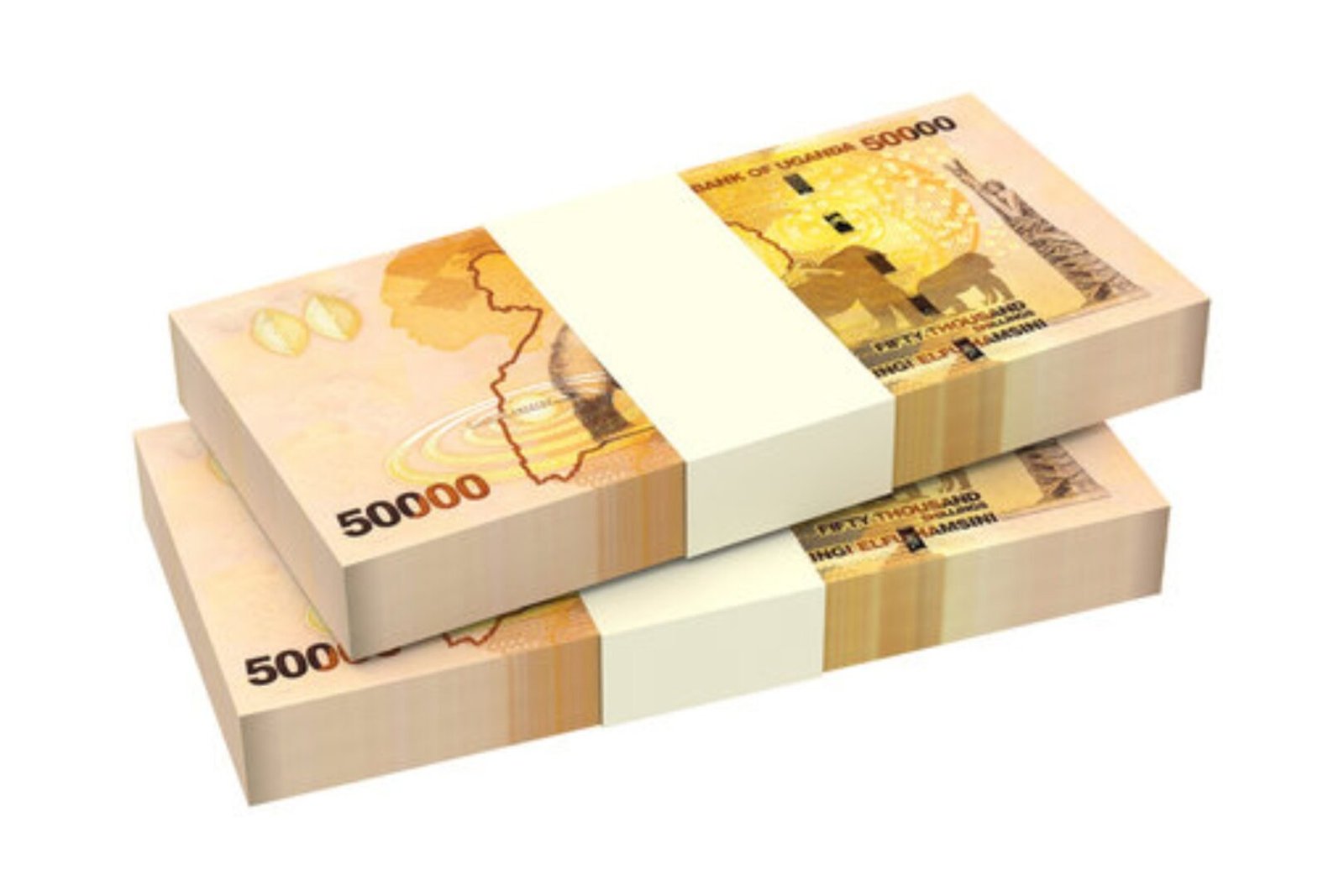
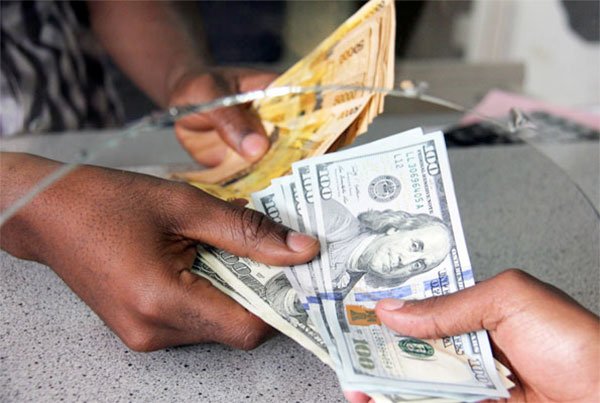
Entebbe International Airport provides convenient exchange services for travellers arriving in Uganda. However, airport exchange rates may not always be the most competitive, so visitors planning longer stays may choose to exchange additional money at reputable forex offices in Kampala or major towns.
The Uganda Currency Guide recommends using official exchange providers rather than informal street money changers. Authorised forex bureaus provide safer transactions, accurate rates, and proper documentation.
When exchanging money, travellers should count their cash carefully before leaving the counter and keep exchange receipts where possible. This helps ensure transparency and provides proof of the transaction if needed.
Using Credit Cards and Debit Cards in Uganda
Credit and debit cards are increasingly accepted in Uganda, especially in hotels, restaurants, supermarkets, and larger tourism establishments. Visa and Mastercard are the most commonly accepted international cards.
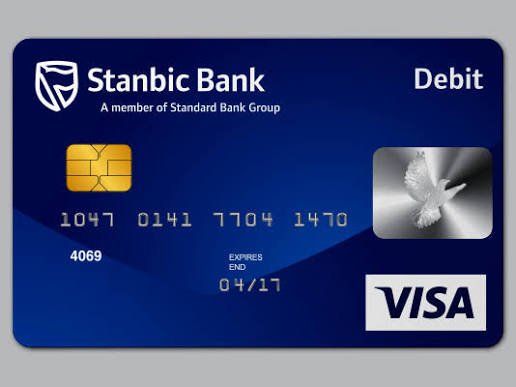
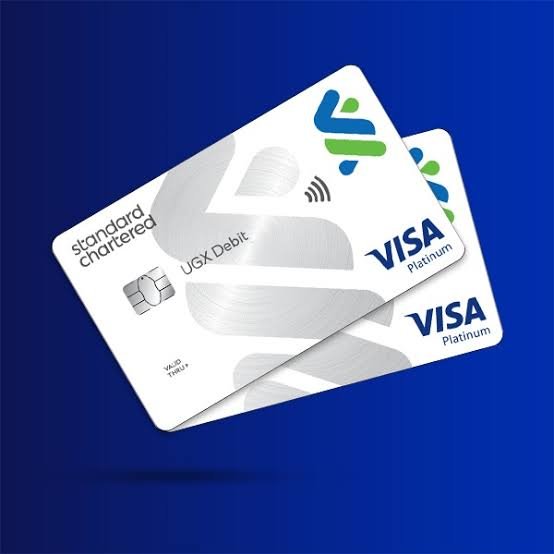
However, travellers should not rely entirely on cards during a Uganda safari. Many remote safari destinations, small shops, local markets, and community areas may not have reliable card payment facilities or internet connections.
The Uganda Currency Guide recommends carrying some cash for smaller purchases and unexpected expenses. This is especially important when travelling to remote destinations such as Bwindi Impenetrable National Park, Kidepo Valley National Park, or rural communities.
Before travelling, visitors should inform their banks about international travel plans to prevent cards from being blocked due to unusual transactions. It is also advisable to understand foreign transaction fees charged by your bank.
Mobile Money and Digital Payments in Uganda
Mobile money is one of Uganda’s most popular payment methods among local residents. Services such as mobile money transfers allow people to pay bills, send money, and purchase goods using mobile phones.
While mobile money is extremely common locally, international travellers mainly use it for specific situations rather than everyday safari payments. Tourists may find it useful when interacting with local communities, purchasing small items, or paying local service providers.
The growth of digital payments has improved financial convenience in Uganda, especially in towns and urban areas. However, travellers should still maintain access to cash because some remote safari destinations may have limited mobile connectivity.
How Much Cash Should You Carry in Uganda?
The amount of cash travellers should carry depends on the type of safari they are planning and what is already included in their package. Most organised safaris include accommodation, transportation, meals, park fees, and major activities, meaning visitors mainly need money for personal expenses.
A typical traveller may need cash for souvenirs, drinks, tips, additional activities, personal shopping, and small purchases. Those travelling independently may need more cash because they are responsible for more daily expenses.
The Uganda Currency Guide recommends carrying enough cash for convenience while avoiding carrying excessive amounts unnecessarily. Splitting money between different locations, such as wallets, luggage, and secure bags, provides additional security.
At Nextgen Safaris, we help guests understand what expenses they should expect before travelling, allowing them to prepare an appropriate budget.
Tipping Culture in Uganda
Tipping is appreciated in Uganda’s tourism industry but is not always mandatory. Many travellers choose to tip guides, drivers, trackers, lodge staff, and porters because these individuals contribute greatly to the safari experience.
During gorilla trekking, tipping porters is highly encouraged because it supports local community members who assist visitors through challenging forest terrain. Safari guides and drivers also play an important role by providing knowledge, safety, and unforgettable experiences.
The Uganda Currency Guide recommends carrying smaller USD notes or Ugandan Shillings for tipping purposes. Tips can be given at the end of the safari or after specific activities. There is no fixed tipping rule, and travellers should consider the quality of service received and their personal appreciation.
Currency for Gorilla Trekking in Uganda
Travellers visiting Uganda specifically for gorilla trekking should prepare their finances carefully because gorilla safaris involve several major expenses. These include the gorilla permit, accommodation, transportation, meals, and additional services.
Most gorilla trekking packages are priced in USD because they are designed for international visitors. However, travellers may still need Ugandan Shillings for smaller expenses such as souvenirs, local purchases, and personal items.
The Uganda Currency Guide recommends preparing both USD and local currency before travelling to Bwindi or Mgahinga because banking facilities are limited in remote areas.
Proper financial preparation allows visitors to focus fully on the incredible experience of meeting mountain gorillas without worrying about payment challenges.
Currency Tips for Uganda Safari Travellers
Travellers can make their Uganda safari experience easier by following a few simple money management tips. Carrying a combination of cash and cards provides flexibility in different situations.
It is recommended to exchange money through authorised providers, keep emergency funds, and avoid displaying large amounts of cash publicly. Travellers should also keep important financial information secure.
The Uganda Currency Guide encourages visitors to plan their safari budget before arrival. Understanding what is already included in your package helps prevent unnecessary spending and allows you to enjoy optional experiences without financial stress.
Uganda Currency Guide for Budget, Mid-Range and Luxury Travellers
Different travel styles influence how travellers manage money in Uganda. Budget travellers may use more Ugandan Shillings because they frequently purchase local services and manage daily expenses independently.
Mid-range travellers usually combine USD payments for safari packages with local currency for personal expenses. This approach provides comfort while maintaining flexibility.
Luxury travellers often have most major expenses covered through their safari arrangements, including premium lodges, private transportation, and personalised services. However, carrying some local currency remains useful for tips, souvenirs, and small purchases.
Why Choose Nextgen Safaris for Your Uganda Safari?
Planning a Uganda safari involves understanding more than just destinations and activities. Financial preparation, payment options, and budgeting are important parts of creating a smooth travel experience.
At Nextgen Safaris, we provide expert guidance throughout your safari planning process. From understanding Uganda Currency Guide information to arranging permits, accommodation, transportation, and activities, our team ensures every detail is carefully managed.
Our local expertise helps travellers enjoy Uganda confidently, knowing they have professional support from the beginning of their journey until the end.
Frequently Asked Questions About Uganda Currency Guide
What is the official currency used in Uganda?
The official currency of Uganda is the Ugandan Shilling (UGX). The Uganda Currency Guide explains that the Ugandan Shilling is used for everyday purchases such as local markets, small shops, transportation, souvenirs, and personal expenses. However, international currencies such as the United States Dollar (USD) are widely accepted in Uganda’s tourism industry, especially for safari packages, lodges, and major travel services.
Can I use US Dollars in Uganda?
Yes, US Dollars are widely accepted in Uganda, especially in the tourism sector. Many safari companies, hotels, lodges, and tourism providers quote their prices in USD because it is commonly used for international transactions. The Uganda Currency Guide recommends carrying some US Dollars for major safari expenses while also having Ugandan Shillings available for smaller purchases and local transactions.
Should I exchange money before travelling to Uganda?
It is not necessary to exchange all your money before arriving in Uganda. Most travellers arrive with US Dollars, Euros, or British Pounds and exchange part of their money after arrival. The Uganda Currency Guide recommends exchanging money at authorised forex bureaus, banks, or trusted exchange points rather than informal street money changers.
Where can I exchange foreign currency in Uganda?
Travellers can exchange foreign currency at banks, authorised forex bureaus, airports, and some hotels. Entebbe International Airport offers currency exchange services for arriving visitors, while larger cities such as Kampala usually have more competitive exchange rates. The Uganda Currency Guide recommends comparing rates and using official exchange providers for safer transactions.
What currency should I carry for a Uganda safari?
For a Uganda safari, it is recommended to carry a combination of US Dollars and Ugandan Shillings. Major expenses such as safari packages, gorilla permits, and luxury lodge payments are often handled in USD, while smaller expenses such as souvenirs, local shopping, and tips are easier to pay using Ugandan Shillings.
A complete Uganda Currency Guide helps travellers understand that they do not need to convert all their money into local currency because tourism services commonly accept foreign currencies.
Are credit cards accepted in Uganda?
Yes, credit cards are accepted in many hotels, restaurants, supermarkets, and larger tourism establishments in Uganda. Visa and Mastercard are the most commonly accepted cards.
However, the Uganda Currency Guide recommends not depending entirely on cards because some remote safari destinations may have limited internet connectivity or businesses without card facilities. Carrying some cash is especially important when travelling to places such as Bwindi Impenetrable National Park, Mgahinga, and other rural destinations.
Can I use debit cards in Uganda?
Yes, international debit cards can be used in many places in Uganda, especially in major towns and tourist facilities. Travellers should inform their bank before travelling to avoid card restrictions caused by international transactions.
The Uganda Currency Guide recommends carrying a backup payment option because ATMs and card facilities may not always be available in remote safari locations
Are ATMs available in Uganda?
Yes, ATMs are available in major cities and towns such as Kampala, Entebbe, and other regional centres. Most ATMs accept international Visa and Mastercard cards.
However, travellers should withdraw enough cash before travelling to remote safari destinations because access to ATMs may be limited. The Uganda Currency Guide recommends planning cash withdrawals according to your itinerary, especially for gorilla trekking and wildlife safaris.
How much cash should I bring to Uganda?
The amount of cash needed depends on your safari package, travel style, and personal spending habits. Most organised safaris include accommodation, transportation, meals, and major activities, meaning travellers mainly need money for tips, drinks, souvenirs, and personal purchases.
The Uganda Currency Guide recommends carrying enough cash for convenience while avoiding unnecessary amounts. A combination of cash and cards provides the best flexibility.
What currency is used for gorilla trekking in Uganda?
Gorilla trekking costs in Uganda are usually quoted and paid in US Dollars because the activity is mainly organised for international travellers. Gorilla permits, safari packages, and many lodges near Bwindi Impenetrable National Park are commonly priced in USD.
However, travellers may still need Ugandan Shillings for personal expenses such as tips, souvenirs, and small purchases. The Uganda Currency Guide recommends preparing both currencies before travelling to gorilla trekking destinations.
Do I need Ugandan Shillings for a safari?
You do not necessarily need large amounts of Ugandan Shillings for an organised safari because many major expenses are paid in USD. However, having local currency is useful for small purchases, local markets, souvenirs, and community visits.
The Uganda Currency Guide recommends carrying some Ugandan Shillings to make everyday transactions easier, especially outside major tourist facilities.
Is the US Dollar widely accepted in Uganda?
Yes, the US Dollar is widely accepted, particularly in the tourism industry. Safari operators, lodges, hotels, and many travel businesses commonly use USD for international visitors.
However, smaller businesses and local vendors usually prefer Ugandan Shillings. The Uganda Currency Guide recommends carrying smaller USD notes because some businesses may not have enough change for large denominations.
Which US Dollar notes are accepted in Uganda?
Newer US Dollar notes are generally preferred in Uganda, especially for tourism transactions. Older, damaged, or worn notes may sometimes be difficult to exchange.
The Uganda Currency Guide recommends travellers carry clean, undamaged USD notes, particularly for higher-value payments such as safari services, accommodation, and permits.
How much should I tip in Uganda?
Tipping in Uganda is appreciated but not compulsory. Many travellers choose to tip safari guides, drivers, lodge staff, and gorilla trekking porters because these individuals contribute significantly to their experience.
The Uganda Currency Guide recommends carrying smaller USD notes or Ugandan Shillings for tipping. The amount depends on the quality of service and your personal appreciation.
Can I use mobile money as a tourist in Uganda?
Mobile money is extremely popular among Ugandans and is widely used for local transactions. While international visitors may not use it as frequently, it can sometimes be useful for smaller payments or local interactions.
The Uganda Currency Guide explains that travellers should still carry cash because some remote safari areas may have limited mobile network coverage.
Is Uganda expensive for travellers?
Uganda can suit different travel budgets, from affordable adventures to luxury safari experiences. Costs depend on accommodation choices, activities, transport style, and the length of the journey.
The Uganda Currency Guide helps travellers understand how to manage money effectively by explaining payment methods, currency exchange, and expected expenses during a Uganda safari.
How can I save money while travelling in Uganda?
Travellers can manage expenses by planning early, choosing suitable accommodation, travelling during shoulder seasons, and selecting activities that match their priorities.
Using a trusted local safari company can also help reduce unnecessary costs because experienced operators understand the best routes, suppliers, and travel arrangements.
Why is understanding Uganda currency important before a safari?
Understanding the local currency makes travel easier and prevents unnecessary payment challenges. The Uganda Currency Guide helps visitors know when to use Ugandan Shillings, when to use US Dollars, how to exchange money safely, and how to prepare financially for different safari experiences.
Proper financial preparation allows travellers to focus on enjoying Uganda’s incredible wildlife, landscapes, and cultural experiences.
Why should I book my Uganda safari with Nextgen Safaris?
Nextgen Safaris provides expert support for every part of your Uganda adventure, including safari planning, budgeting guidance, accommodation, permits, transportation, and activities. Our team helps travellers understand practical information such as the Uganda Currency Guide while creating personalised safari experiences.
Whether you are planning gorilla trekking, chimpanzee tracking, wildlife safaris, family holidays, or luxury adventures, we ensure your journey through the Pearl of Africa is smooth, safe, and unforgettable.
Book Your Uganda Safari Adventure Today
Understanding the Uganda Currency Guide helps travellers prepare financially and enjoy a stress-free adventure through one of Africa’s most incredible destinations. From gorilla trekking in ancient forests to wildlife safaris across Uganda’s national parks, proper preparation allows you to focus on the experiences that matter most.
Uganda offers unforgettable adventures for every type of traveller, including budget explorers, honeymoon couples, families, and luxury safari guests. With the right planning and reliable local support, your journey through the Pearl of Africa becomes easier and more enjoyable.
At Nextgen Safaris, we create personalised Uganda safari experiences with expert planning, transparent guidance, and exceptional service. Contact us today and let us help you discover Uganda’s wildlife, landscapes, and culture with confidence.