
Uganda Food Guide
Ultimate Uganda Food Guide: Discover Authentic Local Cuisine, Traditional Dishes and Dining Experiences 2026–2030
The Uganda Food Guide is the perfect introduction for travellers who want to discover the rich flavours, traditions, and cultural stories behind the cuisine of the Pearl of Africa. Uganda is not only famous for its mountain gorillas, wildlife safaris, beautiful landscapes, and welcoming people, but also for its diverse food culture shaped by more than 50 ethnic communities, fertile agricultural landscapes, and centuries of traditional cooking practices.
Food in Uganda is an important part of daily life and cultural identity. Meals are often prepared using fresh locally grown ingredients, including bananas, maize, cassava, beans, sweet potatoes, groundnuts, vegetables, fish, beef, chicken, and goat meat. Each region of Uganda has its own special dishes and cooking styles, creating a fascinating culinary journey for visitors exploring different parts of the country.
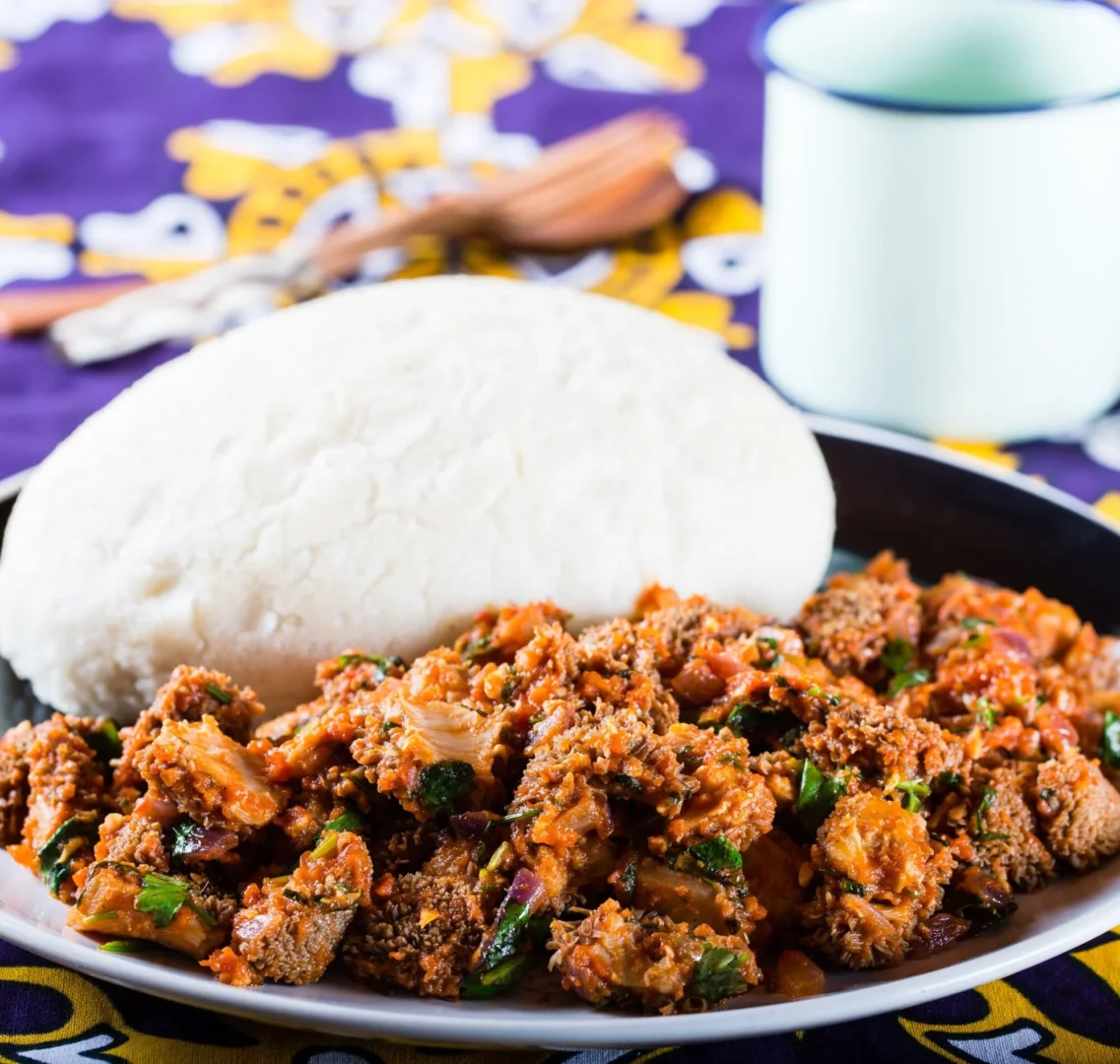
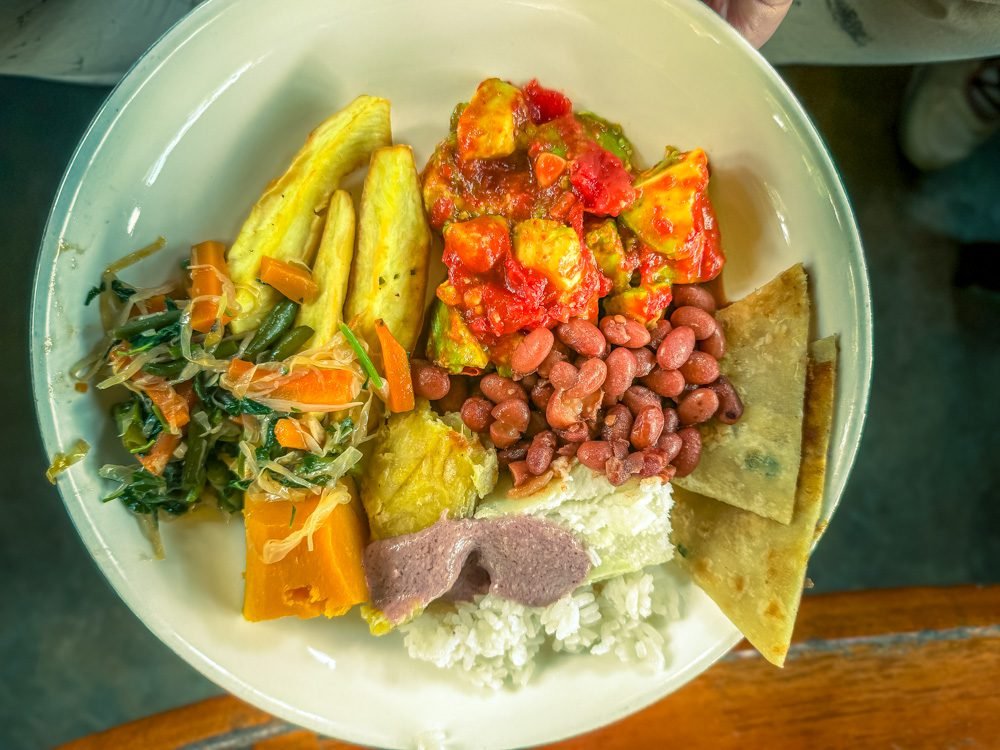
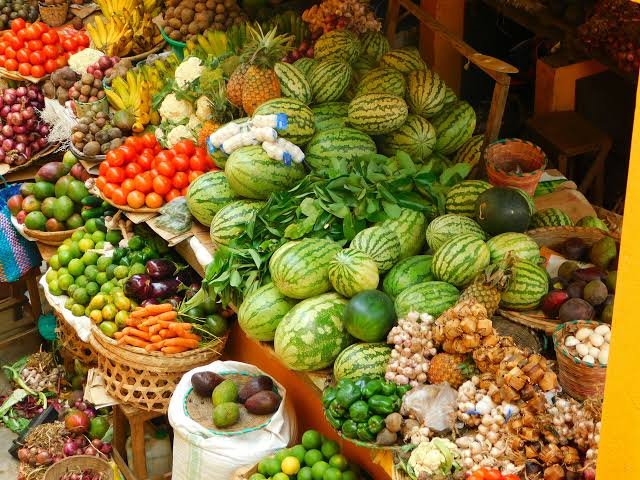
A complete Uganda Food Guide helps travellers understand what to expect when dining in Uganda, from traditional meals served in local communities to modern restaurants, safari lodges, and luxury hotels. Whether you are visiting Uganda for gorilla trekking, chimpanzee tracking, wildlife safaris, honeymoon experiences, or cultural adventures, experiencing local cuisine adds another unforgettable dimension to your journey.
Ugandan food is generally hearty, flavourful, and designed to provide energy. This makes it especially suitable for travellers participating in outdoor activities such as gorilla trekking, hiking, game drives, and nature walks. Many safari lodges combine international meals with local Ugandan dishes, allowing visitors to enjoy familiar options while also discovering authentic flavours.
At Nextgen Safaris, we believe that travel is about experiencing a destination beyond its landscapes. Food connects visitors with local communities, traditions, and everyday life. During our Uganda safari experiences, we encourage travellers to explore authentic cuisine while enjoying comfortable dining arrangements throughout their journey.
The Importance of Food in Ugandan Culture
Food plays a central role in Ugandan culture and hospitality. Sharing a meal is considered an important way of welcoming guests, strengthening relationships, and celebrating special occasions. Across Uganda’s different communities, traditional foods represent history, identity, and connection to the land.
The Uganda Food Guide highlights that many traditional meals are closely connected to agriculture. Uganda’s fertile soils and favourable climate allow farmers to grow a wide variety of crops throughout the year. Staples such as matoke, cassava, millet, maize, and sweet potatoes form the foundation of many Ugandan meals.
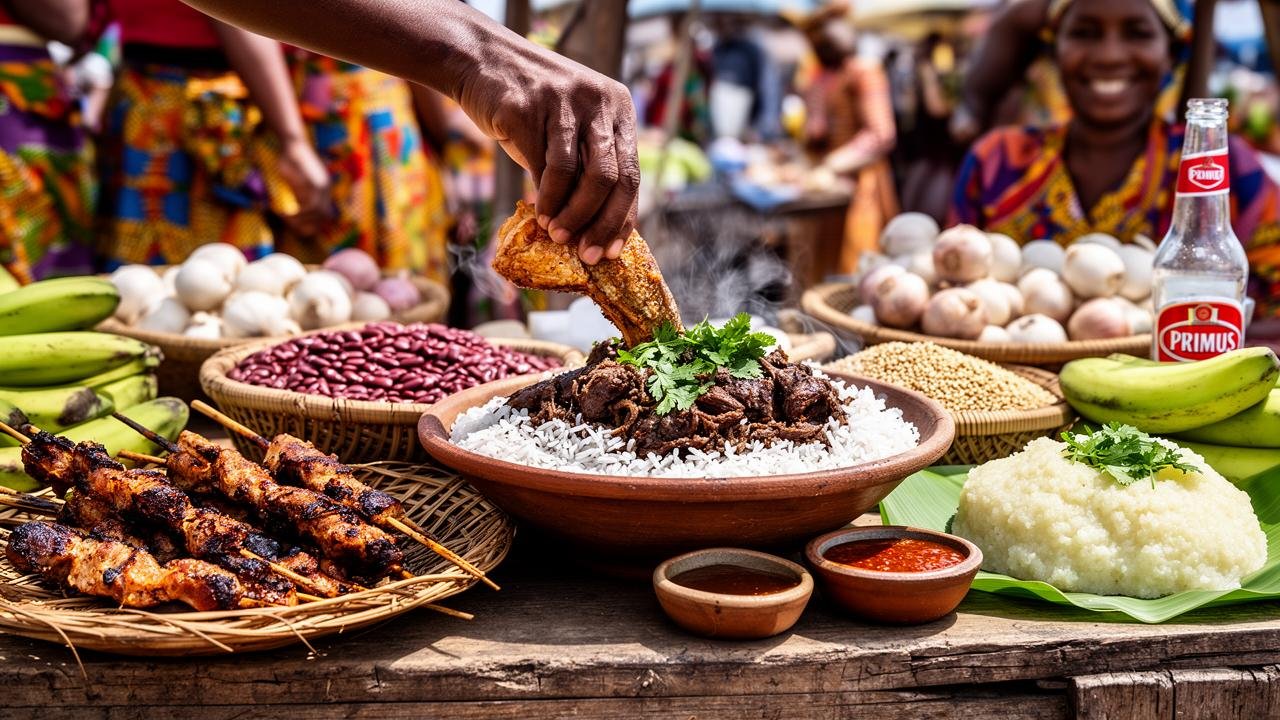

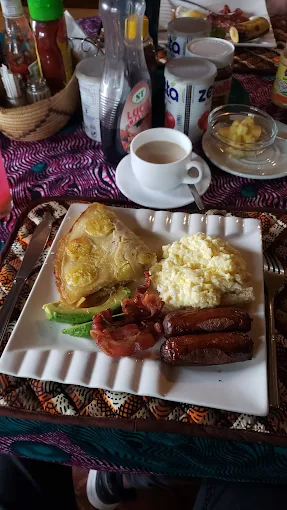
In many Ugandan homes, meals are prepared from fresh ingredients purchased from local markets or harvested directly from gardens. Cooking is often a social activity where family members participate in preparation and sharing. Traditional cooking methods, including slow cooking over charcoal fires, continue to influence the flavours of many dishes.
For travellers, enjoying Ugandan cuisine provides an opportunity to understand the country’s culture in a deeper way. Food experiences often become some of the most memorable parts of a safari because they allow visitors to interact with local communities beyond wildlife viewing.
Traditional Ugandan Staple Foods
Ugandan cuisine is built around several staple foods that provide the foundation of everyday meals. These foods are widely consumed across different regions, although preparation methods and preferences vary between communities.
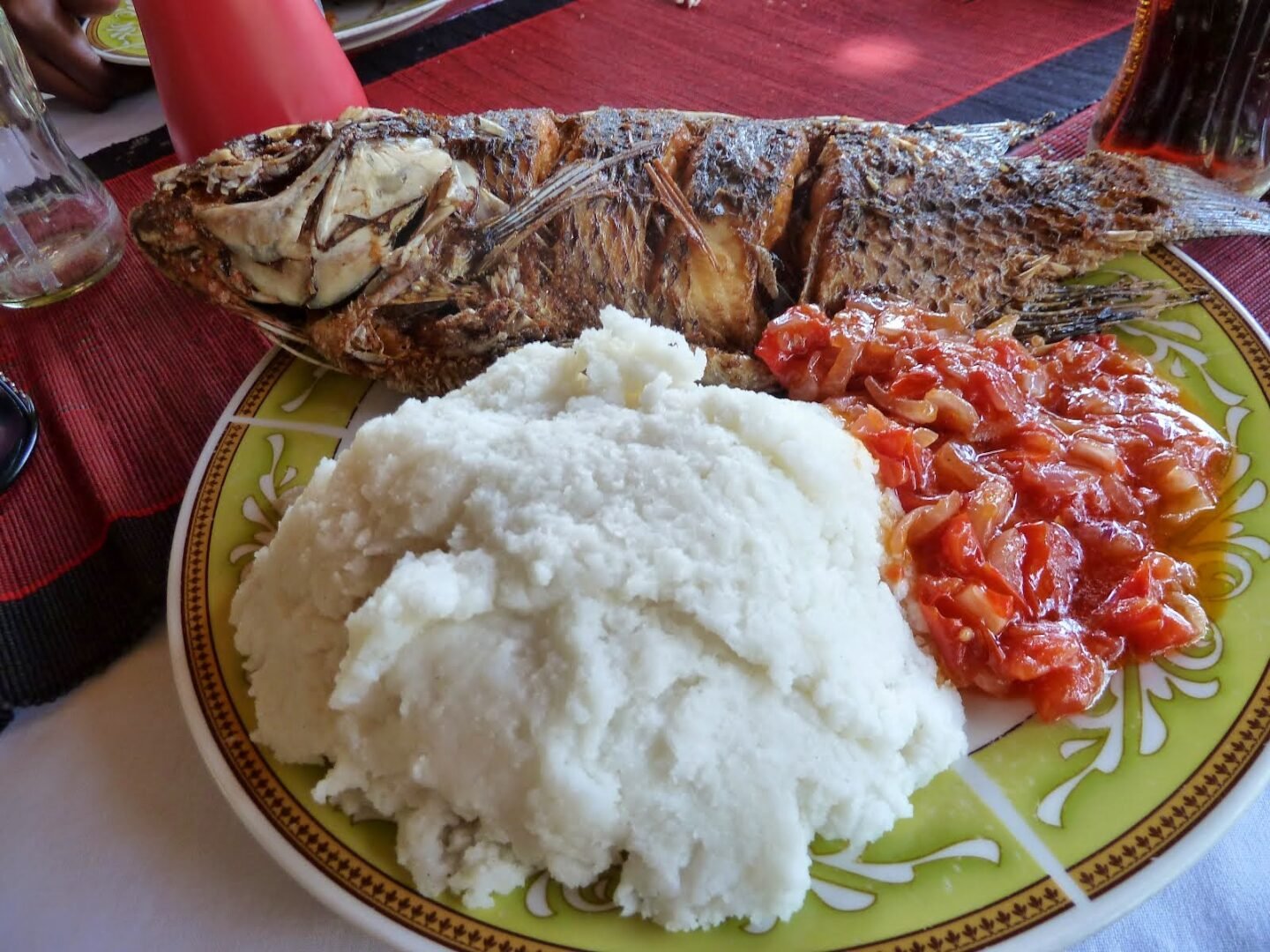
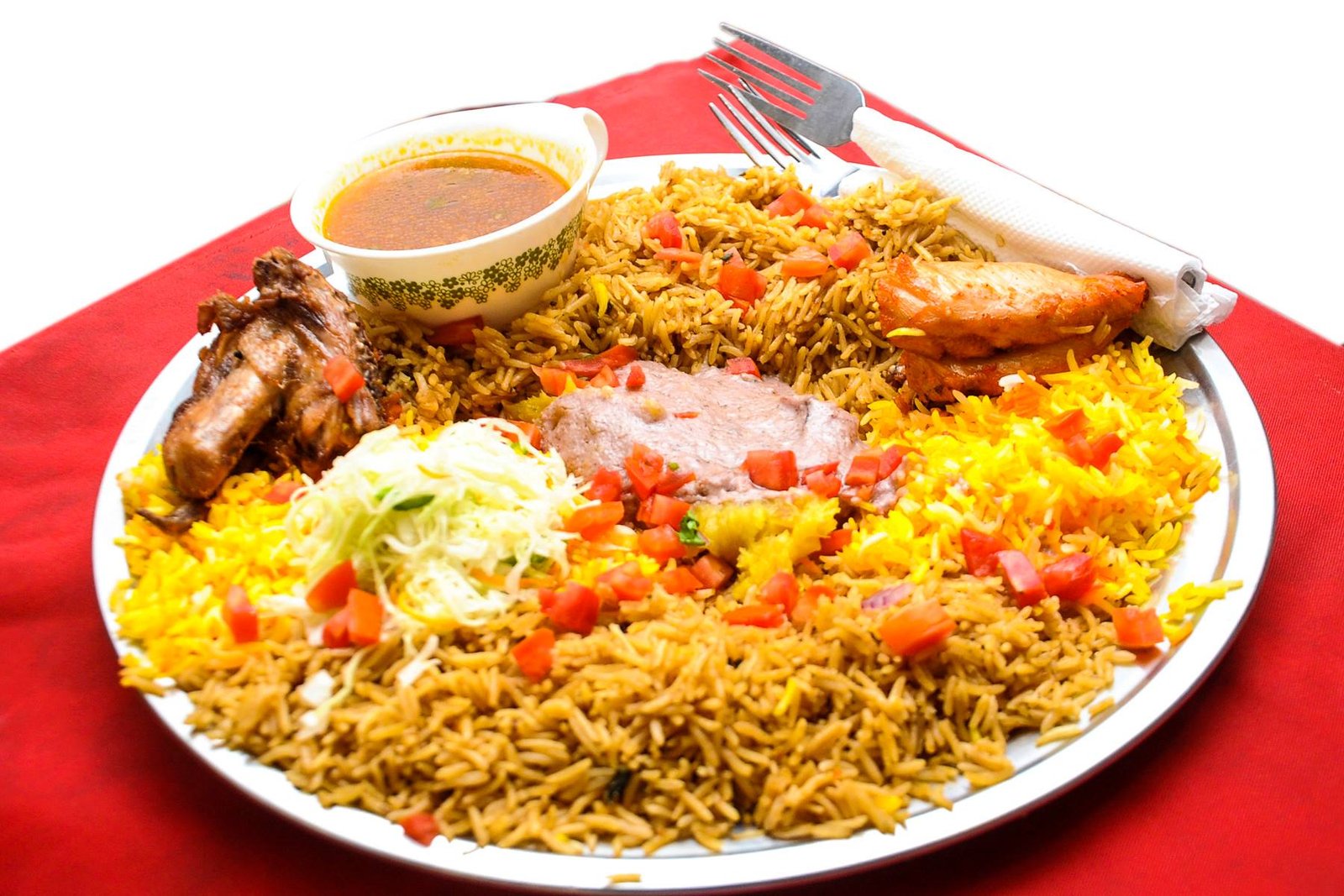
One of the most famous staple foods in Uganda is matoke, a dish made from green bananas that are peeled, steamed, and mashed. Matoke is especially popular in central and western Uganda and is commonly served with sauces such as beef stew, chicken, beans, groundnut sauce, or vegetables.
Another important staple is posho, also known as ugali in some East African countries. Posho is made from maize flour mixed with water and cooked into a firm consistency. It is commonly served alongside beans, meat, fish, or vegetable sauces.
Cassava is another important traditional food, particularly in rural areas. It can be boiled, fried, or dried and prepared in different ways. Sweet potatoes, millet bread, and rice are also common parts of Ugandan meals. The diversity of staple foods reflects Uganda’s agricultural richness and the ability of different communities to adapt local crops into nutritious and delicious meals.
Popular Traditional Ugandan Dishes Travellers Should Try
Uganda offers a wide range of traditional dishes that visitors can experience during their safari. Each meal provides insight into the country’s culture and local lifestyle.
Matoke
Matoke is considered one of Uganda’s national dishes and is a must-try experience for visitors. Made from green bananas, matoke is traditionally steamed in banana leaves and mashed before being served with different sauces.
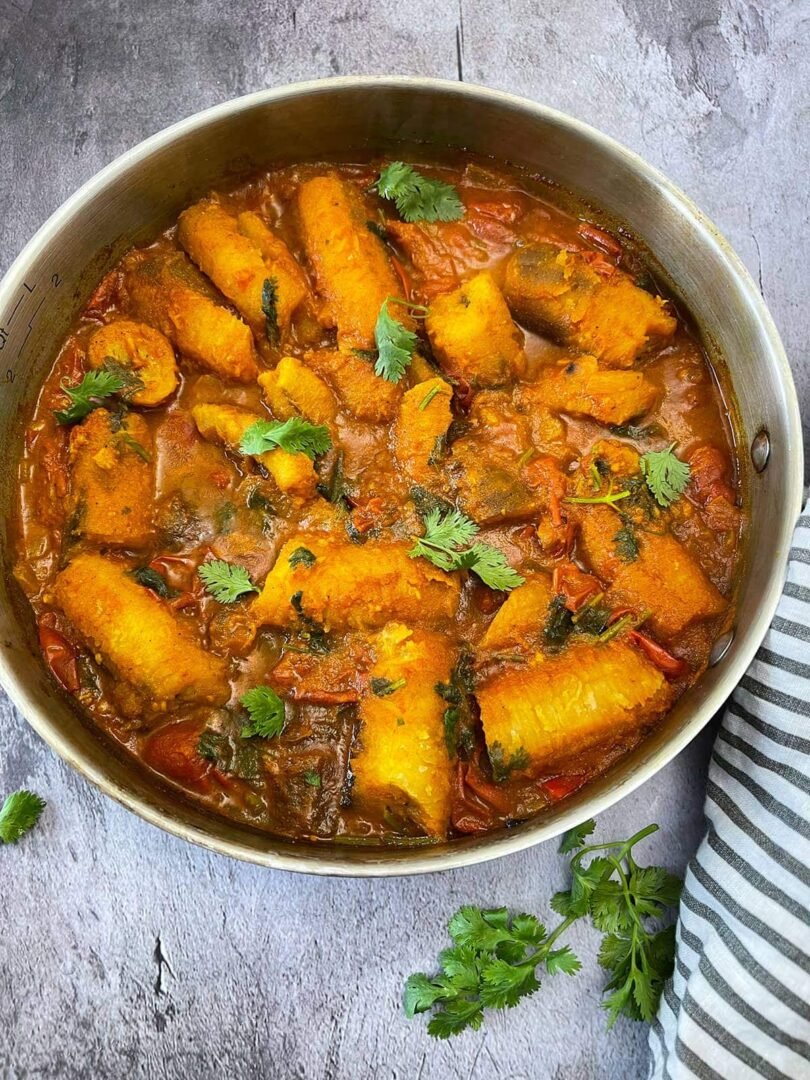
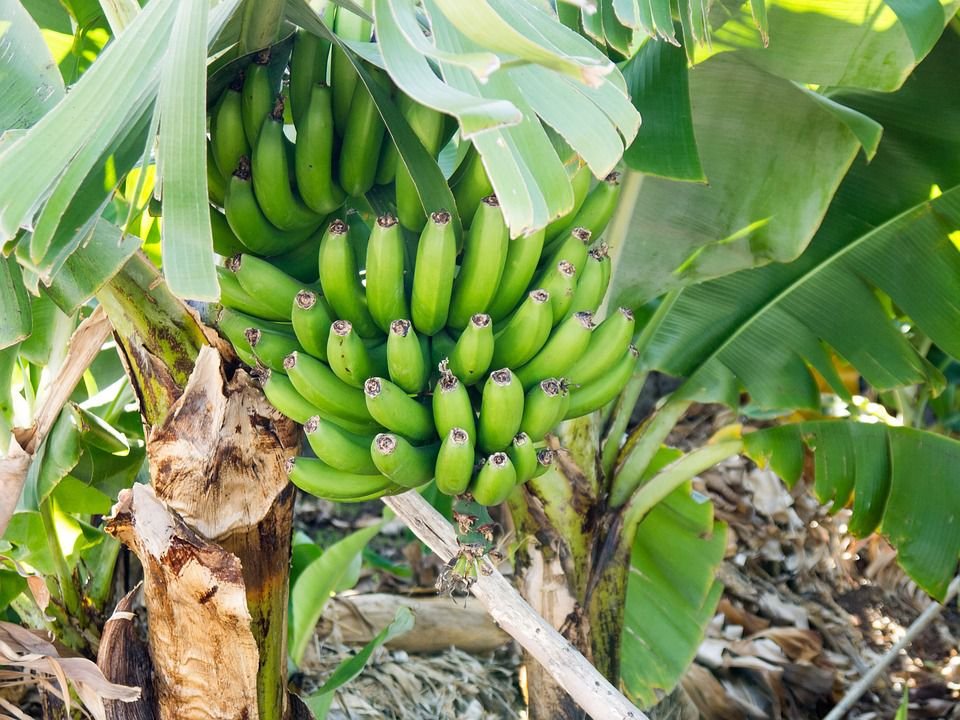
The flavour is mild, making it a perfect accompaniment to stronger dishes such as beef stew, chicken, beans, or groundnut sauce. Many Ugandan families consider matoke a special meal that represents tradition and hospitality. Travellers visiting central and western Uganda will frequently encounter matoke on restaurant menus, lodge dining options, and cultural experiences.
Luwombo
Luwombo is one of Uganda’s most traditional and celebrated dishes. It involves cooking meat, chicken, fish, or groundnut sauce inside banana leaves through slow steaming.
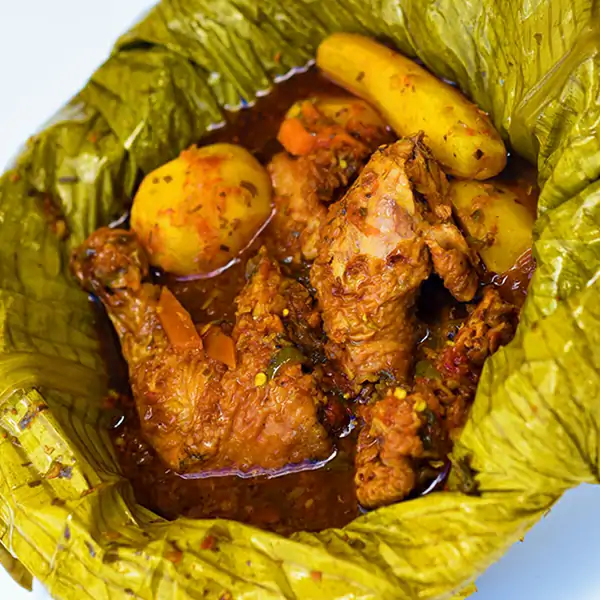
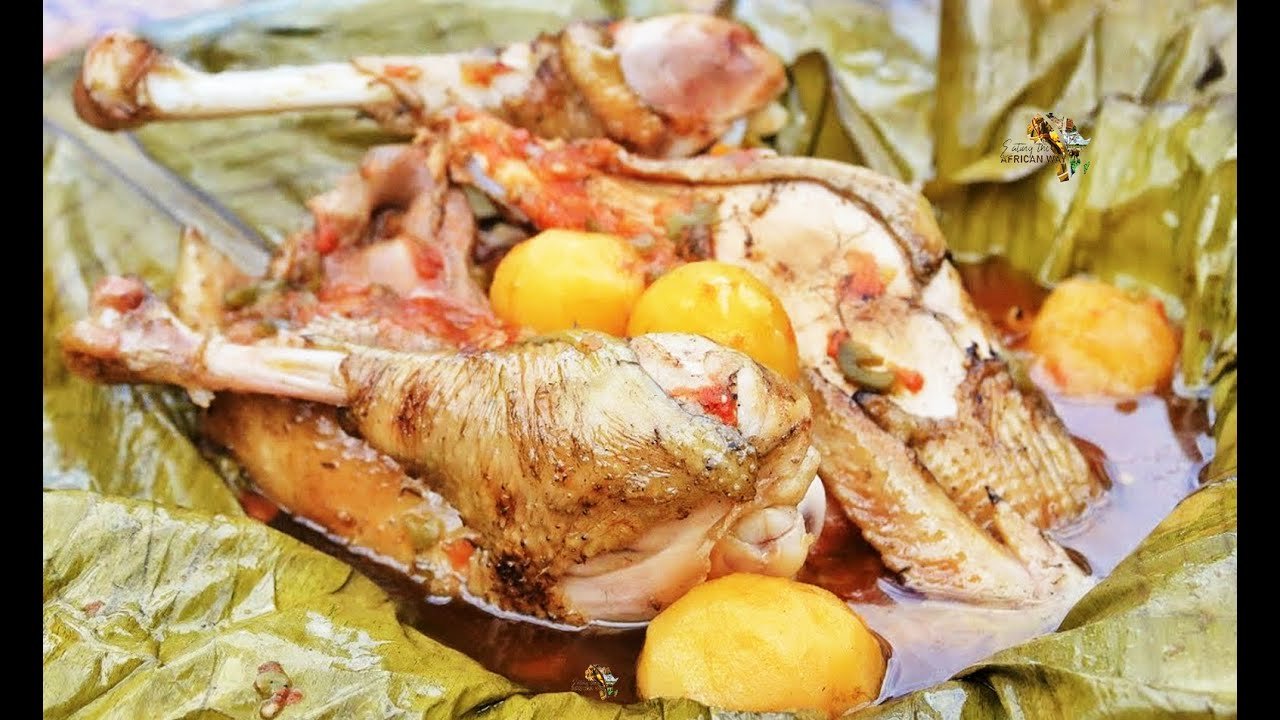
This cooking method allows the flavours to develop naturally, creating a rich and aromatic meal. Luwombo is often prepared during important occasions, celebrations, and special gatherings.
For visitors interested in authentic Ugandan cuisine, trying luwombo provides a unique cultural experience because it represents traditional cooking techniques passed through generations.
Rolex
The famous Ugandan Rolex is one of the country’s most popular street foods. Despite its name, it has nothing to do with watches. A Rolex is a combination of an egg omelette and chapati rolled together, often with vegetables such as tomatoes and onions.

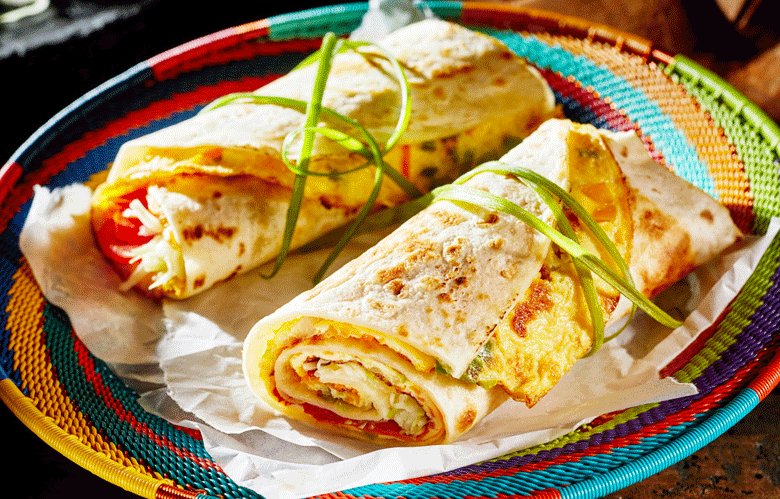
It is affordable, delicious, and widely available across Uganda. Many locals enjoy Rolex as a quick breakfast or snack, and travellers often find it one of the most enjoyable introductions to everyday Ugandan food culture. The Rolex represents Uganda’s modern food creativity while remaining connected to local ingredients and traditions.
Groundnut Sauce
Groundnut sauce, locally known as g-nut sauce, is a popular accompaniment in many Ugandan households. It is made from ground peanuts and can be served with matoke, cassava, sweet potatoes, rice, or meat dishes.
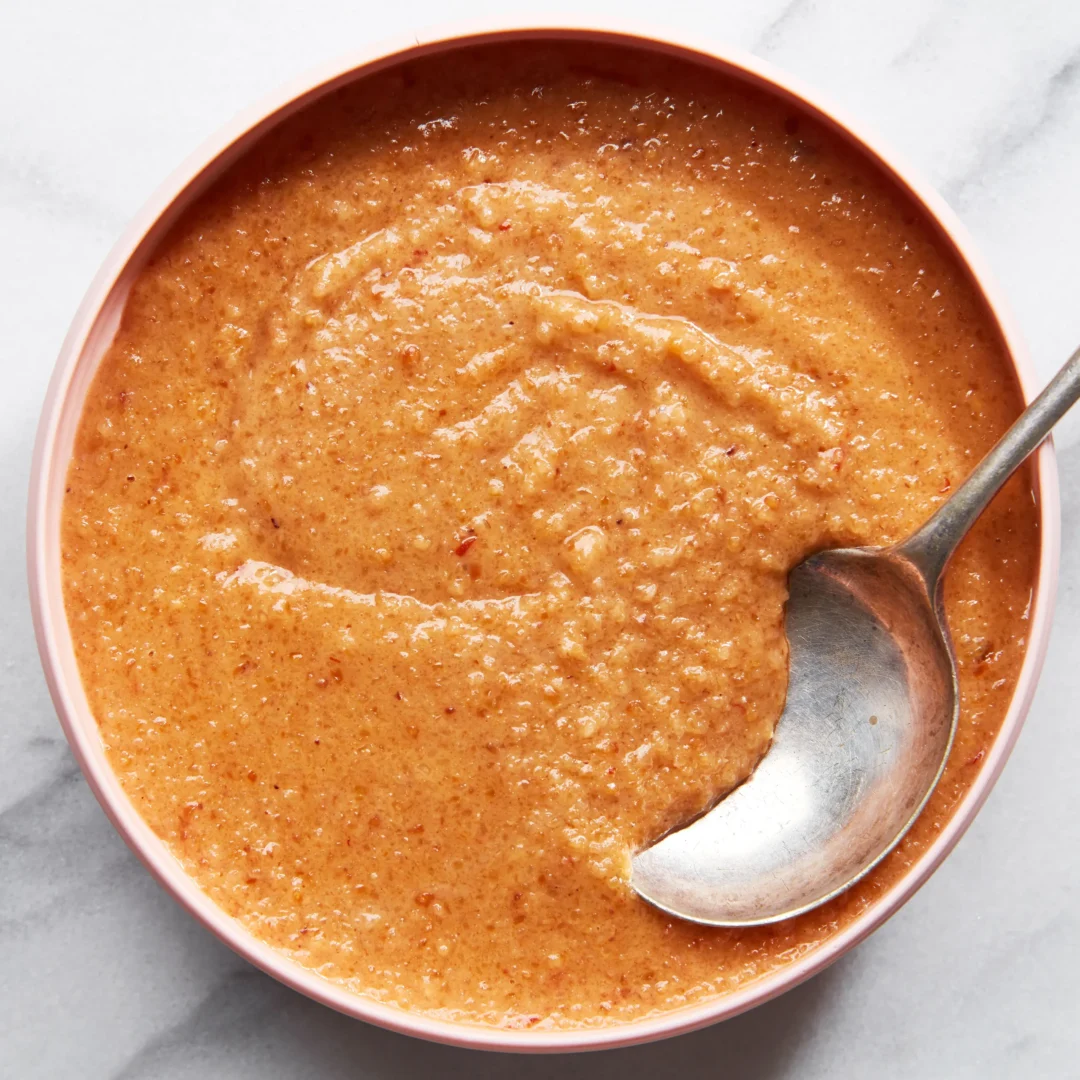
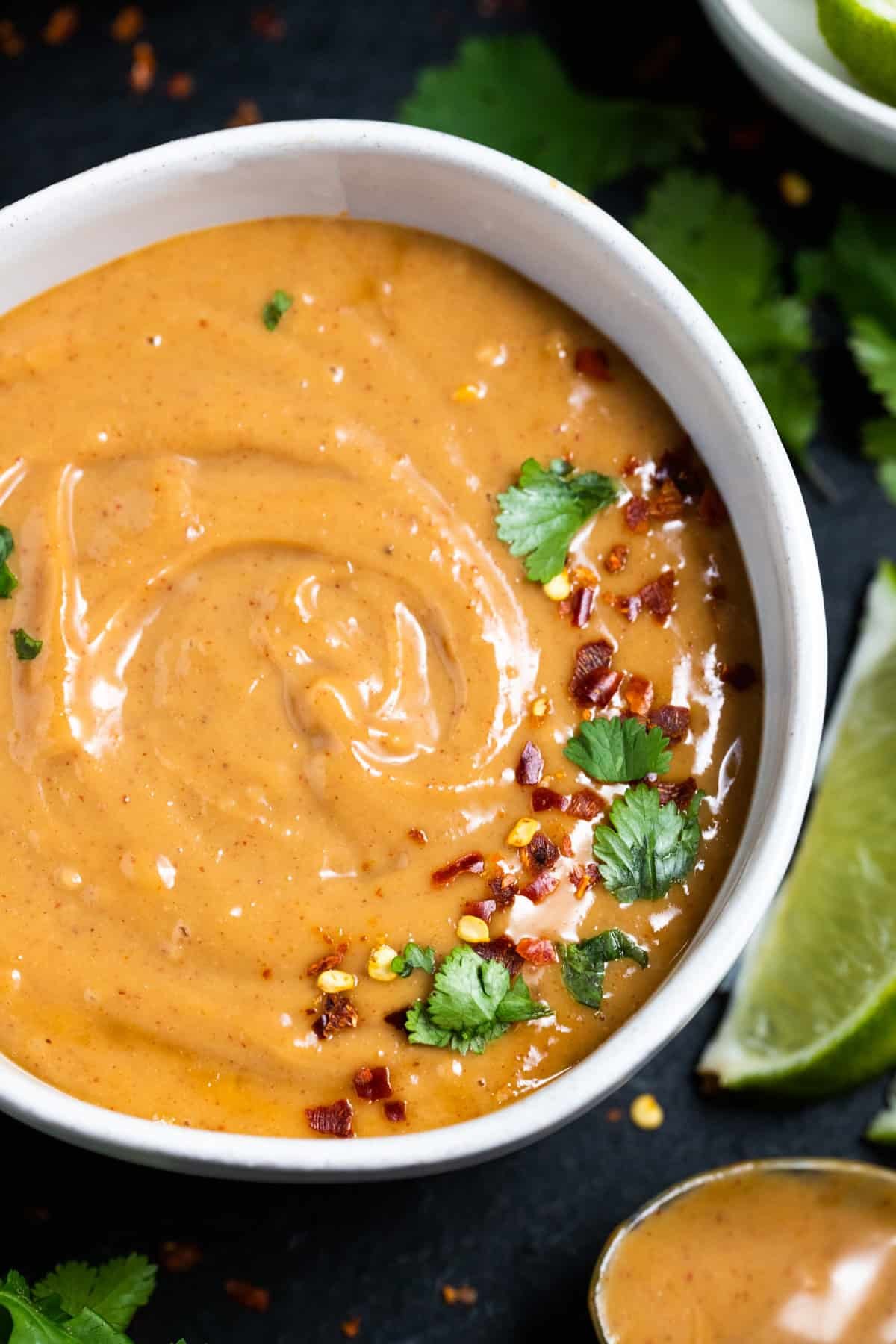
The creamy texture and nutty flavour make it one of the most loved sauces in Uganda. Different regions may prepare it slightly differently, creating variations in taste and consistency.
Ugandan Meat and Fish Dishes
Uganda’s cuisine includes a variety of meat and fish dishes influenced by local traditions and available resources. Beef, chicken, goat, and fish are among the most commonly consumed proteins.
Beef stew is a popular meal served with staple foods such as matoke, rice, posho, or cassava. The meat is usually cooked slowly with tomatoes, onions, and spices to create a rich sauce.
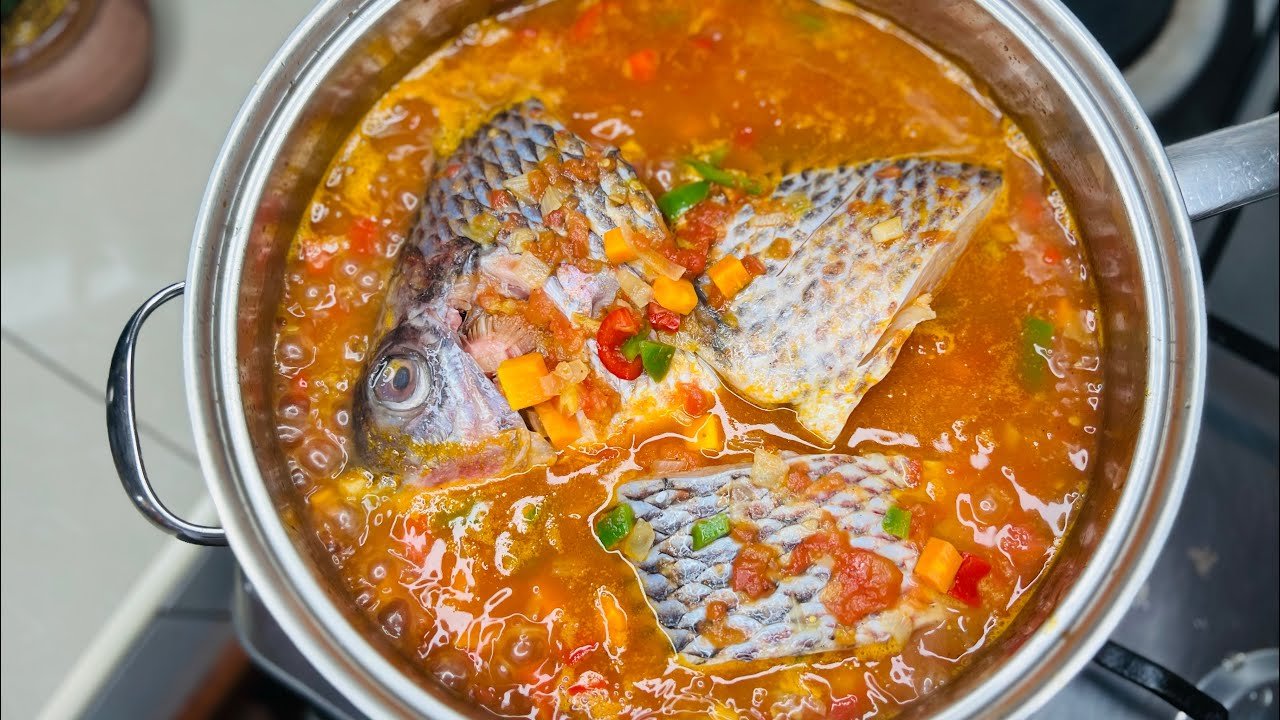
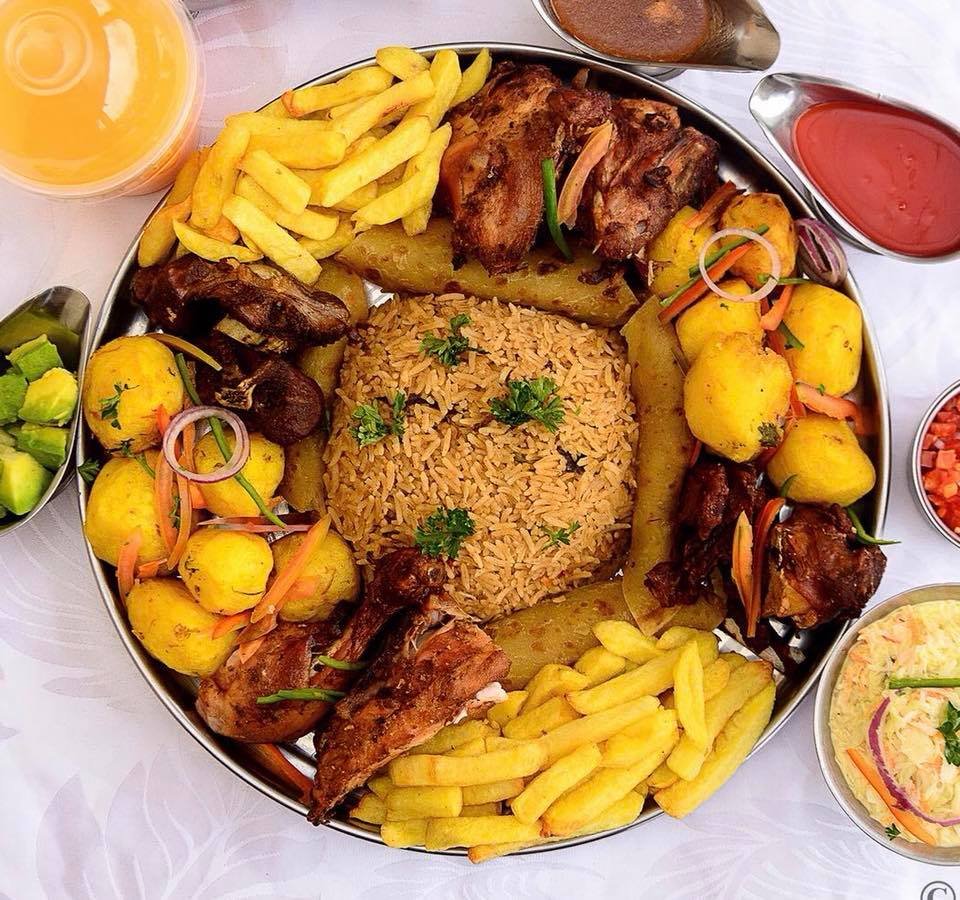
Goat meat is also highly appreciated, especially during celebrations and special occasions. Visitors may encounter roasted goat, commonly enjoyed during gatherings and cultural events.
Fish is especially important in communities near Lake Victoria and other lakes across Uganda. Nile perch and tilapia are among the most popular fish dishes, often grilled, fried, or prepared with sauces.
For travellers visiting destinations near lakes or fishing communities, enjoying fresh local fish provides an authentic taste of Uganda’s natural resources.
Food Experiences During Uganda Safaris
Food is an important part of the safari experience in Uganda. Safari lodges and camps understand that travellers have different preferences and often provide a combination of international and local dishes.
During a Uganda safari, visitors can enjoy meals surrounded by beautiful natural environments, from forest lodges near Bwindi to luxury camps overlooking savannah landscapes.
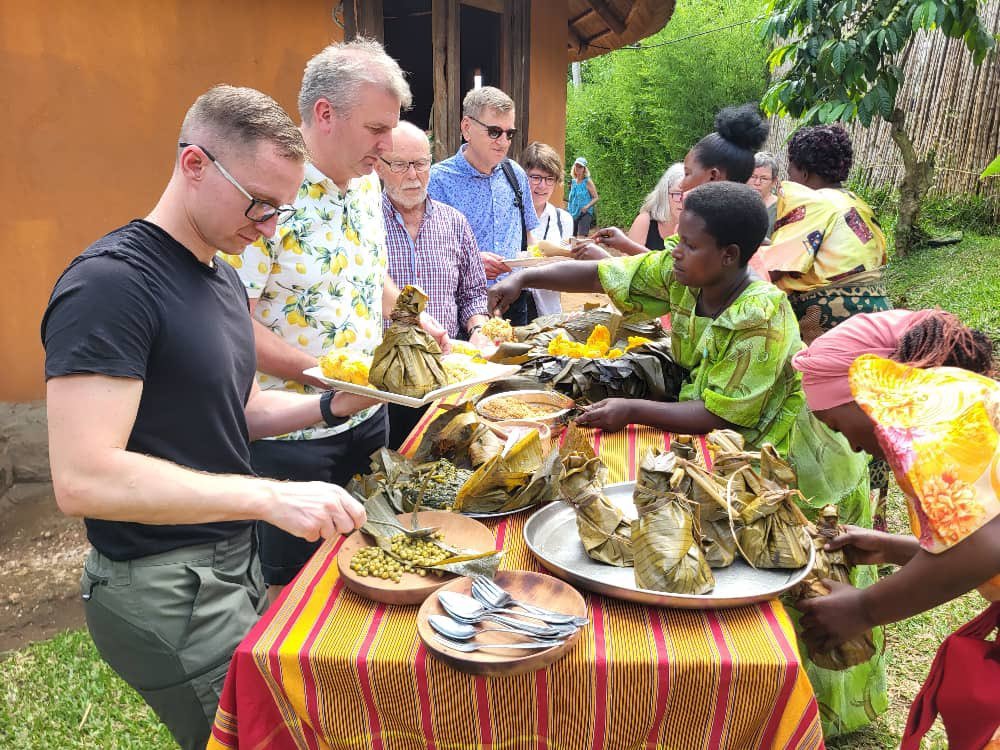
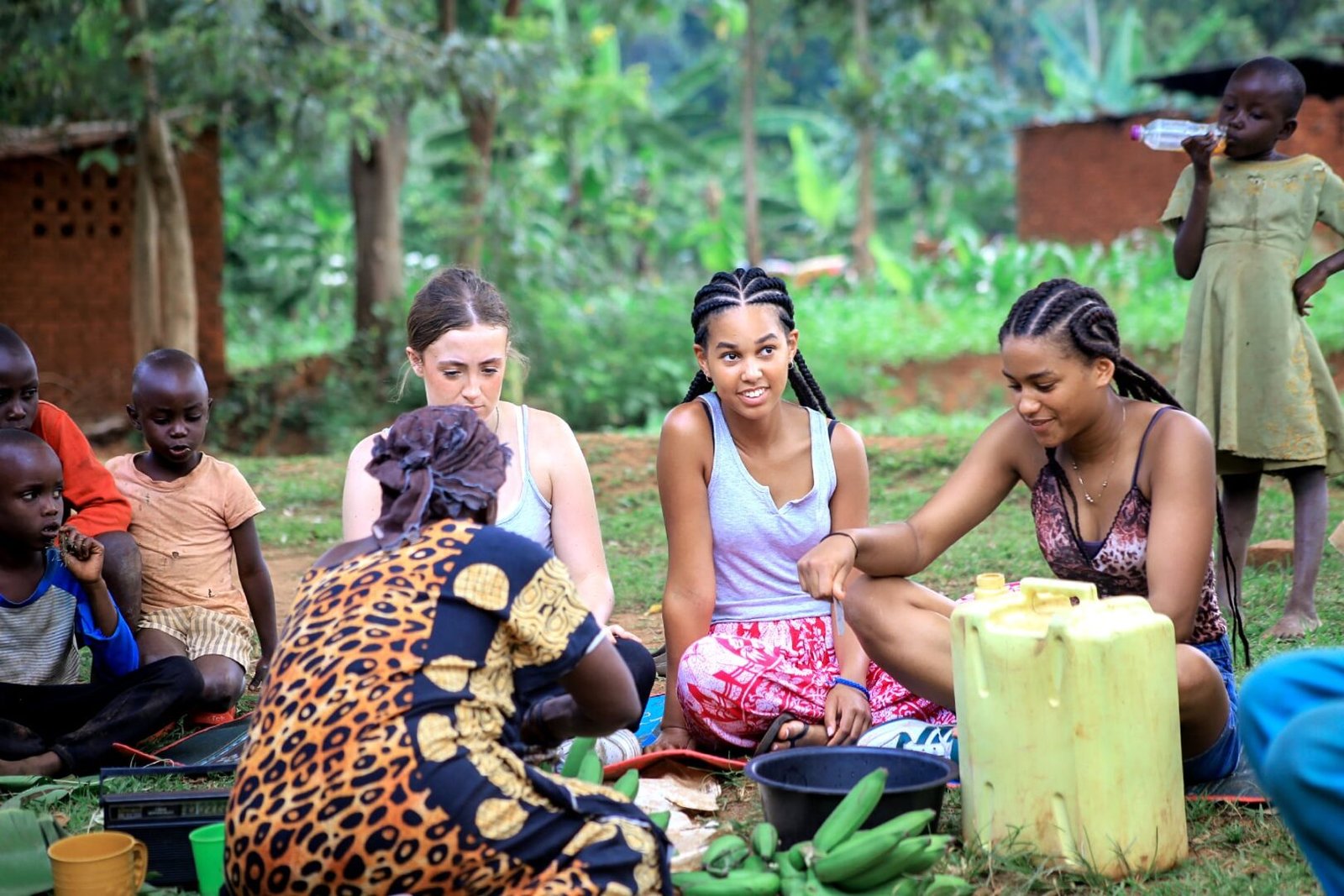
The Uganda Food Guide recommends trying local dishes whenever possible because they provide a deeper connection to the destination. Many lodges include Ugandan specialties alongside international options, allowing guests to enjoy both comfort and authenticity.
Breakfasts often include fresh fruits, eggs, bread, coffee, and tea. Lunch and dinner may include a combination of local staples, meats, vegetables, and international dishes. For travellers participating in gorilla trekking, nutritious meals are especially important because trekking requires physical energy and endurance.
Ugandan Fruits and Beverages
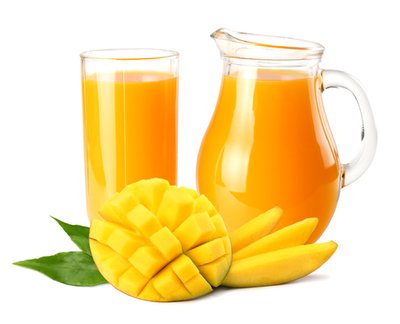
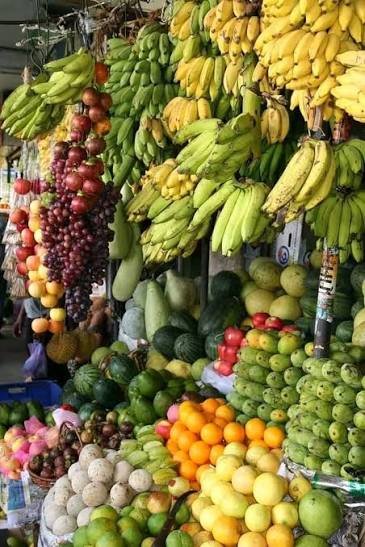
Uganda’s tropical climate supports a wide variety of fresh fruits. Travellers can enjoy naturally grown fruits including mangoes, pineapples, bananas, papayas, passion fruits, watermelons, and jackfruit.
Fresh fruit juices are commonly available in restaurants, hotels, and lodges. Many visitors appreciate the freshness and quality of Ugandan tropical fruits compared with imported alternatives.
Uganda is also known for its coffee production. Ugandan coffee is internationally recognised, and coffee lovers can enjoy locally grown varieties during their visit.
Tea is another popular beverage, especially in regions known for tea plantations. Visitors may enjoy traditional tea experiences while exploring rural areas.
Vegetarian and Special Dietary Options in Uganda
Travellers with vegetarian, vegan, or specific dietary requirements can generally enjoy Uganda’s food offerings with proper communication.
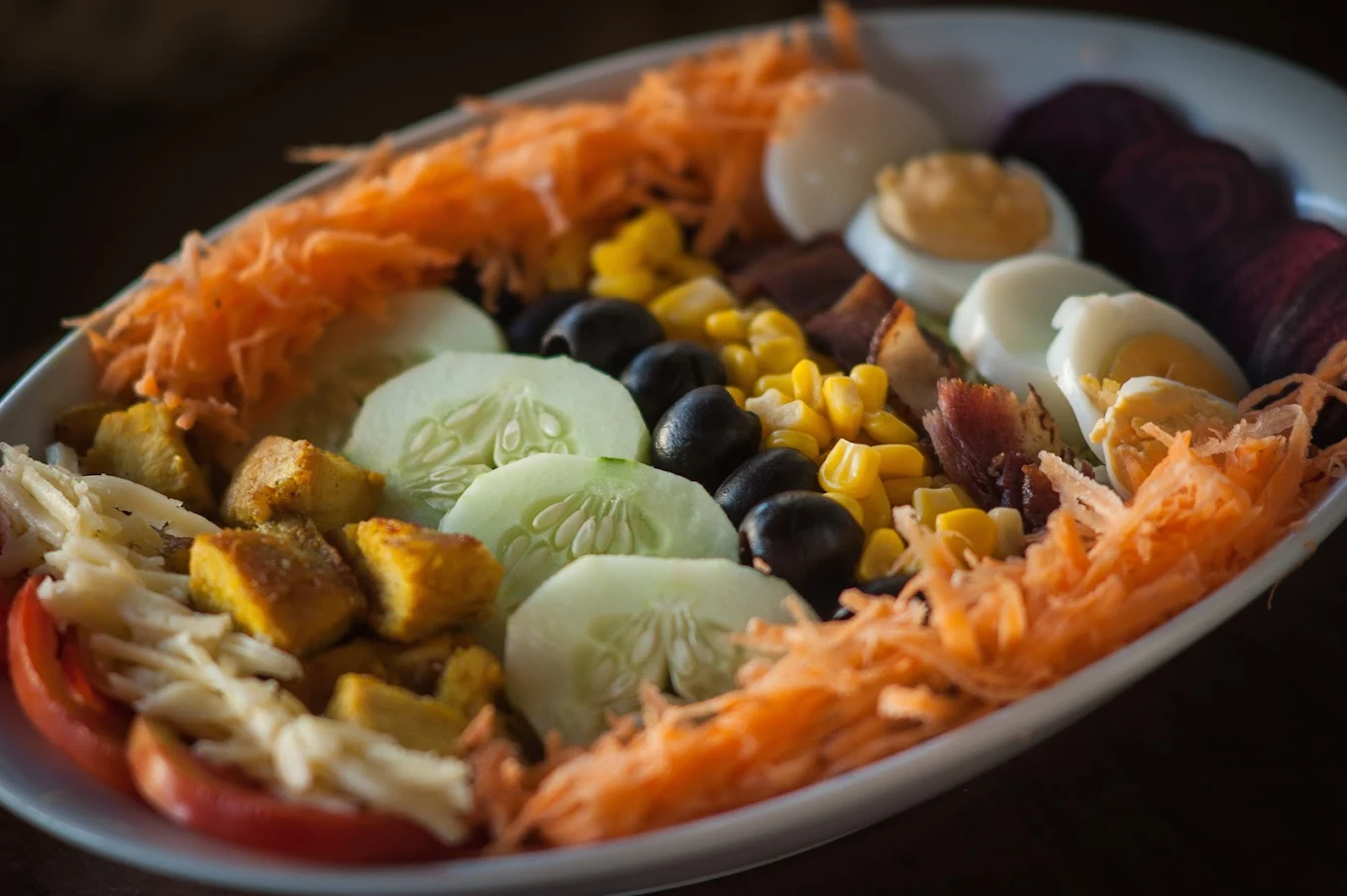
Many traditional Ugandan meals are naturally plant-based, featuring beans, vegetables, potatoes, cassava, bananas, and grains. Safari lodges and hotels are also experienced in preparing meals for international visitors.
The Uganda Food Guide recommends informing your safari operator and accommodation providers about dietary requirements before arrival. This allows chefs to prepare suitable meals throughout your journey. At Nextgen Safaris, we help communicate guest preferences to lodges and restaurants to ensure every traveller enjoys comfortable dining experiences.
Eating Safely During a Uganda Safari
Food safety is an important consideration for international travellers. Uganda has many excellent restaurants, lodges, and hotels that maintain good hygiene standards.
Travellers should choose reputable dining locations and avoid consuming food from places where hygiene standards appear questionable. Drinking bottled or properly treated water is recommended. During safaris, trusted lodges and camps provide carefully prepared meals suitable for international visitors.
The Uganda Food Guide recommends trying local cuisine while following basic food safety practices to enjoy a comfortable and memorable culinary experience.
Best Places to Experience Ugandan Food
Visitors can experience Ugandan cuisine in many different settings, including local restaurants, markets, cultural centres, hotels, and safari lodges.
Kampala offers the widest variety of dining experiences, from traditional Ugandan restaurants to international cuisine. Cities such as Entebbe, Jinja, Fort Portal, and Mbarara also provide opportunities to explore local flavours.
During safaris, lodges provide excellent opportunities to enjoy Ugandan meals while surrounded by nature. Some cultural experiences also include traditional cooking demonstrations where visitors can learn how local dishes are prepared.
Food Culture on a Luxury Uganda Safari
Luxury Uganda safaris combine exceptional wildlife experiences with high-quality dining. Luxury lodges often provide gourmet meals that combine international culinary standards with authentic Ugandan ingredients.
Guests may enjoy fresh local produce, premium meats, traditional dishes with modern presentation, and personalised dining experiences. For honeymooners and luxury travellers, private dinners in scenic locations can create unforgettable moments during their Uganda adventure.
Why Food Should Be Part of Your Uganda Safari Experience
A Uganda safari is not only about seeing wildlife; it is about experiencing the country’s culture, people, traditions, and way of life. Food provides a direct connection to local communities and allows travellers to understand Uganda beyond its landscapes.
The Uganda Food Guide shows that every dish tells a story about Uganda’s history, agriculture, and cultural diversity. From enjoying matoke with a local family to tasting a Rolex on the streets of Kampala or sharing a meal at a safari lodge, food experiences create meaningful memories that remain long after the journey ends.
Why Choose Nextgen Safaris for Your Uganda Adventure?
At Nextgen Safaris, we create complete Uganda travel experiences that combine wildlife, culture, adventure, and authentic local encounters. Our team helps travellers discover Uganda beyond traditional sightseeing by including meaningful cultural experiences, local interactions, and opportunities to enjoy authentic cuisine.
Whether you are planning gorilla trekking, chimpanzee tracking, wildlife safaris, honeymoon holidays, or family adventures, we ensure every part of your journey is carefully planned.
Frequently Asked Questions About Uganda Food Guide
1. What food is Uganda famous for?
Uganda is famous for its traditional dishes that are based on locally grown ingredients and cultural traditions. The most popular foods include matoke, luwombo, Rolex, posho, cassava, groundnut sauce, beans, grilled meats, and fresh fish.
The Uganda Food Guide explains that Ugandan cuisine reflects the country’s agricultural richness and cultural diversity. Many traditional meals are prepared using fresh local ingredients and are an important part of everyday life, celebrations, and community gatherings.
2. What is the national food of Uganda?
The most recognised national dish of Uganda is matoke, a meal made from green bananas that are steamed and mashed before being served with different sauces.
Matoke is especially popular in central and western Uganda and is commonly eaten with beef stew, chicken, beans, groundnut sauce, or vegetables. The Uganda Food Guide highlights matoke as one of the must-try dishes for travellers wanting to experience authentic Ugandan cuisine.
3. What is a Rolex food in Uganda?
A Rolex is one of Uganda’s most famous street foods. Despite the name, it is not related to the luxury watch brand. A Rolex is made by combining an egg omelette with vegetables and rolling it inside a chapati.
The Uganda Food Guide explains that Rolex is popular because it is affordable, delicious, and easily available throughout Uganda. Many locals enjoy it as breakfast, a quick meal, or a snack while travelling.
4. Is Ugandan food spicy?
Ugandan food is generally flavourful rather than extremely spicy. Most traditional dishes focus on natural flavours from fresh ingredients, herbs, and cooking methods rather than strong chilli heat.
Travellers who enjoy spicy food can usually request additional chilli or hot sauces, while visitors who prefer mild meals will find many comfortable options. The Uganda Food Guide recommends informing restaurants and lodges about your food preferences.
5. What foods should I try during a Uganda safari?
During a Uganda safari, travellers should try traditional dishes such as matoke, luwombo, Rolex, grilled tilapia, groundnut sauce, beans, and locally grown fruits.
Safari lodges often combine international meals with Ugandan specialities, allowing visitors to experience local flavours while maintaining comfort. The Uganda Food Guide recommends trying local dishes because food provides a deeper connection to Uganda’s culture and communities.
6. Can vegetarians find food in Uganda?
Yes, vegetarians can find many suitable food options in Uganda. Many traditional meals are naturally vegetarian and include beans, vegetables, potatoes, cassava, sweet potatoes, rice, and plantains.
The Uganda Food Guide recommends informing your safari operator and accommodation providers about dietary preferences before arrival. This allows chefs to prepare suitable meals throughout your journey.
7. Is Ugandan food safe for tourists to eat?
Yes, Ugandan food is generally safe for tourists when eaten from reputable restaurants, hotels, and safari lodges that maintain good hygiene standards.
The Uganda Food Guide recommends choosing trusted dining locations, drinking bottled or treated water, and following basic food safety practices. Safari lodges and established restaurants are experienced in preparing meals for international visitors.
8. What kind of food is served at Uganda safari lodges?
Uganda safari lodges usually serve a combination of international and local cuisine. Meals may include fresh fruits, eggs, bread, soups, salads, meats, vegetables, rice, pasta, and traditional Ugandan dishes.
Many lodges include local favourites such as matoke, groundnut sauce, and grilled fish alongside international options. The Uganda Food Guide shows that safari dining allows travellers to enjoy both comfort and authentic Ugandan flavours.
9. What drinks are popular in Uganda?
Popular drinks in Uganda include fresh fruit juices, locally grown coffee, tea, bottled water, and traditional beverages. Uganda is especially known for producing high-quality coffee due to its fertile soils and favourable climate.
The Uganda Food Guide recommends trying locally produced coffee and fresh tropical fruit juices during your visit because they showcase Uganda’s agricultural richness.
10. What fruits can I eat in Uganda?
Uganda has a wide variety of tropical fruits because of its favourable climate. Visitors can enjoy mangoes, pineapples, bananas, passion fruits, papayas, watermelons, jackfruit, and avocados.
Fresh fruits are commonly served in hotels, restaurants, and safari lodges. The Uganda Food Guide highlights Uganda’s fresh produce as one of the enjoyable parts of the local culinary experience.
11. Can I experience traditional Ugandan cooking during my safari?
Yes, travellers can experience traditional Ugandan cooking through cultural visits, community experiences, local restaurants, and selected safari lodges.
These experiences may include learning how dishes such as matoke and luwombo are prepared using traditional methods. The Uganda Food Guide explains that food experiences help visitors understand Ugandan traditions, hospitality, and daily life.
12. What is luwombo in Ugandan cuisine?
Luwombo is a traditional Ugandan dish where meat, chicken, fish, or groundnut sauce is cooked slowly inside banana leaves. This traditional preparation method creates rich flavours and a unique dining experience.
The Uganda Food Guide considers luwombo one of the most authentic Ugandan dishes because it represents traditional cooking techniques passed through generations.
13. Is Uganda food suitable for children?
Yes, Uganda offers many foods suitable for children. Meals such as rice, potatoes, fruits, chicken, vegetables, pasta, and mild traditional dishes are commonly available.
Families travelling with children should communicate preferences with their safari operator and lodges in advance. The Uganda Food Guide recommends planning meals according to children’s tastes while encouraging them to experience local cuisine.
14. What food should I expect during gorilla trekking in Uganda?
Travellers visiting Uganda for gorilla trekking can expect nutritious meals designed to provide energy for outdoor activities. Lodges near Bwindi Impenetrable National Park often provide breakfast, packed lunches, and dinner options.
Meals usually include a mixture of local and international dishes, including carbohydrates, vegetables, fruits, and proteins. The Uganda Food Guide recommends eating well before trekking because gorilla hikes can be physically demanding.
15. Why should I experience Ugandan food during my safari?
Experiencing Ugandan food allows travellers to discover the country’s culture beyond wildlife and landscapes. Traditional meals reveal Uganda’s history, agriculture, hospitality, and community traditions.
The Uganda Food Guide shows that food is an important part of the safari experience, creating meaningful connections between visitors and local communities.
At Nextgen Safaris, we help travellers enjoy complete Uganda experiences that combine wildlife adventures, cultural encounters, and authentic local experiences throughout their journey.
Book Your Uganda Safari Adventure Today
Exploring Uganda through its food, landscapes, wildlife, and communities creates a truly unforgettable travel experience. Understanding the Uganda Food Guide helps visitors prepare for the incredible flavours and cultural traditions waiting to be discovered.
From traditional dishes like matoke and luwombo to fresh tropical fruits and locally produced coffee, Uganda offers a culinary journey that perfectly complements its world-class safari experiences.
At Nextgen Safaris, we design personalised Uganda safari adventures that combine extraordinary wildlife encounters with authentic cultural experiences. Contact us today and let us help you discover the Pearl of Africa in the most memorable way.