
Uganda Weather Guide
Ultimate Uganda Weather Guide: Complete Seasonal Guide for Gorilla Trekking, Wildlife Safaris and Travel Planning 2026–2030
The Uganda Weather Guide is an essential resource for travellers planning an unforgettable journey through the Pearl of Africa. Understanding Uganda’s climate helps visitors choose the best time for gorilla trekking, chimpanzee tracking, wildlife safaris, birdwatching, hiking adventures, and cultural experiences. Uganda is a year-round destination, but different seasons create unique travel conditions depending on the activities you want to enjoy and the regions you plan to visit.
Uganda’s weather is influenced by its location along the equator, highland landscapes, lakes, forests, and diverse ecosystems. Unlike many destinations that experience extreme seasonal changes, Uganda enjoys relatively stable temperatures throughout the year. The country does not have four traditional seasons like temperate regions; instead, it experiences alternating dry and rainy periods that shape travel conditions across national parks and safari destinations.
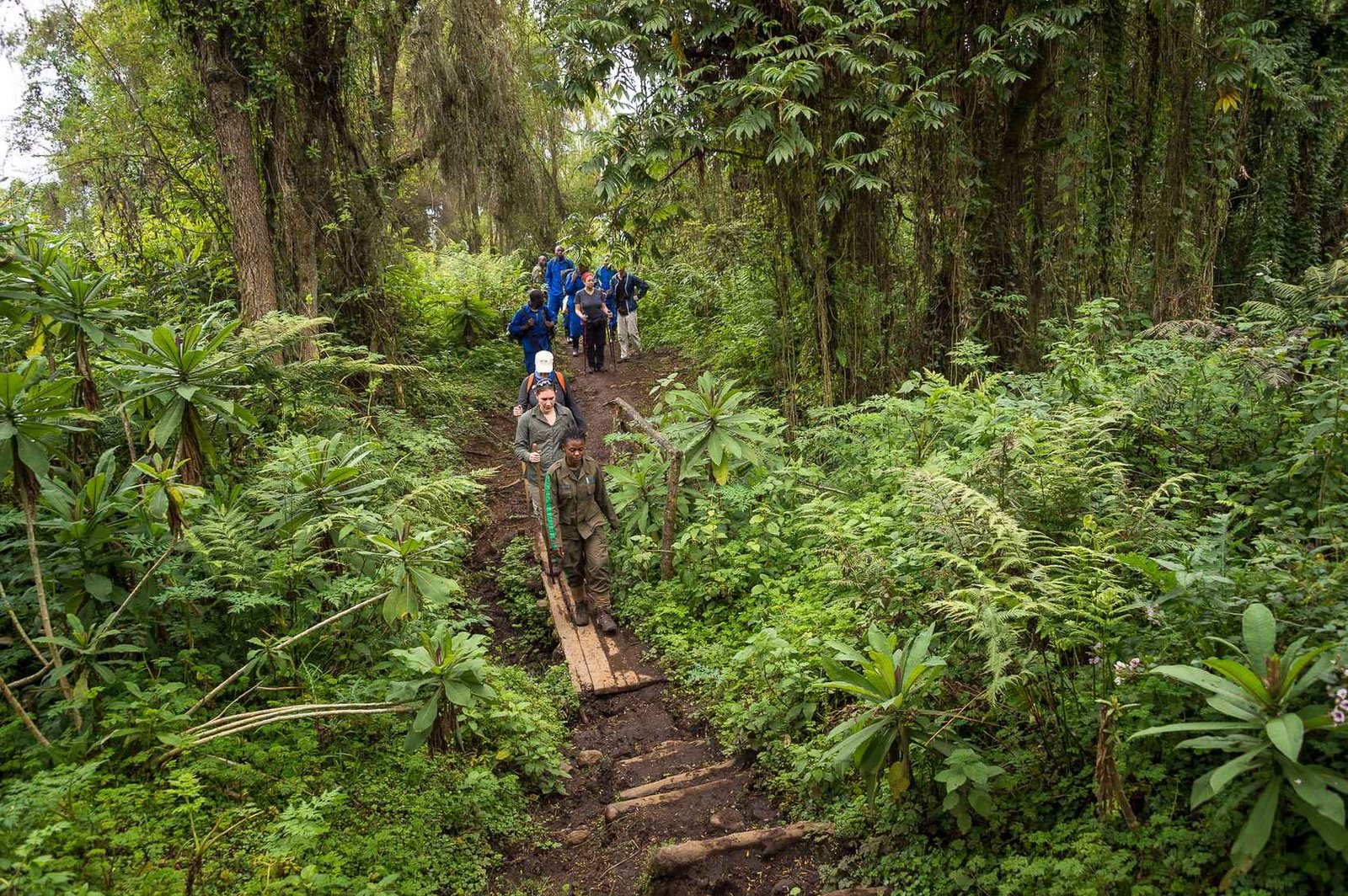
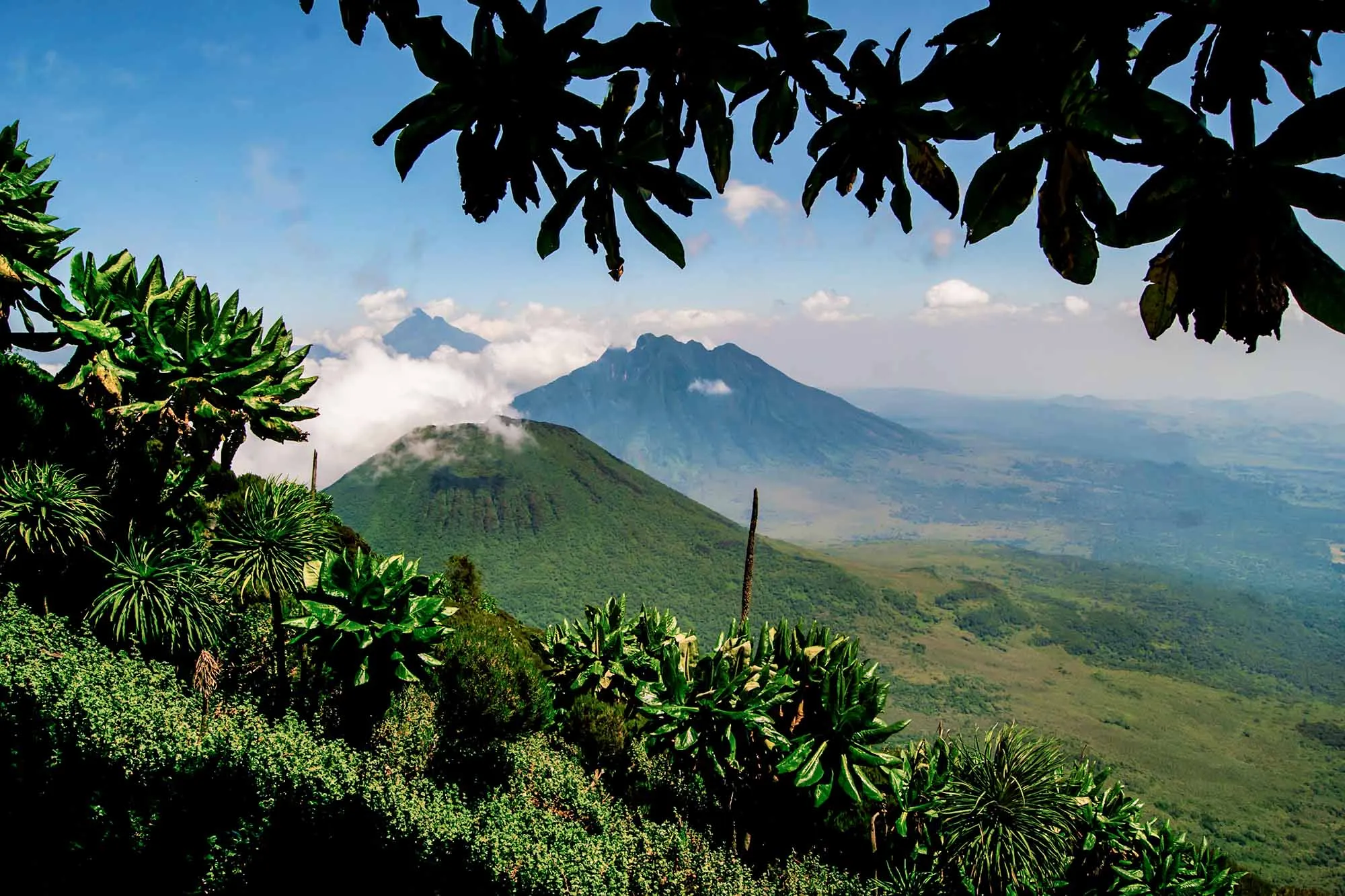
A proper Uganda Weather Guide helps travellers understand why weather conditions can vary greatly between destinations. The mountain forests of Bwindi and Mgahinga are cooler and wetter because of their high altitude, while savannah areas such as Murchison Falls and Kidepo Valley experience warmer conditions. Lake regions, rainforest areas, and mountainous landscapes all create different microclimates that influence the safari experience.
At Nextgen Safaris, we help travellers plan Uganda adventures according to seasonal conditions, ensuring that every itinerary matches the traveller’s interests. Whether you are planning gorilla trekking, luxury wildlife safaris, family holidays, honeymoon experiences, or photography trips, understanding Uganda’s weather allows you to choose the most rewarding travel period.
Understanding Uganda’s Climate
Uganda has a tropical climate with temperatures that remain relatively warm throughout the year due to its location near the equator. However, the country’s elevated landscapes create comfortable conditions compared with many other tropical destinations. Average temperatures generally remain pleasant, making Uganda suitable for safari travel throughout the year.
The country’s climate is mainly divided into two dry seasons and two rainy seasons. The longer dry season usually occurs from June to September, while the shorter dry season takes place from December to February. The main rainy season generally occurs between March and May, followed by another shorter rainy period from October to November.
The weather patterns play an important role in safari planning because they influence road conditions, trekking difficulty, wildlife movements, photography opportunities, and overall travel comfort. However, Uganda’s weather is unpredictable, especially in forest and mountain areas, meaning visitors should always prepare for changing conditions regardless of the season.
The diversity of Uganda’s landscapes means that travellers may experience different weather conditions during one safari. For example, a visitor trekking gorillas in Bwindi may experience cool, misty rainforest conditions while later enjoying warmer temperatures during a wildlife safari in Queen Elizabeth National Park.
Uganda Weather During the Dry Seasons
The dry seasons are among the most popular periods for visiting Uganda because they provide favourable conditions for many outdoor activities. The main dry season from June to September is especially popular among international travellers planning gorilla trekking, wildlife safaris, and combined East African adventures.
During the dry months, rainfall is generally lower, making hiking trails easier to navigate and roads more accessible. This is particularly important for travellers visiting remote destinations such as Bwindi Impenetrable National Park, Mgahinga Gorilla National Park, Kidepo Valley National Park, and Murchison Falls National Park.
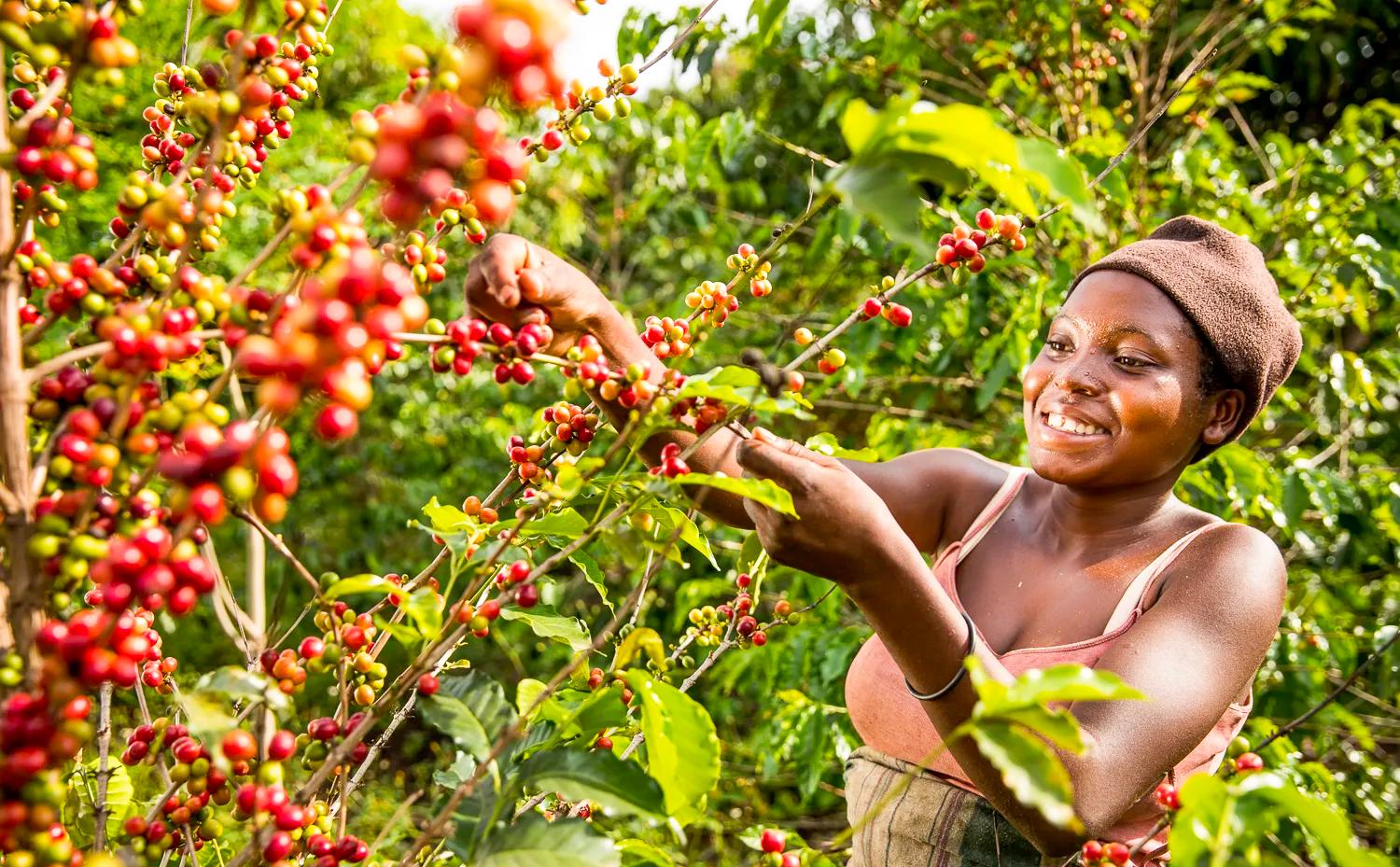
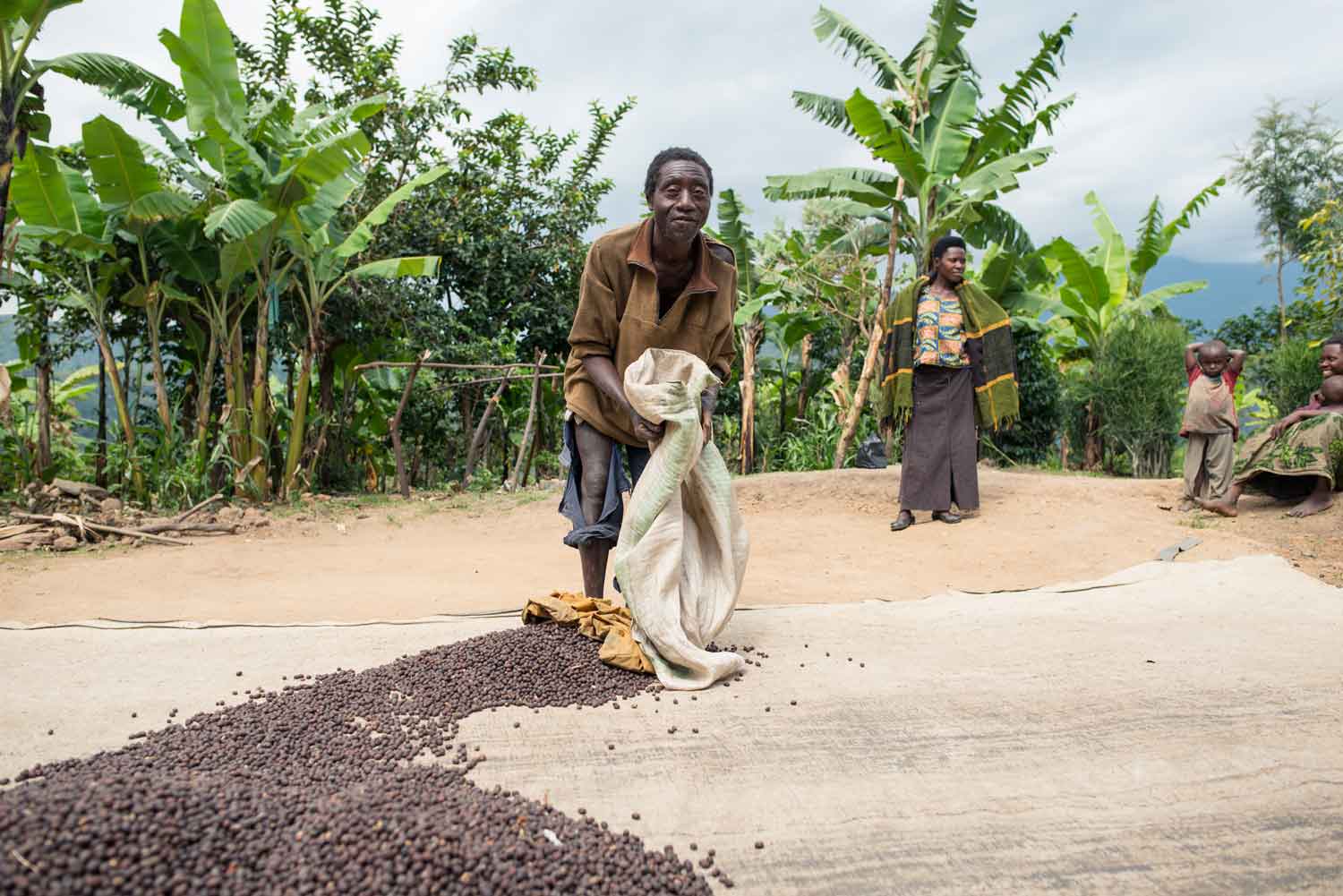
For gorilla trekking, the dry season provides comfortable conditions because forest trails are usually less slippery compared with wetter months. However, because gorillas live in a rainforest environment, occasional rainfall can still occur even during dry periods. Travellers should always carry rain protection when entering Uganda’s forests.
Wildlife viewing is also excellent during the dry season because animals in savannah parks often gather near remaining water sources. This increases opportunities to see elephants, buffaloes, lions, giraffes, zebras, and other wildlife species during game drives.
Uganda Weather During the Rainy Seasons
The rainy seasons in Uganda offer a completely different experience and can be an excellent time for travellers who appreciate green landscapes, fewer visitors, and beautiful photography opportunities. The main rainy season occurs from March to May, while the shorter rainy season usually takes place from October to November.
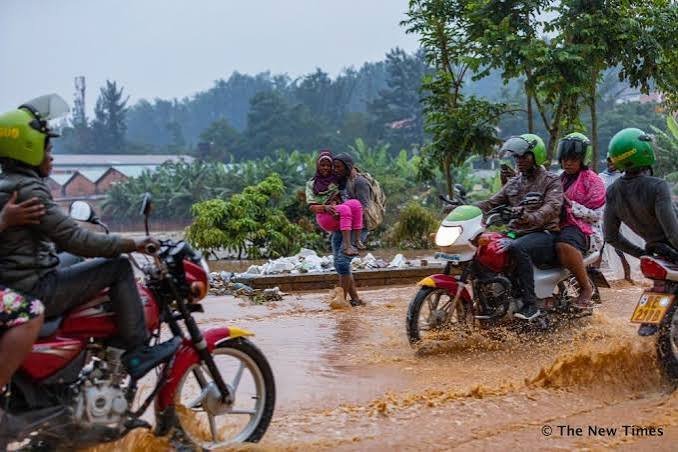
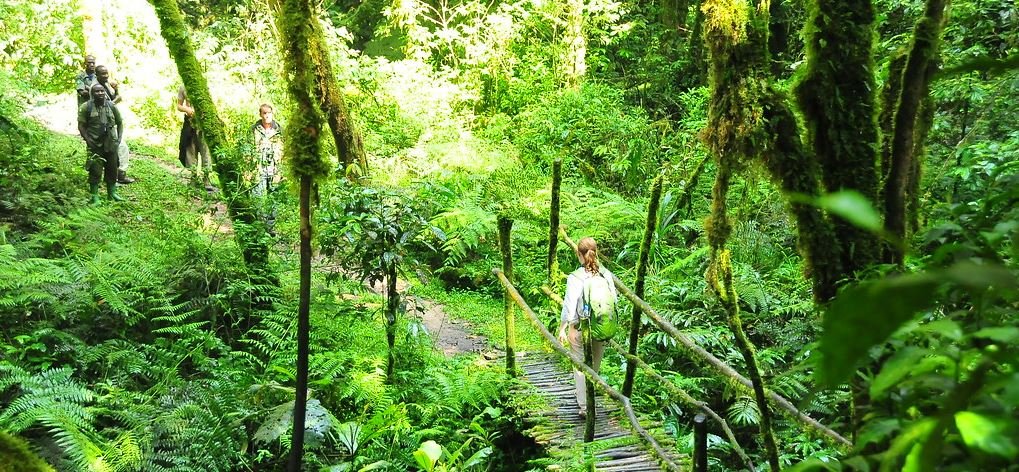
During rainy periods, Uganda’s landscapes become incredibly vibrant. Forests become thicker, vegetation becomes greener, and waterfalls and rivers become more impressive. Photographers often enjoy these months because the scenery appears more dramatic and colourful.
Although rainfall can affect some travel activities, it does not mean that safaris stop during these months. Gorilla trekking, chimpanzee tracking, and wildlife safaris continue throughout the year. Many travellers find rainy season safaris rewarding because there are fewer visitors and a more peaceful atmosphere.
Travellers visiting during rainy months should prepare appropriately by carrying waterproof jackets, suitable hiking shoes, and protective covers for cameras and personal belongings. With the right preparation, the rainy seasons can provide some of Uganda’s most memorable experiences.
Best Weather for Gorilla Trekking in Uganda
Gorilla trekking is one of Uganda’s most famous experiences, and understanding weather conditions is important when planning this adventure. A good Uganda Weather Guide helps travellers know what to expect when entering the rainforest environment of Bwindi Impenetrable National Park.
The dry seasons from June to September and December to February are often considered the most comfortable periods for gorilla trekking because trails are generally easier to hike. The reduced rainfall can make the trekking experience more manageable, especially for travellers concerned about challenging forest conditions.
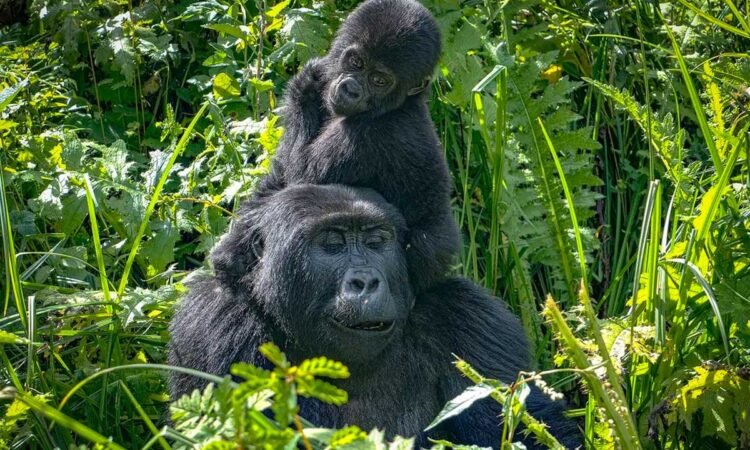
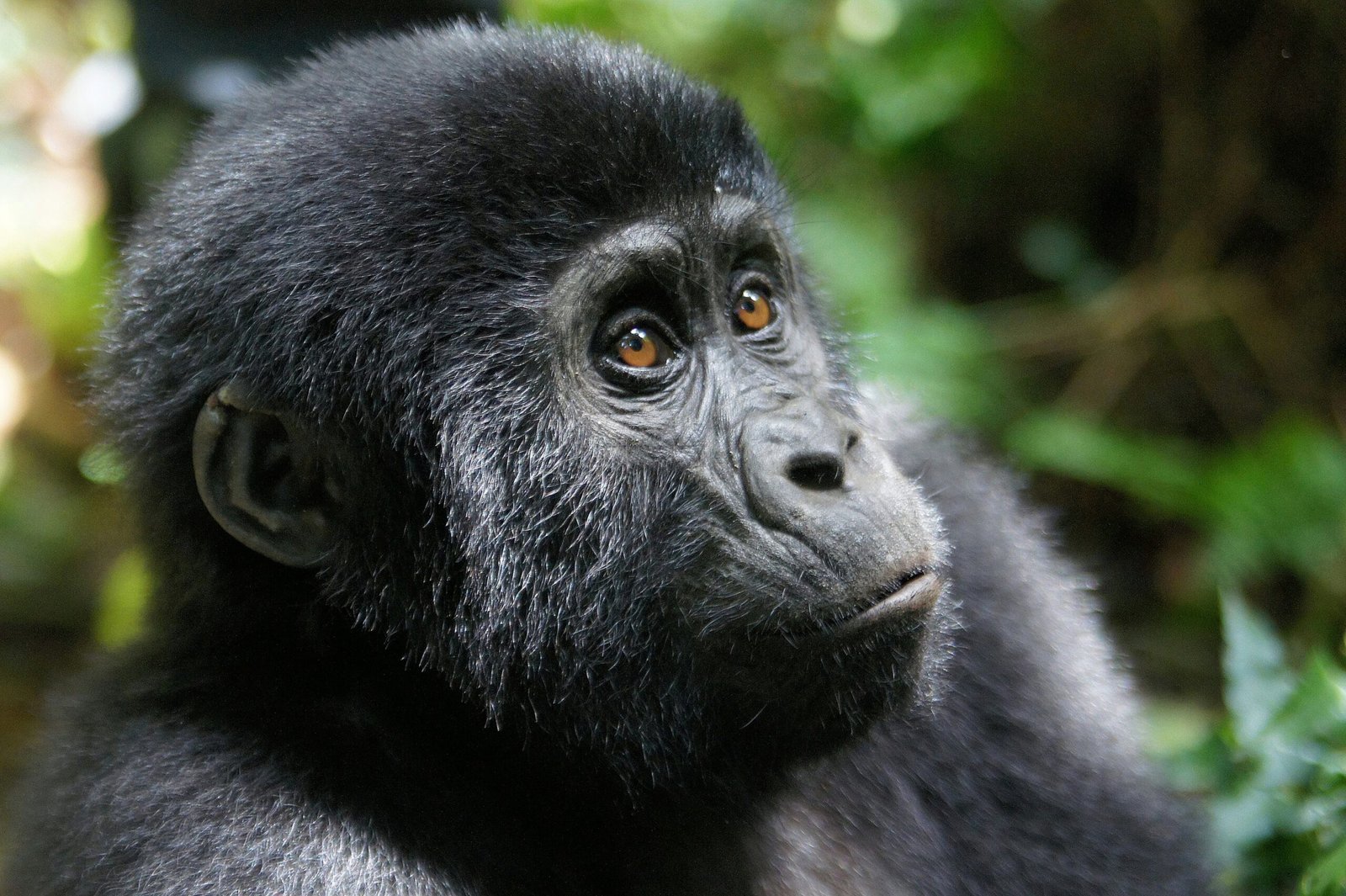
However, some experienced travellers prefer trekking during the rainy seasons because the forest becomes incredibly beautiful. The vegetation is lush, the atmosphere is quieter, and photographers can capture stunning images of gorillas surrounded by rich green scenery.
Regardless of the season, visitors should remember that Bwindi is a rainforest. Rain can occur at any time, and preparation is essential. Waterproof hiking boots, long trousers, gloves, and rain jackets are recommended throughout the year.
Uganda Weather for Chimpanzee Tracking
Chimpanzee tracking in Uganda takes place mainly in rainforest environments such as Kibale National Park, Budongo Forest, and Kyambura Gorge. These areas experience higher humidity and rainfall compared with open savannah destinations.
The dry seasons provide comfortable conditions for chimpanzee tracking because forest trails are usually easier to walk. Visitors can enjoy longer periods exploring the forest while searching for chimpanzee communities.
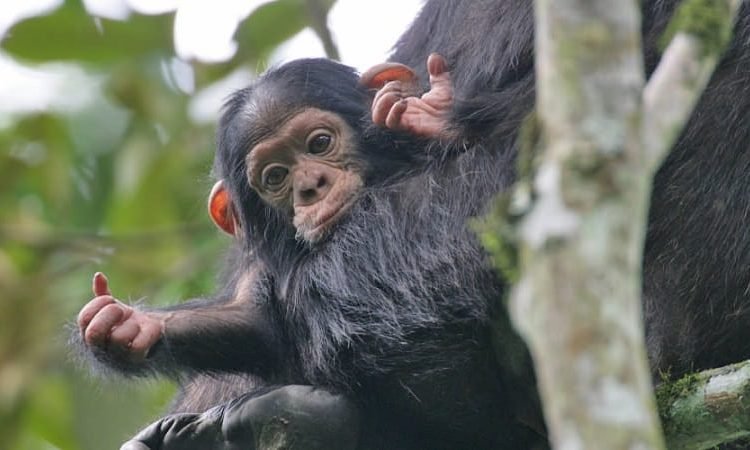
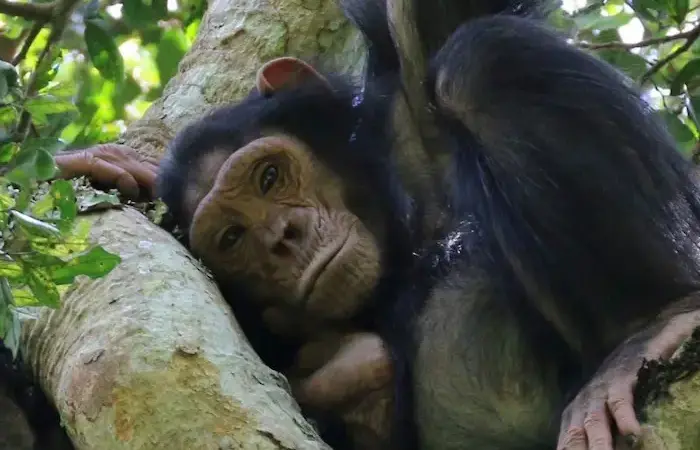
The rainy seasons also have advantages for chimpanzee experiences. During these periods, forests are full of life, with fresh vegetation attracting many wildlife species. Birdwatchers and nature lovers often find these months particularly rewarding.
Because rainforest weather can change quickly, travellers should always prepare for wet conditions even during Uganda’s dry seasons. Proper clothing ensures a comfortable and enjoyable primate experience.
Uganda Weather for Wildlife Safaris
Uganda’s national parks offer excellent wildlife experiences throughout the year, but weather conditions influence animal behaviour and safari comfort. Parks such as Queen Elizabeth National Park, Murchison Falls National Park, and Kidepo Valley National Park experience different weather patterns compared with forest destinations.
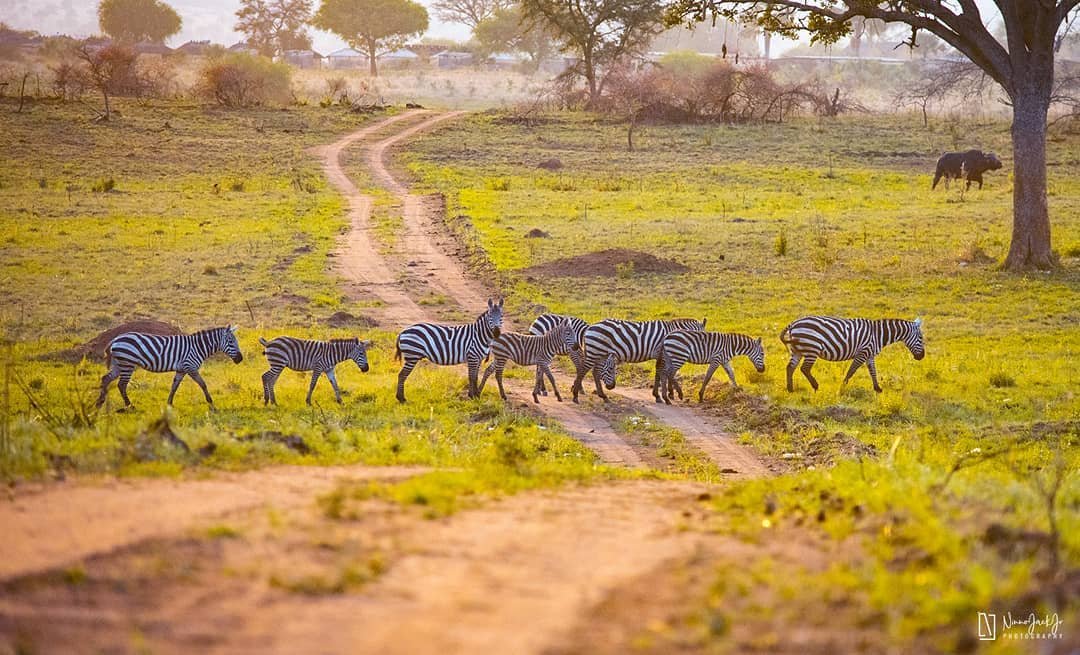
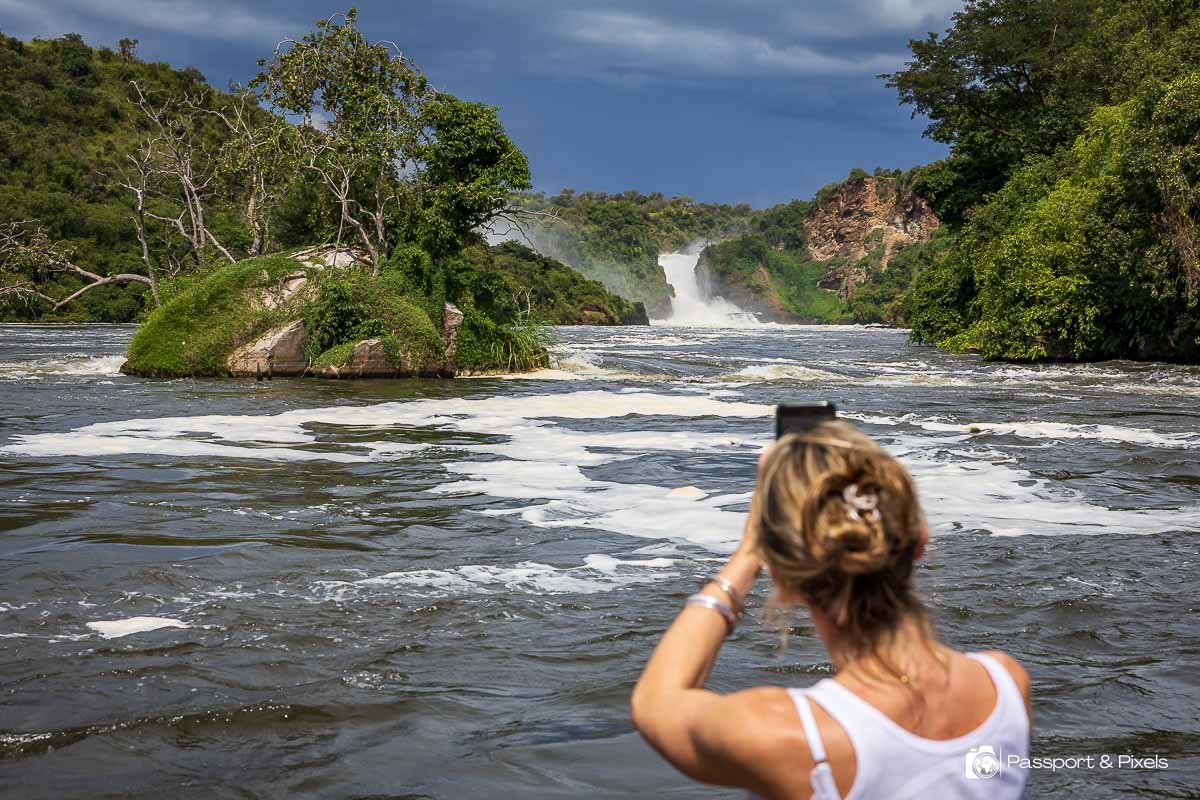
During dry seasons, wildlife viewing is often excellent because animals gather around water sources. Game drives become easier because roads are generally more accessible, allowing visitors to explore larger areas of the parks.
Rainy seasons bring beautiful scenery and increased vegetation. Although animals may be more spread out because water is widely available, the landscapes become spectacular, and photographers enjoy dramatic backgrounds.
A well-planned Uganda safari can be successful in any season because experienced guides understand animal behaviour and know the best areas to explore depending on current conditions.
Month-by-Month Uganda Weather Guide
Understanding Uganda’s weather month by month helps travellers choose the most suitable time for gorilla trekking, wildlife safaris, chimpanzee tracking, birdwatching, and cultural adventures. Although Uganda can be visited throughout the year, each period offers different advantages depending on the type of experience you want. The country’s location along the equator means temperatures remain relatively stable, but rainfall patterns influence road conditions, forest trekking experiences, wildlife movements, and overall safari comfort.
January and February – Warm Dry Season with Excellent Safari Conditions
January and February are among the best months to visit Uganda because they fall within the country’s shorter dry season. During this period, rainfall is generally lower, skies are often clearer, and travel conditions are comfortable across most safari destinations. The warm weather creates excellent conditions for exploring Uganda’s national parks, forests, lakes, and cultural attractions without significant weather interruptions.
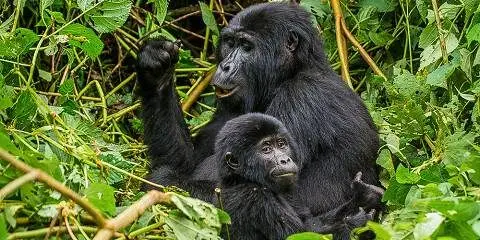
For travellers planning gorilla trekking, January and February provide favourable hiking conditions in Bwindi Impenetrable National Park and Mgahinga Gorilla National Park. Forest trails are usually less muddy compared with rainy months, making the trekking experience more comfortable. However, because gorillas live in a rainforest environment, occasional rainfall can still occur, so travellers should always carry waterproof protection regardless of the season.
These months are also excellent for wildlife safaris in destinations such as Queen Elizabeth National Park, Murchison Falls National Park, and Kidepo Valley National Park. During the dry period, vegetation becomes less dense, and animals are more likely to gather around remaining water sources, improving opportunities for wildlife viewing. Travellers can enjoy game drives, boat cruises, and photography experiences under comfortable weather conditions.
January and February are also ideal for combining multiple Uganda experiences in one itinerary. Visitors can combine gorilla trekking with chimpanzee tracking in Kibale Forest, wildlife viewing, cultural visits, and relaxation experiences around Lake Bunyonyi or Lake Victoria. The pleasant weather makes movement between destinations easier, especially for travellers planning longer safari routes.
March to May – Green Season with Beautiful Landscapes and Fewer Crowds
March to May marks Uganda’s main rainy season, bringing increased rainfall across many parts of the country. Although some travellers avoid this period because of wetter conditions, it is actually one of the most beautiful times to experience Uganda. The rains transform the country into a lush green paradise, creating spectacular scenery and excellent opportunities for nature lovers and photographers.
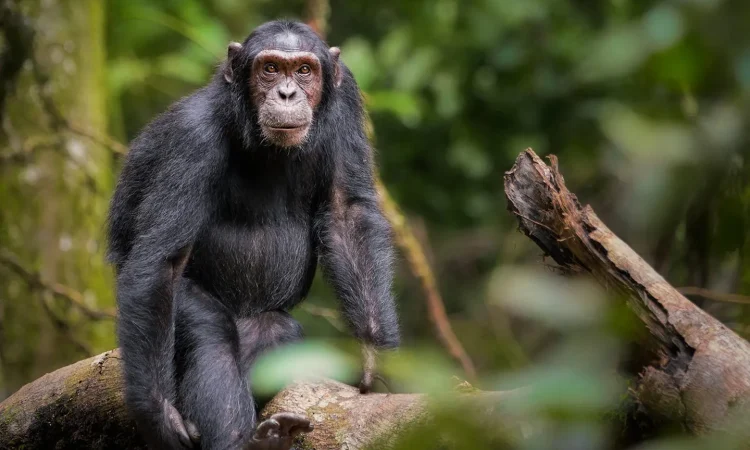
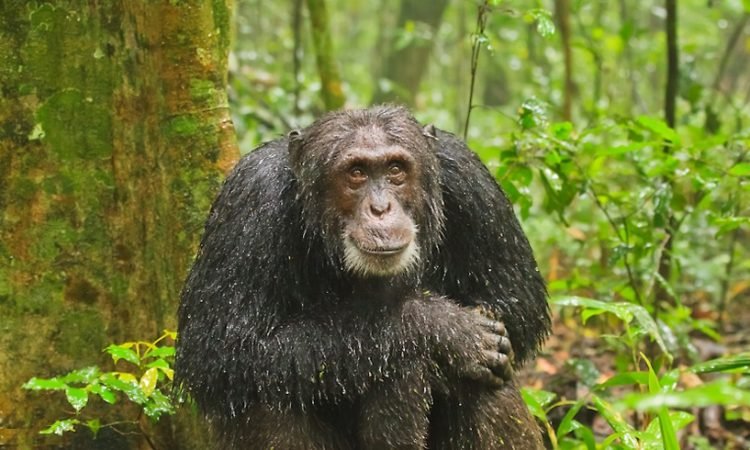
During these months, Uganda’s forests become incredibly vibrant, with fresh vegetation, flowing rivers, and beautiful landscapes. Destinations such as Bwindi Impenetrable National Park, Kibale Forest, and Queen Elizabeth National Park appear especially scenic because the vegetation is thick and colourful. Photographers often appreciate the dramatic backgrounds created by misty forests, green hills, and waterfalls.
Gorilla trekking remains available throughout March, April, and May. Although trails may become wetter and more challenging due to mud and rainfall, the experience can be extremely rewarding. The rainforest environment feels more alive, and visitors often enjoy a quieter trekking atmosphere because fewer travellers visit during this period.
The rainy season is also a fantastic time for birdwatching because many bird species become more active, and migratory birds may be present. Wildlife enthusiasts who prefer peaceful experiences, fewer crowds, and lower-season travel opportunities often find March to May an excellent choice.
Travellers visiting during this period should prepare carefully with waterproof hiking boots, rain jackets, backpack covers, and suitable outdoor clothing. With the right preparation, the rainy season provides an authentic and memorable Uganda safari experience.
June to September – Peak Dry Season and Best Overall Safari Period
June to September is considered one of the best periods for a Uganda safari because it offers some of the most reliable weather conditions of the year. This long dry season attracts many international travellers because it combines comfortable temperatures, reduced rainfall, and excellent conditions for outdoor activities.
For gorilla trekking, this period is highly recommended because forest trails are generally easier to navigate compared with wetter months. Travellers can enjoy the incredible experience of meeting mountain gorillas in Bwindi or Mgahinga while facing fewer challenges from heavy rainfall and muddy paths.
Wildlife safaris are also exceptional during June to September. In savannah destinations such as Queen Elizabeth National Park and Murchison Falls National Park, animals often concentrate around water sources as natural water becomes less available. This creates excellent opportunities to see elephants, buffaloes, lions, giraffes, antelopes, and other wildlife species during game drives.
The dry weather also makes road travel between destinations more comfortable. Travellers planning longer itineraries that include gorilla trekking, chimpanzee tracking, and wildlife safaris benefit from easier transportation conditions. This makes June to September especially popular among first-time visitors, luxury travellers, families, and photographers.
Because this period is considered a peak travel season, travellers planning to visit during these months should book safari activities, accommodation, and gorilla permits early. Popular lodges and trekking dates can become limited, especially during international holiday periods.
October to November – Short Rain Season with Beautiful Green Scenery
October and November bring Uganda’s shorter rainy season. Although rainfall increases during these months, they remain excellent times for travellers who prefer quieter experiences, beautiful landscapes, and fewer crowds. The rain is often less intense than during the main rainy season, allowing visitors to continue enjoying most safari activities.
One of the biggest advantages of travelling during October and November is the beauty of Uganda’s landscapes. The rains refresh forests, grasslands, and wetlands, creating spectacular scenery. The countryside becomes greener, making it an excellent period for photography, especially for travellers interested in capturing Uganda’s natural beauty.
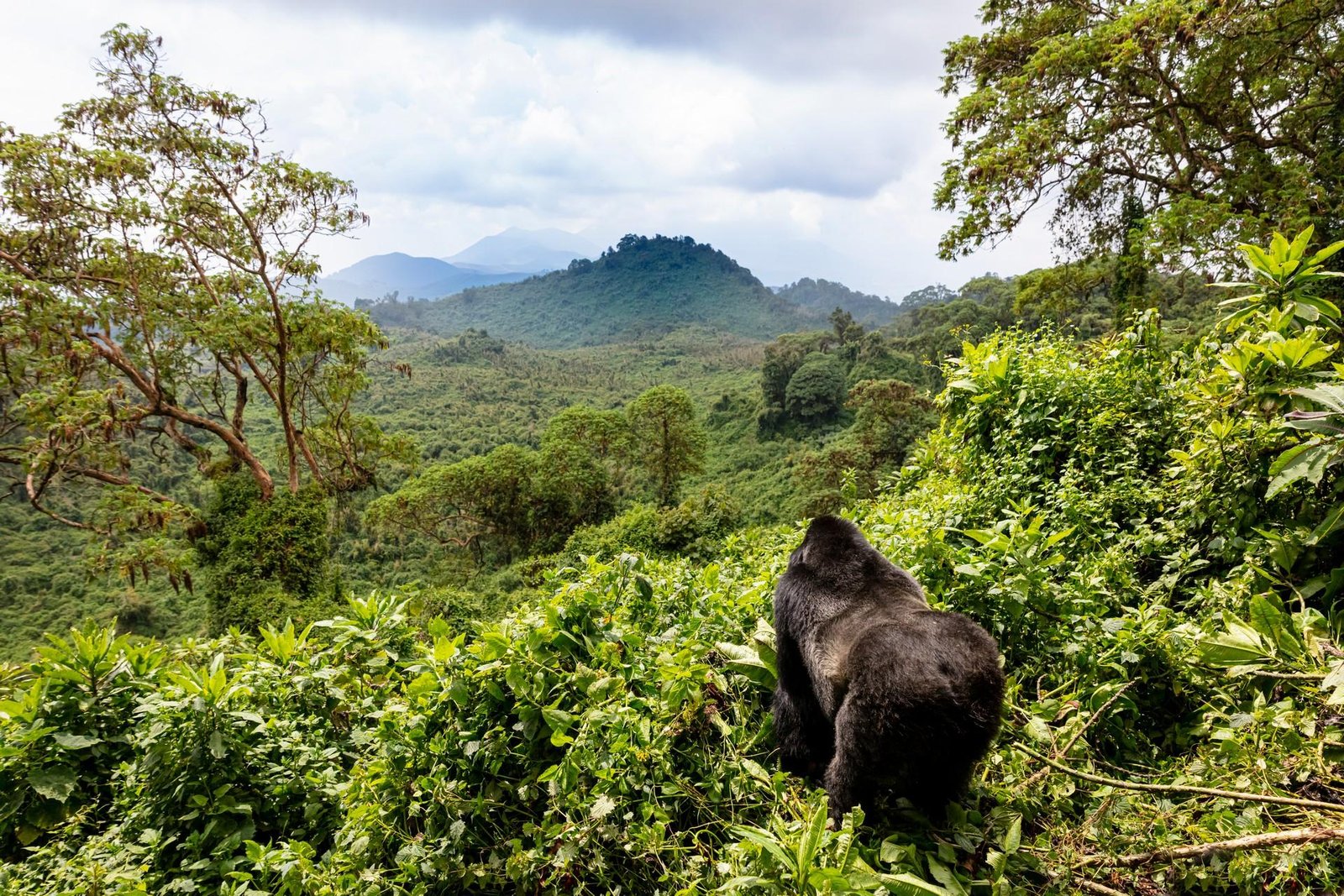
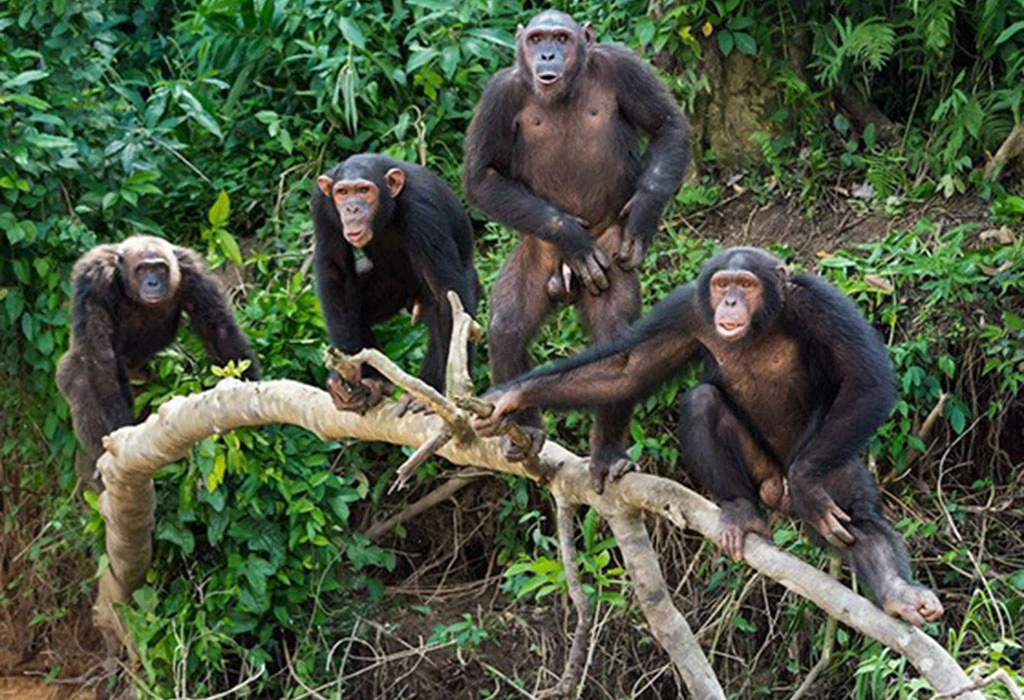
Gorilla trekking and chimpanzee tracking continue throughout these months. While some trails may become slippery, the experience remains rewarding. The forests are especially impressive during this season, with lush vegetation and a peaceful atmosphere that allows visitors to connect more deeply with nature.
October and November are also excellent months for birdwatching because many species are active during this period. Uganda’s national parks and forests become ideal destinations for bird enthusiasts looking for colourful species and unique photographic opportunities.
Travellers who choose October and November can also benefit from lower visitor numbers compared with peak seasons. This creates a more relaxed safari atmosphere, with fewer people at popular attractions and a more exclusive feeling during wildlife experiences.
December – Festive Season Travel and Beginning of the Dry Season
December marks the beginning of Uganda’s shorter dry season and is one of the most popular months for international travellers. Many visitors choose December because it combines improving weather conditions with the opportunity to enjoy a memorable holiday-season safari.
During December, rainfall generally decreases, creating better conditions for gorilla trekking, wildlife safaris, and outdoor adventures. The landscapes remain green from the previous rainy period, providing beautiful scenery while roads and trails gradually become easier to navigate.
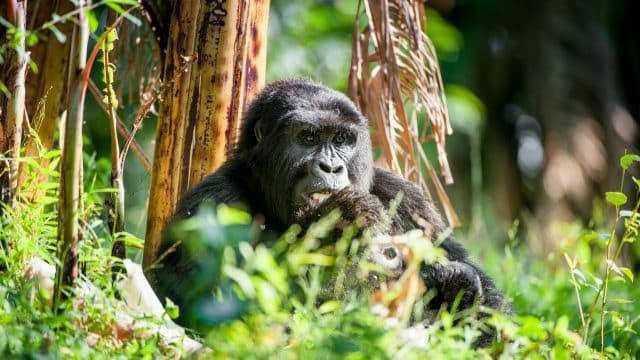
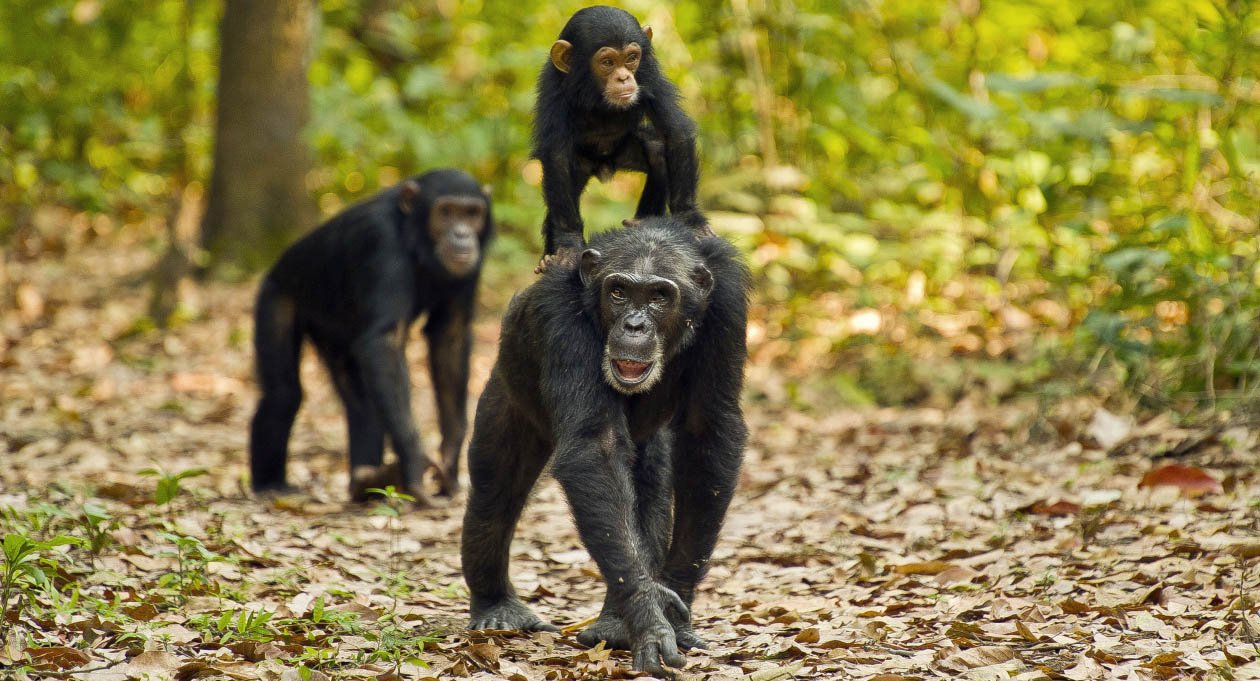
December is an excellent month for families planning a holiday safari because children are often on school break, making it a convenient period for international travel. Families can enjoy wildlife safaris in Queen Elizabeth National Park, boat cruises, cultural experiences, and nature adventures throughout Uganda.
Honeymoon couples and luxury travellers also enjoy December because it offers opportunities for romantic safari experiences combined with comfortable lodge stays. Travellers can combine gorilla trekking, wildlife viewing, and relaxation experiences into a memorable festive-season journey.
Because December is a high-demand travel month, visitors should plan early. Gorilla permits, safari lodges, and transportation arrangements can become limited during the festive period. Booking in advance ensures a smoother and more enjoyable Uganda safari experience.
What to Pack According to Uganda Weather
Packing correctly is important because Uganda includes different environments with different weather conditions. A good Uganda Weather Guide should always include practical packing advice.
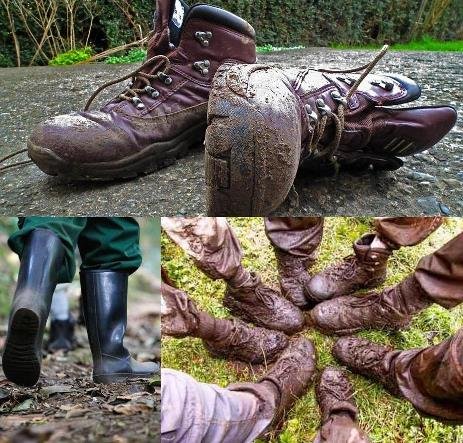
Travellers planning gorilla trekking should pack waterproof hiking boots, long trousers, rain jackets, warm layers, gardening gloves for forest walks, and comfortable clothing. The rainforest environment can be cool and wet even when temperatures elsewhere are warm.
For wildlife safaris, lightweight clothing, hats, sunglasses, sunscreen, and binoculars are recommended. Neutral-coloured clothing is useful for game drives and outdoor activities. A waterproof backpack cover, camera protection, insect repellent, and personal medication are also valuable items for any Uganda adventure.
Uganda Weather for Luxury and Family Safaris
Luxury travellers and families can enjoy Uganda throughout the year because safari experiences are available in every season. The best travel period depends on the activities planned and personal preferences.
Families may prefer dry seasons because easier road conditions and comfortable weather make travelling with children more convenient. Wildlife viewing and shorter outdoor activities are often easier during these months.
Luxury travellers may enjoy both seasons because high-quality lodges provide comfort regardless of weather conditions. Rainy seasons can even create a more exclusive atmosphere with fewer visitors and beautiful landscapes.
Why Choose Nextgen Safaris for Weather-Based Uganda Safari Planning?
Planning according to weather conditions is an important part of creating a successful Uganda safari. At Nextgen Safaris, we use our local knowledge and experience to recommend the best travel periods based on your interests.
Whether you want gorilla trekking, chimpanzee tracking, wildlife safaris, birdwatching, honeymoon travel, or family adventures, we design itineraries that consider seasonal conditions and your comfort. Our team helps you choose suitable destinations, accommodation, activities, and travel routes while ensuring that your safari experience is enjoyable throughout the year.
Frequently Asked Questions About Uganda Weather Guide
What is the best time to visit Uganda according to the Uganda Weather Guide?
The best time to visit Uganda depends on the activities you want to enjoy during your safari. According to the Uganda Weather Guide, the dry seasons from June to September and December to February are generally considered the best periods for gorilla trekking, chimpanzee tracking, and wildlife safaris because rainfall is lower and outdoor activities are more comfortable. However, Uganda remains a year-round destination, with every season offering unique experiences.
Does Uganda have a rainy season?
Yes, Uganda has two main rainy seasons that influence travel conditions. The longer rainy season usually occurs from March to May, while the shorter rainy season occurs from October to November. The Uganda Weather Guide explains that these months bring greener landscapes, excellent photography opportunities, and fewer visitors, although travellers should prepare for wetter conditions during forest activities and road travel.
Is Uganda suitable for travel throughout the year?
Yes, Uganda is suitable for travel throughout the year because temperatures remain relatively stable and safari activities continue in every season. A detailed Uganda Weather Guide helps travellers choose the best period based on their interests, whether they are planning gorilla trekking, wildlife safaris, chimpanzee tracking, birdwatching, or cultural experiences.
What is the weather like during gorilla trekking in Uganda?
Gorilla trekking takes place in rainforest environments where weather conditions can change quickly. The Uganda Weather Guide shows that dry seasons from June to September and December to February provide more comfortable hiking conditions, but rain is possible at any time because Bwindi Impenetrable Forest and Mgahinga Gorilla National Park are tropical rainforest areas.
Is the rainy season a bad time for a Uganda safari?
No, the rainy season is not necessarily a bad time for a Uganda safari. According to the Uganda Weather Guide, rainy months create beautiful green scenery, fewer crowds, and excellent opportunities for photography and birdwatching. While some roads and hiking trails may become more challenging, experienced guides help travellers enjoy successful safaris throughout the year.
What temperatures should I expect in Uganda?
Uganda generally experiences warm and comfortable temperatures because of its location near the equator. However, temperatures vary depending on altitude and location. The Uganda Weather Guide explains that forest destinations such as Bwindi and Kibale are cooler due to elevation, while savannah areas such as Murchison Falls and Kidepo Valley are warmer.
What is the weather like in Bwindi Impenetrable National Park?
Bwindi Impenetrable National Park has a cool and wet rainforest climate because of its high altitude and dense vegetation. The Uganda Weather Guide recommends preparing for changing conditions by carrying waterproof clothing, hiking boots, and warm layers. Rain can occur even during dry seasons, so travellers should always be prepared.
What is the best weather for Uganda gorilla trekking?
The best weather for Uganda gorilla trekking is generally during the dry seasons from June to September and December to February. During these periods, forest trails are usually less muddy and hiking conditions are more comfortable. However, the Uganda Weather Guide also highlights that rainy seasons can provide beautiful forest scenery and fewer visitors.
Is Uganda hot or cold?
Uganda has a generally warm tropical climate, but it is not extremely hot throughout the country. The Uganda Weather Guide explains that altitude plays an important role in temperatures. Mountainous and forest areas are cooler, while lowland and savannah regions experience warmer conditions, especially during the afternoon.
What should I pack based on Uganda weather?
Travellers should pack according to the different environments they will experience. A complete Uganda Weather Guide recommends waterproof hiking boots, rain jackets, long trousers, lightweight clothing, warm layers, sunscreen, insect repellent, binoculars, and camera protection. Packing versatile clothing helps travellers remain comfortable during forest and safari activities.
Which months are best for wildlife safaris in Uganda?
The best months for wildlife safaris in Uganda are usually during the dry seasons from June to September and December to February. During these periods, animals often gather around water sources, making them easier to spot during game drives. The Uganda Weather Guide also notes that rainy seasons provide beautiful landscapes and excellent wildlife photography opportunities.
Can I go chimpanzee tracking during the rainy season?
Yes, chimpanzee tracking is available throughout the year, including during rainy seasons. The Uganda Weather Guide explains that rainforest experiences can be especially rewarding during wetter months because forests become greener and more active. Travellers should simply prepare for wet trails and changing weather conditions.
Does weather affect Uganda safari prices?
Weather seasons can influence safari prices because demand changes throughout the year. Peak dry seasons often attract more visitors, while rainy seasons may offer better value and fewer crowds. The Uganda Weather Guide helps travellers choose the best balance between weather conditions, budget, and preferred safari experiences.
Is December a good month to visit Uganda?
Yes, December is a good month to visit Uganda because it marks the beginning of the shorter dry season. The Uganda Weather Guide identifies December as a popular travel period for gorilla trekking, wildlife safaris, and holiday-season travel because conditions are generally comfortable and suitable for outdoor adventures.
Why should I plan my Uganda safari with Nextgen Safaris based on weather conditions?
Planning your safari with Nextgen Safaris ensures that your travel dates, destinations, and activities match the seasonal conditions. Using the Uganda Weather Guide, our team helps travellers choose the best periods for gorilla trekking, wildlife viewing, chimpanzee tracking, and other experiences. We create personalised Uganda safari itineraries designed around your interests, comfort, and travel expectations.
Book Your Uganda Safari Adventure Today
Understanding the Uganda Weather Guide helps travellers choose the right time to explore the Pearl of Africa and enjoy unforgettable wildlife experiences. Whether you visit during the dry seasons for easier trekking and wildlife viewing or during the rainy seasons for lush landscapes and fewer crowds, Uganda offers incredible adventures throughout the year.

From meeting mountain gorillas in Bwindi’s ancient forests to watching elephants and lions across Uganda’s national parks, every season brings something special. The country’s diverse landscapes, welcoming communities, and remarkable wildlife make it one of Africa’s most rewarding safari destinations.
At Nextgen Safaris, we create personalised Uganda safari experiences based on your travel goals, preferred season, and interests. Contact us today and let our expert team design your perfect Uganda adventure through the beauty of the Pearl of Africa.