
What Happens When a Young Male Gorilla Challenges a Silverback? 9 Shocking Outcomes Revealed
What Happens When a Young Male Gorilla Challenges a Silverback? Deep within the mist-covered rainforests of Uganda, Rwanda, and the Democratic Republic of Congo, young male mountain gorillas occasionally challenge older dominant silverbacks as they mature and develop greater physical strength. Amazing Secrets RevealedThese fascinating confrontations may involve chest beating, intimidating displays, vocalisations, chasing, or physical fighting. However, not every challenge results in violence. Some young males remain subordinate, while others eventually establish their own families or assume leadership. Visitors exploring Uganda gorilla trekking, Bwindi Impenetrable National Park, Rwanda gorilla trekking tours, mountain gorilla family behaviour, and African gorilla safaris can learn about these remarkable social relationships.
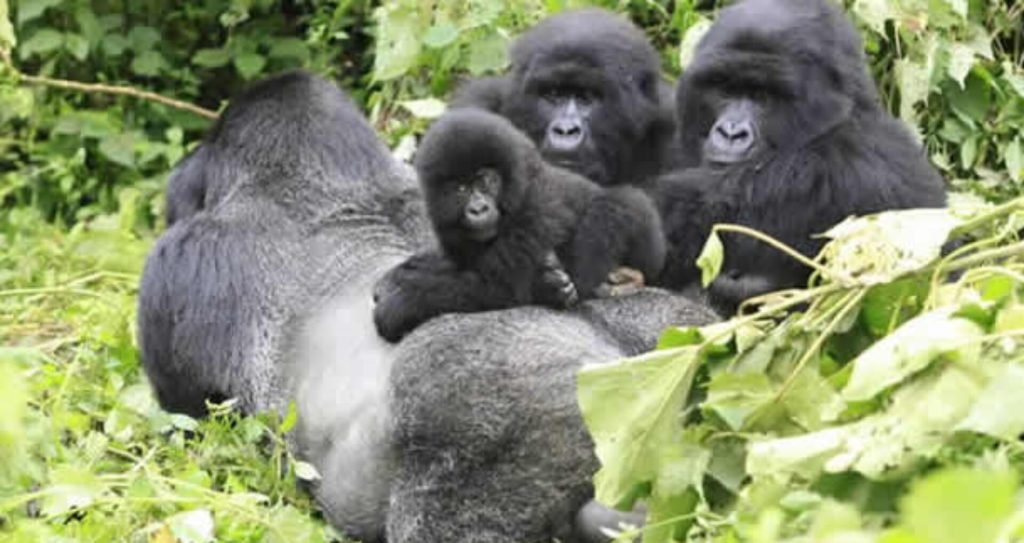
Understanding What Happens When a Young Male Gorilla Challenges a Silverback? reveals the complexity of mountain gorilla leadership and family organisation. A dominant silverback is usually an experienced adult male responsible for maintaining important social relationships, influencing group movements, and responding to potential threats. As younger males approach adulthood, their growing size and reproductive interests can create competition within the family. What Happens When a Young Male Gorilla Challenges a Silverback? These interactions are essential to understanding silverback gorilla behaviour, Uganda mountain gorilla families, gorilla conservation, Rwanda gorilla experiences, and the changing relationships within wild gorilla populations.
Why Do Young Male Gorillas Challenge Dominant Silverbacks?
Young male gorillas undergo significant physical and social changes as they mature. Males between approximately eight and eleven years old are commonly classified as blackbacks, while males aged around twelve years and older generally develop the distinctive silver-grey saddle associated with silverbacks. As young males mature, they become stronger and may seek increased social influence or reproductive opportunities. Nevertheless, competition does not always involve an immediate attempt to overthrow the dominant male. Visitors exploring mountain gorilla behaviour in Bwindi, Uganda gorilla trekking packages, Rwanda gorilla trekking experiences, and gorilla family relationships can observe these age-related differences.
What Happens When a Young Male Gorilla Challenges a Silverback? The outcome depends on factors including the young male’s age, physical development, the dominant male’s condition, the group’s composition, and existing social relationships. Some younger males remain in their birth groups for many years without becoming dominant. Others eventually disperse, while a smaller proportion successfully replace established leaders. These different strategies demonstrate that mountain gorilla dominance is not determined solely through violent competition.
9 Shocking Outcomes When a Young Gorilla Challenges a Silverback
1. The Young Male May Begin With Intimidating Displays
Can Mountain Gorilla Families Recognise Each Other? Amazing Secrets Revealed When a young male gorilla starts challenging an older silverback, the interaction may involve threatening postures, vocalisations, chest beating, or sudden movements. These displays communicate excitement, tension, or competitive intentions without necessarily resulting in physical contact.What Happens When a Young Male Gorilla Challenges a Silverback? As males develop, they gain experience interpreting the reactions of dominant individuals and other group members. Such displays form part of the wider communication system that makes mountain gorilla behaviour particularly fascinating.
What Happens When a Young Male Gorilla Challenges a Silverback? An initial confrontation may end after a display, with both individuals returning to feeding or resting. The older male may respond with his own signals, while the younger gorilla may withdraw or remain nearby. Chest beating alone does not establish that a serious leadership challenge is underway. Visitors joining Bwindi gorilla trekking tours, Uganda primate safaris, Rwanda gorilla trekking holidays, or guided gorilla experiences should rely on professional rangers to interpret such behaviour.
2. The Dominant Silverback May Respond by Asserting His Position
A dominant silverback generally has advantages in body size, strength, experience, and established social relationships over a younger blackback. When challenged, he may respond through threatening displays, displacement, chasing, or other dominance-related behaviour. Such interactions can reinforce the existing social hierarchy without causing serious injuries. Physical maturity and experience are especially important when assessing the competitive abilities of adult male mountain gorillas.
What Happens When a Young Male Gorilla Challenges a Silverback? The dominant male does not automatically lose his position simply because a younger gorilla displays confidence. Long-term research shows that some dominant silverbacks maintain leadership despite challenges from subordinate males. Can Mountain Gorilla Families Recognise Each Other? Their established relationships with females and other group members can also influence the outcome. These fascinating encounters contribute to the experience of learning about gorilla social structure, Bwindi gorilla families, and mountain gorilla trekking in Uganda.
3. The Young Gorilla May Retreat and Remain Subordinate
One possible outcome of a challenge is that the younger male withdraws and continues living within the same group. Mountain gorilla families sometimes contain multiple mature males, with one occupying the dominant position and others maintaining subordinate roles. Remaining in the family can provide social benefits and potential future reproductive opportunities. A subordinate male does not necessarily need to leave immediately after an unsuccessful challenge.
What Happens When a Young Male Gorilla Challenges a Silverback? The interaction may reinforce the young male’s subordinate status without permanently damaging relationships within the group. Over time, he may continue developing physically while maintaining familiar associations with females, infants, and other males. Some subordinate silverbacks eventually inherit leadership after the dominant male dies. Travellers interested in mountain gorilla family life, Uganda gorilla trekking adventures, double gorilla trekking, and Rwanda mountain gorillas may observe these peaceful multi-male relationships.
4. A Serious Fight May Occur Between the Males
Some dominance challenges escalate into physical confrontation. Mature male gorillas possess powerful arms, substantial body mass, strong jaws, and large canine teeth. Serious fighting may involve biting, striking, pushing, or chasing, sometimes resulting in significant injuries. However, not every challenge develops into a physical fight, and dramatic confrontations should not be considered normal daily behaviour.
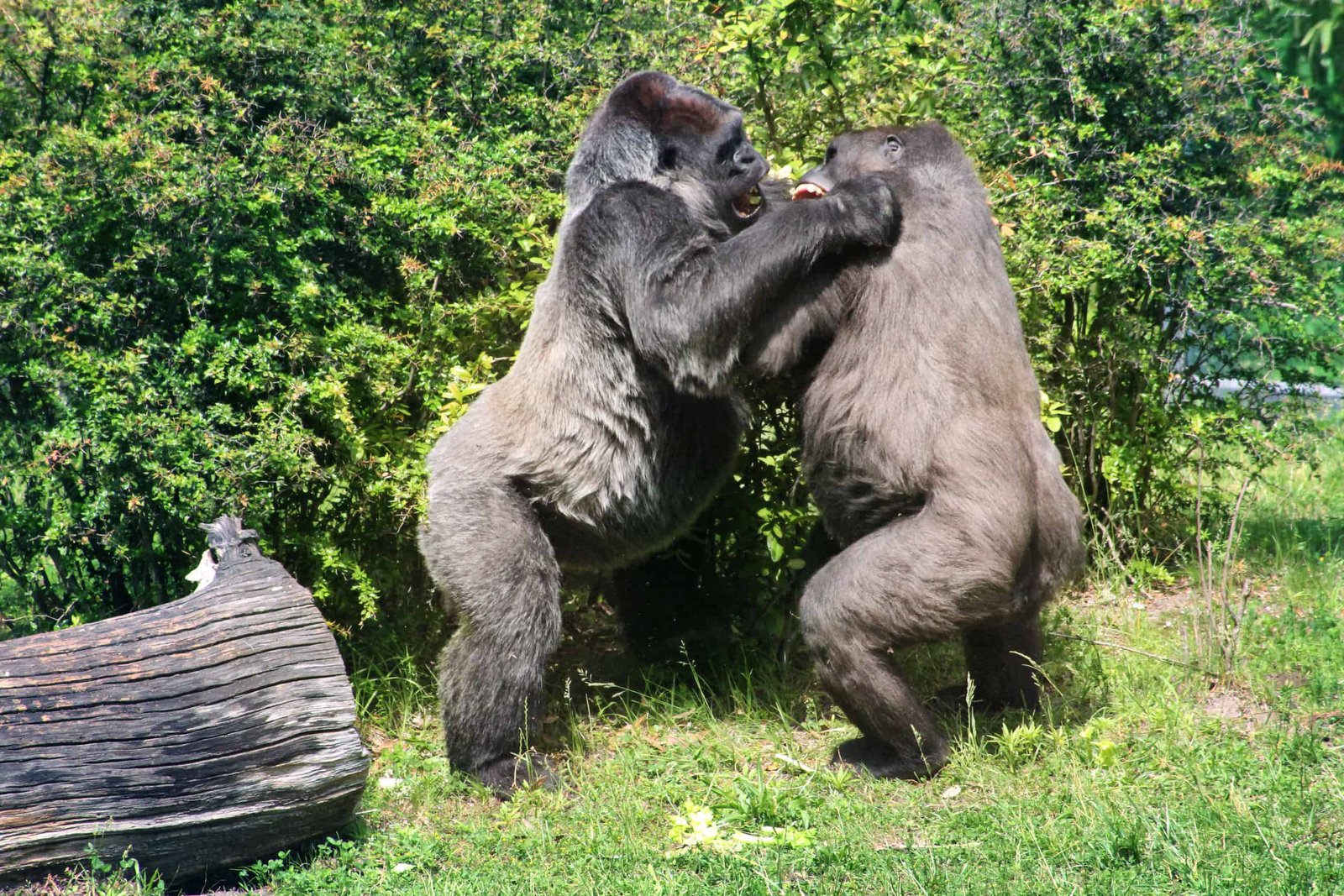
What Happens When a Young Male Gorilla Challenges a Silverback? A violent encounter may leave either male injured, and exceptionally serious conflicts can cause death. Field veterinarians have documented injuries sustained during dominance disputes, including bite wounds and deep lacerations. Such incidents demonstrate that competition can carry substantial consequences for individual survival. Visitors exploring Bwindi gorilla trekking experiences, guided Uganda gorilla safaris, and Rwanda gorilla trekking tours should never attempt to provoke an aggressive display.
5. The Gorilla Family May Split Into Separate Groups
A prolonged struggle between mature males can sometimes contribute to a gorilla family dividing into separate groups. One male may remain with some members while another establishes a separate social unit. These events can involve changes in relationships between males and females, and the resulting groups may eventually occupy different areas of the forest.
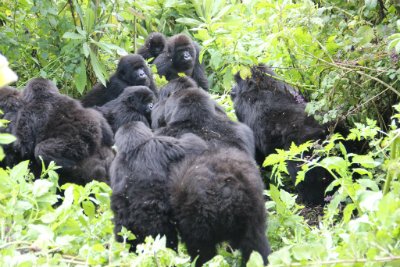
What Happens When a Young Male Gorilla Challenges a Silverback? A group split can allow a younger silverback to establish leadership without necessarily defeating the older male in a single decisive fight. Field observations from the Virunga region have documented challenges that developed over extended periods before groups separated. These events help explain the changing composition of Uganda gorilla families, Rwanda mountain gorilla groups, and wild mountain gorilla populations.
6. The Young Male May Eventually Become the Dominant Silverback
A younger silverback can occasionally succeed in replacing an established leader. This process is known as dominance usurpation and may follow repeated challenges or changes in the relative strength and social positions of the males. However, studies of mountain gorillas demonstrate that direct takeovers are not the only or necessarily the most common pathway to leadership.
What Happens When a Young Male Gorilla Challenges a Silverback? Success may eventually allow him to occupy the dominant position, influence group movements, and gain additional reproductive opportunities. A study of Bwindi mountain gorillas found that, among sixteen clearly classified leadership transitions, only two involved subordinate males taking over through usurpation. Other transitions occurred following the previous leader’s death or group separation. These findings highlight the importance of long-term observation in understanding mountain gorilla behaviour and Bwindi gorilla trekking.
7. Adult Female Gorillas May Influence the Outcome
Female mountain gorillas play important roles in shaping group composition and relationships. When leadership changes or families divide, females may remain with one male or transfer to another group. Their choices can influence the reproductive success of competing silverbacks and the eventual stability of new families. Gorilla society is therefore more complex than the idea that the strongest male automatically controls every member.
What Happens When a Young Male Gorilla Challenges a Silverback? The preferences and behaviour of females can influence which male ultimately establishes a successful breeding group. Research on mountain gorilla social organisation has documented cases in which females remained with different males following family divisions. These interactions demonstrate the importance of mountain gorilla family relationships, gorilla trekking in Uganda, and Rwanda wildlife experiences in understanding wild gorilla populations.
8. The Young Male May Leave to Establish His Own Family
Some young male gorillas eventually disperse from their birth groups rather than remaining subordinate indefinitely. Following dispersal, a male may live alone for a period and attempt to attract females from other groups. This strategy carries challenges because solitary males lack the social support of an established family and may encounter competing silverbacks.
What Happens When a Young Male Gorilla Challenges a Silverback? An unsuccessful challenge does not necessarily cause immediate dispersal, but competition and changing reproductive opportunities may influence a male’s longer-term decisions. Some males disperse without any obvious increase in aggression from the dominant silverback. Visitors exploring mountain gorilla habitats, Bwindi trekking sectors, Uganda gorilla safaris, and gorilla conservation experiences can learn about how new gorilla groups form naturally.
9. The Family May Remain Together Despite Repeated Challenges
Not every rivalry ends with one male leaving, dying, or becoming dominant. Some multi-male gorilla families continue living together despite occasional competitive interactions. Subordinate males may remain within the group for extended periods, and relationships can change gradually as individuals mature or age. These social arrangements illustrate the flexibility of mountain gorilla family organisation.
What Happens When a Young Male Gorilla Challenges a Silverback? The dominant male may retain leadership, while the younger male continues occupying a subordinate position. Research has also documented females and infants positioning themselves between conflicting silverbacks, sometimes reducing the frequency of subsequent aggression. These fascinating interactions offer valuable insights into gorilla family behaviour, Uganda gorilla trekking, gorilla habituation experiences, and Rwanda gorilla trekking safaris.
Can a Blackback Gorilla Defeat a Fully Grown Silverback?
Blackbacks are generally smaller and less physically developed than fully mature silverbacks. As a result, younger males usually face considerable disadvantages during serious confrontations. However, developmental stages are gradual, and an older blackback approaching adulthood may possess greater strength than a much younger male. The outcome of an interaction depends on several factors, including age, health, individual physical condition, and established social relationships.
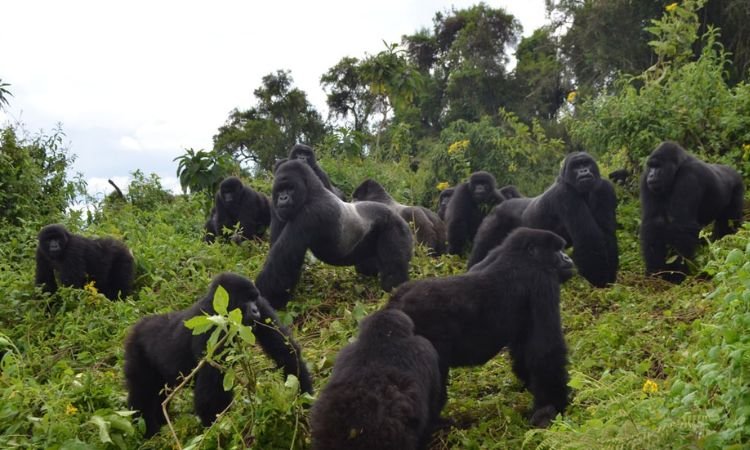
What Happens When a Young Male Gorilla Challenges a Silverback? A blackback may retreat, remain subordinate, or continue developing within the family instead of winning immediate leadership. Successful takeovers by younger adult silverbacks are more plausible than the simple idea of an immature gorilla overpowering a healthy, experienced adult male. Learn more through mountain gorilla trekking in Bwindi, Uganda gorilla experiences, and gorilla family behaviour.
What Happens to the Older Silverback After Losing Dominance?
An older silverback that loses dominance may remain within the group, separate from some members, or experience changes in his social relationships. Outcomes differ between families and depend on the circumstances of the leadership transition. Some older males retain important relationships even when another male assumes greater influence. Others may become isolated or suffer injuries during serious competitive encounters.
What Happens When a Young Male Gorilla Challenges a Silverback? A successful younger male does not automatically kill or expel the previous leader. Gorilla leadership changes are varied and cannot be reduced to one predictable sequence. These differences are important when studying mountain gorilla social structure, gorilla families in Uganda, and Rwanda gorilla trekking experiences.
Can Challenges Between Male Gorillas Affect Infants?
Changes in male leadership can have consequences for dependent infants, particularly when unfamiliar males enter groups or established social protection is disrupted. Infanticide has been documented in mountain gorilla populations, although it does not occur automatically following every dominance challenge. The presence of familiar adult males can contribute to infant protection, while mothers maintain central roles in caring for their youngsters.
What Happens When a Young Male Gorilla Challenges a Silverback? The consequences for infants depend on the identities of the competing males, their existing relationships, and the outcome of the interaction. In groups where a familiar subordinate male eventually inherits leadership, continuity may reduce some risks associated with group disruption. These observations highlight the importance of protecting complete mountain gorilla families through responsible gorilla trekking tourism.
Where Can Tourists Observe Mountain Gorilla Dominance Behaviour?
Bwindi Impenetrable National Park, Uganda

Bwindi Impenetrable National Park provides opportunities to observe habituated mountain gorilla families within their natural forest environment. Its Buhoma, Ruhija, Rushaga, and Nkuringo trekking sectors support different groups with varying social compositions. Visitors may observe dominant silverbacks, younger males, females, and infants interacting naturally. Explore Bwindi gorilla trekking packages, double gorilla trekking tours, three-day Uganda gorilla safaris, and luxury Bwindi safaris.
Mgahinga Gorilla National Park, Uganda
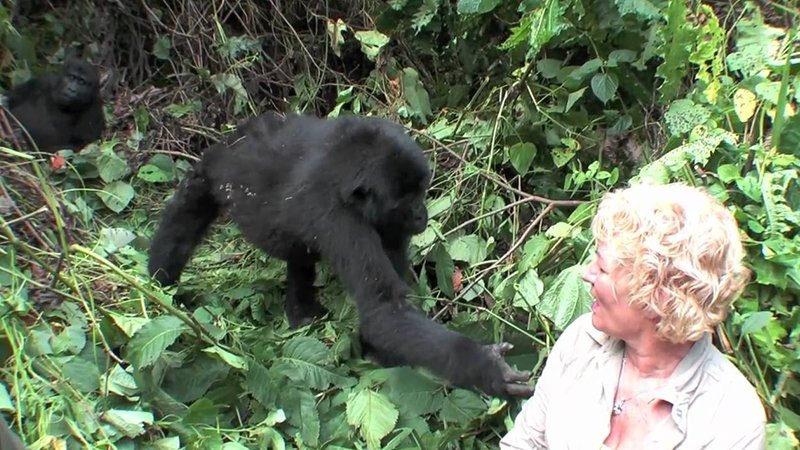
Mgahinga Gorilla National Park offers mountain gorilla trekking within the remarkable Virunga volcanic landscape of southwestern Uganda. Visitors may observe natural family interactions while exploring high-altitude forests and bamboo vegetation. The composition of habituated gorilla groups can change over time, and specific dominance behaviours are never guaranteed. Explore Mgahinga gorilla trekking safaris, Uganda gorilla trekking packages, and three-day Mgahinga gorilla tours.
Volcanoes National Park, Rwanda
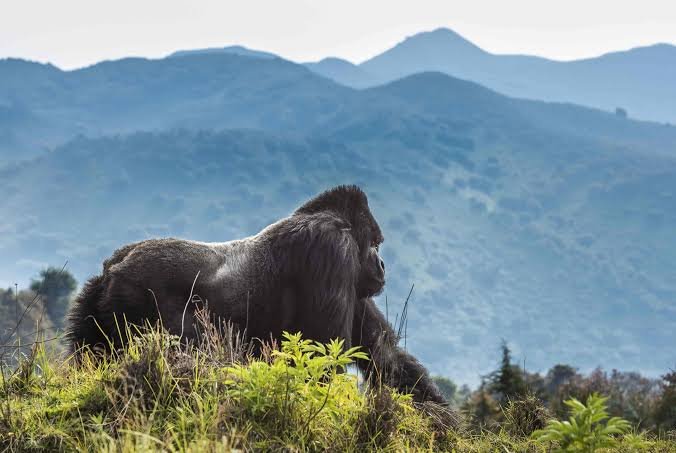
Rwanda’s Volcanoes National Park is internationally recognised for mountain gorilla research and conservation. Long-term studies in the Virunga Mountains have provided important information about male dominance, family formation, reproductive competition, and group leadership. Visitors can observe habituated mountain gorillas under ranger supervision and learn about their social relationships. Explore Rwanda gorilla trekking tours, Rwanda gorilla trekking planning, three-day Rwanda gorilla safaris, and romantic Rwanda gorilla honeymoons.
Can Tourists Witness a Young Gorilla Challenging a Silverback?
Tourists may occasionally observe dominance-related displays during a guided gorilla trekking experience, but serious fights and leadership challenges are unpredictable. Most encounters involve peaceful activities such as feeding, resting, grooming, and caring for infants. Park rangers are responsible for managing visitor safety and ensuring that gorillas are not disturbed. Tourists should never attempt to provoke chest beating, approach fighting gorillas, or interfere in natural conflicts.
What Happens When a Young Male Gorilla Challenges a Silverback? If a confrontation occurs near visitors, rangers assess the situation and provide appropriate instructions. Travellers should remain calm, avoid sudden movements, and respect established wildlife-viewing regulations. Nextgen Safaris can help visitors arrange Uganda gorilla trekking, Rwanda gorilla safaris, gorilla trekking and habituation experiences, and private wildlife adventures focused on responsible observation.
Frequently Asked Questions About Young Gorillas Challenging Silverbacks
What Happens When a Young Male Gorilla Challenges a Silverback?
The young male may display, withdraw, remain subordinate, fight, disperse, or eventually become dominant. The outcome depends on age, strength, existing relationships, and the composition of the family. Learn more about mountain gorilla behaviour.
Can a Young Gorilla Defeat an Older Silverback?
A younger adult silverback can sometimes replace an older dominant male, but such takeovers are not inevitable. Blackbacks usually have substantial physical disadvantages compared with mature males. Discover Bwindi gorilla family experiences.
Do Young Male Gorillas Always Challenge Their Fathers?
No. Some remain subordinate within their birth groups, while others disperse or eventually assume leadership. Direct competition is only one pathway through which a male may become dominant. Explore Uganda gorilla trekking tours.
Why Do Young Male Gorillas Challenge Silverbacks?
Challenges can arise from social competition, increasing physical maturity, and reproductive interests. However, not every aggressive interaction represents an attempt to overthrow a leader. Learn about gorilla family behaviour.
What Happens When a Young Male Gorilla Challenges a Silverback and Loses?
The younger male may retreat, remain subordinate, or eventually leave the family. Losing a challenge does not automatically mean expulsion or death. Discover mountain gorilla trekking in Uganda.
Can a Gorilla Family Have Two Dominant Silverbacks?
A family can contain several silverbacks, but one generally occupies the highest position in the dominance hierarchy. Other mature males may remain subordinate and maintain important social relationships. Explore Bwindi gorilla trekking.
Do Silverbacks Kill Young Males That Challenge Them?
Serious fighting can occasionally result in fatal injuries, but killing challengers is not an automatic or inevitable outcome. Many dominance-related interactions involve displays rather than lethal combat. Learn more about wild gorilla behaviour.
Can a Young Silverback Start His Own Gorilla Family?
Yes. Some adult males disperse and eventually establish their own groups by attracting females. Others remain in their existing groups and may inherit leadership. Explore Uganda gorilla families.
Do Female Gorillas Choose Which Silverback to Follow?
Female gorillas can influence group formation through their social relationships and decisions to remain with or transfer between males. These choices may become especially important during family divisions. Discover Rwanda gorilla trekking.
Can Tourists See Gorilla Dominance Challenges During Trekking?
Visitors may observe dominance-related behaviour during permitted gorilla encounters, but fights cannot be predicted or guaranteed. Ethical trekking prioritises natural observation and animal welfare. Book guided Uganda gorilla safaris.
Book Your Mountain Gorilla Trekking Safari With Nextgen Safaris
Discovering What Happens When a Young Male Gorilla Challenges a Silverback? reveals the fascinating social dynamics that shape mountain gorilla society. From younger blackbacks learning their position within a family to mature silverbacks maintaining relationships and protecting their groups, every gorilla encounter offers opportunities to appreciate these endangered primates.
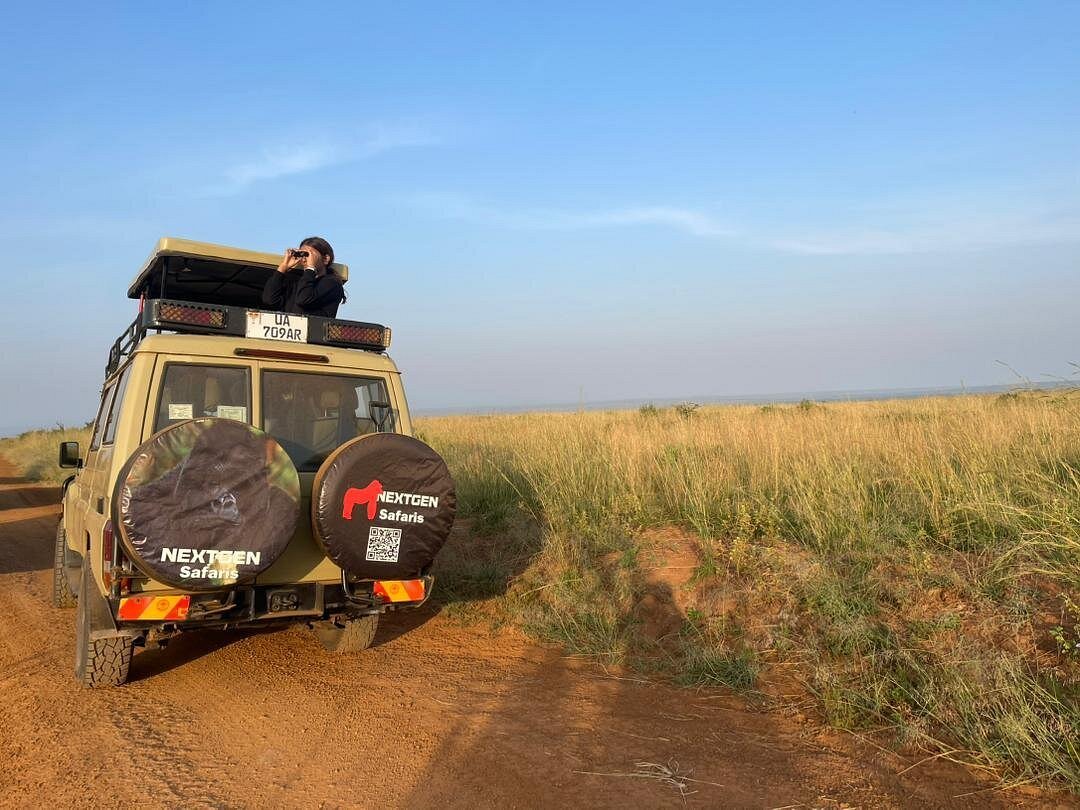
At Nextgen Safaris, we organise personalised Uganda gorilla trekking safaris, Rwanda gorilla trekking holidays, luxury gorilla experiences, double gorilla trekking adventures, and gorilla habituation safaris. Our team assists with permits, accommodation, private transportation, and carefully planned itineraries.