
What Happens When a Mountain Gorilla Walks Toward You? 7 Essential Safety Rules
What Happens When a Mountain Gorilla Walks Toward You? One of the most unforgettable moments during mountain gorilla trekking is watching a powerful silverback, curious juvenile, or adult female unexpectedly move toward your position in the forest. Although mountain gorillas are generally peaceful when undisturbed, they remain incredibly powerful wild animals, and visitors must respond appropriately whenever one approaches. The most important rule is to remain calm, avoid sudden movements, never run, and follow the instructions of your park ranger. During professionally guided gorilla trekking in Rwanda, Bwindi gorilla trekking adventures, Volcanoes National Park tours, Rwanda mountain gorilla safaris, and luxury gorilla trekking holidays, trained guides carefully supervise these extraordinary wildlife encounters.

At Nextgen Safaris, we help travelers understand how mountain gorillas behave and what to expect during an encounter in their natural rainforest habitat. Gorilla trekking offers visitors the opportunity to observe habituated families that have gradually become accustomed to regulated human presence, but habituation does not make gorillas domesticated or completely predictable. A gorilla may approach because it is moving between feeding locations, exploring its surroundings, joining other family members, or responding to something nearby. Understanding the difference between ordinary movement and potentially defensive behavior is an important part of preparing for Rwanda gorilla trekking, Volcanoes National Park experiences, guided gorilla tracking tours, Uganda gorilla adventures, and personalized African safari holidays.
Why Would a Mountain Gorilla Walk Toward a Tourist?
Mountain gorillas move naturally through their forest habitats while feeding, resting, playing, and interacting with other family members. During a regulated observation period, a gorilla may simply travel along a route that happens to pass near the visiting group. Juvenile gorillas may sometimes investigate their surroundings, while an adult silverback may reposition himself or move toward another member of his family. These movements do not automatically indicate aggression, although tourists should never attempt to interpret a gorilla’s intentions without guidance. Visitors exploring gorilla trekking in Volcanoes National Park, Bwindi forest adventures, Rwanda mountain gorilla trekking, short gorilla safari packages, and private guided trekking experiences should allow the animals to move freely without interference.
Stay Calm When a Mountain Gorilla Approaches
The first and most important response when a mountain gorilla walks toward you is to remain calm and follow your ranger’s instructions. Sudden movements, loud shouting, or unexpected reactions can disturb animals that are otherwise behaving normally. A ranger may tell visitors to remain completely still, look away, or carefully adjust their positions when it is safe to do so. The appropriate response depends on the gorilla’s behavior, available space, and the ranger’s assessment. Visitors should never attempt to approach the animal or create a close encounter for photography. Professional guidance forms an essential part of Rwanda gorilla trekking tours, Volcanoes National Park safaris, Bwindi mountain gorilla encounters, luxury Rwanda gorilla holidays, and private African wildlife adventures.
Never Run Away from an Approaching Gorilla
Running is one of the most dangerous reactions to an approaching or displaying mountain gorilla. Rapid movement can complicate a situation and make it more difficult for rangers to manage the encounter. Even when a gorilla appears intimidating, tourists should remain composed and avoid attempting to escape independently. If a gorilla charges or makes a threatening display, guides may instruct visitors to remain still, lower their gaze, or crouch calmly until the situation settles. The exact response should always follow the ranger’s directions rather than a predetermined movement. Understanding these precautions is essential before joining gorilla trekking in Rwanda, Volcanoes National Park tours, Uganda gorilla trekking safaris, three-day Rwanda gorilla adventures, and guided luxury gorilla holidays.
Avoid Direct Staring and Sudden Gestures
Mountain gorillas communicate through body posture, facial expressions, vocalizations, and movements. When a gorilla approaches or displays, prolonged direct eye contact and exaggerated gestures may be inappropriate, particularly if the animal appears defensive. Visitors should follow ranger instructions about where to direct their gaze and how to position themselves. Waving arms, pointing, reaching toward the gorilla, or attempting to attract its attention should be avoided. It is also important to maintain a quiet atmosphere and allow the gorillas to continue their normal activities. These conservation practices are emphasized during Rwanda gorilla trekking experiences, Volcanoes National Park encounters, private Rwanda safari packages, Bwindi gorilla trekking, and professionally guided gorilla tours.
Follow Your Gorilla Trekking Ranger’s Instructions
Every mountain gorilla trekking group is accompanied by trained park personnel who understand gorilla behavior and the procedures used to manage wildlife encounters. Rangers evaluate the animals’ movements and communicate appropriate instructions to visitors throughout the observation period. If a gorilla approaches, the ranger may ask tourists to remain still or move carefully when a safe route is available. Visitors should never separate from the group, ignore instructions, or attempt to control the situation themselves. This supervision is especially important when large silverbacks or active juveniles are moving nearby. Travelers can prepare through our Rwanda gorilla trekking guide, Volcanoes National Park information, guided Rwanda trekking packages, Uganda mountain gorilla safaris, and personalized trekking arrangements.
Never Attempt to Touch an Approaching Mountain Gorilla
Even when a mountain gorilla comes unexpectedly close, tourists must never deliberately touch, stroke, hug, feed, or physically interact with the animal. Mountain gorillas are vulnerable to certain human illnesses, including respiratory infections, and unnecessary contact creates risks for both visitors and wildlife. A young gorilla may appear playful or curious, but this does not make physical contact appropriate. If an animal unexpectedly makes contact, avoid reacting abruptly and follow the ranger’s immediate instructions. Visitors should also report any contact to their guide. Responsible gorilla observation is fundamental to Volcanoes National Park trekking, Rwanda gorilla holidays, Bwindi gorilla trekking safaris, luxury mountain gorilla experiences, and conservation-focused safari packages.
Understand What Happens When a Silverback Approaches
A silverback is a mature male gorilla distinguished by the silver-colored hair across his back. Silverbacks are exceptionally powerful animals that often play important roles in group leadership and protection. When a silverback moves toward visitors, the situation can feel intimidating because of his size and strength, but his movement does not automatically indicate aggression. He may simply be traveling, checking his surroundings, or responding to activity within the family. Visitors should remain calm and allow rangers to assess his behavior. Watching these impressive animals responsibly is a highlight of Rwanda mountain gorilla trekking, Bwindi silverback encounters, Volcanoes National Park adventures, guided Rwanda gorilla tours, and exclusive safari holidays.
Remain With Your Group and Respect the Gorilla’s Space
Gorilla trekking regulations require visitors to remain together under ranger supervision while observing habituated gorilla families. Staying with the group helps guides monitor everyone and reduces unnecessary movement around the animals. When a gorilla moves toward the group, tourists should avoid scattering, stepping behind the animal, or attempting to surround it. Rangers may reorganize the viewing position when appropriate to provide the gorilla with space to move. The aim is to observe natural behavior without interfering with the family’s activities. These principles apply during Rwanda gorilla trekking safaris, Volcanoes National Park experiences, Bwindi forest trekking, short Rwanda gorilla tours, and private gorilla trekking holidays.
What Happens If a Mountain Gorilla Charges Toward You?
A charge is different from an ordinary gorilla walking toward visitors. A gorilla displaying defensively may make sudden movements, vocalize, beat its chest, or move rapidly toward a perceived threat. However, not every chest beat or vocalization indicates an impending attack, and tourists should not attempt to diagnose the situation themselves. Rwanda’s visitor guidance advises remaining still, looking away, and following the guide when a gorilla displays or vocalizes. Rangers may direct visitors to crouch calmly in certain circumstances. Never run, shout, challenge the gorilla, or attempt to photograph a threatening display at close range. These precautions are important during Rwanda gorilla trekking, Volcanoes National Park wildlife encounters, Uganda gorilla trekking, guided primate safari experiences, and professionally organized trekking adventures.
Do Mountain Gorillas Actually Attack Tourists?
Serious aggressive encounters with tourists are uncommon during properly managed visits to habituated gorilla families, but no interaction with wild animals is completely risk-free. Mountain gorillas generally spend their time feeding, resting, moving, and interacting socially rather than seeking confrontations with people. Defensive behavior can occur if an animal perceives a threat, feels crowded, or becomes disturbed. Habituation reduces certain responses to controlled human presence but does not eliminate natural protective instincts. Following park rules is therefore essential. Travelers interested in responsible wildlife encounters can explore Rwanda gorilla trekking packages, Volcanoes National Park, Bwindi gorilla safari tours, Rwanda trekking preparation, and private guided safari planning.
What Happens When a Baby Gorilla Walks Toward You?
Young mountain gorillas can be curious and playful as they explore the environment around their families. A juvenile may climb vegetation, chase another youngster, or unexpectedly move toward the area where visitors are observing. Although these moments can be fascinating, tourists must avoid encouraging physical contact or deliberately attracting the youngster’s attention. The mother or another adult may also respond to the juvenile’s movements, making it especially important to remain calm and follow the ranger. An apparently playful interaction should never be treated as permission to approach. Visitors may observe young gorillas during Bwindi gorilla trekking, Volcanoes National Park excursions, Rwanda mountain gorilla safaris, private gorilla trekking tours, and luxury wildlife holidays.
How Close Are Tourists Allowed to Get to Mountain Gorillas?
Mountain gorilla viewing distances are regulated to protect both the animals and visitors. Rwanda’s published tourist permit guidance specifies a minimum distance of seven metres, while additional disease-prevention guidance has called for ten metres of separation. Current ranger instructions always take priority, and visitors should maintain greater distance whenever required. The viewing limit is not an invitation to walk closer until the minimum is reached. If a gorilla unexpectedly approaches, the ranger determines the appropriate response according to the situation. Learn more through our Rwanda gorilla trekking guide, Volcanoes National Park information, guided Rwanda safari tours, Bwindi gorilla experiences, and private trekking arrangements.
Can You Photograph a Gorilla Walking Toward You?
Photography is permitted during regulated gorilla trekking encounters, but visitors must never prioritize a photograph over safety instructions. If a gorilla begins moving directly toward the group, rangers may tell visitors to stop taking photographs, lower their cameras, and remain still. Flash photography is prohibited because it can disturb gorillas. Travelers should use appropriate zoom equipment rather than attempting to move closer for facial portraits or dramatic images. A natural close encounter should never be deliberately created for social media or photography. Explore Rwanda gorilla trekking photography opportunities, Volcanoes National Park safaris, guided mountain gorilla tours, Bwindi gorilla encounters, and custom photography safaris.
How Rangers Help Prevent Dangerous Gorilla Encounters
Professional trackers and park rangers play an important role in maintaining safe and respectful encounters with habituated gorilla families. Before visitors enter the forest, rangers explain appropriate behavior, group positioning, and the procedures to follow if a gorilla moves toward them. During the observation period, guides monitor the animals and visitors, helping reduce unnecessary disturbances. They may stop photography, redirect a group, or end an encounter early if conditions require it. Their instructions reflect the immediate situation and should never be ignored. This professional supervision is fundamental to Rwanda gorilla trekking experiences, Volcanoes National Park tours, guided gorilla safaris, Uganda mountain gorilla trekking, and private safari adventures.
How Gorilla Habituation Helps Make Regulated Trekking Possible
Gorilla habituation is the gradual process through which designated wild gorilla families become accustomed to carefully controlled human presence over time. It involves extensive work by professional trackers, researchers, and conservation personnel, rather than a single encounter with visitors. Habituated gorillas may continue their ordinary activities while people observe from the permitted distance, but they remain wild and can react unpredictably. Understanding habituation helps explain why responsible tourist trekking is possible in certain protected areas. Discover Rwanda gorilla trekking tours, Volcanoes National Park experiences, Bwindi mountain gorilla safaris, Uganda gorilla trekking and habituation, and customized primate holiday packages.
How Long Can You Observe Mountain Gorillas During Trekking?
Standard mountain gorilla trekking in Rwanda and Uganda generally allows a maximum of one hour with an assigned habituated gorilla family after the animals have been located. During this time, visitors may observe gorillas feeding, resting, grooming, playing, and moving through the forest. The viewing period can be shortened if rangers determine that conditions are unsuitable for continuing. Travelers interested in additional observation opportunities can book another standard trek on a separate date, subject to permit availability. Explore Rwanda gorilla trekking packages, three-day gorilla trekking safaris, Volcanoes National Park, Uganda gorilla trekking experiences, and personalized multiple-trek arrangements.
Where Can You Experience Mountain Gorilla Encounters in Africa?
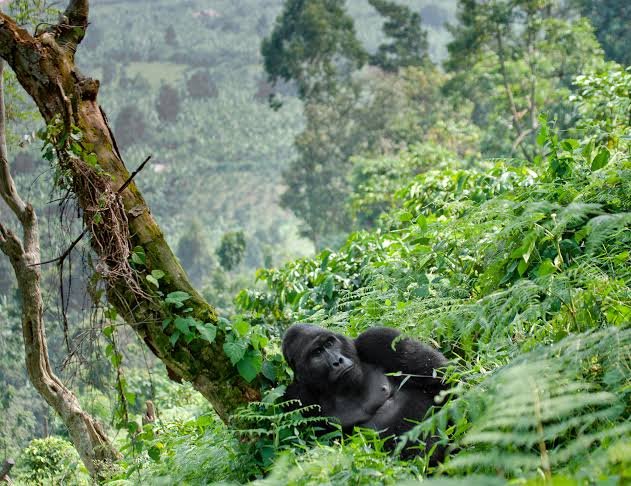
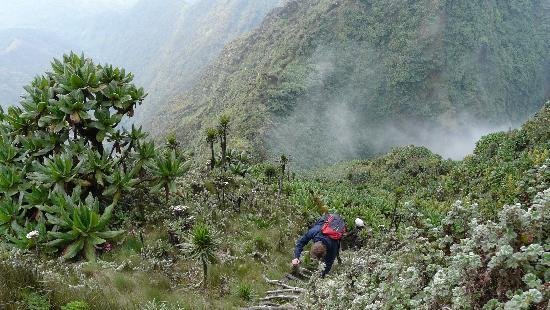
Mountain gorillas can be observed through regulated tourism experiences in Rwanda, Uganda, and the Democratic Republic of Congo, subject to the destinations’ operating conditions. Rwanda’s Volcanoes National Park is particularly attractive for travelers seeking a relatively short transfer from Kigali, while Uganda’s Bwindi Impenetrable National Park and Mgahinga Gorilla National Park offer different forest environments and trekking possibilities. The best destination depends on your available time, travel budget, permit availability, and wider safari interests. Explore Rwanda gorilla trekking, Volcanoes National Park, Bwindi gorilla trekking, Uganda gorilla trekking and habituation, and private East African gorilla safari packages.
Best 3-Day Rwanda Mountain Gorilla Trekking Itinerary
Day 1: Arrive in Kigali and Travel to Volcanoes National Park
Your safari begins at Kigali International Airport or your selected hotel, where a professional Nextgen Safaris driver-guide welcomes you for the scenic journey north toward Musanze and Volcanoes National Park. The transfer usually takes approximately two to three hours, depending on traffic and sightseeing stops. Along the way, enjoy Rwanda’s beautiful hills, rural landscapes, and impressive volcanic scenery before arriving at your lodge. Spend the evening preparing for the following day’s gorilla trek and reviewing the safety instructions with your guide. Discover our three-day Rwanda gorilla trekking safari, gorilla trekking from Kigali, Volcanoes National Park experiences, private gorilla trekking tours, and customized safari booking services.
Day 2: Mountain Gorilla Trekking and Guided Wildlife Observation
After an early breakfast, travel to the park headquarters in Kinigi for registration and the ranger briefing. Your assigned group then enters Volcanoes National Park with professional trackers and guides to search for a habituated gorilla family. Once the gorillas are located, enjoy the regulated viewing period while maintaining the required separation and following all ranger instructions. You may observe silverbacks resting, juveniles playing, or mothers caring for infants, depending on the family’s natural activities. Return to your lodge after the trek for relaxation. This experience is central to Rwanda gorilla trekking tours, Volcanoes National Park safaris, three-day mountain gorilla holidays, private Rwanda wildlife adventures, and customized gorilla safari arrangements.
Day 3: Scenic Return to Kigali and Departure
Enjoy breakfast overlooking the magnificent Virunga Mountains before beginning the return journey toward Kigali. Depending on your international departure schedule, you may include an optional cultural experience, Kigali sightseeing, or a relaxed lunch before transferring to the airport. Travelers with additional time can extend their holiday with golden monkey tracking, another gorilla trek, or relaxation beside Lake Kivu. These experiences can be combined into longer Rwanda wildlife itineraries. Explore gorilla trekking in Volcanoes and Lake Kivu, Rwanda gorilla trekking packages, guided gorilla trekking tours, Volcanoes National Park adventures, and private safari extensions.
How Much Does Mountain Gorilla Trekking Cost in Rwanda?
A standard Rwanda mountain gorilla trekking permit costs USD 1,500 for foreign non-resident visitors, while eligible citizens and residents may qualify for different official tariffs. The permit covers one regulated trekking experience, including a maximum one-hour observation period after the gorilla family has been located. Accommodation, private transportation, meals, and additional activities are normally charged separately unless included in a confirmed safari package. The permit does not provide permission to approach, touch, or interact physically with mountain gorillas. Travelers can explore Rwanda gorilla trekking costs and permits, three-day Rwanda safari packages, Rwanda gorilla trekking tours, Volcanoes National Park holidays, and personalized quotations.
Why Responsible Gorilla Trekking Is Important for Conservation
Responsible gorilla trekking helps protect endangered mountain gorillas by supporting regulated tourism and encouraging visitors to respect wildlife conservation guidelines. Permit revenue contributes to protected-area management and conservation activities, while tourism provides employment opportunities for guides, trackers, lodge staff, and surrounding communities. Maintaining appropriate viewing distances, avoiding visits when ill, and following ranger instructions are essential parts of responsible travel. The goal is to observe gorillas without interfering with their natural behavior or exposing them to unnecessary risks. Discover Volcanoes National Park conservation experiences, Rwanda gorilla trekking, Bwindi mountain gorilla safaris, Uganda gorilla habituation experiences, and responsible safari holiday arrangements.
Frequently Asked Questions About What Happens When a Mountain Gorilla Walks Toward You
What Happens When a Mountain Gorilla Walks Toward You?
When a mountain gorilla walks toward you, remain calm, avoid sudden movements, and follow your ranger’s instructions. The ranger may ask you to stay still, look away, or carefully adjust your position when appropriate. Never run or deliberately touch the animal. Learn more through Rwanda gorilla trekking, Volcanoes National Park, Bwindi gorilla adventures, gorilla trekking safety guidance, and private trekking tours.
Is It Dangerous When a Mountain Gorilla Approaches You?
An approaching gorilla does not automatically indicate danger or aggression, but mountain gorillas remain powerful wild animals. Visitors should never assume that an animal is harmless or attempt to interact physically with it. Follow professional ranger guidance throughout the encounter. Discover Rwanda gorilla trekking tours, Volcanoes National Park experiences, Bwindi forest safaris, Rwanda trekking guidelines, and personalized wildlife holidays.
What Should You Do If a Silverback Gorilla Charges?
If a silverback charges or displays, do not run, shout, or attempt to confront the animal. Follow the ranger’s immediate instructions, which may include remaining still, looking away, or crouching calmly. Never attempt to take a close-up photograph during a threatening display. Explore Rwanda mountain gorilla trekking, Volcanoes National Park, guided gorilla safaris, Bwindi trekking experiences, and professional safari arrangements.
Can a Mountain Gorilla Touch a Tourist?
A mountain gorilla may occasionally move unexpectedly close to visitors, but tourists must never deliberately encourage or initiate physical contact. If accidental contact occurs, remain calm, follow the ranger’s directions, and report the incident. Discover Rwanda gorilla trekking rules, Volcanoes National Park safaris, Bwindi gorilla encounters, guided Rwanda gorilla tours, and responsible safari bookings.
Why Do Mountain Gorillas Sometimes Beat Their Chests?
Chest beating is one of several communication behaviors used by gorillas. It may occur during social displays, interactions, or situations involving perceived threats, but it does not always mean that an animal intends to attack. Rangers interpret the behavior within the broader context. Explore Rwanda gorilla trekking, Volcanoes National Park, Bwindi gorilla trekking, gorilla behavior observation tours, and customized primate safaris.
Can You Run Away If a Gorilla Starts Approaching?
No. Running is not the recommended response when a mountain gorilla approaches or displays. Visitors should remain composed and follow their ranger’s instructions, allowing trained personnel to manage the situation. Learn about gorilla trekking in Rwanda, Volcanoes National Park tours, Bwindi gorilla safaris, Rwanda gorilla trekking safety, and guided wildlife holidays.
How Close Can Tourists Get to Mountain Gorillas?
Rwanda’s published trekking guidance specifies a minimum viewing distance of seven metres, while additional health precautions may require ten metres. Visitors must follow the specific instructions of their ranger and should never deliberately move closer to gorillas. Discover Rwanda trekking regulations, Volcanoes National Park, guided gorilla trekking tours, Bwindi forest adventures, and private safari experiences.
Is Gorilla Trekking Safe for First-Time Visitors?
Gorilla trekking is a professionally regulated wildlife activity, and visitors receive a safety briefing before entering the forest. Although risks cannot be eliminated, following ranger instructions, keeping the required distance, and avoiding sudden movements support a safer encounter. Explore Rwanda gorilla trekking tours, Volcanoes National Park, three-day gorilla trekking packages, Bwindi gorilla adventures, and personalized safari bookings.
Book Your Mountain Gorilla Trekking Safari with Nextgen Safaris
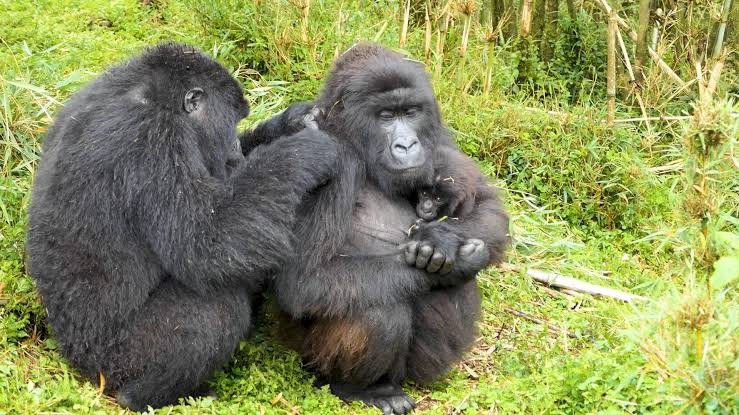
Experience the extraordinary world of mountain gorillas with Nextgen Safaris, where we specialize in professionally organized gorilla trekking adventures across Uganda and Rwanda. Our safari planning team coordinates trekking permits, private transportation, accommodation, professional driver-guides, and personalized travel arrangements to help visitors enjoy meaningful encounters with endangered mountain gorillas. Whether you want to observe a silverback in Rwanda’s Volcanoes National Park, explore the ancient forests of Bwindi, or experience both destinations during a combined safari, our team can help create an unforgettable journey. Discover our Rwanda gorilla trekking tours, Volcanoes National Park safaris, Bwindi mountain gorilla holidays, three-day Rwanda gorilla trekking, and personalized safari booking services to begin planning your African adventure.