
What Is the Best Time for Gorilla Habituation in Uganda?
What Is the Best Time for Gorilla Habituation in Uganda? The Ultimate Month-by-Month Safari Guide
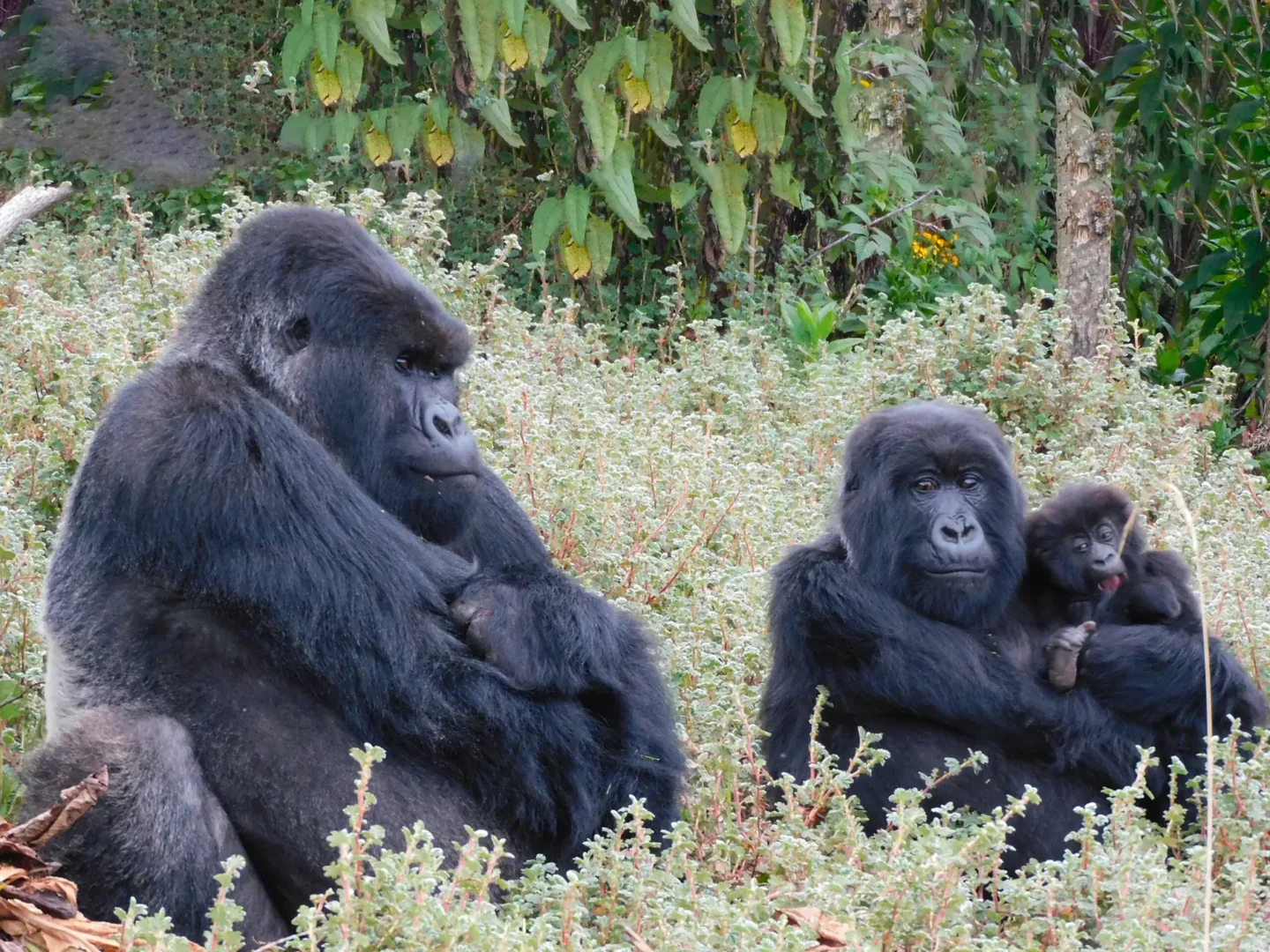
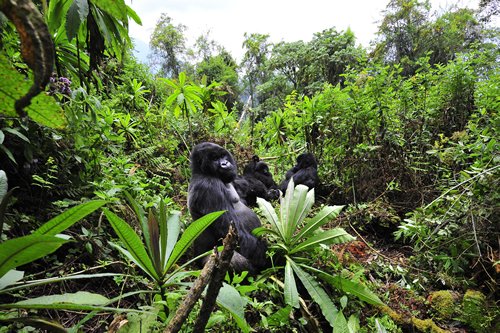
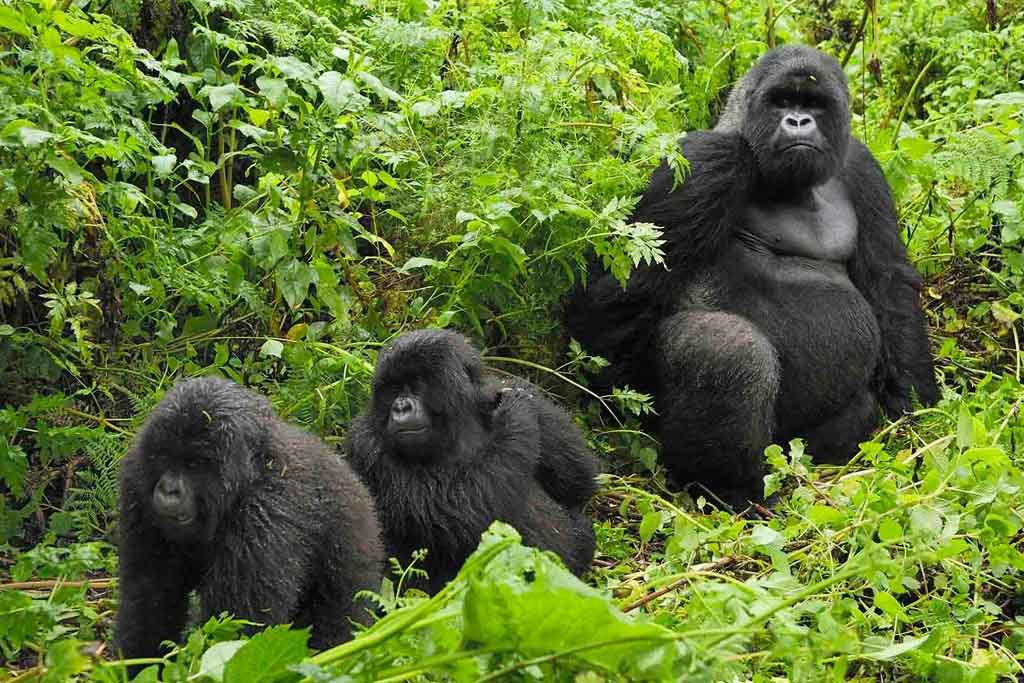
What Is the Best Time for Gorilla Habituation in Uganda? The best time for gorilla habituation in Uganda is generally during the relatively dry months of June, July, August, January, and February, when forest trails in Bwindi Impenetrable National Park are often easier to navigate and rainfall is usually less frequent. Uganda’s Gorilla Habituation Experience takes place in the Rushaga sector of Bwindi Impenetrable National Park in southwestern Uganda, where visitors have the extraordinary opportunity to spend up to four hours observing a mountain gorilla family undergoing habituation.
Although Uganda welcomes gorilla habituation visitors throughout the year, choosing the right travel month can significantly influence trekking comfort, weather conditions, photography opportunities, accommodation availability, and the overall enjoyment of this remarkable Uganda wildlife experience.
For Ugandan citizens, East African Community citizens, foreign residents, and international travellers planning a gorilla habituation safari in Uganda, understanding What Is the Best Time for Gorilla Habituation in Uganda? is essential when selecting travel dates and arranging permits. Uganda experiences two relatively dry periods, generally from June to August or early September and from December to February, alongside wetter periods typically occurring from March to May and around September or October through November.
These seasonal variations affect the mountainous rainforest environment of Bwindi, particularly the condition of forest trails and access roads. However, gorilla habituation in Uganda remains possible during both wet and dry seasons, making the country an attractive year-round destination for travellers seeking extended encounters with endangered mountain gorillas.
The ideal travel period ultimately depends on the visitor’s preferences, physical fitness, available budget, and expectations. Travellers prioritizing easier hiking conditions often prefer the drier months, while photographers interested in vibrant forest landscapes may appreciate the greener rainy periods. Visitors seeking a quieter overall safari atmosphere may also find certain shoulder-season months appealing. Understanding the advantages and challenges of each season makes it easier to organize a comfortable, rewarding, and well-prepared Gorilla Habituation Experience in Uganda.
Why Does the Time of Year Matter for Gorilla Habituation in Uganda?
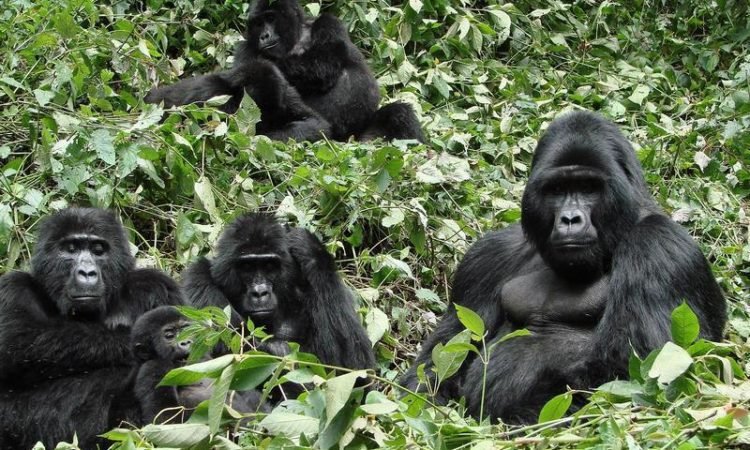
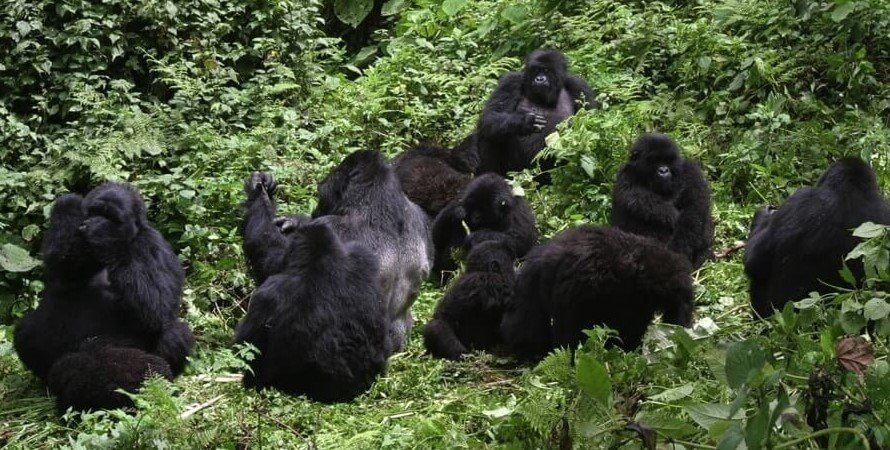
Choosing the right season for gorilla habituation is important because Bwindi Impenetrable National Park is a tropical montane rainforest characterized by dense vegetation, steep hillsides, uneven terrain, and unpredictable weather. Unlike wildlife activities conducted on open savannah plains, gorilla habituation requires visitors to travel on foot through forest environments where rainfall and ground conditions can strongly influence hiking difficulty.
During relatively dry periods, forest paths may be firmer, making it easier to navigate slopes and muddy sections. Visitors may experience fewer prolonged rain showers, allowing them to concentrate on observing gorilla behaviour and enjoying the surrounding environment. Nevertheless, Bwindi remains a rainforest throughout the year, and even the driest months can experience rainfall, mist, and slippery surfaces.
During wetter months, increased rainfall can make some sections of the forest more physically demanding. Vegetation becomes exceptionally green, streams may carry more water, and muddy trails can require additional care. These conditions do not automatically prevent gorilla habituation, but they can influence walking speed, comfort, and the amount of equipment visitors need.
When considering What Is the Best Time for Gorilla Habituation in Uganda?, travellers should therefore evaluate seasonal conditions alongside their personal hiking ability and overall safari plans rather than assuming that one particular month guarantees a superior gorilla encounter.
Gorilla Habituation During Uganda’s Dry Season
June to August – Excellent Months for Gorilla Habituation
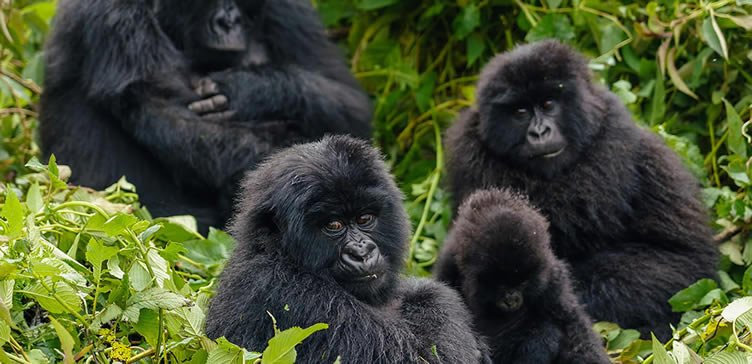
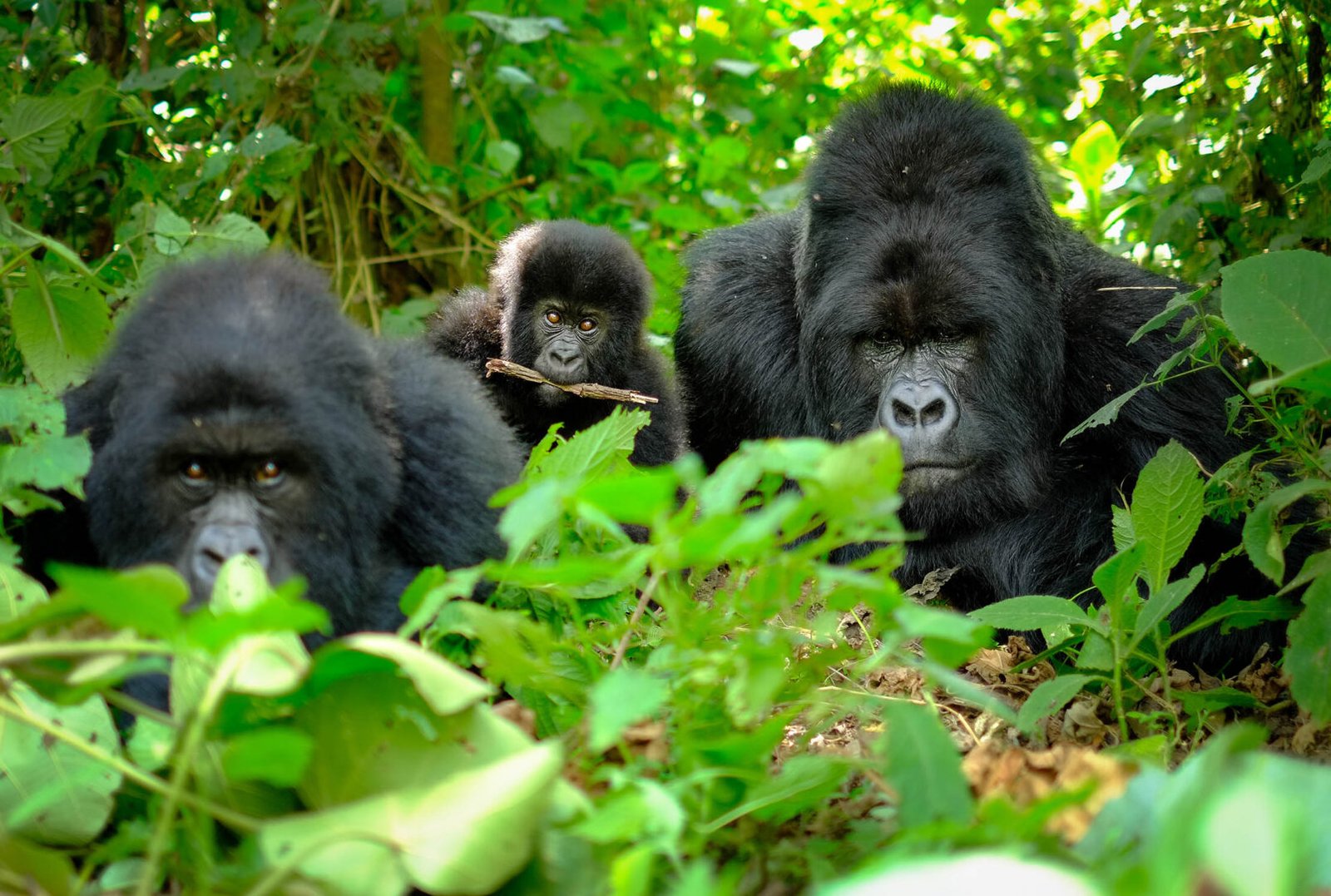
June, July, and August are among the most popular months for gorilla habituation in Uganda because they generally experience comparatively favourable trekking conditions. Rainfall is often lower than during the principal wet seasons, and forest trails may be easier to navigate. This makes the period especially suitable for first-time visitors, travellers concerned about slippery paths, and wildlife enthusiasts planning extended hiking activities.
The relatively dry weather also makes it easier to combine gorilla habituation with other Uganda safari experiences. Visitors can incorporate wildlife viewing in Queen Elizabeth National Park, chimpanzee tracking in Kibale National Park, or relaxation around Lake Bunyonyi and Lake Mutanda. Road transfers between destinations may be more straightforward when rainfall is limited, although some routes still require suitable safari vehicles.
June to August is also a popular international holiday period, meaning accommodation around Rushaga and domestic flights to Kisoro can experience stronger demand. Since Gorilla Habituation Experience permits are limited, travellers should arrange their preferred dates in advance rather than expecting availability at short notice.
For visitors asking What Is the Best Time for Gorilla Habituation in Uganda?, June to August offers an excellent balance of trekking conditions, safari accessibility, and opportunities to explore other parts of southwestern Uganda.
December to February – Another Excellent Gorilla Habituation Season
December, January, and February form another favourable period for gorilla habituation in Uganda. These months generally experience relatively dry conditions in southwestern Uganda, although occasional rain showers remain possible. January and February are particularly attractive to visitors seeking a combination of manageable trekking conditions and comfortable opportunities to explore Bwindi.
December is popular among travellers planning Christmas holidays, festive-season safaris, and year-end wildlife adventures. The combination of school holidays and international travel demand can increase interest in gorilla habituation permits and accommodation near Rushaga. Visitors planning a Christmas or New Year Gorilla Habituation Experience should therefore confirm arrangements well before travelling.
January and February provide attractive opportunities for travellers seeking rainforest encounters alongside broader Uganda safari itineraries. Forest trails may be less saturated than during the major rainy periods, although individual conditions depend on recent rainfall and the specific route used to locate the gorillas.
The favourable conditions during this period make it particularly appealing to couples, photographers, and international travellers planning a short Gorilla Habituation Experience from Entebbe or Kigali.
Gorilla Habituation During Uganda’s Rainy Season
March to May – A Green and Quieter Gorilla Habituation Season
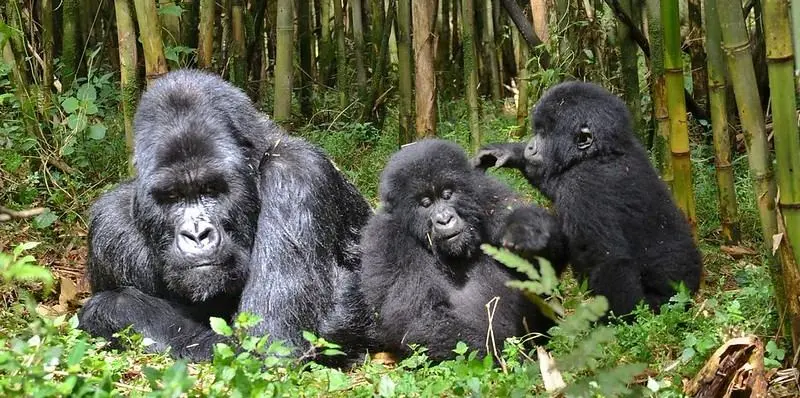
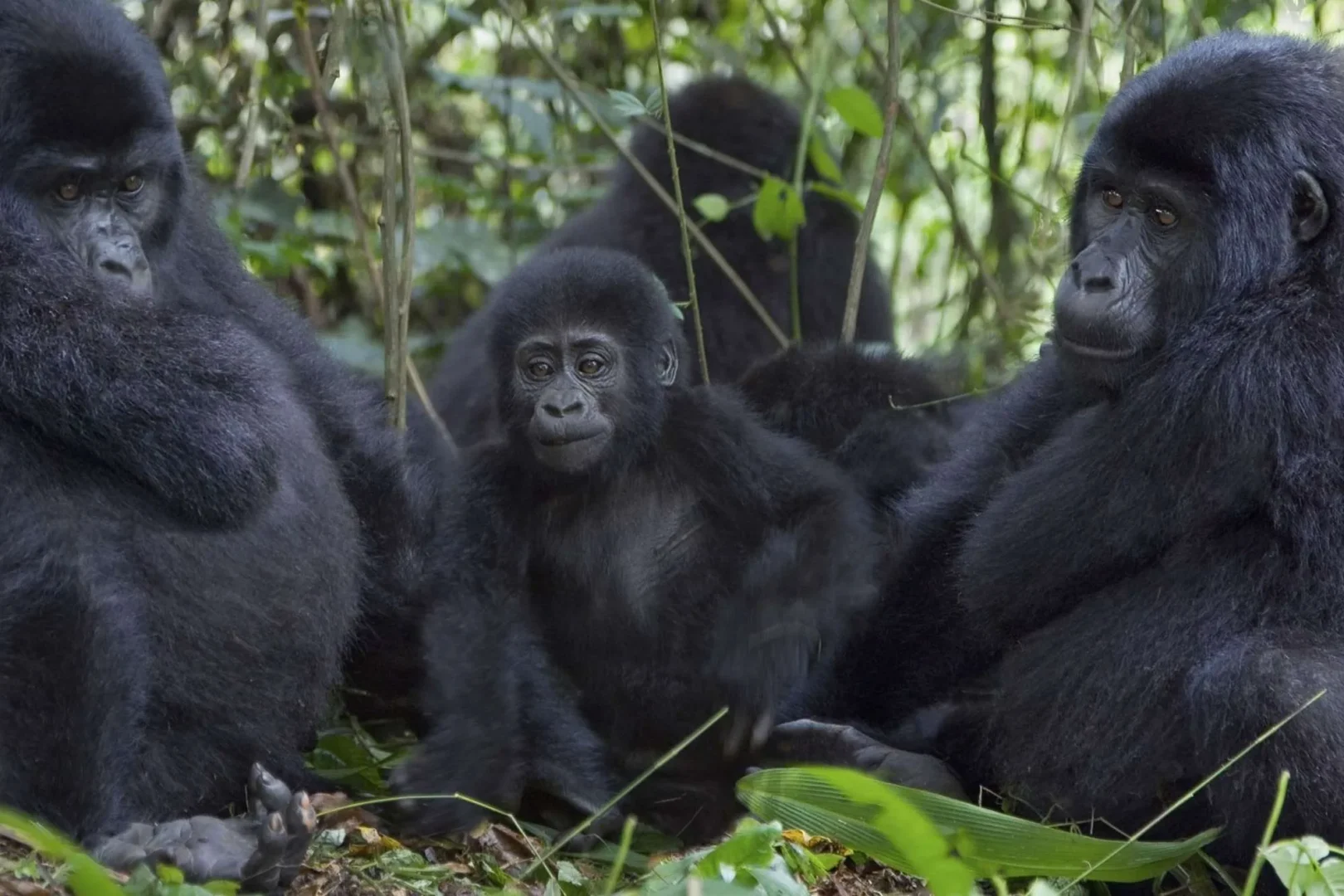
March, April, and May generally form one of the main rainy periods in southwestern Uganda. Rainfall becomes more frequent, the forest grows increasingly lush, and hiking trails may become slippery or muddy. April is often among the wetter months, making proper trekking equipment and physical preparation especially important.
Despite these conditions, gorilla habituation remains an attractive experience during the rainy season. Bwindi’s rainforest becomes exceptionally vibrant, with thick vegetation, mist-covered valleys, and beautiful natural scenery. Travellers who enjoy photographing lush landscapes or experiencing tropical forests in their greenest condition may find this period rewarding.
The rainy season may also bring reduced general tourism demand compared with the busiest holiday months. Some accommodation establishments may offer promotional rates, although discounts are not guaranteed, and gorilla habituation permit fees should not be assumed to decrease simply because the visit takes place during a wetter month.
For travellers with flexibility and appropriate hiking equipment, March to May can provide a memorable Uganda Gorilla Habituation Experience. However, visitors should be prepared for wet clothing, challenging forest trails, and potentially slower road transfers.
September to November – Changing Weather and Beautiful Forest Scenery
September is often considered a transitional month in southwestern Uganda, with weather conditions that can vary considerably between years. Some periods may remain relatively dry, while others experience increasing rainfall as the region approaches the later wet season.
October and November generally experience more frequent rainfall, creating greener landscapes and increasingly wet forest conditions. Hiking can become more demanding when trails are saturated, particularly on steep slopes or sections covered with exposed roots.
These months can nevertheless appeal to experienced hikers, nature photographers, and travellers who prefer avoiding the busiest international holiday periods. Bwindi’s vegetation remains beautiful throughout the year, and the misty atmosphere can create dramatic views across the surrounding mountains.
Visitors considering What Is the Best Time for Gorilla Habituation in Uganda? during September, October, or November should focus on flexibility, reliable transportation, waterproof clothing, and accommodation located close to the Rushaga briefing point.
What Is the Best Time for Gorilla Habituation in Uganda for Easier Hiking?
Travellers who want comparatively easier hiking conditions should generally prioritize January, February, June, July, and August. During these months, rainfall is often lower, reducing the likelihood of exceptionally muddy trails and making steep slopes somewhat easier to navigate.
However, gorilla habituation is a physically demanding activity regardless of the season. Visitors may spend several hours hiking through dense vegetation and mountainous terrain before reaching their assigned gorilla family. The movement and location of the gorillas can also influence the length and difficulty of the excursion.
Relatively dry conditions do not guarantee a short or easy hike. Visitors should maintain reasonable physical fitness, carry drinking water, wear appropriate footwear, and follow the instructions of Uganda Wildlife Authority guides throughout the experience.
What Is the Best Time for Gorilla Habituation in Uganda for Photography?
The best time for gorilla habituation photography depends on the type of images a visitor hopes to capture. June to August and December to February often provide comparatively convenient trekking conditions, allowing photographers to manage equipment while navigating the forest.
During drier periods, camera equipment may be easier to protect from prolonged rainfall, and visitors may encounter occasional brighter conditions. However, Bwindi’s dense forest canopy can limit natural light throughout the year, even on sunny days.
Rainier months offer a different photographic atmosphere. Mist-covered vegetation, wet leaves, deep green surroundings, and soft natural light can create dramatic rainforest images. Photographers should nevertheless expect reduced visibility during heavy rainfall and take additional precautions to protect cameras and lenses.
The four-hour Gorilla Habituation Experience provides more observation time than ordinary gorilla trekking, but photographers must still respect wildlife-viewing regulations. Flash photography is prohibited, and visitors should never attempt to influence gorilla behaviour or move closer than permitted for a better image.
Is Gorilla Habituation Better During the Dry Season or Rainy Season?
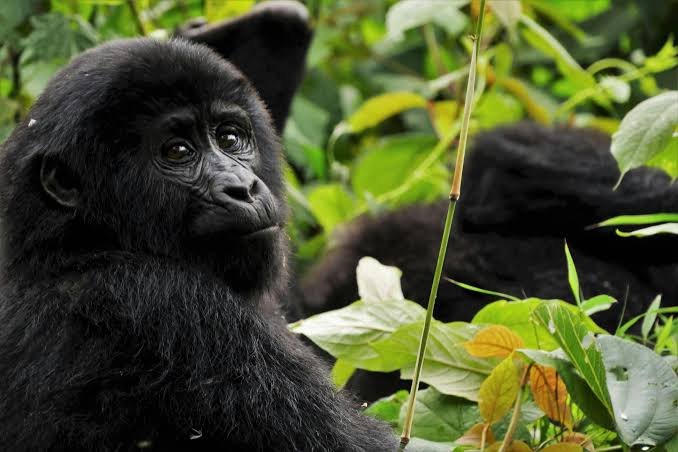
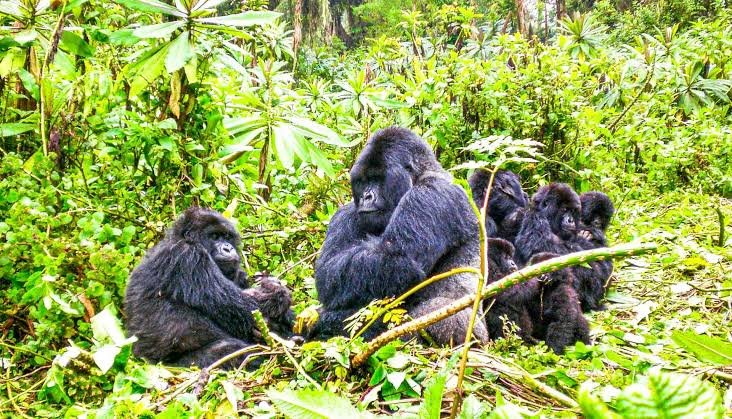
The dry season is generally better for travellers who prioritize comfortable hiking conditions, relatively predictable road access, and reduced exposure to prolonged rainfall. Visitors with limited trekking experience may particularly appreciate the conditions commonly encountered from June to August and December to February.
The rainy season, however, can be rewarding for travellers who enjoy rainforest scenery, photography, and quieter general tourism periods. The vegetation becomes exceptionally green, and the atmosphere around Bwindi’s mountains can be particularly beautiful.
Importantly, gorilla habituation permits do not guarantee that the gorillas will remain in an easily accessible location. Mountain gorillas are wild animals that move naturally through their habitat, and tracking distances may vary considerably during any month.
When answering What Is the Best Time for Gorilla Habituation in Uganda?, the dry season generally receives the strongest recommendation for practical reasons, but the rainy season remains a worthwhile option for suitably prepared visitors.
Does Gorilla Habituation Cost Less During the Rainy Season?
The overall cost of a gorilla habituation safari may vary depending on travel dates, accommodation category, transportation arrangements, and the availability of seasonal lodge promotions. Some accommodation properties may offer more attractive rates during quieter travel months, although this depends on the establishment and its booking conditions.
Gorilla habituation permits are regulated by the Uganda Wildlife Authority rather than individual accommodation providers. Travellers should not assume that discounted low-season permits for ordinary gorilla trekking automatically apply to the four-hour Gorilla Habituation Experience.
Visitors seeking to reduce their safari expenses can compare different lodge categories, consider shared transportation where appropriate, and request quotations for more than one travel period.
For travellers evaluating What Is the Best Time for Gorilla Habituation in Uganda? from a budget perspective, the most useful strategy is to compare complete safari quotations instead of selecting a season based solely on expectations of lower permit prices.
When Should You Book Gorilla Habituation Permits in Uganda?
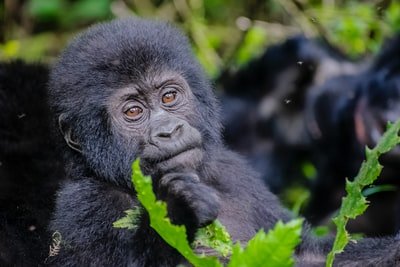
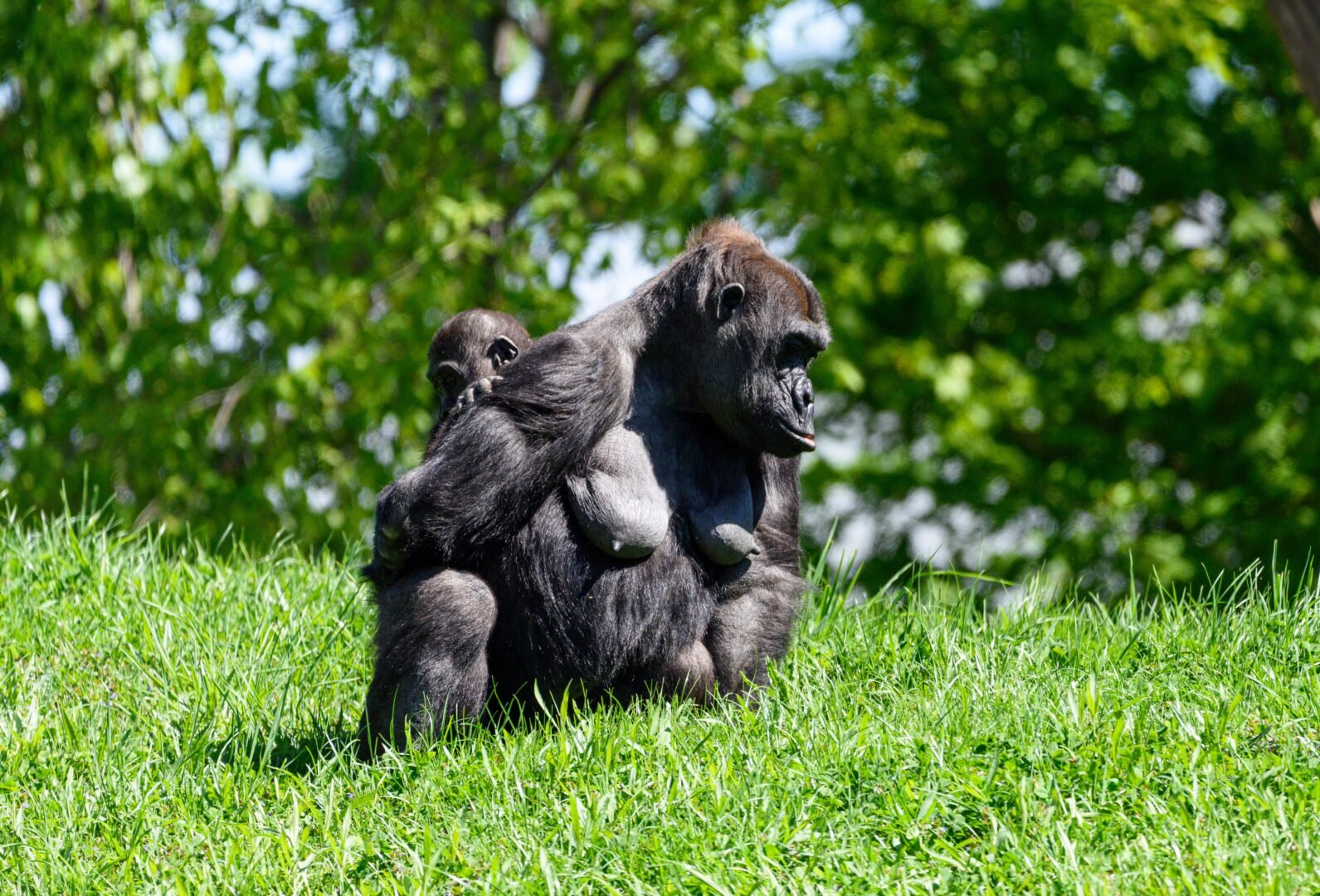
Gorilla habituation permits should be arranged as early as practical because the activity has limited daily capacity. Visitors are allowed to observe selected gorilla families under authorized supervision, and only a small number of permits can be issued for the available experiences.
Demand is often stronger during popular dry-season travel periods, especially June, July, August, December, January, and February. Travellers planning to visit during these months should confirm availability before finalizing flights, accommodation, or other nonrefundable arrangements.
Although certain rainy-season dates may have more flexibility, permits can still sell out. Visitors should never assume that availability is guaranteed simply because they are travelling during April, May, October, or November.
It is advisable to coordinate the permit date with accommodation near Rushaga and transportation arrangements. Staying in the correct section of Bwindi is particularly important because gorilla habituation begins early, and lengthy road transfers from distant sectors can create unnecessary complications.
What Should You Pack for Gorilla Habituation During Different Seasons?
Appropriate clothing and equipment are essential for gorilla habituation in every season. Visitors should prepare for a humid rainforest environment, uneven forest trails, sudden weather changes, and several hours of outdoor physical activity.
During the drier months, sturdy waterproof hiking boots, long trousers, long-sleeved shirts, a rain jacket, gardening-style gloves, and a comfortable backpack remain important. The reduced likelihood of prolonged rainfall does not eliminate the possibility of muddy trails or wet vegetation.
During wetter months, waterproof clothing becomes even more important. Visitors should consider reliable rain protection for personal belongings, suitable gaiters, an extra pair of socks, and protective coverings for photographic equipment.
Drinking water, packed food, personal medication, and any required trekking accessories should also be carried. Visitors can often hire porters locally to assist with carrying equipment and navigating demanding sections of the forest.
Regardless of the chosen month, travellers should avoid arriving in Bwindi without suitable hiking footwear and appropriate rain protection.
Frequently Asked Questions About the Best Time for Gorilla Habituation in Uganda
What Is the Best Time for Gorilla Habituation in Uganda?
The best time for gorilla habituation in Uganda is generally from June to August and December to February, when rainfall is often lower and forest trails may be easier to navigate. January, February, June, July, and August are particularly attractive for visitors seeking comparatively comfortable trekking conditions. However, the Gorilla Habituation Experience is available throughout the year, and the rainy months can also provide rewarding wildlife encounters.
Can You Do Gorilla Habituation in Uganda During the Rainy Season?
Yes. Gorilla habituation in Uganda can take place during the rainy season, subject to permit availability, park operations, and safety conditions. Visitors travelling during March, April, May, October, or November should expect wetter trails, muddy sections, and potentially more demanding hiking. Waterproof clothing, sturdy boots, and appropriate physical preparation are especially important.
Is June the Best Time for Gorilla Habituation in Uganda?
June is one of the most favourable months because it generally marks the beginning of a relatively dry period in southwestern Uganda. Hiking conditions may be more manageable than during the wetter months, and the season is suitable for combining gorilla habituation with other Uganda wildlife activities. However, June is not guaranteed to be rain-free.
Is Gorilla Habituation Better in July or August?
Both July and August are excellent months for gorilla habituation in Uganda. They usually experience relatively favourable trekking conditions, making them popular with international safari travellers. Neither month guarantees shorter hikes or better gorilla sightings, so visitors can generally choose according to permit availability, accommodation preferences, and their overall travel schedule.
Is December a Good Time for Gorilla Habituation in Uganda?
Yes. December is an attractive month for gorilla habituation because it begins another relatively dry period in southwestern Uganda. It is particularly popular with travellers arranging Christmas holidays and year-end safaris. However, demand for accommodation and permits can be strong, so early reservations are recommended.
Book Your Gorilla Habituation Experience in Uganda at the Best Time.
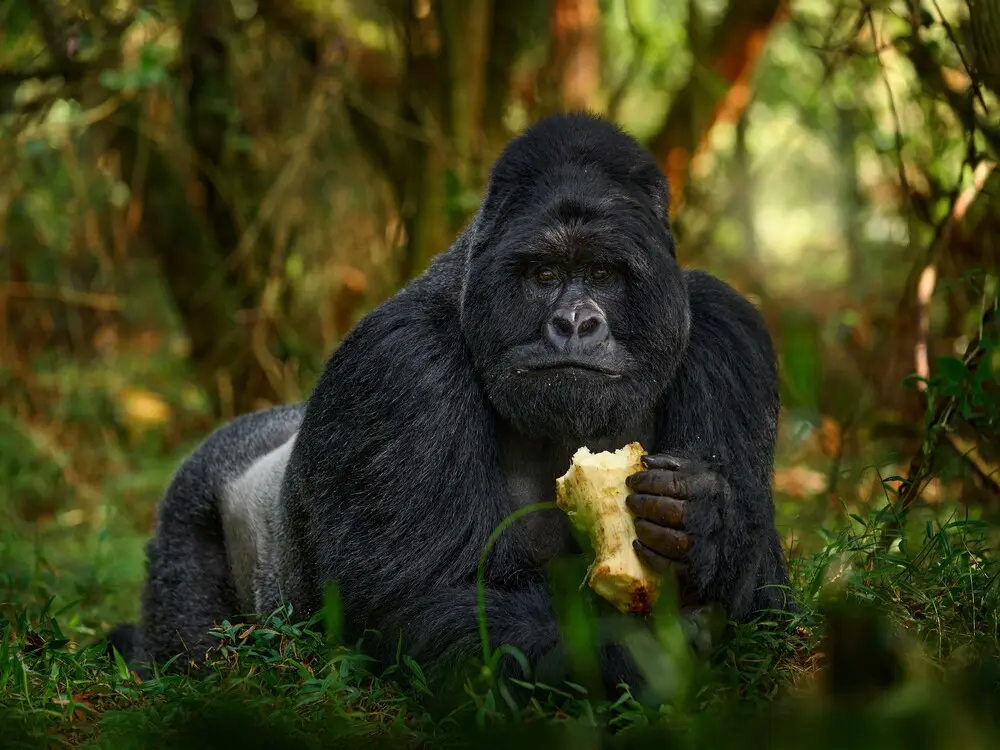
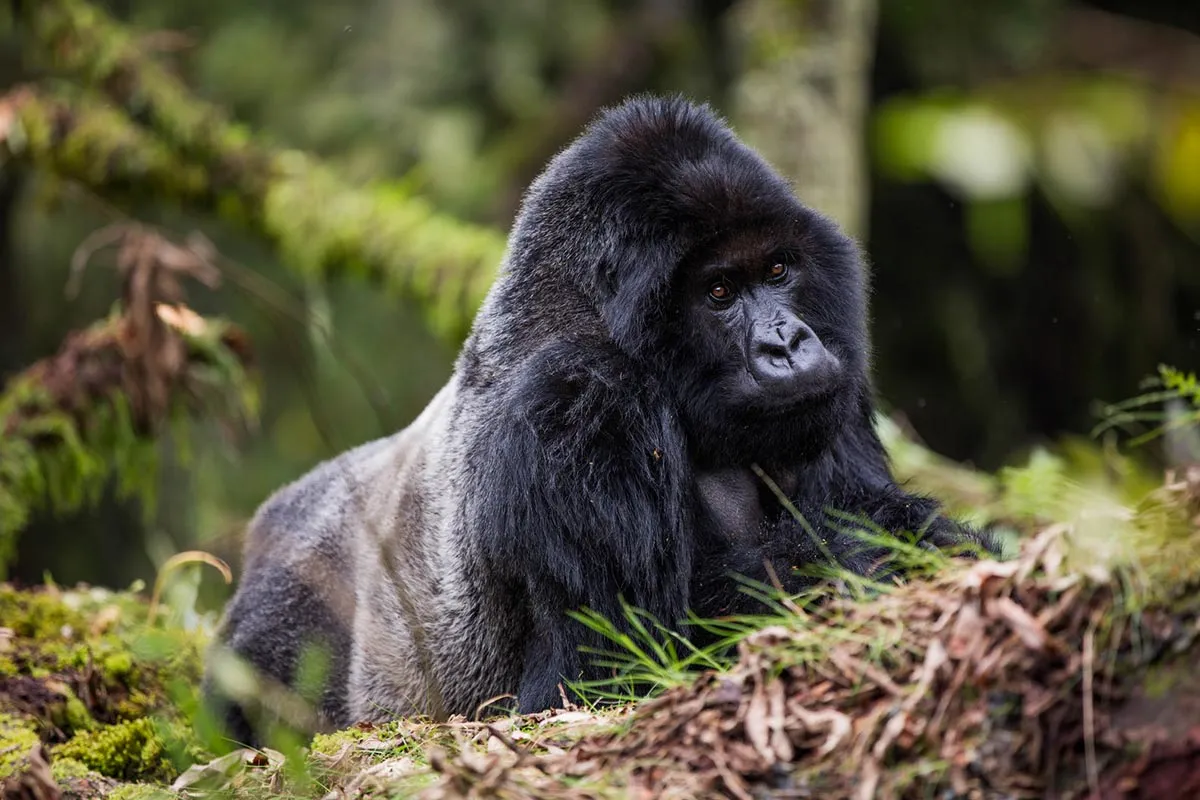
Choosing the best travel period is an important step toward enjoying a memorable Gorilla Habituation Experience in Bwindi Impenetrable National Park. Whether you prefer the relatively dry conditions of June to August, the favourable weather of January and February, or the lush rainforest scenery of Uganda’s wetter months, the experience offers a remarkable opportunity to observe mountain gorillas in their natural environment.
If you are still wondering What Is the Best Time for Gorilla Habituation in Uganda?, our safari booking team can help you compare suitable travel months, check gorilla habituation permit availability, and arrange a comfortable itinerary based on your preferred dates, accommodation category, and budget.
We can assist with Gorilla Habituation Experience permits, accommodation in Rushaga, transportation from Entebbe or Kampala, domestic flights to Kisoro, transfers from Kigali, and customized Uganda safari arrangements. Whether you are travelling independently, as a couple, with family members, or as part of a private group, your itinerary can be organized to suit your preferred travel period.
Plan your Gorilla Habituation Experience in Uganda today. Contact our team with your preferred travel month, number of participants, and travel requirements so that suitable permits, accommodation, and transport arrangements can be checked before confirming your safari.