
What Is the Gorilla Habituation Experience in Uganda?
What Is the Gorilla Habituation Experience in Uganda? 7 Essential Facts and Complete Guide
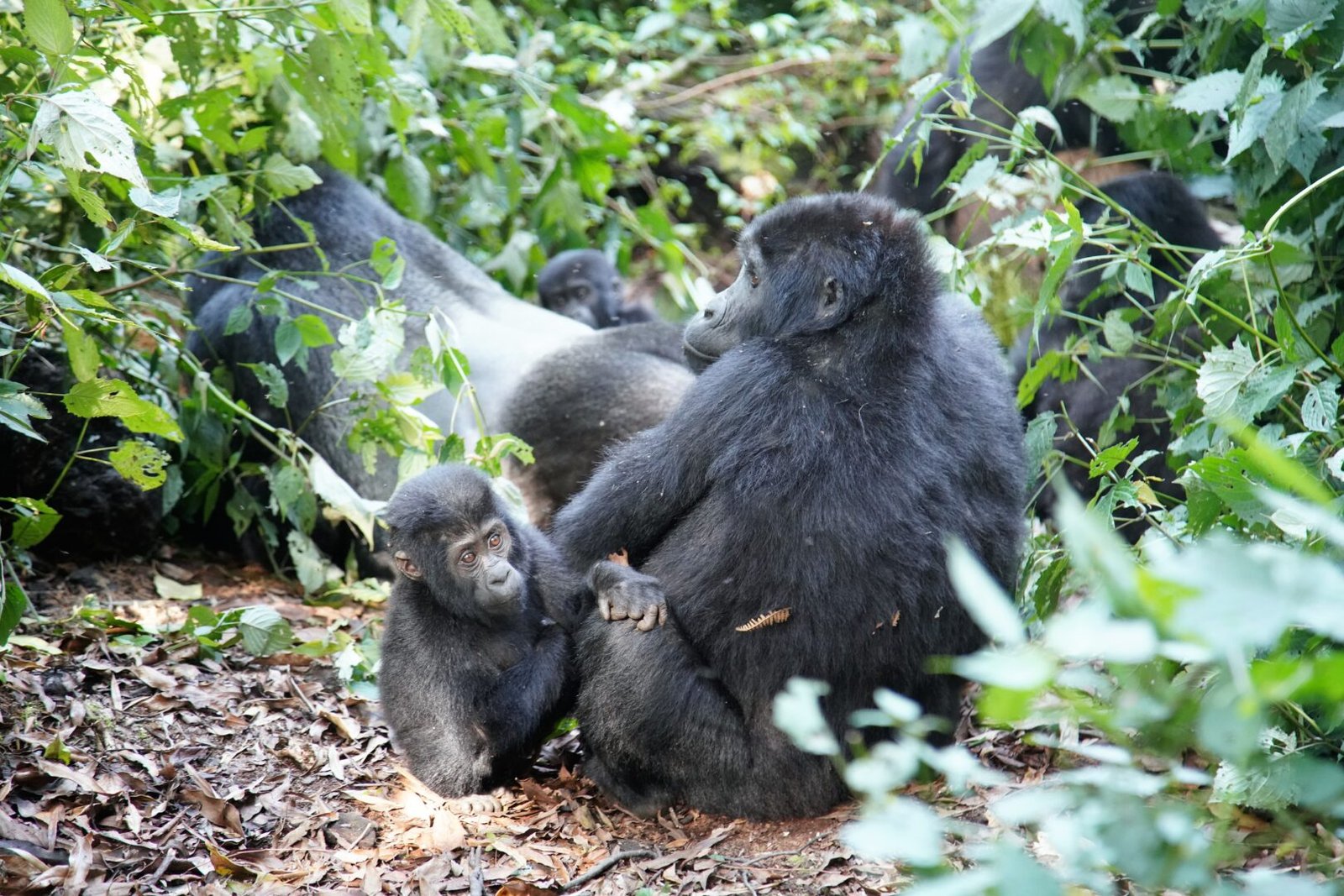
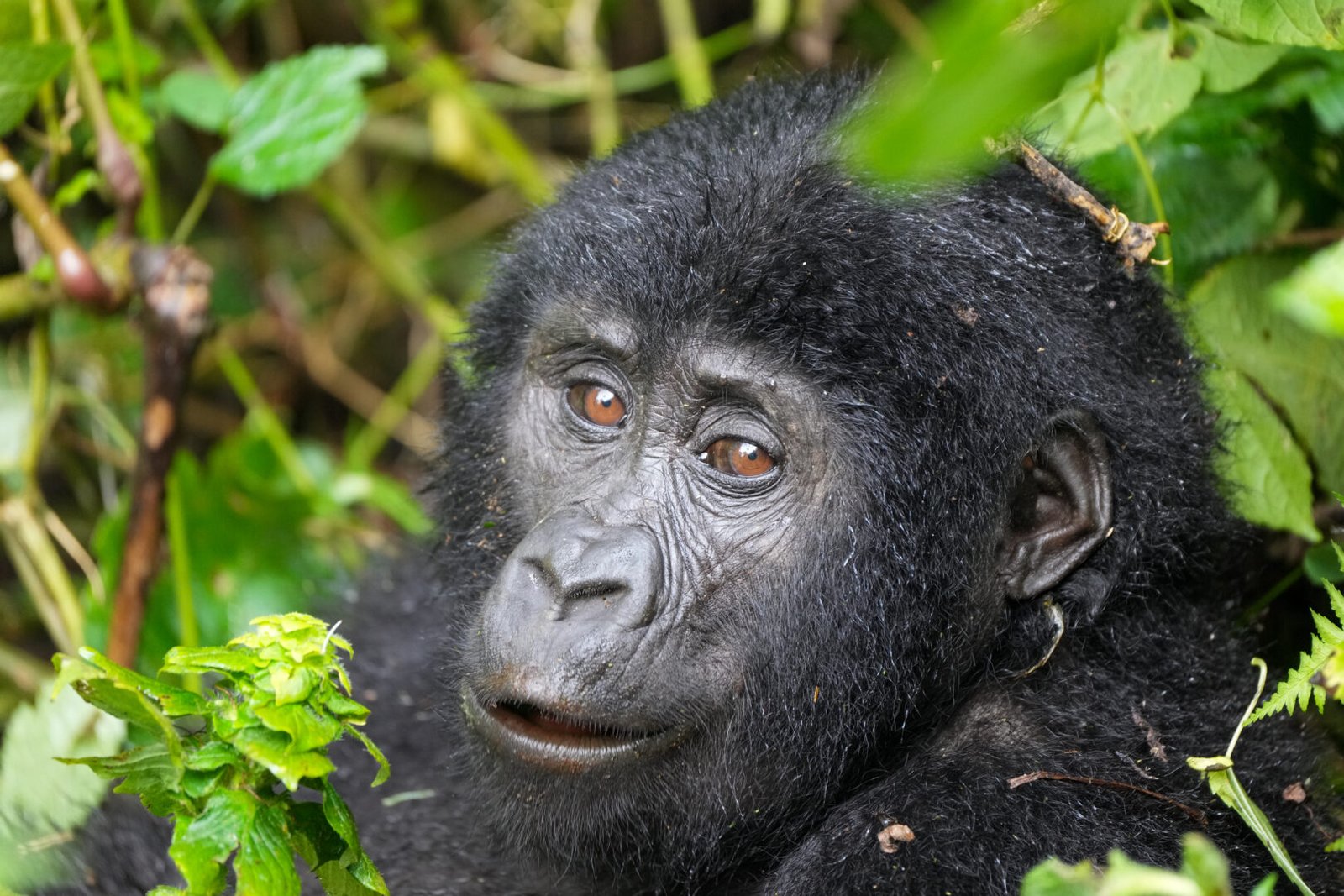
What Is the Gorilla Habituation Experience in Uganda? The gorilla habituation experience in Uganda is an exclusive wildlife conservation activity that allows visitors to spend up to four hours observing mountain gorillas undergoing the process of becoming accustomed to human presence. Unlike ordinary gorilla trekking, which allows a maximum of one hour with a fully habituated gorilla family, Uganda’s gorilla habituation experience provides a longer opportunity to observe these endangered primates in their natural rainforest habitat. The experience takes place in Bwindi Impenetrable National Park, one of Uganda’s most important conservation areas, and attracts wildlife photographers, conservation enthusiasts, adventure travelers, and tourists seeking a deeper understanding of mountain gorilla behavior.
For international travelers planning a safari in Uganda, understanding What Is the Gorilla Habituation Experience in Uganda? is essential before purchasing permits and organizing accommodation. Uganda is among the world’s most remarkable destinations for mountain gorilla encounters, and this specialized activity offers visitors an opportunity to accompany authorized researchers, trackers, and wildlife rangers into the forest. The experience is conducted in the Rushaga sector of Bwindi Impenetrable National Park in southwestern Uganda, where designated gorilla families are gradually becoming familiar with controlled human presence. Because the activity involves limited visitor numbers, strict conservation regulations, and physically demanding rainforest trekking, travelers should prepare carefully and secure their permits in advance.
What Is the Gorilla Habituation Experience in Uganda and How Does It Work?
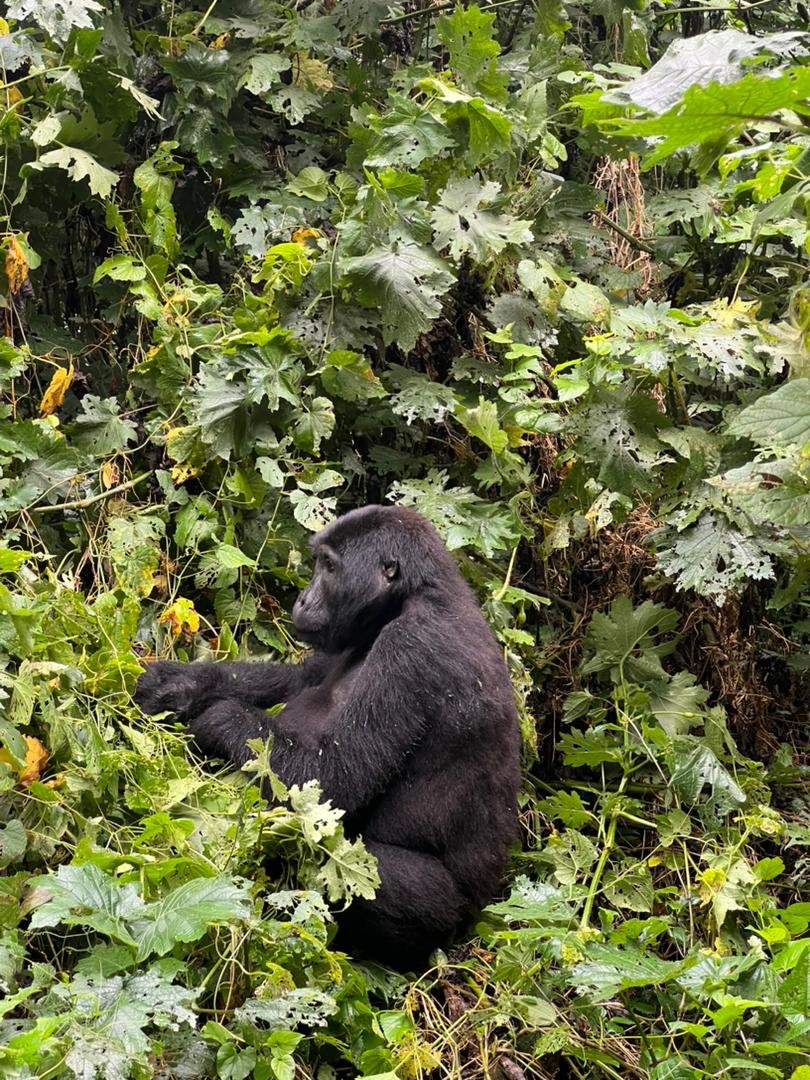
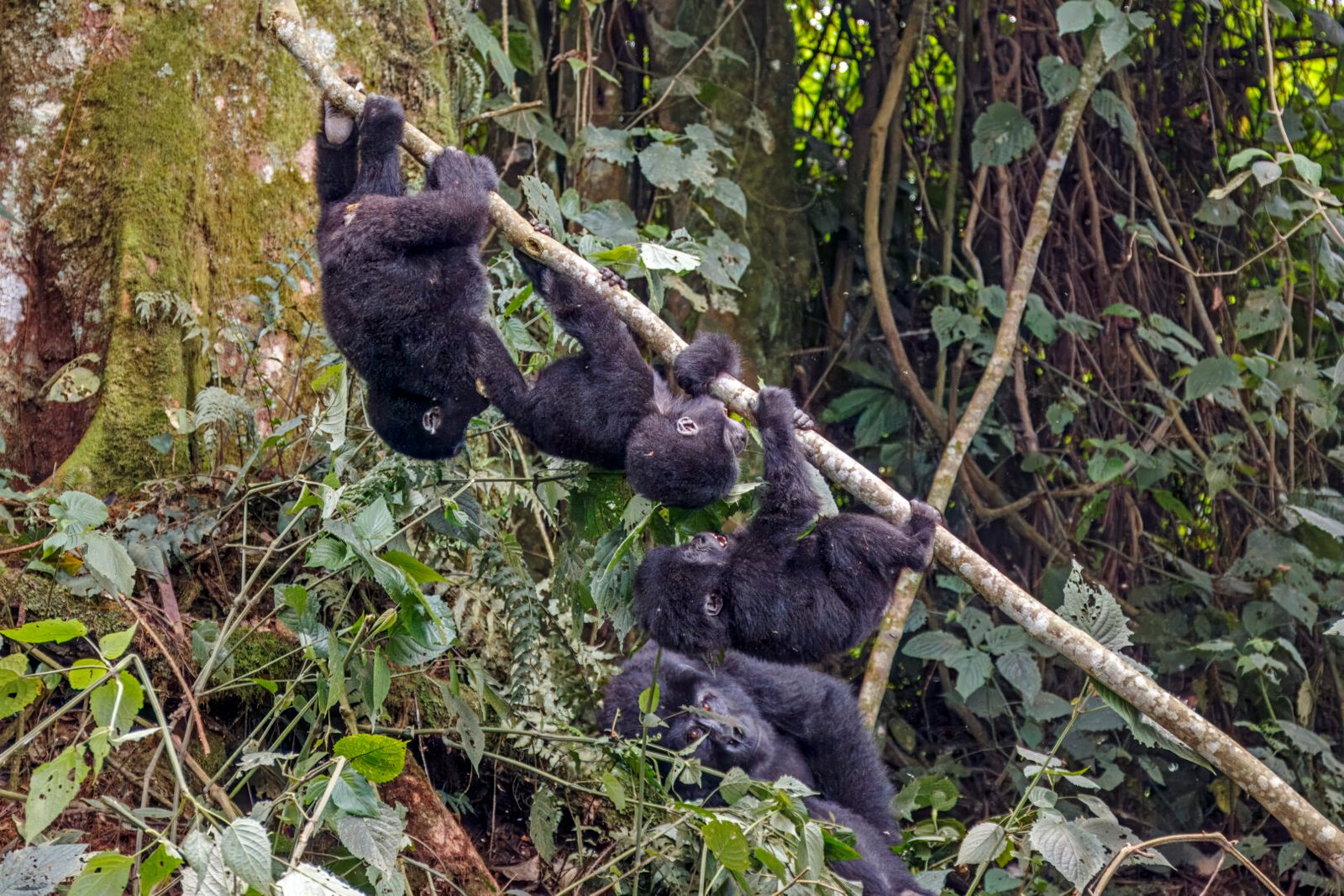
What Is the Gorilla Habituation Experience in Uganda? It is a carefully regulated conservation activity that enables a small group of visitors to observe mountain gorillas while professional conservation personnel conduct habituation-related monitoring. Gorilla habituation is the gradual process through which wild mountain gorillas become accustomed to the presence of humans without being domesticated or losing their natural behavior. The process requires considerable patience, repeated encounters, behavioral monitoring, and careful management by experienced wildlife professionals.
Mountain gorillas naturally live in family groups within mountainous rainforest environments. Wild families that have not undergone habituation may react cautiously to unfamiliar human presence. Conservation researchers therefore introduce controlled encounters over time, allowing the gorillas to become gradually more tolerant of people while monitoring their responses.
Visitors joining the experience accompany authorized personnel who understand the family’s behavior and conservation requirements. Participants do not train gorillas, feed them, touch them, or attempt to influence their behavior. Instead, they observe the animals naturally while learning about the scientific and conservation work involved.
The habituation process may take several years, depending on the gorilla family’s behavior, social structure, and responses to human presence. During this period, researchers carefully observe feeding patterns, movement, communication, family relationships, and reactions to people.
What Is the Gorilla Habituation Experience in Uganda for travelers interested in wildlife conservation? It is an opportunity to witness a carefully managed stage of mountain gorilla conservation while learning how professional researchers gradually familiarize wild gorillas with controlled human presence.
Where Does the Gorilla Habituation Experience Take Place in Uganda?
Rushaga Sector of Bwindi Impenetrable National Park
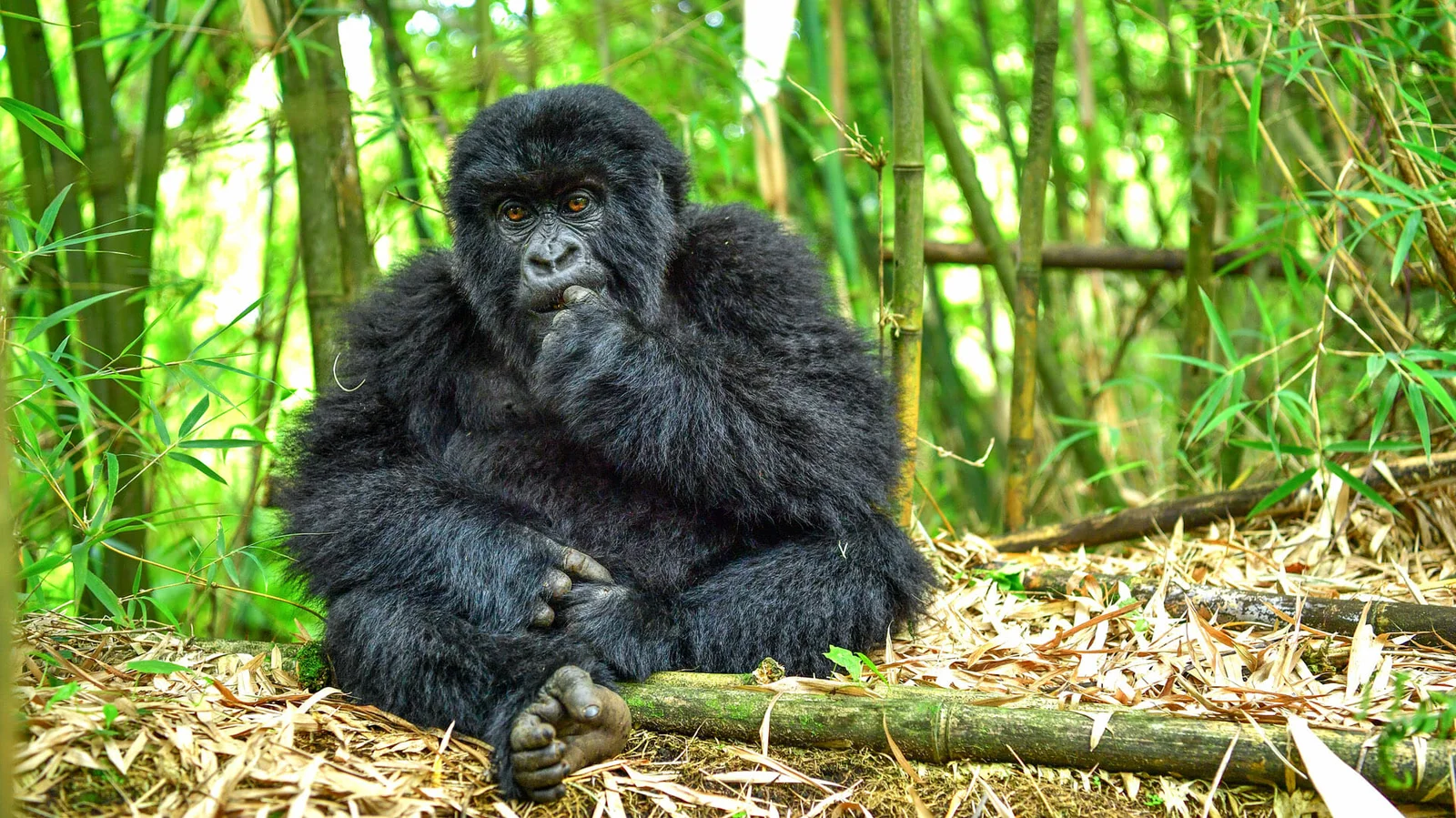
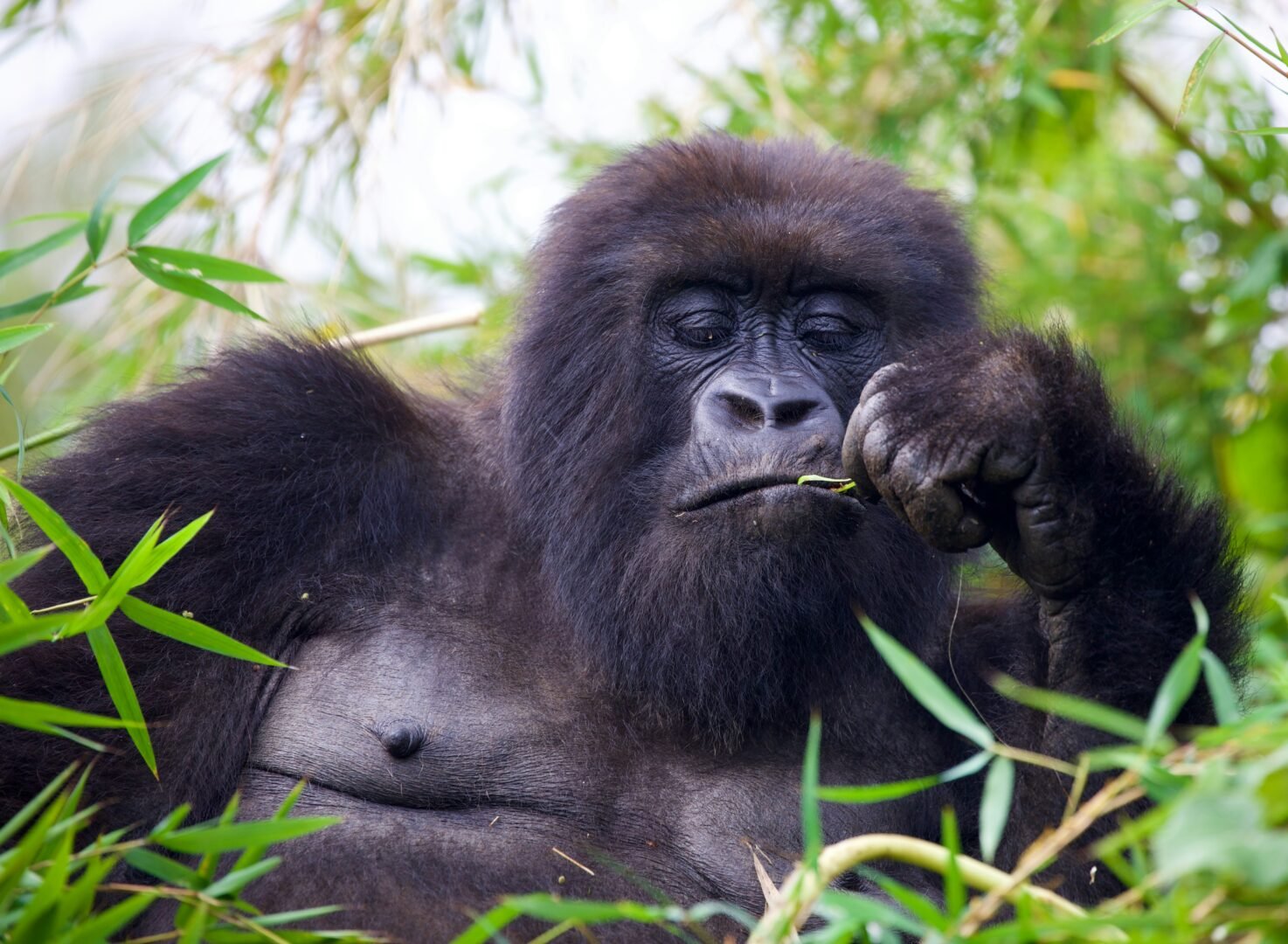
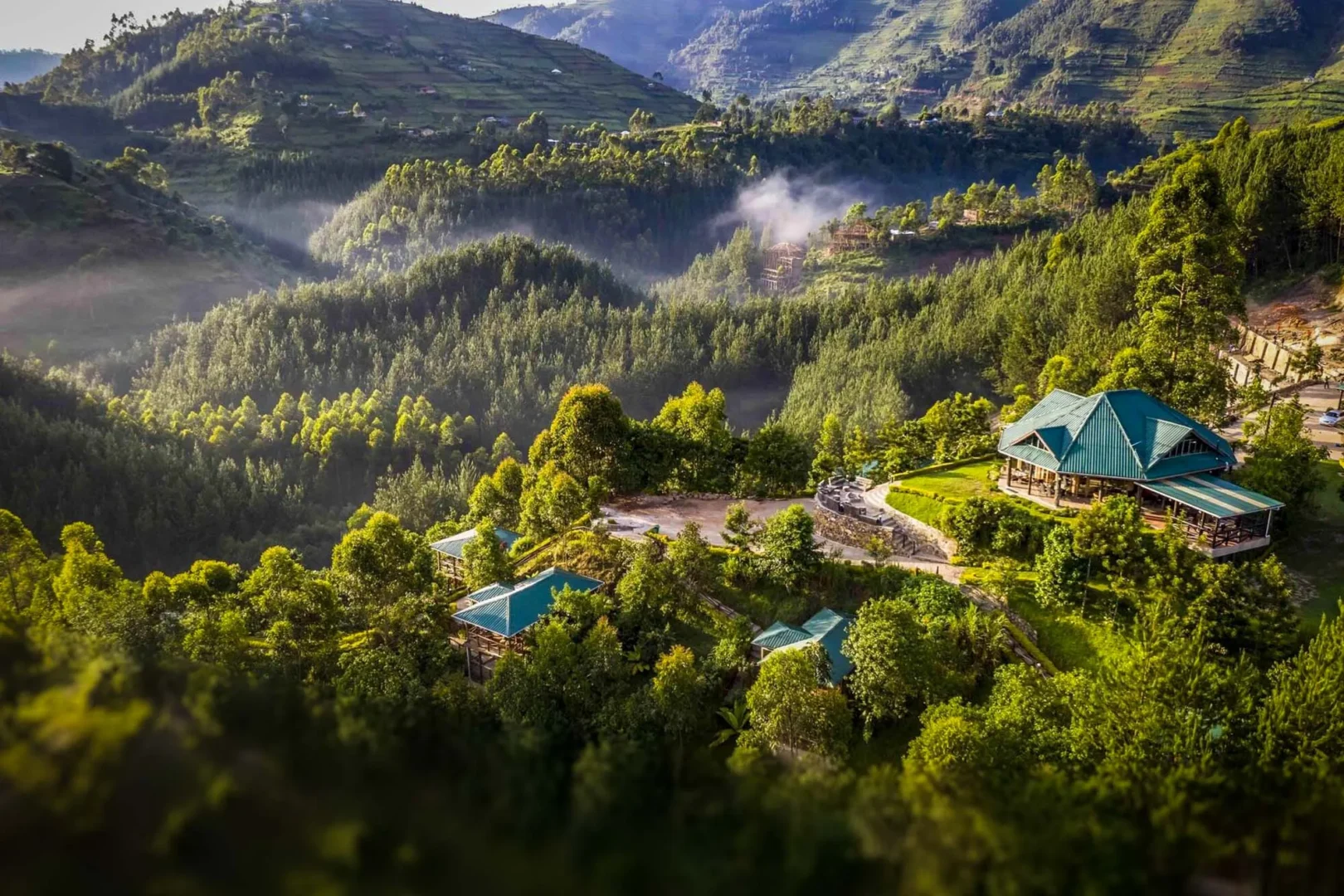
The visitor-accessible gorilla habituation experience takes place in the Rushaga sector of Bwindi Impenetrable National Park in southwestern Uganda. Bwindi is one of Africa’s most important mountain gorilla habitats, recognized for its extraordinary biodiversity, dense montane rainforest, and critical role in protecting endangered mountain gorillas.
Rushaga features steep forested slopes, valleys, thick vegetation, and varied elevations that create an exceptional natural environment for mountain gorillas. The sector supports both ordinary gorilla trekking and authorized gorilla habituation activities, although the permits and arrangements for these experiences are different.
Visitors should understand that Bwindi Impenetrable National Park has several gorilla trekking sectors, including Buhoma, Ruhija, Rushaga, and Nkuringo. However, the established visitor-accessible habituation experience is associated with Rushaga.
What Is the Gorilla Habituation Experience in Uganda without understanding its location? Knowing the correct sector is essential because accommodation and transportation should be arranged around the designated Rushaga meeting point rather than simply booking any lodge near Bwindi Impenetrable National Park.
How to Reach Rushaga From Entebbe
Travelers arriving through Entebbe International Airport can reach the Rushaga area by road through southwestern Uganda. The journey passes through attractive countryside, agricultural landscapes, towns, and mountainous scenery before approaching the Bwindi region.
Visitors seeking a shorter transfer may arrange a domestic flight to Kisoro, followed by transportation to their accommodation. Domestic flights should be coordinated with the habituation date because schedules and availability can vary.
Travelers may also reach southwestern Uganda through Kigali, Rwanda, subject to applicable visa, immigration, and international border requirements.
Regardless of the chosen route, arriving near Rushaga at least one day before the experience is advisable because the morning briefing begins early.
How Long Is the Gorilla Habituation Experience in Uganda?
One of the main differences between gorilla habituation and ordinary gorilla trekking is the duration of the authorized observation period.
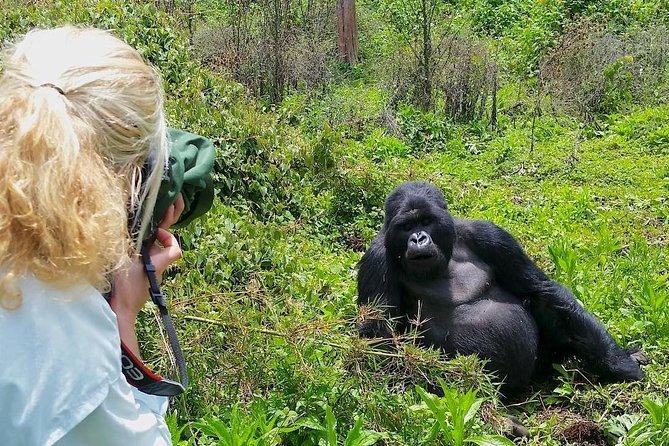
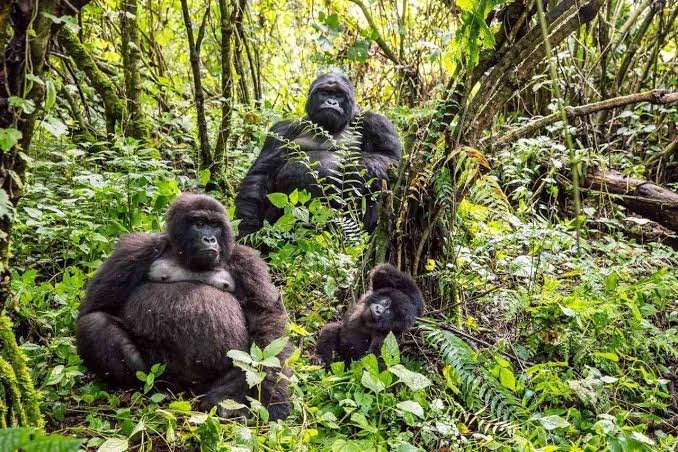
The gorilla habituation experience allows visitors to spend up to four hours observing the designated gorilla family after it has been located. Standard gorilla trekking, by comparison, generally permits a maximum of one hour with a fully habituated family.
The four-hour period does not include the time spent walking through the rainforest to find the gorillas. Participants must first attend the morning briefing, follow the trackers into the forest, locate the designated family, and then begin their observation period under ranger supervision.
The activity can therefore occupy much of the day, depending on the gorillas’ location, terrain, weather conditions, and walking distances involved.
What Is the Gorilla Habituation Experience in Uganda for travelers who want extended time with gorillas? It provides a longer period to observe feeding, grooming, resting, movement, communication, and family interactions that may be difficult to appreciate during a shorter encounter.
Visitors should remember that four hours represents the maximum authorized observation period rather than a guarantee of four uninterrupted hours of viewing. Mountain gorillas remain wild animals, and encounters depend on their behavior and conservation instructions.
What Happens During the Gorilla Habituation Experience in Uganda?
Early Morning Arrival and Ranger Briefing
The experience begins with an early morning arrival at the designated Rushaga meeting point. Participants present their permit confirmation and identification documents before receiving instructions from the responsible wildlife personnel.
During the briefing, visitors learn about the purpose of habituation, the expected behavior around mountain gorillas, safety precautions, permitted photography practices, and the importance of following ranger instructions.
The briefing also provides an opportunity to discuss the expected forest conditions and the physical demands of the activity.
Professional guides explain why the gorillas must be approached carefully and why visitors should avoid sudden movements, excessive noise, and unnecessary disturbance.
After the briefing, participants accompany authorized personnel into the rainforest.
The forest environment is characterized by dense vegetation, steep slopes, winding trails, and occasional muddy or slippery terrain. Walking conditions vary depending on rainfall, the location of the gorilla family, and the route selected by the trackers.
Visitors may encounter interesting vegetation, forest birds, insects, and signs of other wildlife while progressing through the forest.
The trek itself is an important part of the experience because it introduces participants to the natural environment that supports Uganda’s mountain gorillas.
Professional trackers use their experience and knowledge of gorilla behavior to locate the designated family.
Mountain gorillas move through the forest while feeding, resting, and interacting with one another. Their location can change from day to day, meaning there is no fixed walking distance or guaranteed time required to reach them.
Researchers and trackers may interpret feeding signs, nesting areas, movement patterns, and other observations while searching for the family.
What Is the Gorilla Habituation Experience in Uganda when the gorillas are difficult to locate? It remains a genuine wildlife activity, meaning that visitors must be prepared for uncertainty and understand that the animals are not kept in enclosures or controlled for tourism purposes.
Patience and cooperation with the conservation team are essential throughout the search.
Once the designated gorilla family has been located and the rangers determine that the encounter can proceed safely, the observation period begins.
Participants may spend up to four hours observing the animals while maintaining the required distance and following conservation instructions.
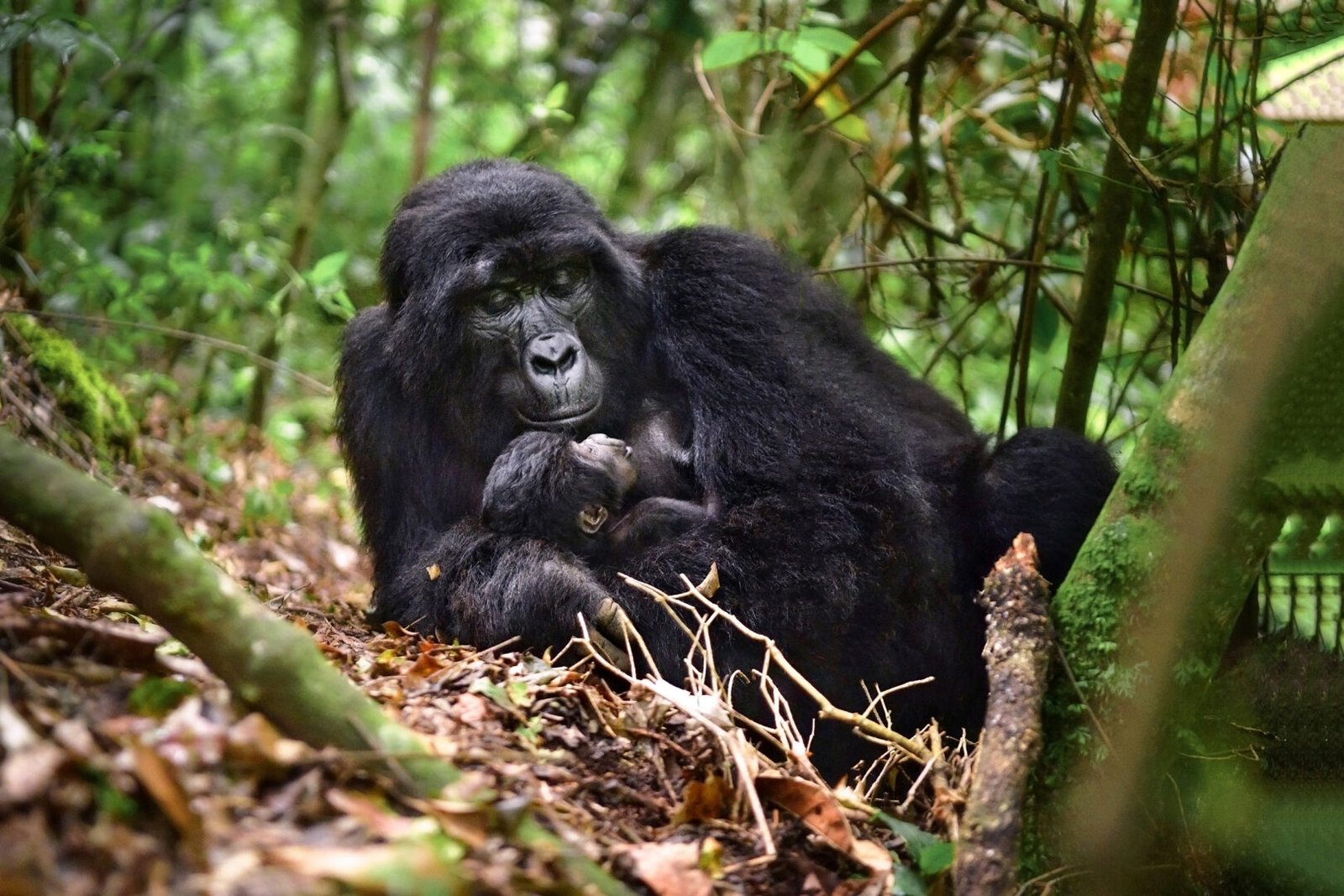
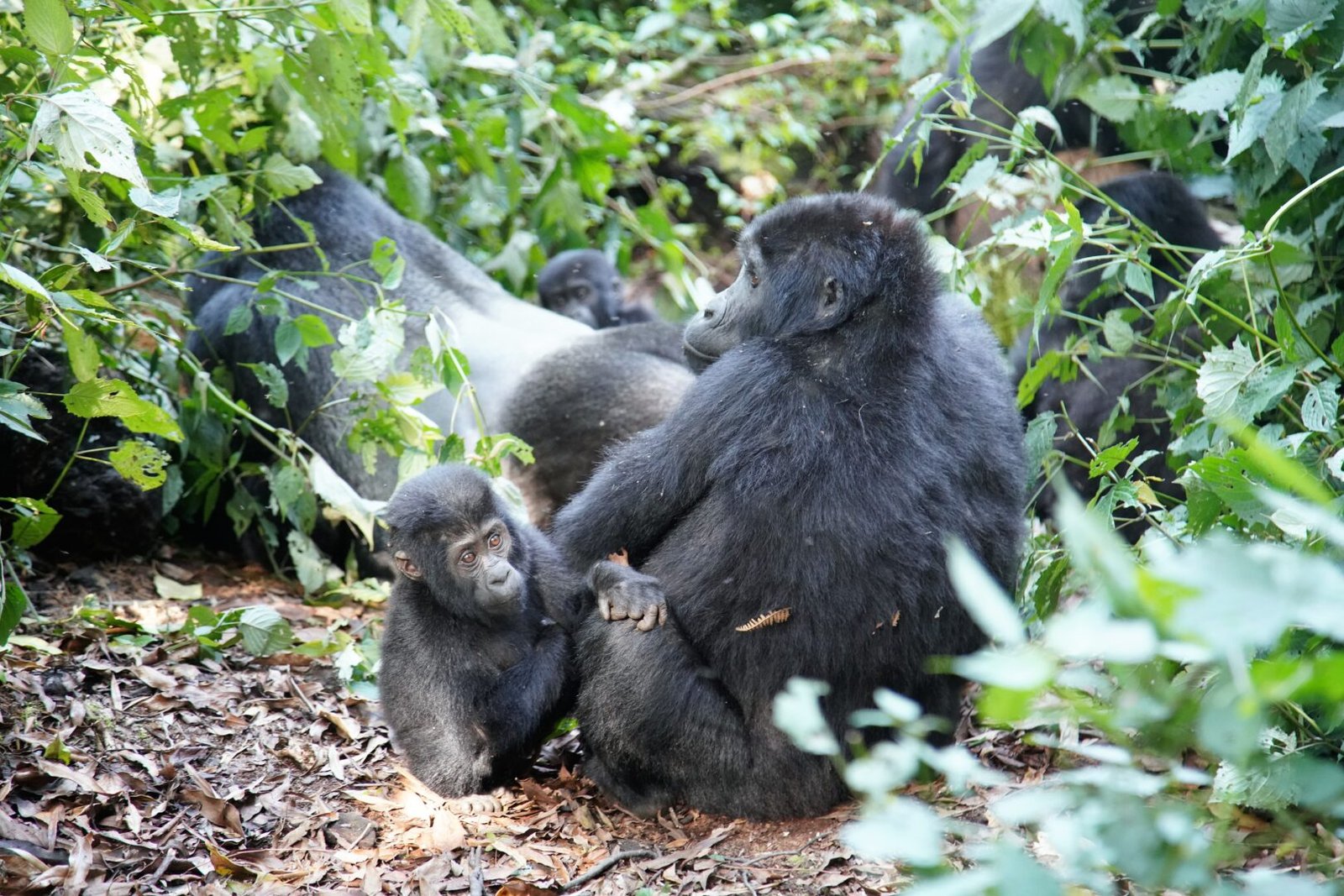
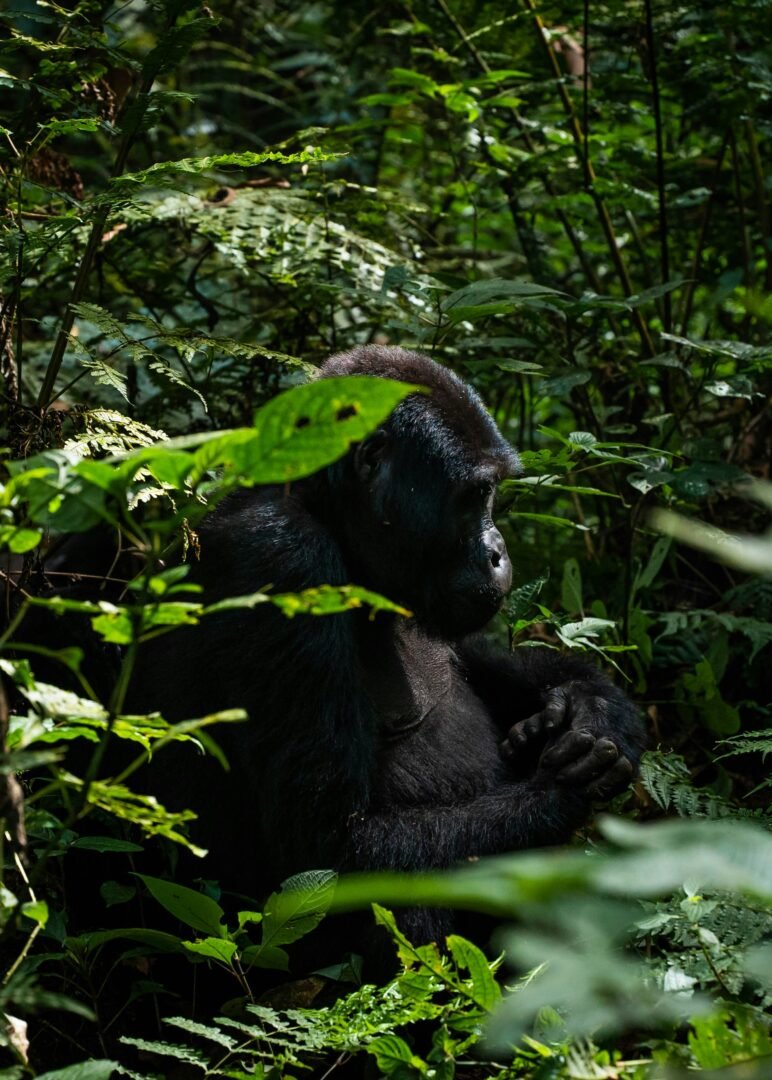
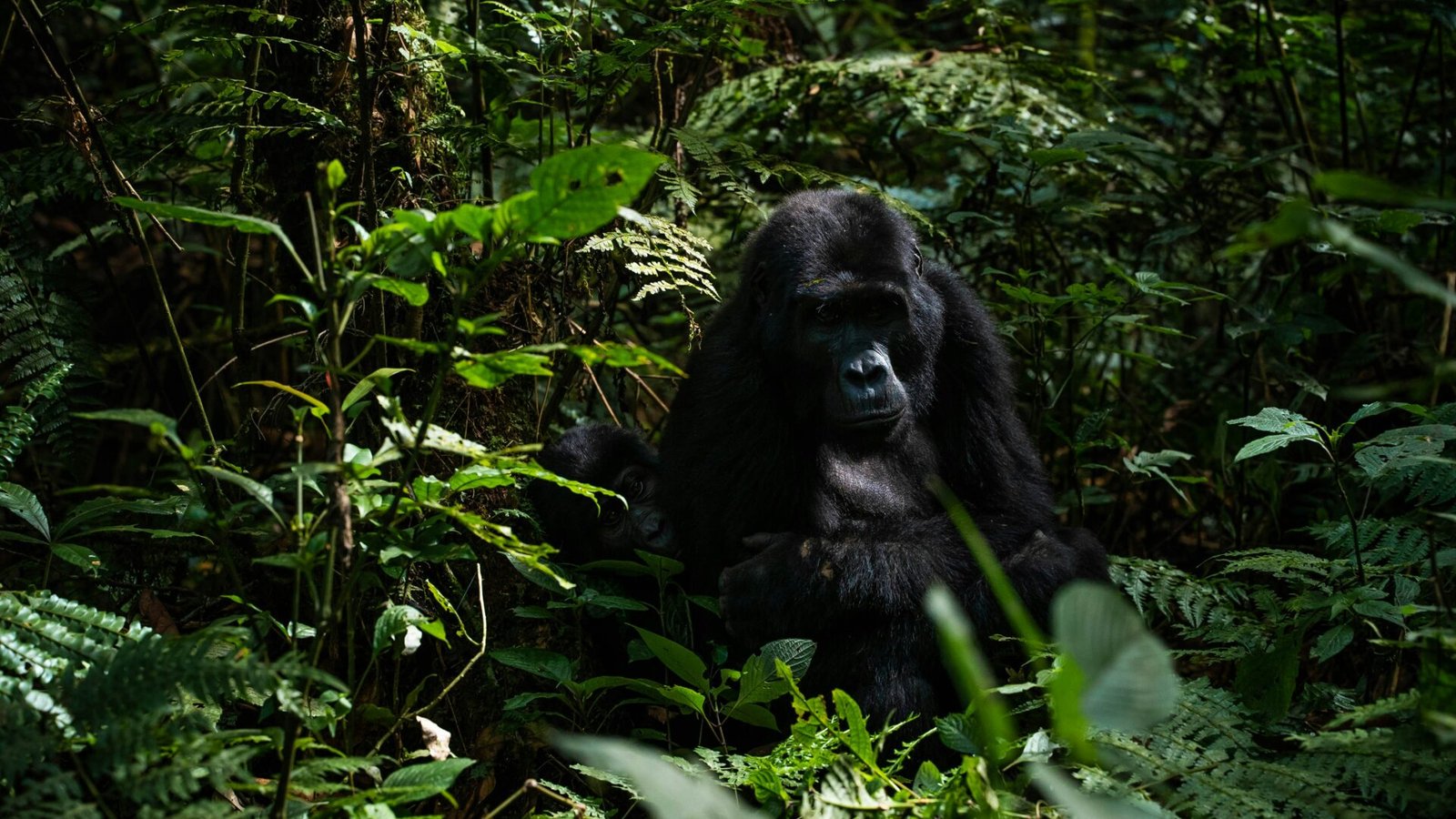
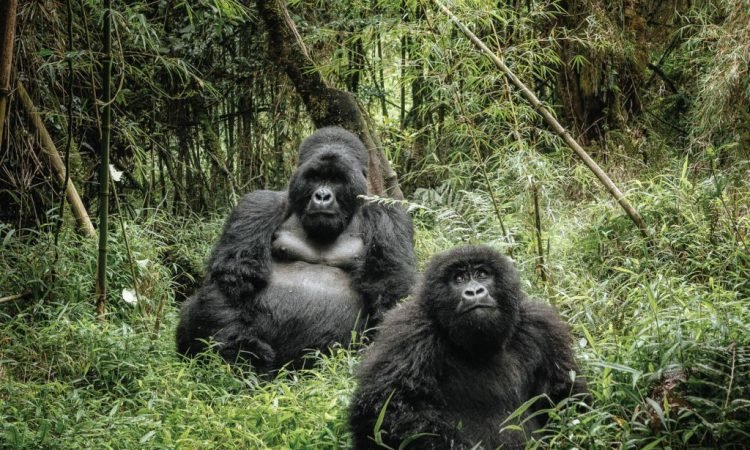
During this time, visitors may see a silverback resting beneath vegetation, females feeding, younger gorillas moving around the group, or infants interacting with their mothers.
Some gorillas may remain relatively calm during an encounter, while others may move away or display behaviors that require visitors to adjust their position or withdraw under ranger guidance.
The opportunity to observe these natural interactions over a longer period is one of the primary reasons visitors choose habituation instead of conventional gorilla trekking.
After the authorized observation period concludes, visitors follow their guides out of the forest toward the designated return point.
The return walk can also be physically demanding, particularly after several hours of trekking through mountainous terrain.
Participants should carry sufficient drinking water and food for the day, wear suitable clothing, and follow the instructions provided by their guides throughout the activity.
What Is the Gorilla Habituation Experience in Uganda Compared With Gorilla Trekking?
Understanding the difference between gorilla habituation and ordinary gorilla trekking is essential when choosing the most suitable wildlife experience.
Four Hours Compared With One Hour
Ordinary gorilla trekking generally allows one hour with a fully habituated mountain gorilla family. Gorilla habituation offers up to four hours with a family that is still undergoing the habituation process.
This longer observation period can be particularly appealing to wildlife photographers, conservation enthusiasts, and travelers who want more time to appreciate mountain gorilla behavior.
Standard gorilla trekking normally permits a maximum of eight visitors per habituated family.
Gorilla habituation generally allows a maximum of four paying visitors per authorized family.
The smaller visitor allocation helps maintain a controlled environment during the sensitive habituation process.
What Is the Gorilla Habituation Experience in Uganda for travelers seeking an exclusive encounter? It provides a small-group wildlife experience with extended observation time, although it is not necessarily a private excursion.
Fully habituated gorilla families are already accustomed to carefully controlled tourist visits.
Families undergoing habituation may display different levels of tolerance, and their reactions to human presence can be less predictable.
Visitors should therefore approach the experience with realistic expectations and respect the conservation team’s instructions.
Gorilla habituation is more expensive than ordinary gorilla trekking because the experience has a separate permit category, smaller visitor allocation, and longer authorized observation period.
Travelers who primarily want to see mountain gorillas may find standard trekking suitable, while those interested in the habituation process and extended observation may prefer habituation.
Learn more about the alternative experience through the Uganda gorilla trekking permits guide.
How Much Does the Gorilla Habituation Experience Cost in Uganda?
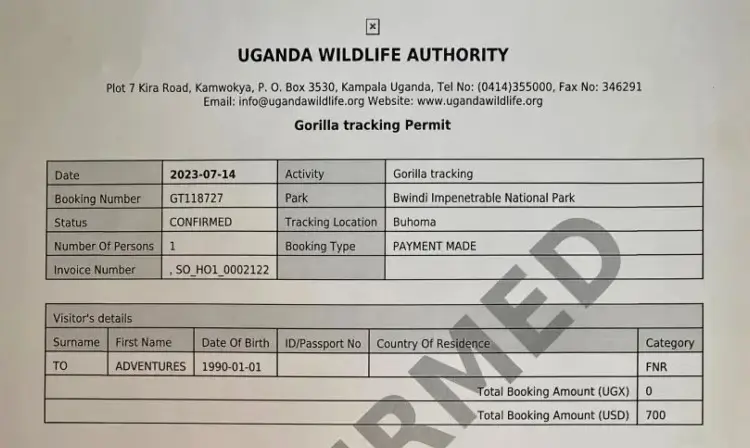
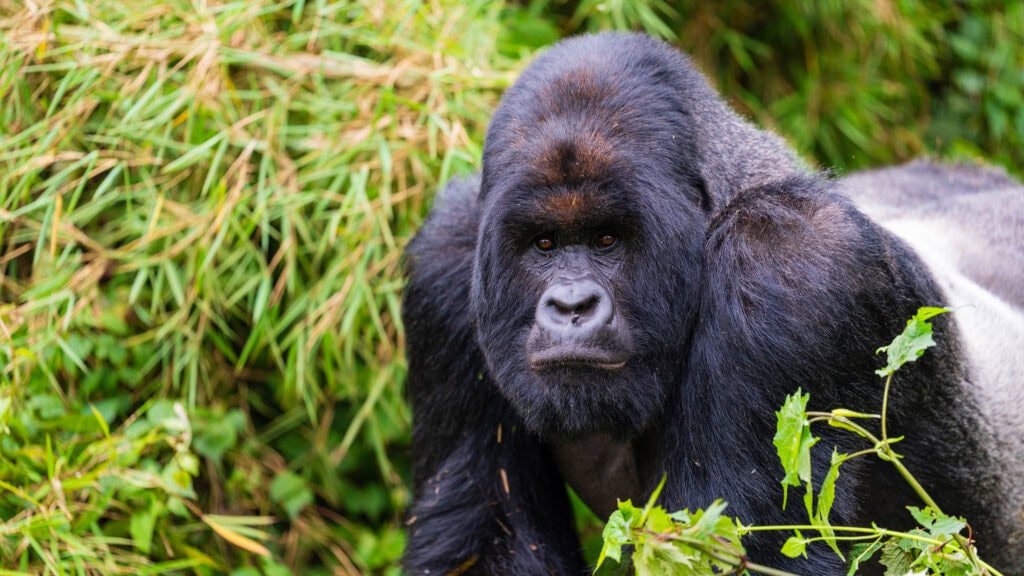
The Uganda Wildlife Authority determines official gorilla habituation permit prices according to the applicable conservation tariff and visitor category.
Under the earlier tariff, the foreign non-resident gorilla habituation permit cost US$1,500 per person.
The published tariff effective January 2027 introduces revised prices that apply through June 2028, unless subsequently amended.
Gorilla Habituation Permit Prices in 2027
The published rates are:
- Foreign non-residents: US$1,800 per person.
- Foreign residents: US$1,500 per person.
- Rest of Africa category: US$1,000 per person.
- East African Community citizens: UGX 750,000 per person.
The appropriate visitor category must be established using the required identification or residency documentation.
These rates should be reconfirmed for the actual activity date because official conservation fees can change.
A valid gorilla habituation permit authorizes participation in the specified experience, including the permitted activity-day park entrance, guiding services, and the applicable community development contribution.
The permit does not normally include private transportation, accommodation, international flights, travel insurance, visa fees, porter services, or other personal expenses.
What Is the Gorilla Habituation Experience in Uganda worth compared with ordinary trekking? For visitors who value conservation education, extended observation, and limited participant numbers, the additional viewing time may justify the higher permit price.
Travelers can review the Uganda gorilla habituation permits guide for booking information and relevant permit requirements.
How Many People Can Participate in Gorilla Habituation in Uganda?
The experience is restricted to a small number of paying visitors.
Each authorized gorilla habituation family generally accommodates a maximum of four visitors per day.
The total number of permits available depends on the number of gorilla families authorized for habituation activities and the conservation arrangements in place on the requested date.
Because of these restrictions, gorilla habituation permits can sell out well before popular safari periods.
Couples, private travelers, and small groups should confirm that enough places are available together before paying for other components of their safari.
What Is the Gorilla Habituation Experience in Uganda for a group of four travelers? A group of four may occupy the entire paying visitor allocation for one authorized family, subject to availability and official booking confirmation.
Visitors should never assume that an available hotel room means there will also be habituation permits available.
How Difficult Is the Gorilla Habituation Experience in Uganda?
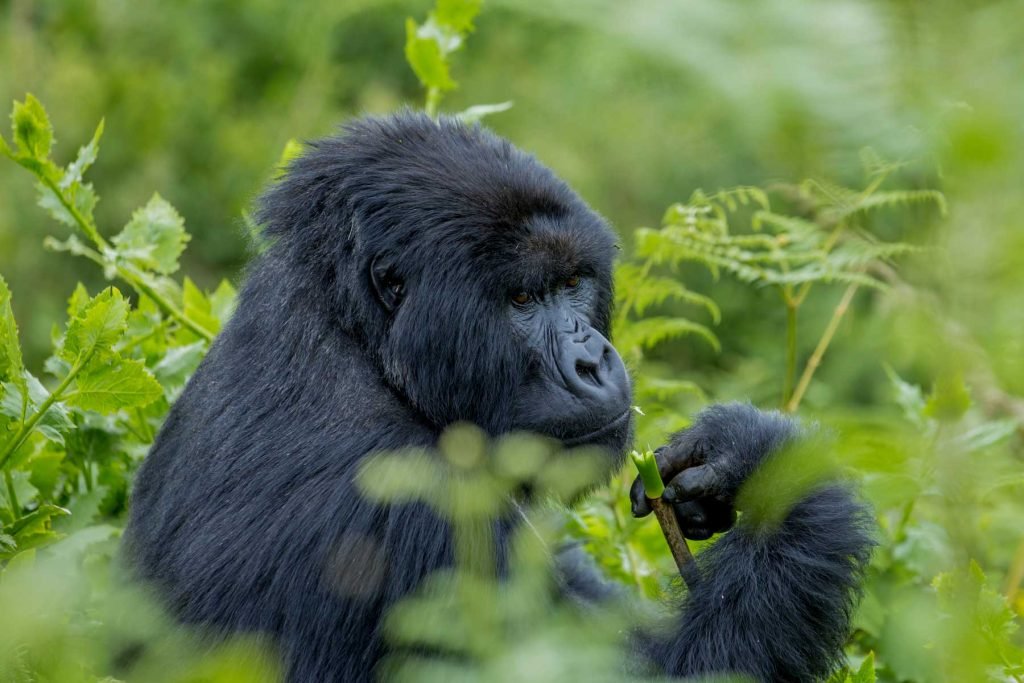
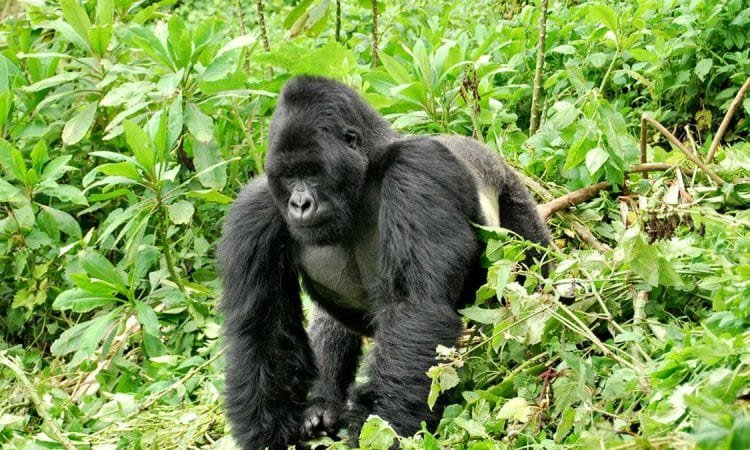
Gorilla habituation can be moderately to highly physically demanding depending on the location of the designated family, prevailing weather conditions, and the terrain encountered.
Bwindi Impenetrable National Park contains steep slopes, dense vegetation, uneven trails, and forest paths that can become slippery after rainfall.
Participants may need to walk for several hours before locating the gorillas and then return through challenging terrain after the observation period.
Travelers preparing for the experience may benefit from regular walking, moderate hill climbing, and using suitable hiking footwear before arriving in Uganda.
Senior travelers may participate when they meet the applicable requirements and can safely undertake the activity.
Porters can sometimes assist with carrying personal belongings and navigating difficult sections of the forest.
However, travelers with significant mobility limitations should discuss their circumstances with their safari operator before purchasing permits.
What Is the Gorilla Habituation Experience in Uganda like for older visitors? It can be deeply rewarding, but the physical demands should be evaluated carefully, especially because walking distances and the gorillas’ location cannot be predicted accurately.
Why Is Gorilla Habituation Important for Conservation?
Mountain gorilla habituation plays a role in conservation monitoring and understanding how wild gorilla families respond to controlled human presence.
Researchers and trackers spend substantial time observing gorilla behavior and gradually introducing their presence without attempting to domesticate the animals.
The process requires patience because individual gorillas and families may respond differently.
A family undergoing habituation may initially retreat from human activity, while some members may gradually become more tolerant of the presence of authorized personnel.
Tourism participation is limited to protect the animals and avoid interfering with the conservation process.
Revenue generated through regulated gorilla tourism contributes to conservation management and community development initiatives.
What Is the Gorilla Habituation Experience in Uganda in relation to conservation? It is an opportunity for visitors to learn about the gradual habituation process while participating in a carefully controlled wildlife activity that contributes through the official permit system.
Respecting conservation rules is essential because the welfare of the gorillas must remain the primary consideration.
Is the Gorilla Habituation Experience in Uganda Worth the Cost?
Whether gorilla habituation is worth the additional cost depends on individual interests, expectations, available time, and safari budget.
For travelers who simply want to see mountain gorillas in their natural habitat, standard gorilla trekking may offer an extraordinary experience at a lower price.
However, visitors who value extended observation, photography opportunities, conservation education, and smaller visitor groups may prefer habituation.
The possibility of spending up to four hours observing a gorilla family provides more time to appreciate natural interactions and changing behavior.
What Is the Gorilla Habituation Experience in Uganda worth for someone who has already completed ordinary gorilla trekking? It can provide a different perspective by allowing the traveler to observe a family undergoing habituation and spend longer learning about gorilla behavior.
The additional time is particularly attractive to conservation enthusiasts, experienced safari travelers, and wildlife photographers.
However, visitors should understand that the higher price does not guarantee a particular sighting, wildlife behavior, or photographic result.
Can Gorilla Habituation Be Combined With Other Uganda Safaris?
Yes. Gorilla habituation can be combined with several wildlife and nature experiences across Uganda.
Queen Elizabeth National Park is a popular addition for travelers interested in savannah wildlife, game drives, and boat excursions along the Kazinga Channel.
Kibale National Park offers chimpanzee trekking opportunities and introduces visitors to Uganda’s remarkable primate diversity.
Lake Bunyonyi is another attractive destination for relaxation after the physically demanding gorilla experience.
Travelers with additional time may visit Lake Mburo National Park, Murchison Falls National Park, or other destinations depending on their preferred itinerary.
What Is the Gorilla Habituation Experience in Uganda when included in a longer safari? It can become the central highlight of a carefully planned wildlife holiday combining rainforest primates, savannah wildlife, scenic landscapes, and cultural experiences.
A shorter safari may focus primarily on Bwindi, while longer journeys allow visitors to explore several destinations without rushing.
Book the Gorilla Habituation Experience in Uganda
The gorilla habituation experience is one of Uganda’s most exclusive wildlife activities, offering visitors an opportunity to spend extended time observing mountain gorillas while learning about the conservation work involved in habituation.
Whether you are planning a luxury gorilla safari, wildlife photography expedition, honeymoon, family holiday with eligible participants, or extended Uganda adventure, securing the appropriate permit is an essential first step.
What Is the Gorilla Habituation Experience in Uganda for travelers ready to book? It is an opportunity to participate in an authorized four-hour mountain gorilla observation experience in Bwindi Impenetrable National Park, subject to permit availability and conservation requirements.
At Uganda Gorilla Permit, travelers can request assistance with checking available dates, understanding official permit prices, organizing bookings, and planning appropriate safari arrangements.
To begin, provide your preferred dates, alternative dates, number of travelers, and nationality or residency details relevant to the permit category.
Our team can help explain the permit booking requirements and coordinate the next steps toward your planned Uganda gorilla habituation experience.
Because daily visitor allocations are extremely limited, it is advisable to check permit availability before confirming non-refundable flights and accommodation.

Frequently Asked Questions About the Gorilla Habituation Experience in Uganda
What Is the Gorilla Habituation Experience in Uganda?
The gorilla habituation experience in Uganda is a regulated wildlife activity that allows a maximum of four paying visitors per authorized gorilla family to accompany conservation personnel and observe mountain gorillas undergoing habituation for up to four hours.
What Is the Gorilla Habituation Experience in Uganda Compared With Standard Trekking?
The main differences are the observation period, visitor numbers, and habituation status of the gorilla family. Habituation offers up to four hours with a family undergoing habituation, while standard trekking generally offers one hour with a fully habituated family.
Where Does Gorilla Habituation Take Place in Uganda?
The established visitor-accessible habituation experience takes place in the Rushaga sector of Bwindi Impenetrable National Park in southwestern Uganda.
How Long Does the Gorilla Habituation Experience Last?
Visitors may spend up to four hours observing the designated gorilla family after it has been located. The overall activity takes longer because it includes the briefing, trekking into the forest, and returning from the encounter.
What Is the Gorilla Habituation Experience in Uganda for Wildlife Photographers?
It provides an extended opportunity to observe and photograph mountain gorillas engaging in natural behavior. However, visitors must maintain the required distance, avoid flash photography, and accept that wildlife behavior cannot be controlled.
Final Thoughts: What Is the Gorilla Habituation Experience in Uganda?
What Is the Gorilla Habituation Experience in Uganda? It is one of the country’s most exclusive conservation-focused wildlife experiences, providing visitors with an opportunity to spend up to four hours observing mountain gorillas undergoing habituation in their natural rainforest habitat.
Conducted in the Rushaga sector of Bwindi Impenetrable National Park, the experience introduces visitors to the remarkable behavior of mountain gorillas and the important work carried out by professional conservation personnel.
Unlike ordinary gorilla trekking, habituation offers a longer observation period and a smaller visitor allocation, making it particularly appealing to wildlife enthusiasts, photographers, and travelers interested in conservation.
Understanding What Is the Gorilla Habituation Experience in Uganda? helps visitors appreciate the importance of advance permit booking, physical preparation, conservation regulations, and responsible wildlife behavior.
Whether visiting Uganda for the first time or returning for a more immersive primate experience, careful planning can help travelers enjoy this extraordinary rainforest adventure.
Whether you are visiting Uganda for the first time or returning for a deeper mountain gorilla experience, careful planning, appropriate physical preparation, and respect for conservation rules will help you make the most of this exceptional wildlife adventure.