
What Should You Pack for a Gorilla Habituation Experience?
What Should You Pack for a Gorilla Habituation Experience? The Ultimate Uganda Safari Packing Guide
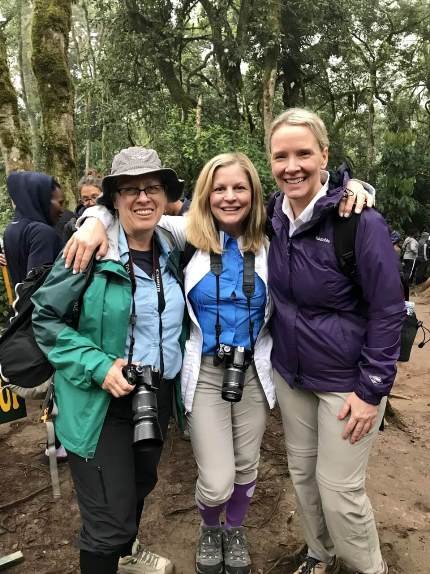
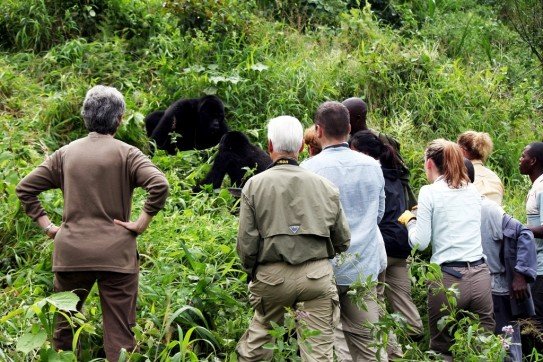
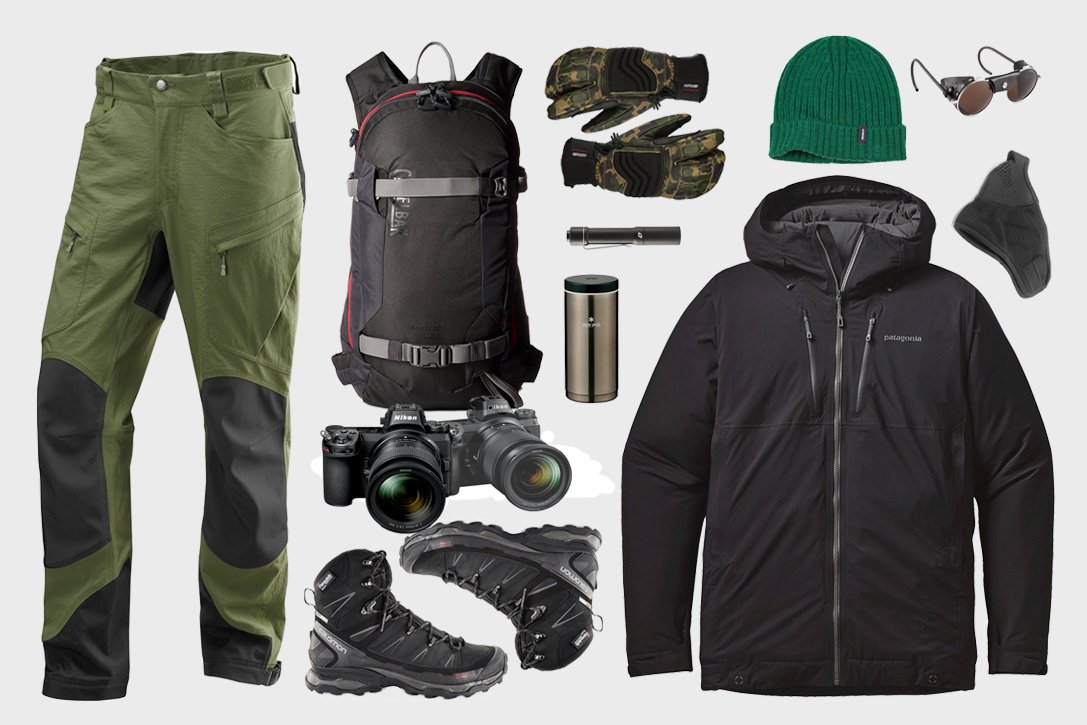
What Should You Pack for a Gorilla Habituation Experience? The essential packing items for gorilla habituation in Uganda include waterproof hiking boots, long-sleeved shirts, comfortable trekking trousers, gardening gloves, protective gaiters, a waterproof rain jacket, a small backpack, sufficient drinking water, packed lunch, insect repellent, personal medication, and suitable camera equipment. Uganda’s Gorilla Habituation Experience takes place in the Rushaga sector of Bwindi Impenetrable National Park in southwestern Uganda, where visitors can spend up to four hours observing a mountain gorilla family undergoing habituation.
For Ugandan citizens, East African Community citizens, foreign residents, and international travellers visiting Uganda, preparing the right equipment is essential because the experience involves extended hiking through mountainous rainforest, dense vegetation, muddy trails, and unpredictable weather conditions.
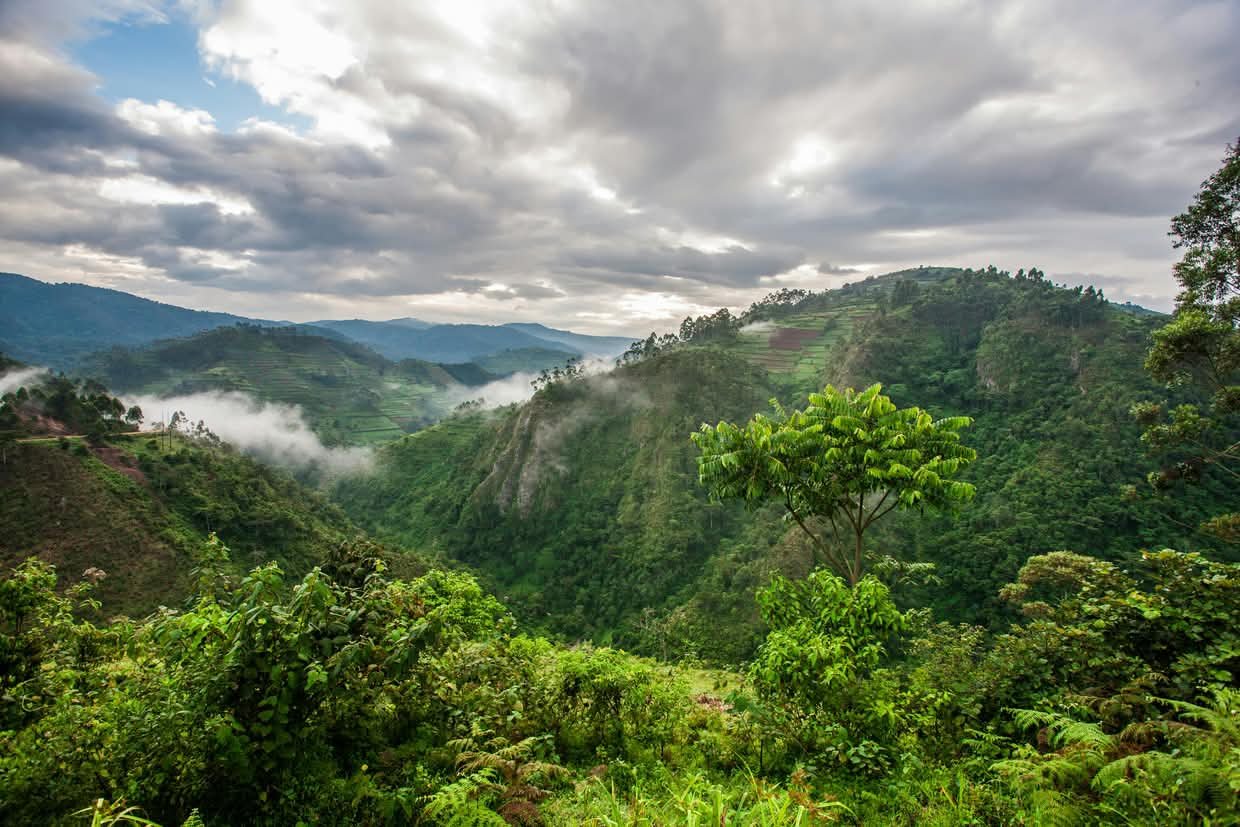
For Ugandan citizens planning a local safari and international visitors travelling to Uganda specifically for mountain gorilla habituation, understanding What Should You Pack for a Gorilla Habituation Experience? is an important part of preparing for one of Uganda’s most extraordinary wildlife adventures. Bwindi Impenetrable National Park is located in the mountainous southwestern region of Uganda, where rainforest conditions can change rapidly throughout the day. Although Uganda experiences relatively dry periods between June and August and from December to February, rainfall can occur in Bwindi at any time of year. Visitors should therefore pack practical, lightweight, weather-resistant equipment that provides protection against rain, insects, slippery terrain, and the physical demands of hiking through Uganda’s tropical rainforest.
Unlike ordinary gorilla trekking, which normally allows visitors one hour with a habituated mountain gorilla family, the Gorilla Habituation Experience provides a maximum of four hours with a designated family undergoing habituation. The entire forest excursion may take considerably longer because participants must first locate the gorillas and later return to the designated departure point. Proper packing helps visitors remain comfortable throughout the activity while minimizing unnecessary weight and allowing them to concentrate on observing mountain gorillas in their natural environment.
Why Is Packing Properly Important for Gorilla Habituation in Bwindi?
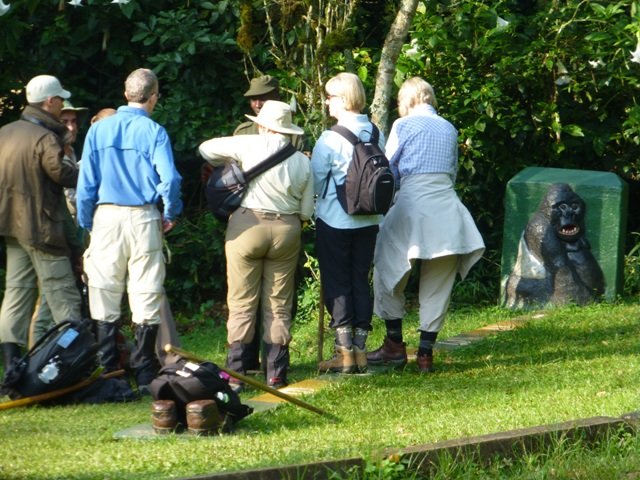
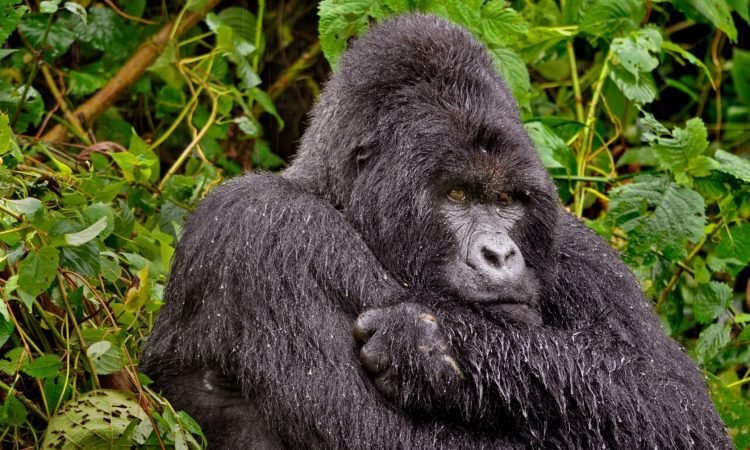
Packing appropriately is particularly important because gorilla habituation takes place in an environment where visitors cannot easily return to their accommodation to collect forgotten belongings. Once the forest excursion begins, participants may spend several hours travelling through dense vegetation, climbing hillsides, crossing muddy pathways, and following authorized guides to locate the designated gorilla family.
Bwindi Impenetrable National Park is characterized by steep slopes, tangled undergrowth, exposed tree roots, and sections of wet forest floor. Visitors may also encounter changing temperatures, mist, insects, and sudden rain showers. Equipment that is suitable for ordinary sightseeing may not provide sufficient protection or comfort during these conditions.
The best packing approach is to carry items that genuinely improve safety, comfort, hydration, and weather protection while avoiding unnecessary weight. Heavy luggage, unsuitable footwear, and excessive equipment can increase fatigue during an already demanding activity.
When considering What Should You Pack for a Gorilla Habituation Experience?, travellers should distinguish between equipment needed during the forest excursion and belongings that can remain safely at their lodge. A carefully organized daypack should contain the essentials, while additional clothing and personal items can be stored at the accommodation.
Waterproof Hiking Boots – The Most Important Gorilla Habituation Equipment
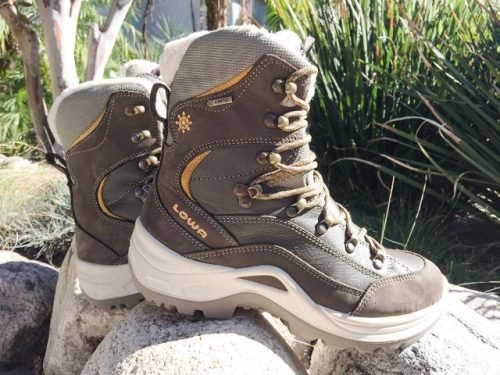
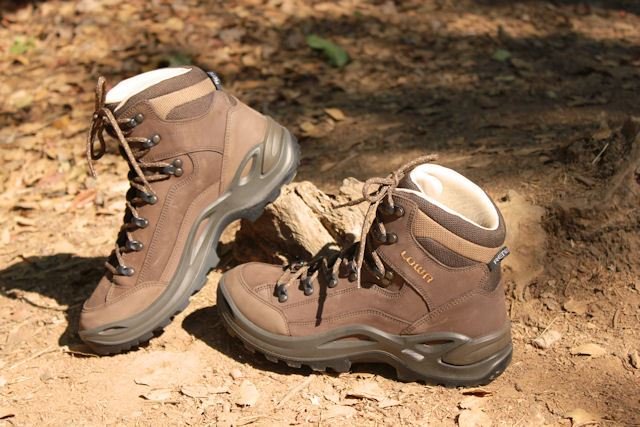
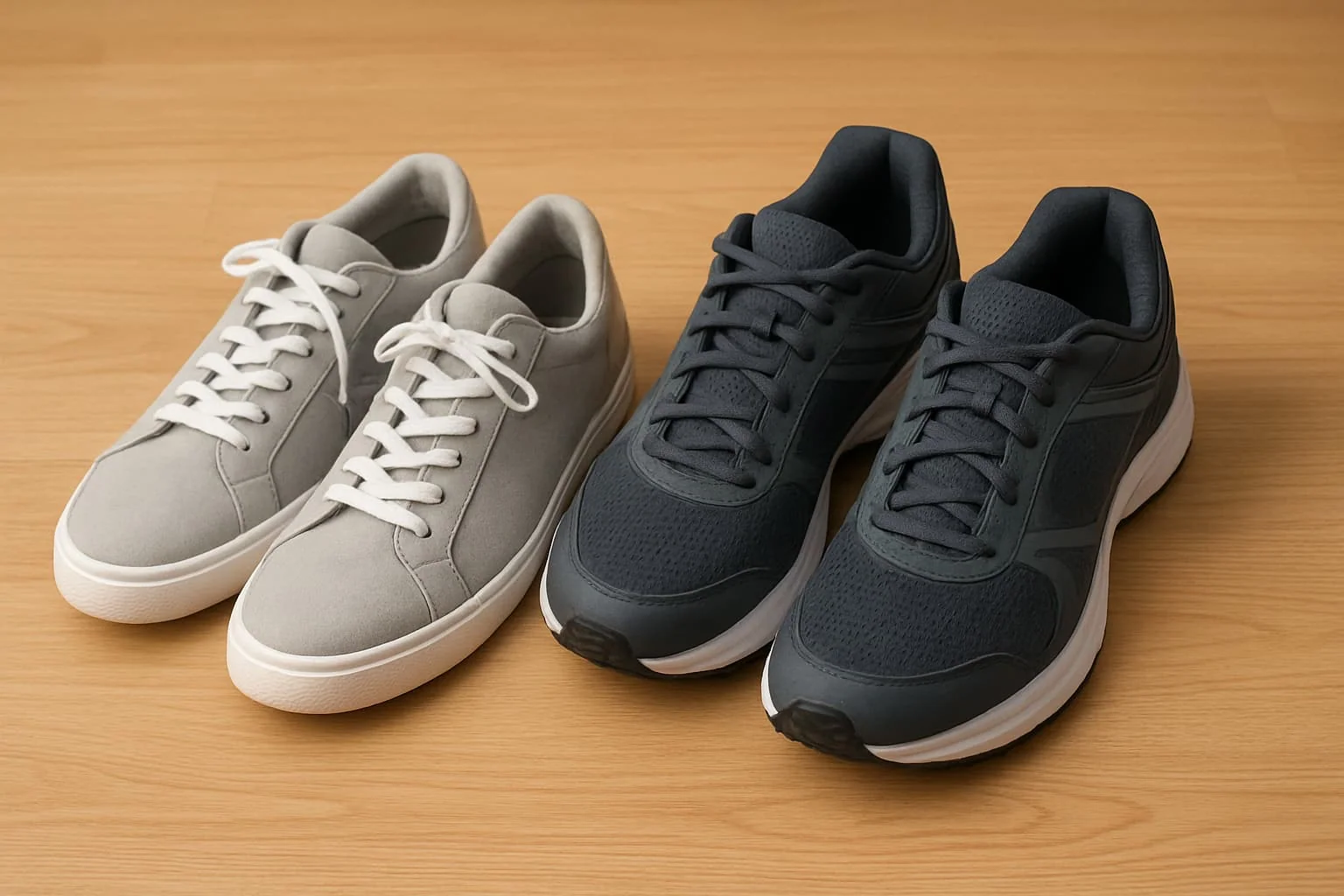
Waterproof hiking boots are among the most essential items for gorilla habituation in Uganda. Bwindi’s terrain is mountainous, uneven, and frequently wet, making suitable footwear particularly important when navigating steep trails, muddy slopes, and exposed tree roots.
The ideal hiking boots should provide dependable grip, comfortable ankle support, durable soles, and protection against moisture. Deep-tread soles help maintain traction on slippery ground, while a secure fit reduces unnecessary movement inside the boots during long uphill and downhill sections.
Visitors should avoid purchasing new hiking boots immediately before their safari without wearing them beforehand. Unfamiliar footwear can cause blisters, discomfort, and pressure points during prolonged walking. Breaking in boots through practice hikes allows travellers to identify potential problems before arriving in Bwindi.
Ordinary sneakers, sandals, slippers, and smooth-soled fashion shoes are generally unsuitable for gorilla habituation. Although some experienced hikers may prefer specialist trail footwear, supportive waterproof hiking boots remain the most practical recommendation for most visitors.
Long-Sleeved Shirts for Protection Against Forest Vegetation
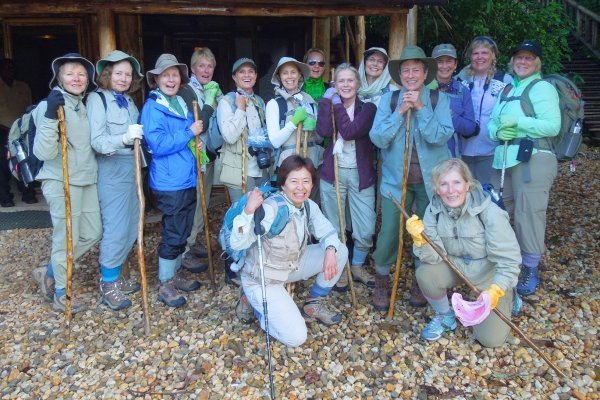
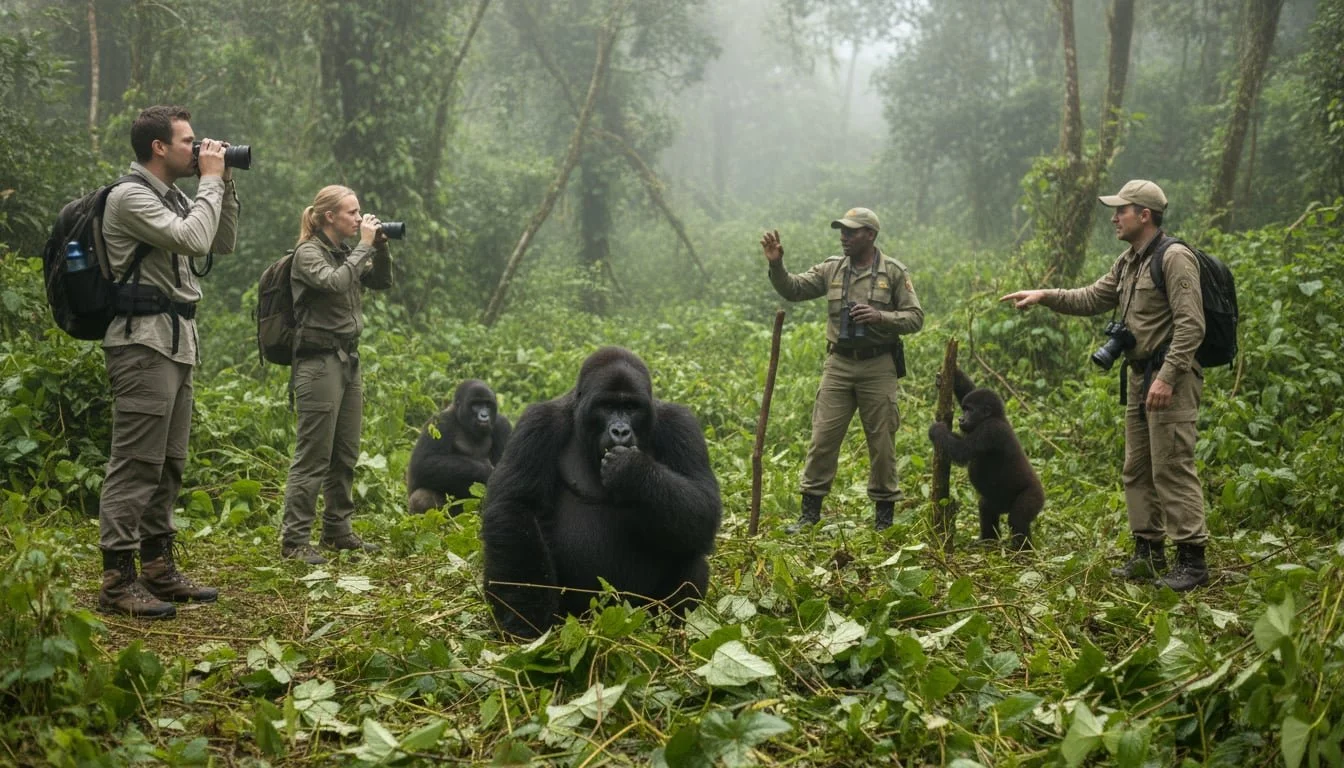
Lightweight long-sleeved shirts are essential because they provide protection against vegetation, insects, scratches, and contact with branches while walking through Bwindi Impenetrable National Park.
The best shirts are made from breathable, quick-drying materials that allow comfortable movement during physical activity. Moisture-wicking hiking fabrics are particularly useful because visitors may perspire considerably while climbing slopes or navigating dense vegetation.
Heavy cotton clothing may absorb moisture and remain wet for extended periods, especially during rainy conditions. Lightweight synthetic or suitable outdoor performance fabrics generally provide better comfort when exposed to rain and humidity.
Travellers should choose shirts that fit comfortably without restricting movement or becoming caught easily on branches. Long sleeves are useful even during relatively warm conditions because they provide an additional protective barrier against the natural rainforest environment.
Comfortable Long Hiking Trousers for Gorilla Habituation
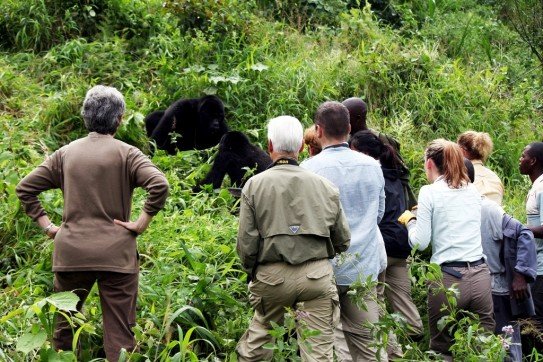
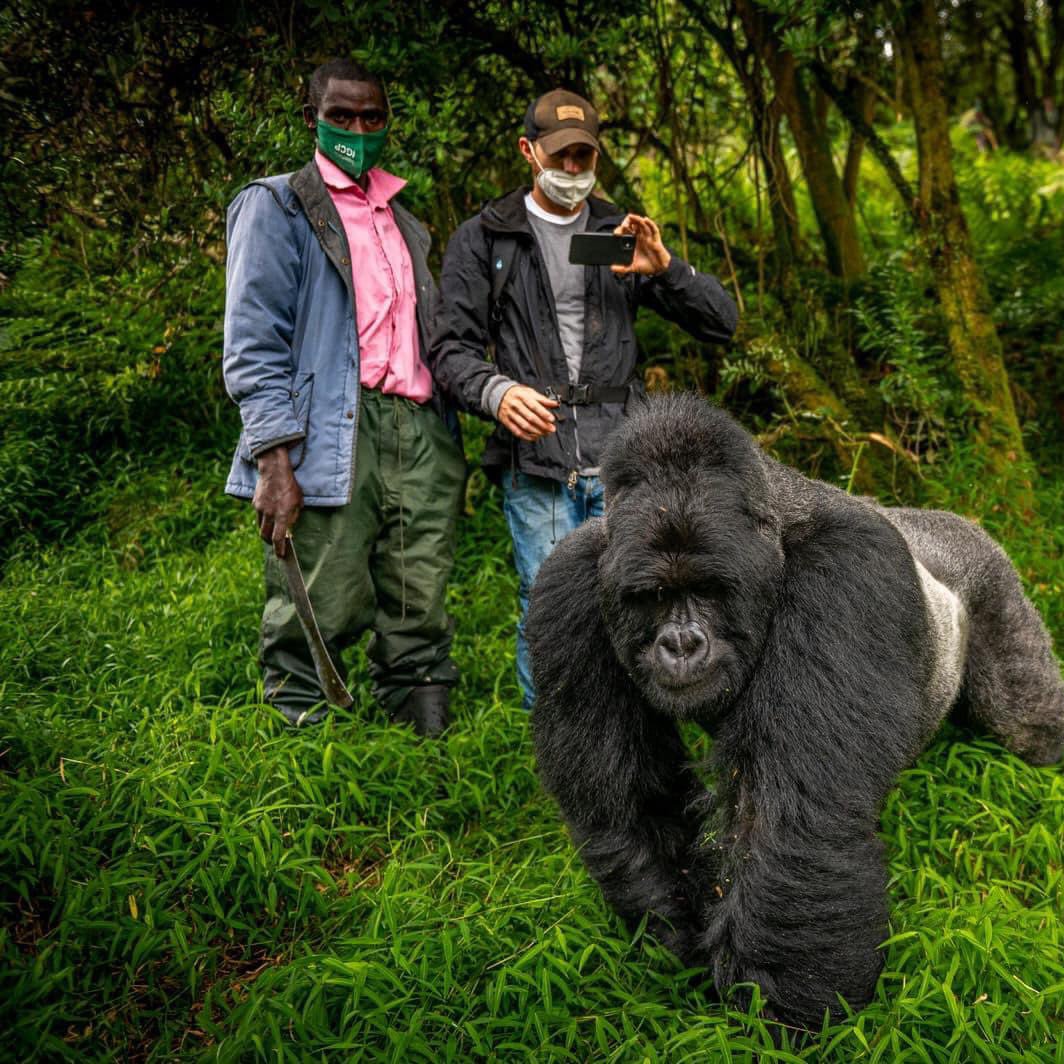
Long trousers are strongly recommended for gorilla habituation because they protect the legs against thick vegetation, insect bites, thorny plants, and scratches from branches.
Visitors should prioritize lightweight trekking trousers designed for outdoor activities. Quick-drying materials are particularly suitable because Bwindi’s trails can be wet even when rainfall is limited. Comfortable hiking trousers also allow easier movement when climbing steep sections or stepping over fallen vegetation.
Heavy denim jeans are generally unsuitable because they absorb water, dry slowly, and can become uncomfortable during extended hiking. Shorts are also discouraged because they leave the legs exposed to vegetation and insects.
Trousers with practical pockets can be useful for carrying small personal items, although valuables should be kept securely inside a daypack. Visitors may also tuck the lower sections of their trousers into socks or use gaiters for additional protection.
When asking What Should You Pack for a Gorilla Habituation Experience?, suitable hiking trousers should be considered essential rather than optional.
Gardening Gloves for Gorilla Habituation in Bwindi
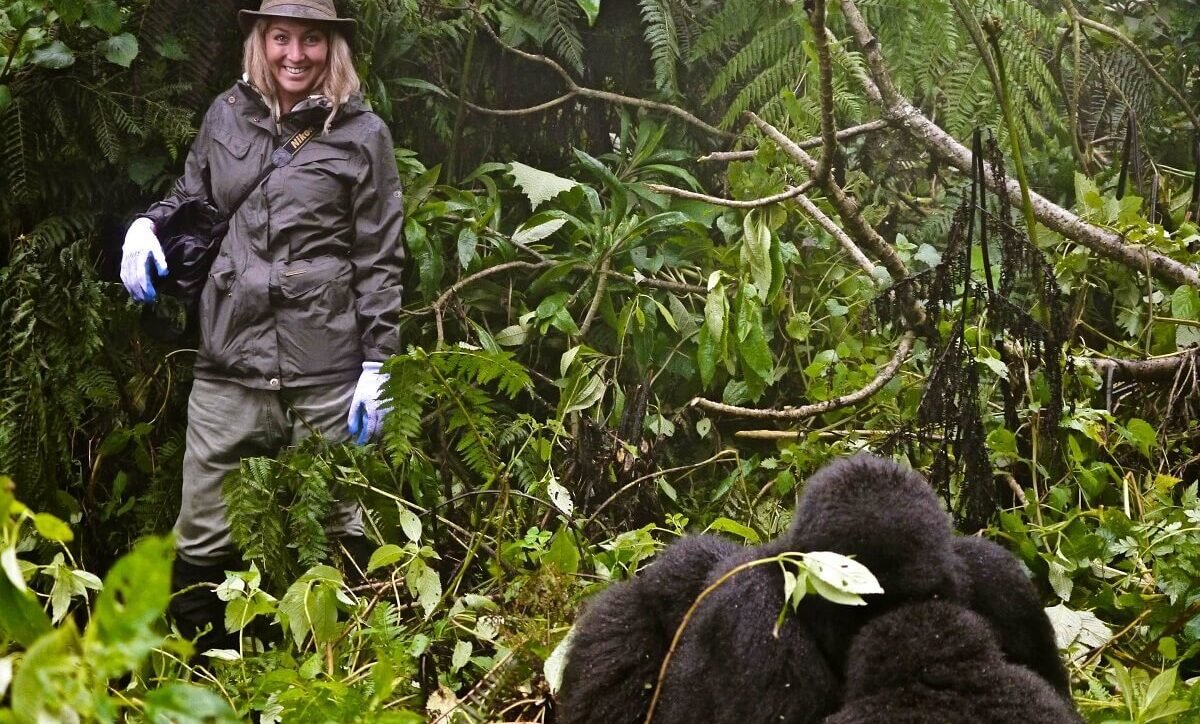
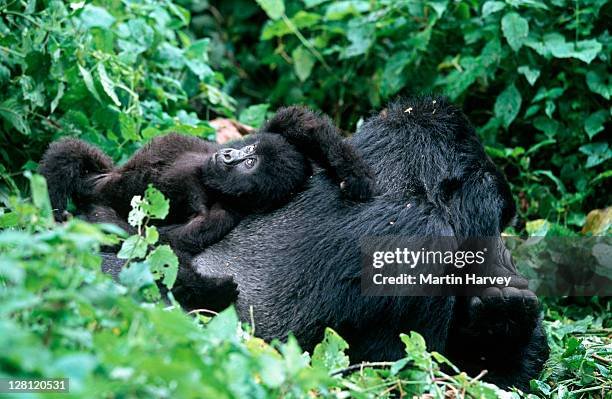
Gardening gloves are highly recommended for gorilla habituation because they help protect the hands while visitors navigate Bwindi’s dense vegetation and challenging terrain.
During the forest excursion, participants may need to use their hands for balance, hold a walking stick, or steady themselves against suitable natural support points. Protective gloves reduce direct contact with rough surfaces, branches, and vegetation that may cause irritation.
Lightweight gardening gloves or durable work gloves with a reliable grip are generally suitable. Visitors should avoid gloves that are excessively bulky, slippery when wet, or uncomfortable during prolonged use.
The purpose of the gloves is protection rather than encouraging visitors to touch vegetation indiscriminately. Guides should always be followed when selecting safe routes or support points through the forest.
Because gloves are relatively lightweight and inexpensive, they are one of the simplest items that can improve comfort during a demanding gorilla habituation excursion.
Waterproof Rain Jacket and Protective Rain Gear
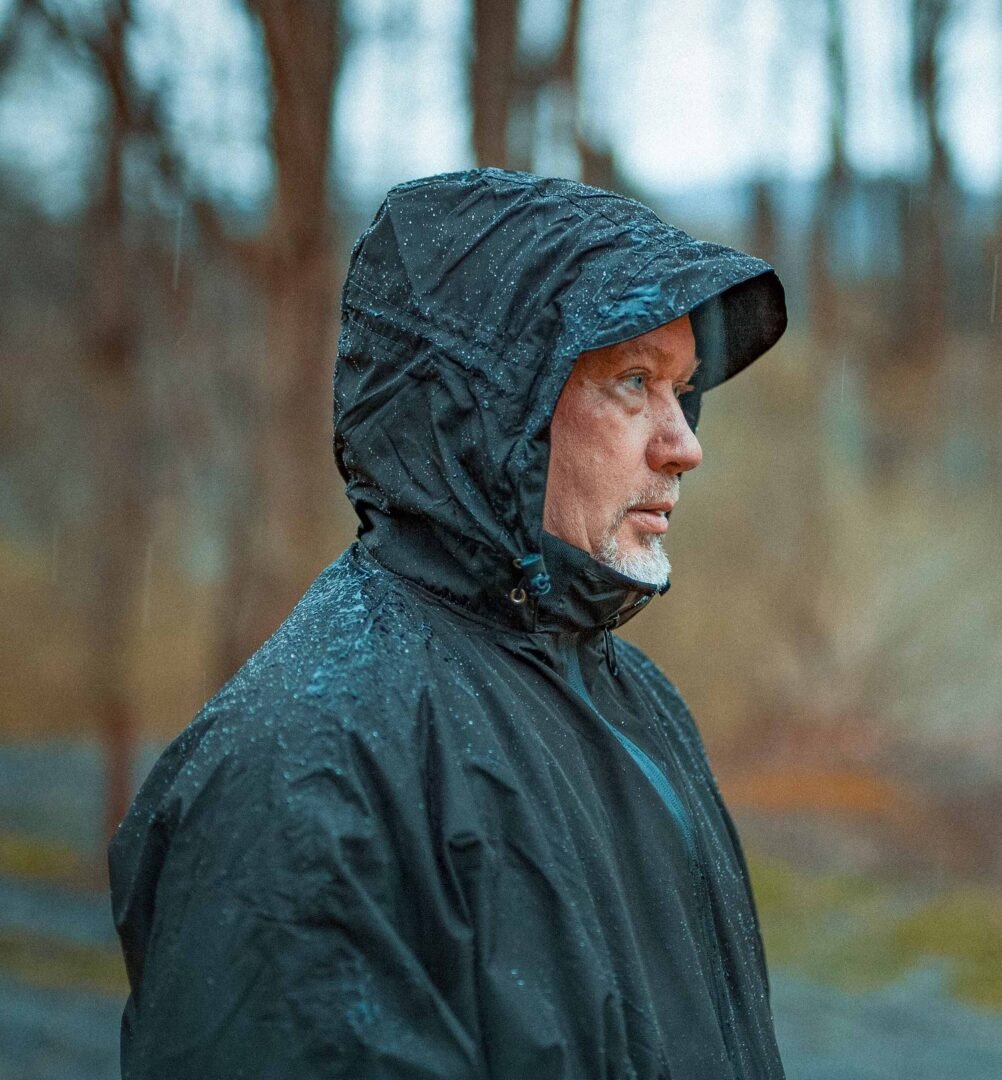
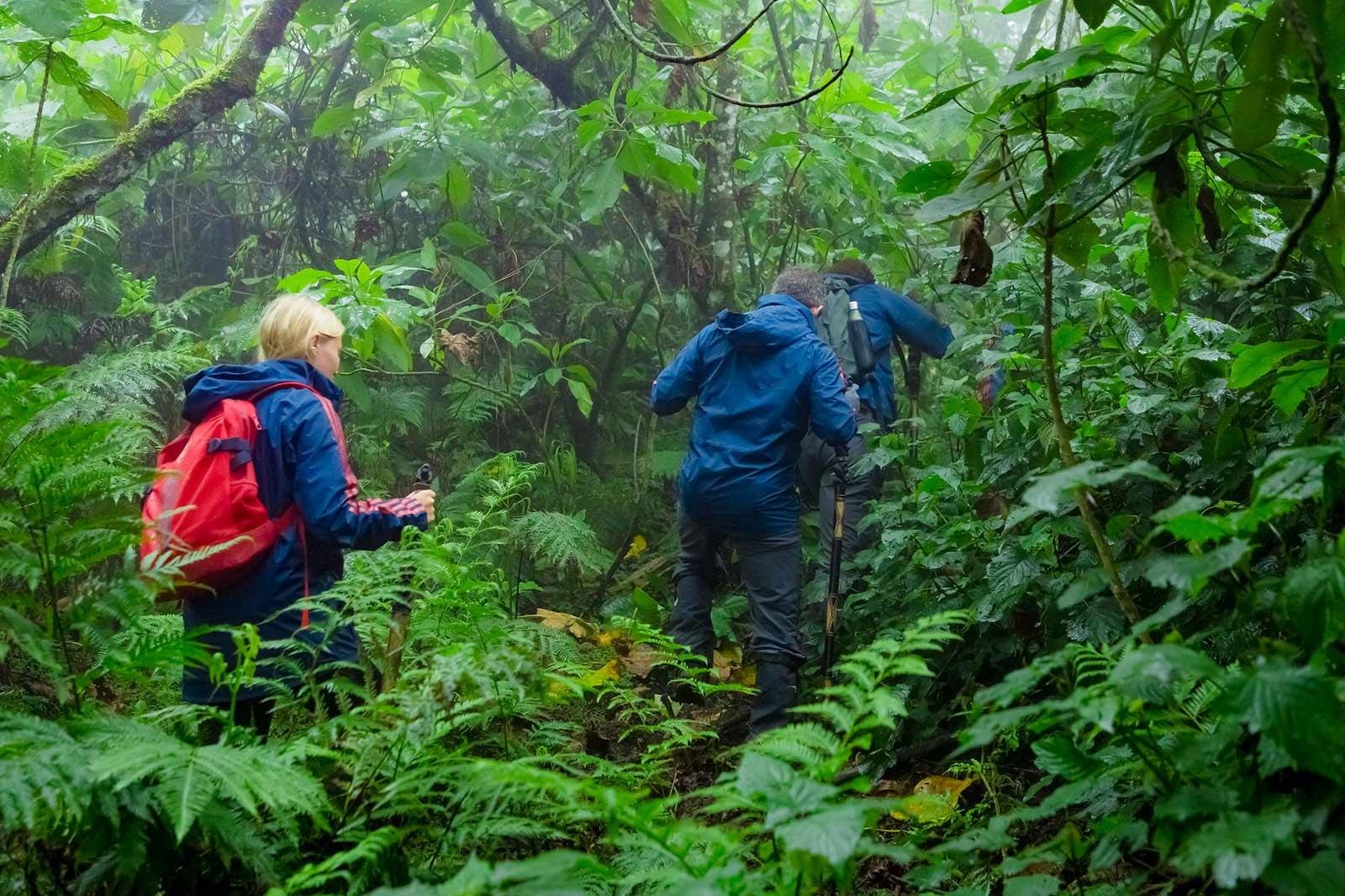
A waterproof rain jacket is essential for gorilla habituation because Bwindi Impenetrable National Park is a tropical rainforest where rainfall can occur throughout the year.
Even during the relatively dry months of June, July, August, January, and February, visitors may experience sudden showers, mist, or wet vegetation. A lightweight waterproof jacket provides important protection without adding unnecessary weight to the daypack.
The most suitable jacket should be breathable, comfortable, and equipped with a hood. Adjustable cuffs and secure closures can help reduce water entering the clothing underneath.
Visitors should avoid relying solely on ordinary fashion jackets or heavy garments that offer limited waterproof protection. A properly designed outdoor rain jacket is generally more reliable for extended forest hiking.
During particularly wet months, lightweight waterproof trousers may also be useful. These provide additional protection when vegetation is saturated or when visitors encounter prolonged rainfall.
Choosing the Right Backpack for Gorilla Habituation
A small, comfortable daypack is essential because visitors need to carry drinking water, packed food, rain protection, personal medication, and other necessary belongings during the forest excursion.
A backpack with an approximate capacity of 15 to 25 litres is suitable for many travellers, although the ideal size depends on personal equipment requirements.
The backpack should have comfortable shoulder straps, secure compartments, and sufficient space for essential items without encouraging excessive packing. A chest or waist strap can be helpful when moving over uneven terrain because it reduces unnecessary movement of the bag.
Waterproof protection is particularly important. A rain cover or internal dry bag can help protect belongings from sudden showers, moisture, and contact with wet vegetation.
Visitors carrying expensive photographic equipment may require a more specialized backpack, but it should still remain manageable during several hours of forest hiking.
For travellers researching What Should You Pack for a Gorilla Habituation Experience?, the most important consideration is carrying the necessary supplies without allowing the backpack to become unnecessarily heavy.
How Much Drinking Water Should You Pack for Gorilla Habituation?
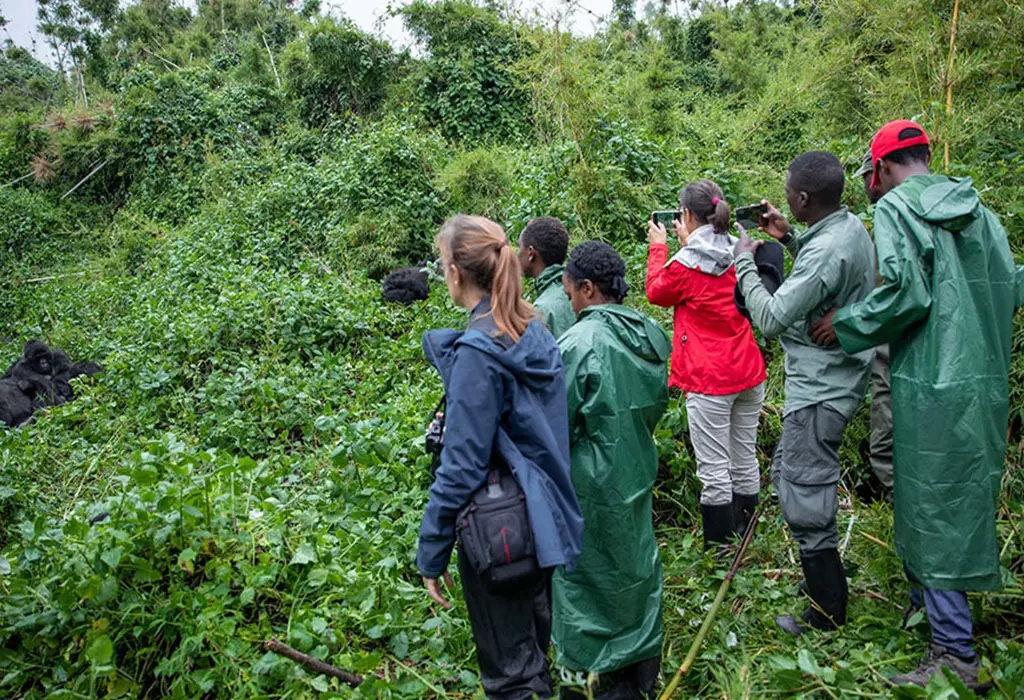
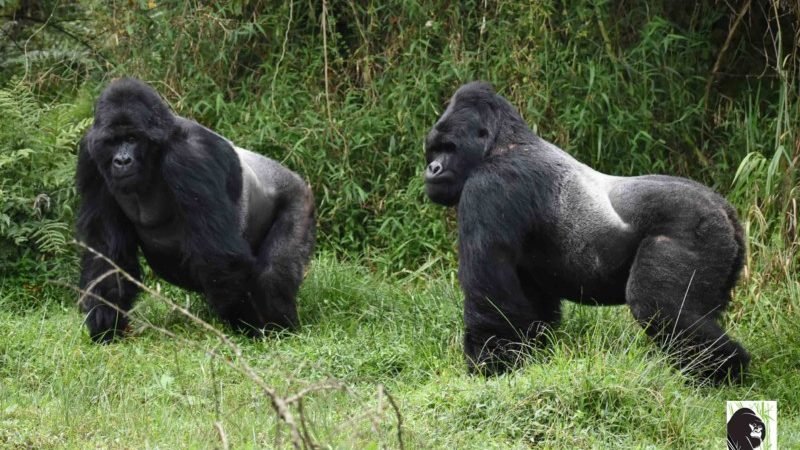
Drinking water is one of the most important supplies because gorilla habituation can involve several hours of walking through mountainous rainforest.
Visitors should carry enough water for their expected activity duration, physical requirements, and weather conditions. Approximately two litres per adult is a common starting point for planning, but some visitors may need more depending on individual hydration needs, exertion, and the guidance provided by their safari organizer.
Reusable water bottles or suitable hydration systems can help visitors drink regularly without repeatedly opening their backpacks. Bottles should be securely closed to prevent leakage inside the bag.
Although Bwindi can experience cool temperatures, strenuous hiking still causes perspiration and fluid loss. Visitors should therefore maintain adequate hydration throughout the excursion rather than waiting until they feel extremely thirsty.
Safe drinking water should be arranged before leaving the lodge because suitable drinking water may not be available once visitors enter the forest.
Camera Equipment for the Four-Hour Gorilla Habituation Experience
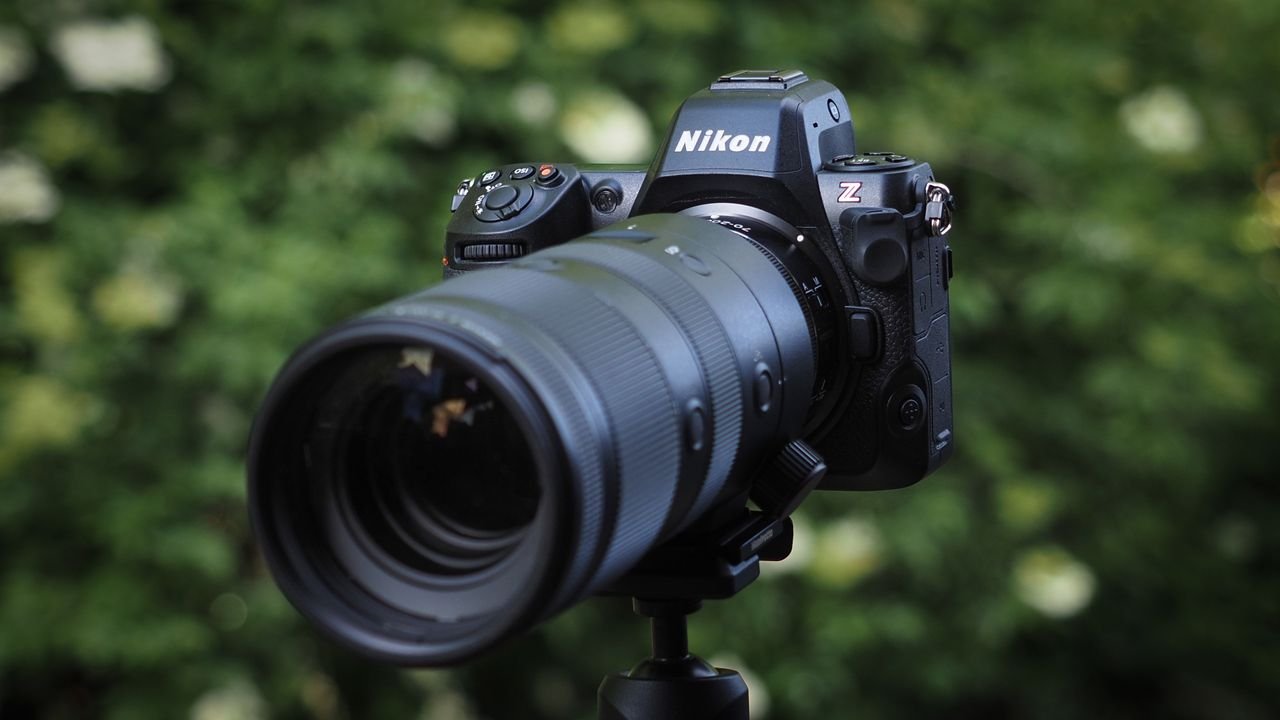
Camera equipment is one of the most important considerations for travellers interested in wildlife photography. The Gorilla Habituation Experience allows visitors up to four hours with the designated gorilla family, providing opportunities to document natural behaviour over an extended period.
Photographers should prioritize equipment that performs well in low-light conditions because Bwindi’s dense canopy can limit sunlight even during relatively clear weather.
A suitable camera, practical lens, additional batteries, and sufficient memory-card capacity are useful for visitors planning to take numerous photographs.
However, excessively heavy equipment can make the forest hike more demanding. Travellers should consider their physical ability and the amount of equipment they can comfortably carry.
A lightweight camera setup may be more practical for some visitors than carrying multiple heavy lenses and accessories.
How Much Cash Should You Carry for Gorilla Habituation?
Visitors may wish to carry a modest amount of cash for porter services, gratuities, small purchases, or other expenses not included in their safari package.
The amount required depends on the arrangements already covered by the safari operator. Some travellers may have all major expenses prepaid, while others may need cash for optional services around Rushaga.
Ugandan shillings are useful for many local transactions, and travellers should confirm accepted payment methods before arriving in remote areas.
Cash should be carried securely, preferably in a protected compartment rather than an easily accessible external pocket.
Visitors should avoid carrying unnecessarily large amounts of money during the forest excursion.
Should You Pack a Walking Stick for Gorilla Habituation?
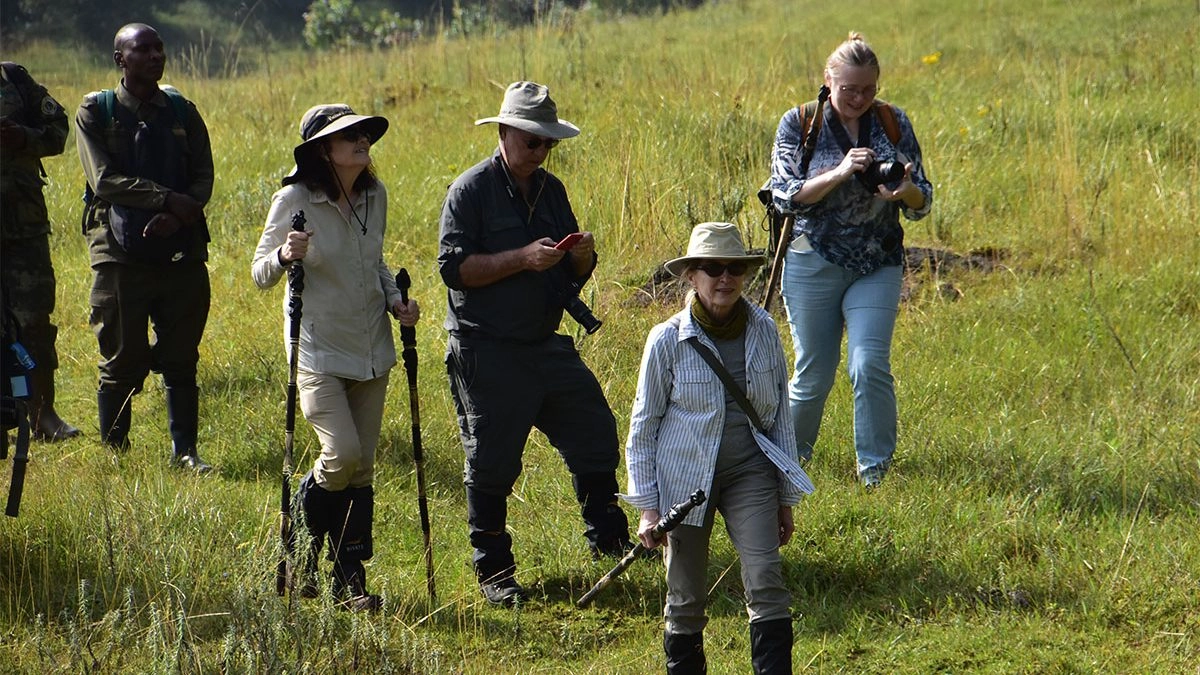
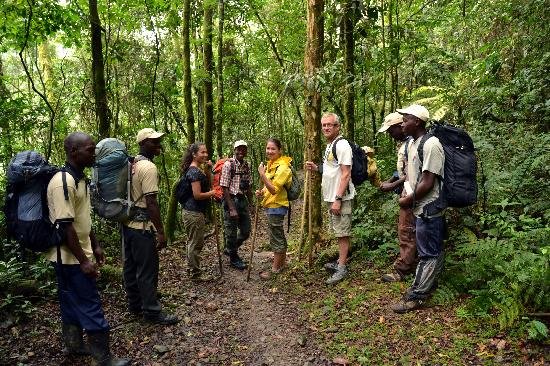
A walking stick can be useful because Bwindi Impenetrable National Park contains steep hillsides, uneven paths, and occasionally slippery terrain.
A suitable trekking stick helps visitors maintain balance while climbing or descending slopes and can reduce strain during prolonged walking.
Some park entry points or local providers may have walking sticks available, but visitors should confirm availability rather than assuming one will automatically be provided.
Travellers who prefer their own trekking poles should ensure that they are suitable for forest conditions and permitted under the applicable activity arrangements.
Walking sticks should be used carefully to avoid damaging vegetation or creating unnecessary hazards for other participants.
What Should You Pack for Gorilla Habituation During the Rainy Season?
Rainy-season gorilla habituation requires particular attention to waterproof clothing and equipment because Bwindi’s forest trails may become muddy and slippery during March, April, May, October, and November.
Visitors should prioritize supportive waterproof hiking boots, reliable rain jackets, quick-drying trousers, long-sleeved shirts, protective gaiters, and comfortable socks.
A waterproof backpack cover and internal dry bags are especially useful for protecting food, documents, electronics, and spare clothing.
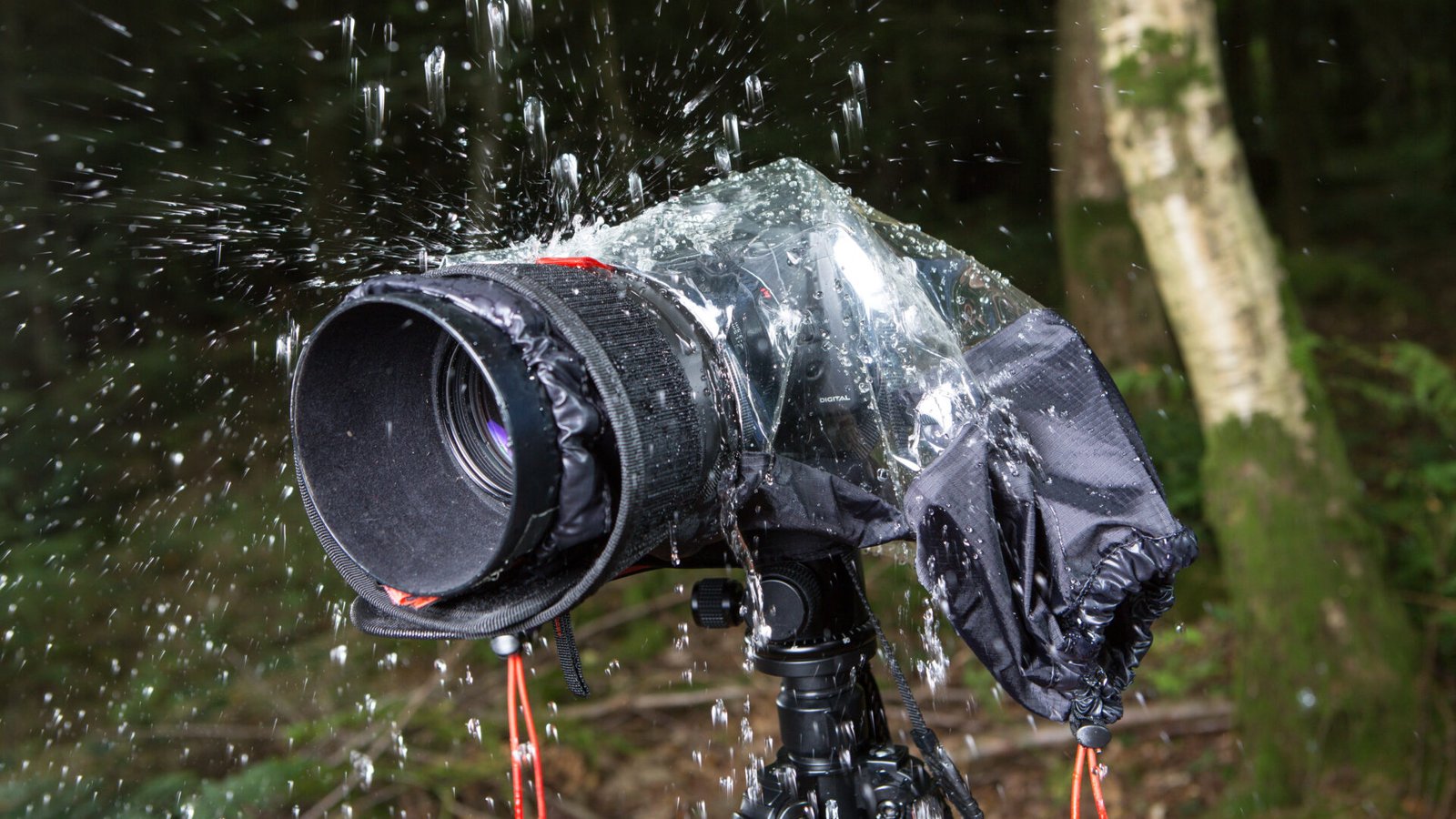
Photographers should carry suitable rain covers for cameras and additional moisture protection for batteries and memory cards.
An extra pair of dry socks and a spare change of clothing at the lodge can make returning from a wet forest excursion considerably more comfortable.
When asking What Should You Pack for a Gorilla Habituation Experience? during the rainy season, waterproof protection should be treated as a central part of the packing plan rather than an optional addition.
What Should You Pack During June, July and August?
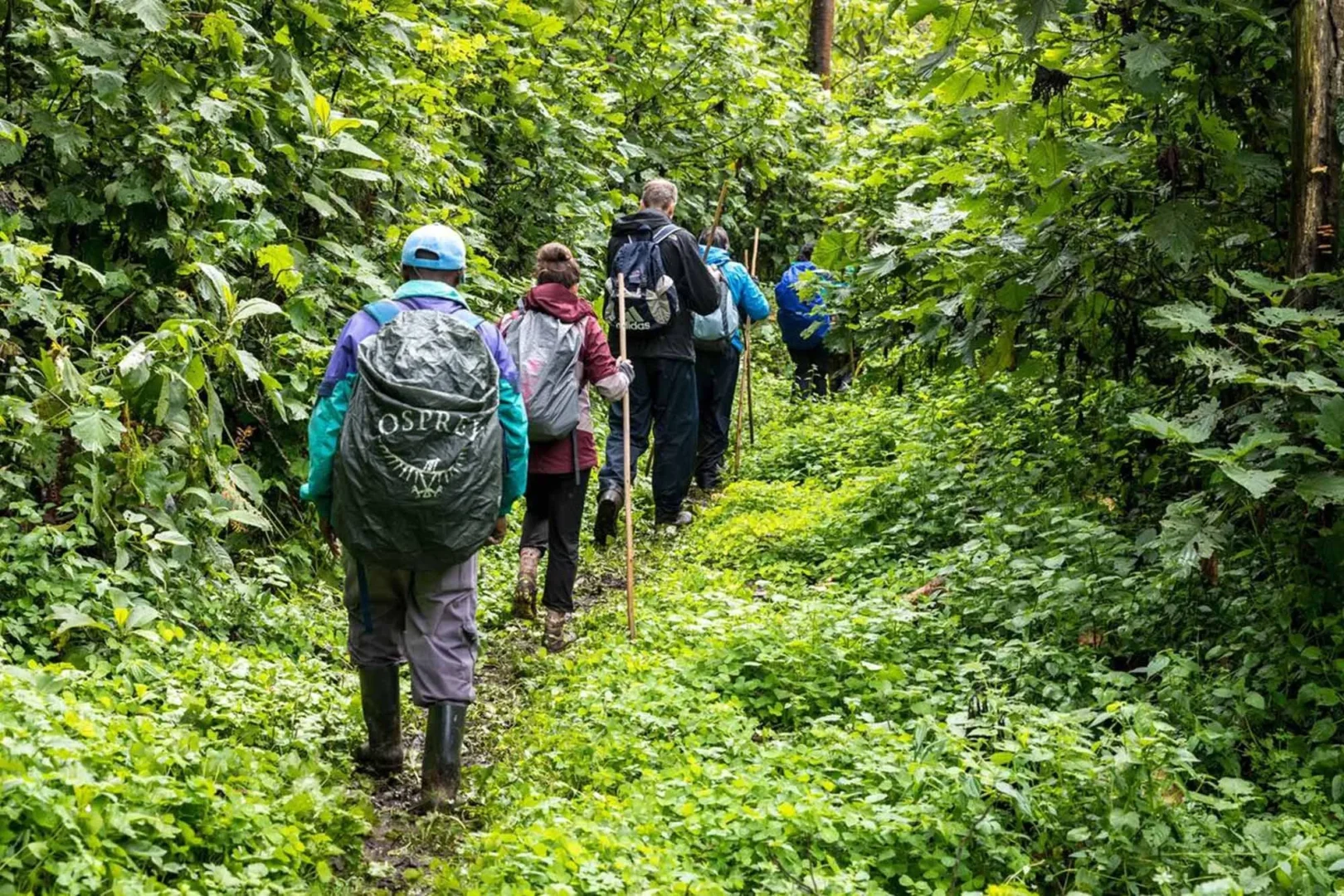
June, July, and August are generally among the relatively dry months in southwestern Uganda, making them popular for gorilla habituation.
During these months, visitors should still pack waterproof hiking boots, long trousers, long-sleeved shirts, gloves, a rain jacket, drinking water, and personal essentials.
Lightweight, breathable clothing may be particularly comfortable during periods of warmer daytime weather or prolonged physical activity.
Visitors should not leave rain protection behind simply because they are travelling during the dry season. Bwindi remains a tropical rainforest, and rain showers can occur unexpectedly.
A lightweight fleece is also useful for cool mornings before the excursion begins.
What Should You Pack for December and January Gorilla Habituation?
December and January generally fall within Uganda’s shorter relatively dry period, although rainforest conditions remain variable.
Visitors travelling during these months should pack the same essential hiking equipment required throughout the year, including waterproof boots, long trousers, long-sleeved shirts, protective gloves, and a waterproof jacket.
December is popular for Christmas and New Year safaris, so travellers should also ensure that important equipment is packed before leaving home rather than relying on finding specialist hiking supplies near Rushaga.
Those combining gorilla habituation with other Uganda safari activities may require additional casual clothing, comfortable footwear, and appropriate items for wildlife game drives or lodge relaxation.
Packing should remain practical, with the gorilla habituation excursion receiving priority when selecting essential equipment.
What Should You Avoid Packing for Gorilla Habituation?
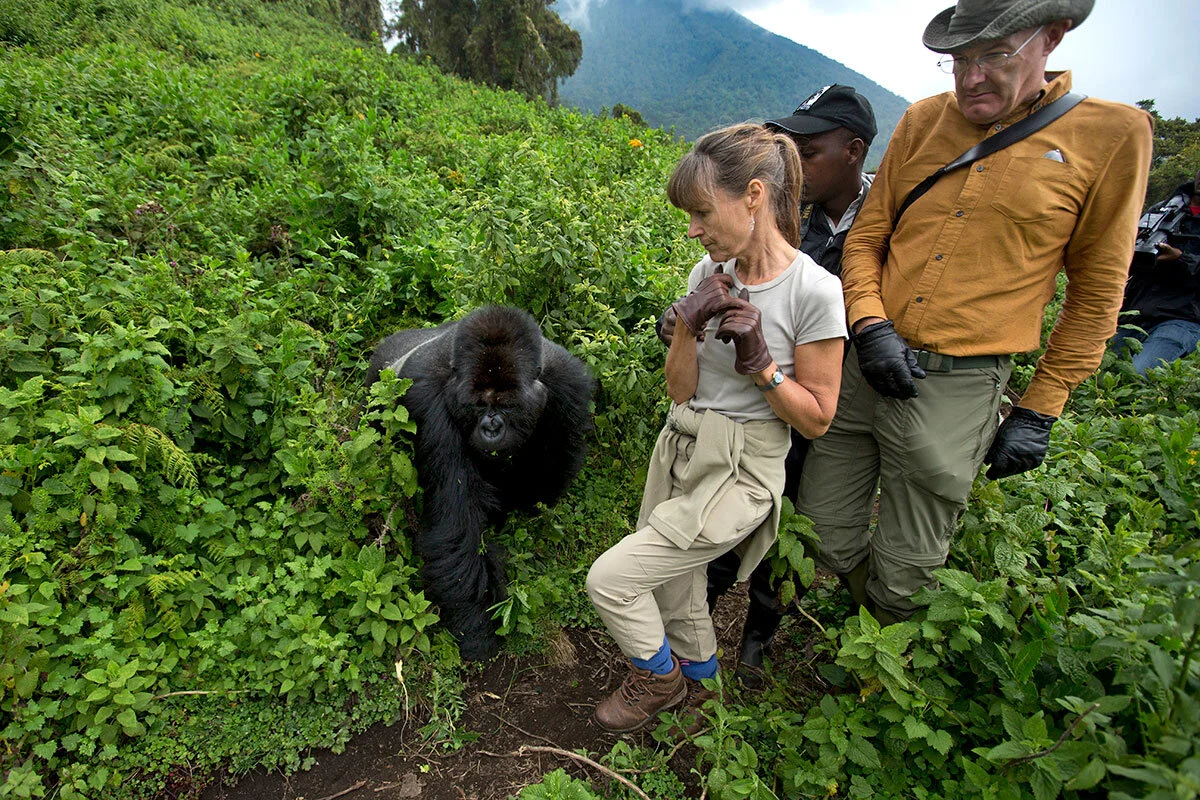
Certain items are unnecessary or unsuitable for the Gorilla Habituation Experience because they may increase discomfort, create safety concerns, or disturb wildlife.
Heavy luggage, bulky fashion accessories, unsuitable footwear, excessive camera equipment, and unnecessary electronic devices should generally be avoided during the forest excursion.
Visitors should not bring loud music equipment or devices intended to create unnecessary noise around wildlife.
Drones should not be operated in the national park without the necessary permissions, and visitors should not assume they are permitted simply because they own one.
Food wrappers, tissues, and other waste must not be left inside the forest. Visitors should use reusable containers where practical and carry all litter out of the protected area.
Strongly scented products are also best used sparingly, especially when unnecessary for the activity.
Should You Pack Different Equipment for Gorilla Habituation and Ordinary Gorilla Trekking?
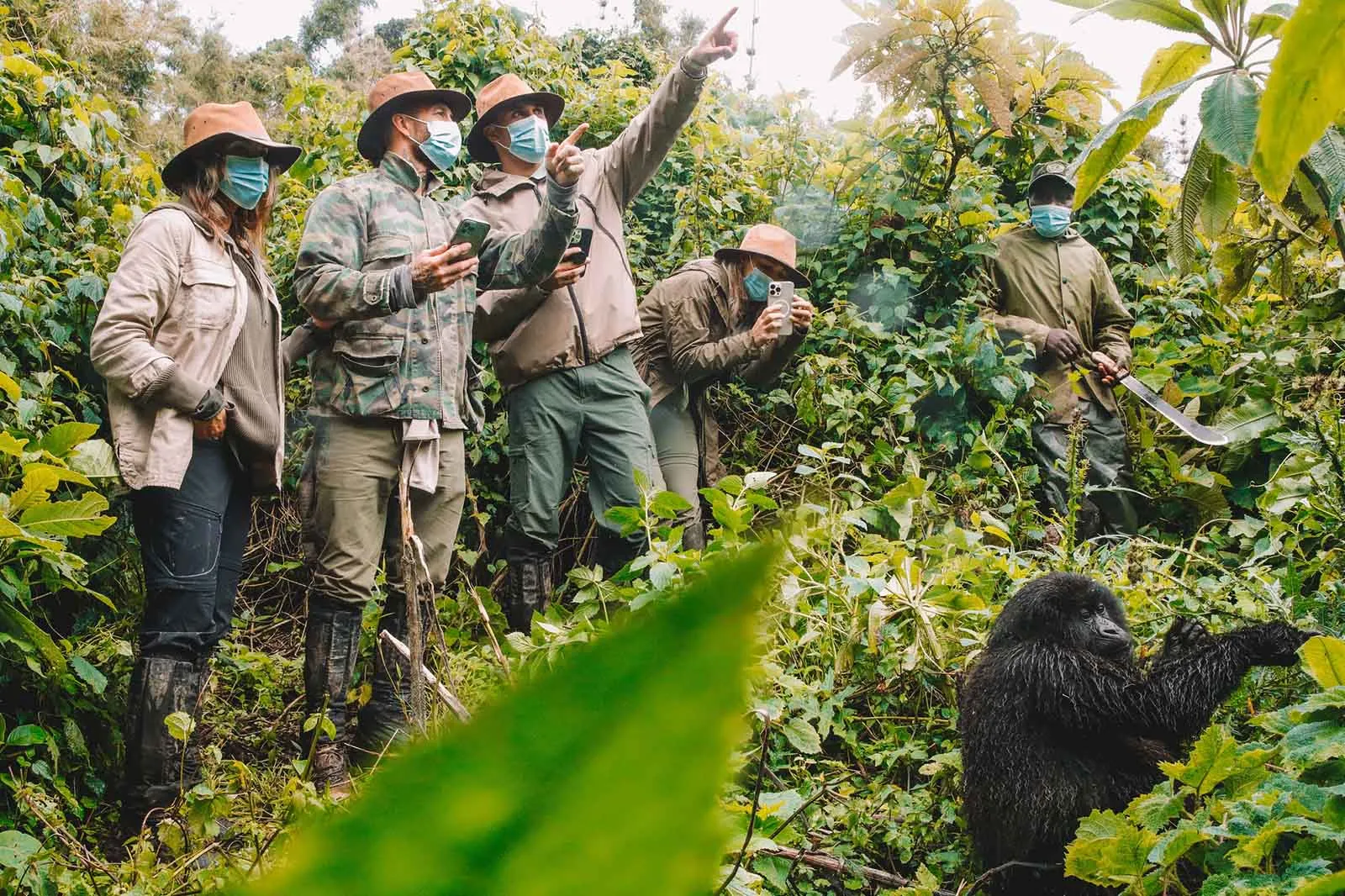
The basic equipment required for gorilla habituation and conventional gorilla trekking is similar because both activities take place in Bwindi’s mountainous rainforest.
Waterproof boots, long clothing, gloves, rain protection, drinking water, and suitable backpacks are recommended for both experiences.
However, the Gorilla Habituation Experience allows a maximum of four hours of observation with a family undergoing habituation, compared with one hour during conventional gorilla trekking.
Visitors should therefore prepare for a potentially lengthy day in the forest, with sufficient hydration, food, and comfortable equipment.
Photographers participating in habituation may also benefit from additional batteries and memory-card capacity because of the longer observation period.
Does Packing Affect Your Safety During Gorilla Habituation?
Appropriate equipment can improve comfort and reduce certain risks associated with hiking through Bwindi Impenetrable National Park.
Waterproof boots provide traction, gloves protect the hands, long clothing reduces exposure to vegetation, and rain jackets help visitors manage changing weather.
However, equipment alone cannot guarantee safety. Visitors must follow authorized guides, remain attentive on difficult terrain, and respect all conservation regulations.
Mountain gorillas are wild animals, and visitors must maintain the separation distance required by park personnel, avoid direct contact, and follow instructions concerning movement and behaviour.
Participants should also disclose potentially infectious symptoms before the excursion because protecting mountain gorillas from human diseases is an essential conservation responsibility
Frequently Asked Questions About What to Pack for Gorilla Habituation
What Should You Pack for a Gorilla Habituation Experience?
The essential packing items include waterproof hiking boots, long trousers, long-sleeved shirts, gardening gloves, gaiters, a waterproof jacket, drinking water, packed lunch, insect repellent, personal medication, and a lightweight backpack. Visitors should also carry appropriate identification and permit confirmation. These items help improve comfort and protection while hiking through Bwindi Impenetrable National Park in Uganda.
Do You Need Waterproof Hiking Boots for Gorilla Habituation?
Waterproof hiking boots are strongly recommended because Bwindi contains muddy trails, uneven forest surfaces, exposed roots, and steep slopes. Boots with good traction and ankle support can help visitors navigate challenging sections more comfortably. Travellers should break in their footwear before the safari to reduce the risk of blisters and discomfort.
How Much Water Should You Carry for Gorilla Habituation?
Visitors should carry sufficient drinking water for several hours of forest hiking. Approximately two litres per adult is a common starting point, although individual needs may vary depending on physical activity, weather conditions, and personal requirements. Safe drinking water should be arranged before leaving the lodge because it may not be available during the excursion.
Do You Need a Packed Lunch for Gorilla Habituation?
Yes. A packed lunch is strongly recommended because the Gorilla Habituation Experience can occupy a substantial part of the day. Visitors may spend several hours locating the gorilla family before the permitted observation period begins. Many lodges around Rushaga can prepare packed lunches when requested in advance.
Should You Carry Gardening Gloves for Gorilla Habituation?
Yes. Gardening gloves are useful because they protect the hands when visitors navigate dense vegetation or use suitable support points during difficult sections of the forest. Gloves with reliable grip can make steep or muddy terrain more manageable. Visitors should follow guide instructions when moving through vegetation.
Book Your Gorilla Habituation Experience in Bwindi, Uganda
Proper preparation is essential for enjoying one of Uganda’s most extraordinary wildlife experiences. With suitable hiking boots, protective clothing, rain gear, drinking water, food, and carefully selected personal equipment, visitors can prepare for the physical demands of exploring Bwindi Impenetrable National Park.
If you are still wondering What Should You Pack for a Gorilla Habituation Experience?, our gorilla safari booking team can help you prepare for the journey with practical guidance on essential trekking equipment, recommended clothing, expected forest conditions, and the arrangements required for a comfortable safari.
We can assist with Uganda Gorilla Habituation Experience permits, accommodation in the Rushaga sector, private transportation from Entebbe or Kampala, domestic flights to Kisoro, road transfers from Kigali, and customized Uganda safari itineraries.
Whether you are an international visitor, Ugandan citizen, wildlife photographer, honeymooner, or nature enthusiast, carefully coordinated safari arrangements allow you to concentrate on experiencing the remarkable mountain gorillas of Bwindi.
Our team can help you choose appropriate travel dates, check permit availability, select accommodation near Rushaga, and organize reliable transportation to the designated briefing location. We can also advise on practical trekking preparation so that you arrive in Uganda ready for the rainforest experience.
Book your Gorilla Habituation Experience in Uganda today. Contact our team with your preferred travel dates, number of participants, accommodation preferences, and travel requirements so that suitable permits and safari arrangements can be checked before confirming your journey.