
What Should You Wear for Gorilla Habituation in Bwindi?
What Should You Wear for Gorilla Habituation in Bwindi? The Ultimate Uganda Packing Guide
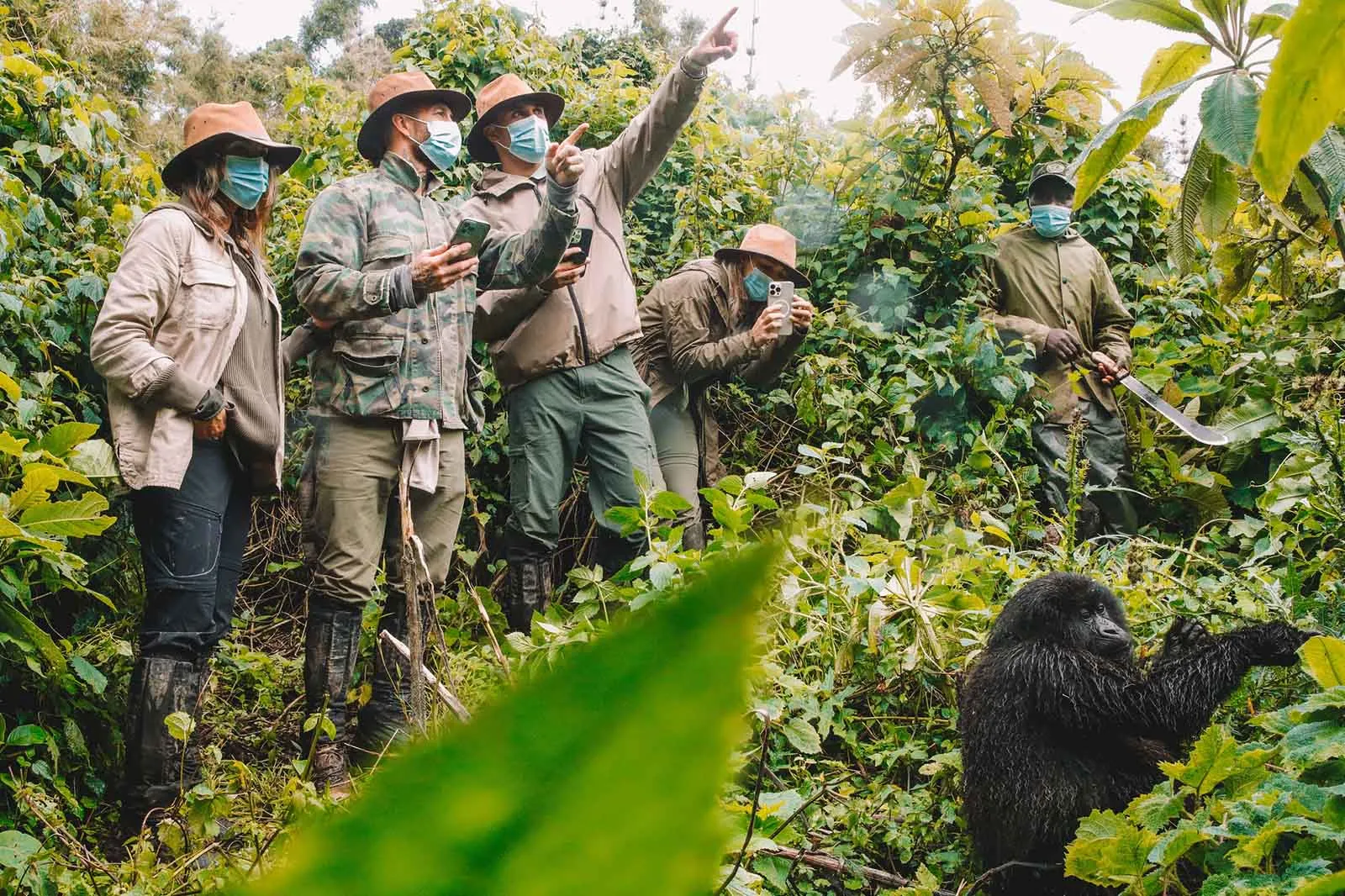
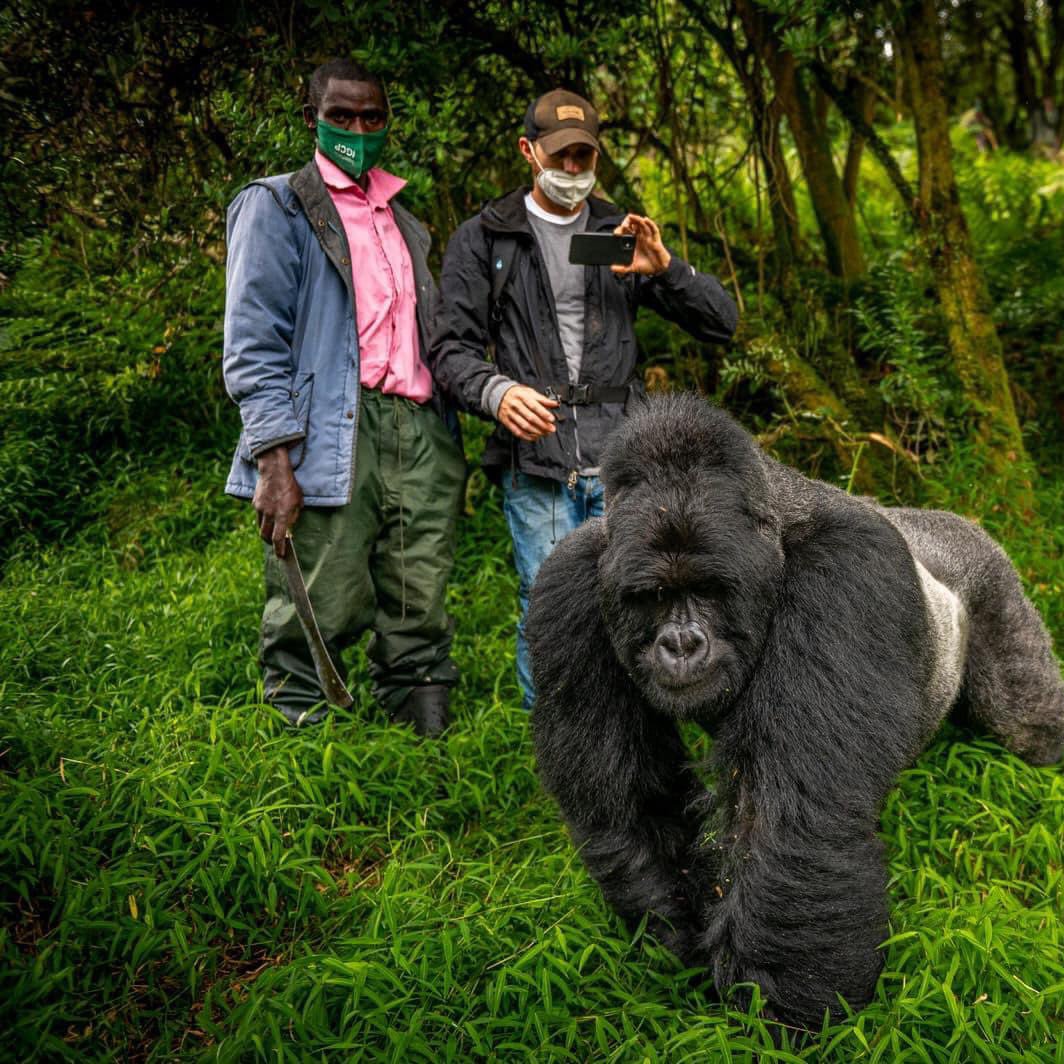
What Should You Wear for Gorilla Habituation in Bwindi? The best clothing for gorilla habituation in Uganda includes waterproof hiking boots with strong grip, lightweight long trousers, breathable long-sleeved shirts, gardening gloves, thick hiking socks, protective gaiters, and a reliable waterproof rain jacket. Uganda’s Gorilla Habituation Experience takes place in the Rushaga sector of Bwindi Impenetrable National Park in southwestern Uganda, where visitors spend up to four hours observing a mountain gorilla family undergoing habituation. Because Uganda’s Bwindi Forest features steep hillsides, dense vegetation, muddy trails, and unpredictable tropical weather, choosing appropriate clothing is essential for comfort, protection, and safety throughout this extraordinary wildlife adventure.
For Ugandan citizens, East African Community citizens, foreign residents, and international tourists visiting Uganda, understanding What Should You Wear for Gorilla Habituation in Bwindi? is an important part of preparing for the country’s remarkable four-hour mountain gorilla experience. Unlike ordinary sightseeing activities in Uganda, gorilla habituation involves extended hiking through natural rainforest terrain, sometimes requiring visitors to cross slippery slopes, thick undergrowth, exposed tree roots, and wet forest pathways. Uganda’s tropical highland climate means that rainfall can occur throughout the year, including during the relatively dry months of June, July, August, January, and February. Visitors should therefore prioritize practical, comfortable, weather-resistant clothing that provides protection while allowing freedom of movement during several hours of forest exploration.
The Gorilla Habituation Experience is more demanding than many conventional wildlife activities because visitors may spend considerable time locating the designated gorilla family before the permitted observation period begins. Suitable clothing helps reduce discomfort, protects against vegetation and insects, and allows participants to concentrate on the remarkable experience of observing endangered mountain gorillas in their natural habitat.
Why Is Choosing the Right Clothing Important for Gorilla Habituation in Bwindi?
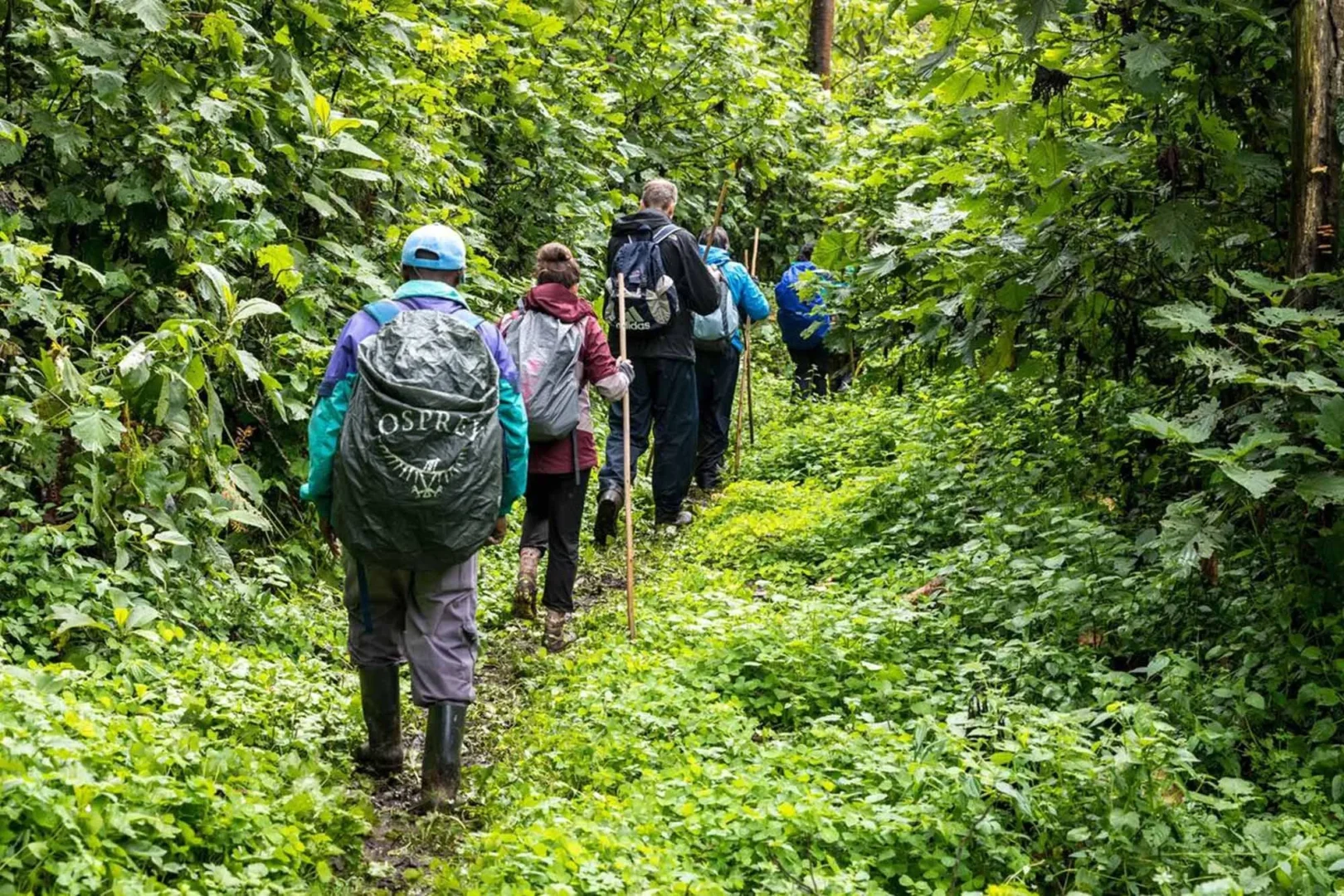
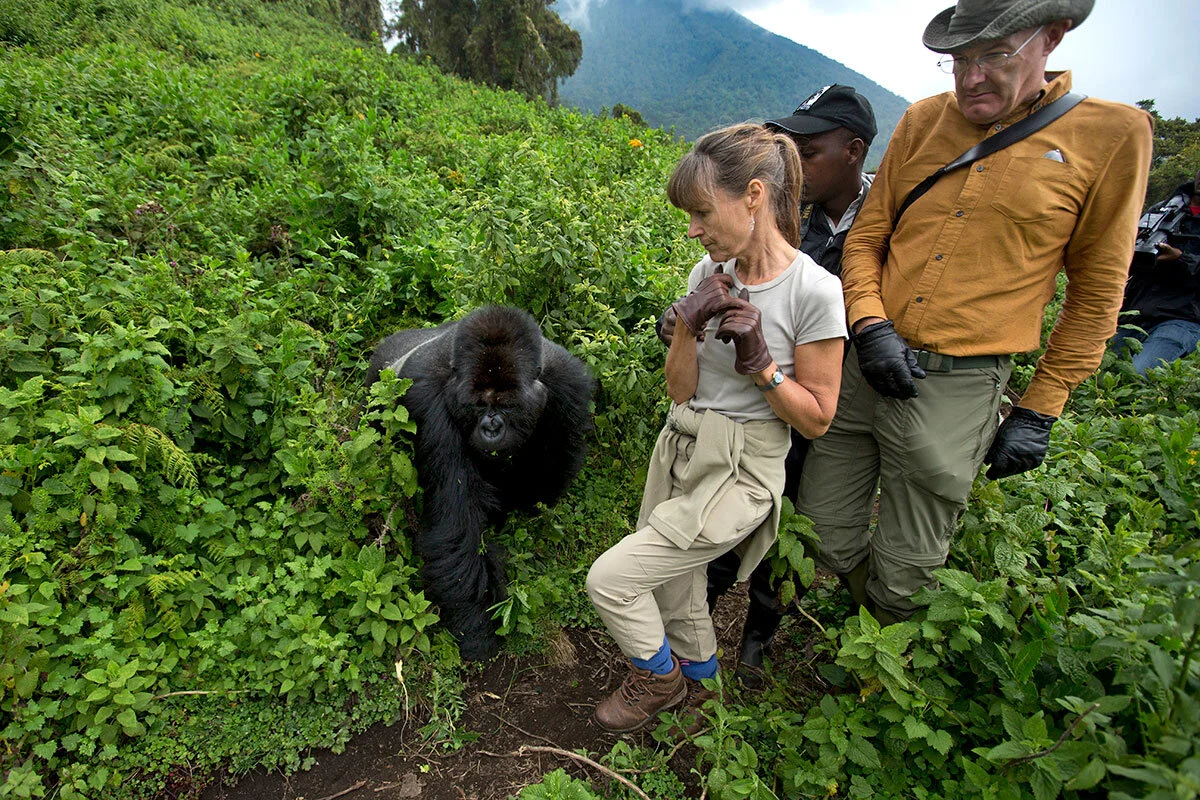
Appropriate clothing is essential because Bwindi Impenetrable National Park is a dense tropical rainforest rather than an open wildlife-viewing destination. The forest contains steep mountain slopes, thick vegetation, uneven walking surfaces, and areas where rainfall can create slippery conditions. Visitors must be prepared for a variety of environments as they follow authorized guides in search of the designated mountain gorilla family.
During the Gorilla Habituation Experience, participants may encounter wet leaves, thorny branches, stinging vegetation, insects, muddy pathways, and exposed roots. Wearing suitable protective clothing can help reduce minor scratches, irritation, discomfort, and fatigue. Lightweight long-sleeved shirts and trousers also provide a practical barrier against vegetation while helping visitors remain comfortable during the extended excursion.
When considering What Should You Wear for Gorilla Habituation in Bwindi?, visitors should focus on functionality rather than fashionable safari outfits. The most suitable clothing combines durability, comfort, moisture management, and protection against changing weather conditions.
Best Waterproof Hiking Boots for Gorilla Habituation in Bwindi
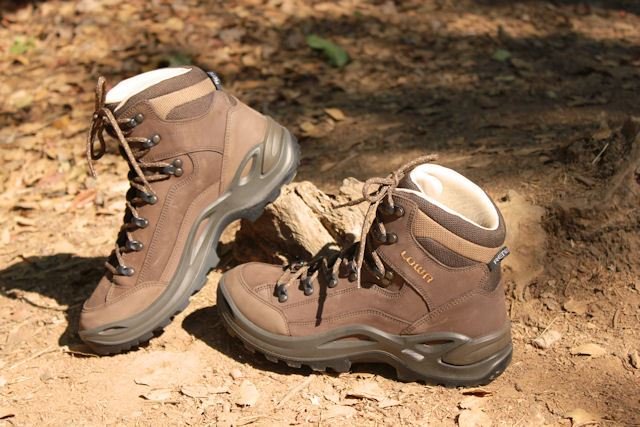
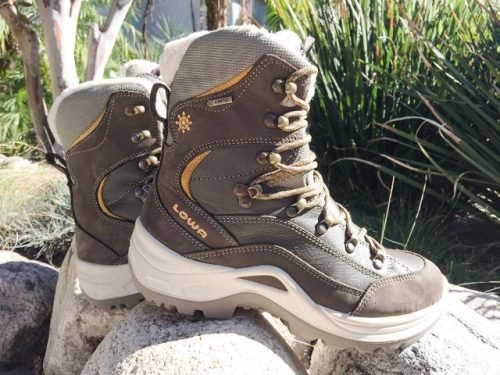
Waterproof hiking boots are among the most important items visitors should wear during the Gorilla Habituation Experience. Bwindi’s mountainous terrain can be challenging even during relatively dry periods, and proper footwear makes a substantial difference when navigating muddy slopes, narrow forest trails, and uneven ground.
The most suitable boots should provide good ankle support, durable soles, reliable traction, and sufficient protection against wet conditions. Deep-tread soles are particularly useful when walking over muddy surfaces, while a secure fit reduces unnecessary foot movement inside the boot during steep climbs and descents.
Visitors should avoid wearing completely new boots for the first time on the day of gorilla habituation. New footwear can cause blisters, pressure points, and discomfort during extended walking. It is advisable to break in hiking boots through regular walking and practice hikes before travelling to Uganda.
Although waterproof boots are recommended, visitors should also ensure that their footwear is reasonably breathable. Bwindi can be humid, and poorly ventilated shoes may become uncomfortable during prolonged physical activity.
For travellers asking What Should You Wear for Gorilla Habituation in Bwindi?, investing in properly fitted hiking boots is one of the most important preparations for a comfortable forest experience.
Should You Wear Long Trousers for Gorilla Habituation?
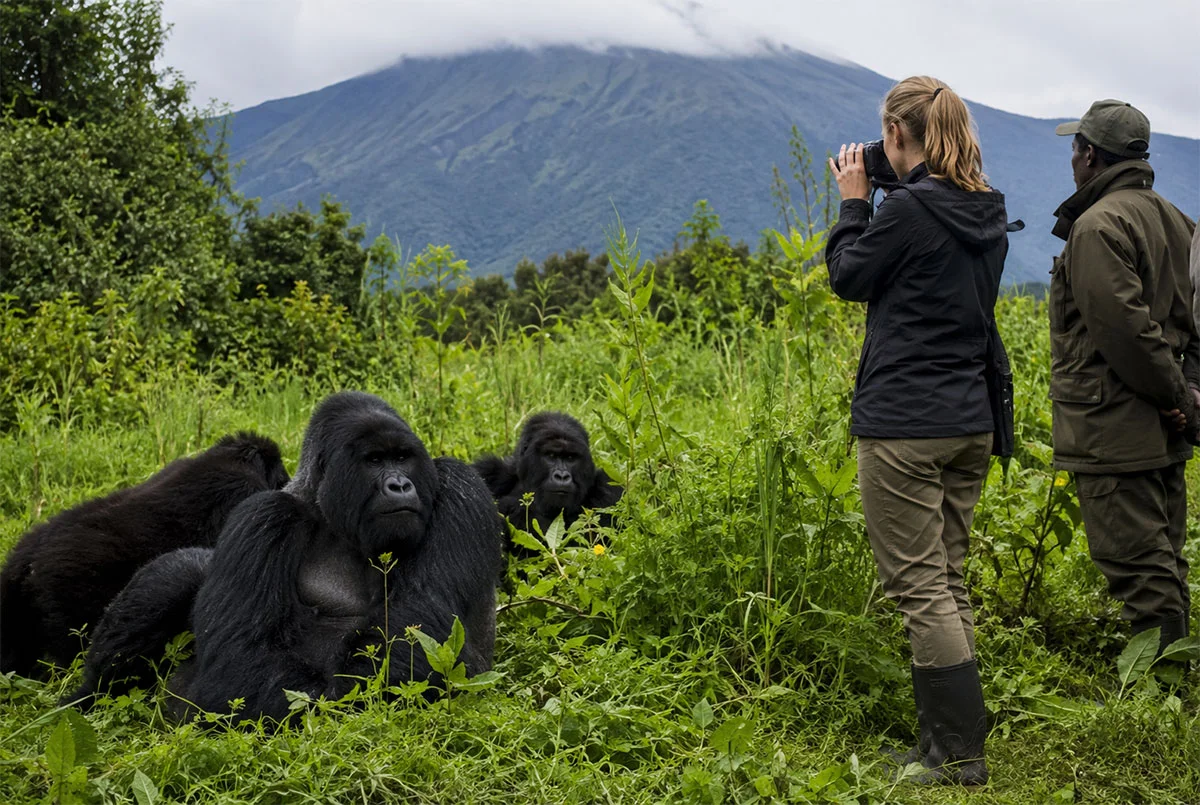
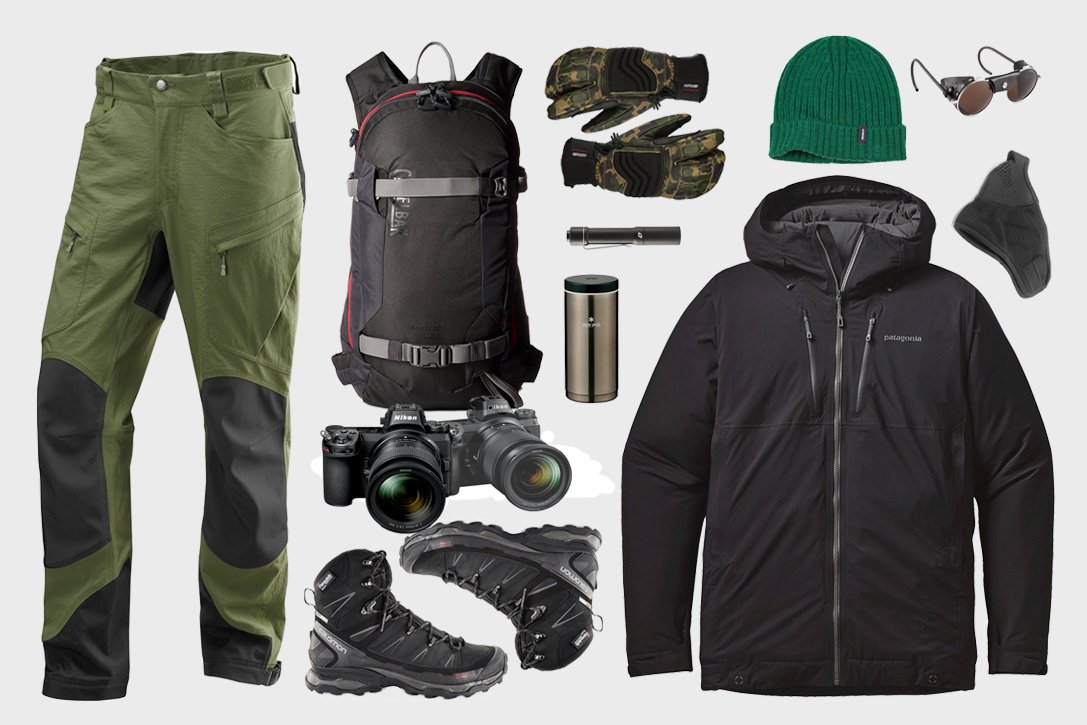
Long trousers are strongly recommended for gorilla habituation because they provide essential protection against thick vegetation, insects, thorny branches, and other natural conditions found in Bwindi Impenetrable National Park. The forest contains areas where visitors must pass through dense plants, making exposed legs vulnerable to scratches and irritation.
Lightweight hiking trousers made from quick-drying synthetic fabrics are particularly suitable because they allow freedom of movement and do not remain excessively heavy when wet. Comfortable trousers also make it easier to climb steep sections, step over fallen branches, and navigate irregular forest paths.
Visitors should avoid tight trousers that restrict movement or become uncomfortable during extended hiking. Heavy denim jeans are generally unsuitable because they absorb moisture, dry slowly, and can become particularly uncomfortable after rainfall.
Tucking the bottoms of trousers into long socks or wearing gaiters can provide additional protection around the ankles and lower legs. This is especially useful when moving through vegetation or areas where ants and other insects may be present.
Best Long-Sleeved Shirts for Gorilla Habituation in Uganda
Long-sleeved shirts are recommended for gorilla habituation because they protect the arms from vegetation, insects, and incidental contact with branches. Visitors walking through Bwindi’s dense forest may need to pass close to leaves, vines, and other plants, making full arm coverage particularly useful.
The best shirts are lightweight, breathable, and capable of drying relatively quickly after exposure to rain or perspiration. Technical hiking shirts made from moisture-wicking materials are suitable because they help manage sweat during strenuous walking.
Cotton shirts can be comfortable in warm conditions but may become heavy and remain wet for longer after rainfall. Visitors planning extended forest excursions may therefore prefer synthetic or suitable performance fabrics that provide better moisture management.
Long-sleeved shirts should fit comfortably without restricting shoulder or arm movement. Clothing that is excessively loose may catch on vegetation, while very tight garments can become uncomfortable during prolonged activity.
When deciding What Should You Wear for Gorilla Habituation in Bwindi?, breathable long-sleeved clothing should be considered an essential part of the trekking outfit rather than an optional accessory.
Why Should You Wear Gardening Gloves for Gorilla Habituation?
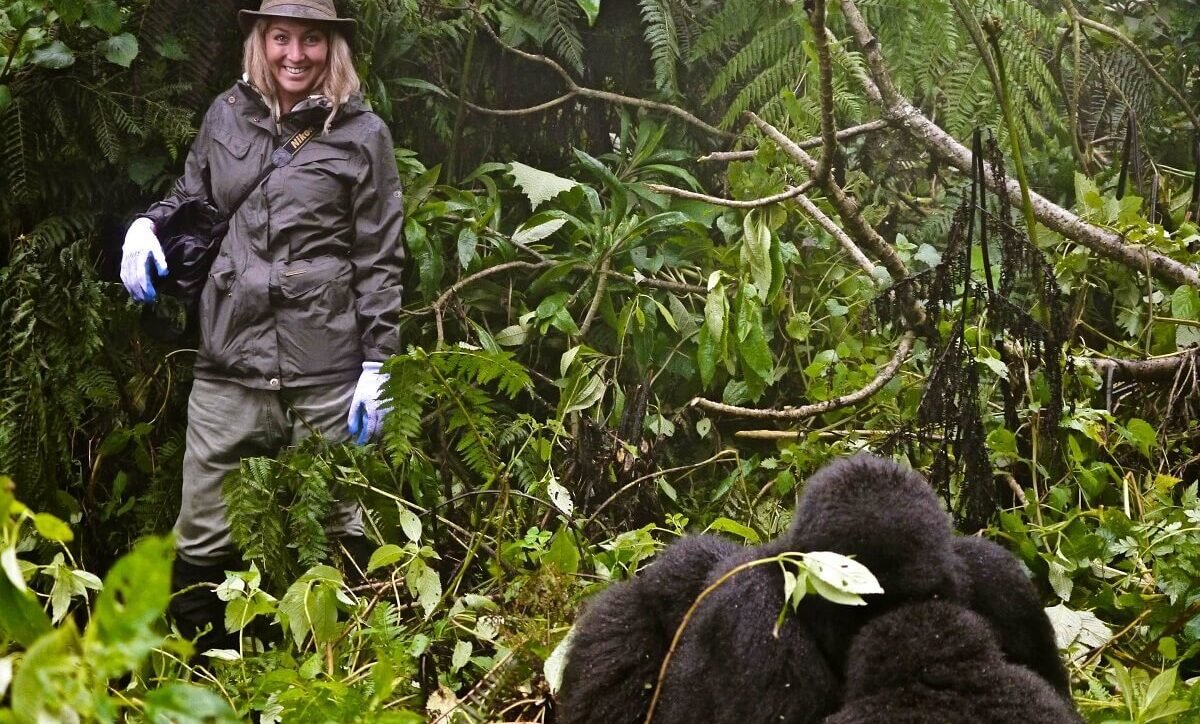
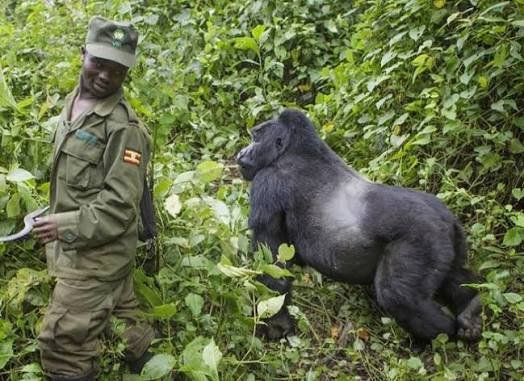
Gardening gloves are an important accessory for gorilla habituation because they help protect the hands when visitors need to steady themselves against vegetation or navigate challenging forest terrain. Bwindi’s natural environment includes branches, rough surfaces, and plants that may cause minor scratches or irritation when touched without protection.
Durable gardening gloves with a secure grip are often suitable because they allow visitors to hold walking sticks, grasp suitable support points, and protect their hands while navigating muddy sections of the forest. Lightweight work gloves can also be useful if they provide sufficient grip and protection.
Visitors should avoid gloves that become excessively slippery when wet or restrict finger movement. A comfortable fit is important because the gloves may be worn for several hours during the excursion.
Gloves do not make every plant safe to touch, and visitors should follow their guides’ instructions when moving through dense vegetation. However, suitable hand protection can make difficult sections of the hike more manageable.
Should You Wear Gaiters or Long Socks for Gorilla Habituation?
Gaiters and long hiking socks provide useful protection for the lower legs during gorilla habituation. They help prevent mud, small stones, loose vegetation, and some insects from entering the tops of hiking boots while walking through Bwindi’s forest.
Gaiters are protective coverings worn over the lower trousers and the upper sections of hiking boots. They are particularly useful during wet conditions when trails may contain mud and vegetation brushes against the lower legs.
Visitors who do not have gaiters can often use long socks to secure the lower sections of their trousers. Tucking trousers into socks can reduce exposed skin and help limit the entry of insects or vegetation around the ankles.
Comfortable hiking socks should also provide cushioning and moisture management inside the boots. Visitors may benefit from carrying a spare pair in a waterproof bag, especially during the rainy season or when planning an extended excursion.
For visitors researching What Should You Wear for Gorilla Habituation in Bwindi?, protecting the feet and lower legs is just as important as selecting suitable boots.
Why Is a Waterproof Rain Jacket Essential in Bwindi?
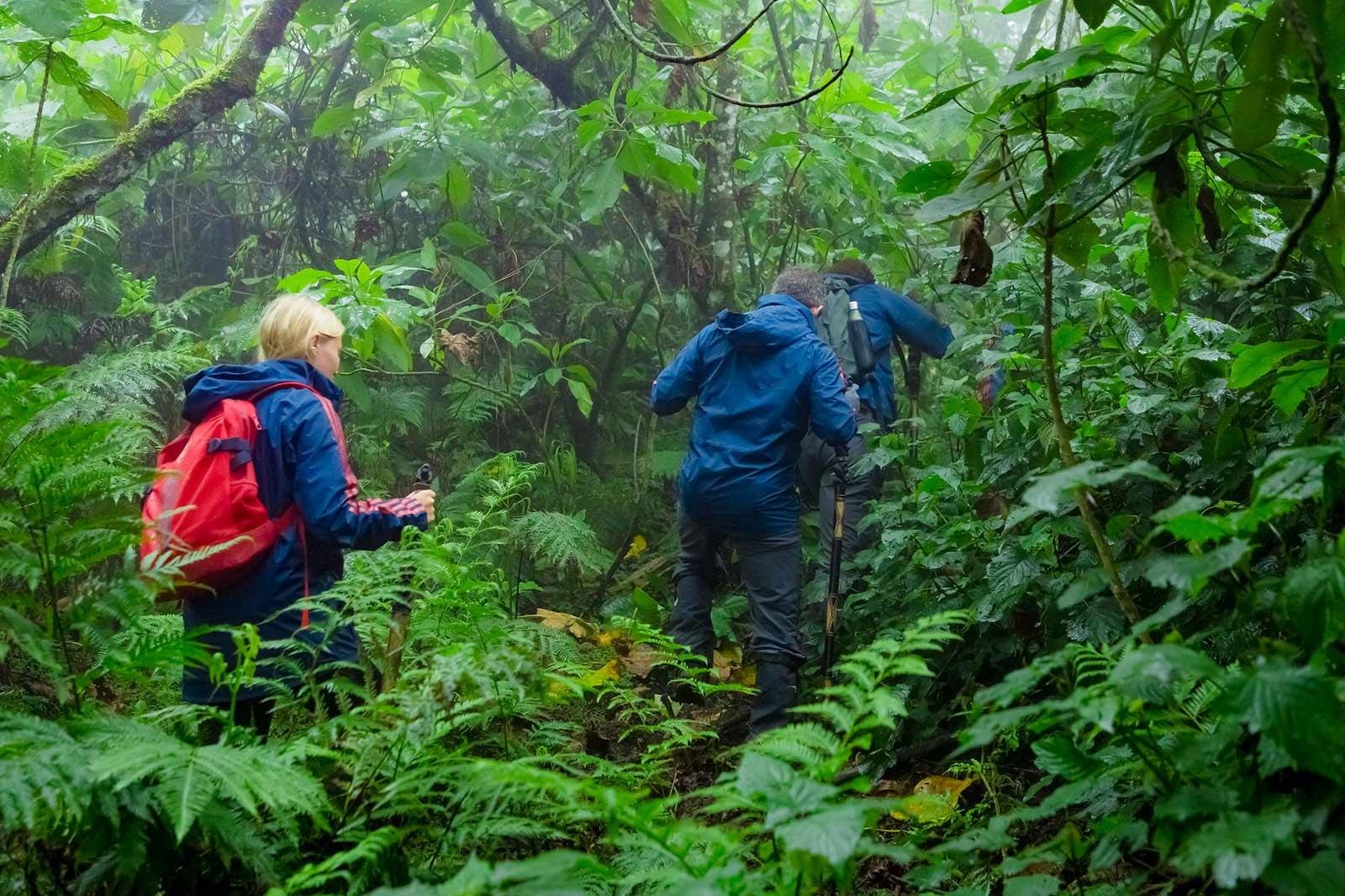
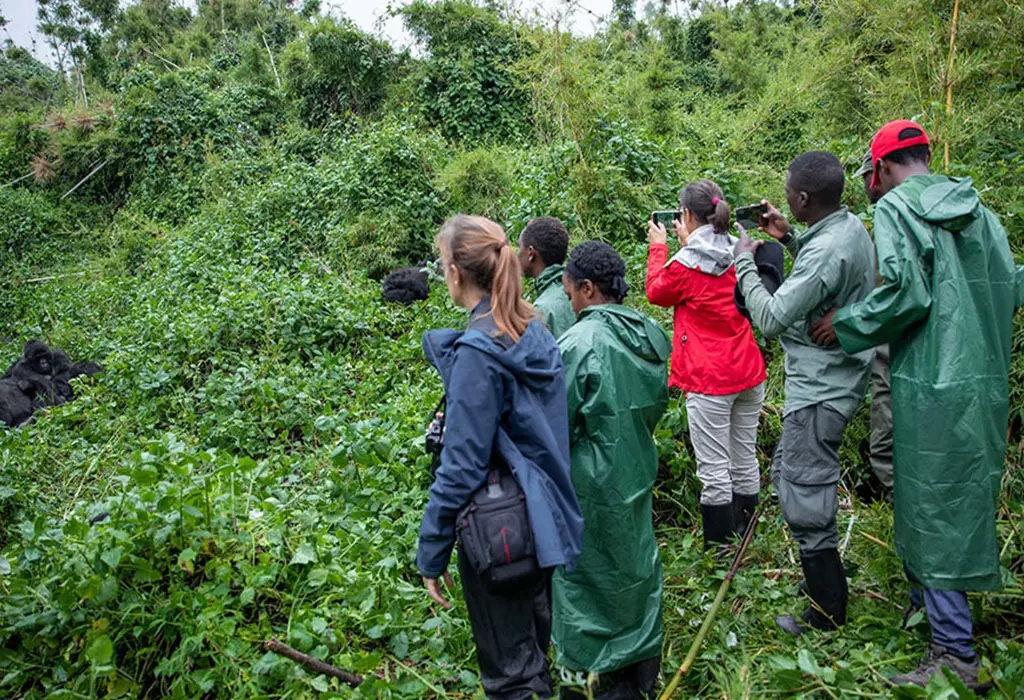
A waterproof rain jacket is essential for gorilla habituation because Bwindi Impenetrable National Park receives rainfall throughout the year. Even during Uganda’s relatively dry months, visitors may encounter sudden showers, mist, and wet vegetation while hiking through the forest.
The most suitable rain jacket should be lightweight, waterproof, breathable, and comfortable enough to wear during extended walking. A hood provides additional protection against rain, while adjustable cuffs and a secure front closure can help keep water away from clothing underneath.
Visitors should avoid relying entirely on heavy, poorly ventilated rainwear that causes excessive overheating during strenuous hiking. A breathable waterproof jacket generally provides a better balance between rain protection and comfort.
A compact rain jacket is also easier to pack inside a small daypack when conditions are dry. Because the weather can change quickly, visitors should keep their rain protection accessible rather than storing it deep inside their luggage.
During rainy months, waterproof trousers may provide additional comfort, particularly for travellers who expect prolonged exposure to wet vegetation or muddy conditions.
Should You Wear Warm Clothing for Gorilla Habituation?
Although Uganda is located near the equator, Bwindi Impenetrable National Park experiences cooler temperatures because of its mountainous location. Early mornings around Rushaga can feel chilly, particularly when mist or wind is present.
A lightweight fleece or other suitable insulating layer can provide additional warmth before the forest excursion begins. Visitors may remove the layer as temperatures rise or as hiking becomes more physically demanding.
Layering is generally preferable to wearing one very heavy garment because conditions can change throughout the day. A breathable base layer, a light insulating layer, and a waterproof outer jacket allow visitors to adjust their clothing according to temperature, rainfall, and physical activity.
Warm clothing is particularly useful during early morning departures and while relaxing at accommodation establishments in the evening.
However, visitors should avoid carrying unnecessarily bulky jackets during the forest excursion because excess weight can increase fatigue during prolonged hiking.
What Are the Best Clothing Colours for Gorilla Habituation?
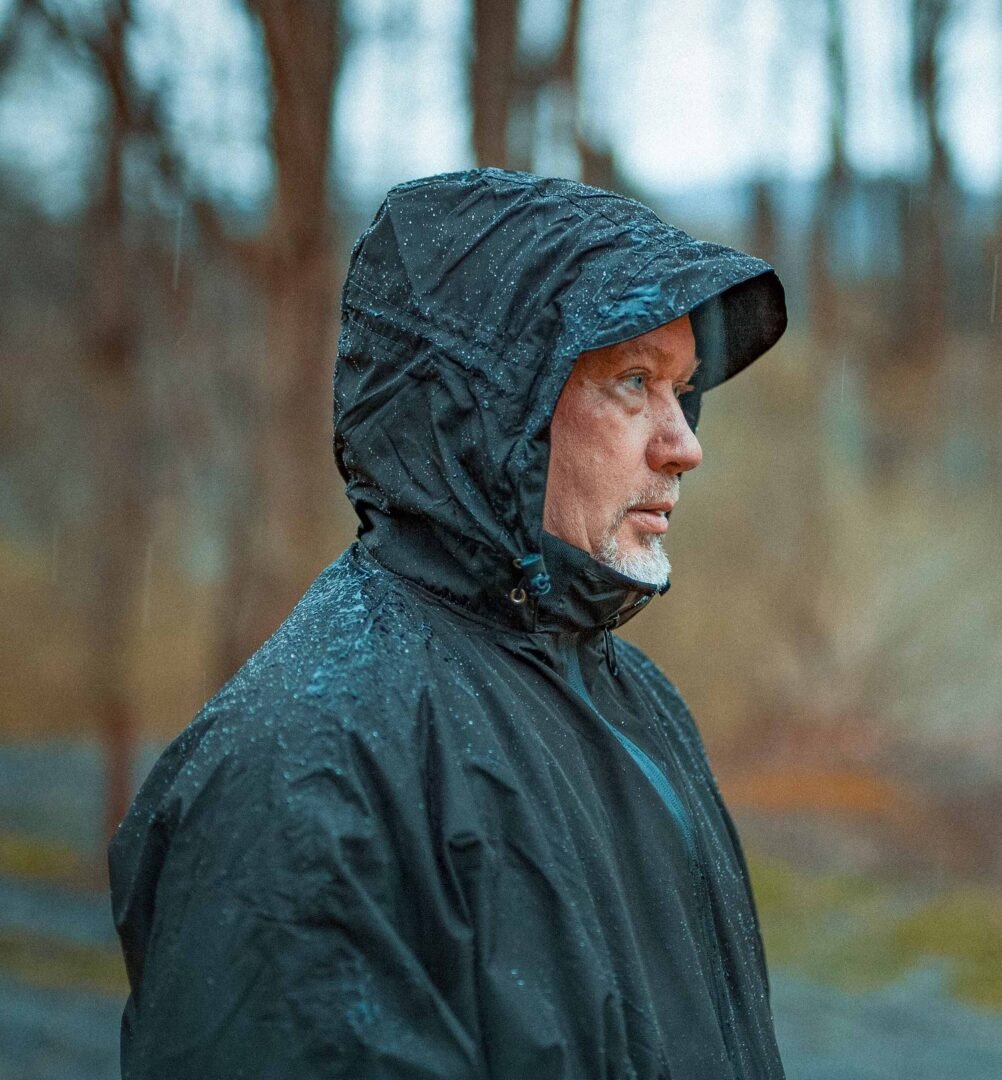
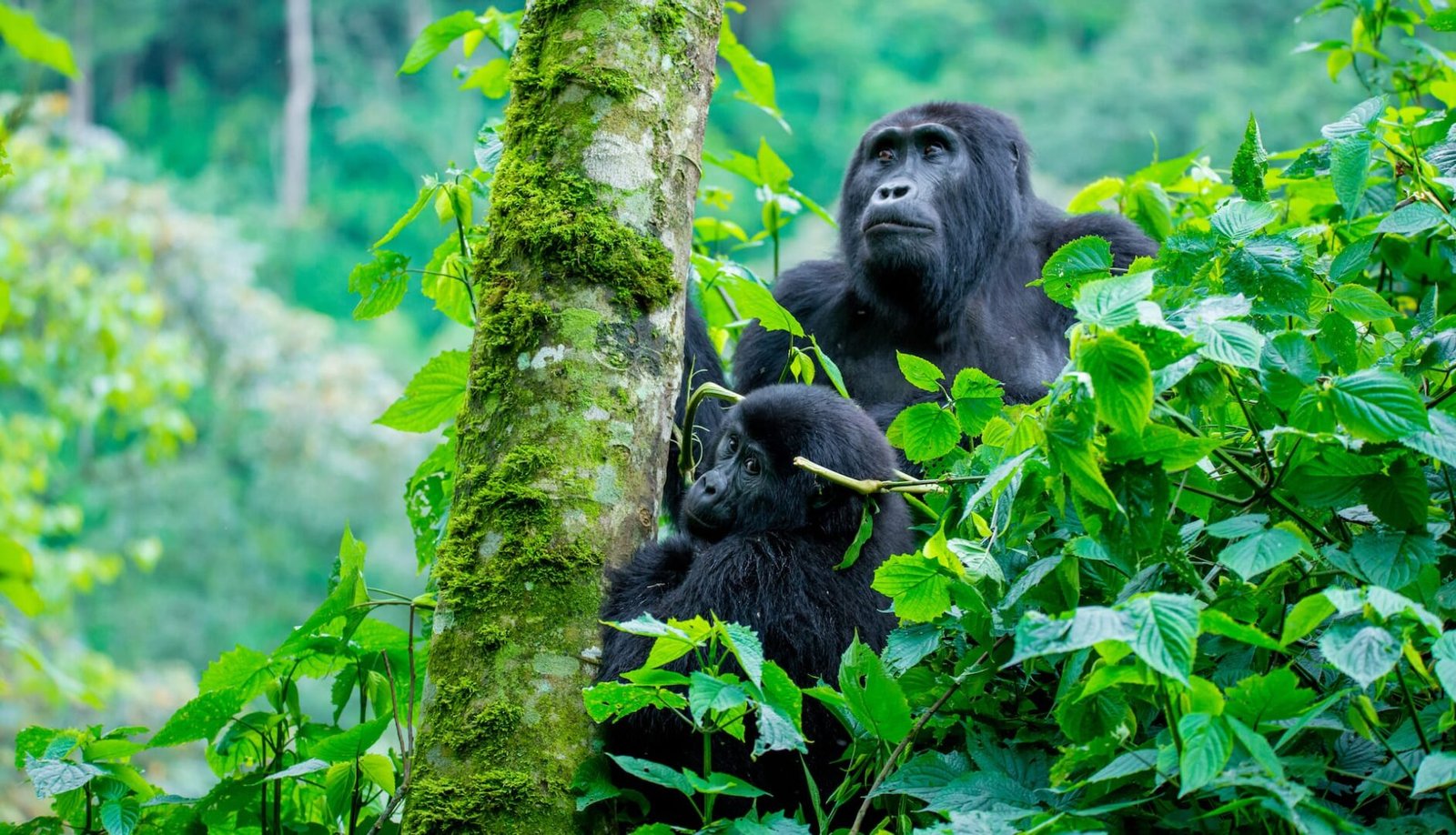
Neutral and earth-toned clothing is a practical choice for gorilla habituation in Bwindi Impenetrable National Park. Olive green, brown, khaki, beige, and other subdued colours are commonly recommended for rainforest and safari activities.
These colours blend comfortably with the natural environment and are often available in durable outdoor clothing designed for hiking. However, selecting appropriate fabric, fit, and protective features is more important than matching a particular colour.
Visitors should avoid excessively bright or reflective clothing when practical, particularly if it is not designed for outdoor use. Bright colours are not automatically prohibited, but understated hiking clothes are often a more suitable choice for a forest excursion.
Military-style camouflage clothing should also be avoided because camouflage patterns can be associated with military uniforms in Uganda. Ordinary neutral safari clothing is a simpler option for international travellers.
When considering What Should You Wear for Gorilla Habituation in Bwindi?, comfort, durability, and weather protection should always take priority over appearance.
What Should Women Wear for Gorilla Habituation in Bwindi?
Women participating in gorilla habituation should choose comfortable outdoor clothing that provides full protection and allows unrestricted movement through steep rainforest terrain. Lightweight long hiking trousers, breathable long-sleeved shirts, waterproof boots, and a reliable rain jacket are recommended.
A supportive sports bra may be preferable during prolonged walking because the experience can involve climbing, descending, and moving over uneven ground. Clothing should be comfortable enough for extended activity without causing unnecessary friction or restricting movement.
Women should also consider practical personal hygiene arrangements because access to conventional bathroom facilities is limited once the forest excursion begins. Necessary personal items can be carried discreetly in a small waterproof bag and must be taken out of the forest afterward.
The same protective clothing principles apply to men and women. Appropriate footwear, weather-resistant layers, and comfortable hiking equipment are more important than the traveller’s gender.
What Should Men Wear for Gorilla Habituation in Uganda?
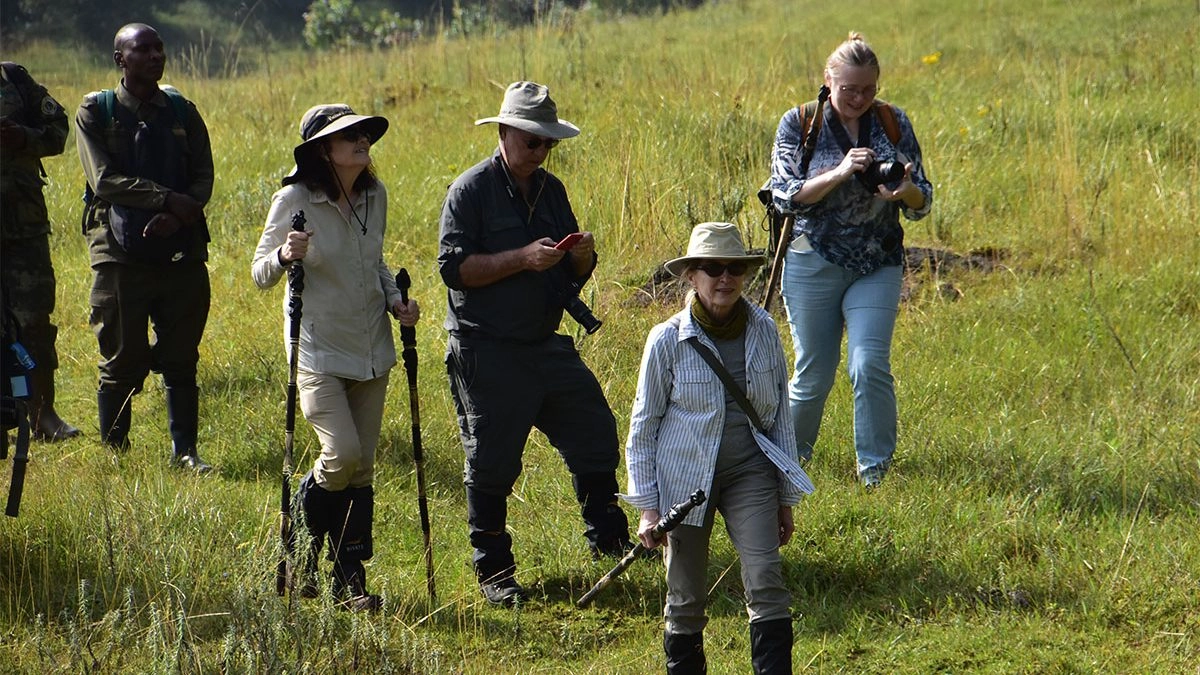
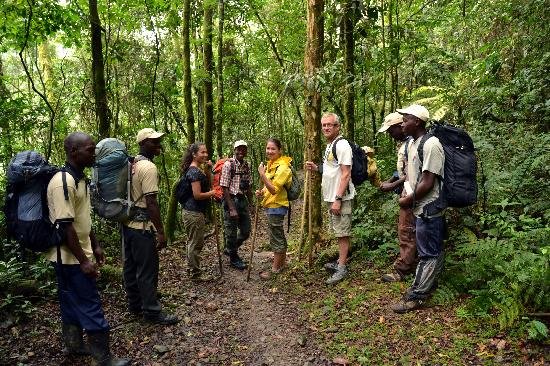
Men should wear lightweight long hiking trousers, breathable long-sleeved shirts, sturdy waterproof hiking boots, and suitable socks. Gardening gloves, gaiters, and a rain jacket provide additional protection against the challenging rainforest environment.
Comfortable clothing is especially important because the Gorilla Habituation Experience may involve several hours of walking before the designated gorilla family is located.
Men should avoid heavy jeans, restrictive clothing, unsuitable fashion footwear, and shorts that leave the legs exposed to vegetation. Clothing designed specifically for hiking or outdoor activities is generally more practical.
Visitors who perspire heavily during physical activity may prefer moisture-wicking fabrics and a spare dry shirt for changing after returning to their accommodation.
What Should You Wear for Gorilla Habituation During the Rainy Season?
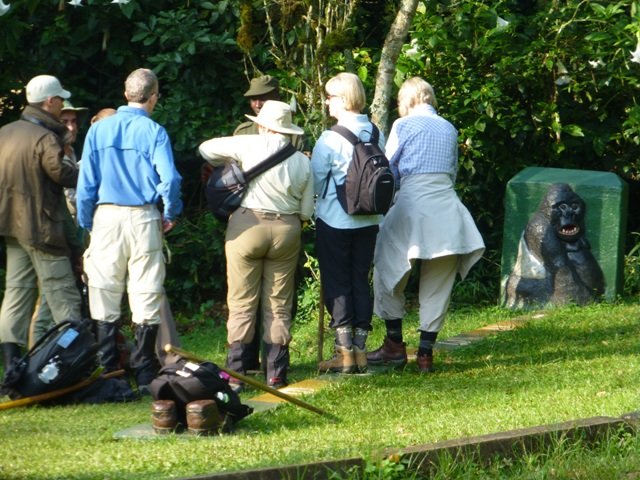
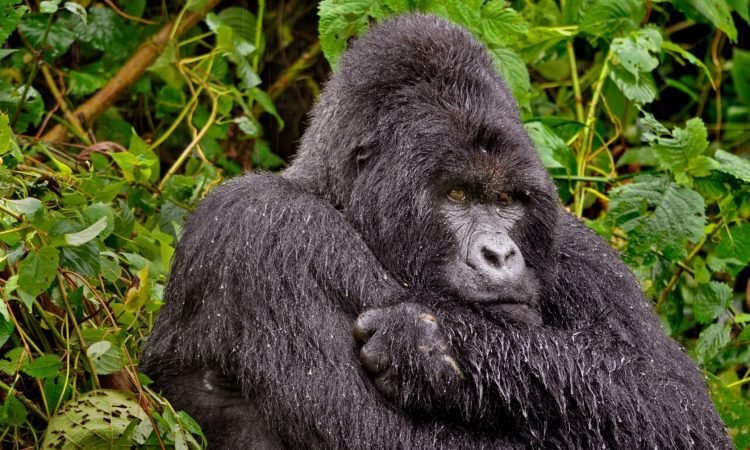
The rainy season in southwestern Uganda generally occurs from March to May and from around September or October through November, although rainfall patterns vary between years. During these periods, Bwindi’s forest trails may become particularly muddy, wet, and slippery.
Visitors should prioritize waterproof hiking boots with strong traction, durable long trousers, breathable long-sleeved shirts, and dependable rain protection. Gaiters can be particularly useful because they help protect the lower legs from mud and water entering the boots.
Waterproof jackets should have suitable hoods, and visitors may also benefit from lightweight waterproof trousers during prolonged wet conditions. However, rain protection should remain breathable enough to prevent unnecessary overheating during strenuous walking.
Extra socks and dry clothing should be kept at the lodge for changing after the experience. A waterproof bag is also useful for protecting identification documents, electronics, and personal belongings.
For travellers asking What Should You Wear for Gorilla Habituation in Bwindi? during rainy months, the most important consideration is preparing for prolonged exposure to moisture without compromising comfort or mobility.
What Should You Wear During the Dry Season in Bwindi?
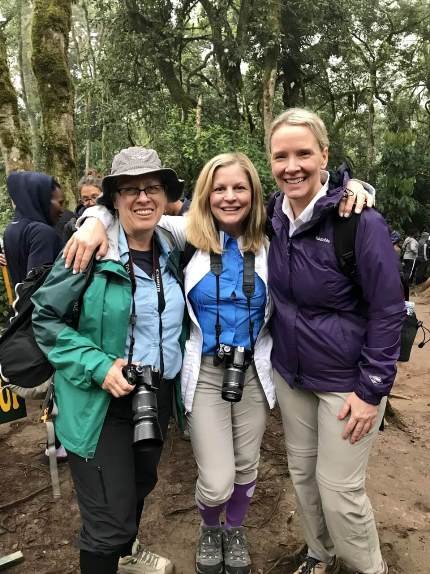
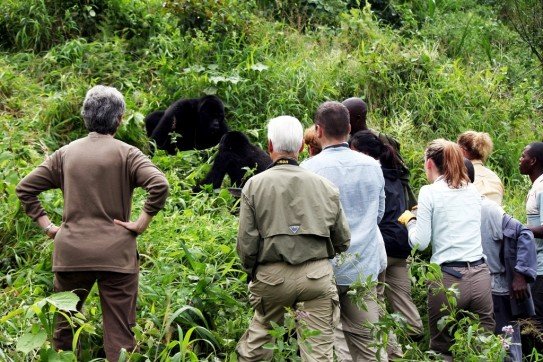
Uganda’s relatively dry periods generally occur from June through August or early September and from December through February. These months often provide more manageable forest hiking conditions, making them popular for gorilla habituation.
However, Bwindi remains a tropical rainforest, and rainfall can occur during any month. Visitors should therefore continue wearing waterproof hiking boots, long trousers, long-sleeved shirts, and protective gloves.
Lightweight clothing is particularly suitable during the relatively dry season because hiking through mountainous terrain can generate considerable body heat. Breathable fabrics help visitors remain comfortable while moving through the forest.
A waterproof jacket should still be carried because unexpected rainfall and mist are common features of Bwindi’s environment. Early mornings may also be cool, making a light fleece useful before the activity begins.
Visitors should avoid assuming that dry-season travel means hiking in ordinary trainers, shorts, or casual clothing will be comfortable.
Can You Wear Sneakers or Ordinary Sports Shoes?
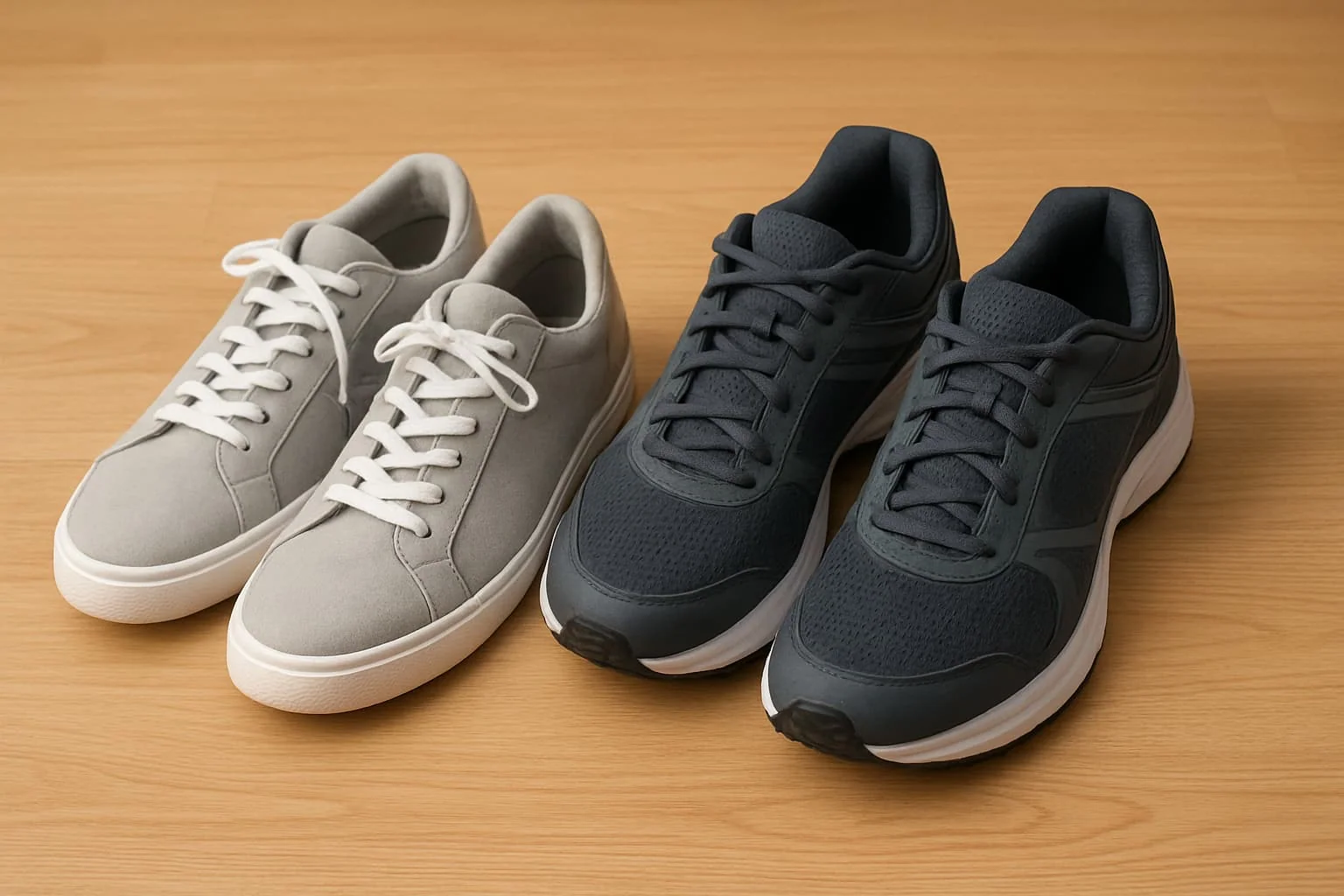
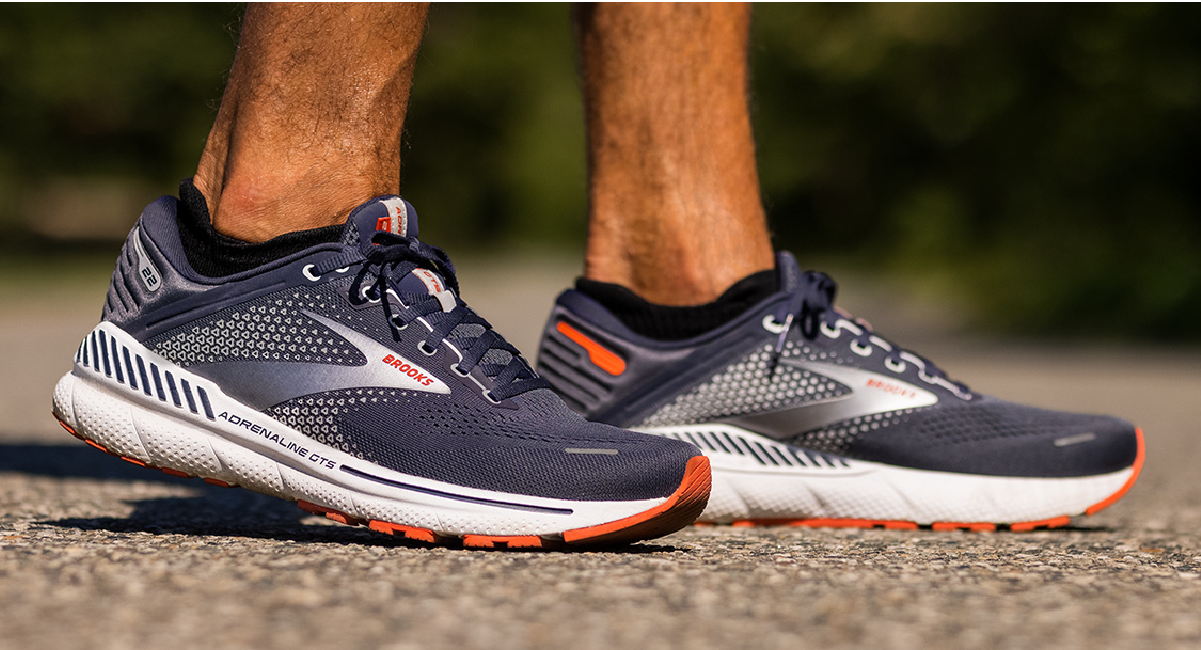
Ordinary sneakers are generally less suitable for gorilla habituation because they may lack the traction, support, and weather protection needed for Bwindi’s mountainous rainforest.
Sports shoes designed for flat surfaces can become slippery on muddy trails, especially when walking downhill or crossing exposed roots.
Waterproof hiking boots with strong grip are the preferred option. Suitable hiking shoes with excellent traction may be practical for some experienced walkers, but they provide less ankle protection than supportive boots.
Visitors should avoid open sandals, slippers, smooth-soled shoes, or footwear that becomes unstable when wet.
Proper footwear is one of the most important investments for enjoying the four-hour Gorilla Habituation Experience comfortably.
Should You Wear a Hat During Gorilla Habituation?
A lightweight hat or cap can be useful during gorilla habituation, particularly when visitors walk through exposed sections of the landscape before entering dense forest vegetation.
A hat provides some protection from sunlight and can help prevent rain or water droplets from falling directly onto the face.
However, visitors should choose a hat that fits securely and does not obstruct their vision. Large, rigid hats may become inconvenient when moving through thick vegetation.
A hat with a flexible brim is generally more practical than bulky headwear, while a waterproof jacket with a hood can provide additional protection during rainfall.
Visitors should also carry sunscreen because exposed sections of the journey may receive strong sunlight even when conditions are cooler in the forest.
Do You Need Insect Repellent for Gorilla Habituation?
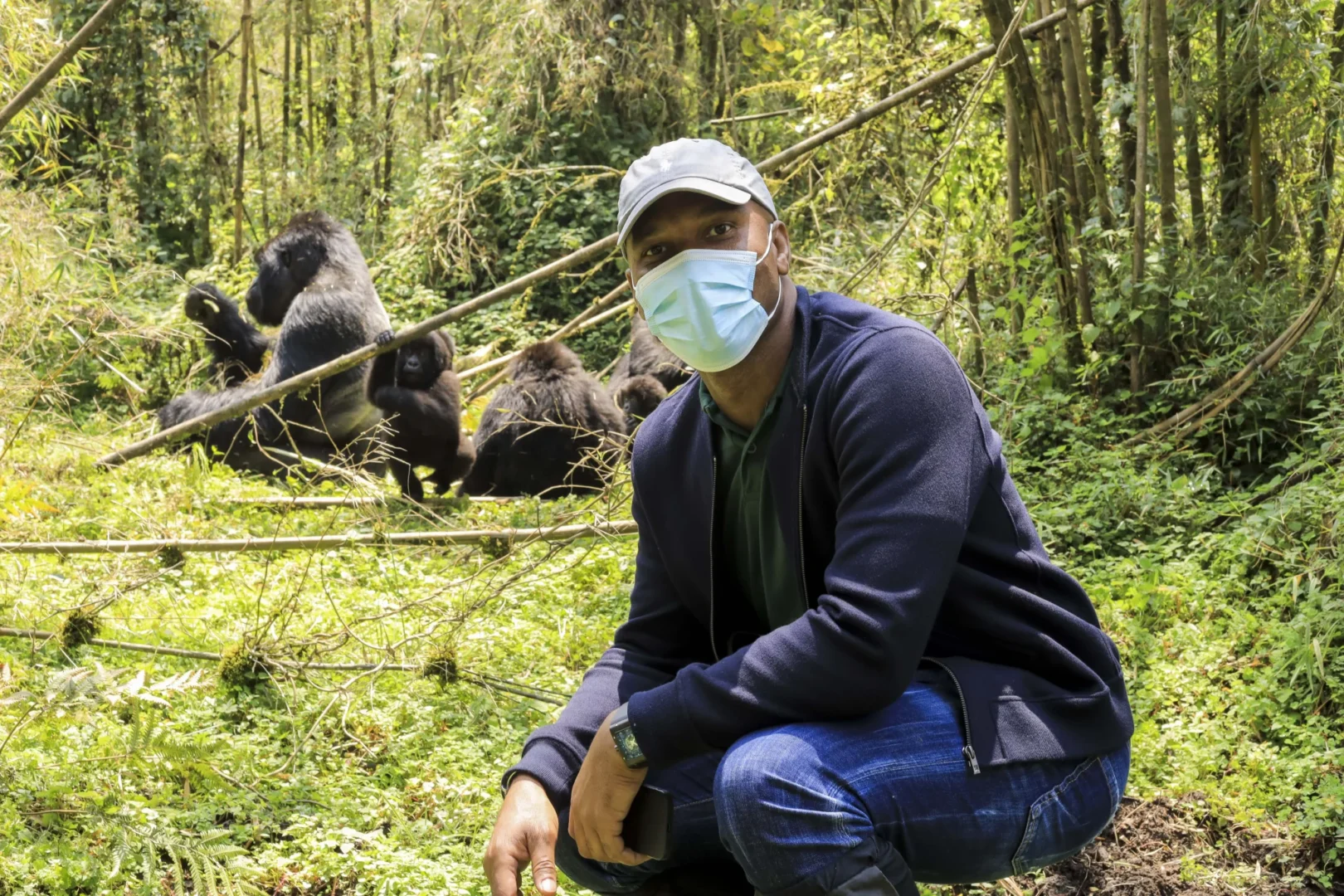

Insect repellent is a useful item for gorilla habituation because Bwindi’s tropical rainforest supports a wide variety of insects. Visitors may encounter mosquitoes, ants, and other small insects while moving through vegetation.
Long sleeves, long trousers, socks, and suitable footwear provide an important physical barrier, while an appropriate insect repellent can offer additional protection where needed.
Visitors should follow the instructions on the chosen repellent and avoid applying products in ways that could contaminate equipment or create unnecessary exposure.
Insect repellent does not replace appropriate clothing, and visitors should remain alert when passing through areas where ants or other insects are present.
Travellers should also seek appropriate pre-travel medical advice about health precautions relevant to their visit to Uganda.
What Should You Carry in Your Gorilla Habituation Backpack?
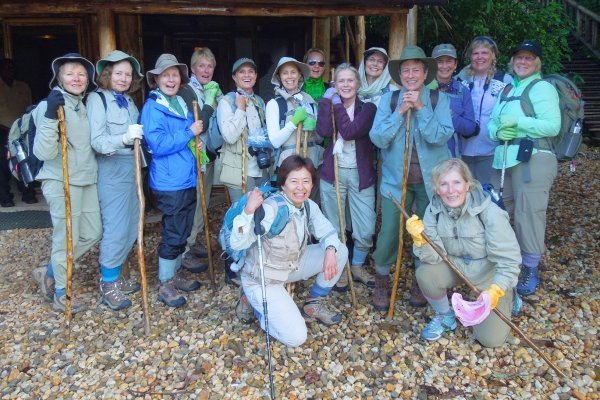
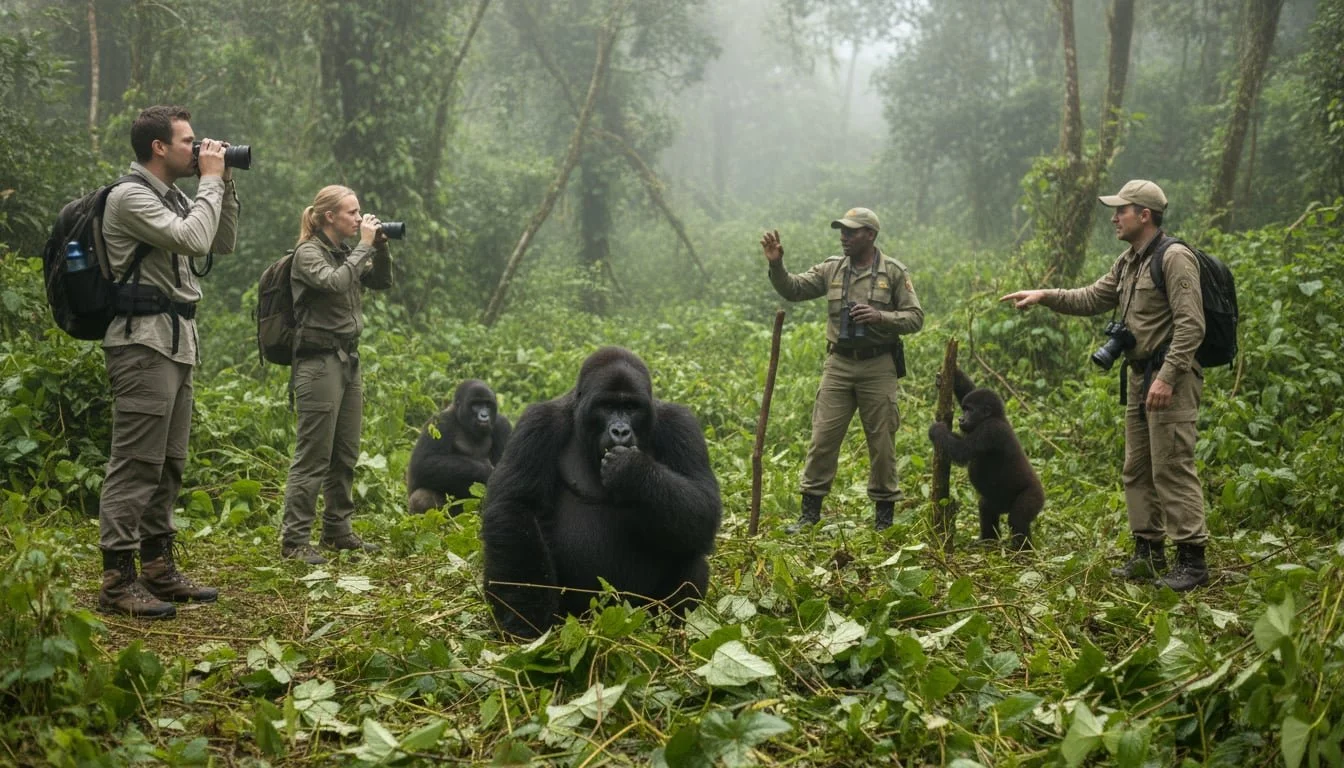
A small, comfortable daypack is recommended for carrying essential items during the Gorilla Habituation Experience. The backpack should be lightweight, securely fitted, and large enough to hold drinking water, packed food, rain protection, personal medication, and other necessary belongings.
Visitors should carry sufficient drinking water for a potentially lengthy hike. Approximately two litres may be a useful starting point for many adults, but individual requirements vary according to fitness, weather, exertion, and medical needs.
Energy snacks or a packed lunch can be helpful because the full forest excursion may take several hours. Many accommodation establishments around Rushaga can arrange packed meals when requested in advance.
Important documents, including identification and any required permit confirmation, should be protected from moisture. A waterproof backpack cover or internal dry bags can help safeguard belongings during unexpected rainfall.
Visitors should avoid carrying unnecessary heavy items because the additional weight can increase fatigue. Local porters may be available to assist with carrying equipment.
Frequently Asked Questions About What to Wear for Gorilla Habituation in Bwindi
What Should You Wear for Gorilla Habituation in Bwindi?
Visitors should wear waterproof hiking boots with strong traction, lightweight long trousers, breathable long-sleeved shirts, thick hiking socks, gardening gloves, and a waterproof rain jacket. Gaiters and a light fleece may provide additional protection and comfort. These items are recommended because Bwindi Impenetrable National Park contains steep forest terrain, dense vegetation, muddy trails, and changing weather conditions.
What Are the Best Shoes for Gorilla Habituation in Uganda?
Waterproof hiking boots with durable soles and good ankle support are generally the best footwear for gorilla habituation. Boots should fit comfortably and be broken in before the excursion. Ordinary sneakers, slippers, sandals, and smooth-soled shoes are less suitable because they may provide insufficient traction on slippery forest trails.
Can You Wear Jeans for Gorilla Habituation in Bwindi?
Jeans are not recommended because denim absorbs moisture, becomes heavy when wet, and dries slowly. Lightweight hiking trousers provide better flexibility and comfort during extended rainforest walking. Visitors should choose durable trousers that allow unrestricted movement when climbing steep slopes and navigating muddy sections.
Do You Need Gardening Gloves for Gorilla Habituation?
Gardening gloves are strongly recommended because they help protect the hands when navigating vegetation, branches, and uneven forest terrain. Gloves with a secure grip are particularly useful when holding walking sticks or using appropriate support points. Visitors should still follow their guides’ instructions about which plants and surfaces are safe to touch.
Should You Wear Shorts for Gorilla Habituation?
Shorts are generally unsuitable because they expose the legs to insects, vegetation, scratches, and other natural forest hazards. Long lightweight trousers offer better protection while allowing comfortable movement. Visitors can tuck the bottoms of their trousers into long socks or wear gaiters for additional lower-leg protection.
Book Your Gorilla Habituation Experience in Bwindi, Uganda
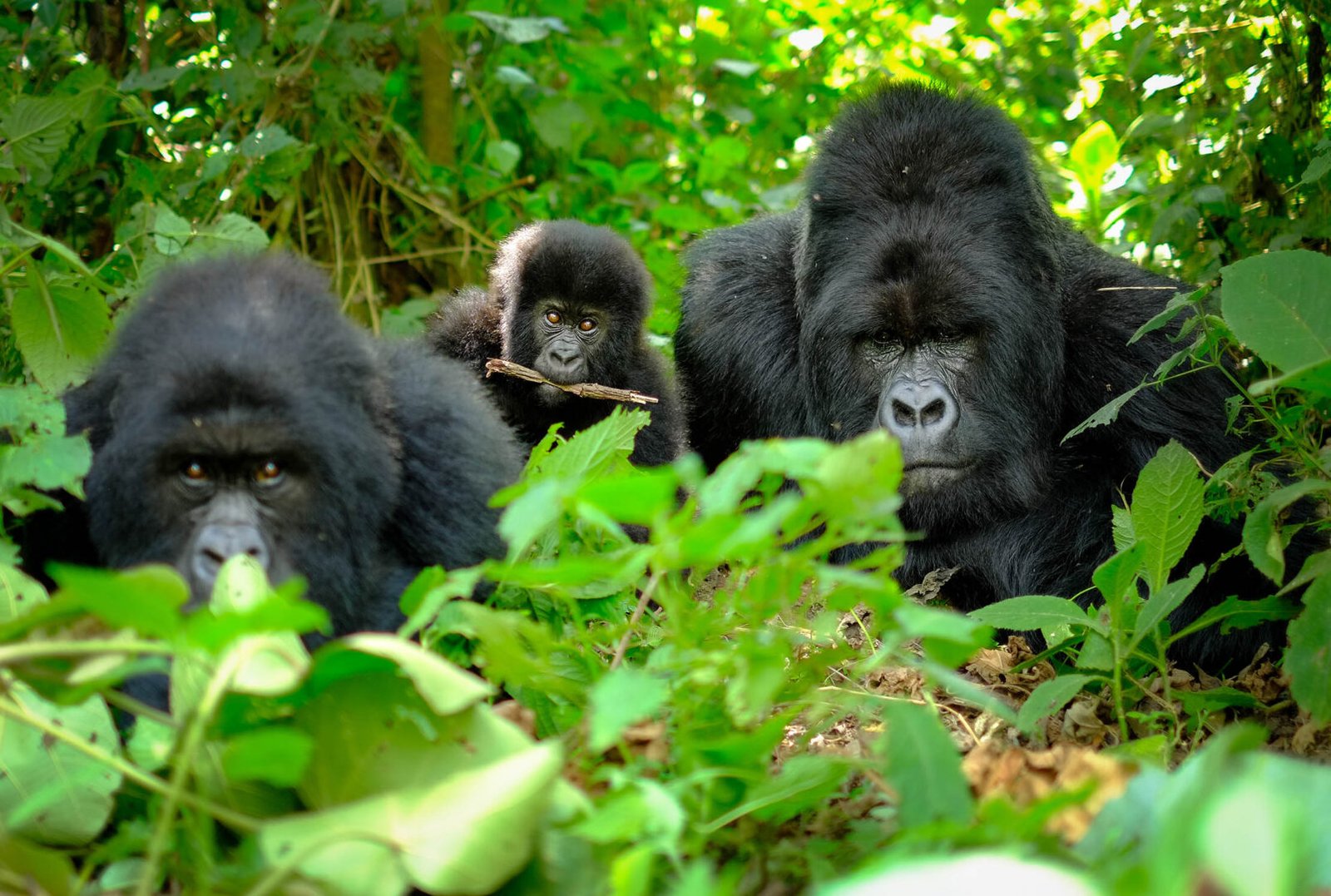
Preparing the right clothing is an important step toward enjoying Uganda’s extraordinary Gorilla Habituation Experience in Bwindi Impenetrable National Park. Whether you are travelling during the relatively dry months of June, July, August, January, and February or visiting during Uganda’s greener rainy seasons, suitable hiking equipment can make your rainforest adventure more comfortable and enjoyable.
If you are still wondering What Should You Wear for Gorilla Habituation in Bwindi?, our gorilla safari booking team can help you prepare for the experience by providing practical information about recommended clothing, suitable hiking footwear, weather conditions, and essential trekking equipment.
We can also assist with Uganda Gorilla Habituation Permits, accommodation near the Rushaga sector, private transportation from Entebbe or Kampala, domestic flights to Kisoro, road transfers from Kigali, and customized Uganda gorilla habituation safari packages.
Whether you are an international visitor, Ugandan citizen, wildlife photographer, honeymooner, or nature enthusiast, a properly organized safari allows you to concentrate on the extraordinary opportunity to observe mountain gorillas in one of Africa’s most beautiful tropical forests.
Our team can help you coordinate your preferred travel dates, gorilla habituation permits, comfortable accommodation, transportation, and essential safari preparation.
Book your Gorilla Habituation Experience in Bwindi today. Contact us with your preferred travel dates, number of participants, and travel requirements so that permit availability and suitable safari arrangements can be checked before confirming your journey.