What to expect on a safari in Uganda, Going on a safari in Uganda is a journey into the heart of one of Africa’s most captivating and diverse landscapes. Nestled in the heart of the continent, this East African gem is a haven for wildlife enthusiasts and adventurers alike. From the mist-shrouded forests where mountain gorillas reside to the vast savannah plains teeming with lions, elephants, and giraffes, Uganda offers an unparalleled safari experience.
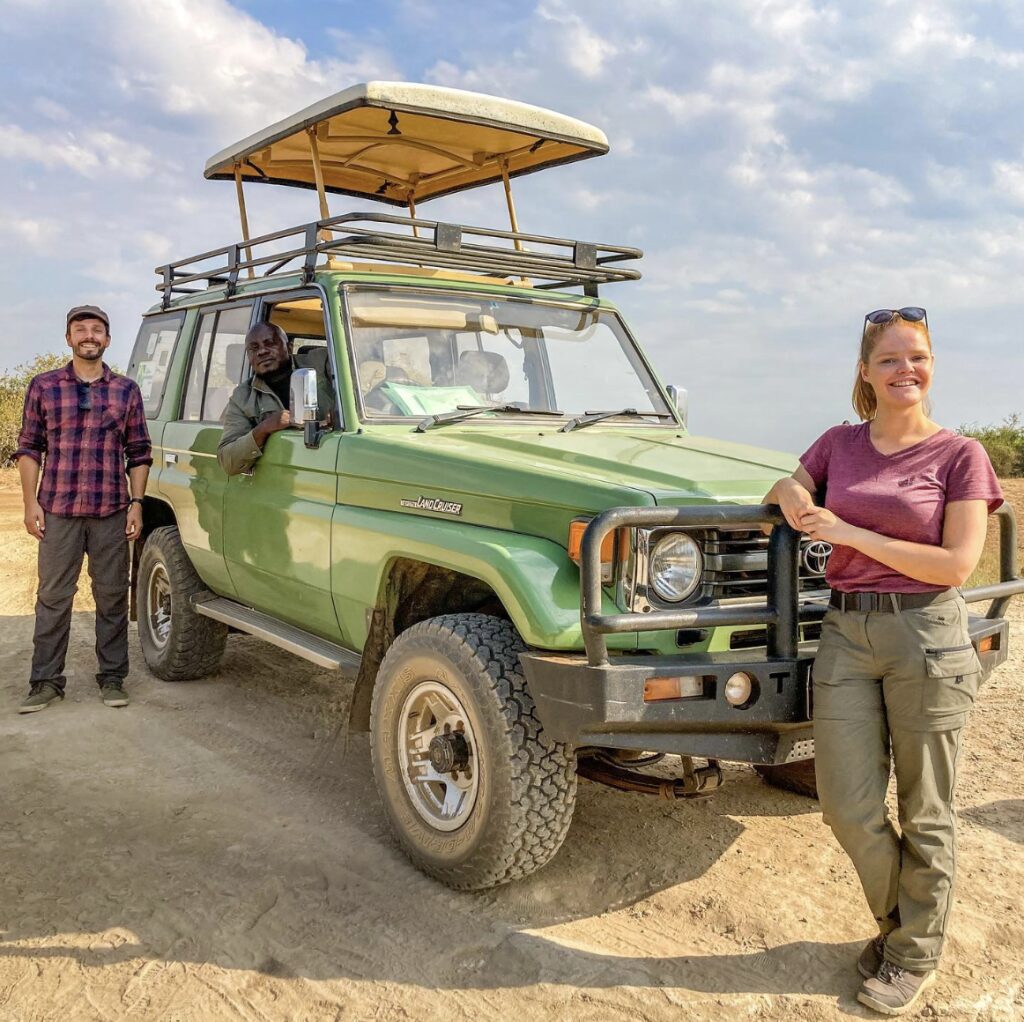
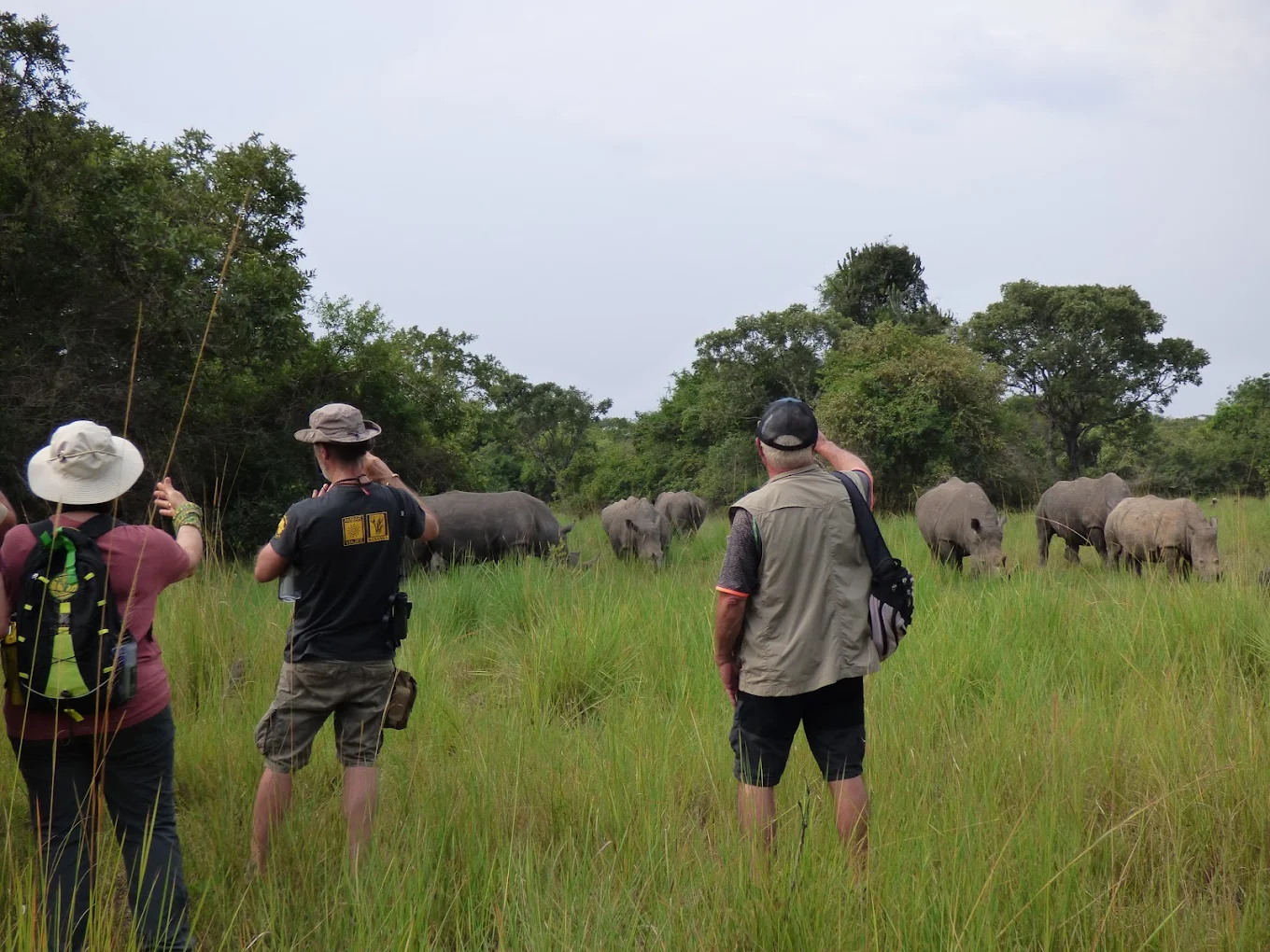
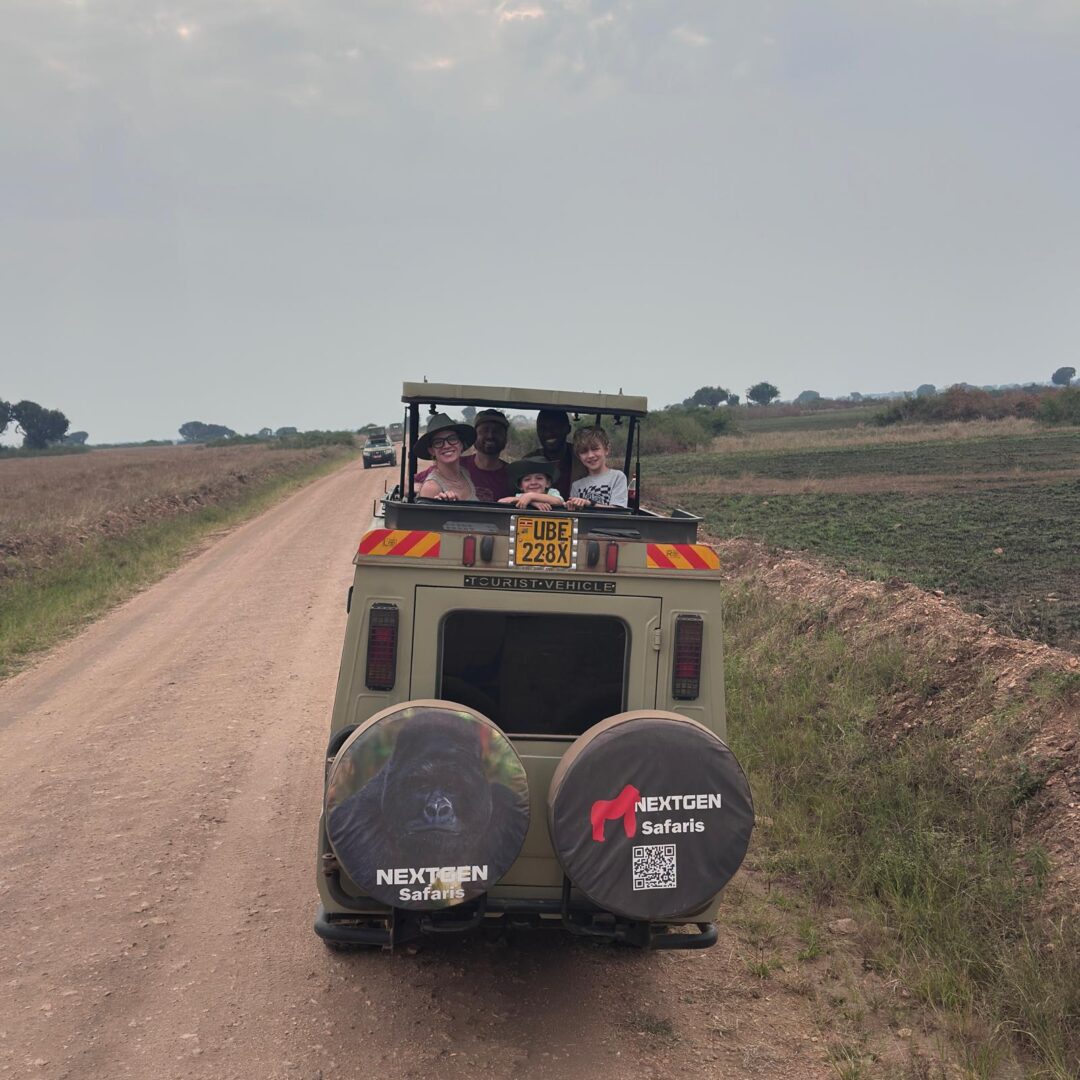
But a Ugandan safari is not only about its remarkable wildlife; it’s an exploration of cultural diversity, lush landscapes, and unforgettable encounters with nature. Join us as we set out on a thrilling adventure through the Pearl of Africa, discovering its unparalleled natural beauty and the unique tapestry of life that calls this extraordinary nation home.
Uganda is known for its rich biodiversity and offers the opportunity to see a wide range of animals and habitats.
Here is What to expect on a safari in Uganda:
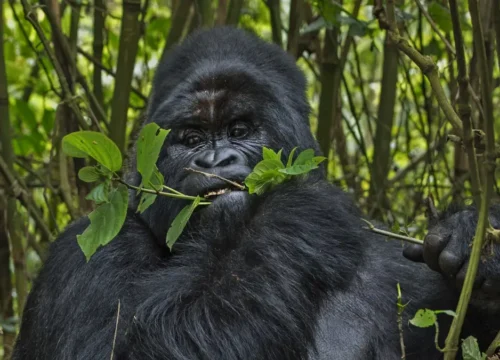
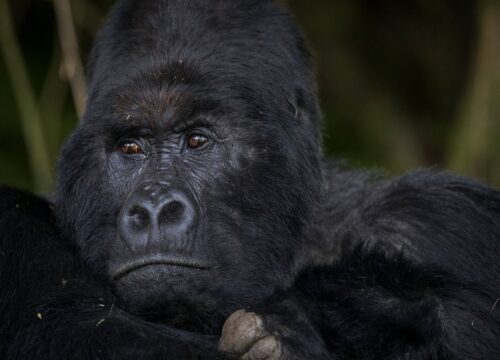
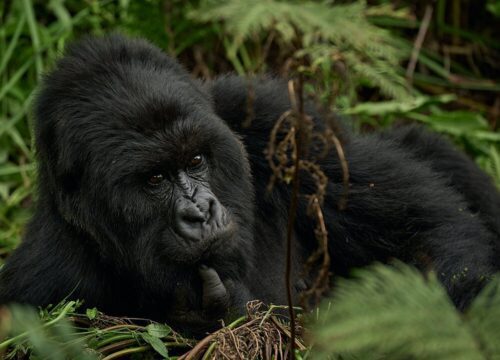
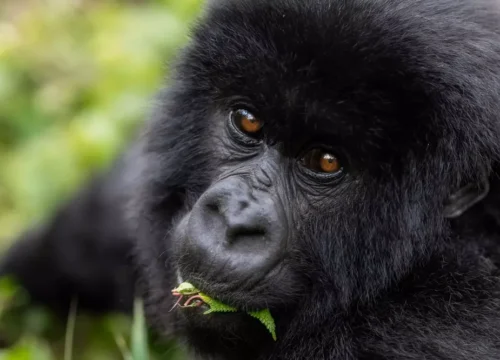
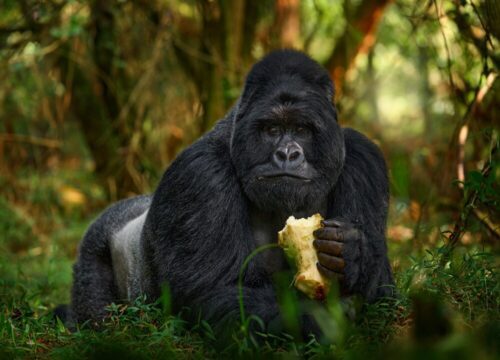
- Mountain Gorilla Tracking: One of the top attractions in Uganda is the opportunity to track and observe mountain gorillas in their natural habitat. Bwindi Impenetrable National Park and Mgahinga Gorilla National Park are the two primary locations for this activity. Permits are required, and it’s a once-in-a-lifetime opportunity to get up close with these endangered creatures.
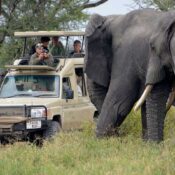
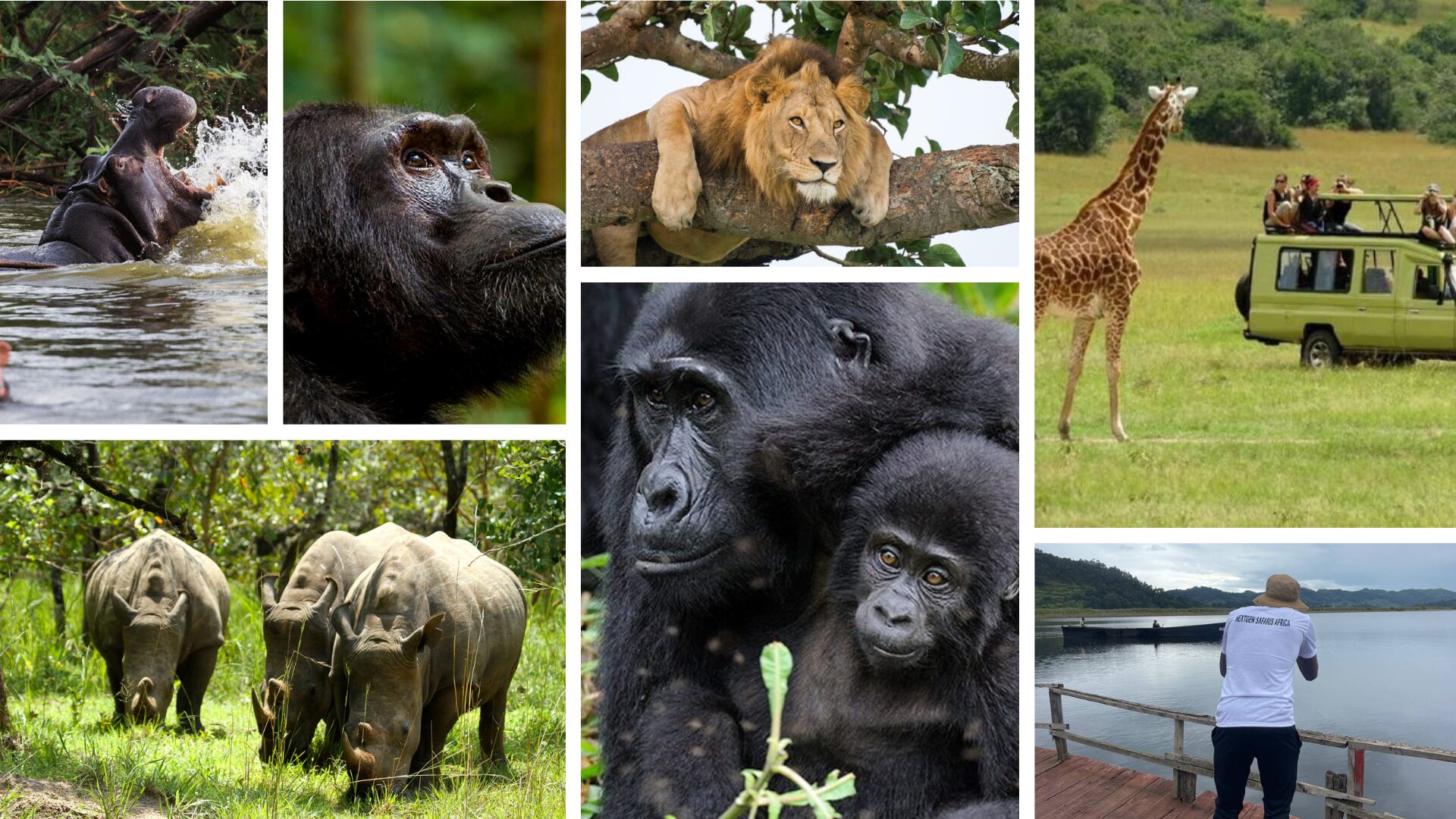
- Game Drives: Uganda is home to several national parks, including Murchison Falls National Park, Queen Elizabeth National Park, and Kidepo Valley National Park. These parks offer game drives where you can see a variety of wildlife such as lions, elephants, giraffes, buffaloes, and more.
- Boat Safaris: Many national parks in Uganda offer boat safaris on lakes and rivers. For example, a boat trip along the Kazinga Channel in Queen Elizabeth National Park provides a unique opportunity to see hippos, crocodiles, and numerous bird species.
- Bird Watching: Uganda is a paradise for bird enthusiasts with over 1,000 bird species. You can expect to spot a wide variety of colourful and rare birds, including the African fish eagle, shoebill stork, and many more.
- Chimpanzee Trekking: Uganda is also known for its chimpanzee tracking experiences. Popular destinations for this activity include Kibale Forest National Park and Budongo Forest Reserve.
- Savannah and Forest Landscapes: Uganda’s landscape is incredibly diverse, ranging from savannah plains to lush forests. The scenery alone is worth the trip, and you’ll have the chance to explore a variety of ecosystems.
- Cultural Experiences: In addition to wildlife, you can also immerse yourself in the local culture by visiting nearby communities and learning about the traditions and customs of different Ugandan tribes.
- Accommodation Options: Uganda offers a range of accommodation options, from luxury lodges to budget-friendly campsites, ensuring there’s something for every traveler’s preference and budget.
- Adventure Activities: Besides wildlife, Uganda offers adventure activities such as white-water rafting on the Nile River and hiking in the Rwenzori Mountains.
- Primate Tracking: In addition to gorillas and chimpanzees, Uganda is home to other primates like golden monkeys, baboons, and colobus monkeys. You may encounter these species on your safari.
It’s important to plan your safari with a reputable tour operator like Nextgen Safaris who can help you make the most of your trip and ensure that you follow ethical and sustainable wildlife tourism practices. Always follow the guidance of your guides and the rules of the national parks to ensure the safety of both you and the animals you encounter.
Uganda’s unique combination of natural beauty, rich biodiversity, and cultural diversity makes it a popular destination for tourists.
Here are the key factors that make Uganda a popular destination:
Mountain Gorilla Trekking:
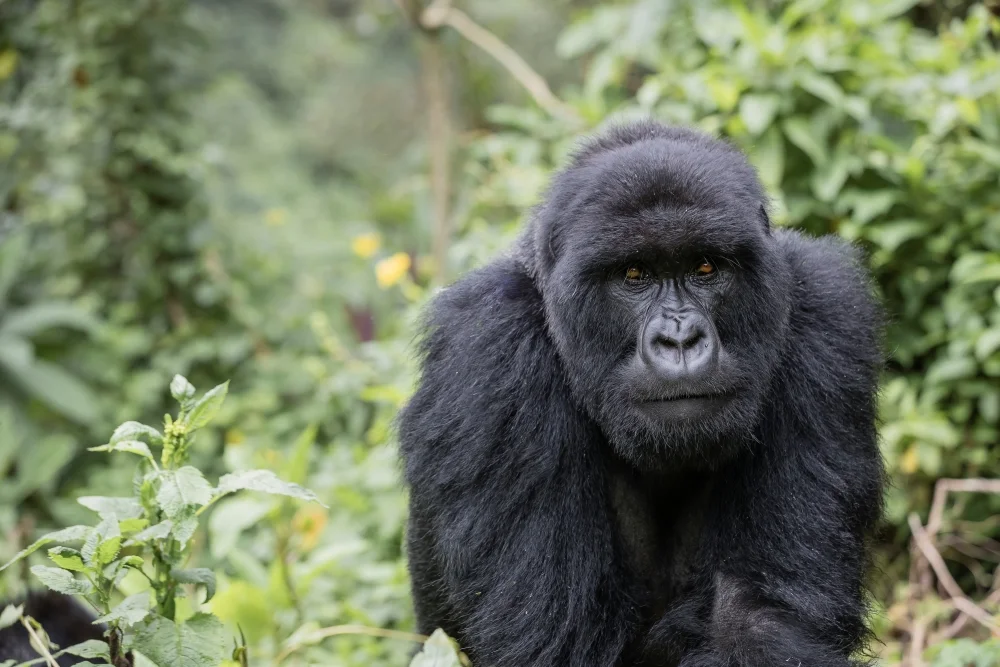
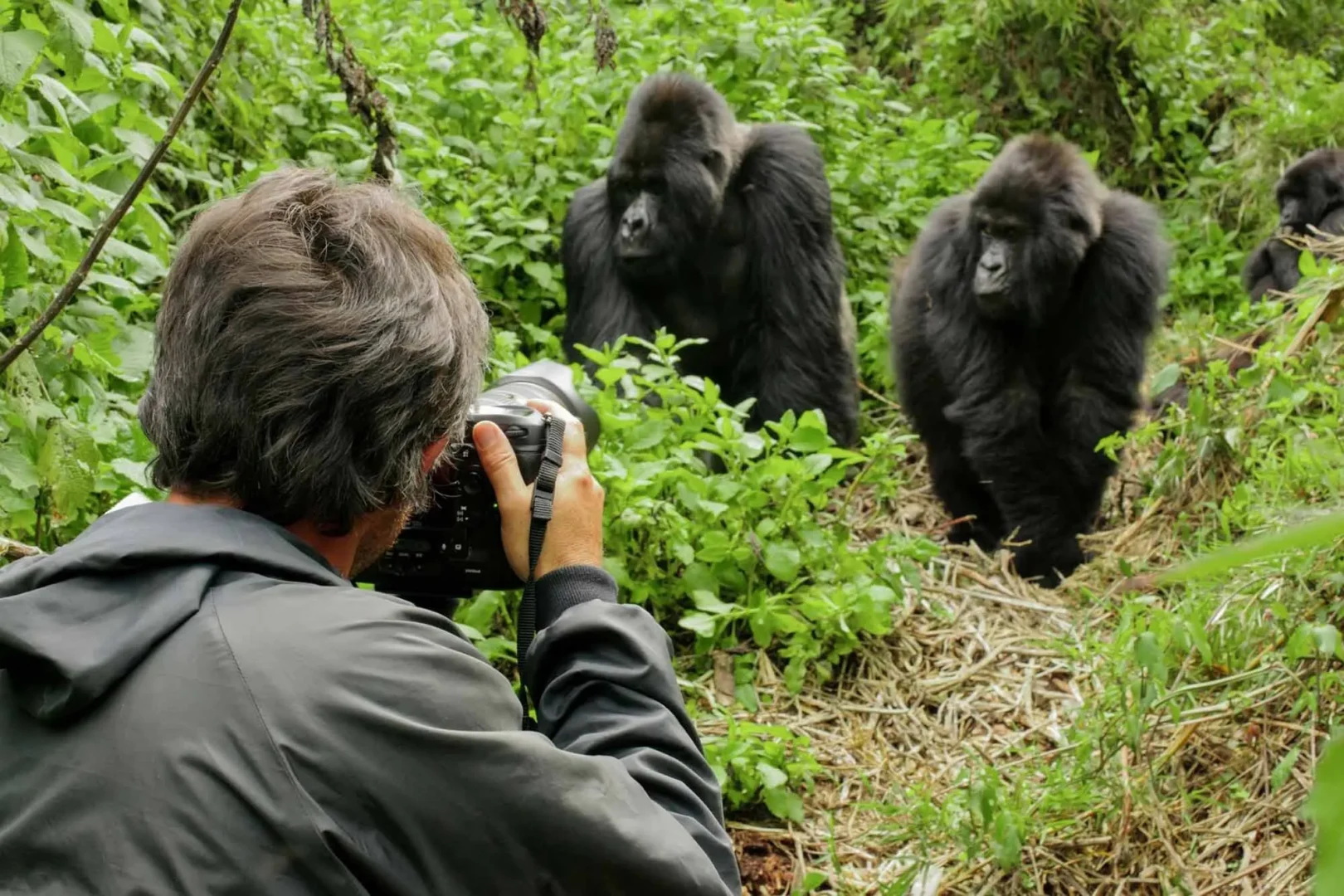
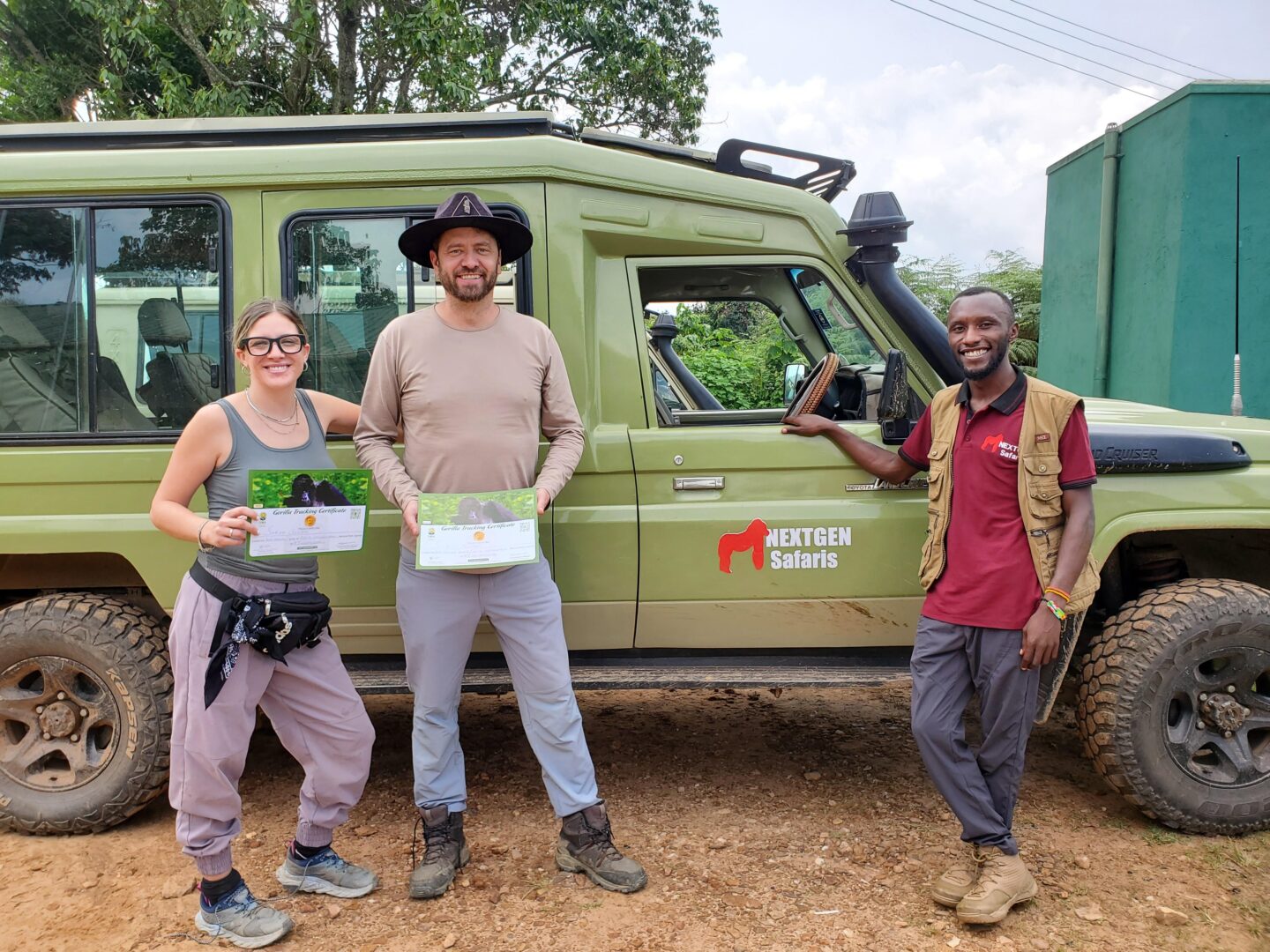
Uganda is one of the few places in the world where you can trek to see mountain gorillas in their natural habitat. Bwindi Impenetrable National Park and Mgahinga Gorilla National Park offer incredible opportunities for close encounters with these critically endangered creatures.
Diverse Wildlife: Uganda is home to the Big Five (lion, elephant, buffalo, leopard, and rhinoceros) in its national parks, such as Murchison Falls, Queen Elizabeth, and Kidepo Valley. The country’s diverse ecosystems support a wide range of other wildlife species, including hippos, crocodiles, chimpanzees, and various bird species.
Birdwatching Paradise:
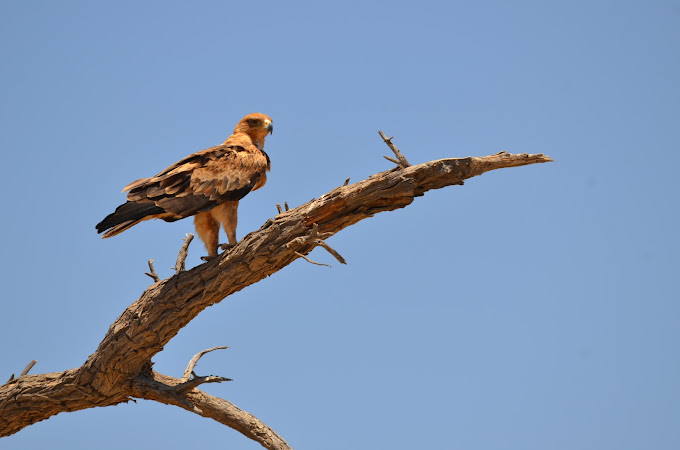
With over 1,000 bird species, Uganda is a birdwatcher’s paradise. The country’s diverse landscapes, including wetlands, forests, and savannahs, offer unique birdwatching opportunities.
Stunning Landscapes: From the Rwenzori Mountains with their snow-capped peaks to the serene lakes and rivers, Uganda’s landscapes are incredibly diverse and breathtaking. The country is often referred to as the “Pearl of Africa” due to its natural beauty.
Cultural Diversity: Uganda is home to over 50 distinct ethnic groups, each with its own traditions, languages, and customs. Visitors can experience the rich cultural tapestry through interactions with local communities, traditional dances, and artisan markets.
Warm and Welcoming People: Ugandans are known for their friendliness and hospitality. Tourists often find the local people welcoming and eager to share their culture and traditions.
Adventure Activities: Uganda offers a wide range of adventure activities, including white-water rafting on the Nile River, trekking in the Rwenzori Mountains, and hiking to the peaks of various volcanoes.
Sustainable Tourism: Uganda has made efforts to promote sustainable and eco-friendly tourism. Conservation initiatives are in place to protect its unique wildlife and ecosystems.
Safe and Stable Destination: Uganda is considered a relatively safe and stable destination in East Africa, attracting travelers looking for a secure adventure.
Affordable Travel: Compared to some of its East African neighbors, Uganda offers relatively affordable options for travelers, making it accessible to a wider range of tourists.
All these factors contribute to making Uganda a unique and popular destination for tourists who seek a diverse and immersive experience in the heart of Africa.
Frequently Asked Questions: What to Expect on a Safari in Uganda
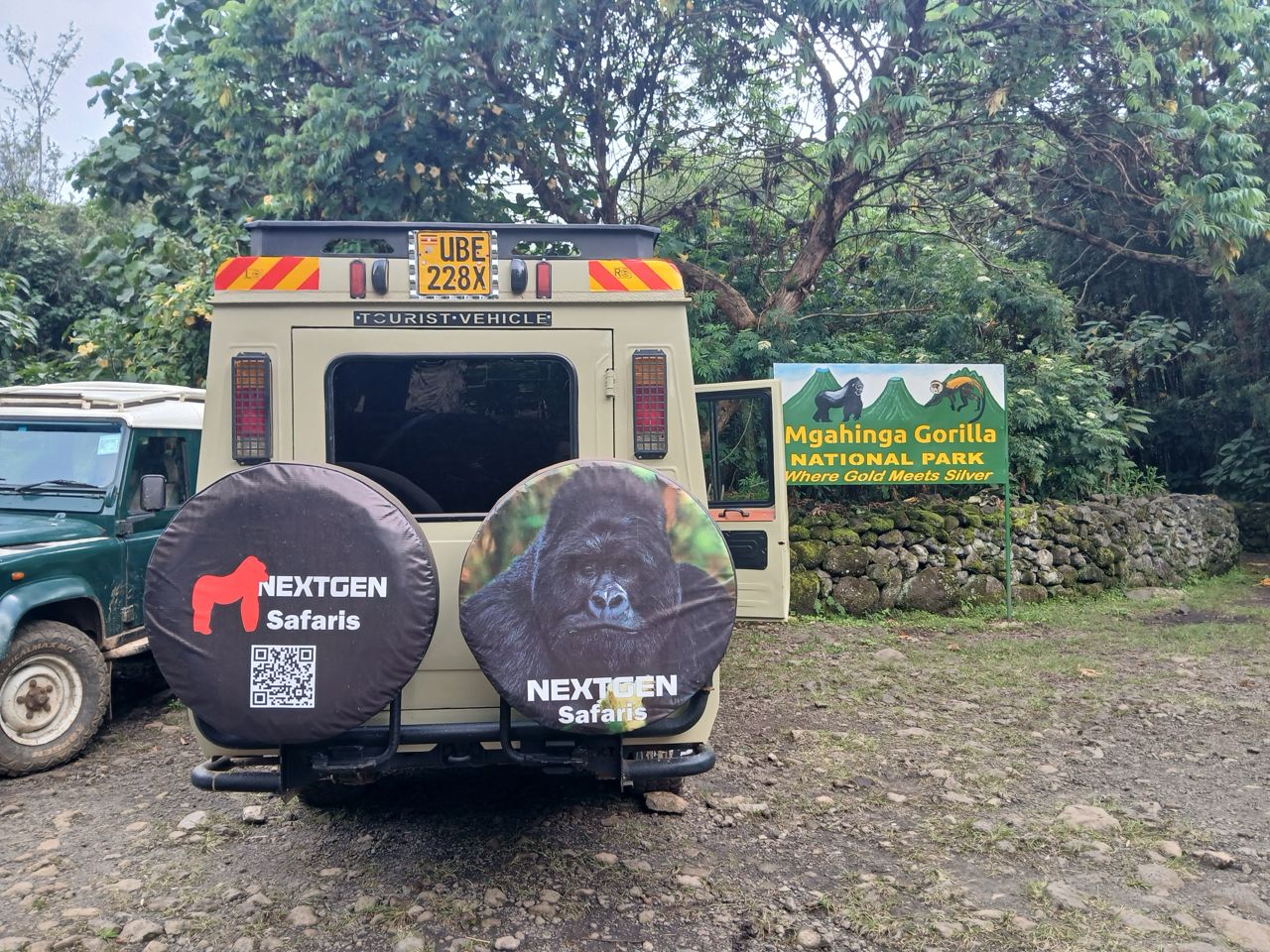
What is a safari in Uganda really like?
A safari in Uganda is diverse, immersive, and far more varied than many first-time visitors expect. Unlike classic savannah-only destinations, Uganda combines traditional game drives with rainforest experiences, boat safaris, mountain scenery, and close encounters with primates.
You can expect:
- Early morning wildlife drives
- Afternoon boat cruises along rivers or channels
- Guided chimpanzee trekking in Kibale Forest
- Gorilla trekking in Bwindi Impenetrable National Park
- Scenic road journeys through villages and crater lakes
- Smaller crowds compared to Kenya or Tanzania
Uganda feels wild, authentic, and personal not mass tourism.
What animals will I see on a Uganda safari?
Uganda offers the “Big Four” (lion, elephant, leopard, buffalo) and also white rhinos at Ziwa Rhino Sanctuary. In addition, you may see:
- Hippos along the Nile and Kazinga Channel
- Nile crocodiles
- Giraffes in Murchison Falls National Park
- Uganda kobs and other antelope species
- Chimpanzees in Kibale Forest
- Mountain gorillas in Bwindi
- Tree-climbing lions in Ishasha
- Over 1,000 bird species
Wildlife sightings are natural and unpredictable, but sightings are generally excellent in the dry seasons.
Is Uganda good for first-time safari travelers?
Yes. Uganda is an excellent destination for first-time safari travelers who want more than just game drives. It offers:
- Compact safari circuits
- Professional English-speaking guides
- Well-established national parks
- A safe and welcoming atmosphere
If someone wants a deeper, more experiential African safari — Uganda is ideal.
Is Uganda safe for safari tourists?
Uganda’s national parks and safari regions are generally safe for travelers. Safaris are conducted with licensed guides, registered vehicles, and park rangers accompany primate treks.
Like anywhere in the world, normal travel awareness is advised, but wildlife areas are well managed and tourism-focused.
Most safari travelers describe Uganda as friendly and relaxed.
What are safari game drives like in Uganda?
Game drives usually start early (around 6:30 AM) when wildlife is most active. You travel in a 4×4 safari vehicle with a professional guide.
Expect:
- Dusty roads in dry season
- Muddy tracks in green season
- Wildlife sightings explained in detail
- Stops for photography
- A relaxed but focused pace
Game drives are not rushed. The goal is observation and understanding, not speed.
What is gorilla trekking like in Uganda?
Gorilla trekking is the highlight of most Uganda safaris.
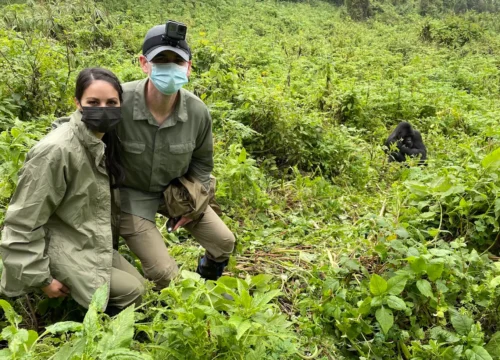
After a briefing by park rangers, small groups hike into Bwindi Impenetrable National Park to locate a specific gorilla family. The hike can last anywhere from 1 to 4+ hours depending on the gorillas’ location.
Once found, visitors spend one hour observing the gorillas at close range (minimum 7 meters, often closer).
You should expect:
- Physical effort
- Muddy forest terrain
- Emotional, unforgettable encounters
- Strict conservation rules
It is safe, guided, and carefully controlled.
How physically demanding is a Uganda safari?
Game drives and boat cruises require minimal physical effort.
Chimpanzee trekking involves moderate walking in forest terrain.
Gorilla trekking can range from moderate to challenging depending on location and fitness level. However:
- Porters are available to assist
- Trek difficulty is often matched to fitness
- Seniors regularly complete treks successfully
You do not need to be an athlete, but reasonable mobility helps.
What kind of accommodation can I expect?
Uganda offers three main safari accommodation levels:
Budget: Simple safari lodges or tented camps
Mid-range: Comfortable lodges with private bathrooms
Luxury: High-end eco-lodges with premium service
Even remote areas like Bwindi offer surprisingly high-quality accommodation. Lodges focus on location, service, and nature immersion rather than extreme opulence.
What is the food like on safari in Uganda?
Safari lodges typically offer:
- Fresh local and international cuisine
- Three-course dinners
- Packed breakfasts or lunches for trekking days
- Vegetarian options
- Special dietary accommodations upon request
Food standards are generally very good in established safari lodges.
How many days do you need for a Uganda safari?
For a meaningful experience, most travelers need:
- 3–4 days for gorilla trekking only
- 5–7 days for wildlife + primates
- 8–12 days for a complete Uganda circuit
Uganda is larger than it appears on the map, and road distances matter.
What is the best time of year for a Uganda safari?
Uganda can be visited year-round.
Dry seasons (December–February, June–September) offer:
- Easier road conditions
- Better wildlife visibility
- More predictable trekking conditions
Green seasons offer:
- Lush landscapes
- Fewer tourists
- Excellent birdwatching
Gorilla trekking operates year-round.
Will I see the Big Five in Uganda?
Uganda offers four of the Big Five in national parks (lion, elephant, leopard, buffalo).
White rhinos are tracked at Ziwa Rhino Sanctuary. Once combined, Uganda delivers the complete Big Five experience.
How are the roads and travel times in Uganda?
Travel between parks is mostly by road in 4×4 vehicles. Distances can be longer than expected due to terrain and road conditions.
Scenic transfers are part of the experience, passing through villages, tea plantations, crater lakes, and mountain landscapes.
Some itineraries include domestic flights to reduce travel time.
What should I pack for a safari in Uganda?
Expect to bring:
- Neutral-colored clothing
- Light rain jacket
- Comfortable walking shoes
- Sunscreen and hat
- Insect repellent
- Gloves for gorilla trekking
- Camera with zoom lens
Temperatures vary by altitude, Bwindi Forest can be cool in the mornings.
How much does a safari in Uganda cost?
Costs vary depending on:
- Duration
- Accommodation level
- Number of travelers
- Season
- Gorilla permit inclusion
Gorilla permits are a significant cost component, and availability is limited, so advance booking is essential.
What makes Uganda different from Kenya or Tanzania?
Uganda offers:
- Fewer crowds
- Intimate wildlife encounters
- Gorilla and chimpanzee trekking
- Diverse ecosystems in one itinerary
- A more immersive, off-the-beaten-path feel
It is less commercial and more exploratory.
Is Uganda safari suitable for families?
Yes, but with considerations:
- Gorilla trekking has a minimum age requirement (15 years)
- Some lodges are family-friendly
- Game drives and boat cruises are suitable for children
Custom planning is important for family safaris.
Final Thought: What Should You Expect Overall?
Expect variety. Expect authenticity. Expect physical movement and emotional moments. Expect landscapes that change daily.
A safari in Uganda is not just about ticking animals off a list — it is about experiencing Africa in its raw, diverse, and unforgettable form.
Read about
10 Things you Should NOT DO on an African Safari.
What to expect on a safari in Uganda.
Bwindi Impenetrable National Park
How to Choose the Best Tour Operate for Your Safari in Africa
What To Pack For An African Safari
Some of our African Safaris
1 Day Jinja Ultimate tour Experience
1 Day White Water Rafting in Jinja
3 Days Bwindi Gorilla Habituation via Rwanda
3 Day Birding Safaris and Photography in Uganda
3 Day Safari to Queen Elizabeth National Park
3 Day fly in Gorilla Trekking Safari from Masai Mara
3 Day Grand Gorilla Trekking Safari
4 Day Chimpanzee and Gorilla Trekking Safari
4 Day Murchison Falls and Jinja tour