
When Do Baby Mountain Gorillas Start Playing? 7 Fascinating Development Stages Revealed
When Do Baby Mountain Gorillas Start Playing? Baby mountain gorillas can begin showing their earliest playful behaviours at approximately two to five months of age, with simple solitary play often emerging around three months. During this fascinating period, young gorillas gradually discover how to move their bodies, explore surrounding vegetation and interact with their mothers. As they grow stronger, their activities become increasingly energetic, including wrestling, chasing, climbing and playful interactions with other young gorillas. Watching these behaviours is one of the most extraordinary experiences available during Uganda gorilla trekking, Rwanda gorilla trekking, Bwindi gorilla safaris, luxury gorilla holidays and private African wildlife adventures.
When Do Baby Mountain Gorillas Start Playing? Their playful development is closely connected to physical growth, social relationships, maternal protection and increasing independence. Newborn mountain gorillas spend most of their time attached to their mothers, but their curiosity expands as they develop stronger muscles and improved coordination. Over the following months, play becomes an important part of learning how to interact with other gorillas and navigate challenging forest environments. These remarkable behaviours can be observed in the mountain gorilla habitats of Uganda and Rwanda, making guided mountain gorilla trekking, gorilla habituation experiences, Rwanda luxury gorilla safaris and romantic African gorilla holidays particularly memorable.
When Do Baby Mountain Gorillas Start Playing? Understanding the First Signs
When Do Baby Mountain Gorillas Start Playing? Research on infant gorilla development indicates that early solitary play can appear between approximately two and five months, although the timing differs between individuals. Initial activities may include touching parts of their bodies, manipulating nearby vegetation and experimenting with simple movements while remaining close to their mothers. These actions gradually develop into more coordinated activities as infants gain strength and confidence. Social play also begins emerging during infancy, first involving mothers and later expanding to other group members. Visitors exploring Bwindi Impenetrable National Park, Mgahinga Gorilla National Park, Rwanda gorilla trekking experiences and private gorilla safari packages may observe different developmental stages.
Stage One: Newborn Gorilla Behaviour During the First Two Months
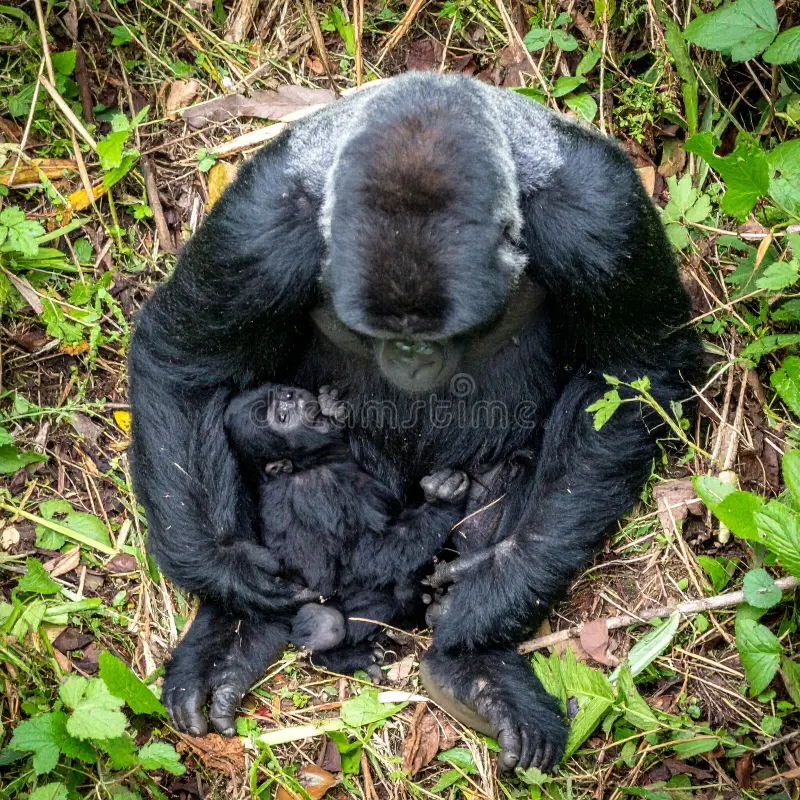
Newborn mountain gorillas are highly dependent on maternal care and spend nearly all their time in close physical contact with their mothers. Their earliest weeks are primarily dedicated to nursing, sleeping, maintaining warmth and developing basic muscular control. Although newborns may move their arms, grip fur or respond to physical contact, these activities should not automatically be classified as deliberate play. When Do Baby Mountain Gorillas Start Playing? The more recognisable signs generally emerge later as infants gain sufficient strength to explore their bodies and surroundings. Travellers interested in Uganda mountain gorilla trekking, Rwanda gorilla holidays, Bwindi forest adventures and responsible gorilla tourism can learn about these important early developmental stages.
Stage Two: How Baby Gorillas Begin Playing at Two to Four Months
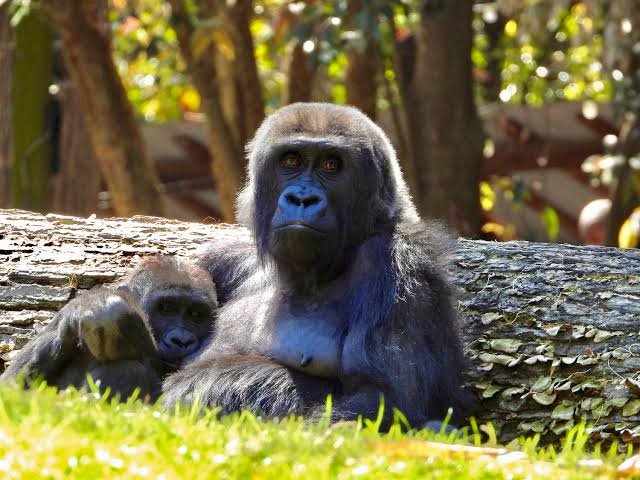
When Do Baby Mountain Gorillas Start Playing? Around two to four months, infants may begin displaying simple exploratory activities and early playful interactions with their mothers. A young gorilla might touch its own hands, investigate nearby leaves or gently manipulate its mother’s fur while remaining in a secure position. These activities are relatively limited compared with the energetic play demonstrated by older juveniles, but they represent an important developmental transition. During this period, infants also begin improving their body control and awareness of nearby objects. Such natural interactions make Uganda gorilla trekking tours, Rwanda mountain gorilla safaris, gorilla trekking holidays and personalised African wildlife experiences particularly fascinating.
Stage Three: Baby Gorilla Play Between Four and Six Months
Between four and six months, mountain gorilla infants generally become more active and increasingly interested in exploring their surroundings. Their interactions with their mothers may involve gentle pulling, touching, climbing and playful movements. Some begin showing greater interest in nearby gorillas, although maternal contact remains extremely important. When Do Baby Mountain Gorillas Start Playing? This period marks an important expansion of their early play behaviour as infants become more physically capable of interacting with objects and companions. They may experiment with vegetation, practise short movements and develop stronger coordination. Visitors experiencing Bwindi gorilla trekking, gorilla habituation safaris, Rwanda gorilla trekking and guided African primate holidays may observe these fascinating behaviours.
Stage Four: Playful Baby Gorillas Between Six and Twelve Months
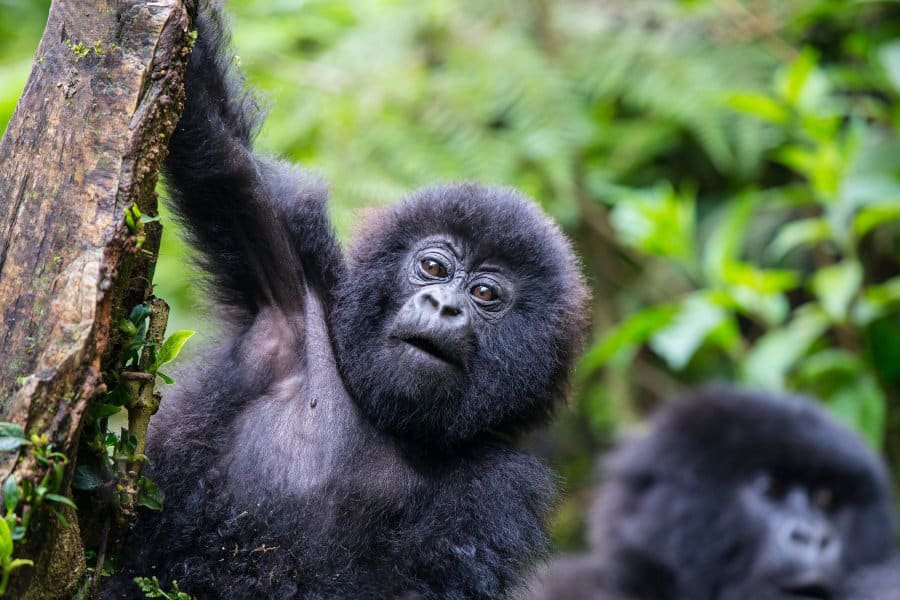
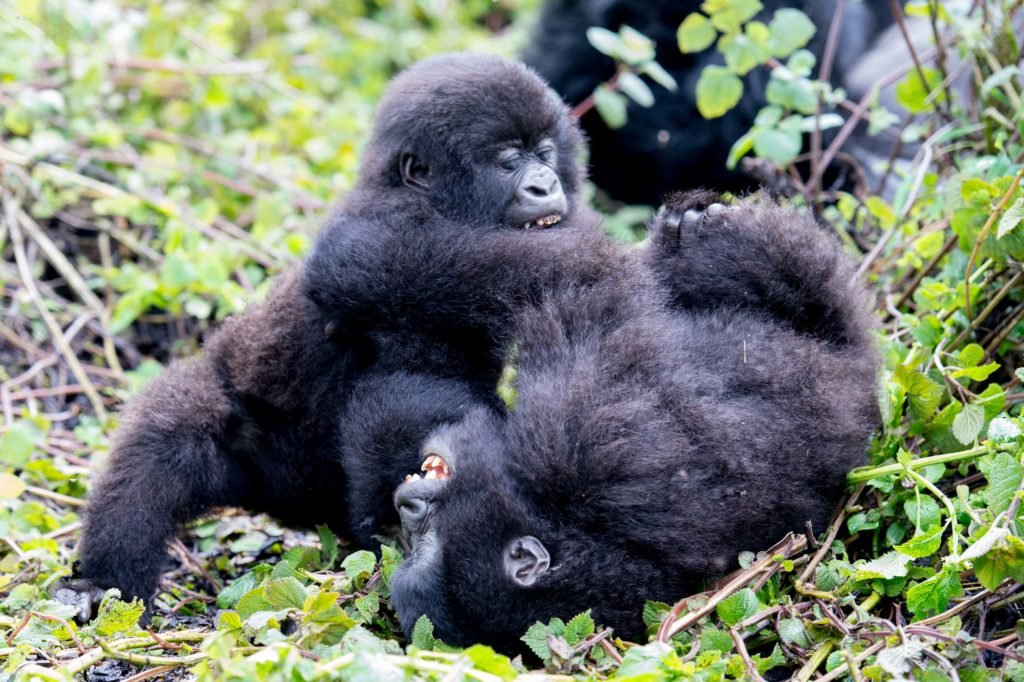
When Do Baby Mountain Gorillas Start Playing? By approximately six to twelve months, play can become substantially more energetic as infants develop greater mobility, coordination and confidence. Young gorillas may climb low vegetation, roll across the forest floor, chase companions or engage in brief wrestling interactions. Solitary play remains important, but social play with other youngsters gradually becomes more frequent. The increasing ability to travel short distances away from their mothers creates opportunities to explore additional areas and interact with more family members. These lively encounters are among the most memorable possibilities during Uganda gorilla trekking, Rwanda gorilla safaris, Bwindi wildlife expeditions and luxury gorilla trekking holidays.
Stage Five: How Gorilla Play Develops During the Second Year
During their second year, mountain gorillas generally become increasingly confident and socially active. Their play may involve longer periods of wrestling, climbing, chasing and interacting with other infants or juveniles. As mothers allow greater independence, youngsters gain more opportunities to explore their surroundings and establish relationships beyond immediate maternal contact. When Do Baby Mountain Gorillas Start Playing? Although the earliest activities begin during infancy, the second year is particularly important for developing more complex social play. These interactions provide valuable opportunities to practise physical coordination and learn about the behaviour of companions. Discover mountain gorilla trekking in Uganda, Rwanda gorilla trekking packages, Bwindi trekking experiences and private African wildlife holidays.
Stage Six: How Playing Changes Between Two and Three Years
Between two and three years of age, young mountain gorillas develop increasingly complex relationships with members of their families. Their physical abilities allow them to participate in more challenging activities, including climbing, energetic chasing and playful wrestling with other youngsters. They also become more capable of selecting play partners and adjusting their behaviour during social interactions. When Do Baby Mountain Gorillas Start Playing? By this stage, play has progressed far beyond its earliest simple movements into an important part of everyday social life. Visitors enjoying Uganda gorilla trekking safaris, Rwanda mountain gorilla holidays, gorilla family experiences and romantic gorilla safari adventures may witness these interactions.
Stage Seven: Play During the Juvenile Years
Mountain gorillas continue playing well beyond infancy. During the juvenile years, often described as approximately three to six years of age, youngsters become increasingly independent while maintaining close social relationships within their families. Their playful interactions can involve more complicated chasing, wrestling, climbing and social exchanges. Older juveniles may become important companions for younger gorillas, providing opportunities for physical practice and social development. When Do Baby Mountain Gorillas Start Playing? Their earliest playful behaviour begins within months of birth, but its complexity continues increasing throughout childhood. Explore Uganda gorilla trekking tours, Rwanda gorilla trekking experiences, Bwindi wildlife adventures and family safari planning.
Why Playing Helps Baby Mountain Gorillas Develop Physical Strength
Play provides young mountain gorillas with repeated opportunities to practise movement, balance, climbing and coordination. A youngster wrestling with another gorilla must adjust its body position, respond to movement and control its strength. Similarly, climbing small branches or moving through vegetation requires careful coordination of limbs and balance. When Do Baby Mountain Gorillas Start Playing? Early activities create opportunities for physical practice that become increasingly important as infants mature. Researchers studying mountain gorillas have explored the connection between play and motor development, although play serves several functions rather than one single purpose. Travellers can appreciate these behaviours during Bwindi gorilla trekking, Mgahinga gorilla safaris and Rwanda gorilla adventures.
How Gorilla Play Strengthens Family Relationships
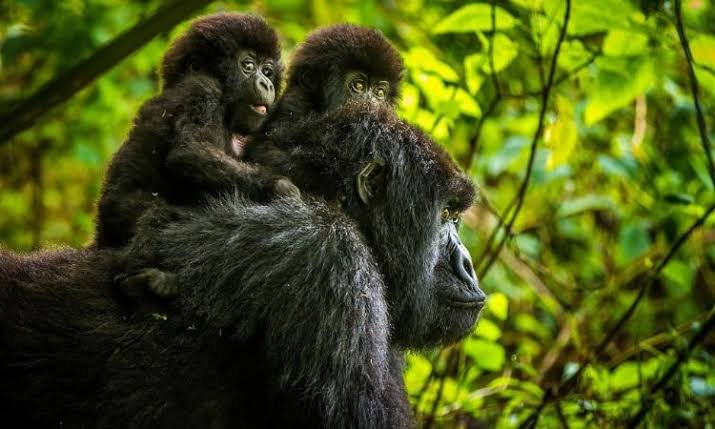
Social play creates opportunities for young gorillas to interact with siblings, peers and older family members. Gentle wrestling, chasing and repeated playful encounters may help develop familiarity and strengthen social relationships. These interactions also allow youngsters to practise responding to the movements and signals of companions. When Do Baby Mountain Gorillas Start Playing? Early mother-infant interactions eventually expand into more frequent play with other group members, particularly as youngsters become increasingly mobile. Such relationships contribute to the complex social organisation of mountain gorilla families. Explore Uganda mountain gorilla trekking, Rwanda gorilla trekking holidays, private gorilla safaris and luxury African honeymoon experiences.
Why Mother Gorillas Are Important During Early Play
Mountain gorilla mothers provide the close physical contact and security that support the earliest stages of infant development. During the first months, the mother’s body may become an important focus for simple playful movements, including touching, patting and exploring fur. As infants become stronger, mothers generally allow greater freedom to investigate nearby vegetation and interact with other gorillas. When Do Baby Mountain Gorillas Start Playing? Their earliest experiences are often closely connected to maternal contact before expanding into independent exploration. These relationships reveal the extraordinary importance of maternal care in mountain gorilla society. Discover Bwindi gorilla trekking tours, Rwanda mountain gorilla safaris, Uganda primate holidays and romantic African gorilla adventures.
Do Baby Mountain Gorillas Play With Silverbacks?
Silverbacks can be remarkably tolerant of young gorillas, sometimes allowing infants and juveniles to climb near them, touch their bodies or engage in gentle play. Although dominant males are often associated with strength, leadership and protection, their social behaviour also includes periods of relaxed interaction with youngsters. Not every silverback participates actively in play, and responses vary between individuals and circumstances. When Do Baby Mountain Gorillas Start Playing? As infants become more confident, their social interactions may expand to include adult males as well as other youngsters. Visitors enjoying Uganda gorilla trekking, Rwanda gorilla holidays, Bwindi forest safaris and responsible wildlife encounters may witness these extraordinary moments.
Why Baby Gorillas Enjoy Playing With Their Siblings
Siblings and other similarly aged gorillas often become valuable play partners as youngsters develop. Their comparable body sizes and physical abilities create opportunities for wrestling, chasing and experimenting with different movements. Through repeated encounters, young gorillas may develop familiarity and practise regulating their behaviour during social activity. When Do Baby Mountain Gorillas Start Playing? Although infants begin with relatively simple solitary and maternal interactions, peer play becomes increasingly important as they grow older. Researchers have found that the availability of suitable partners can influence play behaviour. Travellers exploring Uganda gorilla trekking packages, Rwanda gorilla trekking tours, Bwindi gorilla trekking and customised wildlife safaris can appreciate these family relationships.
How Can You Tell Whether Baby Gorillas Are Playing or Fighting?
Gorilla play can sometimes resemble fighting because it involves chasing, grabbing, rolling and physical contact. However, playful interactions often contain distinctive patterns, including repeated engagement, flexible movements, role changes and opportunities for companions to separate and return. Genuine aggression may involve more intense defensive behaviour, distress or persistent attempts to dominate an opponent. When Do Baby Mountain Gorillas Start Playing? As their social abilities develop, youngsters participate in increasingly complicated encounters that require careful interpretation. Professional guides can help visitors understand what they are observing during Uganda gorilla trekking, Rwanda gorilla safaris and guided mountain gorilla experiences.
Where Can Tourists Observe Baby Mountain Gorillas Playing?
Bwindi Impenetrable National Park, Uganda
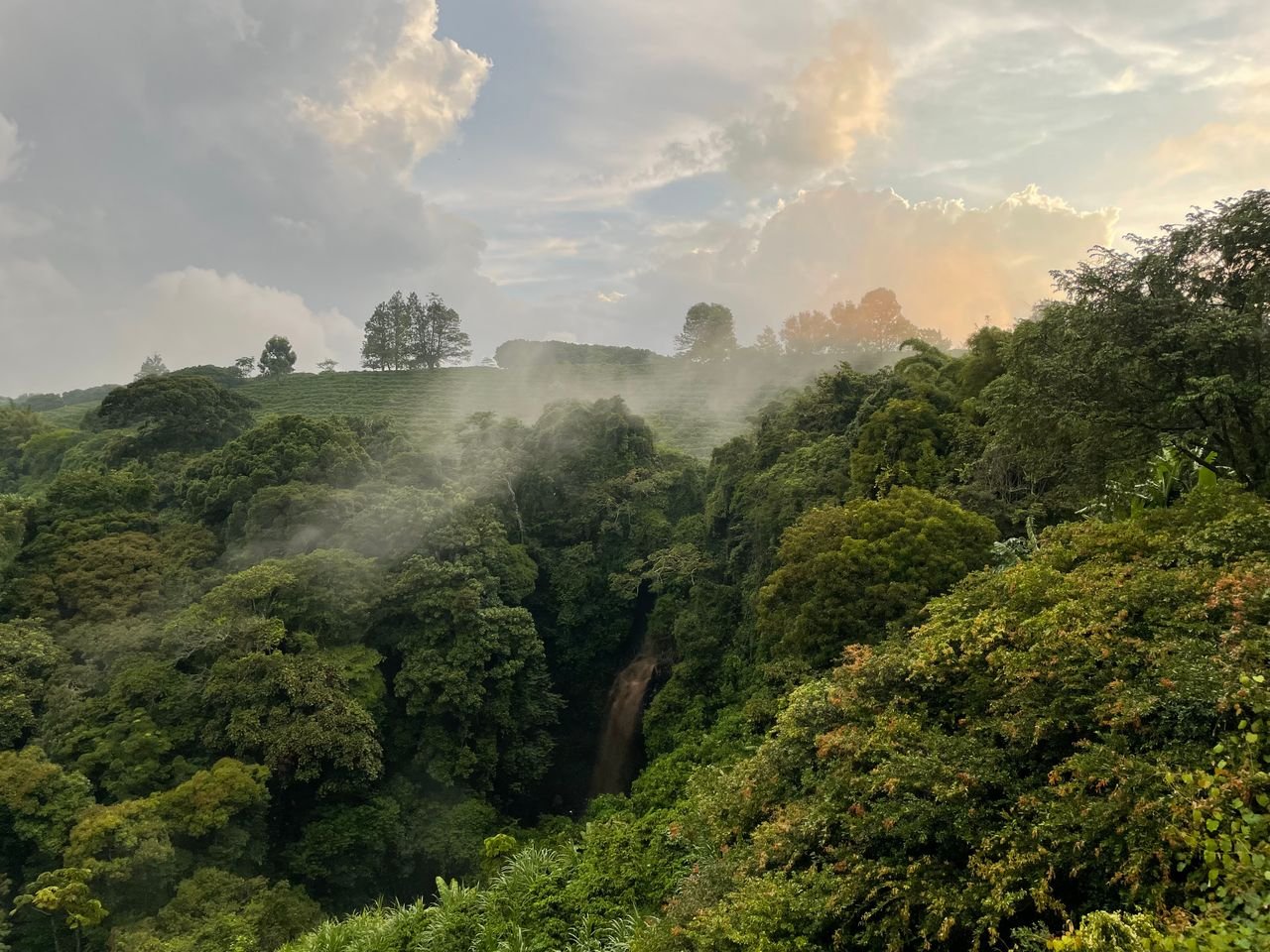
Bwindi Impenetrable National Park is one of Africa’s leading destinations for observing wild mountain gorilla family behaviour. Habituated families are found across the Buhoma, Ruhija, Rushaga and Nkuringo trekking sectors, offering opportunities to observe animals at different developmental stages. Some families contain infants and playful juveniles, although their composition changes over time. When Do Baby Mountain Gorillas Start Playing? Visitors may observe early social interactions, climbing or gentle wrestling when their assigned family contains active youngsters. Explore Bwindi Impenetrable National Park, Uganda gorilla trekking packages, Rushaga gorilla trekking and Uganda gorilla habituation experiences.
Mgahinga Gorilla National Park, Uganda
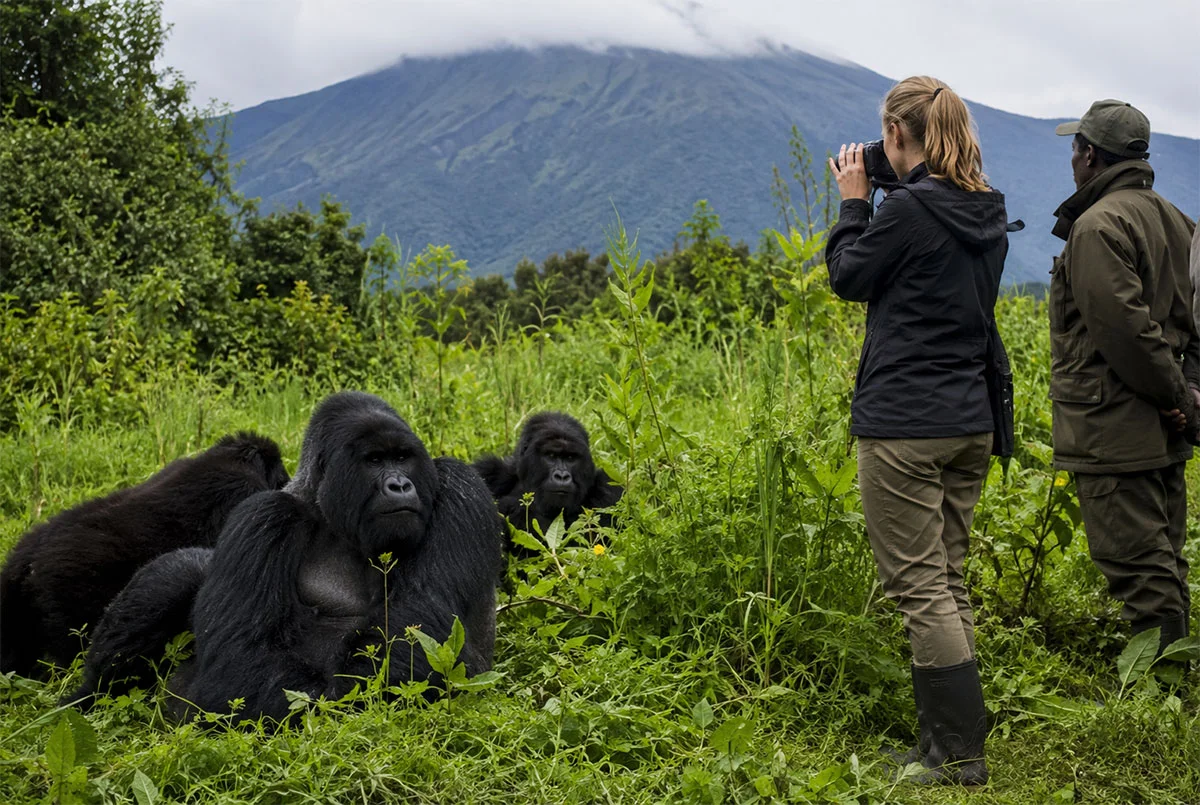
Mgahinga Gorilla National Park protects mountain gorilla habitat within Uganda’s spectacular Virunga Mountains. Its bamboo forests, volcanic scenery and mountain vegetation provide an extraordinary setting for observing gorilla behaviour. Youngsters may play beside their mothers, explore low vegetation or interact with other family members while adults feed and rest. However, sightings of particular activities cannot be guaranteed because the assigned gorilla family’s behaviour determines the experience. Travellers can discover Mgahinga Gorilla National Park, Mgahinga gorilla trekking packages, three-day Mgahinga gorilla safaris and Uganda gorilla trekking tours.
Volcanoes National Park, Rwanda
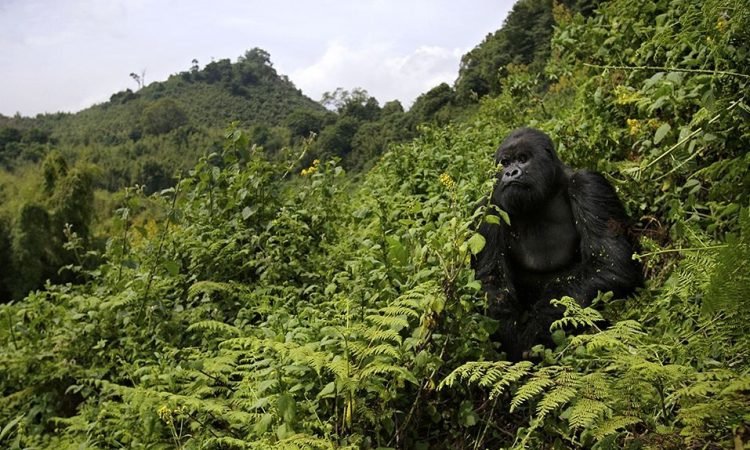
Volcanoes National Park in Rwanda provides another outstanding opportunity to observe mountain gorilla families in their natural habitat. Its habituated groups may contain infants and juveniles that engage in climbing, social play and exploration during daily activities. When Do Baby Mountain Gorillas Start Playing? Travellers may witness these behaviours when visiting a family with young offspring, although neither infant sightings nor specific playful interactions can be promised. The park’s accessibility from Kigali makes it attractive for shorter gorilla holidays. Discover Rwanda gorilla trekking, Rwanda gorilla trekking packages, luxury gorilla trekking in Rwanda and romantic Rwanda gorilla honeymoons.
Can Tourists See Baby Gorillas Playing During Gorilla Trekking?
When Do Baby Mountain Gorillas Start Playing? Although playful behaviour begins during infancy, witnessing it during a safari depends on the composition and activities of the assigned family. Standard gorilla trekking generally provides up to one hour with a habituated group after it has been located. During this period, young gorillas might play, rest, feed or remain close to their mothers. Visitors should not expect a staged wildlife performance or attempt to encourage playful behaviour. A rewarding encounter comes from observing natural activities without disturbance. Plan through Uganda gorilla trekking tours, Rwanda gorilla trekking holidays, gorilla trekking booking guidance and Nextgen Safaris.
Photographing Playful Baby Mountain Gorillas Responsibly
Capturing photographs of playful young gorillas can be challenging because their movements are often quick and unpredictable. Dense vegetation, changing forest light and the limited viewing period can also affect photography opportunities. Visitors should use appropriate camera equipment, avoid flash photography and maintain the required distance from the animals. Tourists must never touch young gorillas or attempt to attract their attention for photographs. Observing natural behaviour quietly helps protect the welfare of the family and allows memorable images without unnecessary disturbance. Explore gorilla trekking rules, Bwindi gorilla holidays, Rwanda gorilla trekking and professional safari arrangements.
Frequently Asked Questions About When Baby Mountain Gorillas Start Playing
When Do Baby Mountain Gorillas Start Playing?
Baby mountain gorillas may begin simple solitary play between approximately two and five months of age, often around three months. Social play gradually develops as they become stronger and more mobile. Explore Uganda gorilla trekking.
Do Newborn Mountain Gorillas Play?
Newborn gorillas primarily spend their time nursing, sleeping and remaining close to their mothers. Recognisable playful activities generally emerge later as muscular control and coordination improve. Discover mountain gorilla trekking experiences.
When Do Baby Mountain Gorillas Start Playing With Other Gorillas?
Early social contact focuses on the mother, while interactions with peers begin developing during infancy. Social play generally becomes increasingly common between six and twelve months and continues expanding throughout childhood. Explore Rwanda gorilla safaris.
Why Do Baby Mountain Gorillas Play So Much?
Play provides opportunities to practise physical movements, develop coordination and interact with companions. It may also contribute to social relationships and behavioural flexibility. Discover Bwindi gorilla trekking.
Do Baby Gorillas Play With Their Mothers?
Yes. Early mother-infant interactions may include touching, gentle pulling, climbing and playful contact. These activities emerge while the infant still depends heavily on maternal care. Explore Uganda gorilla trekking packages.
Do Silverbacks Play With Baby Gorillas?
Some silverbacks tolerate or participate in playful interactions with infants and juveniles. However, individual males behave differently, and participation depends on the circumstances. Discover Rwanda mountain gorilla holidays.
When Do Baby Mountain Gorillas Start Playing With Their Siblings?
Sibling and peer interactions become increasingly important as infants develop mobility and confidence. More frequent social play generally emerges during the latter part of the first year and continues throughout childhood. Explore Uganda gorilla safaris.
Can Tourists See Baby Gorillas Playing in Uganda?
Yes. Visitors may observe playful infants and juveniles during authorised gorilla trekking in Bwindi or Mgahinga. However, the presence of young gorillas and their activities cannot be guaranteed. Book guided Uganda gorilla trekking.
Can Tourists See Playful Baby Gorillas in Rwanda?
Yes. Some habituated gorilla families in Volcanoes National Park contain young gorillas that may play during tourist encounters. Sightings depend on family composition and natural behaviour. Discover Rwanda gorilla trekking packages.
Is Gorilla Play Important for Conservation Research?
Yes. Studying play helps researchers understand physical development, social relationships and behavioural flexibility. Long-term monitoring also provides valuable information about gorilla family structure and population health. Explore responsible gorilla trekking.
Book Your Mountain Gorilla Trekking Safari With Nextgen Safaris
When Do Baby Mountain Gorillas Start Playing? Their earliest playful movements emerge during the first months of life before developing into the energetic climbing, wrestling and social interactions associated with older gorillas. Observing young gorillas exploring their surroundings, playing with siblings or remaining close to protective mothers can become one of the most unforgettable experiences of an African wildlife safari. Nextgen Safaris organises personalised mountain gorilla trekking adventures in Uganda and Rwanda, including professional safari planning, private transportation, comfortable accommodation and assistance arranging official trekking permits. Discover Uganda gorilla trekking packages, Rwanda gorilla holidays, Bwindi gorilla trekking safaris, gorilla habituation experiences and luxury African honeymoon safaris.
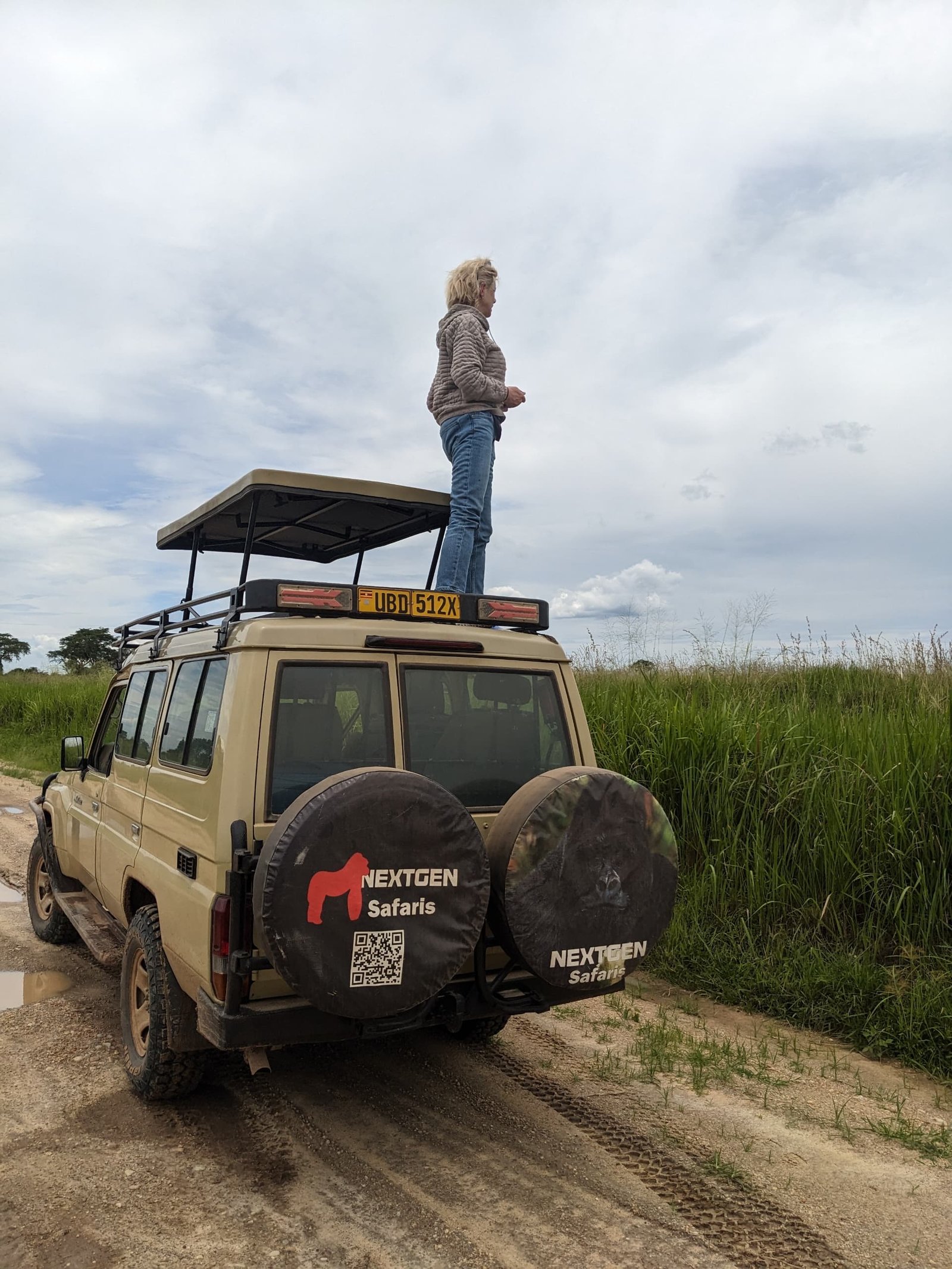
Whether you prefer a short gorilla trekking adventure from Kigali, a private Bwindi forest safari or a longer journey combining gorillas, chimpanzees and wildlife, our team can help create a suitable itinerary based on your preferred travel dates, budget and accommodation style. Every encounter respects natural gorilla behaviour and official conservation requirements, ensuring an experience focused on wildlife appreciation rather than artificial interactions.