
Why Are Baby Mountain Gorillas So Playful? 9 Amazing Reasons Behind Their Fascinating Behaviour
Why Are Baby Mountain Gorillas So Playful? Baby mountain gorillas are naturally curious, energetic and socially active primates whose playful behaviour contributes to physical development, communication, social relationships and learning. In the dense forests of Uganda and Rwanda, young gorillas frequently chase one another, wrestle, climb vegetation, roll across the forest floor and interact with their mothers, siblings and silverbacks. These remarkable activities are more than entertaining wildlife encounters; they provide valuable opportunities for young gorillas to develop abilities that become important throughout their lives. Visitors enjoying Uganda gorilla trekking, Rwanda gorilla trekking tours, Bwindi gorilla safaris, luxury gorilla trekking holidays and African wildlife adventures may witness these fascinating interactions.
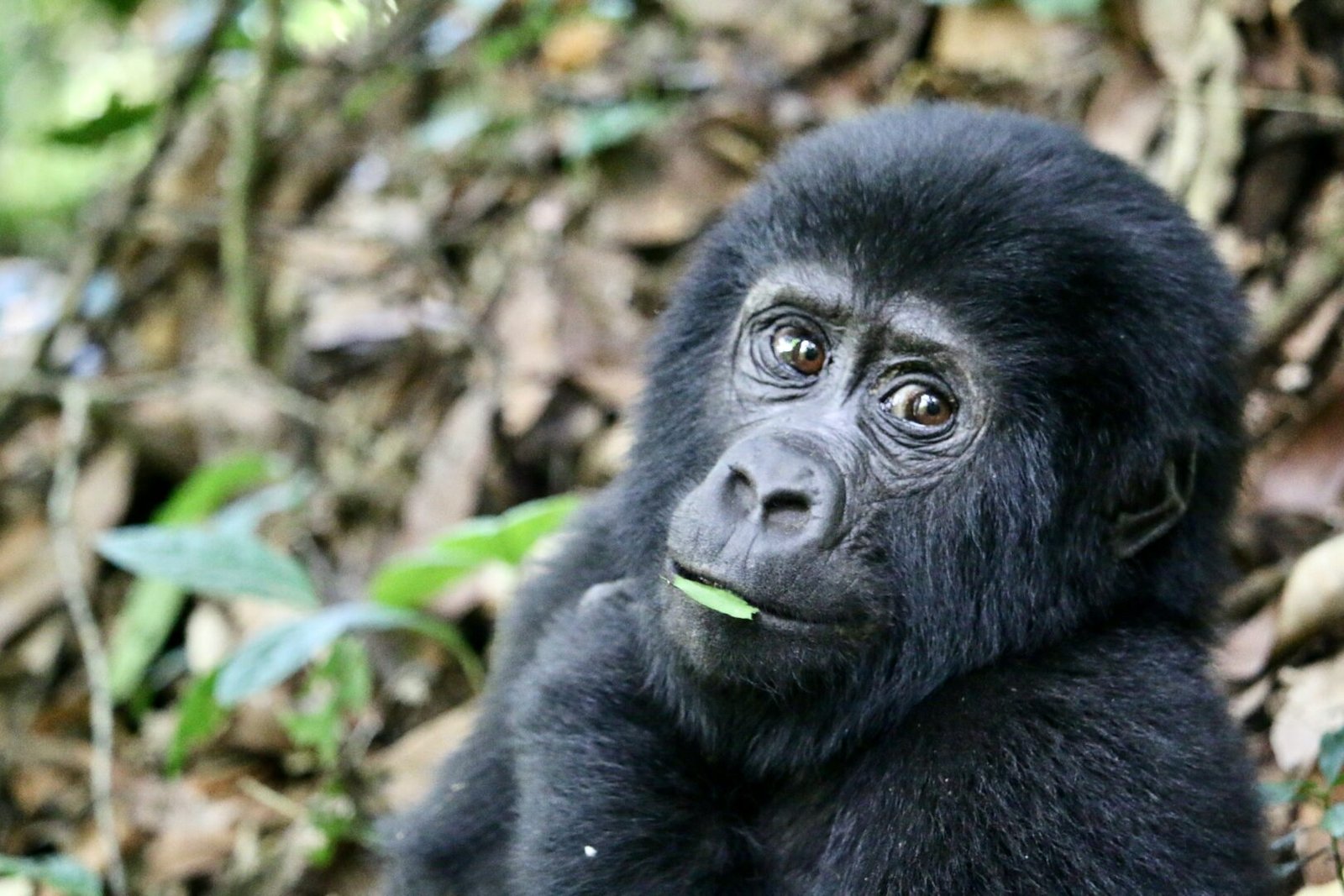
Why Are Baby Mountain Gorillas So Playful? Their energetic behaviour reflects a combination of biological development, social experiences, available playmates and environmental conditions. As infants grow stronger and become increasingly independent from their mothers, they explore their surroundings and engage in more complicated interactions with other youngsters. Scientific research on mountain gorillas in Bwindi has found that play is associated with both physical and social development, while factors such as energy availability and the number of suitable companions also influence activity. Understanding these relationships makes mountain gorilla trekking, gorilla habituation experiences, Rwanda gorilla holidays, private gorilla safaris and romantic African gorilla honeymoons particularly rewarding.
Why Are Baby Mountain Gorillas So Playful? Understanding the Science Behind Gorilla Play
Why Are Baby Mountain Gorillas So Playful? Researchers studying immature mountain gorillas recognise play as an important behavioural activity associated with development and social interaction. A study published in 2025 examined social play in five habituated groups living in Uganda’s Bwindi Impenetrable National Park, using observations collected between 2005 and 2023. The findings were consistent with play contributing to motor development and social relationships, while also being influenced by energetic conditions. This means gorilla play cannot be explained by one simple purpose. Visitors exploring Bwindi gorilla trekking, Uganda gorilla trekking safaris, Rwanda mountain gorilla holidays, private wildlife adventures and luxury African safaris can appreciate this fascinating social complexity.
1. Baby Mountain Gorillas Play to Develop Physical Strength
One important benefit of play is the opportunity to practise physical movements. Young mountain gorillas develop their muscles, balance and coordination through activities such as climbing, wrestling, chasing and moving across uneven forest surfaces. When youngsters tumble together or climb fallen branches, they repeatedly practise controlling their bodies in different positions. Why Are Baby Mountain Gorillas So Playful? These activities are consistent with the motor-training explanation of play, which suggests that playful movement can contribute to physical development. The benefits are particularly relevant in challenging mountain habitats. Explore Uganda gorilla trekking, Bwindi forest adventures, Mgahinga gorilla trekking, Rwanda gorilla safaris and private gorilla trekking packages.
2. Playing Helps Young Gorillas Develop Social Relationships
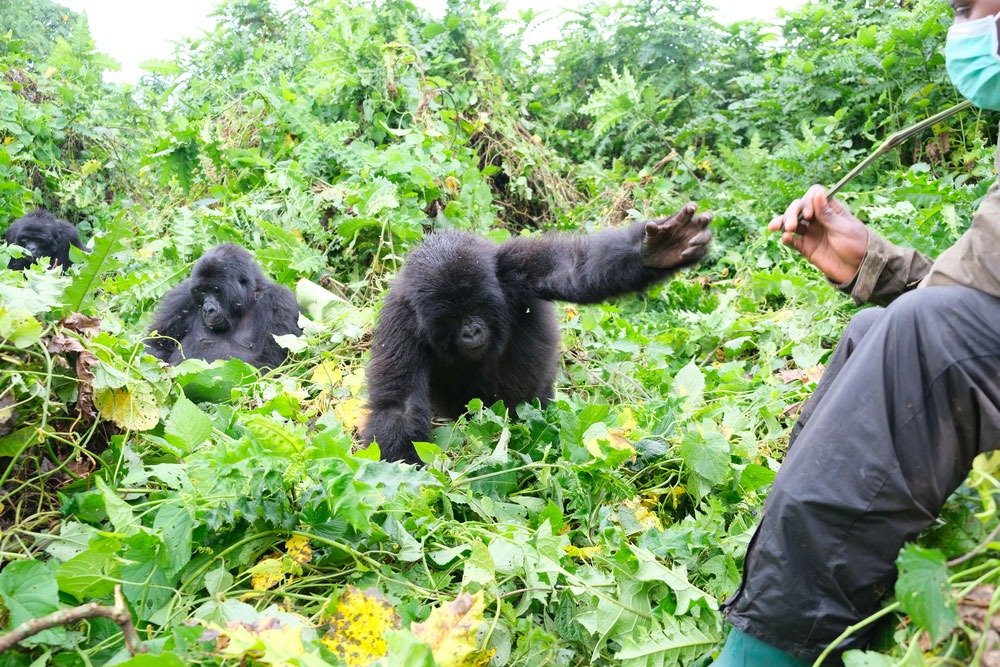
Mountain gorillas live in social groups containing mothers, infants, juveniles and adult males. Youngsters gradually develop relationships with companions through repeated interactions, including social play. Gentle wrestling, chasing and playful contact provide opportunities to become familiar with other individuals and practise responding to their behaviour. Why Are Baby Mountain Gorillas So Playful? Their interactions may help develop social relationships that remain important as they mature. However, researchers do not assume that every playful encounter creates a lasting friendship. These natural behaviours can be appreciated during Uganda gorilla trekking tours, Rwanda gorilla trekking, Bwindi wildlife experiences, luxury gorilla safaris and romantic gorilla honeymoon holidays.
3. Gorilla Play Provides Opportunities to Practise Communication
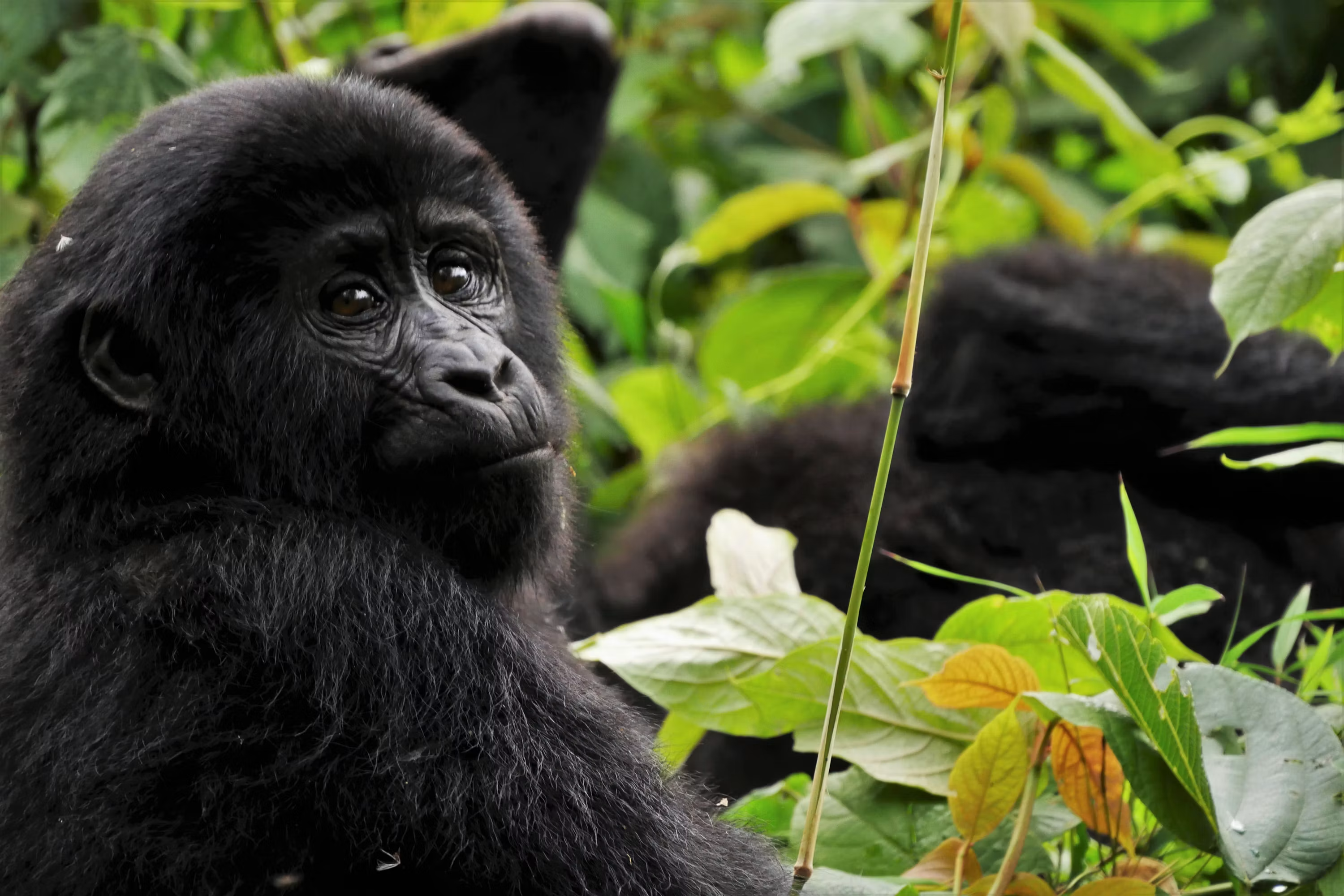
Young mountain gorillas communicate through facial expressions, body movements, vocalisations and gestures. During playful encounters, they may approach companions, initiate contact, respond to movements or change their behaviour when another youngster disengages. Research into the gestures of wild Bwindi mountain gorillas has identified play as an important context for communication. Why Are Baby Mountain Gorillas So Playful? Repeated interactions provide opportunities to develop and practise responses to social signals, although the precise learning processes remain under investigation. Visitors interested in mountain gorilla behaviour, Bwindi gorilla trekking, Rwanda primate safaris, Uganda gorilla holidays and guided gorilla expeditions can observe these fascinating exchanges.
4. Playing Allows Baby Gorillas to Explore Their Surroundings
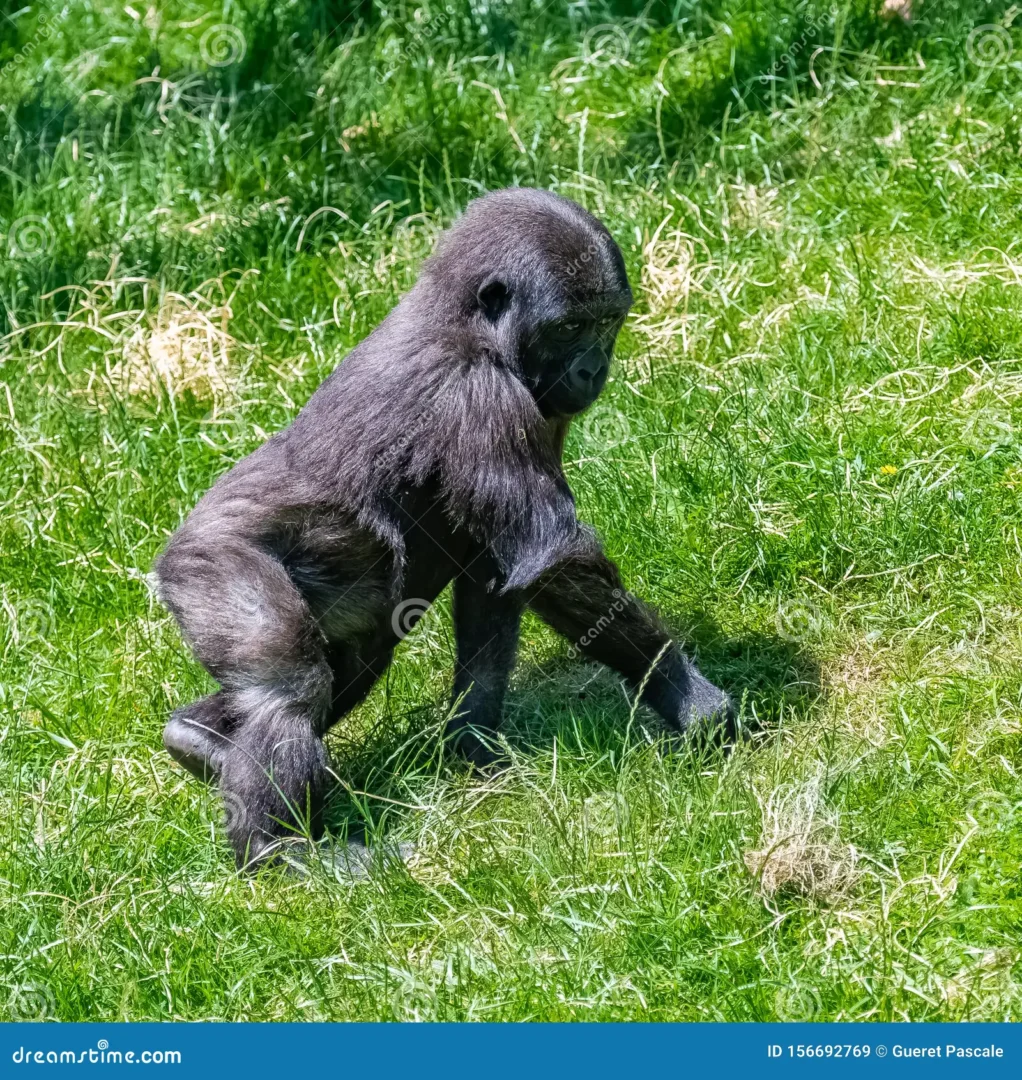
Young gorillas are naturally interested in objects, vegetation and movements around them. During solitary play, an infant may manipulate leaves, investigate a fallen branch or experiment with different ways of moving through vegetation. Such activities provide opportunities for exploration and behavioural flexibility. Why Are Baby Mountain Gorillas So Playful? Their curiosity creates experiences through which they become increasingly familiar with their physical environment. Researchers have even documented unusual forms of solitary play involving water among mountain gorillas in Bwindi, demonstrating that playful exploration is not limited to infancy. Travellers can discover these behaviours during Bwindi gorilla trekking, Uganda mountain gorilla safaris, gorilla habituation experiences, Rwanda gorilla tours and responsible wildlife adventures.
5. Why Baby Gorillas Play With Their Mothers
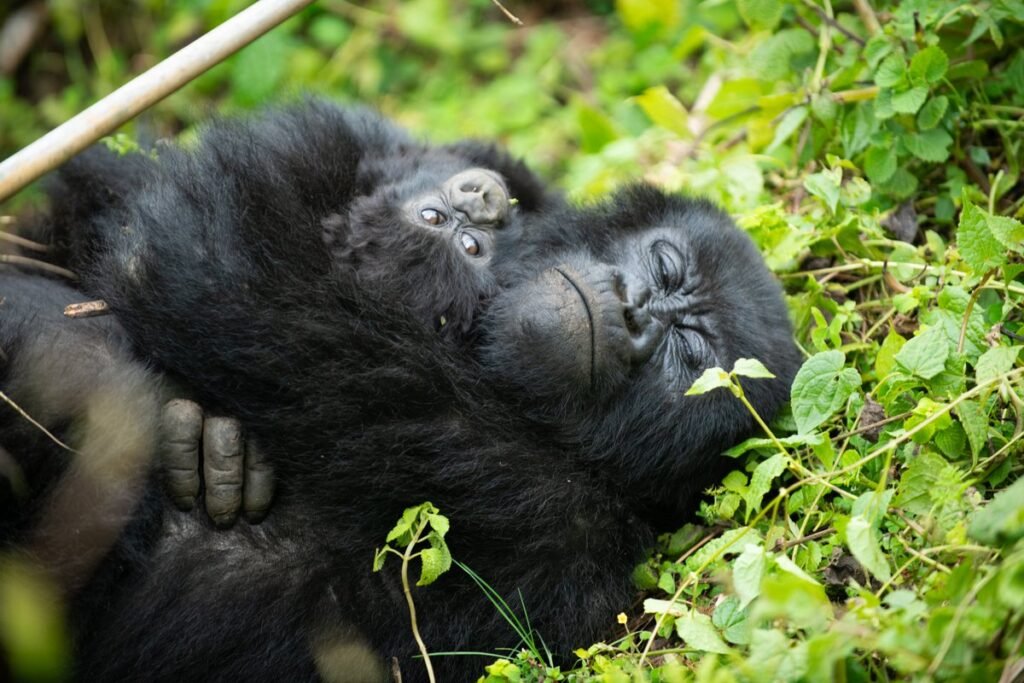
Mother gorillas provide essential care throughout the earliest stages of infant development. Why Are Baby Mountain Gorillas So Playful?Newborns depend on their mothers for nursing, carrying, protection and warmth, while playful interactions gradually emerge as they become more physically capable. Gentle touching, exploratory movements and close physical contact can form part of early mother–infant play. Why Are Baby Mountain Gorillas So Playful? Their first playful experiences often develop within the secure environment of maternal care before expanding to other companions. Individual development varies, and mothers do not necessarily participate actively in every interaction. Discover Uganda gorilla trekking, Bwindi Impenetrable National Park, Rwanda gorilla holidays, luxury gorilla adventures and African honeymoon safaris.
6. Why Siblings and Other Young Gorillas Become Playmates
Siblings and similarly aged companions frequently become important participants in social play. Their comparable physical abilities can make wrestling, chasing and other energetic activities easier to sustain. The availability of suitable partners may influence how frequently young mountain gorillas play. Why Are Baby Mountain Gorillas So Playful? Social opportunities contribute to their activity levels, and youngsters living alongside several potential playmates may have more opportunities for interaction. Nevertheless, age, energy and individual preferences also matter. These relationships can be observed during Uganda gorilla trekking tours, Rwanda mountain gorilla safaris, Bwindi trekking holidays, private wildlife experiences and luxury African gorilla holidays.
7. Do Baby Gorillas Play With Silverbacks?
Silverbacks are powerful adult males that often occupy important protective and social positions within mountain gorilla families. Despite their imposing appearance, some silverbacks tolerate playful youngsters climbing nearby, touching their bodies or sitting beside them during resting periods. Why Are Baby Mountain Gorillas So Playful? As young gorillas expand their social relationships, familiar adult males can become additional companions during everyday activities. However, not every silverback actively participates in play, and reactions differ between individuals. Observing these relationships is a fascinating possibility during Bwindi gorilla trekking, Uganda gorilla safari packages, Rwanda gorilla trekking holidays, private African safaris and romantic Rwanda honeymoons.
8. Play May Help Young Gorillas Develop Behavioural Flexibility
Behavioural flexibility describes an animal’s ability to adjust its actions when circumstances change. During play, young gorillas encounter unpredictable movements, unexpected positions and different responses from companions. Why Are Baby Mountain Gorillas So Playful? These experiences may provide opportunities to practise adjusting their behaviour without the seriousness of genuine conflict. Why Are Baby Mountain Gorillas So Playful? One possible benefit is developing flexible responses to changing situations, although this is not the only explanation supported by research. Play involves exploration as well as repeated social interaction. Discover mountain gorilla trekking experiences, Uganda gorilla trekking, Rwanda gorilla holidays, Bwindi forest adventures and luxury wildlife safaris.
9. Why Food Availability and Energy Influence Gorilla Play
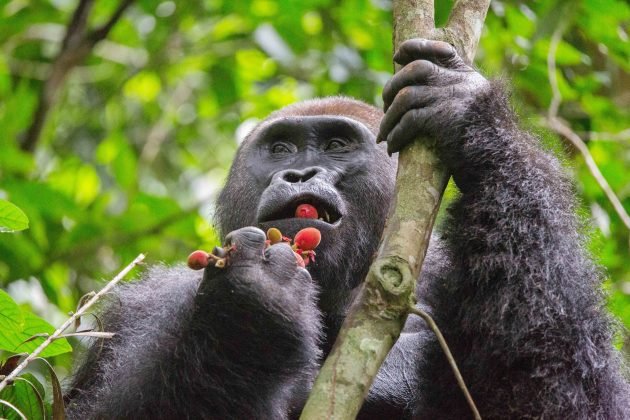
Play requires energy, and mountain gorillas must balance playful activities with feeding, resting and other daily needs. Research on immature mountain gorillas in Bwindi found relationships between play and ecological conditions, including fruit consumption. Why Are Baby Mountain Gorillas So Playful? Their activity levels may partly depend on the energy available to them, alongside developmental and social influences. This does not mean that gorillas only play after eating fruit or that one food guarantees greater activity. Forest conditions, age and suitable companions all contribute to variation. Explore Bwindi gorilla safaris, Uganda gorilla trekking, Rwanda gorilla expeditions, gorilla habituation packages and customised wildlife holidays.
When Do Baby Mountain Gorillas First Start Playing?
Recognisable playful behaviour begins during infancy, although the precise timing varies between individual gorillas. Observations of gorilla development describe simple mother–infant and exploratory play emerging within the first several months, often around four to six months. Why Are Baby Mountain Gorillas So Playful? As youngsters develop mobility, they increasingly interact with other infants and juveniles. Why Are Baby Mountain Gorillas So Playful? Their play becomes more physically active and socially complex as they gain strength, coordination and independence. These developmental stages can be observed when suitable-aged infants are present during Uganda gorilla trekking, Rwanda gorilla safaris, Bwindi trekking adventures, gorilla habituation experiences and private gorilla trekking tours.
How Can Tourists Tell Gorilla Play From Fighting?
Playful wrestling can resemble aggression because both activities involve physical contact, chasing and energetic movements. However, play commonly includes repeated voluntary engagement, flexible movements, pauses and opportunities for participants to separate. More serious conflict may involve persistent aggression, defensive displays or attempts to escape. Why Are Baby Mountain Gorillas So Playful? Their interactions are frequently social activities rather than genuine confrontations, although visitors should rely on professional guides to interpret behaviour. Tourists must never interfere with either situation. Learn more through gorilla trekking rules, Uganda gorilla trekking, Rwanda gorilla safari packages, Bwindi trekking experiences and guided African wildlife tours.
Where Can Tourists Observe Playful Baby Mountain Gorillas?
Bwindi Impenetrable National Park, Uganda
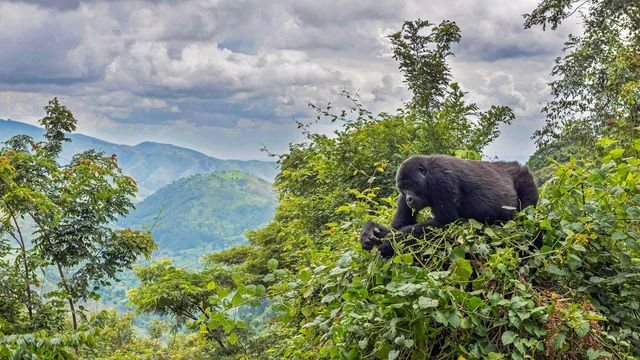
Bwindi Impenetrable National Park is one of Africa’s most important destinations for observing wild mountain gorilla family behaviour. Habituated groups inhabit its Buhoma, Ruhija, Rushaga and Nkuringo trekking sectors. Some families contain infants and energetic juveniles that may engage in wrestling, climbing or chasing during a trek. Why Are Baby Mountain Gorillas So Playful? Their behaviour provides opportunities to appreciate the development of these remarkable primates, although no particular sighting can be guaranteed. Explore Bwindi gorilla trekking, Uganda gorilla trekking packages, three-day Bwindi gorilla safaris, gorilla habituation experiences and luxury Uganda gorilla holidays.
Mgahinga Gorilla National Park, Uganda
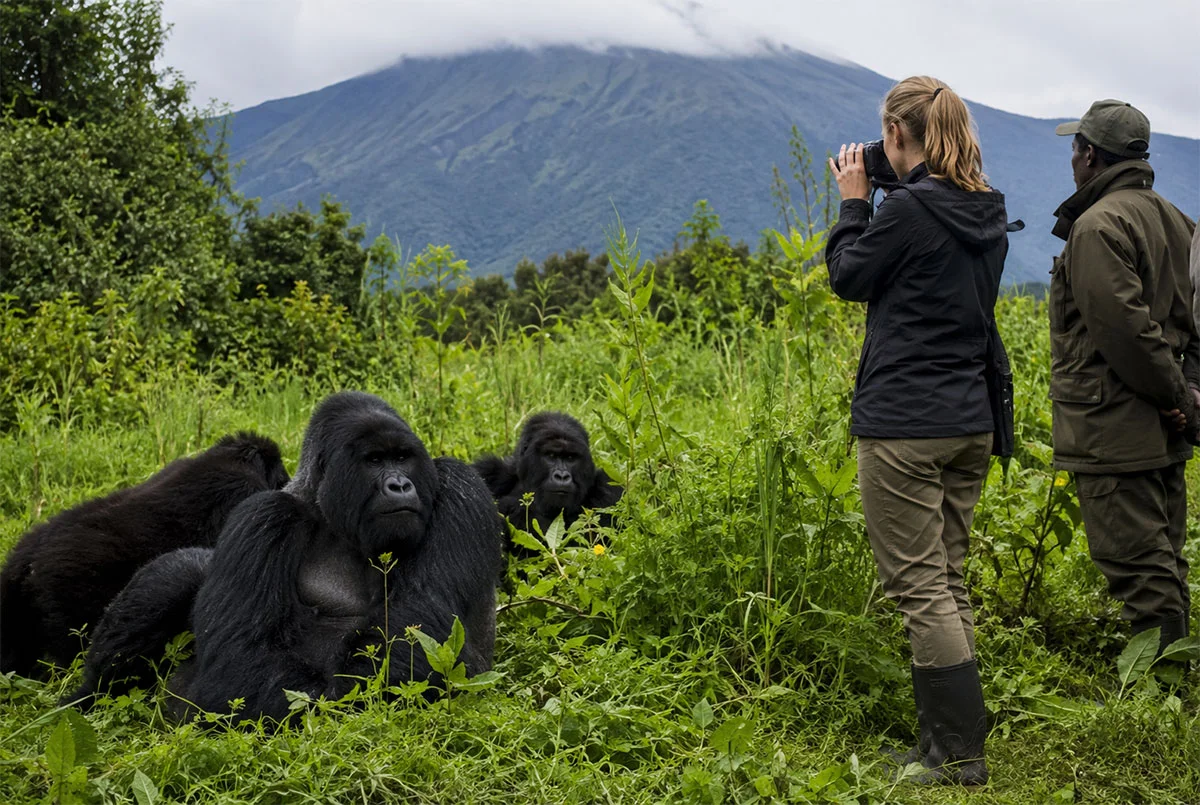
Mgahinga Gorilla National Park offers opportunities to observe mountain gorillas within the scenic Virunga Mountains. Its bamboo forests, volcanic slopes and mountain vegetation provide an extraordinary backdrop for natural gorilla interactions. When young animals are present, visitors may observe climbing, exploration or social play among family members. These encounters depend entirely on the assigned family’s composition and activities.Why Are Baby Mountain Gorillas So Playful? Discover Mgahinga gorilla trekking, three-day Mgahinga gorilla safaris, Uganda gorilla trekking tours, mountain gorilla trekking guides and private safari bookings.
Volcanoes National Park, Rwanda
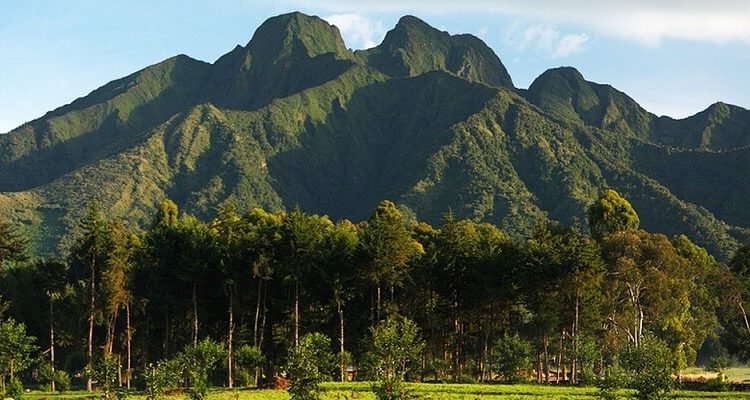
Volcanoes National Park is Rwanda’s leading destination for observing wild mountain gorilla families. The park’s habituated groups provide opportunities to witness interactions between mothers, youngsters, juveniles and adult silverbacks. Why Are Baby Mountain Gorillas So Playful? Visitors may observe natural social play within these families when young gorillas are active during the encounter. However, neither infants nor specific activities can be guaranteed. Why Are Baby Mountain Gorillas So Playful? Discover Rwanda gorilla trekking tours, three-day Rwanda gorilla safaris, luxury Rwanda gorilla adventures, Rwanda honeymoon packages and romantic Rwanda holidays.
Can Tourists Watch Baby Gorillas Playing During Trekking?
Visitors sometimes encounter playful youngsters during authorised mountain gorilla trekking experiences in Uganda and Rwanda. Standard trekking generally provides up to one hour of observation with an assigned habituated family once located. During that period, gorillas may feed, rest, groom, play or move through the forest. Why Are Baby Mountain Gorillas So Playful? Their activities reflect natural developmental and social circumstances rather than responses designed for visitors. Tourists should never encourage interactions or approach young gorillas for photographs. Plan through Uganda gorilla trekking, Rwanda gorilla safaris, gorilla trekking guidelines, private safari arrangements and Nextgen Safaris.
Why Protecting Playful Young Gorillas Matters for Conservation
Play contributes to the natural development of mountain gorillas, making undisturbed family relationships important for their wellbeing. Conservation programmes protect suitable habitats, monitor gorilla populations, reduce disease risks and support the survival of vulnerable infants. Why Are Baby Mountain Gorillas So Playful? Understanding their behaviour helps researchers investigate development and the social conditions influencing young animals. Responsible tourism allows visitors to appreciate these interactions without deliberately changing them. Explore Uganda gorilla trekking safaris, Rwanda gorilla holidays, Bwindi conservation tourism, gorilla trekking rules and responsible African safaris.
Frequently Asked Questions About Why Baby Mountain Gorillas Are So Playful
Why Are Baby Mountain Gorillas So Playful?
Baby mountain gorillas play because their development involves exploration, physical practice and social interactions. Research suggests that play supports motor and social development while being influenced by available energy and suitable playmates. Discover Uganda gorilla trekking and Rwanda gorilla safaris.
At What Age Do Baby Mountain Gorillas Begin Playing?
Early playful behaviour can emerge within the first several months, commonly around four to six months, although individual development varies. More energetic social play becomes increasingly common as youngsters grow stronger. Explore Bwindi gorilla trekking.
Do Baby Mountain Gorillas Play With Their Mothers?
Yes. Early playful interactions may involve gentle touching, exploration and physical contact with mothers. As infants become more independent, their play increasingly includes siblings and other companions. Discover mountain gorilla trekking experiences.
Why Are Baby Mountain Gorillas So Playful With Their Siblings?
Siblings and similarly aged companions offer opportunities for wrestling, chasing and developing social relationships. Suitable playmates can influence how frequently young gorillas interact. Explore Uganda gorilla trekking holidays.
Do Silverbacks Play With Baby Gorillas?
Some silverbacks tolerate playful contact and occasionally interact with youngsters. Their behaviour varies according to the individual male, family relationships and circumstances. Discover Rwanda mountain gorilla safaris.
Does Playing Make Baby Gorillas Stronger?
Play provides opportunities to practise coordination, balance and physical movement, which may support motor development. However, researchers recognise several possible functions of play rather than one exclusive purpose. Explore Bwindi gorilla safaris.
Why Do Baby Gorillas Wrestle So Much?
Wrestling is a common form of social play that allows youngsters to interact physically and respond to companions. It should not automatically be confused with serious aggression. Learn about gorilla family behaviour.
Can Tourists See Baby Gorillas Playing in Uganda?
Yes. Visitors may observe playful young gorillas during trekking in Bwindi or Mgahinga, depending on the composition and activities of the assigned family. Specific sightings cannot be guaranteed. Book Uganda gorilla trekking tours.
Are Baby Gorillas More Playful Than Adults?
Young gorillas generally engage in more frequent energetic social play than adults, although mature gorillas can also display playful behaviour. Activity differs with age, circumstances and individual characteristics. Discover Rwanda gorilla trekking packages.
Where Is the Best Place to Observe Playful Baby Mountain Gorillas?
Bwindi Impenetrable National Park, Mgahinga Gorilla National Park and Rwanda’s Volcanoes National Park offer opportunities to observe habituated mountain gorilla families. Infant sightings and playful behaviour depend on natural circumstances. Explore Uganda gorilla trekking and Rwanda gorilla safaris.
Book Your Mountain Gorilla Trekking Safari With Nextgen Safaris
Why Are Baby Mountain Gorillas So Playful? Their remarkable behaviour reflects the importance of physical development, curiosity, social relationships and natural exploration within mountain gorilla families. Watching young gorillas wrestle, climb, chase companions or approach a resting silverback can become one of the most memorable experiences of an African wildlife safari. Nextgen Safaris organises personalised mountain gorilla trekking adventures in Uganda and Rwanda, combining professional safari planning, private transportation, carefully selected accommodation and assistance arranging official trekking permits. Discover Uganda gorilla trekking packages, Rwanda mountain gorilla holidays, Bwindi gorilla trekking adventures, luxury gorilla safaris and romantic African honeymoon experiences.
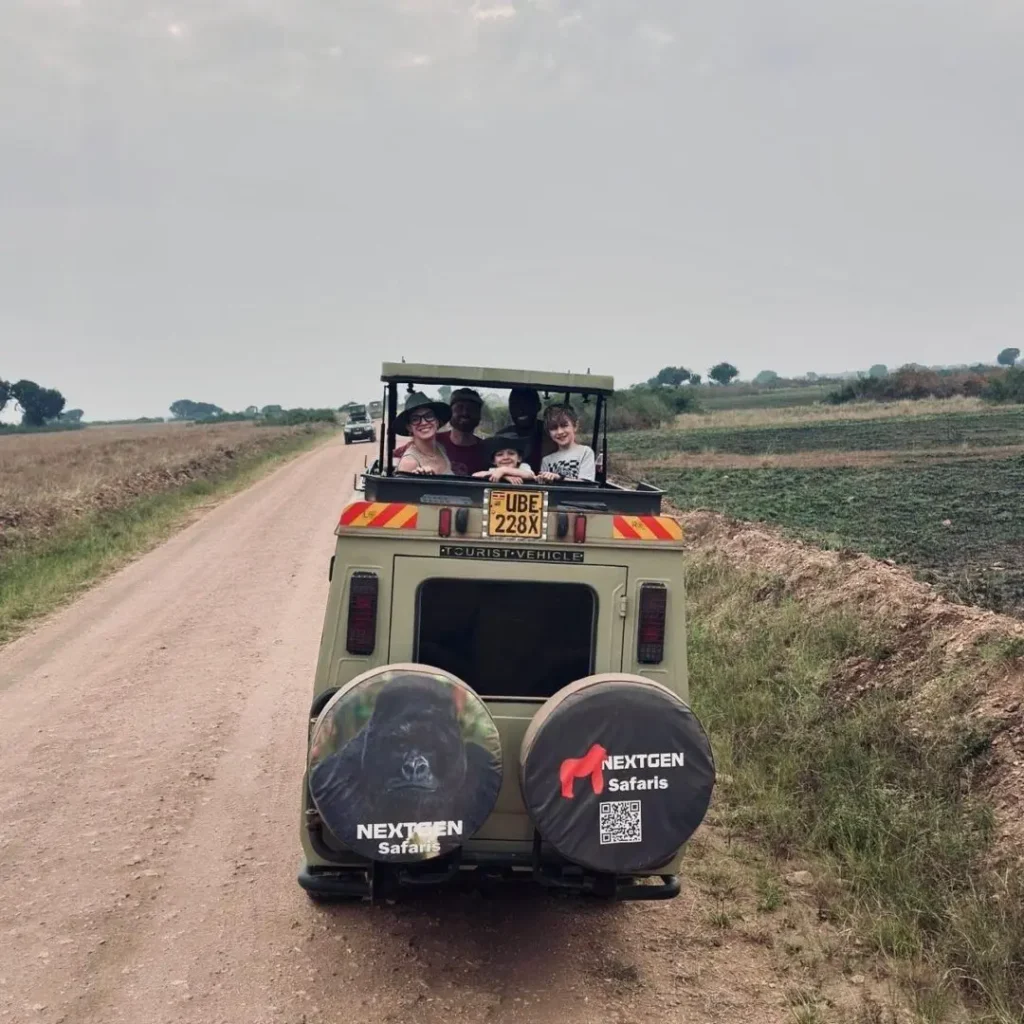
Whether you prefer a short three-day gorilla safari, an immersive Bwindi forest expedition or an extended Uganda and Rwanda journey, Nextgen Safaris can customise your itinerary according to your travel dates, accommodation preferences and budget. Every encounter prioritises responsible observation, conservation and respect for the natural behaviour of wild gorillas.