
Why Do Silverbacks Spend So Much Time Watching Their Families? Amazing Secrets of Gorilla Leadership Revealed
Why Do Silverbacks Spend So Much Time Watching Their Families? Silverback gorillas are among the most powerful and intelligent animals in Africa, yet their behaviour often reveals a remarkable combination of strength, patience, awareness and social responsibility. Within the mountain forests of Uganda and Rwanda, dominant silverbacks frequently sit quietly while females feed, young gorillas play and infants remain close to their mothers. Their attentive behaviour reflects important aspects of gorilla leadership, group protection, social relationships and awareness of their surroundings. Travellers enjoying Uganda gorilla trekking, Rwanda gorilla trekking, Bwindi gorilla safaris, luxury gorilla trekking holidays and African wildlife adventures can witness these extraordinary animals in their natural habitat.
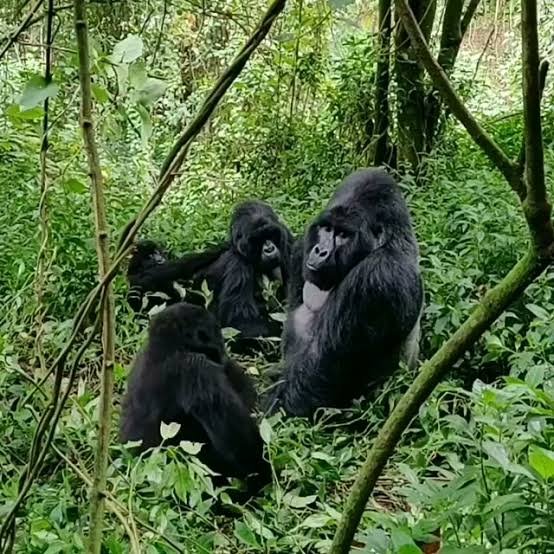
Why Do Silverbacks Spend So Much Time Watching Their Families? Their attentive behaviour is connected to the essential role mature males play in mountain gorilla society. A dominant silverback provides protection, influences group movements, maintains important social relationships and responds when rival gorillas or other disturbances approach. However, not every quiet glance indicates danger, and silverbacks also spend considerable time feeding, resting and interacting with companions. Understanding these behaviours reveals a fascinating picture of gorilla family life. Visitors exploring mountain gorilla trekking experiences, gorilla habituation safaris, private Uganda safaris and romantic African wildlife holidays can discover the importance of silverbacks in maintaining stable social groups.
Why Do Silverbacks Spend So Much Time Watching Their Families? Understanding Their Leadership Role
Why Do Silverbacks Spend So Much Time Watching Their Families? One important explanation is that dominant silverbacks occupy central positions within mountain gorilla families. These mature males often influence where a group travels, when it rests and how it responds to disturbances. Their leadership helps maintain a degree of coordination among individuals of different ages and social positions. Although younger males and adult females also influence group behaviour, the dominant silverback commonly plays a particularly important role in guiding collective movements. During gorilla trekking in Bwindi, Mgahinga gorilla safaris, Rwanda mountain gorilla adventures and guided African primate expeditions, visitors may observe this leadership directly.
A silverback’s leadership does not mean that every family member follows his instructions without individual choice. Mountain gorilla groups are complex social systems containing mothers, infants, juveniles and sometimes several mature males. Relationships within these groups influence resting positions, feeding opportunities and daily interactions. Why Do Silverbacks Spend So Much Time Watching Their Families? Remaining aware of nearby individuals may help a dominant male respond appropriately when circumstances change. This balance between authority and social interaction is one reason gorilla trekking tours in Uganda, luxury Rwanda gorilla holidays, family gorilla safari experiences and responsible wildlife travel are so rewarding.
Silverbacks Watch Their Families to Help Protect Them From Danger
One of the most important responsibilities of a dominant silverback is protecting the members of his family. Although adult mountain gorillas have relatively few natural predators, they can face threats from rival males, human disturbances and occasionally other dangers within their environment. Silverbacks possess enormous physical strength, powerful jaws and impressive defensive displays that can discourage potential opponents. Why Do Silverbacks Spend So Much Time Watching Their Families? Their awareness of the surrounding environment can help them respond when a possible threat approaches. Visitors undertaking Uganda gorilla trekking safaris, Rwanda gorilla expeditions, Bwindi wildlife experiences and private mountain gorilla tours may observe protective displays.
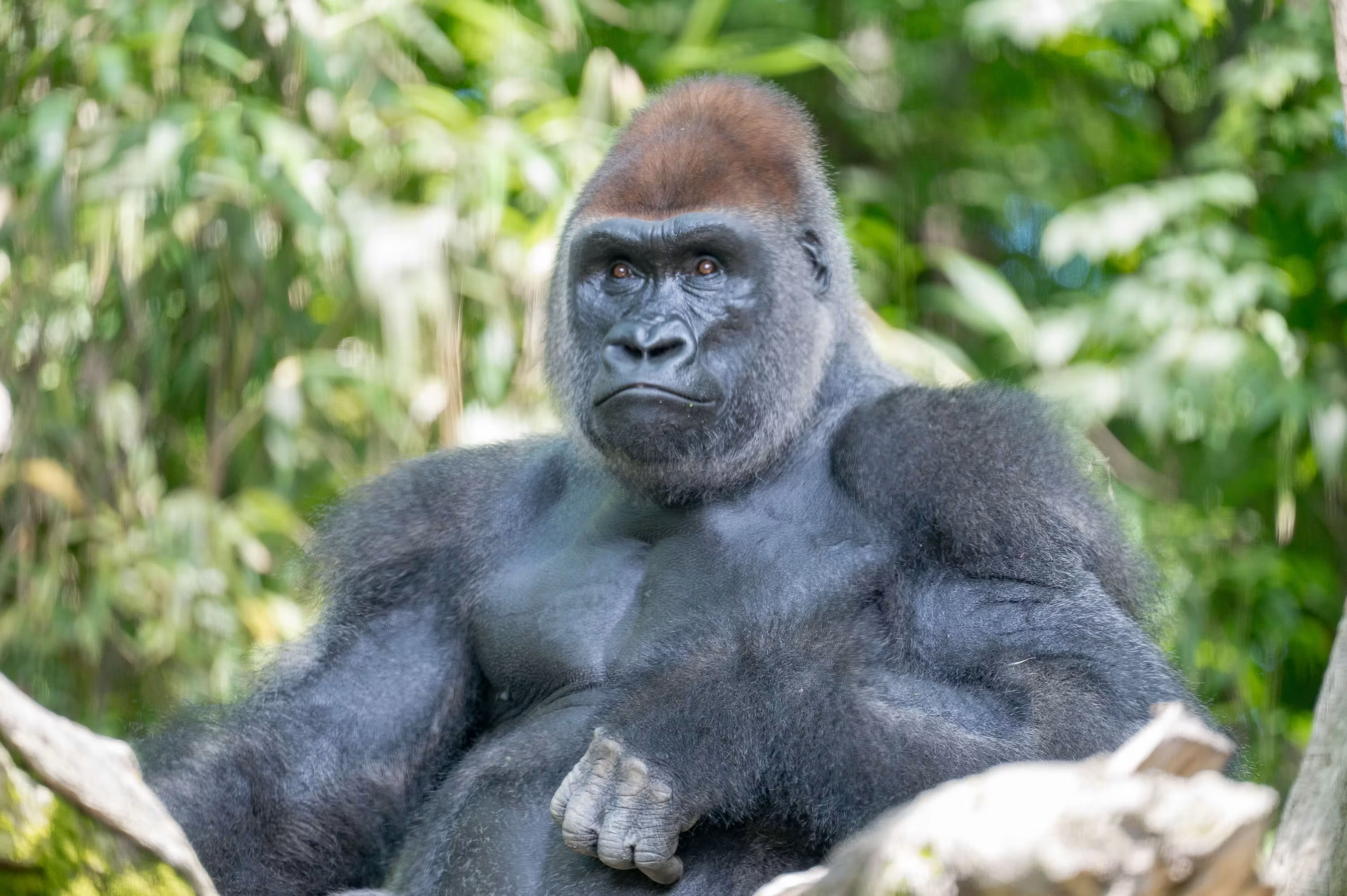
When a silverback perceives a threat, his response may include becoming more attentive, changing position, vocalising, chest beating or displaying his impressive size. Such responses communicate information to approaching animals and other members of the group. Physical aggression is not always necessary because displays can help discourage confrontation. However, silverbacks do not remain in a permanent defensive state; much of their daily activity involves ordinary feeding and resting. Understanding this distinction makes gorilla trekking experiences in Uganda, gorilla holidays in Rwanda, luxury gorilla safari packages and African wildlife photography adventures particularly fascinating.
Why Do Silverbacks Spend So Much Time Watching Their Families? Protecting Infants and Young Gorillas
Why Do Silverbacks Spend So Much Time Watching Their Families? Young gorillas are especially important members of a family because their survival contributes to the group’s future. Infants depend primarily on their mothers for feeding, carrying and daily care, but dominant silverbacks can provide important protection and social stability. Young gorillas frequently remain near adult males during resting periods, and some silverbacks tolerate close contact and playful behaviour. Researchers have documented impressive examples of silverbacks interacting gently with infants, demonstrating that their role extends beyond aggressive defence. Travellers joining gorilla trekking in Uganda, Rwanda gorilla trekking tours and responsible family wildlife safaris may witness these remarkable interactions.
A silverback may remain relaxed while juveniles wrestle, climb on vegetation or interact with companions nearby. His presence can provide a degree of security, although it would be inaccurate to assume that every moment of observation is a deliberate protective action. Infants and juveniles also learn through social interaction with their mothers, siblings and other group members. Why Do Silverbacks Spend So Much Time Watching Their Families? Awareness of younger members can support the broader protective role of dominant males, particularly when group movements or disturbances affect vulnerable individuals. These relationships make mountain gorilla family encounters, gorilla habituation experiences, Bwindi gorilla holidays and luxury wildlife expeditions unforgettable experiences.
Silverbacks Monitor Social Relationships Within Their Families
Mountain gorilla families develop complicated social relationships through daily interactions, shared experiences, feeding activities and physical contact. Dominant silverbacks are central social figures, particularly in groups where several females and their offspring depend on the stability provided by adult males. Why Do Silverbacks Spend So Much Time Watching Their Families? Their attention may reflect awareness of nearby companions, changes in group activity or occasional disagreements between individuals. Scientists have observed dominant males interrupting conflicts, changing their positions during interactions and responding to the behaviour of other gorillas. These observations reveal an important aspect of mountain gorilla social behaviour, which visitors can appreciate during Uganda gorilla adventures and Rwanda gorilla trekking experiences.
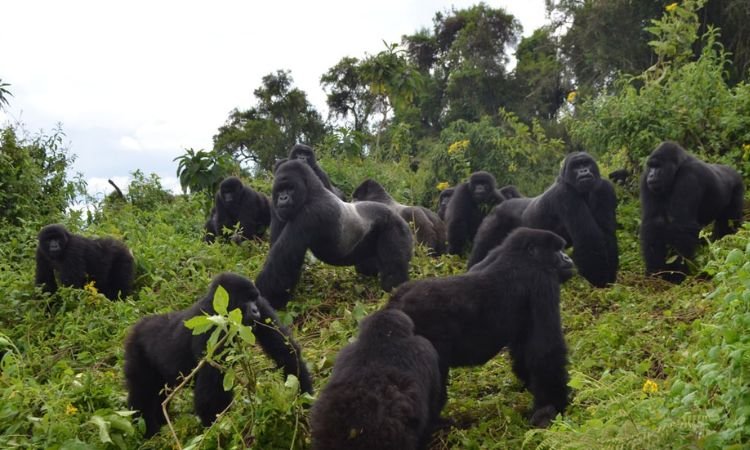
Social disagreements can occur when gorillas compete for space, feeding positions or access to companions. Most daily interactions are not serious confrontations, however, and silverbacks may tolerate minor disturbances without reacting. A dominant male’s response depends on the individuals involved, the circumstances and his own behaviour. Why Do Silverbacks Spend So Much Time Watching Their Families? Remaining socially aware can be useful for maintaining cohesion, even when active intervention is unnecessary. Tourists exploring gorilla trekking holidays, Bwindi Impenetrable National Park, Rwanda wildlife tourism and private gorilla safari packages can learn how family dynamics influence gorilla behaviour.
Why Do Silverbacks Spend So Much Time Watching Their Families During Feeding?
Why Do Silverbacks Spend So Much Time Watching Their Families? Feeding and resting dominate much of a mountain gorilla’s daily routine, and silverbacks participate in these activities alongside other group members. Mountain gorillas consume a variety of leaves, stems, shoots and other plant materials. As a group travels through forest vegetation, individuals may spread out over short distances while feeding. Silverbacks can influence group movements and help maintain contact through position, movement and vocal communication. However, their movements do not always represent conscious supervision of every family member. Travellers interested in Bwindi forest gorilla trekking, Mgahinga gorilla trekking, Rwanda gorilla encounters and African wildlife safaris can observe how gorillas feed naturally.
Food availability and habitat conditions influence where mountain gorilla groups spend their time. Dominant silverbacks frequently play major roles in movement decisions, but group travel is also shaped by environmental conditions and interactions among individuals. A silverback may pause while others continue feeding or move toward vegetation suitable for the family. Why Do Silverbacks Spend So Much Time Watching Their Families? Some apparent watching may simply occur while a male rests, feeds or assesses his surroundings. Recognising the difference between ordinary alertness and specific protective behaviour helps travellers better understand gorilla trekking activities, gorilla conservation tourism and luxury African forest safaris.
Silverbacks Help Maintain Family Cohesion During Movement
Mountain gorilla families travel through challenging forest environments containing thick vegetation, steep slopes and uneven terrain. Group members must remain sufficiently connected to maintain social relationships and respond to changing conditions. Dominant silverbacks often influence the direction and timing of movements between feeding and resting areas. Why Do Silverbacks Spend So Much Time Watching Their Families? Their attention to their surroundings and companions may contribute to coordination during daily travel. Researchers studying mountain gorillas have documented the important role of adult males in group movements, while other individuals also participate in the social processes surrounding departures. Discover these behaviours through Uganda gorilla trekking, Bwindi trekking adventures, Rwanda gorilla safaris and guided primate experiences.
A family may pause when some members are still feeding or resting, and movement can involve several changes in position before the group continues. Young gorillas sometimes remain close to adult companions, while other individuals move through nearby vegetation. The social organisation of the group helps maintain connections even when every animal is not visible at the same moment. Understanding these natural movement patterns makes mountain gorilla tracking, Uganda wildlife adventures and Rwanda gorilla holidays especially educational.
Why Do Silverbacks Spend So Much Time Watching Their Families When Resting?
Why Do Silverbacks Spend So Much Time Watching Their Families? Resting periods provide some of the most interesting opportunities to observe silverback behaviour because the family may remain close together for an extended period. A dominant male may sit comfortably while females rest, infants nurse and juveniles play nearby. At times, he may turn his head, observe movement or respond to the sounds of companions. These actions do not necessarily mean that he is actively searching for danger. Silverbacks also require substantial periods of rest to maintain their energy. Visitors joining Uganda mountain gorilla safaris, Rwanda gorilla trekking holidays and gorilla photography experiences may witness these peaceful moments.
Resting silverbacks often demonstrate remarkable tolerance toward younger gorillas, which may approach, touch or play near them. Such interactions reveal how a physically imposing adult male can also function as a calm social companion. Behaviour differs among individuals and groups, and a silverback may choose to move away when disturbed. Why Do Silverbacks Spend So Much Time Watching Their Families? Part of the answer lies in the close physical and social proximity typical of mountain gorilla families. Observing this behaviour during gorilla trekking in Bwindi, Mgahinga gorilla safaris or luxury gorilla holidays can be as memorable as witnessing an impressive chest-beating display.
How Silverbacks Respond to Rival Gorilla Groups
Encounters between mountain gorilla groups are important events that can influence family movements and social relationships. When another group approaches, dominant males may become more attentive, vocalise, display their strength or attempt to influence the distance between groups. Why Do Silverbacks Spend So Much Time Watching Their Families? Awareness of neighbouring gorillas may help a silverback respond to situations involving potential competition or threats to vulnerable family members. However, not every encounter results in aggression, and previously familiar groups may interact more peacefully under some circumstances. Explore mountain gorilla trekking in Rwanda, Uganda gorilla expeditions, Bwindi wildlife tours and gorilla trekking packages.
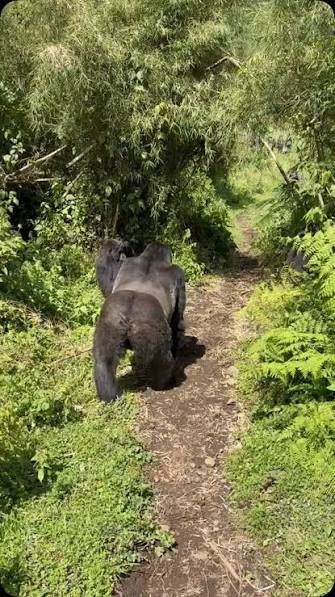
The impressive chest-beating display of a mature male is one method of communicating information to other gorillas. Research indicates that acoustic properties of chest beats convey information about male body size, potentially allowing rivals to assess one another without immediate physical confrontation. Other signals may include vocalisations, postures and movement. Silverbacks do not necessarily react aggressively whenever another male is nearby, especially in multi-male groups where individuals have established relationships. These fascinating behaviours contribute to the appeal of gorilla trekking tours, Rwanda safari holidays and responsible wildlife encounters.
Do All Silverbacks Behave the Same Way?
Mountain gorilla silverbacks have individual personalities, experiences and social relationships that influence their behaviour. Some individuals appear especially tolerant of juvenile activity, while others respond more readily to disruptions or interactions with neighbouring males. Families may contain one mature silverback or several adult males occupying different social positions. Why Do Silverbacks Spend So Much Time Watching Their Families? The amount and type of attention displayed can vary according to group composition, age, experience and circumstances. Researchers therefore avoid assuming that every silverback is constantly watching his family for an identical reason. Visitors can discover these differences through Uganda gorilla trekking safaris, Rwanda gorilla trekking tours and specialised primate holidays.
Dominant silverbacks often have particularly important protective and leadership roles, but subordinate adult males may also contribute to group defence and interactions. Social positions can change as younger males mature or established leaders age. Such changes influence competition, relationships and the overall structure of a family. Understanding individual variation adds depth to gorilla trekking experiences, luxury Uganda gorilla safaris, Rwanda wildlife adventures and African honeymoon wildlife holidays.
Why Silverback Behaviour Matters for Mountain Gorilla Conservation
Studying silverback behaviour helps conservation researchers understand the social structure, movement patterns and long-term stability of mountain gorilla families. A dominant male may influence where a group feeds, how it responds to neighbours and how social relationships develop over time. Why Do Silverbacks Spend So Much Time Watching Their Families? Their behaviour offers useful information about family dynamics, but detailed observations are necessary to distinguish vigilance, resting, communication and other activities. Responsible conservation programmes rely on long-term monitoring rather than interpreting individual photographs in isolation. Travellers supporting gorilla conservation tourism, Uganda gorilla trekking and Rwanda mountain gorilla safaris can contribute through regulated visits.
Protected habitats, trained rangers, veterinary support, research and community participation are essential to the survival of mountain gorillas. Visitors must follow park regulations to reduce disturbance and the risk of transmitting human illnesses. Even habituated gorillas remain wild animals that require respectful distances and controlled observation. Nextgen Safaris organises gorilla trekking experiences, Uganda gorilla trekking holidays, Rwanda gorilla safaris and gorilla habituation adventures for travellers interested in responsible wildlife tourism.
Where Can Tourists Observe Silverback Gorilla Behaviour?
Travellers can observe wild mountain gorillas in Uganda’s Bwindi Impenetrable National Park and Mgahinga Gorilla National Park, as well as Rwanda’s Volcanoes National Park. These protected forests contain habituated gorilla families that visitors can encounter under the supervision of trained park guides. Why Do Silverbacks Spend So Much Time Watching Their Families? Watching a silverback resting near companions, responding to younger animals or moving through vegetation may provide fascinating clues about his social role. Explore Bwindi gorilla trekking, Mgahinga gorilla safaris, Volcanoes National Park, Uganda gorilla trekking tours and Rwanda gorilla trekking holidays.
A standard gorilla trekking permit generally allows visitors up to one hour with an assigned habituated family after it is located. Uganda also offers a specialised gorilla habituation experience with up to four hours of observation under applicable park regulations. Neither activity guarantees a particular display or behaviour, because the gorillas determine what happens naturally. Travellers can arrange gorilla trekking and habituation safaris, Bwindi accommodation, Rwanda gorilla trekking packages and private safari arrangements through Nextgen Safaris.
Frequently Asked Questions About Why Silverbacks Watch Their Families
Why Do Silverbacks Spend So Much Time Watching Their Families?
Silverbacks may observe their surroundings and companions while protecting group members, participating in social interactions or coordinating movements. However, they also spend considerable time feeding and resting. Not every glance represents a defensive action. Learn more during Uganda gorilla trekking.
Are Silverbacks Always Watching for Danger?
No. Although silverbacks can become highly attentive when disturbances occur, much of their daily routine involves ordinary feeding, resting and social activity. Their behaviour changes according to circumstances. Observe these activities during guided gorilla trekking.
Why Do Silverbacks Spend So Much Time Watching Their Families During Resting Periods?
Resting brings gorillas into close social proximity, allowing silverbacks to observe nearby companions without necessarily being alert to danger. Young gorillas may also approach or play near them. Discover Bwindi gorilla trekking experiences.
Do Silverbacks Protect Baby Gorillas?
Yes. Dominant silverbacks provide important protection to their groups, including vulnerable infants. Mothers remain primarily responsible for infant care, while silverbacks may tolerate play and close contact. Explore mountain gorilla family encounters.
Do Silverbacks Recognise Every Member of Their Family?
Silverbacks maintain established social relationships with their companions and can distinguish familiar individuals. However, scientists cannot directly determine exactly what each gorilla remembers about every family member. Learn about Rwanda gorilla trekking.
Why Do Silverbacks Spend So Much Time Watching Their Families When Feeding?
Silverbacks may remain aware of group movements while feeding and resting, but watching is not necessarily constant or deliberate supervision. Food availability and social interactions influence daily activities. Explore Uganda gorilla trekking holidays.
Can a Silverback Stop Fighting Within His Family?
Dominant silverbacks can intervene in conflicts, influence the movements of other gorillas or interrupt disagreements through their presence. However, not every disagreement requires intervention. Discover gorilla family behaviour during a guided safari.
Do Silverbacks Watch Tourists During Gorilla Trekking?
Silverbacks may look toward visitors or respond to nearby movements and sounds. Habituated families are accustomed to controlled human presence, but visitors must follow guide instructions and maintain appropriate distances. Plan responsible gorilla trekking.
What Happens When a Young Male Gorilla Challenges a Silverback?
Young males may engage in dominance displays, competition or other social interactions as they mature. Challenges do not always result in physical fighting, and established relationships can influence the outcome. Explore gorilla trekking in Rwanda.
Where Is the Best Place to Observe Silverback Gorillas?
Uganda’s Bwindi Impenetrable and Mgahinga Gorilla national parks and Rwanda’s Volcanoes National Park all offer guided encounters with habituated mountain gorilla families. Each destination provides opportunities to observe natural silverback behaviour. Book Uganda and Rwanda gorilla trekking tours.
Book Your Silverback Gorilla Trekking Safari With Nextgen Safaris
Why Do Silverbacks Spend So Much Time Watching Their Families? Their behaviour reflects a fascinating combination of protection, leadership, social relationships and responses to their environment. Watching a powerful silverback quietly resting among his companions can be just as remarkable as witnessing an impressive dominance display. Nextgen Safaris offers carefully organised journeys into the mountain gorilla habitats of Uganda and Rwanda, allowing visitors to appreciate these extraordinary animals while supporting responsible tourism. Discover Uganda gorilla trekking packages, Rwanda mountain gorilla safaris, gorilla habituation experiences, luxury gorilla trekking holidays and romantic Rwanda gorilla honeymoons.

Experience the remarkable world of mountain gorillas with professional guides, private safari transportation, comfortable accommodation and carefully arranged trekking permits. Whether you prefer the ancient forests of Bwindi, the scenic slopes of Mgahinga or the volcanic landscapes of Rwanda, Nextgen Safaris can help design a journey that matches your interests, travel dates and accommodation preferences.