
altitude of Bwindi Forest
Discover the Remarkable Altitude of Bwindi Forest | Complete Gorilla Trekking Elevation Guide
The altitude of Bwindi Forest is one of the most fascinating features that makes Bwindi Impenetrable National Park one of the most unique wildlife destinations in Africa. Located in the mountainous southwestern region of Uganda, this ancient rainforest is characterised by steep hills, deep valleys, mist-covered slopes, and varying elevations that create the perfect environment for endangered mountain gorillas.
Bwindi’s elevation plays an important role in shaping its ecosystem, climate, vegetation, and wildlife. The forest rises from approximately 1,160 metres to 2,607 metres above sea level, creating different habitats ranging from lower forest areas to high-altitude montane environments. This variation allows Bwindi to support an incredible diversity of plant species, birds, mammals, and primates, including nearly half of the world’s remaining mountain gorillas.
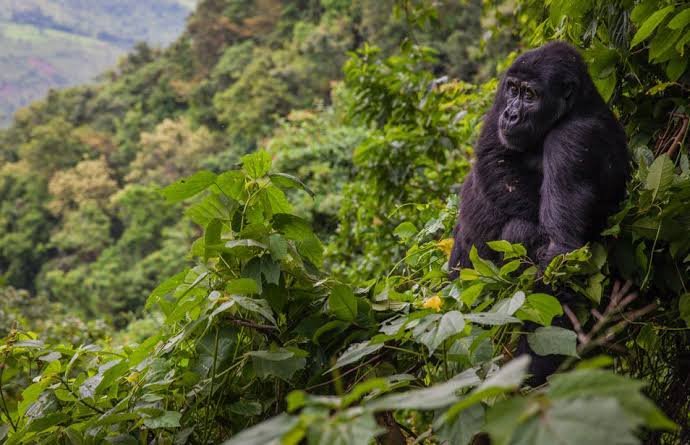
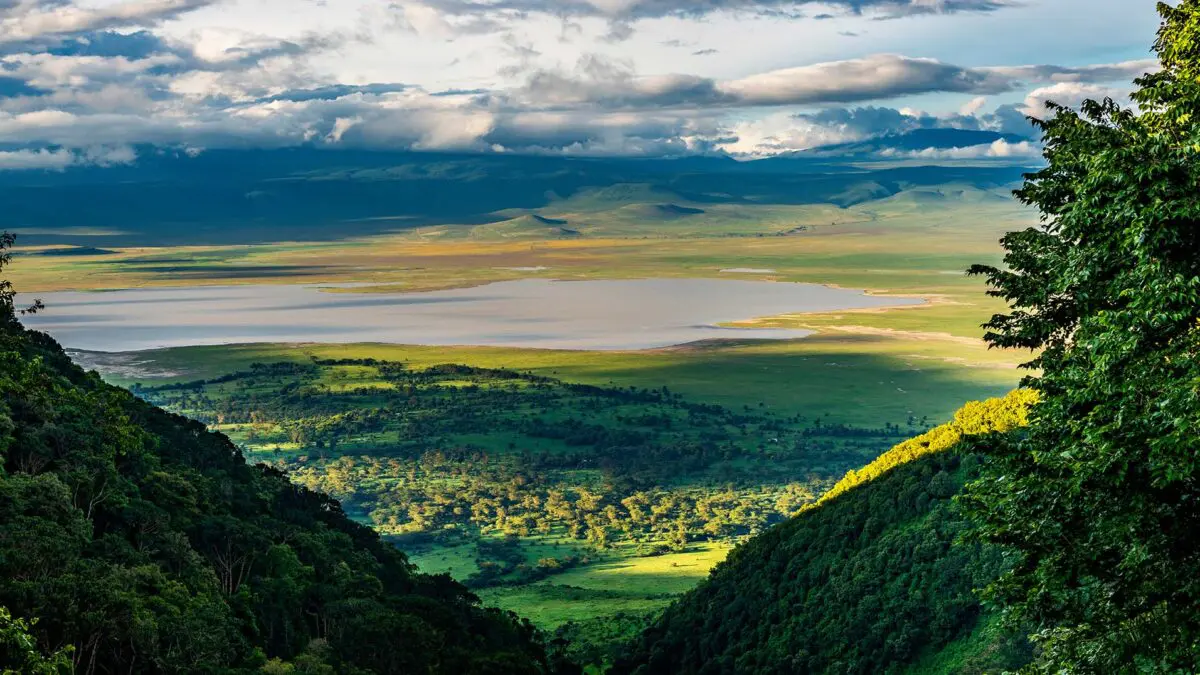
Understanding the altitude of Bwindi Forest is important for anyone planning a gorilla trekking adventure because the elevation influences the trekking experience. Unlike a traditional safari where wildlife is viewed from a vehicle, gorilla trekking involves walking through a mountainous rainforest environment where visitors navigate slopes, forest trails, and changing terrain.
At NextGen Safaris, we help travellers prepare for every aspect of their Uganda gorilla trekking experience, including selecting the best trekking location, arranging accommodation, securing permits, and creating personalised safari itineraries. Travellers planning their adventure can explore complete Uganda safari experiences through NextGen Safaris.
For guests looking for a more exclusive gorilla experience, Luxury Gorilla Holidays provides premium gorilla trekking journeys in Uganda and Rwanda, combining luxury accommodation, private transportation, and carefully planned wildlife experiences.
Where Is Bwindi Impenetrable Forest Located?
Bwindi Impenetrable National Park is located in southwestern Uganda within the Albertine Rift region, one of the most biologically diverse areas in Africa. The park covers approximately 321 square kilometres and stretches across the districts of Kanungu, Kabale, and Kisoro, close to the borders of Rwanda and the Democratic Republic of Congo.
The location of Bwindi within the Kigezi Highlands is responsible for much of its dramatic landscape. Unlike flat savannah parks, Bwindi is a mountainous rainforest filled with ridges, valleys, and steep slopes. These geographical features directly influence the altitude of Bwindi Forest and create the challenging but rewarding environment that makes gorilla trekking such a memorable experience.
The forest’s remote location has helped protect its unique ecosystem for thousands of years. Bwindi is recognised as a UNESCO World Heritage Site because of its exceptional biodiversity and importance as a habitat for mountain gorillas. The combination of elevation, rainfall, and dense vegetation provides the ideal conditions for these endangered primates.
Travellers visiting Bwindi can choose from four major gorilla trekking sectors: Buhoma, Ruhija, Rushaga, and Nkuringo. Each sector provides a different experience because of variations in landscape, accessibility, vegetation, and elevation.
Visitors interested in learning more about Uganda’s gorilla destinations, trekking sectors, and permit information can explore Mountain Gorillas Uganda.
What Is the Altitude of Bwindi Forest?
The altitude of Bwindi Forest ranges between approximately 1,160 metres and 2,607 metres above sea level. This wide elevation range makes Bwindi a unique ecosystem where different vegetation zones exist within the same protected area.
The lower sections of the forest are found around 1,160 metres above sea level, while the highest points rise above 2,600 metres. This elevation difference creates a diverse environment where tropical forest conditions meet mountainous landscapes.
The highest point in Bwindi is believed to be Rwamunyonyi Hill, located within the eastern part of the park near the Ruhija sector. Rising to approximately 2,607 metres above sea level, this area represents one of the highest points in the Bwindi ecosystem.
The varying altitude of Bwindi contributes to its cool temperatures, frequent mist, and rich plant life. The forest receives significant rainfall throughout the year, allowing thick vegetation to thrive and providing food sources for mountain gorillas and other wildlife.
Bwindi Forest Elevation Range Explained
The elevation range of Bwindi creates different ecological zones throughout the park. Lower areas experience slightly warmer conditions, while higher sections have cooler temperatures and more mountainous terrain.
This variation is one reason Bwindi supports such incredible biodiversity. The forest contains hundreds of plant species, numerous bird species, butterflies, forest elephants, primates, and the famous mountain gorillas. The changing elevation allows different habitats to exist within a relatively small geographical area.
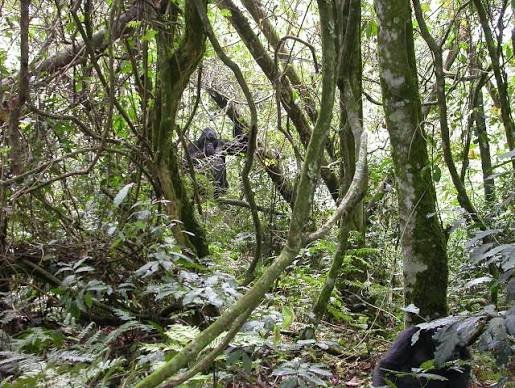
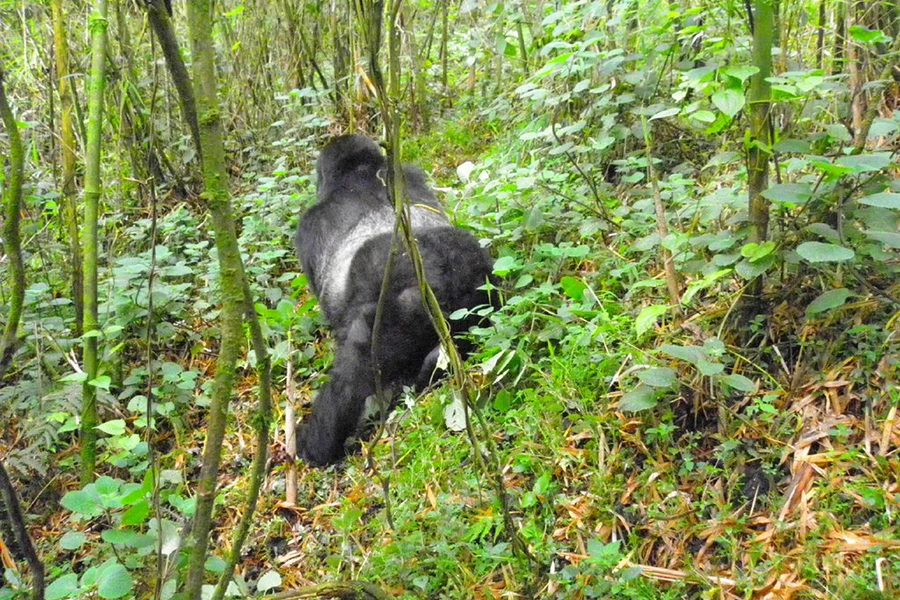
The altitude of Bwindi Forest also influences the appearance of the landscape. Visitors often describe Bwindi as a magical rainforest filled with misty hills, green valleys, and ancient trees covered with moss and vegetation. These characteristics create the unforgettable atmosphere experienced during gorilla trekking.
For travellers, the elevation means every trek is unique. Some visitors may walk through easier forest paths, while others may climb steeper slopes depending on where their assigned gorilla family is located.
How the Altitude of Bwindi Forest Creates a Unique Ecosystem
The relationship between elevation, climate, and vegetation is what makes Bwindi such an important conservation area. The forest’s altitude creates a cooler and wetter environment compared with many other parts of Uganda, allowing rainforest vegetation to flourish.
The dense forest provides an ideal habitat for mountain gorillas because it offers abundant food sources, shelter, and protection. Bamboo, wild fruits, leaves, shoots, and other vegetation found within Bwindi support the daily feeding habits of gorilla families living inside the park.
The altitude also creates suitable conditions for other wildlife species. Bwindi is home to hundreds of bird species, many of which are restricted to the Albertine Rift region. The forest’s elevation and isolation have contributed to the development of unique ecosystems found nowhere else.
This incredible combination of altitude and biodiversity is one reason why Bwindi remains one of Africa’s most valuable conservation areas and a dream destination for nature lovers.
How the Altitude of Bwindi Forest Affects Gorilla Trekking
The altitude of Bwindi Forest directly influences the physical experience of gorilla trekking. Because the park is located in a mountainous area, trekking involves walking through forest trails that may include hills, valleys, uneven ground, and areas with thick vegetation.
The difficulty of each trek depends on several factors, including the location of the gorilla family, recent movements of the animals, weather conditions, and the trekking sector chosen. Some visitors may complete their trek within a few hours, while others may spend most of the day exploring the forest.
Although Bwindi’s elevation creates a physical challenge, it is also what makes the experience so rewarding. Walking through the ancient rainforest, surrounded by incredible scenery and wildlife sounds, creates a deeper connection with nature before reaching the gorillas.
Travellers do not need to be professional hikers to enjoy gorilla trekking. With proper preparation, a comfortable pace, support from guides, and assistance from porters, many visitors successfully complete this once-in-a-lifetime experience.
Bwindi Gorilla Trekking Sectors and Their Altitude Differences
Buhoma Sector
Buhoma is the original gorilla trekking sector of Bwindi and is located on the northern side of the forest. It is historically significant because it was the first area where gorilla tourism began in Uganda.
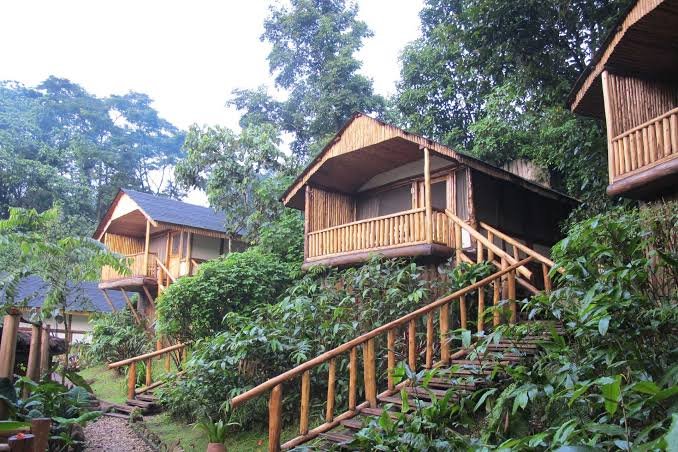
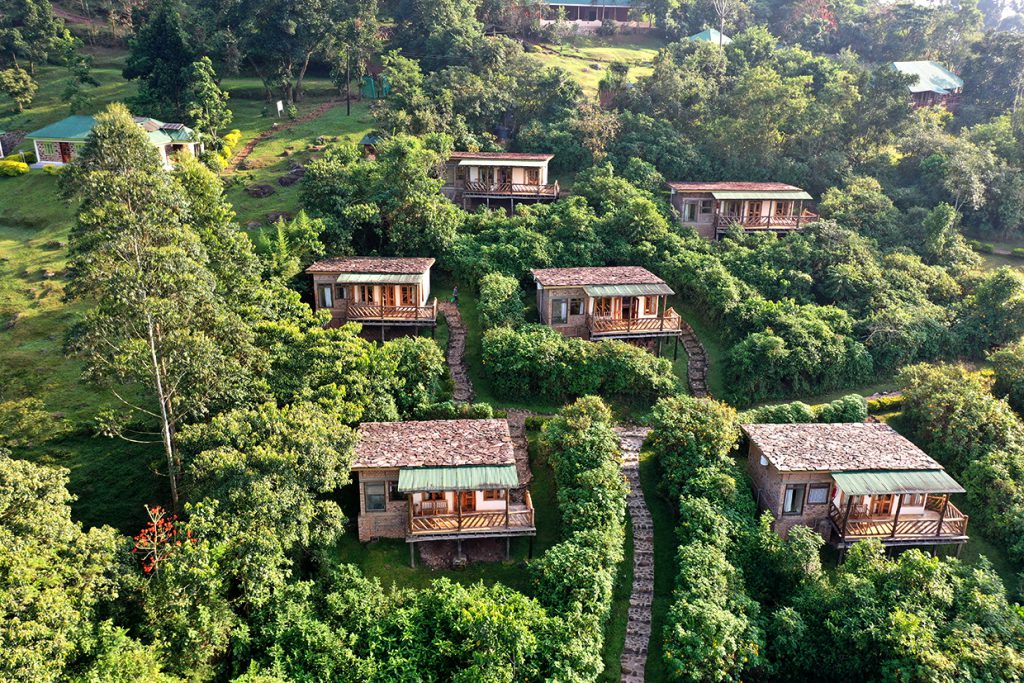
The sector offers beautiful rainforest scenery and generally provides a comfortable introduction to the Bwindi trekking experience. The altitude and terrain vary throughout the area, creating a combination of forest walks and moderate climbs.
Buhoma is also popular because of its accessibility and the availability of quality accommodation options nearby. Visitors can combine gorilla trekking with cultural experiences, forest walks, and community activities.
Ruhija Sector
Ruhija is located in the eastern part of Bwindi and is one of the higher elevation trekking areas. The sector is close to some of the highest areas of Bwindi, including Rwamunyonyi Hill.
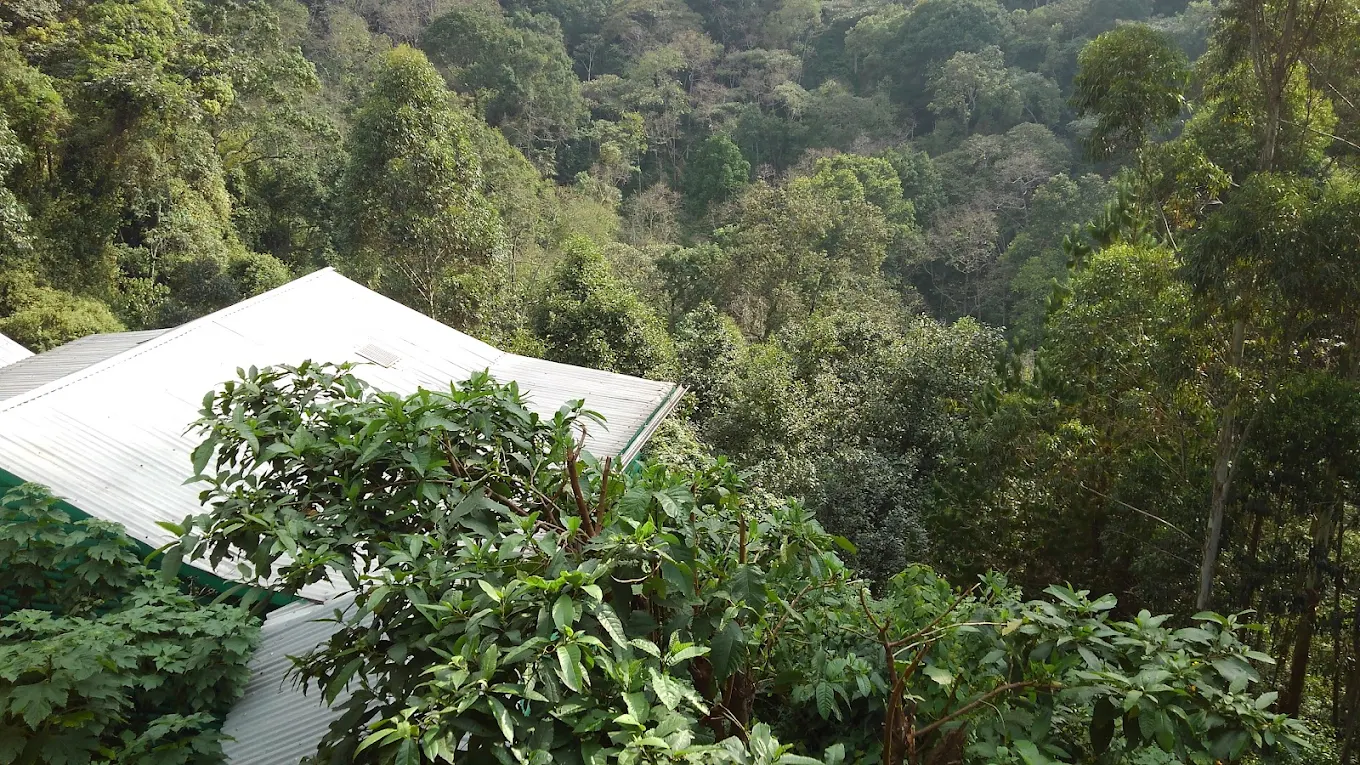
Because of its elevated location, Ruhija offers cool temperatures, beautiful mountain scenery, and a truly immersive forest experience. The area is known for its peaceful environment and excellent biodiversity.
Travellers who enjoy nature, photography, and quieter trekking experiences often appreciate the unique atmosphere of Ruhija.
Rushaga Sector
Rushaga is located in the southern part of Bwindi and is one of Uganda’s most popular gorilla trekking sectors. It is also famous for the gorilla habituation experience, which allows visitors more time with gorillas undergoing the habituation process.
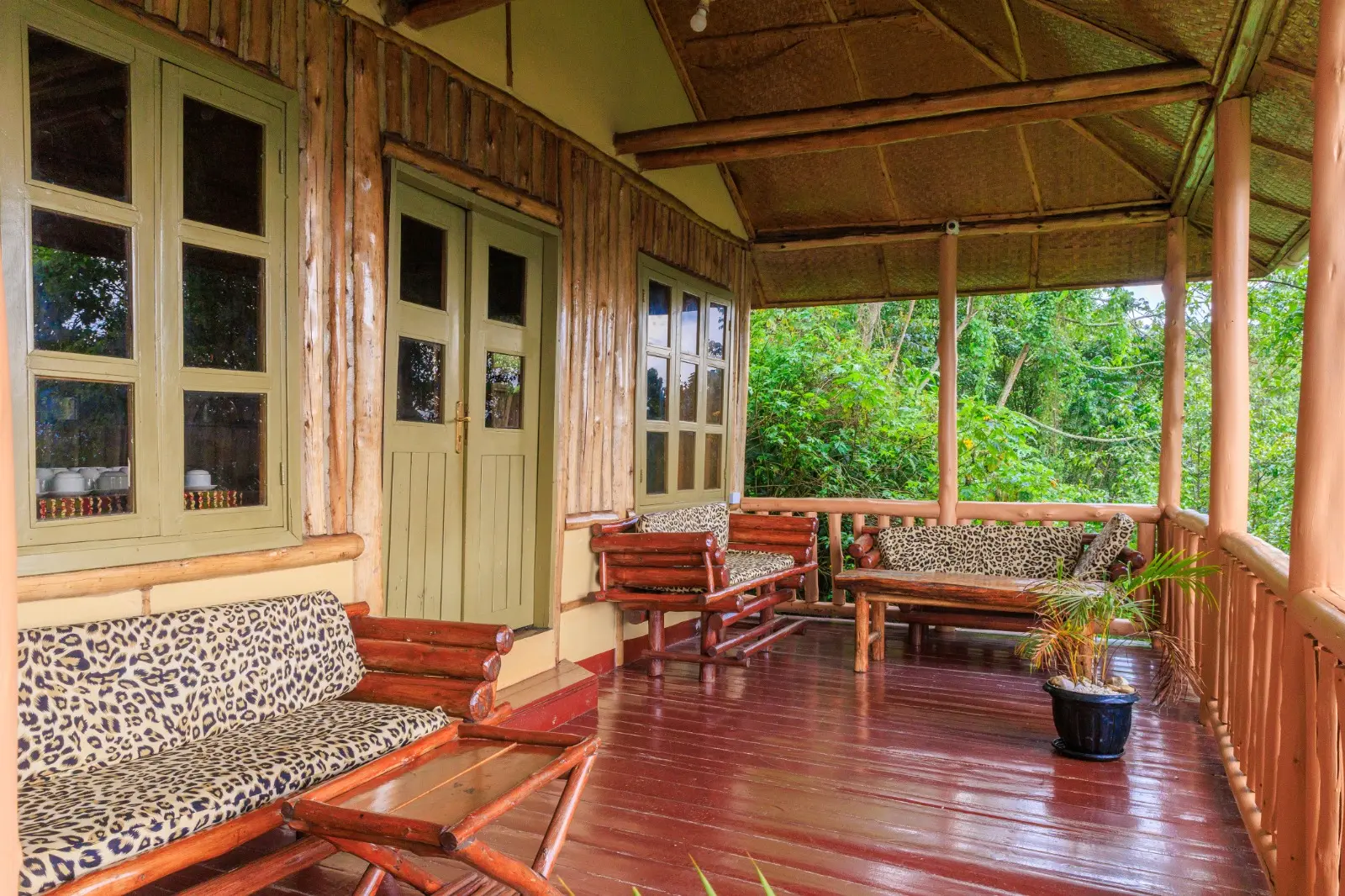
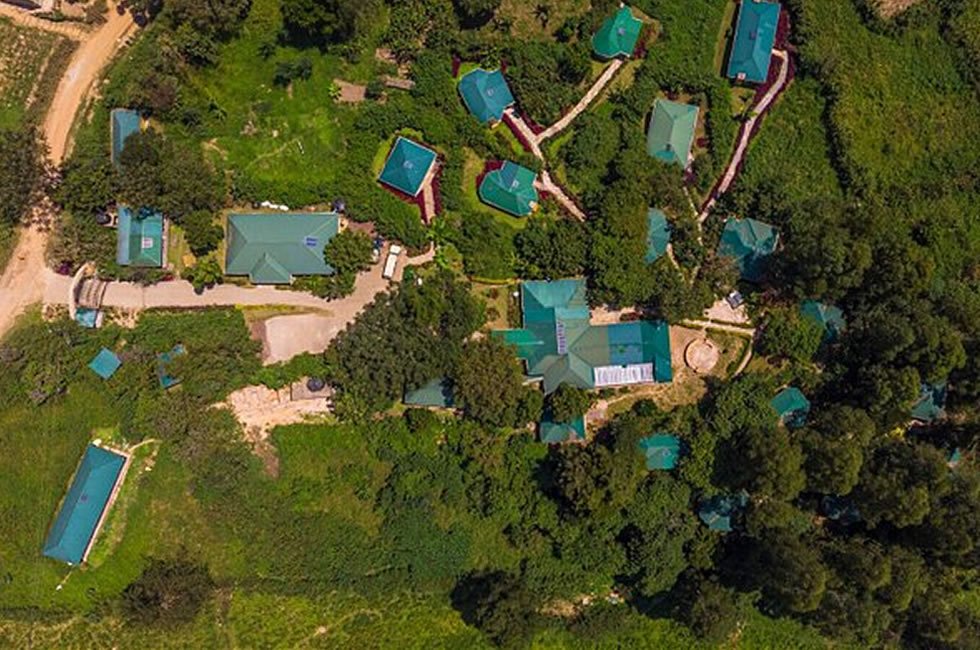
The terrain around Rushaga includes hills and valleys, creating a rewarding trekking environment. The sector offers beautiful views of southwestern Uganda’s mountainous landscapes.
Travellers interested in combining gorilla trekking with Uganda and Rwanda experiences can explore additional options through Jewel Gorilla Safaris.
Nkuringo Sector
Nkuringo is located in southwestern Bwindi and is famous for dramatic scenery and challenging trekking routes. The sector provides incredible views of forest-covered mountains and surrounding landscapes.
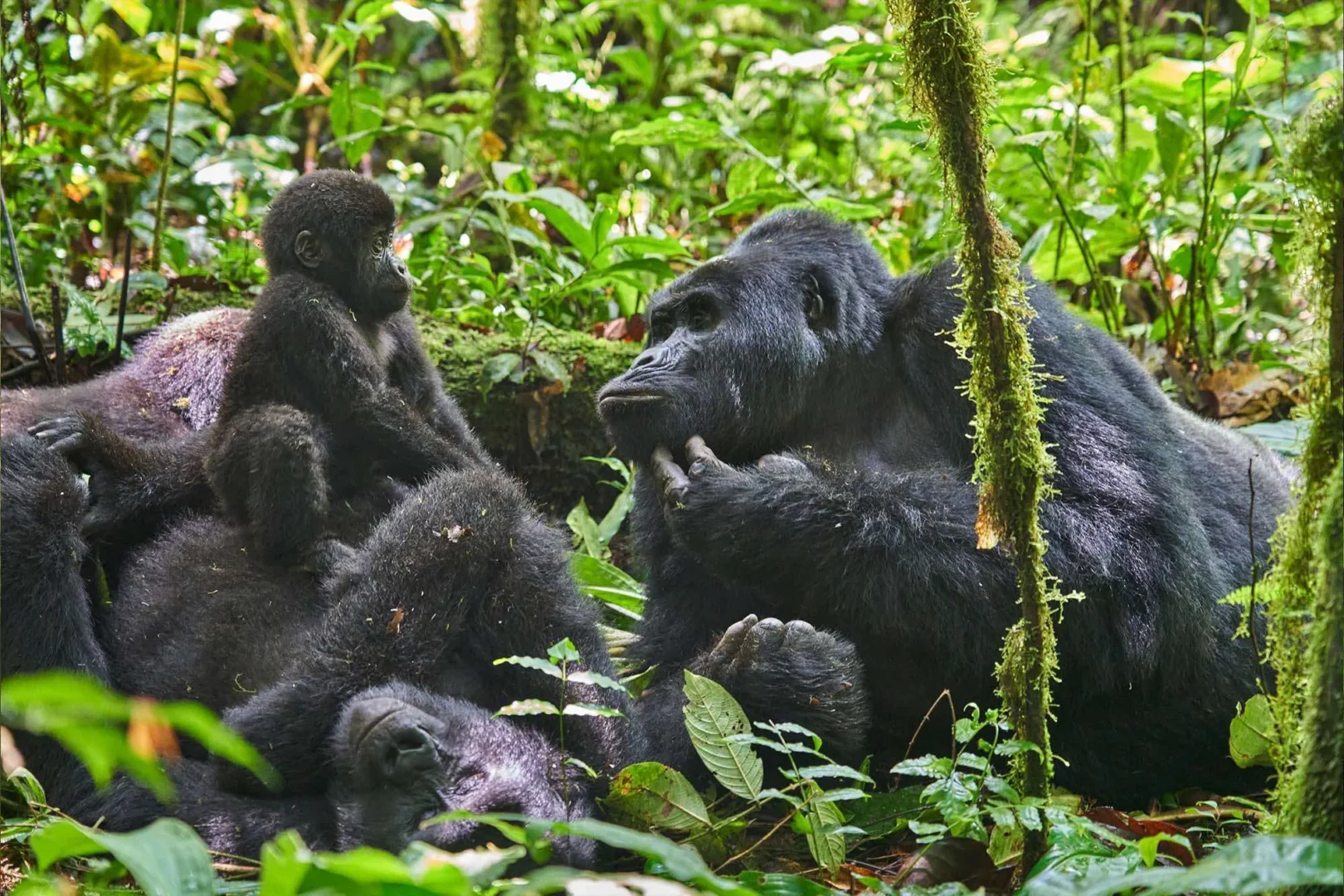
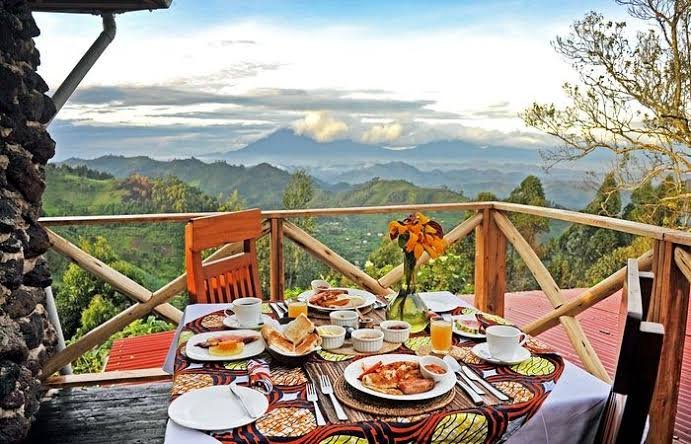
Because of its steep terrain, Nkuringo is often considered one of the more physically demanding trekking areas. However, the reward is an unforgettable combination of scenery and gorilla encounters.
The highland environment and beautiful views make Nkuringo a favourite among adventurous travellers.
Altitude Difference Between Bwindi Forest Uganda and Volcanoes National Park Rwanda
Understanding the difference between the altitude of Bwindi Forest and Rwanda’s Volcanoes National Park is useful for travellers comparing Uganda and Rwanda gorilla trekking experiences. Both destinations provide incredible mountain gorilla encounters, but they offer different landscapes, climates, trekking environments, and travel experiences because of their geographical locations.
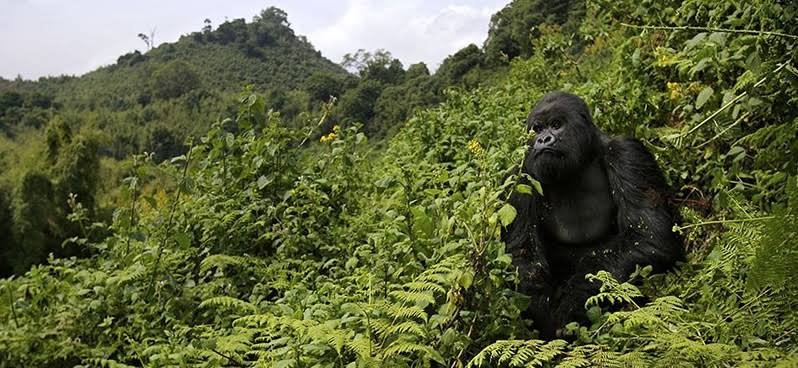
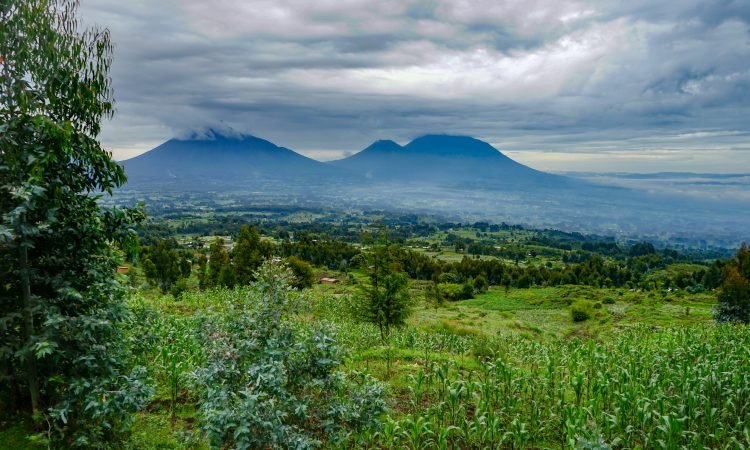
Bwindi Impenetrable National Park sits within Uganda’s mountainous southwestern region and has an elevation range of approximately 1,160 metres to 2,607 metres above sea level. The forest is characterised by thick rainforest, steep valleys, and densely covered hills, creating a more immersive jungle trekking environment where visitors walk beneath ancient trees in search of mountain gorillas.
Volcanoes National Park in Rwanda, located within the Virunga volcanic mountain range, generally sits at a higher elevation, with much of the park ranging above 2,000 metres and reaching higher elevations around the volcanic peaks. The landscape is more open in some areas, with bamboo forests, volcanic slopes, and views of dramatic mountains.
The difference in altitude contributes to different trekking experiences. Uganda’s Bwindi provides a deep rainforest adventure with varied terrain and dense vegetation, while Rwanda’s Volcanoes National Park offers a volcanic mountain environment with impressive views and relatively easier access from Kigali.
Travellers comparing these two destinations can explore more detailed information through Mountain Gorillas Uganda and Mountain Gorillas Rwanda.
Best Time to Visit Bwindi Forest Considering Its Altitude
The altitude of Bwindi Forest influences the park’s climate throughout the year, creating cool temperatures, frequent rainfall, and lush green vegetation. Unlike Uganda’s warmer lowland areas, Bwindi remains relatively cooler because of its mountainous location.
The best time to visit Bwindi is often during the drier months from June to September and December to February. During these periods, forest trails are generally easier to navigate, and trekking conditions are more comfortable. However, gorilla trekking remains possible throughout the year because the forest ecosystem supports wildlife in every season.
The rainy seasons, usually from March to May and October to November, also offer unique advantages. The forest becomes exceptionally green, photography opportunities are excellent, and visitor numbers may be lower compared with peak travel periods.
Because gorilla trekking permits are limited and demand can be high, travellers should plan early regardless of the season. This is especially important for visitors looking for luxury lodges, preferred trekking sectors, or specific travel dates.
For travellers seeking premium gorilla experiences, Luxury Gorilla Holidays creates personalised luxury gorilla trekking journeys in Uganda and Rwanda.
Frequently Asked Questions About the Altitude of Bwindi Forest
1. What is the altitude of Bwindi Forest?
The altitude of Bwindi Forest ranges from approximately 1,160 metres to 2,607 metres above sea level, creating a unique mountainous rainforest ecosystem in southwestern Uganda. This elevation range supports diverse vegetation, wildlife, and the endangered mountain gorillas that call Bwindi Impenetrable National Park home.
2. Why is the altitude of Bwindi Forest important for mountain gorillas?
The altitude of Bwindi Forest creates the cool, humid, and vegetation-rich environment required by mountain gorillas. The highland rainforest provides abundant food sources, shelter, and protection, allowing gorilla families to thrive within this unique ecosystem.
3. How does the altitude of Bwindi Forest affect gorilla trekking?
The altitude of Bwindi Forest influences the trekking experience because visitors hike through mountainous rainforest terrain with hills, valleys, and uneven trails. While the elevation adds a physical challenge, it also creates the beautiful landscapes and unforgettable forest experience that make Bwindi gorilla trekking unique.
4. What is the highest point of the altitude of Bwindi Forest?
The highest point within the altitude of Bwindi Forest reaches approximately 2,607 metres above sea level at Rwamunyonyi Hill. This elevated area contributes to Bwindi’s mountainous scenery, cooler climate, and rich biodiversity.
5. Is the altitude of Bwindi Forest difficult for first-time gorilla trekkers?
The altitude of Bwindi Forest can make gorilla trekking more physically demanding, especially because the activity involves walking through forest trails and steep terrain. However, most travellers can successfully complete the trek with proper preparation, a good pace, and assistance from experienced guides and porters.
6. Does the altitude of Bwindi Forest affect the weather conditions?
Yes, the altitude of Bwindi Forest plays an important role in creating its cool temperatures, misty mornings, and frequent rainfall. The elevation combined with the rainforest environment creates the perfect conditions for the lush vegetation and wildlife found throughout Bwindi.
7. Which Bwindi gorilla trekking sector has the highest altitude?
Among the different trekking areas, the Ruhija sector is one of the higher elevation sections of Bwindi. The altitude of Bwindi Forest varies across sectors, meaning each trekking area offers a different landscape, scenery, and level of hiking experience.
8. What should I pack for the altitude of Bwindi Forest during gorilla trekking?
When trekking at the altitude of Bwindi Forest, travellers should pack comfortable hiking boots, waterproof clothing, warm layers, long trousers, gloves, and other essentials suitable for a cool rainforest environment. Proper preparation makes the trekking experience safer and more enjoyable.
9. Is the altitude of Bwindi Forest higher than Rwanda’s Volcanoes National Park?
The altitude of Bwindi Forest and Volcanoes National Park both provide highland gorilla trekking environments, but they have different landscapes. Bwindi is a dense tropical rainforest with varied elevations, while Volcanoes National Park is located within a volcanic mountain range with higher volcanic peaks.
10. How can I prepare for gorilla trekking at the altitude of Bwindi Forest?
Preparing for the altitude of Bwindi Forest involves improving your fitness through regular walking or hiking, carrying suitable trekking gear, staying hydrated, and following guidance from experienced safari guides. Booking with a professional operator such as NextGen Safaris also helps ensure your accommodation, permits, transport, and trekking arrangements are properly organised.
Plan Your Bwindi Gorilla Trekking Adventure With NextGen Safaris
Understanding the altitude of Bwindi Forest is an important part of preparing for your gorilla trekking journey, but creating a successful safari requires careful planning of many other details. From selecting the right trekking sector to arranging accommodation, transportation, and permits, every element contributes to your overall experience.
At NextGen Safaris, we specialise in creating personalised Uganda gorilla trekking and wildlife safaris designed around each traveller’s interests. Whether you are planning a luxury holiday, honeymoon adventure, family safari, or once-in-a-lifetime wildlife journey, our team provides professional support from planning to completion.
We help travellers combine Bwindi gorilla trekking with other incredible Uganda experiences, including chimpanzee trekking in Kibale Forest, wildlife safaris in Queen Elizabeth National Park, Murchison Falls adventures, and cultural experiences.
For travellers comparing Uganda with Rwanda or looking for alternative gorilla experiences, our partner brands provide additional resources. Discover Rwanda gorilla experiences through Mountain Gorillas Rwanda, combined Uganda-Rwanda adventures through Jewel Gorilla Safaris, or affordable Rwanda safari options through Rwanda Budget Safaris.
Begin planning your Bwindi gorilla trekking adventure today and experience one of Africa’s most unforgettable wildlife encounters.