
Best Photography Safari in Rwanda 2027-2030
Best Photography Safari in Rwanda 2027-2030: Ultimate Gorilla, Wildlife & Landscape Photography Guide
Rwanda is one of Africa’s most rewarding destinations for wildlife photographers, combining dramatic volcanic scenery, endangered mountain gorillas, ancient tropical rainforests, beautiful freshwater lakes and exceptional savannah wildlife. The Best Photography Safari in Rwanda 2027-2030 offers photographers an opportunity to capture extraordinary wildlife encounters while discovering the remarkable landscapes of the Land of a Thousand Hills. From photographing powerful silverbacks in Volcanoes National Park to capturing elephants, lions and giraffes during an Akagera National Park wildlife safari, exploring the beautiful rainforest during chimpanzee trekking in Nyungwe, photographing rare birds on a Rwanda birding safari, or following a dedicated eight-day Rwanda primate photography safari, every destination presents a different opportunity to create exceptional images.
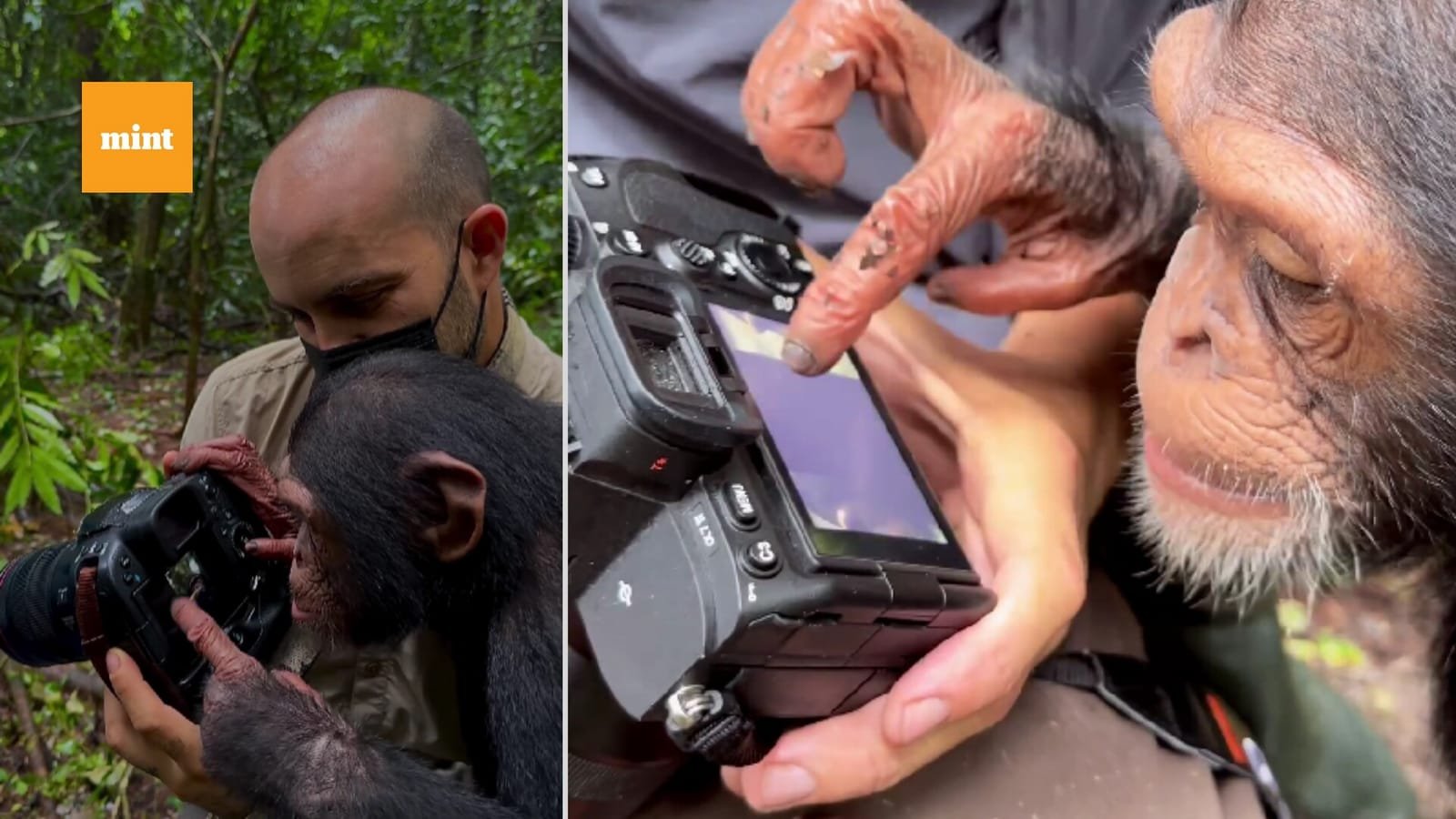
Unlike conventional wildlife safaris that prioritize visiting as many attractions as possible, photography-focused journeys are designed around natural lighting, animal behavior, flexible wildlife viewing and sufficient time to develop meaningful compositions. Photographers may spend longer observing a pride of lions, wait patiently for birds to emerge from dense vegetation or position themselves carefully to photograph mountain gorillas without disturbing their natural behavior. Whether joining a five-day Rwanda photography safari, exploring the country’s major destinations through a ten-day Best of Rwanda Safari, or planning an extended Rwanda wildlife and primate expedition, a carefully arranged photographic itinerary allows you to experience Rwanda at a slower and more rewarding pace.
At NextGen Safaris, we organize photography-oriented journeys for professional wildlife photographers, photography enthusiasts, content creators, nature lovers and travelers who want beautiful memories of East Africa. Our itineraries can include dedicated wildlife photography opportunities, private four-wheel-drive safari vehicles, experienced driver-guides, scenic viewpoints, gorilla trekking permits and carefully selected accommodation close to the main photography locations. Travelers who want even greater wildlife diversity can also combine Rwanda with an Uganda photography safari, extending their adventure into Bwindi Impenetrable National Park, Queen Elizabeth National Park, Kibale Forest or Murchison Falls.
Why Rwanda Is One of Africa’s Best Wildlife Photography Destinations
Rwanda stands out as a photography destination because its relatively compact geographical size allows travelers to experience remarkably different ecosystems during one holiday. Within the same journey, photographers can move from the mist-covered Virunga volcanoes to the open grasslands of Akagera National Park, continue into the ancient forests of Nyungwe and finish beside the scenic shores of Lake Kivu. These environments provide a wonderful contrast between mountain gorilla portraits, dramatic landscapes, traditional African wildlife photography, rainforest subjects and bird photography. The country is particularly attractive to travelers who want to experience both a Rwanda gorilla trekking safari and a traditional Big Five wildlife safari without requiring an exceptionally long holiday.
The best photography safaris in Rwanda are not determined solely by the number of animals seen. Good photography requires patience, knowledge of animal behavior, appropriate lighting and the freedom to explore compositions carefully. A silverback resting quietly beneath rainforest vegetation can produce a more powerful image than a rushed encounter with several different animals. Similarly, an elephant walking across an Akagera hillside at sunrise, a golden monkey moving through bamboo vegetation or a colorful bird resting against a mist-covered forest background can become the defining photograph of an entire safari. This is why our Rwanda photography safari packages emphasize the quality of wildlife encounters, while longer journeys such as the eight-day primate photography safari provide opportunities to explore multiple ecosystems.
Best Places for Wildlife Photography in Rwanda
Volcanoes National Park – The Ultimate Mountain Gorilla Photography Destination
Volcanoes National Park is Rwanda’s most iconic wildlife photography destination and one of the most extraordinary places in the world to photograph endangered mountain gorillas in their natural habitat. Located in northwestern Rwanda, the park protects part of the Virunga volcanic ecosystem, where beautiful bamboo forests, dense montane vegetation and towering volcanic mountains create a dramatic setting for wildlife photography. Travelers joining a gorilla trekking tour in Rwanda can photograph magnificent silverbacks, mothers protecting their infants, juveniles playing, family interactions and the subtle expressions that make gorillas such compelling photographic subjects.
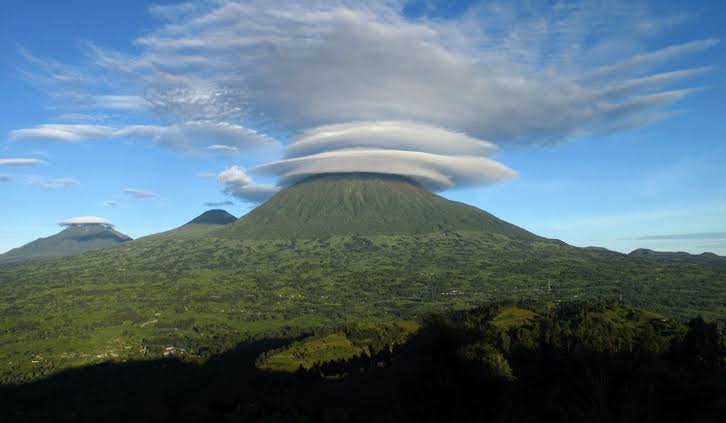
Mountain gorilla photography requires considerably more preparation than ordinary wildlife photography because the animals live in a forest environment where natural light can change from one moment to the next. A gorilla resting beneath thick vegetation may be surrounded by deep shadows, while another individual sitting beside an opening in the forest canopy may be illuminated by soft, beautiful light. Photographers need to balance shutter speed, aperture and ISO while responding quickly to unexpected movement. Our gorilla trekking photography tips explain how to prepare for these challenges, while dedicated Rwanda photography safari itineraries allow visitors to combine this remarkable encounter with landscapes and other wildlife subjects.
A standard mountain gorilla trek in Rwanda permits up to one hour with an assigned habituated gorilla family after the animals have been located. Photography must follow park regulations, including the prohibition of flash, maintaining the minimum distance required by rangers and respecting the animals’ movements. Although the time is limited, careful preparation can help photographers create an extraordinary portfolio. Serious enthusiasts may request two gorilla trekking days, each requiring a separate permit, to increase their opportunities to observe different behaviors and lighting conditions. For those seeking a more specialized journey, luxury gorilla trekking in Rwanda can be combined with comfortable mountain accommodation and privately arranged transfers.
Akagera National Park – Rwanda’s Best Big Five Wildlife Photography Safari
Akagera National Park offers a completely different photography experience from the rainforest environments of Volcanoes and Nyungwe. Situated in eastern Rwanda near the Tanzanian border, Akagera features rolling savannah plains, acacia woodlands, freshwater lakes, papyrus swamps and beautiful open landscapes. This extraordinary diversity of habitats makes it Rwanda’s leading destination for photographing classic African safari wildlife, including elephants, lions, buffaloes, giraffes, zebras, antelopes and, when sightings permit, rhinoceroses and leopards. Visitors can explore the park during a three-day Akagera National Park wildlife safari, incorporate it into a five-day Rwanda photography safari, or include additional time on a longer Rwanda safari.
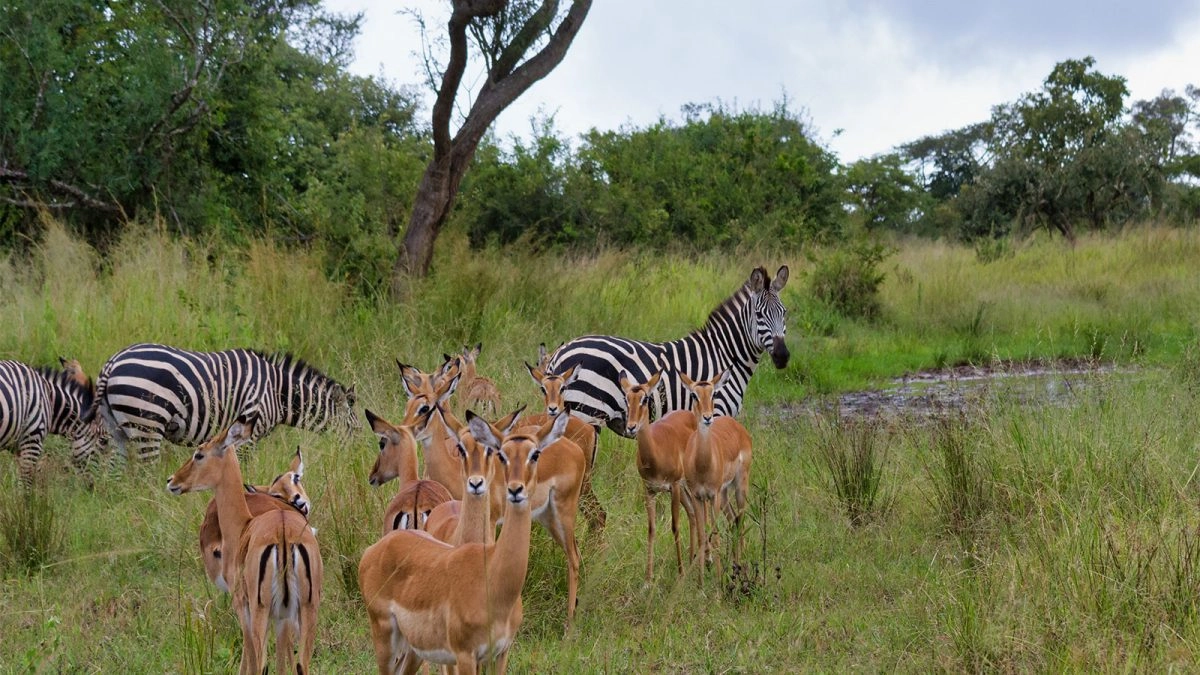
Photography in Akagera is particularly rewarding during early morning and late afternoon game drives, when lower sunlight produces warmer colors, softer shadows and attractive backgrounds. The open grasslands provide opportunities to photograph animals against distant hills, while woodland habitats create excellent settings for portraits and behavioral photography. A private safari vehicle is especially useful because the itinerary can allow time at productive sightings, subject to park regulations and road access. Rather than moving immediately after spotting a giraffe or elephant, photographers may benefit from patiently observing the animal’s movements, waiting for it to turn toward the light or allowing an uncluttered background to develop naturally.
Lake Ihema adds another dimension to an Akagera photography safari. Guided boat excursions provide opportunities to photograph hippos, Nile crocodiles, African fish eagles, kingfishers, herons and other wetland birds from the water. Reflections, papyrus vegetation and low-angle sunlight can create especially striking compositions. Photographers interested in combining mammals and birdlife can select an Akagera wildlife safari or include the park as part of a specialized Rwanda birding photography adventure. Wildlife sightings are never guaranteed, but spending more than one day in the park usually provides greater flexibility than rushing through a single game drive.
Nyungwe National Park – Chimpanzee, Colobus Monkey and Rainforest Photography
Nyungwe National Park protects one of Africa’s most remarkable montane rainforest ecosystems and is an outstanding destination for photographers interested in primates, forest birds, vegetation and atmospheric landscape photography. Located in southwestern Rwanda, Nyungwe features towering trees, deep valleys, forested ridges, dense undergrowth and an impressive variety of wildlife. Photographers visiting the park can participate in Nyungwe chimpanzee trekking, search for black-and-white colobus monkeys, photograph forest landscapes and explore specialized birding trails during a Rwanda birdwatching safari.
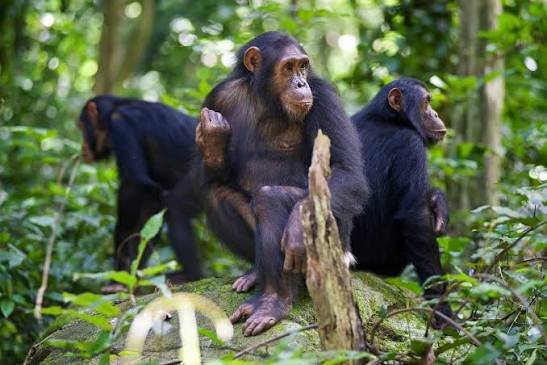
Chimpanzee photography offers a dynamic experience because chimpanzees often move rapidly through trees, feed in the canopy and interact socially in changing forest conditions. Photographers need to remain prepared for moments of activity while also understanding that vegetation and difficult lighting can limit visibility. A camera with dependable autofocus, good high-ISO performance and a manageable telephoto lens can be particularly helpful. The experience is not simply about producing close-up portraits; wider compositions showing chimpanzees within their rainforest environment can communicate the ecological character of Nyungwe more effectively than tightly framed images alone.
The Nyungwe canopy walkway provides additional photographic opportunities above the forest floor. From this elevated setting, visitors can appreciate layers of tropical vegetation, distant hills, forest mist and the scale of Rwanda’s montane rainforest. Carefully planned visits can also include guided forest birdwatching, tea plantation landscapes and scenic countryside photography. Travelers looking for an extended journey can combine Nyungwe with Volcanoes National Park and Akagera through our eight-day Rwanda primate photography safari or explore a broader selection of destinations on a ten-day Rwanda safari itinerary.
Golden Monkey Photography in Volcanoes National Park
Golden monkeys are among Rwanda’s most distinctive primate photography subjects, recognized for their beautiful golden-orange coloring, expressive faces and energetic movements through bamboo vegetation. These endangered primates live in the Virunga Mountains and can be photographed during guided golden monkey trekking activities in Volcanoes National Park. Unlike mountain gorillas, which frequently spend time resting or feeding slowly, golden monkeys can move quickly between bamboo stems and forest branches, requiring faster reactions and careful tracking through the camera viewfinder.
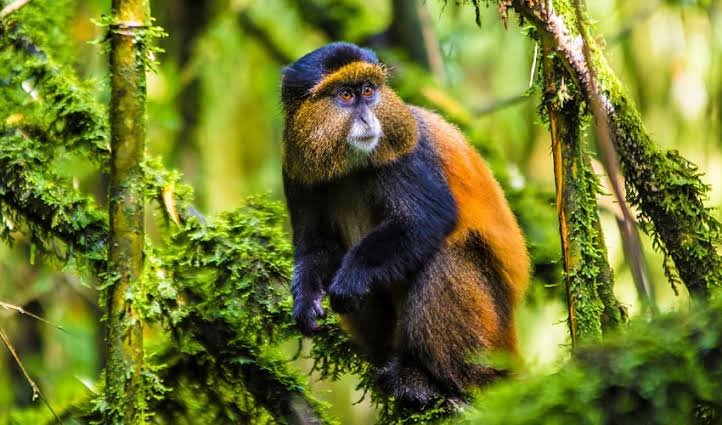
Golden monkey photography is particularly rewarding for visitors interested in capturing movement, environmental portraits and wildlife behavior. Their orange fur contrasts beautifully with the green bamboo forest, creating vibrant images when light and positioning are favorable. Travelers planning a Rwanda gorilla trekking holiday can add golden monkey tracking to create greater photographic variety, while our eight-day Rwanda primate photography safari incorporates multiple primate experiences. Flash photography and other restrictions should always follow the instructions given by the park ranger team.
Lake Kivu – Scenic Landscape, Sunset and Travel Photography
Lake Kivu offers a peaceful contrast to Rwanda’s forest and savannah photography experiences. The lake’s beautiful shoreline, surrounding green hills, fishing communities and changing skies make it especially attractive to photographers interested in landscapes, reflections, sunsets and travel storytelling. Locations around Rubavu and Karongi provide opportunities to capture lakeside scenery, boats moving across the water, distant mountain silhouettes and soft evening colors reflecting from the surface.

Adding Lake Kivu to a long Rwanda safari is particularly worthwhile for photographers who want a balanced portfolio rather than focusing exclusively on wildlife portraits. The lake can also provide a relaxing break between mountain gorilla trekking in Volcanoes National Park and rainforest exploration in Nyungwe. A ten-day Best of Rwanda Safari provides an example of how the country’s wildlife destinations and scenic lakeside experiences can be combined. Photographers who wish to document local life should request permission before taking recognizable photographs of people or photographing private activities.
Kigali – Cultural, Architectural and Urban Photography
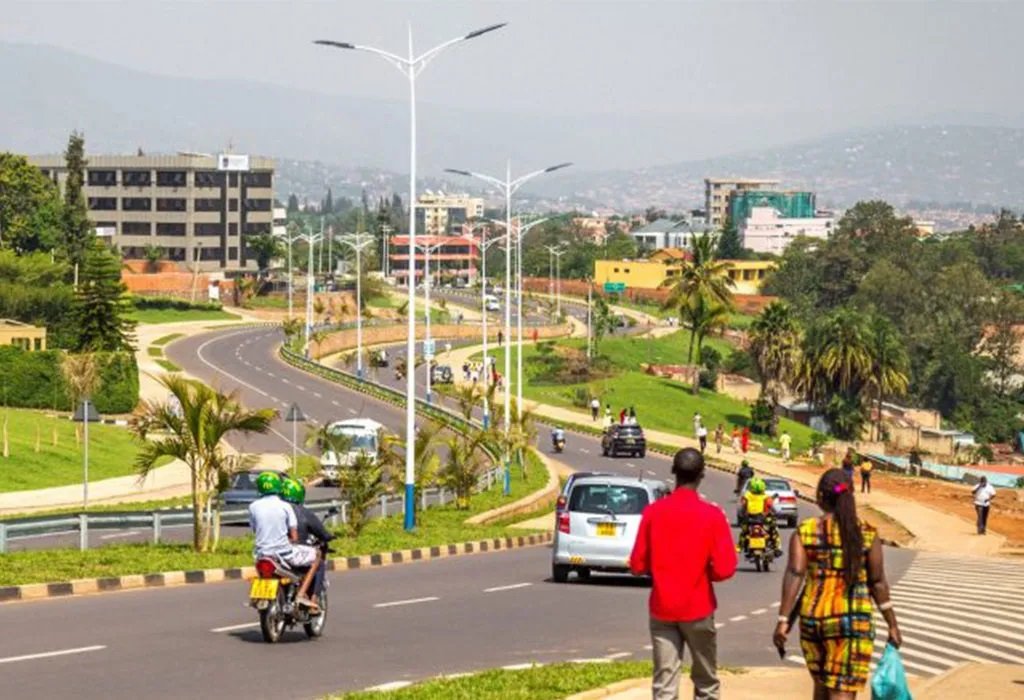
Kigali introduces a different photographic dimension through its modern architecture, bustling markets, carefully maintained streets, rolling urban hills and vibrant daily life. For photographers interested in documentary and cultural storytelling, the capital offers opportunities to explore the relationship between contemporary Rwanda, local businesses, creative communities and the country’s history. Scenic viewpoints can provide attractive compositions of buildings spread across the surrounding hills, particularly when early morning light or dramatic cloud formations create depth.
A photography-focused Kigali visit is best arranged with a knowledgeable local guide who understands appropriate locations, cultural sensitivities and practical travel arrangements. Photography in memorial sites, government areas and other sensitive locations may be restricted, so visitors should always respect posted rules and obtain permission when required. Kigali can serve as the starting or finishing point for a five-day Rwanda photography safari, a ten-day Rwanda wildlife tour or an extended Rwanda photography and birdwatching adventure.
Best Time for Photography Safaris in Rwanda from 2027 to 2030
Rwanda offers rewarding photographic opportunities throughout the year, but different seasons create different lighting conditions, landscapes and wildlife-viewing experiences. The drier months, generally June through September and December through February, are often preferred for gorilla trekking, game drives and easier travel along forest trails. The wetter periods, commonly March through May and October through November, bring lush vegetation, atmospheric mist, dramatic cloud formations and vibrant green landscapes. These seasonal patterns are useful planning guides, although rainfall and wildlife movements can vary from year to year.
Photographers whose priority is mountain gorilla photography in Volcanoes National Park may prefer relatively dry trekking conditions, but cloudy or misty weather can provide beautiful soft light for rainforest portraits. Visitors focused on Akagera wildlife photography may appreciate drier periods when vegetation is less dense and animals may be easier to observe around permanent water sources. Bird photographers, meanwhile, can find excellent opportunities during wetter seasons when forest vegetation is vibrant and bird activity may be particularly rewarding. There is no single month that is perfect for every photography subject.
| Travel Period | Typical Conditions | Photography Highlights |
|---|---|---|
| January–February | Relatively drier conditions | Gorilla trekking, Akagera wildlife, landscapes |
| March–May | Main rainy season | Misty forests, lush vegetation, dramatic skies |
| June–September | Generally drier season | Gorilla photography, savannah wildlife, outdoor photography |
| October–November | Shorter rainy season | Green landscapes, rainforest atmosphere, bird photography |
| December | Often relatively drier | Gorilla trekking, scenic landscapes, wildlife photography |
For travel in 2027, 2028, 2029 or 2030, we recommend treating these months as seasonal expectations rather than weather guarantees. Photographers should keep their itineraries flexible enough to accommodate rainfall, forest conditions and changes in animal movements. Travelers interested in a five-day Rwanda photography safari or an extended primate photography journey can discuss their preferred subjects with NextGen Safaris before selecting travel dates.
Best Camera Equipment for a Rwanda Photography Safari
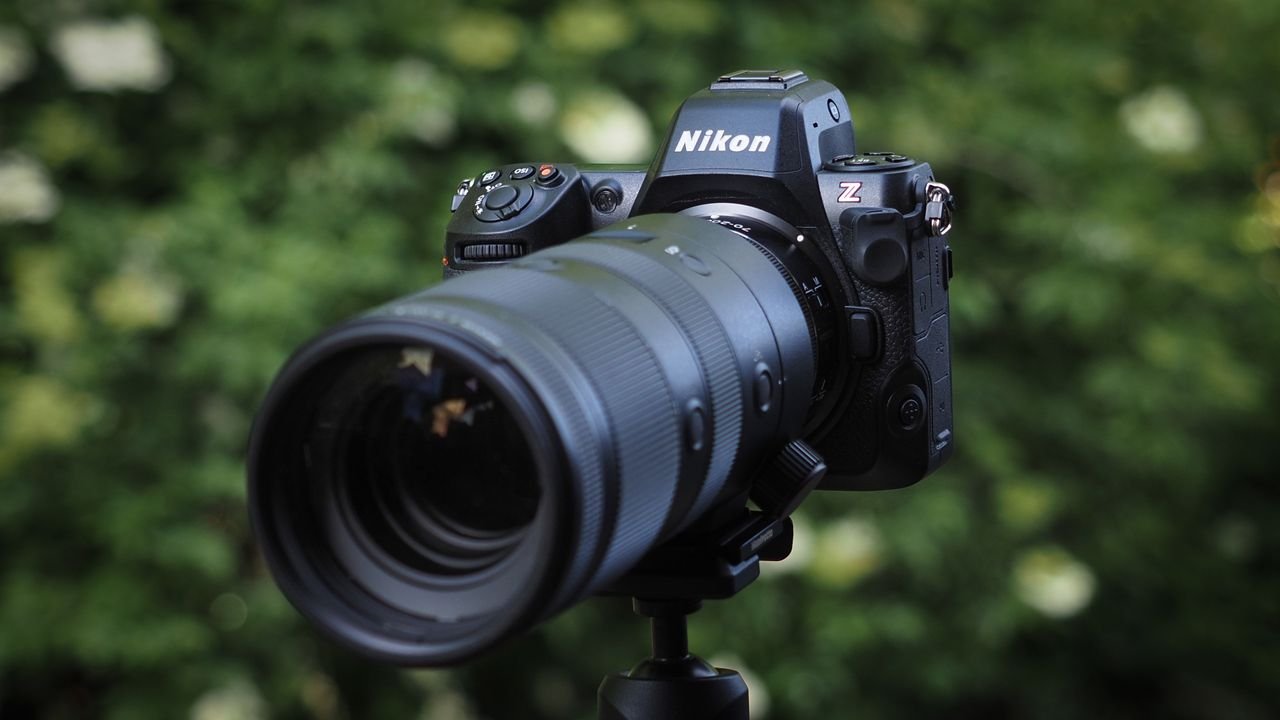
The most suitable photography equipment depends on whether your main priority is mountain gorillas, large mammals, birds or landscapes. Gorilla and chimpanzee photography often takes place under dense forest canopy, where light levels can be low and weather conditions unpredictable. A mirrorless or DSLR camera with reliable autofocus and good low-light performance is particularly helpful, while a lens covering approximately 70–200mm can provide useful flexibility for primate portraits and environmental compositions. For Akagera’s open savannah, a longer lens such as a 100–400mm or 150–600mm zoom can help photograph distant mammals and birds without needing to approach them.
Landscape photographers may prefer a wider lens for the Virunga volcanoes, Lake Kivu, Akagera’s sweeping plains and Nyungwe’s rainforest scenery. A lightweight wide-angle zoom can also be useful for documentary photography during rural journeys and urban exploration in Kigali. Carrying two camera bodies can reduce the need to change lenses in dusty or humid environments, although this is not essential for every traveler. Photographers interested in Uganda and Rwanda wildlife photography should also consider equipment weight because forest trekking is physically more demanding than photographing wildlife from a vehicle.
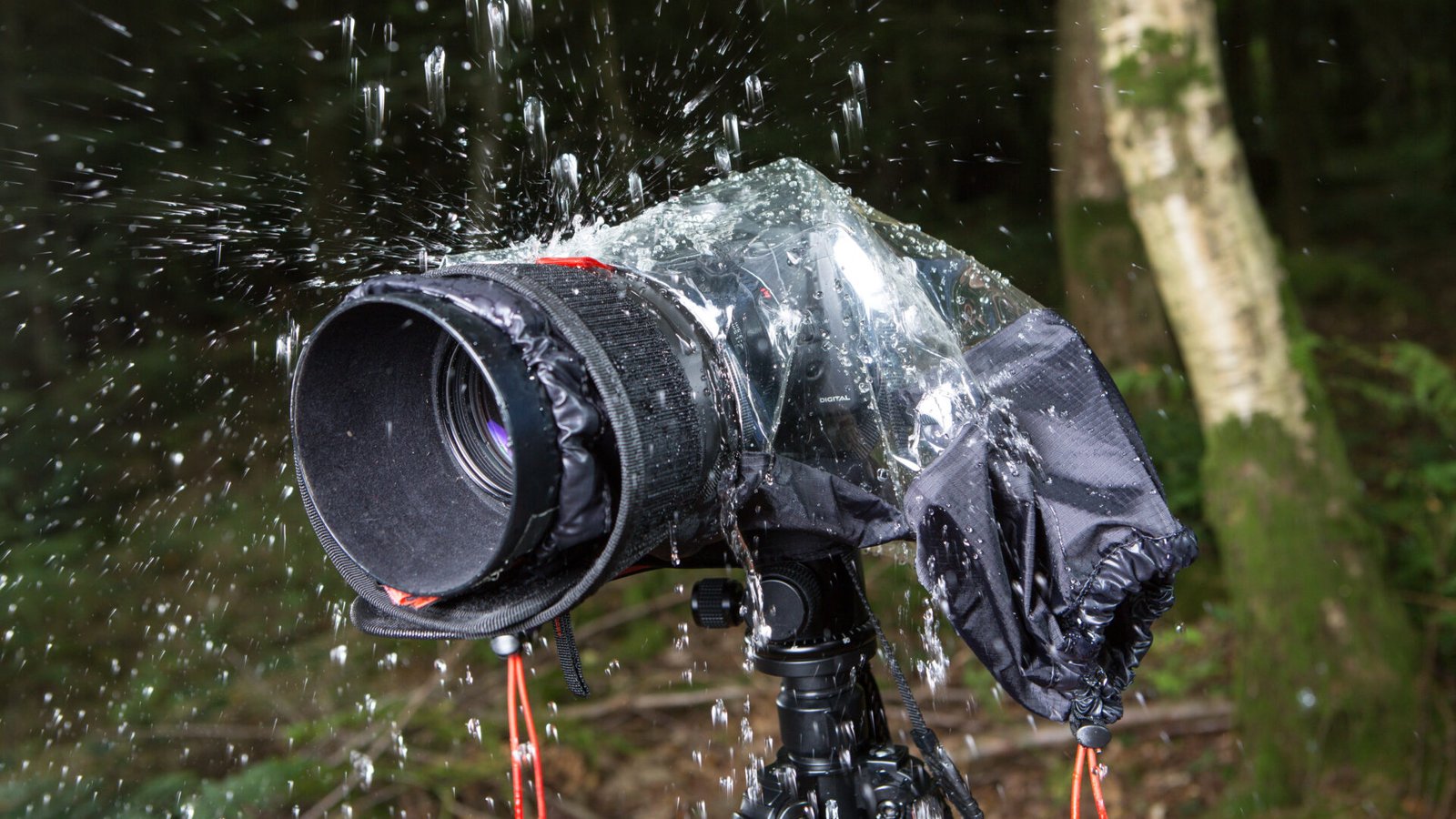
Camera protection is just as important as lens selection. Waterproof covers, dry bags, spare batteries, reliable memory cards and suitable lens-cleaning materials help protect equipment during unexpected rainfall and humidity. A comfortable camera harness can reduce fatigue while walking through mountain forests, and hiring a porter may make a substantial difference when carrying heavier equipment during gorilla trekking. Tripods and other support equipment should only be used where park rules allow and where they do not interfere with other visitors or wildlife.
Suggested 10-Day Rwanda Photography Safari Itinerary
For travelers who want a balanced combination of mountain gorillas, rainforest primates, landscape photography and classic African wildlife, a ten-day journey provides a useful framework. This suggested route can be personalized according to permit availability, international flights and preferred photography subjects.
10 Days Rwanda Photography Safari – Detailed Itinerary
Discover Rwanda through the lens on this carefully designed 10-day photography safari, combining mountain gorillas, golden monkeys, chimpanzees, magnificent volcanic scenery, Lake Kivu and the savannah wildlife of Akagera National Park. Each day offers different photographic opportunities, from intimate wildlife portraits in tropical forests to dramatic landscapes, cultural encounters and golden-hour game drives.
Arrival in Kigali – City Photography and Safari Orientation
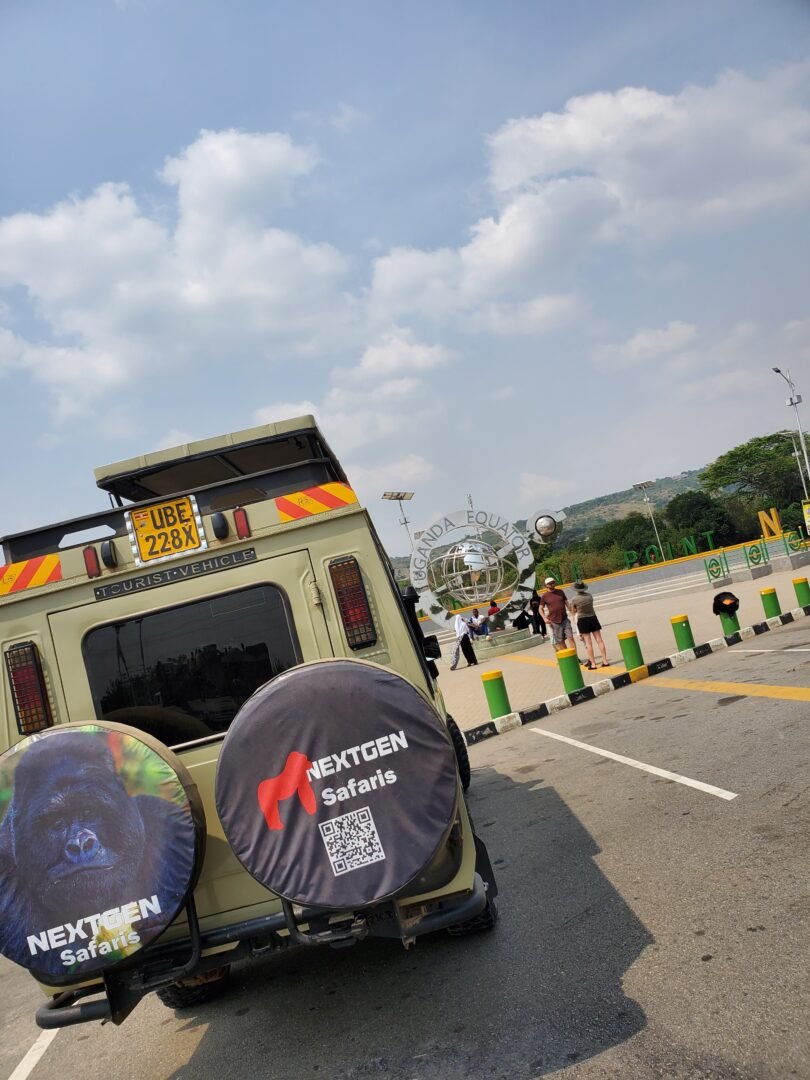
Your Rwanda photography safari begins upon arrival at Kigali International Airport, where you will be welcomed by your professional safari driver-guide. Following your transfer to the hotel, you will have an opportunity to relax, review your photography equipment and discuss the exciting experiences awaiting you across Rwanda’s national parks.
Depending on your arrival time, enjoy an introductory exploration of Kigali, one of Africa’s most attractive capital cities. Photograph the city’s rolling hills, modern architecture, vibrant neighbourhoods and panoramic viewpoints. Late afternoon light can provide beautiful opportunities to capture Kigali’s urban landscapes and the green hills surrounding the capital.
Kigali to Volcanoes National Park – Virunga Mountain Photography
After breakfast, depart Kigali and travel northwest towards Volcanoes National Park, passing through Rwanda’s remarkable countryside. The journey introduces you to terraced hillsides, rural villages, agricultural landscapes and winding mountain roads that make Rwanda a spectacular destination for landscape photography.
As you approach Musanze and the Virunga Mountains, the dramatic volcanic scenery becomes increasingly impressive. Weather permitting, enjoy opportunities to photograph the distinctive volcanic peaks, cloud formations and green mountain slopes. Your guide can arrange suitable scenic stops along the route before continuing to your accommodation near Volcanoes National Park.
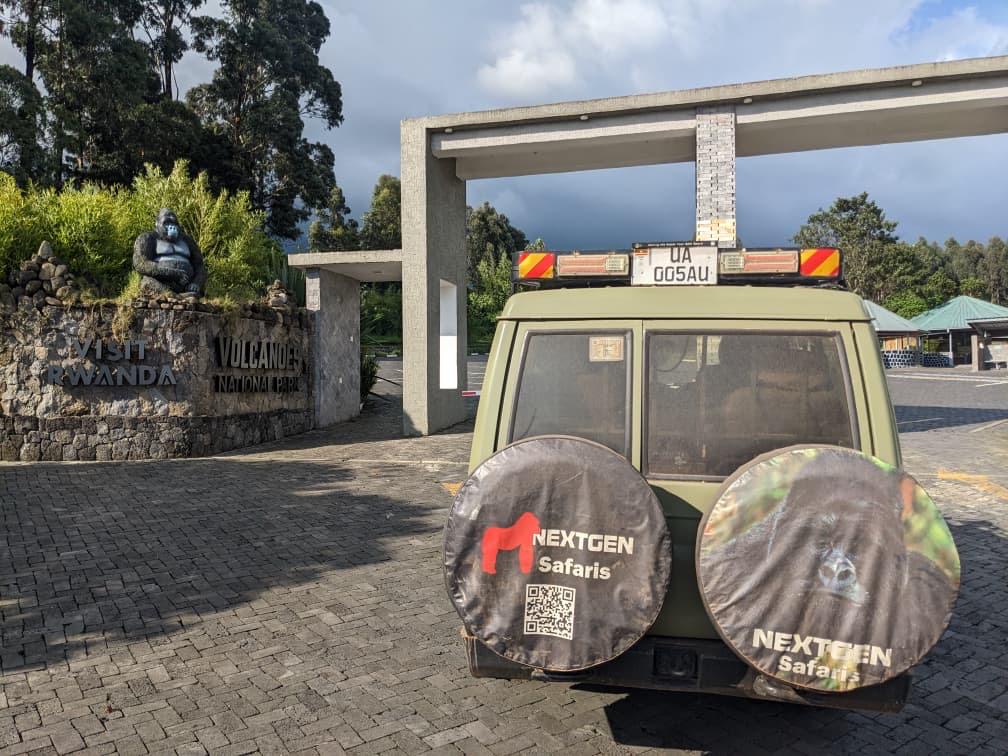
Mountain Gorilla Trekking – Exceptional Wildlife Portrait Photography
Today offers one of the most extraordinary wildlife photography experiences in Africa. After an early breakfast, transfer to the Volcanoes National Park headquarters for a ranger briefing before entering the forest in search of a habituated mountain gorilla family. The trek passes through beautiful mountain vegetation, bamboo zones and forested slopes.
Once the gorillas are located, you will normally have one permitted hour to observe and photograph them. Capture expressive facial portraits, the impressive presence of silverbacks, playful juveniles and natural family interactions. The shaded forest environment presents interesting lighting challenges, making careful camera settings and patient composition especially valuable. Flash photography is prohibited, and all ranger instructions and required viewing distances must be respected.
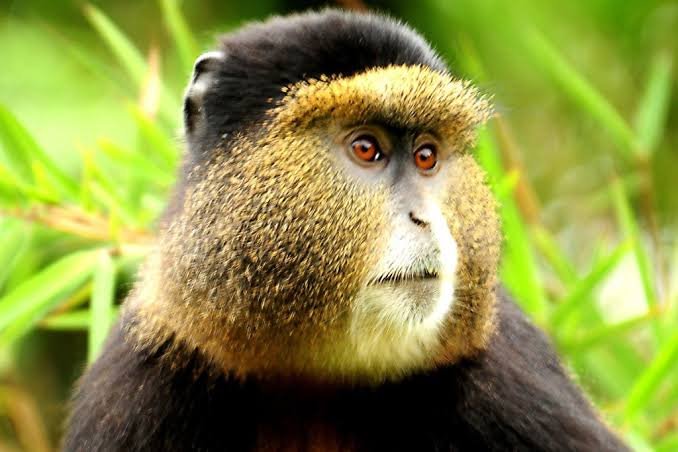
Golden Monkey Trekking – Bamboo Forest and Primate Photography
Begin another exciting morning in Volcanoes National Park with a guided golden monkey trekking adventure. These beautiful and energetic primates inhabit the bamboo forests on the lower slopes of the Virunga Mountains, creating an excellent opportunity for photographers interested in movement, colour, animal behaviour and natural forest environments.
As the golden monkeys move through the bamboo vegetation, look for opportunities to capture their distinctive golden-orange colouring, expressive faces and playful interactions. Their quick movements make this an engaging experience for wildlife photographers, while the forest provides beautiful backgrounds and filtered natural light. After the trek, return to your accommodation and enjoy the mountain atmosphere.

Volcanoes National Park to Lake Kivu – Lakeside and Sunset Photography
Following breakfast, travel towards the beautiful shores of Lake Kivu, one of Africa’s Great Lakes. The drive reveals attractive rural landscapes, hillside settlements and impressive views of Rwanda’s western highlands. Upon arrival, enjoy the peaceful lakeside setting, where the scenery provides a refreshing contrast to the dense forests of Volcanoes National Park.
Spend the afternoon exploring suitable viewpoints along the lakeshore, photographing fishing boats, distant hills, reflections and the changing colours of the water. If conditions allow, the late afternoon and sunset offer particularly rewarding photography opportunities. The combination of soft evening light, mountains and lake scenery makes Lake Kivu an excellent location for landscape photographers.
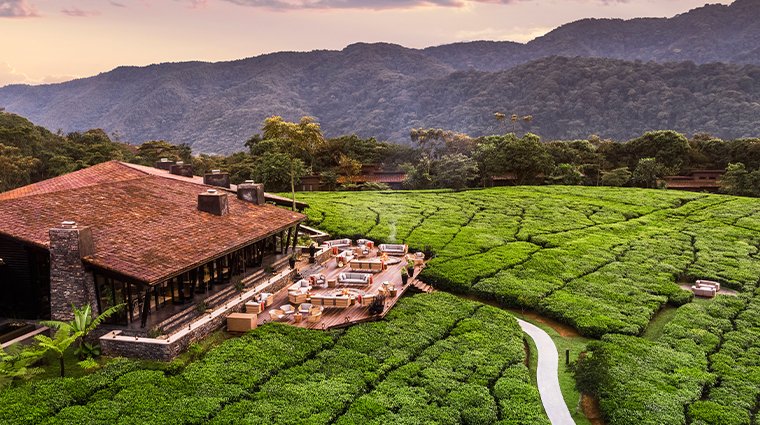
Lake Kivu to Nyungwe National Park – Tea Plantations and Rainforest Landscapes
Continue your photography safari southwards towards Nyungwe National Park, travelling through some of Rwanda’s most scenic highland landscapes. Depending on the route, the journey features attractive lake views, rural settlements, green valleys and extensive tea plantations that create striking patterns across the hillsides.
As you approach Nyungwe, the scenery gradually transforms into dense montane rainforest. Enjoy photographic opportunities around the tea-growing landscapes, where carefully arranged tea bushes contrast beautifully with the surrounding hills and forest. Mist, changing clouds and filtered sunlight can create dramatic atmospheric scenes. Arrive at your accommodation and prepare for the following day’s chimpanzee trekking adventure.
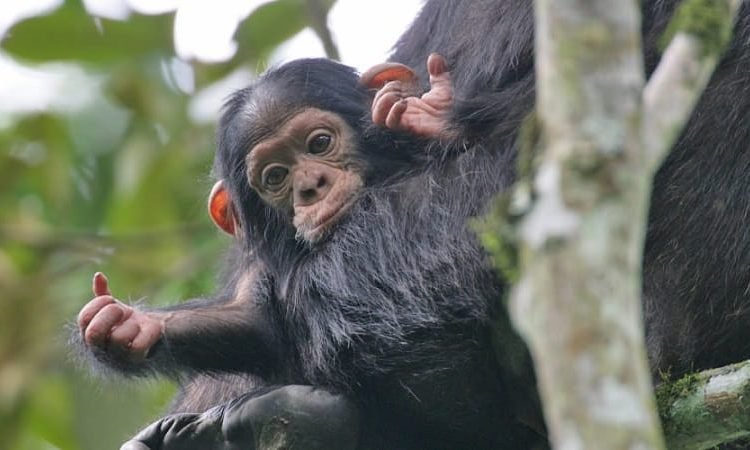
Chimpanzee Trekking in Nyungwe – Rainforest Wildlife Photography
Set out early with experienced park guides for chimpanzee trekking in the magnificent forests of Nyungwe National Park. The forest is an exceptional environment for nature photography, featuring towering trees, thick vegetation, moss-covered branches and a remarkable diversity of wildlife. Your guides will search for chimpanzees while introducing you to the rainforest ecosystem.
When chimpanzees are encountered, focus on their natural behaviour, facial expressions, movement through the canopy and social interactions. Chimpanzees are generally more active and faster-moving than gorillas, creating exciting but sometimes challenging photographic conditions. Even when the primates are difficult to photograph, the forest itself offers outstanding opportunities for atmospheric nature images and detailed compositions.
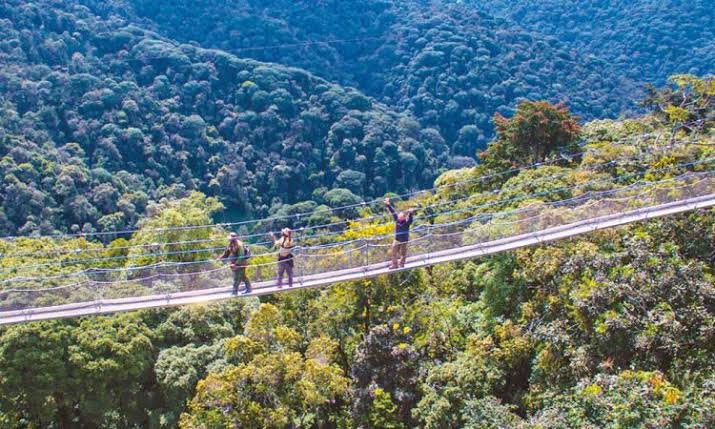
Nyungwe Forest Photography and Scenic Transfer to Kigali
Enjoy a final opportunity to explore the spectacular rainforest environment of Nyungwe National Park. Depending on your interests and the available time, choose between guided forest birdwatching and the famous canopy walkway experience. Bird photography provides opportunities to search for colourful forest species, while the canopy walkway offers elevated views of the surrounding rainforest.
The morning is particularly rewarding for photographing forest scenery, tree canopies, mist and natural vegetation. Afterwards, begin your scenic journey back towards Kigali, travelling through Rwanda’s beautiful countryside. The drive provides additional landscape photography opportunities before arriving in the capital for your overnight stay ahead of the Akagera safari.
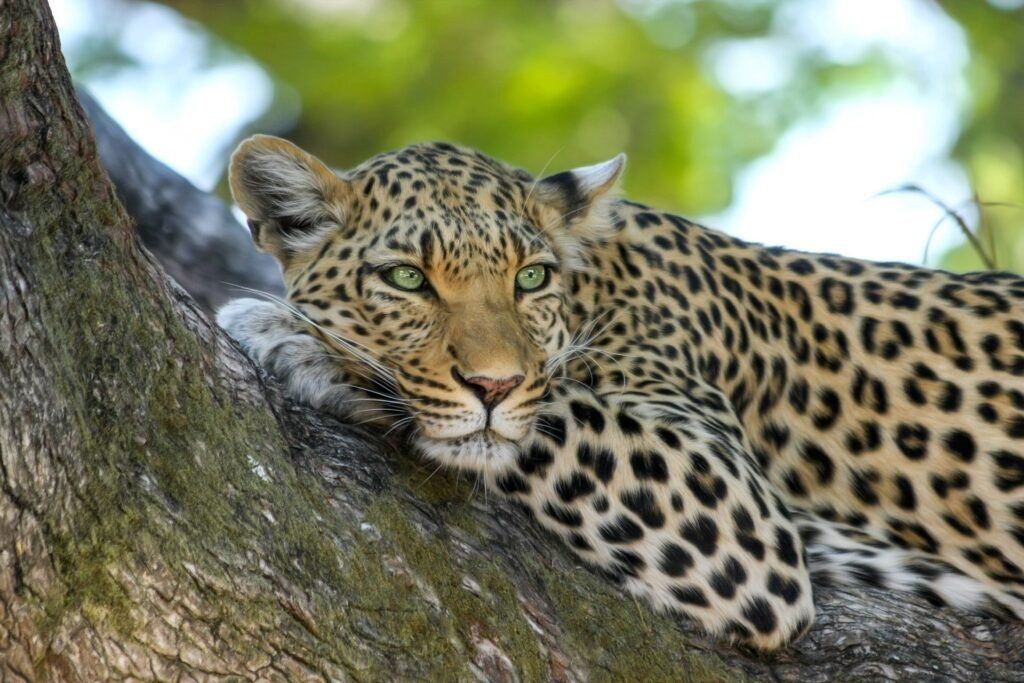
Kigali to Akagera National Park – Savannah Wildlife Photography
After breakfast, depart Kigali for Akagera National Park, Rwanda’s leading savannah wildlife destination. The park features beautiful open plains, rolling hills, lakes, wetlands and woodland habitats, creating a completely different photographic setting from the mountainous forests visited earlier in your journey.
Enjoy a guided game drive in search of elephants, giraffes, zebras, buffaloes, antelopes and other wildlife. With patience and favourable conditions, there may also be opportunities to photograph predators and rhinos. Your photography experience will focus on animal portraits, behavioural interactions and wildlife within the wider landscape. The changing light across Akagera’s grasslands can produce especially beautiful scenes for safari photography.
Morning Wildlife Photography in Akagera and Return to Kigali
Begin the final day of your Rwanda photography safari with an early wildlife viewing opportunity in Akagera National Park, subject to your departure schedule. The softer morning light is ideal for photographing animals, natural landscapes and the peaceful atmosphere of the savannah. Watch for wildlife moving through the grasslands as the day begins.
After your final photography session, depart Akagera and travel back to Kigali. Depending on your onward flight arrangements, you may have time for a short city stop or a relaxed transfer to Kigali International Airport. Your journey concludes with a diverse photographic collection showcasing Rwanda’s mountain gorillas, golden monkeys, chimpanzees, rainforest landscapes, lakes and savannah wildlife.
Plan Your Rwanda Photography Safari with Nextgen Safaris
Experience Rwanda’s extraordinary photographic destinations on a privately arranged safari designed around your interests. Whether you enjoy wildlife portraits, landscape photography, primate encounters or nature photography, Nextgen Safaris can tailor your journey to your preferred travel dates and photographic priorities.
Request Your Photography SafariImportant: This itinerary is a suggested travel programme. The final order and timing of activities depend on trekking permit availability, weather, road conditions, park regulations and flight arrangements. Wildlife sightings are not guaranteed, and all photography must follow national park guidelines.
This itinerary is an illustration rather than a fixed departure program. Some travel days are long, especially when moving between Nyungwe, Kigali and Akagera, so serious photographers may prefer an additional night in Akagera or Nyungwe. The route can also be adapted from our existing 10 Days Best of Rwanda Safari, with adjustments to prioritize morning and evening light, longer wildlife-viewing sessions and additional photography stops wherever legally permitted and practical.
How to Plan the Best Photography Safari in Rwanda from 2027 to 2030
The most successful photography safaris begin with clear priorities. Before selecting an itinerary, consider whether your primary interest is mountain gorilla portraiture, large mammal photography, birds, rainforest wildlife or scenic landscapes. A photographer focused on gorillas may benefit from additional trekking days, while someone interested in lions, elephants and birdlife may prefer more time in Akagera. Photographers seeking an extensive portfolio may choose a longer safari connecting multiple national parks, with fewer hurried transfers and additional opportunities for sunrise and sunset photography.
Advance planning is particularly important for mountain gorilla trekking permits, which are limited and subject to availability. Travelers should also consider seasonal conditions, camera equipment, physical fitness, accommodation location and any professional photography permissions that may be necessary. For visitors comparing a five-day Rwanda photography tour, an eight-day primate photography safari or a longer Rwanda safari, we recommend choosing sufficient time at the most important destinations rather than including too many activities simply to fill the schedule.
Although this guide covers travel from 2027 through 2030, permit fees, park access rules, activity arrangements and accommodation availability may change during those years. NextGen Safaris can help travelers review the latest requirements at the time of booking and design a practical route around their interests.
Frequently Asked Questions About Photography Safaris in Rwanda 2027–2030
1. What is the best photography safari in Rwanda for 2027–2030?
A safari combining Volcanoes National Park, Akagera National Park and Nyungwe National Park provides excellent variety, including gorillas, Big Five wildlife, chimpanzees, rare birds and scenic landscapes.
2. Where is the best place to photograph mountain gorillas in Rwanda?
Volcanoes National Park is Rwanda’s mountain gorilla trekking destination and offers exceptional opportunities to photograph habituated gorilla families under ranger supervision.
3. Can I use flash photography during gorilla trekking?
No. Flash photography is prohibited during mountain gorilla encounters to prevent disturbing the animals.
4. What is the best time of year for wildlife photography in Rwanda?
June through September and December through February are generally favorable for drier trekking and game-viewing conditions, while wetter months offer lush landscapes and atmospheric rainforest photography.
5. How long should a Rwanda photography safari last?
Five days can provide a rewarding combination of gorillas and savannah wildlife, while eight to twelve days allows greater destination variety and more photography time.
6. Is Rwanda suitable for professional wildlife photographers?
Yes. Rwanda offers distinctive wildlife subjects and diverse ecosystems, although professional commercial projects may require additional permissions.
7. Which camera lens is best for gorilla photography?
A flexible mid-range telephoto lens, such as a 70–200mm zoom, is often useful because of changing distances, dense vegetation and low forest light.
8. Can I photograph lions and elephants in Rwanda?
Yes. Akagera National Park is Rwanda’s principal savannah wildlife destination, offering opportunities to photograph lions, elephants, buffaloes, giraffes and other animals.
9. Is drone photography allowed in Rwanda?
Drone operations are regulated and require applicable authorization. Additional restrictions may apply in national parks and other sensitive areas.
10. Can I photograph chimpanzees in Rwanda?
Yes. Guided chimpanzee trekking in Nyungwe National Park provides opportunities to photograph chimpanzees in their natural rainforest habitat, subject to park regulations.
Book Your Best Photography Safari in Rwanda 2027–2030 with NextGen Safaris
Rwanda offers an extraordinary opportunity to create photographs that capture the beauty, diversity and character of East Africa. From the powerful presence of mountain gorillas in Volcanoes National Park to lions moving through Akagera’s golden savannah, chimpanzees calling through Nyungwe’s rainforest and magnificent landscapes surrounding Lake Kivu, every destination contributes something unique to your photography portfolio.
At NextGen Safaris, we design personalized Rwanda photography safaris that combine exceptional wildlife encounters with practical travel arrangements, experienced local guides and carefully planned activities. Whether you are a professional wildlife photographer preparing a specialized expedition, a passionate enthusiast looking to improve your portfolio or a traveler hoping to preserve unforgettable safari memories, we can help organize a journey suited to your interests.
Explore our 5 Days Rwanda Photography Safari, discover the 8 Days Rwanda Primate Photography Safari, choose our 6 Days Rwanda Birding Safari, or expand your adventure with an Uganda wildlife photography extension.