
Uganda Photography Guide
Ultimate Uganda Photography Guide: Capture Extraordinary Wildlife, Landscapes, Culture and Safari Moments in the Pearl of Africa.
The Uganda Photography Guide is an essential resource for travellers who want to capture the incredible beauty, wildlife, landscapes, cultures, and unforgettable moments found across the Pearl of Africa. Uganda is one of Africa’s most rewarding photography destinations, offering a remarkable combination of mountain gorillas, chimpanzees, diverse wildlife, dramatic scenery, colourful communities, and unique cultural experiences.
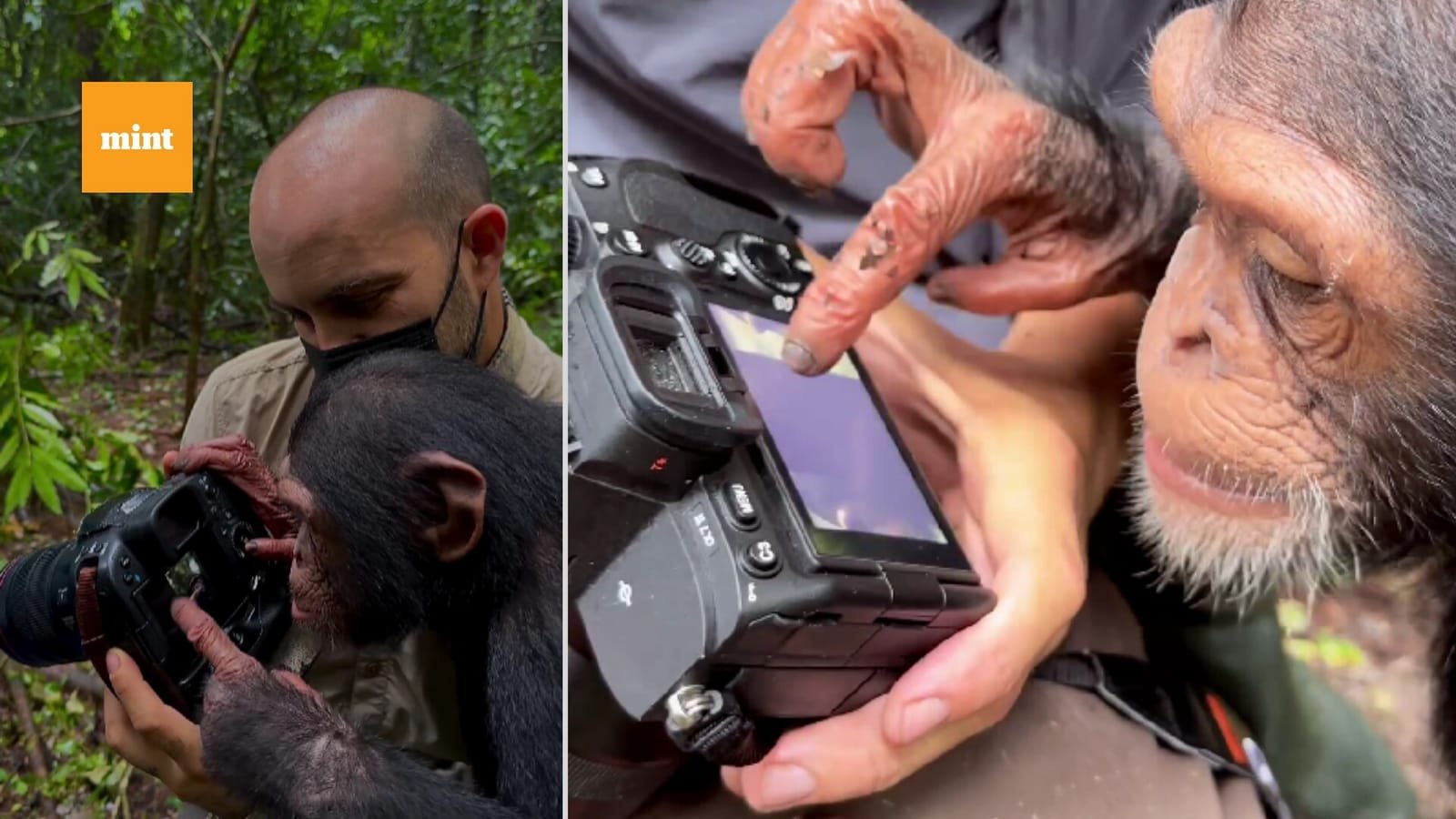
Unlike many destinations where travellers focus only on large wildlife, Uganda offers an extraordinary variety of photography opportunities. From standing face-to-face with a mountain gorilla deep inside the ancient forests of Bwindi Impenetrable National Park to photographing elephants along the Kazinga Channel, lions resting in Queen Elizabeth National Park, or the powerful waters of Murchison Falls, every region provides a new story to capture.
A complete Uganda Photography Guide helps photographers understand the best destinations, photography opportunities, camera equipment recommendations, wildlife photography techniques, cultural photography ethics, the best seasons for photography, and practical tips for capturing high-quality images during a Uganda safari.
Uganda’s diverse landscapes create endless creative possibilities. The misty mountains of the southwest, the open savannah plains of northern Uganda, the tropical forests of Kibale, the volcanic landscapes around Mgahinga, and the peaceful shores of Lake Victoria all provide stunning backgrounds for professional photographers, hobby photographers, and travellers who simply want to preserve their memories.
At Nextgen Safaris, we understand that photography is an important part of the safari experience. Our carefully planned Uganda safari experiences provide opportunities for travellers to spend meaningful time in wildlife areas, choose ideal photography locations, and capture authentic moments with the guidance of experienced local safari guides.
Why Uganda Is an Amazing Photography Destination
Uganda is one of Africa’s most diverse photography destinations because it combines rare wildlife encounters, beautiful landscapes, and authentic cultural experiences within one country. The destination offers photographers the opportunity to capture moments that are both visually stunning and emotionally powerful.
The Uganda Photography Guide highlights that Uganda’s greatest photography strength is its variety. Within a single journey, photographers can capture endangered mountain gorillas in rainforest environments, chimpanzees moving through ancient forests, lions hunting across savannah landscapes, colourful birds, traditional communities, and breathtaking scenery.
Uganda also provides excellent opportunities for storytelling photography. Instead of only capturing animals, photographers can document the relationship between people, wildlife, and landscapes. Images of local communities, fishermen on Lake Victoria, farmers working in rural areas, and cultural traditions help create a complete visual story of Uganda.
The country’s relatively less crowded tourism environment compared with some other African destinations also provides photographers with more intimate experiences. Travellers often enjoy quieter moments with wildlife, fewer vehicles at sightings, and more opportunities to focus on composition and creativity.
Best Wildlife Photography Destinations in Uganda
Uganda has several world-class wildlife destinations offering unique photography opportunities. Each national park provides different landscapes, animals, and experiences.
Bwindi Impenetrable National Park – Gorilla Photography
Bwindi Impenetrable National Park is one of the most famous photography destinations in Uganda because it provides the rare opportunity to photograph mountain gorillas in their natural forest environment.
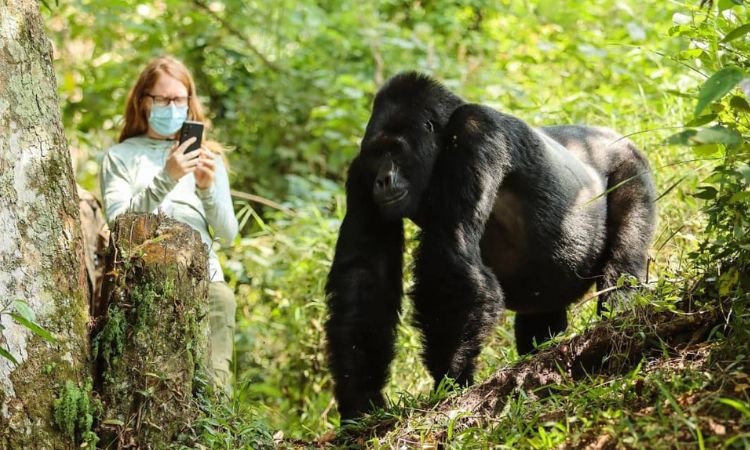
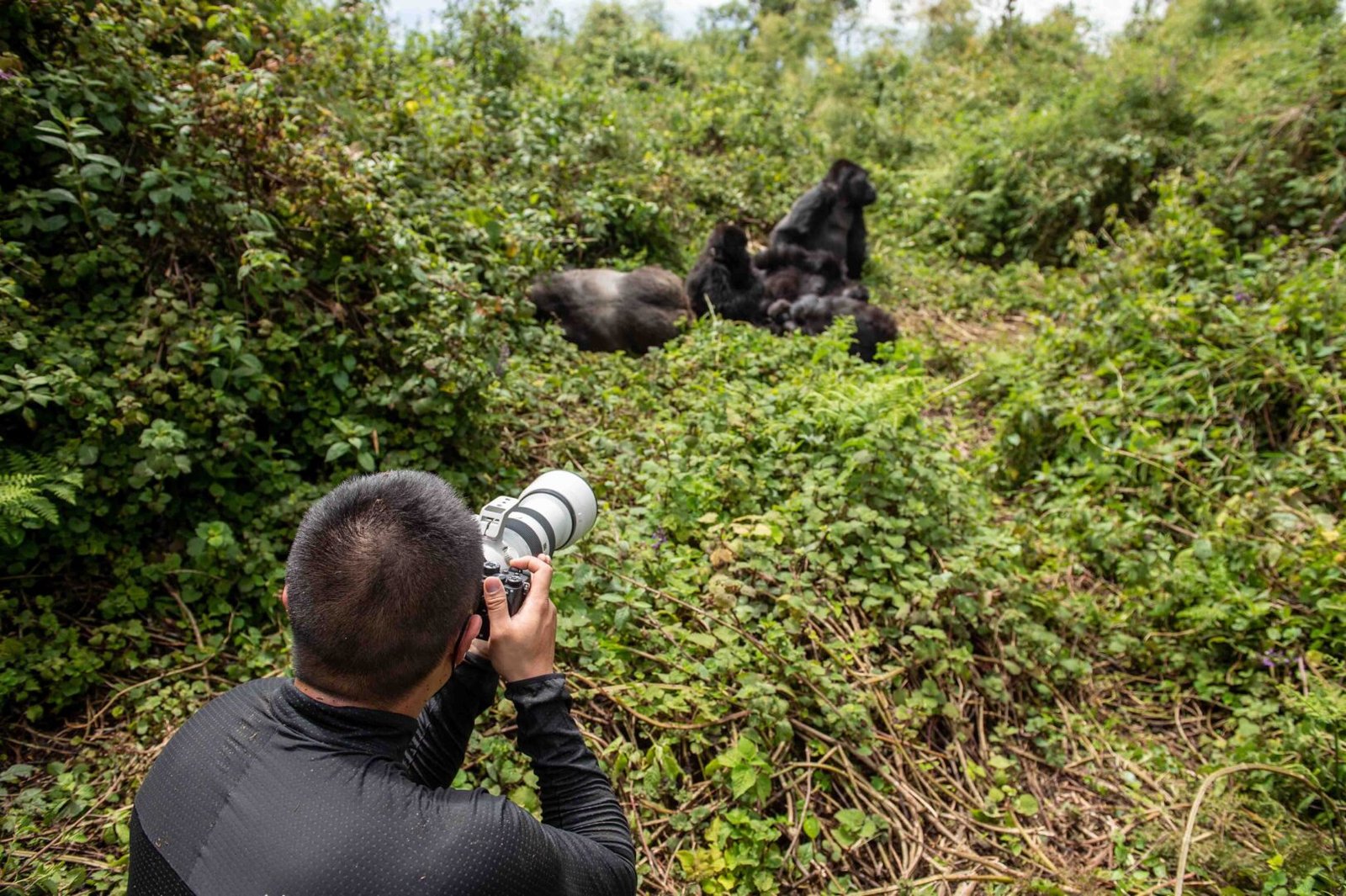
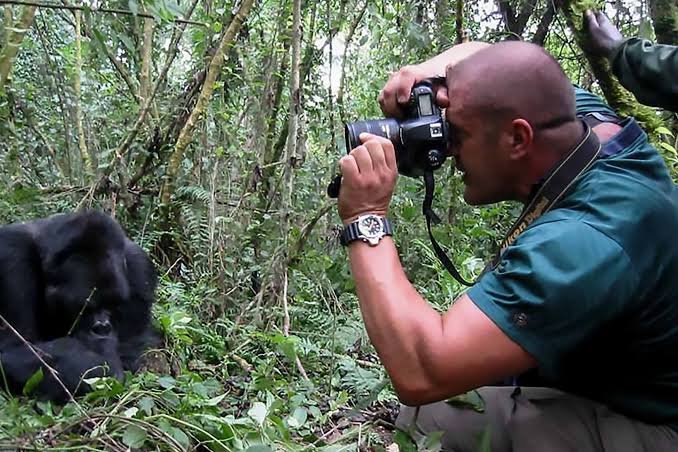
The Uganda Photography Guide explains that gorilla photography is a unique experience because it combines wildlife photography with a powerful emotional connection. Capturing the expressions, movements, family interactions, and personalities of gorillas creates unforgettable images.
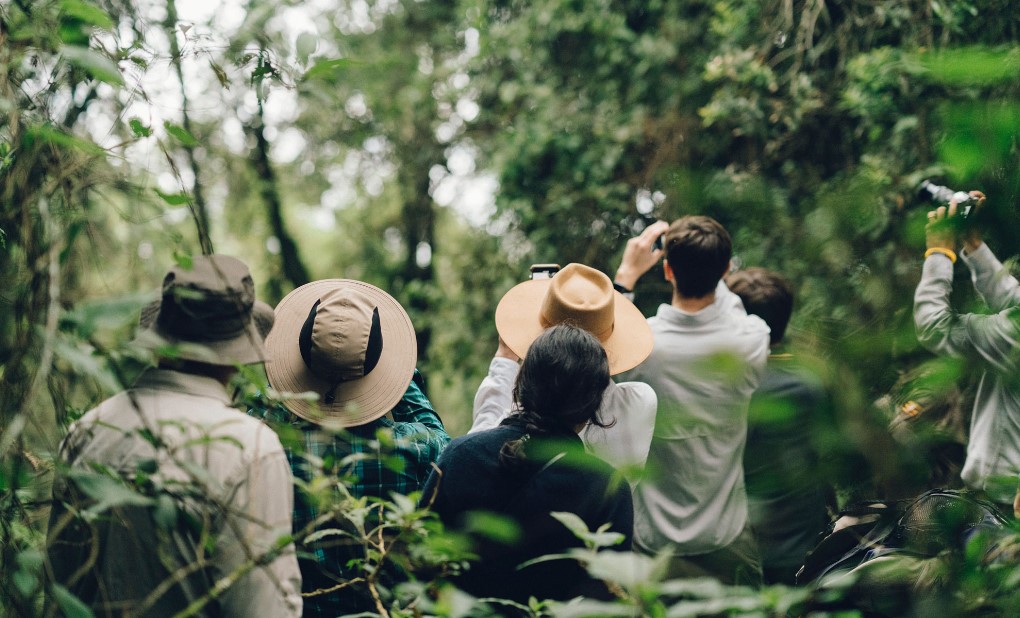
Photographers should prepare for challenging forest conditions because Bwindi is a dense rainforest environment with limited natural light. A camera capable of performing well in low-light conditions, fast lenses, and proper preparation are important.
During gorilla trekking, photographers should focus not only on close portraits but also on storytelling images showing the gorillas within their natural habitat. Images of gorillas surrounded by ancient trees, vegetation, and misty forest backgrounds often create some of the most memorable photographs.
Queen Elizabeth National Park – Classic African Wildlife Photography
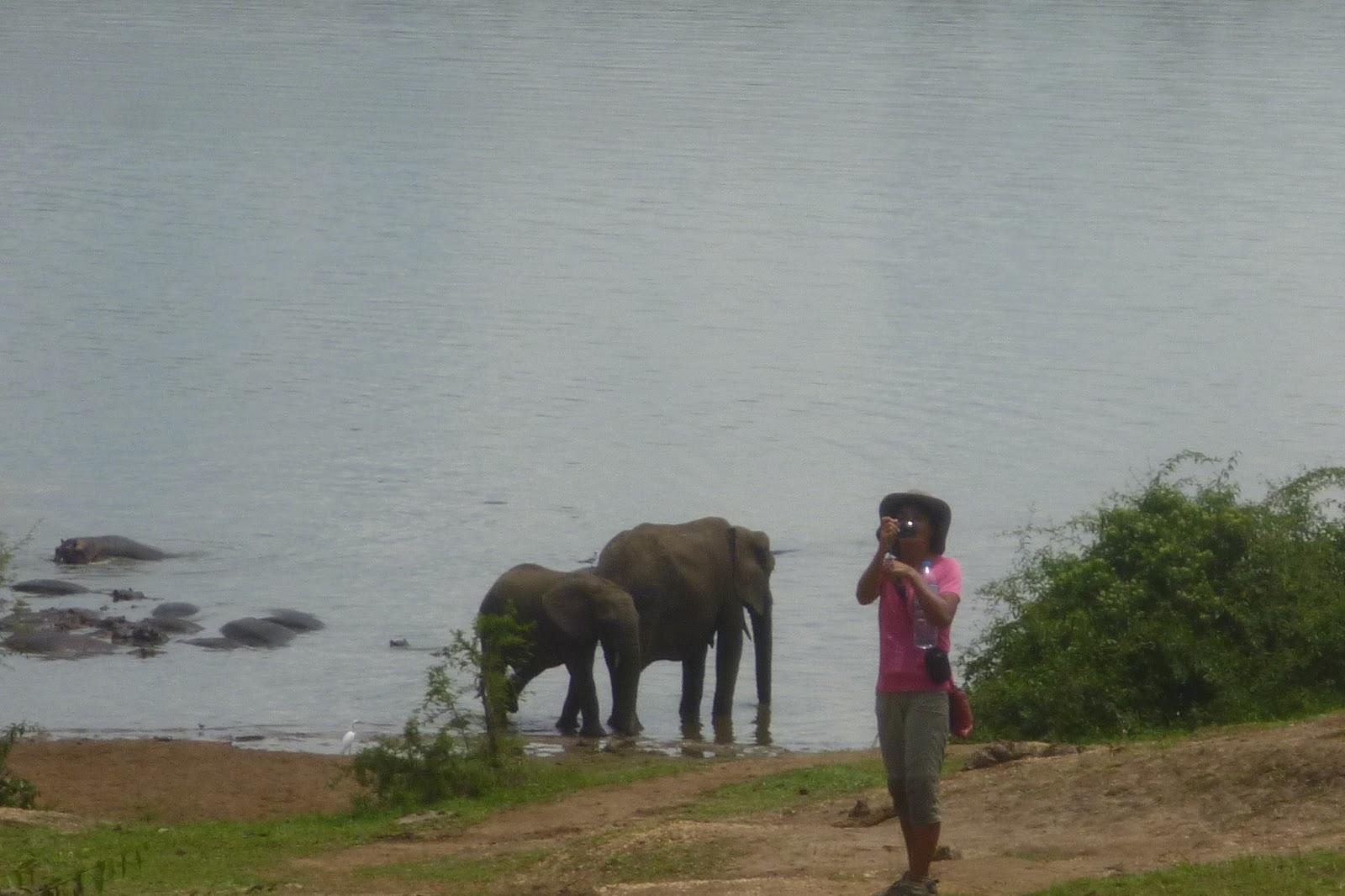
Queen Elizabeth National Park is one of Uganda’s most diverse photography destinations, offering savannah landscapes, lakes, forests, and abundant wildlife. The park provides opportunities to photograph elephants, lions, buffaloes, hippos, leopards, warthogs, antelopes, and many bird species. The famous Kazinga Channel offers excellent opportunities for photographing hippos, crocodiles, elephants, and birds gathering along the water.
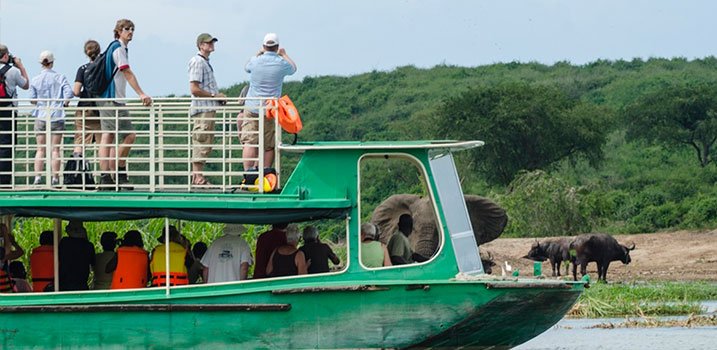
The Uganda Photography Guide recommends Queen Elizabeth National Park for photographers looking for classic African safari images. Morning and evening game drives provide the best lighting conditions, with golden sunrise and sunset colours creating dramatic wildlife photographs.
The Ishasha sector of the park is particularly famous for its tree-climbing lions. Capturing lions resting on large fig trees surrounded by the beautiful savannah landscape creates one of Uganda’s most iconic wildlife photographs.
Murchison Falls National Park – Landscape and Wildlife Photography
Murchison Falls National Park offers some of Uganda’s most dramatic photography opportunities. The park combines powerful landscapes, wildlife-rich savannah, and the spectacular Murchison Falls where the Nile River forces its way through a narrow gorge. Photographers can capture elephants, giraffes, lions, buffaloes, hippos, crocodiles, and numerous bird species across the park’s diverse habitats.
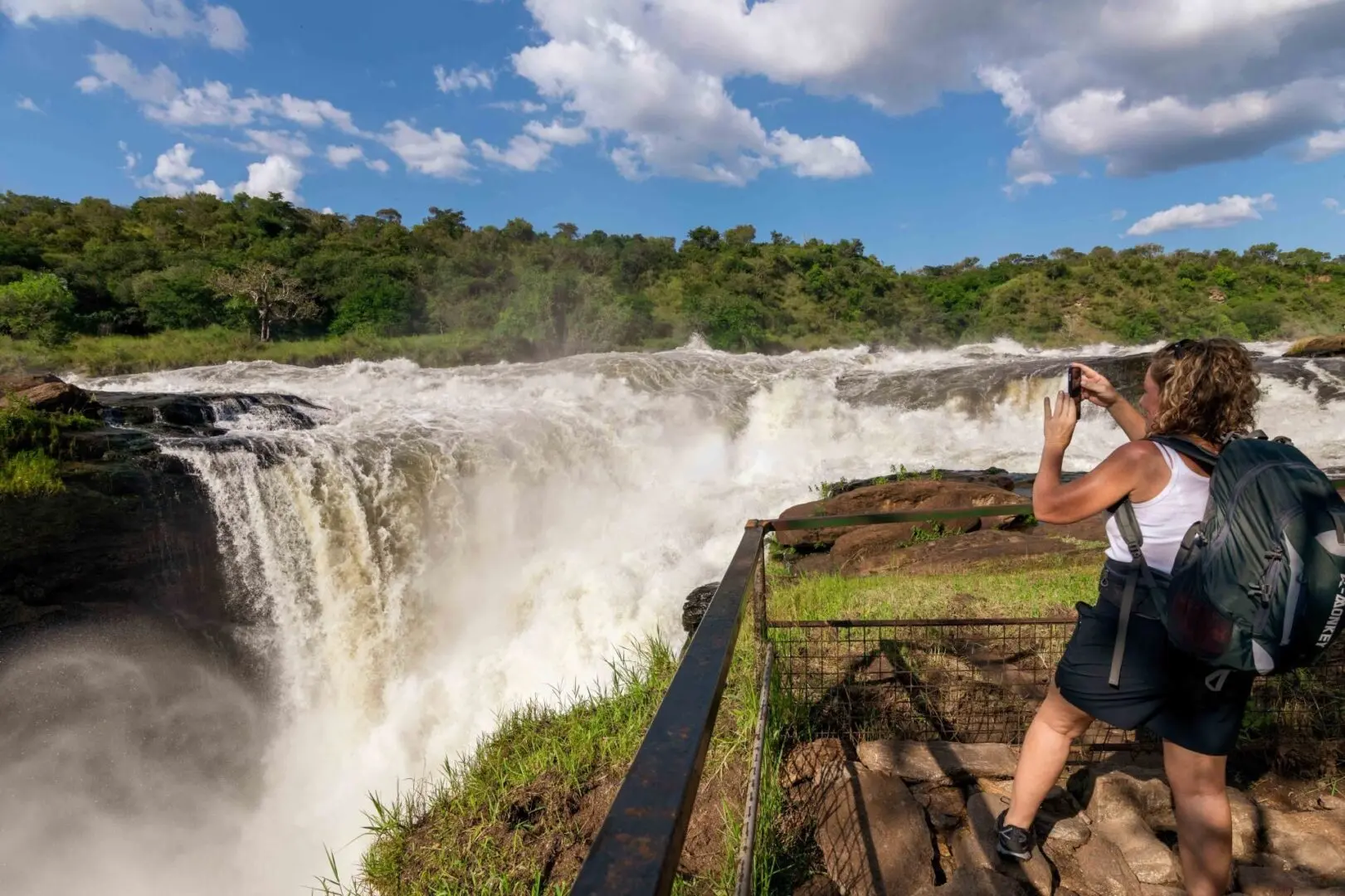
The boat cruise along the Nile provides excellent photography opportunities because animals gather near the water. Photographers can capture elephants drinking, hippos emerging from the river, crocodiles resting on riverbanks, and colourful birds along the shoreline.
The falls themselves provide incredible landscape photography opportunities, especially during sunrise or when capturing the powerful movement of water through the gorge.
Kibale National Park – Chimpanzee Photography
Kibale National Park is one of Africa’s best destinations for chimpanzee photography. Known as the primate capital of the world, the park provides opportunities to photograph chimpanzees, monkeys, and beautiful forest environments.

Chimpanzee photography requires patience because these animals move quickly through forest habitats. Photographers should be prepared for changing lighting conditions and fast movements.
The Uganda Photography Guide recommends using cameras with good autofocus systems and lenses suitable for capturing subjects at different distances. Beyond chimpanzees, Kibale offers opportunities to photograph forest landscapes, colourful birds, butterflies, and other primates.
Best Time for Photography in Uganda
Uganda is a year-round photography destination, but different seasons provide different photographic opportunities.
The dry seasons, especially from June to September and December to February, are popular because roads are generally easier to navigate and wildlife is often easier to locate around water sources.
The Uganda Photography Guide explains that the rainy seasons can also provide incredible photography opportunities. During these periods, landscapes become greener, skies become more dramatic, and there are fewer visitors at many destinations.
For gorilla photography, every season has advantages. Rainy periods create beautiful forest atmospheres with mist and lush vegetation, while drier periods may provide easier trekking conditions. Bird photographers often enjoy rainy seasons because many species are active, vegetation is vibrant, and breeding activity increases.
Best Camera Equipment for Uganda Photography Safaris
Choosing the right photography equipment can significantly improve your Uganda safari experience. The equipment needed depends on your photography interests, but preparation is important because safari environments can be challenging.
A versatile camera system is recommended because photographers encounter both distant wildlife and close encounters such as gorilla trekking. Useful equipment includes:
- A camera body with good low-light performance
- Telephoto lens for wildlife photography
- Wide-angle lens for landscapes and environmental portraits
- Extra batteries
- Memory cards
- Camera cleaning equipment
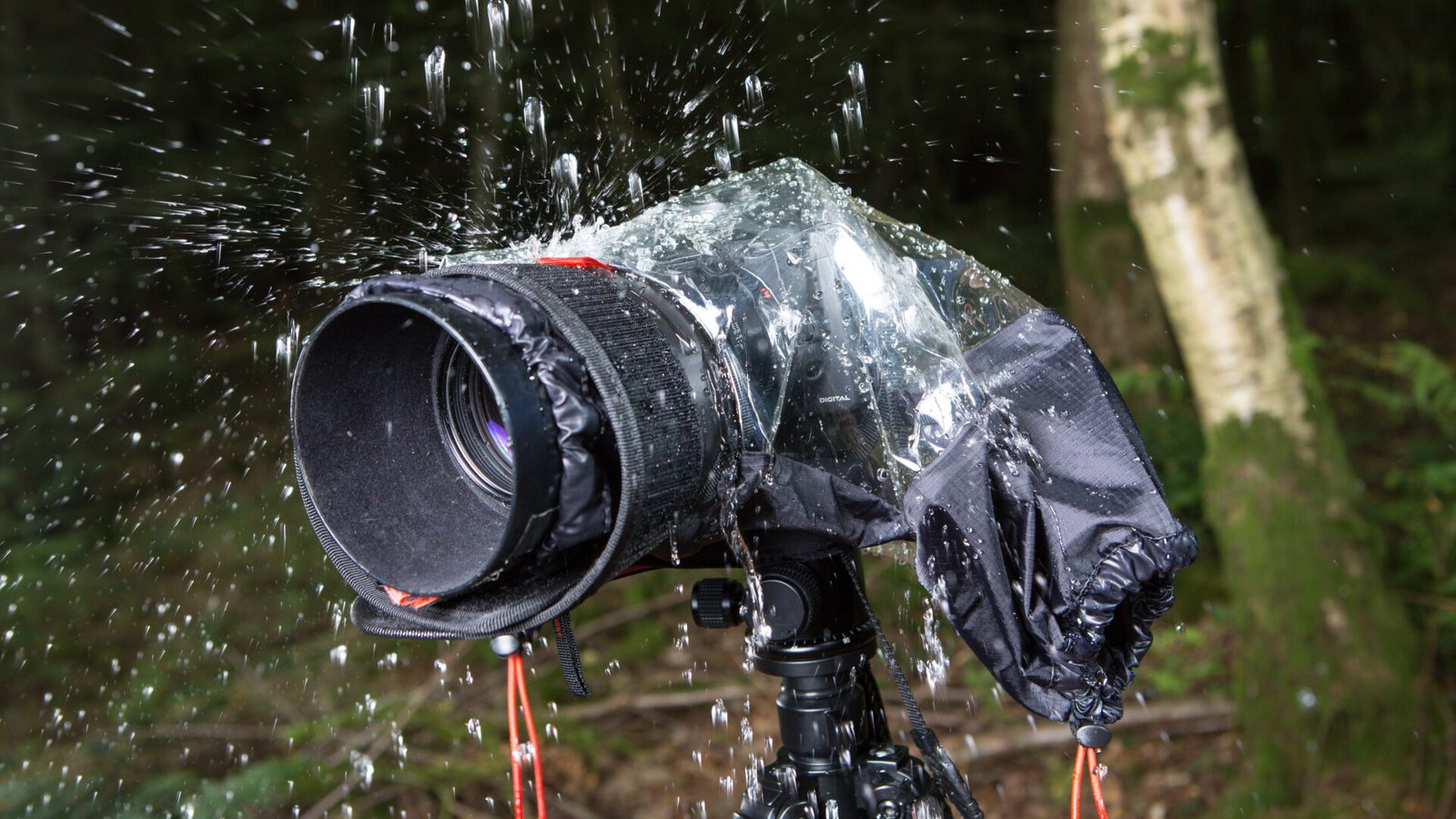
- Rain protection
- Comfortable camera bag
The Uganda Photography Guide recommends carrying lightweight equipment because many experiences involve walking, including gorilla trekking and forest hikes.
Wildlife Photography Tips in Uganda
Wildlife photography requires patience, observation, and respect for animals. The best photographs often come from understanding animal behaviour rather than simply reacting quickly.
Early morning and late afternoon are usually the best times for photography because soft natural light creates better colours and fewer harsh shadows.
The Uganda Photography Guide recommends focusing on composition rather than only taking many images. Consider animal behaviour, background, lighting, and storytelling when creating photographs.
During game drives, photographers should listen to their guide because local guides understand wildlife movements and often know where interesting encounters may happen.
Gorilla Photography Tips in Uganda
Gorilla photography is one of the most special wildlife photography experiences in the world. However, photographing gorillas requires preparation because conditions inside the forest are different from traditional safari environments.
Forest lighting can be dark and unpredictable, so cameras with good ISO performance are valuable. Photographers should also protect equipment from humidity and rain.
The Uganda Photography Guide recommends balancing photography with the experience itself. While capturing beautiful images is important, travellers should also take time to observe and appreciate the incredible encounter. Photographers should always follow park regulations, maintain the required distance, and respect instructions from guides.
Bird Photography in Uganda
Uganda is a paradise for bird photographers, with more than 1,000 recorded bird species. The country’s forests, wetlands, lakes, and savannah habitats support incredible bird diversity.
Popular bird photography locations include Mabamba Wetland, Bwindi, Kibale, Queen Elizabeth National Park, Murchison Falls, and Lake Mburo National Park. Photographers can capture rare species such as the shoebill, colourful kingfishers, eagles, hornbills, and many tropical forest birds.
The Uganda Photography Guide recommends carrying a suitable telephoto lens and spending time observing bird behaviour before taking photographs.
Cultural Photography in Uganda
Uganda offers exceptional cultural photography opportunities through its diverse communities, traditions, and daily life. Photographers can capture traditional dances, local markets, artisans creating crafts, fishermen on lakes, farmers working in rural areas, and community celebrations.
However, cultural photography requires respect and sensitivity. Visitors should always ask permission before photographing people, especially during ceremonies or personal moments. The Uganda Photography Guide encourages photographers to focus on authentic storytelling rather than simply taking pictures of people as attractions.
Photography Etiquette and Responsible Travel
Responsible photography is important when travelling through Uganda. Photographers should respect wildlife, communities, and local customs. In national parks, visitors must follow guidelines designed to protect animals and ensure safe interactions. During cultural experiences, asking permission before photography demonstrates respect.
The best travel photographs are created through genuine connections and understanding. At Nextgen Safaris, we encourage responsible tourism practices that protect Uganda’s natural and cultural heritage while allowing travellers to create meaningful memories.
Photography Tips for Safari Vehicle Experiences
Safari vehicles provide excellent platforms for wildlife photography. Travellers should keep cameras ready during game drives because wildlife encounters can happen unexpectedly.
Using bean bags or vehicle supports can improve stability when using large lenses. Photographers should also communicate with their guide when they need better positioning for photographs.
The Uganda Photography Guide recommends patience during wildlife viewing because the most memorable moments often happen after waiting quietly.
Why Choose Nextgen Safaris for a Uganda Photography Safari?
A successful photography safari requires more than visiting wildlife destinations. It requires careful planning, experienced guides, flexible schedules, and knowledge of the best photography opportunities.
Nextgen Safaris provides customised photography safaris designed around photographers’ interests. Our experienced guides understand wildlife behaviour, national park routes, and the best locations for capturing unforgettable images.
Whether you are a professional photographer, wildlife enthusiast, or traveller wanting to document your adventure, we create experiences that maximise your opportunities.
Frequently Asked Questions About Uganda Photography Guide
1. Why is Uganda a good destination for photography safaris?
Uganda is one of Africa’s most rewarding photography destinations because it offers incredible wildlife, dramatic landscapes, diverse cultures, and rare encounters such as mountain gorilla trekking. The Uganda Photography Guide highlights that travellers can capture gorillas in ancient forests, lions on open savannah plains, chimpanzees in tropical forests, colourful birds, local communities, and breathtaking scenery across one safari journey.
2. What are the best places for photography in Uganda?
The best photography destinations in Uganda include Bwindi Impenetrable National Park for gorilla photography, Queen Elizabeth National Park for wildlife and landscapes, Murchison Falls National Park for river and wildlife scenes, Kibale National Park for chimpanzees, and Lake Mburo National Park for scenic photography. The Uganda Photography Guide explains that each destination offers unique opportunities for capturing wildlife, nature, and cultural stories.
3. Can I take photos during gorilla trekking in Uganda?
Yes, photography is allowed during gorilla trekking in Uganda, and it is one of the most unforgettable wildlife photography experiences in the world. The Uganda Photography Guide recommends using a camera that performs well in low-light conditions because Bwindi’s rainforest environment can be dark and challenging. Visitors must follow park guidelines, maintain the required distance, and respect instructions from guides.
4. What camera equipment should I bring for a Uganda safari?
For a Uganda photography safari, travellers should consider carrying a camera body with good low-light performance, a telephoto lens for wildlife, a wide-angle lens for landscapes, extra batteries, memory cards, and protection against rain and humidity. The Uganda Photography Guide recommends lightweight and versatile equipment because some activities, such as gorilla trekking and forest walks, require hiking.
5. What is the best time for photography in Uganda?
Uganda offers excellent photography opportunities throughout the year. The dry seasons from June to September and December to February are popular because wildlife viewing conditions are generally favourable, while rainy seasons provide greener landscapes, dramatic skies, and fewer crowds. The Uganda Photography Guide explains that the best time depends on your photography interests, whether you focus on wildlife, birds, landscapes, or cultural experiences.
6. Is Uganda suitable for wildlife photography?
Yes, Uganda is an excellent destination for wildlife photography, offering opportunities to photograph elephants, lions, buffaloes, leopards, giraffes, hippos, primates, and many other species. The Uganda Photography Guide recommends destinations such as Queen Elizabeth National Park, Murchison Falls National Park, and Kidepo Valley National Park for travellers seeking classic African wildlife photography experiences.
7. Can I photograph mountain gorillas in Uganda?
Yes, Uganda is one of the best destinations in the world for photographing mountain gorillas. Gorilla trekking in Bwindi Impenetrable National Park and Mgahinga Gorilla National Park allows visitors to capture these endangered primates in their natural forest habitat. The Uganda Photography Guide recommends preparing for changing light conditions and focusing on storytelling images that show gorillas within their environment.
8. Is Uganda good for bird photography?
Yes, Uganda is a top bird photography destination with over 1,000 bird species found across forests, wetlands, lakes, and savannah habitats. Popular locations include Mabamba Wetland, Bwindi, Kibale National Park, and Queen Elizabeth National Park. The Uganda Photography Guide recommends carrying a telephoto lens and spending time observing bird behaviour to capture unique images.
9. What lens is best for Uganda wildlife photography?
A telephoto lens is one of the most useful lenses for Uganda wildlife photography because it allows photographers to capture animals from a safe distance. A wide-angle lens is also valuable for landscapes, gorilla habitat photography, waterfalls, and cultural scenes. The Uganda Photography Guide recommends carrying versatile equipment that can adapt to different safari environments.
10. Can I photograph local people during my Uganda safari?
Yes, travellers can photograph local communities in Uganda, but they should always ask for permission before taking photos of people. The Uganda Photography Guide encourages respectful cultural photography by focusing on authentic interactions, traditions, and daily life rather than treating communities as attractions.
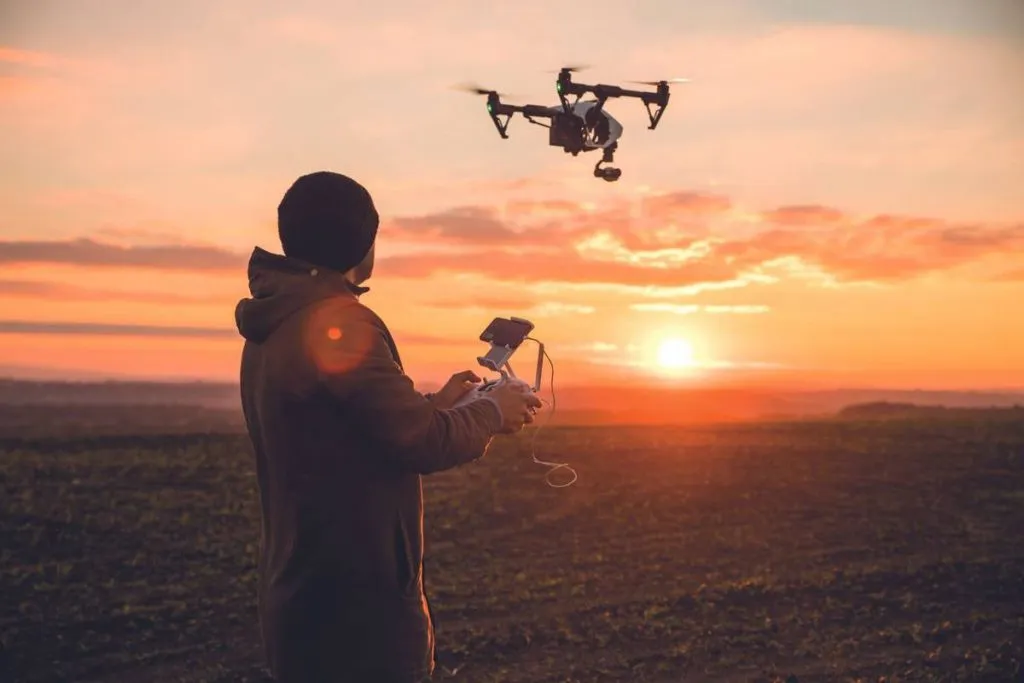
11. Are drones allowed for photography in Uganda?
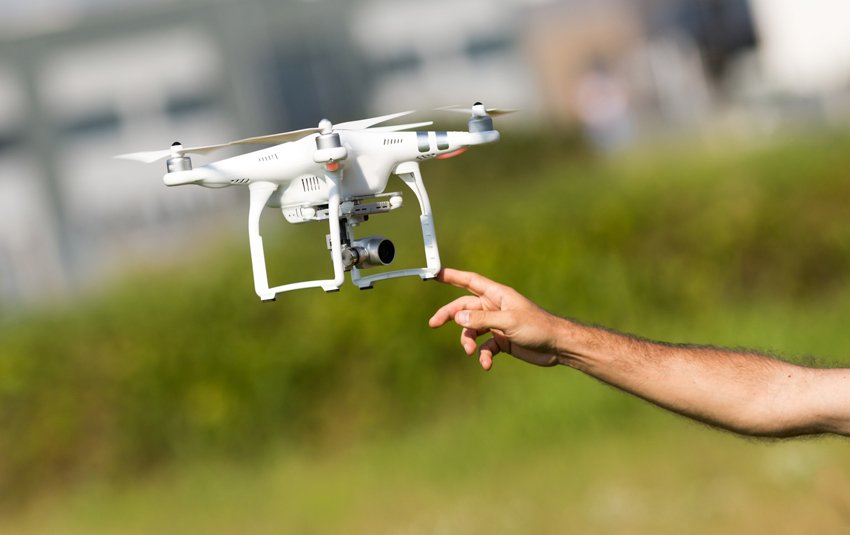
Drone photography in Uganda is regulated, and travellers need to obtain the required permissions before operating drones, especially near airports, national parks, and protected areas. The Uganda Photography Guide recommends checking current regulations before travelling and ensuring drone use does not disturb wildlife or local communities.
12. Can beginners enjoy a Uganda photography safari?
Yes, Uganda photography safaris are suitable for beginners, hobby photographers, and professionals. Travellers do not need expensive equipment to capture memorable images. The Uganda Photography Guide explains that patience, good composition, understanding light, and listening to experienced safari guides are often more important than having advanced camera equipment.
13. What other photography opportunities are available besides wildlife?
Beyond wildlife, Uganda offers incredible photography opportunities including traditional cultures, local markets, landscapes, lakes, waterfalls, communities, food experiences, and daily life. The Uganda Photography Guide highlights that combining wildlife and cultural photography creates a complete visual story of Uganda and allows travellers to capture the true spirit of the Pearl of Africa.
14. How can I take better wildlife photos in Uganda?
To take better wildlife photographs in Uganda, travellers should use good lighting, remain patient, understand animal behaviour, and allow guides to assist with positioning and timing. The Uganda Photography Guide recommends focusing on storytelling, capturing animal interactions, and photographing wildlife within its natural environment rather than only taking close-up portraits.
15. Why choose Nextgen Safaris for a Uganda photography safari?
Nextgen Safaris provides customised photography safari experiences designed around travellers’ interests, photography goals, and preferred destinations. With experienced local guides who understand wildlife behaviour, national parks, and the best photography opportunities, guests can maximise their chances of capturing unforgettable images during gorilla trekking, wildlife safaris, birding adventures, and cultural journeys across Uganda. The Uganda Photography Guide shows that successful photography experiences depend on proper planning, local expertise, and choosing the right locations at the right time.
Book Your Uganda Photography Safari Adventure Today
The Uganda Photography Guide reveals why Uganda is one of Africa’s most rewarding destinations for photographers. From mountain gorillas hidden in ancient forests to lions on savannah plains, colourful birds, dramatic landscapes, and welcoming communities, Uganda provides endless opportunities for incredible images.
Every photograph tells a story, and Uganda offers some of Africa’s most powerful stories to capture.
At Nextgen Safaris, we create personalised photography safari experiences that combine wildlife, culture, adventure, and unforgettable moments. Contact us today and let us help you capture the beauty of the Pearl of Africa.