
Can You Take Photos During Gorilla Habituation?
Can You Take Photos During Gorilla Habituation? The Ultimate Uganda Photography Guide
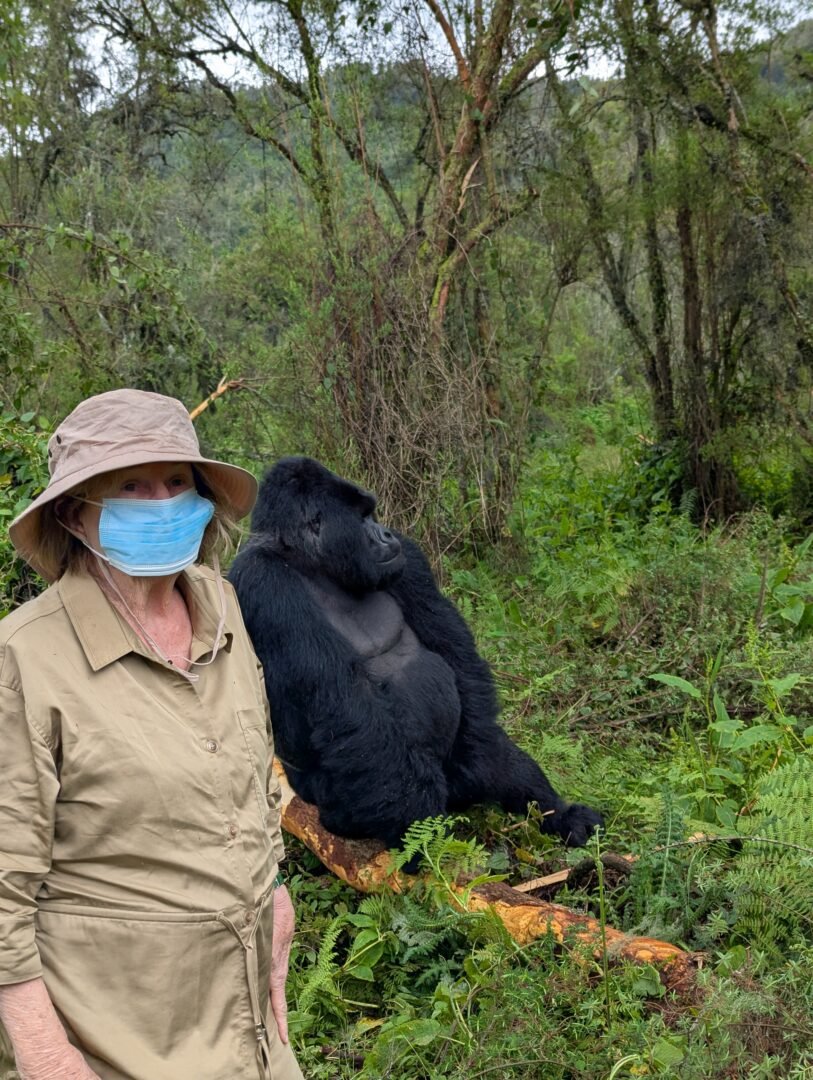
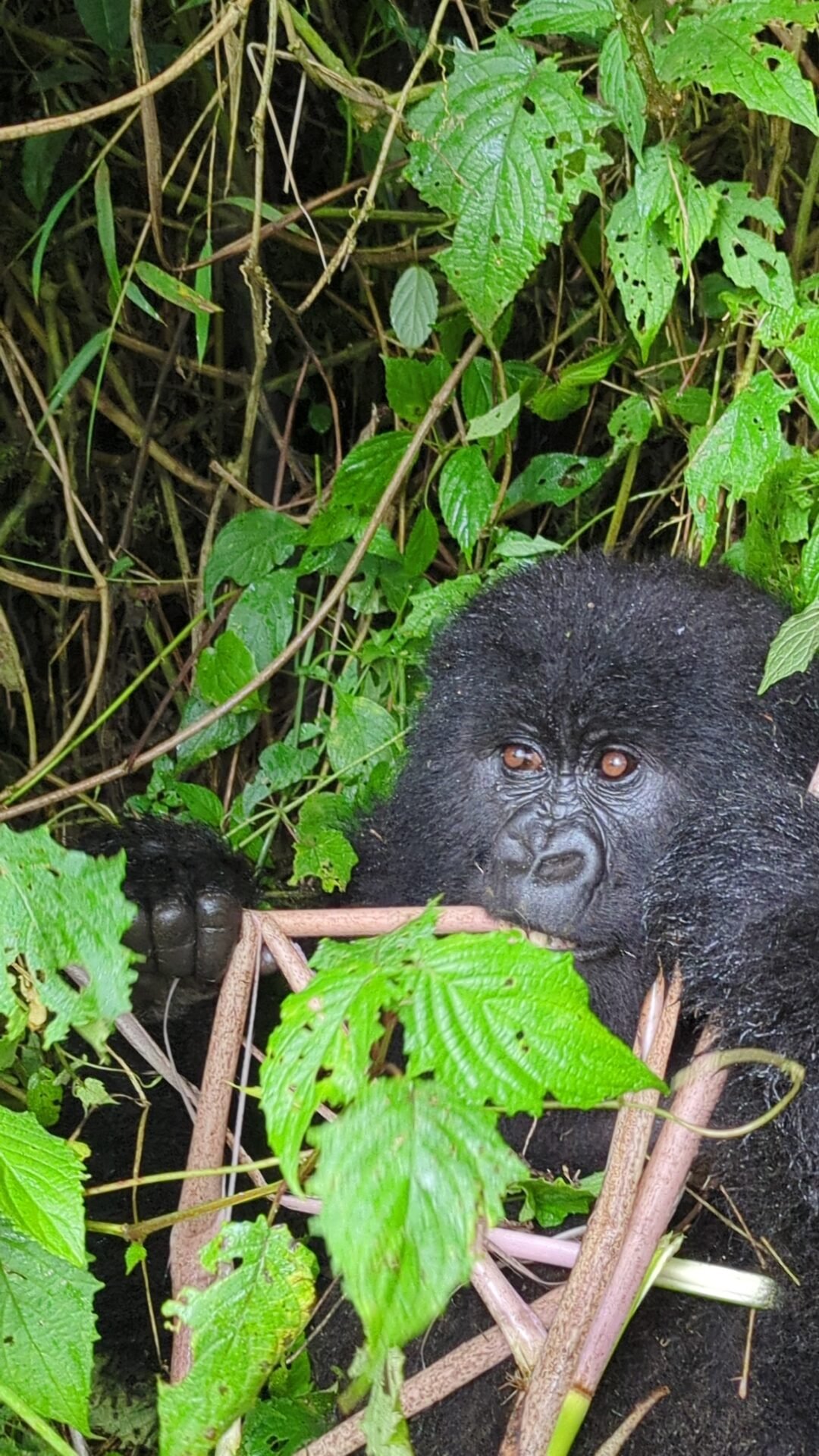
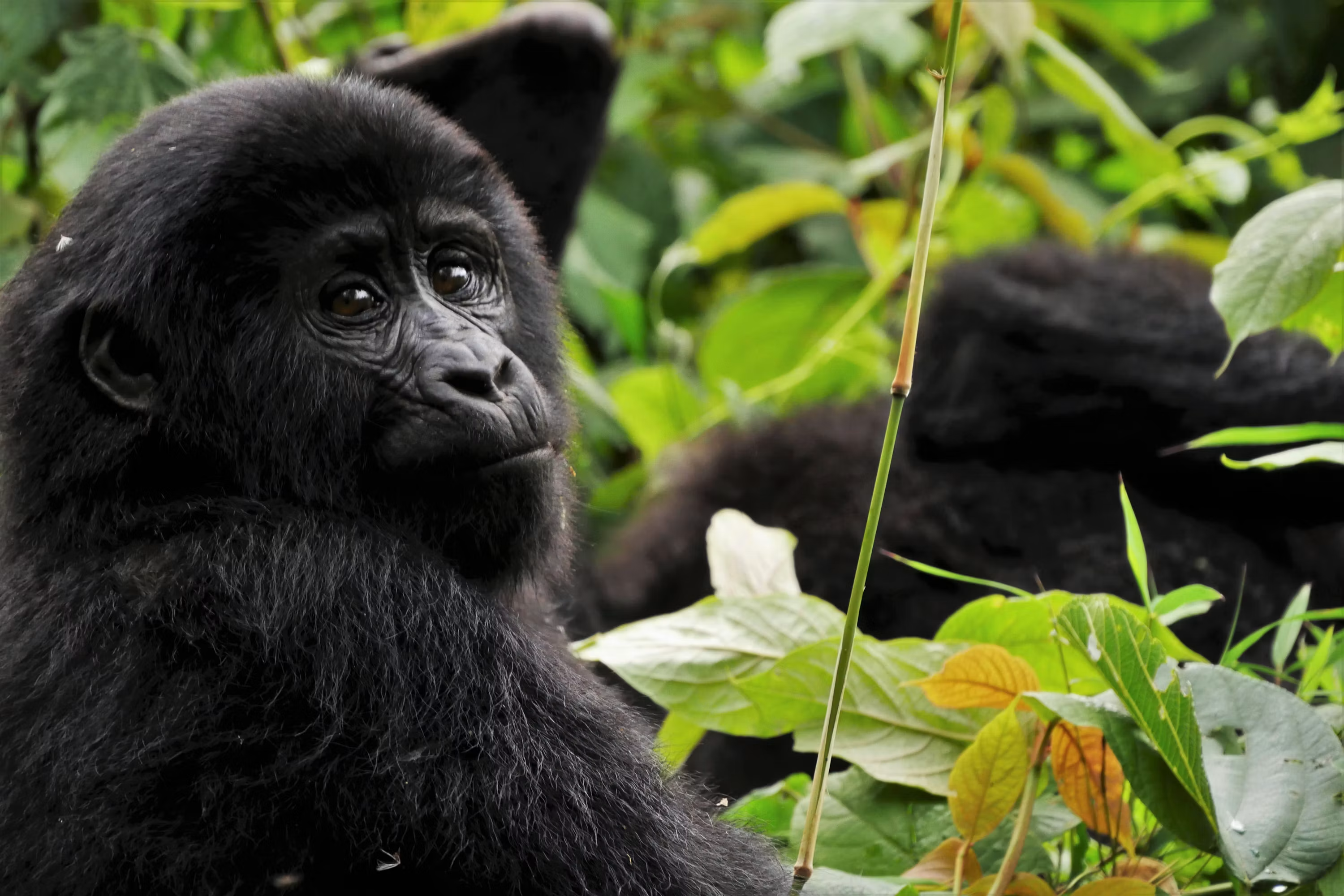
Can You Take Photos During Gorilla Habituation? Yes, visitors are allowed to take photographs during the Gorilla Habituation Experience in Uganda, provided they follow the photography and wildlife conservation regulations established by the Uganda Wildlife Authority (UWA). Uganda’s Gorilla Habituation Experience takes place in the Rushaga sector of Bwindi Impenetrable National Park in southwestern Uganda, where eligible visitors can spend up to four hours observing a designated mountain gorilla family undergoing habituation. During this extraordinary encounter, travellers can photograph silverbacks, mothers with their infants, young gorillas, feeding behaviour, grooming, and natural family interactions. However, flash photography is prohibited, visitors must maintain the required viewing distance, and all photography must follow the instructions of authorized rangers and habituation personnel.
For Ugandan citizens, East African Community citizens, foreign residents, and international tourists planning a mountain gorilla photography safari in Uganda, understanding Can You Take Photos During Gorilla Habituation? is essential before entering Bwindi Impenetrable National Park. Uganda offers an exceptional opportunity for wildlife photography because the Gorilla Habituation Experience provides up to four hours of observation, compared with the maximum one hour permitted during ordinary gorilla trekking. This extended period allows photographers to work patiently, adjust camera settings, appreciate changing rainforest light, and wait for naturally occurring wildlife behaviour. Nevertheless, Uganda’s mountain gorillas remain wild animals, and families undergoing habituation may be particularly cautious around human visitors. Photography must never interfere with the animals’ movement, behaviour, or welfare.
Whether you are travelling with a smartphone, a digital camera, a professional mirrorless camera, or a DSLR equipped with a telephoto lens, gorilla habituation can provide remarkable photographic opportunities. However, successful photographs depend on more than expensive equipment. Understanding the forest environment, respecting the animals, choosing appropriate camera settings, and remaining patient can make a significant difference. This guide explains the photography rules, recommended cameras, suitable lenses, essential equipment, practical techniques, and booking considerations for visitors planning a gorilla photography adventure in Uganda.
Are Cameras Allowed During Gorilla Habituation in Bwindi?
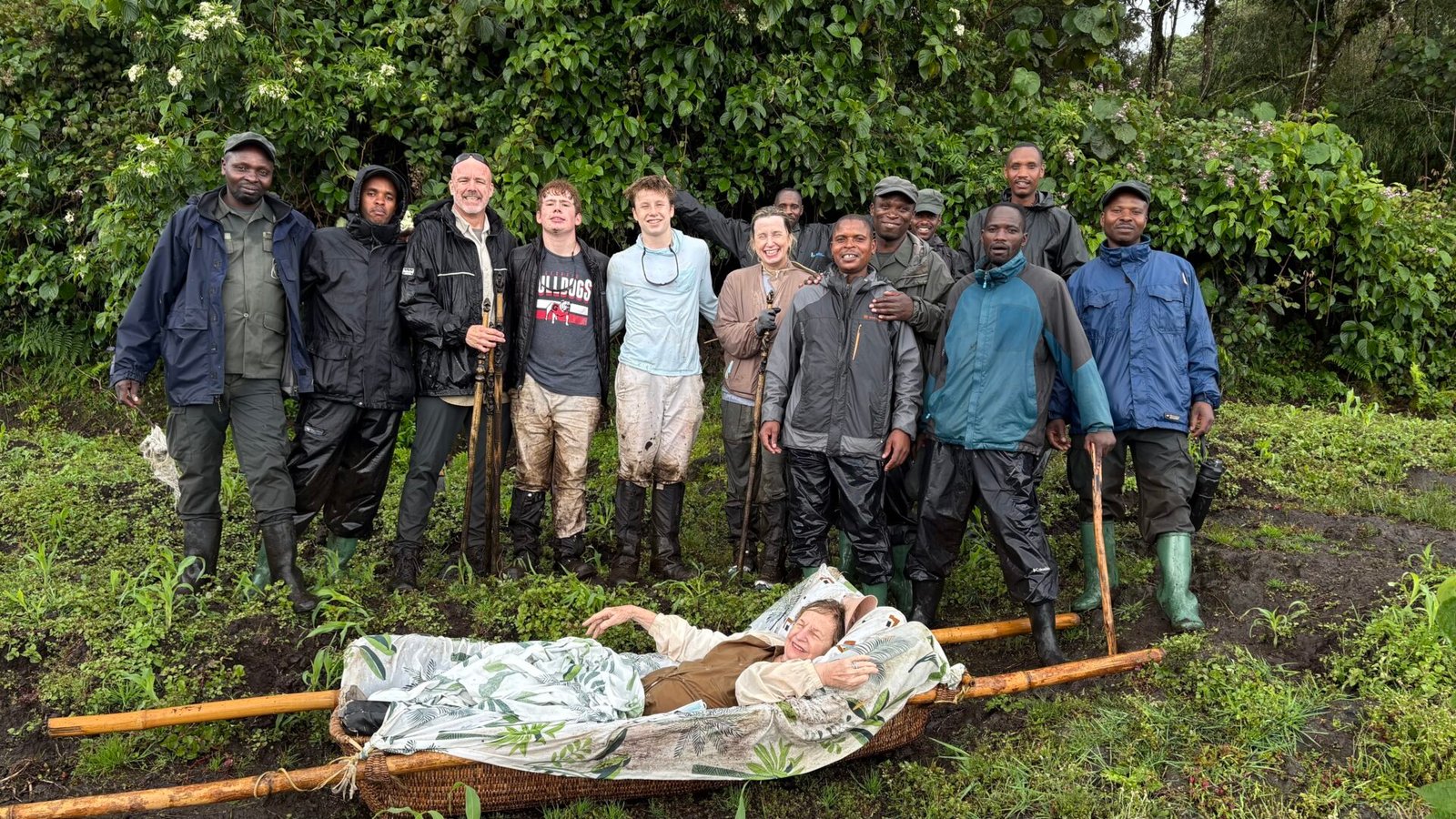
Yes, visitors are permitted to bring suitable cameras into Bwindi Impenetrable National Park for ordinary personal photography during the Gorilla Habituation Experience.
Tourists regularly photograph mountain gorillas using smartphones, compact digital cameras, mirrorless cameras, and digital single-lens reflex cameras. The type of camera used is generally less important than whether the photographer follows the applicable conservation regulations.
Uganda Wildlife Authority permits responsible photography but prohibits flash during gorilla encounters. Visitors must also maintain the required viewing distance and follow the instructions of the authorized habituation team.
The use of professional camera equipment does not give photographers permission to move closer to gorillas, interfere with family interactions, or demand special positioning.
Photographers should also recognize that ordinary personal photography and organized commercial photography productions may be subject to different authorization requirements.
For travellers considering Can You Take Photos During Gorilla Habituation?, the answer is yes, but the welfare of mountain gorillas always takes priority over capturing photographs.
Why Is Gorilla Habituation Excellent for Photography?
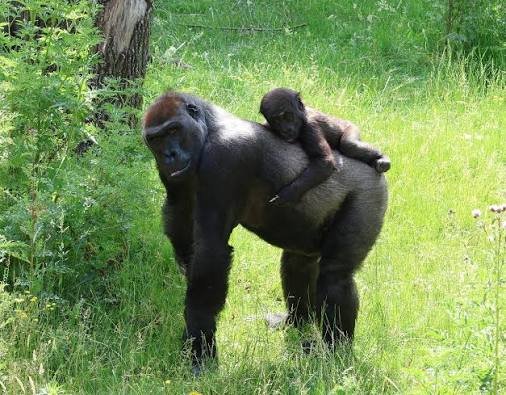
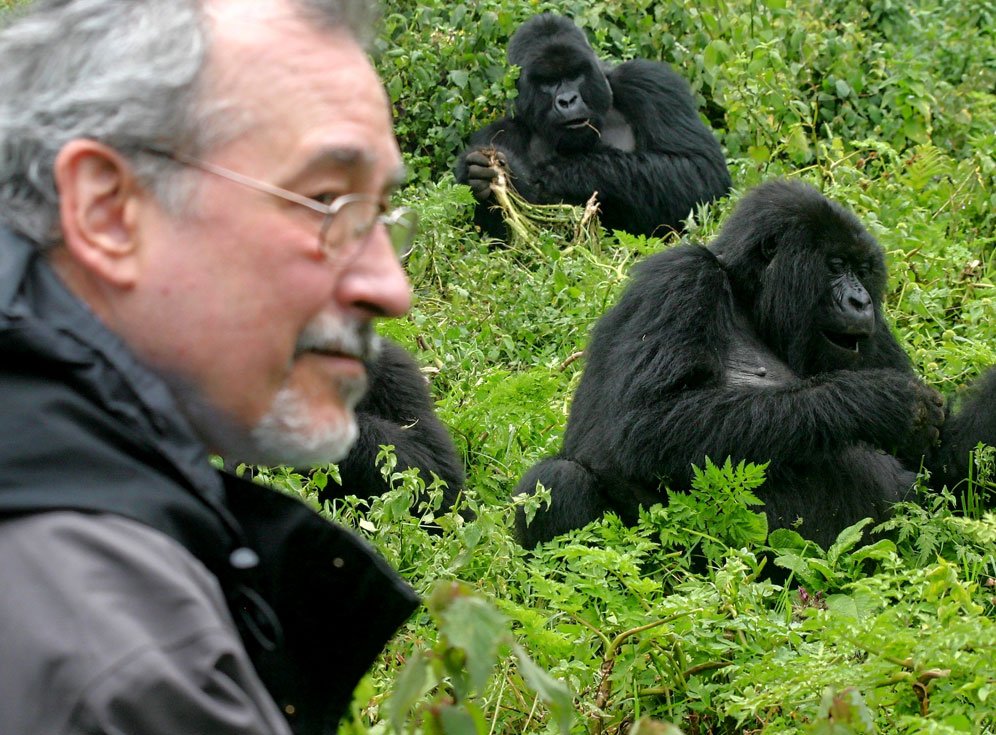
Gorilla habituation is particularly attractive for photography because it allows an extended observation period with a designated mountain gorilla family.
Ordinary gorilla trekking provides visitors with a maximum of one hour once the gorillas have been located. While this is an extraordinary experience, the limited time can make photography challenging when animals remain behind vegetation or lighting conditions are unfavourable.
The Gorilla Habituation Experience allows up to four hours of observation, creating additional opportunities to appreciate the animals’ natural behaviour.
Visitors may observe feeding, grooming, resting, social interactions, and movement through the forest. A longer encounter provides more time to wait for expressions, movements, and compositions that arise naturally.
However, the additional time does not guarantee uninterrupted photography. Gorillas undergoing habituation may move away from visitors, disappear behind vegetation, or remain difficult to photograph.
The main advantage is the opportunity for patient observation rather than a guarantee of particular photographs.
How Long Can You Take Photos During Gorilla Habituation?
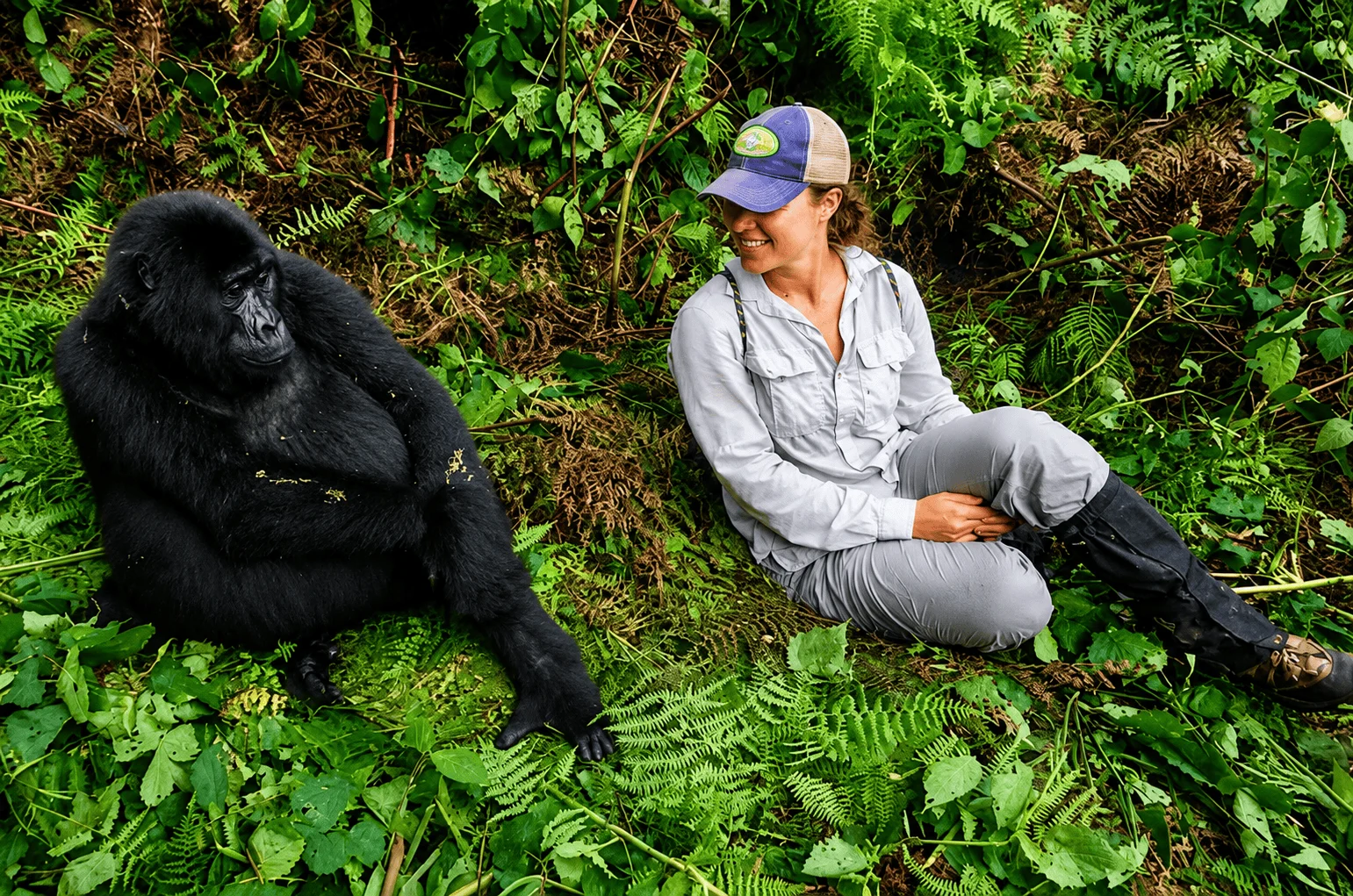
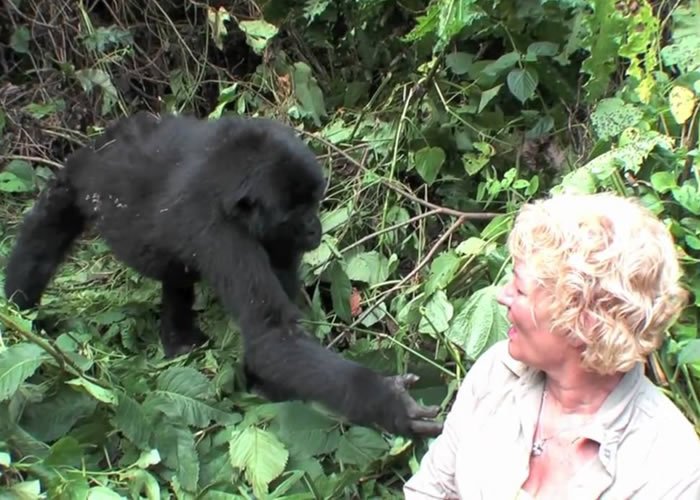
The permitted observation period during gorilla habituation is a maximum of four hours after the designated mountain gorilla family has been located.
This period is separate from the time required to hike through the forest to find the animals and return to the departure point.
Uganda Wildlife Authority’s published guidelines schedule the Gorilla Habituation Experience to begin at approximately 6:30 a.m., with the excursion continuing until visitors return for debriefing.
The complete experience may therefore occupy much of the day, depending on the location of the gorillas, the terrain, and the weather.
Photographers should understand that the four-hour allowance is a maximum viewing period rather than a guarantee that the gorillas will remain visible and stationary for four hours.
During the encounter, the authorized personnel may direct visitors to remain in particular positions, increase their distance, or stop photographing when necessary.
For visitors asking Can You Take Photos During Gorilla Habituation?, the extended observation allowance is one of the activity’s greatest advantages, but photography remains subject to the behaviour of the animals and the conservation rules.
Can You Use Flash Photography During Gorilla Habituation?
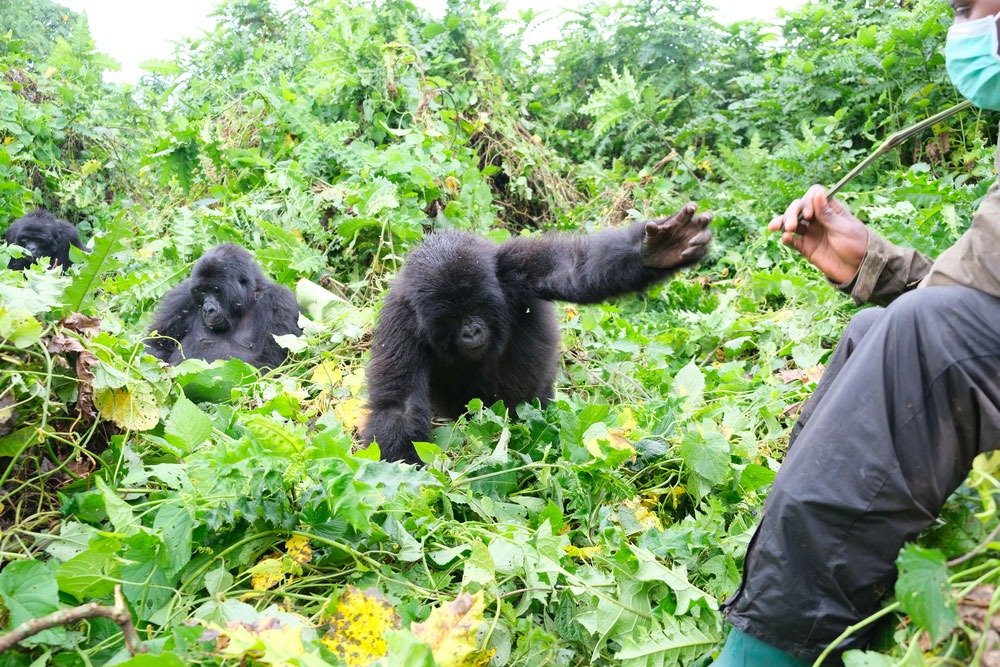
No. Flash photography is prohibited during gorilla habituation in Uganda.
Mountain gorillas are wild animals, and sudden artificial light can disturb them. Avoiding flash is particularly important during habituation because the designated family is still becoming accustomed to controlled human presence.
Photographers should check their camera settings before entering the forest to ensure the flash will not activate automatically.
This is particularly important when using smartphones or compact cameras that may activate flash in low-light conditions.
Visitors using professional cameras should also check whether any autofocus-assist lights or other illumination features are enabled.
Instead of flash, photographers should use natural light, suitable apertures, appropriate ISO settings, and shutter speeds that match the available conditions.
The absence of flash may make photography more challenging, but it also encourages visitors to work with the natural atmosphere of Bwindi’s rainforest.
Can You Take Photos During Gorilla Habituation With a Smartphone?
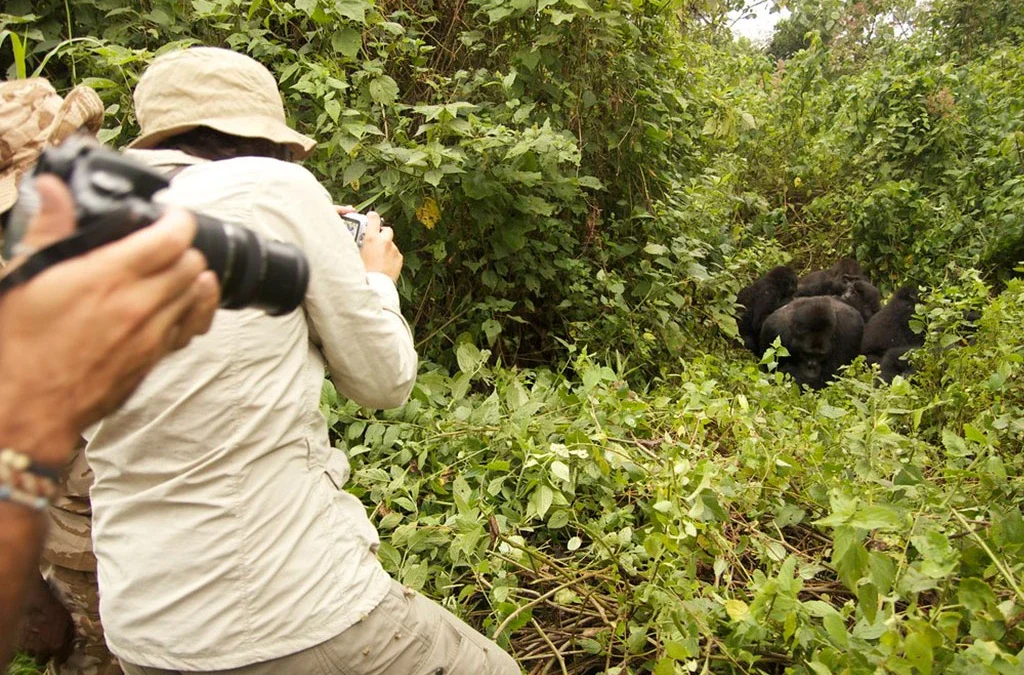
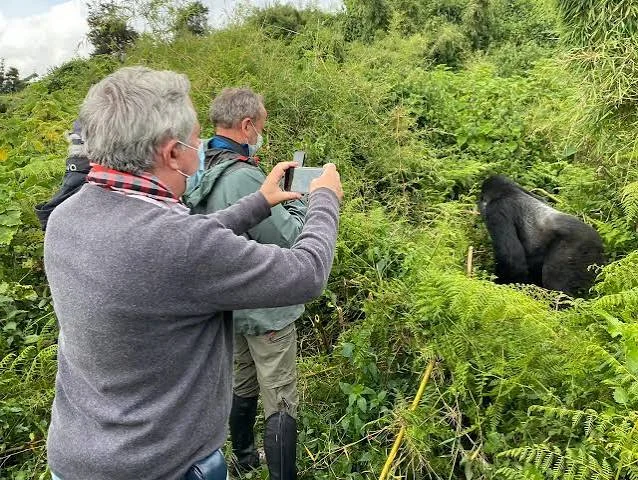
Yes. Visitors can use smartphones to photograph mountain gorillas during the Gorilla Habituation Experience.
Modern smartphones can produce attractive wildlife photographs, particularly when lighting conditions are favourable and the subject is clearly visible.
A smartphone can also be convenient because it is lightweight, easy to carry, and does not require additional camera lenses or a heavy photography backpack.
However, smartphone photography has limitations in Bwindi.
The forest canopy often reduces available light, while the required viewing distance can make mountain gorillas appear relatively small in the frame.
Digital zoom may reduce image quality, particularly when the camera is already working in dim conditions.
Visitors should use the phone’s optical telephoto camera where available and avoid excessive digital zoom.
Most importantly, smartphone flash must remain disabled throughout the gorilla encounter.
What Is the Best Camera for Gorilla Habituation Photography?
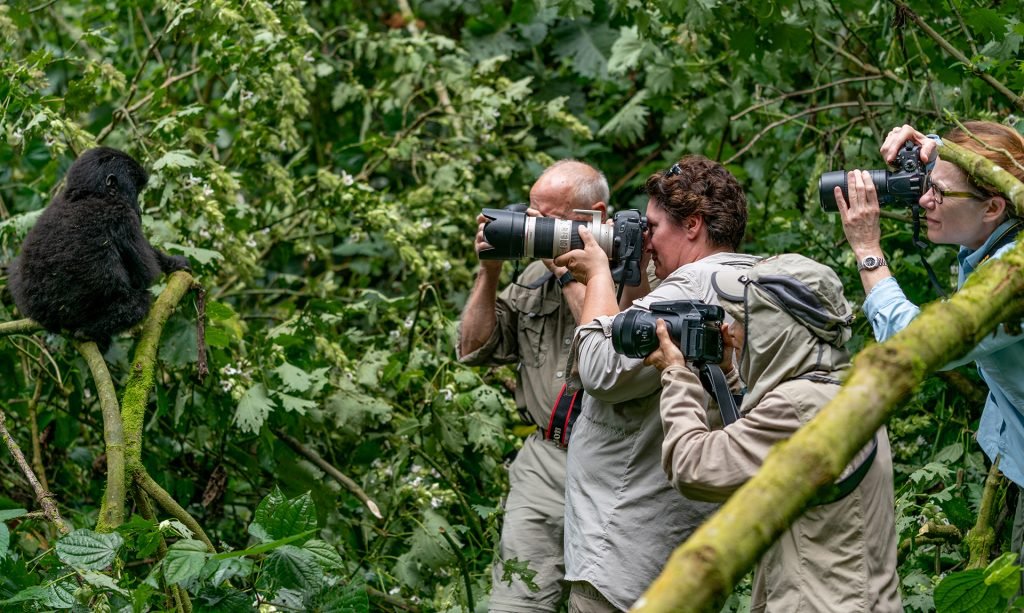
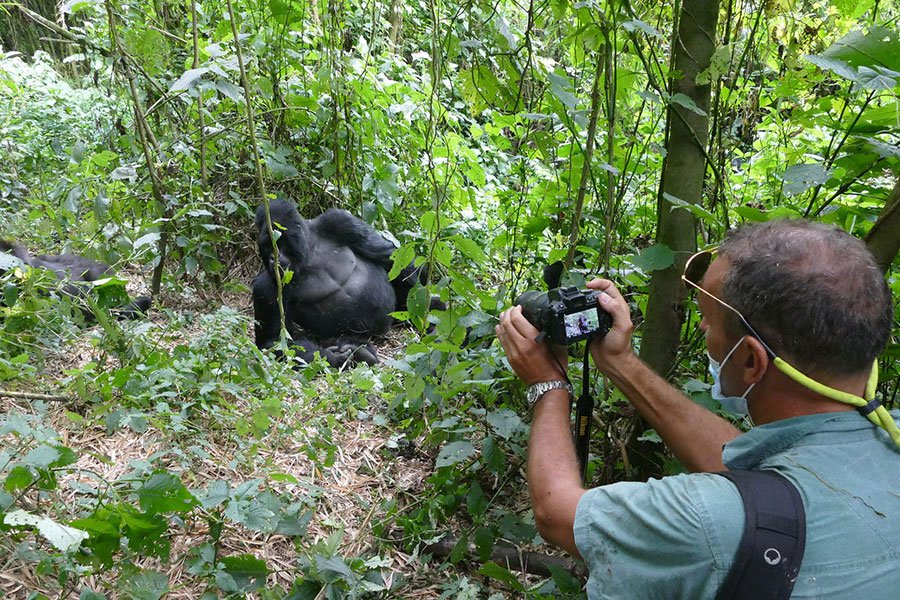
The best camera for gorilla habituation is one that the photographer can operate confidently in low-light rainforest conditions.
Modern mirrorless cameras and DSLR cameras are both suitable.
Useful features include reliable autofocus, good image quality at higher ISO settings, image stabilization, and practical weather protection.
A camera with interchangeable lenses offers flexibility because photographers can choose focal lengths suitable for portraits, wider habitat scenes, and wildlife behaviour.
However, carrying heavy equipment through Bwindi’s mountainous terrain can increase fatigue.
Visitors should therefore balance photographic capability with portability.
A familiar camera with a versatile lens may be more useful than a complicated professional setup that the photographer has never used before.
How Do You Photograph Gorillas in Low Light?
Low light is one of the main challenges of gorilla habituation photography.
Bwindi Impenetrable National Park contains thick forest vegetation that filters sunlight before it reaches the ground.
Even on sunny days, gorillas may remain in heavily shaded areas.
Photographers can respond by using a suitable wide-aperture lens, increasing ISO when necessary, and adjusting shutter speed according to animal movement.
It is also useful to observe how light changes when gorillas move between shaded vegetation and more open spaces.
Photographers should avoid excessively brightening dark scenes if doing so destroys the natural atmosphere or produces poor image quality.
Because flash is prohibited, successful photography requires patience and familiarity with available-light techniques.
Can You Take Photos of Silverback Gorillas During Habituation?
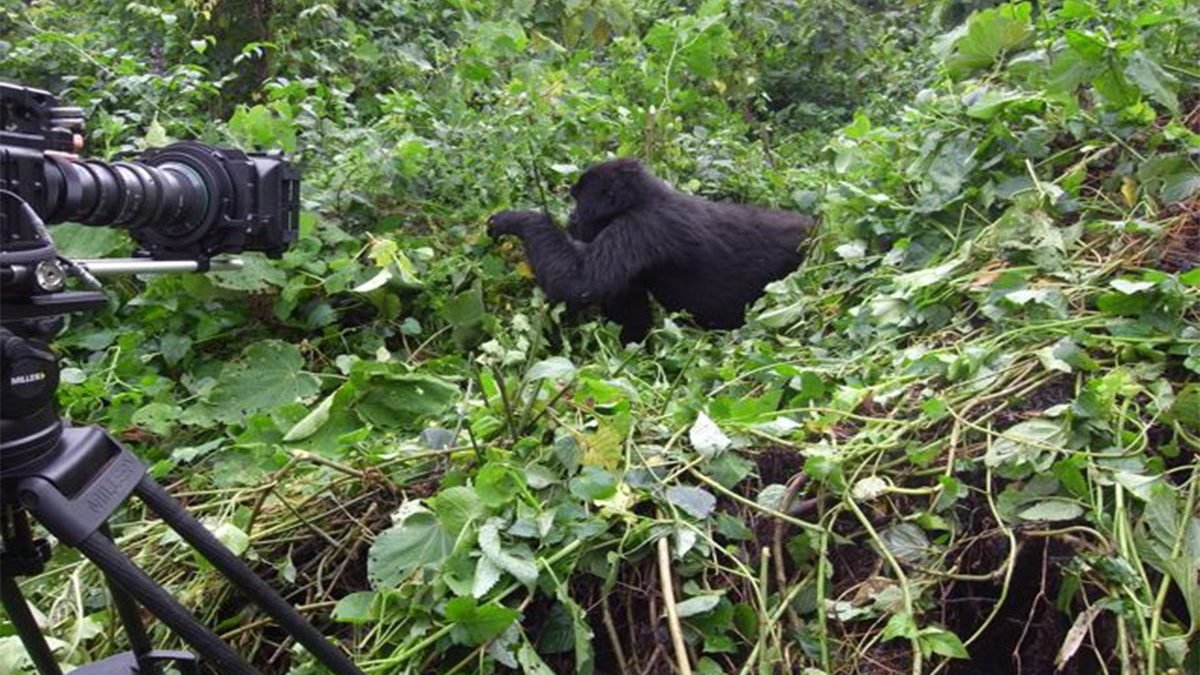
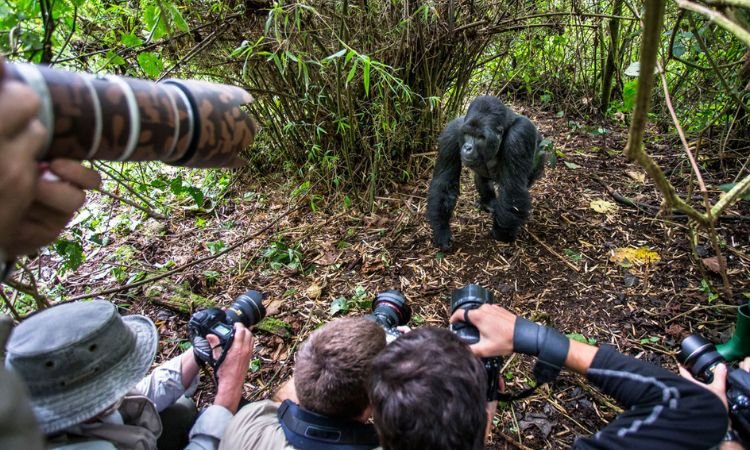
Yes. Silverback gorillas can provide extraordinary photographic opportunities when they are visible during the encounter.
Adult silverbacks have powerful bodies, distinctive silver-grey backs, and expressive facial features that make them compelling wildlife subjects.
Photographers may observe a silverback feeding, resting, moving through vegetation, or interacting with other members of his family.
However, visitors should never attempt to approach a silverback or provoke a reaction for a photograph.
Chest-beating, vocalizations, and other displays are natural behaviours rather than performances staged for tourists.
The photographer should remain calm, maintain the appropriate distance, and follow the ranger’s instructions throughout the encounter.
Can You Take Photos of Baby Gorillas During Habituation?
Yes, visitors may photograph baby gorillas when infants are present and visible within the designated family.
Photographs of mothers carrying babies, infants resting, or young gorillas interacting with relatives can be particularly meaningful.
However, the presence of an infant does not guarantee a clear photograph.
Young gorillas may remain hidden behind vegetation, cling to their mothers, or move unpredictably.
Photographers must never attempt to approach babies, attract their attention, or move between family members.
A suitable telephoto lens allows visitors to document these moments without interfering with the natural behaviour of the gorillas.
Can You Photograph Gorilla Feeding and Grooming Behaviour?
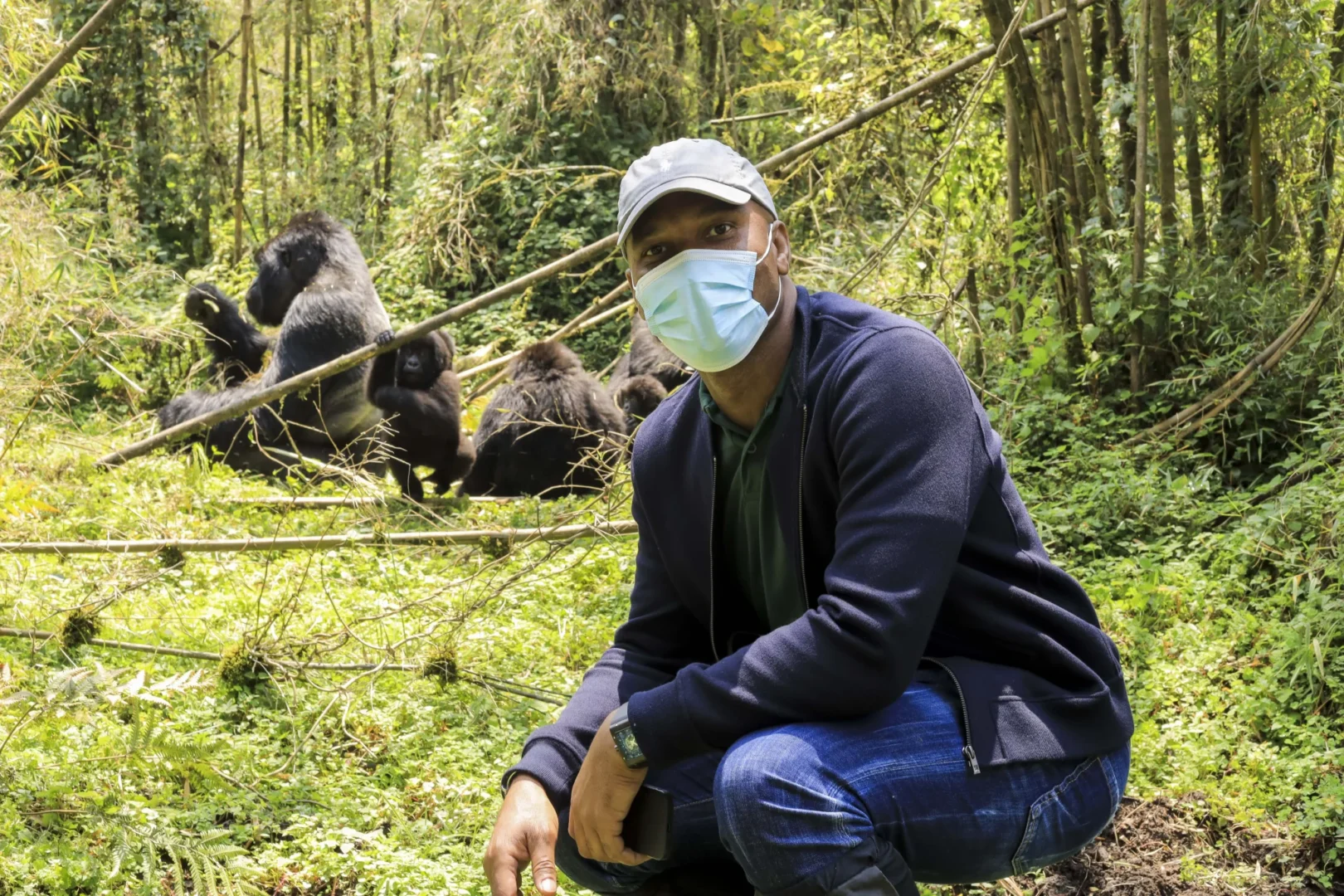
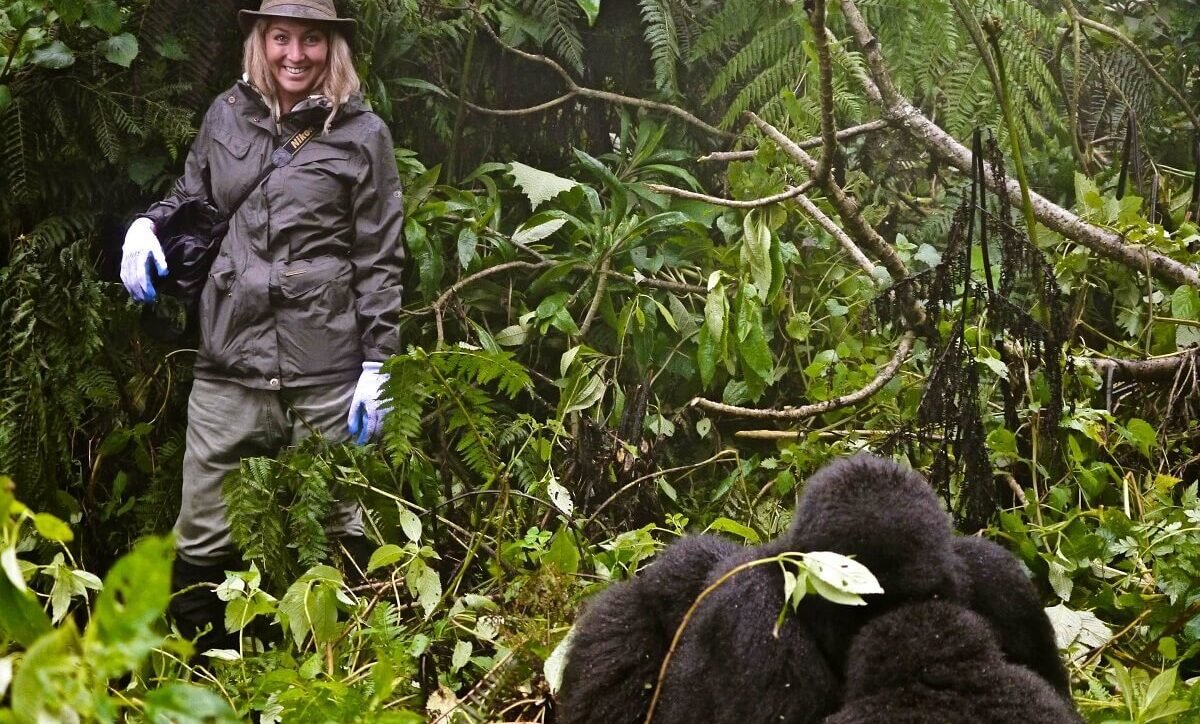
Yes. Feeding and grooming are among the natural behaviours visitors may observe during the Gorilla Habituation Experience.
Mountain gorillas spend considerable time feeding on vegetation, and photographers may have opportunities to capture the animals selecting leaves, handling stems, or eating.
Grooming and other close social interactions can also provide meaningful photographs of family relationships.
The extended observation period may create additional opportunities to witness different behaviours, although no specific activity is guaranteed.
Photographers should observe patiently and avoid forcing interactions.
A compelling wildlife photograph often comes from anticipating natural behaviour rather than attempting to direct it.
Can You Take Photos During Gorilla Habituation While the Gorillas Are Moving?
Yes. Photographers may capture gorillas while they move through the forest, provided they remain within the positions and boundaries permitted by the authorized team.
Moving animals can create dynamic photographs, but they are often more challenging to capture than stationary subjects.
Faster shutter speeds and responsive autofocus can improve the likelihood of obtaining sharp images.
However, visitors must not chase gorillas or attempt to follow them independently.
If the animals move away or the ranger instructs the group to remain still, those instructions must be followed.
The purpose of the experience is to observe wild gorillas rather than control where they travel.
How Many Days Should You Plan for Gorilla Habituation Photography?
A three-day safari is practical for many visitors whose main objective is the four-hour Gorilla Habituation Experience.
The first day allows time to reach the Rushaga region and prepare equipment.
The second day is dedicated to gorilla habituation, including the approach hike, the permitted viewing period, and the return journey.
The third day is used for the onward transfer.
Photographers who want additional wildlife opportunities may prefer a longer itinerary that includes ordinary gorilla trekking on a separate day.
Because the two activities require separate valid permits, arrangements should be confirmed before travelling.
Frequently Asked Questions About Taking Photos During Gorilla Habituation
Can You Take Photos During Gorilla Habituation?
Yes. Visitors can take photographs during the Gorilla Habituation Experience in Uganda while following Uganda Wildlife Authority regulations. Flash photography is prohibited, visitors must maintain the required viewing distance, and all photography must follow ranger instructions. The experience allows up to four hours with a designated gorilla family after it has been located.
Are Cameras Allowed During Gorilla Habituation in Uganda?
Yes. Visitors may use suitable cameras for ordinary personal photography during the experience. Smartphones, compact cameras, DSLR cameras, and mirrorless cameras can all be used, provided the relevant conservation regulations are followed.
Can You Use Flash During Gorilla Habituation?
No. Flash photography is prohibited during mountain gorilla encounters. Visitors must disable automatic flashes and avoid artificial photographic illumination that could disturb the gorillas.
Can You Take Photos During Gorilla Habituation With a Phone?
Yes. Smartphones can be used for personal photography. However, low rainforest light, the required viewing distance, and vegetation may limit image quality. Visitors should use suitable optical zoom features where available and keep flash disabled.
Can You Use an iPhone to Photograph Gorillas?
Yes. An iPhone can capture attractive gorilla photographs, particularly when lighting conditions are favourable. Optical telephoto features may help with distant subjects. Visitors must respect viewing distances and avoid flash.
Book Your Gorilla Habituation Photography Experience in Uganda
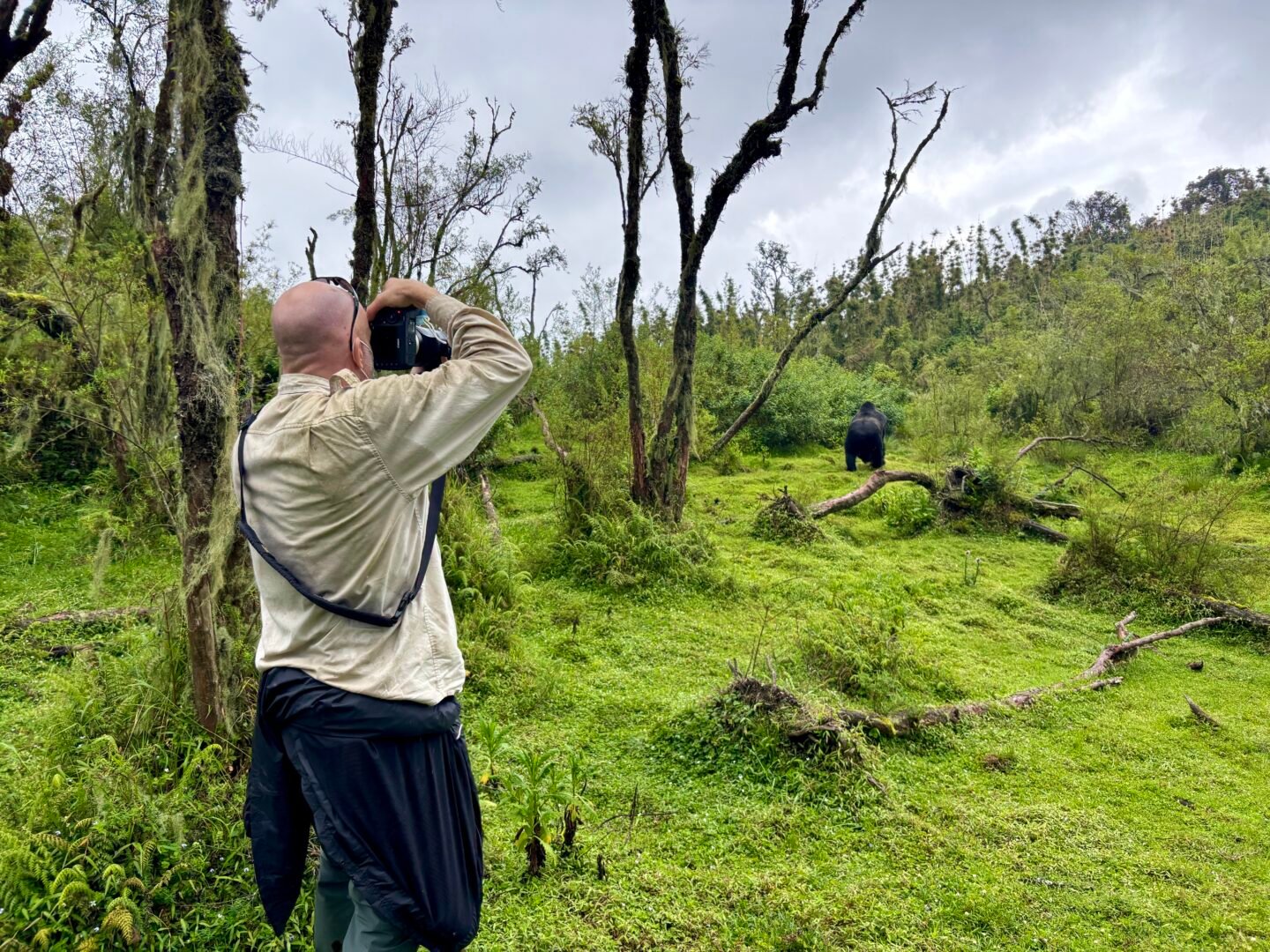
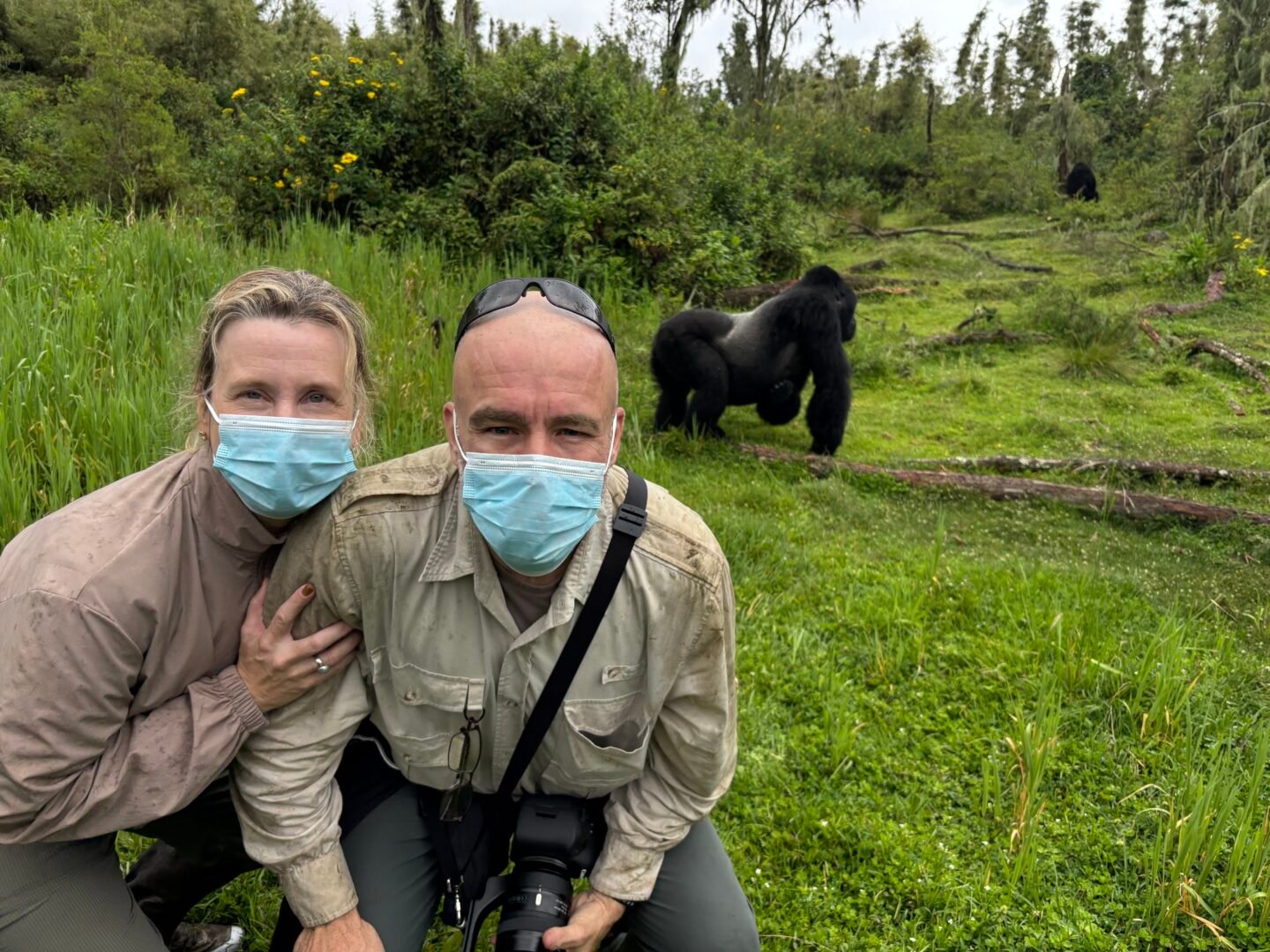
The Gorilla Habituation Experience in Uganda offers an extraordinary opportunity to observe and photograph endangered mountain gorillas in their natural rainforest habitat. Whether you are using a smartphone, a DSLR camera, a professional mirrorless camera, or a telephoto photography system, the extended viewing allowance can provide memorable opportunities to document mountain gorilla behaviour responsibly.
If you are still wondering Can You Take Photos During Gorilla Habituation?, our Uganda Gorilla Permits Booking team can help you understand the photography regulations, permit requirements, suitable travel periods, recommended trekking arrangements, and practical considerations involved in visiting the Rushaga sector of Bwindi Impenetrable National Park.
We can assist with Uganda Gorilla Habituation Experience permits, accommodation near Rushaga, private safari transportation from Entebbe or Kampala, domestic flights to Kisoro, road transfers from Kigali, and customized Uganda gorilla photography safari itineraries.
For photographers carrying heavy equipment, we can also discuss local porter arrangements, suitable accommodation facilities, and practical preparations for working in Bwindi’s rainforest.
Professional photographers planning organized commercial projects should provide details about their intended production before booking so the relevant authorization requirements can be identified.
Whether you are planning a dedicated three-day gorilla photography safari, a luxury fly-in experience, a private wildlife photography holiday, or an extended Uganda safari combining gorillas with other wildlife, our team can help coordinate suitable arrangements.
Book your Gorilla Habituation Photography Experience in Uganda today. Share your preferred travel dates, number of participants, starting location, accommodation preferences, and whether your photographs are intended for personal or commercial use.
Our team can help check gorilla habituation permit availability and prepare a suitable safari quotation.