
Can You Use a Camera Flash During Gorilla Habituation?
Can You Use a Camera Flash During Gorilla Habituation? Essential Photography Rules for Uganda
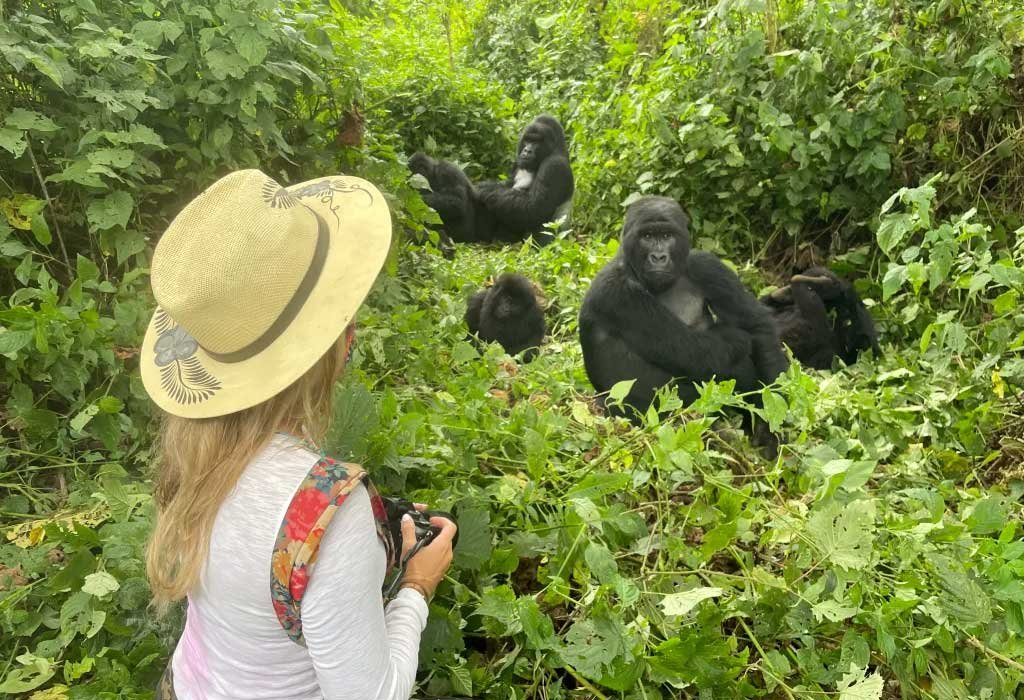
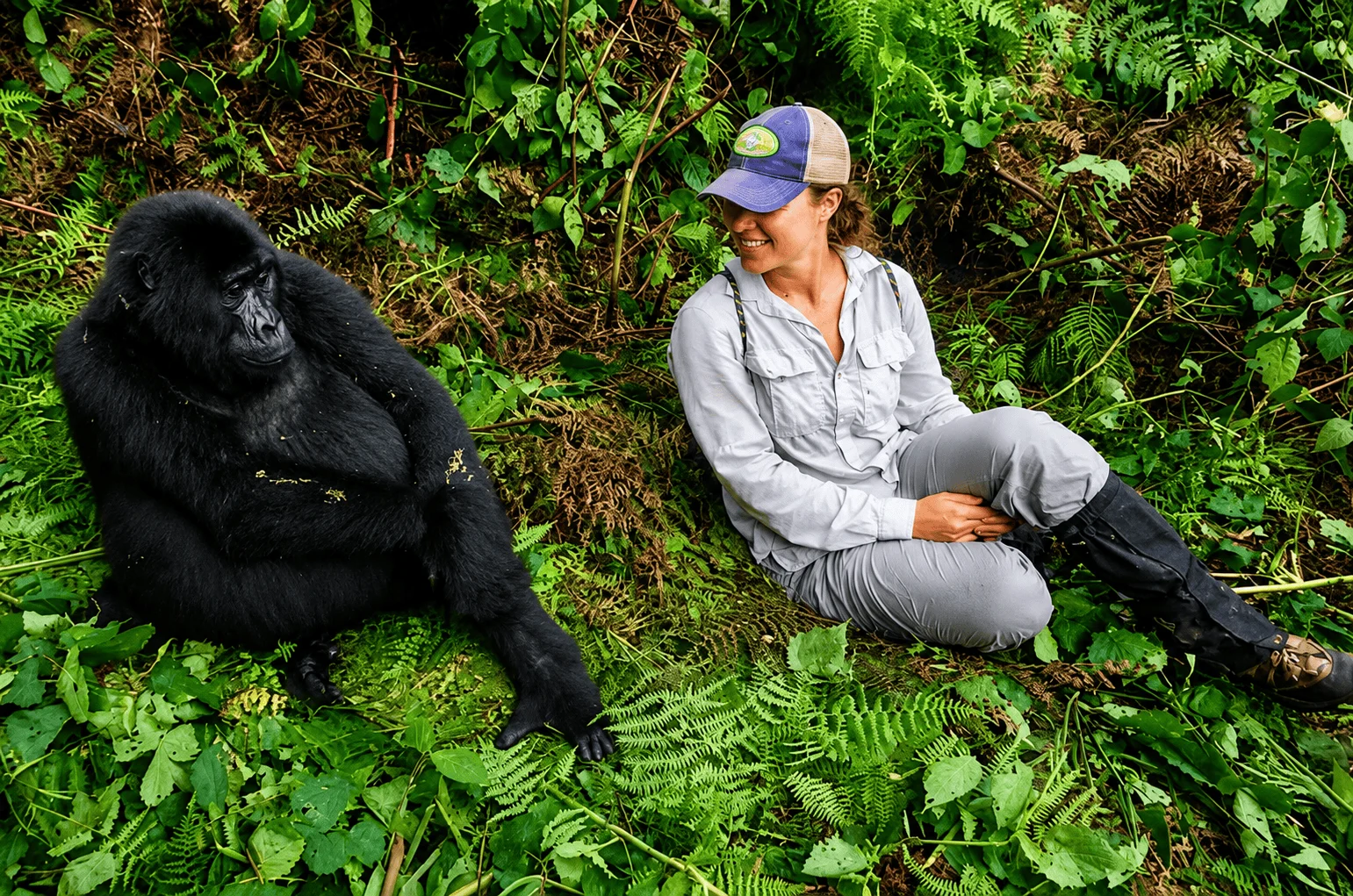
Can You Use a Camera Flash During Gorilla Habituation? No, camera flash is strictly prohibited during the Gorilla Habituation Experience in Uganda. The Uganda Wildlife Authority (UWA) does not allow visitors to use flash photography when observing mountain gorillas because sudden artificial lighting can disturb these endangered wild animals and interfere with responsible wildlife observation.
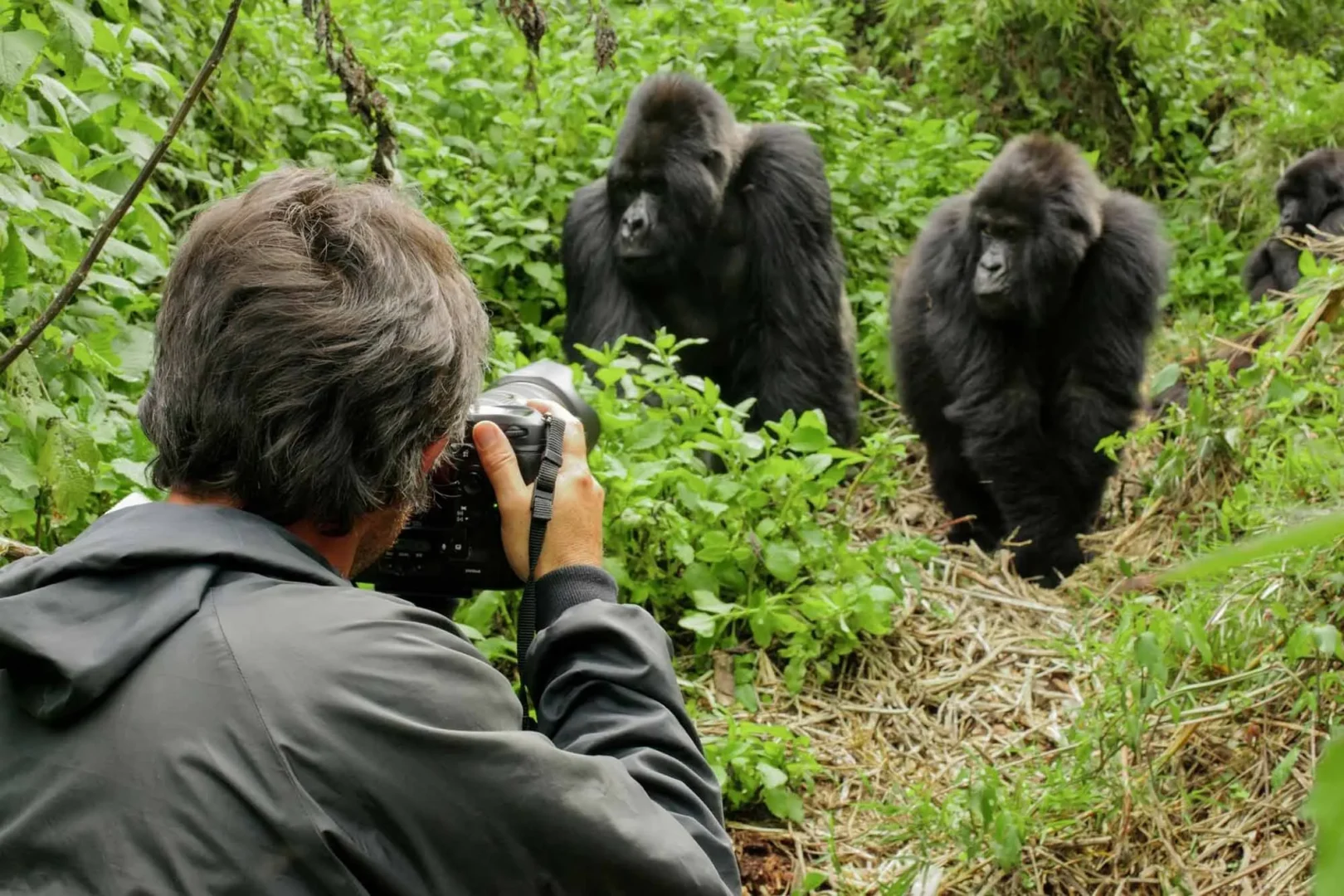
Uganda’s Gorilla Habituation Experience takes place in the Rushaga sector of Bwindi Impenetrable National Park in southwestern Uganda, where eligible visitors can spend up to four hours observing a designated mountain gorilla family undergoing habituation. Whether you are using a professional DSLR camera, a mirrorless camera, a compact digital camera, an iPhone, or an Android smartphone, your flash must remain switched off throughout the gorilla encounter.
For Ugandan citizens, East African Community citizens, foreign residents, and international wildlife photographers visiting Uganda, understanding Can You Use a Camera Flash During Gorilla Habituation? is essential before entering Bwindi Impenetrable National Park. Uganda’s mountainous rainforest offers exceptional opportunities to photograph silverback gorillas, mothers with infants, playful juveniles, and natural gorilla family interactions. However, the dense forest canopy creates challenging lighting conditions, which can tempt inexperienced photographers to activate their camera flash. Despite these conditions, Uganda’s wildlife photography regulations require visitors to rely on natural light and suitable camera settings rather than artificial flashes. Respecting this rule helps minimize disturbance to gorillas that are still becoming accustomed to carefully managed human presence.
The good news is that excellent gorilla photographs are possible without flash. Modern cameras and smartphones provide several features that can help photographers work in the shaded rainforest environment, including wide-aperture lenses, adjustable ISO settings, image stabilization, and advanced autofocus systems. Understanding how to use these features allows visitors to enjoy their photography while respecting the conservation requirements that protect Uganda’s mountain gorillas.
Is Flash Photography Allowed During Gorilla Habituation in Uganda?
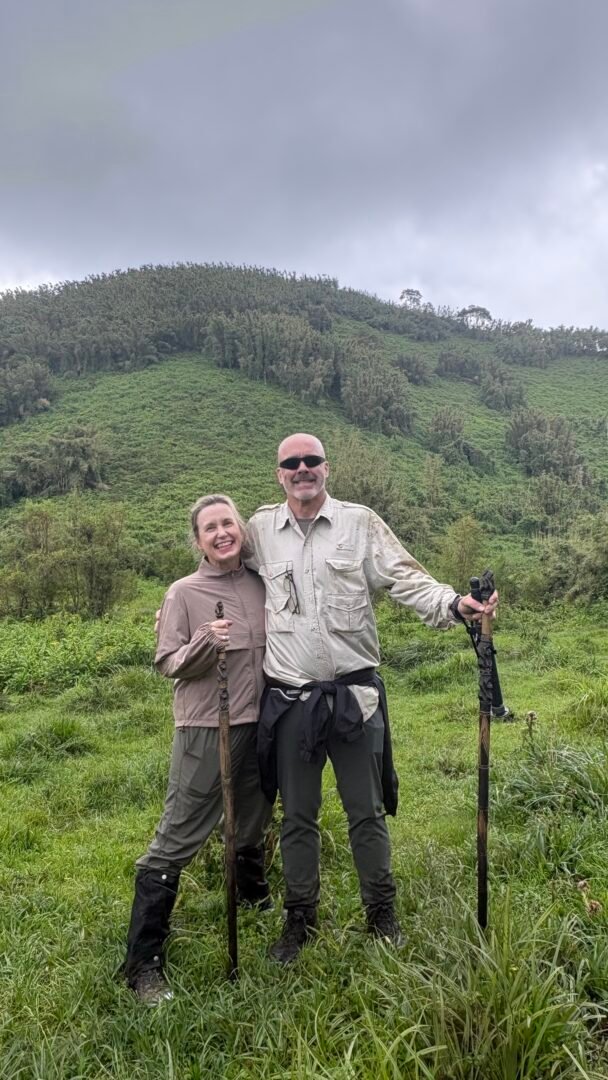
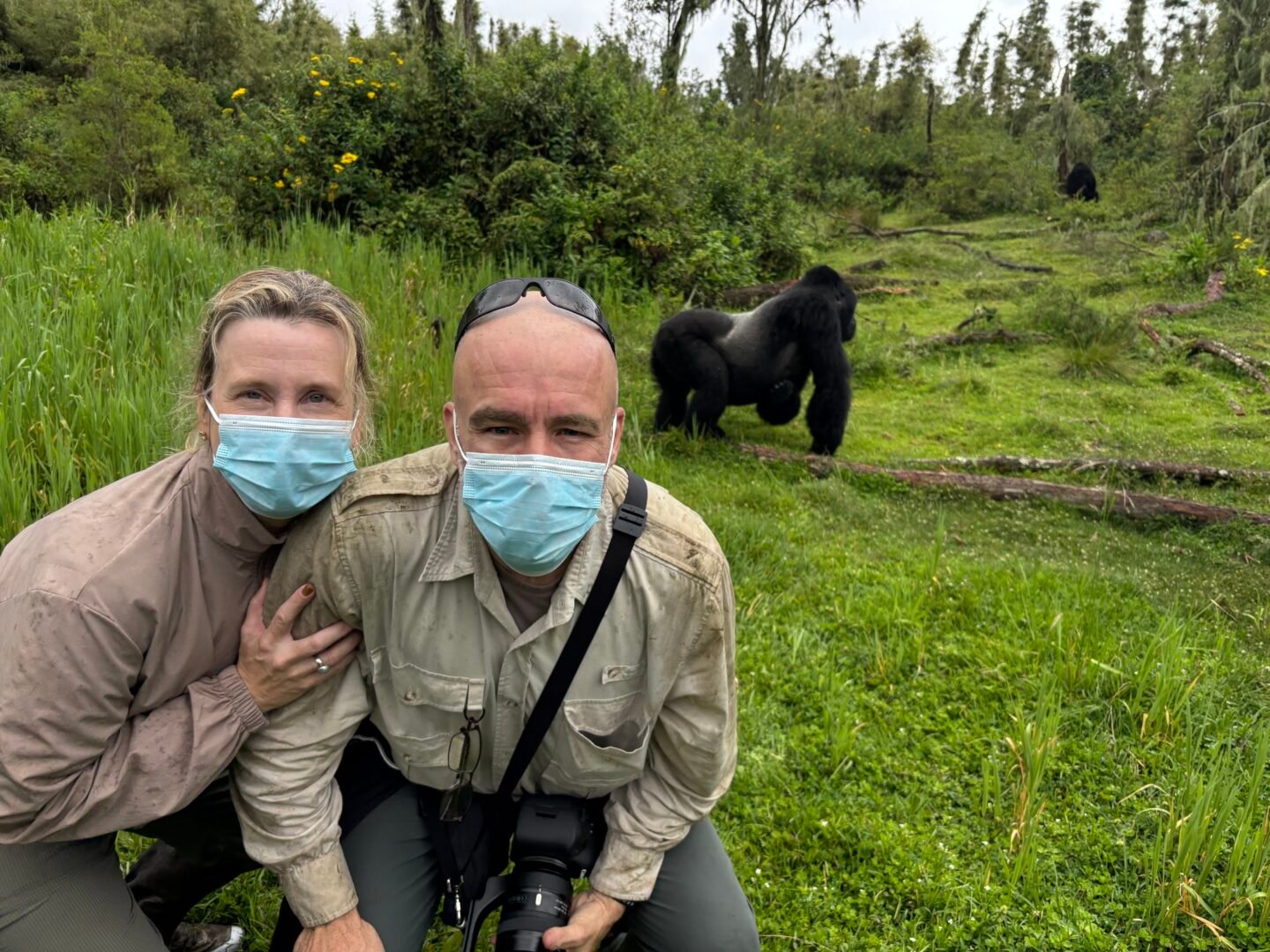
Flash photography is not permitted during mountain gorilla encounters in Uganda, including the Gorilla Habituation Experience in Bwindi Impenetrable National Park.
Uganda Wildlife Authority’s published gorilla tracking rules explicitly prohibit the use of flash photography when visitors are with the gorillas. This restriction applies regardless of the camera being used or the photographic experience of the visitor.
A tourist using a smartphone must follow the same no-flash principle as a professional photographer carrying an expensive telephoto camera.
The rule also applies when lighting conditions are poor. Visitors cannot activate flash simply because the gorillas are sitting beneath thick vegetation or because the available sunlight is insufficient for their preferred camera settings.
Gorilla habituation takes place within a regulated conservation environment rather than a controlled photography studio. The animals are free to move naturally, and visitors are expected to adapt their photography to the conditions.
When researching Can You Use a Camera Flash During Gorilla Habituation?, the most important fact to remember is that flash photography is prohibited, even when natural light makes photography difficult.
Why Is Camera Flash Prohibited During Gorilla Habituation?
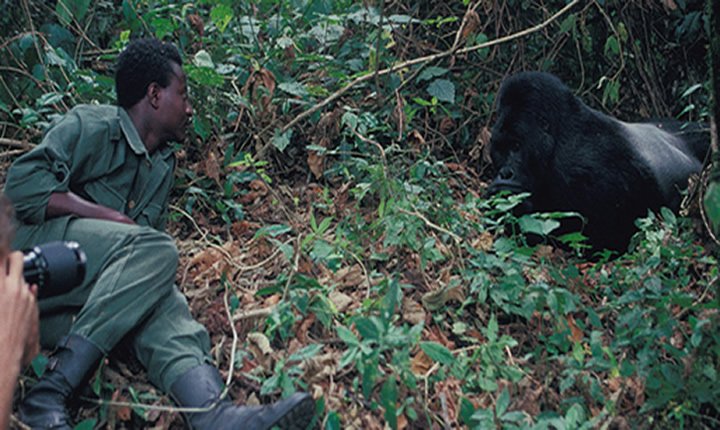
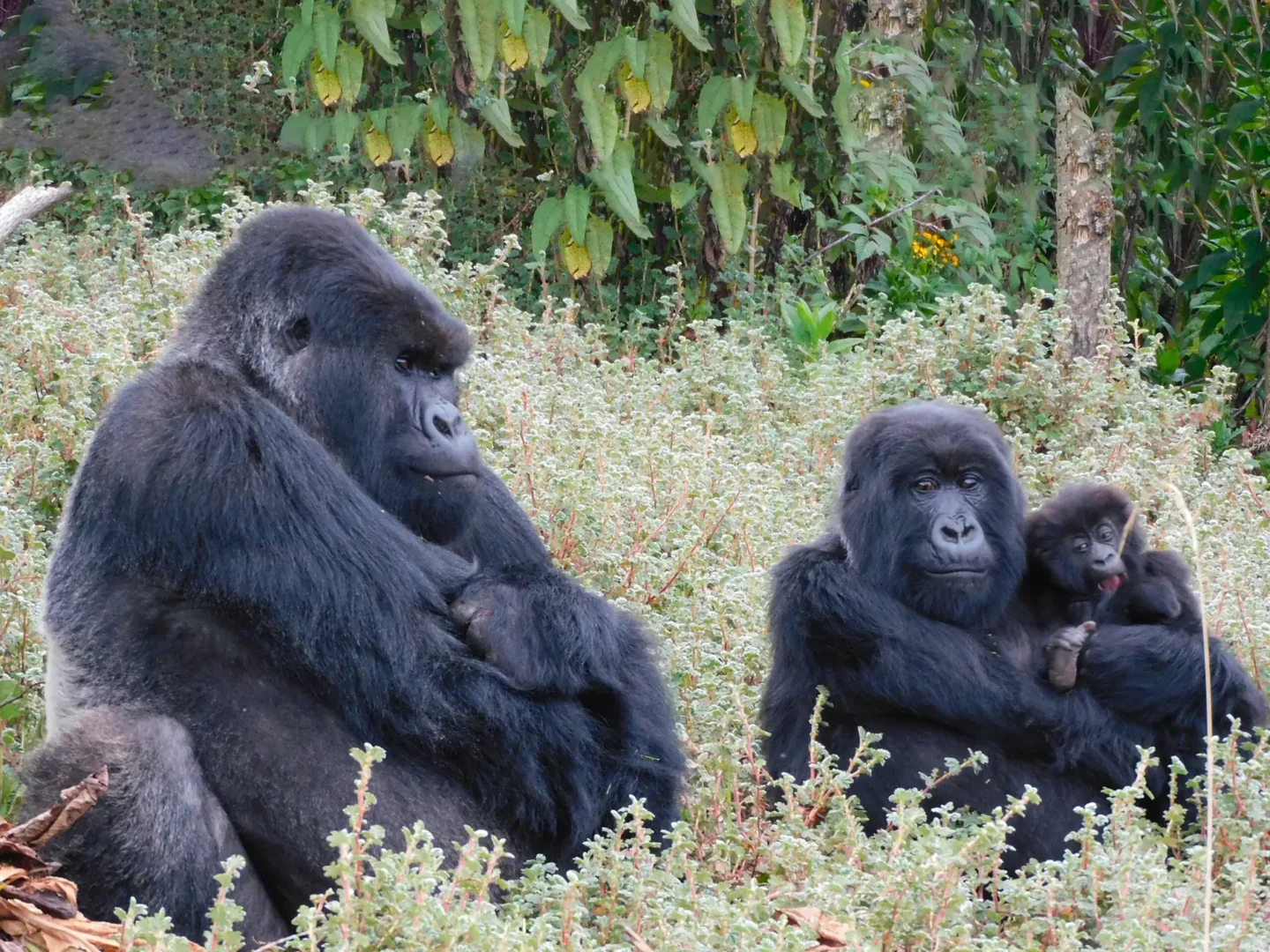
Camera flash is prohibited as a precaution against unnecessary disturbance to mountain gorillas.
A camera flash produces a sudden burst of artificial light that can be unexpected for an animal resting, feeding, or interacting with family members in a naturally shaded forest environment.
Mountain gorillas undergoing habituation are still becoming accustomed to controlled human presence. Their reactions to nearby visitors can therefore be more cautious than those of fully habituated gorilla families.
Introducing unnecessary artificial stimulation is inconsistent with the purpose of responsible habituation, which involves allowing the animals to become familiar with people under carefully managed conditions.
Flash photography may distract or startle wildlife, potentially changing behaviour that visitors are supposed to observe naturally.
It would be inaccurate to claim that every camera flash will cause an aggressive reaction or permanently damage a gorilla’s eyes. The reason for the prohibition is to avoid unnecessary disturbance and minimize preventable risks, not because every flash produces a predictable harmful outcome.
Visitors should respect the restriction without attempting to test how a particular gorilla might respond.
Can Camera Flash Scare Mountain Gorillas?
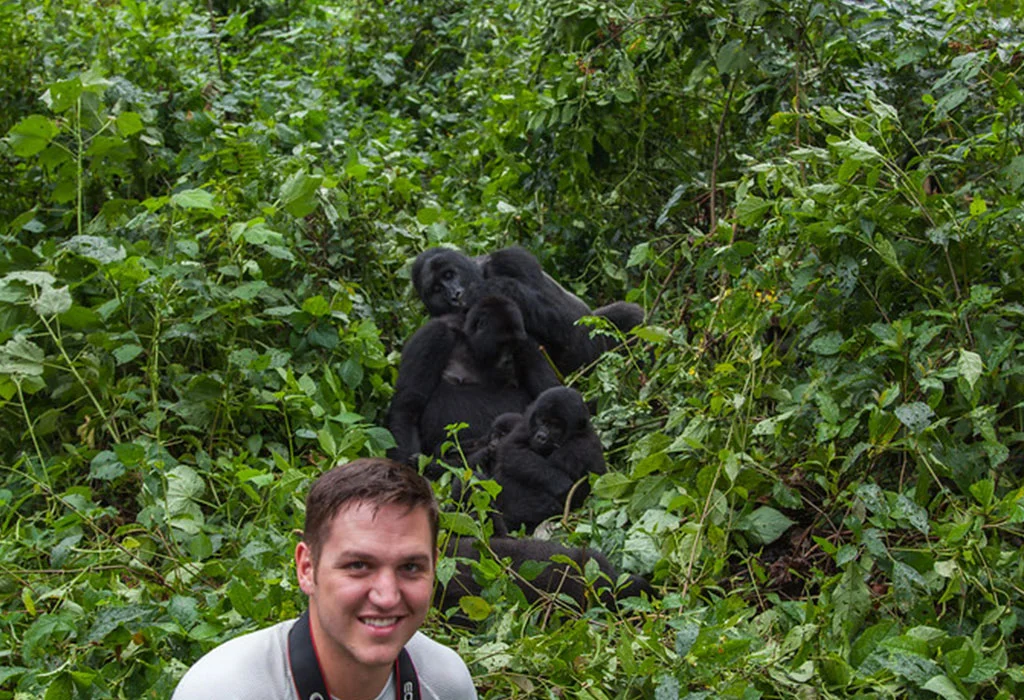
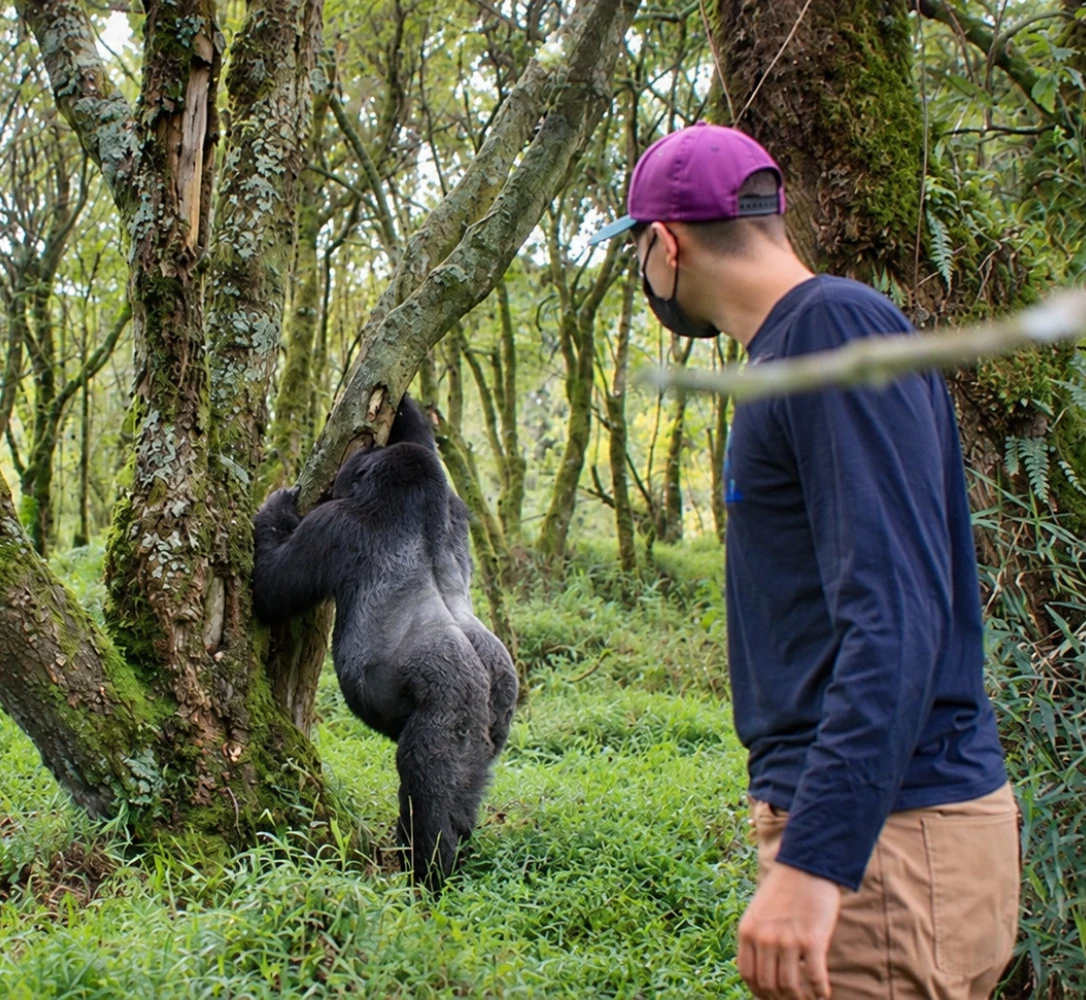
A sudden camera flash has the potential to startle or disturb mountain gorillas, particularly when they are not fully accustomed to the presence of people.
Mountain gorillas communicate through vocalizations, facial expressions, body movements, and other natural behaviours. Unexpected human activity can affect how they respond to their surroundings.
A gorilla might react to a disturbance by looking toward its source, changing position, moving away, or displaying alert behaviour.
However, reactions differ between individuals and circumstances, and no particular response to flash should be assumed.
The important consideration is that visitors are not permitted to introduce avoidable disturbances into the encounter.
Photographers should therefore concentrate on capturing the gorillas’ natural behaviour rather than trying to obtain a dramatic reaction.
Why Is the No-Flash Rule Especially Important During Gorilla Habituation?
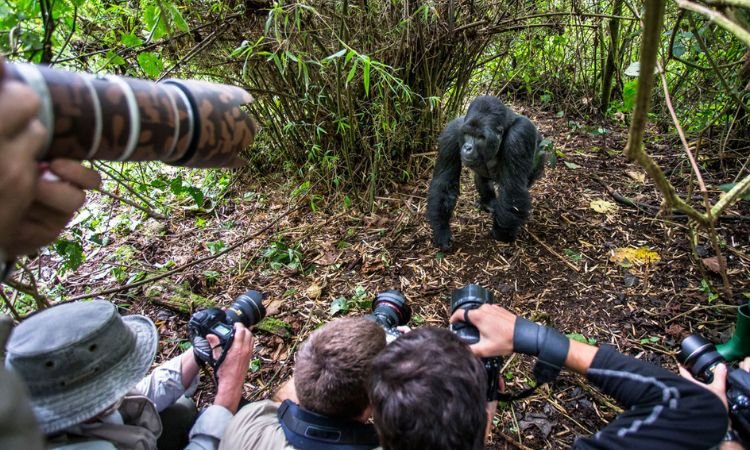
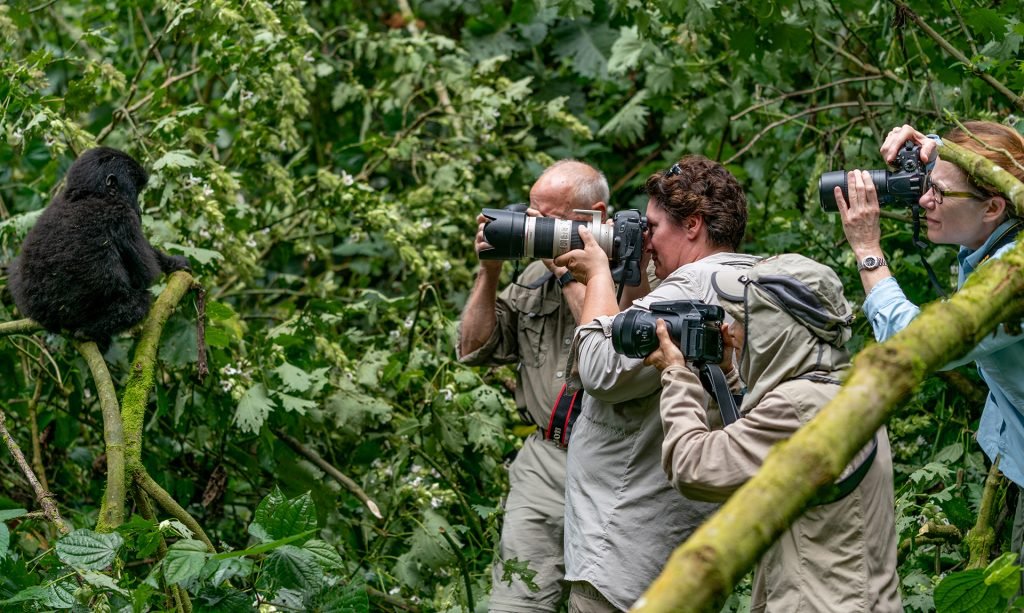
The Gorilla Habituation Experience differs from conventional gorilla trekking because visitors observe a designated family that is still undergoing habituation.
Habituation is a gradual process through which authorized conservation personnel help selected mountain gorilla families become accustomed to carefully controlled human observation.
The process requires patience, consistency, and careful attention to the animals’ responses.
Some gorillas may remain cautious, avoid people, move through vegetation, or show signs of discomfort during the process.
Sudden flashes, unnecessary noises, and unpredictable visitor movements can introduce avoidable disturbances into this sensitive environment.
For this reason, photography must remain secondary to the welfare of the gorillas and the instructions of the authorized habituation team.
If you are asking Can You Use a Camera Flash During Gorilla Habituation?, remember that the no-flash requirement is part of a wider approach to minimizing human interference with wild gorilla behaviour.
Does the No-Flash Rule Apply to Ordinary Gorilla Trekking?
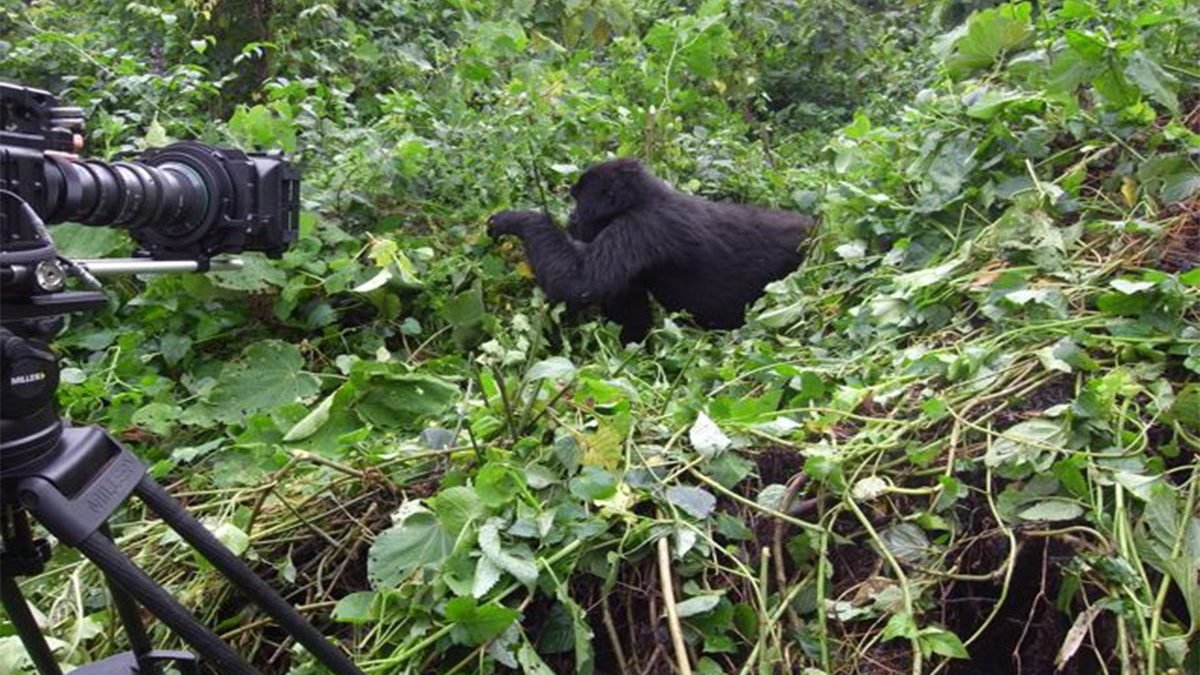
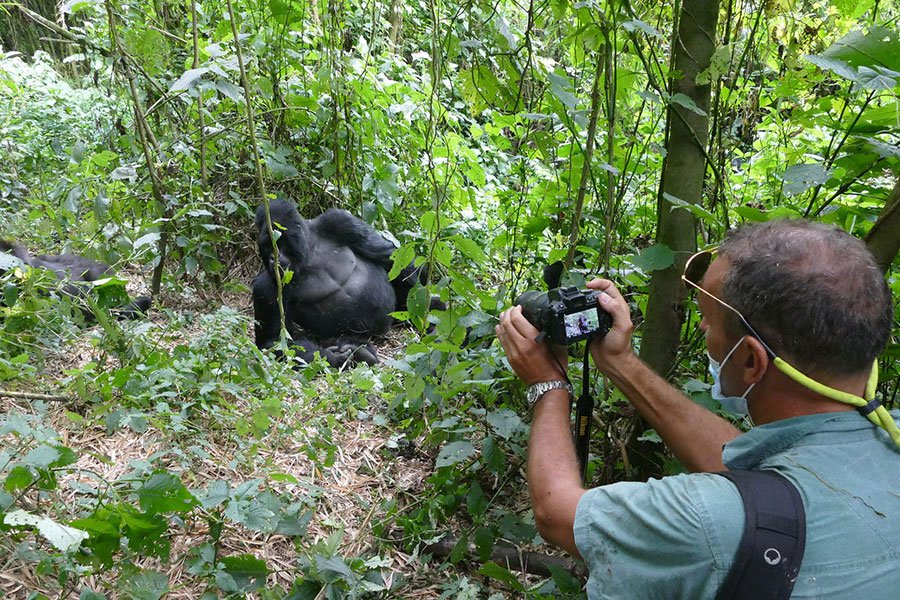
Yes. Flash photography is also prohibited during ordinary mountain gorilla trekking in Uganda.
The restriction applies to visitors observing gorillas during regulated encounters, whether the activity involves a fully habituated family or one undergoing habituation.
Ordinary gorilla trekking allows visitors a maximum of one hour with an already habituated gorilla family after locating it.
The Gorilla Habituation Experience allows a maximum of four hours observing a designated family undergoing habituation.
Although the permitted viewing periods are different, the fundamental principle remains the same: visitors must not use flash photography around mountain gorillas.
Photographers planning to participate in both activities should prepare their equipment for natural-light photography throughout their safari.
What Is the Best Lens for Gorilla Photography Without Flash?
A suitable lens can make a significant difference when photographing mountain gorillas in low light.
The best choice depends on the camera, available light, required viewing distance, and the type of composition the photographer wants.
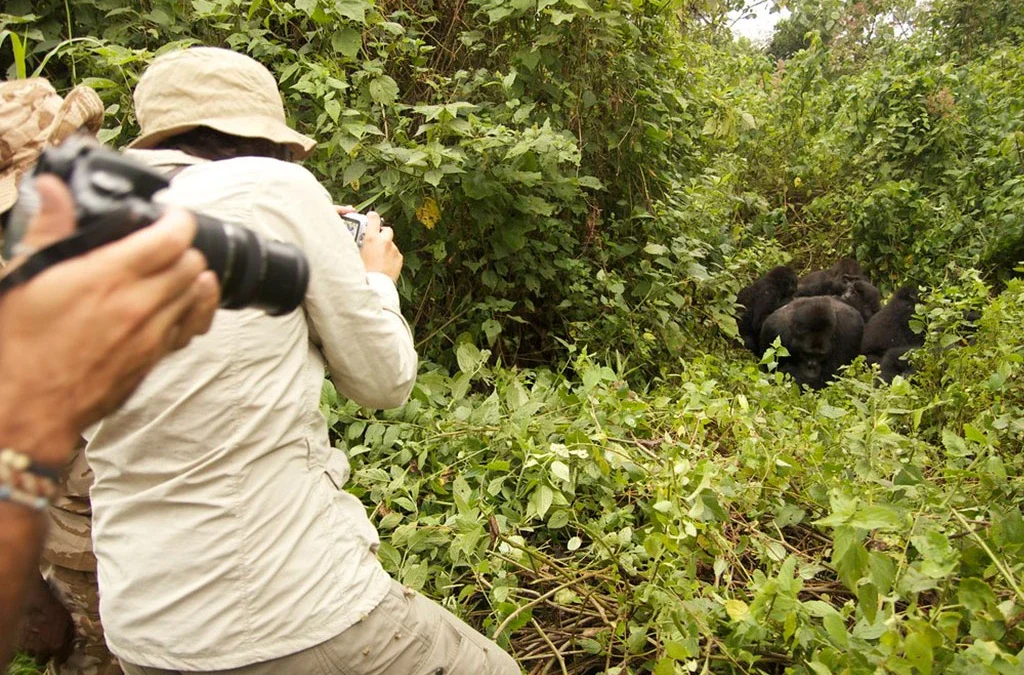
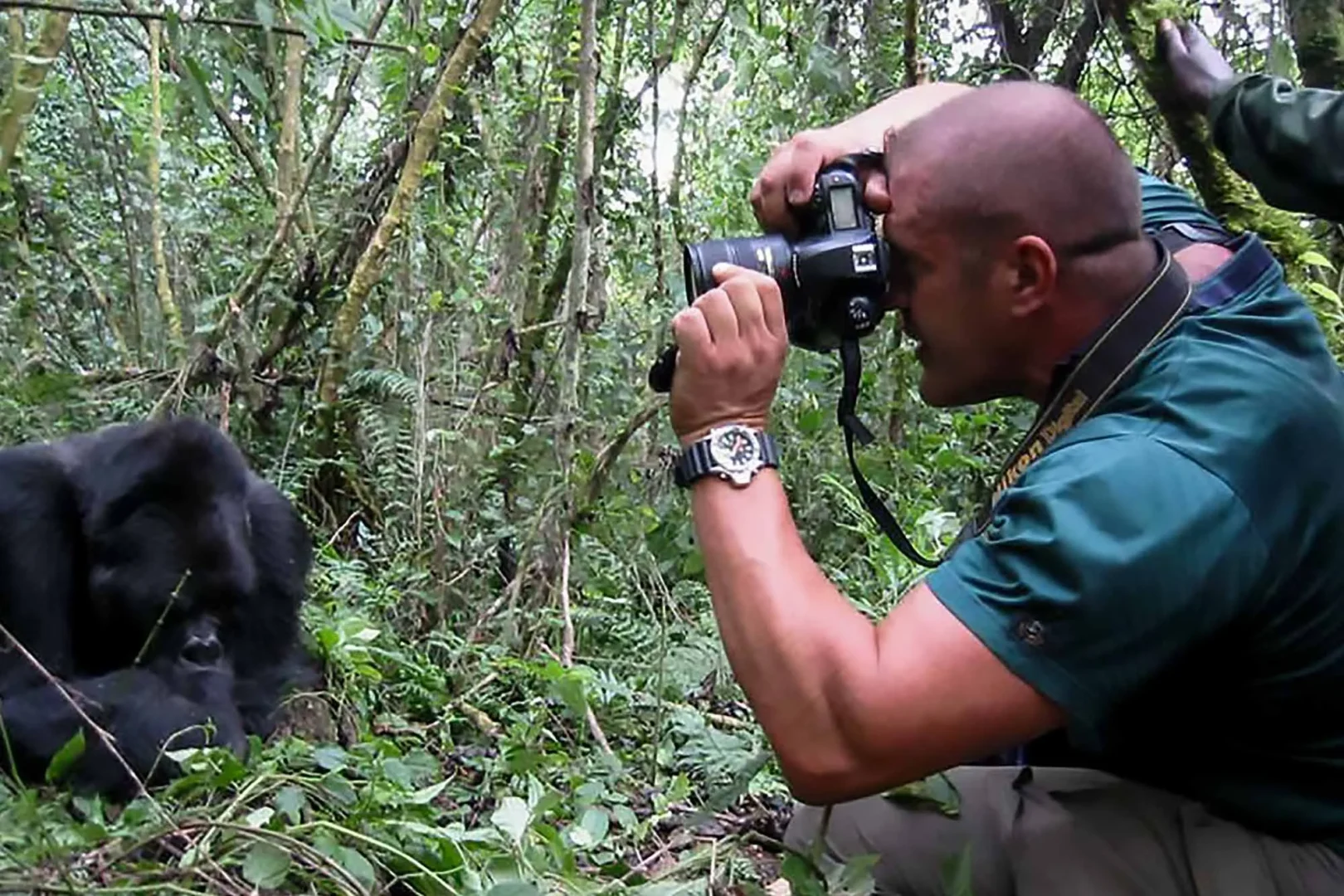
70–200mm f/2.8 Lens
A 70–200mm f/2.8 lens is a versatile option for many photographers because it combines useful telephoto reach with a wide maximum aperture.
The f/2.8 aperture is particularly valuable when photographing gorillas beneath the shaded rainforest canopy.
The zoom range allows photographers to adjust framing without changing lenses frequently.
However, lenses in this category can be relatively heavy, so visitors should consider their hiking fitness and equipment-carrying arrangements.
70–200mm f/4 Lens
A 70–200mm f/4 lens may be attractive to photographers who want a lighter alternative.
Although it allows less light through than an f/2.8 lens at the same focal length, it can still produce excellent photographs with suitable camera settings.
Photographers may need to use higher ISO values or adjust shutter speed more carefully when light is limited.
100–400mm Telephoto Lens
A 100–400mm zoom provides additional reach when mountain gorillas remain farther away.
This can help photographers capture facial details while maintaining the required separation distance.
However, some lenses in this range have relatively narrow maximum apertures, creating additional challenges in deep shade.
Photographers should balance the advantage of additional reach against lens weight and low-light performance.
24–70mm Lens
A 24–70mm zoom can be useful for wider environmental compositions showing gorillas within the rainforest.
It is also suitable for photographing Bwindi landscapes, vegetation, lodge surroundings, and the wider safari journey.
However, it may not provide enough reach for detailed gorilla portraits at the required viewing distance.
Can You Take Gorilla Photos Without Flash Using a Smartphone?
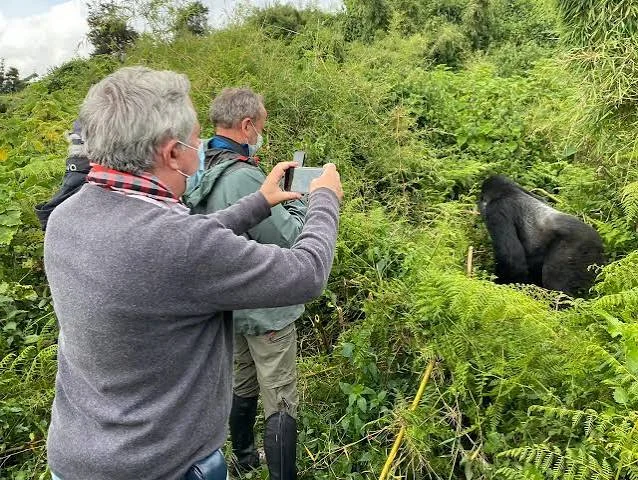
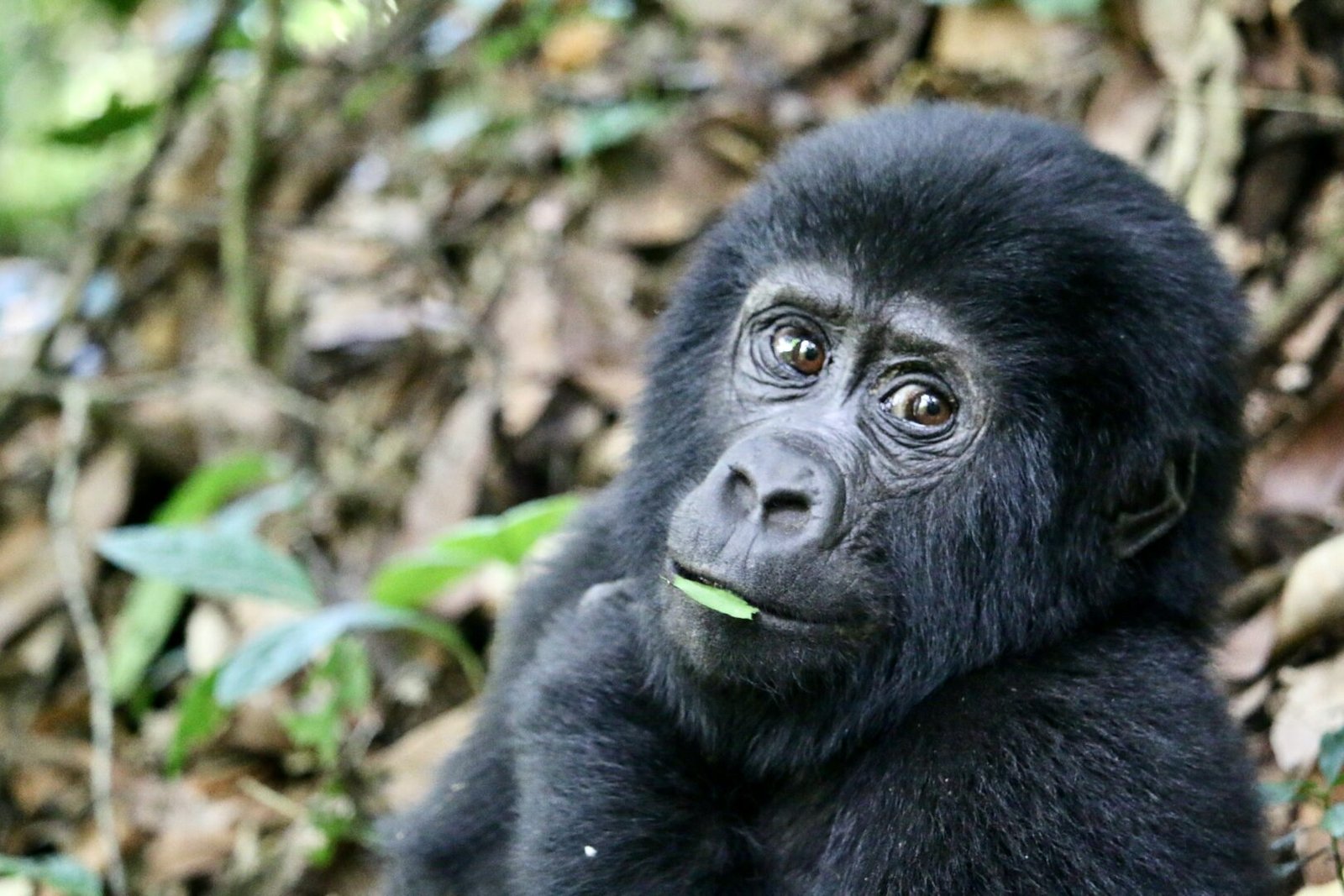
Yes. Smartphones can produce attractive gorilla photographs without flash, particularly when the animals are clearly visible and natural lighting is favourable.
The most important step is disabling the flash before the encounter.
Visitors should then use the phone’s best available optical camera and avoid unnecessary digital zoom.
Holding the phone steadily can improve sharpness, especially when the camera selects slower shutter speeds.
Some smartphones offer night modes, manual exposure controls, and image stabilization that may help with still subjects.
However, long-exposure night modes can produce blurred results when gorillas move.
Visitors should also recognize that smartphones may struggle to photograph distant animals beneath dense forest vegetation.
For casual travellers, wider environmental photographs may be more successful than attempting very tight portraits.
Does Night Mode Work for Gorilla Photography?
Night mode may improve some photographs in low-light conditions, but it is not ideal for every gorilla encounter.
Many smartphone night modes combine information from multiple exposures to create a brighter image.
This technique works best when both the camera and subject remain relatively still.
Mountain gorillas may move their heads, hands, or bodies during the exposure, resulting in blur or processing artifacts.
Visitors should therefore use night mode selectively and only when it does not activate flash or another unwanted light source.
A normal camera mode may perform better when the subject is moving.
Can You Take Photos of Silverbacks Without Flash?
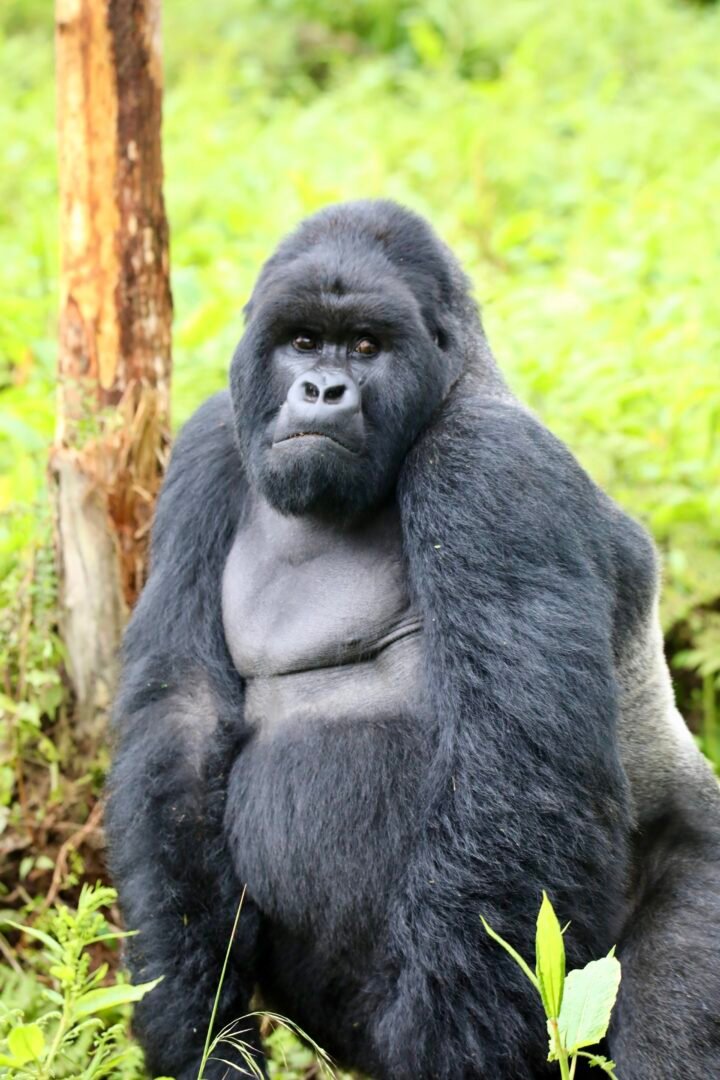
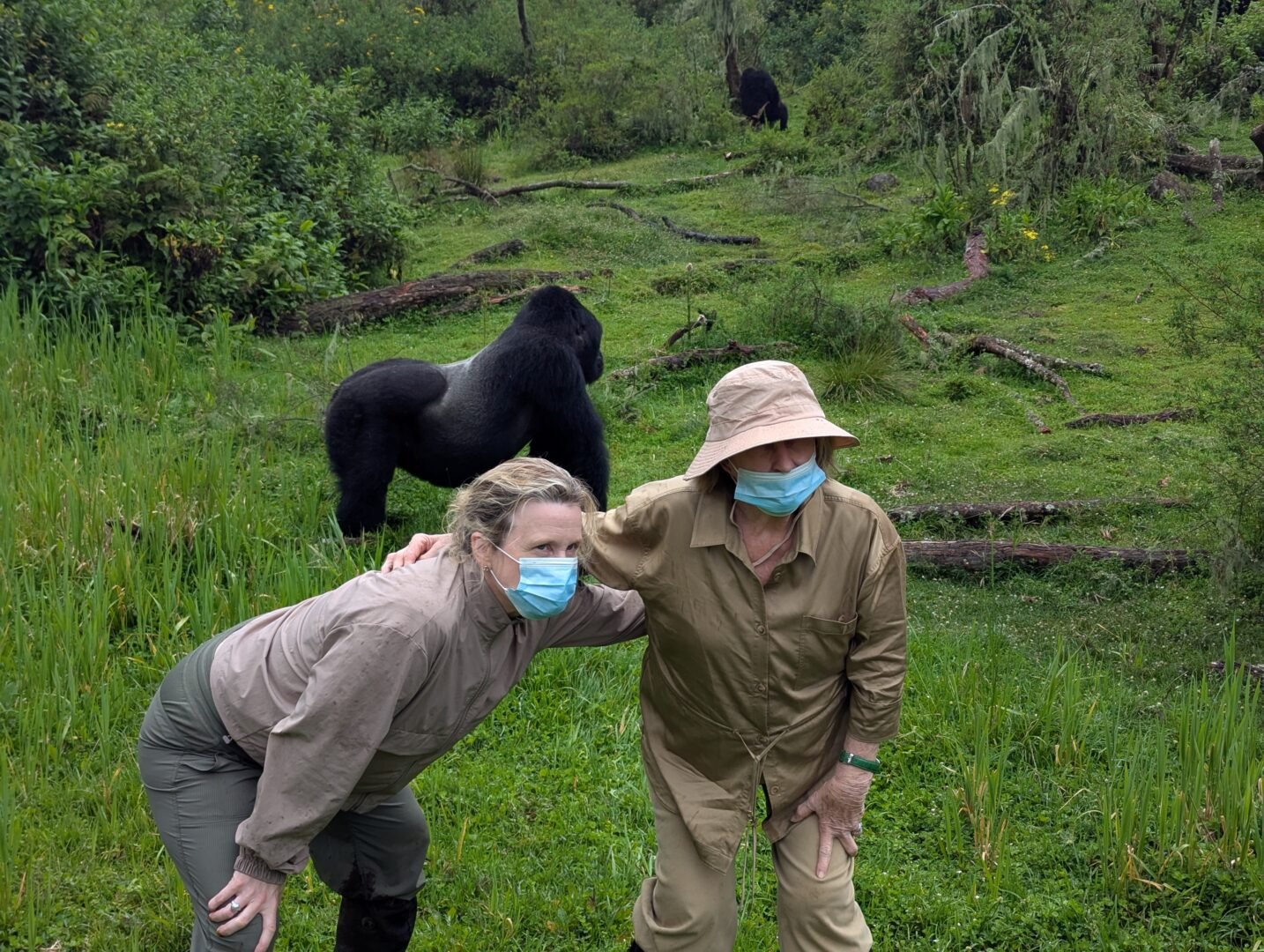
Yes. Silverback gorillas can be photographed without flash using suitable natural-light techniques.
Their dark fur and powerful facial features create compelling subjects, but the surrounding forest may produce difficult exposure conditions.
Photographers should pay attention to natural highlights on the face and eyes while avoiding excessive brightness in the surrounding vegetation.
A telephoto lens can help create strong portraits from the permitted viewing distance.
However, visitors should never attempt to provoke a silverback into looking toward the camera.
The most meaningful photographs capture the animal’s natural behaviour without interference.
Can You Photograph Baby Gorillas Without Flash?
Yes. Baby mountain gorillas can be photographed without flash when they are present and visible within the designated family.
Natural interactions between mothers and infants can provide memorable photographic opportunities.
However, infants may remain close to their mothers, partially hidden behind vegetation, or located in deeply shaded areas.
A suitable telephoto lens and patient observation are particularly valuable.
Photographers should not approach baby gorillas, attempt to attract their attention, or interfere with their mothers.
The presence of babies cannot be guaranteed during a particular habituation encounter.
Can You Take Photos When Gorillas Are Moving?
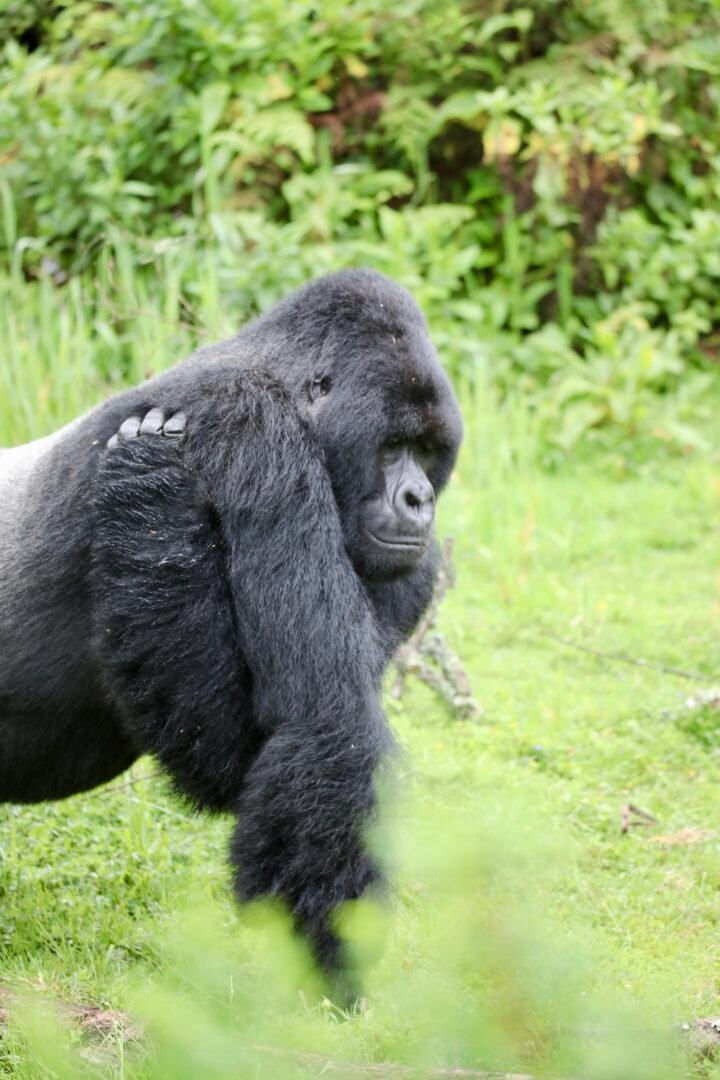
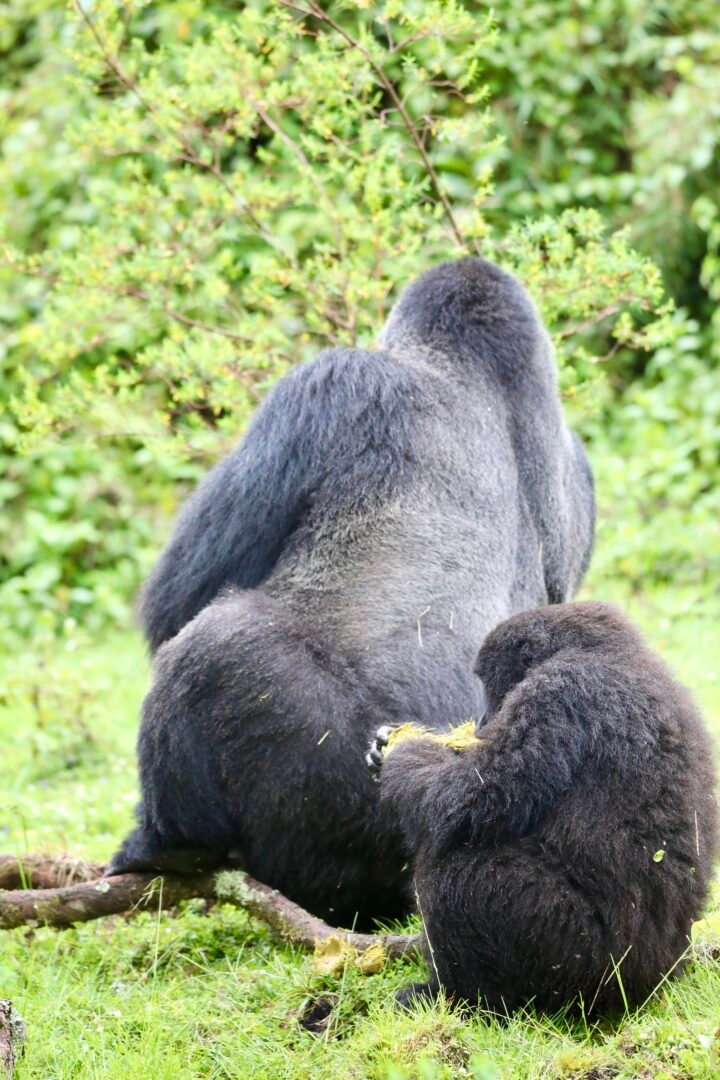
Yes. Visitors may photograph moving gorillas when permitted by the authorized team.
Movement can provide opportunities to capture feeding, climbing, walking, or social interactions.
However, moving subjects are more challenging to photograph in low light because faster shutter speeds are usually required.
Photographers may need to increase ISO or use a wider aperture to maintain sharpness.
They must not chase gorillas, leave the authorized group, or move closer to obtain a better composition.
If a ranger instructs the visitors to remain still or change position, that instruction takes priority over photography.
Do You Need a Professional Camera to Photograph Gorillas Without Flash?
No. A professional camera is not compulsory for enjoying the Gorilla Habituation Experience.
Visitors can capture memorable images using smartphones, compact cameras, and entry-level interchangeable-lens cameras.
However, cameras with larger sensors, suitable telephoto lenses, and reliable low-light performance may provide greater flexibility in challenging conditions.
The most important factor is understanding how to use the equipment correctly.
A photographer familiar with a simple camera may obtain better results than someone carrying expensive equipment they do not know how to operate.
Practising low-light photography before travelling is therefore strongly recommended.
Can Editing Software Replace Camera Flash?
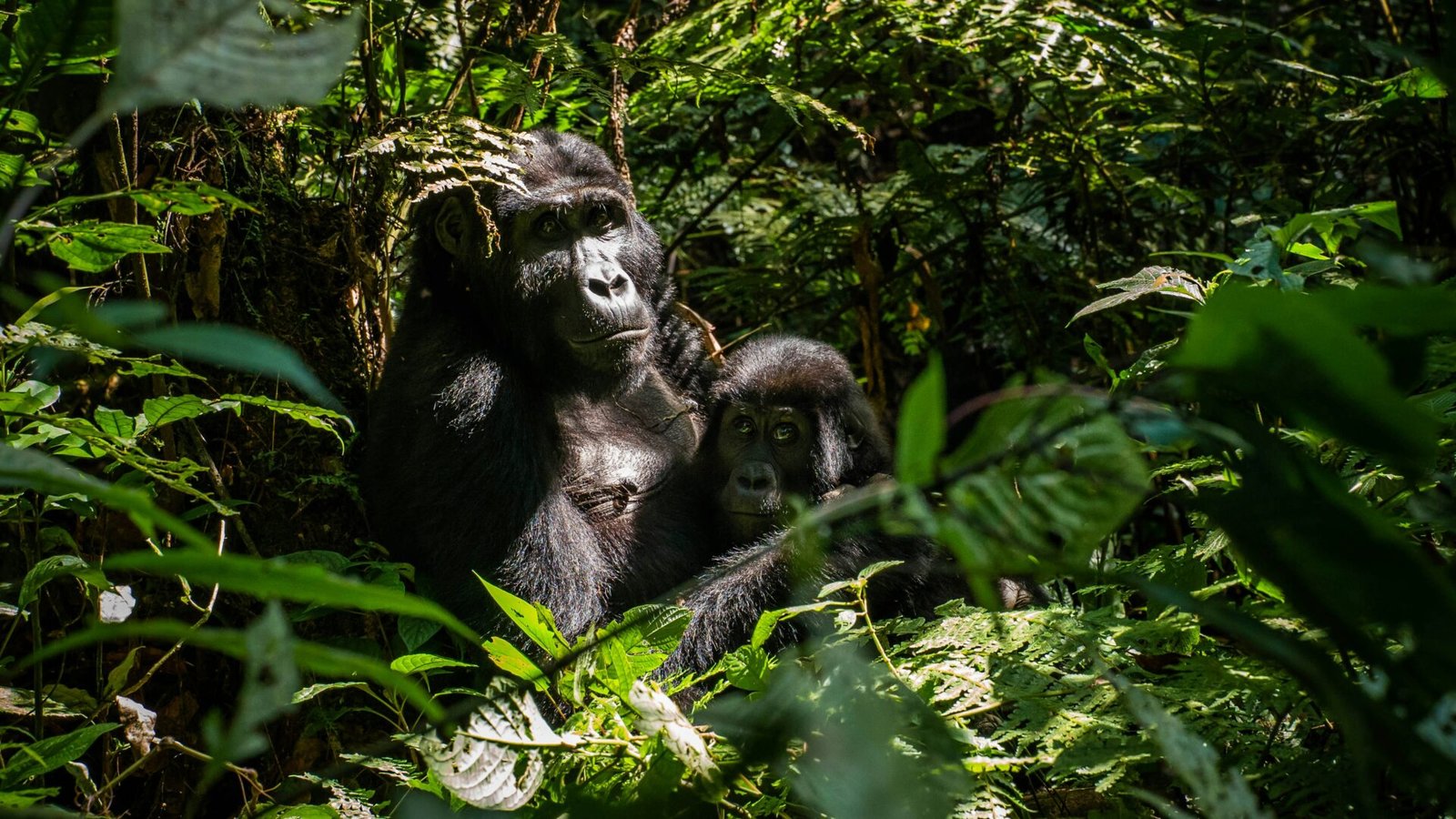
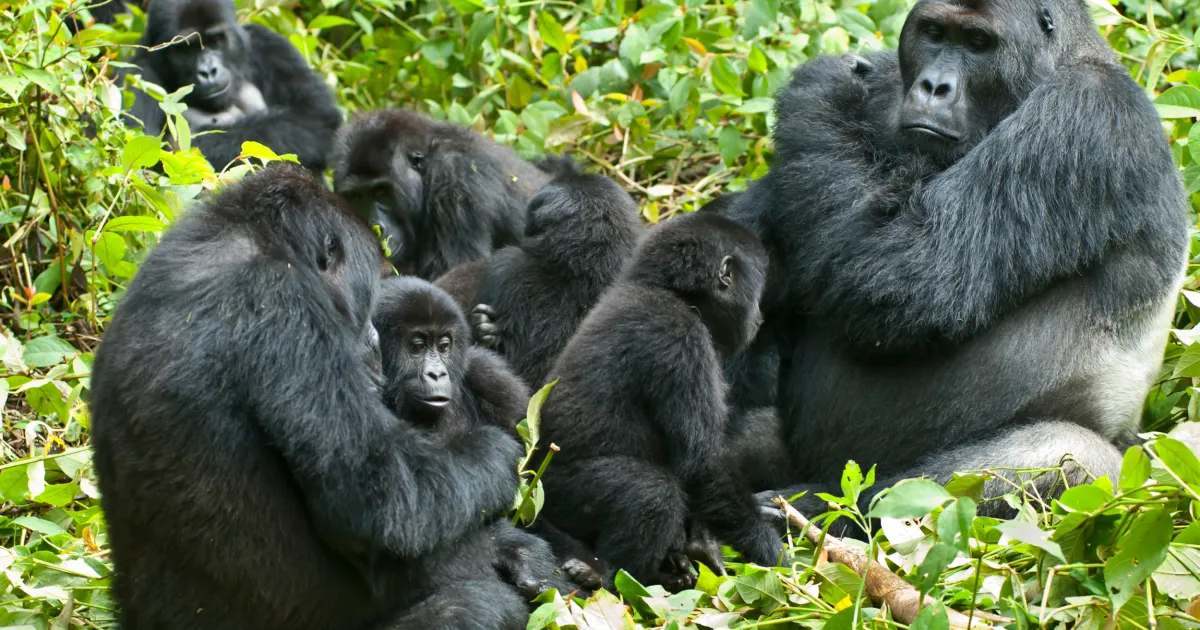
Photo-editing software can help improve images captured in difficult lighting conditions, but it cannot completely replace sufficient exposure at the time of capture.
Adjusting shadows, brightness, contrast, and noise can improve certain photographs.
However, excessive editing may produce unnatural results or reveal noise and other image-quality problems.
Photographers should aim to capture the best possible natural-light exposure in the forest.
Editing should refine the photograph rather than compensate for every technical problem.
Respecting the no-flash rule remains essential regardless of the software available afterward.
Can You Use a Tripod During Gorilla Habituation?
Tripods and monopods may be useful for some types of photography, but their use during the Gorilla Habituation Experience should be confirmed with the responsible personnel.
Bwindi’s forest terrain can be steep, muddy, and densely vegetated, making tripod setup difficult.
Large equipment may also obstruct movement or become impractical when the gorillas change position.
A manageable handheld camera system is often more convenient.
Photographers should never insist on setting up equipment in a location that interferes with the animals or the authorized group.
Should You Hire a Porter for Gorilla Photography?
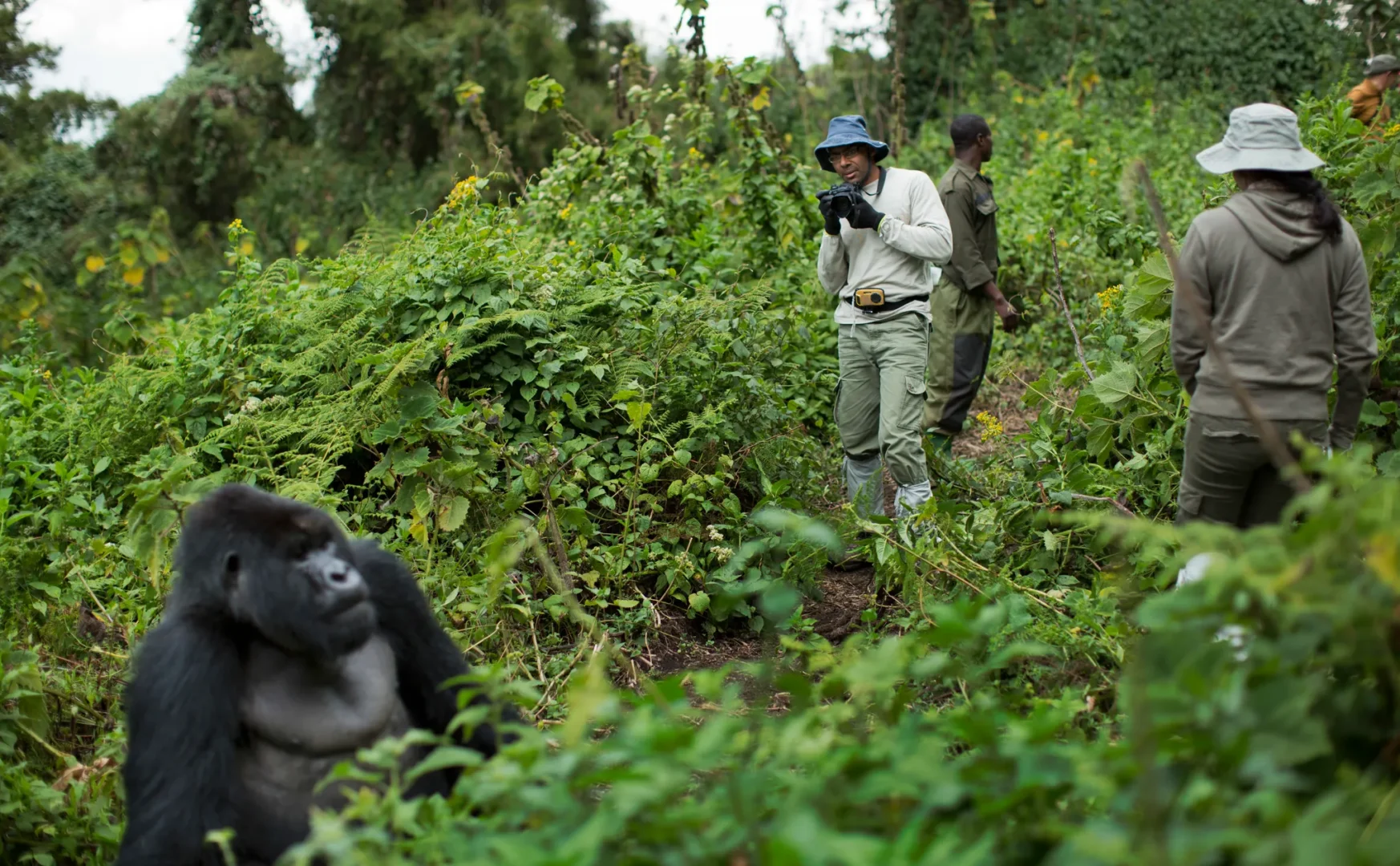
Hiring a local porter can be especially helpful for photographers carrying camera equipment.
The Gorilla Habituation Experience may involve several hours of walking through mountainous rainforest terrain.
A porter can carry an agreed backpack containing camera accessories, drinking water, packed food, and rain protection.
This reduces the amount of weight the photographer must manage during the approach and return hikes.
Porter assistance also provides employment opportunities for communities surrounding Bwindi Impenetrable National Park.
However, the porter does not replace Uganda Wildlife Authority guides, and equipment must be handled according to the arrangements and instructions for the activity.
What Should You Do Before Gorilla Habituation Photography Begins?
Preparation should begin before visitors enter the forest.
Photographers should fully charge their batteries, check memory-card capacity, clean lenses, and prepare suitable rain protection.
Most importantly, they should disable all flash and unwanted illumination functions.
The camera should be tested in a shaded environment to confirm that it can capture photographs without automatically activating flash.
Visitors should also check their camera straps, bag closures, and weather protection.
A lightweight, manageable camera setup can make the forest excursion more comfortable.
The purpose of this preparation is to avoid unnecessary adjustments while the gorillas are nearby.
Where Should You Stay for Gorilla Habituation Photography?
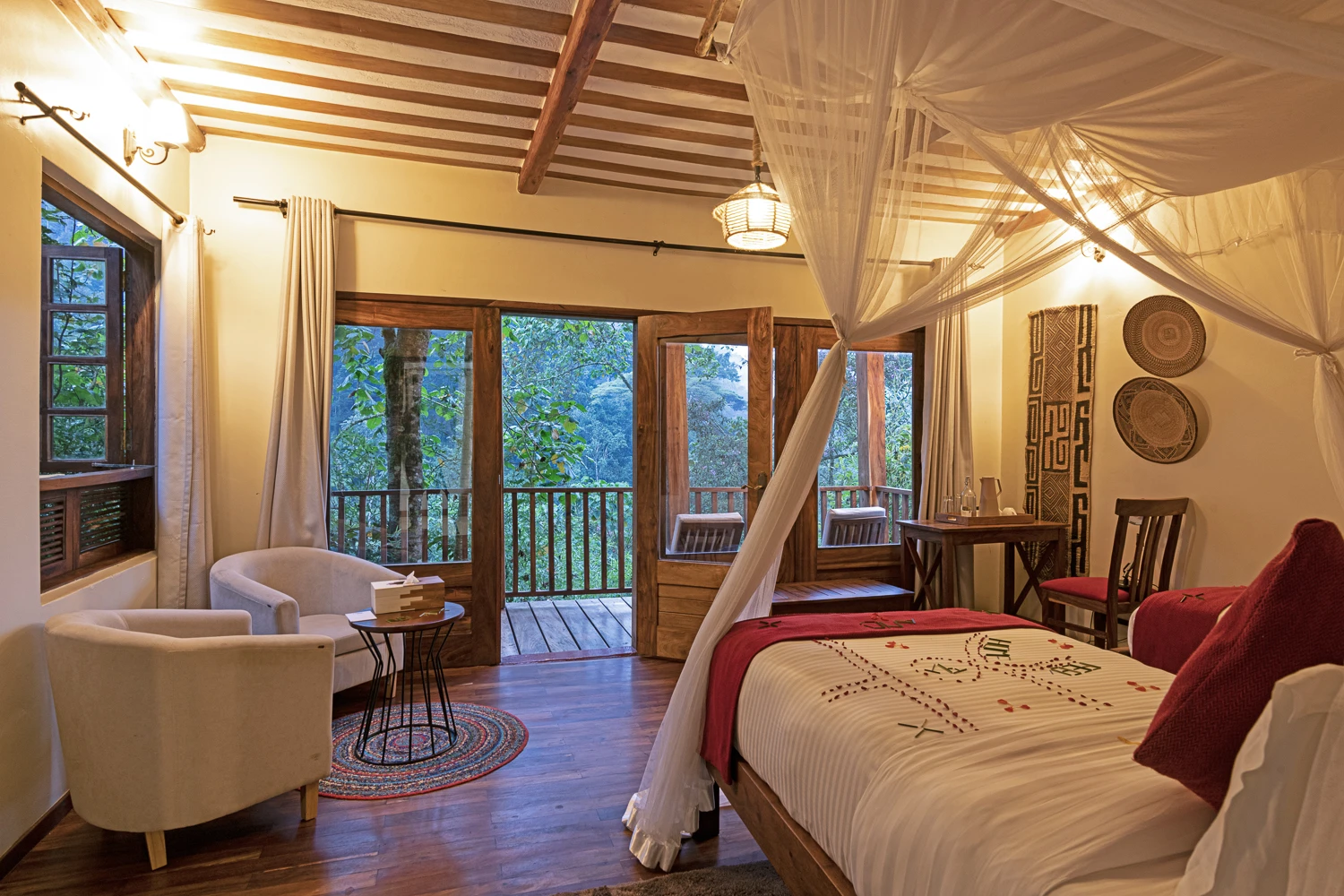

Visitors planning gorilla habituation should ideally stay near the Rushaga sector of Bwindi Impenetrable National Park.
Accommodation close to the briefing location reduces unnecessary early morning driving and provides more time to organize photography equipment.
The wider Rushaga region offers several accommodation options, including Four Gorillas Lodge, Gorilla Safari Lodge, Gorilla Leisure Lodge, Rushaga Gorilla Havens Lodge, and other suitable properties.
Photographers should confirm electricity availability, charging facilities, secure equipment storage, and convenient access to the activity’s briefing point.
A comfortable lodge can also provide time to review photographs, recharge batteries, and prepare equipment after the forest excursion.
Is Gorilla Habituation Better Than Ordinary Gorilla Trekking for Photography Without Flash?
Gorilla habituation offers an advantage in observation time because visitors may spend up to four hours with the designated family rather than one hour.
This can provide additional opportunities to adjust camera settings and wait for suitable natural-light conditions.
However, families undergoing habituation may be less accustomed to people and may move away or remain hidden behind vegetation.
Ordinary gorilla trekking can sometimes offer more accessible encounters with fully habituated families.
Neither activity guarantees unobstructed views or particular gorilla behaviour.
For photographers wondering Can You Use a Camera Flash During Gorilla Habituation?, the answer is the same for both activities: flash is prohibited, and successful photography depends on working responsibly with natural light.
Book Your Gorilla Habituation Photography Experience in Uganda
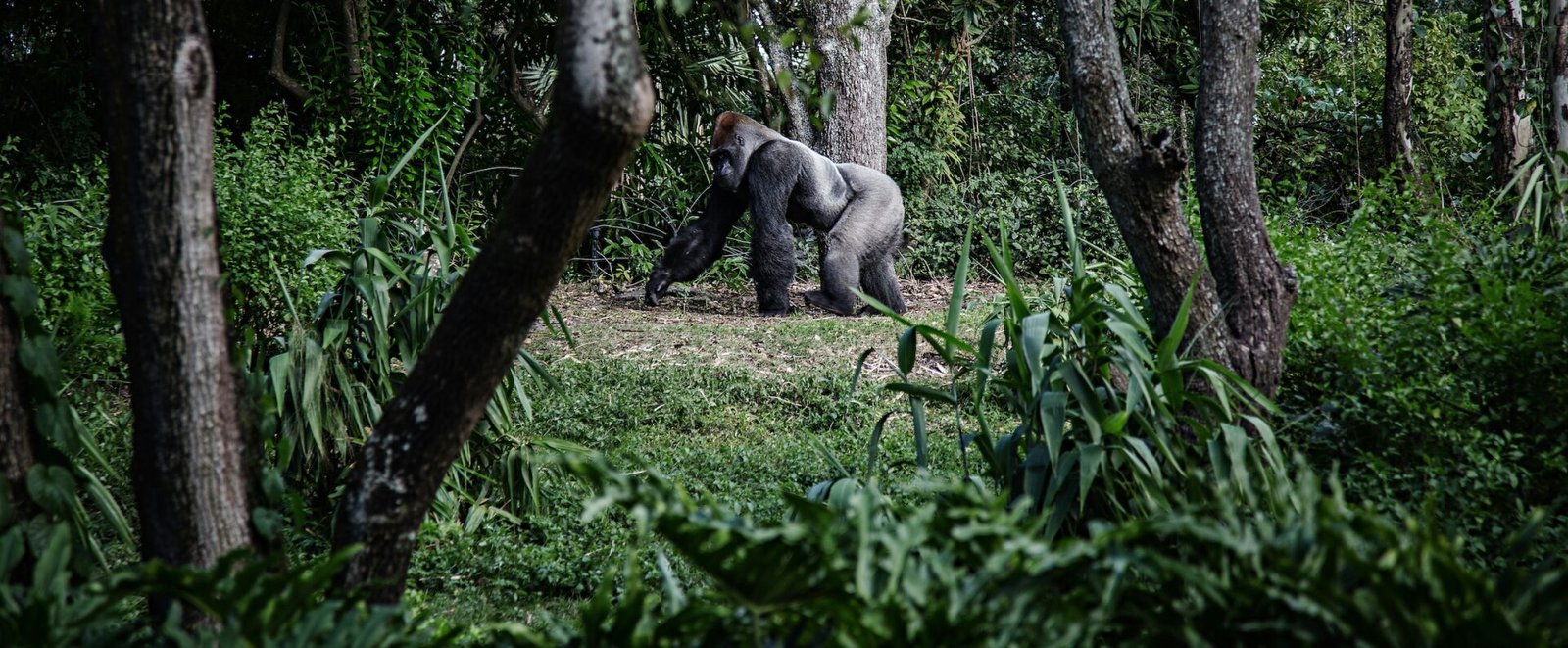
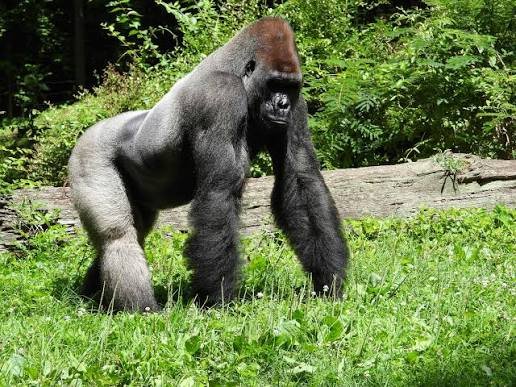
The Gorilla Habituation Experience in Uganda provides an extraordinary opportunity to photograph endangered mountain gorillas in their natural rainforest habitat. Although flash photography is prohibited, visitors can capture memorable photographs using natural light, suitable camera equipment, and careful preparation.
If you are still asking Can You Use a Camera Flash During Gorilla Habituation?, our Uganda Gorilla Permits Booking team can help you understand the applicable photography rules, recommended camera equipment, wildlife viewing regulations, and practical arrangements for visiting Bwindi Impenetrable National Park.
We assist travellers with Gorilla Habituation Experience permit enquiries, accommodation near the Rushaga sector, private transportation from Entebbe or Kampala, domestic flights to Kisoro, road transfers from Kigali, and customized Uganda gorilla photography safaris.
Wildlife photographers can also request guidance on porter arrangements for camera equipment, suitable accommodation with battery-charging facilities, and practical preparation for the low-light conditions of Bwindi’s rainforest.
For professional photographers planning commercial filming or photography projects, we recommend identifying the applicable Uganda Wildlife Authority authorization requirements before making nonrefundable arrangements.
Whether you are a first-time photographer using a smartphone, an experienced wildlife enthusiast, or a professional photographer seeking extended observation of mountain gorillas, a carefully organized safari can help you prepare for a responsible and rewarding experience.
Book your Gorilla Habituation Experience in Uganda today. Share your preferred travel dates, number of participants, starting location, accommodation preferences, and any special photography requirements so that permit availability and suitable safari arrangements can be checked.
Contact our Uganda Gorilla Permits Booking team to begin planning your natural-light gorilla photography safari in Rushaga, Bwindi Impenetrable National Park.