
Chimpanzee Permit Guide
Ultimate Chimpanzee Permit Guide: Complete Uganda Safari Planning Guide for an Unforgettable Primate Experience
Chimpanzee trekking is one of Uganda’s most rewarding wildlife experiences, offering travelers the opportunity to walk through ancient forests and observe some of the world’s most intelligent primates in their natural environment. However, before taking part in this incredible adventure, visitors need to understand the chimpanzee permit process, costs, booking procedures, and important requirements.
This Chimpanzee Permit Guide provides detailed information to help travelers understand everything they need to know before planning a chimpanzee tracking experience in Uganda. From where permits are required to how to book them, what is included, and tips for securing availability, proper preparation ensures a smooth and unforgettable safari experience.
At Nextgen Safaris, we help travelers organize complete chimpanzee safari experiences, including permit arrangements, transportation, accommodation, professional guides, and customized itineraries. Whether you plan to visit Kibale Forest National Park, Budongo Forest, Kyambura Gorge, or Kalinzu Forest, our team ensures every part of your journey is professionally planned.
What Is a Chimpanzee Permit?
A chimpanzee permit is an official authorization that allows visitors to participate in chimpanzee trekking or habituation experiences within protected forests in Uganda. The permit system helps regulate tourism activities, protect chimpanzee populations, and support conservation programs that safeguard Uganda’s important forest ecosystems.
Similar to gorilla trekking permits, chimpanzee permits help control the number of visitors entering chimpanzee habitats each day. Limiting visitor numbers reduces stress on chimpanzee communities while ensuring travelers enjoy a responsible wildlife experience with minimal disturbance to the animals.
The permit also provides access to professional guides, trackers, and conservation teams who lead visitors through the forest. These experts provide valuable information about chimpanzee behavior, forest ecosystems, and conservation efforts, making the experience educational as well as adventurous.
Where Do You Need a Chimpanzee Permit in Uganda?
Chimpanzee permits are required for organized chimpanzee trekking and habituation experiences in Uganda’s main chimpanzee destinations. The most famous location is Kibale Forest National Park, which is known as the “Primate Capital of the World” because of its large chimpanzee population and successful conservation programs.
Kibale Forest offers both standard chimpanzee trekking and the exclusive chimpanzee habituation experience. Travelers visiting this destination require a permit issued through the Uganda Wildlife Authority or an authorized safari operator such as Nextgen Safaris.
Other destinations where chimpanzee experiences require permits include Budongo Forest within the Murchison Falls Conservation Area, Kyambura Gorge in Queen Elizabeth National Park, and Kalinzu Forest Reserve. Each location provides a unique chimpanzee experience, but permit requirements may vary depending on the specific forest and activity.
Types of Chimpanzee Permits in Uganda
Uganda offers different types of permits depending on the chimpanzee experience travelers want to enjoy. The most common option is the standard chimpanzee trekking permit, which allows visitors to search for habituated chimpanzee communities and spend a limited time observing them once they are found.
The second option is the chimpanzee habituation permit, which provides a more immersive experience. This permit allows visitors to spend several hours with chimpanzee communities that are still undergoing the habituation process. It is especially popular among photographers, researchers, and wildlife enthusiasts who want a deeper understanding of chimpanzee behavior.
The choice between trekking and habituation depends on your interests, budget, and available time. Travelers looking for a shorter wildlife encounter often choose standard trekking, while those seeking a more detailed and exclusive experience prefer chimpanzee habituation.
Chimpanzee Permit Cost in Uganda
The cost of a chimpanzee permit varies depending on the destination and type of experience selected. Kibale Forest National Park is the most popular chimpanzee destination, and its permit prices reflect the high demand and excellent trekking opportunities available.
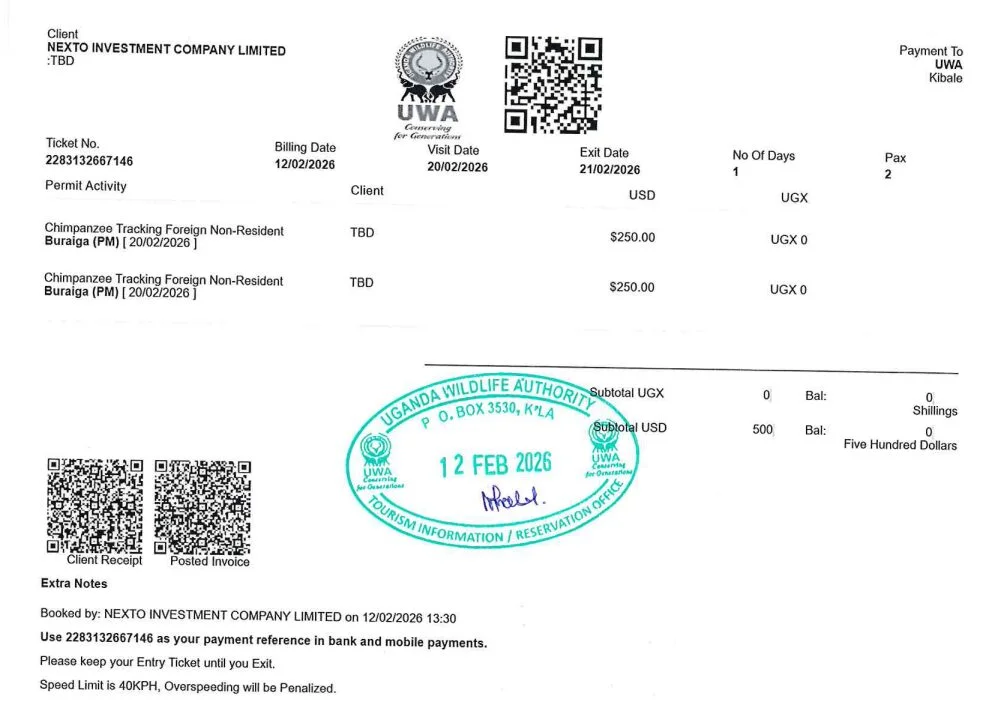
A standard chimpanzee trekking permit in Kibale generally costs less than a gorilla permit, making chimpanzee experiences an accessible option for many travelers exploring Uganda’s wildlife. The chimpanzee habituation permit is more expensive because it provides a longer and more exclusive experience with the chimpanzees.
Permit prices may change due to updates from wildlife authorities, conservation policies, and tourism management decisions. Travelers are advised to confirm current prices when planning their safari and work with a trusted operator who can provide accurate information.
What Is Included in a Chimpanzee Permit?
A chimpanzee permit includes access to the protected forest area, guided tracking with trained park guides and trackers, and time spent observing chimpanzees once they are located.
The permit supports conservation activities that protect chimpanzees, maintain forest habitats, and fund wildlife management programs. Tourism revenue plays an important role in ensuring the survival of chimpanzees and supporting communities living near protected areas.
The permit does not usually include transportation, accommodation, meals, flights, travel insurance, or personal expenses. These services are arranged separately as part of a complete chimpanzee safari package.
How to Book a Chimpanzee Permit
Booking a chimpanzee permit can be done directly through wildlife authorities or through a registered safari company such as Nextgen Safaris. Many international travelers prefer using a safari operator because it simplifies the process and ensures all travel arrangements are coordinated.
The booking process usually involves selecting your preferred trekking date, choosing the destination, confirming availability, and making payment to secure the permit. During peak travel periods, permits can become limited, especially in popular destinations such as Kibale Forest.
At Nextgen Safaris, we handle the entire permit booking process on behalf of travelers. This allows guests to focus on preparing for their adventure while we manage the logistics, confirmations, and coordination with park authorities.
How Early Should You Book a Chimpanzee Permit?
Travelers are encouraged to book chimpanzee permits as early as possible, especially when visiting during peak travel seasons. Popular months such as June to September and December to February often experience higher demand because of favorable weather conditions.
Booking early is particularly important for travelers combining chimpanzee tracking with gorilla trekking. Since both activities require permits and have limited daily availability, early planning ensures you secure your preferred dates.
For luxury travelers, photographers, and visitors requiring specific accommodation options, early booking provides greater flexibility. It allows enough time to arrange preferred lodges, transportation, and additional safari activities.
Chimpanzee Permit Rules and Regulations
Conservation Guidelines Before Entering the Forest
Chimpanzee permits operate under strict conservation guidelines designed to protect both visitors and chimpanzee communities while promoting responsible wildlife tourism. Before beginning the trekking experience, all visitors receive a detailed briefing from park authorities and professional guides explaining safety procedures, forest etiquette, chimpanzee behavior, and the importance of protecting the natural environment.
The pre-trekking briefing helps travelers understand what to expect during their forest adventure and how to interact responsibly with chimpanzees. Guides explain the importance of following designated trails, respecting wildlife boundaries, and minimizing human impact within the forest ecosystem.
These regulations are important because chimpanzees are wild animals that require protection from unnecessary disturbance. By following established guidelines, visitors help maintain a safe environment where chimpanzees can continue their natural behaviors while allowing responsible tourism activities to take place.
Maintaining a Safe Distance from Chimpanzees
One of the most important chimpanzee permit rules is maintaining a safe distance from the animals during the encounter. Visitors are required to observe chimpanzees from a recommended distance to avoid causing stress or interfering with their normal activities.
Travelers must avoid loud noises, sudden movements, and attempts to attract the attention of chimpanzees. These actions can disrupt feeding, communication, movement, and social interactions within chimpanzee communities.
Professional guides and trackers play an important role in ensuring visitors follow these regulations. Their knowledge of chimpanzee behavior allows travelers to enjoy the experience safely while respecting the animals and their natural environment.
Following Guide Instructions During Chimpanzee Tracking
Visitors participating in chimpanzee trekking must follow instructions provided by professional guides and trackers at all times. These experts understand the forest environment, chimpanzee movements, and conservation requirements necessary for a successful experience.
Guides help visitors navigate forest trails, locate chimpanzee communities, and understand the behaviors they observe. Their knowledge provides valuable insights into chimpanzee communication, social structures, feeding habits, and conservation efforts.
Following guide instructions also improves visitor safety by reducing risks associated with walking through natural forest environments. Travelers are encouraged to remain together, stay on approved trails, and respect all instructions throughout the activity.
Health Requirements and Protecting Chimpanzee Communities
Health precautions are an important part of chimpanzee permit regulations because chimpanzees can be affected by some human diseases. Due to their close genetic relationship with humans, they are vulnerable to illnesses such as flu, coughs, and other infections.
Travelers who are feeling unwell may be advised not to participate in chimpanzee tracking to protect the health of the animals. This conservation measure helps prevent the transmission of diseases that could negatively affect wild chimpanzee populations.
Responsible health practices ensure that chimpanzee tourism remains sustainable. Visitors who participate while healthy contribute to protecting these endangered primates and maintaining successful conservation programs.
Responsible Tourism Practices During Chimpanzee Tracking
Responsible tourism is essential for protecting chimpanzees and preserving Uganda’s valuable forest ecosystems. Visitors are encouraged to avoid littering, respect the forest environment, and avoid activities that may damage plants or disturb other wildlife species.
Travelers should also avoid feeding chimpanzees or attempting to interact with them beyond observation. The goal of chimpanzee trekking is to experience these animals in their natural state without changing their behavior or dependence on humans.
By following responsible tourism practices, visitors contribute to long-term chimpanzee conservation. Permit fees support wildlife protection, research programs, forest management, and community initiatives around chimpanzee habitats, ensuring these remarkable primates continue to thrive for future generations.
Chimpanzee Permit for Kibale Forest National Park
Kibale Forest is Uganda’s leading destination for chimpanzee experiences and requires visitors to have valid permits before participating in trekking or habituation activities.
The park’s chimpanzee permits provide access to some of Africa’s most successful primate conservation programs. Visitors can explore the rainforest with experienced trackers who understand chimpanzee movements and behaviors.
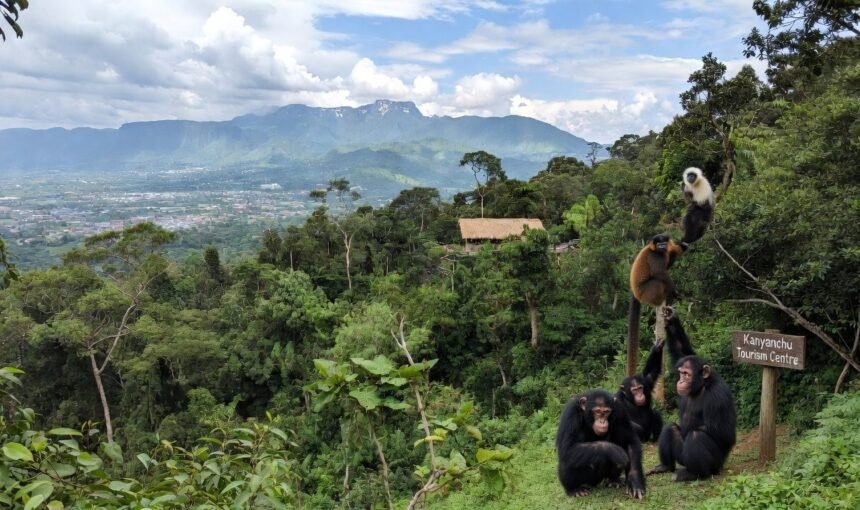
Many travelers choose Kibale because of its high chances of chimpanzee sightings, diverse wildlife, and excellent combination opportunities with other Uganda destinations such as Queen Elizabeth National Park and Bwindi Impenetrable National Park.
Chimpanzee Permit for Budongo Forest
Budongo Forest offers one of Uganda’s most fascinating chimpanzee experiences within the greater Murchison Falls Conservation Area. Travelers visiting Budongo for chimpanzee tracking require a valid authorization that allows them to enter the forest and participate in guided chimpanzee encounters. The permit system helps regulate tourism activities while supporting conservation efforts aimed at protecting chimpanzees and their natural habitat.
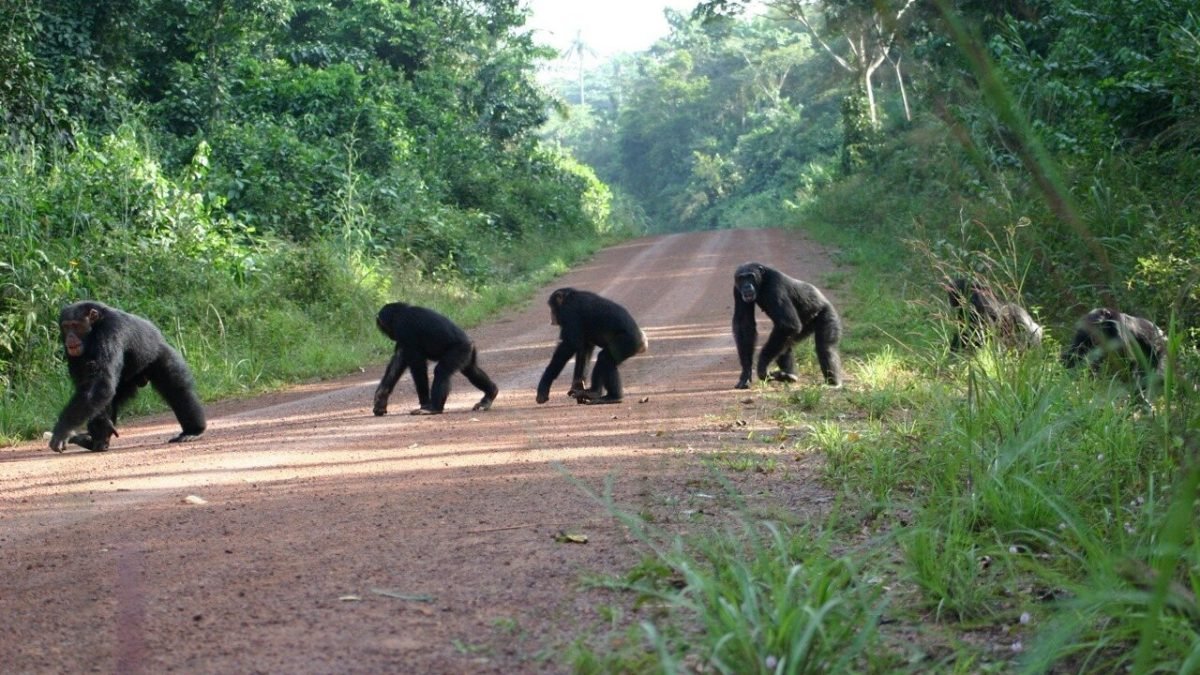
The chimpanzee permit for Budongo Forest provides visitors with access to an incredible rainforest environment where they can explore ancient trees, follow chimpanzee trails, and observe these intelligent primates in the wild. During the experience, visitors are accompanied by experienced guides and trackers who share valuable information about chimpanzee behavior, forest ecology, and ongoing conservation programs within Budongo.
One of the biggest advantages of choosing Budongo Forest is the opportunity to combine chimpanzee tracking with a Murchison Falls wildlife safari. After exploring the forest, travelers can enjoy game drives, boat cruises along the River Nile, and views of the powerful Murchison Falls while encountering elephants, giraffes, buffaloes, lions, and other wildlife species.
Compared to some of Uganda’s more popular chimpanzee destinations, Budongo offers a quieter and more intimate forest experience. The lower visitor numbers create a peaceful atmosphere where travelers can enjoy nature, photography, and wildlife observation away from busy trekking routes. For visitors seeking a more authentic rainforest adventure combined with classic African safari experiences, Budongo Forest provides an excellent chimpanzee destination.
Difference Between Chimpanzee Permit and Gorilla Permit
Although both chimpanzee and gorilla experiences require permits, there are important differences between them. Gorilla permits are generally more expensive because mountain gorillas are highly endangered and require intensive conservation management.
Chimpanzee permits are usually more affordable, making chimpanzee trekking an excellent option for travelers who want a primate experience at a lower cost.
Both permits contribute significantly to conservation efforts, supporting wildlife protection, research, ranger operations, and community development around protected areas.
Tips for Planning Your Chimpanzee Permit Experience
Planning early is one of the most important tips for securing your preferred chimpanzee trekking date. Travelers should decide their destination, travel dates, and preferred experience before making arrangements.
Choosing the right season can also improve your experience. Dry seasons provide easier trekking conditions, while rainy seasons offer greener forests and fewer visitors.
Working with an experienced safari operator simplifies the entire process. At Nextgen Safaris, we help travelers select the best destination, arrange permits, organize transportation, and create personalized itineraries that match their expectations.
Why Book Your Chimpanzee Permit with Nextgen Safaris?
At Nextgen Safaris, we specialize in creating unforgettable chimpanzee safari experiences throughout Uganda. Our local expertise allows us to provide reliable permit booking services and complete safari planning.
We take care of all important details, including permit reservations, accommodation selection, transportation, professional guides, and customized safari schedules. This ensures travelers enjoy a smooth experience from arrival until departure.
Whether you are planning a Kibale chimpanzee trekking adventure, a chimpanzee habituation experience, or a combined gorilla and chimpanzee safari, Nextgen Safaris provides expert support to make your journey memorable.
Frequently Asked Questions About Chimpanzee Permit Guide
1. What is a chimpanzee permit?
A chimpanzee permit is an official authorization that allows travelers to participate in chimpanzee trekking or chimpanzee habituation experiences in Uganda’s protected forests.
The permit helps regulate visitor numbers, support chimpanzee conservation programs, and provide access to professional guides and trackers who lead visitors through the forest.
2. Do I need a permit for chimpanzee trekking in Uganda?
Yes, visitors need a valid chimpanzee permit to participate in organized chimpanzee trekking experiences in Uganda’s main chimpanzee destinations.
A permit is required for locations such as Kibale Forest National Park, Budongo Forest, Kyambura Gorge, and other protected chimpanzee habitats where tourism activities are regulated.
3. Where can I get a chimpanzee permit in Uganda?
Chimpanzee permits can be obtained through the Uganda Wildlife Authority or through registered safari operators such as Nextgen Safaris.
Booking through a safari company is often easier for international travelers because the operator handles permit availability, payments, confirmations, and other safari arrangements.
4. How much does a chimpanzee permit cost in Uganda?
The cost of a chimpanzee permit depends on the destination and type of experience. Standard chimpanzee trekking permits are generally more affordable than chimpanzee habituation permits.
Prices may change depending on conservation policies and tourism updates, so travelers should confirm the latest rates when planning their safari.
5. What is included in a chimpanzee permit?
A chimpanzee permit usually includes entry into the protected forest, guidance from professional trackers and guides, and the opportunity to observe chimpanzees once they are located.
The permit contributes to conservation programs, forest protection, wildlife research, and community projects around chimpanzee habitats.
6. What is the difference between a chimpanzee trekking permit and a chimpanzee habituation permit?
A chimpanzee trekking permit allows visitors to track chimpanzee communities that are already fully habituated to human presence and spend a limited time observing them.
A chimpanzee habituation permit provides a longer and more immersive experience with chimpanzee groups that are still undergoing the habituation process. It is ideal for photographers, researchers, and travelers seeking a deeper wildlife experience.
7. How far in advance should I book a chimpanzee permit?
It is recommended to book your chimpanzee permit several months in advance, especially if you are traveling during peak seasons such as June to September and December to February.
Early booking is particularly important for travelers combining chimpanzee trekking with gorilla trekking because both experiences have limited daily availability.
8. Can I buy a chimpanzee permit on arrival in Uganda?
While it may sometimes be possible to find available permits after arriving in Uganda, it is not recommended to rely on last-minute arrangements.
Popular destinations such as Kibale Forest can have limited availability, especially during busy travel periods. Booking in advance provides better chances of securing your preferred trekking date.
9. Is a chimpanzee permit refundable?
Chimpanzee permit refund policies depend on the issuing authority and the circumstances surrounding cancellation.
Travelers should review cancellation terms before booking and consider travel insurance to protect against unexpected changes to their safari plans.
10. Can children participate in chimpanzee trekking with a permit?
Children may participate in chimpanzee trekking depending on age restrictions, park regulations, and their ability to handle forest conditions.
Families planning a chimpanzee safari should discuss their requirements with a safari operator to select suitable activities and destinations.
11. Which destination has the best chimpanzee permit experience in Uganda?
Kibale Forest National Park is considered Uganda’s leading destination for chimpanzee trekking because of its large chimpanzee population and excellent tracking opportunities.
However, destinations such as Budongo Forest, Kyambura Gorge, and Kalinzu Forest also provide unique chimpanzee experiences with different landscapes and safari combinations.
12. Can I combine a chimpanzee permit with a gorilla trekking permit?
Yes, many travelers combine chimpanzee trekking with gorilla trekking in Uganda.
A popular itinerary includes chimpanzee tracking in Kibale Forest followed by mountain gorilla trekking in Bwindi Impenetrable National Park, creating an unforgettable primate safari experience.
13. What happens if chimpanzees are not found during trekking?
Chimpanzees are wild animals, and sightings cannot be guaranteed. However, experienced trackers monitor chimpanzee communities daily and use their knowledge of movements and behaviors to increase the chances of finding them.
Even when searching for chimpanzees, visitors enjoy exploring beautiful forests filled with birds, plants, and other wildlife.
14. What should I bring for a chimpanzee permit experience?
Travelers should bring comfortable hiking shoes, long trousers, a long-sleeved shirt, rain protection, insect repellent, drinking water, snacks, and a small backpack.
Those interested in photography should also carry extra batteries, memory cards, and waterproof protection for cameras due to changing rainforest conditions.
15. Why book your chimpanzee permit with Nextgen Safaris?
Nextgen Safaris makes the chimpanzee permit booking process simple and stress-free by handling reservations, safari planning, transportation, accommodation, and professional guide services.
With our local expertise, we help travelers choose the best chimpanzee destination, secure permits on time, and enjoy a well-organized Uganda primate safari from start to finish.
Book Your Chimpanzee Safari Today
Understanding the chimpanzee permit process is the first step toward planning a successful Uganda primate adventure. Having the right information allows travelers to secure their permits early, select the best chimpanzee destination, and prepare properly for an unforgettable encounter with chimpanzees in their natural forest habitat.
The Chimpanzee Permit Guide helps travelers understand everything they need before their safari, including permit requirements, conservation importance, booking procedures, and preparation tips. With proper planning, visitors can enjoy a smooth and responsible chimpanzee trekking experience while contributing to the protection of Uganda’s forests and primate populations.
Contact Nextgen Safaris today and let our experienced team organize your complete chimpanzee safari adventure. From securing permits and arranging transportation to selecting comfortable accommodation and creating personalized itineraries, we provide reliable services that ensure you enjoy an unforgettable wildlife experience in Uganda.